Rampa (Puerro Silvestre)
Allium tricoccum, conocido como rampa o puerro silvestre, es una planta perenne nativa de los bosques caducifolios del este de Norteamérica.





En esta páginaResumen
Conoce Rampa (Puerro Silvestre)
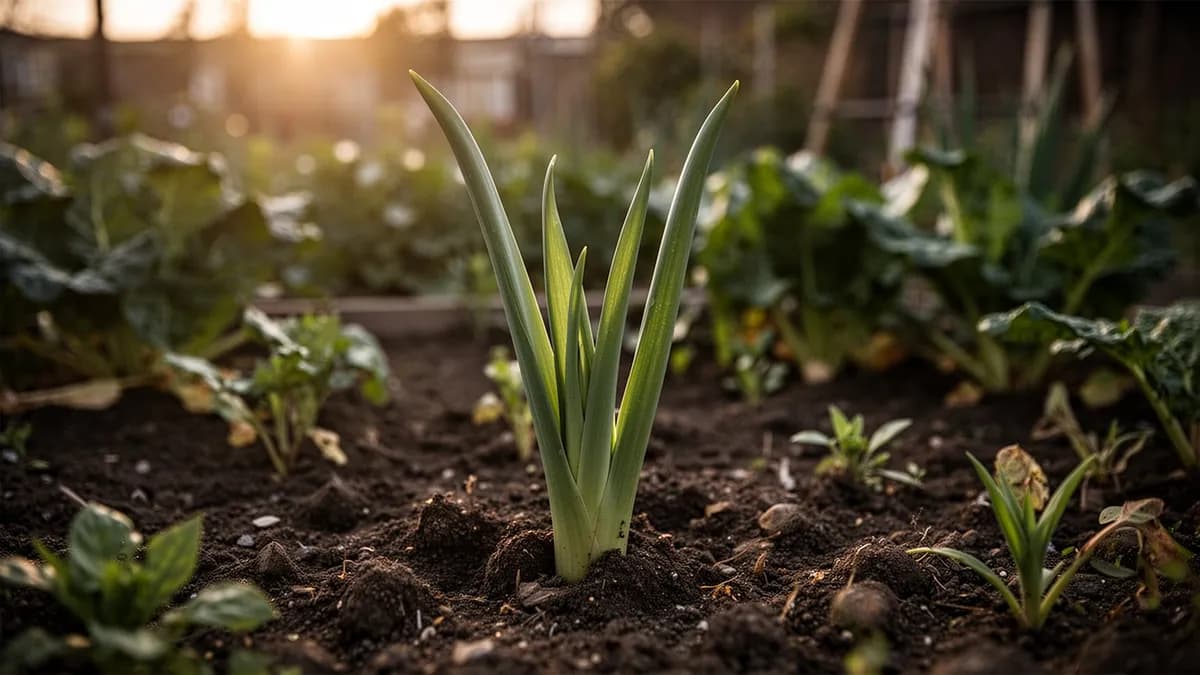
Allium tricoccum, conocido como rampa o puerro silvestre, es una planta perenne nativa de los bosques caducifolios del este de Norteamérica. Posee hojas anchas de color verde intenso y un sabor que combina notas de ajo y cebolla, muy apreciado en la alta cocina contemporánea.
Cuándo plantar Rampa (Puerro Silvestre)
Las semillas de rampa requieren un período de estratificación cálida seguido de estratificación fría para germinar, un proceso que puede durar entre 6 y 18 meses. Siembre las semillas en otoño a una profundidad de 1 cm en un sustrato rico en humus y cubra con hojas secas. Alternativamente, plante bulbos o divisiones de colonias establecidas en otoño para obtener resultados más rápidos.
Tu año de Rampa (Puerro Silvestre)
Ajustado a Zona 7 · temporada típica · la helada se va hacia el 2 abr y vuelve hacia el 1 nov
Planta Rampa (Puerro Silvestre) Sep – Oct y cosecha Abr – May. Consulta los métodos de plantación y elige tu clima para adaptar los periodos.
Cómo cultivar Rampa (Puerro Silvestre)
La rampa crece de forma natural en bosques caducifolios húmedos y sombreados. Para cultivarla en el jardín, seleccione una ubicación con sombra parcial a total, preferiblemente bajo árboles de hoja caduca que imiten su hábitat natural. El suelo debe ser rico en materia orgánica, con buena retención de humedad pero sin encharcamientos.
Plante los bulbos en otoño a una profundidad de 5-7 cm con una separación de 10-15 cm entre ellos. Cubra con una capa generosa de hojas secas o mantillo de corteza para simular el suelo del bosque. Mantenga el suelo constantemente húmedo durante la temporada de crecimiento, especialmente en primavera cuando las hojas emergen activamente.
La rampa es una planta de crecimiento extremadamente lento que requiere paciencia. Las colonias tardan entre 5 y 7 años en establecerse lo suficiente para permitir cosechas sostenibles. Evite cosechar más del 10-15% de una colonia en un año dado. Las semillas tardan entre 6 y 18 meses en germinar y las plántulas necesitan varios años para alcanzar un tamaño cosechable.
288 plantas caben en un bancal de 120 × 240 cm
Cada Rampa (Puerro Silvestre) pide 10 cm de margen. El planificador guarda ese marco por ti — cada planta, cada bancal.
Guías de cultivo relacionadas
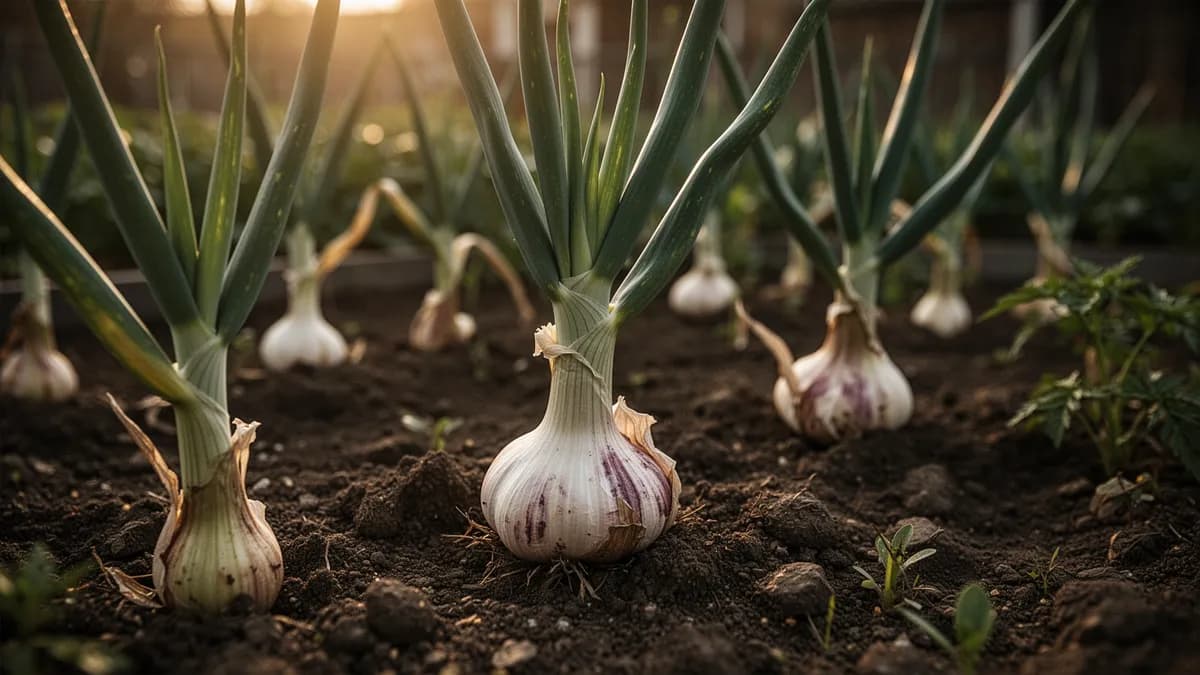
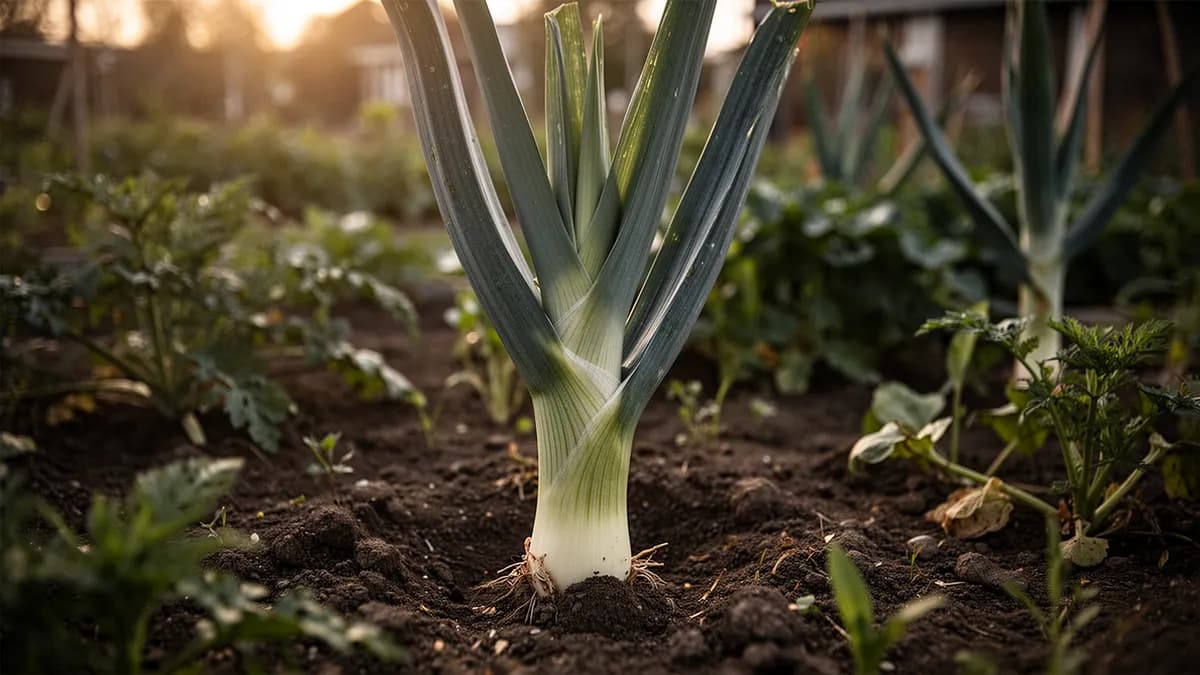
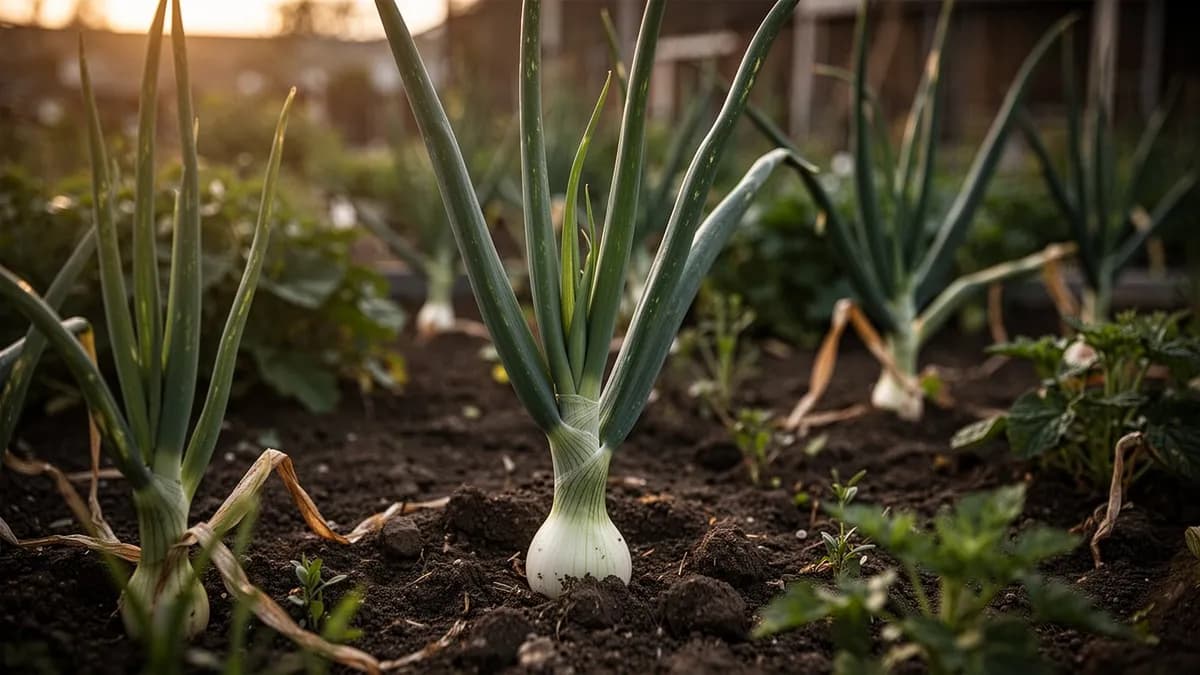
Abónalo bien
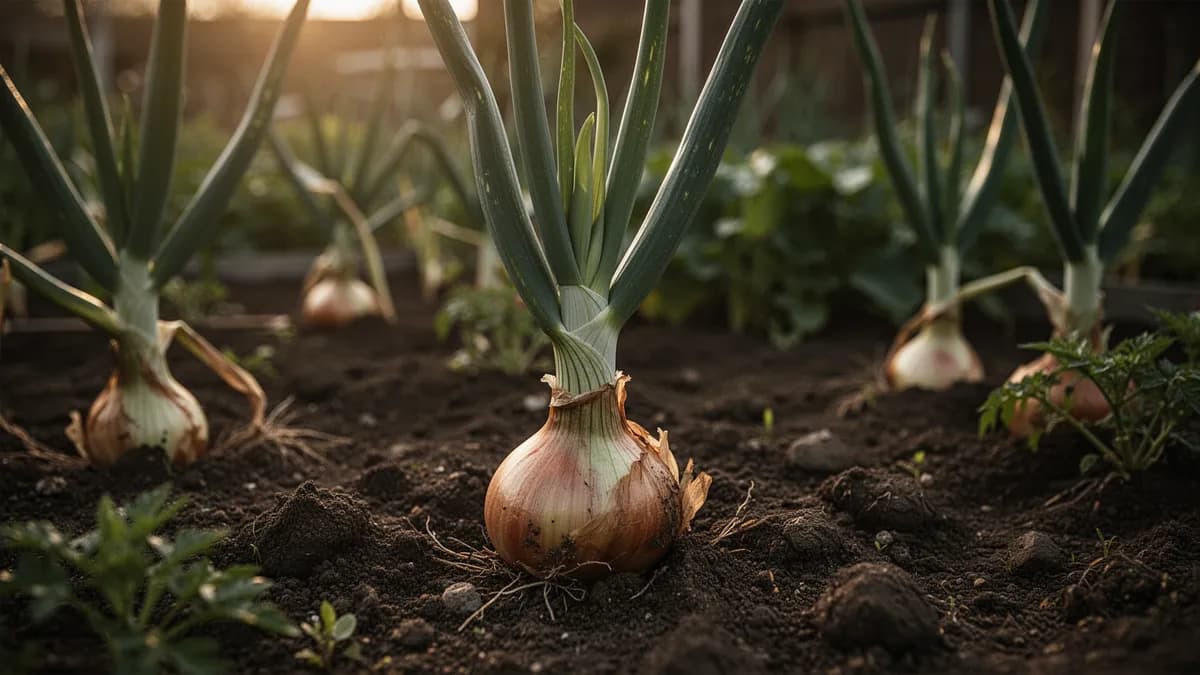
La rampa requiere un suelo rico en humus, bien drenado pero que retenga humedad, con un pH entre 5,0 y 6,5, ligeramente ácido como el suelo del bosque. Enriquezca el suelo con abundante compost de hojas, mantillo de corteza y materia orgánica descompuesta. Aplique una capa de hojas secas cada otoño para imitar la hojarasca natural del bosque y proporcionar nutrientes de liberación lenta.
Temperatura ideal
Compatibilidad de zonas de rusticidad
De la semilla a la cosecha, etapa por etapa
Latencia y establecimiento de raíces
Los bulbos de rampas permanecen en reposo bajo el suelo del bosque durante el invierno, aislados por la hojarasca y la nieve. El sistema radicular se expande lentamente durante los meses fríos, tomando energía del pequeño bulbo blanco. Las semillas sembradas en otoño necesitan dos inviernos completos de estratificación en frío antes de germinar: el primer invierno rompe la dormancia física y el segundo activa la brotación del embrión.
Emergencia primaveral
Cuando la temperatura del suelo supera los 4°C en marzo o a comienzos de abril, los brotes de hojas, fuertemente enrollados, atraviesan la hojarasca. Las hojas emergentes suelen ser de color burdeos intenso o granate y se van desenrollando hasta mostrar láminas suaves, anchas y con forma de lirio del valle, con tallos púrpura rojizos muy marcados. Las rampas son de las primeras plantas en aparecer en el bosque primaveral.
Crecimiento de hojas
Cada bulbo produce dos o tres hojas anchas, lisas y elípticas que pueden alcanzar 20-30 cm de largo. Las hojas son la única oportunidad de la planta para realizar la fotosíntesis y reponer las reservas de energía del bulbo antes de que se cierre el dosel del bosque. Al magullarlas o romperlas se libera un fuerte aroma a ajo y cebolla.
Senescencia de hojas
Hacia finales de mayo o junio, el dosel arbóreo en expansión sombrea el suelo del bosque y las hojas de las rampas amarillean y se marchitan. Esto es totalmente natural: las rampas son geófitas primaverales que completan su ciclo aéreo antes de que el dosel se cierre por completo. El bulbo entra en un breve período de reposo antes de emitir un tallo floral.
Floración y formación de semillas
Un tallo floral sin hojas se eleva 20-40 cm desde el bulbo y termina en una umbela redondeada de pequeñas flores blanco crema. Abejas, moscas y escarabajos polinizan las flores durante 2-3 semanas. Cada umbela produce 3-6 semillas pequeñas, redondas y negras brillantes que maduran a mediados del verano. Solo los bulbos maduros (de 5-7 años) tienen reservas de energía suficientes para florecer.
Latencia estival y división de bulbos
Después de la formación de semillas, el tallo aéreo se marchita y la planta se retira por completo bajo tierra. El bulbo sigue creciendo lentamente y puede dividirse en dos bulbos hijuelos; esta reproducción vegetativa es la principal forma en que se expanden las colonias de rampas. Cada bulbo añade anualmente una fina capa de vaina, similar a un anillo de árbol, lo que permite estimar la edad.
Si plantas bulbos, entiérralos a 8-10 cm de profundidad en otoño en un suelo rico y muy humífero bajo árboles de hoja caduca. Aplica una capa gruesa de hojas de madera dura trituradas para imitar el suelo forestal natural. No remuevas la zona de plantación durante el invierno.
Cuidar Rampa (Puerro Silvestre) mes a mes
Qué hacer cada mes para tu Rampa (Puerro Silvestre)
Octubre
Mes actualIdeal month for transplanting ramp bulbs or divisions. Plant 8-10 cm deep and 10-15 cm apart. Fall-planted bulbs establish roots before winter dormancy. Mulch heavily with shredded deciduous leaves.
Ten claro qué hacer en tu huerto, cada mes
Un correo al empezar cada mes: qué sembrar, plantar y hacer ahora mismo — para tu Rampa (Puerro Silvestre) y todo lo que crece alrededor. Más un breve curso inicial para esquivar los errores clásicos.
- Qué hacer ahora mismo
- Ajustado a tu temporada
- Curso inicial incluido
Cosechar Rampa (Puerro Silvestre)
Coseche las rampas en primavera cuando las hojas están completamente desplegadas, generalmente entre abril y mayo. Puede recolectar solo las hojas cortándolas con tijeras, lo cual permite que el bulbo se regenere para el año siguiente. Si desea cosechar el bulbo completo, utilice una pala pequeña para extraerlo sin dañar las plantas vecinas. Nunca coseche más del 10-15% de una colonia establecida para garantizar su supervivencia a largo plazo.
se supone que plantas al comenzar el periodo — indica tu fecha real
Cosecha a mediados o finales de la primavera, cuando las hojas estén completamente desplegadas pero antes de que empiecen a amarillear.
Almacenamiento y conservación
Las rampas frescas se conservan en el refrigerador envueltas en papel húmedo dentro de una bolsa plástica durante 5-7 días. Para una conservación más prolongada, puede picar las hojas y congelarlas en bandejas de hielo con aceite de oliva. Los bulbos se pueden encurtir en vinagre con sal y especias, manteniéndose así durante varios meses. También es posible deshidratarlas para hacer polvo de rampa, un condimento muy apreciado.
Qué falla — y cómo solucionarlo
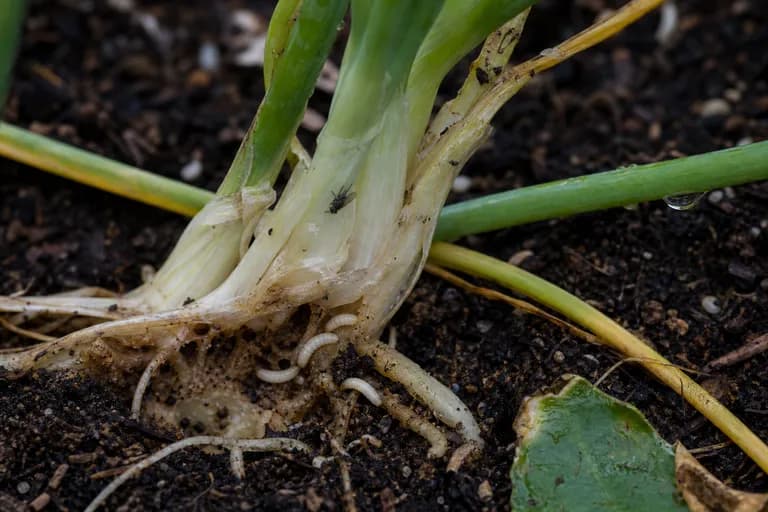
Mosca del puerro
PlagaLarvas blancas que minan los bulbos, causando pudrición y debilitamiento de la planta. Se observan túneles en la base del tallo.
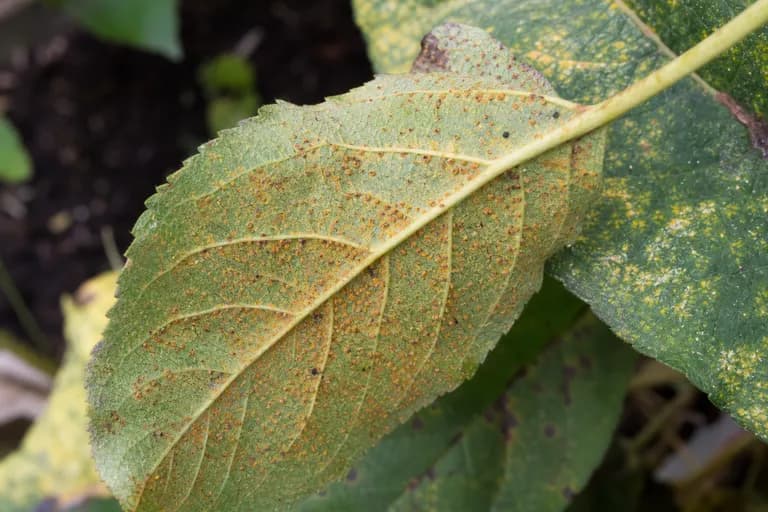
Pudrición del bulbo
EnfermedadLos bulbos se ablandan y desarrollan un olor desagradable. Las hojas amarillean prematuramente y la planta colapsa desde la base.
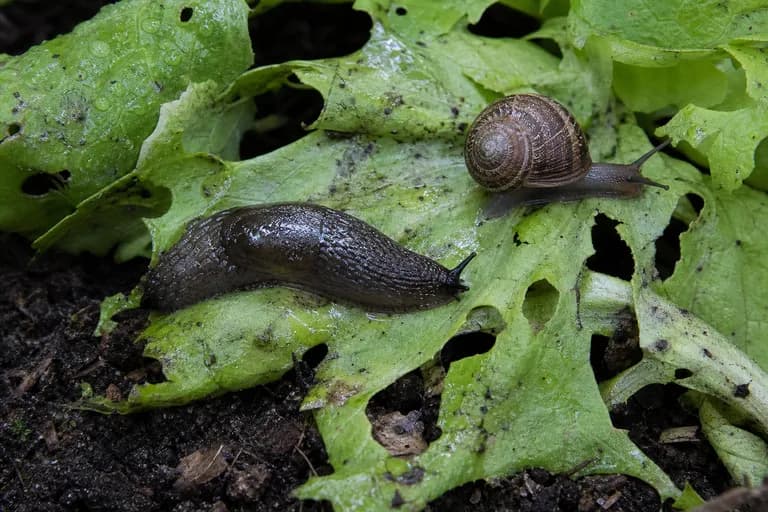
Babosas y caracoles
PlagaAgujeros irregulares en las hojas jóvenes y rastros de baba brillante sobre la superficie foliar, especialmente visibles por la mañana.
Solución de problemas comunes
El principal desafío es la extrema lentitud de crecimiento y establecimiento de las colonias, que pueden tardar entre 5 y 7 años en ser productivas. La sobreexplotación es un problema grave que ha puesto en peligro las poblaciones silvestres en muchas regiones. La falta de sombra adecuada y la sequedad del suelo son las causas más frecuentes de fracaso en el cultivo doméstico.
Consejos de cultivo
- Site selection is everything. Ramps need the dappled shade of deciduous hardwoods — sugar maple, beech, birch, poplar, and oak are ideal canopy companions. Avoid planting under evergreen conifers whose dense year-round shade and acidic needles create inhospitable conditions.
- Soil must be rich, loose, and humus-heavy, mimicking the deep leaf-litter layer of a mature forest floor. Amend garden soil with generous quantities of composted leaves, aged compost, and leaf mold. Heavy clay or sandy soils will not support ramp colonies.
- Patience is the most critical growing requirement. Seeds take two winters to germinate and 5-7 years to produce a harvestable-size bulb. Transplanted bulbs may not produce leaves the first spring as they recover from transplant shock. Plan on a 3-5 year establishment period before any harvest.
- Mulch annually with 5-8 cm of shredded deciduous leaves in autumn. This single practice provides nutrients, retains moisture, suppresses weeds, and insulates bulbs — it is the closest approximation to natural forest floor conditions.
- Never harvest more than 10% of a colony in any year, whether foraging wild patches or tending garden beds. Sustainable harvest means taking one leaf per plant (never the bulb), skipping small or single-leaf plants, and rotating harvest areas year to year.
- Maintain consistent moisture but never waterlogged conditions. Ramps grow naturally on sloped forest floors with excellent drainage. In garden settings, raised beds or sloped sites with morning shade and afternoon shade work well.
- Companion planting with other native woodland plants creates a more natural and resilient ecosystem. Trillium, bloodroot, wild ginger, Solomon's seal, and native ferns are excellent companions that share similar shade and soil preferences.
- Propagation by bulb division in autumn is far faster than growing from seed. Carefully separate offset bulbs from established clumps and replant immediately at the same depth. Even so, expect 2-3 years before divided bulbs are fully re-established.
Cultiva tu mejor Rampa (Puerro Silvestre) — y todo lo que la rodea.
Empieza un plan gratis hoy. Diseña tus bancales, coloca tu Rampa (Puerro Silvestre) y deja que PlotMyGarden gestione el momento, el espaciado, las asociaciones y los recordatorios de la semilla a la cesta.
Elige tu Rampa (Puerro Silvestre)
Allium tricoccum var. tricoccum
La variedad más común, con hojas anchas de hasta 30 cm de largo y bulbos de tamaño moderado. Crece abundantemente en los Apalaches y el noreste de Estados Unidos.
Allium tricoccum var. burdickii
Conocida como rampa de hoja estrecha, posee hojas más angostas y tallos menos rojizos. Se encuentra principalmente en la región de los Grandes Lagos y el medio oeste.
Allium ursinum (Ajo de Oso)
Pariente europeo de la rampa americana, con sabor similar pero hojas más anchas y aplanadas. Se cultiva como alternativa en climas europeos y es igualmente apreciado en gastronomía.
Ramps are one of the most expensive wild foods sold at markets, typically $15-25 per pound for whole plants and occasionally reaching $30-40 per pound at upscale urban markets during peak season. Establishing even a modest garden colony of 50-100 plants can provide an annual spring harvest worth $30-60 in leaf-only picking — and the colony grows larger each year with no ongoing cost. The true savings compound over time: a well-tended ramp patch becomes a self-sustaining perennial food source that can produce for generations with zero inputs beyond autumn leaf mulch.
Recetas rápidas
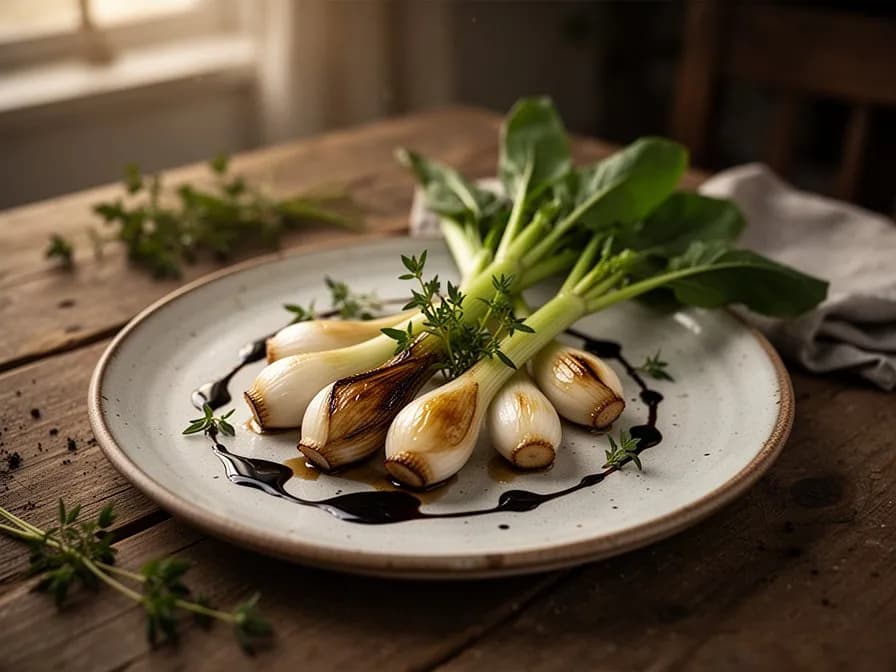
Ramp Pesto
10 minA vibrant, pungent spring pesto that captures ramp season in a jar. The bold garlic-onion flavor of ramp leaves replaces both basil and garlic in this twist on the Italian classic. Freezes beautifully for enjoying ramp flavor year-round.
6 ingredientesQuick-Pickled Ramp Bulbs
20 minTangy, crunchy pickled ramp bulbs that preserve the spring harvest for months. The pickling brine mellows the raw pungency into a complex sweet-sour-garlicky condiment that elevates charcuterie boards, sandwiches, and cocktails.
8 ingredientesRamp Compound Butter
15 minSilky, aromatic butter loaded with minced ramp leaves and a touch of sea salt. Melted over grilled steak, tossed with fresh pasta, or spread on crusty bread, this compound butter is one of the simplest ways to showcase ramp flavor.
5 ingredientesUsos culinarios
Las rampas se utilizan tanto crudas como cocidas, aportando un sabor intenso que combina el ajo con la cebolla dulce. Las hojas jóvenes son excelentes en ensaladas, pestos y como guarnición fresca. Los bulbos se pueden saltear, asar, encurtir o utilizar como sustituto del ajo en cualquier receta. Son un ingrediente estrella en la cocina de los Apalaches y en restaurantes de alta cocina en primavera.
Qué contiene
Beneficios para la salud
- Rich in organosulfur compounds related to those in garlic and onions, including allicin precursors that have demonstrated antimicrobial, antifungal, and cardiovascular-protective properties in laboratory studies.
- Exceptionally high in vitamin A as beta-carotene — over 40% of the daily value per 100g of leaves — supporting vision, immune function, and skin health during the early spring nutrient gap.
- Contains significant selenium levels accumulated from forest soils, supporting thyroid function and acting as a cofactor for glutathione peroxidase, one of the body's most important antioxidant enzymes.
- Good source of vitamin C, historically important as a spring tonic food to prevent scurvy and boost immunity after long winters with limited fresh produce — a use well-documented in Appalachian folk medicine.
- The high concentration of flavonoids and polyphenols in ramp leaves contributes antioxidant and anti-inflammatory activity that may help protect against chronic disease.
- Contains prebiotic fructo-oligosaccharides (FOS) similar to other alliums, which feed beneficial gut bacteria and support a healthy intestinal microbiome.
De dónde viene Rampa (Puerro Silvestre)
Ramps (Allium tricoccum) are a wild leek native to the rich, moist deciduous forests of eastern North America. Their natural range extends from the southern Appalachian Mountains of Georgia and the Carolinas northward through New England and into southeastern Canada, and westward to Minnesota and Missouri. Ramps grow in dense colonies on the shaded forest floor, thriving in the humus-rich, slightly acidic soils beneath sugar maples, beeches, birches, and poplars. They are spring ephemerals — their entire above-ground growing season lasts only 6-8 weeks before the forest canopy shades them out.
Indigenous peoples across eastern North America harvested ramps for millennia as an important spring food and medicine. The Cherokee, Ojibwe, Iroquois, and many other nations gathered the pungent greens and bulbs as one of the first fresh foods available after winter. Ramps were eaten raw, cooked in soups and stews, and used medicinally as spring tonics, cold remedies, and antiseptics. European settlers adopted ramp foraging from Indigenous communities, and the tradition became deeply rooted in Appalachian culture, where annual ramp dinners and festivals have been held for over a century.
In the early 21st century, ramps experienced a dramatic surge in popularity driven by the farm-to-table restaurant movement and foraging culture. What was once an obscure Appalachian tradition became a sought-after ingredient at high-end restaurants in New York, Chicago, and beyond, with bundles selling for $15-25 per pound at urban farmers markets. This sudden demand, combined with the plant's exceptionally slow reproduction cycle, raised serious conservation alarms. Quebec banned commercial ramp harvesting in 1995, and several U.S. states have implemented harvest restrictions. Sustainable foraging guidelines now emphasize taking only one leaf per plant (never the bulb), harvesting no more than 5-10% of any colony, and avoiding harvest from small or declining populations. Cultivation efforts are underway but remain a long-term endeavor, as establishing a productive ramp bed from seed takes 7-10 years.
Rampa (Puerro Silvestre): ¿sabías que?
Datos fascinantes sobre Rampa (Puerro Silvestre)
Ramps (Allium tricoccum) are native exclusively to eastern North America — they grow wild from Georgia to Quebec and westward to Minnesota, making them one of the few popular culinary alliums with no Old World origin.
Rampa (Puerro Silvestre): preguntas frecuentes
¿Cuándo debo plantar Rampa (Puerro Silvestre)?
¿En qué zonas de rusticidad puede crecer Rampa (Puerro Silvestre)?
¿Cuánto sol necesita Rampa (Puerro Silvestre)?
¿A qué distancia debo espaciar Rampa (Puerro Silvestre)?
¿Qué plagas y enfermedades afectan a Rampa (Puerro Silvestre)?
¿Cómo almaceno Rampa (Puerro Silvestre) después de la cosecha?
¿Cuáles son las mejores variedades de Rampa (Puerro Silvestre) para cultivar?
¿Qué suelo necesita Rampa (Puerro Silvestre)?
How long does it take to grow ramps from seed?
Can I grow ramps if I do not have a forest?
Is it legal to forage wild ramps?
Why did my transplanted ramps not come up in spring?
How do I sustainably harvest ramps without damaging the colony?
What USDA zones can ramps grow in?
Acabas de leer la teoría. Ahora cultívala en piloto automático.
Todo lo que hace que Rampa (Puerro Silvestre) sea delicado — el momento, el espaciado, las asociaciones, la ventana de cosecha — es justo lo que PlotMyGarden resuelve por ti, para cada planta de tu huerto.
Un plan que conoce tu clima
Indica tu ubicación una vez. Recibe fechas de siembra, abonado y cosecha basadas en tu última helada real y el pronóstico en vivo — sin adivinar con un sobre genérico.
De la sección “Cuándo plantar”Planificador de bancales de arrastrar y soltar
Diseña bancales sobre una cuadrícula. Cada planta encaja con su espaciado correcto y ves toda la temporada antes de gastar un céntimo en semillas.
De la sección “Cultivo”Conflictos de asociación, detectados a tiempo
Más de 200 buenas y malas combinaciones comprobadas en vivo mientras plantas — para que un error que arruine la temporada nunca llegue a la tierra.
De la sección “Asociaciones”Recordatorios que sí vas a seguir
“Riega las judías.” “Recoge hoy antes de que se pase.” Oportunos, concretos y ligados a las plantas que de verdad cultivas.
De la sección “Cosecha”Escalonado, programado
¿Quieres cosechar seis semanas en vez de seis días? Reparte tus siembras automáticamente y te avisa cuando toca el siguiente lote.
De la sección “Cuándo plantar”Un registro que se vuelve más listo
Cada cosecha que registras le enseña tu huerto. El plan del año que viene parte de lo que de verdad funcionó en tu suelo, no en un manual.
De la sección “Resumen”Más Aliáceas
Cultiva tu mejor Rampa (Puerro Silvestre) — y todo lo que la rodea.
Empieza un plan gratis hoy. Diseña tus bancales, coloca tu Rampa (Puerro Silvestre) y deja que PlotMyGarden gestione el momento, el espaciado, las asociaciones y los recordatorios de la semilla a la cesta.