Rábano French Breakfast
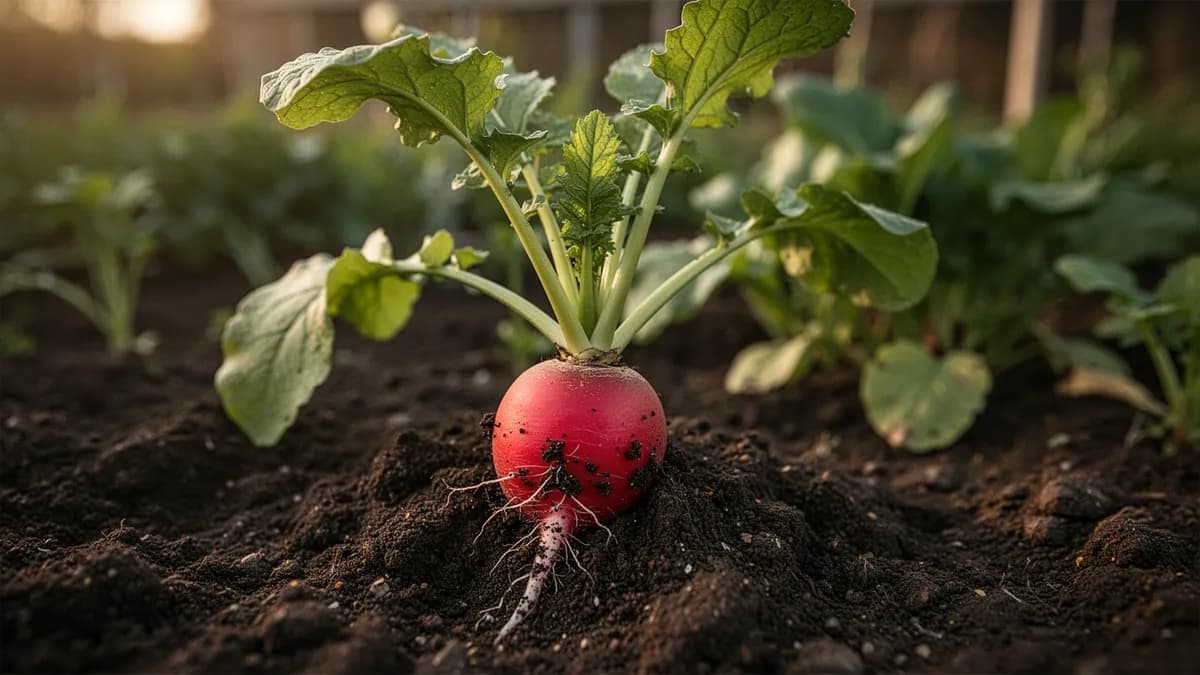
El rábano French Breakfast es una variedad francesa clásica del siglo XIX, reconocida por su elegante forma alargada con la parte superior de color rojo escarlata que se difumina hacia una punta blanca cremosa.





En esta páginaResumen
Conoce Rábano French Breakfast
El rábano French Breakfast es una variedad francesa clásica del siglo XIX, reconocida por su elegante forma alargada con la parte superior de color rojo escarlata que se difumina hacia una punta blanca cremosa. Su sabor es suave y ligeramente picante, con una textura crujiente y jugosa que lo convierte en uno de los rábanos más populares de Europa.
Cuándo plantar Rábano French Breakfast
Siembre siempre de forma directa, ya que los rábanos no toleran el trasplante. Las semillas germinan en 3-5 días a temperaturas entre 10 y 25 °C. Para siembras sucesivas, resiembre cada 10-14 días desde principios de primavera hasta finales de otoño, evitando el pleno verano. Cubra ligeramente con tierra fina y mantenga húmedo hasta la emergencia.
Tu año de Rábano French Breakfast
Ajustado a Zona 7 · temporada típica · la helada se va hacia el 2 abr y vuelve hacia el 1 nov
Planta Rábano French Breakfast Mar – May, Ago – Sep y cosecha Abr – Jun, Sep – Oct. Consulta los métodos de plantación y elige tu clima para adaptar los periodos.
Cómo cultivar Rábano French Breakfast
Siembre directamente en el huerto tan pronto como el suelo pueda trabajarse en primavera, ya que los rábanos toleran heladas ligeras. Coloque las semillas a 1 cm de profundidad y 2-3 cm de separación en hileras distanciadas 15-20 cm. El suelo debe estar suelto y libre de piedras para permitir un desarrollo uniforme de las raíces alargadas.
La germinación es rápida, generalmente entre 3 y 5 días en condiciones óptimas. Aclare las plántulas dejando 4-5 cm entre plantas para evitar raíces deformadas. Mantenga el suelo constantemente húmedo pero no encharcado, ya que la irregularidad en el riego produce raíces agrietadas o de sabor excesivamente picante.
Para una cosecha continua durante toda la temporada, realice siembras sucesivas cada 10-14 días. Suspenda la siembra durante los meses más calurosos del verano, ya que las temperaturas altas provocan espigado prematuro y raíces leñosas. Reanude las siembras a finales de verano para cosechas de otoño.
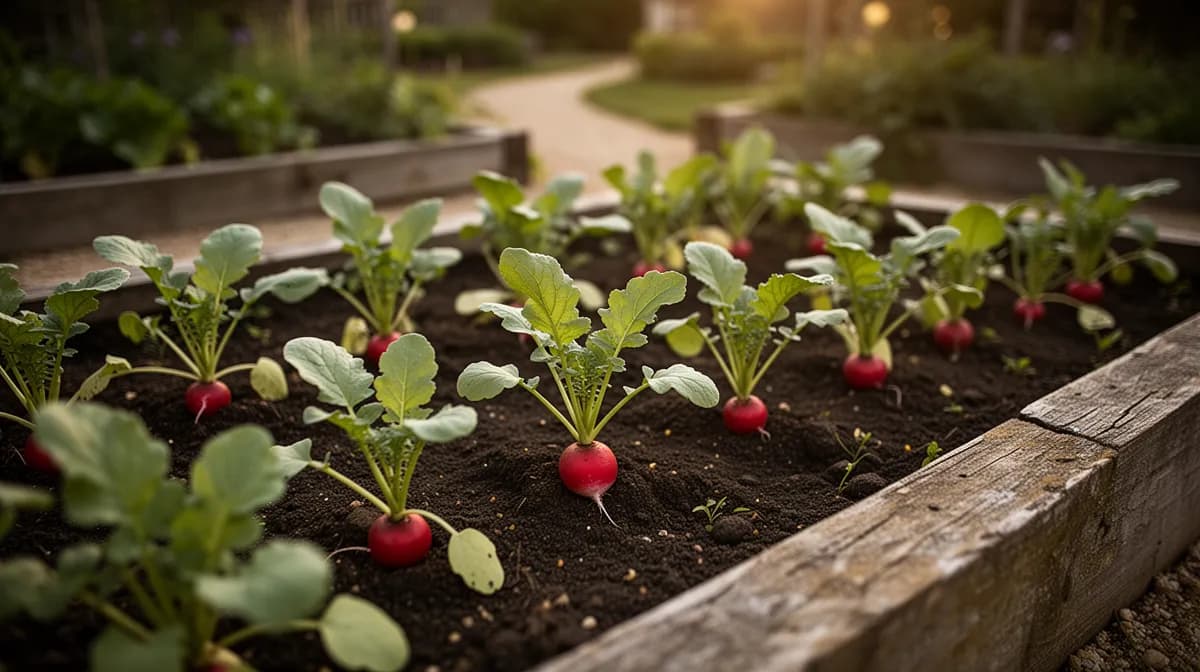
1152 plantas caben en un bancal de 120 × 240 cm
Cada Rábano French Breakfast pide 5 cm de margen. El planificador guarda ese marco por ti — cada planta, cada bancal.
Los mejores vecinos de Rábano French Breakfast
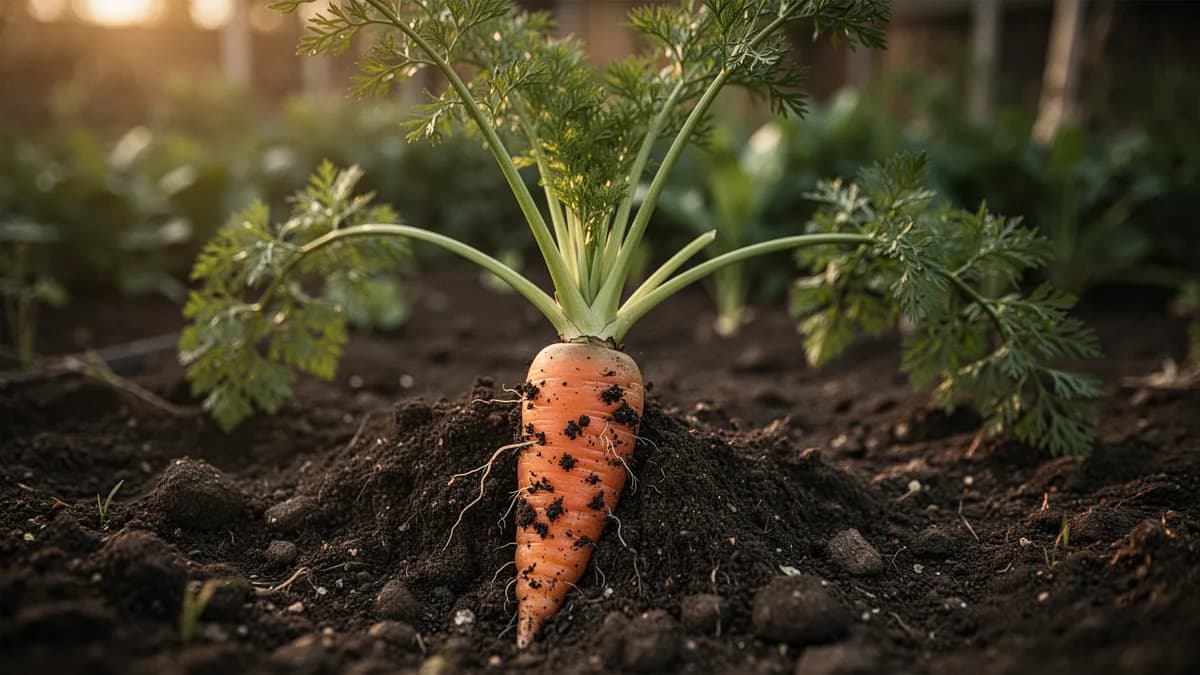
Excelente compañero de zanahorias, ya que los rábanos germinan rápidamente y marcan las hileras de zanahorias de germinación lenta. Se beneficia de la cercanía de lechugas, espinacas y guisantes. Evite plantarlo cerca de hisopo y otras brassicas que compiten por los mismos nutrientes.
Zanahoria va a su lado.
Saber de huerto de siempre, cotejado con la tabla real de Rábano French Breakfast — prueba cualquier planta que cultives.
Prueba Rábano French Breakfast en un bancal, aquí mismo
Un bancal real del planificador con Rábano French Breakfast ya plantado. Toca una planta compañera para colocarla y mira cómo responde la comprobación de vecinos: verde para buenos vecinos, rojo si hay conflicto.


Guías de cultivo relacionadas
Abónalo bien
Requiere un suelo suelto, arenoso o franco-arenoso, bien drenado y con pH entre 6,0 y 7,0. Evite suelos pesados o arcillosos que producen raíces deformadas. No aplique estiércol fresco ni exceso de nitrógeno, que favorecen el crecimiento foliar a expensas de la raíz. Un compost bien descompuesto incorporado antes de la siembra es suficiente.
Temperatura ideal
Compatibilidad de zonas de rusticidad
De la semilla a la cosecha, etapa por etapa
Germinación
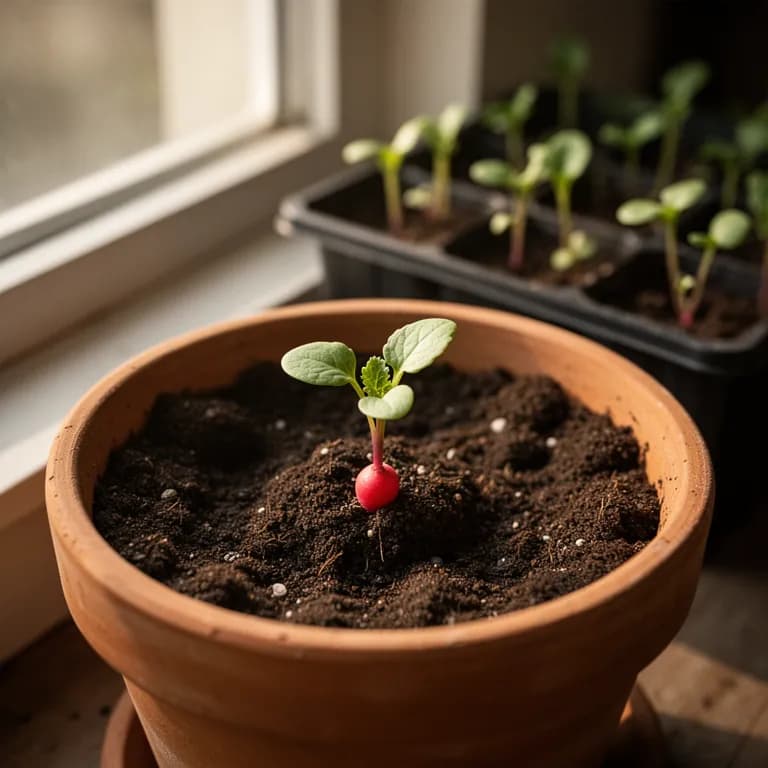
Las semillas del rábano French Breakfast están entre las germinaciones más rápidas del huerto. Las semillas pequeñas y redondas se hinchan y se abren en 24–48 horas en suelo húmedo, formando una fina radícula blanca seguida por dos cotiledones redondeados que emergen a la superficie en solo 3–5 días. La germinación ocurre en un amplio rango de temperatura de 7–30 °C (45–85 °F).
Etapa de cotiledones
Las dos hojas de cotiledón en forma de corazón se expanden y comienzan a hacer fotosíntesis. La primera hoja verdadera, con su característica forma rugosa y lobulada, aparece entre los cotiledones. La pequeña raíz pivotante empieza a engrosarse casi imperceptiblemente bajo la superficie del suelo. Puede ser necesario aclarar las plántulas si se sembraron demasiado densas.
Desarrollo de hojas
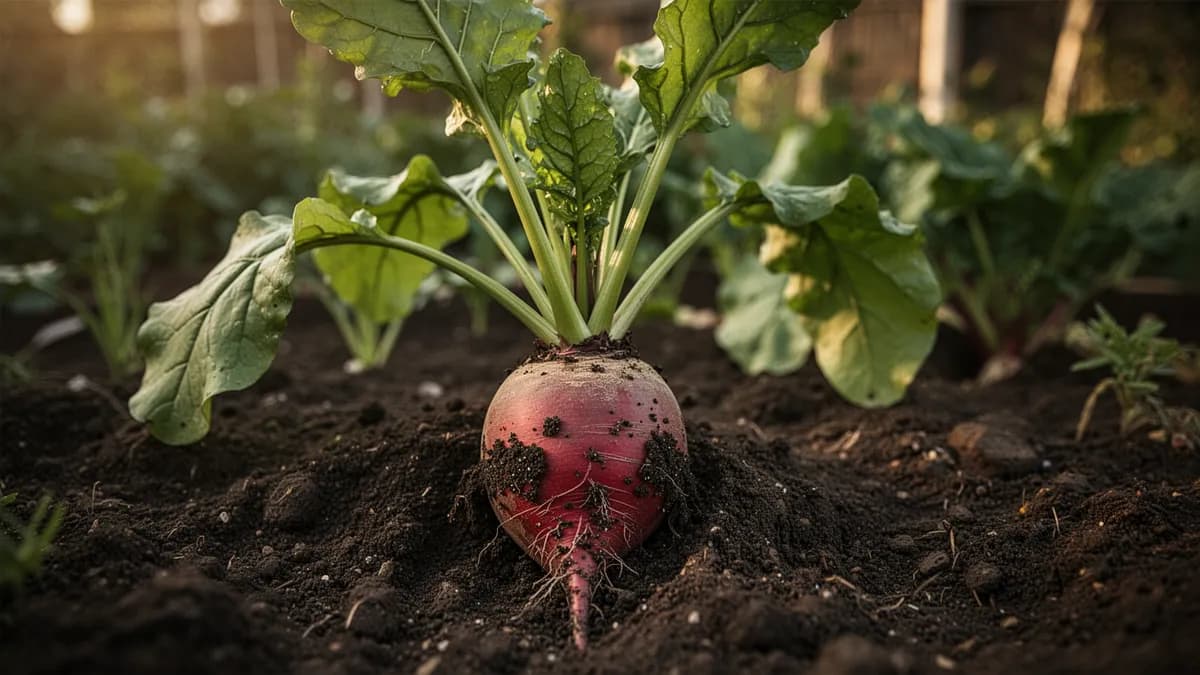
Se desarrolla rápidamente una roseta de 4–6 hojas verdaderas rugosas y lobuladas. El hipocótilo (el tallo entre los cotiledones y la raíz) comienza a engrosarse y muestra el primer indicio de color rojo. Bajo tierra, la raíz pivotante alargada se está estableciendo y empieza a engrosarse hasta tomar la forma oblonga característica.
Engrosamiento de la raíz
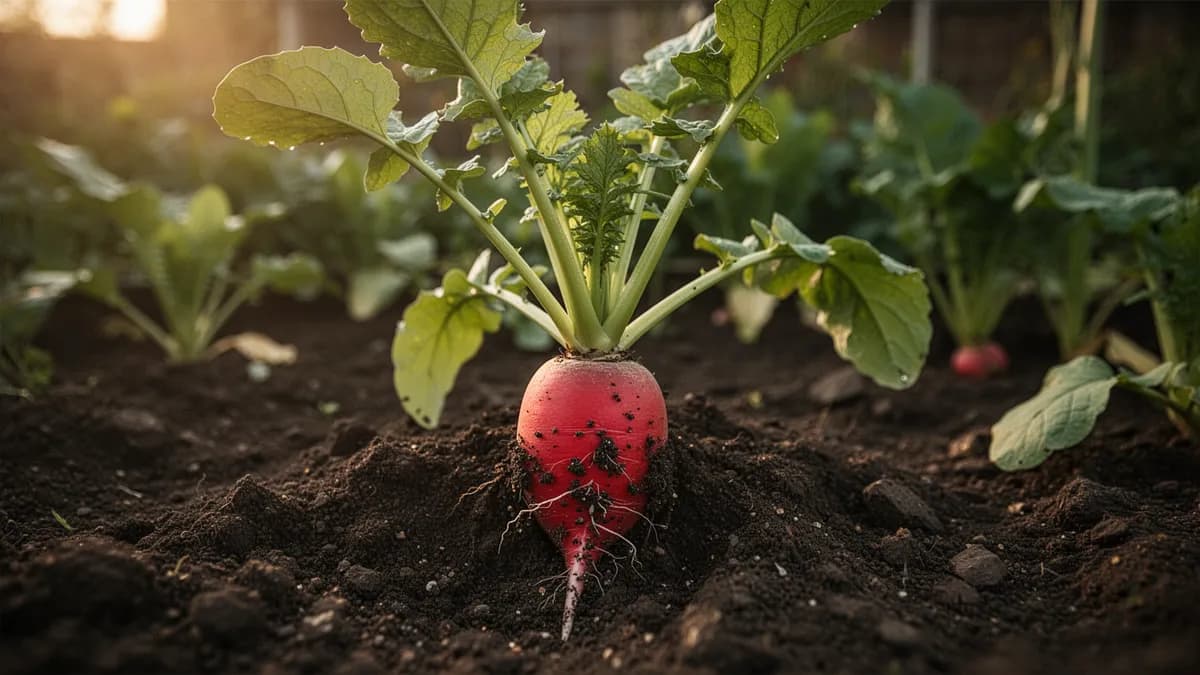
La raíz se engrosa rápidamente hasta convertirse en el distintivo cilindro alargado. La parte superior desarrolla su intenso color rojo escarlata mientras que el tercio inferior permanece blanco crema, el patrón bicolor característico de los rábanos French Breakfast. La raíz se eleva parcialmente por encima de la línea del suelo a medida que crece. El crecimiento de las hojas se ralentiza mientras la planta dirige su energía a la raíz.
Madurez de cosecha
Las raíces alcanzan su tamaño ideal de cosecha: 5–7 cm de largo y unos 2 cm de diámetro. La piel es lisa, firme y de color brillante con el característico degradado de rojo a blanco. La pulpa es crujiente, jugosa y ligeramente picante. La ventana de cosecha es breve: solo 3–5 días antes de que las raíces empiecen a volverse esponjosas y huecas.
Espigado (sobremadurez)
Si no se cosecha, la planta emite un tallo floral central que se alarga rápidamente. La raíz se vuelve leñosa, esponjosa e intensamente picante. Aparecen pequeñas flores blancas o rosa pálido de cuatro pétalos, típicas de la familia de las brassicas. Tras la polinización se forman vainas de semillas (siliquas) que contienen semillas pequeñas y redondas para futuras siembras.
Mantén la superficie del suelo constantemente húmeda, pero sin encharcar, durante la germinación. Un riego ligero dos veces al día es mejor que un solo riego abundante. En esta etapa no hace falta aclareo ni abonado.
Cuidar Rábano French Breakfast mes a mes
Qué hacer cada mes para tu Rábano French Breakfast
Octubre
Mes actualContinue harvesting fall-sown radishes. In mild climates, make final sowings under cold frames or cloches for late autumn harvest. Light frosts improve radish sweetness. Thin late sowings and maintain moisture as growth slows.
Ten claro qué hacer en tu huerto, cada mes
Un correo al empezar cada mes: qué sembrar, plantar y hacer ahora mismo — para tu Rábano French Breakfast y todo lo que crece alrededor. Más un breve curso inicial para esquivar los errores clásicos.
- Qué hacer ahora mismo
- Ajustado a tu temporada
- Curso inicial incluido
Cosechar Rábano French Breakfast
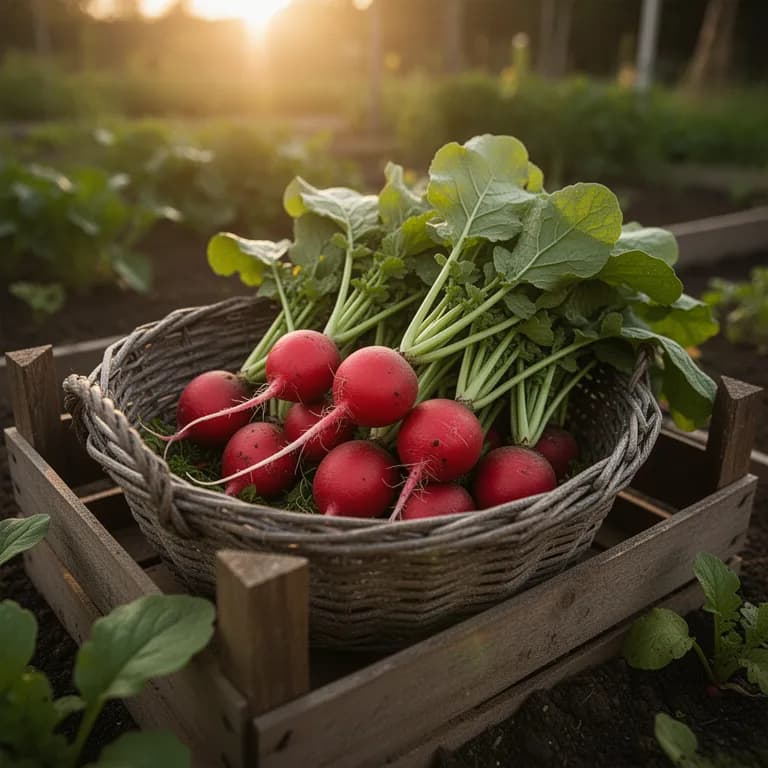
Coseche cuando los rábanos alcancen 5-8 cm de largo y 2-3 cm de diámetro, generalmente entre 21 y 28 días después de la siembra. No deje los rábanos en el suelo más tiempo del necesario, ya que se vuelven leñosos, huecos y excesivamente picantes. Tire suavemente de las hojas para extraer la raíz del suelo húmedo.
se supone que plantas al comenzar el periodo — indica tu fecha real
Cosecha cuando las raíces midan 5-7 cm de largo y unos 2 cm de diámetro, a los 21-28 días de la siembra.
Almacenamiento y conservación
Retire las hojas inmediatamente después de la cosecha para evitar que extraigan humedad de la raíz. Guarde los rábanos en una bolsa perforada en el cajón de verduras del refrigerador durante 7-10 días. Para una conservación más prolongada, puede encurtirlos en vinagre con sal y azúcar, lo que además suaviza su picor.
Qué falla — y cómo solucionarlo
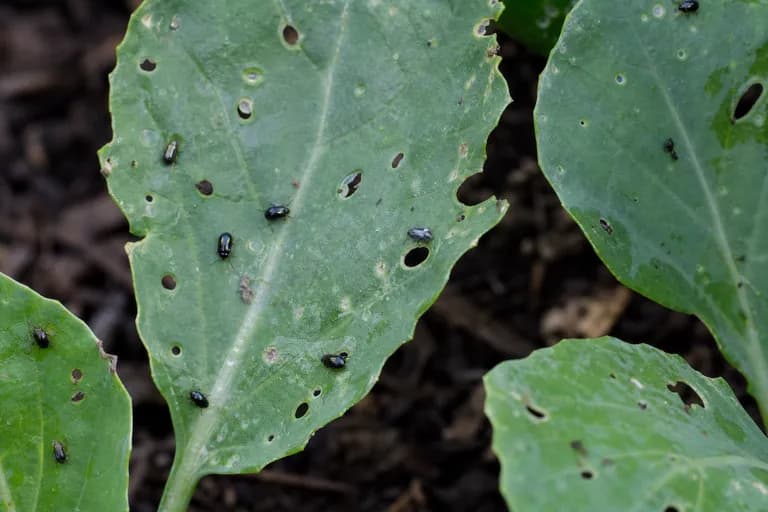
Pulguilla de las crucíferas
PlagaPequeños agujeros redondos en las hojas que dan un aspecto de perdigonada. Las plántulas jóvenes son especialmente vulnerables y pueden morir si la infestación es severa.
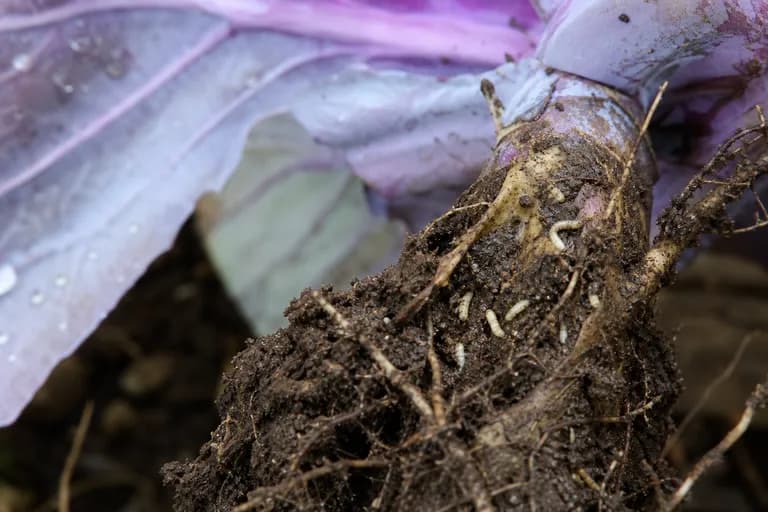
Mosca de la col
PlagaLas larvas blancas sin patas se alimentan de las raíces, creando túneles marrones que provocan marchitamiento, retraso en el crecimiento y pudrición secundaria.
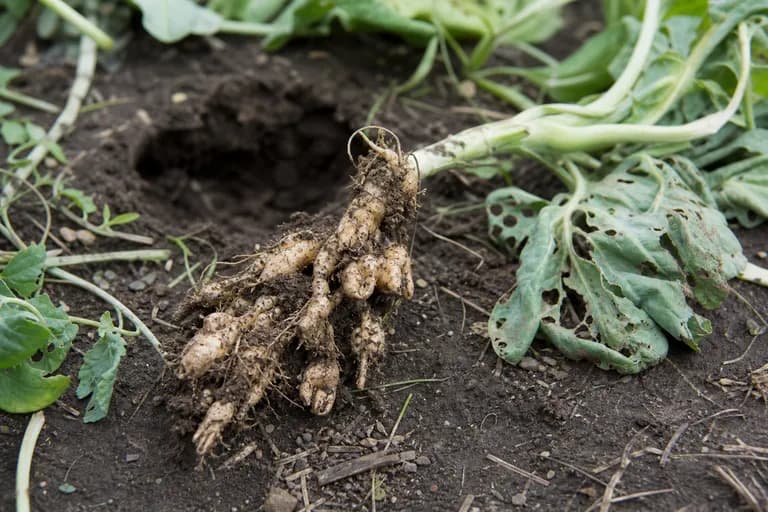
Mildiu velloso
EnfermedadManchas amarillentas en el haz de las hojas con un moho grisáceo-violáceo en el envés. Las hojas afectadas se secan y las raíces no se desarrollan correctamente.
Solución de problemas comunes
Las raíces se vuelven leñosas, fibrosas y huecas si se dejan demasiado tiempo en el suelo o si sufren estrés hídrico. El espigado prematuro es común con temperaturas superiores a 25 °C y días largos de verano. Las raíces agrietadas suelen ser consecuencia de riegos irregulares o lluvias torrenciales después de un período seco.
Consejos de cultivo
- Succession sow without fail. The single most important technique for French Breakfast radishes is sowing a new short row every 7-10 days from early spring through late fall. Each sowing produces a harvest window of just 5-7 days before roots go pithy, so continuous planting equals continuous harvesting.
- Never transplant radishes. Direct sowing is the only reliable method — transplanting disturbs the taproot and produces forked, misshapen, or stunted roots. Simply push seeds 1 cm into soil, cover lightly, and water. Germination in 3-5 days makes transplanting pointless anyway.
- Thin ruthlessly and early. Crowded radishes compete for space and produce thin, spindly roots instead of plump cylinders. Thin to 2-4 cm apart as soon as cotyledons expand — use scissors to snip at soil level to avoid disturbing neighboring roots.
- Consistent moisture is the secret to mild flavor. Radishes that experience even brief drought stress develop an intense, burning pepperiness and pithy texture. Water lightly but frequently, keeping the top 5-8 cm of soil evenly moist at all times during the 25-day growing period.
- Avoid all nitrogen-heavy fertilizers. Radishes grown in recently composted or well-maintained garden soil need zero additional feeding. Excess nitrogen produces lush, oversized tops at the expense of root development — a common mistake with radishes.
- Use radishes as a living row marker. Sow radish seeds alongside slow-germinating crops like carrots, parsnips, or parsley. The radishes emerge in days, marking the row for cultivation, and are harvested before the slow crop needs the space.
- Grow in partial afternoon shade during warm weather. While radishes prefer full sun in spring and fall, a few hours of afternoon shade during warm spells can extend the growing season by keeping soil temperatures below the 24°C (75°F) threshold where quality declines.
- Harvest at dawn for peak quality. Radishes are crispest and mildest in the early morning when the roots are fully hydrated and cool from the overnight temperature drop. Afternoon-harvested radishes in warm weather can be noticeably more pungent and less crisp.
Cultiva tu mejor Rábano French Breakfast — y todo lo que la rodea.
Empieza un plan gratis hoy. Diseña tus bancales, coloca tu Rábano French Breakfast y deja que PlotMyGarden gestione el momento, el espaciado, las asociaciones y los recordatorios de la semilla a la cesta.
Elige tu Rábano French Breakfast
French Breakfast
La variedad original y más conocida, con raíces cilíndricas de 7-8 cm en rojo brillante con punta blanca. Sabor suave y crujiente. Madura en 21-25 días.
French Breakfast 3
Selección mejorada con mayor uniformidad y resistencia al espigado. Mantiene la bicoloración clásica con mejor vigor. 23 días hasta cosecha.
Nelson
Variedad de tipo French Breakfast con forma más uniforme y mayor tolerancia al calor. Color rojo intenso con transición nítida al blanco. 24 días.
Flamboyant
Rábano francés alargado de color rojo escarlata muy vivo con punta blanca bien definida. Excelente textura crujiente y sabor delicado. 25 días hasta madurez.
A packet of French Breakfast radish seeds costs $2-4 and contains 200-500 seeds — enough for an entire season of succession plantings yielding hundreds of radishes. At farmers market prices of $3-5 per bunch (8-12 radishes), a single seed packet can produce $50-150 worth of radishes over a season. The savings per square foot are among the highest of any garden crop due to the rapid growth cycle and high planting density. Container growers on balconies can easily produce $30-50 worth of radishes from a few pots.
Recetas rápidas
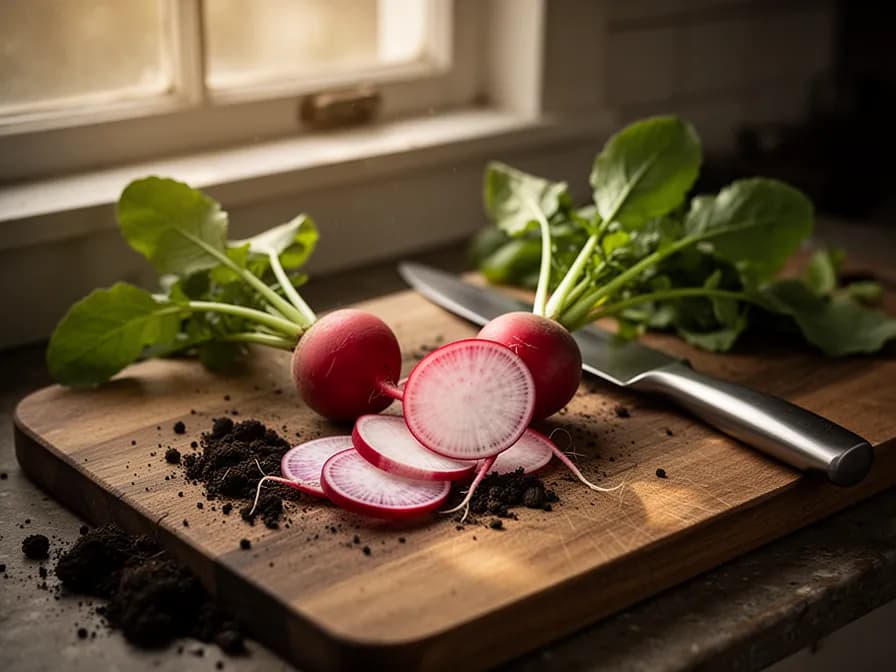
Classic French Radishes with Butter and Sea Salt
5 minThe quintessential French way to enjoy breakfast radishes — the cool, peppery crunch of fresh radishes paired with rich, creamy butter and the mineral sparkle of fleur de sel. This is not a recipe so much as a tradition, served as a simple appetizer or snack with crusty bread.
4 ingredientesQuick-Pickled French Breakfast Radishes
15 minThinly sliced radishes pickled in a light champagne vinegar brine with peppercorns and fresh dill. Ready in just one hour but even better after a day in the refrigerator. The pickling softens the pepperiness and turns the radishes a beautiful uniform pink throughout.
8 ingredientesRoasted French Breakfast Radishes with Herbs
25 minRoasting transforms radishes completely — the sharp pepperiness mellows into a sweet, almost turnip-like flavor with caramelized edges. Halved lengthwise to show off their beautiful bicolor interior, these make an unexpected and elegant side dish.
7 ingredientesUsos culinarios
Tradicionalmente se sirve en Francia con mantequilla y sal de mar como aperitivo matutino, de donde deriva su nombre. Excelente crudo en ensaladas, cortado en bastones con hummus, o como guarnición decorativa. También se puede saltear brevemente para un sabor más suave, o encurtir en vinagre de arroz para acompañamientos asiáticos.
Qué contiene
Beneficios para la salud
- Radishes contain glucosinolates and isothiocyanates — sulfur compounds that break down into biologically active molecules shown in laboratory studies to have anti-cancer properties, particularly against colon, kidney, and intestinal cancers.
- The high vitamin C content (16% DV per 100g) supports immune function, collagen production for healthy skin and joints, and enhances the absorption of iron from plant-based foods eaten in the same meal.
- Radishes are a natural digestive aid — their peppery compounds stimulate bile production and gastric juices, which support fat digestion and can relieve bloating and indigestion after rich meals.
- Very low glycemic index and extremely low calorie density (16 calories per 100g) make radishes an excellent food for blood sugar management and weight control — they provide satisfying crunch and flavor with negligible caloric impact.
- The potassium content (233mg per 100g) helps maintain healthy blood pressure by counteracting the effects of sodium, supporting cardiovascular health especially when radishes replace higher-calorie salty snacks.
- Radish leaves contain significantly more iron, calcium, and vitamin C than the roots, making them a valuable nutritional bonus — consuming the entire plant maximizes the health benefits of your harvest.
De dónde viene Rábano French Breakfast
The radish (Raphanus sativus) is believed to have originated in Southeast Asia or the eastern Mediterranean region, with wild forms still found in these areas today. Radishes have been cultivated for at least 4,000 years, making them one of the oldest domesticated vegetables. Ancient Egyptians grew radishes extensively — they appear in hieroglyphic records from 2,780 BCE — and the Greeks and Romans valued them both as food and medicine. The Greek physician Dioscorides recommended radishes for digestive complaints, while Roman agriculturalist Columella described multiple varieties in the first century CE.
The French Breakfast type specifically emerged in France during the mid-19th century, when Parisian market gardeners (maraichers) developed intensive growing techniques in the rich soils around the city. These gardeners perfected succession sowing and cold-frame cultivation to supply the massive Les Halles central market with fresh produce year-round. The elongated, mild, red-and-white radish became a market staple, sold in bunches to workers who ate them with butter and bread as a quick morning meal — hence the name 'radis dejeuner' or breakfast radish.
The French Breakfast radish was first formally described in European seed catalogs around 1879, though similar elongated types had been grown in France for decades prior. French market gardeners were legendary for their productivity — using glass cloches, cold frames, and horse-manure hotbeds, they could produce up to eight crops per year from a single plot, with radishes playing a key role as a fast-maturing interplanting crop. The variety spread throughout Europe and to North America by the early 20th century, becoming one of the most popular radish types worldwide. Today, French Breakfast radishes remain a staple of home gardens, farmers markets, and fine dining, prized for their mild flavor, elegant shape, and beautiful bicolor appearance.
Rábano French Breakfast: ¿sabías que?
Datos fascinantes sobre Rábano French Breakfast
The French Breakfast radish gets its name from the 19th-century Parisian tradition of market vendors and workers eating these mild, elongated radishes with butter and salt as a mid-morning snack — a petit dejeuner at the market stalls of Les Halles.
Rábano French Breakfast: preguntas frecuentes
¿Cuándo debo plantar Rábano French Breakfast?
¿Cuáles son buenas plantas acompañantes para Rábano French Breakfast?
¿En qué zonas de rusticidad puede crecer Rábano French Breakfast?
¿Cuánto sol necesita Rábano French Breakfast?
¿A qué distancia debo espaciar Rábano French Breakfast?
¿Qué plagas y enfermedades afectan a Rábano French Breakfast?
¿Cómo almaceno Rábano French Breakfast después de la cosecha?
¿Cuáles son las mejores variedades de Rábano French Breakfast para cultivar?
¿Qué suelo necesita Rábano French Breakfast?
Why are my French Breakfast radishes all tops and no roots?
Why are my radishes pithy and hollow inside?
Can I grow French Breakfast radishes in containers?
Why do my radishes taste extremely hot and peppery?
How do I store French Breakfast radishes to keep them crisp?
Can I eat the leaves of French Breakfast radishes?
Acabas de leer la teoría. Ahora cultívala en piloto automático.
Todo lo que hace que Rábano French Breakfast sea delicado — el momento, el espaciado, las asociaciones, la ventana de cosecha — es justo lo que PlotMyGarden resuelve por ti, para cada planta de tu huerto.
Un plan que conoce tu clima
Indica tu ubicación una vez. Recibe fechas de siembra, abonado y cosecha basadas en tu última helada real y el pronóstico en vivo — sin adivinar con un sobre genérico.
De la sección “Cuándo plantar”Planificador de bancales de arrastrar y soltar
Diseña bancales sobre una cuadrícula. Cada planta encaja con su espaciado correcto y ves toda la temporada antes de gastar un céntimo en semillas.
De la sección “Cultivo”Conflictos de asociación, detectados a tiempo
Más de 200 buenas y malas combinaciones comprobadas en vivo mientras plantas — para que un error que arruine la temporada nunca llegue a la tierra.
De la sección “Asociaciones”Recordatorios que sí vas a seguir
“Riega las judías.” “Recoge hoy antes de que se pase.” Oportunos, concretos y ligados a las plantas que de verdad cultivas.
De la sección “Cosecha”Escalonado, programado
¿Quieres cosechar seis semanas en vez de seis días? Reparte tus siembras automáticamente y te avisa cuando toca el siguiente lote.
De la sección “Cuándo plantar”Un registro que se vuelve más listo
Cada cosecha que registras le enseña tu huerto. El plan del año que viene parte de lo que de verdad funcionó en tu suelo, no en un manual.
De la sección “Resumen”Planta estos junto a Rábano French Breakfast
Más Hortalizas de raíz
Diseños de jardín con Rábano French Breakfast
Cultiva tu mejor Rábano French Breakfast — y todo lo que la rodea.
Empieza un plan gratis hoy. Diseña tus bancales, coloca tu Rábano French Breakfast y deja que PlotMyGarden gestione el momento, el espaciado, las asociaciones y los recordatorios de la semilla a la cesta.