Frijol Pinto
Phaseolus vulgaris de tipo pinto es una de las variedades de frijol más consumidas en México y el suroeste de Estados Unidos.





En esta páginaResumen
Conoce Frijol Pinto
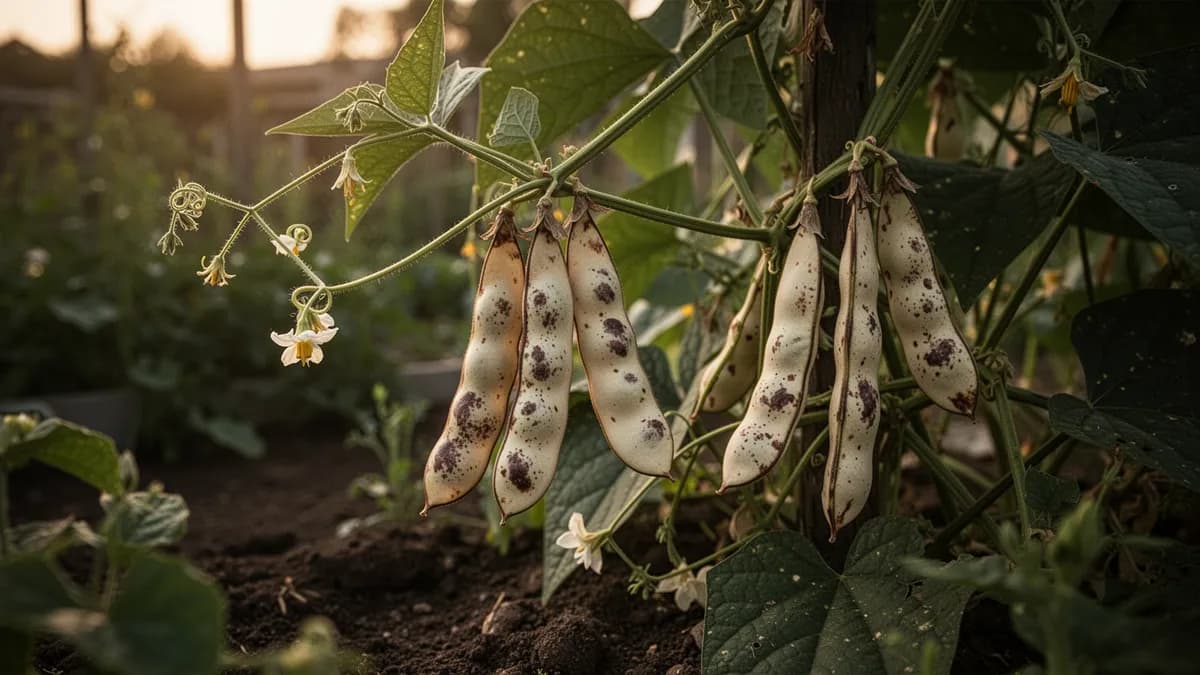
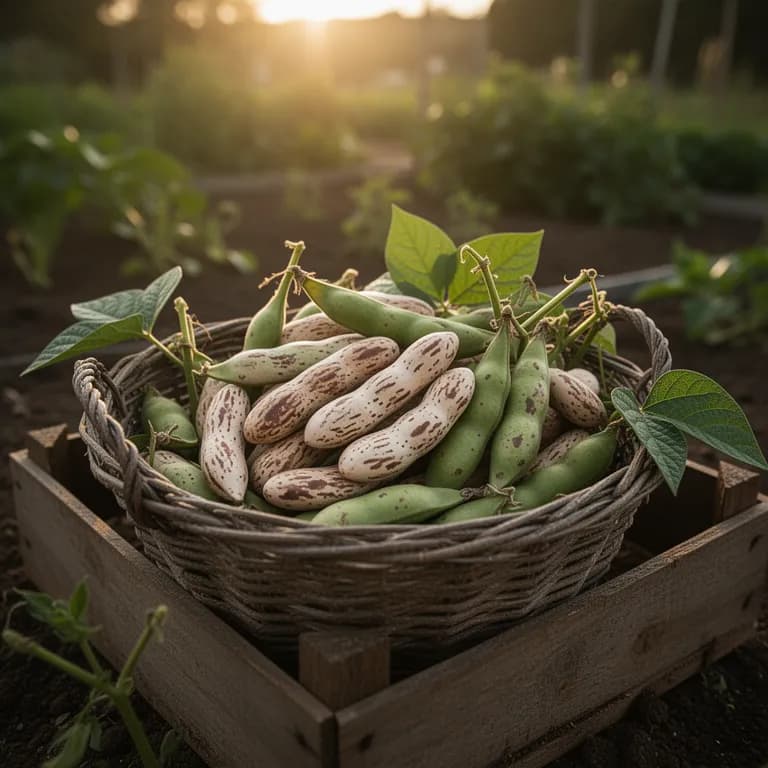
Phaseolus vulgaris de tipo pinto es una de las variedades de frijol más consumidas en México y el suroeste de Estados Unidos. Sus semillas presentan un distintivo patrón moteado beige y marrón que desaparece al cocinarlas, produciendo una textura cremosa y un sabor terroso ideal para frijoles refritos y numerosos platos tradicionales.
Cuándo plantar Frijol Pinto
Siembre directamente en el exterior después de la última helada, cuando el suelo alcance al menos 16°C. Los frijoles no toleran el trasplante debido a sus raíces sensibles. Inocule las semillas con Rhizobium phaseoli si es la primera vez que cultiva leguminosas en ese terreno. La germinación ocurre en 7-14 días según la temperatura del suelo.
Tu año de Frijol Pinto
Ajustado a Zona 7 · temporada típica · la helada se va hacia el 2 abr y vuelve hacia el 1 nov
Planta Frijol Pinto May – Jun y cosecha Ago – Oct. Consulta los métodos de plantación y elige tu clima para adaptar los periodos.
Cómo cultivar Frijol Pinto
El frijol pinto se siembra directamente en el exterior cuando la temperatura del suelo alcanza los 16-18°C y ha pasado todo riesgo de heladas. Plante las semillas a 3-5 cm de profundidad con una separación de 10-15 cm entre plantas y 60-75 cm entre hileras. Existen variedades de tipo arbusto que no requieren soporte y variedades de enredadera que necesitan tutores de al menos 1,5 metros.
Riegue de forma regular pero moderada, manteniendo el suelo uniformemente húmedo sin encharcamientos. Evite el riego por aspersión que moja el follaje, ya que favorece enfermedades fúngicas; prefiera el riego por goteo o a nivel del suelo. Como leguminosa, el frijol pinto fija nitrógeno atmosférico mediante bacterias Rhizobium, por lo que no necesita fertilización nitrogenada abundante.
Mantenga el cultivo libre de malezas mediante acolchado orgánico o escardas superficiales que no dañen las raíces poco profundas. La floración ocurre entre 45 y 55 días después de la siembra y las vainas se forman rápidamente. Evite trabajar entre las plantas cuando el follaje está húmedo para prevenir la propagación de enfermedades bacterianas.
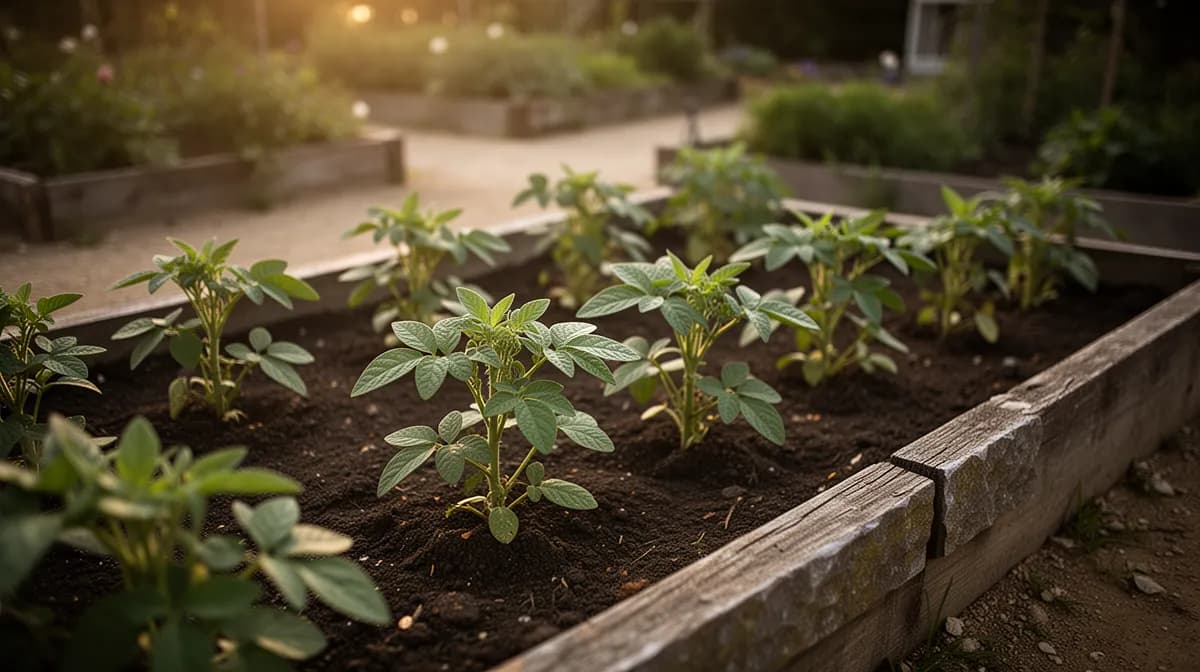
288 plantas caben en un bancal de 120 × 240 cm
Cada Frijol Pinto pide 10 cm de margen. El planificador guarda ese marco por ti — cada planta, cada bancal.
Los mejores vecinos de Frijol Pinto
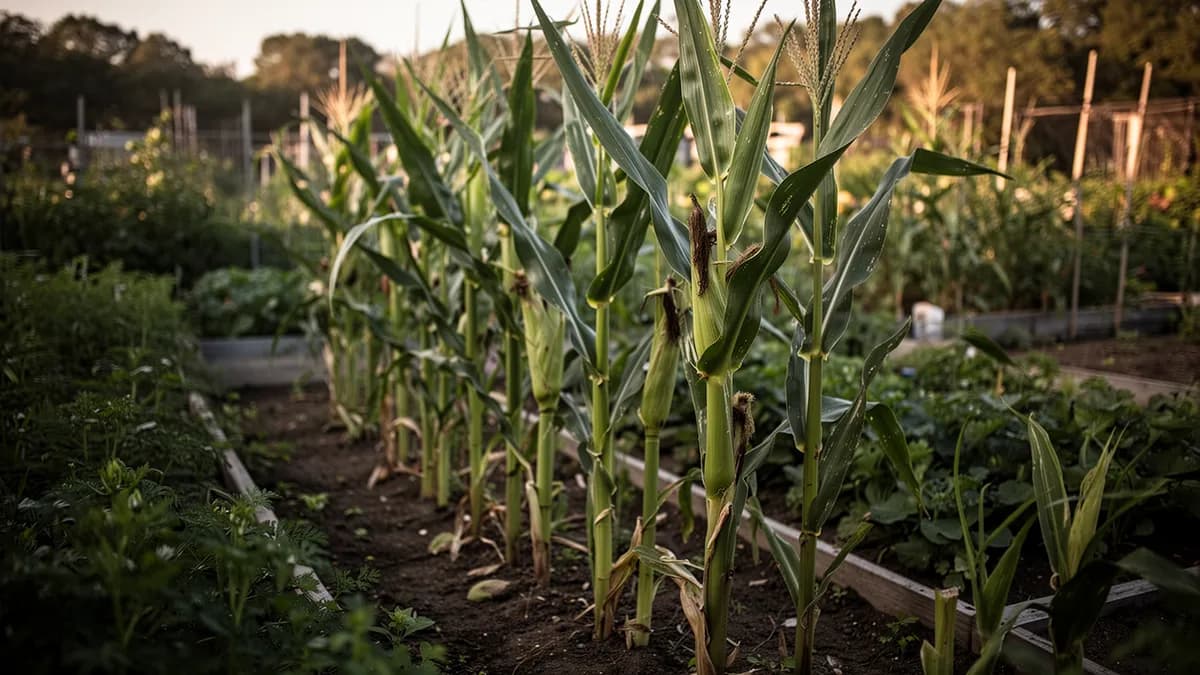
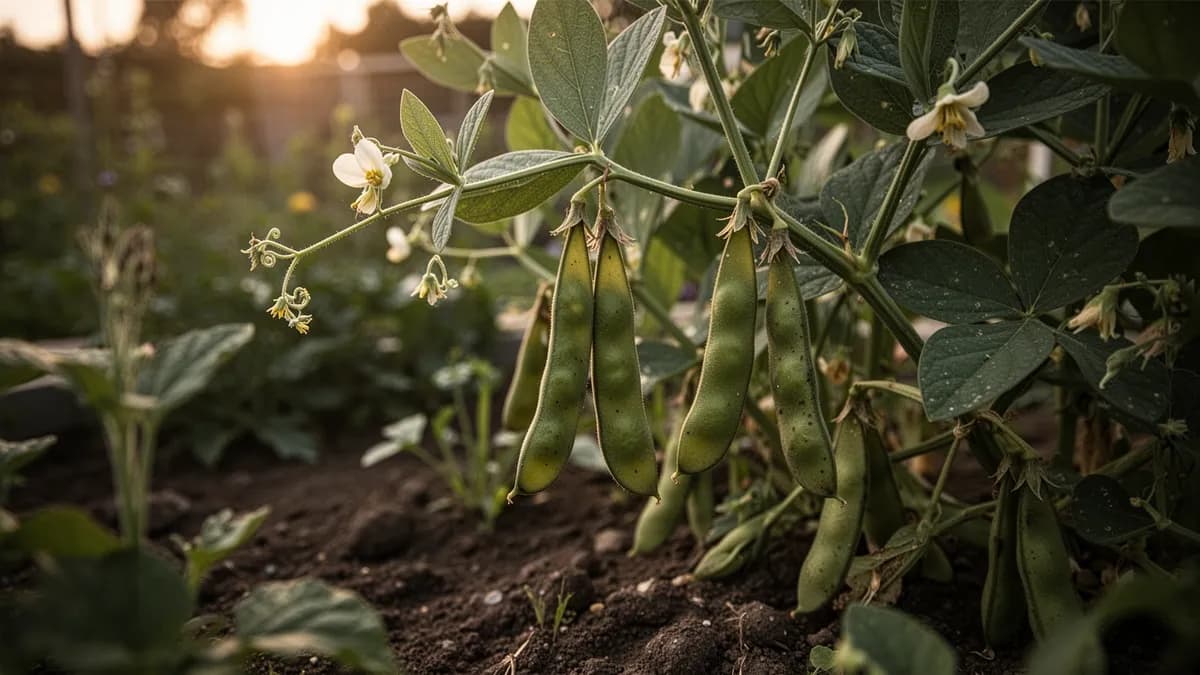
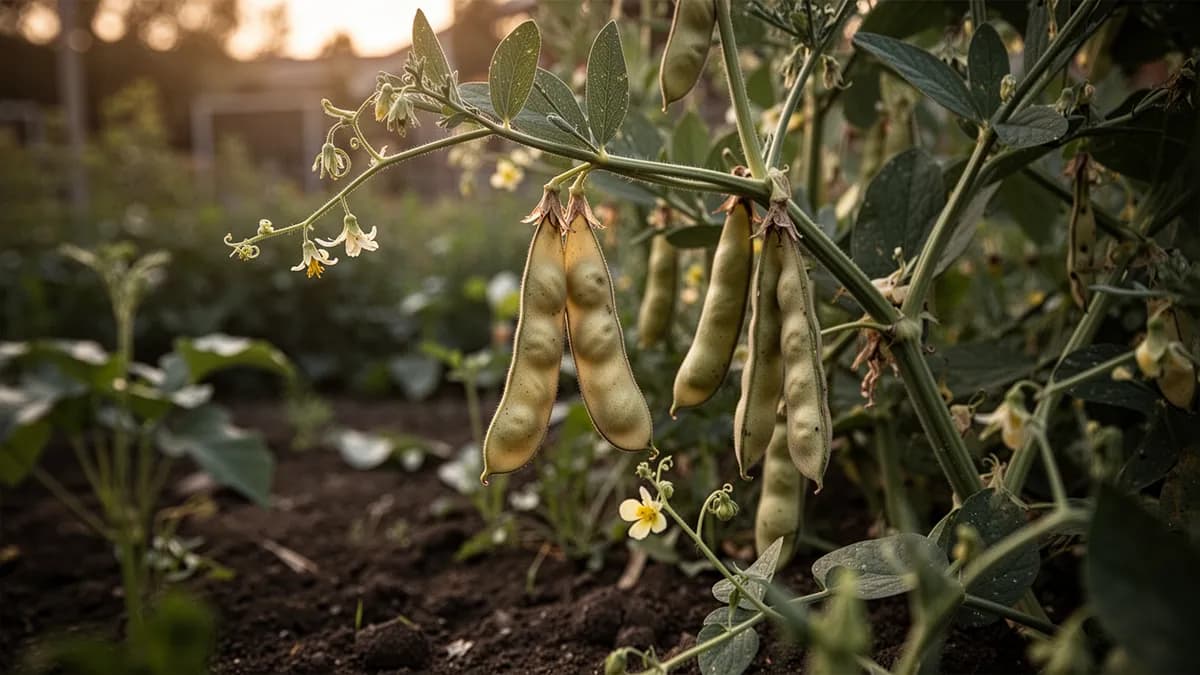
El frijol pinto forma parte de la tradicional milpa mesoamericana junto con el maíz y la calabaza, una asociación agronómica milenaria. El maíz proporciona soporte para las variedades trepadoras, los frijoles fijan nitrógeno que beneficia a los tres cultivos, y la calabaza cubre el suelo reduciendo malezas y conservando humedad.
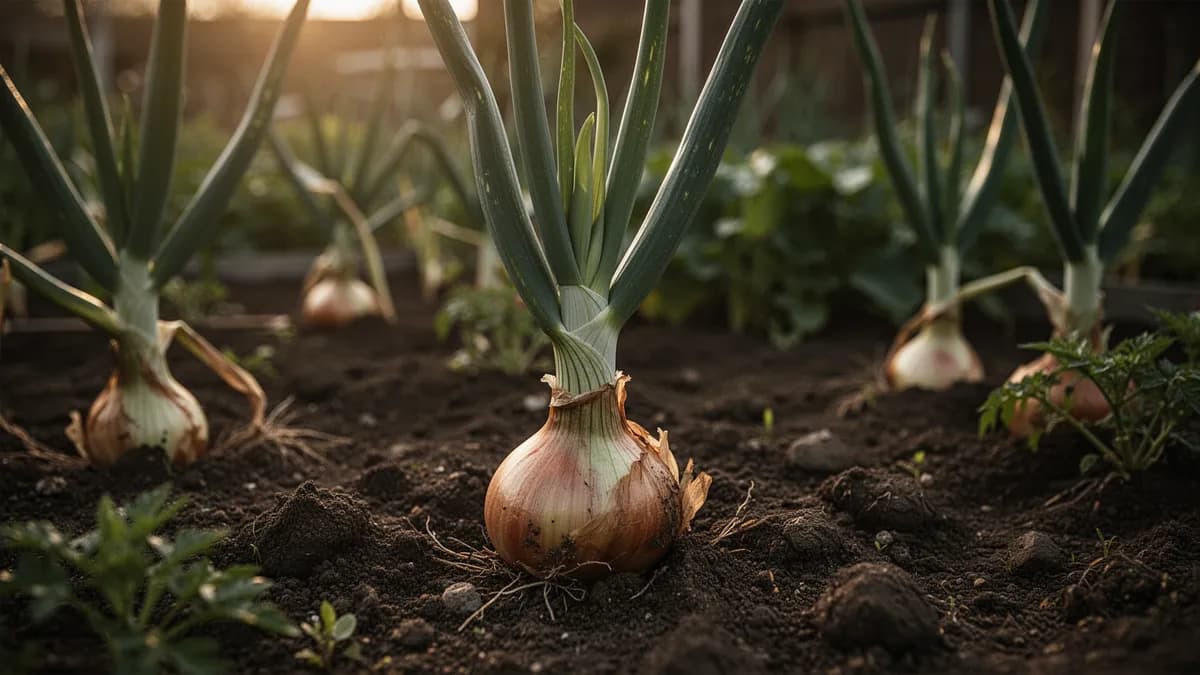
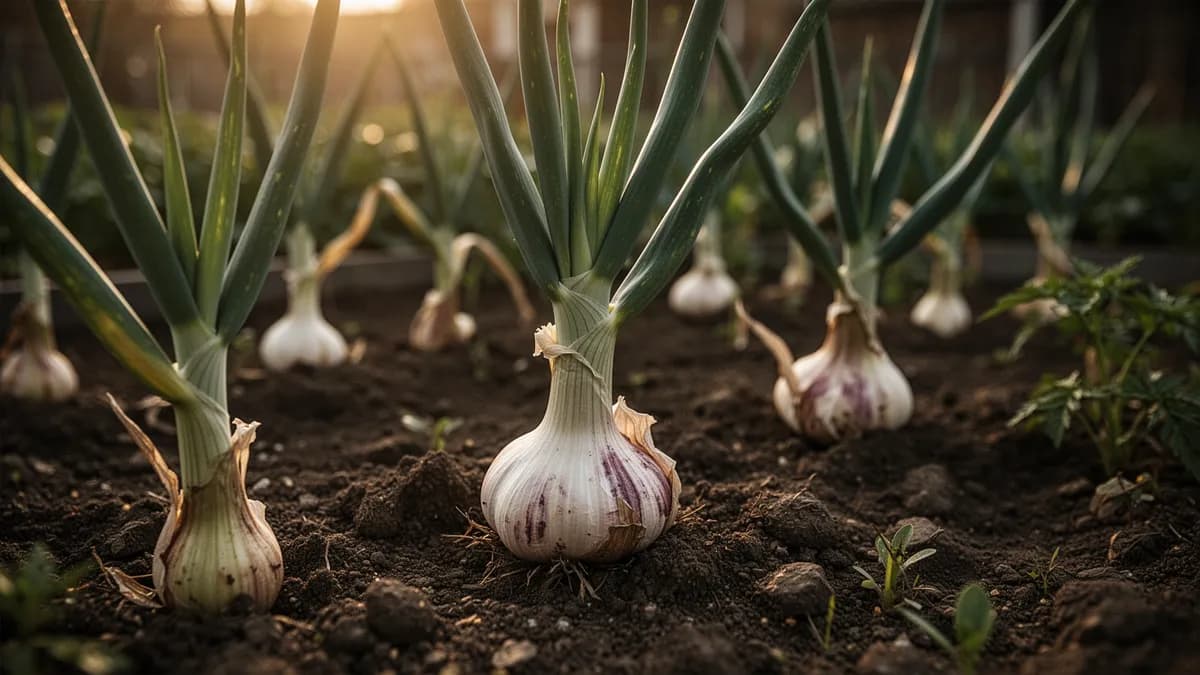
Maíz va a su lado. Cebolla no.
Saber de huerto de siempre, cotejado con la tabla real de Frijol Pinto — prueba cualquier planta que cultives.
Prueba Frijol Pinto en un bancal, aquí mismo
Un bancal real del planificador con Frijol Pinto ya plantado. Toca una planta compañera para colocarla y mira cómo responde la comprobación de vecinos: verde para buenos vecinos, rojo si hay conflicto.


Guías de cultivo relacionadas
Abónalo bien
El frijol pinto prefiere suelos francos, bien drenados, con un pH entre 6,0 y 7,0. Incorpore compost maduro antes de la siembra para mejorar la estructura del suelo. Aplique un fertilizante bajo en nitrógeno pero rico en fósforo y potasio, como una fórmula 5-10-10, para estimular la floración sin inhibir la fijación biológica de nitrógeno.
Temperatura ideal
Compatibilidad de zonas de rusticidad
De la semilla a la cosecha, etapa por etapa
Germinación de la semilla
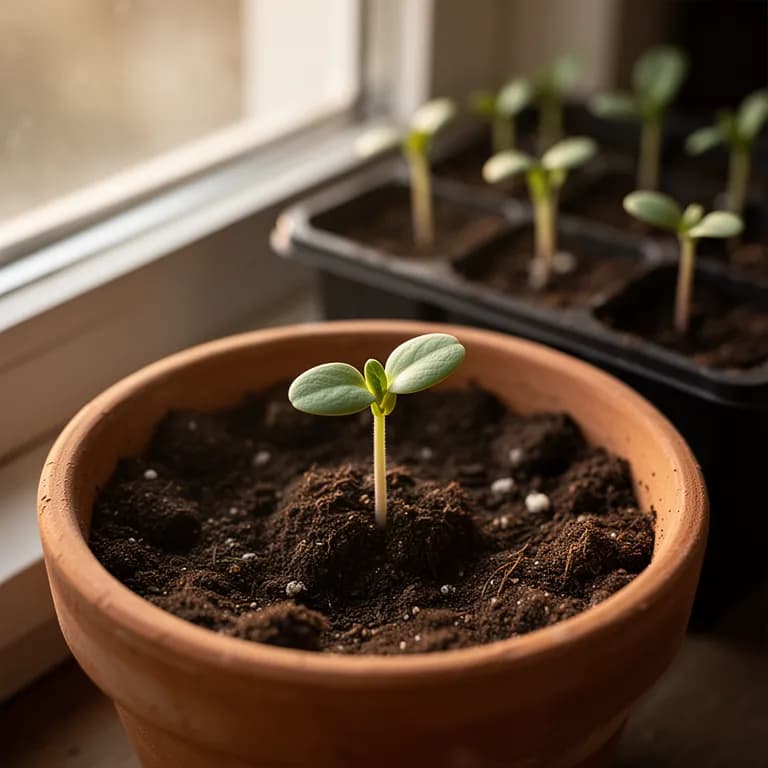
Las semillas se hinchan rápidamente en suelo cálido y húmedo y emiten una radícula blanca gruesa en 3-5 días. El arco del hipocótilo emerge a través de la superficie del suelo, levantando las grandes hojas cotiledonares. La germinación requiere temperaturas del suelo de al menos 16 °C y es más rápida a 24-27 °C.
Establecimiento de plántulas
Las primeras hojas trifoliadas se despliegan por encima de los cotiledones, y el sistema radicular comienza a desarrollar nódulos fijadores de nitrógeno con bacterias Rhizobium. Las plántulas crecen de forma constante y desarrollan un porte compacto y arbustivo. Los cotiledones se amarillean y caen cuando la planta se vuelve autosuficiente.
Crecimiento vegetativo
Las plantas de tipo arbustivo se desarrollan con rapidez hasta su altura final de 45-60 cm, produciendo un follaje denso y un sistema radicular fuerte con nódulos fijadores de nitrógeno. La estructura ramificada se va llenando mientras la planta se prepara para florecer.
Llenado de vainas
Las vainas verdes se hinchan a medida que las semillas se desarrollan dentro, pasando de planas a regordetas. En esta etapa, los frijoles pueden cosecharse como frijoles tiernos para desgranar, con un color rosa uniforme. El patrón moteado característico comienza a aparecer a medida que las vainas maduran y disminuye el contenido de humedad.
Secado y cosecha
Las vainas pasan de verde a amarillo y luego a marrón y aspecto de papel a medida que el contenido de humedad baja por debajo del 14 %. Las hojas se amarillean y caen. Toda la planta se seca de manera uniforme en condiciones ideales. Las semillas del interior muestran su patrón completo moteado marrón y beige y suenan dentro de las vainas secas al agitarlas.
Secado y cosecha
Las vainas pasan de verde a amarillo y luego a marrón y aspecto de papel a medida que el contenido de humedad baja por debajo del 14 %. Las hojas se amarillean y caen. Toda la planta se seca de manera uniforme en condiciones ideales. Las semillas del interior muestran su patrón completo moteado marrón y beige y suenan dentro de las vainas secas al agitarlas.
No remojes las semillas de frijol pinto antes de sembrarlas; a diferencia de muchos frijoles, los pintos tienen cubiertas de semilla delgadas que absorben agua con rapidez y pueden rajarse o pudrirse si se prehidratan. Siembra a 2,5-5 cm de profundidad en suelo cálido y bien drenado.
Cuidar Frijol Pinto mes a mes
Qué hacer cada mes para tu Frijol Pinto
Octubre
Mes actualThresh dried plants by beating in a pillowcase or bag. Winnow to separate beans from chaff on a breezy day. Check beans for insect damage and discard any with holes. Prepare beans for storage.
Ten claro qué hacer en tu huerto, cada mes
Un correo al empezar cada mes: qué sembrar, plantar y hacer ahora mismo — para tu Frijol Pinto y todo lo que crece alrededor. Más un breve curso inicial para esquivar los errores clásicos.
- Qué hacer ahora mismo
- Ajustado a tu temporada
- Curso inicial incluido
Cosechar Frijol Pinto
Para frijoles secos, deje las vainas en la planta hasta que se tornen marrones y las semillas suenen al agitarlas, generalmente entre 85 y 100 días después de la siembra. Arranque las plantas enteras y cuélguelas en un lugar seco y ventilado durante una o dos semanas para completar el secado. Desgrane golpeando suavemente las vainas sobre una lona limpia.
se supone que plantas al comenzar el periodo — indica tu fecha real
85-100 días desde la siembra para la cosecha de grano seco, o cuando las vainas estén regordetas pero aún húmedas para frijoles tiernos para desgranar.
Almacenamiento y conservación
Los frijoles pintos secos se almacenan en recipientes herméticos de vidrio o plástico en un lugar fresco, oscuro y seco, donde conservan su calidad durante 2-3 años. Para cocinar, remoje los frijoles durante 8-12 horas antes de la cocción para reducir el tiempo y mejorar la digestibilidad. También pueden congelarse ya cocidos en porciones para uso rápido.
Qué falla — y cómo solucionarlo
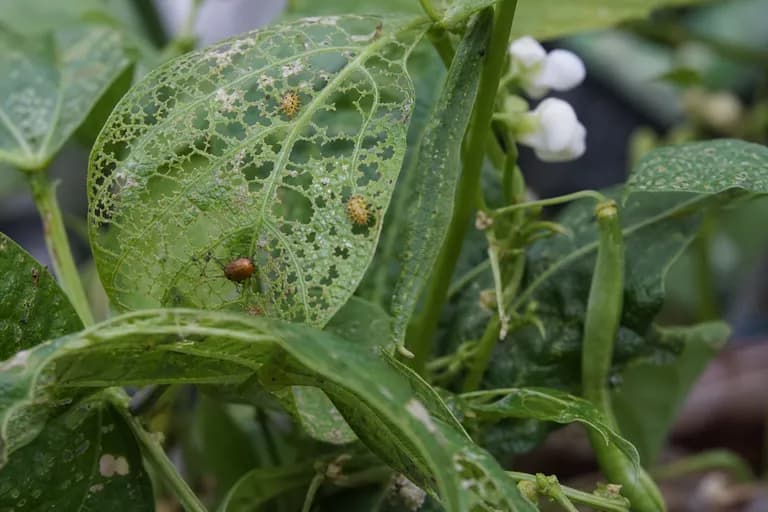
Escarabajo mexicano del frijol
PlagaAdultos de color cobrizo con 16 manchas negras que esqueletizan las hojas, dejando solo las nervaduras. Las larvas se alimentan de las raíces y debilitan significativamente la planta.
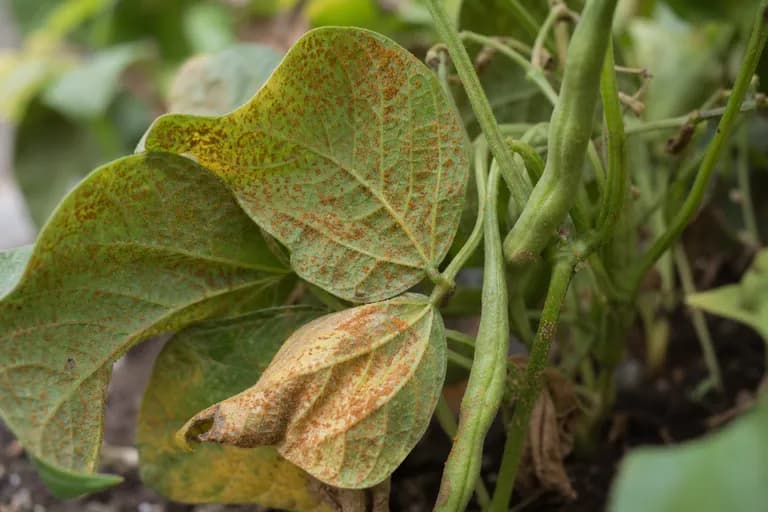
Antracnosis del frijol
EnfermedadManchas oscuras hundidas en vainas, tallos y hojas, con bordes rojizos y centros grises. En condiciones húmedas aparecen masas de esporas rosadas en el centro de las lesiones.
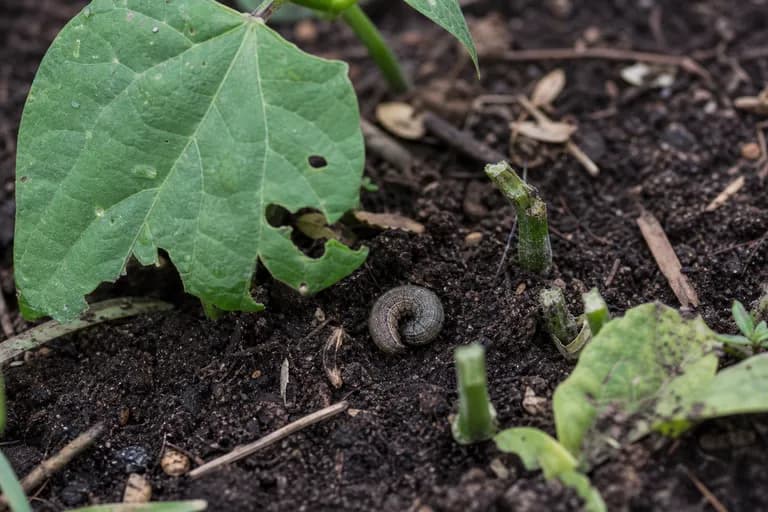
Mosca blanca del frijol
PlagaPequeños insectos blancos voladores en el envés de las hojas que succionan savia, provocando amarillamiento, enrollamiento foliar y transmisión del virus del mosaico dorado del frijol.
Solución de problemas comunes
El exceso de humedad en el follaje y el suelo es la principal causa de problemas, favoreciendo enfermedades fúngicas y bacterianas que pueden devastar el cultivo. Las temperaturas superiores a 35°C durante la floración causan aborto de flores y reducción del rendimiento. La germinación es pobre en suelos fríos y húmedos, por lo que es crucial respetar las fechas de siembra.
Consejos de cultivo
- Do not soak pinto bean seeds before planting. Unlike many larger-seeded beans, pintos have relatively thin seed coats that absorb water quickly and are prone to splitting and rotting when pre-soaked. Plant directly into warm, moist soil for the best germination rates.
- Inoculate seeds with Rhizobium leguminosarum inoculant at planting time, especially if the bed has not grown beans in the past 3-4 years. The nitrogen-fixing bacteria dramatically improve plant vigor and yield while enriching the soil for future crops.
- Pinto beans are dryland crops that actually prefer drier conditions than most garden vegetables. Overwatering promotes lush foliage, root rot, and foliar diseases. Water deeply but infrequently, and withhold water entirely during the dry-down phase as pods mature.
- Avoid all nitrogen fertilizer — the Rhizobium nodules provide all the nitrogen pinto beans need, and additional nitrogen causes excessive leaf growth at the expense of pod production. A light application of phosphorus (bone meal or rock phosphate) at planting supports flowering and pod fill.
- Cultivate weeds early and shallowly, as pinto beans have a relatively shallow root system that is easily damaged by deep hoeing. Once plants are 15 cm tall, apply a light organic mulch to suppress weeds and conserve soil moisture.
- For the highest-quality dried beans, time your harvest carefully. Pull entire plants when 90% of pods are dry and brown but before heavy rains can cause sprouting or mold. In humid climates, harvest slightly early and finish drying under cover.
- Practice strict 3-year crop rotation with pinto beans to prevent the buildup of bean rust, bacterial blight, and root rot pathogens in the soil. Follow beans with heavy nitrogen feeders like corn, squash, or brassicas that benefit from the residual fixed nitrogen.
- Save seeds from your healthiest, most productive plants for next year. Pinto bean seeds remain viable for 3-4 years when stored in a cool, dry place. Select pods from the most uniform, disease-free plants to gradually improve your adapted strain.
Cultiva tu mejor Frijol Pinto — y todo lo que la rodea.
Empieza un plan gratis hoy. Diseña tus bancales, coloca tu Frijol Pinto y deja que PlotMyGarden gestione el momento, el espaciado, las asociaciones y los recordatorios de la semilla a la cesta.
Elige tu Frijol Pinto
Othello
Variedad de tipo arbusto muy productiva con maduración en 85-90 días. Semillas grandes con excelente patrón moteado y buen sabor. Resistente a varias razas de roya del frijol.
Alavés
Variedad española de tipo pinto con excelente adaptación a climas mediterráneos. Produce semillas de tamaño mediano con textura muy cremosa al cocinar.
Burke
Variedad de arbusto erecto con buena resistencia al virus del mosaico común del frijol. Madura en 90 días y produce semillas uniformes de alta calidad comercial.
Maverick
Variedad moderna de alto rendimiento con resistencia múltiple a enfermedades incluyendo antracnosis y roya. Planta vigorosa de tipo arbusto que madura en 85-95 días.
A single packet of pinto bean seeds costing $3-5 can plant a 6-meter row that produces 2-4 kg of dried beans — equivalent to $8-20 worth of organic dried pintos or $15-30 worth of canned beans at the grocery store. Growing your own also eliminates the BPA-lined cans and excess sodium found in commercial products. Since dried pinto beans store for 2-3 years, a single productive harvest provides shelf-stable protein for extended periods. The real savings multiply when you consider that homegrown pintos also improve your soil by fixing nitrogen, reducing fertilizer costs for the next crop in the rotation.
Recetas rápidas
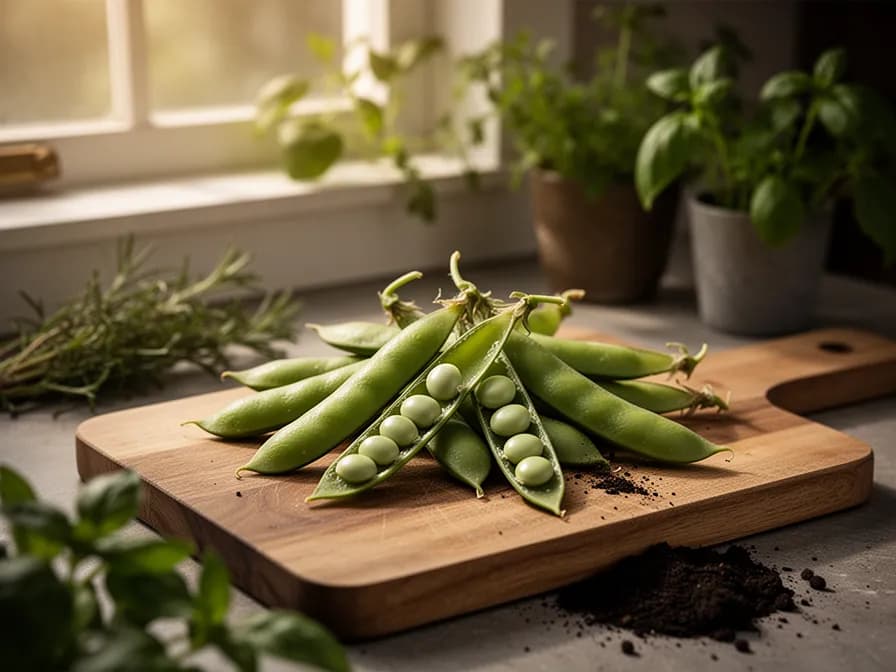
Classic Refried Beans (Frijoles Refritos)
30 min (plus overnight soak)The quintessential Mexican side dish — tender pinto beans mashed and fried with aromatic onion, garlic, and cumin until creamy and rich. Homemade refried beans are incomparably better than canned and freeze beautifully for quick meals.
7 ingredientesSlow-Cooker Charro Beans (Frijoles Charros)
15 min prep, 8 hrs slow cookA hearty, brothy Mexican bean dish loaded with smoky bacon, tomatoes, chili peppers, and herbs. Charro beans are a beloved side for grilled meats and tacos, and they only get better the next day as the flavors meld.
8 ingredientesPinto Bean and Roasted Vegetable Burrito Bowl
35 minA colorful, protein-packed bowl layering seasoned pinto beans over cilantro-lime rice with roasted vegetables, fresh salsa, and creamy avocado. A wholesome weeknight dinner that showcases homegrown pintos at their best.
7 ingredientesUsos culinarios
El frijol pinto es el alma de la cocina mexicana y tex-mex. Se prepara como frijoles refritos, frijoles de la olla, frijoles charros y como relleno de burritos, tacos y enchiladas. Su textura cremosa lo hace ideal para purés, sopas espesas y chili con carne. También se utiliza en ensaladas frías y como guarnición con arroz en toda Latinoamérica.
Qué contiene
Beneficios para la salud
- Pinto beans are among the highest-fiber foods available, providing 9g of dietary fiber per 100g cooked serving (36% DV) — this exceptional fiber content supports digestive regularity, feeds beneficial gut bacteria, and may significantly reduce the risk of colorectal cancer.
- The combination of high fiber and complex carbohydrates gives pinto beans a very low glycemic index, causing a slow, steady rise in blood sugar rather than a spike — regular consumption is associated with improved blood sugar control in people with type 2 diabetes.
- Rich in plant-based protein at 9g per 100g cooked, pinto beans provide essential amino acids that complement grains to form complete proteins — the traditional pairing of beans and rice or beans and corn tortillas is nutritionally synergistic.
- Excellent source of folate (37% DV per 100g cooked), a B vitamin critical for DNA synthesis, cell division, and prevention of neural tube defects during pregnancy — pinto beans are one of the best natural food sources of this essential nutrient.
- High in iron (12% DV), magnesium (12% DV), and potassium (12% DV), supporting oxygen transport, muscle function, and blood pressure regulation — minerals that many people do not consume in adequate amounts.
- Studies indicate that consuming legumes like pinto beans 4+ times per week is associated with a 22% lower risk of coronary heart disease, likely due to their cholesterol-lowering soluble fiber, potassium content, and antioxidant polyphenols.
De dónde viene Frijol Pinto
Pinto beans (Phaseolus vulgaris) trace their origins to the highlands of central Mexico and Guatemala, where the common bean was first domesticated approximately 7,000-8,000 years ago. Archaeological evidence from caves in the Tehuacan Valley and the Ocampo region of Mexico shows that ancient Mesoamerican peoples were cultivating beans alongside corn and squash — the foundational Three Sisters that sustained civilizations across the Americas. Pinto beans specifically evolved as a dry-adapted variety suited to the arid conditions of what is now the American Southwest and northern Mexico.
Spanish colonizers encountered pinto beans throughout Mexico and the American Southwest in the 16th century and quickly adopted them as a staple food. The beans spread along colonial trade routes and became deeply embedded in the cuisines of the borderlands region. For centuries, pinto beans served as a primary protein source for ranchers, miners, and settlers throughout the arid West, earning nicknames like 'cowboy beans' and 'prairie strawberries.' The combination of pinto beans with corn tortillas creates a complete protein, and this nutritional partnership has sustained communities across Mexico and the American Southwest for millennia.
Today, pinto beans are the most widely produced dry bean in the United States, with North Dakota, Nebraska, Colorado, Idaho, and New Mexico as the leading producing states. The US produces approximately 400,000-500,000 metric tonnes of pinto beans annually. Mexico remains both a major producer and the largest export market for US pintos. Modern varieties like Burke, Othello, and Lariat have been developed for disease resistance and uniform maturity, but the fundamental character of this ancient crop — drought tolerance, nitrogen fixation, high protein content, and exceptional storability — remains unchanged from its Mesoamerican origins.
Frijol Pinto: ¿sabías que?
Datos fascinantes sobre Frijol Pinto
Pinto beans are the single most consumed bean in the United States and Mexico combined, accounting for roughly 40% of all dry beans eaten in the US — their name comes from the Spanish word 'pintado' meaning 'painted,' referring to their distinctive speckled appearance.
Frijol Pinto: preguntas frecuentes
¿Cuándo debo plantar Frijol Pinto?
¿Cuáles son buenas plantas acompañantes para Frijol Pinto?
¿En qué zonas de rusticidad puede crecer Frijol Pinto?
¿Cuánto sol necesita Frijol Pinto?
¿A qué distancia debo espaciar Frijol Pinto?
¿Qué plagas y enfermedades afectan a Frijol Pinto?
¿Cómo almaceno Frijol Pinto después de la cosecha?
¿Cuáles son las mejores variedades de Frijol Pinto para cultivar?
¿Qué suelo necesita Frijol Pinto?
What is the difference between fresh shelling pinto beans and dried pinto beans?
Why did my pinto bean plants produce lots of leaves but very few pods?
How do I store dried pinto beans for the longest shelf life?
Can I grow pinto beans in a short-season northern climate?
Are pinto beans safe to eat raw or undercooked?
Do pinto beans really improve soil fertility for the next crop?
Acabas de leer la teoría. Ahora cultívala en piloto automático.
Todo lo que hace que Frijol Pinto sea delicado — el momento, el espaciado, las asociaciones, la ventana de cosecha — es justo lo que PlotMyGarden resuelve por ti, para cada planta de tu huerto.
Un plan que conoce tu clima
Indica tu ubicación una vez. Recibe fechas de siembra, abonado y cosecha basadas en tu última helada real y el pronóstico en vivo — sin adivinar con un sobre genérico.
De la sección “Cuándo plantar”Planificador de bancales de arrastrar y soltar
Diseña bancales sobre una cuadrícula. Cada planta encaja con su espaciado correcto y ves toda la temporada antes de gastar un céntimo en semillas.
De la sección “Cultivo”Conflictos de asociación, detectados a tiempo
Más de 200 buenas y malas combinaciones comprobadas en vivo mientras plantas — para que un error que arruine la temporada nunca llegue a la tierra.
De la sección “Asociaciones”Recordatorios que sí vas a seguir
“Riega las judías.” “Recoge hoy antes de que se pase.” Oportunos, concretos y ligados a las plantas que de verdad cultivas.
De la sección “Cosecha”Escalonado, programado
¿Quieres cosechar seis semanas en vez de seis días? Reparte tus siembras automáticamente y te avisa cuando toca el siguiente lote.
De la sección “Cuándo plantar”Un registro que se vuelve más listo
Cada cosecha que registras le enseña tu huerto. El plan del año que viene parte de lo que de verdad funcionó en tu suelo, no en un manual.
De la sección “Resumen”Planta estos junto a Frijol Pinto
Más Legumbres
Mantén Frijol Pinto lejos de estos
Cultiva tu mejor Frijol Pinto — y todo lo que la rodea.
Empieza un plan gratis hoy. Diseña tus bancales, coloca tu Frijol Pinto y deja que PlotMyGarden gestione el momento, el espaciado, las asociaciones y los recordatorios de la semilla a la cesta.