Chile Scotch Bonnet
El chile Scotch Bonnet (Capsicum chinense) es un chile caribeño extremadamente picante, con 100.000-350.000 unidades Scoville, reconocible por su forma achatada similar a un gorro escocés (tam o'shanter).





En esta páginaResumen
Conoce Chile Scotch Bonnet
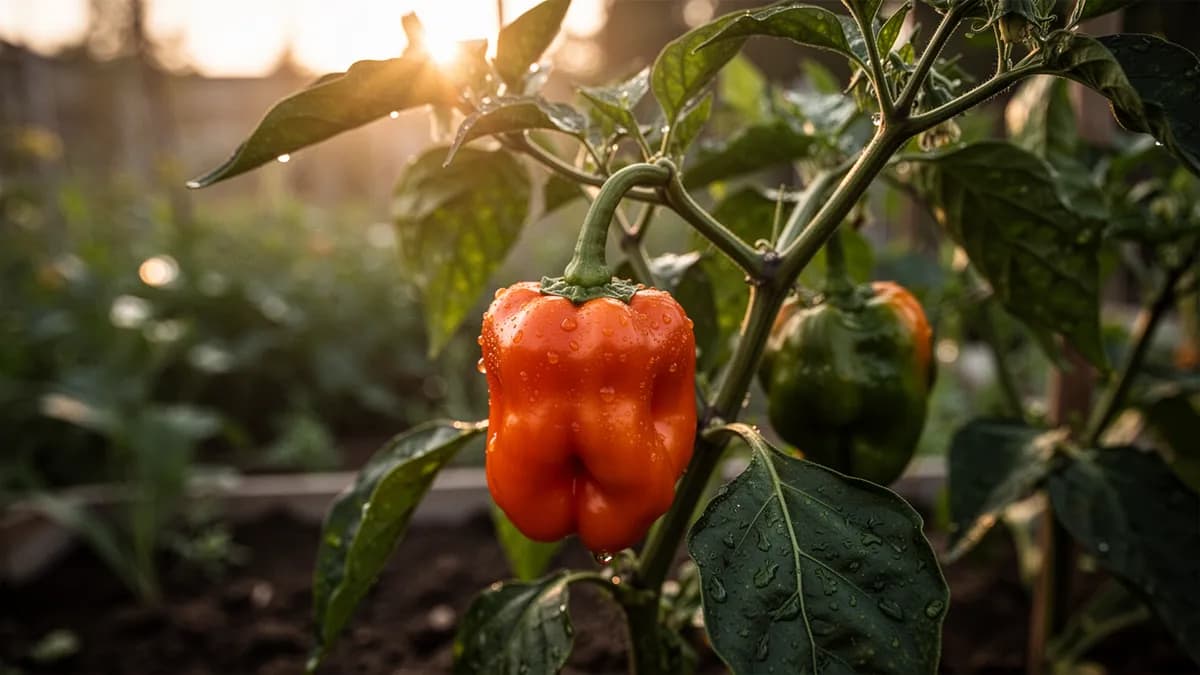
El chile Scotch Bonnet (Capsicum chinense) es un chile caribeño extremadamente picante, con 100.000-350.000 unidades Scoville, reconocible por su forma achatada similar a un gorro escocés (tam o'shanter). Es el chile emblemático de la cocina jamaicana y caribeña, con un sabor afrutado, tropical y cítrico que lo distingue del habanero, al que está estrechamente emparentado.
Cuándo plantar Chile Scotch Bonnet
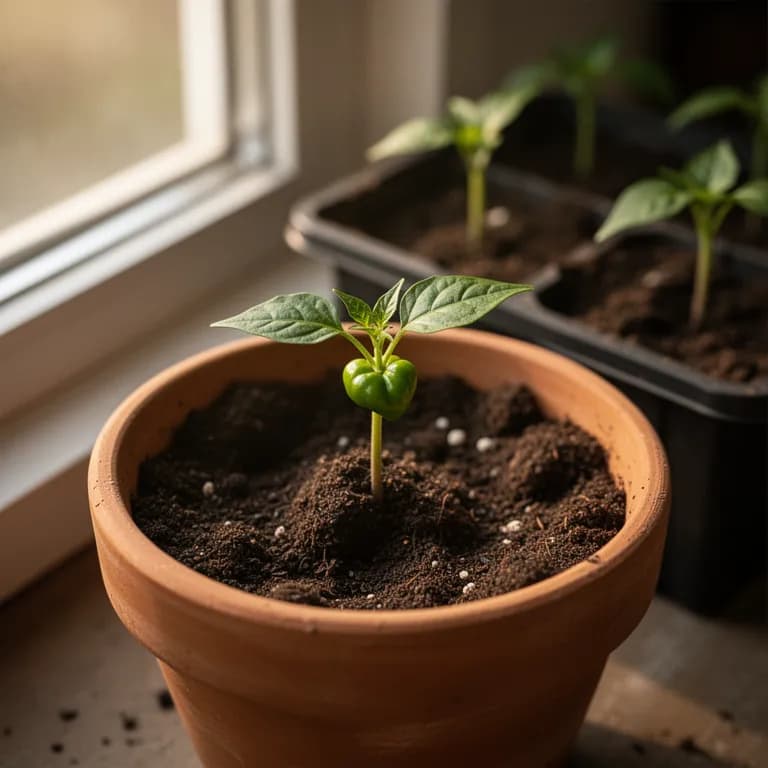
Inicie las semillas en interior al menos 10-12 semanas antes de la última helada, sembrando a 5 mm de profundidad en sustrato estéril con calefacción de fondo a 28-32°C. La germinación es lenta e irregular, tardando 14-28 días. Remojar las semillas en agua tibia durante 24 horas o en solución de té de manzanilla puede mejorar la germinación. Proporcione luz intensa de 14-16 horas diarias y trasplante cuando las plántulas tengan 4-6 hojas verdaderas.
Tu año de Chile Scotch Bonnet
Ajustado a Zona 7 · temporada típica · la helada se va hacia el 2 abr y vuelve hacia el 1 nov
Planta Chile Scotch Bonnet Ene – May y cosecha Ago – Oct. Consulta los métodos de plantación y elige tu clima para adaptar los periodos.
Cómo cultivar Chile Scotch Bonnet
El chile Scotch Bonnet requiere una temporada de crecimiento larga y cálida, siendo imprescindible iniciar las semillas en interior al menos 10-12 semanas antes de la última helada. Siembre a 5 mm de profundidad en sustrato cálido a 28-32°C con calefacción de fondo, ya que las semillas de Capsicum chinense germinan lenta e irregularmente en 14-28 días.
Transplante al exterior cuando las temperaturas nocturnas superen los 18°C de forma estable, espaciando las plantas a 50-60 cm en pleno sol. El Scotch Bonnet necesita al menos 6-8 horas de sol directo y temperaturas consistentemente cálidas para desarrollarse. Riegue de forma regular y profunda, manteniendo el suelo uniformemente húmedo pero nunca encharcado.
Fertilice cada 2-3 semanas con un abono equilibrado durante el crecimiento vegetativo, cambiando a una fórmula rica en potasio y fósforo cuando comience la floración. Las plantas alcanzan 60-100 cm de altura y pueden necesitar tutores cuando estén cargadas de frutos. En el Caribe, las plantas se comportan como perennes y pueden producir durante varios años; en climas templados, se pueden proteger del frío y mantener en macetas durante el invierno.
8 plantas caben en un bancal de 120 × 240 cm
Cada Chile Scotch Bonnet pide 50 cm de margen. El planificador guarda ese marco por ti — cada planta, cada bancal.
Los mejores vecinos de Chile Scotch Bonnet
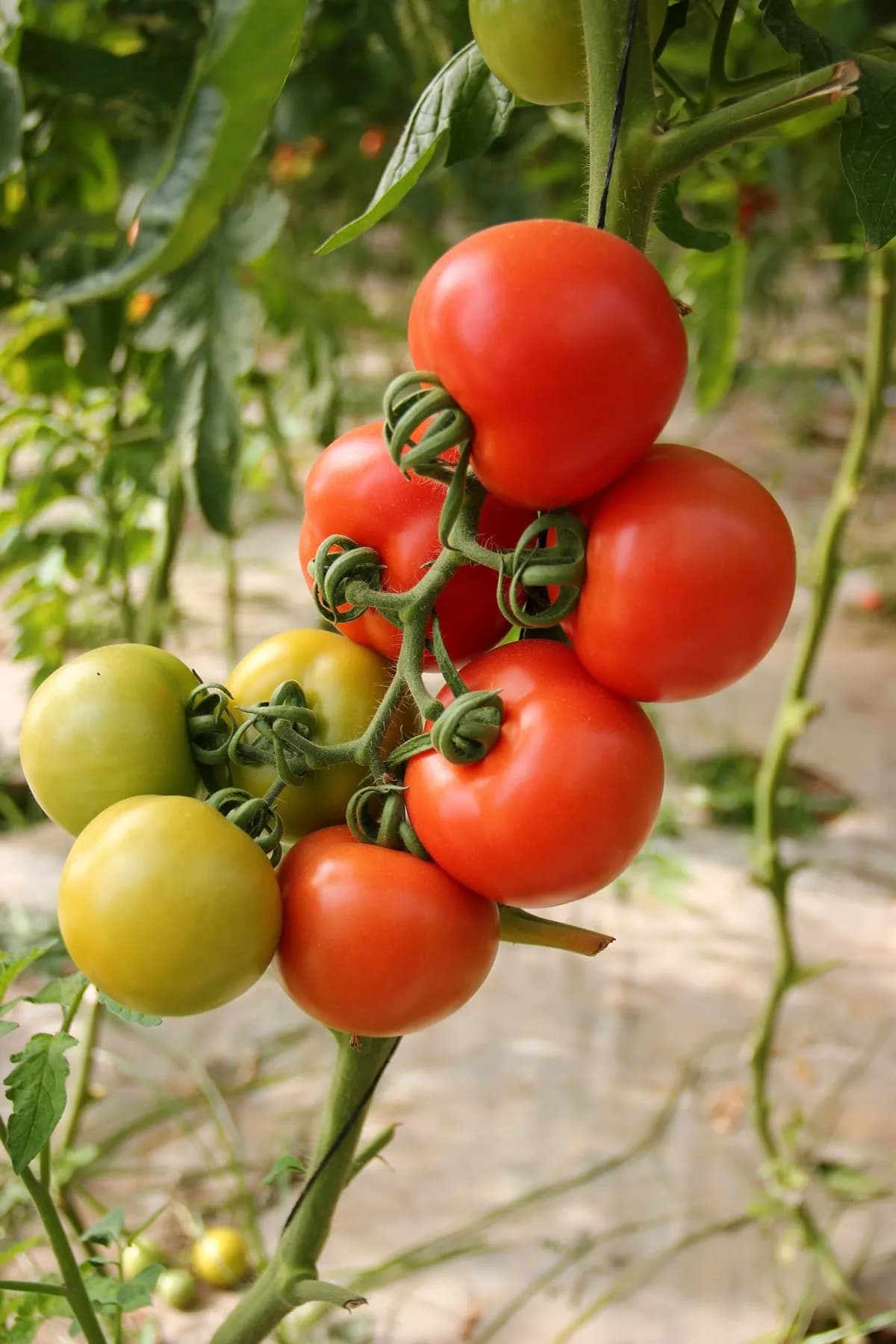
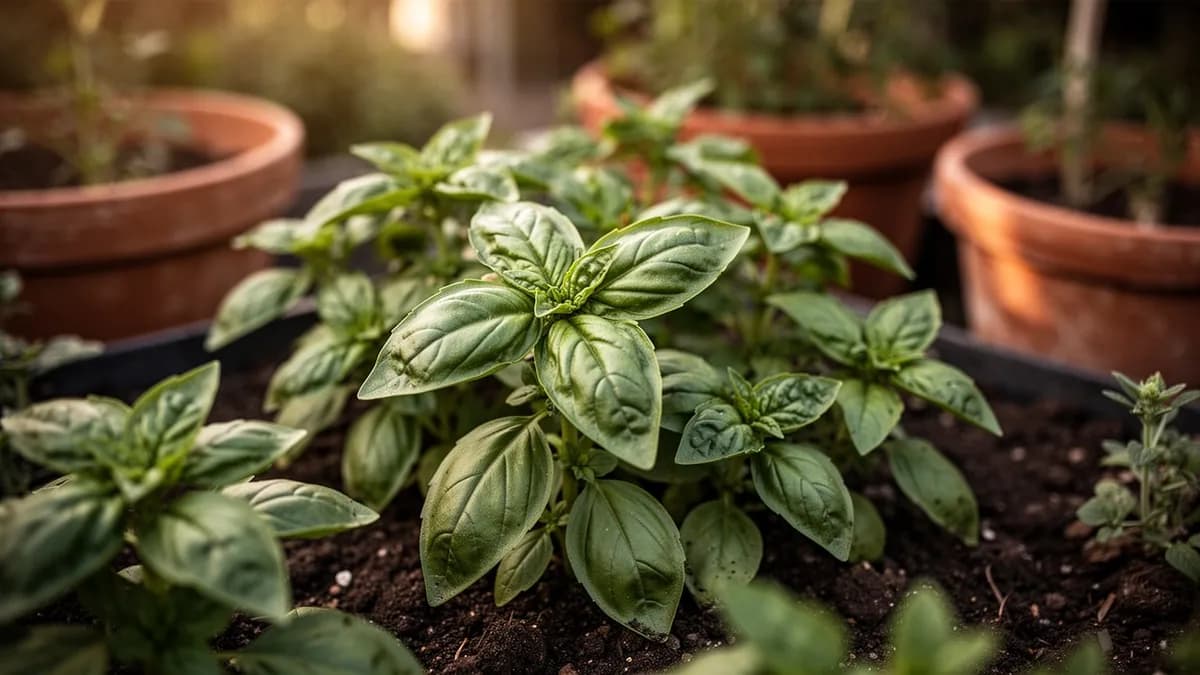
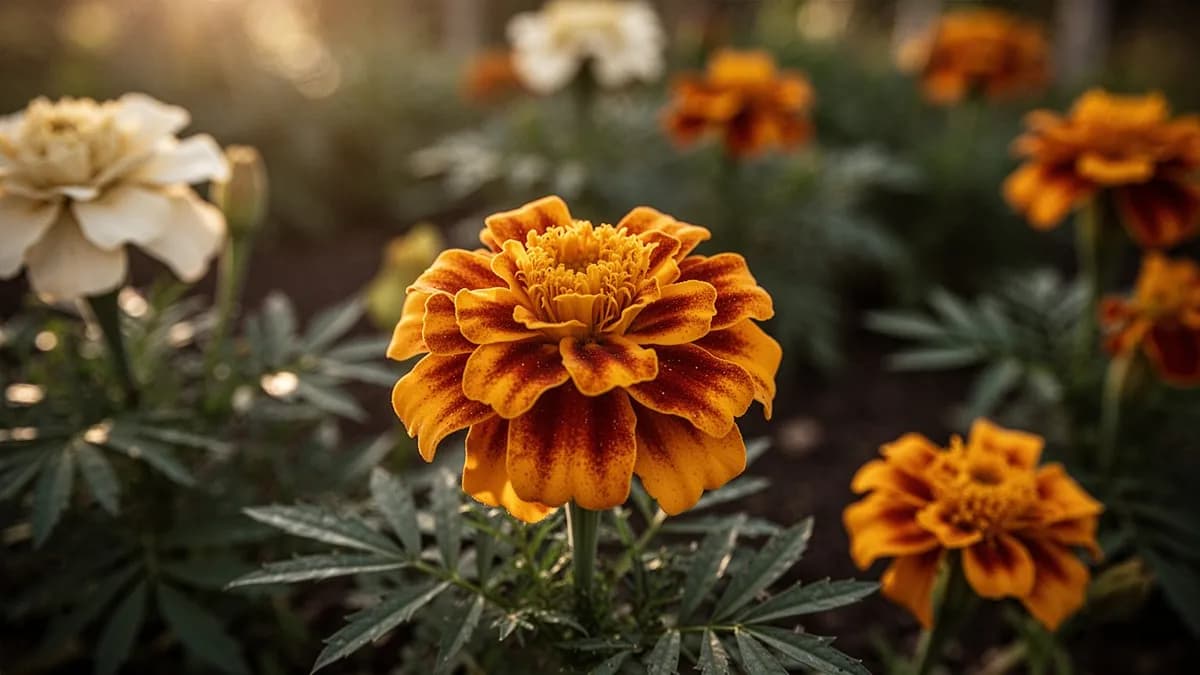
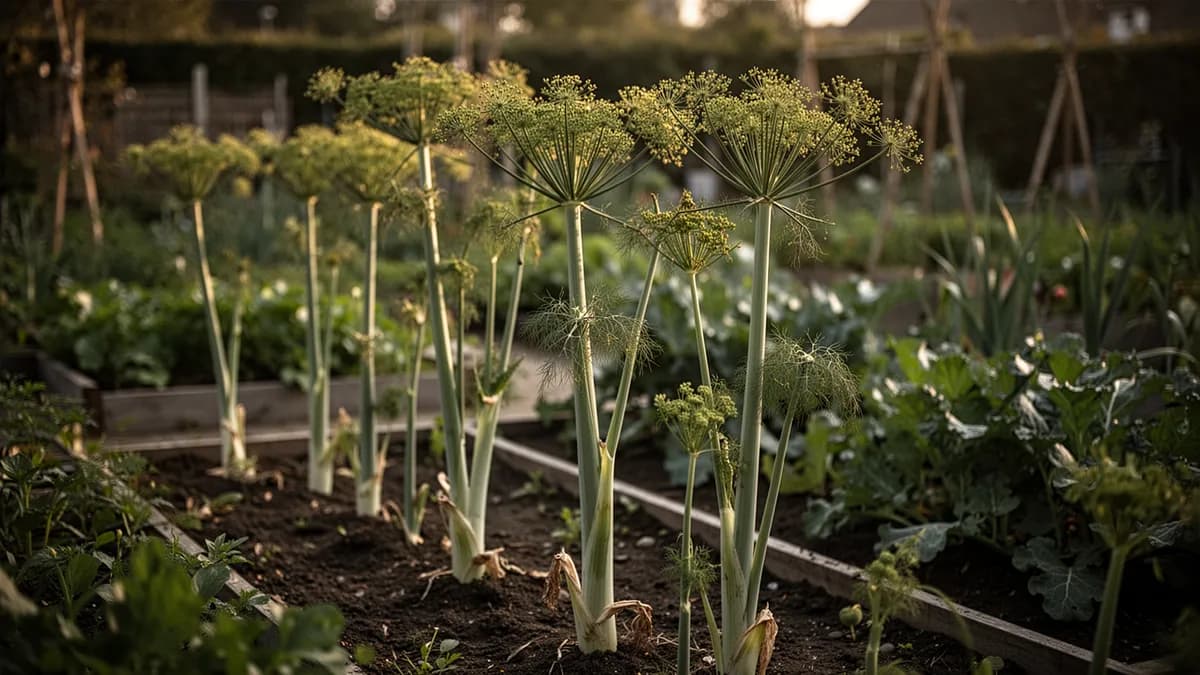
El chile Scotch Bonnet se beneficia de la compañía de albahaca, cilantro y orégano, que repelen plagas con sus aceites esenciales aromáticos. Las caléndulas y el eneldo atraen insectos benéficos. Evite plantar cerca de hinojo, que inhibe el crecimiento de solanáceas, y mantenga separado de otros Capsicum chinense si desea preservar la pureza varietal.
Tomate va a su lado. Hinojo no.
Saber de huerto de siempre, cotejado con la tabla real de Chile Scotch Bonnet — prueba cualquier planta que cultives.
Prueba Chile Scotch Bonnet en un bancal, aquí mismo
Un bancal real del planificador con Chile Scotch Bonnet ya plantado. Toca una planta compañera para colocarla y mira cómo responde la comprobación de vecinos: verde para buenos vecinos, rojo si hay conflicto.


Guías de cultivo relacionadas
Abónalo bien
El chile Scotch Bonnet prospera en suelos fértiles, bien drenados y ricos en materia orgánica, con un pH entre 6,0 y 6,8. En su hábitat caribeño crece en suelos volcánicos tropicales. Incorpore abundante compost y un fertilizante de liberación lenta antes del trasplante. Aplique abono rico en potasio durante la fructificación para intensificar el sabor y la producción.
Temperatura ideal
Compatibilidad de zonas de rusticidad
De la semilla a la cosecha, etapa por etapa
Germinación de semillas
Las semillas de scotch bonnet son notoriamente lentas para germinar y requieren calor constante y paciencia. Para una germinación fiable, necesitan temperaturas del suelo de 27-32 °C, lo que puede tardar 14-35 días. Primero emerge la pequeña radícula y después un par de cotiledones pequeños y alargados.
Desarrollo de plántulas
Las hojas verdaderas desarrollan una apariencia puntiaguda y ligeramente arrugada. El crecimiento es lento pero constante durante esta etapa, mientras se establece el sistema radicular. Las plántulas desarrollan su primera estructura de ramificación y los tallos empiezan a engrosarse y fortalecerse.
Crecimiento vegetativo
Las plantas crecen con vigor cuando llega el calor del verano, desarrollando un hábito arbustivo y ramificado que alcanza 60-100 cm de altura. El follaje verde oscuro se vuelve denso y la planta forma una estructura resistente para sostener docenas de frutos pesados. Se desarrollan múltiples puntos de ramificación donde pronto aparecerán las flores.
Floración y cuajado de frutos
Aparecen pequeñas flores blancas en forma de estrella en las uniones de las ramas, a menudo en grupos. Los scotch bonnet se autopolinan, pero se benefician del movimiento del aire y de la visita de polinizadores. Los pequeños pimientos verdes comienzan a formarse casi inmediatamente después de una polinización exitosa, mostrando pronto su característica forma de bonete aplastado.
Desarrollo del fruto
Los pimientos verdes aumentan hasta su tamaño maduro de 3-5 cm, desarrollando sus distintivas crestas en forma de bonete y su forma aplastada. Las paredes del fruto se engrosan y en el interior se desarrolla el tejido placentario rico en aceite que contiene la capsaicina. Los pimientos pueden cosecharse verdes para obtener un picor más agudo y vegetal.
Maduración y cosecha
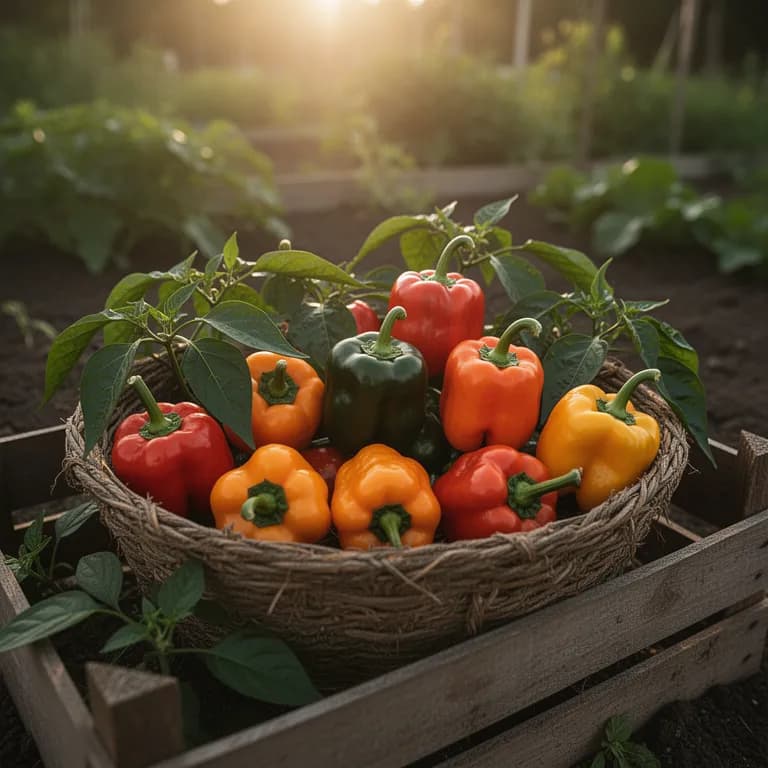
Los pimientos pasan del verde a su color final — amarillo, naranja, rojo o marrón chocolate, según la variedad — en 7-14 días. Los scotch bonnet maduros desarrollan su aroma tropical y afrutado característico junto con un picor intenso de 100.000-350.000 unidades Scoville. Las plantas continúan produciendo nuevas flores y frutos al mismo tiempo.
Usa una manta térmica ajustada a 29 °C y mantén el medio de cultivo constantemente húmedo, pero nunca empapado. Sembrar en bandejas con domos de humedad mejora mucho la tasa de germinación. No te rindas demasiado pronto: algunas semillas tardan 5 semanas completas.
Cuidar Chile Scotch Bonnet mes a mes
Qué hacer cada mes para tu Chile Scotch Bonnet
Octubre
Mes actualPeak harvest in most zones. Pick all peppers before nighttime temperatures drop below 10°C (50°F). Green peppers will ripen off the vine on a sunny windowsill. Process excess harvest into hot sauce, dried flakes, or freeze whole peppers for winter use.
Ten claro qué hacer en tu huerto, cada mes
Un correo al empezar cada mes: qué sembrar, plantar y hacer ahora mismo — para tu Chile Scotch Bonnet y todo lo que crece alrededor. Más un breve curso inicial para esquivar los errores clásicos.
- Qué hacer ahora mismo
- Ajustado a tu temporada
- Curso inicial incluido
Cosechar Chile Scotch Bonnet
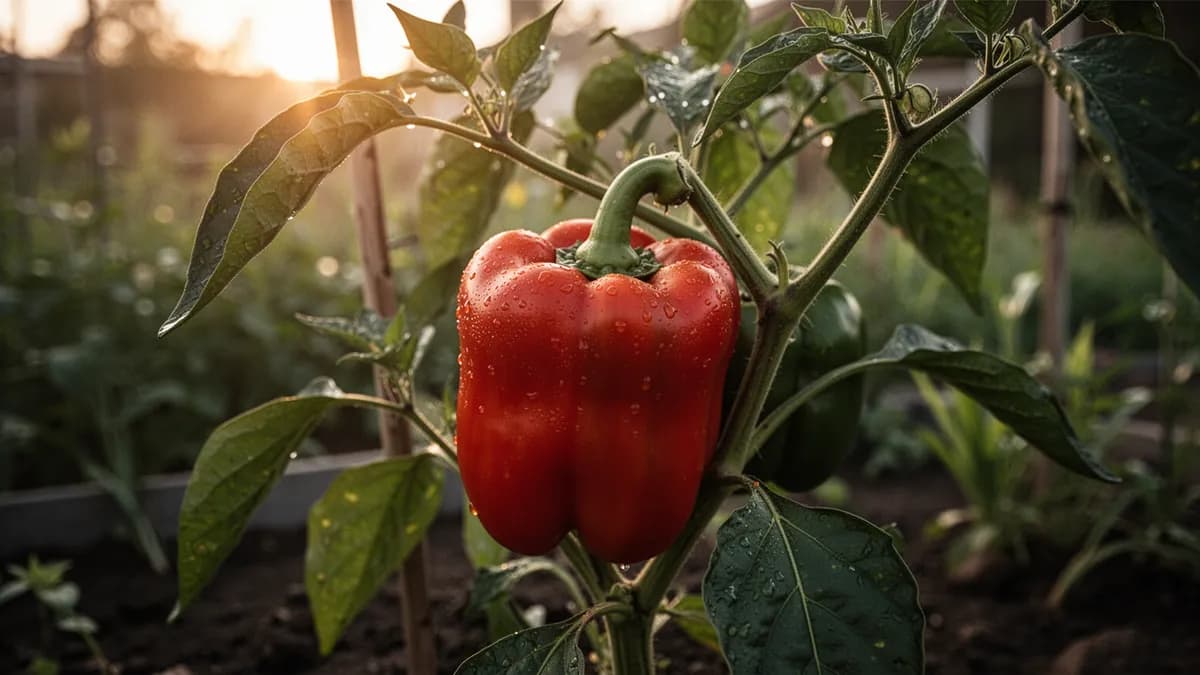
Los Scotch Bonnet se cosechan cuando alcanzan su color maduro completo, ya sea amarillo, naranja o rojo según la variedad, generalmente entre 100 y 120 días después del trasplante. Los frutos deben estar firmes y completamente coloreados. Use guantes de protección al manipular estos chiles extremadamente picantes para evitar quemaduras en la piel.
se supone que plantas al comenzar el periodo — indica tu fecha real
Cambia a un fertilizante rico en potasio (como el fertilizante para tomates) para apoyar el desarrollo del fruto. Evita el exceso de nitrógeno en esta etapa, ya que favorece las hojas sobre los frutos. Si las flores caen sin cuajar, quizá la temperatura sea demasiado alta: por encima de 35 °C (95 °F) puede reducir la viabilidad del polen.
Almacenamiento y conservación
Los chiles Scotch Bonnet frescos se conservan en el refrigerador durante 1-2 semanas. Para conservación a largo plazo, se pueden congelar enteros directamente, deshidratar a 55°C hasta que estén crujientes, o preparar salsas picantes caribeñas con vinagre, frutas tropicales y especias. También se conservan en vinagre o en aceite como condimento duradero.
Qué falla — y cómo solucionarlo
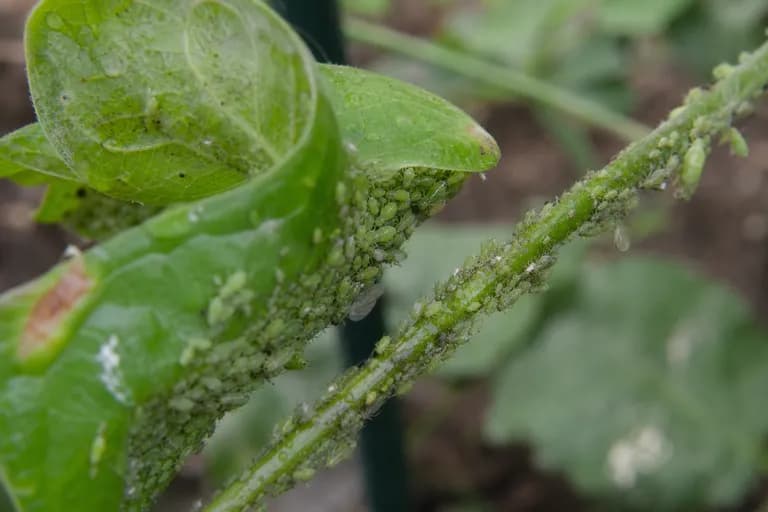
Pulgones
PlagaColonias de insectos pequeños en brotes tiernos y envés de hojas, causando enrollamiento foliar, secreción de melaza y potencial transmisión de virus que afectan la producción.
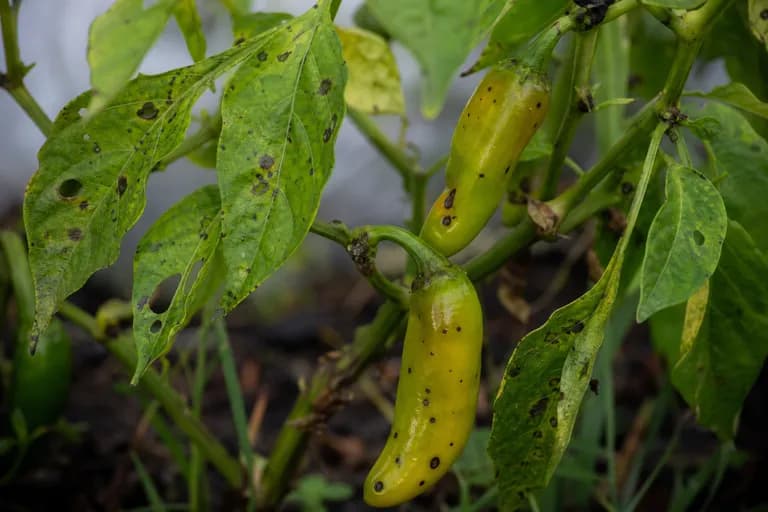
Antracnosis
EnfermedadLesiones hundidas oscuras con anillos concéntricos en frutos maduros, que se expanden rápidamente en condiciones cálidas y húmedas causando pudrición y pérdida de cosecha.
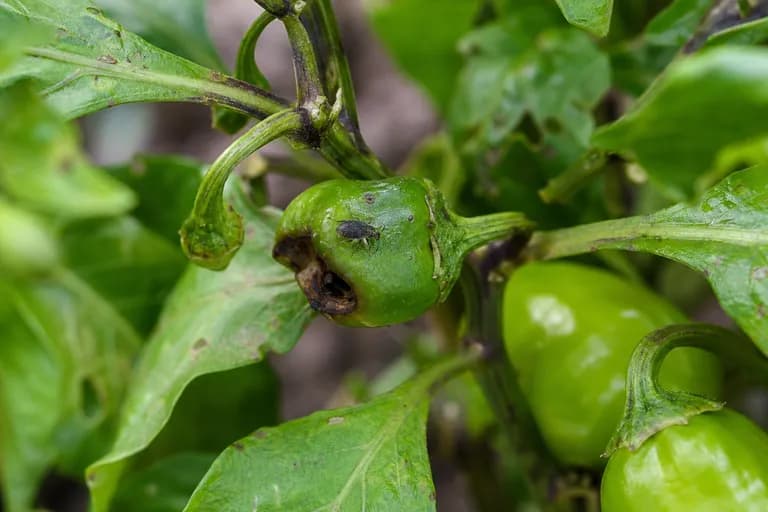
Mosca del pimiento
PlagaLarvas que se alimentan del interior de los frutos causando pudrición, maduración prematura y caída de los chiles. Se observan pequeños orificios de oviposición en la superficie.
Solución de problemas comunes
El mayor desafío del Scotch Bonnet en climas templados es su necesidad de una temporada cálida muy larga de al menos 120 días para alcanzar la madurez completa. Las temperaturas por debajo de 15°C detienen el crecimiento y las heladas son letales. La germinación es lenta e irregular, y la caída de flores ocurre con temperaturas extremas o estrés hídrico.
Consejos de cultivo
- Start seeds extremely early — 10-12 weeks before your last frost date at minimum. Scotch Bonnets have the longest germination and growing season of any common garden pepper, and late-started plants may not ripen fruit before autumn frost arrives in temperate climates.
- Heat mats are essentially mandatory for germination. Scotch Bonnet seeds need consistent soil temperatures of 27-32°C (80-90°F) to germinate reliably. At room temperature (20°C/68°F), germination rates drop below 30% and can take 6 weeks or longer.
- Never transplant outdoors until nighttime temperatures consistently exceed 15°C (60°F). Scotch Bonnets are extremely cold-sensitive — even a single night below 10°C (50°F) can stunt growth for weeks and delay fruiting by a month or more.
- Grow in containers if your summers are short or cool. Use 20-liter (5-gallon) or larger pots with dark-colored sides to absorb heat. Containers can be moved to the warmest microclimate in your garden and brought indoors if cold snaps threaten.
- Do not overfertilize with nitrogen. Excessive nitrogen produces enormous bushy plants with dark green foliage but few flowers and peppers. Once flowering begins, switch to a high-potassium feed (tomato fertilizer) to channel energy into fruit production.
- Consistent watering is critical during flowering and fruit set. Irregular watering causes blossom end rot (dark, sunken spots on the bottom of peppers) and flower drop. Water deeply 2-3 times per week rather than lightly every day.
- Always wear nitrile gloves when harvesting and handling Scotch Bonnets. The capsaicin oil penetrates skin and can cause hours of burning pain, especially if you touch your eyes, nose, or other sensitive areas. Latex gloves are NOT sufficient — capsaicin passes through them.
- Overwinter favorite plants indoors for a head start next year. Cut plants back by half, pot up, and place in a bright south-facing window. Reduce watering to minimal levels. Overwintered Scotch Bonnets produce fruit 4-6 weeks earlier the following season.
Cultiva tu mejor Chile Scotch Bonnet — y todo lo que la rodea.
Empieza un plan gratis hoy. Diseña tus bancales, coloca tu Chile Scotch Bonnet y deja que PlotMyGarden gestione el momento, el espaciado, las asociaciones y los recordatorios de la semilla a la cesta.
Elige tu Chile Scotch Bonnet
Scotch Bonnet MOA
Variedad jamaicana clásica de color rojo-anaranjado con el sabor tropical y afrutado más auténtico. Alcanza 200.000-350.000 Scoville y madura en 100-110 días.
Scotch Bonnet Yellow
Variedad de color amarillo dorado brillante con sabor cítrico intenso y picor ligeramente inferior al rojo. Madura en 105 días y es la preferida para jerk marinades.
Scotch Bonnet Chocolate
Variante rara de color marrón chocolate con sabor más profundo y ahumado. Extremadamente picante, madura en 110-120 días y es muy buscada por coleccionistas.
Scotch Bonnet Sweet
Variedad sin capsaicina que mantiene el sabor afrutado y tropical del Scotch Bonnet sin el picor. Ideal para quien aprecia el sabor pero no tolera el calor extremo, madura en 95 días.
Fresh Scotch Bonnet peppers sell for $8-15 per pound at specialty grocery stores and Caribbean markets, and they are often difficult to find outside urban areas. A single plant producing 30-50 peppers saves $15-40 per season on fresh peppers alone. The savings multiply dramatically when you factor in homemade hot sauce ($6-12 per bottle retail), jerk seasoning ($5-8 per jar), and dried pepper flakes ($8-15 per bag) — all easily made from a home harvest. Growing 3-4 plants can save $60-150 per year while providing a steady supply of this hard-to-find ingredient.
Recetas rápidas
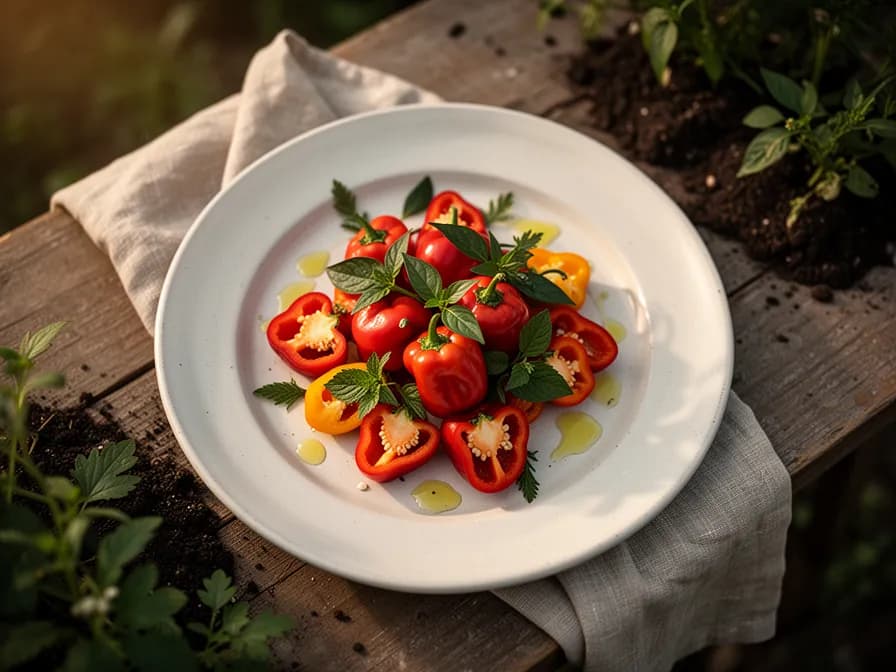
Authentic Jamaican Jerk Marinade
15 minThe soul of Caribbean cooking — a fiery, aromatic marinade that transforms chicken, pork, or fish into smoky, spicy perfection. Scotch Bonnets provide the essential fruity heat that distinguishes true jerk from mere spicy barbecue.
11 ingredientesScotch Bonnet Pepper Sauce
25 minA vibrant Caribbean-style hot sauce bursting with tropical fruit notes and slow-building heat. This versatile condiment works on everything from rice and beans to grilled seafood, and a single batch can last months in the refrigerator.
10 ingredientesPepper Shrimp (Jamaican Street Food)
20 minA beloved Jamaican roadside snack of whole shrimp sauteed with Scotch Bonnets, garlic, and butter until the shells turn pink and the sauce is irresistibly spicy. Eaten with the shells on for maximum flavor and finger-licking satisfaction.
9 ingredientesUsos culinarios
El chile Scotch Bonnet es el ingrediente imprescindible del jerk jamaicano, marinando pollo o cerdo con su sabor afrutado y tropical intenso. Se utiliza en salsas picantes caribeñas con mango y papaya, en curries de cabra trinitarios, en escovitch fish jamaicano y en sopas de pescado. Su sabor tropical único lo hace insustituible en la auténtica cocina caribeña.
Qué contiene
Beneficios para la salud
- Capsaicin in Scotch Bonnets has been shown to boost metabolic rate by 5-8% for several hours after consumption, increasing calorie burn and supporting weight management when consumed regularly as part of a balanced diet.
- Exceptionally high in vitamin C — a single Scotch Bonnet provides over 100% of the daily recommended intake, supporting immune defense, collagen production, and iron absorption from plant-based foods.
- Capsaicin acts as a natural analgesic, triggering the release of endorphins and blocking substance P (a pain neurotransmitter). Topical capsaicin creams derived from hot peppers are FDA-approved for arthritis and nerve pain relief.
- Regular consumption of capsaicin-rich peppers has been associated with improved cardiovascular health, including reduced LDL cholesterol, lower blood pressure, and decreased risk of blood clots due to capsaicin's anti-platelet effects.
- Contains powerful antioxidants including beta-carotene, lutein, and zeaxanthin that protect cells from oxidative damage and support eye health, potentially reducing the risk of age-related macular degeneration.
- Studies suggest that capsaicin has antimicrobial properties, inhibiting the growth of harmful bacteria including H. pylori and certain foodborne pathogens — which may explain why hot peppers became culinary staples in tropical regions where food spoilage is a constant challenge.
De dónde viene Chile Scotch Bonnet
The Scotch Bonnet pepper (Capsicum chinense) originated in the lowland Amazon basin of South America, where wild ancestors of the species have been consumed by indigenous peoples for at least 7,000 years. Archaeological evidence from sites in Peru and Ecuador shows that Capsicum chinense was among the earliest domesticated plants in the Americas, cultivated long before the arrival of European colonizers. From its South American homeland, the pepper was carried northward through Central America and into the Caribbean islands by indigenous Arawak and Taino peoples, who prized it as both a food and a medicinal plant.
The arrival of European colonizers in the Caribbean during the late 15th and 16th centuries brought the Scotch Bonnet to global attention. Spanish and Portuguese traders rapidly spread Capsicum chinense varieties along colonial trade routes to West Africa, South and Southeast Asia, and the Pacific Islands, where they were enthusiastically adopted into local cuisines. In Jamaica, Trinidad, Barbados, and across the Caribbean, the Scotch Bonnet became the defining pepper of the region's culinary identity — inseparable from jerk seasoning, pepper sauces, rice and peas, and countless other dishes that form the backbone of Caribbean food culture.
Today, the Scotch Bonnet remains the most important pepper in Caribbean agriculture and cuisine. Jamaica, Trinidad and Tobago, and Guyana are the primary commercial producers, though the pepper is now grown in tropical regions worldwide including West Africa (where it is known by various local names), Central America, and parts of the United States. In recent decades, the growing global interest in hot peppers and Caribbean food culture has elevated the Scotch Bonnet from a regional staple to an internationally sought-after ingredient, prized by chefs and hot sauce makers for its unique combination of extreme heat and complex, fruity flavor.
Chile Scotch Bonnet: ¿sabías que?
Datos fascinantes sobre Chile Scotch Bonnet
The Scotch Bonnet gets its name from its resemblance to a tam o'shanter hat (also called a Scotch bonnet) — the flattened, ridged shape of the pepper looks like the beret-style cap traditionally worn in Scotland.
Chile Scotch Bonnet: preguntas frecuentes
¿Cuándo debo plantar Chile Scotch Bonnet?
¿Cuáles son buenas plantas acompañantes para Chile Scotch Bonnet?
¿En qué zonas de rusticidad puede crecer Chile Scotch Bonnet?
¿Cuánto sol necesita Chile Scotch Bonnet?
¿A qué distancia debo espaciar Chile Scotch Bonnet?
¿Qué plagas y enfermedades afectan a Chile Scotch Bonnet?
¿Cómo almaceno Chile Scotch Bonnet después de la cosecha?
¿Cuáles son las mejores variedades de Chile Scotch Bonnet para cultivar?
¿Qué suelo necesita Chile Scotch Bonnet?
How hot are Scotch Bonnet peppers compared to other peppers?
What is the difference between a Scotch Bonnet and a habanero?
Why are my Scotch Bonnet plants flowering but not setting fruit?
Can I reduce the heat of Scotch Bonnets when cooking?
How do I preserve Scotch Bonnet peppers from a large harvest?
How long does it take to grow Scotch Bonnets from seed to harvest?
Acabas de leer la teoría. Ahora cultívala en piloto automático.
Todo lo que hace que Chile Scotch Bonnet sea delicado — el momento, el espaciado, las asociaciones, la ventana de cosecha — es justo lo que PlotMyGarden resuelve por ti, para cada planta de tu huerto.
Un plan que conoce tu clima
Indica tu ubicación una vez. Recibe fechas de siembra, abonado y cosecha basadas en tu última helada real y el pronóstico en vivo — sin adivinar con un sobre genérico.
De la sección “Cuándo plantar”Planificador de bancales de arrastrar y soltar
Diseña bancales sobre una cuadrícula. Cada planta encaja con su espaciado correcto y ves toda la temporada antes de gastar un céntimo en semillas.
De la sección “Cultivo”Conflictos de asociación, detectados a tiempo
Más de 200 buenas y malas combinaciones comprobadas en vivo mientras plantas — para que un error que arruine la temporada nunca llegue a la tierra.
De la sección “Asociaciones”Recordatorios que sí vas a seguir
“Riega las judías.” “Recoge hoy antes de que se pase.” Oportunos, concretos y ligados a las plantas que de verdad cultivas.
De la sección “Cosecha”Escalonado, programado
¿Quieres cosechar seis semanas en vez de seis días? Reparte tus siembras automáticamente y te avisa cuando toca el siguiente lote.
De la sección “Cuándo plantar”Un registro que se vuelve más listo
Cada cosecha que registras le enseña tu huerto. El plan del año que viene parte de lo que de verdad funcionó en tu suelo, no en un manual.
De la sección “Resumen”Planta estos junto a Chile Scotch Bonnet
Más Solanáceas
Mantén Chile Scotch Bonnet lejos de estos
Diseños de jardín con Chile Scotch Bonnet
Cultiva tu mejor Chile Scotch Bonnet — y todo lo que la rodea.
Empieza un plan gratis hoy. Diseña tus bancales, coloca tu Chile Scotch Bonnet y deja que PlotMyGarden gestione el momento, el espaciado, las asociaciones y los recordatorios de la semilla a la cesta.