Chile Poblano
El chile poblano (Capsicum annuum) es uno de los chiles más emblemáticos de la gastronomía mexicana, originario del estado de Puebla.





En esta páginaResumen
Conoce Chile Poblano
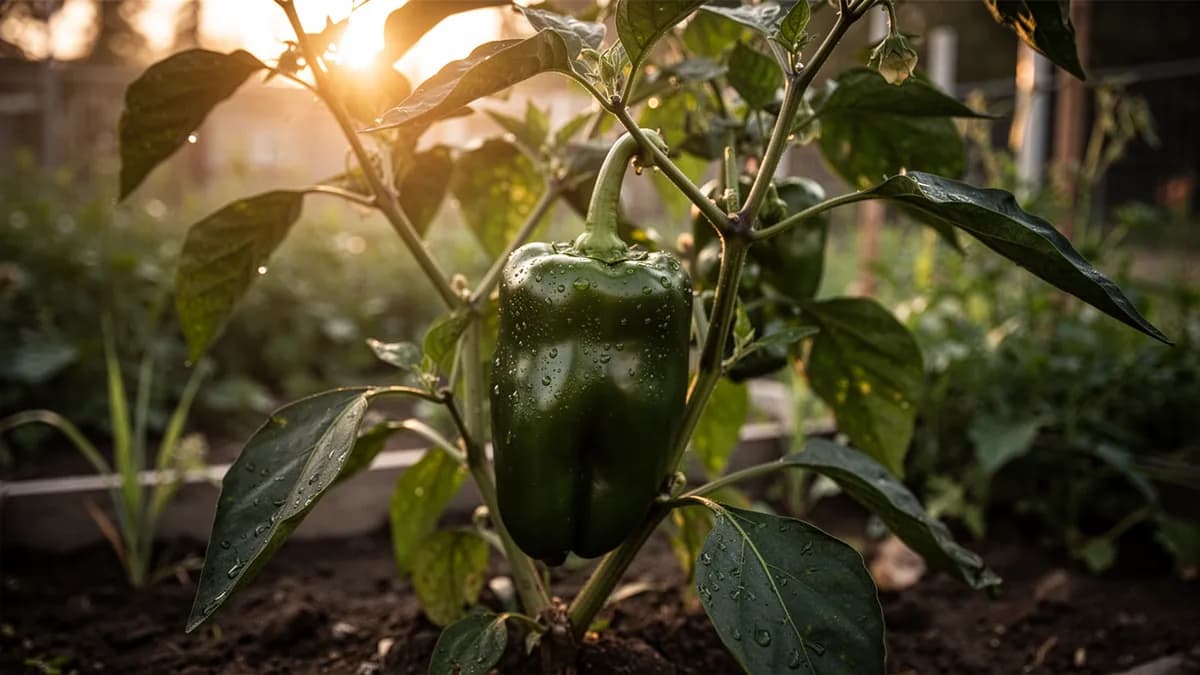
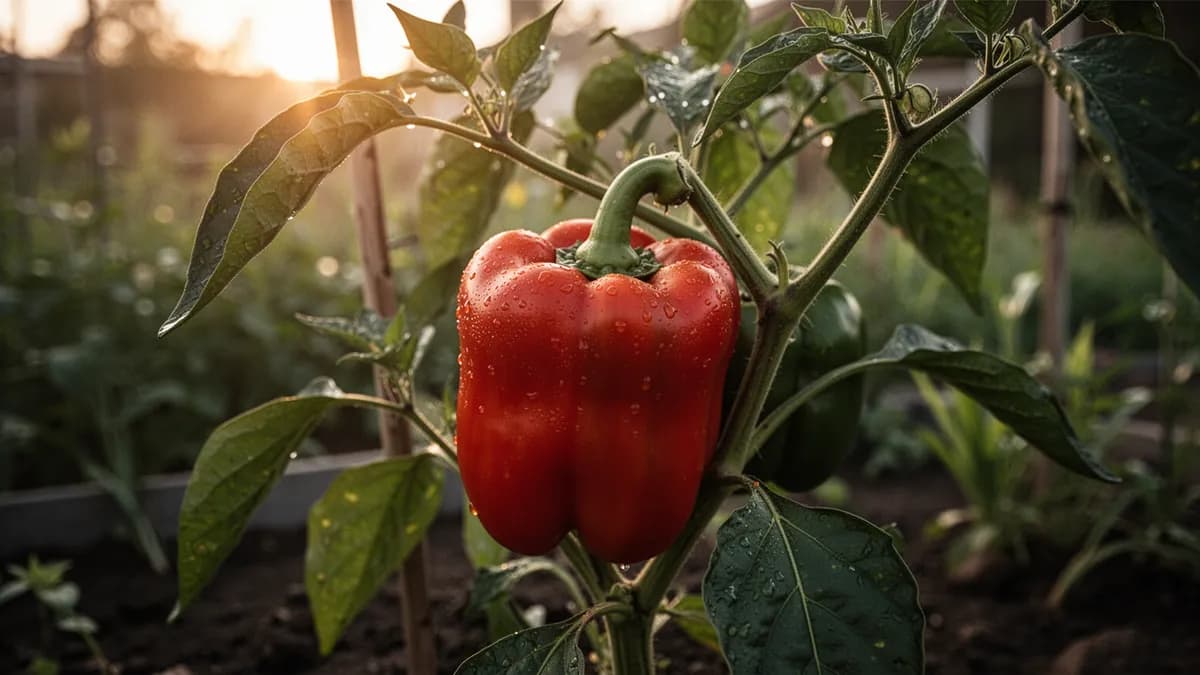
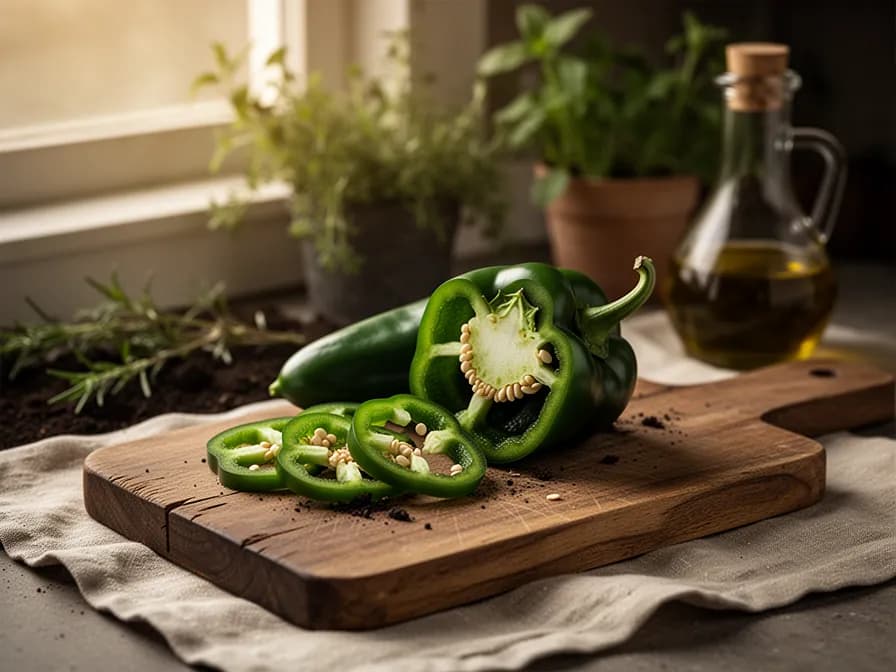
El chile poblano (Capsicum annuum) es uno de los chiles más emblemáticos de la gastronomía mexicana, originario del estado de Puebla. Produce frutos grandes y acorazonados de 10-15 cm de largo con paredes gruesas y carnosas, con un picor suave de 1.000 a 2.000 unidades Scoville. Cuando se seca se le conoce como chile ancho, ingrediente fundamental del mole y otras salsas tradicionales mexicanas.
Cuándo plantar Chile Poblano
Siembre las semillas de chile poblano en interiores 8-10 semanas antes de la última helada, en bandejas con sustrato húmedo y estéril. La germinación tarda 10-21 días a 27-30 °C; use una esterilla térmica para mantener la temperatura constante. Trasplante a macetas de 10 cm cuando las plántulas tengan 2-3 hojas verdaderas y endurezca gradualmente durante 10-14 días antes del exterior.
Tu año de Chile Poblano
Ajustado a Zona 7 · temporada típica · la helada se va hacia el 2 abr y vuelve hacia el 1 nov
Planta Chile Poblano Feb – May y cosecha Jul – Sep. Consulta los métodos de plantación y elige tu clima para adaptar los periodos.
Cómo cultivar Chile Poblano
El chile poblano necesita una temporada de crecimiento larga y cálida. Inicie las semillas en interiores 8-10 semanas antes de la última helada, sembrando a 0,5 cm de profundidad en sustrato estéril y manteniendo 27-30 °C para una germinación en 10-14 días. Las plántulas requieren buena iluminación para evitar el ahilamiento.
Trasplante al exterior cuando las temperaturas nocturnas superen los 15 °C de forma estable, espaciando las plantas 50-60 cm en filas separadas 75-90 cm. Los poblanos producen plantas vigorosas de 60-90 cm de altura que pueden necesitar tutores cuando están cargadas de sus grandes frutos. Riegue de forma profunda y regular, aplicando 2,5-4 cm de agua por semana, y utilice acolchado para mantener la humedad del suelo.
Fertilice con un abono equilibrado al momento del trasplante y cambie a una fórmula rica en fósforo y potasio cuando aparezcan las primeras flores. Los poblanos son sensibles al estrés hídrico, que puede causar frutos pequeños y deformes. Proporcione pleno sol con al menos 6-8 horas diarias y proteja las plantas de vientos fuertes que podrían romper las ramas cargadas de frutos.
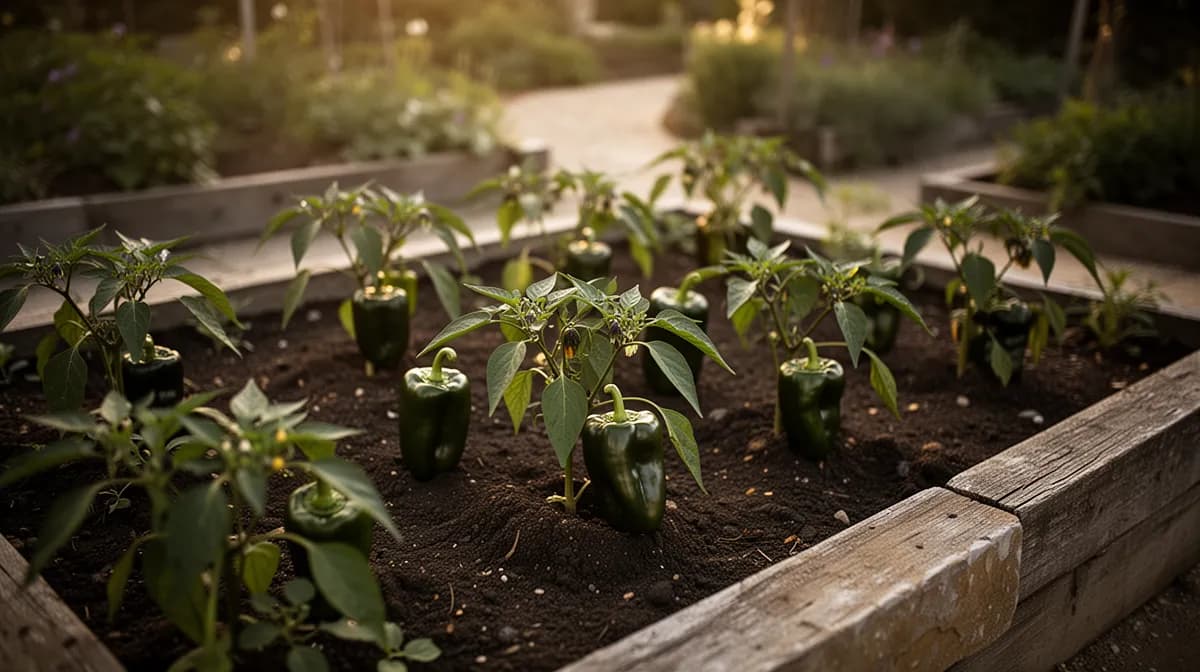
10 plantas caben en un bancal de 120 × 240 cm
Cada Chile Poblano pide 45 cm de margen. El planificador guarda ese marco por ti — cada planta, cada bancal.
Los mejores vecinos de Chile Poblano
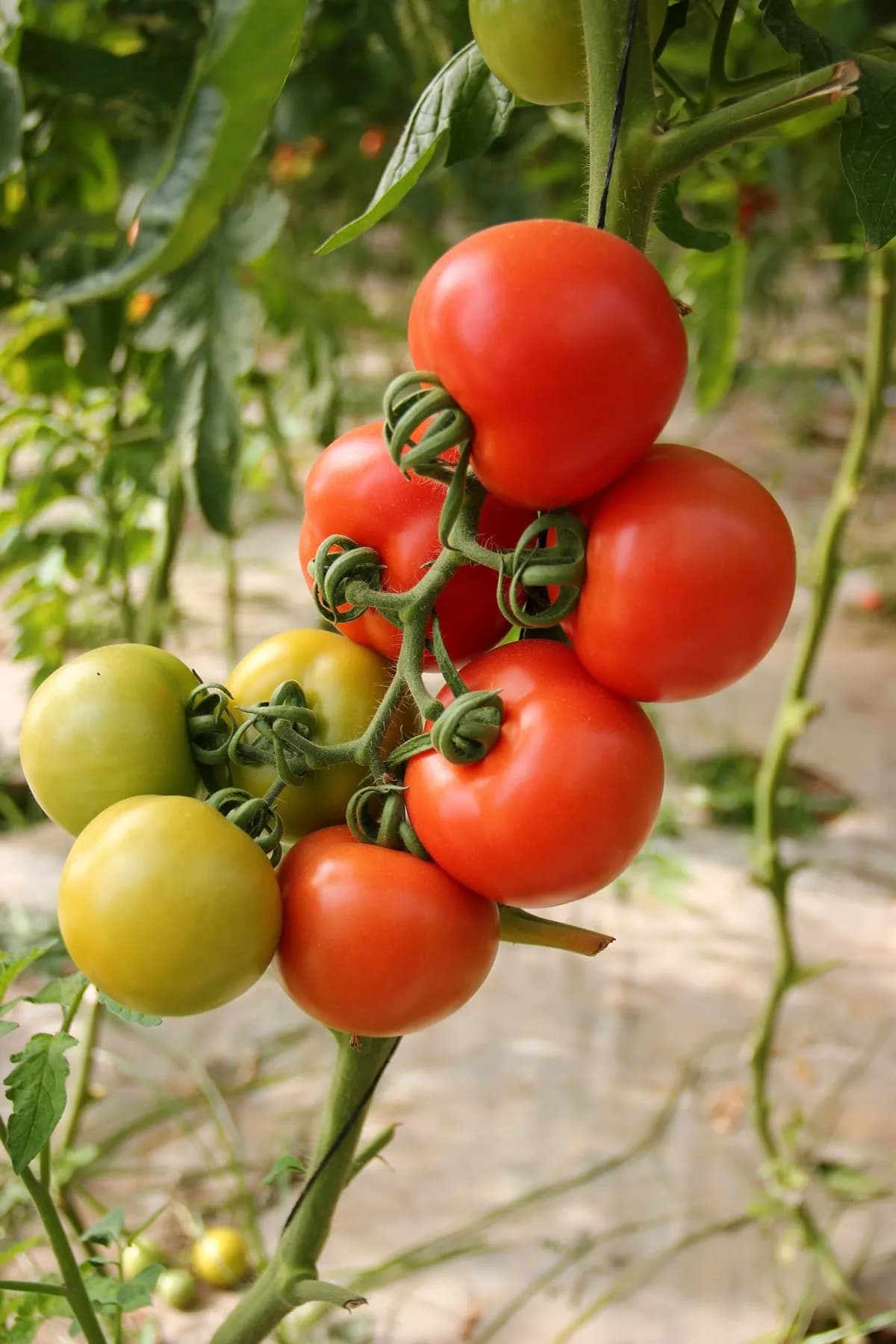
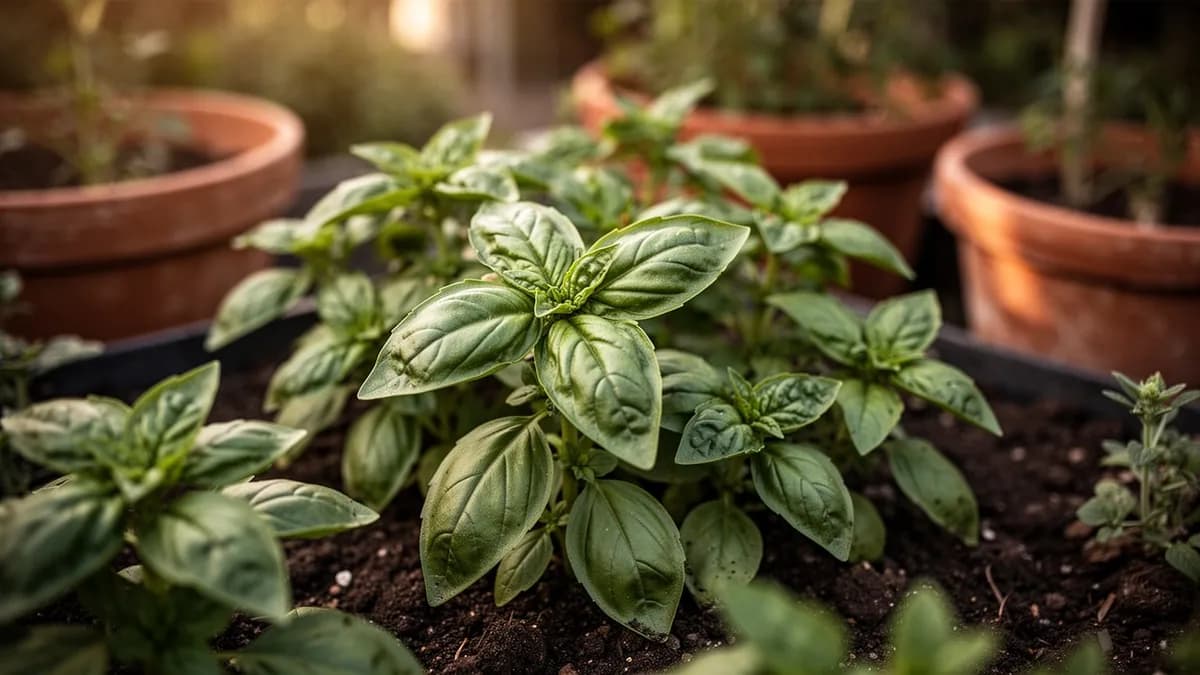
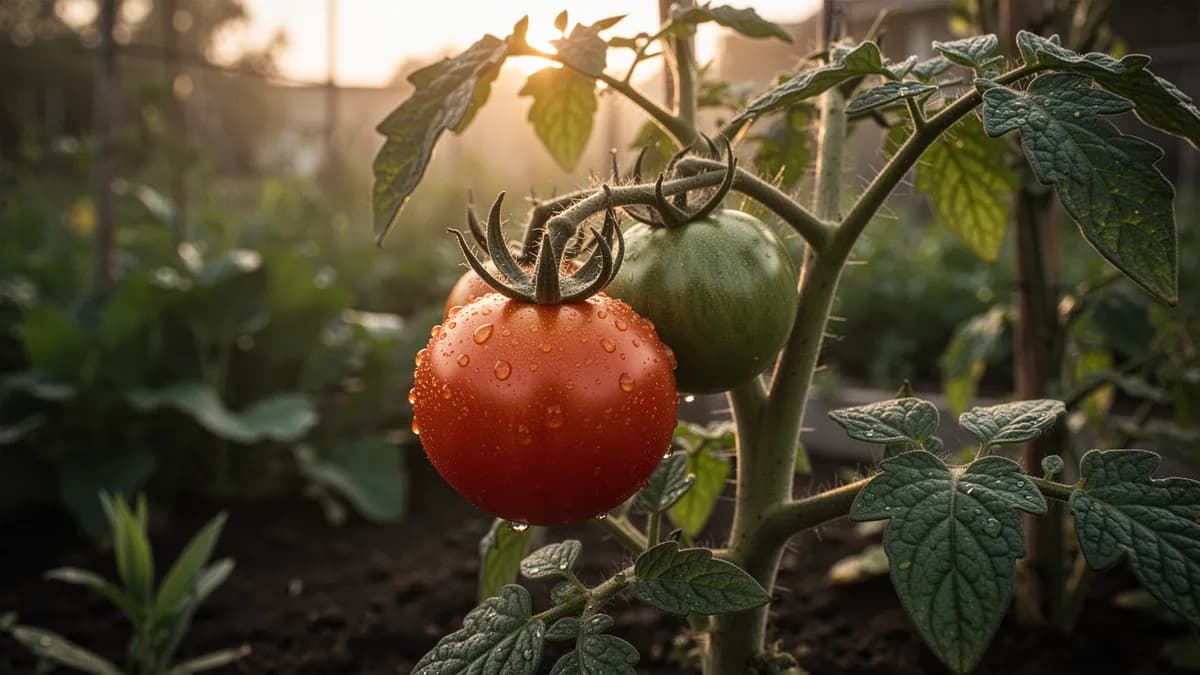
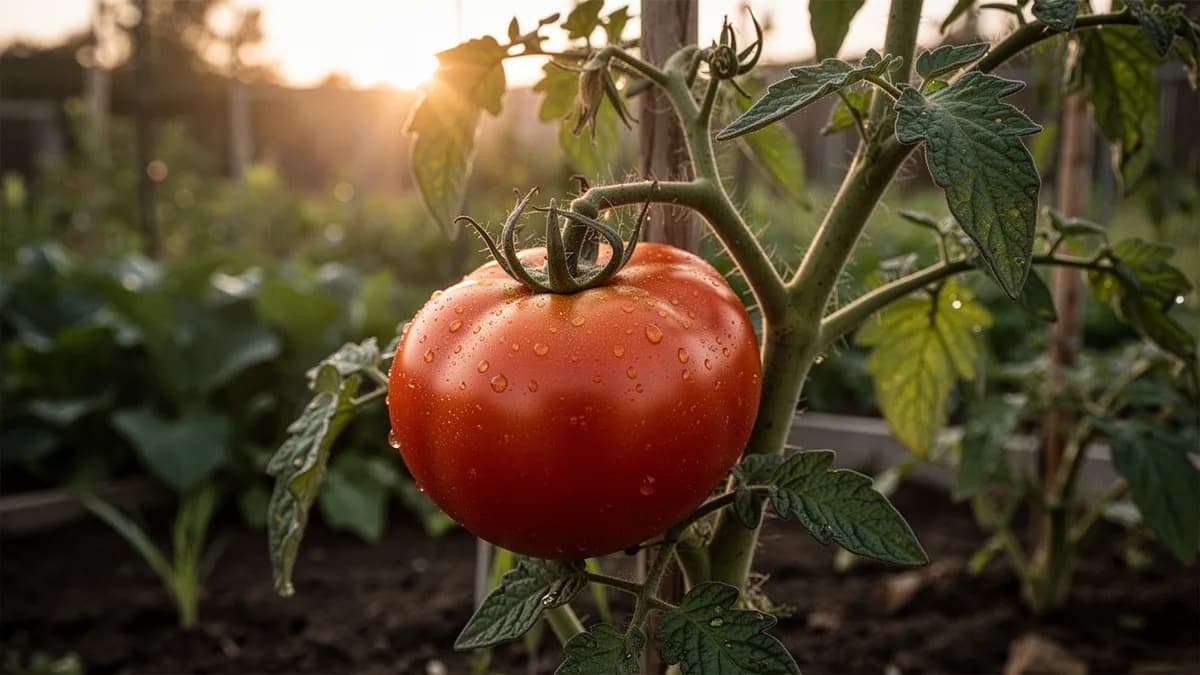
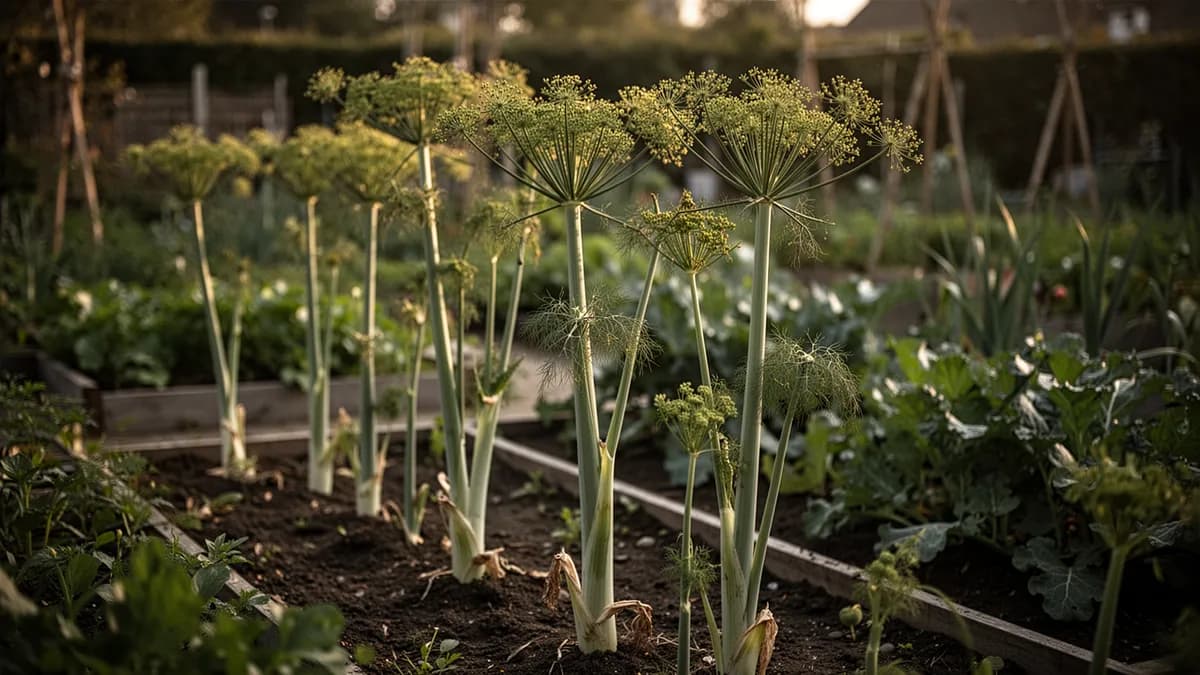
El chile poblano crece bien junto a tomates, maíz y frijoles, formando la milpa tradicional mexicana. La albahaca y el orégano plantados cerca ayudan a repeler pulgones y moscas blancas. Evite plantar poblanos junto a hinojo o brassicas, que pueden afectar negativamente su crecimiento.
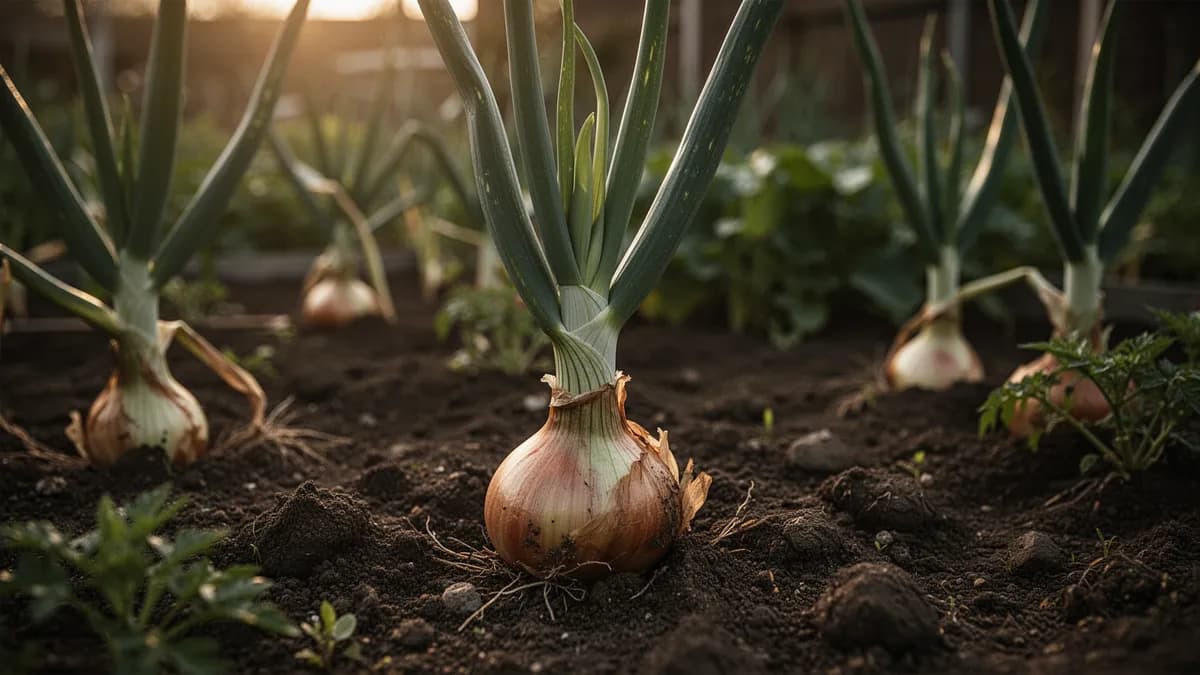
Tomate va a su lado. Hinojo no.
Saber de huerto de siempre, cotejado con la tabla real de Chile Poblano — prueba cualquier planta que cultives.
Prueba Chile Poblano en un bancal, aquí mismo
Un bancal real del planificador con Chile Poblano ya plantado. Toca una planta compañera para colocarla y mira cómo responde la comprobación de vecinos: verde para buenos vecinos, rojo si hay conflicto.


Guías de cultivo relacionadas
Abónalo bien
El chile poblano requiere suelos fértiles, profundos y bien drenados con un pH de 6,0-7,0. Enmiende el suelo con abundante compost maduro y harina de hueso antes del trasplante. Fertilice al momento de plantar con un abono equilibrado y aplique fertilizante rico en potasio cada 2-3 semanas durante la fructificación para promover frutos grandes y de paredes gruesas.
Temperatura ideal
Compatibilidad de zonas de rusticidad
De la semilla a la cosecha, etapa por etapa
Siembra
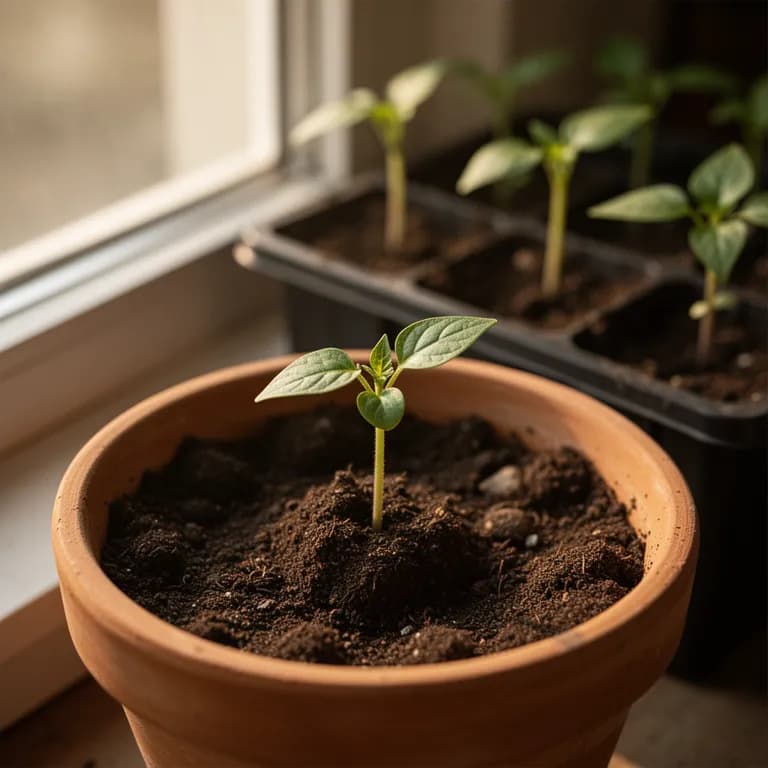
Las semillas de poblano germinan en 10 a 21 días, algo más lentamente que muchas otras variedades de chile. Para germinar bien, necesitan calor constante de 27-30 °C (80-85 °F). Primero emergen pequeños cotiledones pálidos, seguidos por la primera pareja de hojas verdaderas estrechas y puntiagudas.
Desarrollo de plántula
Las plántulas desarrollan varios pares de hojas verdaderas y comienzan a ramificarse. El tallo se engrosa y pasa de verde pálido a una base más firme y ligeramente leñosa. El sistema radicular se expande rápidamente durante esta fase, y las plántulas deben trasplantarse a recipientes más grandes cuando tengan de 3 a 4 pares de hojas verdaderas.
Crecimiento vegetativo
Después del trasplante al exterior, las plantas entran en un crecimiento vegetativo vigoroso y desarrollan un hábito arbustivo y erguido que alcanza 60-90 cm de altura. El follaje verde oscuro es denso y resistente. El sistema radicular se expande para sostener una planta que será pesada y cargada de frutos. La estructura de las ramas forma la base para la futura producción de frutos.
Floración
Aparecen pequeñas flores blancas en forma de estrella en los nudos de las ramas por toda la planta. Las flores de poblano se autopolinizan, pero se benefician del viento suave o de las visitas de polinizadores para mejorar el cuajado. Cada flor tiene el potencial de convertirse en un chile grande si se poliniza con éxito.
Desarrollo del fruto
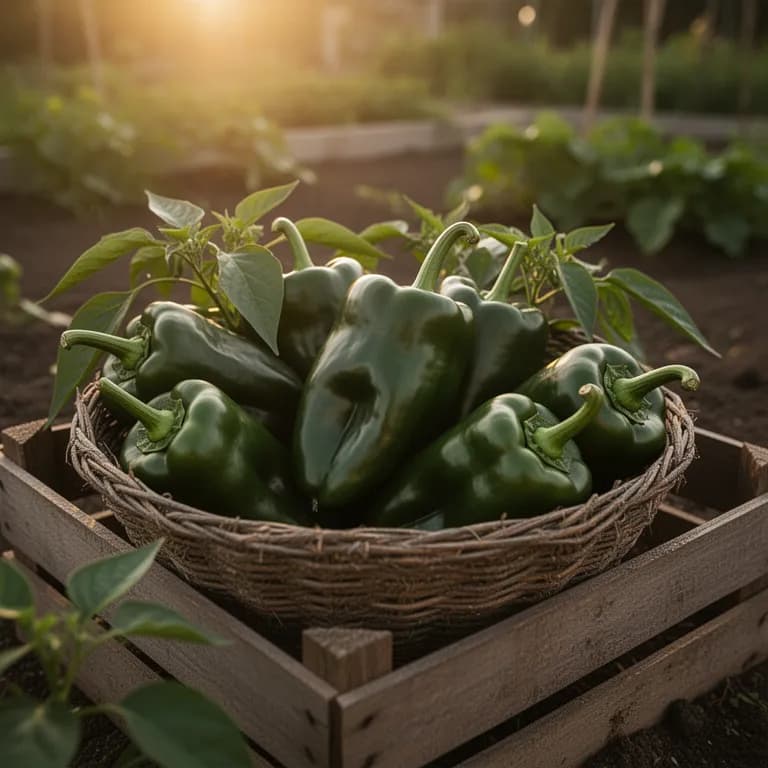
Las flores polinizadas se convierten en los característicos frutos de forma de corazón y de paredes gruesas. Los chiles crecen hasta medir de 10 a 15 cm de largo y de 7 a 10 cm de ancho, con piel verde oscuro, brillante y firme al tacto. Los frutos pesan lo suficiente como para doblar las ramas a medida que maduran. Para chiles ancho, los frutos pueden dejarse en la planta hasta que maduren a un rojo intenso.
Cosecha máxima
Las plantas producen de forma continua durante 4 a 6 semanas en la temporada alta. La cosecha regular estimula la formación de nuevas flores y frutos. Una planta bien cuidada puede producir de 15 a 25 chiles grandes a lo largo de la temporada. La producción disminuye cuando las temperaturas nocturnas bajan de 15 °C (60 °F) en otoño.
Usa una manta térmica con termostato para mantener estable la temperatura del sustrato. Mantén la mezcla de siembra uniformemente húmeda, pero nunca empapada, ya que las plántulas de chile son propensas a la caída de plántulas en condiciones demasiado húmedas.
Cuidar Chile Poblano mes a mes
Qué hacer cada mes para tu Chile Poblano
Octubre
Mes actualFinal harvests in most zones before frost threatens. Pick all remaining peppers, both green and partially ripe. Green peppers will continue ripening on a sunny windowsill. Pull plants after harvest and compost healthy material. Note variety performance.
Ten claro qué hacer en tu huerto, cada mes
Un correo al empezar cada mes: qué sembrar, plantar y hacer ahora mismo — para tu Chile Poblano y todo lo que crece alrededor. Más un breve curso inicial para esquivar los errores clásicos.
- Qué hacer ahora mismo
- Ajustado a tu temporada
- Curso inicial incluido
Cosechar Chile Poblano
Los chiles poblanos se cosechan verdes oscuros cuando los frutos miden 10-15 cm de largo y tienen la piel firme y brillante, generalmente 65-80 días después del trasplante. Para obtener chiles anchos, deje que los frutos maduren completamente en la planta hasta que se tornen de color rojo oscuro. Corte los frutos con tijeras de podar dejando 2-3 cm de pedúnculo para prolongar su conservación.
se supone que plantas al comenzar el periodo — indica tu fecha real
Cosecha cuando los frutos midan de 10 a 15 cm, estén verde oscuro, brillantes y firmes; para chiles ancho, espera hasta que los frutos se vuelvan rojo intenso.
Almacenamiento y conservación
Los poblanos frescos se conservan en el refrigerador en bolsas perforadas durante 1-2 semanas. Para conservación prolongada, áselos directamente sobre llama hasta que la piel se ampolle, colóquelos en una bolsa cerrada para que suden, pélelos y congélelos en porciones. Los poblanos rojos se secan enteros colgados en ristras o en deshidratador para obtener chiles anchos, que se conservan indefinidamente en recipientes herméticos.
Qué falla — y cómo solucionarlo
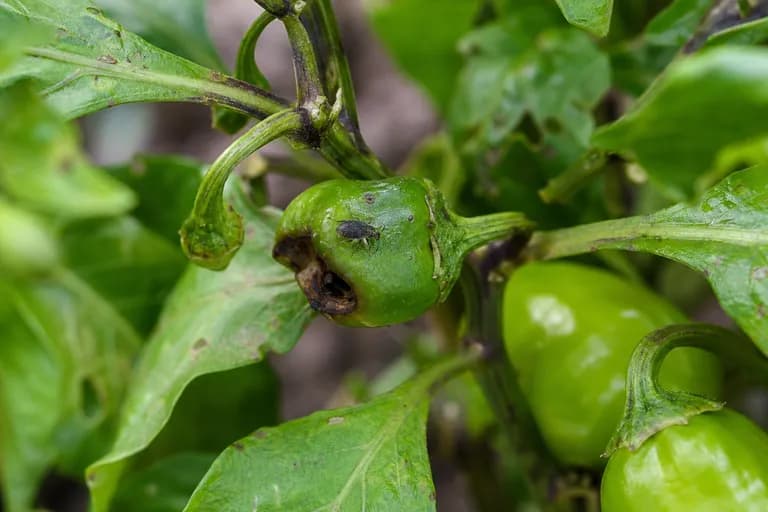
Gusano del fruto (Helicoverpa zea)
PlagaAgujeros en los frutos por donde penetran las larvas, pudrición interna del fruto y presencia de excrementos oscuros en el interior del chile.
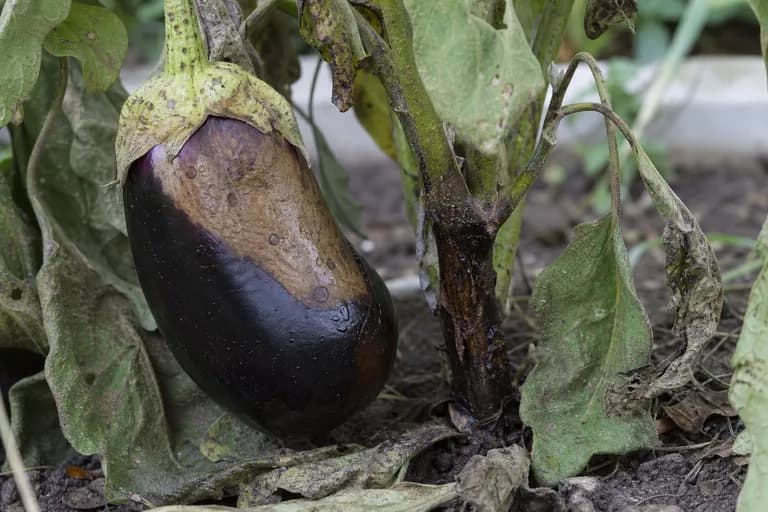
Antracnosis (Colletotrichum spp.)
EnfermedadManchas circulares hundidas de color oscuro en los frutos maduros, con anillos concéntricos y centros de color salmón donde se producen las esporas.
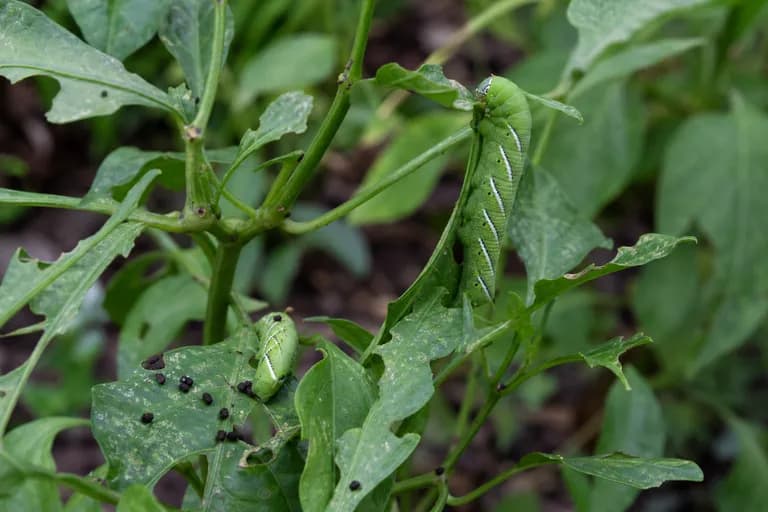
Trips (Frankliniella occidentalis)
PlagaDecoloración plateada en hojas y frutos, deformación de brotes tiernos y flores, y posible transmisión del virus del bronceado del tomate.
Solución de problemas comunes
El estrés hídrico es el principal problema del poblano, produciendo frutos pequeños, deformes y con paredes delgadas que no sirven para rellenar. Las temperaturas por encima de 35 °C causan caída de flores y reducción drástica de la producción. La pudrición apical aparece con riego irregular; mantenga una humedad constante y aplique calcio suplementario si es necesario.
Consejos de cultivo
- Start seeds early and be patient. Poblano seeds germinate more slowly than many other peppers, often taking 14-21 days. A consistent heat mat temperature of 27-30°C (80-85°F) is the single most important factor for reliable germination.
- Harden off transplants gradually over 10 full days before planting outdoors. Poblanos are sensitive to transplant shock, and rushing this process leads to stunted growth and delayed fruiting that costs weeks of potential harvest.
- Mulch heavily with 7-10 cm of straw or shredded leaves once the soil has warmed. Poblanos have relatively shallow root systems that benefit greatly from consistent soil moisture and temperature moderation provided by a thick mulch layer.
- Stake or cage plants before fruits develop. Poblano fruits are large and heavy, often reaching 100-150g each, and a plant loaded with 8-10 developing peppers can snap branches if unsupported. Install supports early rather than trying to retrofit them around a mature plant.
- Maintain rock-steady watering consistency. Poblanos are particularly sensitive to fluctuations between wet and dry soil. Irregular watering causes blossom end rot, fruit cracking, and blossom drop more readily than in many other pepper types. Drip irrigation on a timer is ideal.
- Roast peppers directly over a gas flame or under a broiler until the skin is uniformly charred and blistered, then steam in a covered bowl for 15 minutes. The skin peels away easily, revealing the smoky, silky flesh beneath — this technique transforms the flavor entirely.
- Allow some peppers to ripen fully to deep red on the plant if you want to make your own ancho chiles. Red-ripe poblanos develop a sweeter, more complex flavor that intensifies dramatically when dried. This requires patience, as full ripening takes 2-3 weeks beyond the green stage.
- Grow poblanos in large containers (minimum 19 liters / 5 gallons) if garden space is limited. Use a high-quality potting mix with perlite for drainage, and feed weekly with liquid fertilizer during the growing season. Container plants produce fewer but still worthwhile peppers.
Cultiva tu mejor Chile Poblano — y todo lo que la rodea.
Empieza un plan gratis hoy. Diseña tus bancales, coloca tu Chile Poblano y deja que PlotMyGarden gestione el momento, el espaciado, las asociaciones y los recordatorios de la semilla a la cesta.
Elige tu Chile Poblano
Ancho 101
Variedad clásica con frutos grandes de 12-15 cm, paredes muy gruesas y sabor suave. Excelente para consumo fresco y para secar. Madura en 75 días.
Tiburon
Híbrido de alto rendimiento con frutos uniformes y paredes extra gruesas, ideal para chiles rellenos. Resistente al virus del mosaico del tabaco. Madura en 70-75 días.
Mulato Isleno
Frutos de color marrón chocolate al madurar, seleccionada para secar y usar en mole. Sabor más dulce y ahumado que el ancho tradicional.
Poblano L
Variedad mejorada con frutos extra grandes de hasta 18 cm. Muy productiva con buena tolerancia al calor. Madura en 80 días.
A single poblano plant grown from a $2-3 seed packet or $3-5 transplant can produce 15-25 large peppers over a season. Fresh poblanos sell for $3-6 per pound at grocery stores, and specialty items like roasted poblanos or dried ancho chiles command $8-15 per pound. Growing just 3-4 plants can save $50-100 per season on fresh peppers, and the savings increase dramatically if you make your own ancho chiles, which retail for $10-20 per 4-ounce bag. Roasting, peeling, and freezing your harvest provides premium-quality peppers year-round at a fraction of store cost.
Recetas rápidas
Classic Chiles Rellenos
45 minThe iconic Mexican dish — whole poblano peppers roasted, peeled, stuffed with melting cheese, dipped in fluffy egg batter, and fried to golden perfection. Served with a warm tomato-chile sauce, this is the dish that poblanos were born for.
7 ingredientesCreamy Rajas con Crema
30 minRoasted poblano strips simmered in a luscious Mexican cream sauce with sweet onions and corn. This versatile side dish is equally delicious served over rice, folded into tacos, or alongside grilled meats. The smoky sweetness of roasted poblanos is the star.
7 ingredientesPoblano and Black Bean Soup
40 minA hearty, smoky soup combining fire-roasted poblanos with creamy black beans, cumin, and a squeeze of lime. Pureed to velvety smoothness and topped with crumbled queso fresco and tortilla strips, this is deeply satisfying comfort food.
8 ingredientesUsos culinarios
El chile poblano es el protagonista de los chiles rellenos, donde se asa, pela y rellena de queso, picadillo o frijoles. También se utiliza en rajas con crema, tamales y sopas. Seco como chile ancho, es ingrediente esencial del mole poblano, de adobos y de diversas salsas, aportando un sabor dulce, afrutado y ligeramente ahumado.
Qué contiene
Beneficios para la salud
- Exceptionally high in vitamin C, with a single large poblano providing over 100% of the daily recommended intake — essential for immune function, collagen synthesis, and iron absorption from plant-based foods.
- Contains mild levels of capsaicin, which research has linked to increased metabolic rate, reduced appetite, anti-inflammatory effects, and natural pain relief without the intensity of hotter peppers.
- Rich in vitamin A and beta-carotene, particularly in red-ripe poblanos, supporting healthy vision, skin cell turnover, and immune system regulation.
- Provides vitamin B6, which plays a critical role in neurotransmitter synthesis (including serotonin and dopamine), energy metabolism, and red blood cell production.
- Contains quercetin and luteolin, flavonoid antioxidants that have demonstrated anti-inflammatory, antihistamine, and cardioprotective properties in clinical studies.
- Low in calories and high in water content, making poblanos an excellent volumetric food for satiety — they add substantial flavor, bulk, and nutrition to meals without significant caloric impact.
De dónde viene Chile Poblano
The poblano pepper (Capsicum annuum) originated in the state of Puebla, Mexico, from which it takes its name. Archaeological evidence suggests that wild ancestors of Capsicum annuum were consumed in Mesoamerica as early as 7,000 BCE, and deliberate cultivation of chile peppers began around 3,500 BCE, making them one of the oldest cultivated crops in the Americas. The poblano variety was selected and refined over centuries by indigenous peoples of central Mexico who valued its large size, thick walls, and mild heat that could be used in quantity without overwhelming dishes.
Puebla, a city founded by Spanish colonists in 1531 in the central Mexican highlands, became the culinary epicenter for poblano pepper cuisine. The convent kitchens of colonial Puebla are credited with creating many of Mexico's most iconic dishes, including chiles rellenos and mole poblano, both of which feature the poblano as a central ingredient. The nuns blended indigenous ingredients like chiles, chocolate, and tomatoes with European cooking techniques, creating a syncretic cuisine that remains the heart of Mexican gastronomy. The ancho chile — the dried form of the red-ripe poblano — became so essential to Mexican cooking that it earned the nickname 'the sweetest of dried chiles' and forms the flavor base of countless sauces, stews, and moles.
Today, Mexico remains the primary producer of poblano peppers, with cultivation concentrated in the states of Puebla, Guanajuato, Zacatecas, and San Luis Potosi. The pepper has spread throughout the Americas and is now widely grown in home gardens and commercially across the United States, particularly in California, New Mexico, and Texas. In the U.S., poblanos have become one of the most popular specialty peppers, driven by the growing popularity of Mexican cuisine. Modern breeding programs have developed improved varieties with better disease resistance, more uniform fruit size, and enhanced yields, but the essential character of the poblano — its earthy, slightly smoky flavor, thick walls, and versatile mild heat — remains unchanged from the peppers cultivated in Puebla centuries ago.
Chile Poblano: ¿sabías que?
Datos fascinantes sobre Chile Poblano
Poblano peppers are named after the city of Puebla, Mexico, where they have been cultivated for centuries and where the iconic dish chiles rellenos was perfected by nuns in colonial-era convent kitchens.
Chile Poblano: preguntas frecuentes
¿Cuándo debo plantar Chile Poblano?
¿Cuáles son buenas plantas acompañantes para Chile Poblano?
¿En qué zonas de rusticidad puede crecer Chile Poblano?
¿Cuánto sol necesita Chile Poblano?
¿A qué distancia debo espaciar Chile Poblano?
¿Qué plagas y enfermedades afectan a Chile Poblano?
¿Cómo almaceno Chile Poblano después de la cosecha?
¿Cuáles son las mejores variedades de Chile Poblano para cultivar?
¿Qué suelo necesita Chile Poblano?
What is the difference between a poblano pepper and an ancho chile?
Why are some of my poblano peppers much hotter than others?
How do I roast and peel poblano peppers?
Can I overwinter poblano pepper plants indoors?
Why are my poblano plants dropping their flowers without setting fruit?
How long does it take for poblano peppers to turn red for making ancho chiles?
Acabas de leer la teoría. Ahora cultívala en piloto automático.
Todo lo que hace que Chile Poblano sea delicado — el momento, el espaciado, las asociaciones, la ventana de cosecha — es justo lo que PlotMyGarden resuelve por ti, para cada planta de tu huerto.
Un plan que conoce tu clima
Indica tu ubicación una vez. Recibe fechas de siembra, abonado y cosecha basadas en tu última helada real y el pronóstico en vivo — sin adivinar con un sobre genérico.
De la sección “Cuándo plantar”Planificador de bancales de arrastrar y soltar
Diseña bancales sobre una cuadrícula. Cada planta encaja con su espaciado correcto y ves toda la temporada antes de gastar un céntimo en semillas.
De la sección “Cultivo”Conflictos de asociación, detectados a tiempo
Más de 200 buenas y malas combinaciones comprobadas en vivo mientras plantas — para que un error que arruine la temporada nunca llegue a la tierra.
De la sección “Asociaciones”Recordatorios que sí vas a seguir
“Riega las judías.” “Recoge hoy antes de que se pase.” Oportunos, concretos y ligados a las plantas que de verdad cultivas.
De la sección “Cosecha”Escalonado, programado
¿Quieres cosechar seis semanas en vez de seis días? Reparte tus siembras automáticamente y te avisa cuando toca el siguiente lote.
De la sección “Cuándo plantar”Un registro que se vuelve más listo
Cada cosecha que registras le enseña tu huerto. El plan del año que viene parte de lo que de verdad funcionó en tu suelo, no en un manual.
De la sección “Resumen”Planta estos junto a Chile Poblano
Más Solanáceas
Mantén Chile Poblano lejos de estos
Diseños de jardín con Chile Poblano
Cultiva tu mejor Chile Poblano — y todo lo que la rodea.
Empieza un plan gratis hoy. Diseña tus bancales, coloca tu Chile Poblano y deja que PlotMyGarden gestione el momento, el espaciado, las asociaciones y los recordatorios de la semilla a la cesta.