Jalapeño
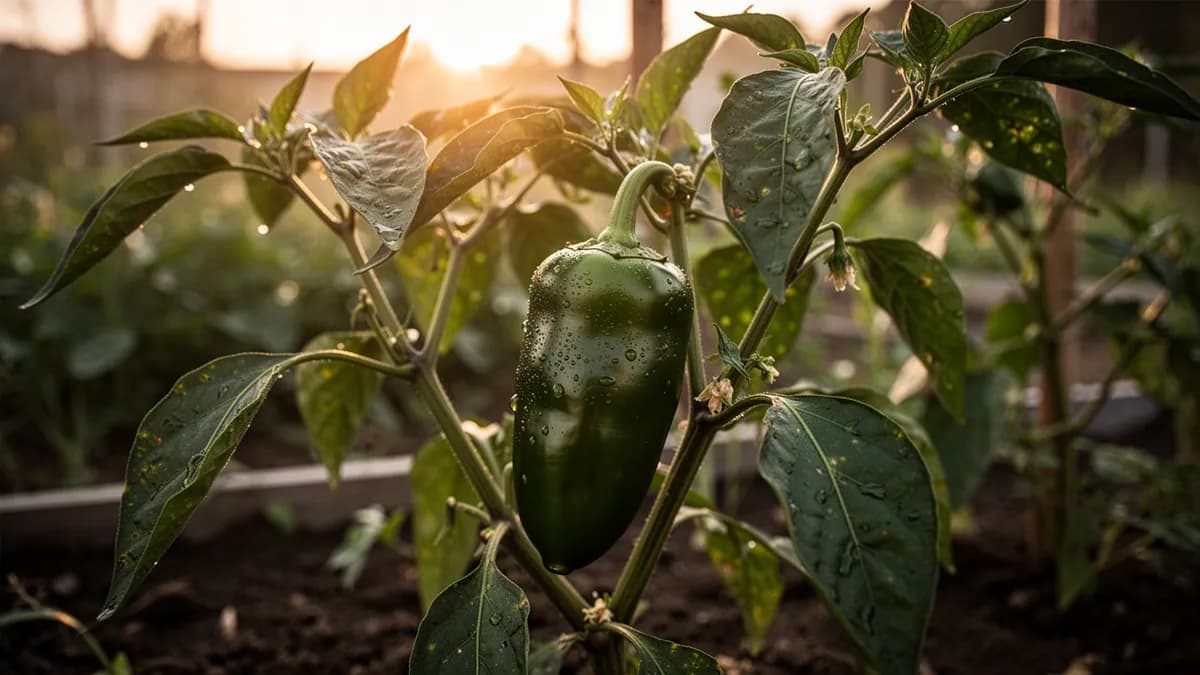
Chiles medianamente picantes, versátiles en la cocina.





En esta páginaResumen
Conoce Jalapeño
Chiles medianamente picantes, versátiles en la cocina. Muy productivos.
Cuándo plantar Jalapeño
Siembre en alvéolos en interior 8-10 semanas antes de la última helada, manteniendo temperatura del suelo sobre 24°C. Endurezca las plántulas durante 7-10 días antes del trasplante.
Tu año de Jalapeño
Ajustado a Zona 7 · temporada típica · la helada se va hacia el 2 abr y vuelve hacia el 1 nov
Planta Jalapeño Feb – May y cosecha Jul – Sep. Consulta los métodos de plantación y elige tu clima para adaptar los periodos.
Cómo cultivar Jalapeño
Elija un lugar con sol pleno y suelo bien drenado con pH 6,0-7,0. Los jalapeños necesitan una temporada larga y cálida; enmiende el suelo con compost antes de plantar.
Siembre en interior 8-10 semanas antes de la última helada. Trasplante a 40-45 cm de separación cuando las noches sean consistentemente cálidas. Instale pequeños tutores para proteger de vientos fuertes.
Riegue de forma regular evitando el encharcamiento. Abone con fertilizante bajo en nitrógeno durante la fructificación. El estrés hídrico leve puede aumentar el nivel de picante.
18 plantas caben en un bancal de 120 × 240 cm
Cada Jalapeño pide 40 cm de margen. El planificador guarda ese marco por ti — cada planta, cada bancal.
Los mejores vecinos de Jalapeño
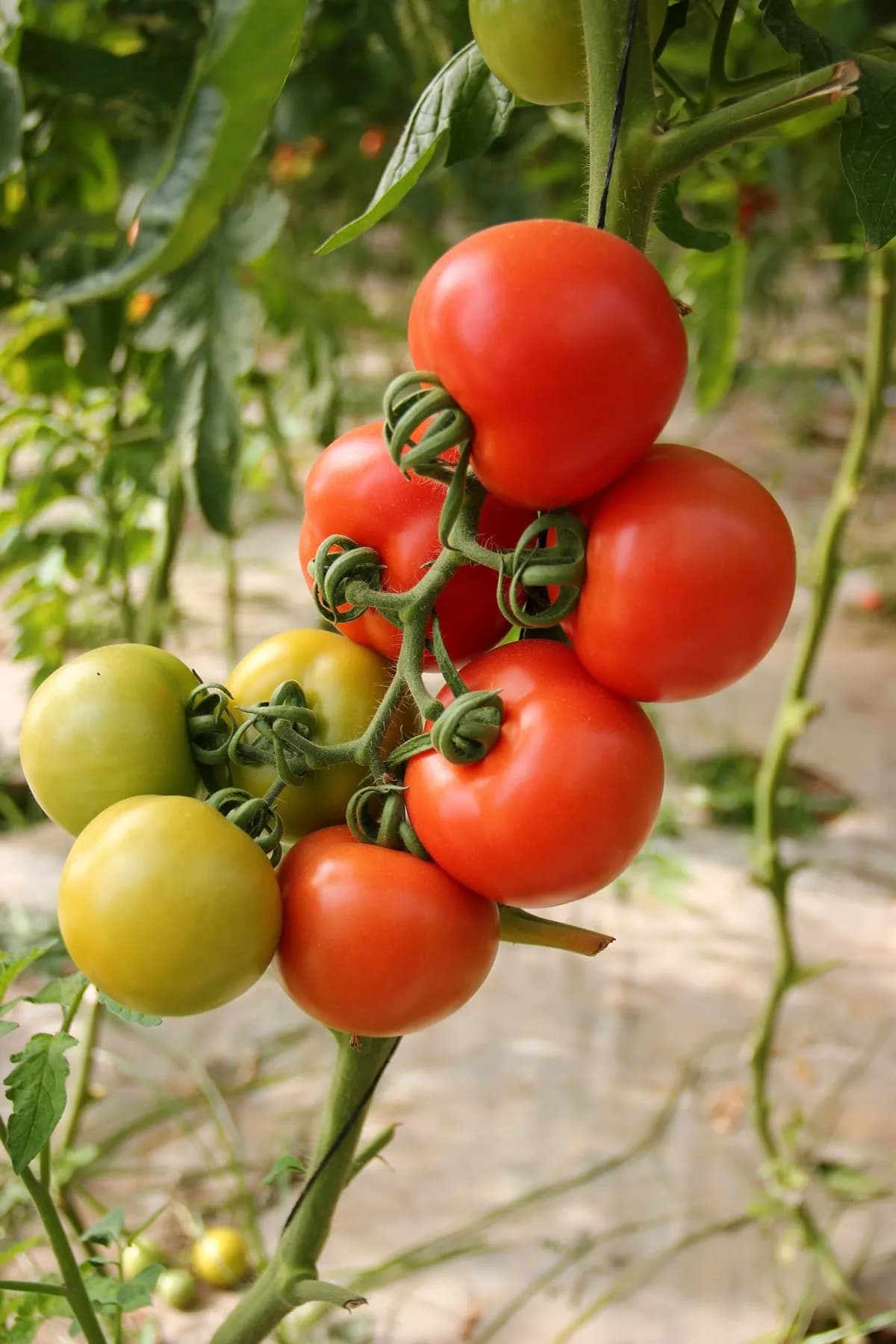
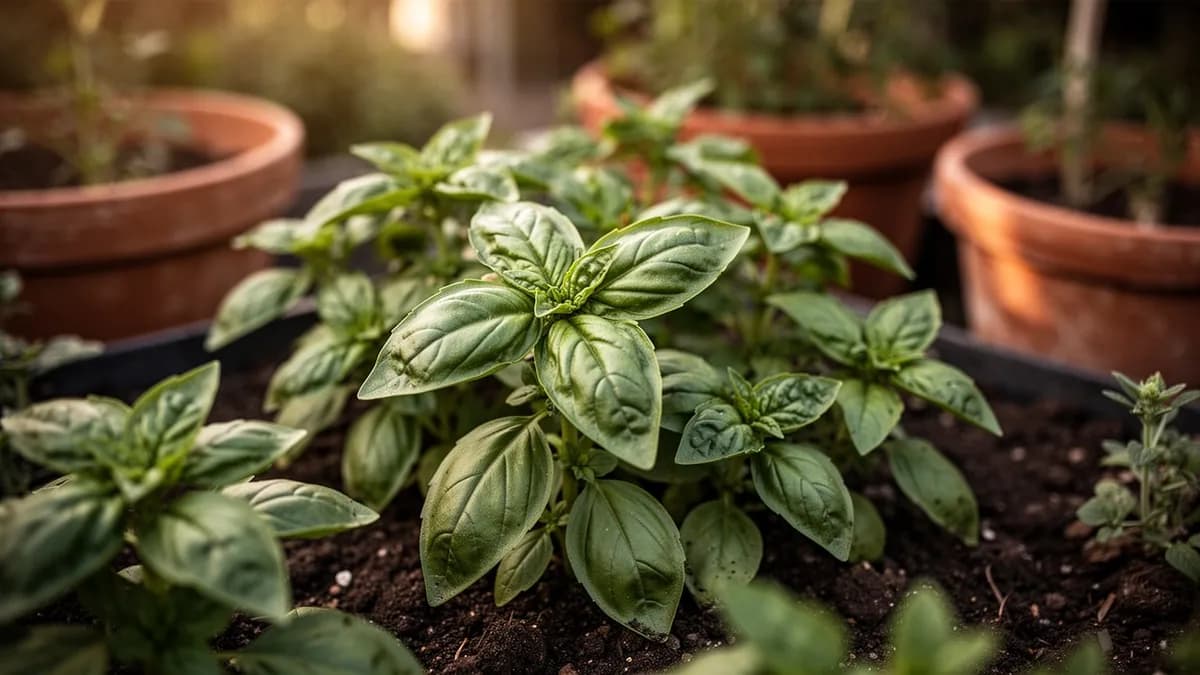
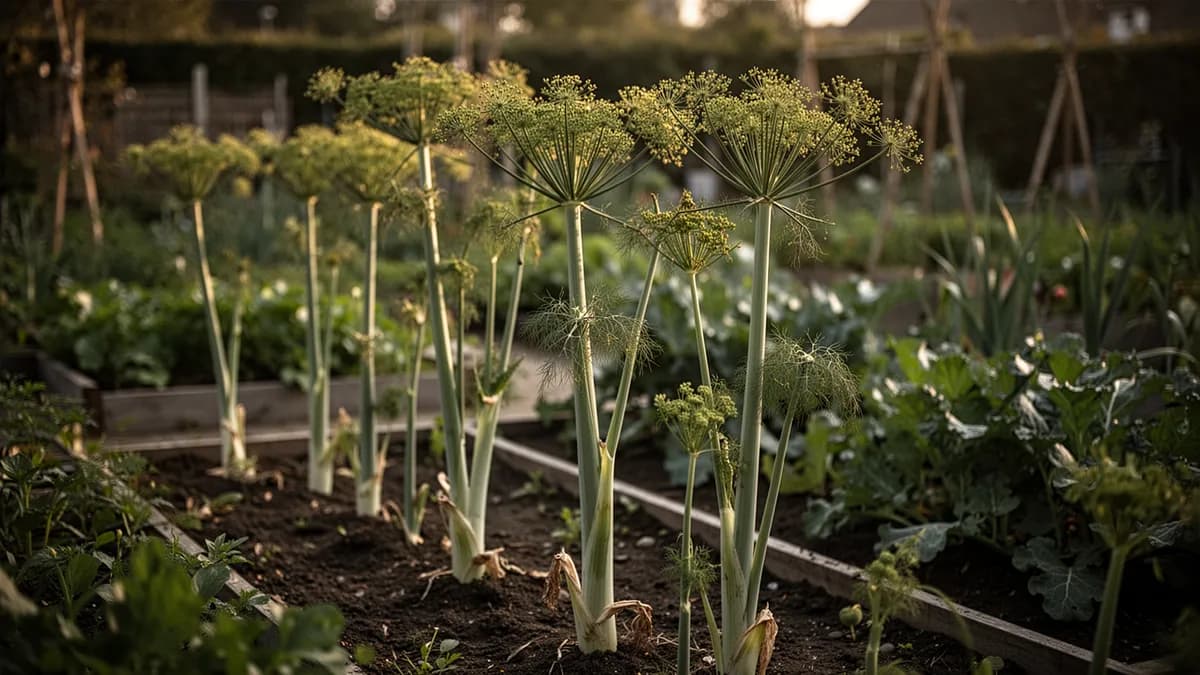
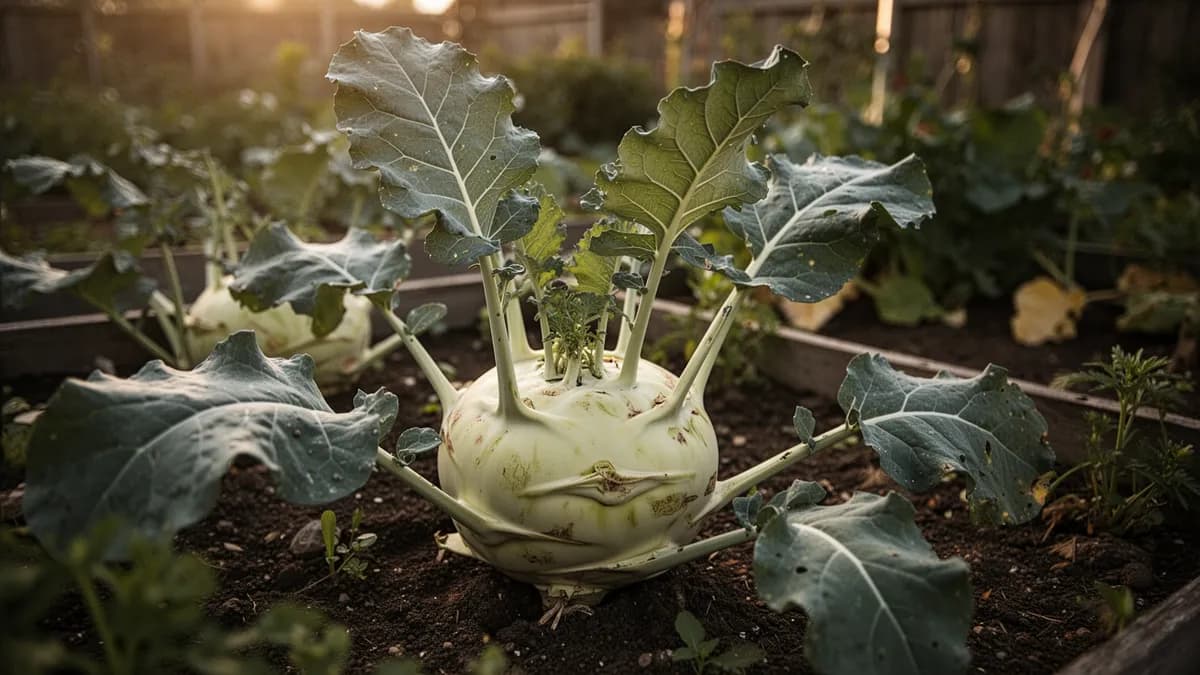
Se asocia excelentemente con tomates, albahaca y zanahorias. Evite plantar junto a hinojo. El cilantro atrae insectos polinizadores beneficiosos.
Tomate va a su lado. Hinojo no.
Saber de huerto de siempre, cotejado con la tabla real de Jalapeño — prueba cualquier planta que cultives.
Prueba Jalapeño en un bancal, aquí mismo
Un bancal real del planificador con Jalapeño ya plantado. Toca una planta compañera para colocarla y mira cómo responde la comprobación de vecinos: verde para buenos vecinos, rojo si hay conflicto.


Guías de cultivo relacionadas
Abónalo bien
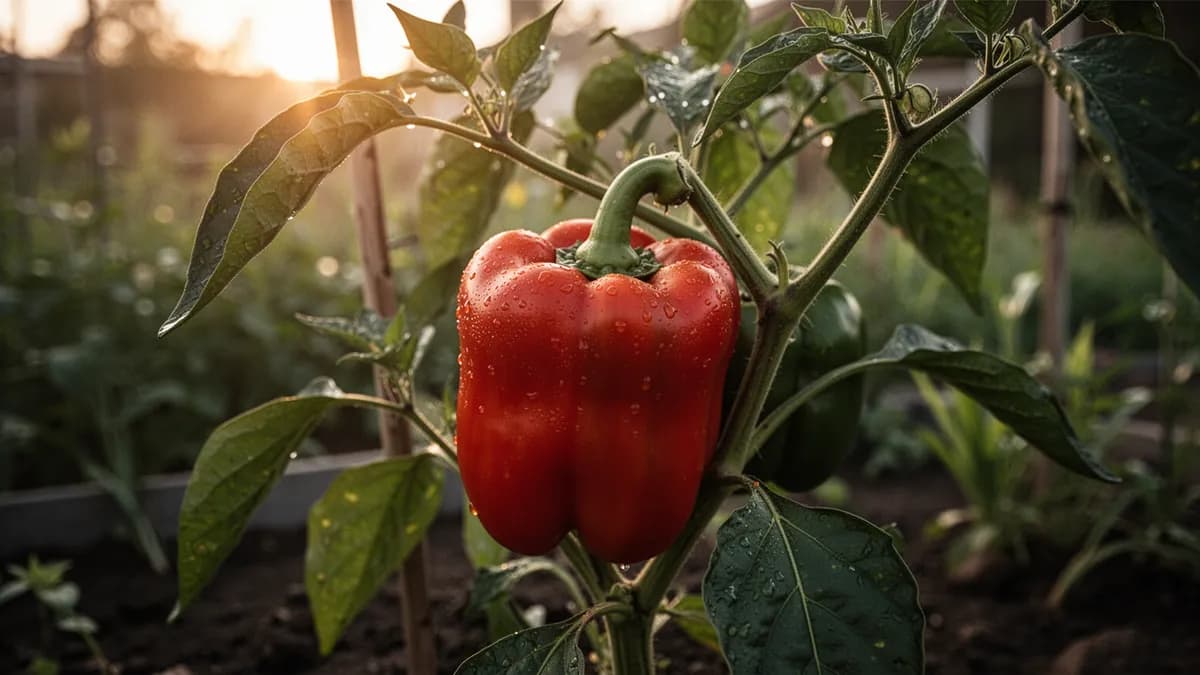
Prefiere suelo bien drenado con pH 6,0-7,0, moderadamente fértil. El exceso de nitrógeno favorece el follaje y reduce la producción. Abone con fertilizante para tomates.
Temperatura ideal
Compatibilidad de zonas de rusticidad
De la semilla a la cosecha, etapa por etapa
Siembra
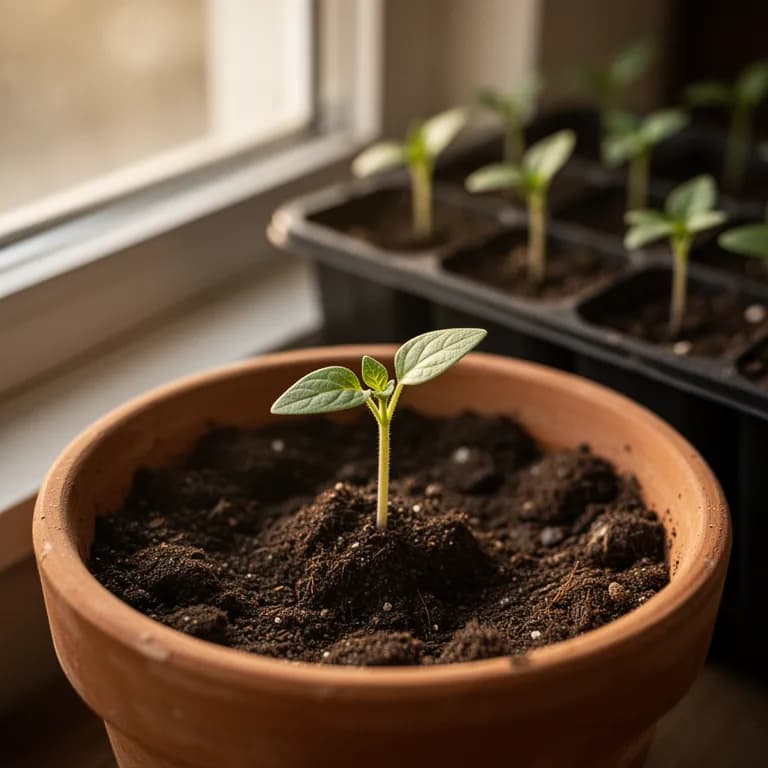
Las semillas germinan en un sustrato cálido de semillero a 24-29 °C, formando primero una raíz radicular blanca y luego los cotiledones redondeados. La emergencia tarda 10-14 días en condiciones óptimas.
Desarrollo de plántulas
Se desarrollan las hojas verdaderas mientras el tallo se engrosa y el sistema radicular se expande rápidamente. El crecimiento es lento en comparación con muchas hortalizas, lo cual es normal en los pimientos.
Crecimiento vegetativo
Después del trasplante al exterior, las plantas se establecen en un suelo cálido del huerto y crecen con vigor formando matas ramificadas.
Floración
Pequeñas flores blancas aparecen en las uniones de las ramas y se autopolinan.
Desarrollo del fruto
Los pimientos verdes se engrosan rápidamente y alcanzan tamaño de cosecha en pocas semanas. En los frutos maduros empiezan a aparecer líneas de corcho.
Poscosecha
Las plantas siguen produciendo hasta que la primera helada termina la temporada.
Usa una manta térmica para mantener la temperatura del sustrato constante. Mantén la mezcla uniformemente húmeda pero no empapada. Cubrir las bandejas con una cúpula de humedad acelera la germinación; retírala en cuanto aparezcan las plántulas.
Cuidar Jalapeño mes a mes
Qué hacer cada mes para tu Jalapeño
Octubre
Mes actualIn most zones, harvest remaining peppers before the first frost. Green peppers will ripen indoors on a sunny windowsill. Pull plants after frost kills them and compost healthy material. In zones 9-12, plants may continue producing.
Ten claro qué hacer en tu huerto, cada mes
Un correo al empezar cada mes: qué sembrar, plantar y hacer ahora mismo — para tu Jalapeño y todo lo que crece alrededor. Más un breve curso inicial para esquivar los errores clásicos.
- Qué hacer ahora mismo
- Ajustado a tu temporada
- Curso inicial incluido
Cosechar Jalapeño
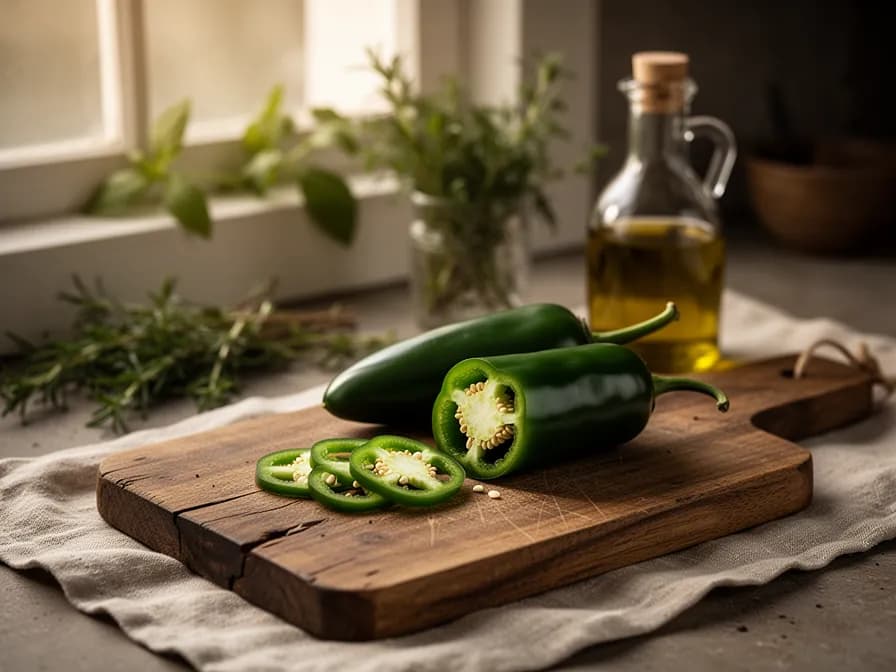
Coseche verde para sabor más suave y crujiente a los 65-70 días. Deje madurar hasta rojo intenso para mayor picante. Corte con tijeras dejando el pedúnculo.
se supone que plantas al comenzar el periodo — indica tu fecha real
Cosecha cuando los pimientos midan 7-10 cm, estén firmes, de color verde intenso y ligeramente brillantes; las líneas de corcho indican el punto máximo de sabor y picor.
Almacenamiento y conservación
Conserve en el refrigerador hasta 2 semanas. Encurtidos en vinagre duran meses. También pueden secarse, ahumarse o congelarse enteros o en rodajas.
Qué falla — y cómo solucionarlo
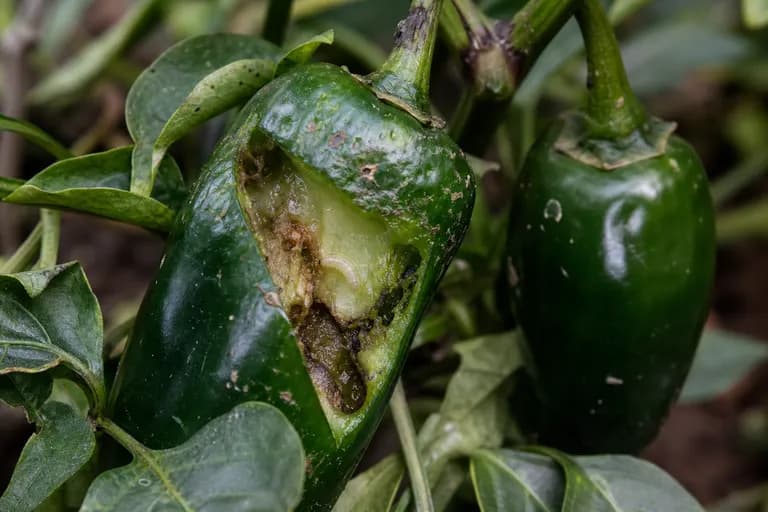
Pulgones
PlagaColonias en brotes tiernos que deforman las hojas y segregan melaza pegajosa.
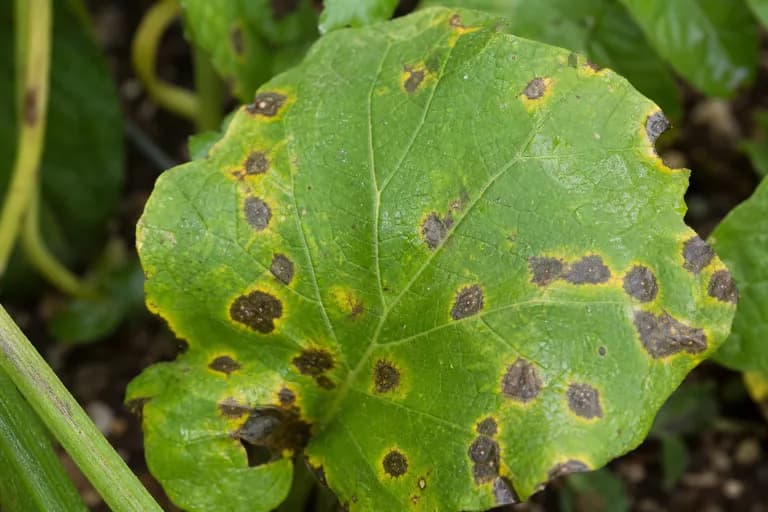
Araña roja
PlagaPunteado amarillo en hojas y telarañas finas en condiciones de calor y sequía.
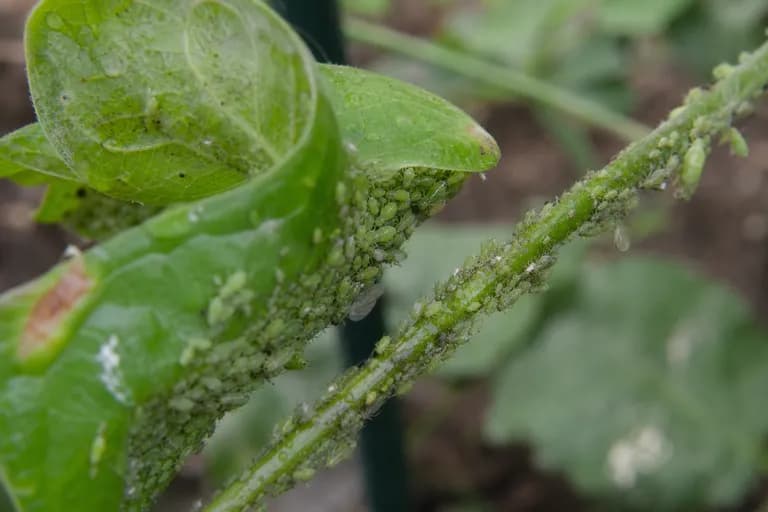
Virus del mosaico
EnfermedadManchas amarillo-verdes en mosaico en las hojas con crecimiento atrofiado.
Solución de problemas comunes
Las noches frescas por debajo de 10°C provocan la caída de flores y mala fructificación. El riego excesivo pudre las raíces. La falta de polinización reduce la producción.
Consejos de cultivo
- Start seeds early — jalapenos need 8-10 weeks of indoor growing before transplanting, and rushing this stage produces weak, unproductive plants. Use a heat mat at 24-29°C for reliable germination in 10-14 days.
- Pinch off the first few flowers that appear on young plants to encourage stronger root and branch development before allowing fruit to set. This results in a sturdier plant that ultimately produces more peppers over the season.
- Water deeply and consistently but let the top 2 cm of soil dry between waterings. Jalapenos are susceptible to both blossom end rot (from inconsistent moisture) and root rot (from waterlogged soil). Drip irrigation is ideal.
- Slight water stress during fruit development can increase the heat level of your jalapenos. If you prefer hotter peppers, reduce watering slightly once fruits begin to mature. For milder peppers, keep watering consistent.
- Corking lines on the skin are a sign of quality, not damage. Peppers with heavy corking are prized by experienced cooks for their superior heat and depth of flavor. Do not discard corked peppers.
- Allow some peppers to ripen fully to red on the plant. Red jalapenos are sweeter and more complex than green ones, and they are the stage required for making authentic chipotles. The plant will continue producing new green peppers simultaneously.
- Feed with a tomato-type fertilizer (low nitrogen, high phosphorus and potassium) once flowering begins. Excess nitrogen produces lush, leafy plants with disappointing pepper yields — a very common mistake with all pepper varieties.
- In cooler climates, use black plastic mulch and row covers to maximize soil warmth. Jalapenos grow slowly in cool conditions and may not produce well if soil temperatures stay below 21°C (70°F) during the growing season.
Cultiva tu mejor Jalapeño — y todo lo que la rodea.
Empieza un plan gratis hoy. Diseña tus bancales, coloca tu Jalapeño y deja que PlotMyGarden gestione el momento, el espaciado, las asociaciones y los recordatorios de la semilla a la cesta.
Elige tu Jalapeño
Early Jalapeño
Maduración rápida, ideal para climas con temporadas cortas. Madura en 65 días.
Mucho Nacho
Frutos más grandes que el jalapeño estándar, carne gruesa y picante moderado. 68 días.
Lemon Spice
Jalapeño amarillo dorado con sabor afrutado y picante suave. Muy decorativo.
A single jalapeno plant grown from a $2-3 seed packet (which contains 20-30 seeds) can produce 25-35 peppers over a season. Fresh jalapenos sell for $3-6 per pound at grocery stores, and a productive plant yields 1-2 pounds. Growing 3-4 plants can save $15-40 per season on fresh peppers alone. The savings increase dramatically when you factor in pickled jalapenos ($4-6 per jar), chipotle peppers ($3-5 per can), and jalapeno hot sauce ($5-8 per bottle) — all easily made from your home harvest at a fraction of the retail cost.
Recetas rápidas
Classic Jalapeno Poppers
30 minHalved jalapenos stuffed with a tangy cream cheese filling and wrapped in crispy bacon — the ultimate appetizer for game days and gatherings. Baking at high heat renders the bacon crispy while softening the pepper and melting the cheese into a creamy, spicy bite.
7 ingredientes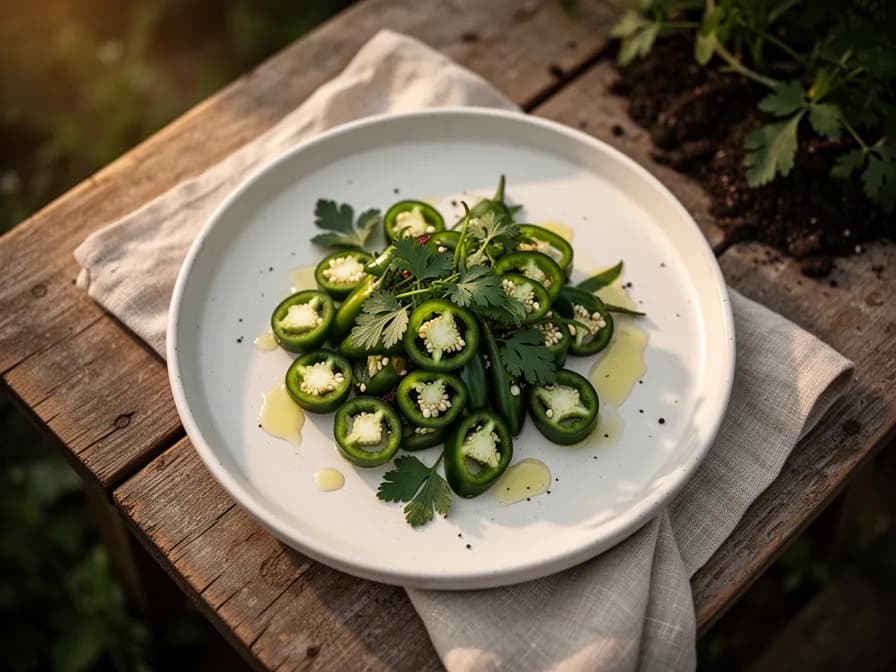
Quick Pickled Jalapenos
15 minTangy, crisp pickled jalapeno slices ready in just 15 minutes and far superior to store-bought. These taqueria-style pickled peppers are perfect on nachos, tacos, burgers, and sandwiches, keeping for weeks in the refrigerator.
8 ingredientesFresh Jalapeno Salsa Verde
20 minA bright, vibrant green salsa with fresh jalapeno heat, charred tomatillos, and cilantro. This authentic Mexican salsa is endlessly versatile — serve with chips, tacos, grilled meats, or eggs for a fresh, zippy kick.
7 ingredientesUsos culinarios
Versátiles en la cocina: frescos en salsas, guacamole, encurtidos en vinagre, rellenos y asados, o en conserva. Son el ingrediente esencial de la cocina tex-mex.
Qué contiene
Beneficios para la salud
- Capsaicin, the compound responsible for jalapeno heat, has been extensively studied for its metabolism-boosting properties — research shows it can increase calorie burning by 5-8% for several hours after consumption and may suppress appetite.
- Exceptionally high in vitamin C, with a single jalapeno providing over 100% of the daily value — this powerful antioxidant supports immune function, collagen production, and iron absorption from plant foods.
- Contains capsaicin which acts as a natural pain reliever by depleting substance P, a neurotransmitter that signals pain to the brain — this is the basis for capsaicin-containing topical pain creams used for arthritis and neuropathy.
- Rich in vitamin A and beta-carotene (especially red-ripe jalapenos), which support healthy vision, skin integrity, and immune cell function throughout the body.
- Studies suggest regular consumption of capsaicin-containing peppers is associated with lower rates of cardiovascular disease, potentially through improvements in cholesterol profiles and blood vessel function.
- The combination of capsaicin and vitamin C in jalapenos provides potent anti-inflammatory effects, which may help reduce chronic inflammation linked to conditions such as heart disease, diabetes, and certain cancers.
De dónde viene Jalapeño
The jalapeno pepper (Capsicum annuum) traces its origins to the fertile valleys of Mesoamerica, where archaeological evidence suggests chili peppers were being cultivated as early as 5,000-7,000 years ago in present-day Mexico. The jalapeno specifically is named after Xalapa (Jalapa), the capital of the Mexican state of Veracruz, which served as a major center of jalapeno cultivation and trade for centuries. The Aztec civilization prized chili peppers as both food and medicine, using them to preserve meat, treat respiratory ailments, and as a form of currency and tribute payment to rulers.
Spanish conquistadors encountered jalapenos and other chili peppers in the early 1500s and carried them back to Europe, from where they spread rapidly along trade routes to Africa, India, and Southeast Asia. This global dispersal happened remarkably quickly — within 50 years of Columbus's voyages, chili peppers had been adopted into cuisines across four continents. However, the jalapeno itself remained most deeply rooted in Mexican cuisine, where it became an indispensable ingredient in salsas, escabeches (pickled preparations), and stuffed pepper dishes like chiles rellenos.
The practice of smoking ripe red jalapenos to create chipotles dates back to the pre-Columbian Aztec period, when the thick-walled peppers proved difficult to air-dry in the humid climate of Veracruz. Smoking over wood fires solved the preservation problem while creating an entirely new ingredient with deep, complex flavors. Today, Mexico and the United States are the world's largest producers and consumers of jalapenos. In the US, jalapeno cultivation expanded dramatically in the late 20th century, driven by the growing popularity of Mexican cuisine and Tex-Mex food culture. The jalapeno has become the most widely consumed hot pepper in America, featured in everything from nachos and salsa to mainstream products like jalapeno-flavored chips and jelly.
Jalapeño: ¿sabías que?
Datos fascinantes sobre Jalapeño
The Scoville scale, which measures the heat of chili peppers, was invented in 1912 by pharmacist Wilbur Scoville specifically to test the pungency of peppers — jalapenos typically register 2,500-8,000 Scoville Heat Units (SHU), placing them in the mild-to-moderate range of the chili world.
Jalapeño: preguntas frecuentes
¿Cuándo debo plantar Jalapeño?
¿Cuáles son buenas plantas acompañantes para Jalapeño?
¿En qué zonas de rusticidad puede crecer Jalapeño?
¿Cuánto sol necesita Jalapeño?
¿A qué distancia debo espaciar Jalapeño?
¿Qué plagas y enfermedades afectan a Jalapeño?
¿Cómo almaceno Jalapeño después de la cosecha?
¿Cuáles son las mejores variedades de Jalapeño para cultivar?
¿Qué suelo necesita Jalapeño?
Why are my jalapenos not hot?
Should I pick jalapenos green or red?
Can I grow jalapenos in containers on a balcony?
How do I make chipotles from my jalapenos?
Why are my jalapeno plant's flowers falling off without producing fruit?
Are jalapeno plants perennial — will they come back next year?
Acabas de leer la teoría. Ahora cultívala en piloto automático.
Todo lo que hace que Jalapeño sea delicado — el momento, el espaciado, las asociaciones, la ventana de cosecha — es justo lo que PlotMyGarden resuelve por ti, para cada planta de tu huerto.
Un plan que conoce tu clima
Indica tu ubicación una vez. Recibe fechas de siembra, abonado y cosecha basadas en tu última helada real y el pronóstico en vivo — sin adivinar con un sobre genérico.
De la sección “Cuándo plantar”Planificador de bancales de arrastrar y soltar
Diseña bancales sobre una cuadrícula. Cada planta encaja con su espaciado correcto y ves toda la temporada antes de gastar un céntimo en semillas.
De la sección “Cultivo”Conflictos de asociación, detectados a tiempo
Más de 200 buenas y malas combinaciones comprobadas en vivo mientras plantas — para que un error que arruine la temporada nunca llegue a la tierra.
De la sección “Asociaciones”Recordatorios que sí vas a seguir
“Riega las judías.” “Recoge hoy antes de que se pase.” Oportunos, concretos y ligados a las plantas que de verdad cultivas.
De la sección “Cosecha”Escalonado, programado
¿Quieres cosechar seis semanas en vez de seis días? Reparte tus siembras automáticamente y te avisa cuando toca el siguiente lote.
De la sección “Cuándo plantar”Un registro que se vuelve más listo
Cada cosecha que registras le enseña tu huerto. El plan del año que viene parte de lo que de verdad funcionó en tu suelo, no en un manual.
De la sección “Resumen”Planta estos junto a Jalapeño
Más Solanáceas
Mantén Jalapeño lejos de estos
Diseños de jardín con Jalapeño
Cultiva tu mejor Jalapeño — y todo lo que la rodea.
Empieza un plan gratis hoy. Diseña tus bancales, coloca tu Jalapeño y deja que PlotMyGarden gestione el momento, el espaciado, las asociaciones y los recordatorios de la semilla a la cesta.