Lechuga Lollo Rossa
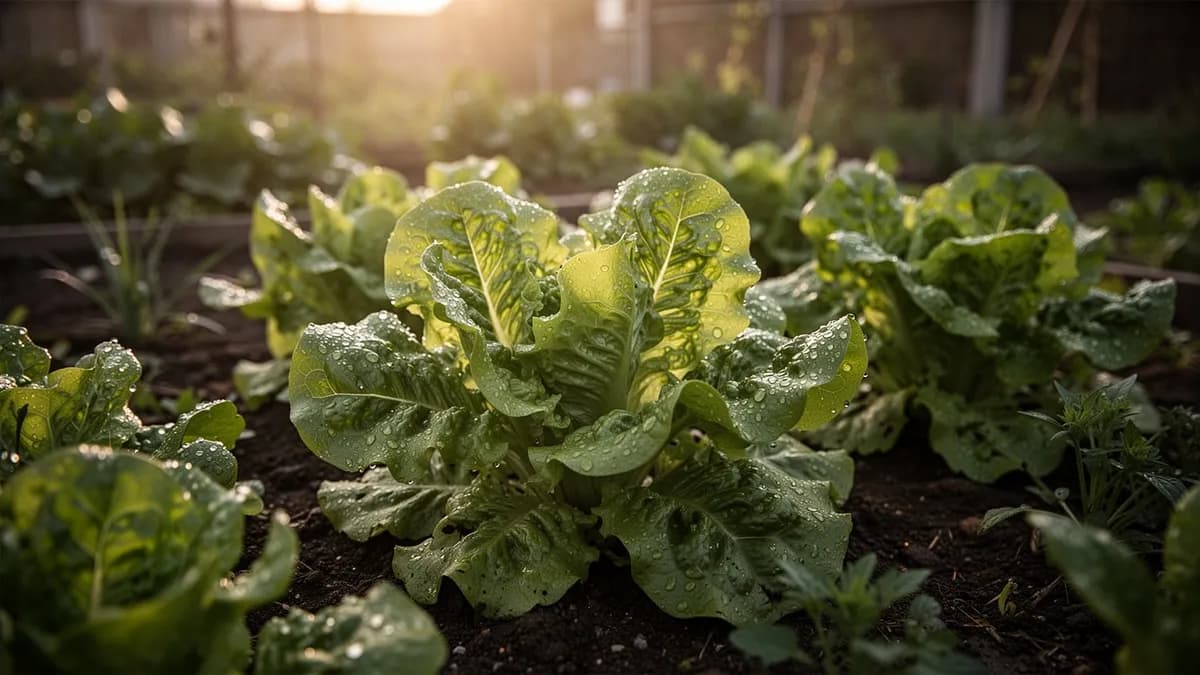
La lechuga Lollo Rossa es una variedad italiana de hoja suelta con un follaje espectacularmente rizado y de color rojo burdeos intenso en los bordes que se degrada a verde en la base.





En esta páginaResumen
Conoce Lechuga Lollo Rossa
La lechuga Lollo Rossa es una variedad italiana de hoja suelta con un follaje espectacularmente rizado y de color rojo burdeos intenso en los bordes que se degrada a verde en la base. Originaria de Italia, es tanto ornamental como comestible, muy apreciada en la alta cocina por su textura voluminosa y su sabor suave con un toque ligeramente amargo.
Cuándo plantar Lechuga Lollo Rossa
Siembre las semillas en la superficie de bandejas con sustrato fino y húmedo, presionándolas ligeramente sin cubrirlas ya que necesitan luz para germinar. Mantenga a 15-18°C para germinación en 5-8 días. Trasplante con cepellón intacto cuando las plántulas tengan 3-4 hojas verdaderas, endureciéndolas durante 5-7 días antes del trasplante definitivo.
Tu año de Lechuga Lollo Rossa
Ajustado a Zona 7 · temporada típica · la helada se va hacia el 2 abr y vuelve hacia el 1 nov
Planta Lechuga Lollo Rossa Mar – Abr, Sep – Oct y cosecha May – Jun, Oct – Nov. Consulta los métodos de plantación y elige tu clima para adaptar los periodos.
Cómo cultivar Lechuga Lollo Rossa
La Lollo Rossa se siembra en interior 4-5 semanas antes de la última helada o directamente en el exterior en primavera u otoño. Las semillas son muy pequeñas y necesitan luz para germinar, por lo que deben depositarse sobre la superficie del sustrato húmedo y presionarse ligeramente sin cubrirlas. La germinación ocurre en 5-10 días a temperaturas de 15-20°C.
Trasplante las plántulas al exterior cuando tengan 3-4 hojas verdaderas, espaciándolas 25-30 cm entre sí. La Lollo Rossa tolera algo de sombra parcial, lo que puede ser ventajoso en verano para retrasar la espigadura. Riegue de forma regular y uniforme por la base de las plantas, evitando mojar las hojas rizadas donde el agua puede quedar atrapada y favorecer enfermedades fúngicas.
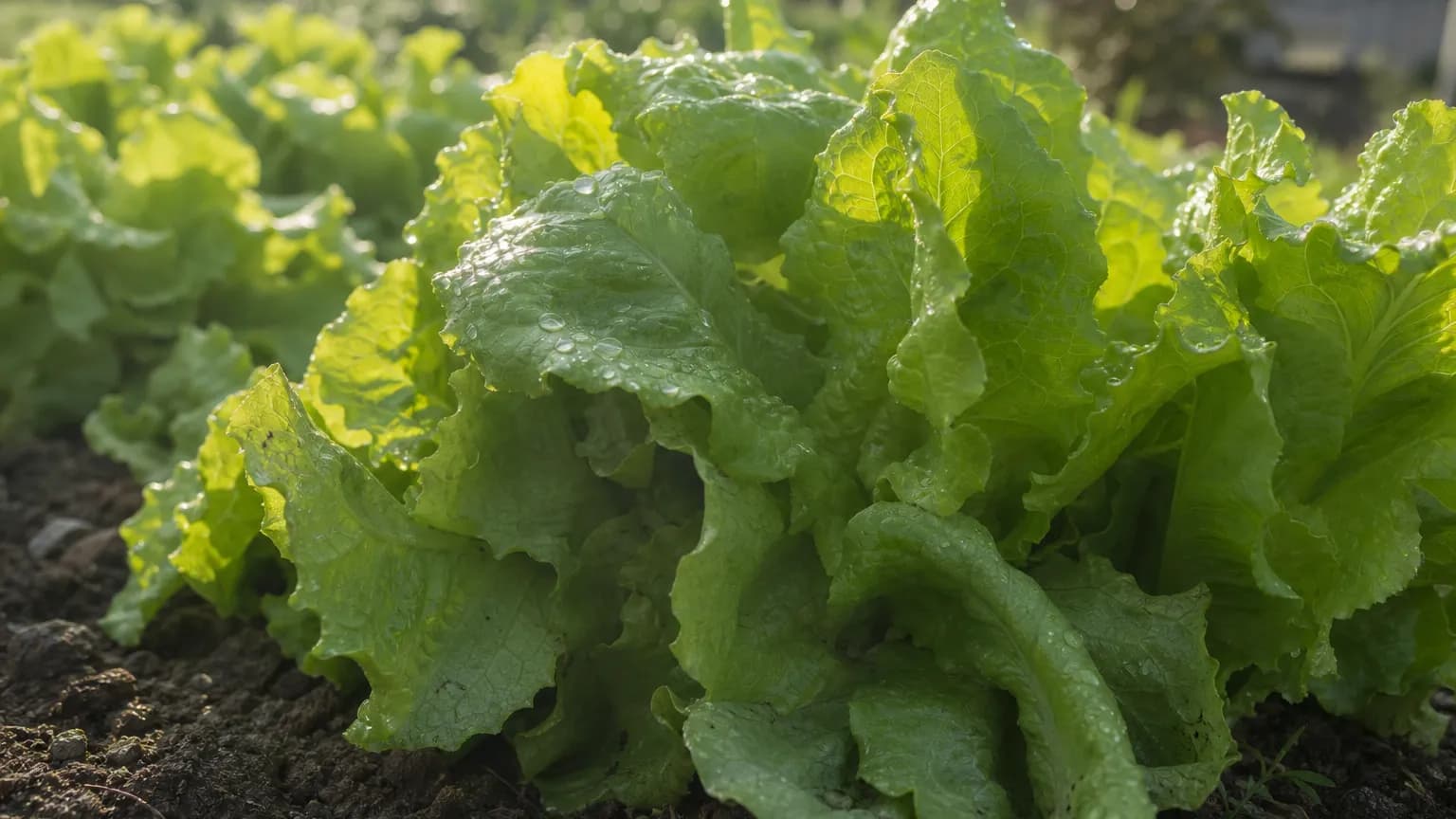
Para intensificar el color rojo característico, asegure que las plantas reciban al menos 4-6 horas de sol directo. Los pigmentos antociánicos se desarrollan más intensamente con buena exposición solar. Realice siembras escalonadas cada 2-3 semanas para garantizar una cosecha continua durante toda la temporada.
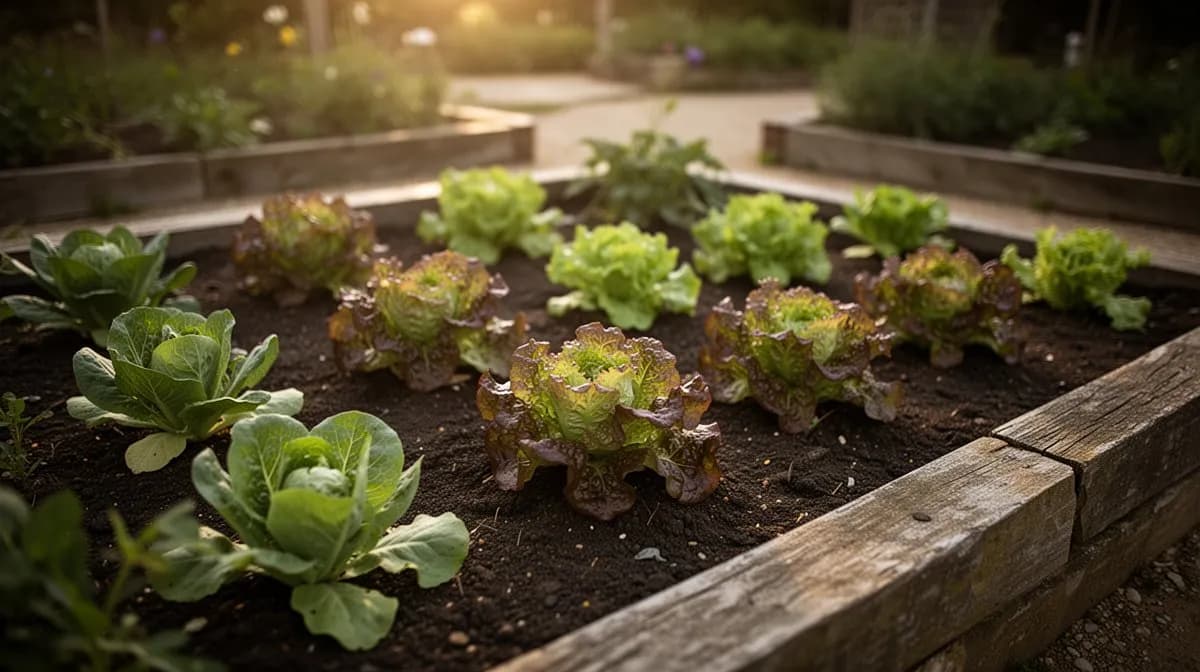
36 plantas caben en un bancal de 120 × 240 cm
Cada Lechuga Lollo Rossa pide 25 cm de margen. El planificador guarda ese marco por ti — cada planta, cada bancal.
Los mejores vecinos de Lechuga Lollo Rossa
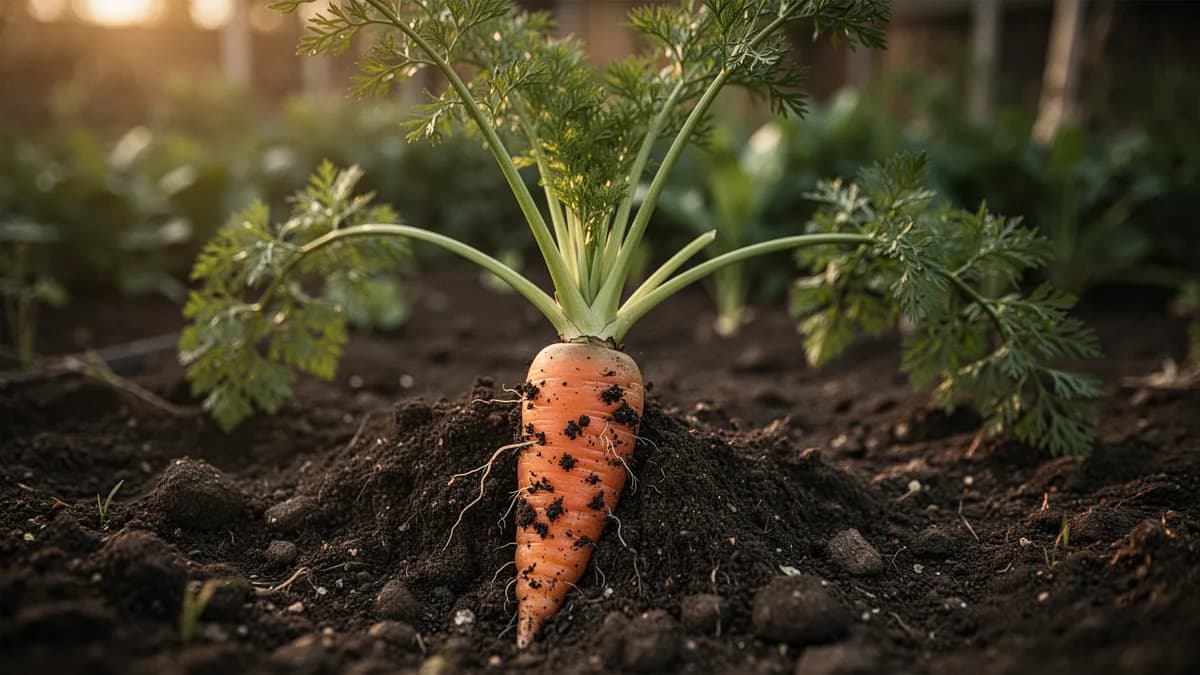
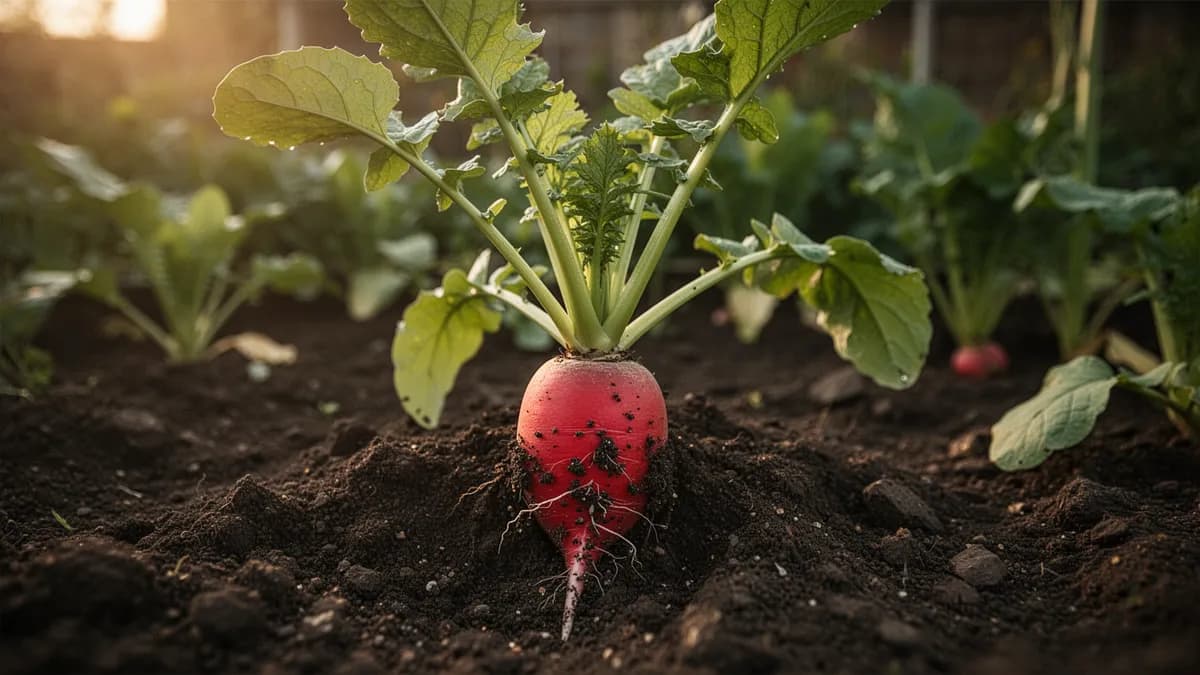
Se asocia bien con rábanos, zanahorias, fresas y cebollinos, que ayudan a repeler insectos dañinos. Las caléndulas plantadas cerca atraen sírfidos que depredan pulgones. Evite plantarla junto a plantas de la familia de las crucíferas que atraen las mismas plagas.
Zanahoria va a su lado.
Saber de huerto de siempre, cotejado con la tabla real de Lechuga Lollo Rossa — prueba cualquier planta que cultives.
Prueba Lechuga Lollo Rossa en un bancal, aquí mismo
Un bancal real del planificador con Lechuga Lollo Rossa ya plantado. Toca una planta compañera para colocarla y mira cómo responde la comprobación de vecinos: verde para buenos vecinos, rojo si hay conflicto.


Guías de cultivo relacionadas
Abónalo bien
Prefiere suelos fértiles, sueltos y ricos en materia orgánica con buen drenaje y pH entre 6,0 y 7,0. Incorpore compost maduro antes de plantar y aplique fertilizante orgánico rico en nitrógeno cada 3 semanas para un follaje abundante. Evite exceso de nitrógeno que puede reducir la intensidad del color rojo.
Temperatura ideal
Compatibilidad de zonas de rusticidad
De la semilla a la cosecha, etapa por etapa
Germinación
Las diminutas semillas de lechuga germinan en la superficie del suelo o apenas cubiertas, ya que necesitan luz para activar la germinación. La primera raíz emerge en 2-3 días, seguida de delicados cotiledones verde pálido. Las semillas germinan mejor entre 10 y 20 °C y pueden entrar en dormancia por encima de 25 °C.
Desarrollo de plántula
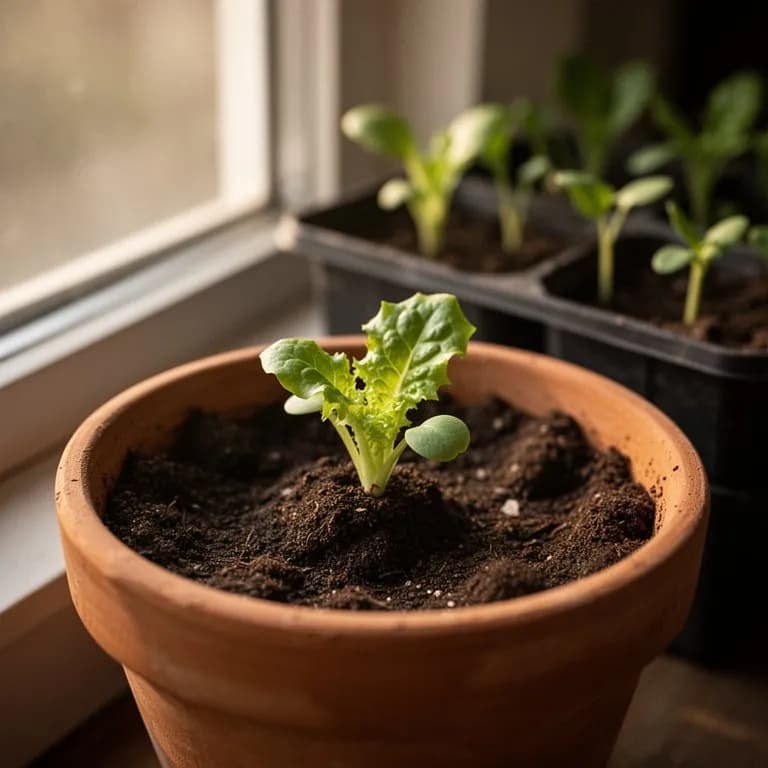
Las primeras hojas verdaderas aparecen con los característicos bordes rizados del tipo Lollo, inicialmente de un verde pálido con apenas un toque de rojo en las puntas. El sistema radicular superficial se establece en los primeros 15-20 cm del suelo. Las plántulas crecen mejor en temperaturas frescas con humedad constante.
Formación de roseta
La planta desarrolla su roseta suelta característica de hojas cada vez más rizadas. La pigmentación roja por antocianinas se intensifica, especialmente en las puntas de las hojas expuestas a la luz solar directa. Nuevas hojas emergen continuamente del punto de crecimiento central, mientras las hojas externas alcanzan su tamaño completo.
Madurez de cabeza completa
La roseta alcanza su diámetro completo de 25-35 cm con hojas densamente rizadas y de color intenso. La cabeza permanece suelta y abierta — los tipos Lollo nunca forman una cabeza apretada como la lechuga iceberg. Esta es la mejor ventana de cosecha para cortar la cabeza completa, con el mejor equilibrio entre ternura, sabor y atractivo visual.
Espigado y producción de semillas
A medida que aumenta la duración del día y suben las temperaturas, el tallo central se alarga rápidamente y la planta emite un tallo floral. Las hojas se vuelven amargas y duras. Pequeñas flores compuestas amarillas se abren sucesivamente, y cada una produce semillas con un vilano blanco y esponjoso para la dispersión por el viento.
Siembra las semillas sobre la superficie y presiona suavemente — no las entierres. Rocía con regularidad para mantener húmeda la capa superior del suelo. En clima cálido, enfría previamente las semillas en el refrigerador durante 24-48 horas para romper la dormancia inducida por el calor.
Cuidar Lechuga Lollo Rossa mes a mes
Qué hacer cada mes para tu Lechuga Lollo Rossa
Octubre
Mes actualHarvest autumn-grown Lollo Rossa at peak quality. Protect plants from early frosts with row cover or cold frames — lettuce tolerates light frost to -2°C (28°F) but leaves are damaged below that. Continue cut-and-come-again harvesting.
Ten claro qué hacer en tu huerto, cada mes
Un correo al empezar cada mes: qué sembrar, plantar y hacer ahora mismo — para tu Lechuga Lollo Rossa y todo lo que crece alrededor. Más un breve curso inicial para esquivar los errores clásicos.
- Qué hacer ahora mismo
- Ajustado a tu temporada
- Curso inicial incluido
Cosechar Lechuga Lollo Rossa
La Lollo Rossa se puede cosechar como corte y vuelve a crecer, cortando las hojas exteriores individualmente a partir de los 45 días, o la planta completa a los 55-65 días. Coseche por la mañana temprano cuando las hojas están más turgentes y crujientes para obtener la mejor calidad.
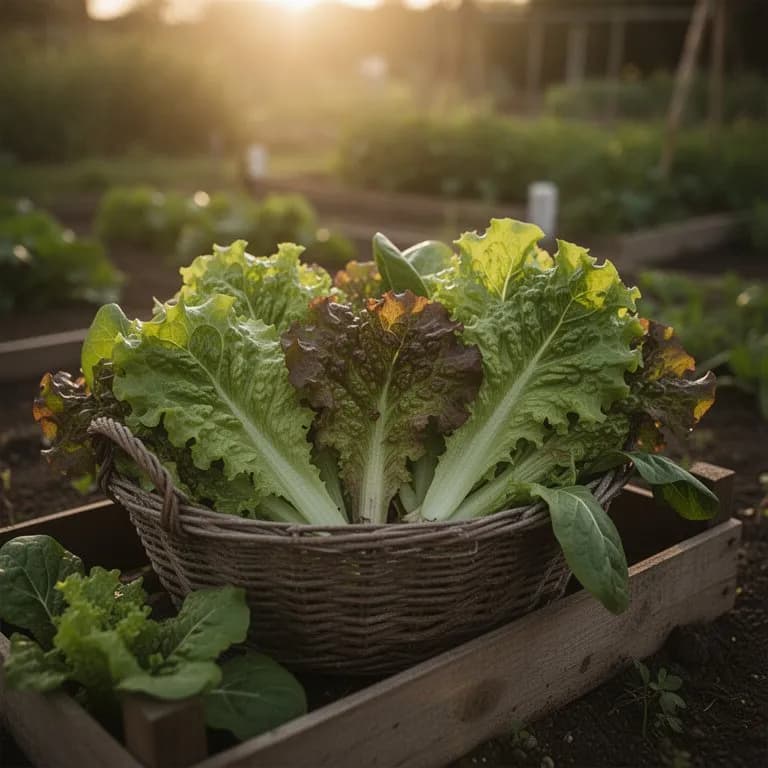
se supone que plantas al comenzar el periodo — indica tu fecha real
Cosecha las cabezas completas en la madurez, alrededor de 55 a 65 días después de la siembra, cuando la roseta esté totalmente desarrollada.
Almacenamiento y conservación
Conserve las hojas sin lavar en el refrigerador envueltas en papel de cocina húmedo dentro de una bolsa perforada durante 5-7 días. Las hojas rizadas son delicadas y se marchitan rápidamente, por lo que es mejor cosechar lo justo para el consumo inmediato. No es apta para congelación.
Qué falla — y cómo solucionarlo
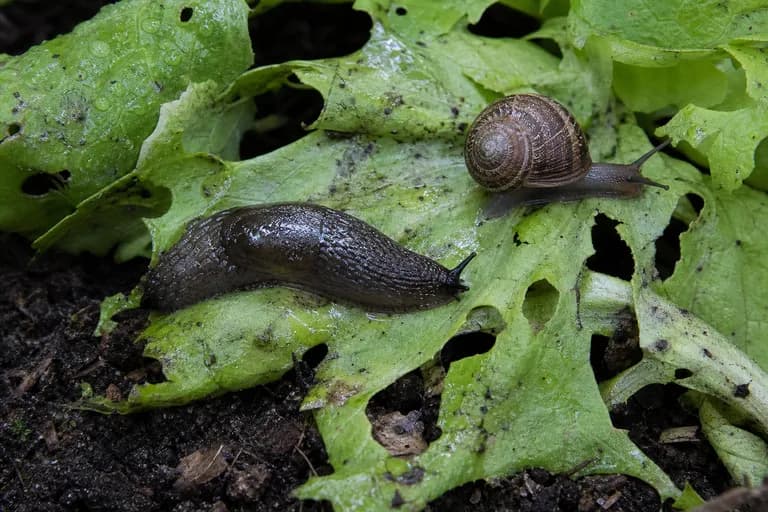
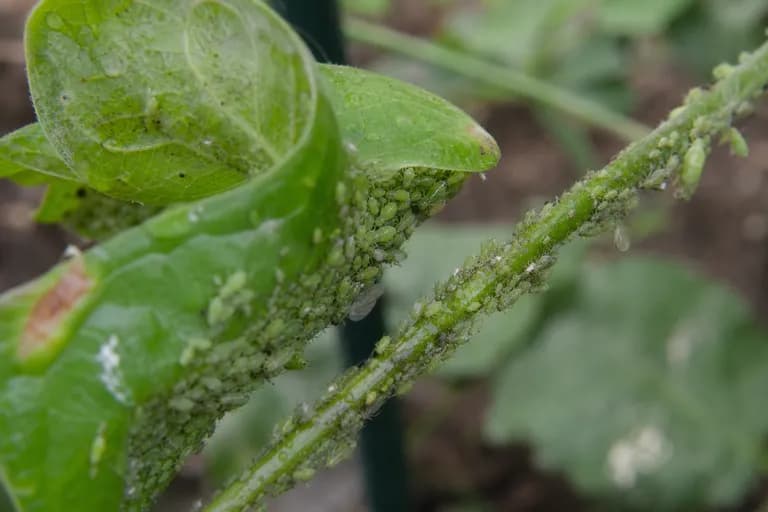
Pulgón de la lechuga (Nasonovia ribisnigri)
PlagaColonias de insectos pequeños verdes o rosados entre los rizos de las hojas, difíciles de detectar por la textura ondulada. Causan deformación y debilitamiento de las hojas.
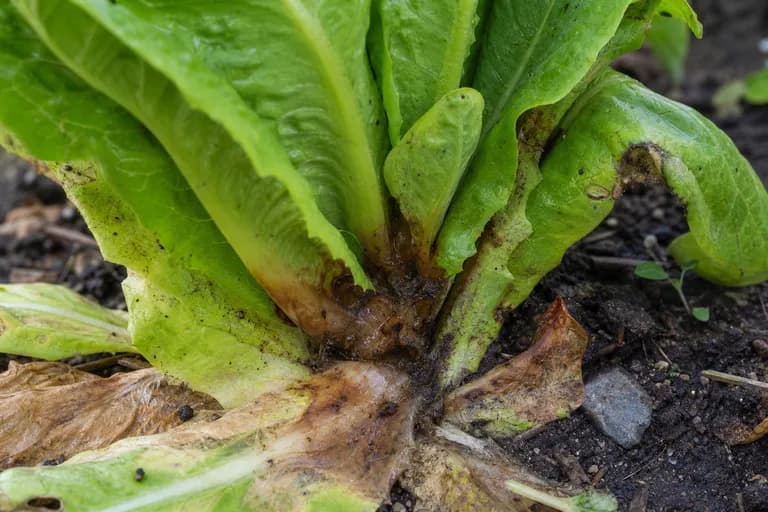
Podredumbre gris (Botrytis cinerea)
EnfermedadManchas marrones blandas cubiertas de un moho gris aterciopelado, generalmente en las hojas inferiores y la base de la planta. Puede pudrir la planta completa en condiciones húmedas.
Minador de hojas
PlagaGalerías sinuosas de color blanco o marrón claro visibles en las hojas, creadas por las larvas que se alimentan del tejido interno entre las capas de la hoja.
Solución de problemas comunes
La espigadura prematura por calor es el problema más frecuente, causando que las hojas se vuelvan amargas y la planta produzca tallo floral. Las hojas rizadas pueden atrapar humedad y tierra, favoreciendo enfermedades fúngicas. El quemado de los bordes de las hojas puede ocurrir por riego irregular o deficiencia de calcio.
Consejos de cultivo
- Succession sow every 2-3 weeks from early spring through early summer, then again from late summer through autumn. A single planting of Lollo Rossa provides leaves for only 6-8 weeks before bolting, so overlapping plantings are the key to a year-round salad supply.
- Never bury lettuce seeds — they require light for germination. Sprinkle on the surface of moist soil and press gently with a flat board or your palm. Mist regularly until seedlings emerge in 5-10 days.
- In warm weather above 25°C (77°F), pre-chill seeds in the refrigerator for 24-48 hours before sowing. This breaks the heat-induced dormancy that causes poor germination in summer — a simple trick that dramatically improves results for late-summer autumn crops.
- Use the cut-and-come-again technique to extend harvests: pick only the outer 4-5 leaves from each plant, always leaving the central growing point and at least 4-5 inner leaves intact. The plant will regenerate new leaves from the center for weeks.
- Provide afternoon shade in warm climates by planting on the east side of taller crops like tomatoes or trellised beans, or use 30-50% shade cloth. Even a few degrees of cooling can delay bolting by 2-3 weeks and maintain leaf tenderness.
- Water consistently and shallowly — lettuce has a very shallow root system concentrated in the top 15 cm of soil. Drip irrigation or soaker hoses at the base are ideal. Overhead watering encourages leaf diseases and soil splash that dirties leaves.
- Interplant Lollo Rossa between slower-growing crops like broccoli, cabbage, or tomatoes. The lettuce will be harvested and gone before the main crop needs the space — a classic intensive gardening technique that doubles your garden's productivity.
- Harvest in the early morning when leaves are fully turgid and crisp from overnight moisture. Lettuce picked in afternoon heat wilts immediately and never fully recovers its crunch, even after refrigeration.
Cultiva tu mejor Lechuga Lollo Rossa — y todo lo que la rodea.
Empieza un plan gratis hoy. Diseña tus bancales, coloca tu Lechuga Lollo Rossa y deja que PlotMyGarden gestione el momento, el espaciado, las asociaciones y los recordatorios de la semilla a la cesta.
Elige tu Lechuga Lollo Rossa
Lollo Rossa
La variedad clásica italiana con hojas profundamente rizadas de color rojo intenso en los bordes. Sabor suave y textura voluminosa. Madura en 50-55 días.
Lollo Bionda
La versión verde de la familia Lollo, con las mismas hojas rizadas pero de color verde brillante. Sabor más suave y menos amargo que la rossa. Madura en 45-55 días.
Revolution
Variedad mejorada con mayor resistencia al mildiu y color rojo más uniforme e intenso. Ideal para cultivo comercial por su uniformidad. Madura en 50-60 días.
Dark Lollo Rossa
Selección con coloración rojo oscuro más profunda y hojas más compactas. Mayor contenido de antioxidantes y antocianinas que la variedad estándar. Madura en 55-60 días.
A packet of Lollo Rossa seeds ($2-4) contains 500-1,000 seeds — enough for several years of planting. Fresh red-leaf specialty lettuce sells for $3-6 per head or $8-14 per pound of mixed salad greens at grocery stores and farmers markets. Growing your own from a $3 seed packet can yield 20-30 heads worth of salad greens per season, saving $60-150 compared to store-bought. Baby leaf mixes and pre-washed salad bags, which typically cost $4-7 each, become nearly free when you grow your own and harvest fresh daily.
Recetas rápidas
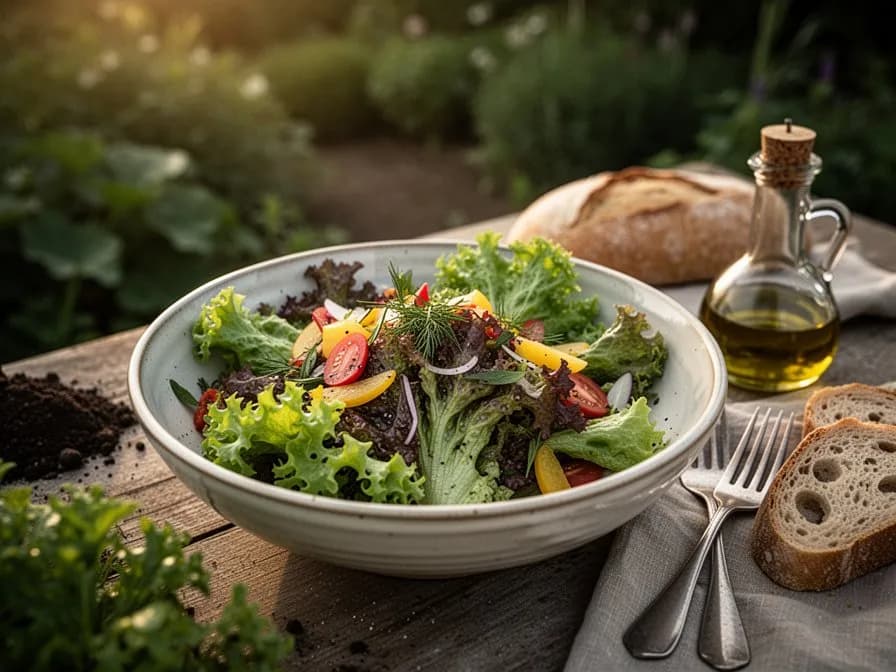
Lollo Rossa Caesar Salad
15 minA vibrant twist on the classic Caesar using Lollo Rossa's deeply frilled leaves that trap every drop of creamy garlic dressing. The ruffled texture holds croutons and shaved parmesan in place for a beautifully composed salad.
9 ingredientesKorean Lettuce Wraps (Ssam)
25 minLollo Rossa's pliable, cup-shaped leaves make perfect wraps for seasoned grilled meat in this popular Korean dish. The mild bitterness of the lettuce complements the rich, savory filling beautifully.
8 ingredientesWarm Bacon and Lollo Rossa Salad
15 minA bistro-style warm salad where hot bacon dressing slightly wilts the frilly leaves and deepens their color. The combination of crispy bacon, tangy vinaigrette, and tender lettuce is simple but extraordinary.
8 ingredientesUsos culinarios
La Lollo Rossa es protagonista en ensaladas mixtas, aportando volumen, color y textura. Sus hojas rizadas son ideales para crear camas decorativas en platos de presentación y retienen bien los aderezos entre sus pliegues. Se usa también como guarnición en platos principales, hamburguesas gourmet y como envoltorio natural para canapés.
Qué contiene
Beneficios para la salud
- Red-leaf lettuce varieties like Lollo Rossa contain significantly higher levels of anthocyanin antioxidants than green varieties — these pigments have been associated with reduced risk of cardiovascular disease, type 2 diabetes, and certain cancers in epidemiological studies.
- Exceptionally rich in beta-carotene (provitamin A), with red-leaf lettuce providing up to 89% of the daily value per 100g — essential for vision health, immune function, and skin cell maintenance.
- Very high in vitamin K, providing approximately 85% of the daily value per 100g, critical for proper blood clotting and calcium regulation in bones, helping to reduce the risk of osteoporosis.
- The high water content (approximately 95%) and negligible calorie count (only 16 calories per 100g) make Lollo Rossa one of the most hydrating and weight-management-friendly foods available.
- Contains lactucarium compounds that have mild calming and sleep-promoting properties — the traditional folk remedy of eating lettuce before bed has some basis in modern pharmacological research.
- Provides folate, iron, and manganese in small but consistent amounts that add up significantly when lettuce is consumed daily as a dietary staple, supporting red blood cell production and enzyme function.
De dónde viene Lechuga Lollo Rossa
Lollo Rossa is a modern Italian loose-leaf lettuce variety developed through selective breeding in Italy during the 1980s. It belongs to the species Lactuca sativa, which traces its ancestry back over 4,500 years to ancient Egypt, where early forms of lettuce were first cultivated around 2680 BCE in the Nile River valley. Those ancient lettuces were tall, bolt-prone plants grown primarily for their oil-rich seeds rather than their bitter leaves. Over centuries of selection by Egyptian, Greek, Roman, and later European gardeners, lettuce was gradually transformed from a weedy, bitter plant into the tender salad green we know today.
The Lollo lettuce group — which includes both the red Lollo Rossa and the green Lollo Bionda — emerged from Italy's long tradition of lettuce breeding and salad culture. Italian plant breeders selected for the distinctive tightly frilled leaf margins, loose rosette growth habit, and slow-bolting characteristics that define the Lollo type. The red variant, Lollo Rossa, was further selected for intense anthocyanin pigmentation that produces its signature magenta-to-burgundy coloring. The variety quickly gained popularity across Europe in the 1980s and 1990s as the gourmet salad movement expanded and chefs sought visually striking ingredients.
Today, Lollo Rossa is grown commercially and in home gardens across Europe, North America, Asia, and Australasia. It is a staple of the European mesclun salad mix industry and a popular choice for hydroponic and vertical farming operations due to its compact size, fast growth, and dramatic visual appeal. Italy, France, Spain, and the Netherlands are major producers for the European fresh salad market. The variety has also become a favorite among home gardeners worldwide for its ornamental beauty, ease of cultivation, and ability to produce continuous harvests through the cut-and-come-again method that Italian gardeners have practiced for generations.
Lechuga Lollo Rossa: ¿sabías que?
Datos fascinantes sobre Lechuga Lollo Rossa
Lollo Rossa was developed by Italian breeders in the 1980s and takes its name from the Italian actress and icon Gina Lollobrigida — 'Lollo' is a playful reference to her famously voluminous curly hair, and 'Rossa' simply means 'red' in Italian.
Lechuga Lollo Rossa: preguntas frecuentes
¿Cuándo debo plantar Lechuga Lollo Rossa?
¿Cuáles son buenas plantas acompañantes para Lechuga Lollo Rossa?
¿En qué zonas de rusticidad puede crecer Lechuga Lollo Rossa?
¿Cuánto sol necesita Lechuga Lollo Rossa?
¿A qué distancia debo espaciar Lechuga Lollo Rossa?
¿Qué plagas y enfermedades afectan a Lechuga Lollo Rossa?
¿Cómo almaceno Lechuga Lollo Rossa después de la cosecha?
¿Cuáles son las mejores variedades de Lechuga Lollo Rossa para cultivar?
¿Qué suelo necesita Lechuga Lollo Rossa?
Why is my Lollo Rossa staying green instead of turning red?
My Lollo Rossa is bolting — can I still eat it?
Can I grow Lollo Rossa in containers on a balcony?
How do I prevent my lettuce from getting bitter?
Is it safe to eat Lollo Rossa that has white milky sap?
How do I store harvested Lollo Rossa to keep it fresh longest?
Acabas de leer la teoría. Ahora cultívala en piloto automático.
Todo lo que hace que Lechuga Lollo Rossa sea delicado — el momento, el espaciado, las asociaciones, la ventana de cosecha — es justo lo que PlotMyGarden resuelve por ti, para cada planta de tu huerto.
Un plan que conoce tu clima
Indica tu ubicación una vez. Recibe fechas de siembra, abonado y cosecha basadas en tu última helada real y el pronóstico en vivo — sin adivinar con un sobre genérico.
De la sección “Cuándo plantar”Planificador de bancales de arrastrar y soltar
Diseña bancales sobre una cuadrícula. Cada planta encaja con su espaciado correcto y ves toda la temporada antes de gastar un céntimo en semillas.
De la sección “Cultivo”Conflictos de asociación, detectados a tiempo
Más de 200 buenas y malas combinaciones comprobadas en vivo mientras plantas — para que un error que arruine la temporada nunca llegue a la tierra.
De la sección “Asociaciones”Recordatorios que sí vas a seguir
“Riega las judías.” “Recoge hoy antes de que se pase.” Oportunos, concretos y ligados a las plantas que de verdad cultivas.
De la sección “Cosecha”Escalonado, programado
¿Quieres cosechar seis semanas en vez de seis días? Reparte tus siembras automáticamente y te avisa cuando toca el siguiente lote.
De la sección “Cuándo plantar”Un registro que se vuelve más listo
Cada cosecha que registras le enseña tu huerto. El plan del año que viene parte de lo que de verdad funcionó en tu suelo, no en un manual.
De la sección “Resumen”Planta estos junto a Lechuga Lollo Rossa
Más Hortalizas de hoja
Cultiva tu mejor Lechuga Lollo Rossa — y todo lo que la rodea.
Empieza un plan gratis hoy. Diseña tus bancales, coloca tu Lechuga Lollo Rossa y deja que PlotMyGarden gestione el momento, el espaciado, las asociaciones y los recordatorios de la semilla a la cesta.