Jícama
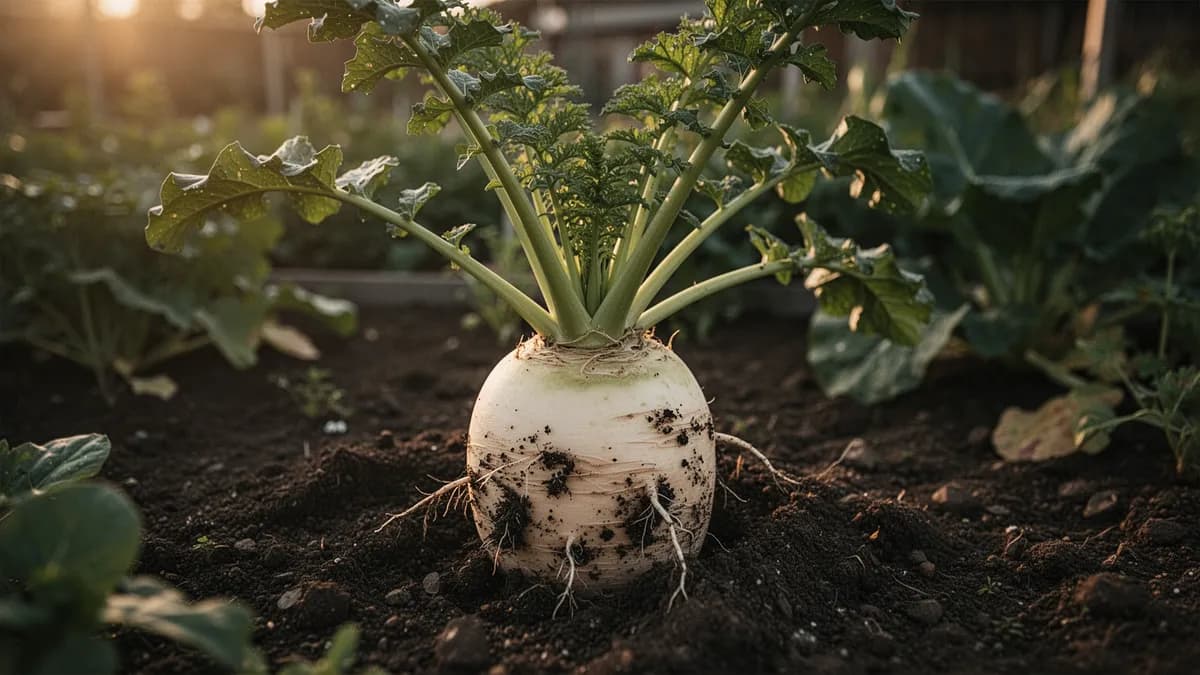
Un tubérculo tropical con pulpa dulce y crujiente.





En esta páginaResumen
Conoce Jícama
Un tubérculo tropical con pulpa dulce y crujiente. Como mezcla de manzana y castaña de agua.
Cuándo plantar Jícama
Siembre después de heladas, posible iniciar en interiores.
Tu año de Jícama
Ajustado a Zona 7 · temporada típica · la helada se va hacia el 2 abr y vuelve hacia el 1 nov
Planta Jícama Abr – May y cosecha Oct – Nov. Consulta los métodos de plantación y elige tu clima para adaptar los periodos.
Cómo cultivar Jícama
Necesita larga temporada cálida. Siembre semillas después de heladas. Forma tubérculos grandes.
Solo la raíz es comestible - hojas y semillas son tóxicas!
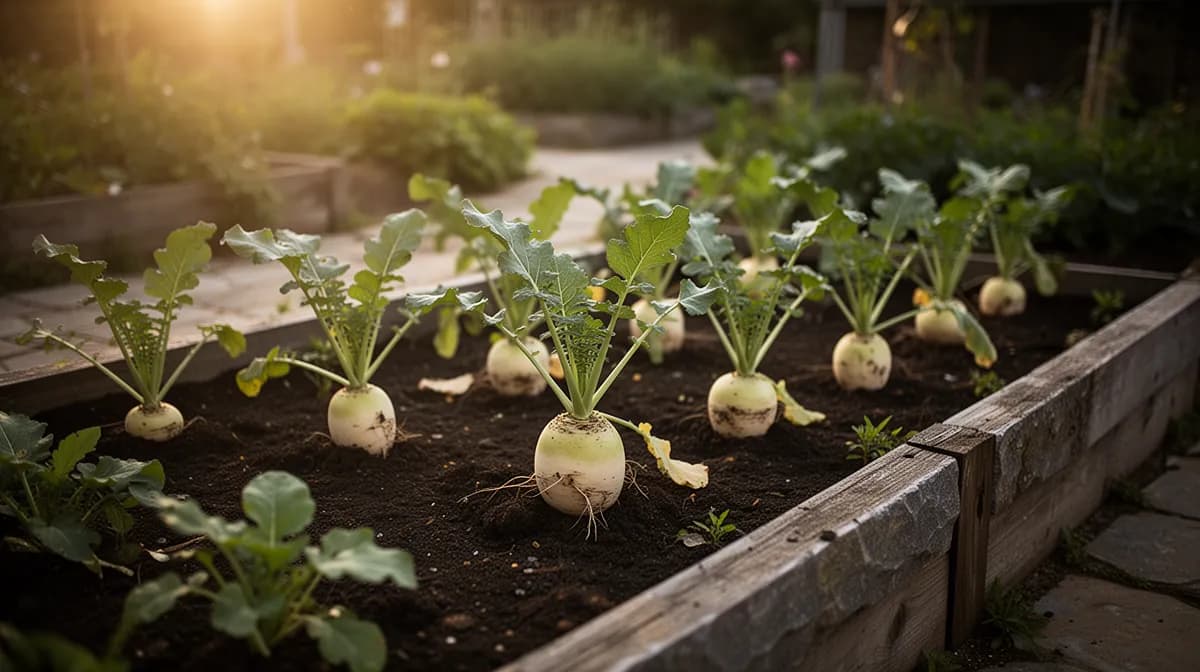
10 plantas caben en un bancal de 120 × 240 cm
Cada Jícama pide 45 cm de margen. El planificador guarda ese marco por ti — cada planta, cada bancal.
Los mejores vecinos de Jícama
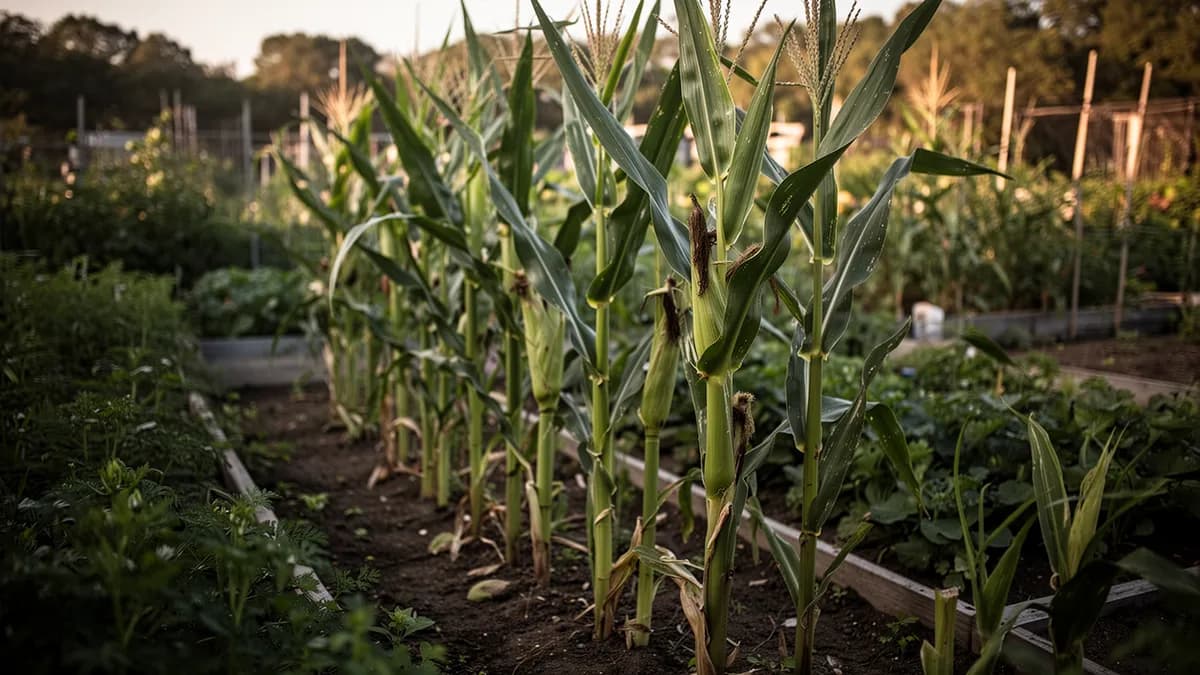
Frijoles y maíz.
Maíz va a su lado.
Saber de huerto de siempre, cotejado con la tabla real de Jícama — prueba cualquier planta que cultives.
Prueba Jícama en un bancal, aquí mismo
Un bancal real del planificador con Jícama ya plantado. Toca una planta compañera para colocarla y mira cómo responde la comprobación de vecinos: verde para buenos vecinos, rojo si hay conflicto.


Guías de cultivo relacionadas
Abónalo bien
Arenoso, bien drenado, pH 6,0-7,0.
Temperatura ideal
Compatibilidad de zonas de rusticidad
De la semilla a la cosecha, etapa por etapa
Inicio de semillas
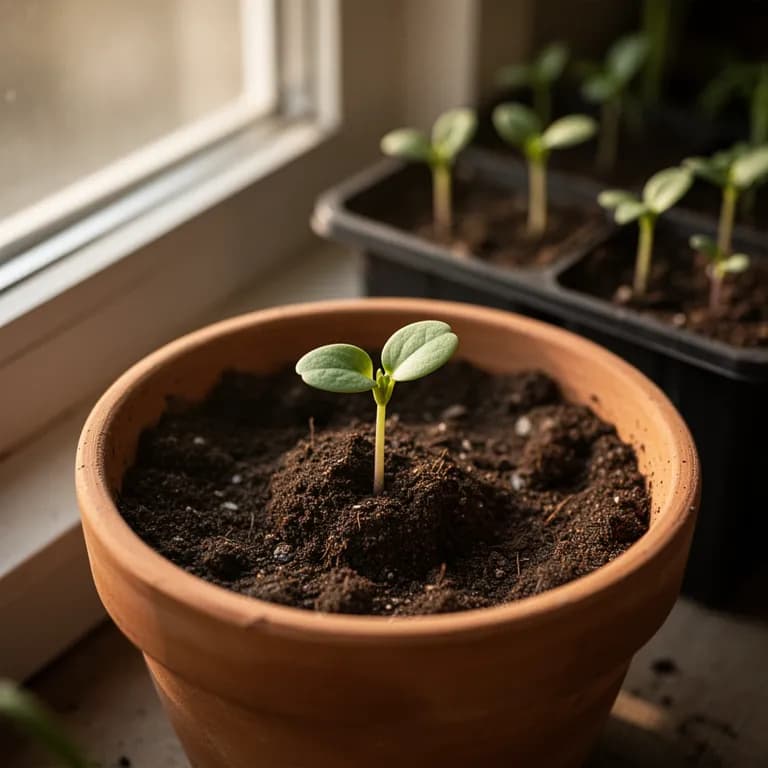
Las semillas se remojan durante la noche para ablandar la dura testa de la leguminosa y luego se siembran a 2,5 cm de profundidad en suelo cálido. La germinación es lenta e irregular y tarda 10-20 días a temperaturas del suelo de 21-29 °C. Las primeras hojas son simples y redondeadas, seguidas por las hojas trifoliadas características de la familia de las leguminosas.
Establecimiento de la enredadera
La planta desarrolla enredaderas retorcidas con hojas trifoliadas y empieza a trepar con rapidez. Se forman nódulos radiculares fijadores de nitrógeno en asociación con bacterias Rhizobium, enriqueciendo el suelo circundante. Las enredaderas pueden crecer 15-30 cm por semana en condiciones cálidas y cubrir rápidamente su estructura de soporte.
Crecimiento vigoroso
Las enredaderas alcanzan su extensión total de 4-6 metros y producen un follaje denso. El tubérculo subterráneo comienza a engrosarse mientras la planta almacena carbohidratos. Este es el período crítico en el que el calor y la humedad constantes determinan el tamaño final del tubérculo. La raíz se engrosa visiblemente semana tras semana.
Floración
A lo largo de las enredaderas aparecen racimos de atractivas flores azul púrpura que recuerdan a las flores del guisante. Si se dejan madurar, las flores producen vainas con semillas tóxicas. La floración desvía una cantidad importante de energía del desarrollo del tubérculo y debe controlarse para obtener el máximo rendimiento de la raíz.
Engrosamiento del tubérculo
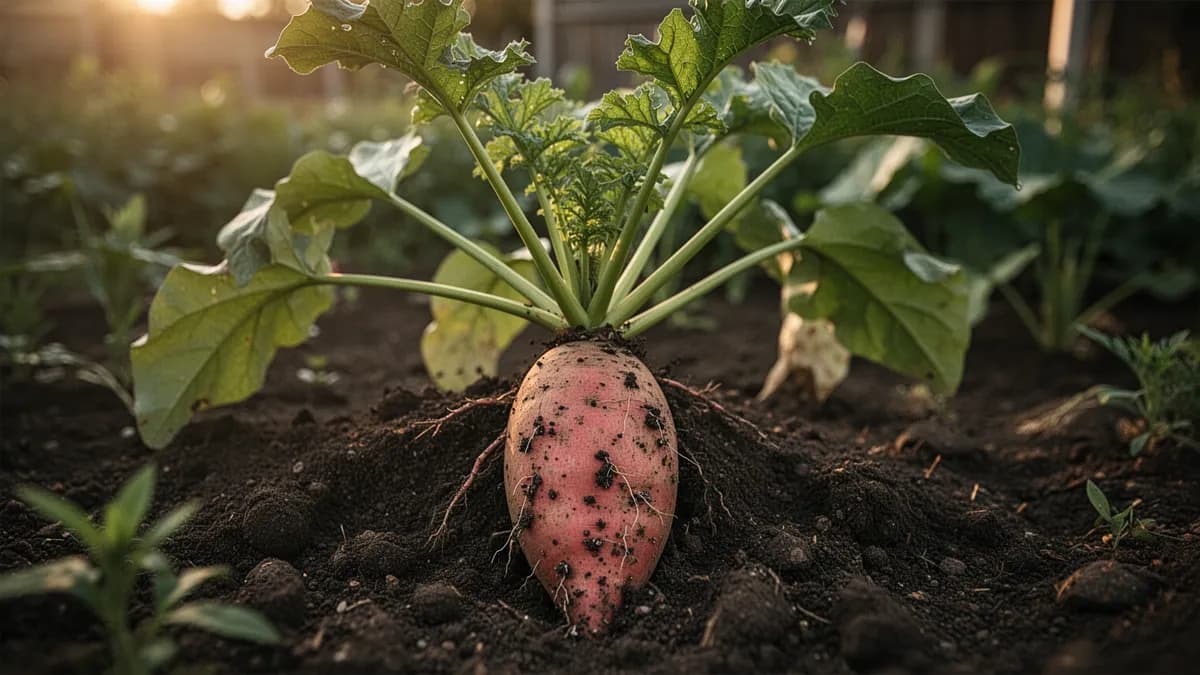
Con las flores eliminadas, la planta canaliza toda su energía hacia la rápida expansión del tubérculo. La raíz subterránea pasa de tener el tamaño de un puño a 1-2 kg o más durante esta fase final de crecimiento. El tubérculo acumula almidón y la inulina oligosacárida, desarrollando su textura dulce y crujiente característica.
Cosecha
Los tubérculos están listos cuando alcanzan un tamaño útil, normalmente 150+ días después de la siembra. En regiones tropicales, los tubérculos pueden dejarse más tiempo en el suelo para alcanzar 5+ kg. En zonas templadas, cosecha antes de que la primera helada destruya las enredaderas. La piel marrón papirácea se desprende para revelar la pulpa blanca y crujiente.
Usa una manta térmica ajustada a 27 °C para asegurar un calor constante. Inicia las semillas en macetas profundas y biodegradables para minimizar el trastorno de las raíces durante el trasplante, ya que la jícama desarrolla pronto una raíz pivotante sensible.
Cuidar Jícama mes a mes
Qué hacer cada mes para tu Jícama
Octubre
Mes actualHarvest month in most zones. Dig tubers carefully before the first frost using a garden fork. Even undersized tubers are edible and sweet. Remove and safely dispose of all vines, leaves, and seed pods — these are toxic.
Ten claro qué hacer en tu huerto, cada mes
Un correo al empezar cada mes: qué sembrar, plantar y hacer ahora mismo — para tu Jícama y todo lo que crece alrededor. Más un breve curso inicial para esquivar los errores clásicos.
- Qué hacer ahora mismo
- Ajustado a tu temporada
- Curso inicial incluido
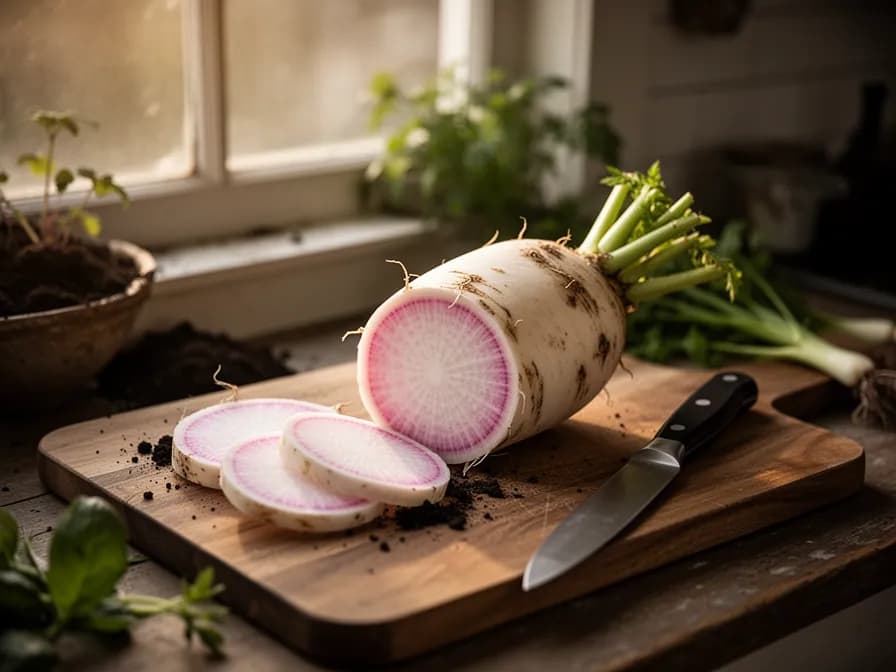
Cosechar Jícama
Coseche antes de la primera helada.
se supone que plantas al comenzar el periodo — indica tu fecha real
Cosecha antes de la primera helada, normalmente 150+ días después de la siembra.
Almacenamiento y conservación
En lugar fresco y seco por meses.
Qué falla — y cómo solucionarlo
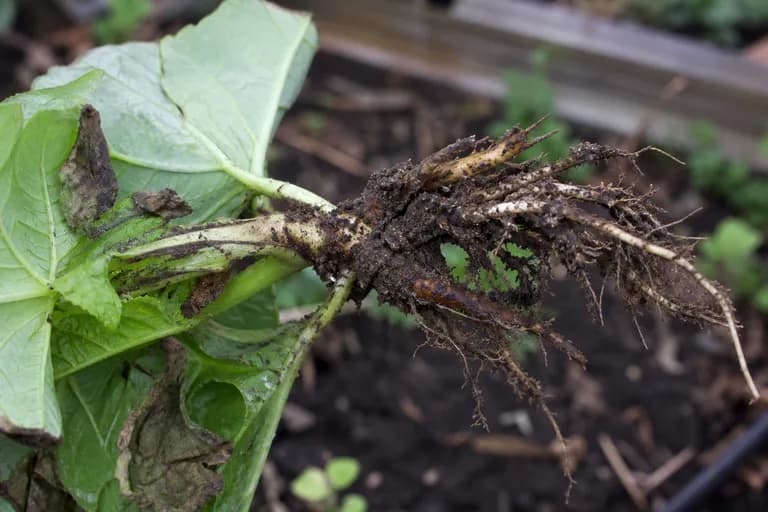
Pulgones
PlagaEn brotes.
Solución de problemas comunes
Necesita temporada muy larga.
Consejos de cultivo
- Start seeds early and indoors without exception in temperate climates. Jicama needs every possible day of warm growing weather. Starting 8-10 weeks before last frost indoors gives plants a critical head start that directly translates to larger tubers at harvest.
- Black plastic mulch is essential outside the tropics. It raises soil temperature by 3-5°C (5-10°F), mimicking the warm tropical soil that jicama demands. Lay it 2-3 weeks before transplanting and cut slits for each plant.
- Pinch every flower without fail. This is the single most impactful practice for home jicama growers. Flowering signals the plant to produce seeds rather than enlarge its tuber. Check vines every 2-3 days during the flowering period and remove all blossoms immediately.
- Provide a tall, sturdy trellis. Jicama vines are vigorous climbers that reach 4-6 meters. Trellising keeps vines off the ground, improves air circulation, reduces disease pressure, and makes flower removal much easier.
- Never let the soil dry out during tuber bulking (roughly days 100-150). Even brief drought stress during this critical period permanently stunts tuber development. Consistent moisture of 2.5-5 cm per week is essential.
- Use a potassium-rich fertilizer once tuber formation begins. Excessive nitrogen produces lush vines but small tubers. Switch from balanced fertilizer to a potassium-heavy formulation (like 5-10-15 or sulfate of potash) at the 8-week mark.
- Treat all plant parts except the peeled tuber as toxic. The vines, leaves, flowers, and seeds contain rotenone. Wear gloves when handling vines, keep children and pets away, and dispose of plant debris in municipal waste rather than home compost.
- In short-season areas, consider growing jicama in large containers inside a greenhouse or high tunnel. Even a modest temperature advantage of a few degrees can add 30-45 days to the effective growing season and dramatically increase tuber size.
Cultiva tu mejor Jícama — y todo lo que la rodea.
Empieza un plan gratis hoy. Diseña tus bancales, coloca tu Jícama y deja que PlotMyGarden gestione el momento, el espaciado, las asociaciones y los recordatorios de la semilla a la cesta.
Elige tu Jícama
Jícama
Clásica. 150+ días.
Jicama typically sells for $2-4 per pound at grocery stores and $4-6 per pound at farmers markets, with organic jicama fetching even higher prices. A single well-grown plant producing a 1-2 kg tuber represents $4-16 in retail value from a seed that costs less than $1. Growing 4-6 plants can yield $20-80 worth of jicama per season. The true savings are even greater if you live in an area where fresh jicama is hard to find or must be shipped long distances, as home-grown tubers are harvested at peak freshness with superior crunch and sweetness.
Recetas rápidas
Classic Jicama Sticks with Chili-Lime
10 minThe quintessential Mexican street snack — crisp jicama batons dressed with fresh lime juice, chili powder, and a pinch of salt. No cooking required, and the refreshing crunch is perfect on a hot day. This is the simplest and most popular way to enjoy jicama worldwide.
5 ingredientes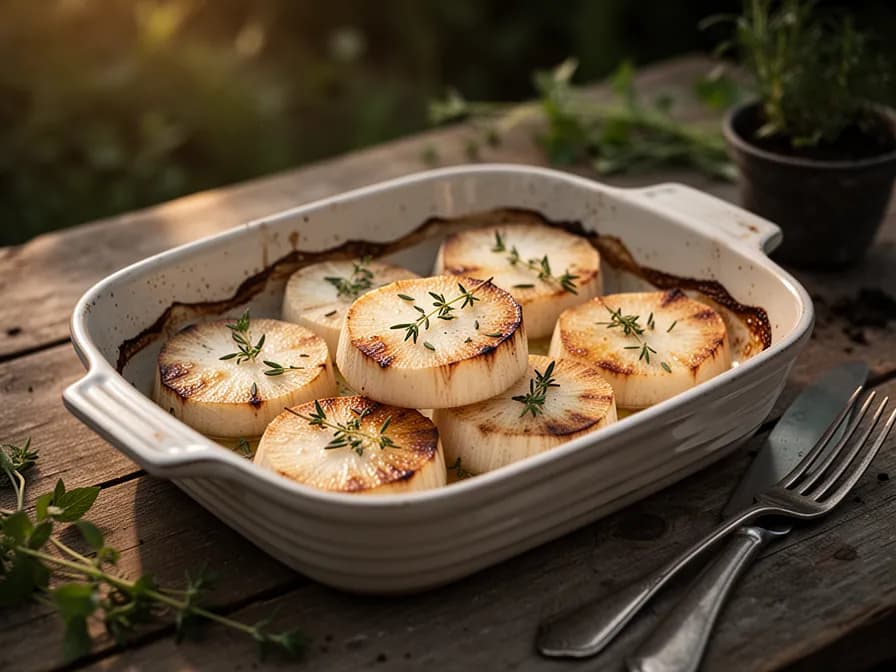
Jicama Mango Salad with Cilantro
15 minA vibrant, refreshing salad combining the crisp crunch of jicama with sweet mango, red onion, and fresh cilantro in a zesty lime dressing. The contrasting textures and flavors make this a stunning side dish for grilled meats or fish tacos.
8 ingredientesJicama Stir-Fry with Sesame and Ginger
20 minJicama sliced thin and briefly stir-fried retains its signature crunch while absorbing the savory flavors of soy, ginger, and sesame. This Asian-inspired preparation showcases jicama as a superb low-carb substitute for water chestnuts in any stir-fry.
8 ingredientesUsos culinarios
Palitos crudos, en ensaladas, con chile y limón.
Qué contiene
Beneficios para la salud
- Exceptionally high in prebiotic inulin fiber, which feeds beneficial gut bacteria (Bifidobacterium and Lactobacillus), supporting a healthy microbiome, improved digestion, and enhanced mineral absorption.
- Very low glycemic index despite being a root vegetable — the inulin fiber does not spike blood sugar, making jicama a smart carbohydrate choice for people managing diabetes or blood sugar levels.
- Provides 22% of the daily value of vitamin C per 100g, supporting immune defense, collagen production for healthy skin, and antioxidant protection against free radical damage.
- High water content of 85-90% combined with significant potassium levels supports proper hydration, healthy blood pressure, and electrolyte balance — especially valuable during hot weather or after exercise.
- Contains iron, magnesium, and B vitamins that support oxygen transport in the blood, energy metabolism, and nervous system function.
- Low calorie density (38 calories per 100g) with high fiber and water content creates lasting satiety, making jicama one of the most effective snack foods for weight management.
De dónde viene Jícama
Jicama (Pachyrhizus erosus) is native to Mexico and Central America, where it has been cultivated for over a thousand years. Archaeological evidence suggests pre-Columbian civilizations including the Aztecs and Maya grew jicama as a staple root crop in the warm lowlands of southern Mexico and Guatemala. The Nahuatl word 'xicamatl' gave rise to the modern name, and the plant was prized for its ability to produce a crisp, hydrating root in the hot, dry conditions of the Mexican tropics.
Following the Spanish conquest of Mexico in the 16th century, jicama was carried across the Pacific to the Philippines by the Manila Galleon trade route. From the Philippines, it spread rapidly throughout Southeast Asia, where the tropical climate was ideal for its cultivation. It became an important crop in Indonesia (bengkuang), Vietnam (cu san), China (sha ge), Thailand, and Malaysia, integrating into local cuisines in ways that often bear little resemblance to its Mexican origins. In many parts of Southeast Asia, jicama is used in spring rolls, popiah, and various stir-fried dishes.
Today, Mexico remains the largest producer and consumer of jicama, where it is sold fresh by street vendors with lime and chili as a beloved snack. China, Southeast Asian nations, and parts of South America also produce significant quantities. In the United States, jicama is grown commercially in small quantities in southern California, Florida, and Hawaii, with most of the supply imported from Mexico. The crop remains challenging for home gardeners outside tropical zones due to its requirement for 150+ frost-free days, but season extension techniques have made it possible to grow small but rewarding harvests in warm temperate climates.
Jícama: ¿sabías que?
Datos fascinantes sobre Jícama
Jicama is a legume — it belongs to the bean family (Fabaceae) and fixes nitrogen in the soil through root nodules, enriching the garden bed for future crops despite being grown entirely for its starchy root rather than its seeds or pods.
Jícama: preguntas frecuentes
¿Cuándo debo plantar Jícama?
¿Cuáles son buenas plantas acompañantes para Jícama?
¿En qué zonas de rusticidad puede crecer Jícama?
¿Cuánto sol necesita Jícama?
¿A qué distancia debo espaciar Jícama?
¿Qué plagas y enfermedades afectan a Jícama?
¿Cómo almaceno Jícama después de la cosecha?
¿Cuáles son las mejores variedades de Jícama para cultivar?
¿Qué suelo necesita Jícama?
Can I grow jicama in a northern climate with short summers?
Why must I remove the flowers from my jicama plant?
Is it true that jicama vines and seeds are poisonous?
How do I know when jicama is ready to harvest?
Can I grow jicama in a container?
What does jicama taste like and how do I eat it?
Acabas de leer la teoría. Ahora cultívala en piloto automático.
Todo lo que hace que Jícama sea delicado — el momento, el espaciado, las asociaciones, la ventana de cosecha — es justo lo que PlotMyGarden resuelve por ti, para cada planta de tu huerto.
Un plan que conoce tu clima
Indica tu ubicación una vez. Recibe fechas de siembra, abonado y cosecha basadas en tu última helada real y el pronóstico en vivo — sin adivinar con un sobre genérico.
De la sección “Cuándo plantar”Planificador de bancales de arrastrar y soltar
Diseña bancales sobre una cuadrícula. Cada planta encaja con su espaciado correcto y ves toda la temporada antes de gastar un céntimo en semillas.
De la sección “Cultivo”Conflictos de asociación, detectados a tiempo
Más de 200 buenas y malas combinaciones comprobadas en vivo mientras plantas — para que un error que arruine la temporada nunca llegue a la tierra.
De la sección “Asociaciones”Recordatorios que sí vas a seguir
“Riega las judías.” “Recoge hoy antes de que se pase.” Oportunos, concretos y ligados a las plantas que de verdad cultivas.
De la sección “Cosecha”Escalonado, programado
¿Quieres cosechar seis semanas en vez de seis días? Reparte tus siembras automáticamente y te avisa cuando toca el siguiente lote.
De la sección “Cuándo plantar”Un registro que se vuelve más listo
Cada cosecha que registras le enseña tu huerto. El plan del año que viene parte de lo que de verdad funcionó en tu suelo, no en un manual.
De la sección “Resumen”Planta estos junto a Jícama
Más Hortalizas de raíz
Cultiva tu mejor Jícama — y todo lo que la rodea.
Empieza un plan gratis hoy. Diseña tus bancales, coloca tu Jícama y deja que PlotMyGarden gestione el momento, el espaciado, las asociaciones y los recordatorios de la semilla a la cesta.