Frijol Lengua de Dragón
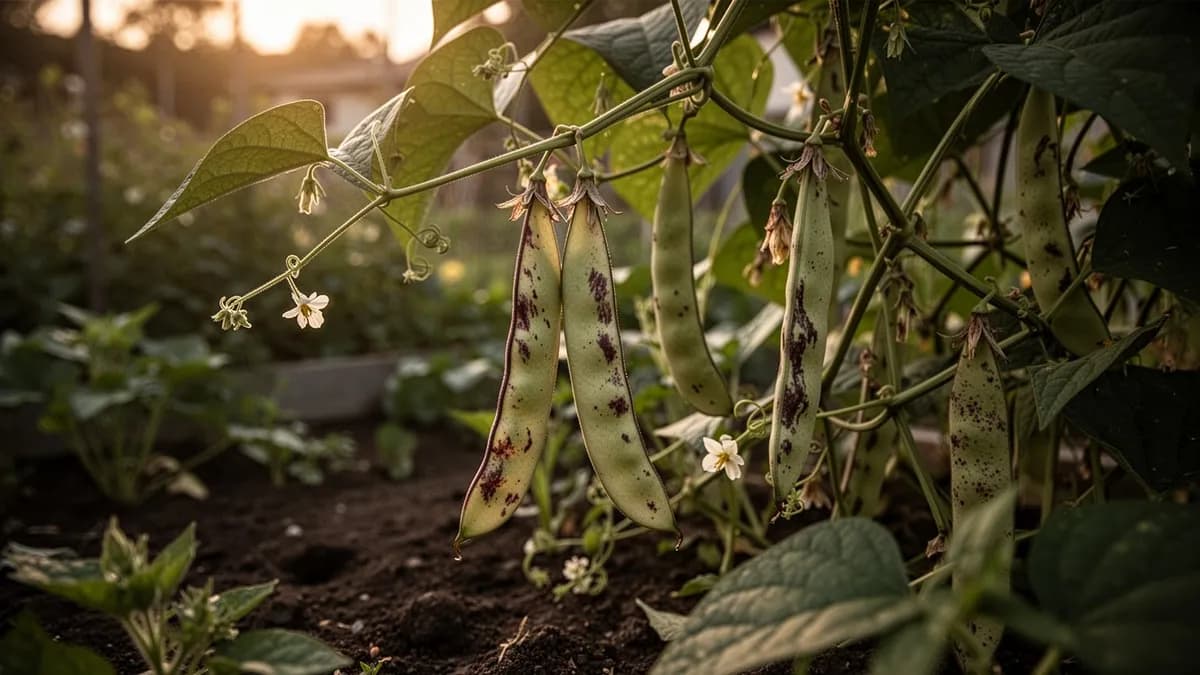
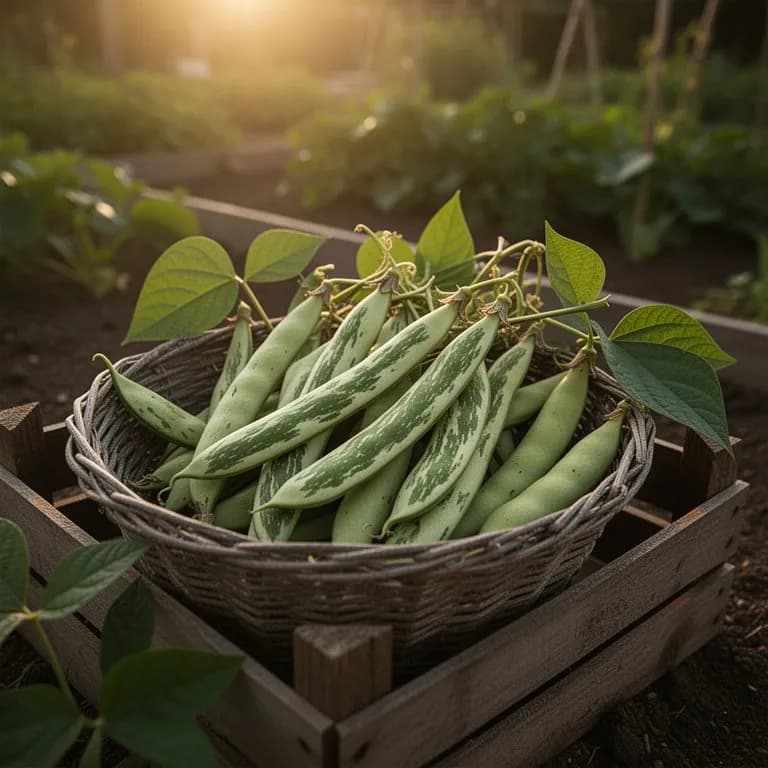
El frijol lengua de dragón (Phaseolus vulgaris) es una variedad heredada holandesa extraordinariamente decorativa con vainas cremosas salpicadas de rayas y motas púrpuras.





En esta páginaResumen
Conoce Frijol Lengua de Dragón
El frijol lengua de dragón (Phaseolus vulgaris) es una variedad heredada holandesa extraordinariamente decorativa con vainas cremosas salpicadas de rayas y motas púrpuras. Es un frijol de doble propósito: las vainas tiernas se consumen enteras como judía verde con sabor mantecoso, y los granos maduros se usan secos con una textura suave y cremosa.
Cuándo plantar Frijol Lengua de Dragón
Siembre directamente al aire libre cuando la temperatura del suelo supere los 16 °C, generalmente 1-2 semanas después de la última helada. Plante las semillas a 3-4 cm de profundidad, espaciadas 10-15 cm. No remoje previamente ya que pueden agrietarse. La germinación ocurre en 7-14 días. Inocule con Rhizobium si es el primer cultivo de frijoles en ese suelo.
Tu año de Frijol Lengua de Dragón
Ajustado a Zona 7 · temporada típica · la helada se va hacia el 2 abr y vuelve hacia el 1 nov
Planta Frijol Lengua de Dragón May – Jun y cosecha Jul – Sep. Consulta los métodos de plantación y elige tu clima para adaptar los periodos.
Cómo cultivar Frijol Lengua de Dragón
Plante en pleno sol después de que haya pasado todo riesgo de helada y la temperatura del suelo supere los 16 °C. El suelo debe ser fértil, bien drenado y con pH entre 6,0 y 7,0. Incorpore compost maduro antes de la siembra para mejorar la estructura y retención de humedad del suelo.
Siembre las semillas directamente a 3-4 cm de profundidad, espaciadas 10-15 cm en hileras separadas 45-60 cm. Es una variedad arbustiva compacta que no necesita tutores. Como leguminosa, fija su propio nitrógeno, por lo que no requiere fertilización nitrogenada adicional.
Riegue regularmente proporcionando 2-3 cm de agua por semana, especialmente durante la floración y el llenado de las vainas. Evite mojar el follaje para prevenir enfermedades fúngicas. Aplique acolchado orgánico para conservar la humedad y suprimir malezas. Coseche frecuentemente las vainas tiernas para estimular la producción continua.
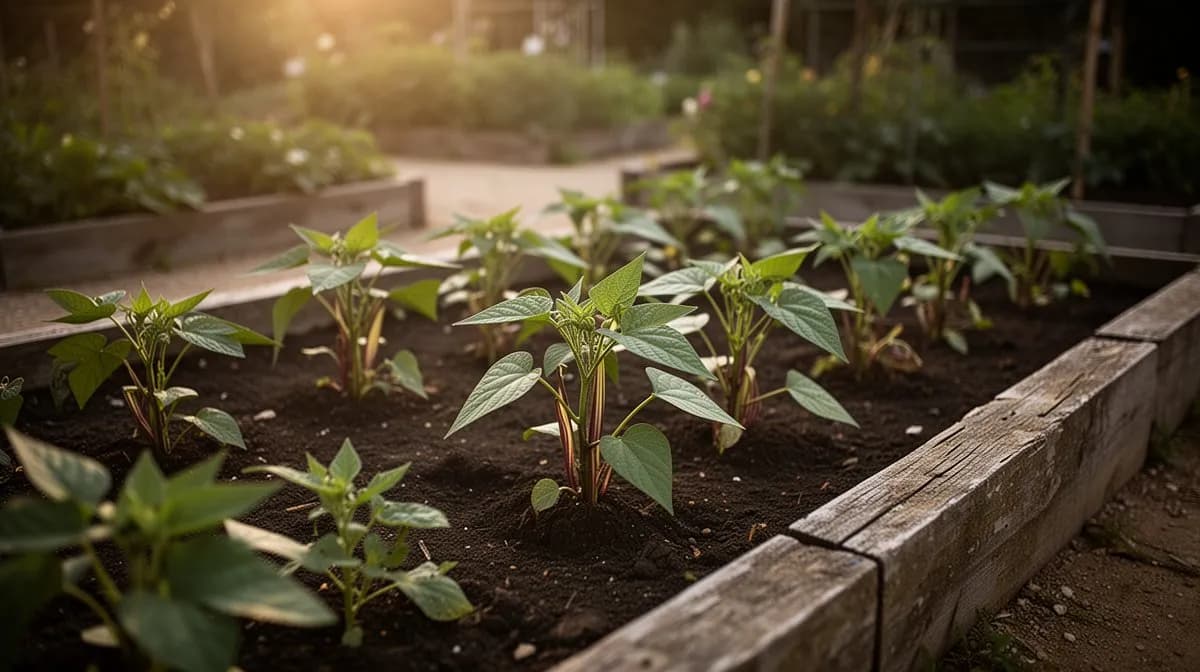
128 plantas caben en un bancal de 120 × 240 cm
Cada Frijol Lengua de Dragón pide 15 cm de margen. El planificador guarda ese marco por ti — cada planta, cada bancal.
Los mejores vecinos de Frijol Lengua de Dragón
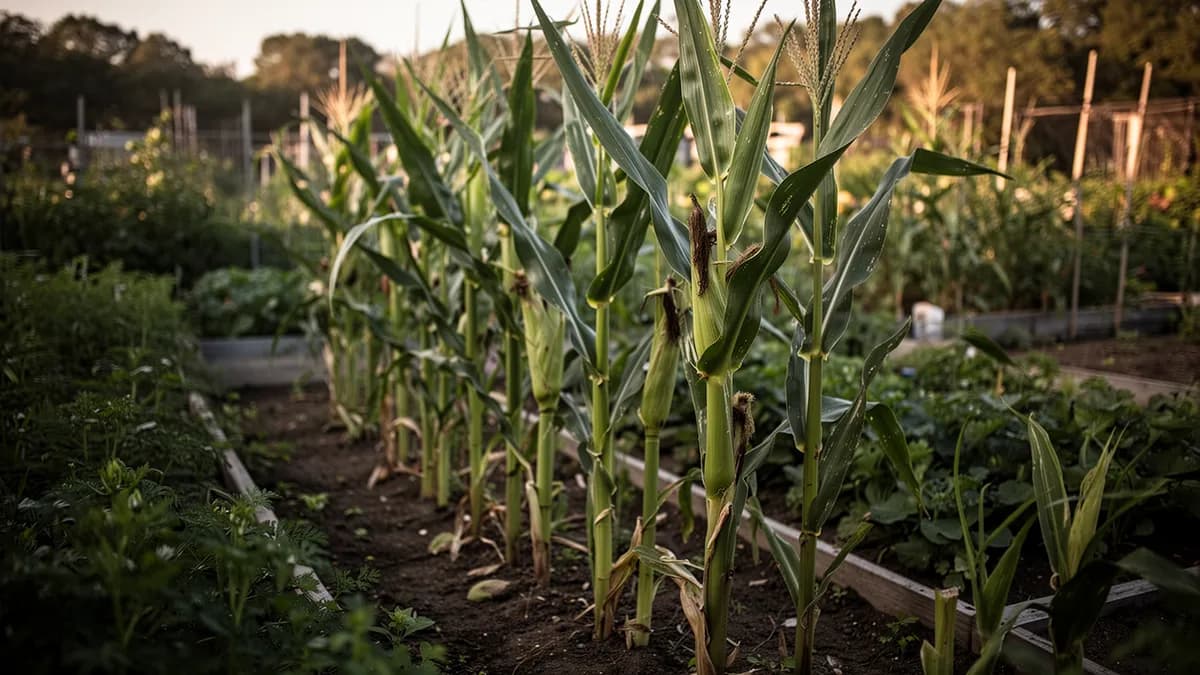
Se asocia bien con maíz y calabazas en la clásica milpa de las Tres Hermanas. Las caléndulas y albahaca plantadas cerca repelen insectos plaga. La zanahoria y la remolacha son buenas compañeras de hilera. Evite plantar junto a ajos, cebollas y fenojo, que pueden inhibir el crecimiento de las leguminosas.
Maíz va a su lado. Cebolla no.
Saber de huerto de siempre, cotejado con la tabla real de Frijol Lengua de Dragón — prueba cualquier planta que cultives.
Prueba Frijol Lengua de Dragón en un bancal, aquí mismo
Un bancal real del planificador con Frijol Lengua de Dragón ya plantado. Toca una planta compañera para colocarla y mira cómo responde la comprobación de vecinos: verde para buenos vecinos, rojo si hay conflicto.


Guías de cultivo relacionadas
Abónalo bien
Requiere suelos fértiles, bien drenados con pH entre 6,0 y 7,0. Incorpore compost maduro antes de la siembra. Como leguminosa, fija su propio nitrógeno del aire, por lo que no necesita abonos nitrogenados. Un aporte de fósforo y potasio al inicio favorece la floración y la producción abundante de vainas.
Temperatura ideal
Compatibilidad de zonas de rusticidad
De la semilla a la cosecha, etapa por etapa
Siembra
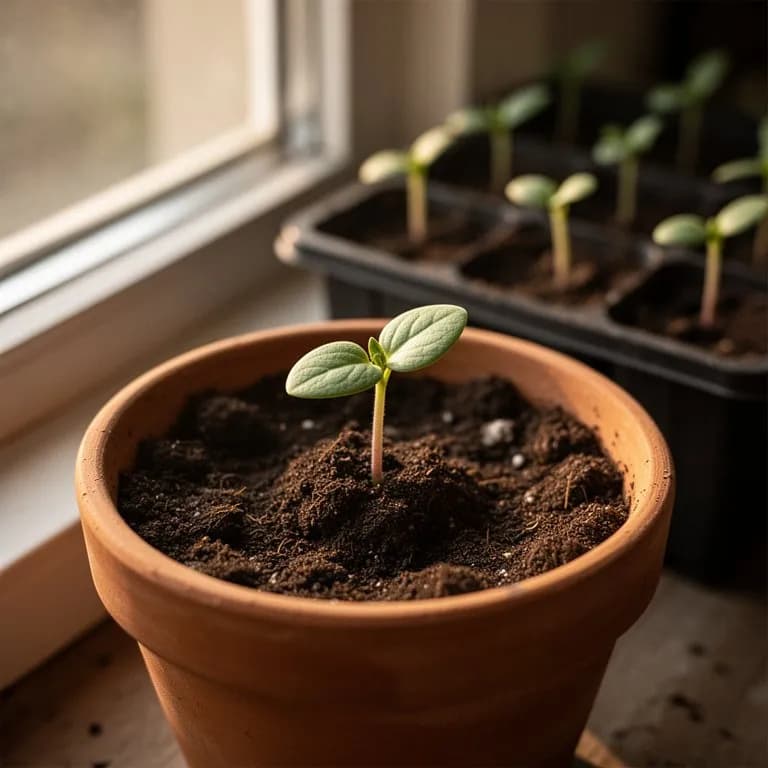
Las semillas de la judía Dragon Tongue son grandes, lisas y fáciles de manejar, y germinan con rapidez en suelo cálido. Los cotiledones gruesos asoman a la superficie del suelo en 5 a 7 días cuando la temperatura del suelo es de al menos 16°C. Deben sembrarse directamente, no iniciarse en interior, porque las judías resienten la alteración de las raíces durante el trasplante.
Desarrollo de plántula
Las hojas verdaderas aparecen en pares con la forma trifoliada típica de las judías: tres foliolos redondeados por hoja. El tallo se engrosa y la planta comienza a desarrollar un porte compacto y arbustivo. Se forman nódulos en las raíces a medida que las bacterias Rhizobium fijadoras de nitrógeno colonizan el sistema radicular, iniciando la relación simbiótica que permite a las judías producir su propio fertilizante nitrogenado.
Crecimiento vegetativo
Las plantas se desarrollan como arbustos firmes y erectos de 40 a 60 cm de altura, con follaje denso. La estructura ramificada se llena rápidamente, y la planta produce abundantes hojas trifoliadas que dan sombra al suelo. Como variedad arbustiva, Dragon Tongue no produce enredaderas y no requiere soporte.
Floración
Pequeñas flores delicadas aparecen en racimos en las axilas de las hojas, con colores que van del lavanda pálido al blanco. Cada flor se autopoliniza y no necesita insectos para el cuajado, aunque la actividad de las abejas puede aumentar el rendimiento. La floración dura de 2 a 3 semanas y produce sucesivos brotes de vainas.
Desarrollo de la vaina
Las vainas se desarrollan rápidamente a partir de las flores marchitas y se alargan hasta 15-20 cm en pocos días. El color característico aparece a medida que crecen: una base crema a verde pálido con llamativas estrías y manchas rojo púrpura. En la etapa de judía tierna, las vainas son planas, anchas, sin hilo y de textura tierna y mantecosa.
Cosecha y maduración
La cosecha principal como judía tierna ocurre entre 55 y 65 días después de la siembra. La recolección regular anima a la planta a seguir floreciendo y produciendo nuevas vainas durante 3 a 4 semanas. Si se dejan madurar por completo, las semillas se hinchan y desarrollan un hermoso patrón marmoleado de color arándano y crema, volviéndose excelentes como judías para desgranar o secas para almacenamiento.
Siembra las semillas a 2,5-5 cm de profundidad y a 10-15 cm de distancia, directamente en el jardín, después de que haya pasado todo riesgo de heladas. No remojes las semillas: a diferencia de otras leguminosas, las semillas de judía pueden agrietarse si se remojan demasiado. Asegura un suelo de al menos 16°C para una germinación fiable.
Cuidar Frijol Lengua de Dragón mes a mes
Qué hacer cada mes para tu Frijol Lengua de Dragón
Octubre
Mes actualPull and compost any remaining bean plants. Leave roots in the ground to release fixed nitrogen. Save seeds from the best pods by allowing them to dry fully, then shell and store in paper envelopes in a cool, dry location.
Ten claro qué hacer en tu huerto, cada mes
Un correo al empezar cada mes: qué sembrar, plantar y hacer ahora mismo — para tu Frijol Lengua de Dragón y todo lo que crece alrededor. Más un breve curso inicial para esquivar los errores clásicos.
- Qué hacer ahora mismo
- Ajustado a tu temporada
- Curso inicial incluido
Cosechar Frijol Lengua de Dragón
Para consumo como judía verde, coseche las vainas cuando tengan 15-18 cm y estén tiernas pero con la coloración rayada bien desarrollada, aproximadamente 55-65 días después de la siembra. Para grano seco, deje las vainas en la planta hasta que estén completamente secas y crujientes. Coseche regularmente cada 2-3 días para estimular la producción continua de vainas.
se supone que plantas al comenzar el periodo — indica tu fecha real
Para cosechar como judía tierna, recoge las vainas cuando midan 12 a 15 cm, sigan planas y las semillas aún no se hayan hinchado; normalmente entre 55 y 60 días después de la siembra.
Almacenamiento y conservación
Las vainas frescas se conservan en el refrigerador durante 5-7 días en una bolsa perforada. Para congelar, blanquee las vainas enteras durante 3 minutos, enfríe en agua helada y almacene en bolsas herméticas hasta 8 meses. Los granos secos se conservan en recipientes herméticos durante 1-2 años en lugar fresco y oscuro.
Qué falla — y cómo solucionarlo
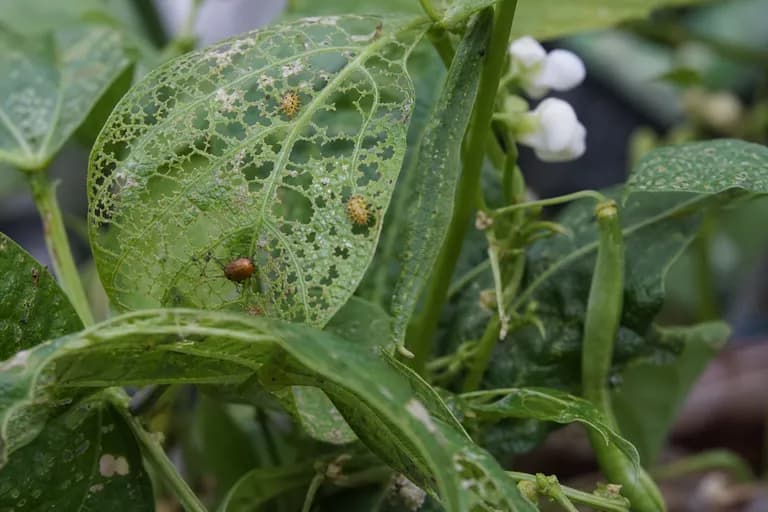
Escarabajo mexicano del frijol (Epilachna varivestis)
PlagaAdultos e larvas esqueletonizan las hojas, dejando solo las nervaduras. En infestaciones severas pueden destruir el follaje completo y atacar las vainas.
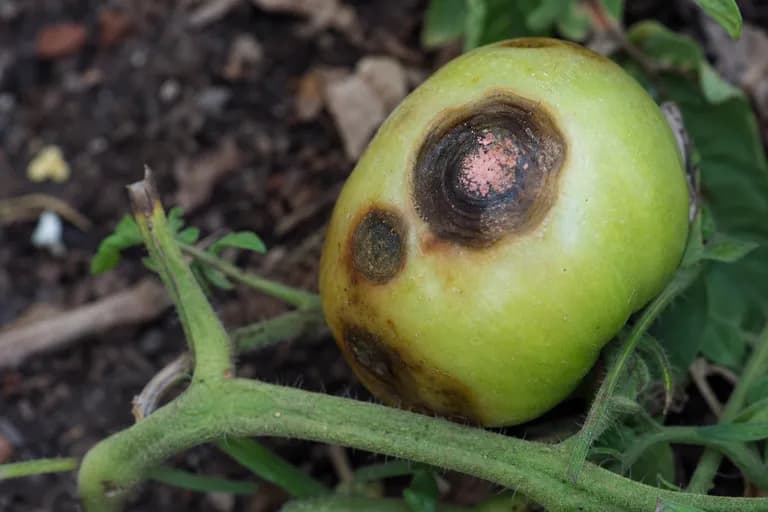
Antracnosis (Colletotrichum lindemuthianum)
EnfermedadManchas hundidas oscuras con bordes rojizos en vainas, tallos y hojas. Las lesiones en las vainas pueden penetrar hasta las semillas.
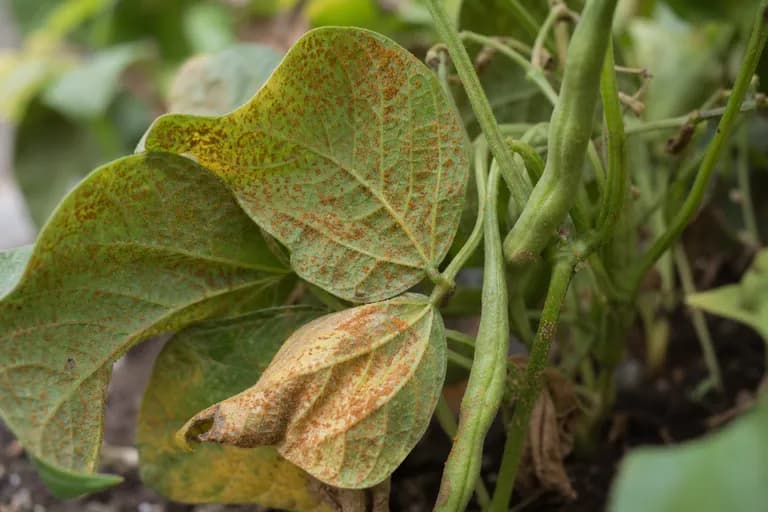
Roya del frijol (Uromyces appendiculatus)
EnfermedadPústulas pequeñas marrón-rojizas en el envés de las hojas que liberan esporas polvorientas. Las hojas amarillean y caen prematuramente.
Solución de problemas comunes
La pérdida de la coloración púrpura al cocinar es inevitable, ya que las antocianinas que producen el color se degradan con el calor; para conservar el efecto decorativo, sirva las vainas crudas o ligeramente blanqueadas. El exceso de humedad durante la cosecha favorece la pudrición de las vainas. La cosecha irregular reduce la producción total.
Consejos de cultivo
- Direct-sow only — never start beans indoors. Bean seedlings develop a sensitive taproot that does not tolerate transplanting. Wait until soil is at least 16°C (60°F) and all frost danger has passed, then sow directly where plants will grow.
- Inoculate seeds with Rhizobium legume inoculant if you are planting beans in a bed for the first time. This introduces the nitrogen-fixing bacteria that form symbiotic nodules on bean roots, dramatically improving plant vigor and soil fertility.
- Do not over-fertilize. Beans fix their own nitrogen from the atmosphere, so adding nitrogen fertilizer is wasteful and counterproductive — it promotes excessive leaf growth at the expense of pods and suppresses the natural nitrogen-fixation process.
- Water at the base, never overhead. Wet bean foliage is highly susceptible to bacterial blight, anthracnose, and rust diseases. Use drip irrigation or water at soil level in the morning so any splashed foliage dries quickly.
- Harvest snap beans every 2-3 days at the peak stage when pods are 15-18 cm long, plump, and snap crisply when bent. Letting pods over-mature on the plant signals a switch from vegetative reproduction to seed production, dramatically reducing new pod formation.
- For dual-purpose growing, designate some plants for snap bean harvest (pick frequently) and others for shell or dry bean harvest (let pods mature fully). Trying to do both from the same plants results in neither being ideal.
- Never work among bean plants when foliage is wet from rain or dew. Brushing against wet leaves spreads bacterial and fungal pathogens from plant to plant. Wait until foliage is completely dry before harvesting, weeding, or inspecting.
- Sow successionally every 2-3 weeks from last frost through mid-summer to extend the harvest over 8-12 weeks instead of the 3-4 week window a single planting provides. Bush beans produce one main flush rather than continuously like pole beans.
Cultiva tu mejor Frijol Lengua de Dragón — y todo lo que la rodea.
Empieza un plan gratis hoy. Diseña tus bancales, coloca tu Frijol Lengua de Dragón y deja que PlotMyGarden gestione el momento, el espaciado, las asociaciones y los recordatorios de la semilla a la cesta.
Elige tu Frijol Lengua de Dragón
Dragon Tongue (Dragon Langerie)
La variedad original holandesa con vainas cremosas espectacularmente rayadas de púrpura. Sabor mantecoso y textura tierna. Planta arbustiva compacta. 55-65 días para vainas, 85-90 días para grano seco.
Tongue of Fire
Variedad similar de origen sudamericano con vainas rojas flamígeras sobre fondo crema. Granos más grandes con textura cremosa excepcional. 65-75 días.
Dragon's Tongue Wax
Selección mejorada con vainas más carnosas y uniformes. Las rayas púrpuras son más intensas y la producción es más prolongada. 55-60 días.
Dragon Tongue beans are a specialty heirloom variety that commands premium prices at farmers markets and gourmet stores — typically $6-10 per pound for fresh snap beans and $8-14 per pound for dried shell beans. A single $3-4 seed packet provides enough seed for 30-50 plants, which can yield 15-40 kg of snap beans worth $80-200 at retail. The dual-purpose nature adds further value — dried Dragon Tongue shell beans rival the quality of expensive boutique dried beans sold at specialty stores for $8-14 per pound. Growing your own also guarantees a freshness and tenderness that is simply unavailable commercially, since snap beans lose quality within hours of picking.
Recetas rápidas

Sauteed Dragon Tongue Beans with Garlic and Lemon
15 minThe simplest way to enjoy these beautiful beans — quickly sauteed in butter until just tender-crisp, then finished with garlic, a squeeze of lemon, and flaky salt. The purple streaks fade to green during cooking, but the rich, buttery flavor is exceptional.
6 ingredientesRaw Dragon Tongue Bean Salad with Shallot Vinaigrette
10 minA stunning raw preparation that showcases the vivid purple streaks at their best. Young, tender pods are sliced thinly on the diagonal and tossed with a bright shallot vinaigrette, cherry tomatoes, and shaved Parmesan for a showstopping summer side dish.
8 ingredientes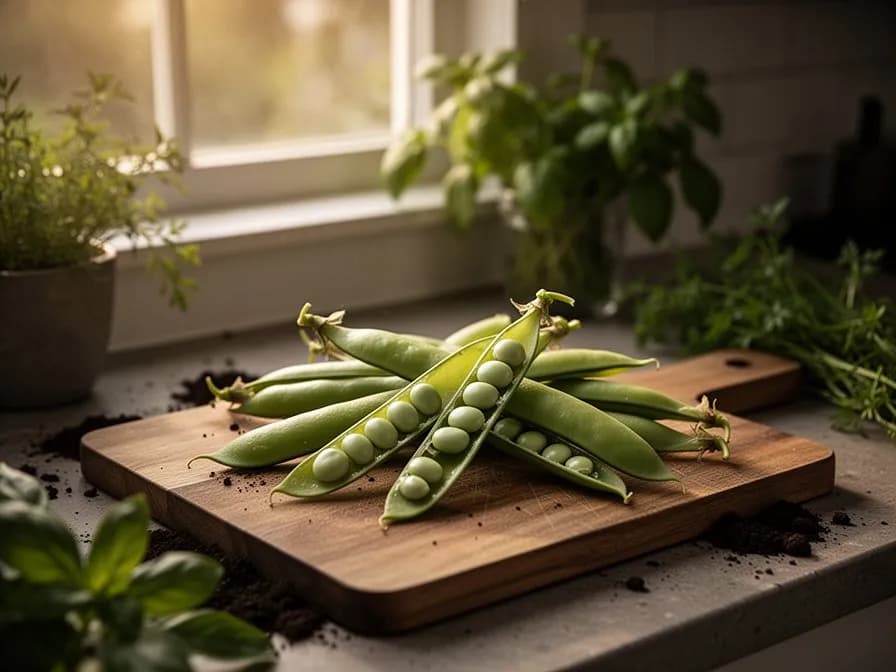
Dragon Tongue Shell Bean Soup
50 minWhen left to mature, Dragon Tongue beans produce gorgeous cranberry-type shell beans that are creamy and rich when simmered. This rustic soup features the shelled beans in a tomato and herb broth with root vegetables — hearty, nourishing, and deeply satisfying.
11 ingredientesUsos culinarios
Las vainas tiernas son excelentes crudas en ensaladas, donde su coloración rayada aporta un toque visual espectacular. Ligeramente al vapor o blanqueadas conservan parte de su color y mantienen su textura crujiente. Su sabor mantecoso las hace ideales para salteados con ajo y aceite de oliva. Los granos secos son cremosos y perfectos para sopas, guisos y ensaladas de legumbres.
Qué contiene
Beneficios para la salud
- An excellent source of plant-based protein and complex carbohydrates with virtually no fat — snap beans provide about 2g of protein per 100g, while dried shell beans deliver over 21g per 100g, making them one of the most protein-dense plant foods available.
- Rich in dietary fiber (3.4g per 100g for snap beans, over 15g for dried), supporting healthy digestion, stable blood sugar levels, and cardiovascular health by helping to lower LDL cholesterol.
- The purple-streaked pods contain anthocyanin antioxidants — flavonoid pigments linked to reduced inflammation, improved blood vessel function, and protection against oxidative stress on cells.
- Good source of folate (vitamin B9), essential for DNA synthesis and cell division, and particularly critical during pregnancy for preventing neural tube defects in developing babies.
- Contains iron and molybdenum — iron is essential for oxygen transport in the blood, while molybdenum is a trace mineral required by enzymes involved in processing sulfur-containing amino acids and purines.
- As a legume, beans have one of the lowest glycemic indexes of any starchy food, causing a slow, steady rise in blood sugar rather than a spike — beneficial for sustained energy and diabetes management.
De dónde viene Frijol Lengua de Dragón
Dragon Tongue beans (Phaseolus vulgaris) belong to the common bean species that originated in Central and South America, where wild ancestors were domesticated independently in both Mesoamerica and the Andes roughly 7,000-8,000 years ago. Common beans were introduced to Europe by Spanish and Portuguese explorers in the 16th century, and over the following centuries European growers selected and stabilized hundreds of distinct regional varieties adapted to local climates and culinary traditions.
The Dragon Tongue variety specifically traces its heritage to the Netherlands, where it is known as 'Dragon Langerie' or simply 'Tongues of Fire' in some catalogs. Dutch market gardeners developed this variety for the European fresh market, valuing its dual-purpose nature (excellent as both a snap bean and a shell bean), its compact bush habit that required no trellising, and its eye-catching appearance that commanded premium prices at market stalls. The exact date of the variety's stabilization is uncertain, but it has been a recognized heirloom in Dutch and Belgian seed collections since at least the early to mid-20th century.
Dragon Tongue gained popularity in North American gardens beginning in the 1990s as the heirloom seed movement brought renewed attention to visually striking and flavorful heritage varieties. Seed companies and gardening writers championed the variety for its beauty, productivity, and versatility. Today it is one of the most popular heirloom bean varieties in specialty seed catalogs worldwide, cherished by home gardeners for its ornamental pods, by chefs for its buttery flavor and dramatic presentation, and by market farmers for the premium prices its striking appearance commands at farmers markets.
Frijol Lengua de Dragón: ¿sabías que?
Datos fascinantes sobre Frijol Lengua de Dragón
Dragon Tongue beans are a Dutch heirloom variety (also known as 'Dragon Langerie' in the Netherlands) that has been grown in European kitchen gardens for well over a century, prized for their dual-purpose versatility as both snap beans and shell beans.
Frijol Lengua de Dragón: preguntas frecuentes
¿Cuándo debo plantar Frijol Lengua de Dragón?
¿Cuáles son buenas plantas acompañantes para Frijol Lengua de Dragón?
¿En qué zonas de rusticidad puede crecer Frijol Lengua de Dragón?
¿Cuánto sol necesita Frijol Lengua de Dragón?
¿A qué distancia debo espaciar Frijol Lengua de Dragón?
¿Qué plagas y enfermedades afectan a Frijol Lengua de Dragón?
¿Cómo almaceno Frijol Lengua de Dragón después de la cosecha?
¿Cuáles son las mejores variedades de Frijol Lengua de Dragón para cultivar?
¿Qué suelo necesita Frijol Lengua de Dragón?
Why do Dragon Tongue beans lose their purple streaks when cooked?
Can I use Dragon Tongue beans as both snap beans and dry beans?
Do Dragon Tongue beans need a trellis or support?
Why are my bean plants flowering but not setting pods?
How should I store Dragon Tongue dry beans for maximum shelf life?
What are the brown spots appearing on my bean leaves?
Acabas de leer la teoría. Ahora cultívala en piloto automático.
Todo lo que hace que Frijol Lengua de Dragón sea delicado — el momento, el espaciado, las asociaciones, la ventana de cosecha — es justo lo que PlotMyGarden resuelve por ti, para cada planta de tu huerto.
Un plan que conoce tu clima
Indica tu ubicación una vez. Recibe fechas de siembra, abonado y cosecha basadas en tu última helada real y el pronóstico en vivo — sin adivinar con un sobre genérico.
De la sección “Cuándo plantar”Planificador de bancales de arrastrar y soltar
Diseña bancales sobre una cuadrícula. Cada planta encaja con su espaciado correcto y ves toda la temporada antes de gastar un céntimo en semillas.
De la sección “Cultivo”Conflictos de asociación, detectados a tiempo
Más de 200 buenas y malas combinaciones comprobadas en vivo mientras plantas — para que un error que arruine la temporada nunca llegue a la tierra.
De la sección “Asociaciones”Recordatorios que sí vas a seguir
“Riega las judías.” “Recoge hoy antes de que se pase.” Oportunos, concretos y ligados a las plantas que de verdad cultivas.
De la sección “Cosecha”Escalonado, programado
¿Quieres cosechar seis semanas en vez de seis días? Reparte tus siembras automáticamente y te avisa cuando toca el siguiente lote.
De la sección “Cuándo plantar”Un registro que se vuelve más listo
Cada cosecha que registras le enseña tu huerto. El plan del año que viene parte de lo que de verdad funcionó en tu suelo, no en un manual.
De la sección “Resumen”Planta estos junto a Frijol Lengua de Dragón
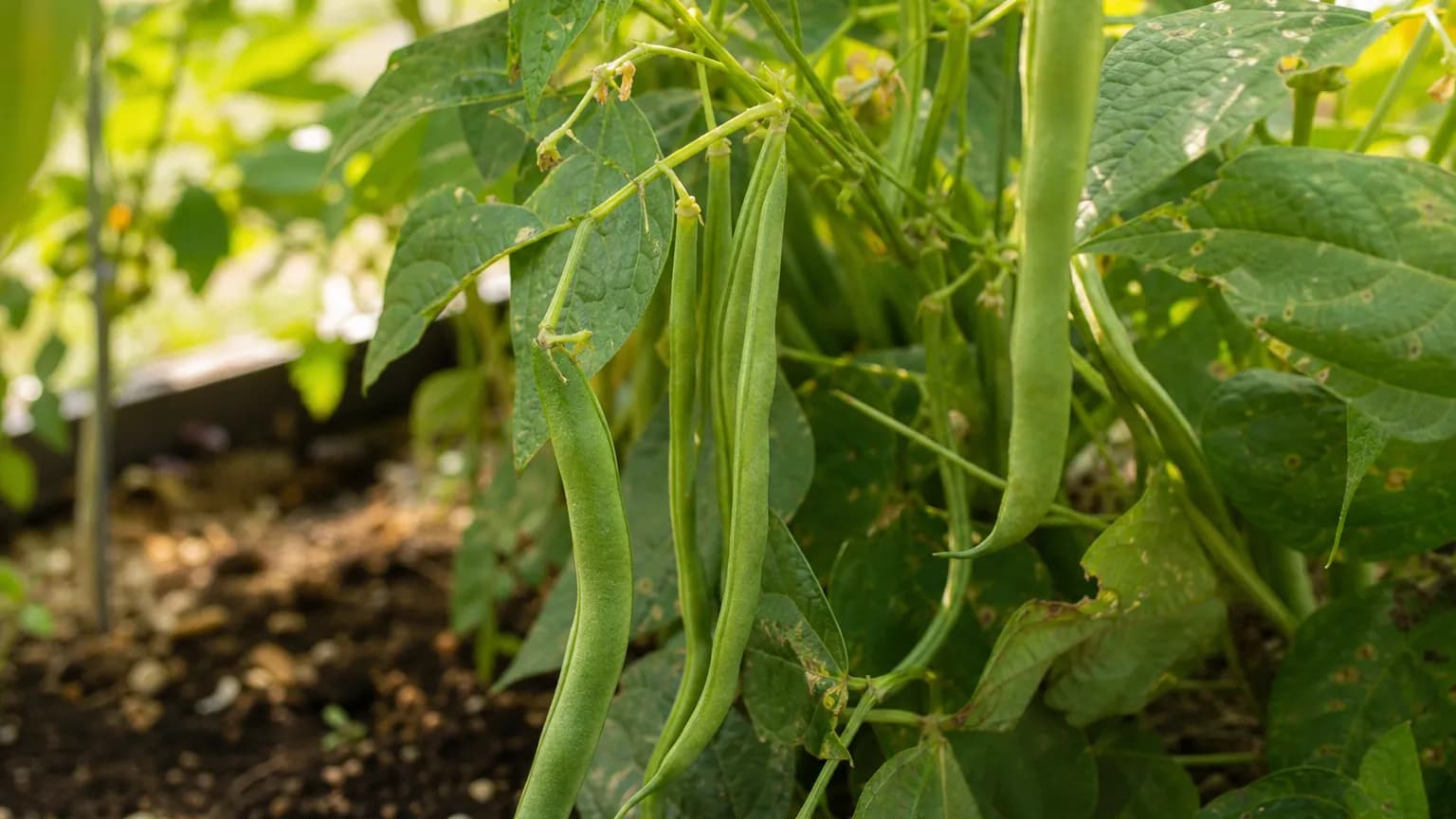
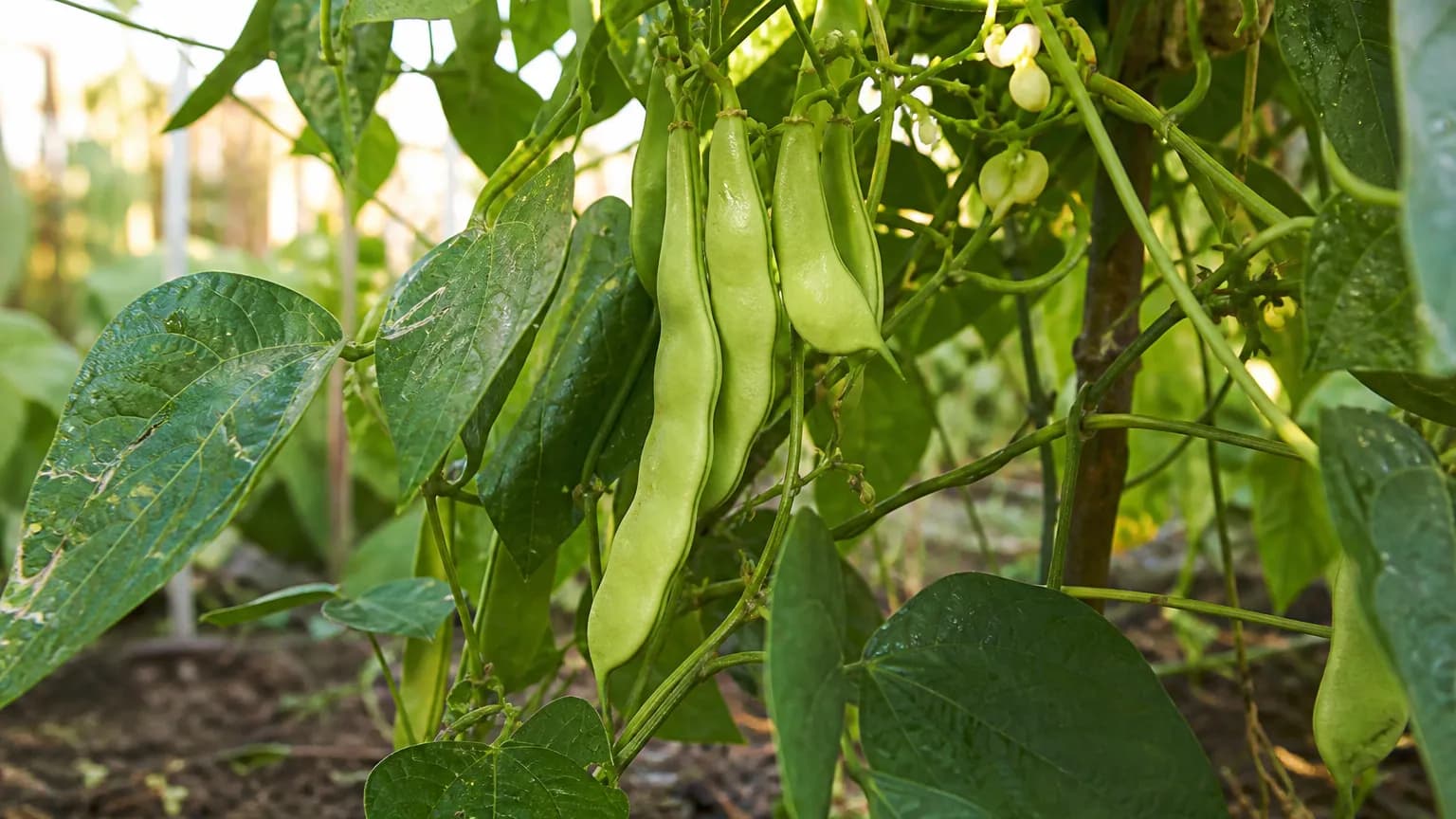
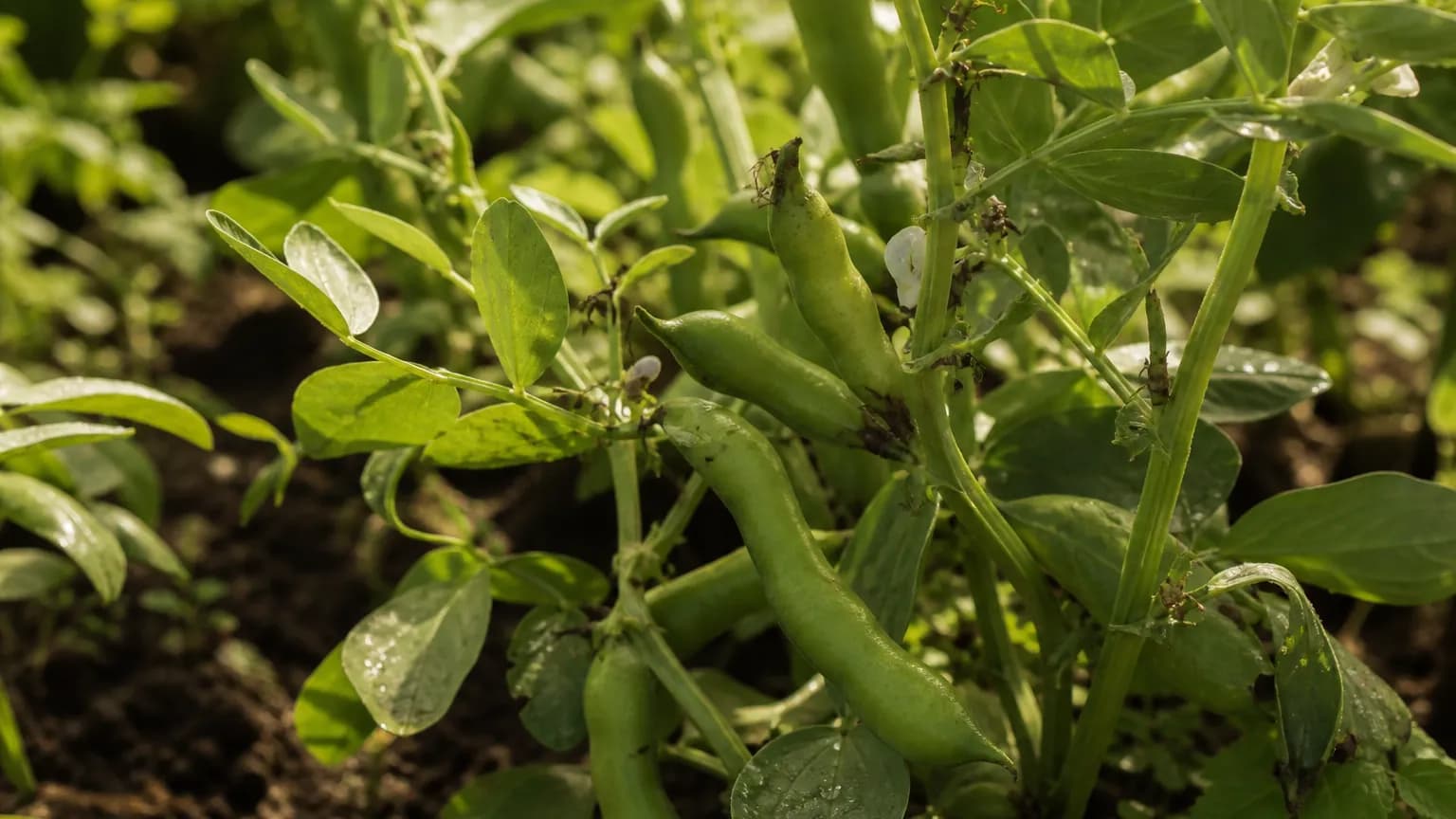
Más Legumbres
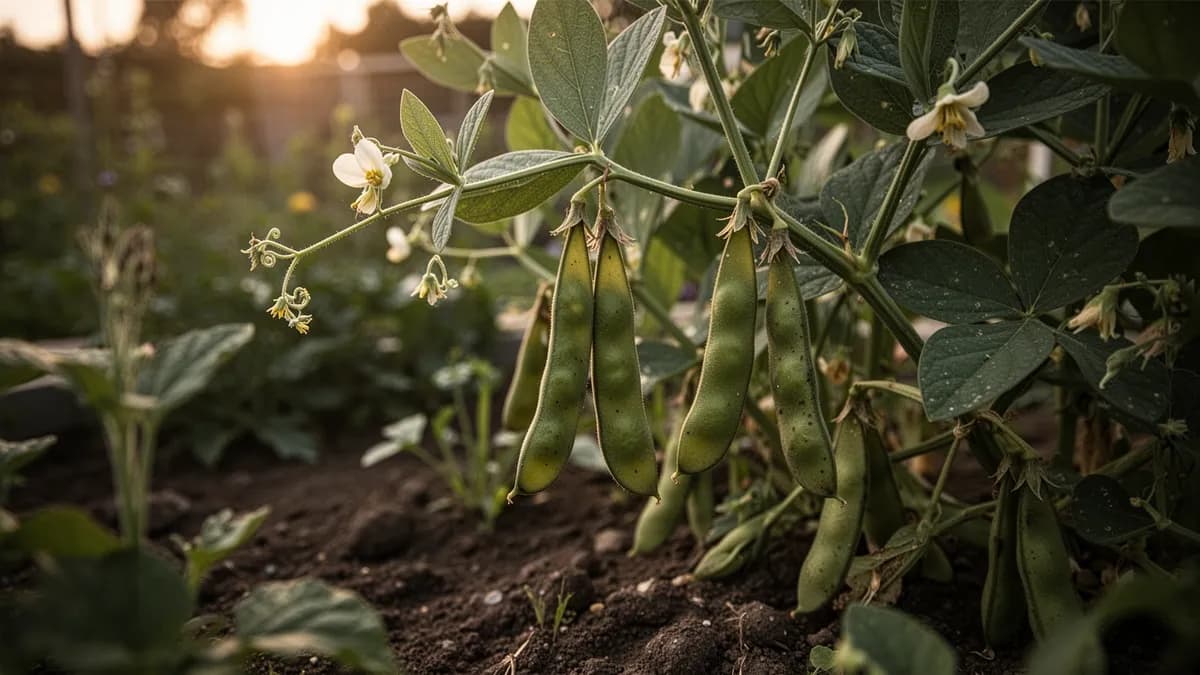
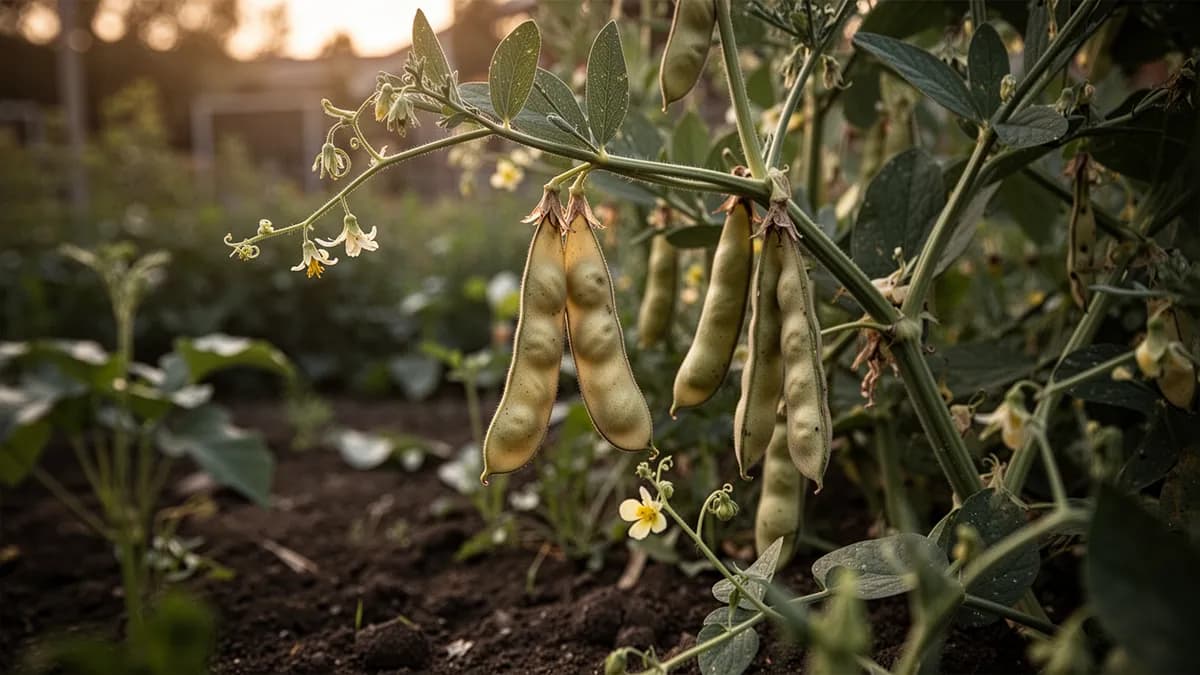
Mantén Frijol Lengua de Dragón lejos de estos
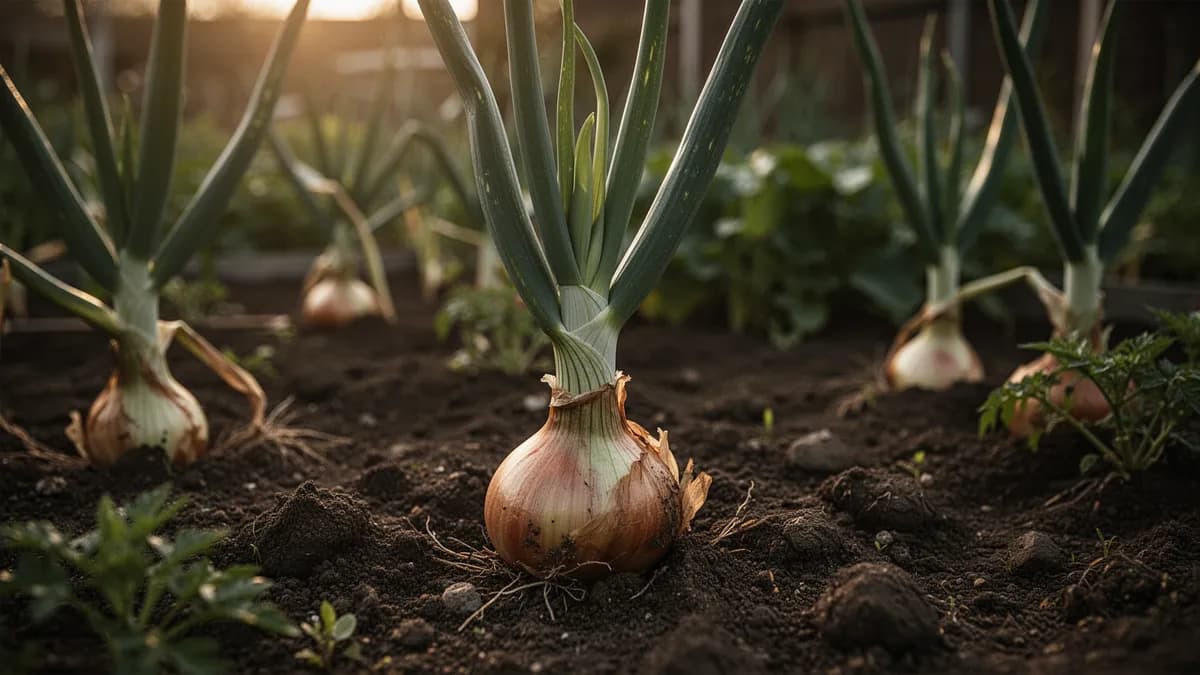
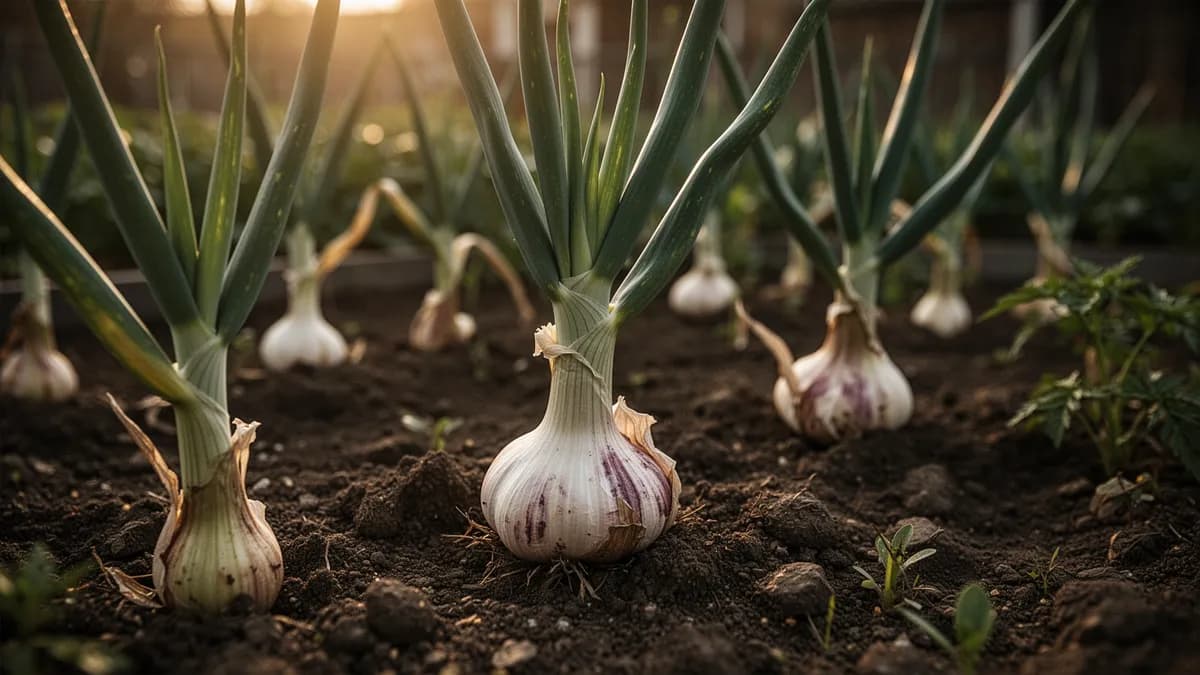
Cultiva tu mejor Frijol Lengua de Dragón — y todo lo que la rodea.
Empieza un plan gratis hoy. Diseña tus bancales, coloca tu Frijol Lengua de Dragón y deja que PlotMyGarden gestione el momento, el espaciado, las asociaciones y los recordatorios de la semilla a la cesta.