Claytonia
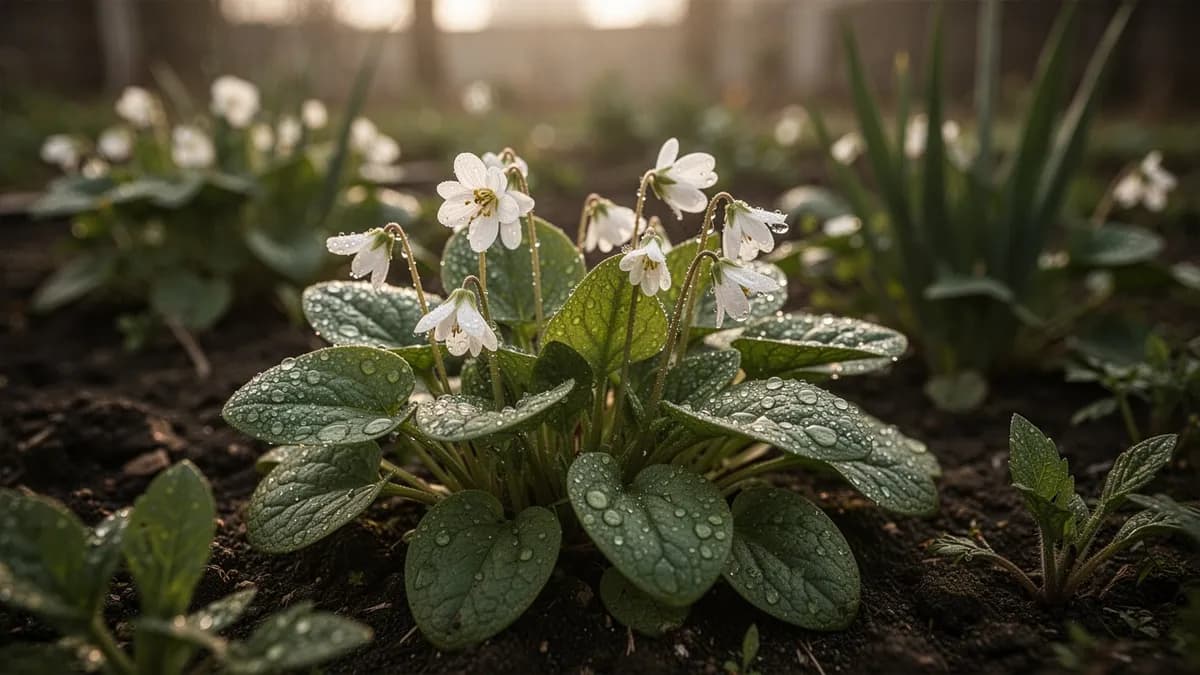
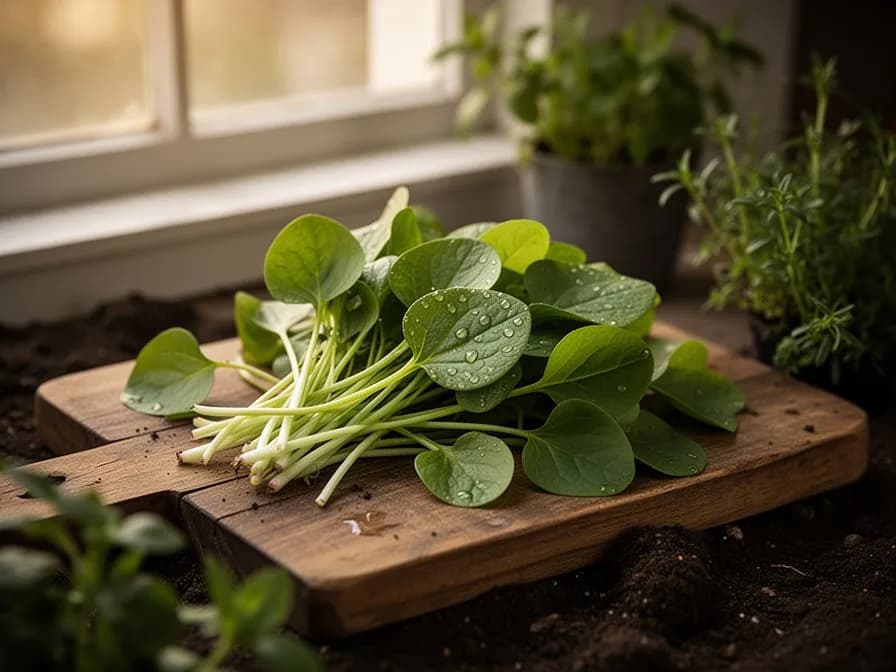
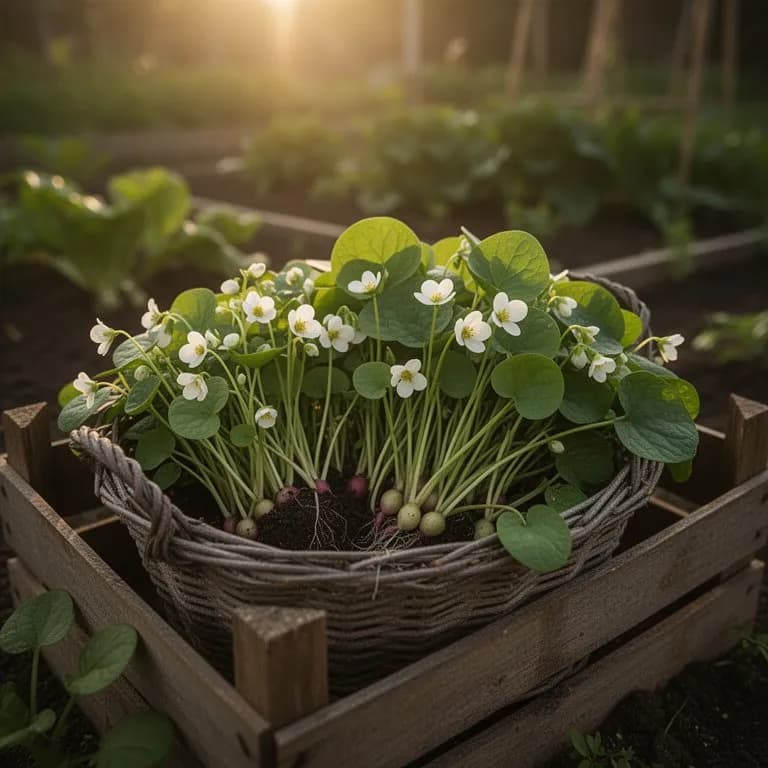
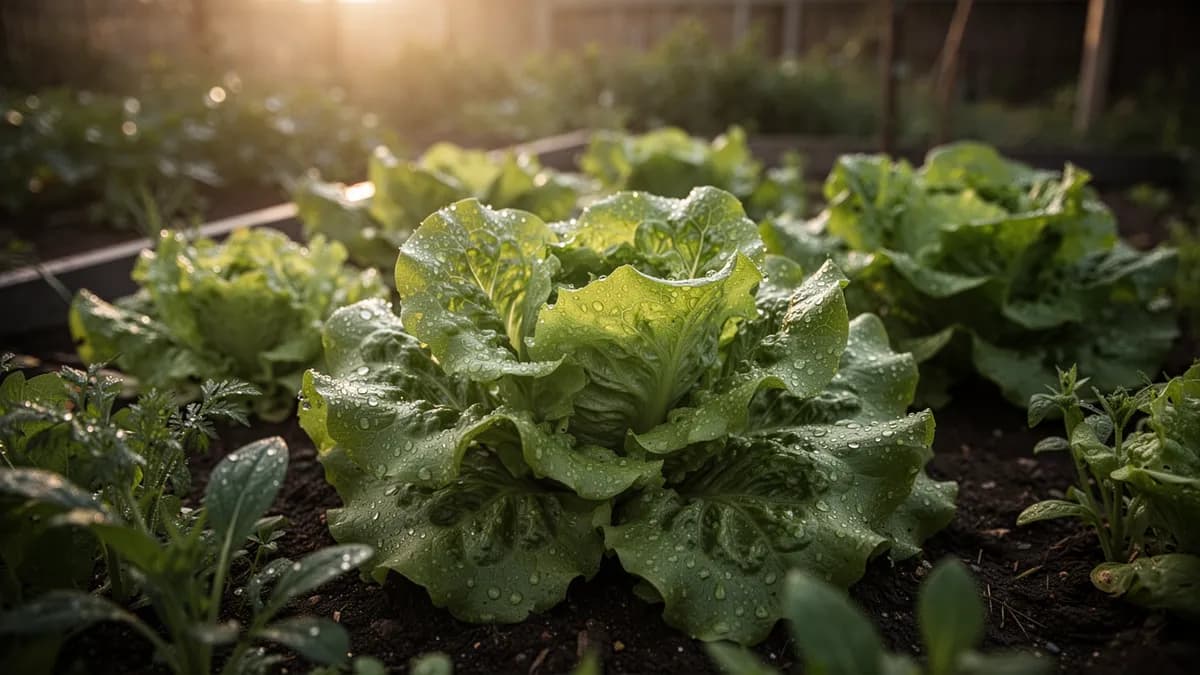
La claytonia (Claytonia perfoliata), también conocida como lechuga de minero o verdolaga de invierno, es una planta anual nativa del oeste de América del Norte con hojas suculentas en forma de corazón y un sabor suave y ligeramente dulce.





En esta páginaResumen
Conoce Claytonia
La claytonia (Claytonia perfoliata), también conocida como lechuga de minero o verdolaga de invierno, es una planta anual nativa del oeste de América del Norte con hojas suculentas en forma de corazón y un sabor suave y ligeramente dulce. Es una de las verduras de hoja más resistentes al frío, capaz de sobrevivir heladas severas, lo que la convierte en un cultivo invaluable para la cosecha invernal.
Cuándo plantar Claytonia
Siembre directamente al aire libre desde finales de agosto hasta octubre para cosecha invernal, o en febrero-marzo para cosecha primaveral. Las semillas necesitan frío para germinar y no germinan bien por encima de 15 °C. Esparza sobre la superficie del suelo y cubra ligeramente con 0,5 cm de sustrato fino. La germinación tarda 14-21 días. Puede estratificar las semillas en el refrigerador durante 2 semanas antes de sembrar para mejorar la germinación.
Tu año de Claytonia
Ajustado a Zona 7 · temporada típica · la helada se va hacia el 2 abr y vuelve hacia el 1 nov
Planta Claytonia Sep – Nov y cosecha Ene – Mar, Nov – Dic. Consulta los métodos de plantación y elige tu clima para adaptar los periodos.
Cómo cultivar Claytonia
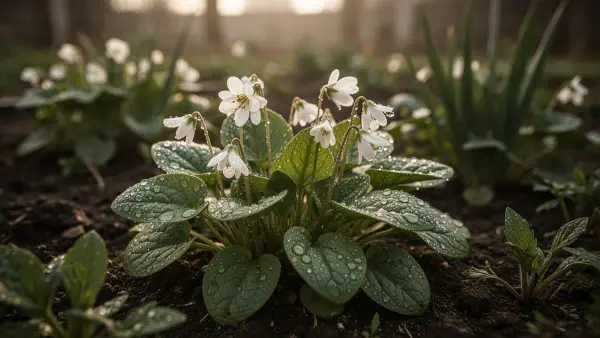
Elija una ubicación con sombra parcial a pleno sol; la claytonia tolera bien la sombra y de hecho la prefiere en climas más cálidos. El suelo debe ser húmedo, fértil y rico en materia orgánica con pH entre 6,0 y 7,0. Puede crecer en suelos relativamente pobres, pero produce mejor en suelos enriquecidos con compost.
Siembre las semillas a 0,5 cm de profundidad desde finales de verano hasta principios de otoño para cosecha invernal, o a finales de invierno para cosecha primaveral. Espacie las semillas 10-15 cm entre plantas y 20-25 cm entre hileras. La germinación requiere temperaturas frescas (8-12 °C) y puede tardar 2-3 semanas.
Mantenga el suelo uniformemente húmedo pero no encharcado. La claytonia requiere muy poco mantenimiento una vez establecida. No necesita fertilización adicional si el suelo fue enriquecido con compost. Se auto-siembra generosamente y puede naturalizarse en el jardín, proporcionando cosechas año tras año sin resiembra.
128 plantas caben en un bancal de 120 × 240 cm
Cada Claytonia pide 15 cm de margen. El planificador guarda ese marco por ti — cada planta, cada bancal.
Los mejores vecinos de Claytonia
Se asocia bien con otras verduras de invierno como los canónigos, la espinaca y la rúcula, compartiendo necesidades de cultivo similares. Puede plantarse bajo árboles frutales caducifolios, aprovechando la sombra en verano y la luz en invierno. Evite asociar con plantas que requieran pleno sol y suelo seco.
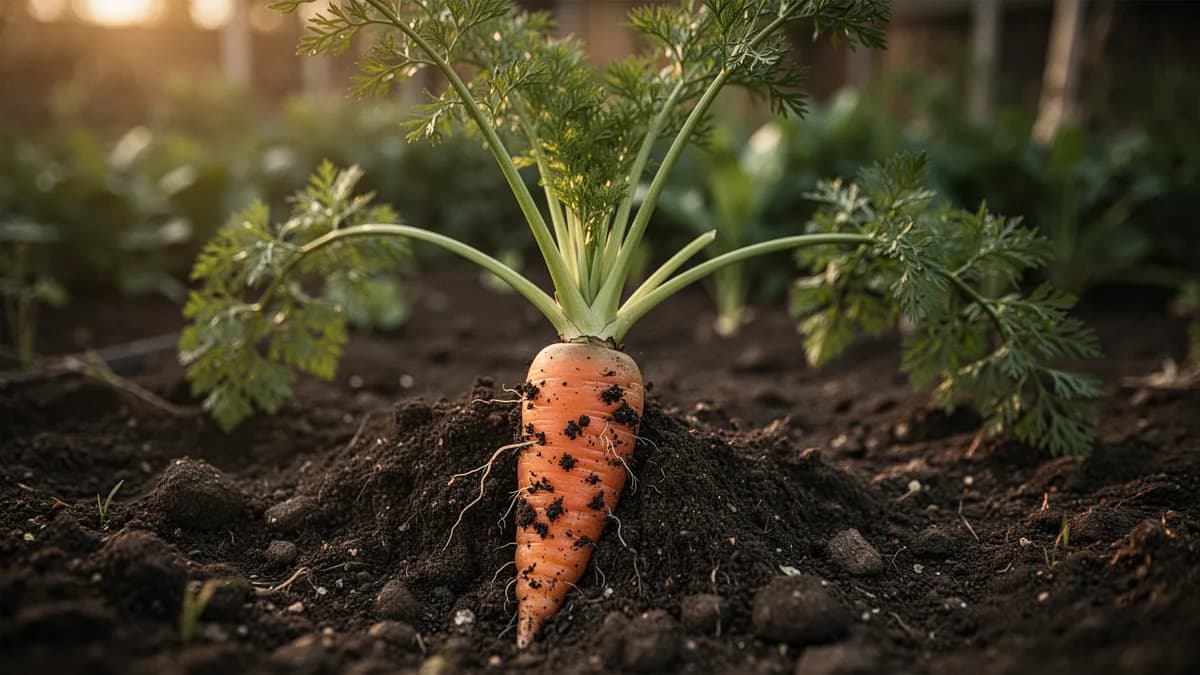
Zanahoria va a su lado.
Saber de huerto de siempre, cotejado con la tabla real de Claytonia — prueba cualquier planta que cultives.
Prueba Claytonia en un bancal, aquí mismo
Un bancal real del planificador con Claytonia ya plantado. Toca una planta compañera para colocarla y mira cómo responde la comprobación de vecinos: verde para buenos vecinos, rojo si hay conflicto.


Guías de cultivo relacionadas
Abónalo bien
Crece en una amplia gama de suelos siempre que mantengan humedad adecuada, con pH entre 6,0 y 7,0. Los suelos ricos en humus producen las hojas más grandes y suculentas. Incorpore compost antes de la siembra. Generalmente no requiere fertilización adicional durante la temporada de crecimiento si el suelo ha sido bien enmendado.
Temperatura ideal
Compatibilidad de zonas de rusticidad
De la semilla a la cosecha, etapa por etapa
Germinación
Las semillas de claytonia necesitan temperaturas frescas de 4 a 12 °C para germinar de forma fiable. Siembra sobre la superficie o cúbrelas apenas, ya que la luz activa la germinación. La emergencia es irregular y puede aparecer en oleadas.
Etapa de cotiledones
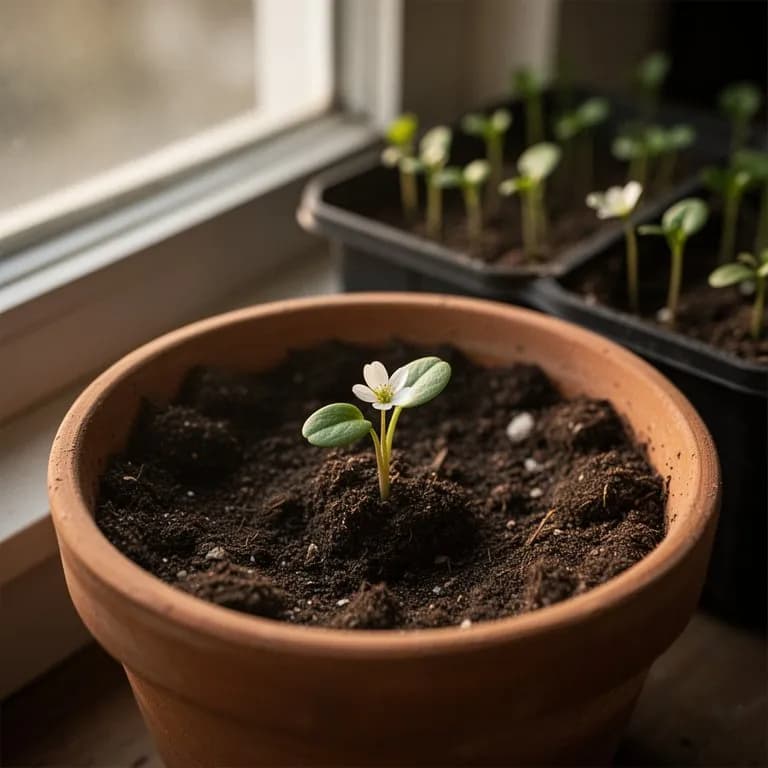
Aparece el primer par de cotiledones estrechos y las plántulas crecen despacio. Son extremadamente delicadas mientras se establece el sistema radicular en el suelo fresco.
Formación de roseta
Las hojas verdaderas forman una roseta compacta de hojas redondeadas y suculentas. El crecimiento es más vigoroso en clima fresco y la planta se expande desde el centro.
Cosecha máxima
La roseta alcanza su tamaño completo y las hojas están en su punto más tierno y sabroso con clima fresco. Se pueden hacer varias cosechas si se deja intacta la corona.
Floración y formación de semillas
Aparecen los tallos florales y se desarrollan pequeñas flores blancas. Las flores son comestibles y, tras la polinización, las cápsulas de semillas maduran y expulsan las semillas.
Resiembra y latencia
Las cápsulas maduras se abren y lanzan pequeñas semillas negras lejos de la planta madre. La planta madre se seca cuando llega el calor del verano y las semillas esperan hasta que regresan las lluvias frescas del otoño.
Mezcla las semillas pequeñas con arena fina para repartirlas mejor. Mantén la superficie del suelo constantemente húmeda, pero nunca encharcada.
Cuidar Claytonia mes a mes
Qué hacer cada mes para tu Claytonia
Octubre
Mes actualThin seedlings to 8-10 cm apart. Growth is steady in the cooling weather. Set up cold frames or low tunnels over the claytonia patch before the first hard frost. Water if autumn rainfall is insufficient to keep soil evenly moist.
Ten claro qué hacer en tu huerto, cada mes
Un correo al empezar cada mes: qué sembrar, plantar y hacer ahora mismo — para tu Claytonia y todo lo que crece alrededor. Más un breve curso inicial para esquivar los errores clásicos.
- Qué hacer ahora mismo
- Ajustado a tu temporada
- Curso inicial incluido
Cosechar Claytonia
Coseche las hojas y tallos tiernos cuando las plantas tengan al menos 5-6 hojas, generalmente 40-60 días después de la siembra. Corte las rosetas enteras a nivel del suelo o recoja hojas individuales exteriores para permitir el crecimiento continuo. Las flores y tallos florales también son comestibles. La cosecha regular evita el espigado y prolonga la producción.
se supone que plantas al comenzar el periodo — indica tu fecha real
Cosecha cuando las hojas redondas características estén completamente formadas, normalmente entre 40 y 50 días después de la siembra
Almacenamiento y conservación
Las hojas frescas son delicadas y se conservan en el refrigerador solo 2-3 días en un recipiente hermético con papel húmedo. No es apta para congelación ni secado debido a su alto contenido de agua y textura suculenta. Lo ideal es cosechar justo antes de consumir. Las semillas maduras pueden recolectarse para resiembra.
Qué falla — y cómo solucionarlo
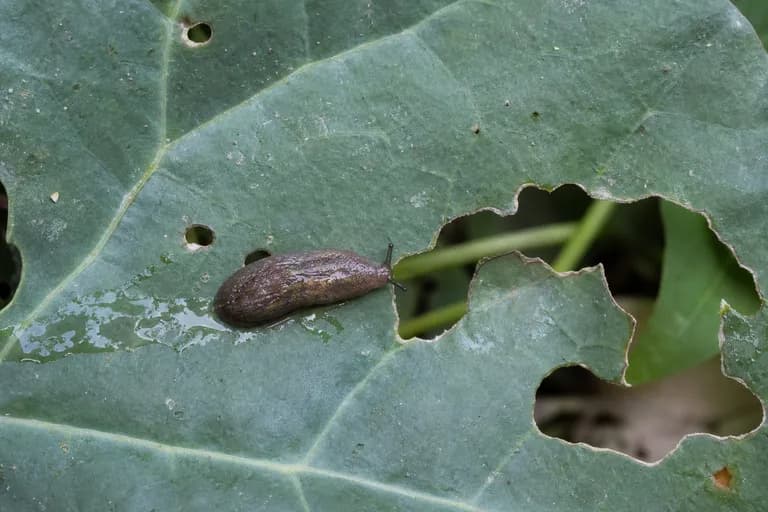
Caracoles y babosas
PlagaAgujeros irregulares en las hojas suculentas, especialmente en tiempo húmedo. Rastros de baba visibles en el suelo y las plantas.
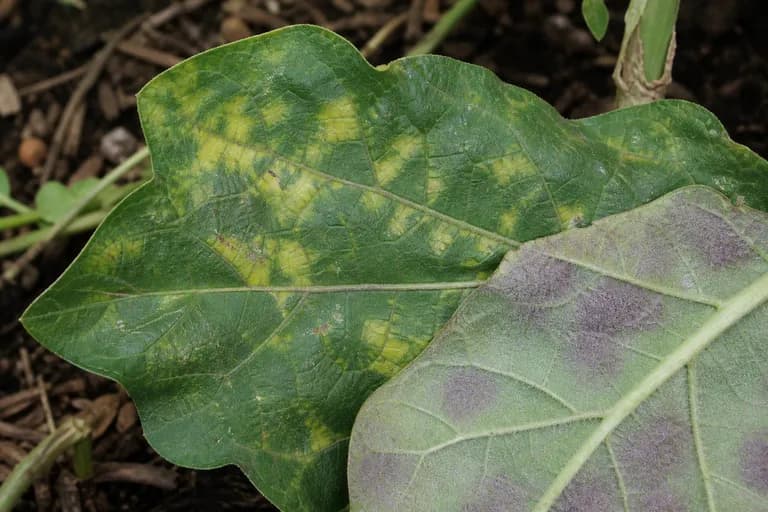
Mildiu velloso (Peronospora spp.)
EnfermedadManchas amarillentas en el haz de las hojas con pelusa grisácea en el envés, que progresan hasta causar marchitamiento.
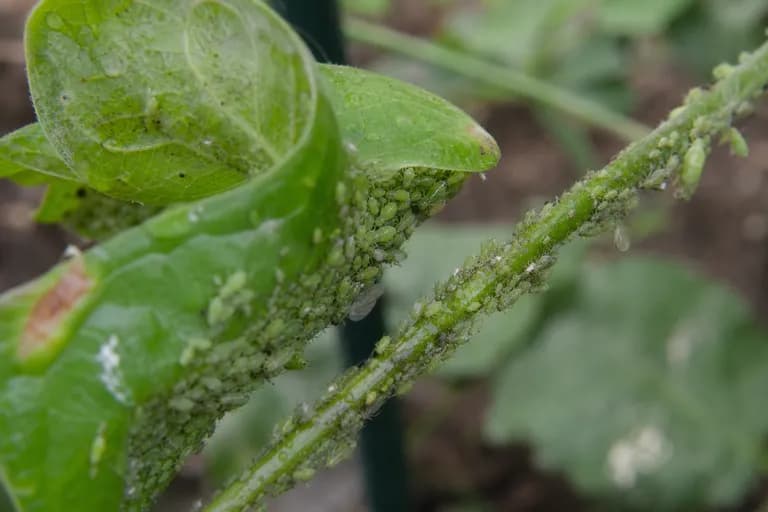
Pulgón (Myzus persicae)
PlagaPequeños insectos verdes o negros agrupados en los brotes tiernos, que causan deformación y debilitamiento de las hojas nuevas.
Solución de problemas comunes
La claytonia no tolera el calor del verano y se marchita o espiga rápidamente con temperaturas superiores a 25 °C. Siembre exclusivamente en las estaciones frescas. La auto-siembra excesiva puede convertirla en una planta difícil de erradicar si no se controlan las semillas. En suelos muy secos las hojas se vuelven pequeñas y fibrosas.
Consejos de cultivo
- Embrace the cold and reject the instinct to keep claytonia warm. This plant actively prefers temperatures between 4-16°C (40-60°F) and grows poorly above 20°C (68°F). A simple unheated cold frame is the ideal growing environment — no supplemental heat needed or wanted.
- Sow seeds on the soil surface and press gently rather than burying them. Claytonia seeds need some light to germinate and are so tiny that burying them even 1 cm deep can prevent emergence. Mix seeds with fine sand for more even distribution.
- Cold stratify seeds for 2-3 weeks in the refrigerator before sowing to dramatically improve germination rates. Wrap seeds in damp paper towels inside a sealed bag at 4°C (40°F). This mimics the natural winter chill the seeds expect before sprouting.
- Grow in partial shade for the best results, especially in spring. Claytonia is a natural woodland-edge plant that thrives in dappled light. Full sun causes premature bolting and bitter leaves, while too much shade reduces yields. Aim for 4-6 hours of direct light.
- Use the cut-and-come-again method for maximum yield. Cut entire rosettes 2 cm above the soil line and the crown will regenerate a new flush of leaves in 2-3 weeks. Each plant can be harvested this way 2-3 times before it bolts to flower.
- Allow some plants to flower and complete their seed cycle every spring. Claytonia self-sows aggressively in ideal conditions, and a single season of seed setting can establish a permanent self-renewing colony that provides free winter greens for years.
- Water sparingly once plants are established — claytonia's slightly succulent leaves store moisture efficiently and the plant actually prefers soil on the drier side of moist. Overwatering in cold weather promotes root rot and damping off, the most common causes of failure.
- Ventilate cold frames on any sunny day above 5°C (40°F). Even in winter, a closed cold frame in direct sun can overheat to 25°C (77°F) or more within hours, which stresses claytonia and promotes fungal disease. Crack the lid by midmorning and close by late afternoon.
Cultiva tu mejor Claytonia — y todo lo que la rodea.
Empieza un plan gratis hoy. Diseña tus bancales, coloca tu Claytonia y deja que PlotMyGarden gestione el momento, el espaciado, las asociaciones y los recordatorios de la semilla a la cesta.
Elige tu Claytonia
Claytonia perfoliata (lechuga de minero)
Especie silvestre con hojas redondeadas características que rodean el tallo. Sabor suave y dulce. Auto-siembra generosa. 40-45 días.
Claytonia sibirica (verdolaga de Siberia)
Especie perenne más robusta con hojas algo más grandes y flores rosadas atractivas. Tolera sombra profunda. 50-60 días.
Winter Purslane
Selección cultivada con hojas más grandes y carnosas que la forma silvestre. Mayor rendimiento y crecimiento más uniforme. 45-50 días.
Claytonia seed is inexpensive at $3-5 per packet, and once established the plant self-sows indefinitely, providing free salad greens every winter with zero replanting costs. Fresh winter microgreens and specialty salad mixes sell for $15-30 per kg at farmers markets and grocery stores. A single cold frame of claytonia can produce $30-60 worth of premium winter greens per season, and the value compounds year after year as the self-sowing colony expands — making it one of the highest-return crops per dollar invested in the entire garden.
Recetas rápidas
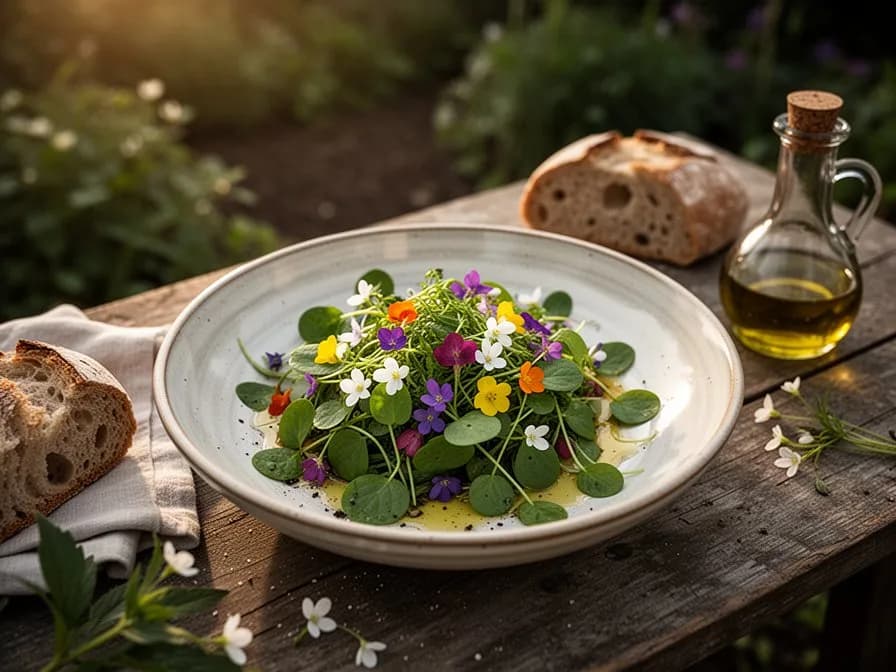
Winter Miners Lettuce Salad with Citrus Vinaigrette
10 minA simple, elegant salad showcasing claytonia's mild flavor and crisp texture. The citrus dressing brightens the delicate greens and pairs beautifully with toasted walnuts and shaved Parmesan. This is the classic way to enjoy miners lettuce — fresh, cold, and barely dressed.
8 ingredientesClaytonia and Goat Cheese Crostini
15 minToasted baguette rounds topped with creamy goat cheese and a generous pile of fresh claytonia leaves — a delightful winter appetizer that lets the green's mild, succulent character shine against the tangy cheese. A drizzle of good honey ties everything together.
7 ingredientesWilted Claytonia with Garlic and Sesame
8 minA quick warm preparation that transforms claytonia into a silky, spinach-like side dish in under two minutes of cooking. The sesame oil and garlic add depth while a splash of rice vinegar keeps the greens bright. Serve alongside rice and grilled fish for a complete meal.
7 ingredientesUsos culinarios
Las hojas tiernas y suculentas se consumen crudas en ensaladas, donde aportan una textura crujiente y un sabor suave y ligeramente dulce. Son excelentes en sándwiches y wraps como sustituto de la lechuga en invierno. Las flores comestibles decoran platos. También pueden saltearse brevemente como guarnición, aunque su textura delicada se conserva mejor en crudo.
Qué contiene
Beneficios para la salud
- Exceptionally rich in vitamin C for a winter green, providing 24% of the daily value per 100g — historically important for preventing scurvy and still valuable today for immune support during cold and flu season when other fresh greens are scarce.
- Contains significant omega-3 fatty acids (alpha-linolenic acid), a rare and valuable trait among leafy greens that supports heart health, reduces inflammation, and promotes brain function.
- High in vitamin A and beta-carotene, providing over 40% of the daily value per 100g, which supports healthy vision, skin integrity, and immune cell function.
- Provides bioavailable iron and calcium that support bone density and red blood cell production — especially valuable for those on plant-based diets who need diverse mineral sources during winter months.
- The mild, palatable flavor encourages increased raw green vegetable consumption, delivering live enzymes and heat-sensitive nutrients that are lost in cooked greens.
- Contains antioxidant compounds including flavonoids and carotenoids that help protect cells from oxidative damage and may reduce chronic inflammation associated with winter sedentary lifestyles.
De dónde viene Claytonia
Claytonia perfoliata (miner's lettuce) is native to western North America, where it grows wild from British Columbia south through California and east into the mountain states. It thrives naturally in shaded, moist habitats — forest clearings, streambanks, and the dappled light beneath oak woodlands. The plant evolved as a cool-season ephemeral, completing its entire life cycle during the mild, wet months between autumn and late spring, then setting seed and going dormant as summer heat and drought arrive.
Indigenous peoples of the Pacific Northwest and California relied on claytonia as an important early-season green long before European contact. The Shoshone, Paiute, Okanagan, and many other tribes gathered the tender leaves and stems as one of the first fresh foods available after winter. Some groups also dug the small tuberous roots, which have a mild, chestnut-like flavor when roasted. The entire plant — leaves, stems, flowers, and roots — was considered edible and nutritious.
The common name 'miner's lettuce' dates to the California Gold Rush of the 1840s and 1850s, when thousands of prospectors flooded the Sierra Nevada foothills with little access to fresh produce. Scurvy was rampant in the mining camps until miners learned from local Indigenous knowledge and Mexican Californians that this abundant wild green could prevent and even cure the disease. Claytonia's high vitamin C content made it a genuine lifesaver, and it became a dietary staple in mining communities throughout the Gold Rush era.
European botanists encountered claytonia in the 18th century, and seeds were sent to botanical gardens across Europe as a curiosity. The plant adapted so well to the cool, damp maritime climate of northwestern Europe that it escaped cultivation and naturalized widely. Today, claytonia grows wild across the United Kingdom, France, and other parts of western Europe, often considered a minor weed but increasingly valued by foragers and chefs.
In modern market gardening, claytonia has experienced a renaissance as growers rediscover its unique value as a winter salad crop. It fills a critical gap in the harvest calendar — producing tender, mild greens from late autumn through early spring when most other salad crops cannot grow. Under simple cold frame or unheated tunnel protection, claytonia provides reliable fresh harvests through the coldest months, making it indispensable in four-season growing systems and winter farmers markets.
Claytonia: ¿sabías que?
Datos fascinantes sobre Claytonia
Claytonia perfoliata gets its common name 'miner's lettuce' because Gold Rush miners in 1840s-1850s California ate it in huge quantities to prevent scurvy — it was one of the only fresh greens available in the mining camps of the Sierra Nevada foothills and its high vitamin C content literally saved lives.
Claytonia: preguntas frecuentes
¿Cuándo debo plantar Claytonia?
¿Cuáles son buenas plantas acompañantes para Claytonia?
¿En qué zonas de rusticidad puede crecer Claytonia?
¿Cuánto sol necesita Claytonia?
¿A qué distancia debo espaciar Claytonia?
¿Qué plagas y enfermedades afectan a Claytonia?
¿Cómo almaceno Claytonia después de la cosecha?
¿Cuáles son las mejores variedades de Claytonia para cultivar?
¿Qué suelo necesita Claytonia?
When is the best time to plant claytonia?
Does claytonia need a cold frame or greenhouse to survive winter?
Will claytonia self-sow and come back every year?
Why did my claytonia bolt and flower so quickly?
Can I grow claytonia indoors or on a windowsill?
Is claytonia the same as miner's lettuce?
Acabas de leer la teoría. Ahora cultívala en piloto automático.
Todo lo que hace que Claytonia sea delicado — el momento, el espaciado, las asociaciones, la ventana de cosecha — es justo lo que PlotMyGarden resuelve por ti, para cada planta de tu huerto.
Un plan que conoce tu clima
Indica tu ubicación una vez. Recibe fechas de siembra, abonado y cosecha basadas en tu última helada real y el pronóstico en vivo — sin adivinar con un sobre genérico.
De la sección “Cuándo plantar”Planificador de bancales de arrastrar y soltar
Diseña bancales sobre una cuadrícula. Cada planta encaja con su espaciado correcto y ves toda la temporada antes de gastar un céntimo en semillas.
De la sección “Cultivo”Conflictos de asociación, detectados a tiempo
Más de 200 buenas y malas combinaciones comprobadas en vivo mientras plantas — para que un error que arruine la temporada nunca llegue a la tierra.
De la sección “Asociaciones”Recordatorios que sí vas a seguir
“Riega las judías.” “Recoge hoy antes de que se pase.” Oportunos, concretos y ligados a las plantas que de verdad cultivas.
De la sección “Cosecha”Escalonado, programado
¿Quieres cosechar seis semanas en vez de seis días? Reparte tus siembras automáticamente y te avisa cuando toca el siguiente lote.
De la sección “Cuándo plantar”Un registro que se vuelve más listo
Cada cosecha que registras le enseña tu huerto. El plan del año que viene parte de lo que de verdad funcionó en tu suelo, no en un manual.
De la sección “Resumen”Planta estos junto a Claytonia
Más Hortalizas de hoja
Diseños de jardín con Claytonia
Cultiva tu mejor Claytonia — y todo lo que la rodea.
Empieza un plan gratis hoy. Diseña tus bancales, coloca tu Claytonia y deja que PlotMyGarden gestione el momento, el espaciado, las asociaciones y los recordatorios de la semilla a la cesta.