Repollo Savoy Miniatura
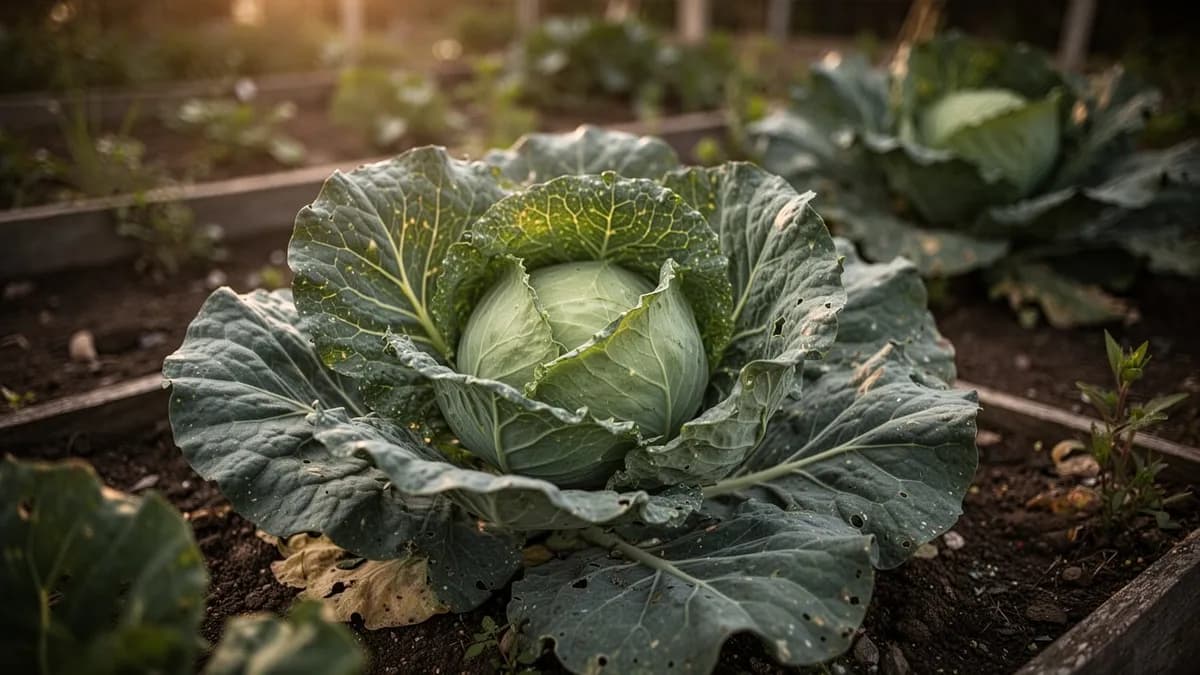
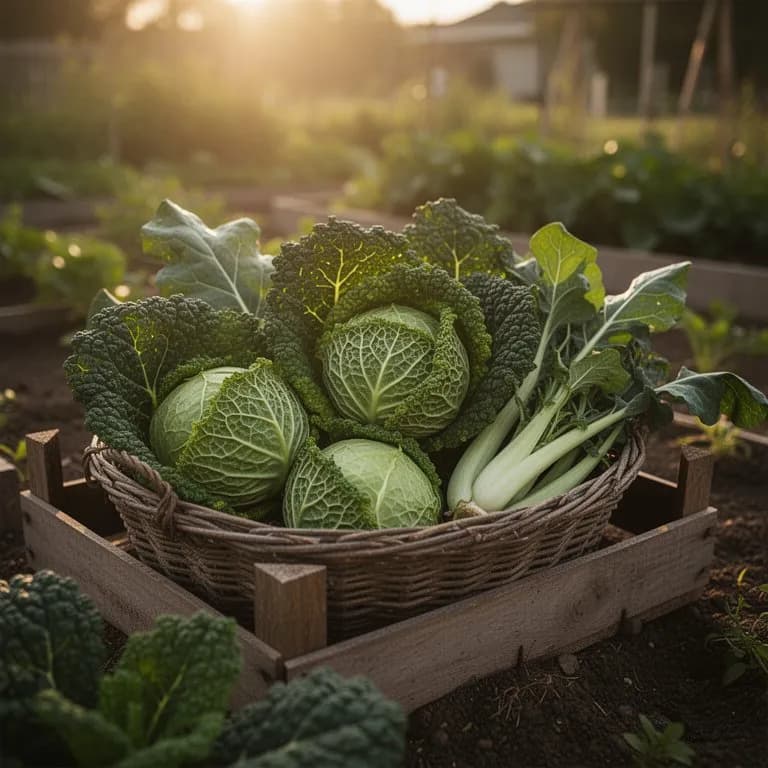
El repollo savoy miniatura es una versión compacta del clásico repollo de hojas arrugadas, produciendo cabezas densas de 10-15 cm de diámetro perfectas para porciones individuales.





En esta páginaResumen
Conoce Repollo Savoy Miniatura
El repollo savoy miniatura es una versión compacta del clásico repollo de hojas arrugadas, produciendo cabezas densas de 10-15 cm de diámetro perfectas para porciones individuales. Sus hojas crespas y texturizadas son más tiernas y dulces que las del repollo liso, con una textura que atrapa salsas y aderezos de forma exquisita.
Cuándo plantar Repollo Savoy Miniatura
Siembre en interiores 6-8 semanas antes del trasplante a 0,5-1 cm de profundidad. Germinación en 5-10 días a 15-20 °C. Trasplante cuando tengan 4-5 hojas verdaderas. Enterre hasta las primeras hojas para estabilidad.
Tu año de Repollo Savoy Miniatura
Ajustado a Zona 7 · temporada típica · la helada se va hacia el 2 abr y vuelve hacia el 1 nov
Planta Repollo Savoy Miniatura Mar – Abr, Ago – Sep y cosecha Jun – Jul, Oct – Nov. Consulta los métodos de plantación y elige tu clima para adaptar los periodos.
Cómo cultivar Repollo Savoy Miniatura
Siembre en interiores 6-8 semanas antes del trasplante, a 0,5-1 cm de profundidad a 15-20 °C para germinación en 5-10 días. Las plántulas necesitan buena iluminación y temperaturas frescas.
Trasplante espaciando solo 30-40 cm entre plantas (menos que el savoy normal) en filas de 45-60 cm. Las variedades mini son ideales para espacios pequeños y cultivo intensivo. Riegue regularmente con 2,5-3 cm semanales.
Fertilice con abono rico en nitrógeno cada 2-3 semanas durante el crecimiento. Los repollos savoy son más resistentes al frío que los lisos y su sabor mejora con heladas ligeras. Aplique acolchado y proteja de plagas de brassicas con malla.
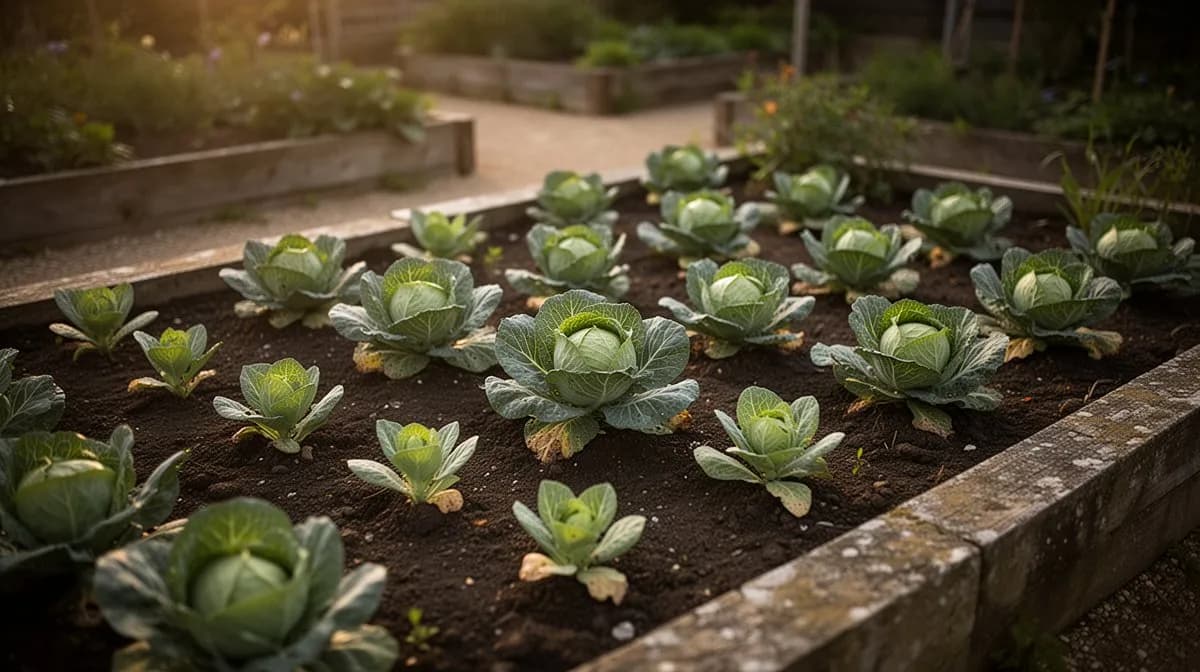
18 plantas caben en un bancal de 120 × 240 cm
Cada Repollo Savoy Miniatura pide 35 cm de margen. El planificador guarda ese marco por ti — cada planta, cada bancal.
Los mejores vecinos de Repollo Savoy Miniatura
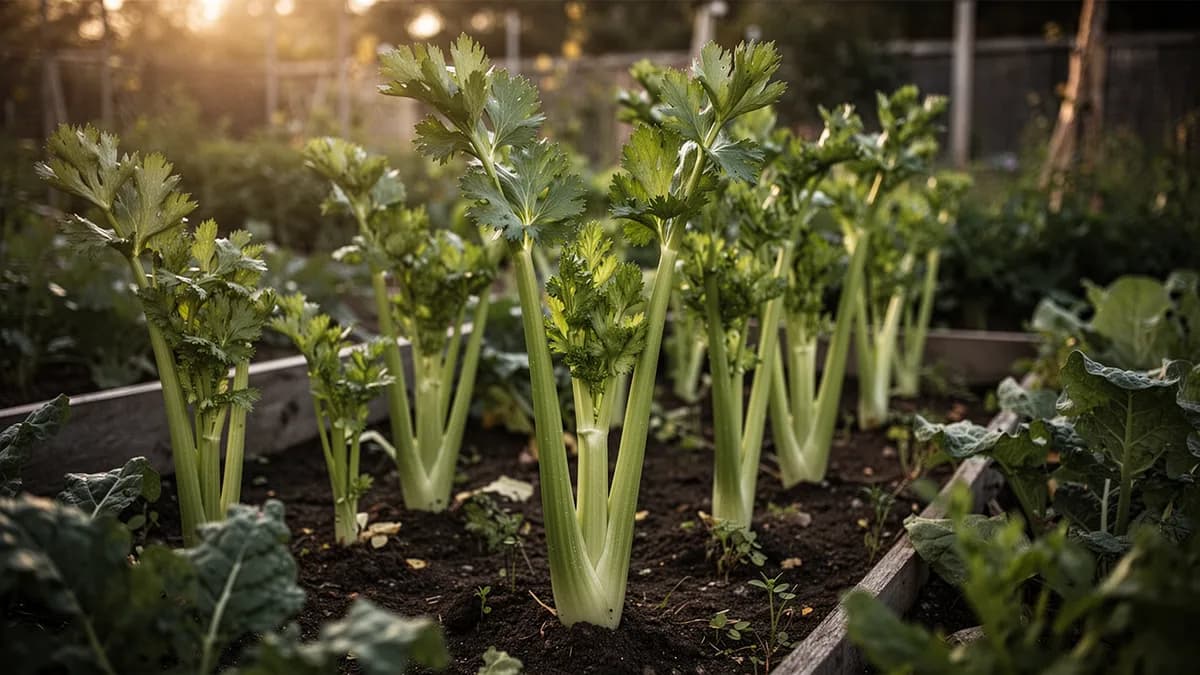
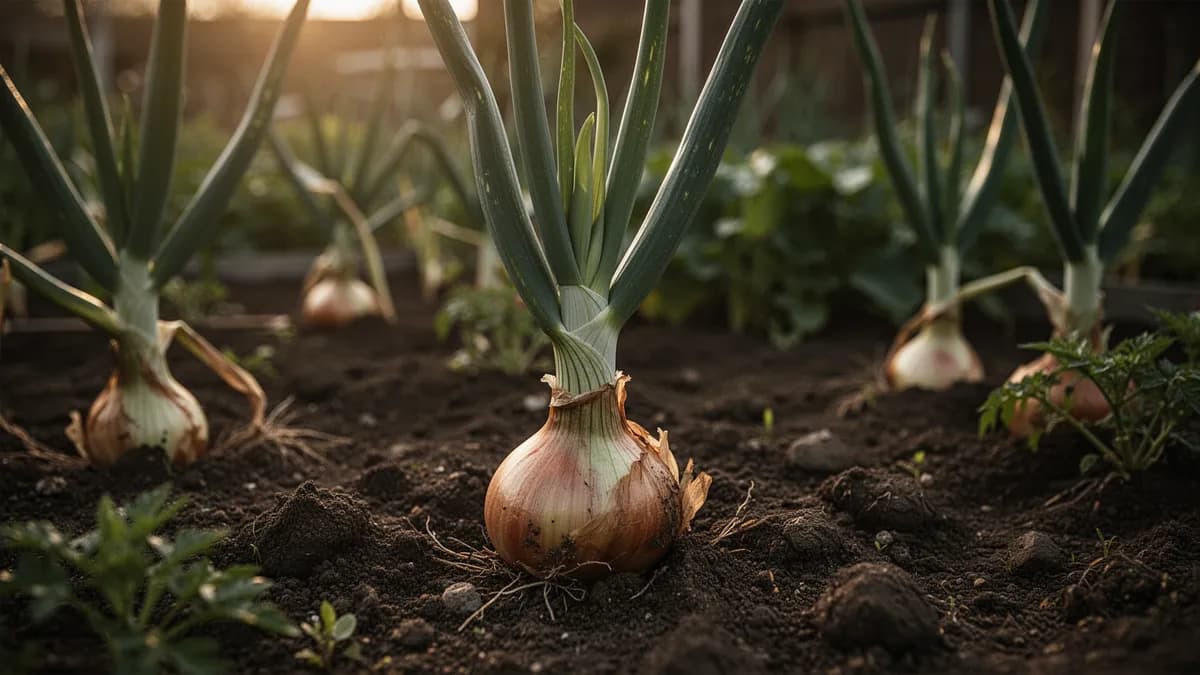
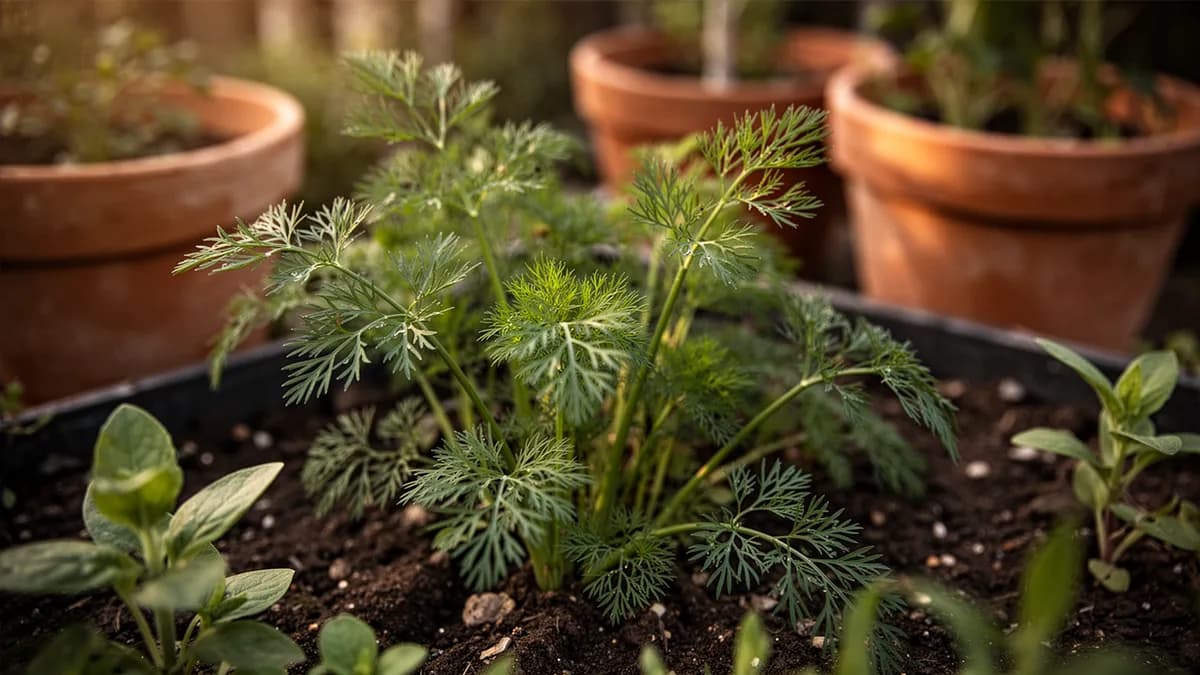
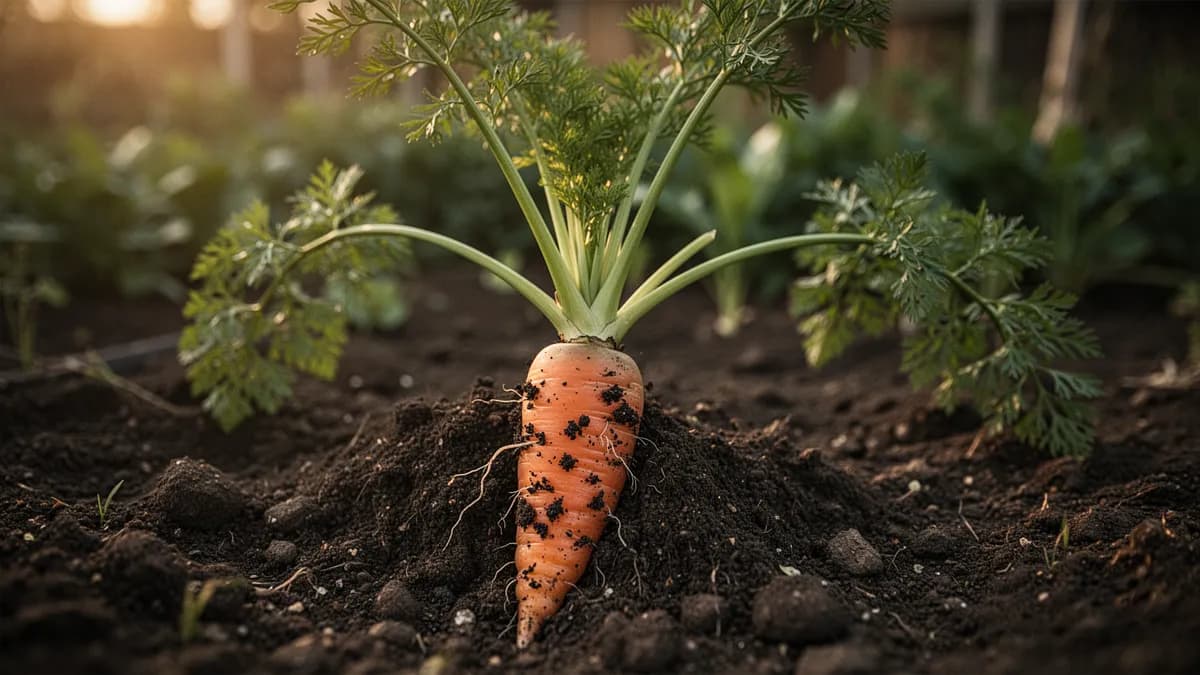
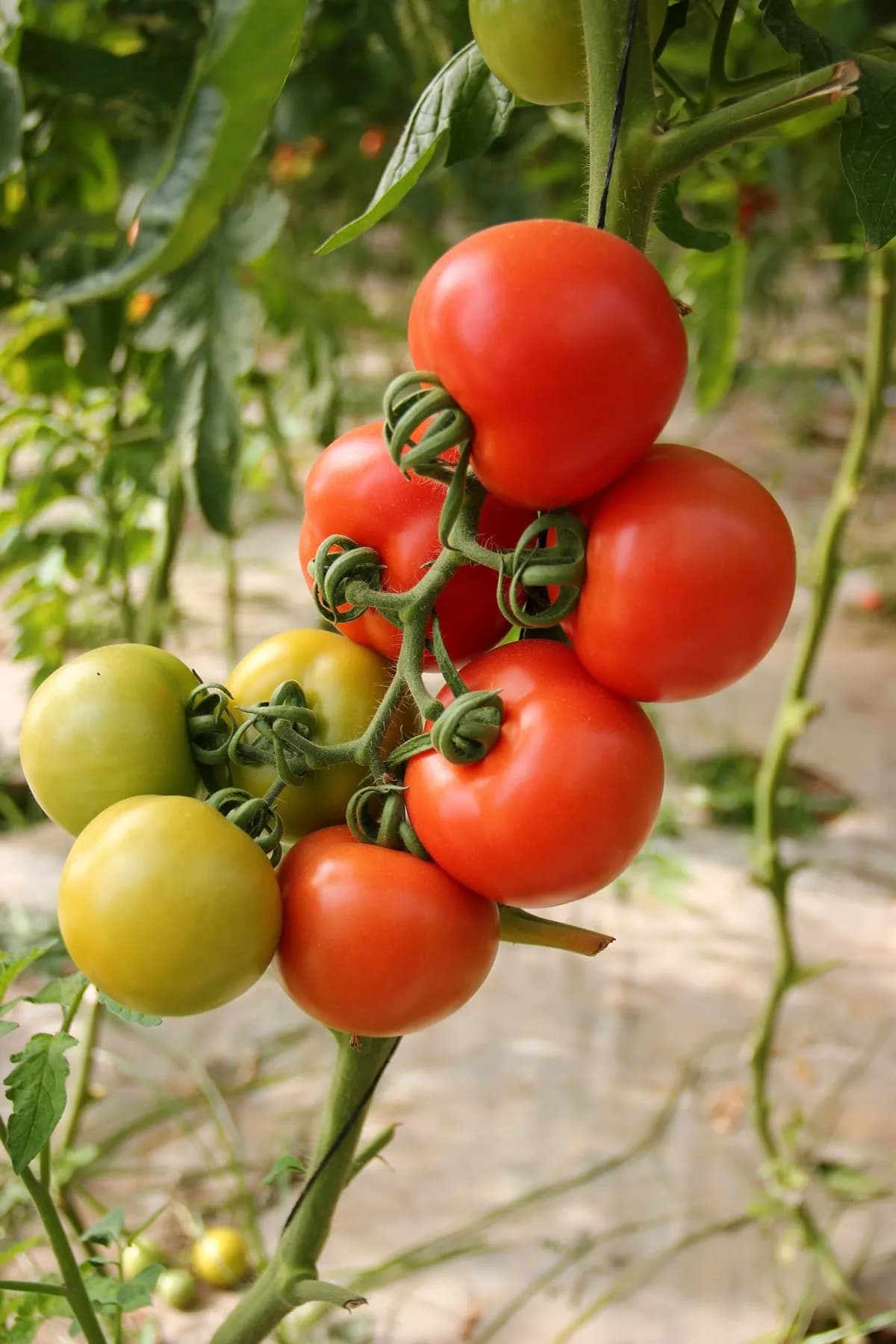
Crece bien junto a cebollas, apio y hierbas aromáticas como tomillo y romero. Las caléndulas repelen orugas. Evite plantar junto a fresas y tomates.
Apio va a su lado. Tomate no.
Saber de huerto de siempre, cotejado con la tabla real de Repollo Savoy Miniatura — prueba cualquier planta que cultives.
Prueba Repollo Savoy Miniatura en un bancal, aquí mismo
Un bancal real del planificador con Repollo Savoy Miniatura ya plantado. Toca una planta compañera para colocarla y mira cómo responde la comprobación de vecinos: verde para buenos vecinos, rojo si hay conflicto.


Guías de cultivo relacionadas
Abónalo bien
Suelos fértiles, firmes y con pH 6,5-7,5. Enmiende con compost y cal si es necesario. Fertilice con nitrógeno durante el crecimiento y potasio al formarse la cabeza. Los suelos compactos ayudan a que las raíces soporten las cabezas.
Temperatura ideal
Compatibilidad de zonas de rusticidad
De la semilla a la cosecha, etapa por etapa
Siembra
Las semillas germinan rápido en condiciones frescas y húmedas, produciendo un par de cotiledones redondeados en 5–10 días. Las variedades mini de col rizada tipo saboya se han criado para crecer rápido y pueden iniciarse en interior 4–6 semanas antes de la última helada o sembrarse directamente a comienzos de primavera y a finales de verano.
Desarrollo de plántulas
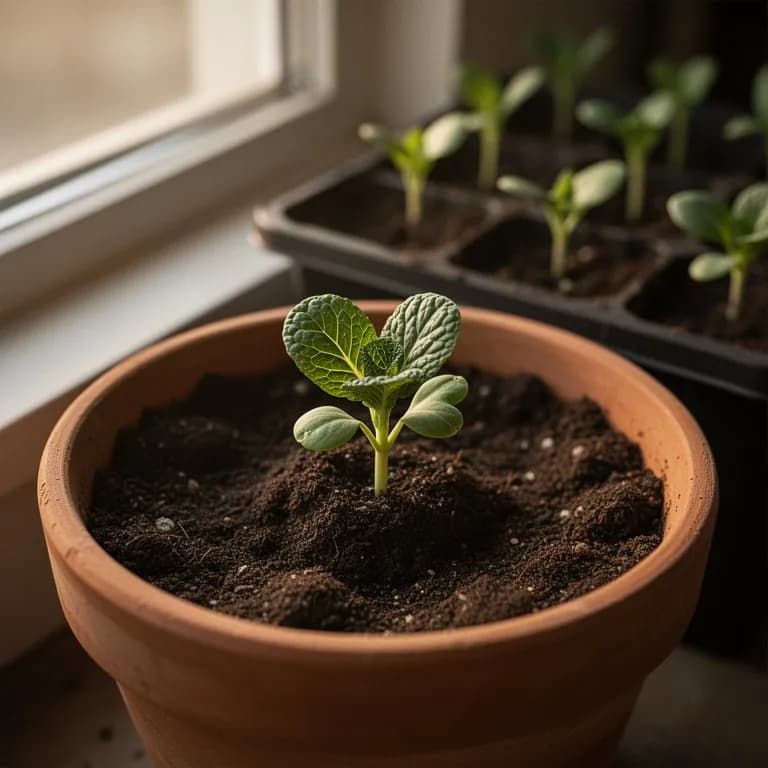
Aparecen las hojas verdaderas con la textura arrugada y abultada característica de las coles saboya. Las plántulas desarrollan un tallo compacto y robusto y comienzan a formar una pequeña roseta de 4 a 6 hojas muy texturizadas.
Formación de roseta
La planta se expande hasta formar una roseta amplia de 10 a 15 hojas externas muy arrugadas y de color azul verdoso. La superficie ondulada de las hojas atrapa el rocío y el agua de lluvia, ayudando a la planta a mantenerse hidratada. Las raíces se establecen en profundidad para sostener la futura formación de la cabeza.
Formación de la cabeza
Las hojas internas comienzan a curvarse hacia adentro y a envolverse firmemente entre sí, formando la característica cabeza redonda y compacta. Las cabezas mini de saboya se mantienen pequeñas por diseño — alcanzan solo 10 a 15 cm de diámetro —, pero desarrollan el mismo sabor dulce y suave que las variedades saboya de tamaño normal.
Maduración de la cabeza
Las cabezas se endurecen y alcanzan su tamaño compacto maduro. Las hojas externas adquieren un tono azul verdoso más intenso con un ligero brillo ceroso, mientras que la cabeza interior se vuelve densa y de color amarillo verdoso pálido. La mini saboya tolera mejor las heladas ligeras que las coles de hojas lisas: un poco de helada incluso endulza el sabor.
Ventana de cosecha
La ventana de cosecha prolongada es una ventaja clave de la mini saboya. Las cabezas individuales pueden cortarse según se necesiten durante varias semanas, y muchas variedades producirán cabezas secundarias más pequeñas a partir del tallo restante si la planta se deja en su lugar después de retirar la cabeza principal.
Siembra las semillas a 1 cm de profundidad en bandejas o alvéolos a 18–21 °C. Mantén el sustrato de siembra uniformemente húmedo, pero nunca encharcado. Las semillas de col saboya germinan más rápido que las de la col común.
Cuidar Repollo Savoy Miniatura mes a mes
Qué hacer cada mes para tu Repollo Savoy Miniatura
Octubre
Mes actualAutumn-planted mini savoy heads begin to firm up. Light frosts actually improve flavour by converting starches to sugars. Harvest as needed — savoy can stand in the garden well into autumn without deteriorating.
Ten claro qué hacer en tu huerto, cada mes
Un correo al empezar cada mes: qué sembrar, plantar y hacer ahora mismo — para tu Repollo Savoy Miniatura y todo lo que crece alrededor. Más un breve curso inicial para esquivar los errores clásicos.
- Qué hacer ahora mismo
- Ajustado a tu temporada
- Curso inicial incluido
Cosechar Repollo Savoy Miniatura
Coseche cuando las cabezas estén firmes y compactas al presionarlas, unos 60-80 días tras el trasplante. Corte a nivel del suelo con un cuchillo afilado, dejando las hojas exteriores más dañadas. Las cabezas mini pesan 400-800 g.
se supone que plantas al comenzar el periodo — indica tu fecha real
Cosecha cuando las cabezas estén firmes y midan entre 10 y 15 cm de diámetro, o cuando se sientan sólidas al presionarlas suavemente.
Almacenamiento y conservación
Las cabezas enteras se conservan en refrigerador en bolsa perforada durante 2-3 semanas. El savoy no se conserva tanto como el repollo liso. Para conservación, fermente como chucrut o blanquee y congele las hojas para usar en rollitos.
Qué falla — y cómo solucionarlo
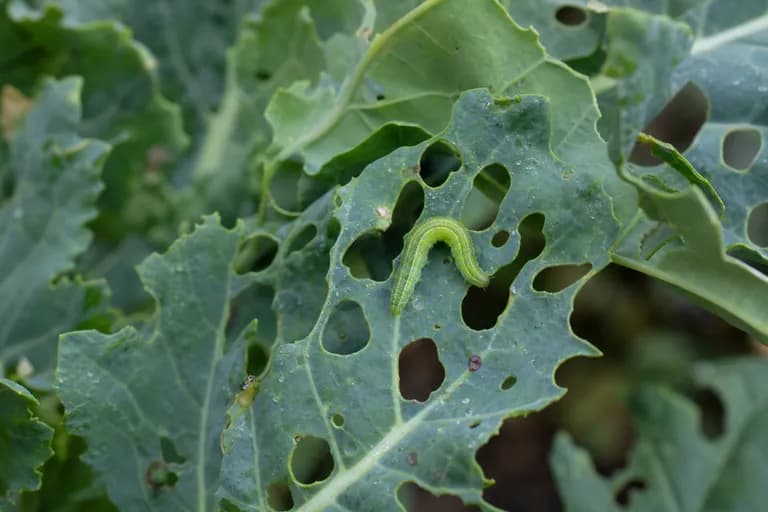
Oruga de la col (Pieris brassicae)
PlagaLarvas verdes devoran hojas exteriores e interiores.
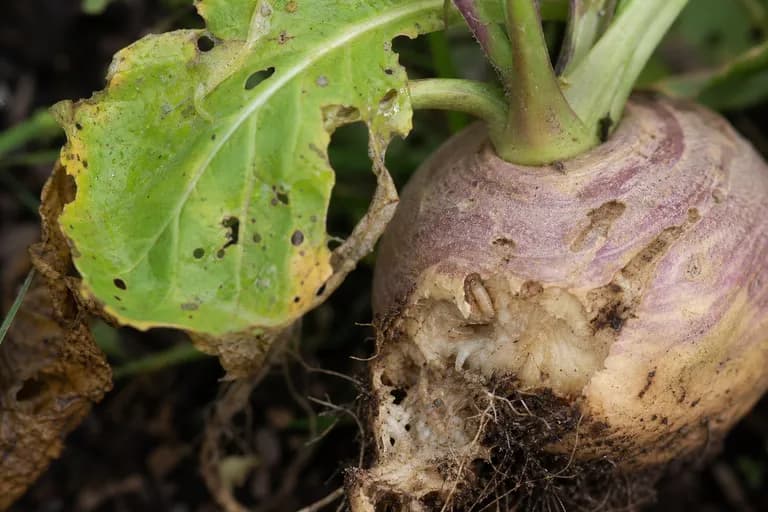
Hernia de crucíferas (Plasmodiophora brassicae)
EnfermedadMarchitez diurna, raíces con agallas deformes.
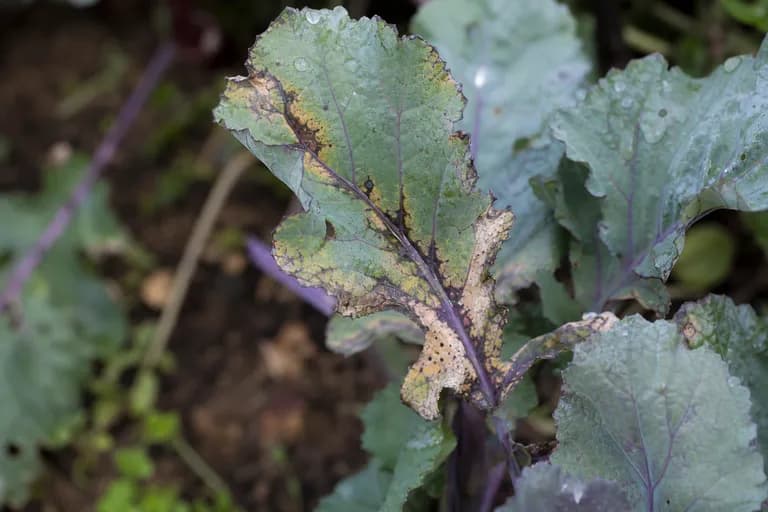
Babosas
PlagaAgujeros irregulares en hojas, especialmente las exteriores.
Solución de problemas comunes
Las orugas de la col pueden devastar las hojas si no se protege con malla. El espigado prematuro ocurre con estrés hídrico o fluctuaciones de temperatura. Las cabezas pueden agrietarse con riego excesivo tras un periodo seco.
Consejos de cultivo
- Choose the right season — mini savoy is a cool-weather crop that performs best in spring and autumn. Avoid midsummer planting in hot climates, as temperatures above 27°C (80°F) stall head formation and encourage bolting.
- Space plants 25-30 cm apart rather than the 45-60 cm needed for full-size savoy. The compact growth habit of mini varieties allows intensive planting without sacrificing head quality.
- Cover plants with fine insect mesh from transplanting day onward to exclude cabbage white butterflies, cabbage moths, and flea beetles. This single step eliminates the most common pest problems without any chemical intervention.
- Water consistently at soil level to keep the root zone evenly moist. Overhead watering collects in the crinkled leaves and can promote fungal diseases. Drip irrigation or soaker hoses are ideal.
- After cutting the main head, score a shallow X into the remaining stem and leave the plant in place. Most mini savoy varieties will produce 2-3 smaller secondary heads from the stem within 4-6 weeks, significantly extending your harvest.
- Apply a high-nitrogen feed (blood meal, fish emulsion, or diluted nettle tea) during the rosette stage, then switch to a balanced or potassium-rich feed once heads begin to form for the firmest, best-storing heads.
- Succession sow every 3 weeks from early spring through midsummer to ensure a continuous supply of heads rather than a single glut harvest. Stagger transplanting dates so that only a few plants mature at any given time.
- For the sweetest flavour, time your autumn planting so that heads mature after the first light frosts. Frost triggers the plant to convert starch reserves to sugars as a natural antifreeze, noticeably improving the taste.
Cultiva tu mejor Repollo Savoy Miniatura — y todo lo que la rodea.
Empieza un plan gratis hoy. Diseña tus bancales, coloca tu Repollo Savoy Miniatura y deja que PlotMyGarden gestione el momento, el espaciado, las asociaciones y los recordatorios de la semilla a la cesta.
Elige tu Repollo Savoy Miniatura
Famosa
Variedad mini savoy con cabezas densas de 12-15 cm. Hojas muy arrugadas y tiernas. Excelente sabor dulce. Madura en 70 días.
Savoy King F1
Híbrido compacto con cabezas uniformes y buena resistencia a enfermedades. Madura en 75 días.
Deadon
Variedad con hojas exteriores moradas y corazón verde. Visualmente espectacular y sabor excelente. Madura en 80 días.
Tundra
Variedad extremadamente resistente al frío, ideal para cosecha de invierno. Cabezas compactas y dulces tras heladas. Madura en 85 días.
Mini savoy cabbages sell for $3-5 each at farmers markets and specialty stores, yet a single seed packet ($3-4) can grow 30-50 plants. Growing just 10 plants from seed saves $25-45 compared to buying at retail. The secondary head regrowth feature effectively doubles your yield at no extra cost. Compact spacing means even a small 1m x 1m raised bed can produce 9-12 heads per planting cycle, with two cycles (spring and autumn) possible in most climates — potentially $50-100 worth of premium produce from a tiny space.
Recetas rápidas

Butter-Seared Mini Savoy Halves
15 minThe simplest way to showcase mini savoy — halved heads are seared cut-side down in browned butter until deeply caramelized, then finished with a splash of white wine and a sprinkle of caraway seeds. The crinkled leaves crisp beautifully on the outside while staying tender within.
7 ingredientes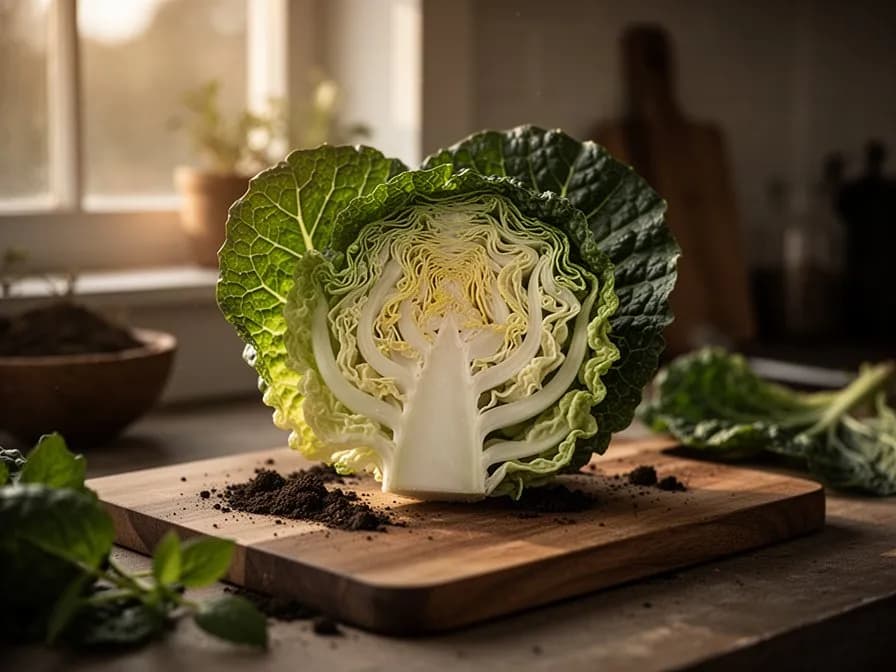
Mini Savoy Cabbage Rolls
45 minThe pliable, crinkled leaves of savoy cabbage are the ideal wrapper for stuffed cabbage rolls — they bend without cracking and hold their shape through braising. Filled with seasoned rice, herbs, and mushrooms, then slow-braised in a tomato-paprika sauce until meltingly tender.
8 ingredientesQuick Savoy and Apple Slaw
10 minA crisp, refreshing raw slaw that highlights mini savoy's tender texture and mild sweetness. Thinly shredded savoy is tossed with tart apple, toasted walnuts, and a light cider vinaigrette — the crinkled leaves catch and hold the dressing in every bite.
8 ingredientesUsos culinarios
El repollo savoy mini es perfecto para porciones individuales: cortado en cuartos y asado al horno con aceite y hierbas, como envoltorio de rollitos de carne, en sopas y estofados donde las hojas mantienen su textura. También se disfruta crudo rallado en ensaladas de cole slaw.
Qué contiene
Beneficios para la salud
- Rich in glucosinolates — sulfur compounds that break down into isothiocyanates during digestion, which have been extensively studied for their potential to support the body's natural detoxification processes and cellular health.
- Excellent source of vitamin C at 34% of the daily value per 100g, supporting immune function, collagen production, and enhanced iron absorption from plant foods when eaten together.
- Provides substantial vitamin K (68% DV per 100g), essential for proper blood coagulation and calcium regulation in bones — particularly beneficial for bone density maintenance in older adults.
- Contains significant amounts of folate (B9), crucial for proper cell division, DNA synthesis, and especially important during pregnancy for preventing neural tube defects.
- The high fibre content (3.1g per 100g) supports digestive regularity, feeds beneficial gut bacteria, and may help regulate cholesterol absorption in the intestines.
- Anti-inflammatory compounds including kaempferol and other flavonoid antioxidants are present in higher concentrations in savoy varieties than in smooth-leaved cabbages, potentially supporting cardiovascular health and reducing chronic inflammation.
De dónde viene Repollo Savoy Miniatura
Savoy cabbage (Brassica oleracea var. sabauda) traces its lineage to the wild cabbage plants of the Mediterranean coast, but the crinkle-leaved mutation that defines the savoy type was first selected and stabilized by gardeners in the Duchy of Savoy during the late medieval period, around the 14th to 15th century. The region, nestled between the Alps of modern France and Italy, had a climate that naturally favoured cold-hardy brassicas, and savoy cabbage proved remarkably resilient to the harsh mountain winters. From Savoy, the crinkled cabbage spread north through France and into Germany, the Netherlands, and the British Isles during the 16th and 17th centuries, where it was valued both for its superior cold tolerance and its sweeter, more delicate flavour compared to smooth-headed cabbages.
The miniature savoy cabbage is a much more recent innovation. Beginning in the 1990s, breeders in the Netherlands and Japan began developing compact savoy varieties specifically sized for modern needs — smaller households, container gardens, and restaurant kitchens. These mini varieties mature in 65-80 days rather than the 90-120 days typical of full-size savoy, and produce dense, softball-sized heads weighing 300-500 grams. Varieties like Famosa, Deadon, and Savoy King were bred to maintain the full flavour complexity and crinkled texture of traditional savoy while fitting neatly into intensive raised-bed gardens and even large containers.
Today, mini savoy cabbages are increasingly popular in farmers markets and specialty grocery stores across Europe, North America, and East Asia. They have become a favourite of allotment gardeners and urban growers who appreciate the combination of compact size, ornamental beauty, and exceptional eating quality. The trend toward smaller, single-serving vegetables in both home gardens and professional kitchens ensures that mini savoy cabbage will continue to grow in popularity as gardening spaces shrink and the demand for fresh, locally grown produce increases.
Repollo Savoy Miniatura: ¿sabías que?
Datos fascinantes sobre Repollo Savoy Miniatura
Savoy cabbage gets its name from the Duchy of Savoy, a historical region straddling present-day southeastern France and northwestern Italy, where this crinkle-leaved cabbage type was first developed and popularized in the late Middle Ages.
Repollo Savoy Miniatura: preguntas frecuentes
¿Cuándo debo plantar Repollo Savoy Miniatura?
¿Cuáles son buenas plantas acompañantes para Repollo Savoy Miniatura?
¿En qué zonas de rusticidad puede crecer Repollo Savoy Miniatura?
¿Cuánto sol necesita Repollo Savoy Miniatura?
¿A qué distancia debo espaciar Repollo Savoy Miniatura?
¿Qué plagas y enfermedades afectan a Repollo Savoy Miniatura?
¿Cómo almaceno Repollo Savoy Miniatura después de la cosecha?
¿Cuáles son las mejores variedades de Repollo Savoy Miniatura para cultivar?
¿Qué suelo necesita Repollo Savoy Miniatura?
How small are mini savoy cabbages compared to regular savoy?
Can I grow mini savoy cabbage in containers?
Why is my mini savoy cabbage not forming a head?
Is savoy cabbage more nutritious than regular green cabbage?
How long can I store harvested mini savoy cabbage?
Can I grow mini savoy cabbage over winter?
Acabas de leer la teoría. Ahora cultívala en piloto automático.
Todo lo que hace que Repollo Savoy Miniatura sea delicado — el momento, el espaciado, las asociaciones, la ventana de cosecha — es justo lo que PlotMyGarden resuelve por ti, para cada planta de tu huerto.
Un plan que conoce tu clima
Indica tu ubicación una vez. Recibe fechas de siembra, abonado y cosecha basadas en tu última helada real y el pronóstico en vivo — sin adivinar con un sobre genérico.
De la sección “Cuándo plantar”Planificador de bancales de arrastrar y soltar
Diseña bancales sobre una cuadrícula. Cada planta encaja con su espaciado correcto y ves toda la temporada antes de gastar un céntimo en semillas.
De la sección “Cultivo”Conflictos de asociación, detectados a tiempo
Más de 200 buenas y malas combinaciones comprobadas en vivo mientras plantas — para que un error que arruine la temporada nunca llegue a la tierra.
De la sección “Asociaciones”Recordatorios que sí vas a seguir
“Riega las judías.” “Recoge hoy antes de que se pase.” Oportunos, concretos y ligados a las plantas que de verdad cultivas.
De la sección “Cosecha”Escalonado, programado
¿Quieres cosechar seis semanas en vez de seis días? Reparte tus siembras automáticamente y te avisa cuando toca el siguiente lote.
De la sección “Cuándo plantar”Un registro que se vuelve más listo
Cada cosecha que registras le enseña tu huerto. El plan del año que viene parte de lo que de verdad funcionó en tu suelo, no en un manual.
De la sección “Resumen”Planta estos junto a Repollo Savoy Miniatura
Más Crucíferas
Mantén Repollo Savoy Miniatura lejos de estos

Cultiva tu mejor Repollo Savoy Miniatura — y todo lo que la rodea.
Empieza un plan gratis hoy. Diseña tus bancales, coloca tu Repollo Savoy Miniatura y deja que PlotMyGarden gestione el momento, el espaciado, las asociaciones y los recordatorios de la semilla a la cesta.