Frijol Adzuki
El frijol adzuki (Vigna angularis) es una leguminosa originaria de Asia Oriental que produce pequeños granos de color rojo oscuro, ampliamente utilizados tanto en postres dulces como en platos salados.





En esta páginaResumen
Conoce Frijol Adzuki
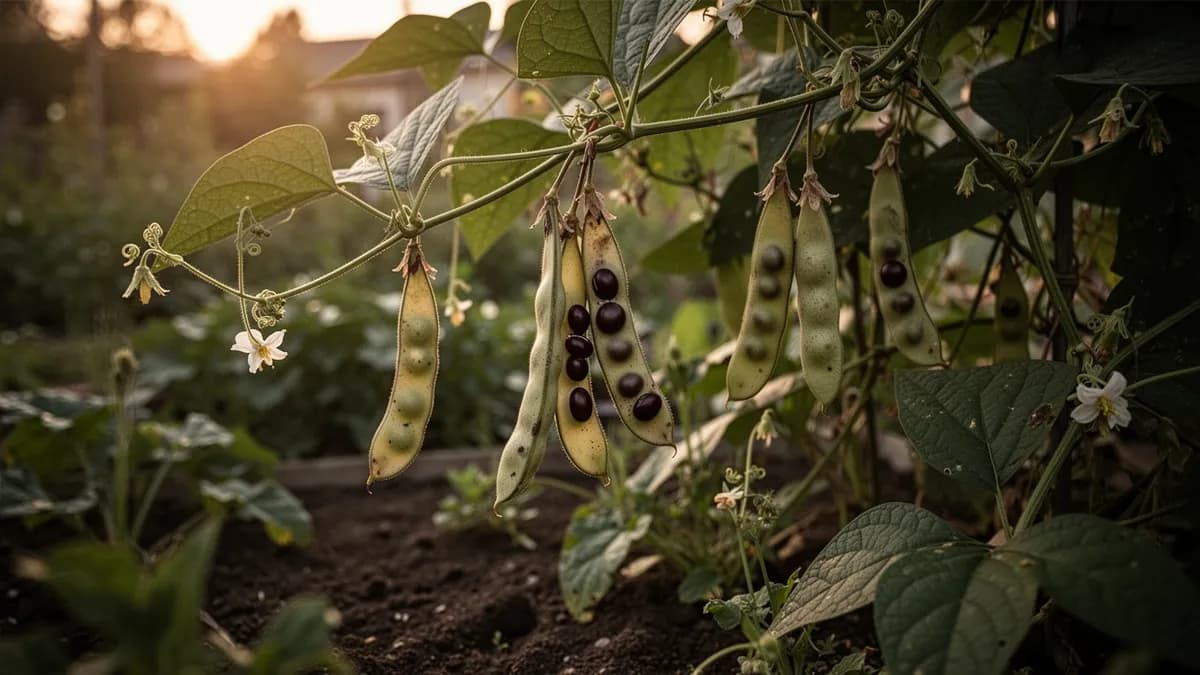
El frijol adzuki (Vigna angularis) es una leguminosa originaria de Asia Oriental que produce pequeños granos de color rojo oscuro, ampliamente utilizados tanto en postres dulces como en platos salados. Es una planta arbustiva compacta de 30-60 cm de altura que fija nitrógeno atmosférico en el suelo, mejorando la fertilidad para cultivos posteriores.
Cuándo plantar Frijol Adzuki
Sembrar directamente en el terreno después de la última helada, cuando la temperatura del suelo alcance al menos 15 °C. Colocar las semillas a 3-5 cm de profundidad, sin remojar previamente para evitar que se agrieten. La germinación ocurre en 7-14 días dependiendo de la temperatura del suelo, siendo óptima entre 20 y 25 °C.
Tu año de Frijol Adzuki
Ajustado a Zona 7 · temporada típica · la helada se va hacia el 2 abr y vuelve hacia el 1 nov
Planta Frijol Adzuki May – Jun y cosecha Sep – Oct. Consulta los métodos de plantación y elige tu clima para adaptar los periodos.
Cómo cultivar Frijol Adzuki
El frijol adzuki requiere temperaturas cálidas para germinar y crecer adecuadamente, por lo que se debe sembrar directamente en el terreno una vez que haya pasado todo riesgo de helada y la temperatura del suelo supere los 15 °C. Siembre las semillas a una profundidad de 3-5 cm, separadas 10-15 cm entre sí, en hileras distanciadas 45-60 cm. Elija una ubicación a pleno sol con al menos 6-8 horas de luz directa diaria.
Durante el crecimiento, mantenga el suelo uniformemente húmedo pero nunca encharcado, ya que el exceso de agua provoca pudrición radicular. Reduzca el riego cuando las vainas comiencen a madurar para facilitar el secado natural en la planta. No es necesario aplicar fertilizante nitrogenado, ya que las bacterias Rhizobium asociadas a las raíces fijan el nitrógeno del aire de forma natural.
La planta alcanza su madurez entre 90 y 120 días después de la siembra. Es importante controlar las malas hierbas durante las primeras semanas mediante acolchado orgánico o escarda manual, ya que las plántulas jóvenes son sensibles a la competencia. En climas con veranos cortos, se recomienda elegir variedades de ciclo más temprano para asegurar la cosecha antes de las heladas otoñales.
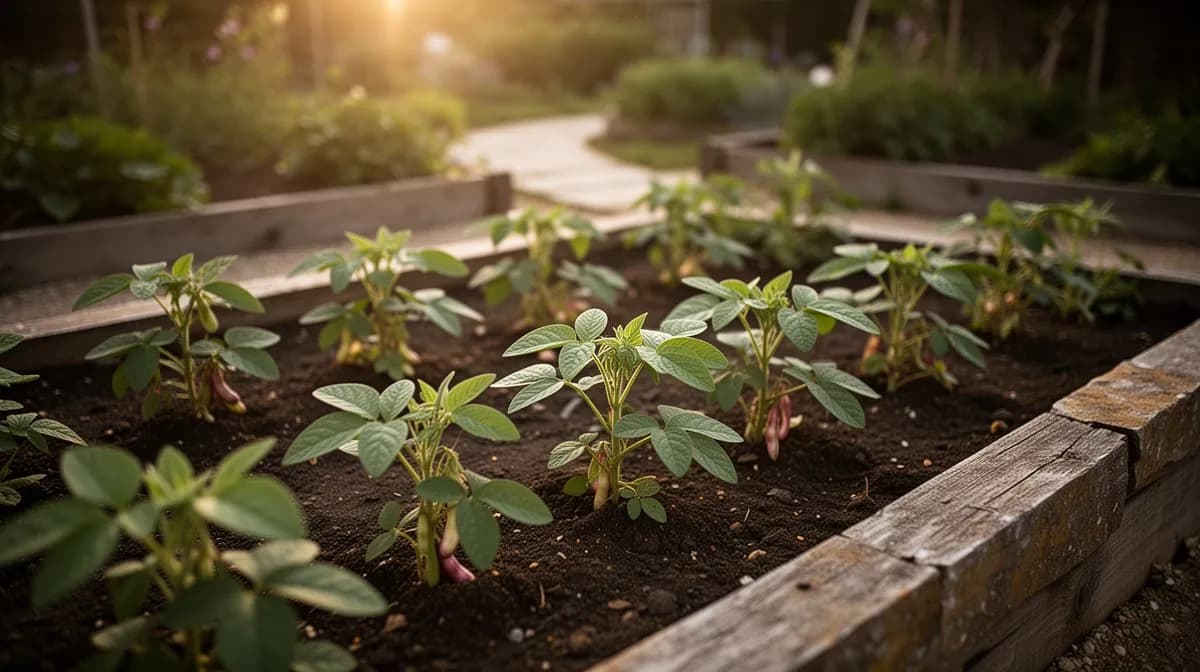
128 plantas caben en un bancal de 120 × 240 cm
Cada Frijol Adzuki pide 15 cm de margen. El planificador guarda ese marco por ti — cada planta, cada bancal.
Los mejores vecinos de Frijol Adzuki
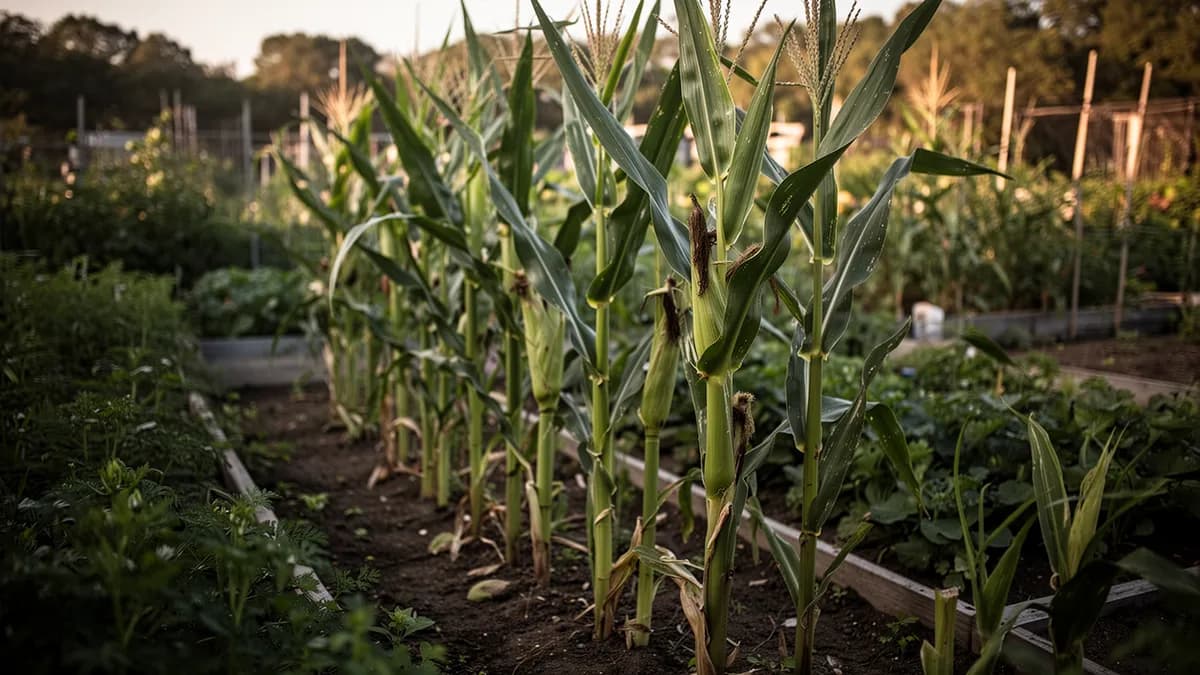
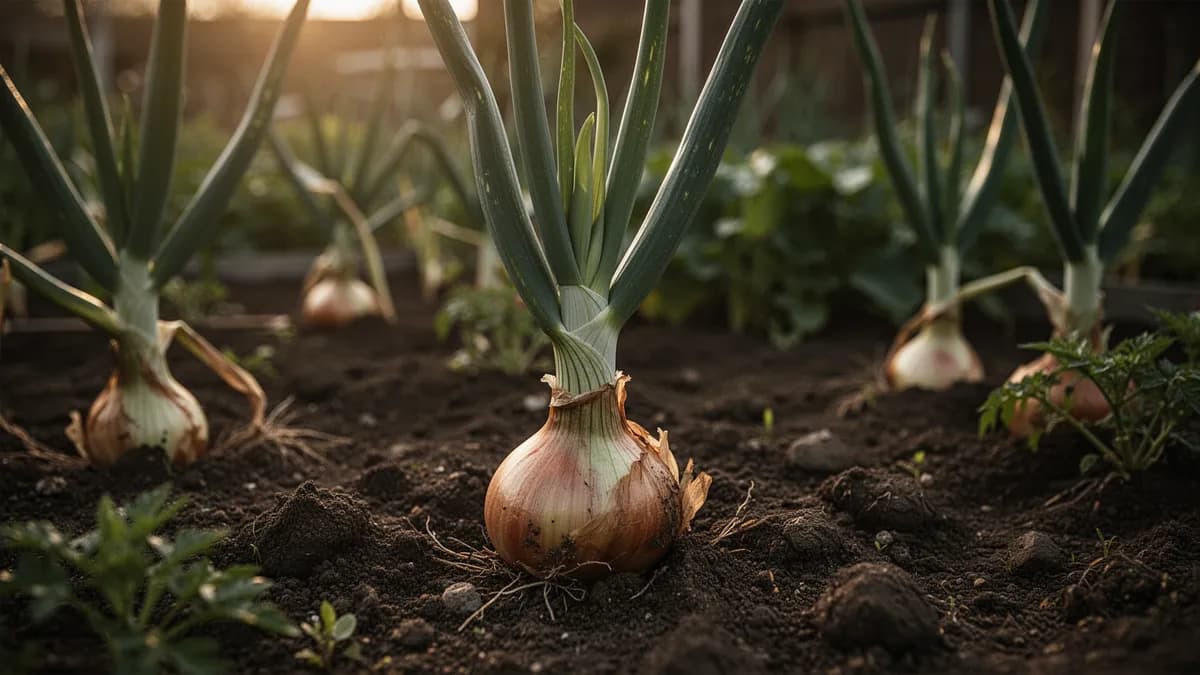
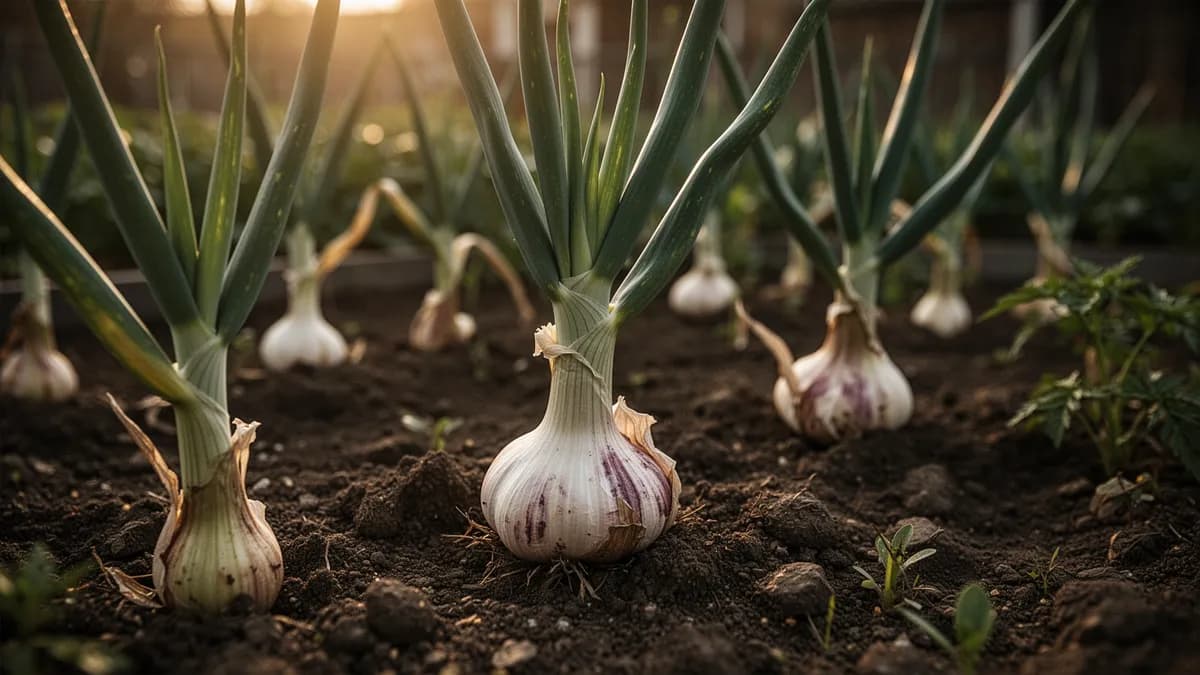
Se asocian bien con el maíz, la calabaza y las zanahorias, formando la clásica combinación de las 'tres hermanas' mesoamericanas. Evitar plantar cerca de ajos, cebollas y otras alliums, que pueden inhibir el crecimiento de las leguminosas y dificultar la fijación de nitrógeno.
Maíz va a su lado. Cebolla no.
Saber de huerto de siempre, cotejado con la tabla real de Frijol Adzuki — prueba cualquier planta que cultives.
Prueba Frijol Adzuki en un bancal, aquí mismo
Un bancal real del planificador con Frijol Adzuki ya plantado. Toca una planta compañera para colocarla y mira cómo responde la comprobación de vecinos: verde para buenos vecinos, rojo si hay conflicto.


Guías de cultivo relacionadas
Abónalo bien
Prospera en suelos bien drenados con pH entre 6,0 y 7,0, ricos en materia orgánica. Al ser una leguminosa fijadora de nitrógeno, no requiere fertilización nitrogenada adicional, pero se beneficia de la incorporación de fósforo y potasio al momento de la siembra. Inocular las semillas con Rhizobium específico para Vigna mejora significativamente la fijación de nitrógeno.
Temperatura ideal
Compatibilidad de zonas de rusticidad
De la semilla a la cosecha, etapa por etapa
Germinación de la semilla
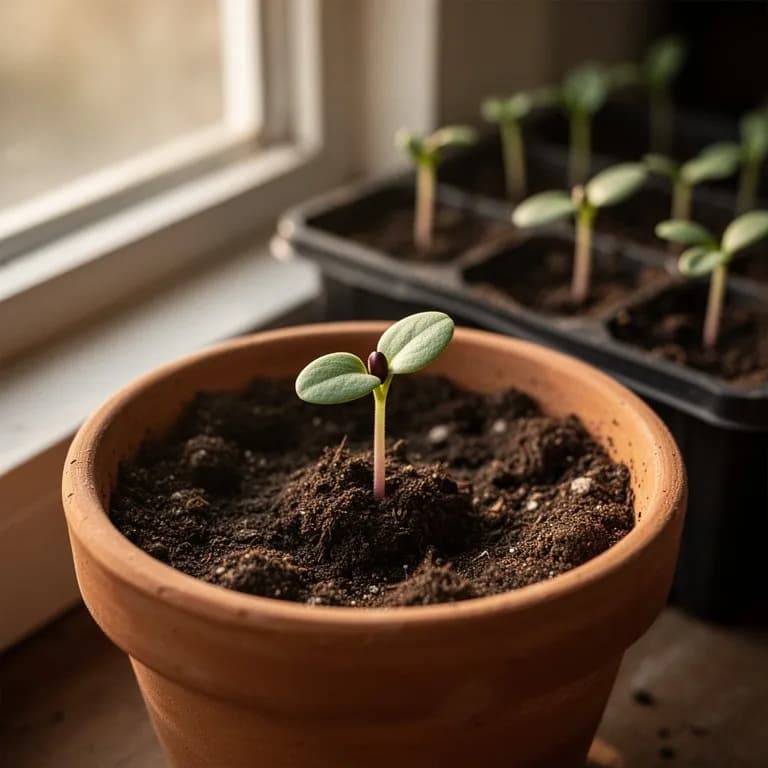
Las semillas se hinchan rápidamente después de sembrarlas en suelo cálido y producen una radícula blanca en 3-4 días. El arco del hipocótilo atraviesa la superficie y levanta los dos grandes cotiledones ovalados hacia la luz. La germinación requiere temperaturas del suelo constantes de al menos 15°C y dura 7-10 días.
Desarrollo de plántula
Se despliega el primer par de hojas simples en forma de corazón, seguido rápidamente por las hojas compuestas trifoliadas características de todas las judías. El tallo se engrosa y comienzan a formarse ramas laterales en la base, creando el porte arbustivo. Con bacterias Rhizobium nativas empiezan a formarse los nódulos fijadores de nitrógeno.
Crecimiento vegetativo
Las plantas forman matas compactas y arbustivas de 40-60 cm de altura, con follaje trifoliado denso. El sistema radicular se expande y los nódulos fijadores de nitrógeno se vuelven plenamente activos, visibles como pequeños bultos rosados o blancos en las raíces. Una fuerte ramificación lateral crea múltiples sitios de floración para una gran producción de vainas.
Floración
Racimos de pequeñas flores amarillas y brillantes, con forma de mariposa, aparecen en las axilas de las hojas a lo largo de tallos y ramas. Las judías adzuki son principalmente autopolinizantes, aunque las abejas y otros polinizadores pueden visitar las flores. La floración ocurre en tandas durante 2-3 semanas, y cada flor dura 1-2 días antes de formar una vaina.
Desarrollo de vainas
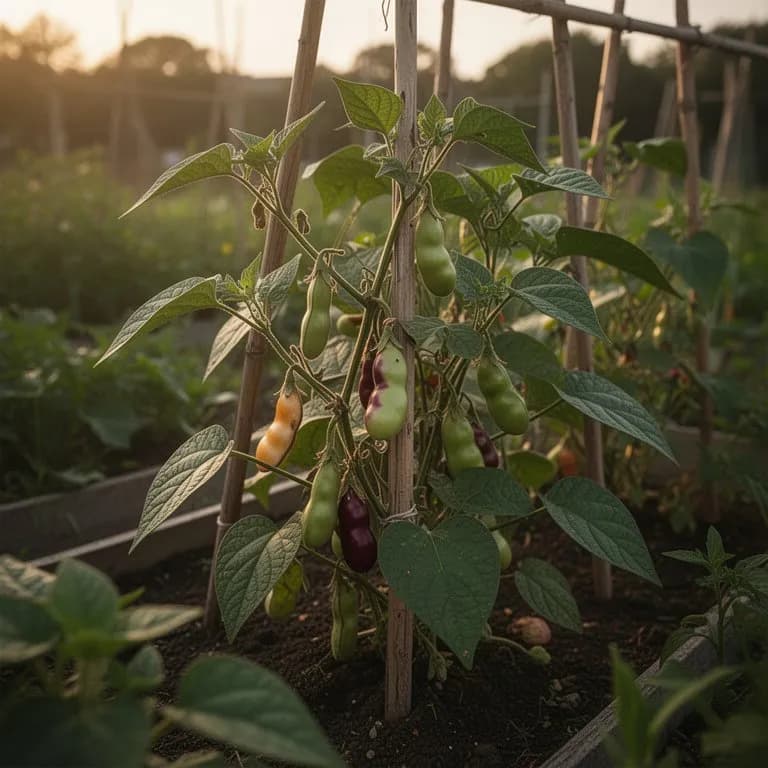
Vainas verdes y delgadas de 5-12 cm se desarrollan en racimos densos, cada una con 4-12 semillas en formación. Las vainas cuelgan hacia abajo y se hinchan gradualmente a medida que las semillas se llenan. Las judías pasan del verde a su color final rojo oscuro dentro de las vainas en maduración.
Cosecha y secado
Las vainas pasan de verde a amarillo, luego a tostado y papiráceo, mientras las judías del interior se endurecen y alcanzan su color final rojo burdeos intenso. Las hojas amarillean y empiezan a caer mientras la planta redirige toda su energía a la maduración de las semillas. Cuando las vainas suenan al agitarlas, las judías están completamente secas y listas para cosechar.
Siembra las semillas a 2-3 cm de profundidad en un suelo cálido y bien drenado. A diferencia de muchas judías, las semillas de adzuki no necesitan remojo previo: su cubierta fina absorbe la humedad con rapidez. Mantén el suelo uniformemente húmedo, pero nunca encharcado, durante la germinación.
Cuidar Frijol Adzuki mes a mes
Qué hacer cada mes para tu Frijol Adzuki
Octubre
Mes actualPrimary harvest month for most zones. Cut entire plants at the base when 80-90% of pods are dry and rattling. Hang in a dry, well-ventilated space to finish drying for 1-2 weeks. Shell beans by hand or thresh in a pillowcase. Remove plant debris from the garden.
Ten claro qué hacer en tu huerto, cada mes
Un correo al empezar cada mes: qué sembrar, plantar y hacer ahora mismo — para tu Frijol Adzuki y todo lo que crece alrededor. Más un breve curso inicial para esquivar los errores clásicos.
- Qué hacer ahora mismo
- Ajustado a tu temporada
- Curso inicial incluido
Cosechar Frijol Adzuki
Los frijoles adzuki se cosechan cuando las vainas están completamente secas y de color marrón, generalmente entre 90 y 120 días después de la siembra. Arranque las plantas enteras cuando el 80% de las vainas estén secas y cuélguelas boca abajo en un lugar ventilado para completar el secado. Una vez secas, desgrane las vainas manualmente o golpeándolas dentro de una bolsa de tela.
se supone que plantas al comenzar el periodo — indica tu fecha real
Cosecha cuando las vainas estén completamente secas, marrones y papiráceas, y las semillas suenen al agitarlas.
Almacenamiento y conservación
Los granos secos se conservan durante varios años si se almacenan en recipientes herméticos en un lugar fresco, seco y oscuro. Para prevenir gorgojos, se recomienda congelar los frijoles recién cosechados durante 48 horas antes de almacenarlos a largo plazo. También se pueden enlatar cocidos en conserva o triturar para elaborar pasta de frijol dulce (anko) que se congela perfectamente durante 6 meses.
Qué falla — y cómo solucionarlo
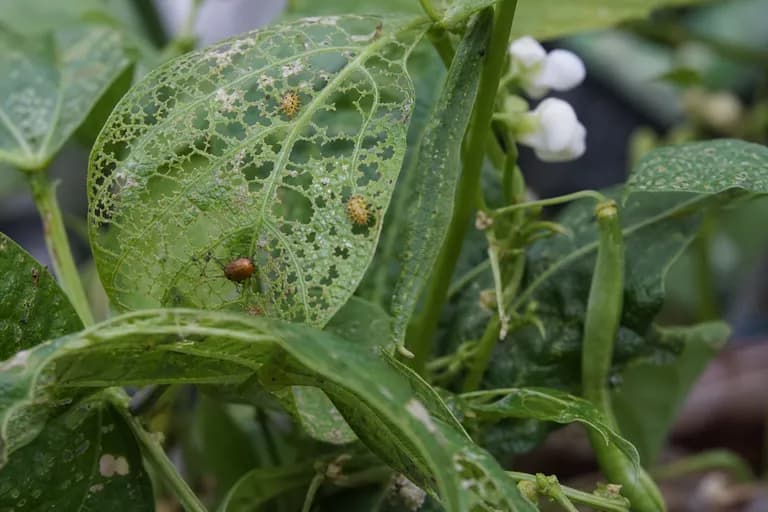
Escarabajo mexicano del frijol (Epilachna varivestis)
PlagaAgujeros irregulares en las hojas que dejan solo las nervaduras, presencia de larvas amarillas espinosas en el envés de las hojas y adultos de color cobrizo con manchas negras.
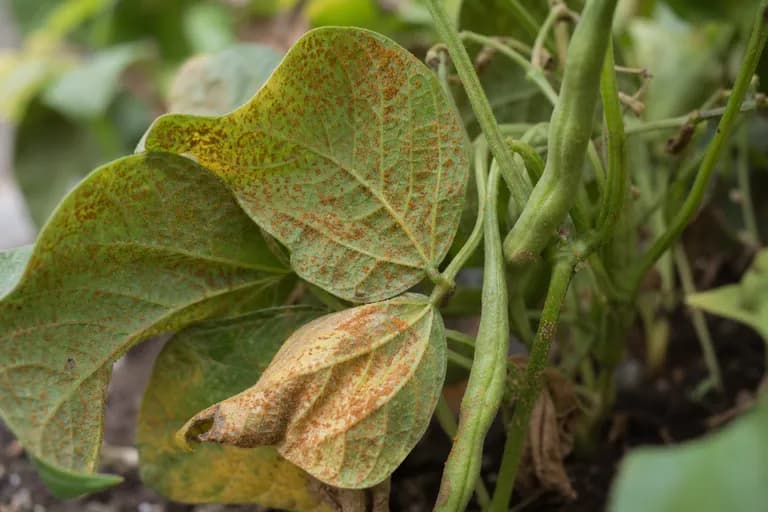
Antracnosis (Colletotrichum lindemuthianum)
EnfermedadManchas hundidas de color marrón oscuro a negro en vainas, tallos y hojas, con bordes rojizos y centros que pueden mostrar esporas rosadas en condiciones húmedas.
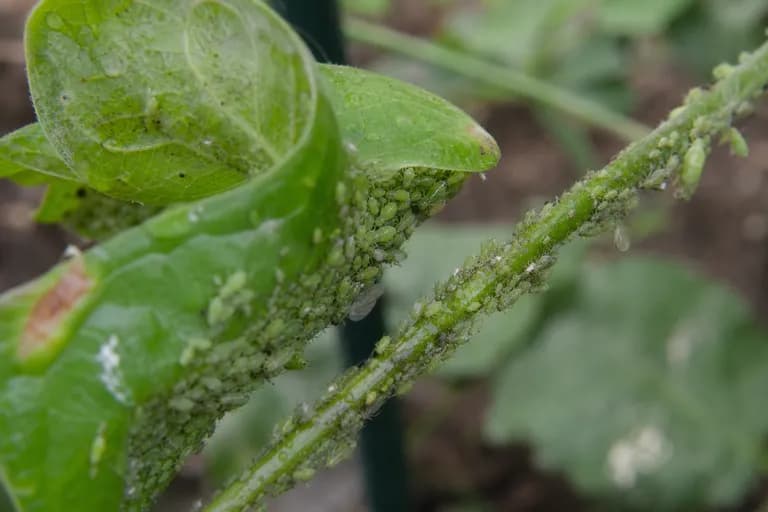
Pulgón negro del frijol (Aphis fabae)
PlagaColonias densas de insectos negros en brotes tiernos y envés de hojas jóvenes, deformación de hojas nuevas, presencia de melaza pegajosa y posible desarrollo de fumagina.
Solución de problemas comunes
La pudrición de raíz por Fusarium y Rhizoctonia es el problema más frecuente, especialmente en suelos pesados o mal drenados con riego excesivo. En climas húmedos, las vainas pueden desarrollar moho si la cosecha se retrasa demasiado. Las plantas jóvenes son sensibles al daño por heladas tardías y a la competencia con malas hierbas.
Consejos de cultivo
- Choose short-season varieties if you garden in zones 3-6. Express and Erimo mature in 90-100 days, while traditional Japanese varieties may need 120-130 days. Count backward from your first expected fall frost to determine your latest safe planting date.
- Inoculate seeds with cowpea-type Bradyrhizobium inoculant before planting, especially if adzuki beans or cowpeas have never been grown in that soil. This ensures the nitrogen-fixing root nodules form properly and the plants can feed themselves without added nitrogen fertilizer.
- Do not over-fertilize with nitrogen. As legumes, adzuki beans fix atmospheric nitrogen through their root nodule bacteria. Excess nitrogen fertilizer produces lush foliage but delays flowering and reduces pod set. A light application of phosphorus and potassium at planting is all that is needed.
- Plant in full sun with excellent drainage. Adzuki beans are more sensitive to waterlogged conditions than many other beans. Raised beds are ideal in areas with heavy clay soil or high rainfall. Good air circulation between plants helps prevent fungal diseases.
- Space plants 15-20 cm apart in rows 45-60 cm apart. Adzuki beans have a compact bush habit (40-60 cm tall) and do not require trellising, but adequate spacing is essential for air circulation and access during harvest.
- Water consistently during flowering and pod development — this is the critical period when moisture stress causes the greatest yield losses. Once pods begin to dry and turn brown, reduce watering to encourage even pod maturation and prevent mold.
- Harvest timing is crucial for quality. Wait until 80-90% of pods are dry and tan-colored before cutting plants. Harvesting too early results in immature beans that shrivel; harvesting too late risks pods shattering and dropping beans on the ground.
- After harvest, turn the spent plants into the soil rather than pulling them out. The roots contain nitrogen-rich nodules that break down and release nitrogen for the next crop — a free and natural soil amendment that benefits whatever you plant next in that bed.
Cultiva tu mejor Frijol Adzuki — y todo lo que la rodea.
Empieza un plan gratis hoy. Diseña tus bancales, coloca tu Frijol Adzuki y deja que PlotMyGarden gestione el momento, el espaciado, las asociaciones y los recordatorios de la semilla a la cesta.
Elige tu Frijol Adzuki
Express
Variedad de maduración temprana que produce granos rojos oscuros en 90 días. Ideal para climas con temporadas de crecimiento más cortas y de porte compacto.
Erimo
Variedad japonesa de alto rendimiento con granos uniformes de excelente calidad culinaria. Madura en 100-110 días y es la preferida para la elaboración de pasta anko.
Takara
Variedad vigorosa con buena resistencia a enfermedades foliares. Produce granos grandes de color rojo intenso en 105-115 días, ideales para sopas y guisos.
Minoka
Cultivar compacto de maduración precoz (85-95 días) con buen comportamiento en climas templados. Granos pequeños de sabor dulce y textura suave al cocinar.
Dried adzuki beans sell for $4-8 per pound at grocery stores and $8-14 per pound for premium organic or Japanese-origin beans. A packet of seeds costing $3-5 can produce 15-20 plants yielding 1-2 kg of dried beans, worth $8-25 at retail prices. The savings are even more dramatic for specialty products — a small jar of prepared anko (red bean paste) costs $6-12, yet a single batch made from home-grown beans costs virtually nothing. Growing your own also guarantees freshness, which dramatically improves cooking quality and flavor compared to beans that may have sat in storage for years.
Recetas rápidas
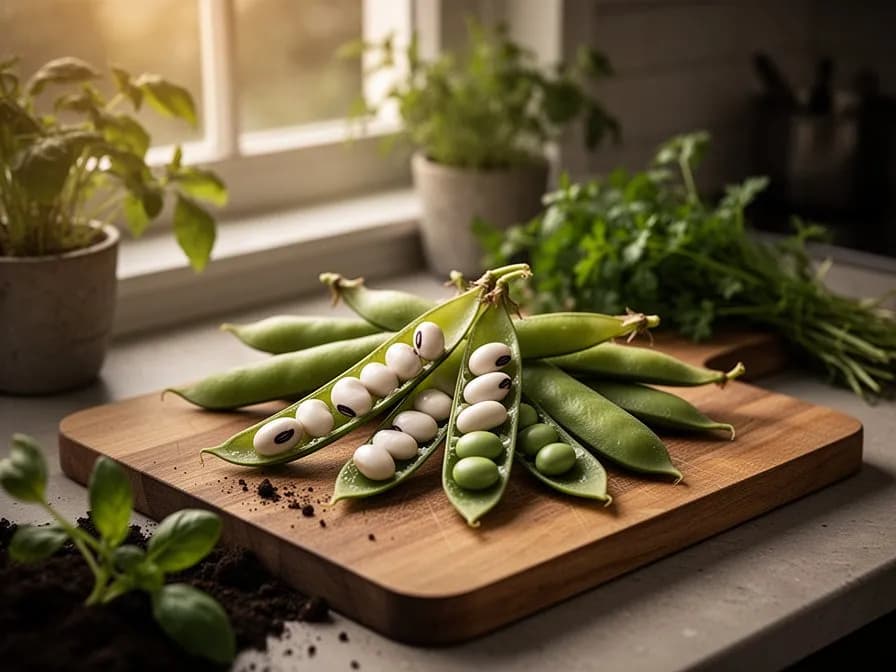
Classic Anko (Sweet Red Bean Paste)
90 minThe essential Japanese confection base — tender adzuki beans simmered until soft, then mashed with sugar into a rich, velvety paste. This versatile filling is used in mochi, dorayaki, taiyaki, and dozens of other traditional sweets across East Asia.
4 ingredientes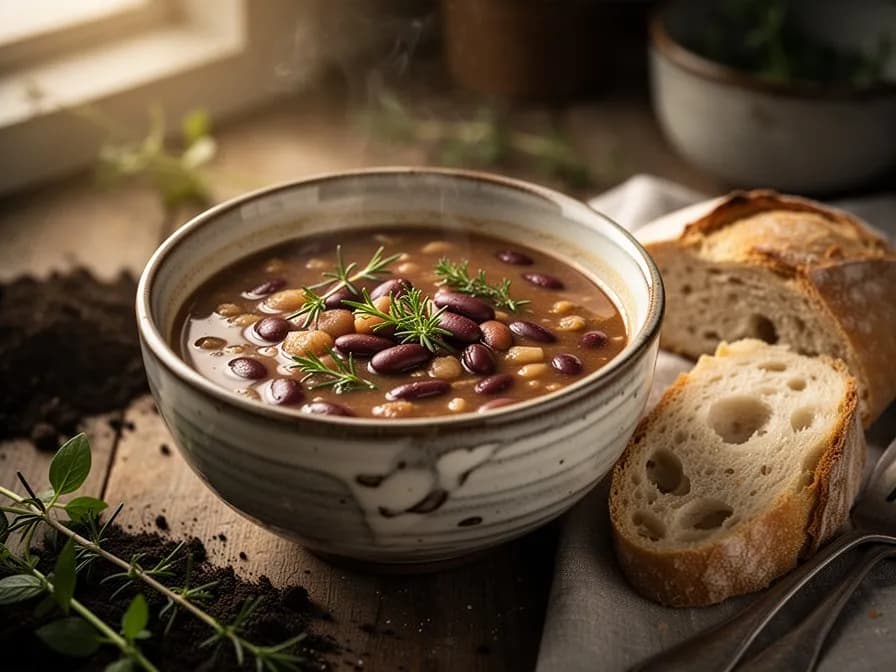
Chinese Sweet Red Bean Soup (Hong Dou Tang)
75 minA beloved Chinese dessert soup served warm in winter or chilled over crushed ice in summer. Slow-simmered adzuki beans break down into a comforting, lightly sweet soup with a beautiful deep red color and creamy texture.
6 ingredientesAdzuki Bean and Brown Rice Bowl
50 minA hearty, protein-rich grain bowl combining earthy adzuki beans with nutty brown rice, roasted vegetables, and a savory miso-ginger dressing. A wholesome everyday meal that showcases adzuki beans in a savory preparation.
9 ingredientesUsos culinarios
El uso más emblemático es la elaboración de pasta de frijol dulce (anko), ingrediente esencial en la repostería japonesa para rellenos de mochi, dorayaki y taiyaki. También se emplean en sopas, guisos, ensaladas y arroces mixtos en toda Asia Oriental. Germinados, aportan una textura crujiente y sabor dulce a ensaladas y salteados.
Qué contiene
Beneficios para la salud
- Exceptionally high in folate (B9) with 622mcg per 100g — over 150% of the daily value — making adzuki beans one of the best food sources of this vitamin critical for cell division, DNA synthesis, and preventing neural tube defects during pregnancy.
- Rich plant-based protein source providing nearly 20g per 100g of dried beans, containing all essential amino acids except methionine — pair with rice or grains for a complete protein that rivals animal sources.
- Outstanding potassium content (1254mg per 100g, 36% DV) supports healthy blood pressure, proper muscle function, and cardiovascular health — particularly beneficial for those on low-sodium diets.
- High soluble fiber content helps regulate blood sugar by slowing glucose absorption after meals, giving adzuki beans a relatively low glycemic index despite their carbohydrate content — beneficial for diabetes management.
- Contains proanthocyanidins and other polyphenol antioxidants concentrated in the deep red seed coat, which research suggests may help reduce oxidative stress, support liver health, and lower inflammation markers.
- Excellent source of iron (4.98mg per 100g, 28% DV) and zinc (5mg, 45% DV), two minerals commonly deficient in plant-based diets — regular consumption helps prevent anemia and supports immune function.
De dónde viene Frijol Adzuki
The adzuki bean (Vigna angularis) originated in East Asia, most likely in the region spanning modern-day China, Korea, and Japan. Archaeological evidence places its domestication at approximately 3000 BCE, with some of the oldest carbonized remains found in the Jomon-period sites of Japan and Neolithic sites in northern China. Wild adzuki beans (Vigna angularis var. nipponensis) still grow across a wide range from the Himalayas to Japan, providing clues to the crop's ancestral origins and the genetic diversity available to early cultivators.
The adzuki bean became one of the foundational crops of East Asian agriculture, spreading alongside rice cultivation throughout China, Korea, Japan, and eventually into Southeast Asia. In Japan, adzuki beans achieved a cultural status rivaled only by soybeans and rice — they became deeply woven into religious ceremonies, seasonal festivals, and the art of wagashi (traditional Japanese confectionery). The development of anko (sweet red bean paste) during the Edo period (1603-1868) transformed the humble adzuki into the cornerstone of Japanese dessert culture, a position it holds to this day.
In China, adzuki beans followed a parallel path of cultural integration, becoming essential ingredients in sweet soups, mooncakes, zongzi (rice dumplings), and traditional medicine. The beans spread along the Silk Road and maritime trade routes to Southeast Asia, where they were adopted into local cuisines from Vietnam to the Philippines. European traders encountered adzuki beans in the 1800s, and the crop reached the Americas in the early 20th century, though it remained a niche specialty until the natural foods movement of the 1960s and 1970s introduced it to Western health-conscious consumers.
Today, China is the world's largest adzuki bean producer, followed by Japan, South Korea, and Taiwan. Japan's Hokkaido region is famed for producing the highest-quality adzuki beans, prized for their large size, uniform color, and superior flavor in confections. Interest in adzuki beans continues to grow worldwide as their exceptional nutritional profile, nitrogen-fixing ability, and culinary versatility gain recognition among gardeners and chefs far beyond their East Asian homeland.
Frijol Adzuki: ¿sabías que?
Datos fascinantes sobre Frijol Adzuki
Adzuki beans have been cultivated in East Asia for over 5,000 years, with carbonized seeds found in ancient archaeological sites across Japan and China dating to 3000 BCE — making them one of the oldest domesticated bean crops in the world.
Frijol Adzuki: preguntas frecuentes
¿Cuándo debo plantar Frijol Adzuki?
¿Cuáles son buenas plantas acompañantes para Frijol Adzuki?
¿En qué zonas de rusticidad puede crecer Frijol Adzuki?
¿Cuánto sol necesita Frijol Adzuki?
¿A qué distancia debo espaciar Frijol Adzuki?
¿Qué plagas y enfermedades afectan a Frijol Adzuki?
¿Cómo almaceno Frijol Adzuki después de la cosecha?
¿Cuáles son las mejores variedades de Frijol Adzuki para cultivar?
¿Qué suelo necesita Frijol Adzuki?
Do adzuki beans need to be soaked before cooking?
Can I grow adzuki beans in a short growing season?
What is anko and how do I make it from homegrown adzuki beans?
Are adzuki beans the same as red kidney beans?
Why are my adzuki bean plants flowering but not setting pods?
How long do harvested adzuki beans keep in storage?
Acabas de leer la teoría. Ahora cultívala en piloto automático.
Todo lo que hace que Frijol Adzuki sea delicado — el momento, el espaciado, las asociaciones, la ventana de cosecha — es justo lo que PlotMyGarden resuelve por ti, para cada planta de tu huerto.
Un plan que conoce tu clima
Indica tu ubicación una vez. Recibe fechas de siembra, abonado y cosecha basadas en tu última helada real y el pronóstico en vivo — sin adivinar con un sobre genérico.
De la sección “Cuándo plantar”Planificador de bancales de arrastrar y soltar
Diseña bancales sobre una cuadrícula. Cada planta encaja con su espaciado correcto y ves toda la temporada antes de gastar un céntimo en semillas.
De la sección “Cultivo”Conflictos de asociación, detectados a tiempo
Más de 200 buenas y malas combinaciones comprobadas en vivo mientras plantas — para que un error que arruine la temporada nunca llegue a la tierra.
De la sección “Asociaciones”Recordatorios que sí vas a seguir
“Riega las judías.” “Recoge hoy antes de que se pase.” Oportunos, concretos y ligados a las plantas que de verdad cultivas.
De la sección “Cosecha”Escalonado, programado
¿Quieres cosechar seis semanas en vez de seis días? Reparte tus siembras automáticamente y te avisa cuando toca el siguiente lote.
De la sección “Cuándo plantar”Un registro que se vuelve más listo
Cada cosecha que registras le enseña tu huerto. El plan del año que viene parte de lo que de verdad funcionó en tu suelo, no en un manual.
De la sección “Resumen”Planta estos junto a Frijol Adzuki
Más Legumbres
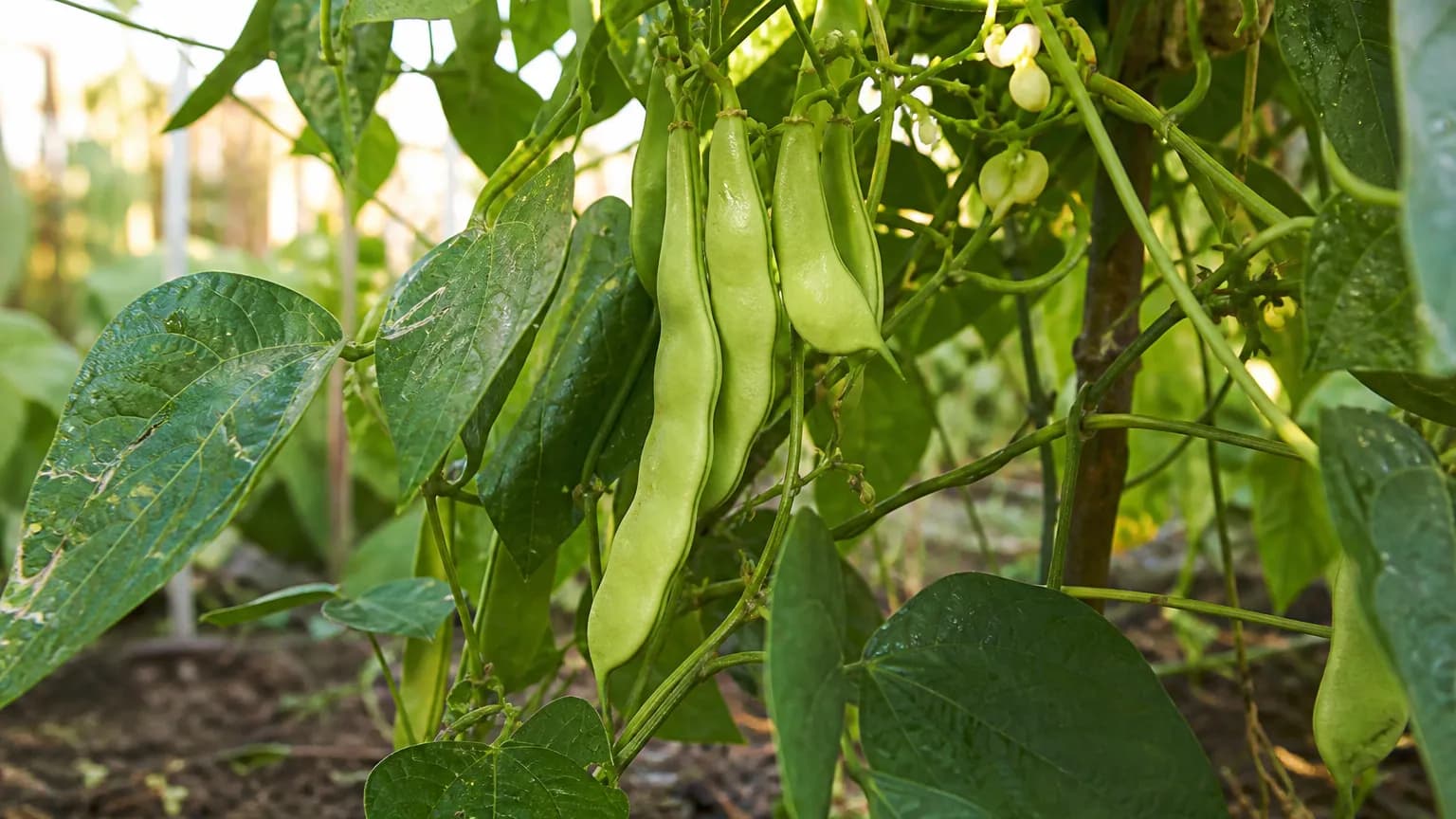
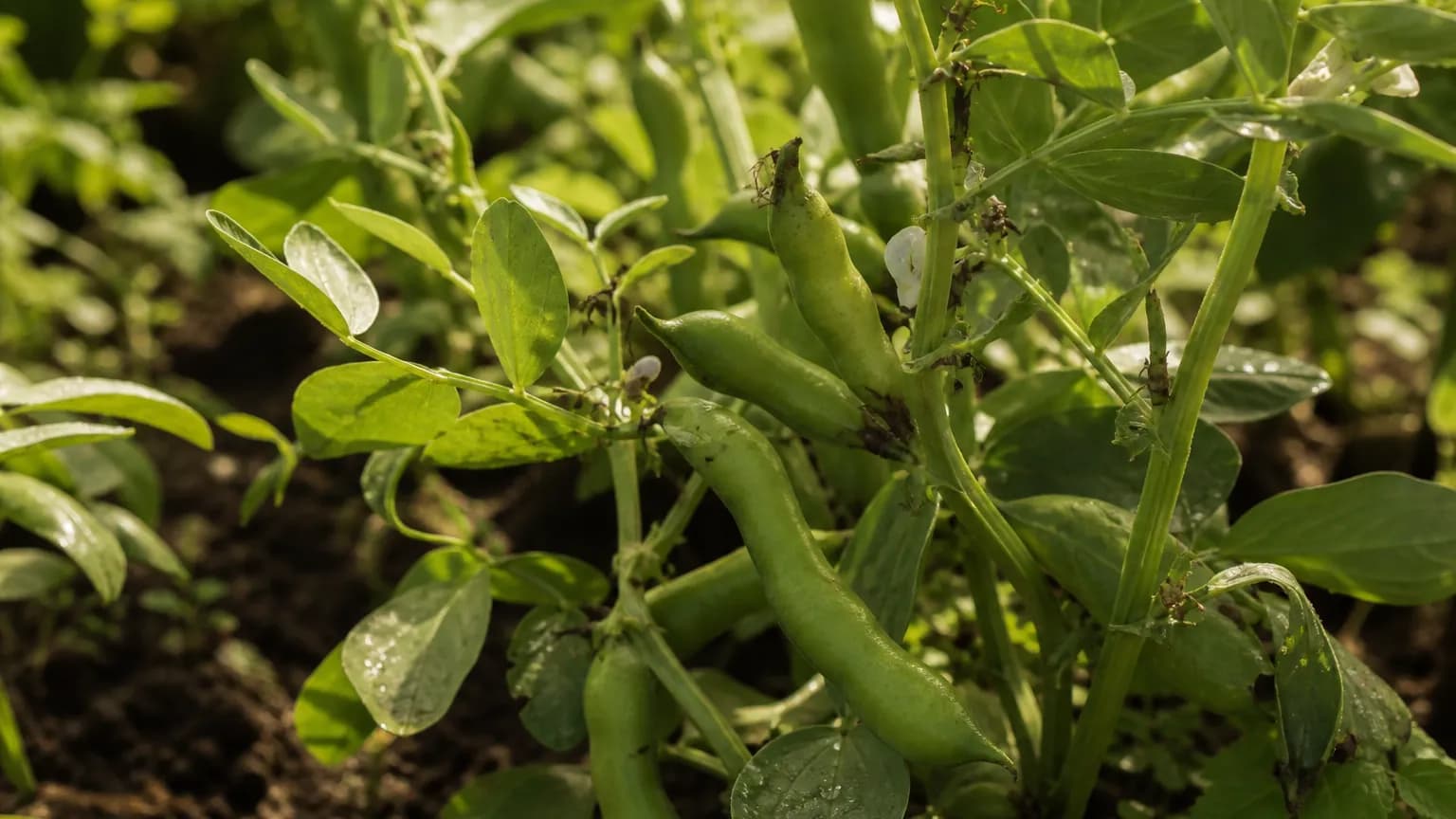
Mantén Frijol Adzuki lejos de estos
Cultiva tu mejor Frijol Adzuki — y todo lo que la rodea.
Empieza un plan gratis hoy. Diseña tus bancales, coloca tu Frijol Adzuki y deja que PlotMyGarden gestione el momento, el espaciado, las asociaciones y los recordatorios de la semilla a la cesta.