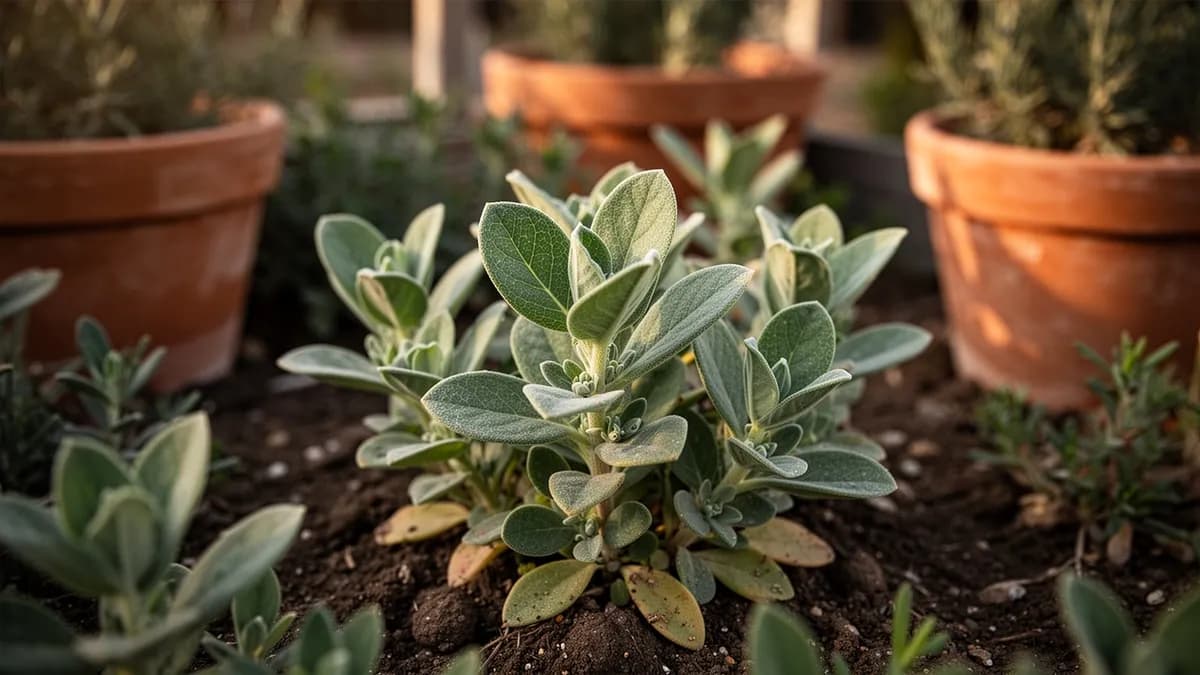
Salt Bush
Atriplex halimus
At a Glance
It's planting season for Salt Bush! Start planning your garden now.
A silvery-leaved Mediterranean shrub whose naturally salty leaves are used as a seasoning and salad green. Salt bush thrives in coastal gardens, alkaline soils, and drought conditions where few other herbs survive. The mineral-rich leaves can replace salt in cooking and add a savory crunch when used fresh in salads.
Planting & Harvest Calendar
Growth Stages
From Seed to Harvest
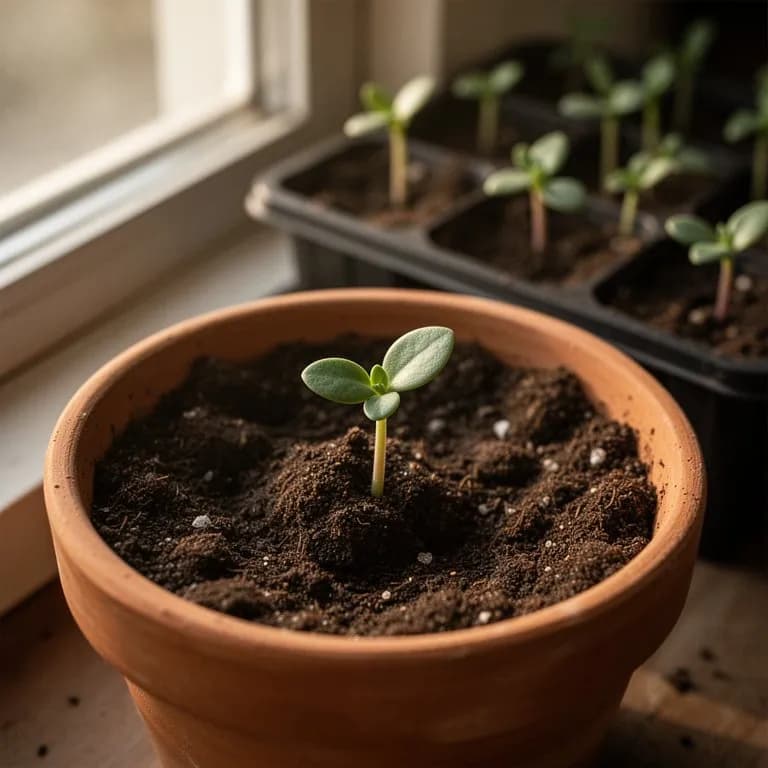
Seed Germination
Days 0–21
Seeds require light to germinate and should be surface-sown on well-drained soil. Germination can be erratic and may take up to three weeks in warm conditions.
💡 Care Tip
Keep soil lightly moist but not waterlogged. A temperature of 18-22°C encourages germination.
Monthly Care Calendar
What to do each month for your Salt Bush
May
You are hereMay: Begin regular light harvesting of young tender leaves. Apply a thin layer of compost around the base if soil is very poor.
Did You Know?
Fascinating facts about Salt Bush
Salt bush can tolerate soil salinity levels that would kill most garden plants, making it one of the most salt-tolerant edible species on Earth.
Salt bush is a tough, silvery-leaved Mediterranean shrub that thrives in conditions too harsh for most herbs—coastal salt spray, alkaline soils, drought, and poor rocky ground. Plant in full sun with well-drained soil, spacing 90cm apart, as mature plants can reach 2 meters tall and wide. This evergreen shrub makes an excellent windbreak, hedge, or background plant in coastal and arid gardens.
Salt bush tolerates a remarkable range of soil conditions, from heavy clay to pure sand, and from highly alkaline to slightly acidic. It thrives in saline soils where other plants fail, making it invaluable for coastal and desert landscaping. Water sparingly once established—this is one of the most drought-tolerant shrubs available. Overwatering is far more likely to cause problems than underwatering.
Prune hard in late spring to maintain compact shape and encourage fresh, tender growth for culinary use. Without regular pruning, plants become large, woody shrubs. The silvery-gray foliage provides excellent textural contrast in mixed borders. In cold zones, grow against a south-facing wall for extra warmth and shelter, or treat as a container plant brought indoors for winter.
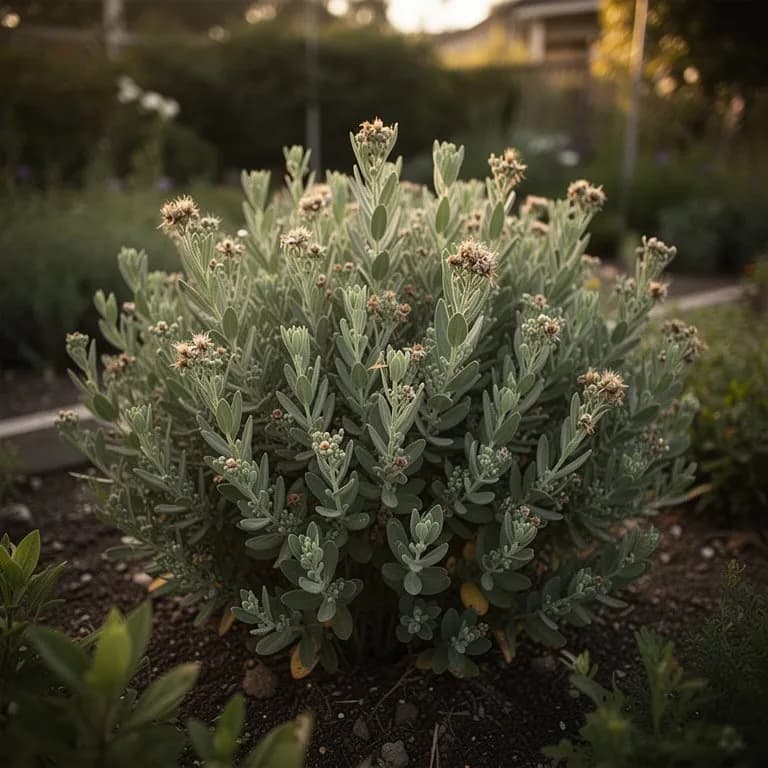
A well-established salt bush can reach 2-3 meters in height
Salt bush (Atriplex halimus) is native to the Mediterranean Basin and has been an integral part of coastal and arid-region agriculture for thousands of years. Archaeological evidence suggests that the plant was gathered and consumed by early Neolithic communities across North Africa, the Iberian Peninsula, and the Levant, where its ability to thrive in harsh, saline environments made it a dependable food source when other crops failed. The ancient Romans documented its use as a potherb, noting its naturally salty flavor as a useful seasoning for bland grain-based meals. Throughout the medieval period, salt bush continued to be cultivated in monastery gardens and along the coastlines of southern France, Italy, and Greece, valued both as a culinary herb and as fodder for livestock. The plant played a particularly important role in traditional Bedouin and North African pastoral systems, where its drought tolerance and nutritional density made it essential for both human consumption and animal feed in desert-margin environments. In modern times, Atriplex halimus has attracted significant scientific interest for its potential in land reclamation and sustainable agriculture. Research institutions across the Mediterranean, Middle East, and Australia have studied its capacity to stabilize degraded soils, reduce salinity, and provide nutritious foliage in regions affected by climate change and desertification. Today, salt bush is experiencing a culinary renaissance among chefs and foragers who prize its unique mineral-rich, naturally salty leaves as a gourmet ingredient. It is increasingly planted in permaculture systems, coastal gardens, and xeriscapes worldwide, valued for its extreme resilience, minimal water requirements, and multifunctional benefits as an edible, ornamental, and ecological restoration plant.
Sow salt bush seeds in spring at 15-20°C in well-draining seed compost. Seeds germinate in 1-3 weeks. Can also be propagated from semi-ripe cuttings taken in summer—remove lower leaves, dip in rooting hormone, and insert into sandy compost. Cuttings root in 4-6 weeks with bottom heat. Hardwood cuttings in winter are also successful. Transplant seedlings or rooted cuttings to their final position once well-established, as mature plants resent root disturbance.
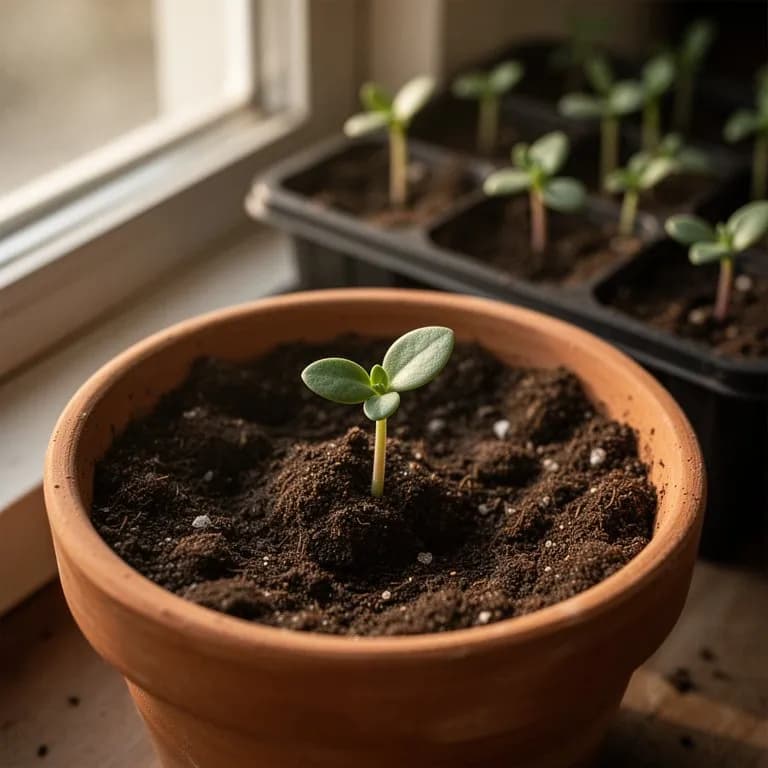
Salt bush seedlings develop silvery-grey leaves early on
Salt bush is extremely adaptable to poor soils—it actually performs best in lean, alkaline, even saline conditions. Ideal pH is 6.5-8.5. No fertilization is needed in most soils; excessive fertility produces lush but weakly flavored growth. In containers, use a standard potting mix with 30% added perlite or sand. The plant naturally concentrates minerals from the soil, which accounts for its salty flavor profile.
Check Your Zone
See if Salt Bush is suitable for your location.
-10°C – 42°C
14°F – 108°F
Salt bush is remarkably temperature tolerant, surviving brief frosts down to -10°C once established and thriving in extreme heat up to 42°C. It grows most actively between 15-30°C but maintains foliage year-round in Mediterranean and subtropical climates.
Common issues affecting Salt Bush and how to prevent and treat them organically.
Overwatering is the most common cause of failure—this plant evolved for drought conditions. Leggy, sparse growth results from insufficient light; ensure full sun. Plants can become very large without regular pruning; shear hard in spring for compact growth. Less cold-hardy than many herbs; protect in zones 7-8 with a sheltered, warm microclimate. Self-seeding can occur in mild climates—remove flower heads to prevent unwanted spread.
Salt bush is a pioneer species that improves soil conditions for neighboring plants by mining deep minerals and providing wind shelter. The deep root system does not compete with shallow-rooted garden plants. Use as a windbreak hedge on exposed coastal sites to protect more tender herbs and vegetables. The silvery foliage provides a beautiful textural backdrop for colorful flowering plants and green herbs in mixed borders.
- 1Plant salt bush in the poorest, most well-drained soil you have — rich, fertile soil actually produces less flavorful leaves with lower mineral content.
- 2Propagation from semi-hardwood cuttings taken in late spring has a much higher success rate than growing from seed.
- 3Avoid overwatering established plants as salt bush is extremely drought tolerant and prone to root rot in consistently wet conditions.
- 4Prune hard in early spring to maintain a compact shape and stimulate fresh tender growth ideal for culinary harvest.
- 5Salt bush makes an excellent windbreak or hedge in coastal gardens where salt spray damages other plants.
- 6Harvest young leaves and shoot tips for the best flavor; older leaves become tough and excessively salty.
- 7Space plants 1.5-2 meters apart for hedging or allow 2-3 meters for a standalone specimen shrub.
- 8Salt bush tolerates alkaline and saline soils with pH up to 10, making it ideal for challenging sites other plants cannot handle.
- 9Mulch with gravel or stones rather than organic matter to maintain the dry, well-drained conditions the plant prefers.
- 10Companion plant with other Mediterranean and drought-tolerant species like rosemary, lavender, and olive trees for a low-maintenance garden.
Harvest young, tender shoot tips and leaves throughout the growing season. The silvery leaves have a naturally salty, mineral-rich flavor that intensifies in dry conditions. Older leaves become tougher and more bitter—always select the youngest growth. Harvest in small quantities as needed, as the fresh leaves wilt quickly. After hard pruning in spring, the flush of new growth provides the best tender harvest material.
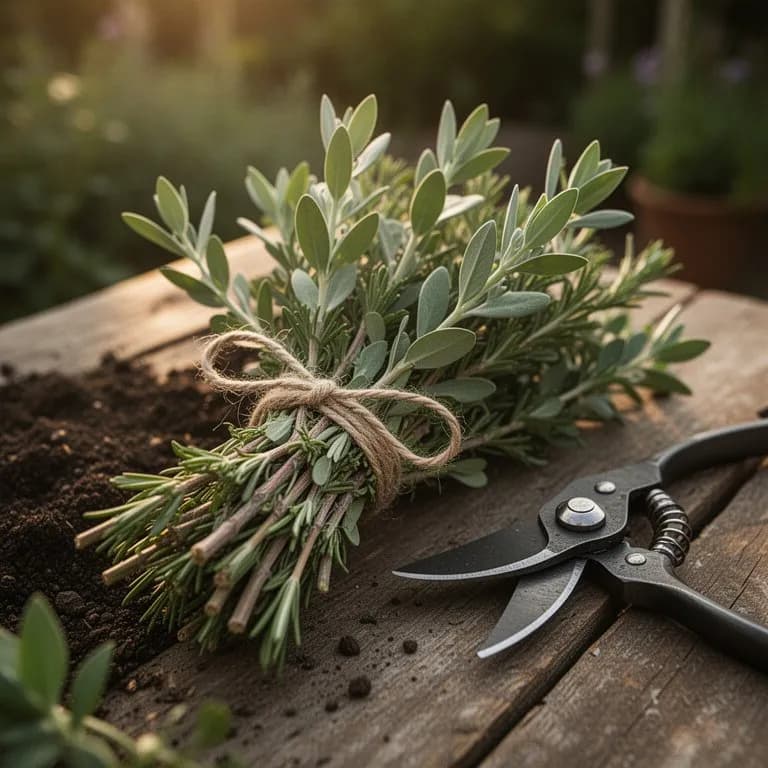
Young tender leaves are best for culinary use
Use fresh salt bush leaves within a day or two of harvest for the best flavor and texture. Refrigerate in a sealed container with a damp paper towel for up to 5 days. Dry leaves in a dehydrator at low temperature and grind into a salty seasoning powder—an excellent salt substitute for those watching sodium intake, as the plant's salts are potassium-based rather than sodium-based. Freeze fresh leaves for adding to cooked dishes later.
Plan your garden with ease
Love growing Salt Bush? Use our free garden planner to design your beds, track planting dates, and get personalized care reminders.
Nutritional Info
Per 100g serving
28
Calories
Health Benefits
- Exceptionally high in minerals including sodium, magnesium, and calcium
- Good source of beta-carotene and vitamin A from the leaf pigments
- Contains notable levels of protein for a leafy green, around 14-18% dry weight
- Rich in oxalic acid so should be consumed in moderation, especially raw
- Provides dietary fiber that supports digestive health
💰 Why Grow Your Own?
Salt bush is one of the most economical plants a gardener can grow. Once established, it requires virtually no irrigation, fertilizer, or pest control, making ongoing costs nearly zero. A single plant provides years of continuous leaf harvests that can replace purchased fresh herbs and specialty salad greens. Its natural saltiness reduces the need for purchased sea salt flakes and gourmet finishing salts in the kitchen. As a perennial shrub lasting 10-20 years, the initial investment of a small plant or packet of seeds yields an extraordinary long-term return.
Quick Recipes
Simple recipes using fresh Salt Bush
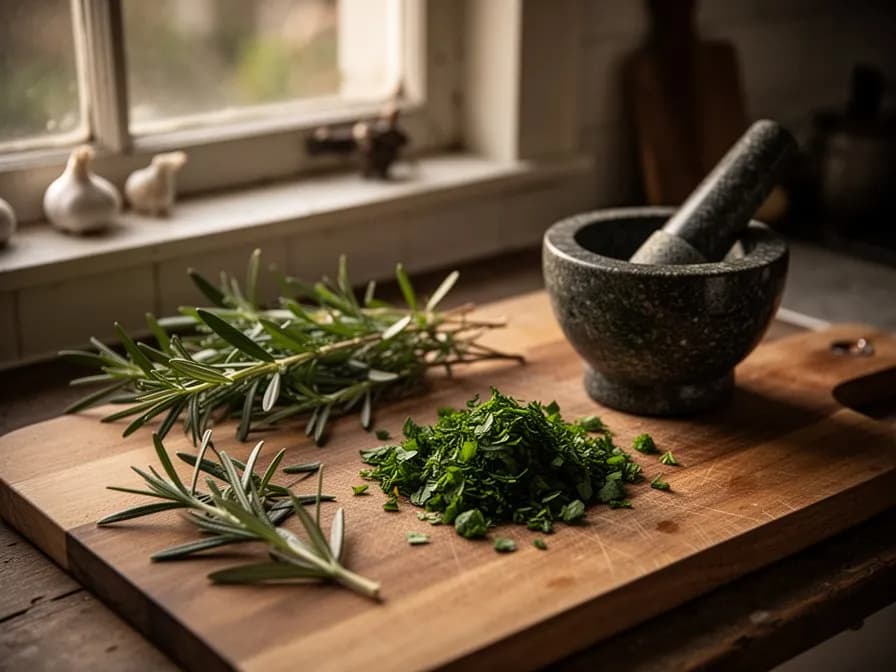
Salt Bush Leaf Chips
15 minutesCrispy baked salt bush leaves make a nutritious and naturally salty snack. The leaves crisp up beautifully in the oven and need no additional seasoning thanks to their inherent saltiness.
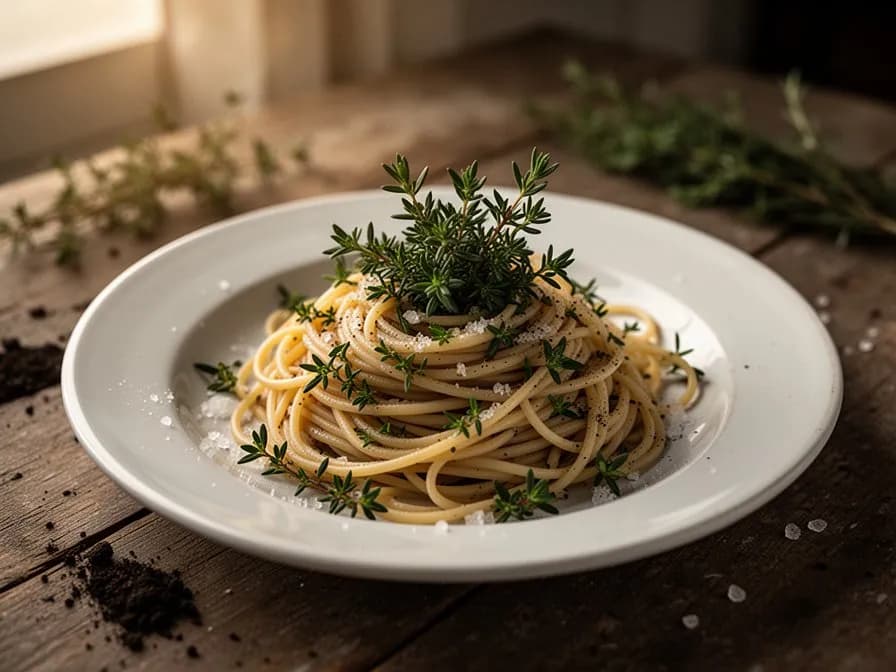
Mediterranean Salt Bush Pesto
10 minutesA unique twist on traditional pesto using salt bush leaves for a naturally salty, mineral-rich sauce. Excellent tossed through pasta or spread on grilled flatbread.
Salt Bush and Feta Fritters
25 minutesSavory fritters combining chopped salt bush leaves with crumbled feta and herbs. The natural saltiness of the leaves complements the tangy cheese perfectly.
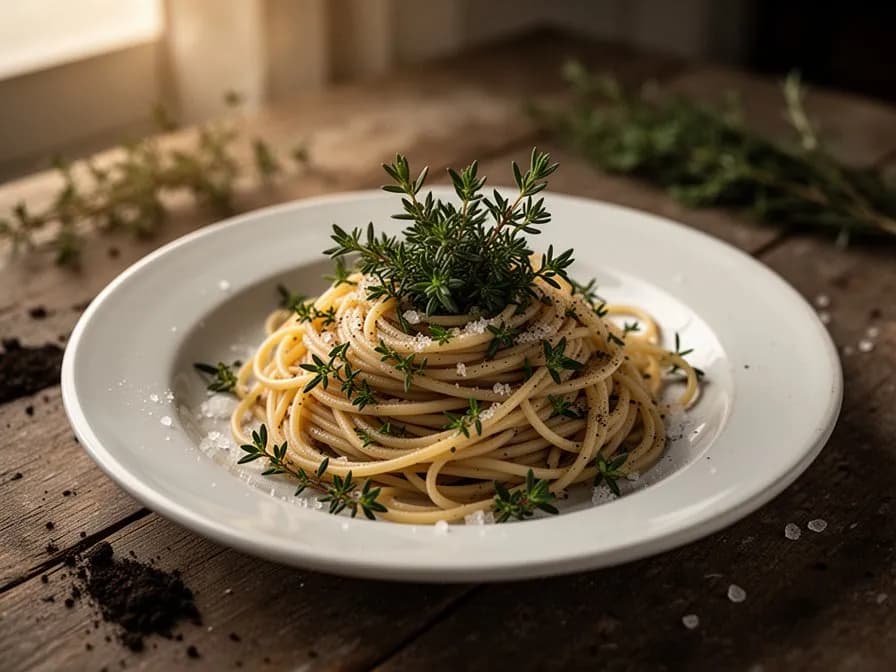
Salt bush leaves add a natural salty flavor to dishes
Yield & Spacing Calculator
See how many Salt Bush plants fit in your garden bed based on the recommended 90cm spacing.
1
Salt Bush plants in a 4×4 ft bed
1 columns × 1 rows at 90cm spacing
Popular Varieties
Some of the most popular salt bush varieties for home gardeners, each with unique characteristics.
Atriplex halimus (Mediterranean Salt Bush)
The standard ornamental and culinary species with silvery leaves. Most commonly grown salt bush variety.
Atriplex nummularia (Old Man Salt Bush)
Australian species with larger, more rounded blue-gray leaves. Widely used in Australian bush food cuisine.
Atriplex hortensis (Orache/Mountain Spinach)
An annual salt bush relative with larger, spinach-like leaves in green, red, or gold. Better for salads and cooking.
The naturally salty leaves are used as a seasoning herb and salad green in Mediterranean and Australian bush food cuisine. Chop fresh leaves into salads for a mineral-rich, salty crunch. Use as a salt substitute in cooking—wrap fish or chicken in salt bush leaves before baking. The dried, ground leaves make a unique finishing seasoning. Add to bread doughs and savory pastries for subtle saltiness. Pairs well with lamb, seafood, and roasted vegetables.
When should I plant Salt Bush?
Plant Salt Bush in March, April, May. It takes approximately 90 days to reach maturity, with harvest typically in April, May, June, July, August, September, October.
What are good companion plants for Salt Bush?
Salt Bush grows well alongside Rosemary, Thyme, Lavender. Companion planting can improve growth, flavor, and natural pest control.
What hardiness zones can Salt Bush grow in?
Salt Bush thrives in USDA hardiness zones 7 through 11. With greenhouse protection, it may be grown in zones 5 through 12.
How much sun does Salt Bush need?
Salt Bush requires Full Sun (6-8h+). This means at least 6-8 hours of direct sunlight daily.
How far apart should I space Salt Bush?
Space Salt Bush plants 90cm (35 inches) apart for optimal growth and air circulation.
What pests and diseases affect Salt Bush?
Common issues include Scale Insects, Root Rot. Prevention through good garden practices like crop rotation, proper spacing, and companion planting is the best approach. See the detailed pests and diseases section above for symptoms, prevention, and treatment for each.
How do I store Salt Bush after harvest?
Use fresh salt bush leaves within a day or two of harvest for the best flavor and texture. Refrigerate in a sealed container with a damp paper towel for up to 5 days. Dry leaves in a dehydrator at low temperature and grind into a salty seasoning powder—an excellent salt substitute for those watching...
What are the best Salt Bush varieties to grow?
Popular varieties include Atriplex halimus (Mediterranean Salt Bush), Atriplex nummularia (Old Man Salt Bush), Atriplex hortensis (Orache/Mountain Spinach). Each has unique characteristics suited to different growing conditions and culinary preferences. See the varieties section above for detailed descriptions.
What soil does Salt Bush need?
Salt bush is extremely adaptable to poor soils—it actually performs best in lean, alkaline, even saline conditions. Ideal pH is 6.5-8.5. No fertilization is needed in most soils; excessive fertility produces lush but weakly flavored growth. In containers, use a standard potting mix with 30% added pe...
Is salt bush safe to eat raw?
Yes, young salt bush leaves can be eaten raw in salads and as garnishes. However, they contain oxalic acid similar to spinach, so consumption should be moderate. Cooking reduces oxalic acid content. People with kidney stones or calcium absorption issues should consult their doctor before eating large quantities.
How salty do salt bush leaves actually taste?
Salt bush leaves have a pleasant, mild saltiness comparable to a light seasoning of sea salt. The intensity varies with growing conditions — plants in saltier soils produce saltier leaves. Young leaves are milder while mature leaves are more intensely salty. Many chefs use them as a natural salt substitute in dishes.
Can salt bush survive frost and cold winters?
Established salt bush plants can tolerate temperatures down to about -10°C for brief periods, making them hardy in many temperate climates. Young plants are more frost-sensitive and should be protected during their first winter. In very cold regions, growing salt bush against a south-facing wall or in a container that can be moved to shelter is recommended.
How long does it take for salt bush to become established enough to harvest?
You can begin light harvesting of leaves about 4-6 months after planting, once the plant is well rooted and showing vigorous growth. Full productive harvesting typically begins in the second year. The plant is long-lived and will continue producing harvestable foliage for 10-20 years with minimal care.
Does salt bush need saline soil to grow well?
No, salt bush does not require saline soil. It tolerates salt exceptionally well but grows perfectly fine in normal garden soil. The key requirements are good drainage and a sunny position. It actually performs best in poor, lean soils and can struggle in overly rich or waterlogged conditions.
Can I grow salt bush in a container?
Salt bush grows well in containers provided you use a very well-drained potting mix, ideally with added sand or perlite. Choose a pot at least 40 cm in diameter and ensure it has drainage holes. Container-grown plants will be smaller but still productive. Water sparingly and avoid saucers that allow water to pool beneath the pot.
Ready to Grow Salt Bush?
Add Salt Bush to your garden plan and start designing your perfect layout.

Vladimir Kusnezow
Gardener and Software Developer
Zone 6b gardener. Growing vegetables and fruits in soil and hydroponics for 6 years. I built PlotMyGarden to plan my own gardens.
Jump to Section