Lobelia
typical season: sow Apr – May · blooms May – Sep · set your climate
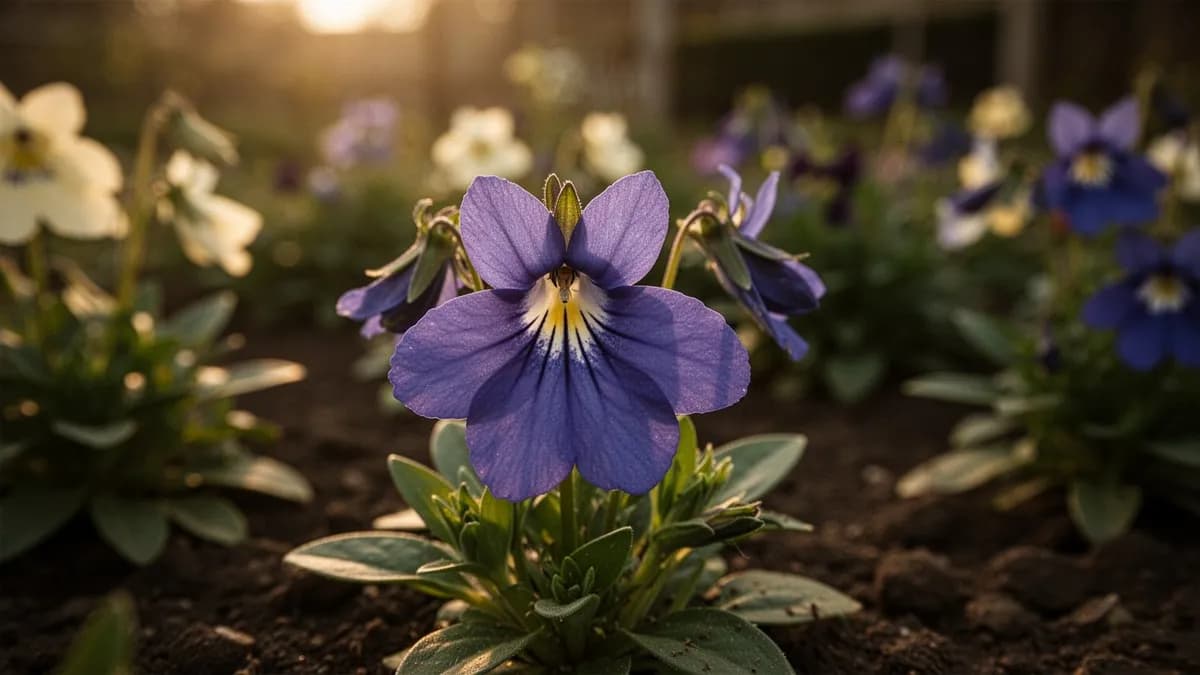
A delicate trailing annual with masses of tiny blue, purple, or white flowers ideal for baskets and container edges.
On this pageOverview
Meet Lobelia
A delicate trailing annual with masses of tiny blue, purple, or white flowers ideal for baskets and container edges. Lobelia prefers cool weather and may pause blooming in midsummer heat, but rebounds beautifully in autumn. Shear plants back by half during hot spells to encourage a fresh flush of fall flowers.
When to plant Lobelia
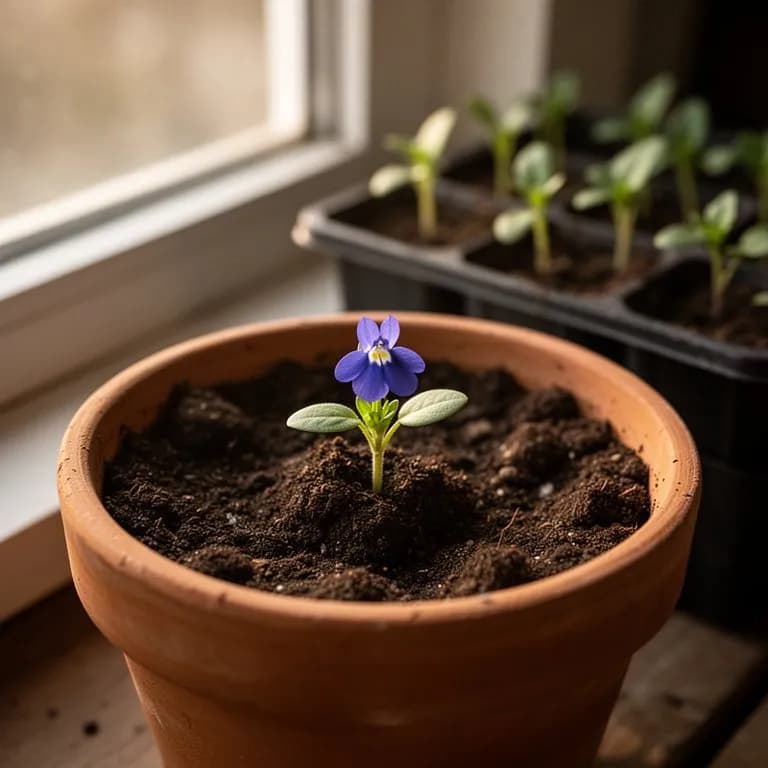
Lobelia seeds are among the finest of all flower seeds and should not be covered, as they need light for germination. Start indoors ten to twelve weeks before the last frost by sprinkling seeds thinly on the surface of moist seed-starting mix. Keep at 65 to 75 degrees Fahrenheit under fluorescent lights. Germination takes fourteen to twenty days. Seedlings are extremely tiny and grow very slowly. Transplant in small clumps rather than individual plants to avoid damaging the delicate roots. Most gardeners prefer purchasing transplants to bypass the challenging seed-starting process.
Your Lobelia Year
Composed for Zone 7 · typical seasons · frost passes Apr 2, returns Nov 1
Plant Lobelia Apr – May, in bloom May – Sep. Check the planting methods below and set your climate to personalize these windows.
Lobelia in bloom this season? Get next year's dates
One email when the next sowing window opens where you garden, and one before the first autumn frost.
Set your climate above so the dates are yours, not the typical-season default.
One email per milestone, never more than one a week. Unsubscribe with one tap. No account needed.
How to grow Lobelia
Plant lobelia transplants outdoors after the last frost in a location with morning sun and afternoon shade, or in full shade in hot climates. Space plants four to six inches apart in rich, moist, well-drained soil. Lobelia is available in two growth habits: trailing forms that cascade elegantly from hanging baskets and containers, and compact upright forms that create a low carpet for edging and border fronts.
Keep the soil consistently moist throughout the growing season, as lobelia wilts quickly when dry and may not recover from severe drought stress. Apply a thin layer of mulch to retain moisture and keep roots cool. Feed every two to three weeks with a diluted balanced liquid fertilizer. Lobelia is a cool-season performer that blooms most heavily in spring and early summer.
When summer heat arrives and temperatures exceed 80 degrees Fahrenheit, lobelia often stops blooming and becomes leggy. Shear the entire plant back by one-half, water well, and wait for cooler temperatures to return. The plant will regenerate quickly and produce a second flush of flowers in early fall that often surpasses the spring display. In mild coastal climates, lobelia may bloom continuously from spring through fall without interruption.
128 plants fit a 4 × 8 ft bed
Each Lobelia wants 15 cm of elbow room. The planner keeps that spacing for you — every plant, every bed.
Lobelia's best neighbours
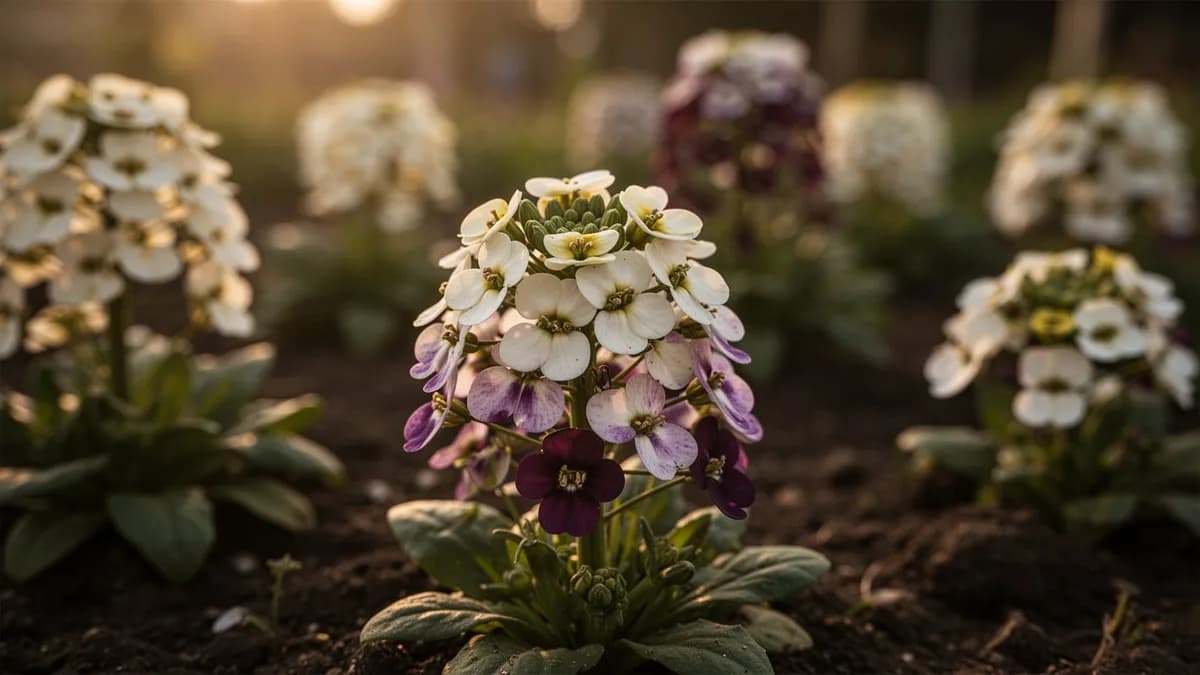
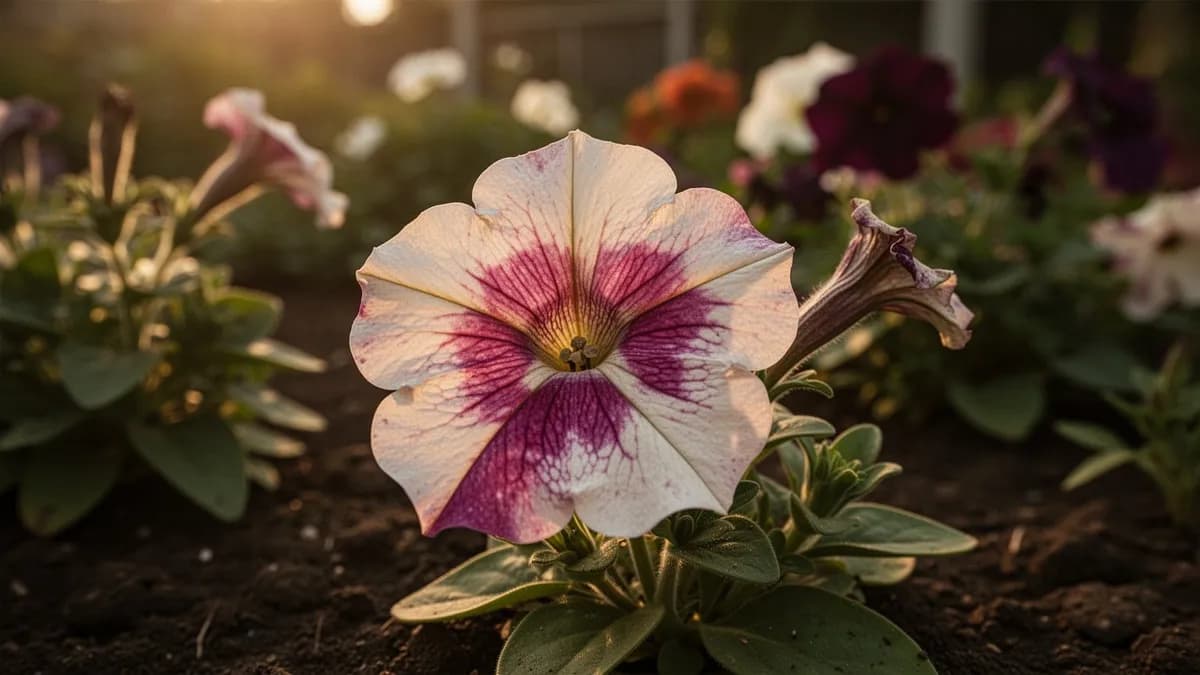
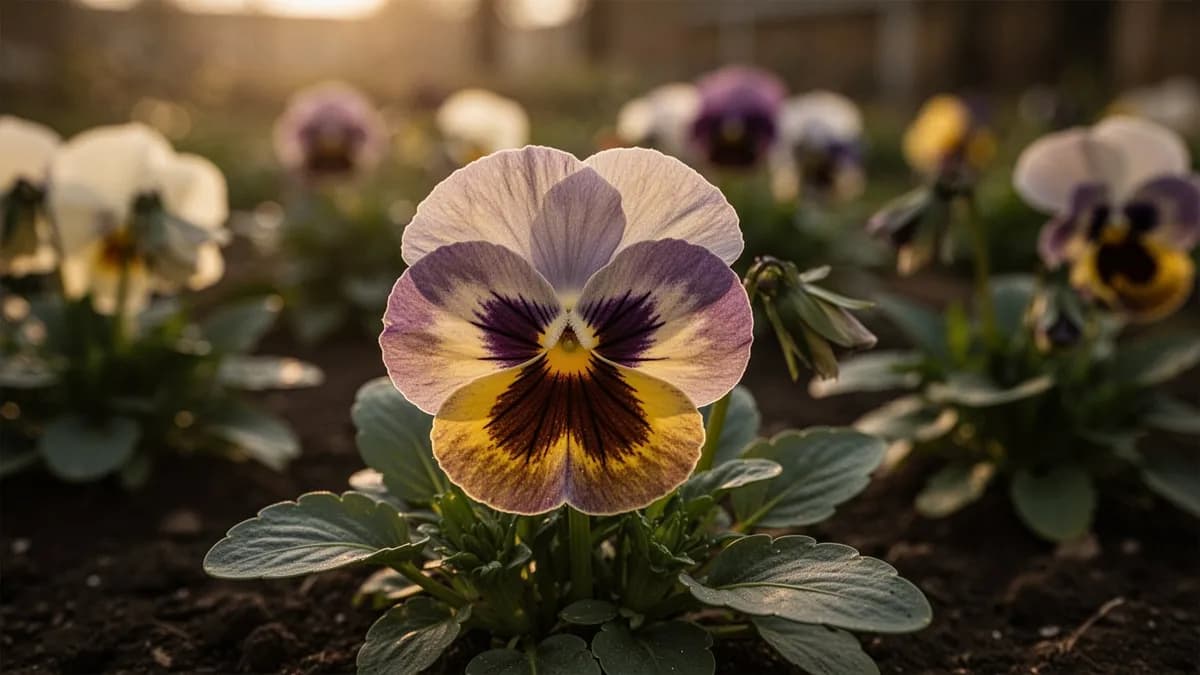
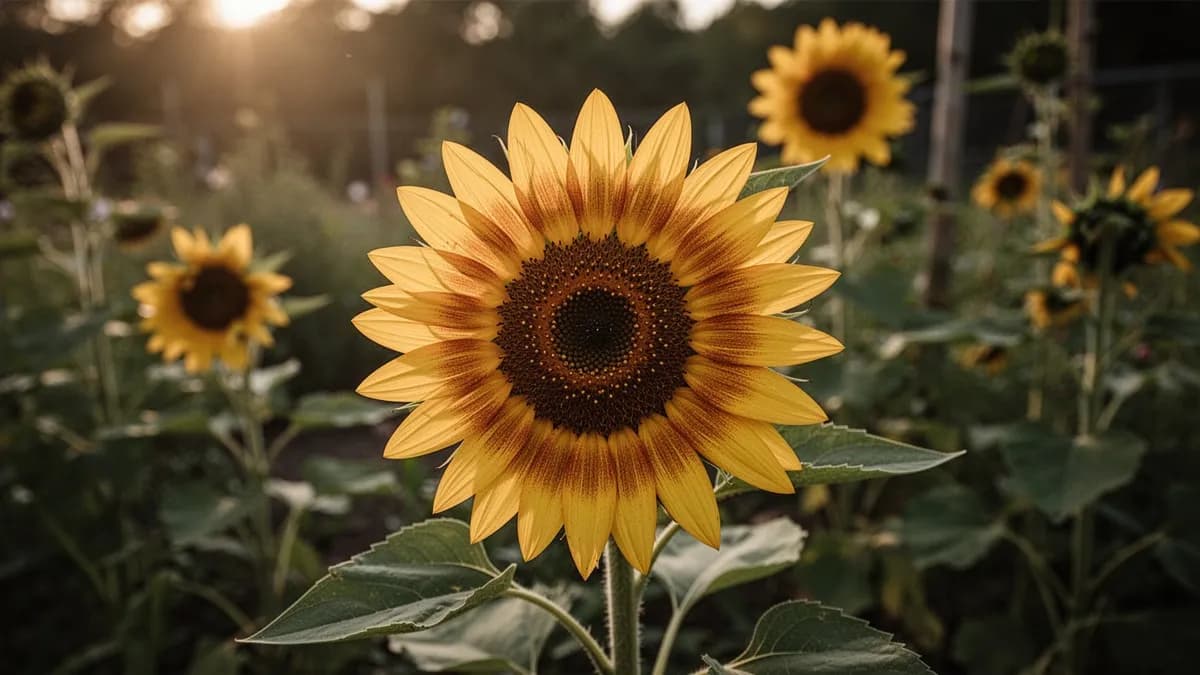
Lobelia is a classic companion for cool-season container plantings alongside pansies, alyssum, snapdragons, and diascia. Trailing varieties cascade beautifully from hanging baskets when paired with upright geraniums or fuchsias as the centerpiece. In shady garden beds, combine with impatiens, begonias, and ferns for a lush, colorful display. Lobelia's intense blue flowers provide a color rarely found among annual flowers and contrast beautifully with yellow and white companions.
Sweet Alyssum belongs beside it.
Old growers' knowledge, checked against Lobelia's real companion table below — test any plant you're growing.
Related growing guides
Feed it well
Lobelia prefers rich, humus-laden, consistently moist soil with a pH of 6.0 to 7.5. Amend planting areas with compost to improve moisture retention. In containers, use a quality potting mix with good water-holding capacity. Feed every two to three weeks with a diluted balanced liquid fertilizer to sustain flowering. Avoid letting soil dry out completely, which stresses plants and can cause irreversible damage in extreme cases.
Ideal Temperature
Hardiness Zone Compatibility
From seed to harvest, stage by stage
Seed Sowing
Lobelia seeds are dust-fine and require light to germinate. Surface-sow onto moist, finely sifted seed-starting mix without covering. Maintain temperatures of 18-24°C and keep the medium consistently moist. Seeds typically germinate in 10-14 days. Because the seeds are so tiny, mixing them with a small amount of fine sand before sowing helps distribute them more evenly across the tray surface.
Seedling Emergence
Extremely tiny seedlings emerge as thin green threads. They grow very slowly at first and are easily lost to damping off or drying out. Provide bright indirect light for 12-14 hours per day. Seedlings are so small that they are typically handled in clumps rather than individually. Avoid disturbing the surface of the growing medium during this delicate phase.
Clump Development
Seedlings develop their first true leaves and begin forming small clumps of foliage. At this stage, lobelia is typically pricked out in small clusters of 4-6 seedlings rather than as individuals, because the plants are too small to separate without damage. The clumps begin to fill out and develop a more recognizable form with tiny ovate leaves.
Vegetative Growth
Plants begin to grow more vigorously, forming dense mounds of small bright green leaves. Trailing varieties start to produce longer stems that begin to cascade. Compact varieties develop their characteristic tight, cushion-like habit. The plants are now robust enough to harden off and transplant outdoors once the risk of frost has passed.
First Bloom
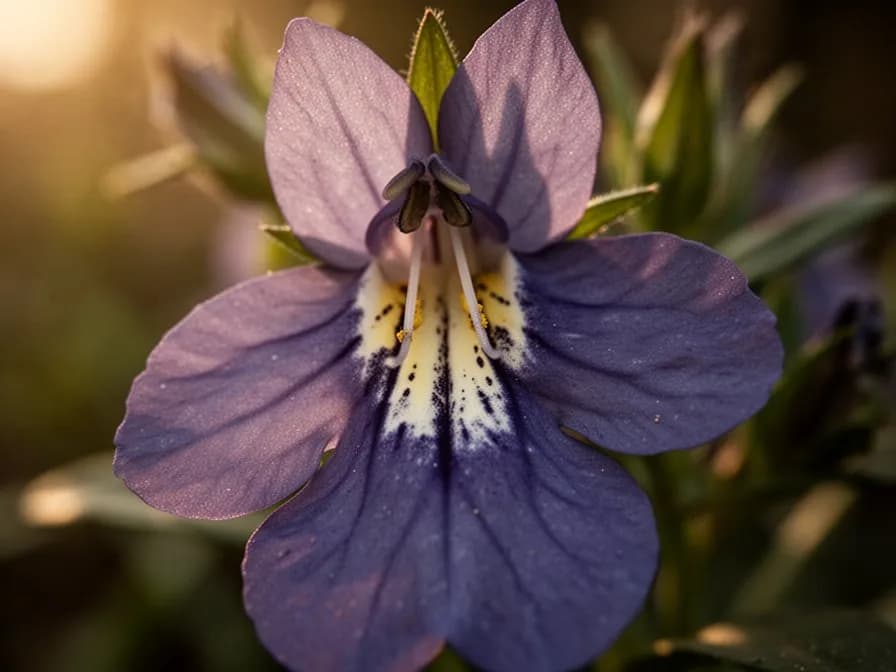
The first flowers appear, typically 10-14 weeks after sowing. Blooms are small, five-petaled, and usually feature a contrasting white or yellow eye. Colors range from deep cobalt blue and violet to sky blue, white, pink, and carmine. Plants quickly become smothered in flowers, creating a vivid carpet or cascade of color depending on the variety.
Peak Flowering
Plants reach their full display potential with masses of flowers covering the foliage almost entirely. In cooler climates, lobelia can bloom continuously from late spring through autumn. In hot climates, flowering may slow or pause during the peak of summer heat. Trailing varieties can reach 30-45 cm in length, creating spectacular displays in hanging baskets and window boxes.
Late Season and Decline
As temperatures drop in autumn, lobelia often puts on a second flush of vigorous bloom after the cooler weather returns. Plants continue flowering until the first hard frost, which kills this tender annual. In frost-free climates, lobelia may persist as a short-lived perennial, though it typically declines after one full growing season. Seeds can self-sow in favorable conditions.
Do not cover seeds with soil. Use a clear humidity dome or plastic wrap to retain moisture and mist gently with a spray bottle to avoid dislodging the microscopic seeds.
Caring for Lobelia month by month
What to do each month for your Lobelia
October
You are hereFlowering will slow as temperatures drop. Allow some flowers to set seed if you want self-sown volunteers next spring. Begin preparing to remove annual lobelia plants before the first hard frost. In mild climates, plants may continue blooming well into October.
Harvesting Lobelia
Lobelia is not used as a cut flower due to its tiny individual blooms and delicate trailing stems. No deadheading of individual flowers is needed. Instead, shear the entire plant back by half when flowering slows during summer heat to trigger a fresh flush of growth and bloom for fall. For seed saving, allow some flowers to develop small seed capsules that dry on the plant. The extremely fine seeds can be collected by shaking dried stems over a paper towel.
assuming you plant when the window opens — set your real date
Deadhead Lobelia regularly and it keeps flowering.
Storage & Preservation
Lobelia is not suitable for cutting or drying due to its tiny, delicate flowers. Its value lies in its live performance as a cool-season container and border plant. To preserve plants over winter, bring containers indoors before the first frost and keep in a cool, bright location. Alternatively, take stem cuttings in late summer, root in moist perlite, and grow on a bright windowsill through winter. Seeds are extremely fine and should be stored in small envelopes in a cool, dry place.
What goes wrong — and the fix
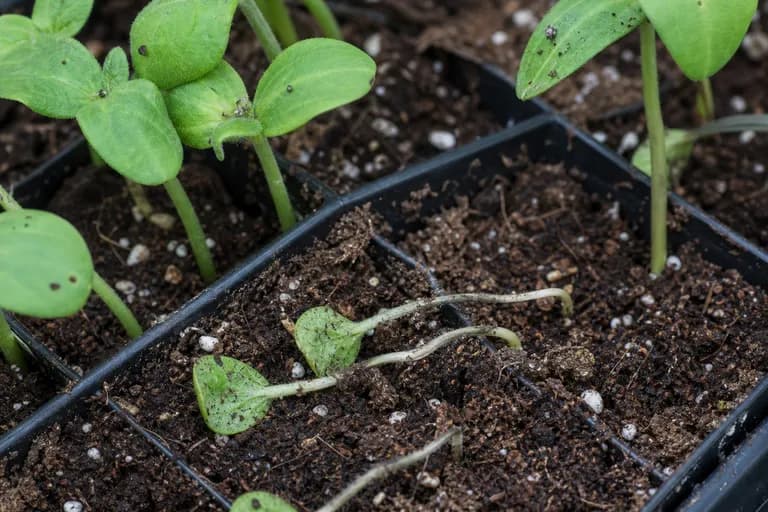
Damping Off
DiseaseSeedlings collapse at the soil line, stems become thin and water-soaked, and the entire seedling topples over. Most common in cool, overwatered conditions during seed starting.
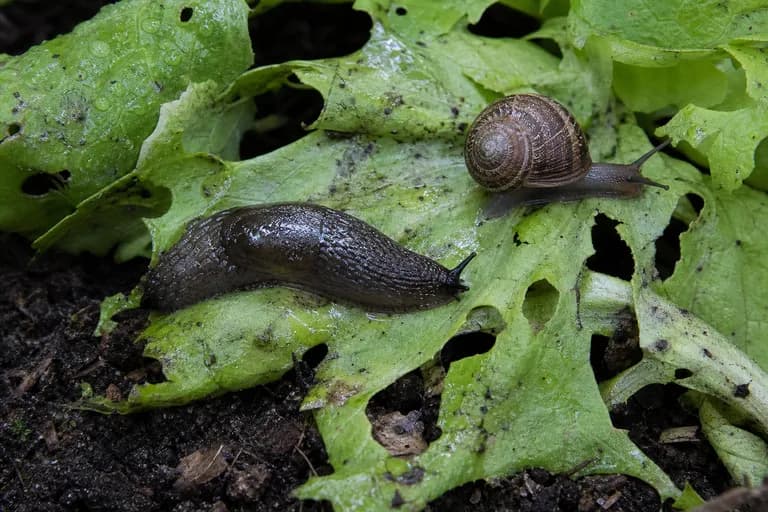
Slugs and Snails
PestIrregular holes in leaves and flowers, silvery slime trails. Lobelia's preference for moist, shady conditions makes it particularly attractive to these pests.
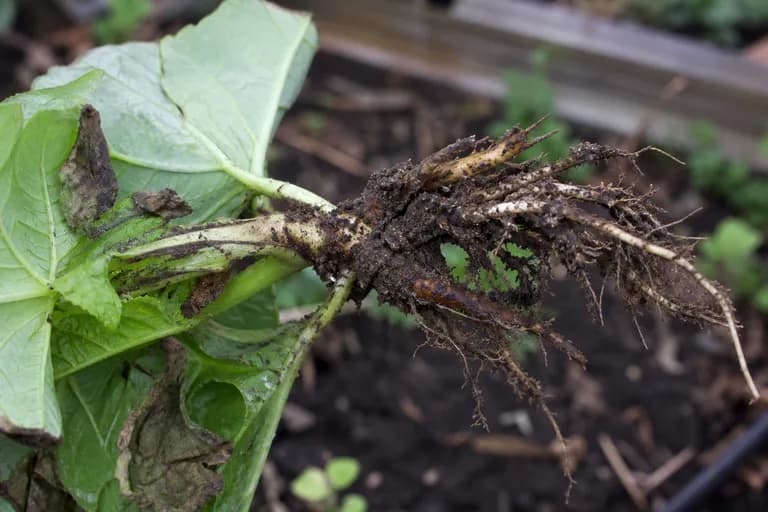
Root Rot
DiseasePlants wilt despite moist soil, lower stems become soft and brown, roots are dark and mushy. Caused by overwatering in poorly drained soil or containers without adequate drainage.
Troubleshooting Common Problems
The most common problem is summer heat causing lobelia to stop blooming and become leggy. This is normal behavior and not a sign of disease. Shearing back and waiting for cooler weather resolves the issue. Overwatering in poorly drained soil causes root rot, while under-watering causes rapid wilting and potential plant death. Lobelia seedlings are notoriously slow-growing and susceptible to damping off, making seed starting a challenge for beginners.
Growing Tips
- Start lobelia seeds indoors 10-12 weeks before the last frost date, as the tiny seedlings grow very slowly and need a long head start to reach transplanting size by spring.
- Mix dust-fine lobelia seeds with a pinch of fine sand before sowing to help distribute them more evenly across the seed tray surface and avoid dense clumps of seedlings.
- Never cover lobelia seeds with soil or vermiculite, as they require light to germinate. Simply press them gently onto the surface of moist seed-starting mix.
- Handle lobelia seedlings in small clumps of 4-6 plants rather than trying to separate individuals, as the seedlings are too tiny and fragile to transplant singly without damage.
- Provide afternoon shade in hot climates or during heat waves, as lobelia performs poorly when temperatures consistently exceed 30°C and may stop flowering entirely.
- Shear plants back by one-third in midsummer if they become leggy or flowering declines, then water deeply and fertilize to encourage a vigorous second flush of bloom in autumn.
- Water lobelia consistently and thoroughly, as it has shallow roots and is one of the first plants to wilt in dry conditions. Container-grown plants may need daily watering in warm weather.
- Feed container-grown lobelia every 10-14 days with a half-strength balanced liquid fertilizer to sustain continuous flowering, as frequent watering leaches nutrients from the potting mix quickly.
- Choose heat-tolerant cultivar series such as Riviera, Regatta, or Techno Heat if you garden in a region with hot summers, as these modern varieties handle warmth significantly better than older types.
- Combine trailing lobelia with upright plants like geraniums, petunias, or calibrachoa in mixed containers, using the lobelia as a filler and spiller to soften edges and fill gaps between larger plants.
Pick your Lobelia
Laguna Series
Heat-tolerant trailing lobelia with larger flowers and better summer performance than older varieties, ideal for hanging baskets.
Crystal Palace
Classic compact upright lobelia with deep blue flowers and bronze-tinted foliage, a traditional favorite for edging and containers.
Regatta Series
Early-blooming trailing lobelia available in blue, rose, white, and lilac, well-suited for cool-season container displays.
Riviera Series
Compact, upright habit with early flowering in a range of blue, rose, and white shades, excellent for spring bedding.
Hot Springs Series
Improved heat tolerance on compact plants, extending the bloom season further into summer than traditional varieties.
A single packet of lobelia seeds (approximately 1,000-2,000 seeds) costs around $2-4 and can produce hundreds of plants, compared to purchasing nursery six-packs at $3-5 each containing only 4-6 plants. Growing from seed can save $50-100 or more per season for gardeners who use lobelia extensively in borders, containers, and hanging baskets. A modest investment in seed-starting supplies pays for itself within the first season.
Quick recipes
Lobelia Blue Cascade Hanging Basket
30 minutesCreate a stunning hanging basket display featuring trailing lobelia as the star plant. Combine deep blue trailing lobelia with white alyssum and trailing silver dichondra for a cool-toned, elegant arrangement that blooms continuously from late spring through autumn in a partly shaded location.
7 ingredientsClassic Blue and White Edging Border
45 minutesDesign a timeless garden border using compact lobelia in alternating blue and white drifts along a path or bed edge. This Victorian-inspired planting scheme creates a crisp, formal look that complements both cottage gardens and structured formal layouts beautifully.
6 ingredients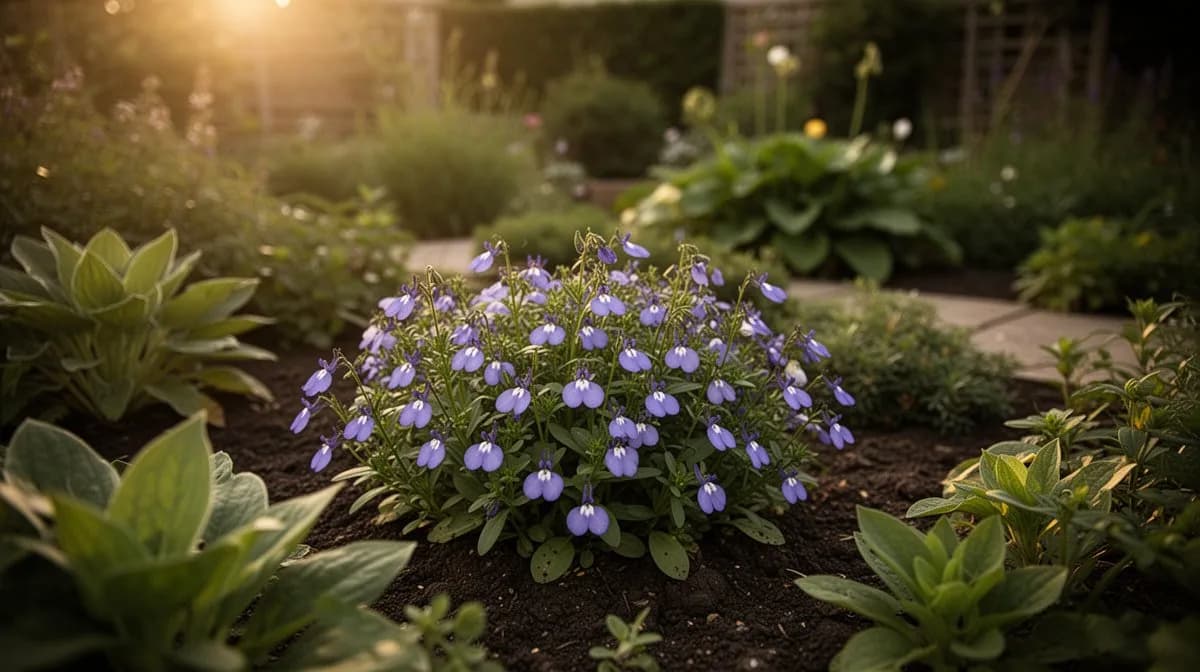
Mixed Lobelia Window Box Planter
25 minutesAssemble a colorful window box that combines several lobelia varieties with complementary trailing plants for a cottage garden effect. The mix of lobelia colors creates a painterly, natural look that softens window sills and railings throughout the growing season.
6 ingredientsWhat's inside
Health Benefits
- Lobelia erinus is a purely ornamental plant and should not be ingested for health purposes, as the genus contains potentially toxic alkaloids including lobeline
- Growing lobelia and tending garden displays provides gentle physical exercise, improved dexterity, and meaningful outdoor activity that supports overall cardiovascular and musculoskeletal health
- The vivid blue flowers of lobelia have been shown in horticultural therapy studies to promote feelings of calm and relaxation, helping to reduce stress and anxiety in gardeners and viewers alike
- Caring for lobelia from tiny seeds to full bloom provides a rewarding sense of accomplishment and purpose that supports positive mental health and emotional wellbeing
- Lobelia plantings attract beneficial pollinators such as bees, hoverflies, and small butterflies, supporting local biodiversity and contributing to healthier garden ecosystems
- Engaging in the detailed, attentive work of growing lobelia from seed encourages mindfulness and present-moment awareness, which research links to reduced symptoms of depression and improved cognitive function
Where Lobelia comes from
Lobelia erinus, commonly known as edging lobelia, trailing lobelia, or garden lobelia, is native to southern Africa, where it occurs naturally in South Africa, Malawi, Namibia, and neighboring regions. In its native habitat, it grows as a short-lived perennial in rocky outcrops, disturbed ground, and well-drained slopes from coastal areas up to montane grasslands at elevations of 1,500 meters or more. The plant was first described scientifically by Carl Linnaeus in 1753, and the genus was named in honor of Matthias de Lobel, a sixteenth-century Flemish botanist and physician who served the English and Dutch courts. European plant collectors brought Lobelia erinus to botanical gardens in the late eighteenth century, and by the early nineteenth century it had become a popular bedding plant across Britain and continental Europe. The Victorians embraced lobelia enthusiastically as part of their elaborate carpet bedding schemes, where its intense blue flowers provided a vivid contrast to red geraniums and yellow calceolarias in the classic tricolor displays of public parks and estate gardens. Breeding during the nineteenth and twentieth centuries expanded the color range beyond the original blue to include white, pink, lilac, carmine, and deep purple varieties, as well as developing distinct trailing forms ideal for hanging baskets and elevated containers. Today Lobelia erinus is grown worldwide as a cool-season annual in temperate climates and a winter or spring annual in subtropical regions. Modern cultivar series such as Riviera, Regatta, and Techno offer improved heat tolerance, earlier blooming, and more uniform growth habits compared to older heirloom varieties, making lobelia more accessible and reliable for home gardeners and commercial landscapers alike.
Lobelia: did you know?
Fascinating facts about Lobelia
The genus Lobelia is named after Matthias de Lobel (1538-1616), a Flemish botanist and physician who served as botanist to King James I of England and made significant contributions to early plant classification.
Lobelia questions, answered
When should I plant Lobelia?
What are good companion plants for Lobelia?
What hardiness zones can Lobelia grow in?
How much sun does Lobelia need?
How far apart should I space Lobelia?
What pests and diseases affect Lobelia?
How do I store Lobelia after harvest?
What are the best Lobelia varieties to grow?
What soil does Lobelia need?
Why did my lobelia stop flowering in the middle of summer?
Can I grow lobelia in full shade?
Is Lobelia erinus toxic to pets or children?
Why are my lobelia seedlings dying shortly after germination?
What is the difference between compact and trailing lobelia varieties?
Can lobelia survive winter and come back next year?
Plant these alongside Lobelia
More Annuals
Grow your best Lobelia yet — and everything around it.
Start a free plan today. Lay out your beds, drop in your Lobelia, and let PlotMyGarden handle the timing, spacing, companions and reminders from seed to harvest basket.
