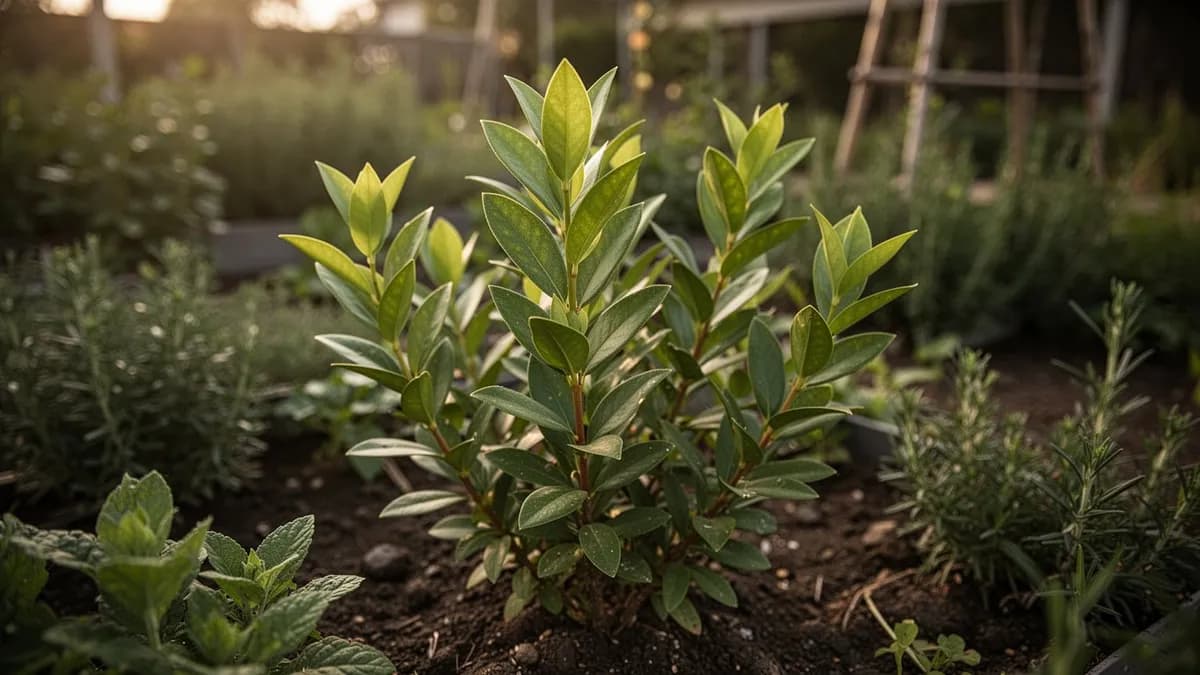
Lemon Myrtle
Backhousia citriodora
At a Glance
It's planting season for Lemon Myrtle! Start planning your garden now.
An Australian rainforest tree with the highest citral content of any plant, producing an intensely lemony tea and culinary flavoring. Lemon myrtle leaves make a caffeine-free tea with a clean, powerful lemon flavor far surpassing lemongrass or lemon verbena. Grow in frost-free climates or as a container plant brought indoors in winter.
Planting & Harvest Calendar
Growth Stages
From Seed to Harvest
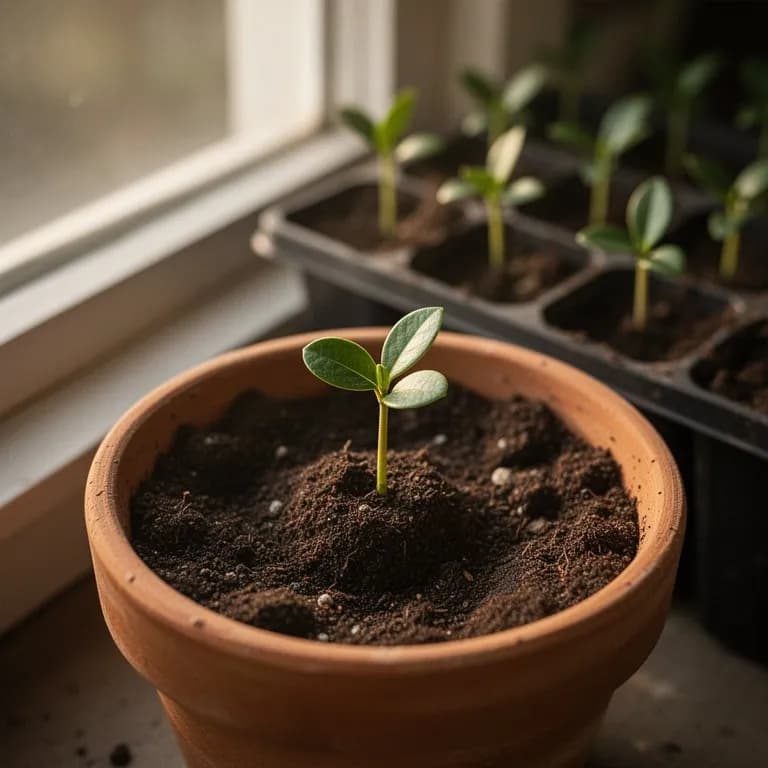
Seed Germination
Days 0–28
Lemon myrtle seeds are fine and slow to germinate. Surface-sow on a moist, well-draining seed-raising mix and keep at a consistent 22-25°C. Seeds require light to germinate, so press gently onto the surface without covering. Germination is often erratic, ranging from 14 to 42 days.
💡 Care Tip
Use a clear humidity dome or plastic wrap to maintain consistent moisture. Mist gently rather than watering from above to avoid displacing the tiny seeds.
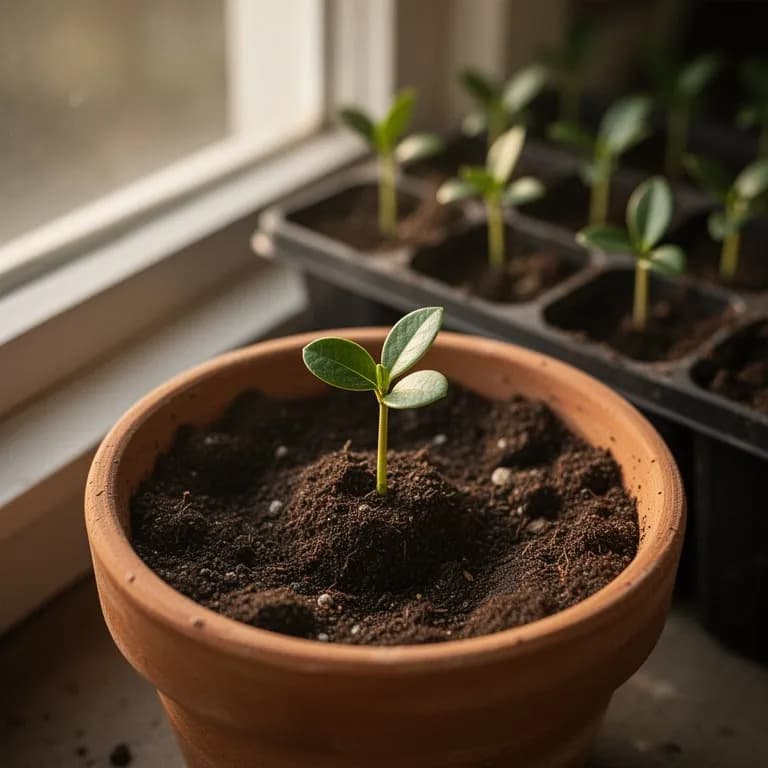
Lemon myrtle seedlings develop their signature lemon fragrance early in growth
Monthly Care Calendar
What to do each month for your Lemon Myrtle
May
You are hereMove container plants outdoors once all risk of frost has passed. Acclimate gradually over 7-10 days, starting in dappled shade. Begin regular watering as temperatures rise. Pinch growing tips on young plants to encourage bushy growth.
Did You Know?
Fascinating facts about Lemon Myrtle
Lemon myrtle contains the highest known concentration of citral of any plant in the world, with leaf oil containing up to 98% citral compared to just 3-5% in actual lemons.
Lemon myrtle is an evergreen tree native to the subtropical rainforests of Queensland, Australia. In its natural habitat it can reach 20 meters, but in cultivation it is typically kept to 3 to 5 meters through regular pruning. The tree produces glossy, lance-shaped leaves with an extraordinary lemon fragrance due to its exceptionally high citral content, the highest of any known plant.
Plant in a sheltered position with full sun to light shade in well-drained, slightly acidic soil enriched with organic matter. In frost-prone areas (below zone 9), grow in large containers that can be moved to a bright, frost-free location during winter. Container-grown specimens typically reach 1.5 to 2 meters and respond well to pruning to maintain a compact, bushy shape.
Water regularly during the growing season, keeping soil consistently moist but never waterlogged. Reduce watering in winter but do not allow the root ball to dry out completely. Lemon myrtle benefits from regular feeding with a fertilizer formulated for acid-loving plants from spring through autumn. Protect from cold winds and frost, which can damage or kill the foliage. Established trees tolerate brief periods to about minus 2 degrees Celsius but sustained cold below freezing is fatal.
Lemon myrtle (Backhousia citriodora) is an evergreen tree native to the subtropical rainforests of southeastern Queensland, Australia. Its natural range extends along the coastal hinterland from around Mackay in the north to just south of Brisbane, where it grows as an understorey or mid-canopy tree in warm, humid rainforest environments. For thousands of years before European settlement, Aboriginal Australians recognised the remarkable aromatic properties of lemon myrtle leaves, using them as a flavouring for food, a fragrant addition to ceremonial practices, and a soothing herbal remedy. The leaves were crushed to release their intense lemon scent and brewed into therapeutic infusions. European botanists first formally described the species in the 19th century, and it was named Backhousia citriodora by Ferdinand von Mueller in 1853, honouring the English botanist James Backhouse who had explored the Australian flora extensively. Despite this early scientific recognition, lemon myrtle remained relatively unknown outside Australia for over a century. It was not until the 1990s that a growing interest in Australian native bush foods sparked a commercial revolution around lemon myrtle. Researchers at universities and government agencies analysed the leaf oil and discovered that it contained the highest concentration of citral of any known plant, far surpassing lemongrass, lemon verbena, and actual lemons. This discovery propelled lemon myrtle into the global spotlight as a uniquely potent natural lemon flavouring and fragrance ingredient. Plantations were established across subtropical and tropical Queensland and northern New South Wales, transforming what had been a wild rainforest tree into a cultivated crop. Today, lemon myrtle is used in teas, seasonings, sauces, confectionery, essential oils, skincare products, and cleaning supplies. It has become one of the flagship species of the Australian native food industry and is now grown commercially in suitable climates around the world, from South Africa to southern Europe and parts of the Americas.
Lemon myrtle can be grown from fresh seed, though germination is slow and erratic, taking 4 to 12 weeks. Sow seed on the surface of a fine, moist seed-starting mix and do not cover, as seeds require light for germination. Maintain consistent warmth of 70 to 80 degrees Fahrenheit and high humidity using a clear cover or propagation dome. Seedlings grow slowly in their first year and may take 2 or more years to reach transplanting size. Semi-hardwood cuttings taken in late summer with bottom heat and rooting hormone are a faster method. Air layering of established branches also works well for propagation.
Lemon myrtle prefers well-drained, slightly acidic soil with a pH of 5.5 to 6.5, enriched with compost or well-rotted organic matter. In heavy clay soils, plant on a raised mound or in a raised bed to ensure adequate drainage. Feed every 4 to 6 weeks during the growing season with a fertilizer formulated for acid-loving plants such as azalea or camellia food. Avoid fertilizers high in phosphorus, as Australian native plants are sensitive to excess phosphorus. A layer of organic mulch around the base helps maintain soil moisture and acidity.
Check Your Zone
See if Lemon Myrtle is suitable for your location.
2°C – 38°C
36°F – 100°F
Lemon myrtle is a subtropical species that thrives in warm, humid conditions with temperatures between 20-32°C. It can tolerate brief exposure to light frost down to around 2°C once established, but sustained cold below 5°C will cause leaf damage and may kill young plants. It handles heat well up to 38°C provided it receives adequate moisture. In cooler climates, lemon myrtle performs best as a container plant that can be moved indoors during winter.
Common issues affecting Lemon Myrtle and how to prevent and treat them organically.
The most frequent issue is cold damage in marginal climates. Frost-burned leaves turn brown and crispy but can be pruned off in spring once new growth appears. Overwatering and poor drainage lead to root rot, which manifests as yellowing lower leaves and a general decline. In very dry indoor conditions, leaf tips may brown from low humidity. Myrtle rust is an emerging threat in areas where the disease has been introduced. Container plants may become root-bound, requiring repotting every 2 to 3 years into a slightly larger pot with fresh acidic potting mix.
- 1Choose a warm, sheltered position with bright light. Lemon myrtle performs best in full sun to partial shade, but young plants benefit from protection against intense afternoon sun in hot climates.
- 2Use a well-draining potting mix enriched with compost for container growing. A mix formulated for Australian natives or camellias works well. Ensure pots have large drainage holes to prevent waterlogging.
- 3Water regularly during the growing season, keeping the soil consistently moist but never saturated. Lemon myrtle is not drought-tolerant like many Australian natives and will drop leaves if the soil dries out completely.
- 4Feed with a balanced slow-release fertiliser in spring and again in mid-summer. Avoid fertilisers high in phosphorus, as lemon myrtle is sensitive to excess phosphorus like many Myrtaceae family members.
- 5Prune in late winter or early spring before new growth begins. Remove dead or crossing branches and trim to shape. Regular harvesting of leaf tips throughout the season keeps the plant compact and bushy.
- 6Protect from frost. In climates where temperatures drop below 5°C, grow lemon myrtle in a container that can be moved indoors or to a sheltered position during winter.
- 7Propagate from semi-hardwood cuttings taken in late summer or autumn. Select healthy non-flowering stems, remove the lower leaves, dip in rooting hormone, and place in a mix of perlite and peat. Provide bottom heat of 22-25°C for best results.
- 8Monitor for common pests including scale insects, sooty mould, and occasional leaf miners. Treat scale with horticultural oil spray applied to the undersides of leaves. Good air circulation reduces fungal problems.
- 9If growing indoors during winter, place the plant near the brightest window available and maintain humidity by misting the foliage several times a week or placing the pot on a tray of damp pebbles.
- 10Harvest leaves at any time during the growing season by snipping individual leaves or small branch tips. Morning harvesting yields the highest essential oil content. Use fresh leaves immediately or dry them in a single layer away from direct sunlight.
Harvest lemon myrtle leaves year-round from established plants by snipping individual leaves or small branch tips. The leaves can be used fresh or dried. For the strongest lemon flavor, harvest mid-morning after dew has evaporated when essential oil content is at its peak. Younger leaves tend to have a more delicate flavor, while mature leaves are more intensely aromatic. Regular harvesting and light pruning encourages bushy, compact growth and a continuous supply of fresh leaves. Avoid removing more than one-quarter of the canopy at once.
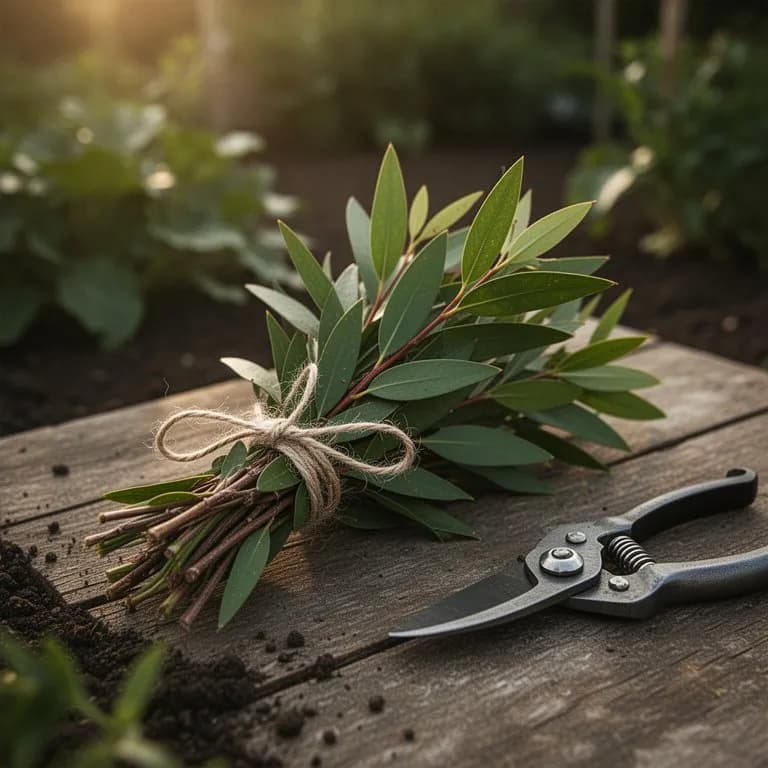
Leaves can be harvested year-round and used fresh or dried for culinary and tea use
Dry lemon myrtle leaves on screens in a warm, well-ventilated area away from direct sunlight for 5 to 7 days, or use a dehydrator set to 95 degrees Fahrenheit. The dried leaves retain their intense lemon aroma for over a year when stored in airtight glass jars away from light. Fresh leaves can be frozen whole in sealed bags for up to 6 months. Ground dried leaves into a powder for use as a versatile lemon seasoning that keeps for up to 18 months stored in a cool, dark place. The essential oil can be extracted through steam distillation for concentrated use.
Plan your garden with ease
Love growing Lemon Myrtle? Use our free garden planner to design your beds, track planting dates, and get personalized care reminders.
Nutritional Info
Per 100g serving
5
Calories
Health Benefits
- Exceptionally rich in citral, a powerful antioxidant compound with documented anti-inflammatory properties
- Contains significant levels of lutein, a carotenoid associated with eye health and protection against macular degeneration
- Provides calcium, magnesium, and zinc in small but meaningful amounts when consumed regularly as tea
- The essential oil has demonstrated broad-spectrum antimicrobial activity in clinical studies
- Very low in calories and naturally caffeine-free, making it an ideal base for healthy herbal teas
- Contains folate and a range of B-group vitamins that contribute to energy metabolism
💰 Why Grow Your Own?
A small lemon myrtle plant costs $10-20 at a nursery and can provide fresh leaves for decades with minimal care. Dried lemon myrtle leaf retails for $15-30 per 50 grams in specialty stores and online, while a single container-grown plant produces far more than this each year. Lemon myrtle essential oil sells for $25-60 per 15 ml bottle. By growing your own, you eliminate these recurring costs entirely. Over a five-year period, a single plant can save you $200-500 compared to purchasing dried leaf and tea blends. Surplus leaves are easily dried at home and make valued gifts.
Quick Recipes
Simple recipes using fresh Lemon Myrtle

Lemon Myrtle Herbal Tea
5 minutesA beautifully aromatic caffeine-free tea that delivers a bright, clean lemon flavour without any acidity. Lemon myrtle tea is soothing and refreshing served hot or over ice. The dried leaves steep into a pale golden infusion with a sweet citrus aroma that fills the room.
Lemon Myrtle Shortbread
20 minutes + 30 min chill + 12 min bakeClassic buttery shortbread infused with ground lemon myrtle for an elegant Australian twist. The lemon myrtle adds a fragrant citrus note that is more complex and aromatic than lemon zest, creating a refined biscuit perfect for afternoon tea or as a homemade gift.
Lemon Myrtle and Macadamia Pesto
10 minutesA uniquely Australian take on pesto that combines the citrus punch of lemon myrtle with the rich creaminess of macadamia nuts. This versatile condiment works brilliantly tossed through pasta, spread on grilled fish, or used as a dip with crusty bread.

Lemon myrtle tea delivers a bright citrus flavour without the acidity of lemon juice
Yield & Spacing Calculator
See how many Lemon Myrtle plants fit in your garden bed based on the recommended 90cm spacing.
1
Lemon Myrtle plants in a 4×4 ft bed
1 columns × 1 rows at 90cm spacing
Popular Varieties
Some of the most popular lemon myrtle varieties for home gardeners, each with unique characteristics.
Backhousia citriodora (standard)
The straight species is the most commonly available form. Produces the characteristic intensely lemony leaves and clusters of small white flowers in summer.
Backhousia citriodora 'Dorado'
A compact cultivar selected for container growing, reaching only 2 to 3 meters. Dense, bushy habit makes it ideal for hedging or potted specimens.
Backhousia citriodora 'Afterdark'
A striking ornamental variety with deep burgundy-purple new growth that matures to dark green. Same excellent lemon flavor with added visual appeal.
Lemon myrtle is a versatile culinary herb with a clean, intense lemon flavor. Use fresh or dried leaves to brew a refreshing caffeine-free tea with a pure citrus taste. Add dried ground leaves to shortbread, cheesecake, ice cream, and baked goods as a lemon flavoring. Use whole fresh leaves in fish en papillote, marinades, and cream sauces. Lemon myrtle pairs beautifully with seafood, poultry, and tropical fruits. It is increasingly used by professional chefs as a superior alternative to lemon zest.
When should I plant Lemon Myrtle?
Plant Lemon Myrtle in March, April, May. It takes approximately 730 days to reach maturity, with harvest typically in January, February, March, April, May, June, July, August, September, October, November, December.
What hardiness zones can Lemon Myrtle grow in?
Lemon Myrtle thrives in USDA hardiness zones 9 through 12. With greenhouse protection, it may be grown in zones 7 through 13.
How much sun does Lemon Myrtle need?
Lemon Myrtle requires Full Sun (6-8h+). This means at least 6-8 hours of direct sunlight daily.
How far apart should I space Lemon Myrtle?
Space Lemon Myrtle plants 90cm (35 inches) apart for optimal growth and air circulation.
What pests and diseases affect Lemon Myrtle?
Common issues include Scale Insects, Myrtle Rust, Psyllids. Prevention through good garden practices like crop rotation, proper spacing, and companion planting is the best approach. See the detailed pests and diseases section above for symptoms, prevention, and treatment for each.
How do I store Lemon Myrtle after harvest?
Dry lemon myrtle leaves on screens in a warm, well-ventilated area away from direct sunlight for 5 to 7 days, or use a dehydrator set to 95 degrees Fahrenheit. The dried leaves retain their intense lemon aroma for over a year when stored in airtight glass jars away from light. Fresh leaves can be fr...
What are the best Lemon Myrtle varieties to grow?
Popular varieties include Backhousia citriodora (standard), Backhousia citriodora 'Dorado', Backhousia citriodora 'Afterdark'. Each has unique characteristics suited to different growing conditions and culinary preferences. See the varieties section above for detailed descriptions.
What soil does Lemon Myrtle need?
Lemon myrtle prefers well-drained, slightly acidic soil with a pH of 5.5 to 6.5, enriched with compost or well-rotted organic matter. In heavy clay soils, plant on a raised mound or in a raised bed to ensure adequate drainage. Feed every 4 to 6 weeks during the growing season with a fertilizer formu...
Can I grow lemon myrtle in a cold climate?
Yes, but it must be grown as a container plant and brought indoors before temperatures drop below 5°C. Place it in the brightest spot you have during winter, ideally a south-facing window or conservatory. Reduce watering in winter but maintain some humidity by misting the foliage weekly. Many growers in temperate climates successfully keep lemon myrtle as a large indoor-outdoor pot plant, moving it outside in late spring once frost risk has passed and bringing it back inside in autumn.
How is lemon myrtle different from lemongrass or lemon verbena?
While all three plants deliver a lemon flavour, lemon myrtle is dramatically more concentrated. Its leaves contain up to 90-98% citral in the essential oil, compared to around 75% for lemongrass and 30-35% for lemon verbena. This means you need far less lemon myrtle to achieve a strong lemon flavour. The taste is also distinctively clean and sweet without the grassy notes of lemongrass or the floral complexity of verbena. In cooking, start with very small amounts of lemon myrtle and increase to taste.
Is lemon myrtle safe to use in cooking and teas?
Absolutely. Lemon myrtle has a long history of safe traditional use by Aboriginal Australians and is approved as a food ingredient in Australia, Europe, and the United States. The dried leaves and ground powder are widely sold as a culinary spice. Use it as you would any strong herb, in moderation. For tea, one to two teaspoons of dried leaf per cup is sufficient. The essential oil is extremely concentrated and should not be ingested undiluted; use only food-grade products at recommended dilution levels.
Why are my lemon myrtle leaves turning yellow and dropping?
Yellow leaves on lemon myrtle usually indicate one of three problems: overwatering leading to root rot, underwatering causing drought stress, or cold damage from temperatures below 5°C. Check the soil moisture first. If it is soggy and smells sour, reduce watering immediately and improve drainage. If it is bone dry, water deeply and increase your watering frequency. Cold damage typically shows as browning leaf edges before yellowing and dropping. Move the plant to a warmer, sheltered position and remove affected leaves to encourage fresh growth.
How do I dry and store lemon myrtle leaves?
Harvest healthy, mature leaves and spread them in a single layer on a mesh screen or clean tea towel in a warm, dry location out of direct sunlight. Good air circulation speeds the process. Leaves typically dry fully in 5-7 days. You can also use a food dehydrator set to 35-40°C for faster results in about 12-24 hours. Once crisp and dry, store whole leaves in airtight glass jars in a cool, dark cupboard. Whole dried leaves retain their aroma for up to 12 months. Grind only as needed, as powdered lemon myrtle loses its potency more quickly.
When is the best time to harvest lemon myrtle leaves?
Leaves can be harvested at any time during the active growing season from spring through autumn. For the highest essential oil content and strongest flavour, harvest in the morning after any dew has dried but before the heat of midday. Select mature, fully expanded leaves rather than very young tender growth, as they contain higher concentrations of aromatic oils. Avoid harvesting more than one-third of the canopy at any one time to maintain plant health and ensure continued vigorous growth.
Ready to Grow Lemon Myrtle?
Add Lemon Myrtle to your garden plan and start designing your perfect layout.

Vladimir Kusnezow
Gardener and Software Developer
Zone 6b gardener. Growing vegetables and fruits in soil and hydroponics for 6 years. I built PlotMyGarden to plan my own gardens.
Jump to Section