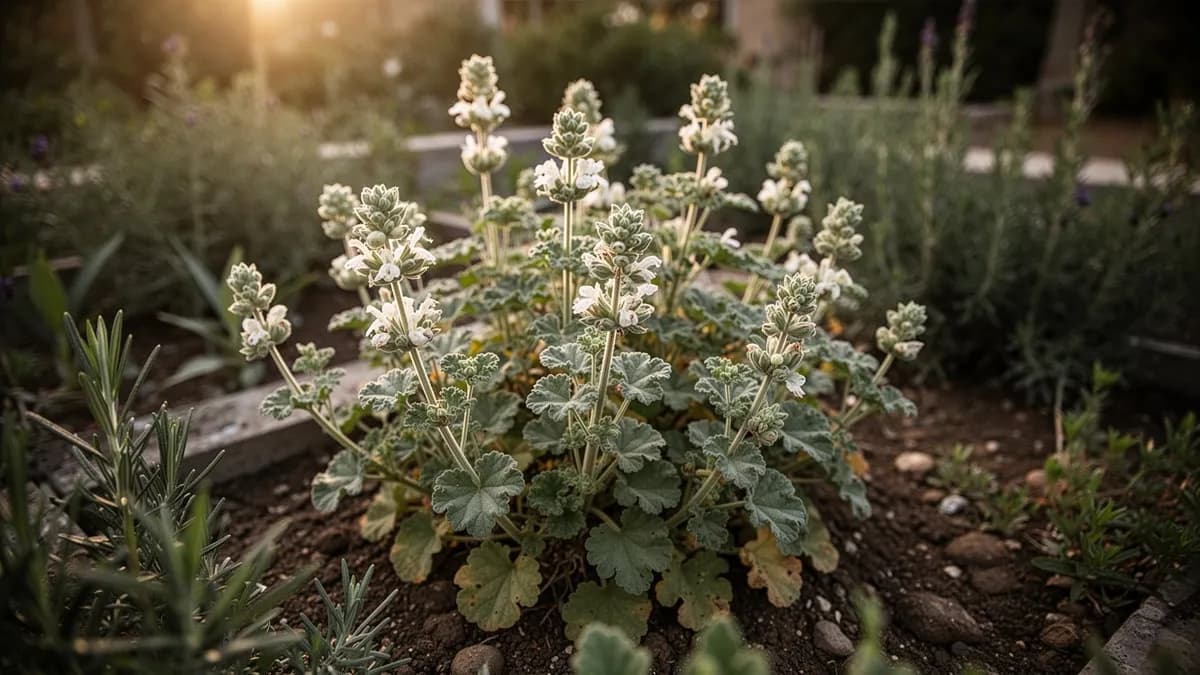
Rose Geranium
Pelargonium graveolens
At a Glance
It's planting season for Rose Geranium! Start planning your garden now.
A tender perennial with deeply lobed, rose-scented leaves used in potpourris, baking, and aromatherapy products. Rose geranium leaves can be placed in cake pans before baking to infuse a subtle rose flavor into sponge cakes. Grow in containers that can be brought indoors before frost and pinch regularly for bushy, fragrant growth.
Planting & Harvest Calendar
Growth Stages
From Seed to Harvest
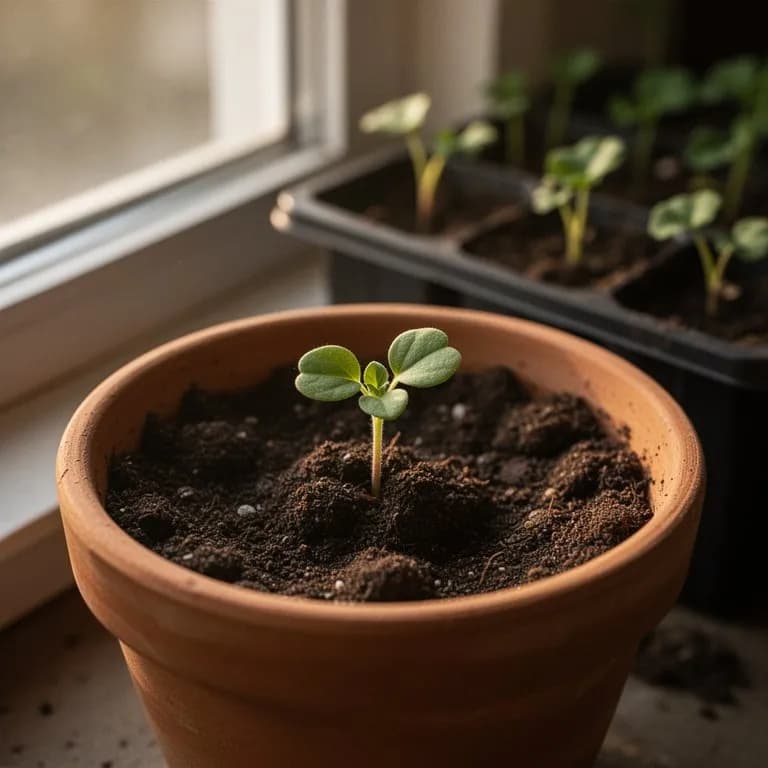
Cutting Propagation
Days 0–21
Rose geranium is most commonly started from stem cuttings rather than seed, as seeds are unreliable and slow. Take 10-15 cm tip cuttings from a healthy parent plant, strip the lower leaves, and insert into a well-draining propagation mix of perlite and peat. Cuttings root best at temperatures between 18-24°C with bright indirect light.
💡 Care Tip
Allow the cut end to dry for a few hours before inserting into the rooting medium to reduce the risk of stem rot. Avoid covering cuttings with a humidity dome, as pelargoniums prefer drier air during rooting.
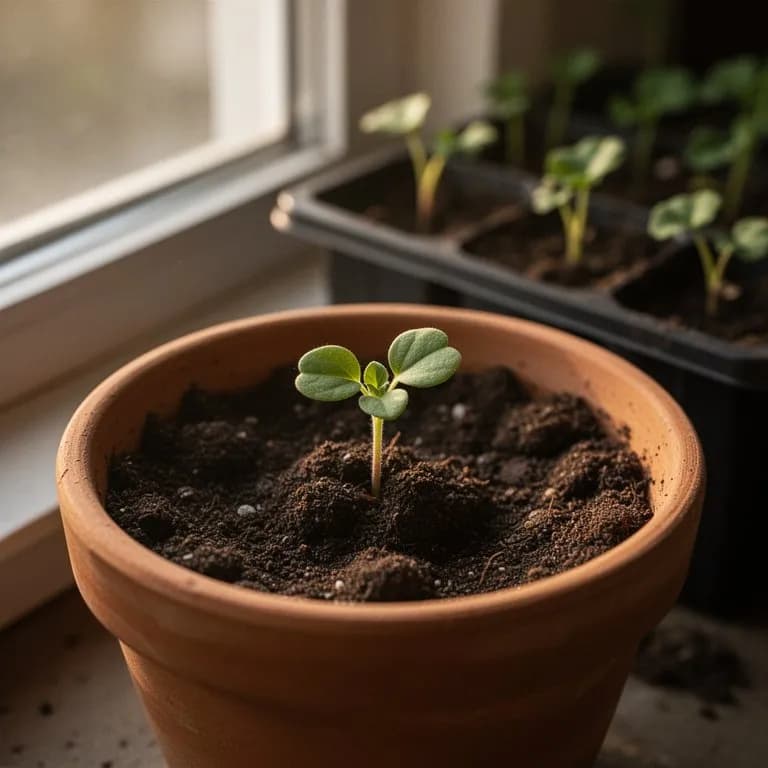
Rose geranium is most reliably propagated from stem cuttings rather than seed
Monthly Care Calendar
What to do each month for your Rose Geranium
May
You are herePlants enter a period of vigorous growth. Water regularly but allow soil to dry between waterings. Begin harvesting leaves for fresh use in cooking and for drying. Watch for aphids on new growth and treat with a strong water spray if needed.
Did You Know?
Fascinating facts about Rose Geranium
Rose geranium essential oil is so similar to true rose otto that it has been used for centuries as a more affordable substitute in perfumery, and even trained noses can struggle to tell the two apart in blends.
Rose geranium is a tender, woody-based perennial from South Africa that grows 60-90cm tall with deeply lobed, textured leaves that release a luxurious rose fragrance when brushed or crushed. In frost-free climates, it forms a handsome shrub; elsewhere, grow in containers that overwinter indoors. Plant in full sun with well-drained soil or a quality potting mix.
Pinch growing tips regularly to encourage bushy, compact growth and prevent legginess. Without pinching, rose geranium tends to become tall and sparse. Feed container plants every 2-3 weeks during the growing season with a balanced liquid fertilizer. Water when the top 2-3cm of soil feels dry—rose geranium prefers to dry slightly between waterings rather than stay constantly moist.
Bring containers indoors before the first frost, placing in the brightest window available. Reduce watering significantly in winter but do not let plants dry out completely. Cut back by one-third in early spring to promote fresh, bushy growth. Rose geranium can live for many years in containers with proper care, becoming increasingly aromatic with age.
Rose geranium (Pelargonium graveolens) is native to the Cape region of South Africa, where it grows naturally in the rocky, well-drained soils of the fynbos biome alongside other members of the remarkably diverse Pelargonium genus. The plant was first collected by European explorers and botanists in the late 17th century, during the Dutch colonial period at the Cape of Good Hope. Specimens were sent to the botanical gardens of Leiden and Amsterdam, where they quickly captured the attention of European horticulturists fascinated by their powerfully scented foliage. By the early 1700s, scented-leaf pelargoniums had spread across Europe's aristocratic gardens and conservatories. The French were particularly captivated by rose geranium and recognized its commercial potential as a source of affordable rose-scented oil. In the early 19th century, French colonists established large-scale rose geranium plantations on the island of Reunion in the Indian Ocean, giving rise to the renowned Bourbon geranium oil that remains a benchmark in the fragrance industry. Cultivation expanded to Algeria, Egypt, Morocco, and eventually to China and India, which are now among the world's largest producers. The Victorians elevated rose geranium to a household staple, growing it in parlor windows and using the leaves to scent sugar, finger bowls, and linens. Meanwhile, herbalists across multiple traditions adopted the plant for its therapeutic properties, applying the leaves and oil to treat skin ailments, digestive troubles, and nervous tension. In the 20th century, rose geranium became a cornerstone ingredient in aromatherapy, prized for its balancing and uplifting qualities. Today it remains one of the top ten essential oil crops globally, cultivated commercially across four continents while simultaneously thriving as a beloved garden herb in temperate and subtropical climates worldwide.
Rose geranium is almost exclusively propagated by stem cuttings, as seed availability is limited and named varieties do not come true from seed. Take 7-10cm stem tip cuttings in spring or late summer. Remove lower leaves, let the cut end callous for a few hours, then insert into moist perlite or a gritty compost mix. Place in bright indirect light at 18-22°C. Roots develop in 2-4 weeks. Do not cover cuttings as humidity promotes rot. Pot on once well-rooted.
Rose geranium needs well-drained, moderately fertile soil with a pH of 6.0-7.0. In containers, use a quality multipurpose compost mixed with 25% perlite for drainage. Feed container plants every 2-3 weeks during the growing season with a balanced liquid fertilizer (equal N-P-K). Reduce feeding in autumn and stop entirely in winter. Avoid excessive nitrogen which promotes lush but less aromatic foliage.
Check Your Zone
See if Rose Geranium is suitable for your location.
2°C – 35°C
36°F – 95°F
Rose geranium is a frost-tender perennial that thrives in warm conditions between 18-28°C. It tolerates brief dips to around 2°C but sustained exposure to freezing temperatures will kill the plant. In hot climates above 35°C, provide afternoon shade and increase watering to prevent leaf scorch. In most temperate regions, treat it as a container plant that moves indoors for winter, maintaining temperatures above 10°C during dormancy.
Common issues affecting Rose Geranium and how to prevent and treat them organically.
Leggy, sparse growth is the most common issue—pinch tips regularly from a young age to maintain bushy form. Yellow lower leaves usually indicate overwatering; let soil dry between waterings. Loss of fragrance intensity often means the plant needs more sun. Indoor plants in winter may develop weak, etiolated growth—provide the brightest position possible and keep cool (10-15°C). Repot every 2-3 years when roots fill the container.
Group rose geranium with other scented pelargoniums for a fragrant container collection near seating areas, doorways, and paths. The aromatic foliage is believed to repel mosquitoes and other flying insects, making it valuable on patios and near outdoor dining areas. In frost-free gardens, plant alongside lavender, rosemary, and other aromatic Mediterranean herbs.
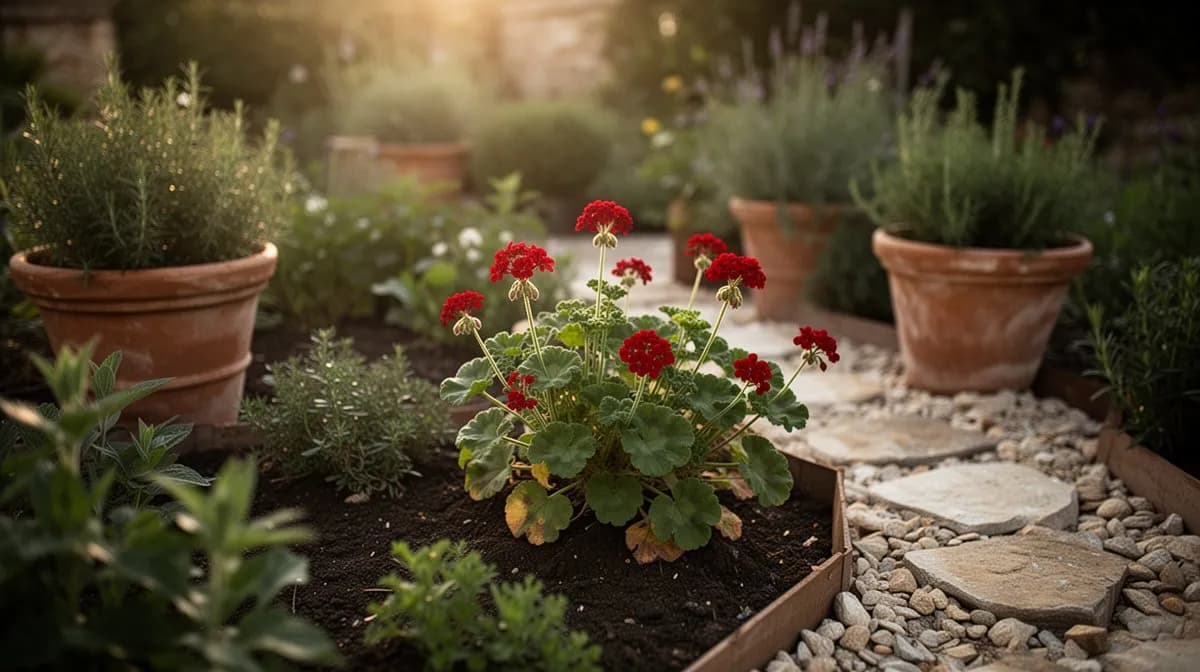
A single mature plant forms a lush, fragrant bush that can reach 90 cm tall in warm climates
- 1Rose geranium demands excellent drainage above all else. Plant in a gritty, free-draining potting mix or amend garden soil generously with perlite and coarse sand. Waterlogged roots lead to rapid decline from stem rot and fungal disease.
- 2Provide at least 6 hours of direct sunlight daily for the most fragrant foliage and strongest essential oil production. Plants tolerate partial shade but become leggy and less aromatic without sufficient light.
- 3Pinch out growing tips regularly during the active season to encourage bushy, compact growth. Without pinching, rose geranium tends to produce long, lanky stems with sparse foliage concentrated at the tips.
- 4Water deeply but allow the soil to dry out significantly between waterings. Rose geranium is adapted to seasonal drought conditions in its native South African habitat and is far more tolerant of underwatering than overwatering.
- 5Feed with a balanced liquid fertilizer at half strength every two to three weeks during the growing season. Avoid high-nitrogen fertilizers, which promote lush but weakly scented foliage at the expense of essential oil production.
- 6Take cuttings in late summer as insurance against winter loss. Root several cuttings in small pots so you always have backup plants if the parent does not survive overwintering.
- 7Bring container plants indoors before the first frost and place in the brightest window available. Reduce watering and stop fertilizing entirely during the winter rest period to prevent weak, etiolated growth.
- 8Harvest leaves in the morning after the dew has dried for the highest essential oil concentration. Leaves harvested during or just after flowering tend to have the most intense rose fragrance.
- 9Inspect indoor plants regularly for whitefly, spider mites, and mealybugs, which are the most common pests of overwintered pelargoniums. Treat infestations early with insecticidal soap or neem oil before they spread.
- 10Rose geranium pairs beautifully with other Mediterranean and South African herbs in the garden. Plant alongside lavender, rosemary, and sage, which share similar preferences for sun, heat, and lean, well-drained soil.
Harvest rose geranium leaves anytime throughout the growing season, taking individual leaves or pinching stem tips. The most intensely scented leaves are mature but still fresh-looking. For culinary use, select the most fragrant leaves by gently rubbing and smelling before picking. Harvest in the morning for peak essential oil content. Regular harvesting through pinching actually benefits the plant by promoting bushier growth.
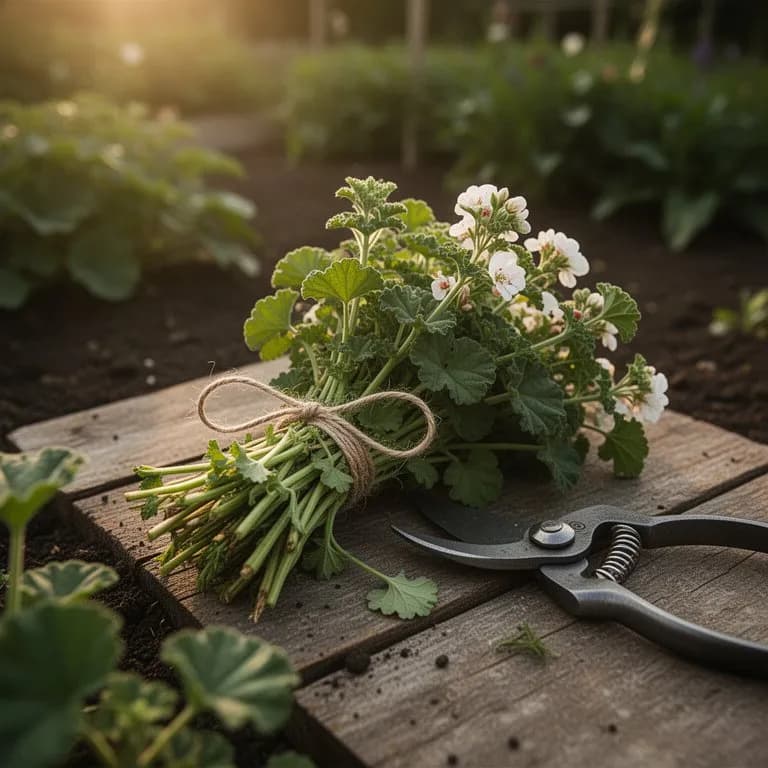
Harvest leaves any time during the growing season for fresh culinary and aromatic use
Dry individual leaves on screens in a warm, well-ventilated area or in a dehydrator at 35°C. Dried leaves retain their rose scent for 6-12 months in airtight glass jars. For baking, layer fresh leaves with sugar in a sealed jar for 2-3 weeks to create rose-scented sugar. Freeze whole leaves between layers of baking parchment for culinary use year-round. The leaves also infuse beautifully into vodka, vinegar, and simple syrups.
Plan your garden with ease
Love growing Rose Geranium? Use our free garden planner to design your beds, track planting dates, and get personalized care reminders.
Nutritional Info
Per 100g serving
37
Calories
Health Benefits
- Rich in citronellol and geraniol, aromatic compounds with documented antioxidant and anti-inflammatory properties
- Contains flavonoids including quercetin and kaempferol, which contribute to cellular protection against oxidative stress
- Rose geranium tea provides trace amounts of calcium, magnesium, and iron from the leaf material
- The essential oil has demonstrated antimicrobial activity against several common bacteria and fungi in laboratory studies
- Very low calorie herb that adds sophisticated floral flavor to foods and beverages without sugar or fat
- Traditionally used in herbal medicine as a gentle digestive tonic and mild astringent for skin care preparations
💰 Why Grow Your Own?
A single rose geranium plant costs $5-10 at a nursery and, when overwintered properly, can live for many years while providing an ever-expanding supply of aromatic leaves. Commercial rose geranium essential oil sells for $12-25 per 10 ml bottle, while a mature plant produces enough leaf material for personal use throughout the season. Dried rose geranium leaves retail for $6-12 per ounce in specialty herb shops, yet one vigorous plant yields far more than a home gardener can use. Taking cuttings each year produces unlimited free plants, and the leaves replace costly rose water, floral sugar, and potpourri blends. Over five years, a single mother plant and its cuttings can easily save $200-500 compared to purchasing equivalent commercial products.
Quick Recipes
Simple recipes using fresh Rose Geranium
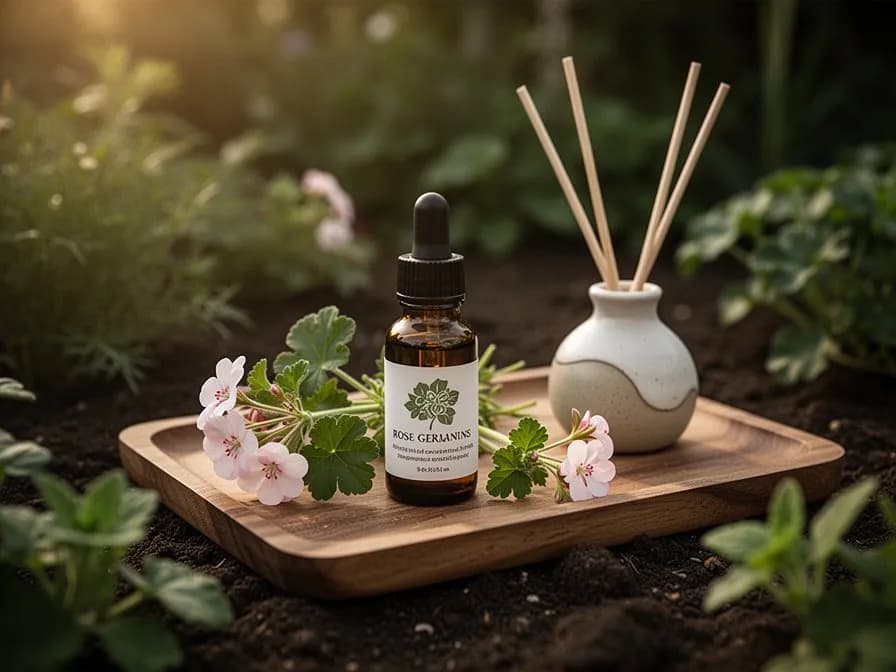
Rose Geranium Sugar
5 minutes + 2 weeks infusionBeautifully fragrant scented sugar that transforms ordinary baking into something extraordinary. Fresh rose geranium leaves are layered with granulated sugar in a sealed jar, infusing it with a delicate rose aroma over two weeks. Use it in cakes, cookies, tea, or sprinkled over fresh berries for an elegant floral touch.
Rose Geranium Jelly
45 minutes + setting timeA shimmering, jewel-toned jelly with a subtle rose fragrance that is perfect on toast, scones, or paired with soft cheeses. Apple juice provides the natural pectin base while rose geranium leaves contribute their signature floral character. This jelly makes a beautiful handmade gift from the garden.
Rose Geranium and Lemon Cake
20 minutes prep + 35 minutes bakingA moist, tender sponge cake infused with the floral aroma of rose geranium leaves placed directly in the pan before baking. The combination of rose geranium and lemon zest creates a sophisticated flavor profile that is light, fragrant, and perfect for afternoon tea or a garden party dessert.
Rose geranium leaves lend an elegant floral flavor to cakes, jellies, and syrups
Yield & Spacing Calculator
See how many Rose Geranium plants fit in your garden bed based on the recommended 45cm spacing.
4
Rose Geranium plants in a 4×4 ft bed
2 columns × 2 rows at 45cm spacing
Popular Varieties
Some of the most popular rose geranium varieties for home gardeners, each with unique characteristics.
Pelargonium graveolens (standard)
The classic rose-scented species with deeply lobed leaves and small pink flowers. The primary source of geranium essential oil used in aromatherapy.
Pelargonium 'Attar of Roses'
Considered to have the truest, most intense rose fragrance of all scented geraniums. Highly prized by perfumers and bakers.
Pelargonium 'Lady Plymouth'
Variegated cream-and-green leaves with a rose-mint scent. Beautiful ornamental value alongside its fragrance.
Pelargonium capitatum
Rose-scented species with slightly different leaf shape and stronger, more complex rose fragrance. Used commercially for essential oil production.
Rose geranium is a delightful culinary herb for sweet dishes. Line cake pans with leaves before pouring batter for rose-infused sponge cakes. Make rose-scented sugar by layering leaves with granulated sugar. Add leaves to fruit compotes, jams, and jellies during cooking (remove before serving). Infuse cream or milk with leaves for rose-flavored panna cotta, ice cream, and custards. The leaves also make a fragrant herbal tea.
When should I plant Rose Geranium?
Plant Rose Geranium in April, May. It takes approximately 90 days to reach maturity, with harvest typically in May, June, July, August, September, October.
What are good companion plants for Rose Geranium?
Rose Geranium grows well alongside Lavender, Rosemary. Companion planting can improve growth, flavor, and natural pest control.
What hardiness zones can Rose Geranium grow in?
Rose Geranium thrives in USDA hardiness zones 9 through 12. With greenhouse protection, it may be grown in zones 7 through 13.
How much sun does Rose Geranium need?
Rose Geranium requires Full Sun (6-8h+). This means at least 6-8 hours of direct sunlight daily.
How far apart should I space Rose Geranium?
Space Rose Geranium plants 45cm (18 inches) apart for optimal growth and air circulation.
What pests and diseases affect Rose Geranium?
Common issues include Whiteflies, Rust. Prevention through good garden practices like crop rotation, proper spacing, and companion planting is the best approach. See the detailed pests and diseases section above for symptoms, prevention, and treatment for each.
How do I store Rose Geranium after harvest?
Dry individual leaves on screens in a warm, well-ventilated area or in a dehydrator at 35°C. Dried leaves retain their rose scent for 6-12 months in airtight glass jars. For baking, layer fresh leaves with sugar in a sealed jar for 2-3 weeks to create rose-scented sugar. Freeze whole leaves between ...
What are the best Rose Geranium varieties to grow?
Popular varieties include Pelargonium graveolens (standard), Pelargonium 'Attar of Roses', Pelargonium 'Lady Plymouth', Pelargonium capitatum. Each has unique characteristics suited to different growing conditions and culinary preferences. See the varieties section above for detailed descriptions.
What soil does Rose Geranium need?
Rose geranium needs well-drained, moderately fertile soil with a pH of 6.0-7.0. In containers, use a quality multipurpose compost mixed with 25% perlite for drainage. Feed container plants every 2-3 weeks during the growing season with a balanced liquid fertilizer (equal N-P-K). Reduce feeding in au...
Is rose geranium edible and safe to use in cooking?
Yes, rose geranium (Pelargonium graveolens) leaves and flowers are edible and have been used in cooking and baking for centuries. The leaves are commonly used to flavor sugar, jelly, cakes, syrups, and teas. Use only plants that have been grown without pesticides, and start with small amounts since the flavor is concentrated. The leaves themselves are usually removed before eating, as they are slightly tough, but they impart a beautiful rose fragrance and flavor to whatever they touch during cooking.
How do I overwinter rose geranium in cold climates?
Rose geranium cannot survive frost, so in regions with freezing winters you must bring plants indoors before temperatures drop below 5°C. Prune the plant back by about one-third, check thoroughly for pests, and place it in the brightest window you have. Keep the room temperature above 10°C and water sparingly, allowing the soil to dry well between waterings. Do not fertilize during winter. The plant will slow its growth dramatically but should survive until spring when it can be gradually reacclimatized to outdoor conditions after the last frost date.
Why does my rose geranium have yellow leaves?
Yellow leaves on rose geranium are most commonly caused by overwatering, which leads to root stress and poor nutrient uptake. Check that your pot has adequate drainage holes and that you are allowing the soil to dry between waterings. Other causes include insufficient light, nutrient deficiency from exhausted potting mix, or natural shedding of older lower leaves as the plant matures. If the yellowing is accompanied by soft, mushy stems, root rot is likely present and you should take healthy cuttings immediately while removing the affected portions of the plant.
Can I grow rose geranium from seed?
While it is technically possible to grow rose geranium from seed, it is not recommended as the primary propagation method. Seeds are difficult to source, germination is slow and erratic often taking 4-8 weeks, and seedlings may not be true to the parent plant's scent profile. Stem cuttings are far more reliable, faster, and produce exact clones of the parent. Take 10-15 cm tip cuttings, remove the lower leaves, let the cut end dry for a few hours, and insert into a well-draining rooting medium. Cuttings typically root within 2-3 weeks.
What is the difference between rose geranium and regular geraniums?
Rose geranium (Pelargonium graveolens) belongs to the scented-leaf pelargonium group, which is grown primarily for its intensely fragrant foliage rather than its flowers. Common garden geraniums (Pelargonium x hortorum) are zonal pelargoniums bred for large, showy flower clusters in vivid colors but with little to no leaf fragrance. Both belong to the genus Pelargonium and share similar growing requirements, but rose geranium offers the added dimensions of culinary use, essential oil production, and aromatherapy. True geraniums (genus Geranium) are an entirely different group of hardy perennials commonly called cranesbills.
How do I extract essential oil from rose geranium at home?
Home extraction of rose geranium essential oil is most practically done through steam distillation using a simple kitchen distillation setup or a purpose-built copper still. Harvest a large batch of fresh leaves and stems, pack them loosely into the distillation vessel, and pass steam through the plant material. The steam carries the volatile oils, which condense and separate from the water in the collection vessel. You will need roughly 500 grams of fresh leaf material to produce just a few drops of pure essential oil. A simpler alternative is making an infused oil by packing fresh leaves into a jar, covering with a carrier oil like jojoba or sweet almond, and letting it steep in a warm place for 2-4 weeks.
Ready to Grow Rose Geranium?
Add Rose Geranium to your garden plan and start designing your perfect layout.

Vladimir Kusnezow
Gardener and Software Developer
Zone 6b gardener. Growing vegetables and fruits in soil and hydroponics for 6 years. I built PlotMyGarden to plan my own gardens.
Jump to Section