Beech Tree
Fagus sylvatica
At a Glance
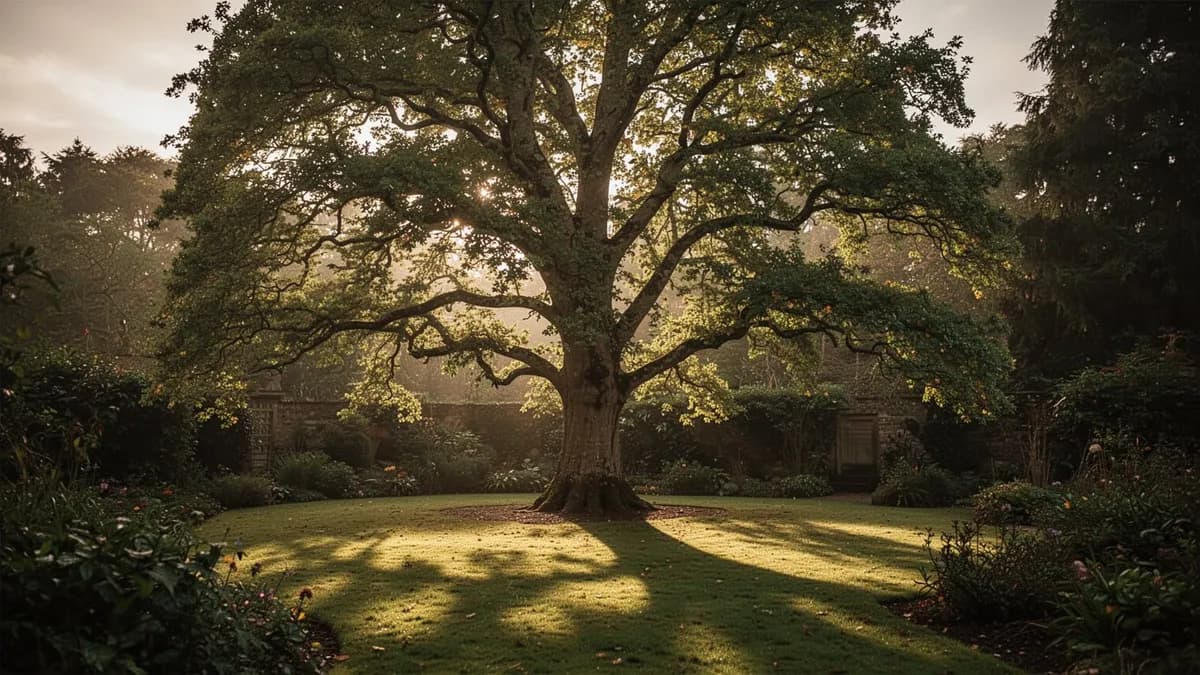
A magnificent specimen tree with smooth gray bark and dense, low-branching canopy that casts deep shade and retains coppery leaves through winter. Beech trees prefer moist, well-drained acidic soil and do not tolerate compaction or grade changes around their shallow root systems. They are slow-growing but extremely long-lived and produce small edible nuts in spiny husks that wildlife eagerly consumes. Copper and purple-leaved varieties provide dramatic year-round color in the landscape.
Planting & Harvest Calendar
Growth Stages
From Seed to Harvest
Seed Germination
Days 0–60
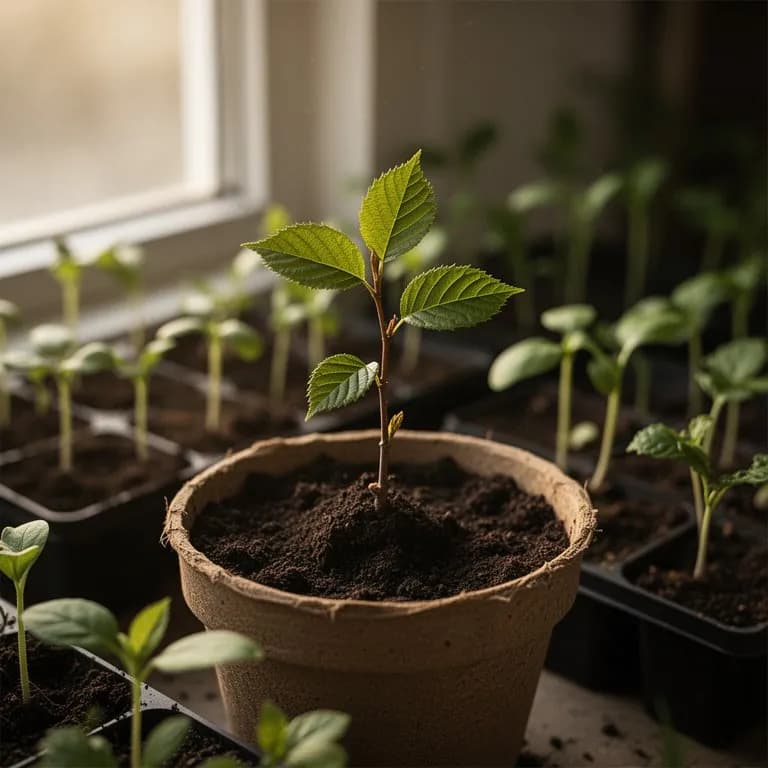
Beechnuts require cold stratification over winter before germinating in spring. Seeds should be sown in autumn or stratified in moist sand at 1-5°C for 90-120 days. Germination occurs when soil temperatures reach around 10°C.
💡 Care Tip
Protect newly sown seeds from squirrels and mice using wire mesh covers, as beechnuts are a highly prized food source for woodland rodents.
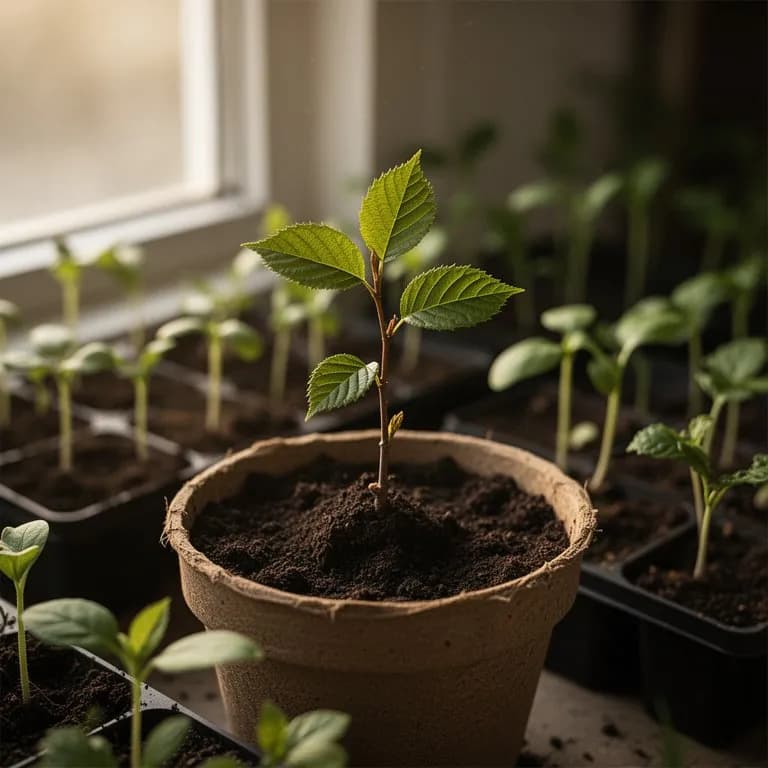
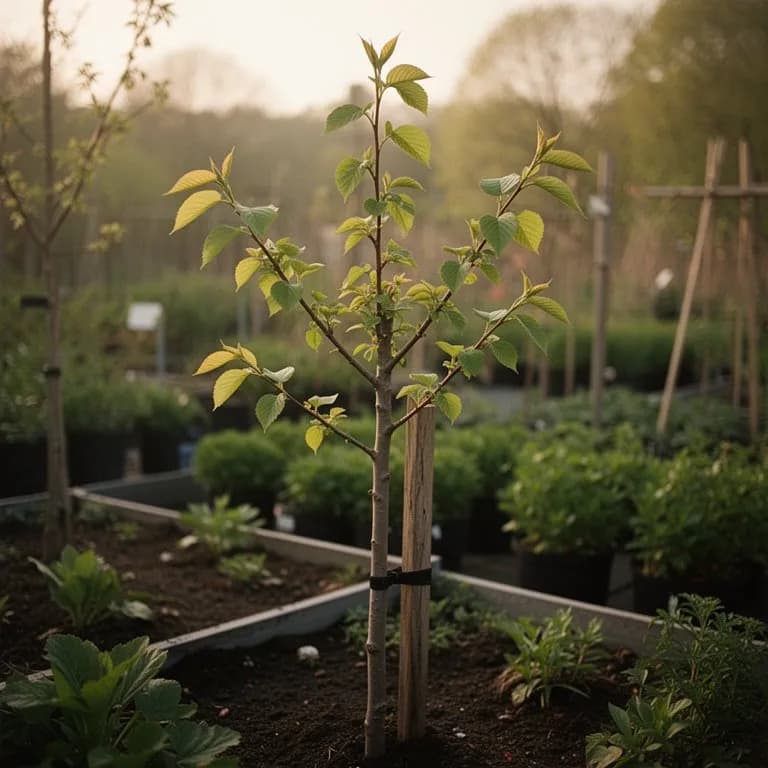
A beech seedling unfurling its first delicate leaves in early spring
Monthly Care Calendar
What to do each month for your Beech Tree
May
You are hereWatch for beech leaf mining weevil damage and woolly beech aphid. Neither typically requires treatment on established trees but can be managed with targeted spraying on young specimens if severe.
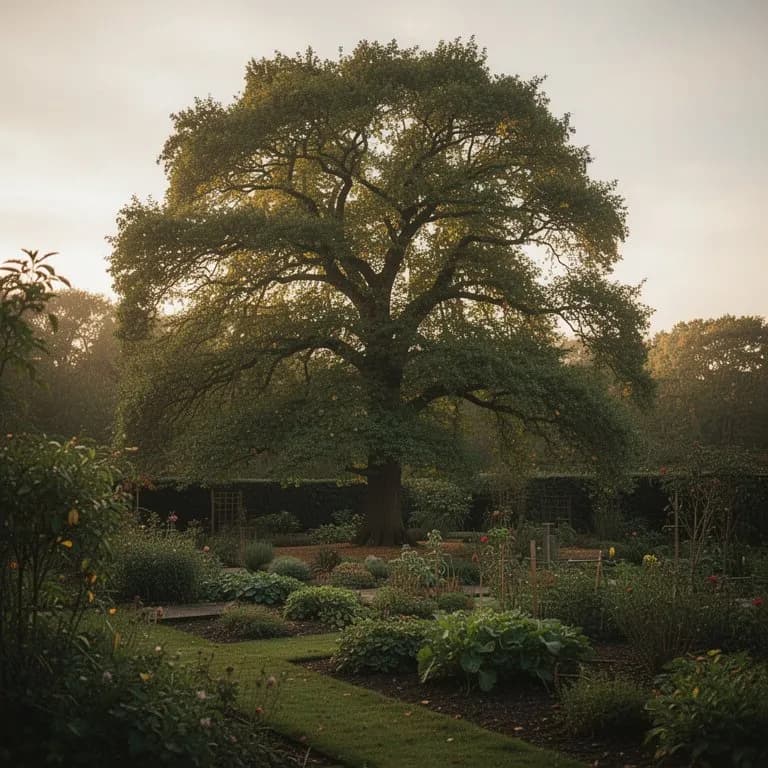
Young beech trees often retain their dried copper leaves throughout winter, a trait called marcescence
Did You Know?
Fascinating facts about Beech Tree
The English word 'book' is believed to derive from the Proto-Germanic word for beech, as early Germanic peoples carved runes into beech bark and beechwood tablets for written communication.
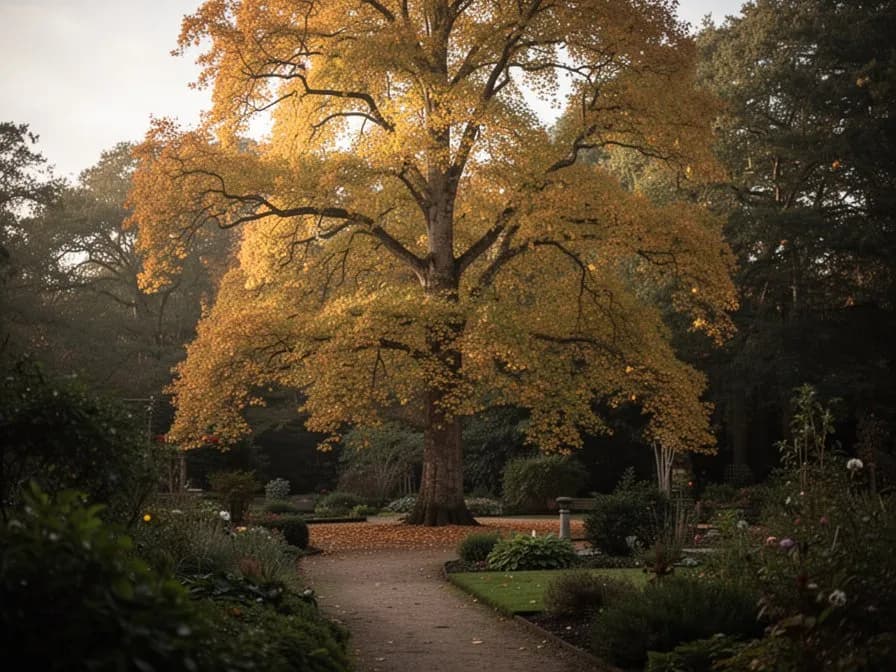
Beech trees are renowned for their stunning golden-copper autumn foliage
Plant beech trees in moist, well-drained, acidic to neutral soil with a pH of 5.0 to 6.5 in a location with full sun to light shade. Beeches prefer sheltered sites protected from harsh winds and are sensitive to salt spray and soil compaction. Space trees 40 to 50 feet apart or use as a striking single specimen. Plant balled-and-burlapped trees in spring, taking care not to plant too deeply, as beeches have very shallow root systems.
Water consistently during the first several years of establishment, providing deep soakings weekly during dry periods. Apply a 3 to 4 inch layer of organic mulch over the wide-spreading root zone, which extends well beyond the canopy drip line. Never add fill soil over beech roots or compact the soil with heavy equipment, as even modest grade changes can kill these sensitive trees.
Beeches are slow-growing, adding only 6 to 12 inches per year, but are exceptionally long-lived, often reaching 200 to 300 years. The smooth gray bark is a signature feature and should never be carved, as wounds in beech bark are permanent and invite disease. Minimal pruning is needed; remove only dead or damaged wood in late winter. The low-branching habit and dense shade make beeches poor lawn trees but magnificent specimen trees.
The European beech (Fagus sylvatica) is native to western and central Europe, where it has been a dominant forest tree since the end of the last Ice Age roughly 10,000 years ago. As glaciers retreated, beech trees gradually recolonized from refugia in the Balkans, southern Alps, and Iberian Peninsula, eventually forming the vast beech forests that once covered much of the European lowlands and mountains up to about 1,500 meters elevation. The American beech (Fagus grandifolia) occupies a similar ecological niche across eastern North America, from Nova Scotia to Florida and west to Wisconsin.
Beech trees have held deep cultural significance throughout European history. The smooth bark served as a natural writing surface, and linguists believe the English word 'book' and the German 'Buch' both trace their origins to the Germanic word for beech. Ancient Greeks associated the beech with Zeus, and the oracle at Dodona was said to interpret the rustling of sacred beech leaves. In Celtic tradition, the beech was the queen of the forest and a symbol of wisdom and learning.
Beechnuts, also called beechmast, were an important food source for both humans and livestock throughout medieval Europe. Pigs were traditionally turned out into beech forests in autumn to fatten on the fallen nuts, a practice known as pannage that continues in parts of England's New Forest today. During times of scarcity, beechnuts were ground into flour for bread or pressed for their oil, which was used in cooking and lamp fuel. The timber has been valued for centuries in furniture making, tool handles, and flooring due to its fine, even grain, hardness, and excellent steam-bending properties.
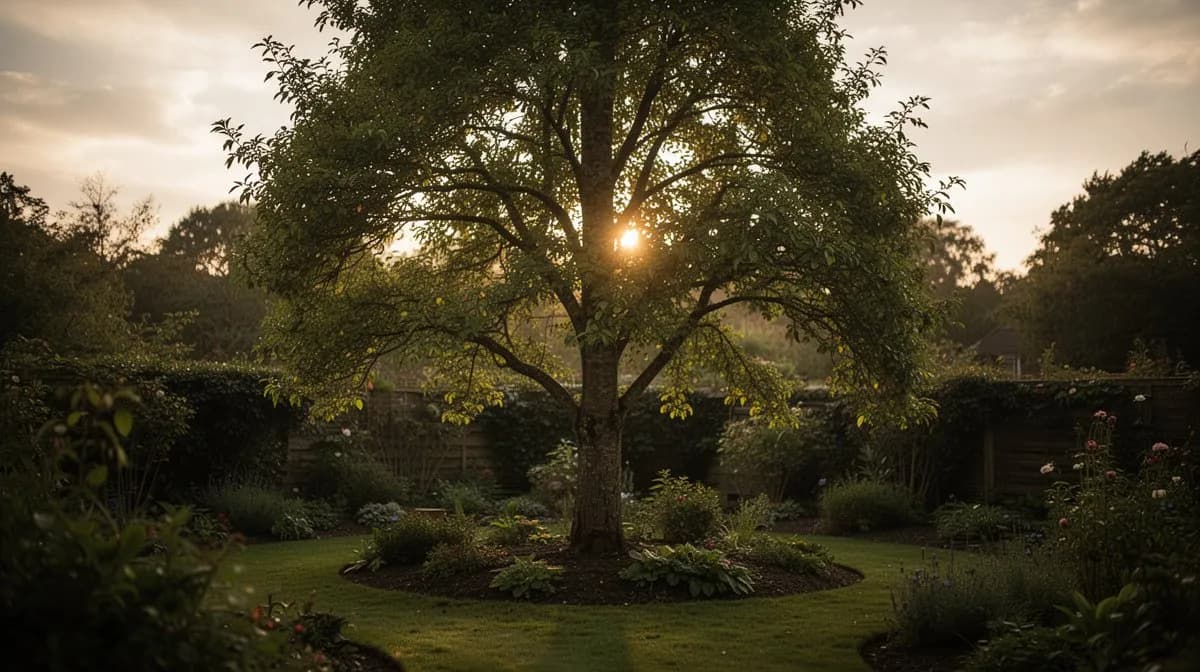
A fully mature beech tree displaying its impressive dome-shaped canopy
Collect beechnuts in October when husks split open. Float-test nuts and discard any that are hollow or insect-damaged. Cold-stratify seeds for 90 to 120 days in moist peat in the refrigerator. Sow stratified seeds half an inch deep in containers of acidic potting mix in late winter. Germination occurs in 4 to 6 weeks. Seedlings grow slowly and benefit from partial shade during their first summer. Transplant to permanent locations after one to two years in containers. Named cultivars must be grafted onto seedling rootstock.
Beeches require moist, well-drained, acidic to neutral soil with a pH of 5.0 to 6.5 and high organic matter content. They are highly sensitive to soil compaction and poorly drained conditions. Amend planting sites with compost and maintain thick organic mulch permanently. Young trees benefit from light applications of acidifying fertilizer in early spring. Avoid disturbing the shallow root zone with cultivation or grade changes. Mature beeches in good soil rarely need supplemental fertilization.
Check Your Zone
See if Beech Tree is suitable for your location.
-25°C – 35°C
-13°F – 95°F
Beech trees are hardy across USDA zones 4-9 and thrive in cool to moderate climates. They prefer average temperatures between 6°C and 20°C during the growing season and require a period of winter dormancy with temperatures below 5°C. While mature trees can withstand brief cold snaps to -25°C, late spring frosts can damage newly emerged leaves. Beech trees struggle in regions with sustained summer heat above 35°C, particularly when combined with dry conditions, as their shallow root systems make them vulnerable to drought stress.
Common issues affecting Beech Tree and how to prevent and treat them organically.
Beech bark disease is an increasingly serious threat across North America and Europe. The shallow root system makes beeches extremely sensitive to soil disturbance, compaction, and grade changes during construction. Beech leaf disease is a newer threat spreading rapidly through the Northeast. Dense shade and shallow roots make it nearly impossible to grow anything beneath mature beeches. Slow growth requires patience, and transplanting large specimens is risky due to root sensitivity.
Very few plants thrive beneath mature beech trees due to dense shade and competitive shallow roots. Spring ephemerals including snowdrops, winter aconite, and bluebells can bloom before leaf-out. Shade-tolerant groundcovers like pachysandra, epimedium, and vinca may establish at the canopy edges. Plant companions beyond the drip line rather than beneath the dense canopy. Flowering dogwood and mountain laurel make attractive nearby plantings that complement the beech without competing directly.
- 1Choose a planting site with deep, well-drained, slightly acidic to neutral soil (pH 5.5-7.5). Beech trees dislike waterlogged ground and heavy clay soils where drainage is poor.
- 2Beech trees are naturally shade-tolerant and establish best when given partial shade during the first few years. Avoid planting in fully exposed, wind-swept locations where young trees may suffer from leaf scorch.
- 3Mulch generously with leaf mold or composted bark to maintain cool, moist root conditions that mimic the woodland floor. Keep mulch at least 10 cm away from the trunk to prevent bark rot.
- 4Water young trees deeply during dry spells for the first three to five years after planting. Once established, beech trees are moderately drought-tolerant but may drop leaves prematurely in severe dry conditions.
- 5Never raise or lower the soil grade within the root zone of an established beech tree. Even 10-15 cm of added soil over the roots can cause slow decline and eventual death.
- 6Prune beech trees only during late summer through early autumn to minimize sap bleeding, which can attract diseases. Avoid heavy pruning of mature specimens, as beech trees compartmentalize wounds slowly.
- 7For beech hedging, plant bare-root whips 30-45 cm apart in a single row and cut back by one-third after planting to encourage bushy growth from the base upward.
- 8Beech trees have a symbiotic relationship with mycorrhizal fungi in the soil. Avoid using systemic fungicides near beech trees, and consider inoculating planting holes with ectomycorrhizal fungi to boost establishment.
- 9Protect young beech trees from deer and rabbit browsing with spiral guards or tree shelters. Bark damage in the first few years can permanently scar the smooth trunk and create entry points for disease.
- 10Be patient with growth in the first few years, as beech trees invest heavily in root development before accelerating above-ground growth. A well-established root system is the foundation of a healthy long-lived tree.
Beech trees produce small triangular nuts in spiny husks that ripen in October. The husks split open to release two small nuts each. Gather nuts from the ground after they fall, competing with squirrels and birds that eagerly consume them. Beechnuts are edible with a pleasant mild flavor but are small and tedious to shell. Production is irregular, with heavy mast years occurring every 2 to 3 years. Remove the thin papery shell and eat raw or lightly roasted. The nuts are high in oil and protein.
Fresh beechnuts are perishable due to their high oil content and should be consumed or processed within a few weeks of harvest. Shell and dry nuts thoroughly, then store in airtight containers in the refrigerator for up to 2 months or freeze for up to 6 months. Roasted beechnuts keep slightly longer. Historically, beechnuts were pressed for their fine cooking oil, which has a mild, delicate flavor. The wood is excellent for smoking meats and for furniture-making with its fine, even grain.
Plan your garden with ease
Love growing Beech Tree? Use our free garden planner to design your beds, track planting dates, and get personalized care reminders.
Nutritional Info
Per 100g serving
576
Calories
Health Benefits
- Beechnuts contain approximately 50% fat by weight, predominantly heart-healthy oleic and linoleic unsaturated fatty acids similar in profile to olive oil
- High in protein at around 22% of dry weight, making them one of the most protein-rich wild tree nuts available in temperate forests
- Rich in potassium and manganese, supporting cardiovascular health and bone metabolism
- Contain moderate amounts of vitamin C for a nut, contributing to immune function
- Beechnuts should be lightly roasted before eating in quantity, as raw nuts contain small amounts of fagin (trimethylamine) and tannins that can cause mild digestive discomfort
- Historically pressed for beechnut oil, a stable cooking oil with a mild, pleasant flavor that was widely used in European kitchens before the availability of imported oils
💰 Why Grow Your Own?
While beech trees require decades to reach nut-bearing age, a mature tree on your property provides significant long-term value. A single specimen can yield 5-20 kg of edible beechnuts annually in mast years at no cost, equivalent to purchasing premium foraged nuts at $30-50 per kilogram. Beech hedging is one of the most cost-effective formal hedging options, with bare-root whips costing a fraction of evergreen alternatives while providing year-round screening thanks to marcescent leaf retention. The dense hardwood timber of a mature beech is valued at several hundred dollars per cubic meter, and the deep shade cast by a large beech tree can reduce summer cooling costs for nearby buildings by 15-25 percent.
Beechnuts enclosed in their distinctive prickly cupules, ready for harvest
Quick Recipes
Simple recipes using fresh Beech Tree
Roasted Beechnuts with Sea Salt
20 minutesSimple roasted beechnuts bring out a sweet, nutty flavor reminiscent of hazelnuts and chestnuts. Roasting also neutralizes the mild tannins present in raw beechnuts, making them safe and delicious for snacking. These make an excellent autumn trail mix ingredient or salad topping.
Beechnut Pesto
15 minutesA woodland twist on classic pesto, substituting foraged beechnuts for the traditional pine nuts. The beechnuts provide a slightly sweeter, more delicate flavor that pairs beautifully with wild garlic or basil. Excellent tossed with fresh pasta or spread on crusty bread.
Beech Leaf Noyau Liqueur
10 minutes active, 3 weeks steepingA traditional English country liqueur made from young beech leaves gathered in spring when they are soft, bright green, and slightly sticky. The leaves impart a subtle, herbal flavor with hints of cucumber and green almond. This recipe dates back centuries in rural Britain.
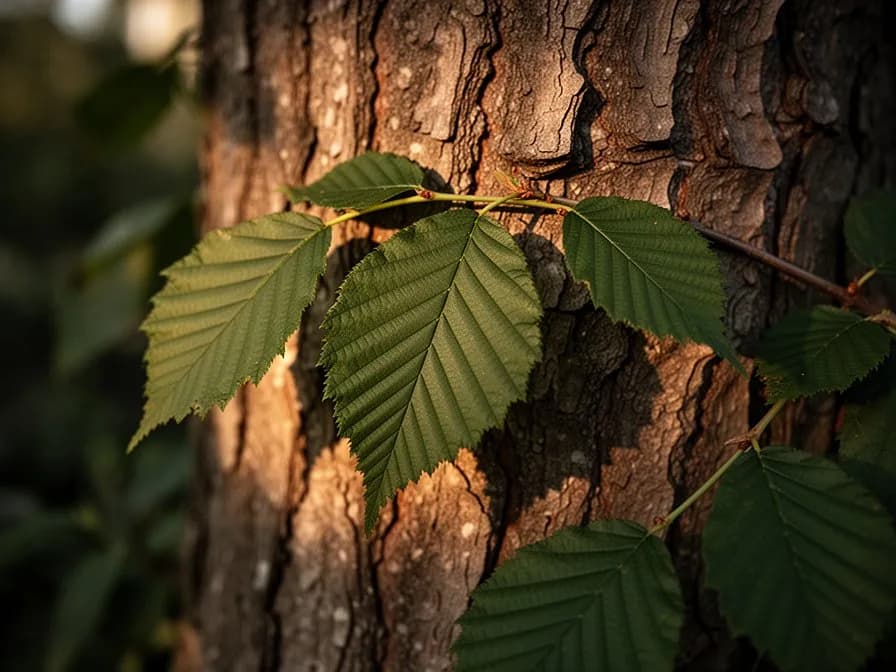
Newly emerged beech leaves are soft, translucent, and edged with fine silky hairs
Yield & Spacing Calculator
See how many Beech Tree plants fit in your garden bed based on the recommended 1000cm spacing.
0
Beech Tree plants in a 4×4 ft bed
0 columns × 0 rows at 1000cm spacing
Popular Varieties
Some of the most popular beech tree varieties for home gardeners, each with unique characteristics.
European Beech (Fagus sylvatica)
The classic species with smooth gray bark and dense canopy. Holds copper-bronze leaves through winter, providing year-round interest.
Copper Beech (Fagus sylvatica Purpurea)
Dramatic deep purple to copper foliage throughout the growing season. One of the most striking specimen trees available.
Tricolor Beech (Fagus sylvatica Roseomarginata)
Stunning variegated leaves with purple, pink, and cream margins. Smaller and slower than the species, ideal for focal points.
American Beech (Fagus grandifolia)
Native species with golden-bronze fall color and persistent winter leaves. More cold-hardy than European beech but less available in nurseries.
Weeping Beech (Fagus sylvatica Pendula)
Dramatic cascading branches that sweep the ground creating a living curtain. Spectacular specimen tree for large properties.
When should I plant Beech Tree?
Plant Beech Tree in March, April, October, November. It takes approximately 3650 days to reach maturity, with harvest typically in September, October.
What are good companion plants for Beech Tree?
Beech Tree grows well alongside Daffodil, Blueberry. Companion planting can improve growth, flavor, and natural pest control.
What hardiness zones can Beech Tree grow in?
Beech Tree thrives in USDA hardiness zones 4 through 7. With greenhouse protection, it may be grown in zones 2 through 8.
How much sun does Beech Tree need?
Beech Tree requires Full Sun (6-8h+). This means at least 6-8 hours of direct sunlight daily.
How far apart should I space Beech Tree?
Space Beech Tree plants 1000cm (394 inches) apart for optimal growth and air circulation.
What pests and diseases affect Beech Tree?
Common issues include Beech Bark Disease, Beech Leaf Disease, Beech Scale Insect. Prevention through good garden practices like crop rotation, proper spacing, and companion planting is the best approach. See the detailed pests and diseases section above for symptoms, prevention, and treatment for each.
How do I store Beech Tree after harvest?
Fresh beechnuts are perishable due to their high oil content and should be consumed or processed within a few weeks of harvest. Shell and dry nuts thoroughly, then store in airtight containers in the refrigerator for up to 2 months or freeze for up to 6 months. Roasted beechnuts keep slightly longer...
What are the best Beech Tree varieties to grow?
Popular varieties include European Beech (Fagus sylvatica), Copper Beech (Fagus sylvatica Purpurea), Tricolor Beech (Fagus sylvatica Roseomarginata), American Beech (Fagus grandifolia), Weeping Beech (Fagus sylvatica Pendula). Each has unique characteristics suited to different growing conditions and culinary preferences. See the varieties section above for detailed descriptions.
What soil does Beech Tree need?
Beeches require moist, well-drained, acidic to neutral soil with a pH of 5.0 to 6.5 and high organic matter content. They are highly sensitive to soil compaction and poorly drained conditions. Amend planting sites with compost and maintain thick organic mulch permanently. Young trees benefit from li...
Are beechnuts safe to eat, and how should they be prepared?
Yes, beechnuts are edible and have been eaten by humans for thousands of years. The small triangular nuts inside the spiny husks have a sweet, mild flavor similar to hazelnuts. It is best to lightly roast them in a dry pan or oven at 180°C for about 10 minutes before eating, as raw beechnuts contain small amounts of fagin (trimethylamine) and tannins that can cause mild stomach upset if consumed in large quantities. Roasting eliminates these compounds and enhances the nutty flavor.
How long does it take for a beech tree to reach full size?
Beech trees are slow to moderate growers, typically adding 30-60 cm of height per year in favorable conditions. They generally reach full maturity at 80-120 years of age, when they can stand 25-40 meters tall with a crown spread of 15-20 meters. However, beech trees continue to slowly increase in girth for centuries and can live 300-500 years or more, becoming ever more majestic with time.
Why does my beech tree keep its brown leaves all winter?
This phenomenon is called marcescence and is completely normal, particularly in young beech trees and beech hedges. The dead leaves are retained on the branches throughout winter and are only pushed off when new buds swell in spring. Scientists believe this may serve as a defense against browsing animals, as the dry, unpalatable leaves protect tender buds and twigs from deer and other herbivores during the lean winter months.
Can beech trees grow in full sun or do they need shade?
Mature beech trees thrive in full sun and are often the dominant canopy tree in European forests. However, young beech seedlings and saplings are shade-tolerant and actually prefer partial shade during their first few years of establishment. In nature, beech regeneration typically occurs under the dappled shade of the parent canopy. When planting a young beech tree, providing light shade for the first two to three years will reduce transplant stress and leaf scorch.
What is the best time to plant a beech tree or beech hedge?
The best time to plant bare-root beech trees and hedging plants is during the dormant season from November through March, avoiding periods when the ground is frozen or waterlogged. Container-grown beech trees can be planted year-round but establish best when planted in autumn, giving the roots time to settle in before the growing season. For beech hedging, autumn planting is strongly recommended as it gives plants a full dormant season to develop roots before spring growth begins.
Why is nothing growing under my beech tree?
Beech trees cast exceptionally dense shade due to their layered leaf arrangement and broad canopy, blocking up to 95 percent of sunlight from reaching the ground. Combined with the thick layer of slowly decomposing beech leaves and the tree's extensive shallow root network that competes aggressively for water and nutrients, very few plants can survive beneath a mature beech. This is natural and creates the distinctive bare, cathedral-like floor of beech woodlands. Shade-tolerant ground covers like ivy, woodruff, or wild garlic are among the few plants that can coexist beneath beech trees.
Ready to Grow Beech Tree?
Add Beech Tree to your garden plan and start designing your perfect layout.

Vladimir Kusnezow
Gardener and Software Developer
Zone 6b gardener. Growing vegetables and fruits in soil and hydroponics for 6 years. I built PlotMyGarden to plan my own gardens.
Jump to Section