Zelkova Tree
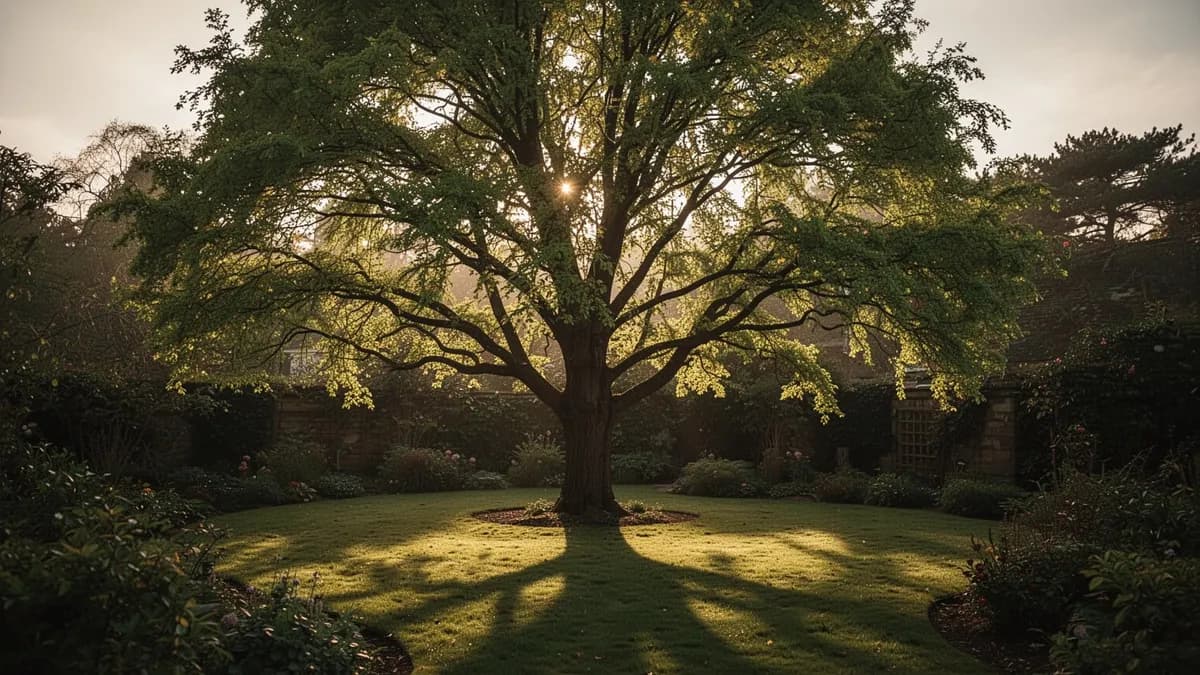
A vase-shaped shade tree widely planted as a replacement for American elms due to its similar form and superior disease resistance.





On this pageOverview
Meet Zelkova Tree
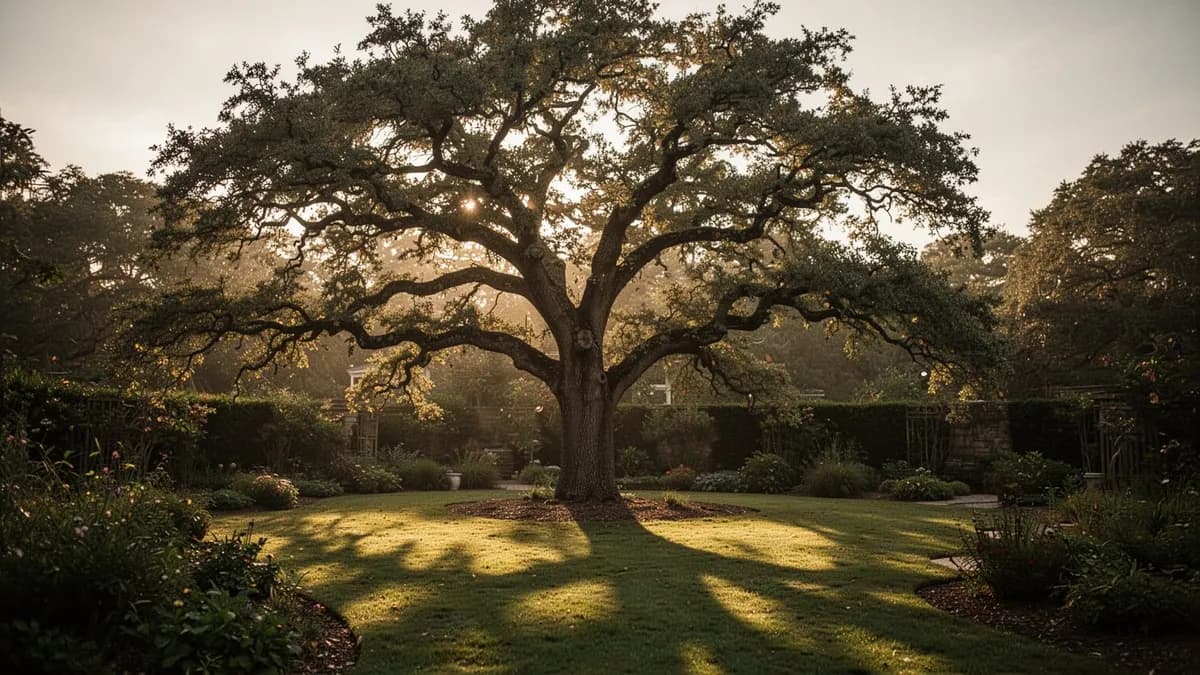
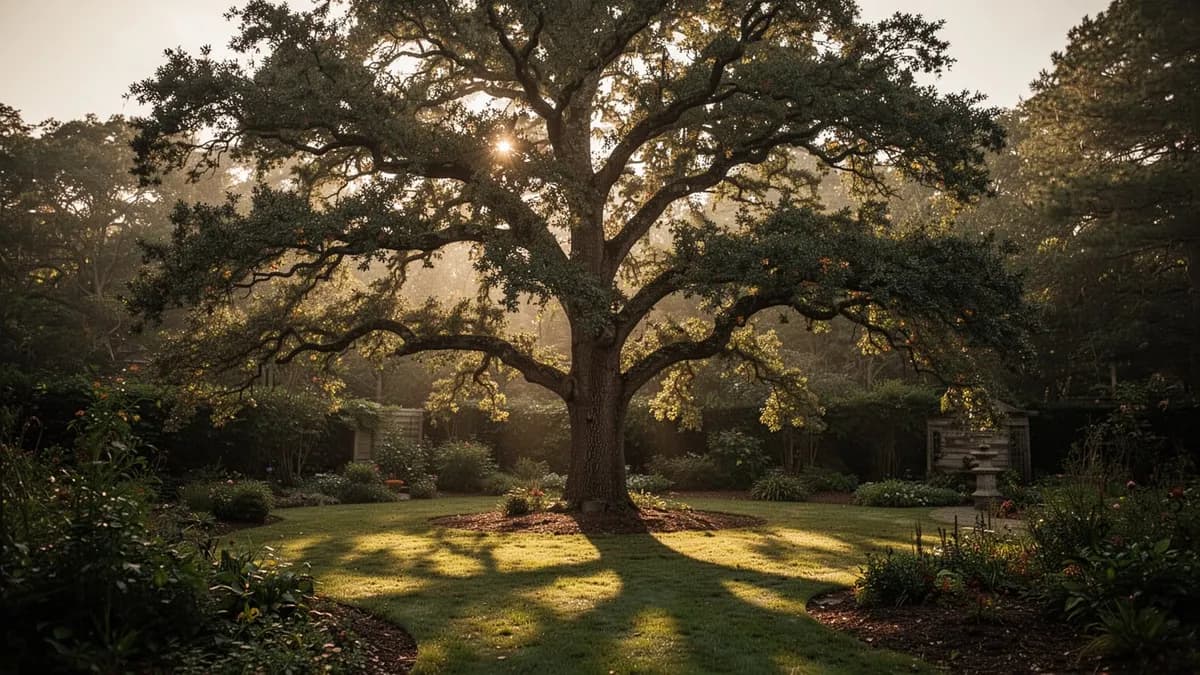
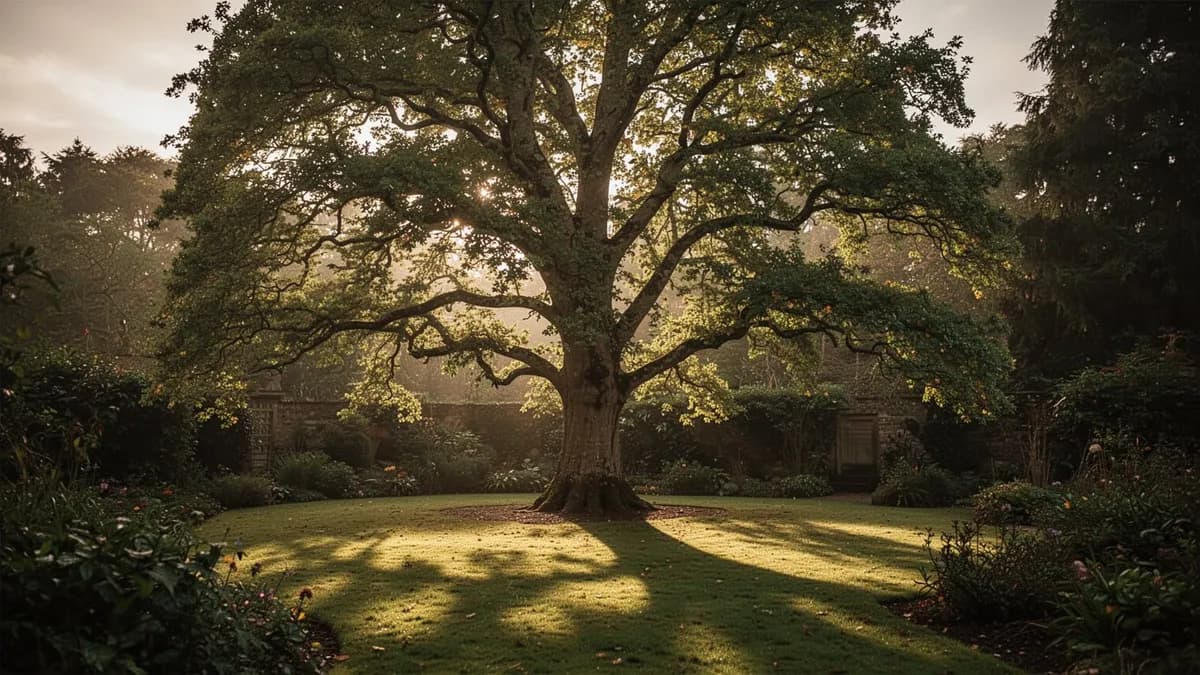
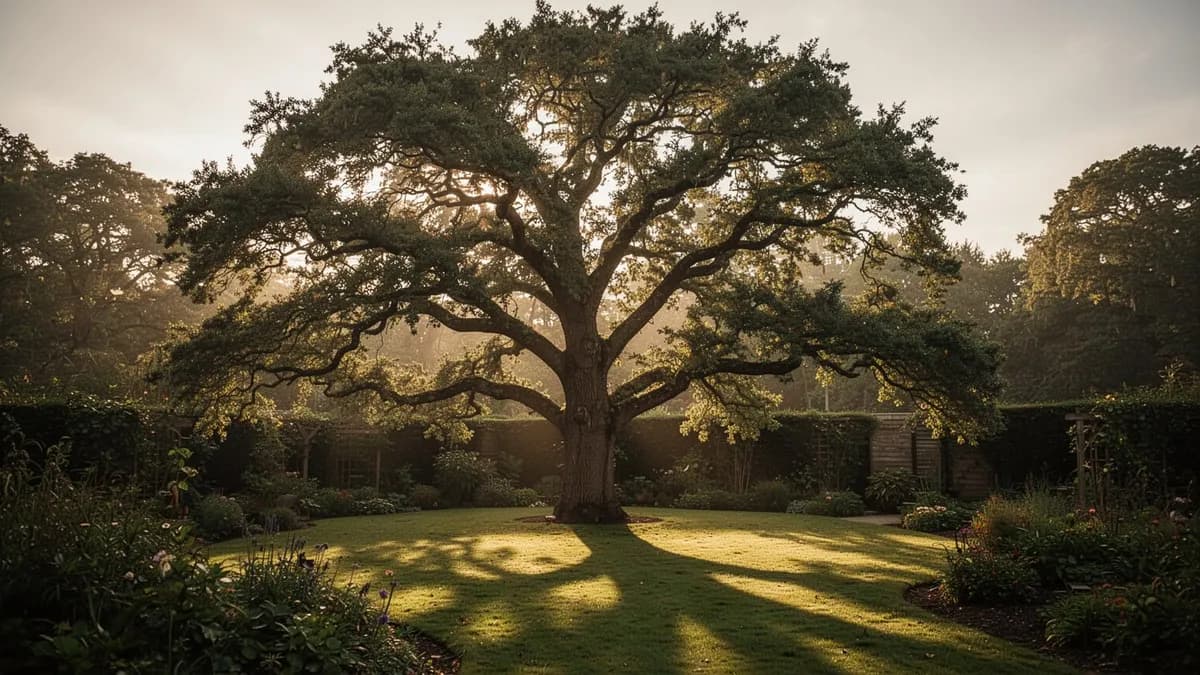
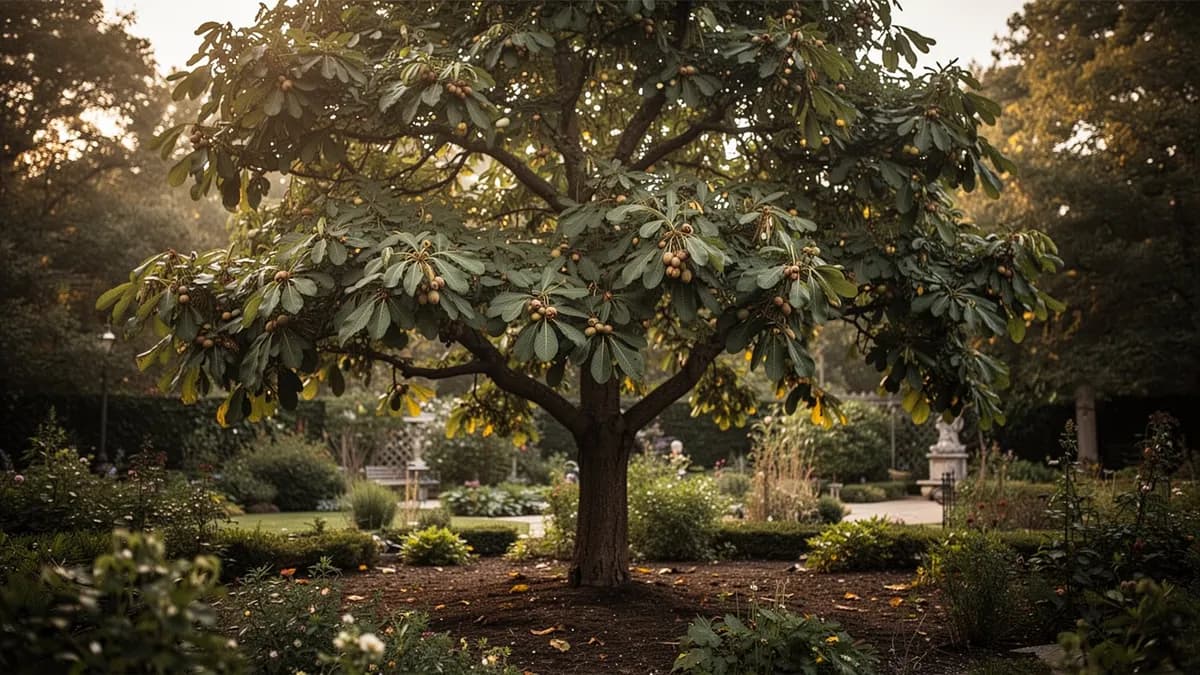
A vase-shaped shade tree widely planted as a replacement for American elms due to its similar form and superior disease resistance. Zelkovas develop beautiful mottled bark with age and provide reliable orange-red to bronze-burgundy fall color. They are tough, adaptable trees that tolerate drought, wind, and urban conditions once established. The clean branching structure requires minimal pruning and the small leaves decompose quickly in autumn.
When to plant Zelkova Tree
Zelkova can be propagated from seed, though named cultivars must be grafted to maintain their specific characteristics. Collect seeds in autumn when the small drupes turn brown. Clean seeds from the pulp and cold-stratify in moist peat at 35 to 40 degrees Fahrenheit for 60 to 90 days. Sow stratified seeds a quarter-inch deep in containers and maintain at 65 to 70 degrees. Germination takes two to four weeks. Seedlings grow moderately fast and can be transplanted to larger containers or nursery beds after the first growing season.
Your Zelkova Tree Year
Composed for Zone 7 · typical seasons · frost passes Apr 2, returns Nov 1
Plant Zelkova Tree Mar – Apr, Oct – Nov, pick —. Check the planting methods below and set your climate to personalize these windows.
How to grow Zelkova Tree
Choose a site with full sun to light shade and well-drained soil. Zelkova trees tolerate a wide range of soil types including clay, loam, and sandy soil with a pH of 5.5 to 7.5. They are excellent choices for urban planting because they withstand compacted soil, moderate drought, and air pollution. Space trees 40 to 50 feet apart to allow for their broad, vase-shaped canopy at maturity.
Plant balled-and-burlapped or container-grown trees in spring or early fall. Dig a wide, shallow hole two to three times the width of the root ball but no deeper than the root ball height. Set the root flare at or slightly above grade level and backfill with native soil. Water deeply at planting and weekly during the first two growing seasons.
Zelkova trees develop a naturally attractive vase shape with minimal corrective pruning. In the first five years, remove competing leaders to establish a single dominant trunk and eliminate narrow branch crotches that could split in storms. Mature trees need only occasional removal of dead or crossing branches. Zelkovas are resistant to Dutch elm disease and elm leaf beetle, the two primary reasons they have replaced American elms in many urban landscapes.
Zelkova Tree needs more room than a 4 × 8 ft bed gives
Each Zelkova Tree wants 800 cm of elbow room. The planner keeps that spacing for you — every plant, every bed.
Zelkova Tree's best neighbours
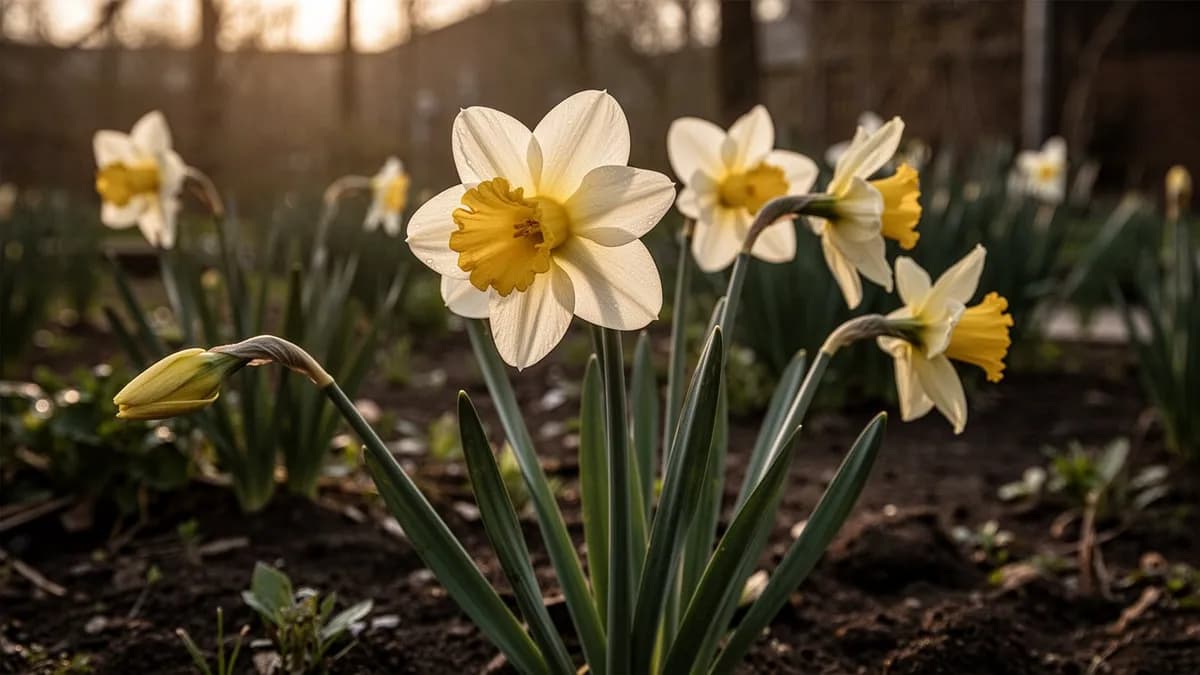
The high, arching canopy of zelkova trees creates ideal conditions for shade-tolerant understory plants. Hostas, ferns, and astilbe thrive beneath the filtered light. Spring-flowering bulbs like daffodils and snowdrops perform well because they complete their cycle before the canopy fully leafs out. Low-growing evergreen groundcovers such as pachysandra and periwinkle provide year-round coverage. The relatively small zelkova leaves decompose quickly in autumn and do not smother understory plantings the way larger-leaved trees can.
Daffodil belongs beside it. Walnut Tree doesn't.
Old growers' knowledge, checked against Zelkova Tree's real companion table below — test any plant you're growing.
Try Zelkova Tree in a bed — right here
A real planner bed with Zelkova Tree already in it. Tap a companion to place it and watch the pairing checks answer — green for good neighbours, red for a clash.


Related growing guides
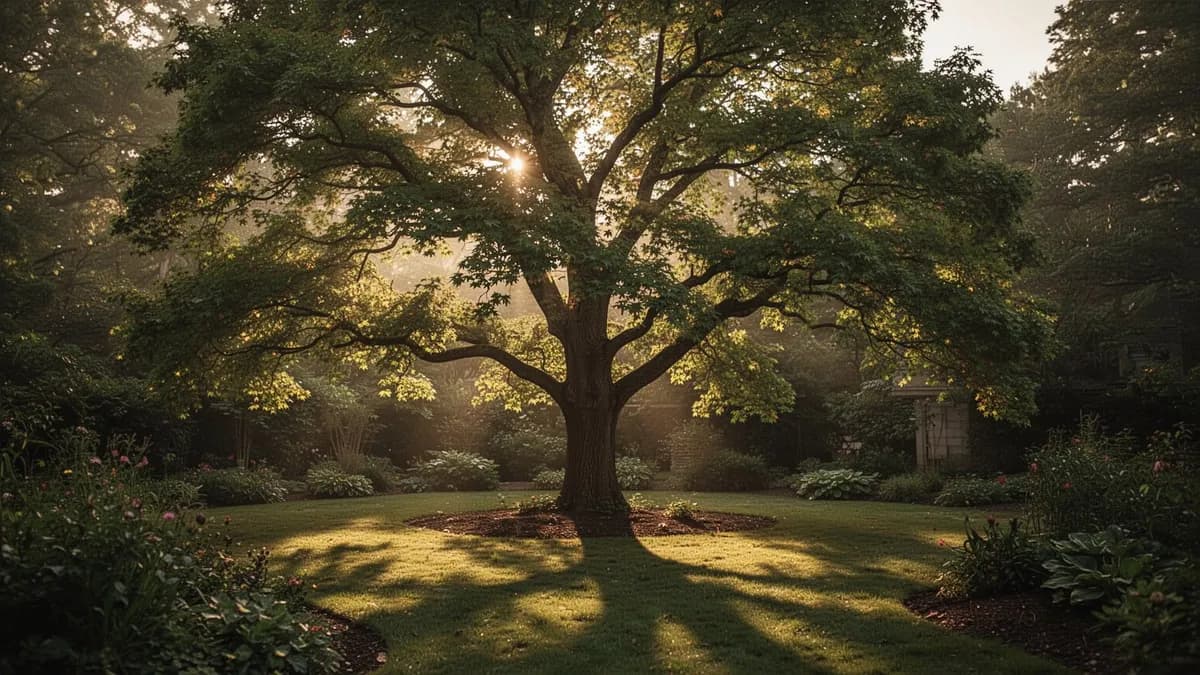
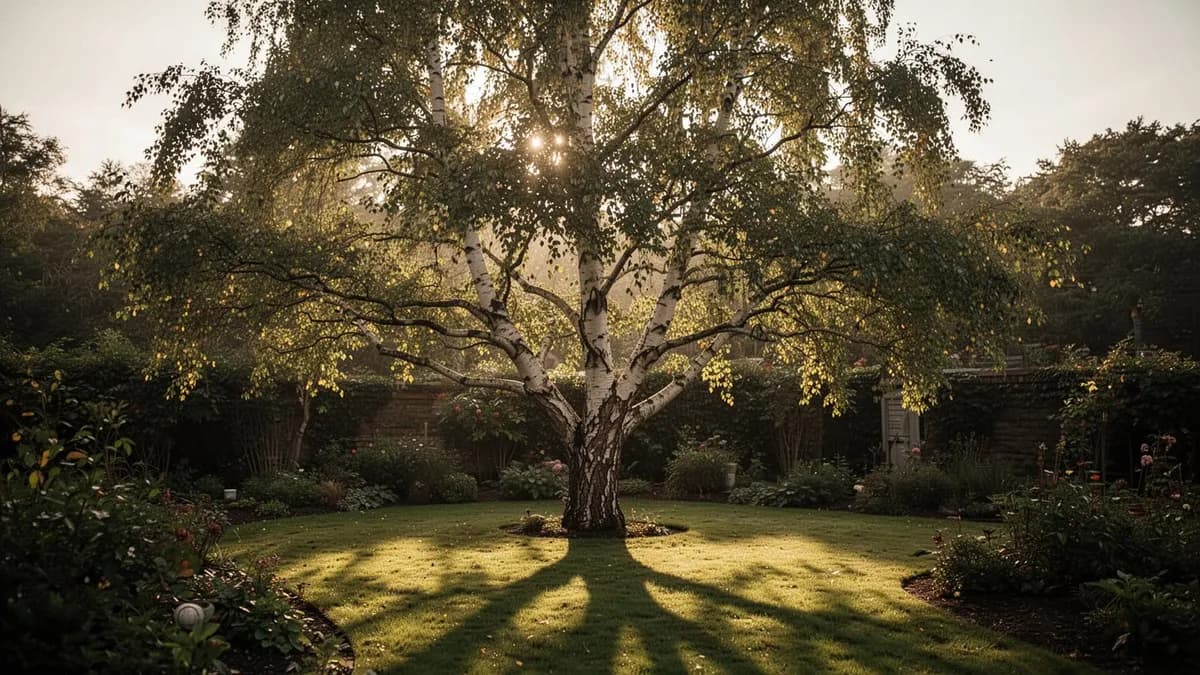
Feed it well
Zelkova trees are adaptable to a wide range of soil conditions including clay, loam, and sandy soils with a pH of 5.5 to 7.5. They tolerate moderately alkaline conditions and urban compacted soil better than most shade trees. Apply a balanced slow-release fertilizer in early spring for the first five years after planting. Established trees rarely need supplemental fertilization if growing in decent soil. Mulch annually with 2 to 3 inches of composted bark or wood chips extending to the drip line to improve soil structure and moisture retention.
Ideal Temperature
Hardiness Zone Compatibility
From seed to harvest, stage by stage
Seed Germination & Seedling
Zelkova seeds require cold stratification for 60 to 90 days before germination. Once sown in spring, seedlings emerge within two to four weeks and develop their first true serrated leaves. Seedlings grow slowly in the initial months, reaching 10 to 15 centimeters by the end of the first growing season.
Juvenile Whip Stage
The young tree grows as a single-stemmed whip, adding 30 to 60 centimeters of height per year. The trunk begins to develop a smooth gray bark, and lateral branching starts to form the initial framework of the future canopy. Root establishment is the primary focus during this stage.
Sapling Establishment
Between years two and seven, the zelkova transitions from a slender whip to a recognizable young tree. Annual growth averages 45 to 75 centimeters in height. The branching pattern begins to show the characteristic vase shape, and the canopy starts to widen. The bark remains relatively smooth with light lenticels visible.
Young Tree Canopy Development
From roughly year seven through year twenty, the zelkova develops its broad, spreading canopy. Growth rate remains moderate at 30 to 60 centimeters per year. The bark begins to exfoliate in patches, revealing the attractive mottled coloration beneath. The tree starts providing meaningful shade and becomes a prominent landscape feature.
Mature Specimen
A mature zelkova reaches 15 to 25 meters in height with a canopy spread of 15 to 20 meters. The vase-shaped form is fully expressed, and the exfoliating bark provides year-round ornamental interest. Growth slows to 15 to 30 centimeters per year. The tree can live for several centuries under favorable conditions, with some specimens in Japan exceeding 1000 years of age.
Keep the seedbed consistently moist but not waterlogged. Provide light shade during the hottest part of the day to prevent scorching of tender seedlings.
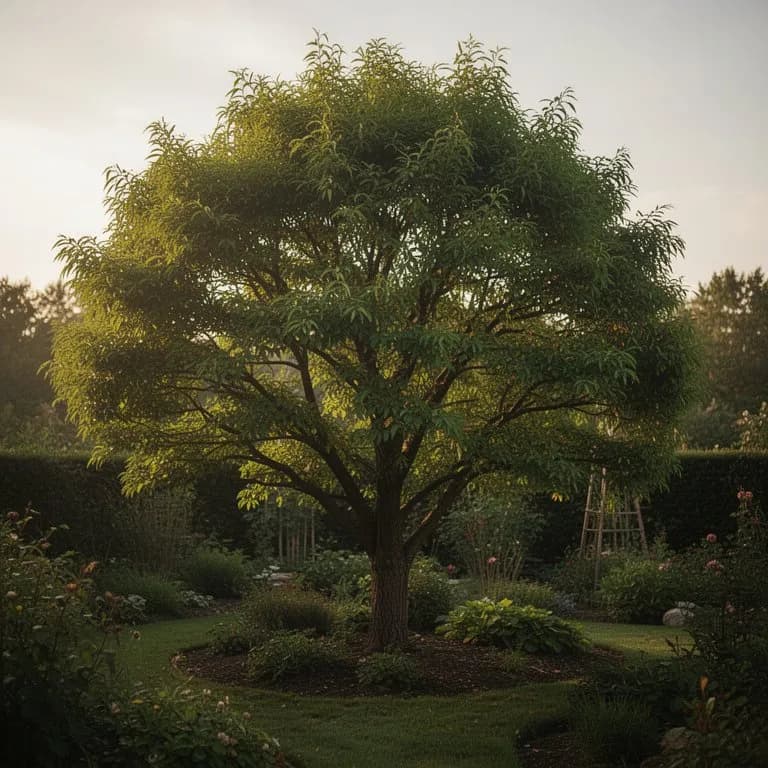
Caring for Zelkova Tree month by month
What to do each month for your Zelkova Tree
October
You are hereAllow fallen leaves to decompose naturally as mulch or collect for compost.. Perform a final deep watering before the ground freezes if autumn has been dry.. Wrap the trunks of newly planted trees with tree wrap to prevent sunscald and frost cracking.
Know exactly what to do in your garden — every month
One email at the start of each month: what to sow, plant, and tackle right now — for your Zelkova Tree and everything growing around it. Plus a short starter course that helps you dodge the classic mistakes.
- What to do, right now
- Matched to your season
- Starter course included
Harvesting Zelkova Tree
Zelkova trees are purely ornamental and do not produce edible fruit or nuts. The small, kidney-shaped drupes that form in autumn are not harvested for consumption. Seeds can be collected in fall for propagation purposes by gathering the small fruits once they turn brown and dry on the branch. For landscape enjoyment, the primary harvest is the outstanding fall foliage display of orange, rust, and burgundy tones that peaks in mid to late October in most regions.
assuming you plant when the window opens — set your real date
Pick Zelkova Tree promptly and the plant keeps producing.
Storage & Preservation
Since zelkova is an ornamental tree, storage considerations focus on collected seeds for propagation and pruned wood. Seeds should be cleaned of pulp, dried at room temperature for a few days, and stored in sealed containers in the refrigerator for spring planting. Zelkova wood is valued in Japanese woodworking for its beautiful grain and durability. Pruned branches of suitable diameter can be air-dried for craft projects. Preserve fall foliage by pressing individual leaves between wax paper in heavy books.
What goes wrong — and the fix
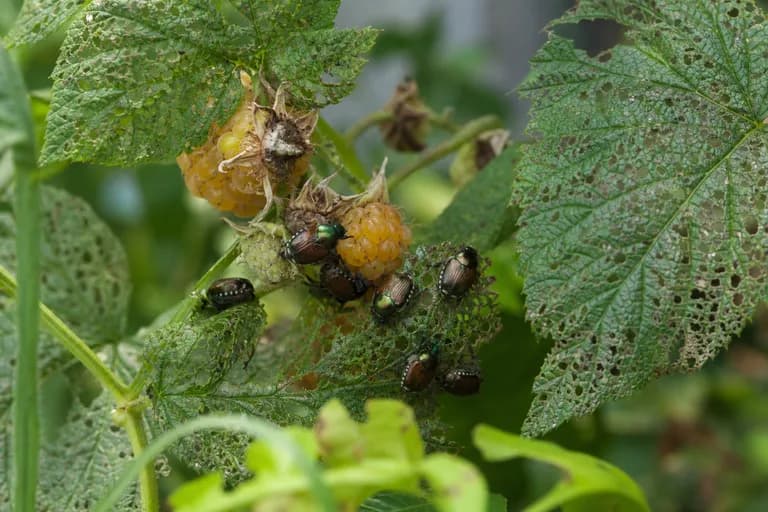
Japanese Beetle
PestSkeletonized leaves where beetles feed between the veins, leaving a lace-like pattern. Heavy feeding causes brown, desiccated foliage in midsummer.
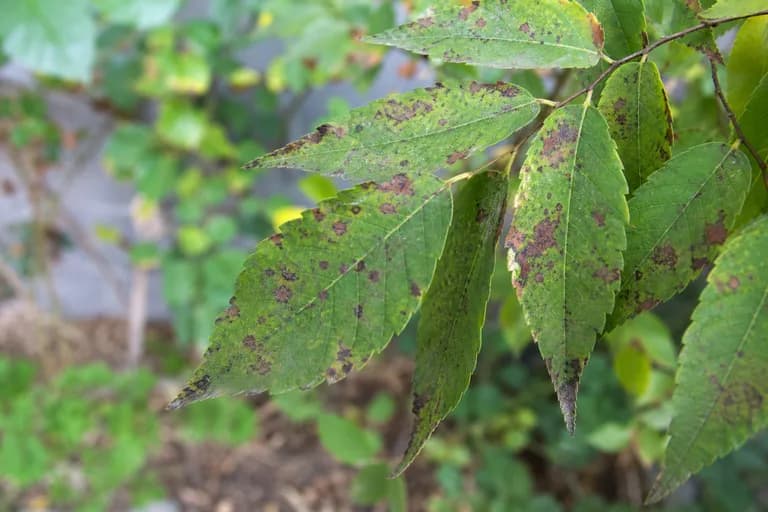
Zelkova Leaf Spot
DiseaseSmall brown or tan spots with dark borders on leaves, sometimes coalescing into larger blotches. Severe cases cause early leaf drop in late summer.
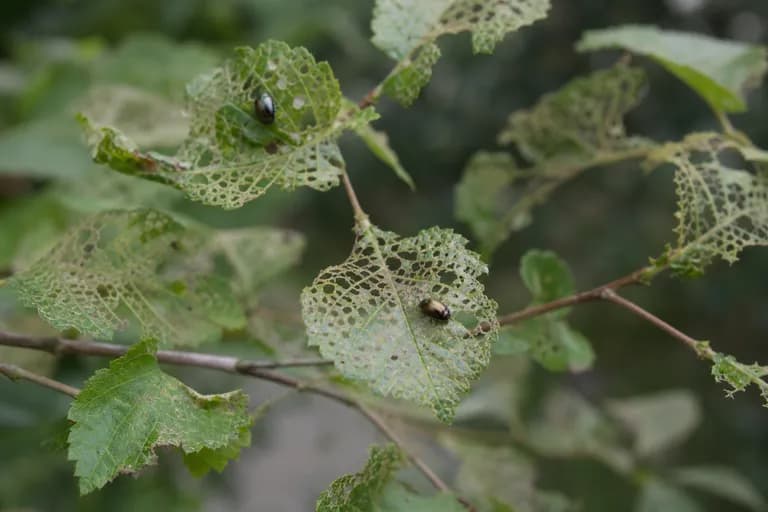
Elm Leaf Beetle
PestChewing damage on leaf surfaces creating irregular holes. Larvae skeletonize the undersides of leaves, causing browning and premature defoliation.
Troubleshooting Common Problems
Young zelkova trees can develop multiple co-dominant leaders that create weak branch attachments prone to splitting in ice storms. Corrective structural pruning in the first five to ten years prevents this issue. Some cultivars are susceptible to canker diseases during periods of drought stress, so maintain adequate irrigation during prolonged dry spells. Surface roots may develop in compacted soil, though less aggressively than maples or willows. Occasional leaf scorch occurs during extreme heat but is cosmetic and does not indicate a serious health concern.
Growing Tips
- Select a planting site with full sun to partial shade and well-drained soil. Zelkova tolerates a wide range of soil types including clay, loam, and sandy soils, but performs best in deep, moist, well-drained conditions.
- Dig the planting hole two to three times wider than the root ball but no deeper, ensuring the root flare sits at or slightly above the surrounding soil grade to prevent trunk rot.
- Water newly planted zelkova trees deeply once per week for the first two growing seasons, applying 10 to 15 liters per centimeter of trunk diameter at each watering session.
- Apply a 7 to 10 centimeter layer of organic mulch in a wide ring around the tree, extending to the drip line but maintaining a 10-centimeter gap from the trunk to prevent moisture-related bark diseases.
- Perform structural pruning during late winter dormancy to develop a strong central leader with well-spaced lateral branches. Remove no more than 25 percent of the live canopy in a single year.
- Avoid planting zelkova in consistently wet or poorly drained sites, as the species is susceptible to root rot in waterlogged conditions despite its overall toughness.
- Fertilize young trees in early spring with a balanced slow-release fertilizer only if a soil test indicates nutrient deficiencies. Established zelkova trees rarely require supplemental fertilization.
- Protect young trees from deer browse and mechanical damage from lawn equipment by installing a tree guard around the trunk for the first five years after planting.
- Consider the mature size when selecting a planting location. Allow at least 10 meters of clearance from buildings and overhead utility lines to accommodate the broad canopy spread.
- In regions with harsh winters at the edge of the tree's hardiness range, select cold-hardy cultivars such as Village Green or City Sprite and provide windbreak protection for the first few winters.
Grow your best Zelkova Tree yet — and everything around it.
Start a free plan today. Lay out your beds, drop in your Zelkova Tree, and let PlotMyGarden handle the timing, spacing, companions and reminders from seed to harvest basket.
Pick your Zelkova Tree
Village Green
The most widely planted zelkova cultivar with a broad vase shape, excellent disease resistance, and reliable rusty-red fall color. Grows 40 to 50 feet tall.
Green Vase
A vigorous, fast-growing selection with a more upright vase shape than Village Green. Produces bronze-orange to reddish-brown autumn color and adapts well to urban conditions.
Musashino
A narrow, columnar cultivar ideal for street planting and tight spaces. Grows 45 feet tall but only 15 feet wide with dark green foliage turning yellow-orange in fall.
City Sprite
A compact cultivar reaching only 24 feet tall, making it suitable for smaller landscapes and under utility lines. Develops attractive orange-red fall color.
A well-positioned mature zelkova can reduce residential cooling costs by 20 to 35 percent during summer months by shading the home and surrounding hardscape. Studies by the USDA Forest Service estimate that a single large shade tree provides an average annual energy savings of 200 to 400 dollars in cooling and heating cost reductions. Additionally, mature zelkova trees increase property values by 7 to 15 percent, translating to thousands of dollars in added home equity. The tree's low maintenance requirements and long lifespan of 150 years or more make it one of the highest return-on-investment landscape plantings available to homeowners.
Quick recipes
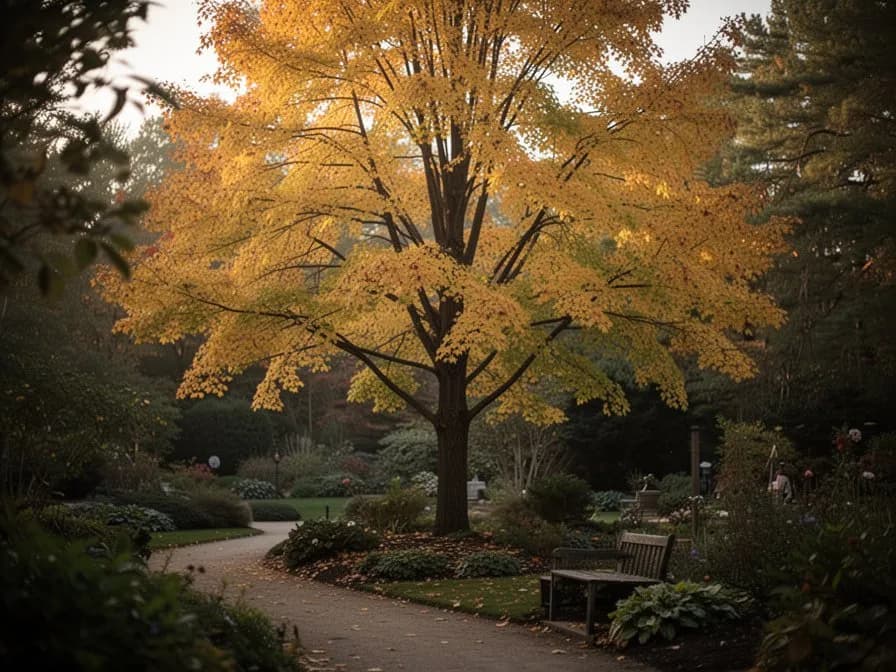
Zelkova Leaf Compost Tea for Garden Fertilizer
15 minutes active, 3-5 days steepingFallen zelkova leaves make an excellent compost tea that provides a mild, balanced nutrient boost for garden plants. The decomposing leaves release trace minerals and beneficial microorganisms into the water, creating a gentle liquid fertilizer suitable for vegetables, flowers, and houseplants.
4 ingredients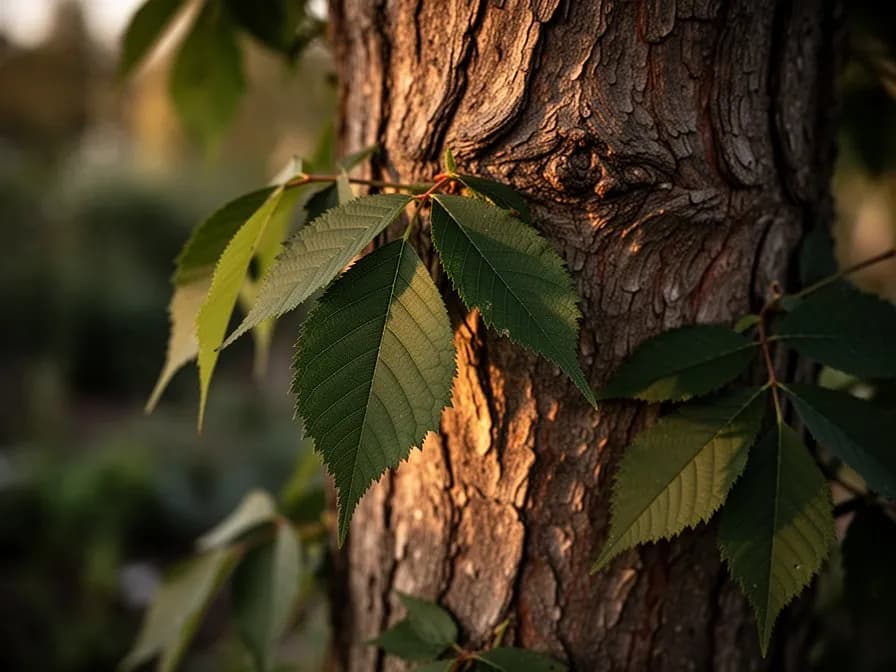
Zelkova Leaf Mulch Preparation
30 minutesShredded zelkova leaves create a superior mulch that decomposes at a moderate rate, enriching garden soil with organic matter over the course of a season. The serrated leaves break down more readily than oak or maple leaves, making them ideal for vegetable garden mulching.
4 ingredientsZelkova Wood Smoking Chips for Grilling
20 minutes preparation, 2-4 weeks dryingPruned zelkova branches can be chipped and dried to create aromatic smoking wood for grilling and barbecue. The wood produces a mild, slightly sweet smoke similar to cherry wood, pairing well with poultry, pork, and fish. Only use wood from untreated, healthy branches.
4 ingredientsWhat's inside
Health Benefits
- Mature zelkova trees significantly improve local air quality by filtering particulate matter, absorbing sulfur dioxide and nitrogen oxides, and releasing clean oxygen through photosynthesis.
- The dense canopy provides substantial shade that can reduce surrounding air temperatures by 3 to 5 degrees Celsius, lowering heat-related health risks in urban environments.
- Studies have shown that proximity to large shade trees like zelkova reduces psychological stress, lowers blood pressure, and improves overall mental well-being in urban residents.
- Zelkova trees help manage stormwater runoff by intercepting rainfall and promoting soil infiltration, reducing the risk of flooding and waterborne contamination in neighborhoods.
- The tree's extensive root system stabilizes soil and prevents erosion, contributing to healthier watersheds and cleaner drinking water sources in surrounding communities.
- Spending time beneath the canopy of mature trees has been associated with improved immune function through exposure to phytoncides, the natural volatile organic compounds released by trees.
Where Zelkova Tree comes from
Zelkova serrata, commonly known as Japanese zelkova or keyaki, is native to Japan, the Korean Peninsula, Taiwan, and parts of eastern China, where it has been a culturally significant tree for millennia. In its native Japan, keyaki has been revered since ancient times as a symbol of strength, longevity, and community gathering. Villages across Japan traditionally planted a large keyaki in the central square, and many of these venerable specimens still stand today, some exceeding 30 meters in height with trunk diameters of over 2 meters. The wood has been integral to Japanese architecture and craftsmanship for at least 1500 years, used in the construction of temples, shrines, and traditional farmhouses due to its exceptional strength, attractive grain, and natural resistance to decay and insect damage. During the Edo period, keyaki was so highly valued that feudal lords restricted its harvest. The tree entered Western horticulture in the mid-19th century when botanical specimens were sent from Japan to European gardens. However, its widespread adoption in North America did not occur until the catastrophic spread of Dutch elm disease in the 1950s and 1960s, which killed millions of American elms that had lined streets across the continent. Horticulturists recognized that Zelkova serrata offered a remarkably similar vase-shaped silhouette with strong disease resistance. Numerous cultivars were developed for urban planting, including Village Green, Green Vase, and Musashino, each selected for improved cold hardiness, growth habit, or fall color. Today, Japanese zelkova is one of the most widely planted urban shade trees in temperate regions worldwide, valued for its graceful form, pest resistance, and ability to tolerate the challenging conditions of city environments including compacted soil, pollution, and reflected heat from pavement.
Zelkova Tree: did you know?
Fascinating facts about Zelkova Tree
Zelkova serrata was widely planted across North America and Europe starting in the 1960s as a replacement for American elms devastated by Dutch elm disease, thanks to its similar vase-shaped form and strong resistance to the fungal pathogen.
Zelkova Tree questions, answered
When should I plant Zelkova Tree?
What are good companion plants for Zelkova Tree?
What hardiness zones can Zelkova Tree grow in?
How much sun does Zelkova Tree need?
How far apart should I space Zelkova Tree?
What pests and diseases affect Zelkova Tree?
How do I store Zelkova Tree after harvest?
What are the best Zelkova Tree varieties to grow?
What soil does Zelkova Tree need?
Is Japanese zelkova resistant to Dutch elm disease?
How fast does a zelkova tree grow?
What is the best time to plant a zelkova tree?
Does zelkova have invasive roots that can damage foundations or pipes?
What pests and diseases affect zelkova trees?
Can zelkova be grown as a bonsai tree?
You just read the theory. Now grow it on autopilot.
Everything that makes Zelkova Tree fiddly — the timing, the spacing, the companions, the harvest window — is exactly what PlotMyGarden handles for you, for every plant in your garden.
A plan that knows your weather
Set your location once. Get sow, feed and harvest dates built around your real last-frost date and live forecast — no more guessing from a generic seed packet.
From the “When to plant” sectionDrag-and-drop bed planner
Design beds on a grid. Every plant snaps to its proper spacing, and you can see your whole season laid out before you spend a cent on seed.
From the “Growing guide” sectionCompanion conflicts, caught early
200+ good-and-bad pairings checked live as you plant — so a season-wrecking mistake never makes it into the ground.
From the “Companions” sectionReminders you'll actually act on
“Water the beans.” “Pick today before it turns.” Timely, specific, and tied to the plants you're really growing.
From the “Harvest” sectionSuccession, scheduled
Want a harvest for six weeks, not six days? It spaces your sowings automatically and reminds you when each new block is due.
From the “When to plant” sectionA record that gets smarter
Every harvest you log teaches it your garden. Next year's plan starts from what actually worked in your soil, not a textbook's.
From the “Overview” sectionPlant these alongside Zelkova Tree
More Shade Trees
Keep Zelkova Tree away from these
Grow your best Zelkova Tree yet — and everything around it.
Start a free plan today. Lay out your beds, drop in your Zelkova Tree, and let PlotMyGarden handle the timing, spacing, companions and reminders from seed to harvest basket.