Wineberry
typical season: plant Mar – Apr · harvest Jul – Aug · set your climate
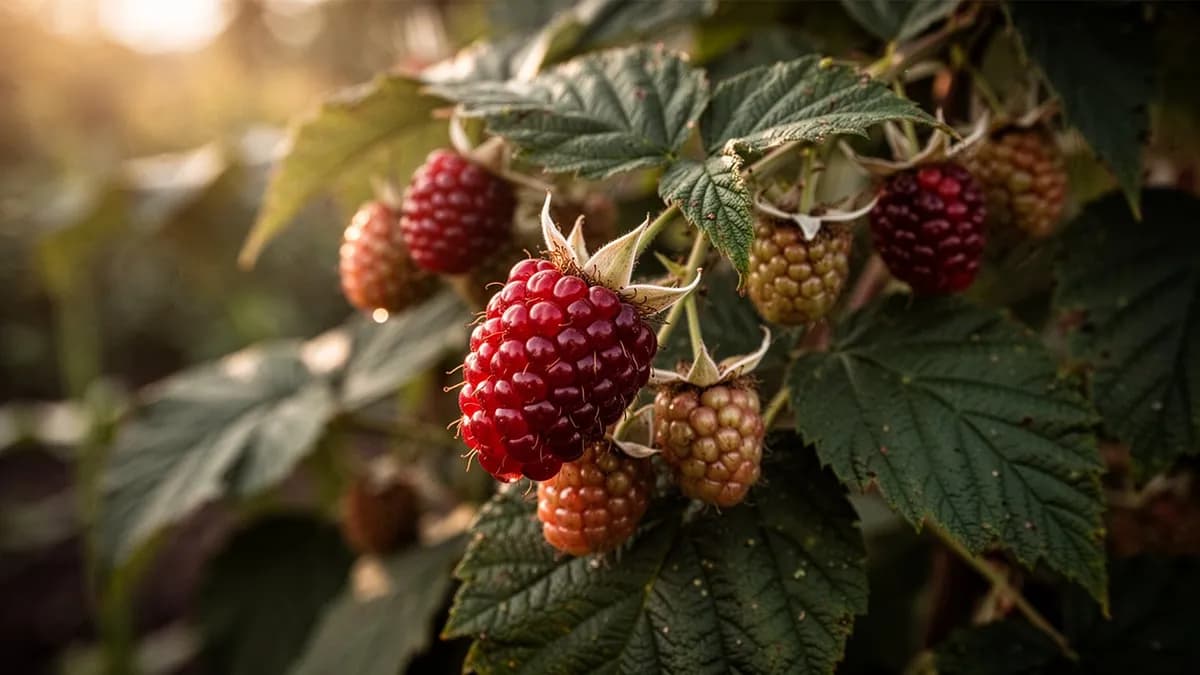
An Asian species with distinctive red-bristled canes producing translucent ruby berries with a sweet-tart, wine-like flavor.
On this pageOverview
Meet Wineberry
An Asian species with distinctive red-bristled canes producing translucent ruby berries with a sweet-tart, wine-like flavor. Wineberries are vigorous growers that can become invasive in some regions, so check local regulations before planting. The berries ripen over several weeks, providing an extended harvest window for fresh eating and preserves.
When to plant Wineberry
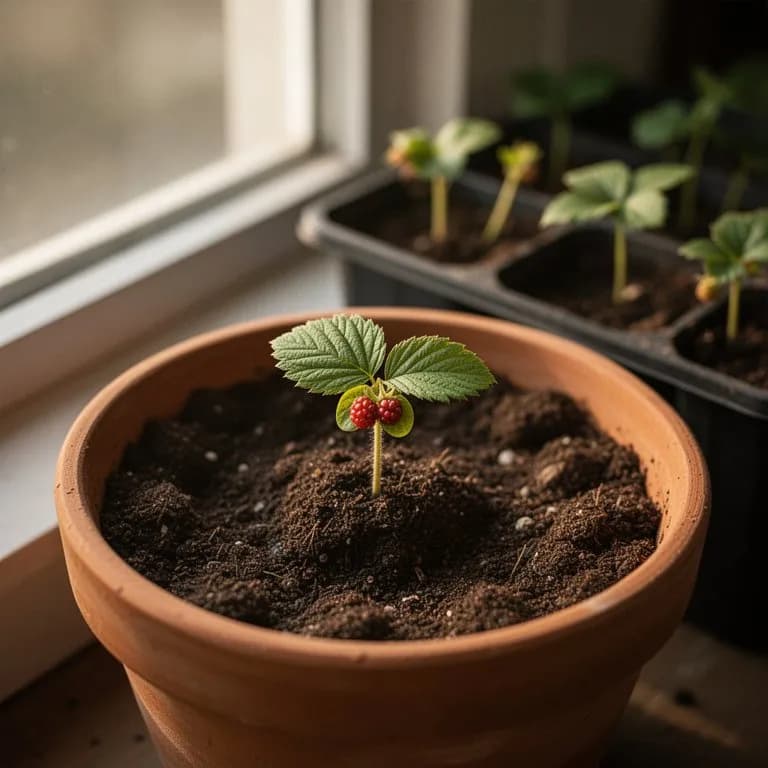
Wineberry propagates very easily by tip layering, which occurs naturally when arching cane tips touch the ground and root. To propagate intentionally, bend a cane tip to the soil in late summer, bury two inches deep, and anchor with a wire staple. Roots develop within weeks. Sever from the parent and transplant the following spring. Seed propagation involves cleaning seeds from mashed berries and cold-stratifying for 90 days at 34 degrees Fahrenheit. Sow on the surface of moist seed mix under lights. Root cuttings taken in winter also establish readily.
Your Wineberry Year
Composed for Zone 7 · typical seasons · frost passes Apr 2, returns Nov 1
Plant Wineberry Mar – Apr, pick Jul – Aug. Check the planting methods below and set your climate to personalize these windows.
Picking Wineberry this season? Its next window opens Mar 1
One email a few days before it opens where you garden and one two weeks before it closes.
One email per milestone, never more than one a week. Unsubscribe with one tap. No account needed.
How to grow Wineberry
Wineberry is a vigorous bramble that grows in full sun to partial shade, performing well in a variety of soil types with a pH of 5.5 to 7.0. Check local regulations before planting, as wineberry is classified as invasive in parts of the eastern United States. Plant in spring or fall, spacing four to five feet apart with rows eight feet apart. Provide a trellis or strong wire support for the arching canes.
Wineberry produces fruit on second-year floricanes. The distinctive red-bristled canes grow six to nine feet in their first year, then flower and fruit in their second year before dying. Train first-year primocanes along the trellis and remove spent floricanes after harvest. Each berry develops inside a protective hairy calyx that peels back as the fruit ripens, giving the plant a unique ornamental appearance.
Control spread by removing unwanted suckers and cane tips that root where they touch the ground. Wineberry is remarkably disease-resistant and pest-free compared to cultivated raspberries. Water during dry spells in the first year; established plants are quite drought-tolerant. Apply balanced fertilizer in early spring and mulch with organic material. The red-bristled canes provide ornamental winter interest in the garden.
2 plants fit a 4 × 8 ft bed
Each Wineberry wants 90 cm of elbow room. The planner keeps that spacing for you — every plant, every bed.
Wineberry's best neighbours
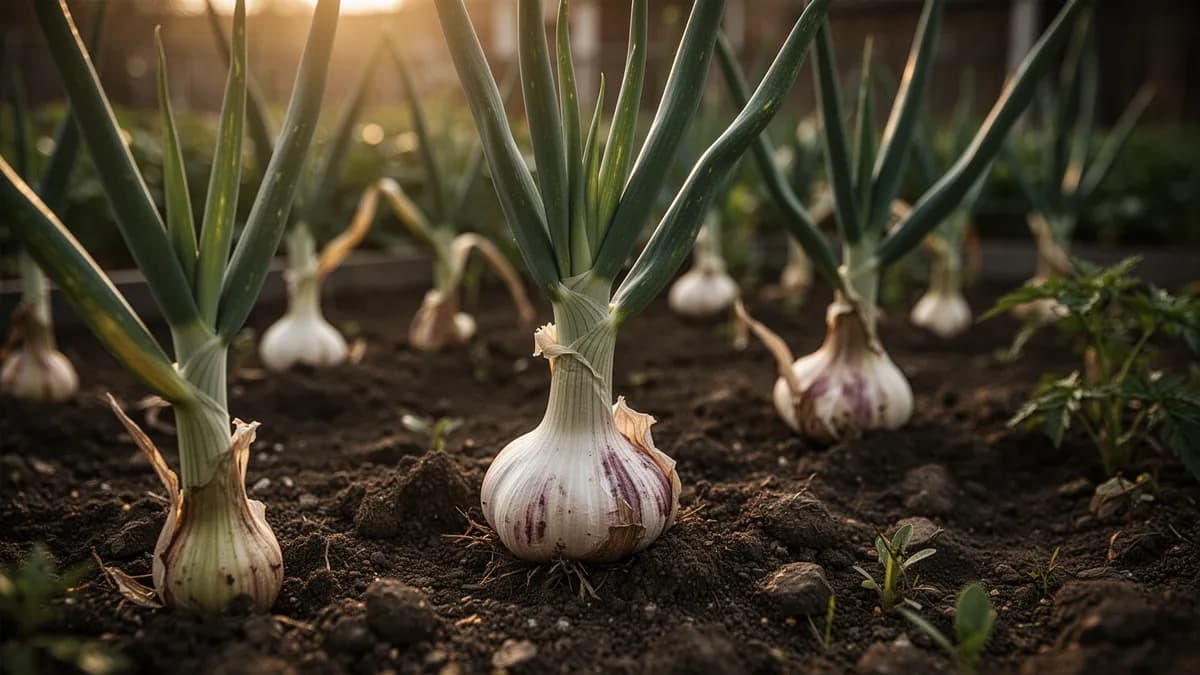
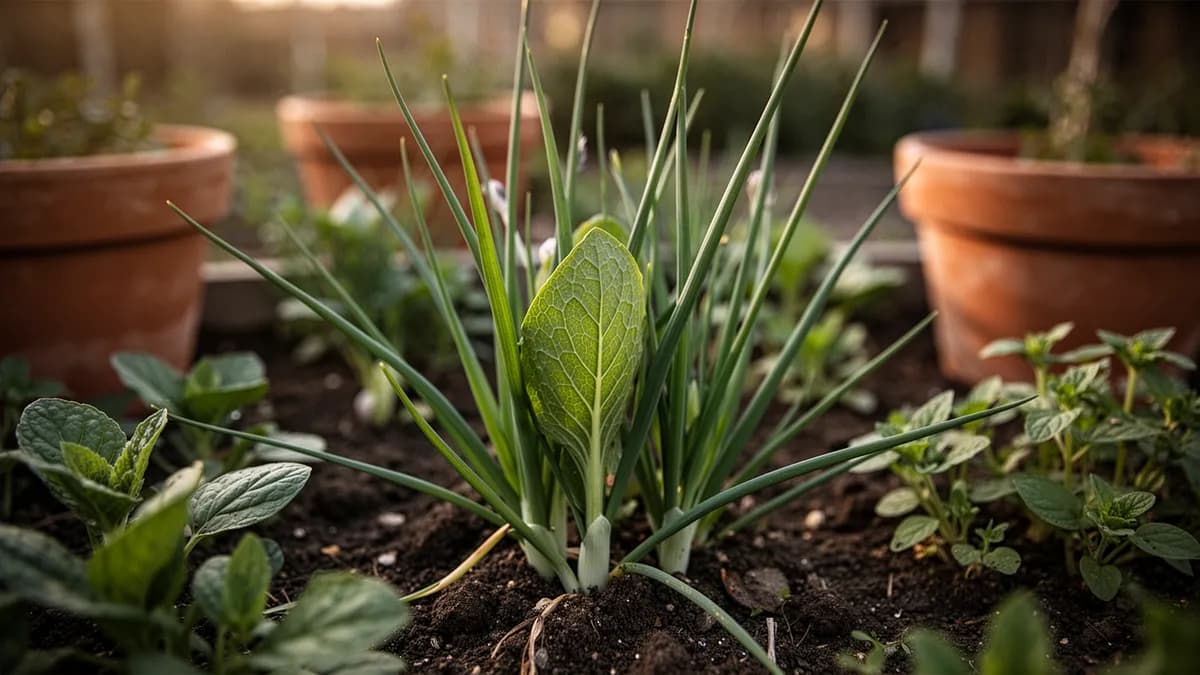
Wineberry benefits from garlic and chives planted nearby to deter aphids. The vigorous growth can serve as a living screen or hedge along property boundaries, though containment management is essential. Plant alongside other edible landscapes but keep away from native plant restoration areas where it could escape. Pollinator-friendly flowers like bee balm and coneflower attract the bees needed for good fruit set. Avoid planting near areas with disease-prone cultivated raspberries.
Garlic belongs beside it.
Old growers' knowledge, checked against Wineberry's real companion table below — test any plant you're growing.
Related growing guides
Feed it well
Wineberry adapts to a wide range of soils from sandy to clay, with a preferred pH of 5.5 to 7.0. It thrives in moderately fertile, moist but well-drained soil. Avoid extremely wet or waterlogged conditions. Apply a balanced fertilizer in early spring and top-dress with compost annually. Wineberry is less demanding than cultivated raspberries and grows well in average garden soil without extensive amendment. Mulch with organic material to conserve moisture and suppress the weeds that compete with the shallow root system.
Ideal Temperature
Hardiness Zone Compatibility
From seed to harvest, stage by stage
Dormant Establishment
Bare-root or container wineberry plants are set out in late winter to early spring before new growth begins. The root system establishes in cool, moist soil. The plant's distinctive hairy red canes are visible even at this stage, making misidentification unlikely. Early establishment is vigorous once soil temperatures warm above 7°C.
Primocane Surge
First-year canes emerge and grow with remarkable speed through spring and early summer. The characteristic hairy, bristled, red-to-burgundy stems elongate rapidly and can reach 2-3 meters by midsummer. These primocanes are purely vegetative in their first year and will become fruiting floricanes the following season. The arching growth habit naturally tips canes toward the ground.
Overwintering Canes
Primocanes harden off as temperatures drop in autumn, developing a tough, woody structure protected by the dense, bristly hairs that give the plant its common name. Wineberry canes are notably more cold-hardy than the fruit itself suggests, surviving temperatures down to -20°C once fully dormant. The dormant canes remain striking ornamental features through winter.
Flowering and Bract Formation
In early to midsummer of the plant's second year, floricanes produce clusters of small pink-white flowers from lateral branches. One of the most distinctive features of wineberry is that after pollination, the hairy star-shaped calyxes (bracts) close around the developing fruits, forming a protective capsule that shields them from most insects and birds until they are fully ripe.
Bract Opening and Ripening
As fruits approach maturity, the surrounding calyxes spring open to expose the ripening berry. Fruit passes through white, pink, light red, and finally a deep jewel-like ruby red. At peak ripeness the berries are soft, glistening, and highly aromatic with a flavor reminiscent of raspberries with a more pronounced wine-like tartness and floral sweetness. Ripening occurs over two to four weeks.
Harvest Season
Wineberry harvest typically spans three to four weeks in midsummer, falling between the main raspberry and late blackberry seasons. This makes wineberry a valuable gap-filler in the summer fruit garden. Ripe berries are intensely fragrant and best eaten fresh within one to two days of picking. They freeze exceptionally well and are prized for jam, wine, and dessert making.
Post-Harvest Pruning and Renewal
After the harvest season ends, the spent floricanes die back naturally and should be removed. Current-season primocanes are simultaneously growing and will take over as next year's fruiting canes. This annual cycle of cane renewal is identical to that of raspberries and blackberries and is the central management task for ongoing productivity.
Plant in a hole twice as wide as the root mass, setting the crown at or just below soil level. Water deeply at planting and apply a 7 cm layer of wood chip mulch from 5 cm away from the crown outward. Avoid rich fertilizer at planting; let roots settle for four to six weeks before feeding.
Caring for Wineberry month by month
What to do each month for your Wineberry
November
You are hereWineberry canes are cold-hardy and generally do not need winter protection in USDA Zones 5-8. In Zone 4 and colder, lay canes along the ground after leaf fall and cover with a thick straw mulch layer. Clean up any fallen leaves from around plants to minimize overwintering fungal spores. Prepare garden records noting yield and fruit quality from the season.
Harvesting Wineberry
Wineberries ripen in mid- to late summer, with the distinctive hairy calyx peeling back to reveal the translucent ruby-red fruit beneath. Pick berries when they separate easily from the receptacle and have reached their full jewel-like color. The berries are firmer than raspberries and handle better during harvest, though they are still delicate. The extended ripening period means berries mature over three to four weeks on the same plant. Harvest every two to three days during peak season for best quality.
assuming you plant when the window opens — set your real date
Pick Wineberry promptly and the plant keeps producing.
Storage & Preservation
Wineberries keep slightly longer than raspberries, lasting three to four days refrigerated due to their firmer texture. They make exceptional jam with a distinctive wine-like flavor and beautiful ruby color. The berries freeze well on flat trays and maintain good quality for smoothies and baking. Wineberry wine and shrub (drinking vinegar) are outstanding preparations that showcase the unique tart-sweet flavor. The berries also make beautiful fruit leather and can be dehydrated for trail mix.
What goes wrong — and the fix
Spotted Wing Drosophila
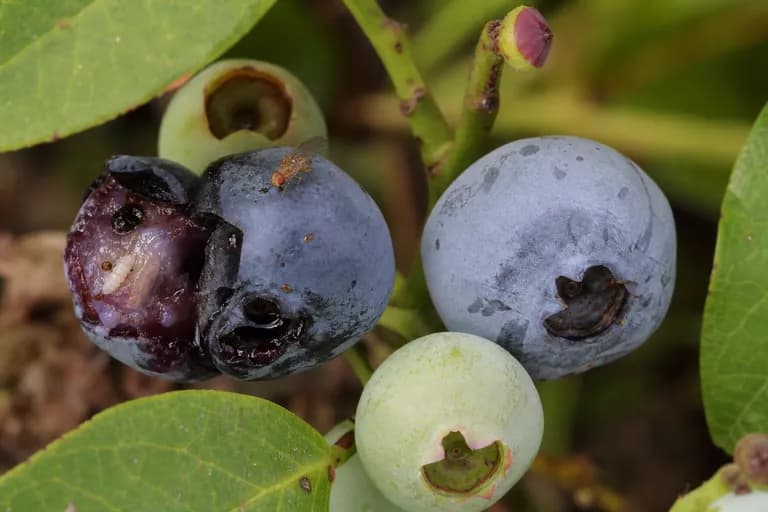
PestSmall puncture marks in ripening fruit; larvae cause soft, mushy spots; fruit ferments and collapses.
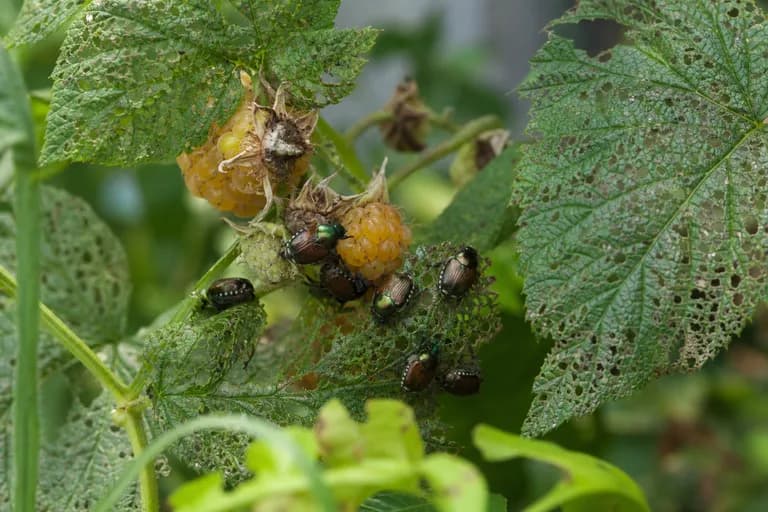
Japanese Beetle
PestSkeletonized leaves with only veins remaining; metallic green beetles feeding on foliage in summer.
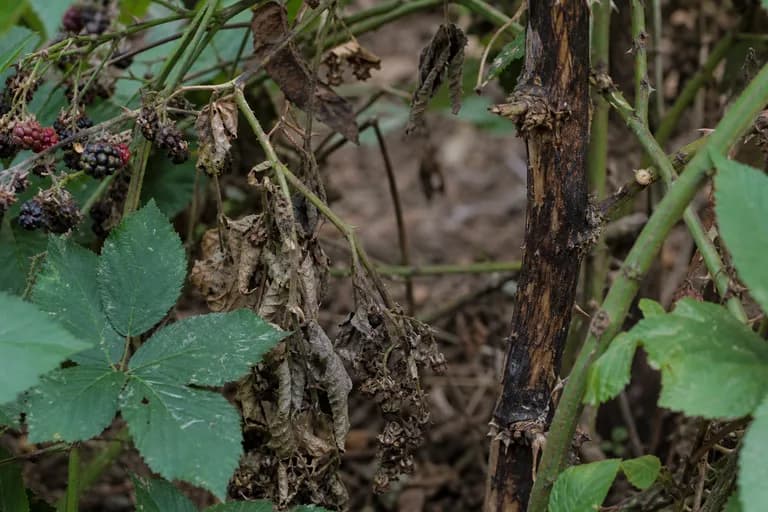
Cane Blight
DiseaseDark brown to black lesions on fruiting canes; wilting lateral branches; cane death before fruit matures.
Troubleshooting Common Problems
The primary concern with wineberry is its invasive potential in the eastern United States, where it naturalizes readily in disturbed habitats, woodland edges, and roadsides. Contain spread by removing suckers aggressively and preventing cane tips from rooting. The bristly hairs on the canes can irritate sensitive skin during pruning and harvesting. Birds love the berries and will compete for the harvest. In some areas, the plant is prohibited or regulated, so verify local laws before planting. The berries stain hands and clothing.
Growing Tips
- Select a planting site in full sun to partial shade with well-drained, humus-rich soil at a pH of 5.5-6.5. Wineberry is one of the most shade-tolerant fruiting brambles and will produce reasonable yields with as few as four hours of direct sun, making it an excellent candidate for the woodland garden or a position under deciduous trees.
- Control spread deliberately from the start. Wineberry spreads aggressively by tip-layering, where arching canes root where they contact soil. Train all canes to a trellis and regularly check for tips touching the ground. Sever and dig up any unwanted rooted tips promptly before they establish as independent plants.
- Install a two-wire trellis with wires at 60 cm and 120 cm height. Wineberry canes are naturally arching rather than erect, and a trellis keeps the planting organized, improves air circulation to reduce fungal disease, and makes the three to four week harvest window far more manageable.
- Mulch generously with 7 cm of wood chips or shredded leaves each spring. Wineberry is naturally adapted to woodland soils rich in organic matter and responds well to mulching with materials that break down slowly and improve soil structure. Keep mulch a few centimeters away from the crown to prevent rot.
- Water consistently through the growing season, providing 2.5 cm per week and increasing to 3.5-5 cm during the fruit development and ripening period. Drip irrigation is preferred to overhead watering, as wet foliage promotes Botrytis fruit rot and cane diseases. The berries are delicate and prone to rain damage when very ripe.
- Prune spent floricanes to ground level immediately after harvest and remove them from the garden. This single most important maintenance task reduces overwintering disease spores, eliminates habitat for cane borers, and allows light and air to reach the developing primocanes that will carry next year's fruit.
- Fertilize established plants once in early spring with a balanced 10-10-10 granular fertilizer at 110-140 g per plant, spread in a ring around the drip line. Avoid high-nitrogen fertilizers which produce lush, soft growth attractive to aphids. A second light application of a low-nitrogen fruit fertilizer in early summer supports fruit development.
- Bird protection is essential once the bracts begin opening to reveal ripening berries. Birds, particularly American robins and catbirds, locate ripe wineberries rapidly and can strip a plant within hours. Cover plants with fine-mesh bird netting secured at the base before the first berries begin to color red.
- Propagate new plants easily from tip layers in late summer. Simply bend a long primocane tip to the ground, pin it into a small pot of potting mix buried flush with the soil surface, and keep it moist. The tip will root within four to six weeks and can be severed from the parent and transplanted in early spring.
- Check for spotted wing drosophila starting in midsummer by hanging apple cider vinegar traps near the planting. Harvest all ripe fruit at least every two days to prevent overripe berries from becoming egg-laying sites. Remove any fallen or overripe berries from the ground immediately to break the pest breeding cycle.
Pick your Wineberry
Rubus phoenicolasius
The standard species with red-bristled canes, translucent ruby berries, and vigorous spreading growth.
Wild selections
Regional wild populations vary in berry size and sweetness; select from local stands for best adaptation to your climate.
Wineberry is rarely sold commercially due to its short shelf life and sensitivity to handling, making it a fruit that home gardeners can enjoy that is effectively unavailable at retail. When wineberry does appear at farmers markets or specialty produce stands it commands premium prices of $8-15 per pint given its scarcity. A single established wineberry plant costs $5-12 to purchase and, once mature, can yield 2-4 kg of fruit per season for 10-15 years. Beyond direct fruit savings, growing your own wineberry provides access to a flavor experience that cannot be replicated with store-bought substitutes at any price.
Quick recipes

Wineberry Jam
30 minutesA jewel-bright preserve that captures the intense, aromatic, raspberry-like flavor of wineberry with a more complex tartness and floral depth. The high natural pectin content of wineberry means this jam sets beautifully with minimal added pectin. The finished jam has a vivid ruby color and a fragrance that fills the kitchen during cooking. Excellent on sourdough toast, stirred into yogurt, or as a filling for tarts and pastries.
5 ingredients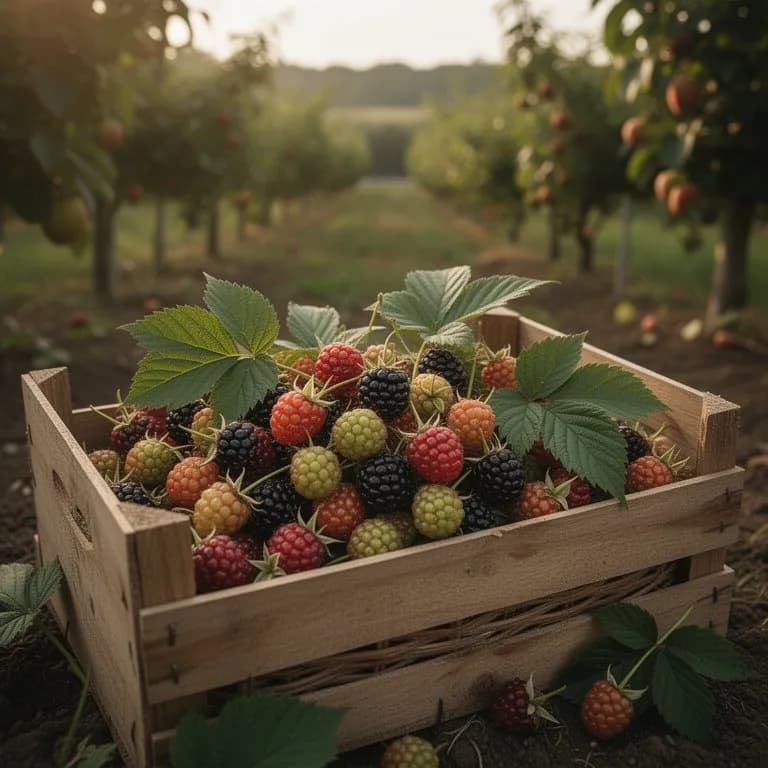
Wineberry Pavlova
20 minutes (plus 90 minutes baking)A showstopping dessert that pairs the crisp, pillowy meringue base of a classic pavlova with the sharp, wine-like intensity of fresh wineberries. The tartness of the berries cuts through the sweetness of the meringue and the richness of the whipped cream topping to create a perfectly balanced summer dessert. The vivid ruby berries scattered over the white cream make for a spectacular presentation with minimal effort.
8 ingredientsWineberry Shrub Drinking Vinegar
15 minutes (plus 48 hours steeping)A shrub is a sweetened drinking vinegar with a long history as a colonial American preservation method and a recent revival in craft cocktail culture. Wineberry's aromatic, wine-forward flavor makes an exceptional base. Mix two tablespoons of the finished shrub with sparkling water for a refreshing non-alcoholic drink, or combine with gin or bourbon and ice for a sophisticated summer cocktail.
6 ingredientsCulinary Uses
Wineberries have a unique sweet-tart flavor with distinctive wine-like notes that set them apart from raspberries. They are excellent eaten fresh, where their jewel-like appearance and complex flavor can be fully appreciated. Use in any recipe calling for raspberries for an elevated twist. Wineberry pie, cobbler, and crumble are outstanding summer desserts. The berries make exceptional preserves, fruit syrups, and flavored vinegars. Mix with darker berries in mixed-berry preparations for flavor complexity.
What's inside
Health Benefits
- Rich in anthocyanins and polyphenolic antioxidants that neutralize free radicals, potentially reducing cellular oxidative damage linked to aging, cardiovascular disease, and certain cancers
- The ellagitannins found in wineberry are converted by gut bacteria into urolithins, bioactive compounds shown in research to promote mitophagy, the cellular recycling of damaged mitochondria, a process associated with healthy aging and muscle function
- High vitamin C content supports a robust immune response, promotes the synthesis of collagen needed for skin, joint, and connective tissue health, and significantly enhances the body's absorption of iron from plant-based foods
- The soluble fiber in wineberry acts as a prebiotic, feeding beneficial gut bacteria including Lactobacillus and Bifidobacterium species, which in turn support immune function, mood regulation, and protection against harmful pathogens
- Wineberry contains salicylates and quercetin, naturally occurring compounds with anti-inflammatory properties that may help reduce chronic low-grade inflammation associated with metabolic syndrome, arthritis, and cardiovascular disease
- The combination of low caloric density, high fiber, and low glycemic index makes wineberry an excellent fruit for supporting blood sugar regulation, healthy weight management, and sustained energy levels without blood glucose spikes
Where Wineberry comes from
Wineberry (Rubus phoenicolasius) is a bramble native to the mountainous regions of China, Japan, and Korea, where it grows wild on forest margins, roadsides, and disturbed slopes from sea level up to approximately 2,200 meters elevation. The species has been part of the culinary and medicinal traditions of East Asia for many centuries. In Japan it is known as kiichigo and the fruits are eaten fresh, preserved as jam, and fermented into fruit wines and spirits. In traditional Chinese medicine, preparations from the plant were used as kidney and liver tonics, and the fruit was consumed to address conditions associated with weakness and urinary difficulties. Western awareness of wineberry dates to the 1860s and 1870s, when European plant explorers and collectors began cataloguing the rich botanical diversity of Japan and China following the opening of those countries to Western trade and travel. The American plant breeder Luther Burbank was among those who recognized the potential of Rubus phoenicolasius as a parent species for developing new hybrid berries with improved hardiness and flavor. The plant was formally introduced to American horticulture in 1890 by the U.S. Department of Agriculture, which imported it expressly as breeding material to improve the cold-hardiness and disease resistance of cultivated raspberries. Those early breeding programs were largely unsuccessful in producing lasting commercial varieties, but the introduced plants themselves proved extraordinarily well-adapted to the deciduous forests and disturbed habitats of the eastern United States. Wineberry quickly escaped cultivation and naturalized throughout the Appalachian Mountain range and surrounding regions. Today it is naturalized from Maine to Georgia and westward through Ohio and Michigan. Its prolific fruiting, shade tolerance, and tip-layering reproductive strategy have made it a successful colonizer of forest edges and roadsides, leading to its classification as an invasive species in many eastern states. Despite this ecological concern in the wild, wineberry remains a beloved and productive fruiting plant when managed responsibly in the home garden, and small-scale cultivation outside its invasive range is generally considered benign. In recent years there has been renewed interest in wineberry among foragers, home orchardists, and craft beverage makers who prize its distinctive aromatic flavor, which many describe as more complex and wine-like than any cultivated raspberry.
Wineberry: did you know?
Fascinating facts about Wineberry
Wineberry (Rubus phoenicolasius) gets its evocative name from two sources: the wine-red color of the fully ripe berries and the intensely fragrant, wine-like aroma released by the sticky glandular hairs that cover every part of the plant including stems, calyxes, and leaf undersides.
Wineberry questions, answered
When should I plant Wineberry?
What are good companion plants for Wineberry?
What hardiness zones can Wineberry grow in?
How much sun does Wineberry need?
How far apart should I space Wineberry?
What pests and diseases affect Wineberry?
How do I store Wineberry after harvest?
What are the best Wineberry varieties to grow?
What soil does Wineberry need?
Is wineberry invasive and is it legal to grow where I live?
How does wineberry taste compared to a regular raspberry?
Why are my wineberry calyxes not opening and the berries staying enclosed?
Can I grow wineberry from seed?
What is the best way to freeze wineberries for later use?
How do I prevent my wineberry from taking over my garden?
Plant these alongside Wineberry
More Berries
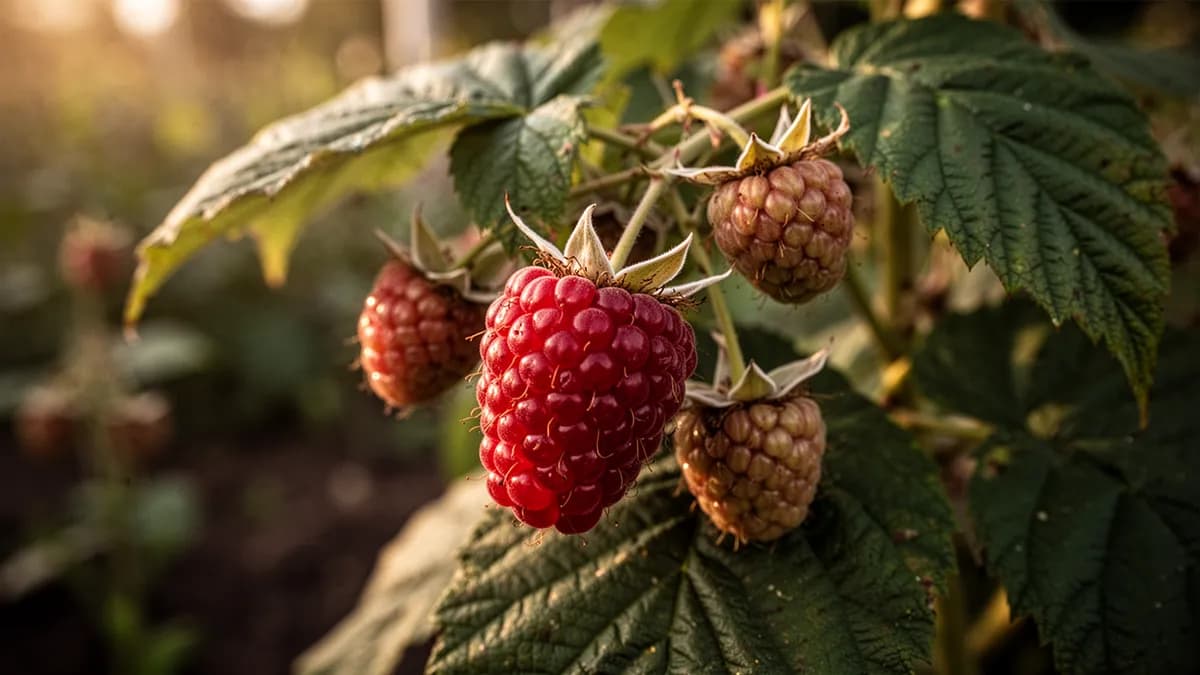
Grow your best Wineberry yet — and everything around it.
Start a free plan today. Lay out your beds, drop in your Wineberry, and let PlotMyGarden handle the timing, spacing, companions and reminders from seed to harvest basket.
