White Pumpkin
A large, creamy white pumpkin variety that creates an elegant alternative to traditional orange pumpkins for fall displays.





On this pageOverview
Meet White Pumpkin
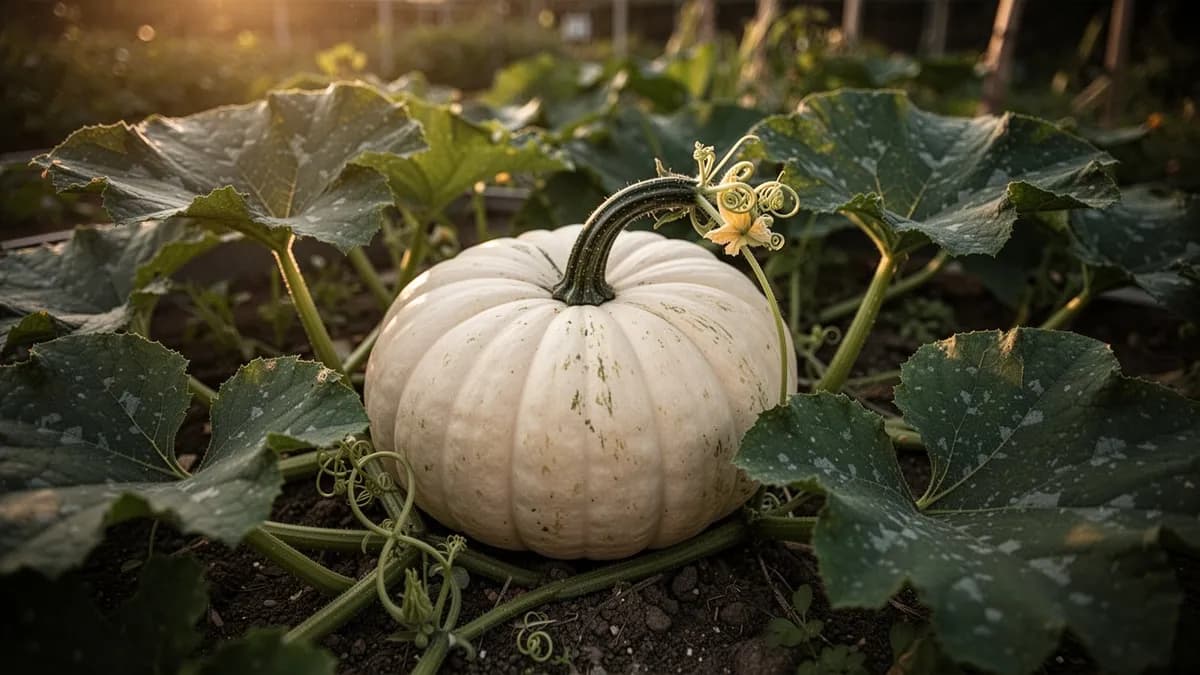
A large, creamy white pumpkin variety that creates an elegant alternative to traditional orange pumpkins for fall displays. The thick, sweet orange flesh inside makes excellent pies, breads, and soups despite the pale exterior. Fruits weigh 10 to 20 pounds and have strong handles for decorative displays. Plant in full sun with ample compost and water deeply during fruit development for the largest, most uniform fruits.
When to plant White Pumpkin
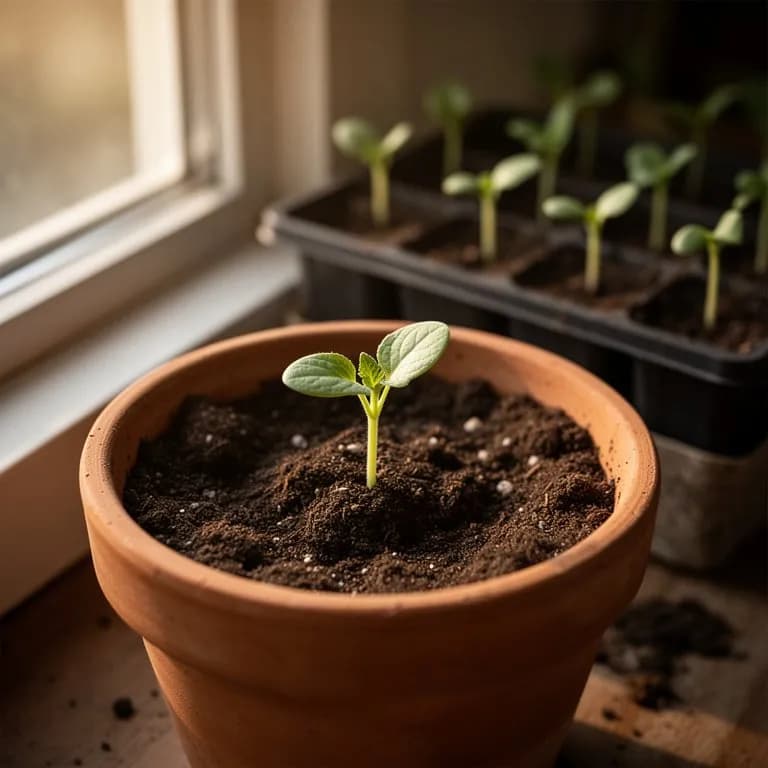
Start seeds indoors two to three weeks before the last frost in four-inch peat pots. Plant one to two seeds per pot, one inch deep, pointed end down. Maintain soil temperature at 70 to 85 degrees Fahrenheit for germination in seven to ten days. Provide 12 to 14 hours of strong light daily. Thin to the strongest seedling per pot. Harden off for one week before transplanting to prepared hills after frost danger passes. Direct sowing works well in long-season climates after soil reaches 65 degrees Fahrenheit, planting three seeds per hill and thinning to the two strongest plants.
Your White Pumpkin Year
Composed for Zone 7 · typical seasons · frost passes Apr 2, returns Nov 1
Plant White Pumpkin May – Jun, pick Sep – Oct. Check the planting methods below and set your climate to personalize these windows.
How to grow White Pumpkin
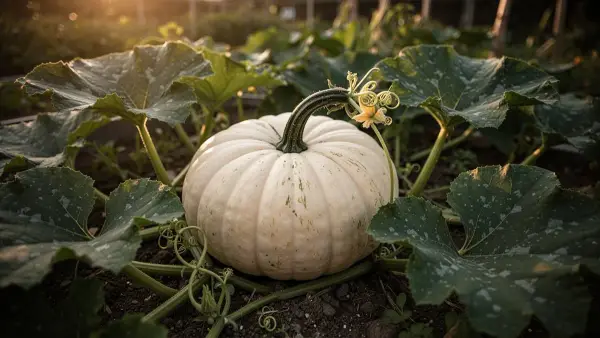
Start white pumpkin seeds indoors two to three weeks before the last frost date in large peat pots. Plant seeds one inch deep and maintain soil temperature at 70 to 85 degrees Fahrenheit for germination in seven to ten days. White pumpkins require 100 to 115 frost-free days to fully mature, so plan accordingly in shorter-season climates. Indoor starting gives northern gardeners the head start needed for these long-season varieties.
Prepare planting hills six to eight feet apart, enriched with generous compost and aged manure. White pumpkins are heavy feeders that need rich, well-drained soil throughout their long growing cycle. Transplant two seedlings per hill after all frost danger passes and soil is warm. These vigorous vines spread ten to fifteen feet, so allocate ample garden space. Use black plastic mulch to warm soil, conserve moisture, and suppress weeds in the vine path.
Provide one to two inches of water weekly through drip irrigation. Consistent watering during fruit development is critical for uniform, unblemished white skin. Limit each vine to two or three fruits for the best size and quality. Place developing pumpkins on clean straw or cardboard to keep the white rind pristine and prevent soil staining. Avoid handling or turning fruits frequently, as the pale skin shows blemishes easily. Side-dress with balanced fertilizer every three weeks during active growth.
White Pumpkin needs more room than a 4 × 8 ft bed gives
Each White Pumpkin wants 150 cm of elbow room. The planner keeps that spacing for you — every plant, every bed.
White Pumpkin's best neighbours
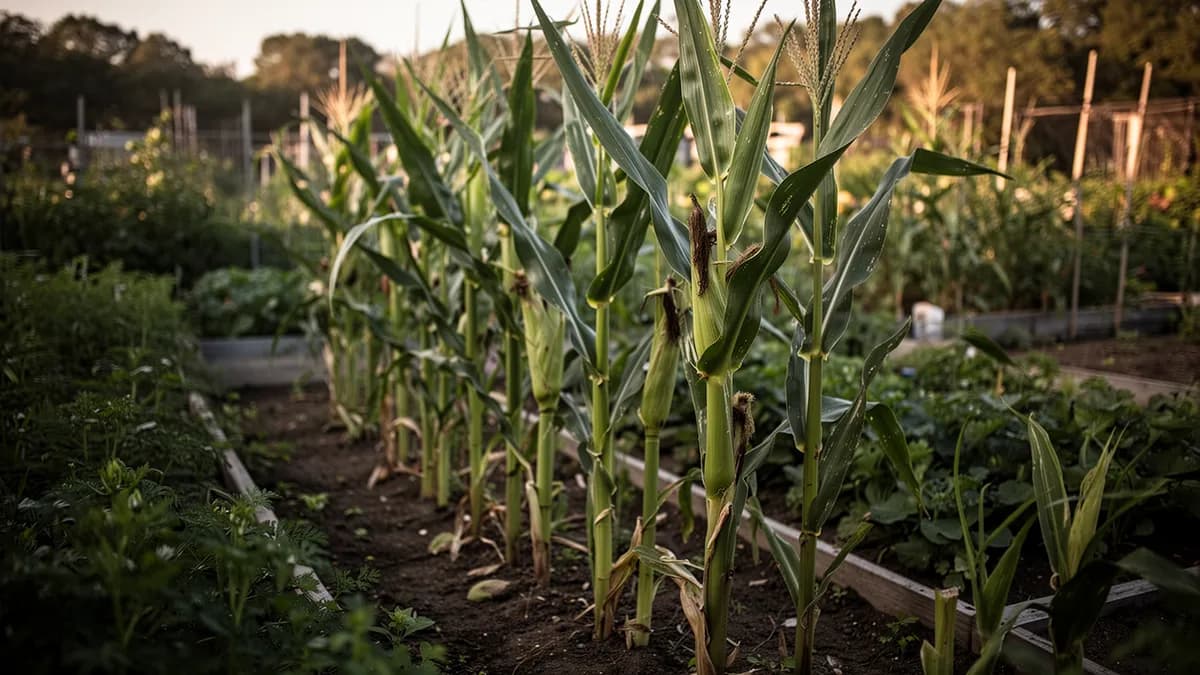
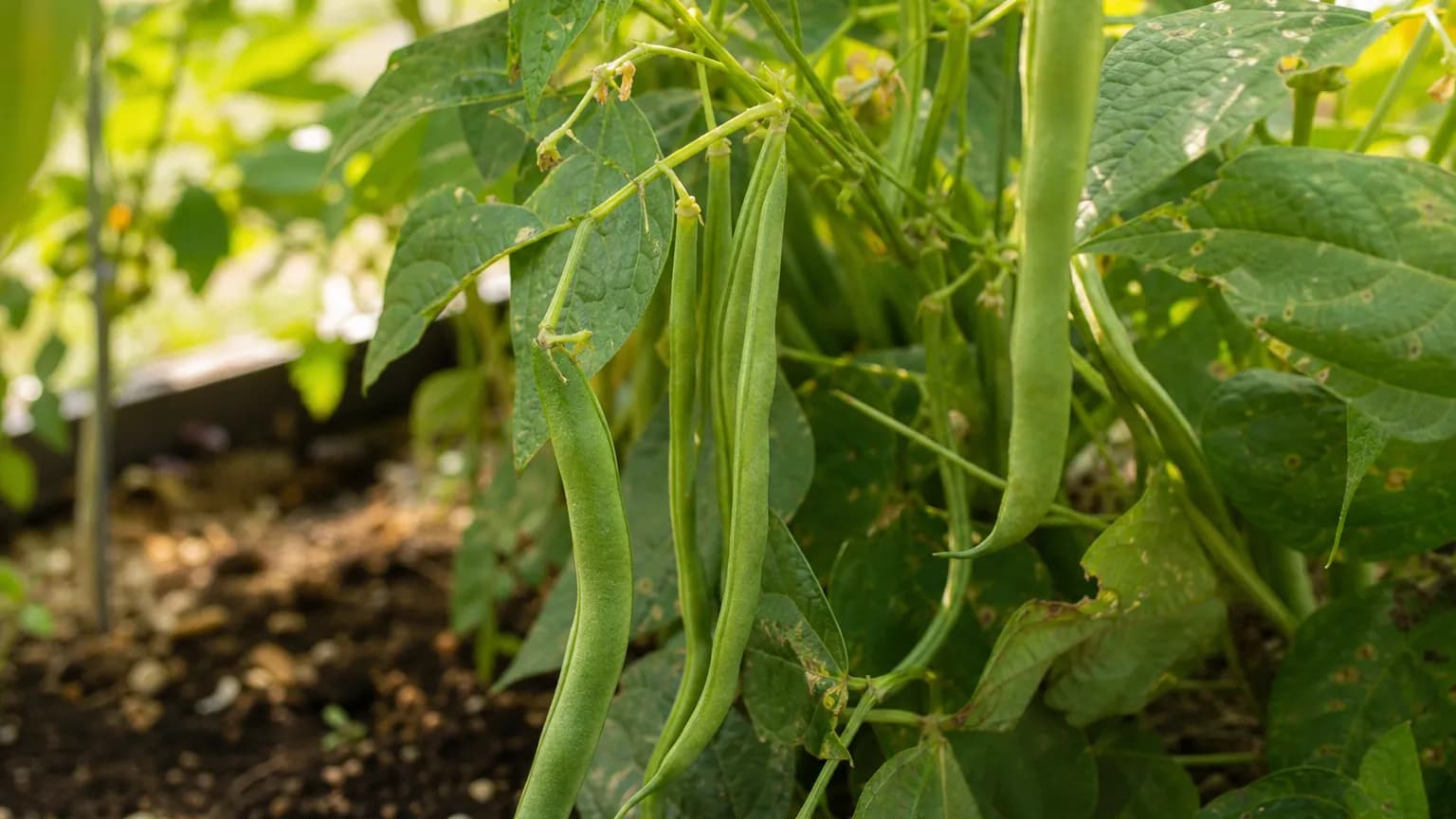
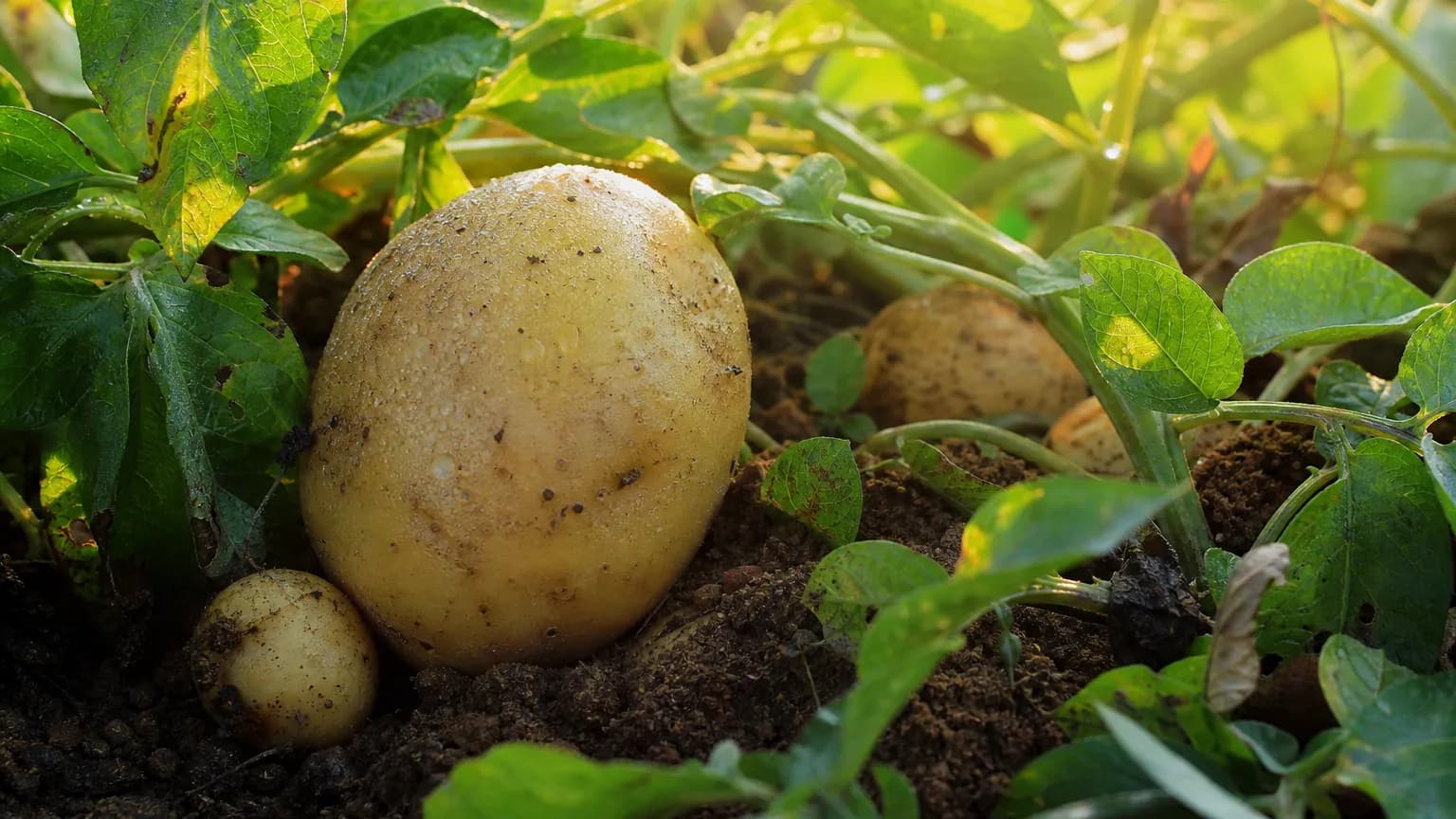
White pumpkins grow well in the Three Sisters arrangement with corn and pole beans. Corn acts as a windbreak while beans fix soil nitrogen for the hungry pumpkin vines. The broad pumpkin leaves shade the ground, suppressing weeds for all three crops. Marigolds and zinnias at the garden border attract pollinators while repelling common pests. Sunflowers provide additional pollinator support. Avoid planting near potatoes, which compete for nutrients, and keep away from other Cucurbita maxima varieties to prevent cross-pollination.
Corn belongs beside it. Potato doesn't.
Old growers' knowledge, checked against White Pumpkin's real companion table below — test any plant you're growing.
Try White Pumpkin in a bed — right here
A real planner bed with White Pumpkin already in it. Tap a companion to place it and watch the pairing checks answer — green for good neighbours, red for a clash.


Related growing guides
Feed it well
White pumpkins require rich, well-drained soil with a pH of 6.0 to 6.8 heavily amended with organic matter. Prepare hills with four to six inches of aged compost and a balanced slow-release fertilizer. Side-dress with nitrogen-rich fertilizer every three weeks during vine growth, then switch to high-potassium and phosphorus formula once flowering begins. These heavy feeders benefit from regular applications of compost tea or fish emulsion. Adequate calcium in the soil prevents blossom end rot. Maintain soil fertility throughout the long growing season for best fruit development.
Ideal Temperature
Hardiness Zone Compatibility
From seed to harvest, stage by stage
Seed Germination
White pumpkin seeds germinate in warm, moist soil within 5-10 days. The large flat seed splits open and pushes a thick hypocotyl upward, unfurling two broad cotyledon leaves. Germination requires soil temperatures of at least 16°C (60°F) and proceeds fastest at 27-32°C (80-90°F). Seeds should be planted 2.5 cm deep in pre-warmed, well-drained soil.
Seedling Establishment
True leaves develop with the characteristic deeply lobed, rough-textured shape common to all pumpkins. The stem thickens and begins to stretch outward, forming the first lateral runners. The root system expands rapidly, establishing a deep taproot and wide network of lateral roots to support the plant's heavy water and nutrient demands.
Vine Expansion
Vines enter explosive growth, extending 15-30 cm per day during warm weather. Large, dark green leaves unfurl along the main vine and secondary runners branch outward. The plant builds the massive leaf canopy needed to power fruit development. Tendrils grip nearby supports or sprawl across the ground.
Flowering & Pollination
Male flowers appear first in clusters, followed by female flowers identifiable by the small round swelling at their base. Flowers open at dawn and close by midday. Pollination relies heavily on bees — each female flower needs multiple bee visits to ensure complete seed set and symmetrical fruit development. Poorly pollinated flowers produce lopsided or aborted fruit.
Fruit Development
Pollinated fruits swell rapidly, starting pale green and gradually transitioning to the distinctive creamy white color as they mature. The rind hardens progressively over several weeks. During peak growth, fruits can gain 0.5-1 kg per day. The vine continues to flower, potentially setting additional fruits if conditions are favorable.
Maturation & Harvest
The rind reaches its final ivory-white color and becomes extremely hard. The stem attached to the fruit turns corky and begins to dry. The vine foliage yellows and dies back naturally as the plant redirects all remaining energy into the maturing fruit and seeds. Pumpkins are ready to harvest when the rind cannot be dented with a fingernail and the stem is woody.
Sow 2-3 seeds per hill and thin to the strongest seedling after emergence. Avoid starting seeds too early indoors — pumpkins develop deep taproots quickly and transplant poorly when rootbound. Use biodegradable pots if starting indoors.
Caring for White Pumpkin month by month
What to do each month for your White Pumpkin
October
You are hereHarvest before the first hard frost. Cut stems with a sharp knife, leaving 10-15 cm attached. Cure in the sun for 7-10 days to harden the rind. Store in a cool, dry location at 10-15°C (50-60°F). Save seeds from your best fruits for next year.
Know exactly what to do in your garden — every month
One email at the start of each month: what to sow, plant, and tackle right now — for your White Pumpkin and everything growing around it. Plus a short starter course that helps you dodge the classic mistakes.
- What to do, right now
- Matched to your season
- Starter course included
Harvesting White Pumpkin
White pumpkins are ready to harvest when the rind is hard and cannot be scratched with a fingernail, typically 100 to 115 days after planting. The stem dries and turns corky, and the vine begins to yellow and die back. Cut with sharp pruners leaving four to six inches of stem attached for best storage life. The white rind should be uniformly cream to ivory colored. Handle with extra care as the pale skin shows bruising more readily than orange varieties. Cure in a warm, dry location at 80 degrees Fahrenheit for ten to fourteen days before long-term storage.
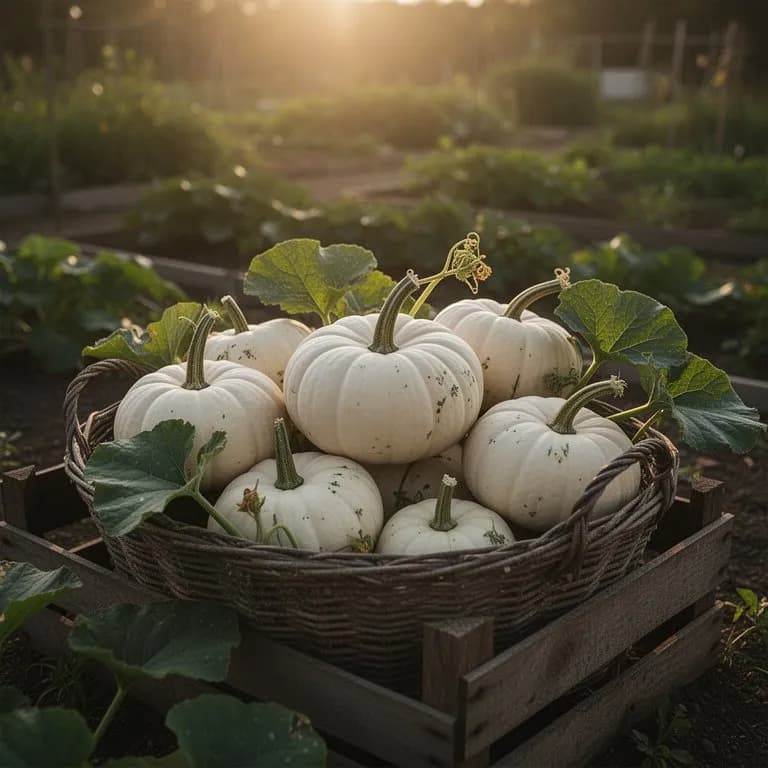
assuming you plant when the window opens — set your real date
Pick White Pumpkin promptly and the plant keeps producing.
Storage & Preservation
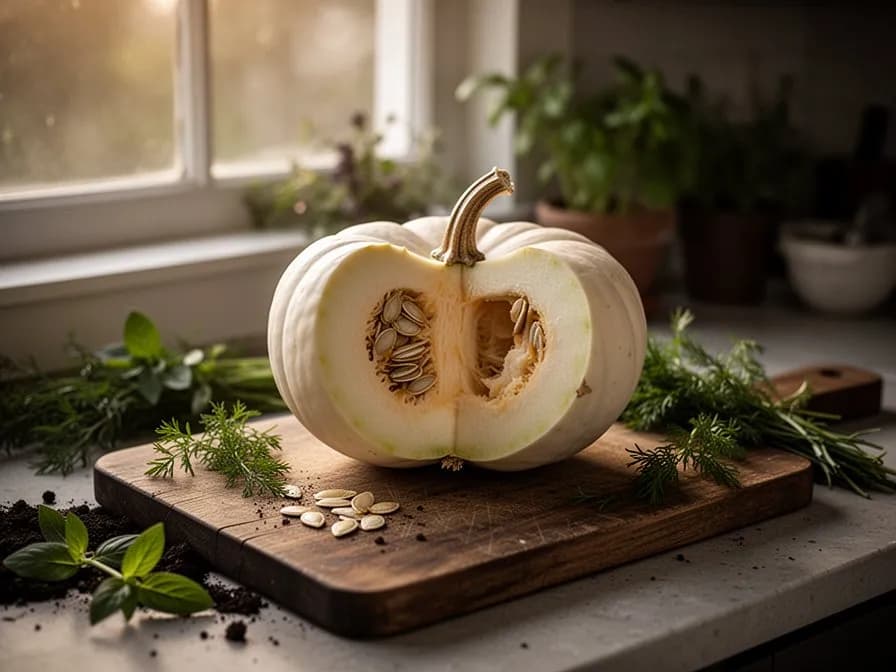
After curing, white pumpkins store for two to four months in a cool, dry location at 50 to 55 degrees Fahrenheit. Keep them in a single layer with good air circulation. For longer preservation, roast the flesh, puree it, and freeze in measured portions for up to one year. The sweet orange flesh inside makes excellent frozen pie filling base. White pumpkin puree can be pressure canned for shelf-stable storage. The seeds roast beautifully with olive oil and seasonings for a nutritious snack with a slightly different flavor than orange pumpkin seeds.
What goes wrong — and the fix
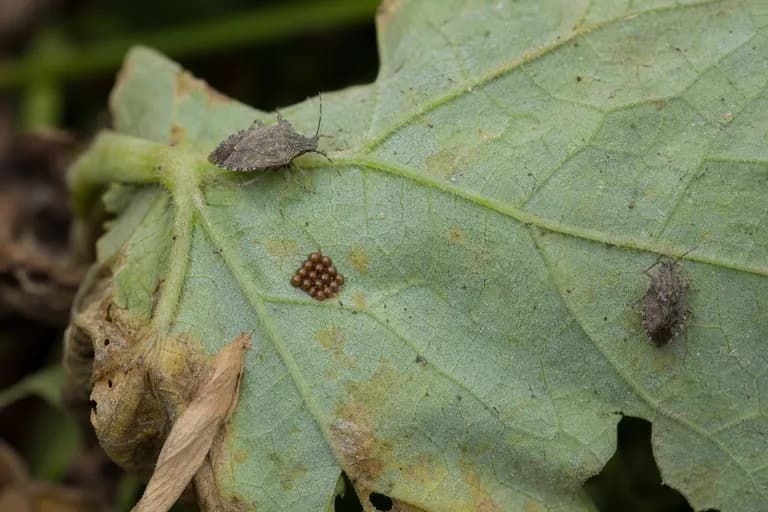
Squash Bug
PestWilting foliage, yellow speckling on leaves, clusters of copper-colored eggs on leaf undersides, and reduced plant vigor.
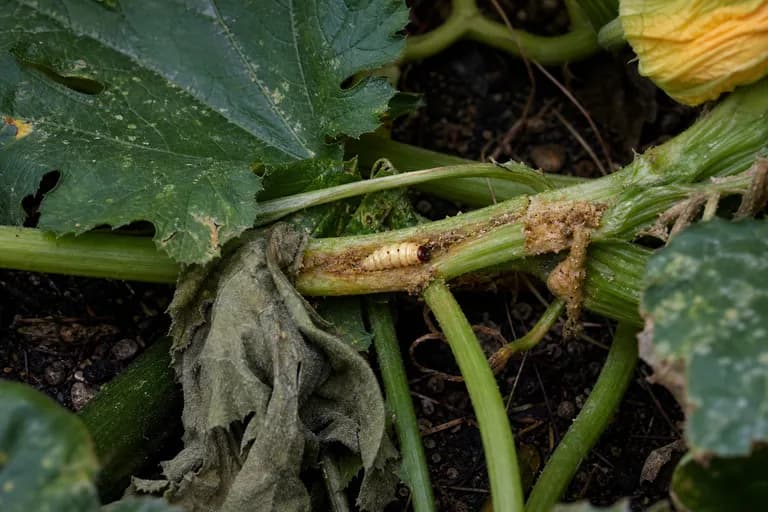
Squash Vine Borer
PestSudden wilting of vine sections, sawdust-like frass at stem bases, and hollow stems when examined.
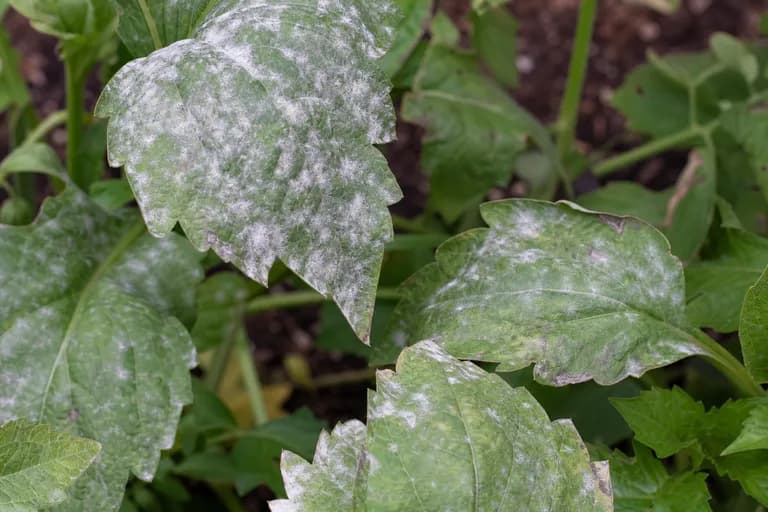
Powdery Mildew
DiseaseWhite powdery patches on leaves, premature defoliation, reduced fruit size, and susceptibility to sunscald on exposed fruit.
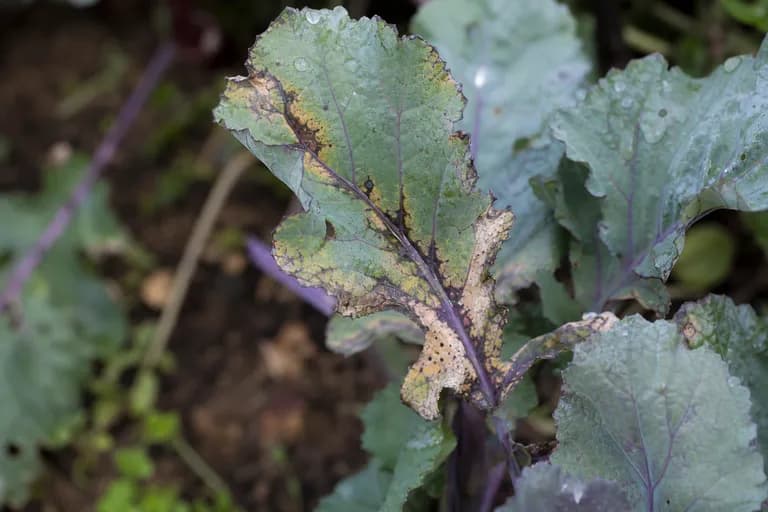
Black Rot
DiseaseCircular black spots on leaves with concentric rings, followed by dry rot on fruit surfaces, especially in wet conditions.
Troubleshooting Common Problems
The pale white skin shows every blemish, making cosmetic damage a bigger issue than with orange pumpkins. Keep developing fruits on clean straw to prevent soil staining and protect from scratches. Sunscald can cause yellowing patches on the white rind; maintain adequate leaf canopy for shade coverage. Poor pollination leads to misshapen or small fruits; encourage pollinators or hand-pollinate in the morning. Vine borers and squash bugs require vigilant early-season monitoring as damage compounds over the long growing period needed for these large fruits.
Growing Tips
- White pumpkins need full sun — at least 6-8 hours of direct sunlight daily. Insufficient light produces lanky vines with few flowers and small, poorly colored fruit. Choose the sunniest spot in your garden and keep surrounding plants from shading the vine canopy.
- Amend soil generously before planting. Work in 10-15 cm of well-aged compost or composted manure into each planting mound. Pumpkins are heavy feeders that deplete soil nutrients rapidly, and a strong nutritional foundation is critical for healthy fruit development.
- Water deeply and consistently, providing 2.5-5 cm per week through drip irrigation or soaker hoses at the base of the plant. Avoid overhead watering, which promotes powdery mildew and other fungal diseases on the broad leaves.
- Pollination is the make-or-break moment for fruit production. If bee activity in your garden is low, hand-pollinate every female flower in the early morning using fresh pollen from 2-3 male flowers. A single missed pollination window means a lost fruit.
- Place a barrier (straw, cardboard, or a flat stone) beneath each developing fruit to lift it off damp soil. Ground contact promotes rot, slug damage, and uneven coloring that ruins the uniform white appearance prized in decorative pumpkins.
- Monitor closely for powdery mildew from midsummer onward — it is the most common disease in all pumpkin varieties. Spray preventively with potassium bicarbonate or neem oil every 10-14 days once vines begin to spread. Remove badly infected leaves promptly.
- Harvest timing matters for both beauty and longevity. Wait until the rind is fully ivory-white and rock-hard, and the stem is dry and corky. Harvesting too early results in soft fruit that rots quickly. Cure in warm sun for 7-10 days after cutting to maximize storage life.
- For the longest storage life, keep cured white pumpkins in a cool, dry, well-ventilated area at 10-15°C (50-60°F) with low humidity. Under ideal conditions, white pumpkins can last 3-6 months — long enough to serve as autumn decor and then winter cooking stock.
Grow your best White Pumpkin yet — and everything around it.
Start a free plan today. Lay out your beds, drop in your White Pumpkin, and let PlotMyGarden handle the timing, spacing, companions and reminders from seed to harvest basket.
Pick your White Pumpkin
Lumina
Classic white pumpkin with smooth, bright white skin and sweet orange flesh, weighing 10 to 15 pounds.
Cotton Candy
Round white pumpkin with excellent eating quality and smooth skin ideal for painting and decorating.
Casper
Pure white skin with a smooth, slightly ridged form and sweet orange flesh perfect for baking and soups.
Snowball
Smaller white pumpkin weighing five to eight pounds, compact enough for tabletop displays with good eating quality.
Crystal Star
Bright white hybrid with strong handles, uniform shape, and dense sweet flesh for cooking and decoration.
A single white pumpkin plant costing $2-4 from seed can produce 3-5 fruits worth $8-15 each at retail, representing $24-75 in total value per plant. White pumpkins command a premium over orange varieties at farmers markets and specialty stores, often selling for $1-2 per pound compared to $0.50-1.00 for standard orange pumpkins. Growing your own also provides an enormous supply of pumpkin flesh for soups, pies, and roasted dishes — a single 8 kg fruit yields roughly 5 kg of usable puree, equivalent to 10-12 cans of store-bought pumpkin at $2-4 each.
Quick recipes
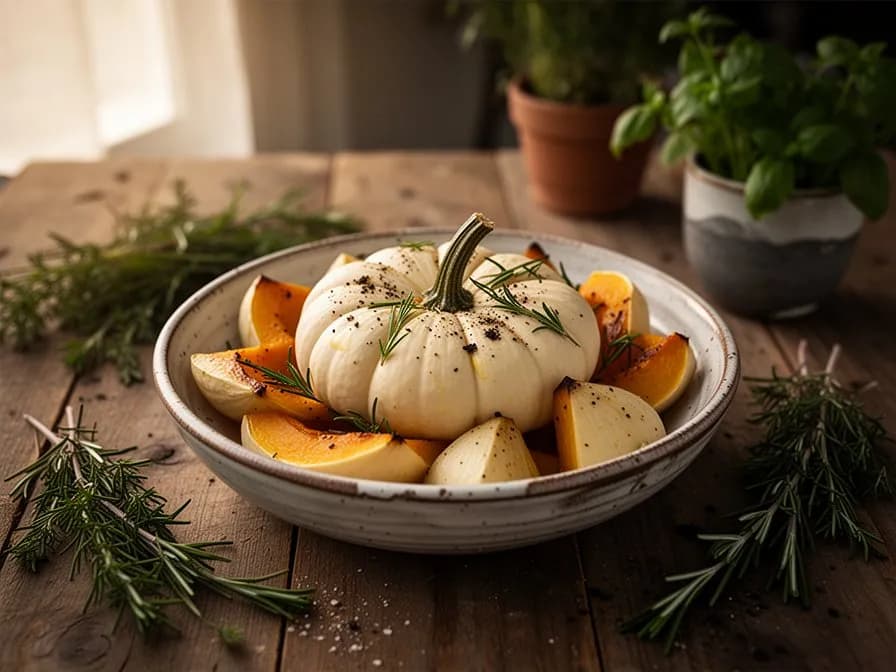
Creamy White Pumpkin Soup
40 minA silky, elegant soup that showcases the delicate sweetness of white pumpkin. Roasting the flesh first caramelizes the natural sugars, creating a rich depth of flavor that needs little more than a swirl of cream and a scattering of toasted seeds.
9 ingredientsRoasted White Pumpkin Wedges with Sage
35 minSimple roasted wedges that bring out the natural caramel sweetness of white pumpkin. The edges crisp beautifully at high heat while the interior becomes tender and creamy, and fresh sage adds an earthy, aromatic contrast.
7 ingredientsWhite Pumpkin Risotto
45 minA luxurious autumn risotto where roasted white pumpkin puree is stirred into creamy Arborio rice. The pumpkin melts into the rice, creating a naturally sweet, velvety dish that pairs beautifully with Parmesan and toasted pine nuts.
9 ingredientsCulinary Uses
Despite the white exterior, the interior flesh is deep orange and makes excellent pies with a rich, sweet flavor. Roast wedges with brown butter and sage for a sophisticated side dish. Puree the flesh for soups, muffins, pancakes, and pasta sauce. The sweet flesh also works well in risotto and savory custards. White pumpkin makes a striking presentation when used as a serving bowl for soups and stews at fall gatherings. Seeds can be roasted with spices for a crunchy snack.
What's inside
Health Benefits
- Rich in beta-carotene despite the white skin — the orange interior flesh provides over 100% of the daily value of vitamin A per serving, a powerful antioxidant that supports eye health, immune function, and skin integrity.
- Very low in calories at only 26 per 100g while being high in volume and water content, making white pumpkin an excellent food for satiety and weight management without caloric excess.
- Good source of potassium (340mg per 100g), which helps regulate blood pressure, supports proper muscle contraction, and maintains fluid balance throughout the body.
- Pumpkin seeds contain tryptophan, an amino acid precursor to serotonin and melatonin — consuming roasted pumpkin seeds may support mood regulation and healthy sleep patterns.
- The fiber and antioxidant compounds in pumpkin flesh support digestive health and may help reduce chronic inflammation associated with cardiovascular disease and metabolic syndrome.
- Contains lutein and zeaxanthin, carotenoid pigments that accumulate in the macula of the eye and may help protect against age-related macular degeneration and cataracts over time.
Where White Pumpkin comes from
White pumpkins belong to the species Cucurbita maxima, the same species as Hubbard squash, buttercup squash, and giant Atlantic pumpkins. The broader pumpkin family originated in the Americas, where archaeological evidence shows Cucurbita species were among the earliest domesticated plants, cultivated in central Mexico as far back as 7,500-10,000 years ago. Indigenous peoples across North and South America grew pumpkins and squash as part of the Three Sisters planting system alongside corn and beans, a companion planting method that sustained civilizations for millennia.
White-skinned pumpkin varieties are a relatively modern development in this ancient lineage. While naturally occurring white or pale-skinned cucurbits appeared sporadically throughout history, deliberate breeding for stable white coloration began in the late 20th century. The Lumina variety, introduced in the 1990s, was one of the first commercially successful white pumpkins and helped establish the market. Casper, developed at the University of New Hampshire, followed with improved uniformity and a brighter white rind. These varieties were developed primarily for the ornamental market, where their striking appearance offered a fresh alternative to traditional orange pumpkins.
The popularity of white pumpkins surged dramatically in the 2000s and 2010s, driven by trends in upscale autumn decor, wedding design, and the modern farmhouse aesthetic. What was once a novelty item became a staple of autumn markets, with growers dedicating increasing acreage to white varieties to meet demand. Today, white pumpkins are grown commercially across North America and Europe. Popular varieties include Lumina, Casper, Cotton Candy, Snowball, and Full Moon, ranging from small ornamental sizes to large carving-sized fruits. Despite their decorative reputation, white pumpkins are fully edible with sweet, dense orange flesh that performs beautifully in soups, pies, and roasted dishes.
White Pumpkin: did you know?
Fascinating facts about White Pumpkin
White pumpkins get their ghostly color from a lack of orange pigment (beta-carotene) in the rind, but the flesh inside is typically orange and just as nutritious as any orange-skinned variety — the white color is only skin deep.
White Pumpkin questions, answered
When should I plant White Pumpkin?
What are good companion plants for White Pumpkin?
What hardiness zones can White Pumpkin grow in?
How much sun does White Pumpkin need?
How far apart should I space White Pumpkin?
What pests and diseases affect White Pumpkin?
How do I store White Pumpkin after harvest?
What are the best White Pumpkin varieties to grow?
What soil does White Pumpkin need?
Are white pumpkins edible or just decorative?
Why are white pumpkins more expensive than orange ones?
Do white pumpkins need different growing conditions than orange ones?
Which white pumpkin variety should I grow?
How long do white pumpkins last after harvest?
Can I save seeds from white pumpkins to grow next year?
You just read the theory. Now grow it on autopilot.
Everything that makes White Pumpkin fiddly — the timing, the spacing, the companions, the harvest window — is exactly what PlotMyGarden handles for you, for every plant in your garden.
A plan that knows your weather
Set your location once. Get sow, feed and harvest dates built around your real last-frost date and live forecast — no more guessing from a generic seed packet.
From the “When to plant” sectionDrag-and-drop bed planner
Design beds on a grid. Every plant snaps to its proper spacing, and you can see your whole season laid out before you spend a cent on seed.
From the “Growing guide” sectionCompanion conflicts, caught early
200+ good-and-bad pairings checked live as you plant — so a season-wrecking mistake never makes it into the ground.
From the “Companions” sectionReminders you'll actually act on
“Water the beans.” “Pick today before it turns.” Timely, specific, and tied to the plants you're really growing.
From the “Harvest” sectionSuccession, scheduled
Want a harvest for six weeks, not six days? It spaces your sowings automatically and reminds you when each new block is due.
From the “When to plant” sectionA record that gets smarter
Every harvest you log teaches it your garden. Next year's plan starts from what actually worked in your soil, not a textbook's.
From the “Overview” sectionPlant these alongside White Pumpkin
More Cucurbits
Keep White Pumpkin away from these
Grow your best White Pumpkin yet — and everything around it.
Start a free plan today. Lay out your beds, drop in your White Pumpkin, and let PlotMyGarden handle the timing, spacing, companions and reminders from seed to harvest basket.