Trauerweide
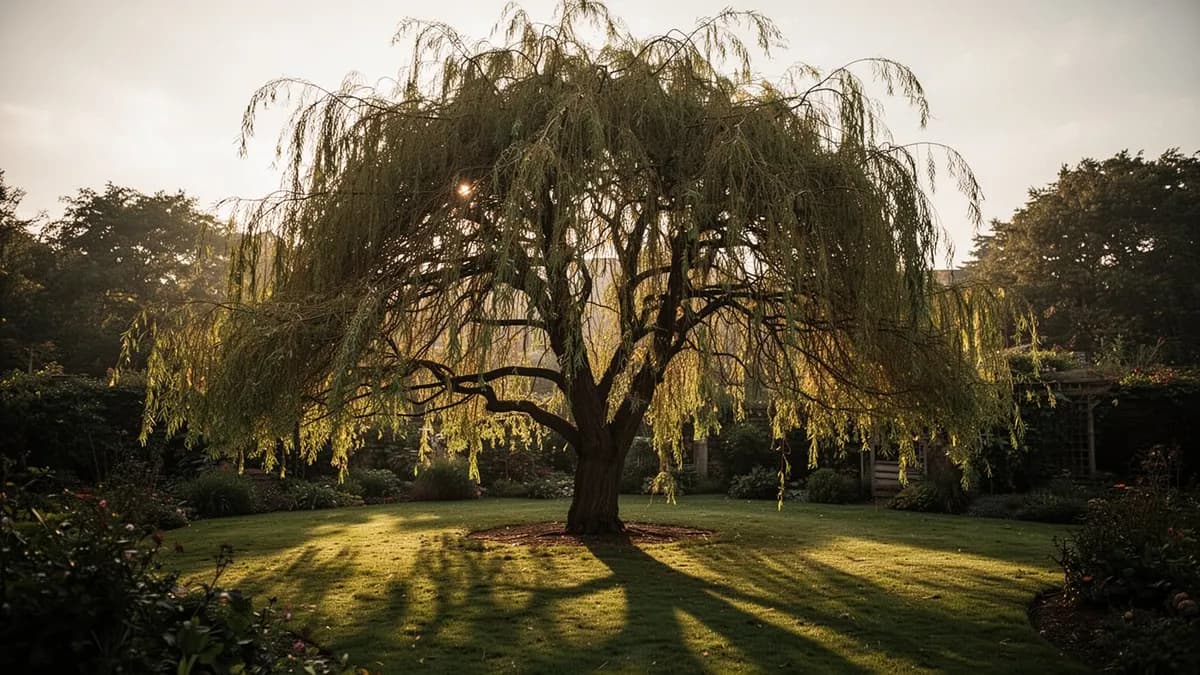
Ein ikonischer Zier- und Schattenbaum mit langen, herabhängenden Ästen, die den Boden streifen und anmutig im Wind schwingen.





Auf dieser SeiteÜberblick
Trauerweide im Überblick
Ein ikonischer Zier- und Schattenbaum mit langen, herabhängenden Ästen, die den Boden streifen und anmutig im Wind schwingen. Trauerweiden gehören zu den am schnellsten wachsenden Schattenbäumen, benötigen jedoch viel Platz und eine zuverlässige Wasserquelle, was sie ideal für See- oder Flussufer-Pflanzungen macht. Ihr invasives Wurzelsystem kann unterirdische Rohre und Fundamente beschädigen, daher sollte der Baum mindestens fünfzehn Meter von Gebäuden entfernt gepflanzt werden. Trotz ihrer kurzen Lebensdauer von dreißig bis fünfzig Jahren schaffen sie eine unvergleichliche romantische Atmosphäre in der Landschaft.
Wann Trauerweide pflanzen
Trauerweiden lassen sich mühelos durch Steckholz vermehren, was eine Anzucht aus Samen überflüssig macht. Nehmen Sie im Spätwinter 30 bis 45 cm lange Stecklinge von einjährigem Holz und stecken Sie die untere Hälfte in feuchte Erde oder stellen Sie sie einfach in ein Glas Wasser. Wurzeln erscheinen innerhalb von 1 bis 3 Wochen. Dies ist die Standardvermehrungsmethode, da sie den Trauerhabitus des Mutterbaums erhält, während Sämlinge die hängende Form möglicherweise nicht erben. Pflanzen Sie bewurzelte Stecklinge im Frühling an ihren endgültigen Standort am See- oder Flussufer.
Dein Trauerweide-Jahr
Abgestimmt auf Zone 7 · typische Saison · Frost geht um den 2. Apr. und kehrt um den 1. Nov. zurück
Trauerweide Mär – Apr, Okt – Nov pflanzen, — ernten. Beachte die Pflanzmethoden unten und wähle dein Klima für passende Zeiträume.
So baust du Trauerweide an
Pflanzen Sie Trauerweiden in voller Sonne in der Nähe einer permanenten Wasserquelle wie einem Teich, See oder Bach. Sie benötigen gleichmäßig feuchten bis nassen Boden und haben Schwierigkeiten unter trockenen Bedingungen. Der Bodentyp ist flexibel, da Trauerweiden in Lehm-, Ton- oder Sandböden mit einem pH-Wert von 5,5 bis 8,0 wachsen. Pflanzen Sie Container- oder wurzelnackte Bäume im Frühling mit mindestens 15 Metern Abstand zu Gebäuden, Abwasserleitungen und Kläranlagen, um Wurzelschäden zu vermeiden.
Trauerweiden wachsen explosionsartig schnell und legen in ihrem ersten Jahrzehnt oft 1,8 bis 2,4 Meter Höhe pro Jahr zu. Sie erreichen 9 bis 15 Meter Höhe mit einer gleichen oder größeren Ausbreitung kaskadenartiger Äste. Bewässern Sie neu gepflanzte Bäume im ersten Jahr großzügig, obwohl Bäume in der Nähe permanenter Wasserquellen wenig zusätzliche Bewässerung benötigen.
Schneiden Sie regelmäßig, um abgestorbene, beschädigte und tief hängende Äste zu entfernen, die Gehwege behindern. Die langen herabhängenden Äste müssen möglicherweise regelmäßig gekürzt werden, damit sie nicht den Boden berühren. Kürzen Sie die Krone, um den Windwiderstand zu verringern und Sturmschäden durch das von Natur aus brüchige Holz zu minimieren. Trotz ihres Pflegebedarfs gehören Trauerweiden zu den bekanntesten und beliebtesten Zierbäumen und verleihen der Landschaft eine einzigartig anmutige und romantische Präsenz.
Für Trauerweide ist ein Beet von 120 × 240 cm zu klein
Trauerweide braucht 1000 cm Platz pro Pflanze. Der Planer hält diesen Abstand für dich ein — jede Pflanze, jedes Beet.
Die besten Nachbarn für Trauerweide
Trauerweiden bilden einen dramatischen Hintergrund für feuchtigkeitsliebende Stauden, die in der Nähe gepflanzt werden. Japanische Schwertlilien, Sibirische Schwertlilien, Prachtspieren und Ligularien ergänzen die anmutige Form. Taglilien und Ziergräser, die am äußeren Kronenrand gepflanzt werden, bieten Kontrast. Vermeiden Sie das Pflanzen von Gemüse oder Ziergärten innerhalb der Wurzelzone, die weit über die Krone hinausreicht. Wasserrandpflanzungen aus einheimischen Binsen, Seggen und Sumpfdotterblumen naturalisieren sich wunderbar um Trauerweiden am Seeufer.
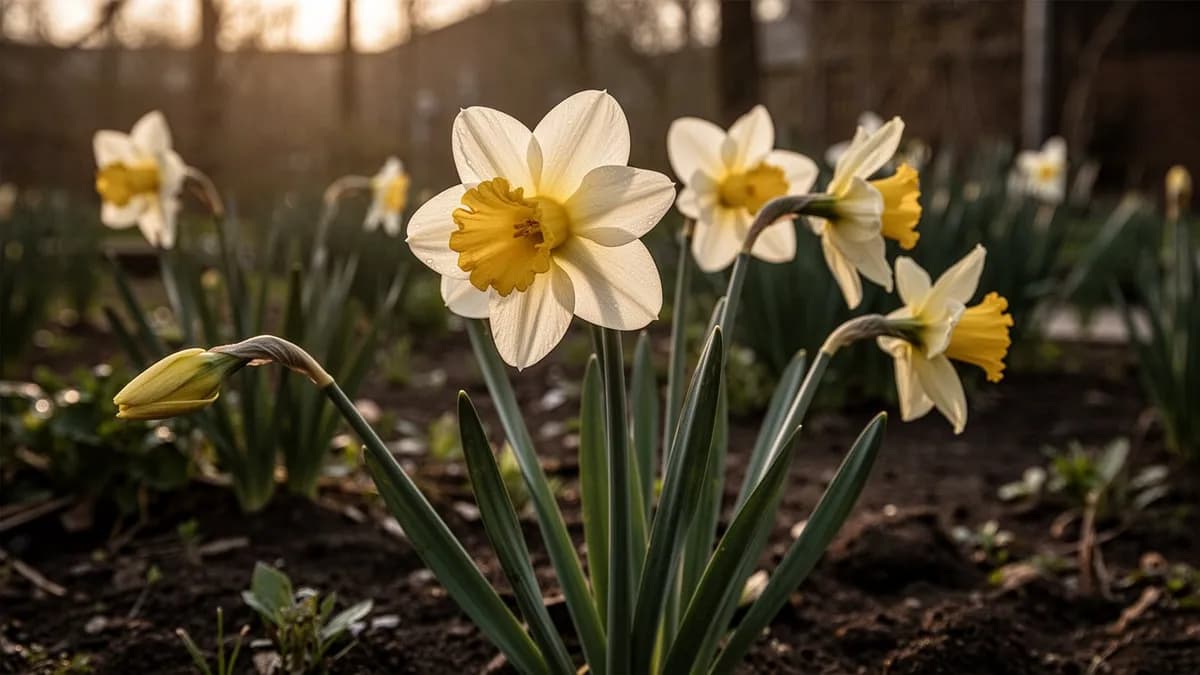
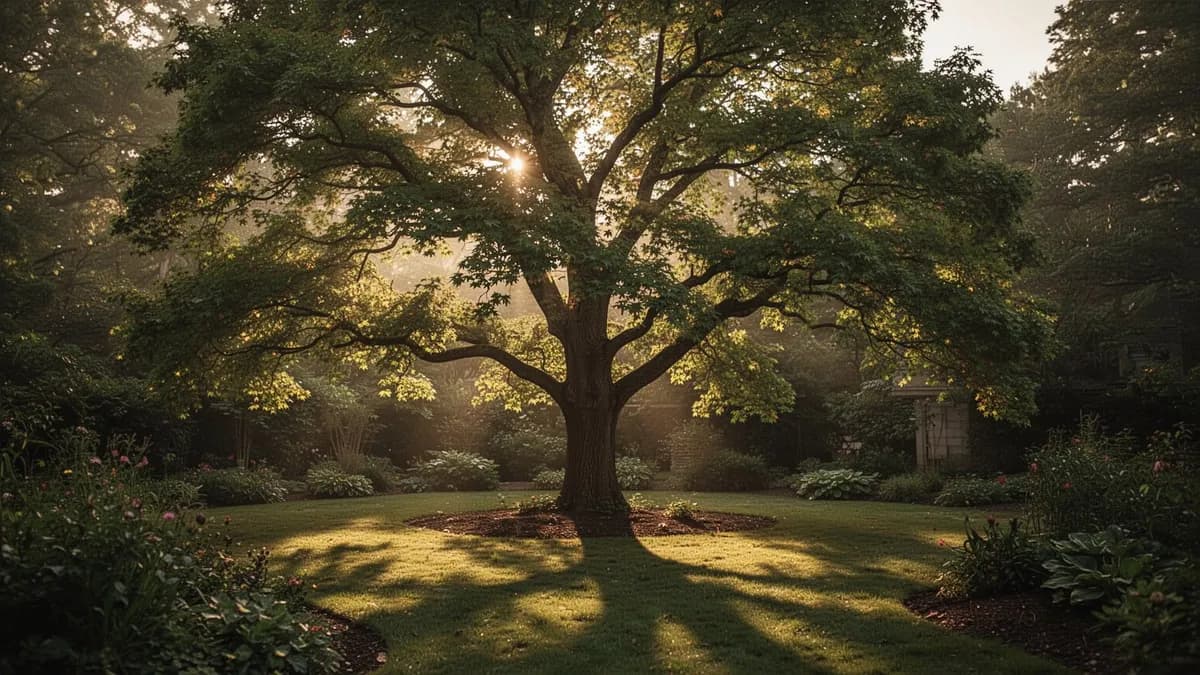
Narzisse gehört daneben. Walnussbaum nicht.
Altes Gärtnerwissen, geprüft an der echten Nachbartabelle von Trauerweide — teste jede Pflanze, die du anbaust.
Probiere Trauerweide direkt hier im Beet
Ein echtes Planer-Beet, Trauerweide steht schon drin. Tippe einen Begleiter an, platziere ihn und sieh, wie die Nachbarschaftsprüfung antwortet — grün für gute Nachbarn, rot bei Streit.


Passende Anbau-Ratgeber
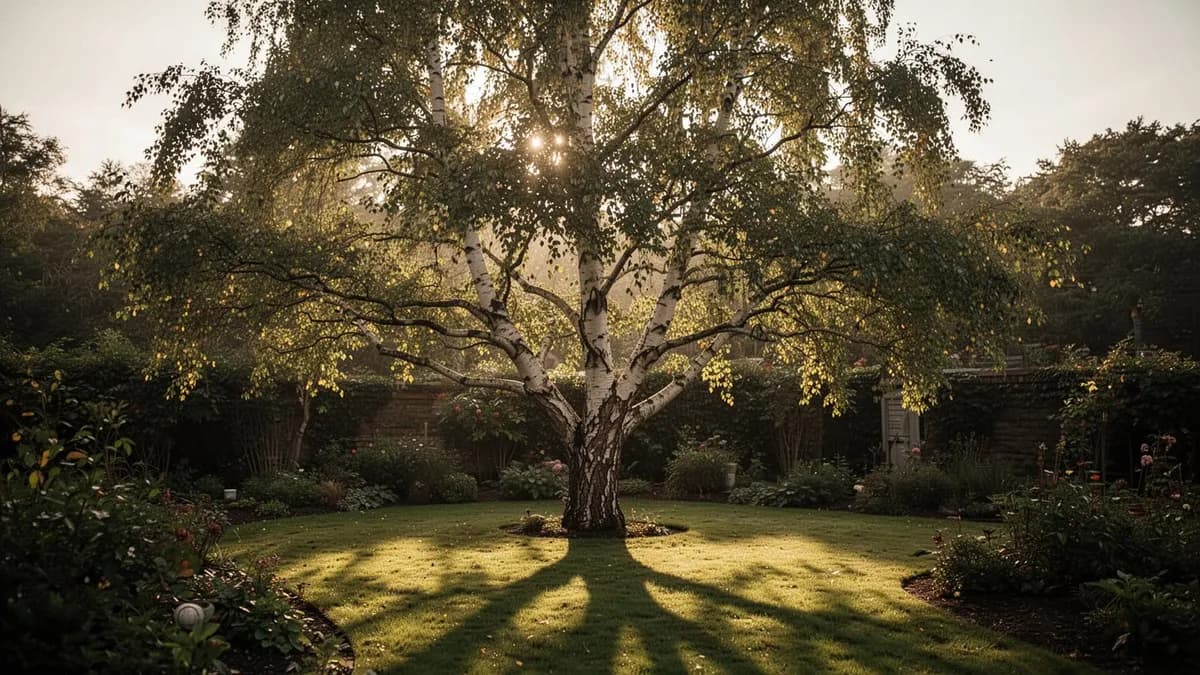
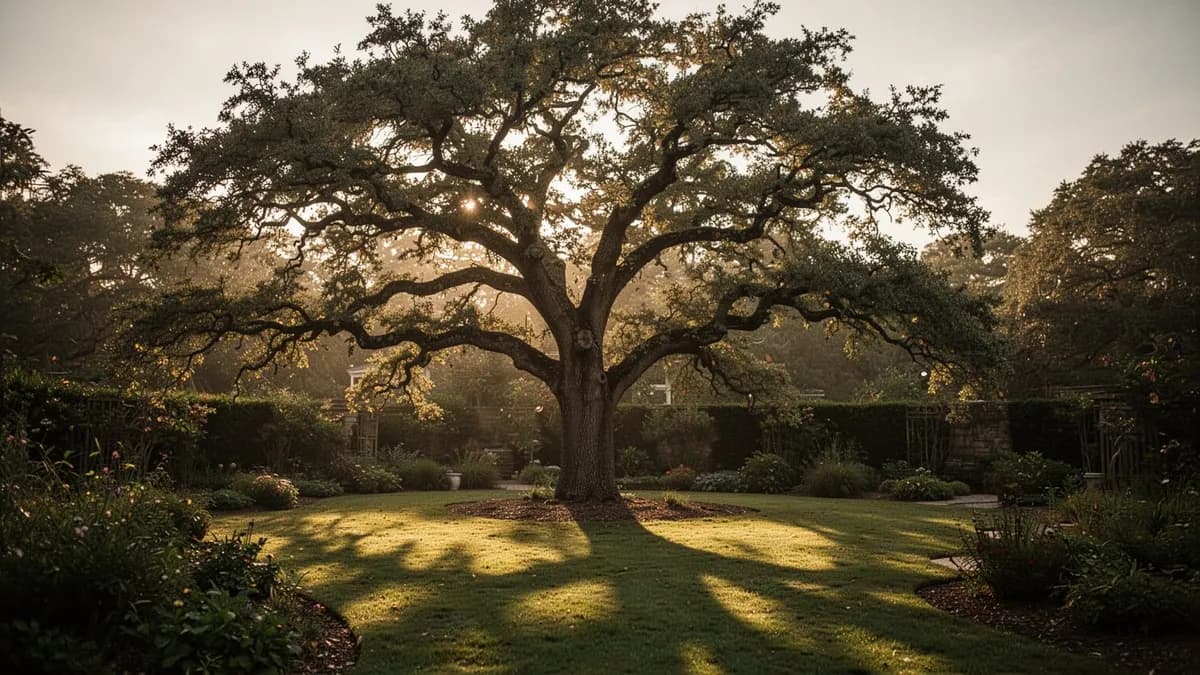
Richtig düngen
Trauerweiden gedeihen in feuchtem bis nassem, fruchtbarem Boden jeder Textur von schwerem Ton bis sandigem Lehm. Sie bevorzugen einen pH-Wert von 5,5 bis 8,0 und vertragen periodische Überflutung. Nährstoffreicher Boden erzeugt das schnellste Wachstum und den kräftigsten Kaskadenhabitus. Geben Sie jungen Bäumen im zeitigen Frühjahr ausgewogenen Dünger, um eine schnelle Etablierung zu fördern. Ausgewachsene Bäume in der Nähe von Wasserquellen benötigen selten Düngung. Kompost-Mulchauflagen sind vorteilhaft für Bäume in normalem Gartenboden, der gelegentlich austrocknen kann.
Ideale Temperatur
Winterhärtezone-Kompatibilität
Von der Saat zur Ernte, Schritt für Schritt
Steckling & Bewurzelung
Trauerweiden werden am häufigsten durch Steckholz im Spätwinter oder Grünstecklinge im Sommer vermehrt. 30-45 cm lange Stecklinge bewurzeln sich leicht, wenn sie in feuchte Erde oder sogar in ein Glas Wasser gestellt werden. Weiden enthalten hohe Mengen an Indolbuttersäure, einem natürlichen Bewurzelungshormon, was sie zu den am einfachsten durch Stecklinge zu vermehrenden Bäumen macht.
Etablierungsjahr
Im ersten Jahr konzentriert sich die junge Weide auf den Aufbau eines robusten Wurzelsystems und das Hervorbringen des ersten substanziellen Höhenwachstums. Unter idealen Bedingungen kann eine Trauerweide in der ersten Vegetationsperiode 1,5-2,5 Meter an Höhe zulegen. Die peitschenartigen Äste beginnen bis zum Ende des ersten Jahres ihren hängenden Habitus zu entwickeln.
Schnelles Jugendwachstum
Vom zweiten bis zum fünften Jahr tritt die Trauerweide in eine Phase explosiven Wachstums ein und legt jährlich 1,5-3 Meter an Höhe zu. Die Krone verbreitert sich und die Äste verlängern sich, wobei sich die volle Trauersilhouette entwickelt. Der Stamm verdickt sich schnell und die Rinde wechselt von glatt grünbraun zu rauer, graubrauner, rissiger Textur.
Junge Reife
Zwischen dem fünften und fünfzehnten Jahr erreicht der Baum nahezu seine volle Höhe von 12-15 Metern mit einer Kronenbreite von 10-15 Metern. Der ikonische Vorhang aus kaskadierenden Ästen streift nun den Boden. Kätzchen erscheinen jeden Frühling und liefern frühzeitig Pollen. Das Wurzelsystem ist ausgedehnt und tief etabliert.
Volle Reife
Von fünfzehn bis dreißig Jahren befindet sich die Trauerweide in ihrer Blütezeit. Der Stamm kann einen Durchmesser von 90-120 cm erreichen und die Krone zeigt die volle, anmutige Trauerform. Obwohl sie schnellwüchsig sind, sind Trauerweiden für einen Baum relativ kurzlebig, mit einer typischen Lebensdauer von 30-50 Jahren. Ältere Bäume können hohle Stämme entwickeln und große Gerüstäste können bruchgefährdet werden.
Rückgang & Erneuerung
Nach 30 Jahren beginnen Trauerweiden typischerweise zu verfallen. Das Kronensterben nimmt zu, große Äste können splittern, und der Stamm kann ausgedehnte Hohlräume entwickeln. Allerdings sind Weiden bemerkenswert widerstandsfähig und können kräftig vom Stock oder den Wurzeln wieder austreiben, wenn sie zurückgeschnitten werden. Viele historische Weiden bestehen mit aufmerksamer Pflege 50 Jahre oder länger.
Nehmen Sie Stecklinge von gesundem, einjährigem Wuchs etwa bleistiftdick. Stecken Sie mindestens die Hälfte des Stecklings in gleichmäßig feuchte Erde. Halten Sie sie im Halbschatten und bewahren Sie die Feuchtigkeit; Wurzeln erscheinen typischerweise innerhalb von 10-21 Tagen.
Trauerweide Monat für Monat pflegen
Was du jeden Monat für deine Trauerweide tun solltest
Oktober
Aktueller MonatGenießen Sie das goldene Herbstlaubspiel. Setzen Sie die Beseitigung von krankem Laub fort. Überprüfen Sie Baumpfähle und Spanndrähte an jungen Bäumen und justieren Sie sie nach, wenn sie das Wachstum einschnüren. Bereiten Sie sich auf den Winter vor, indem Sie für ausreichende Bodenfeuchtigkeit sorgen, bevor der Boden gefriert.
Immer wissen, was jetzt im Garten zu tun ist
Eine E-Mail zum Monatsanfang: was du jetzt säen, pflanzen und anpacken solltest — für deine Trauerweide und alles, was drumherum wächst. Dazu ein kurzer Startkurs, der dich vor den klassischen Fehlern bewahrt.
- Was jetzt zu tun ist
- Passend zu deiner Saison
- Startkurs inklusive
Trauerweide ernten
Trauerweiden sind Zierbäume, die nicht für eine essbare Ernte angebaut werden. Die langen, flexiblen herabhängenden Äste können für handwerkliche Zwecke wie Korbflechten und dekorative Arrangements geerntet werden. Schneiden Sie junge, einjährige Triebe im Spätwinter für das biegsamste Material. Äste bewurzeln sich auch leicht in Wasser zur Vermehrung. Die Rinde enthält Salicin und wurde traditionell in der Kräutermedizin verwendet. Herabgefallene Äste aus der Sturmaufräumung können gehäckselt als Gartenmulch verwendet oder kompostiert werden.
angenommen, du pflanzt zu Beginn des Zeitraums — trage dein tatsächliches Datum ein
Ernte Trauerweide zügig, dann trägt die Pflanze weiter.
Lagerung & Konservierung
Frisch geschnittene Trauerweidenäste zur Vermehrung sollten sofort in Wasser gestellt oder gepflanzt werden, da sie extrem leicht Wurzeln schlagen. Äste für handwerkliche Zwecke können aufrecht in Bündeln getrocknet und unbegrenzt unter trockenen Bedingungen gelagert werden, dann vor dem Flechten eingeweicht werden, um die Flexibilität wiederherzustellen. Holzhackschnitzel vom Schnitt ergeben nach mehrmonatiger Lagerung akzeptablen Mulch. Das Holz ist weich, leicht und im Allgemeinen nicht für Bauholz geeignet, aber es eignet sich als Biomasse-Brennstoff, wenn es getrocknet wird.
Was schiefgeht — und die Lösung
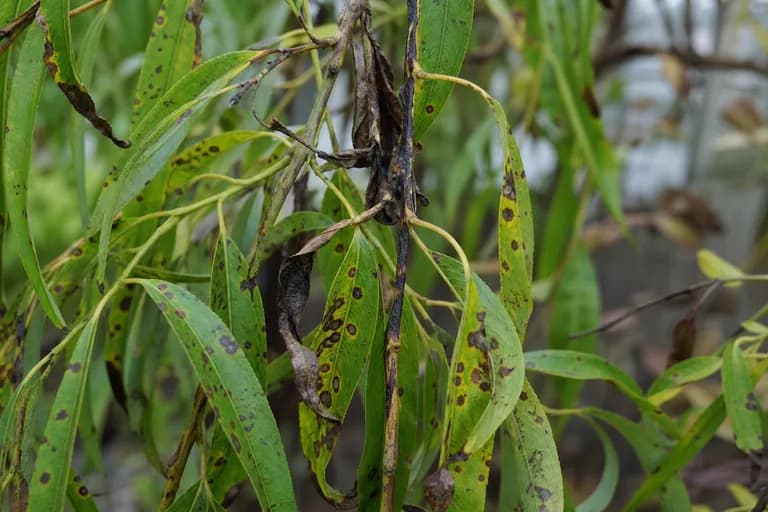
Weidenblatt-Fäulekomplex
KrankheitEine Kombination aus Weidenschorf und Schwarzem Krebs verursacht Triebfäule, Blattflecken und fortschreitendes Absterben von Ästen. Am schlimmsten in feuchten Frühjahren.
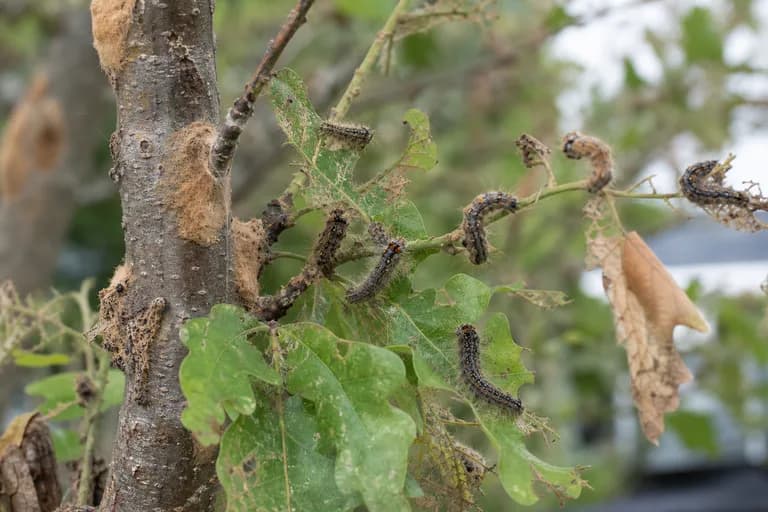
Schwammspinner
SchädlingGroße, behaarte Raupen entlauben die Äste. Eigelege erscheinen als bräunliche, filzige Flecken auf der Rinde. Schwerer Befall kann die gesamte Krone kahl fressen.
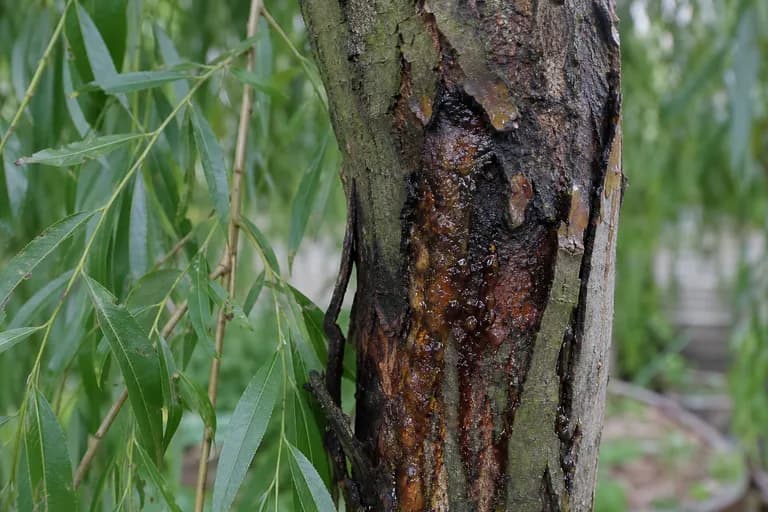
Cytospora-Krebs
KrankheitEingesunkene, verfärbte Stellen an Ästen und Stamm, die bernsteinfarbenen Saft absondern. Die Rinde schält sich über den Krebsstellen ab. Aststerben folgt bei Ringel-Befall.
Fehlerbehebung bei häufigen Problemen
Aggressive Wurzelsysteme sind der bedeutendste Nachteil, die in der Lage sind, Abwasserleitungen, Kläranlagen und Drainagerohre aus Entfernungen von 15 Metern oder mehr zu infiltrieren und zu verstopfen. Brüchiges Holz führt zu häufigem Astbruch bei Stürmen, was fortlaufende Aufräumarbeiten erfordert. Die kurze Lebensdauer von 30 bis 50 Jahren bedeutet, dass der Baum im Vergleich zu Eichen oder Ahornbäumen relativ schnell verfallen kann. Weiden sind unordentliche Bäume, die während der gesamten Vegetationsperiode Zweige, Kätzchen und Blätter abwerfen. Mehrere Schädlings- und Krankheitsprobleme erfordern Überwachung.
Anbautipps
- Pflanzen Sie Trauerweiden mindestens 15 Meter von Gebäuden, Kläranlagen, Abwasserleitungen und unterirdischen Versorgungsleitungen entfernt, da ihre aggressiven Wurzelsysteme jede Feuchtigkeitsquelle aufsuchen und Rohre und Fundamente infiltrieren können.
- Der schnellste Weg, eine Trauerweide zu starten, ist ein Steckholz-Steckling im Spätwinter. Wählen Sie einen geraden, gesunden Ast von etwa 30-45 cm Länge und Bleistiftdicke und stecken Sie ihn zur Hälfte in feuchte Erde. Bewurzelungshormon ist nicht nötig.
- Trauerweiden gedeihen in voller Sonne mit mindestens sechs Stunden direktem Sonnenlicht pro Tag. Sie tolerieren Halbschatten, entwickeln aber in lichtschwachen Verhältnissen eine dünnere Krone und weniger ausgeprägten Trauerhabitus.
- Diese Bäume gedeihen am besten in feuchten bis nassen Böden und sind ideal für Regengärten, Teichränder und tiefgelegene Bereiche, in denen andere Bäume Schwierigkeiten haben. Sie tolerieren kurzzeitige Überflutung, aber keinen dauerhaft staunassen, anaeroben Boden.
- Schneiden Sie im Spätwinter, während der Baum in der Winterruhe ist, um die Struktur zu erhalten und Totholz zu entfernen. Vermeiden Sie den Schnitt im Frühling, wenn der Saftfluss am stärksten ist, da frische Schnittwunden stark bluten und bohrende Insekten anlocken.
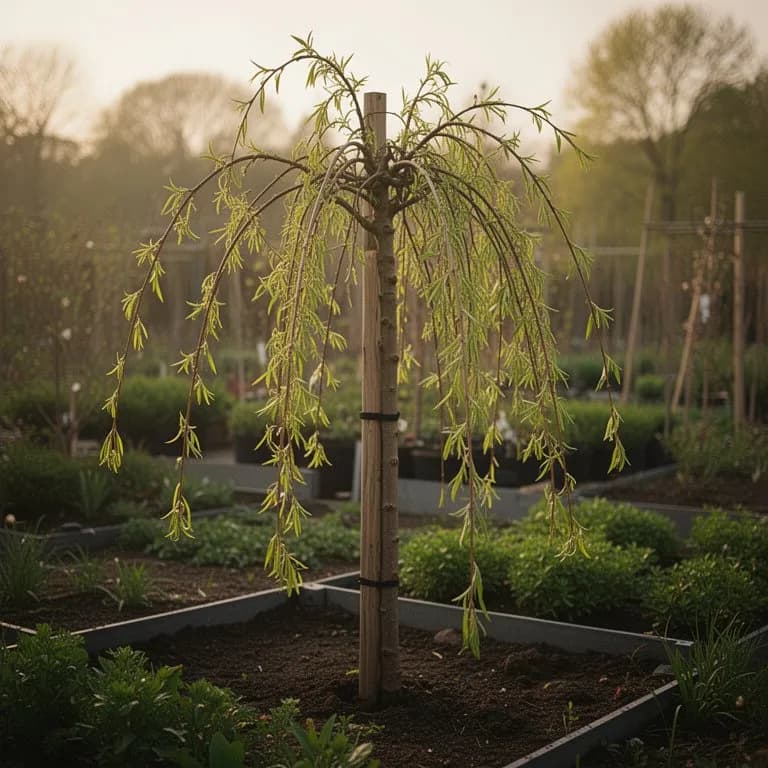
- Junge Trauerweiden profitieren vom Anbinden für die ersten ein bis zwei Jahre, um einen geraden Mitteltrieb zu etablieren. Sobald der Stamm sich selbst trägt, entfernen Sie die Stützen, um eine natürliche Stammstärkung durch Windbewegung zu ermöglichen.
- Tragen Sie eine 7-10 cm dicke Schicht organischen Mulch wie Holzhackschnitzel oder Rindenhumus rund um die Wurzelzone auf, um Feuchtigkeit zu halten und Unkraut zu unterdrücken, aber halten Sie den Mulch mindestens 15 cm vom Stamm entfernt, um Rindenfäule zu verhindern.
- Überwachen Sie auf häufige Schädlinge wie Weidenblatt-Käfer, Blattläuse und Schwammspinner-Raupen. Die meisten Befallssituationen können mit gezielter Schmierseifenlösung oder durch Förderung natürlicher Fressfeinde wie Marienkäfer und Schlupfwespen bewältigt werden.
- Wenn Ihr Boden schwerer Ton ist, verbessern Sie den Pflanzbereich mit Kompost, um Drainage und Durchwurzelung zu fördern. In sandigen Böden fügen Sie Kompost hinzu, um die Wasserhaltefähigkeit zu verbessern. Weiden sind anpassungsfähig an einen weiten pH-Bereich von 5,5 bis 8,0.
- Um eine lebende Weidenstruktur wie einen Laubengang, Tunnel oder eine Flechthecke zu schaffen, stecken Sie frische Weidenruten im Spätwinter in feuchten Boden, mit 15-20 cm Abstand. Sie werden bewurzeln und austreiben und bis Hochsommer eine grüne lebende Struktur bilden.
Bau deine beste Trauerweide an — und alles drumherum.
Starte heute kostenlos. Lege deine Beete an, setze deine Trauerweide ein und lass PlotMyGarden Timing, Abstände, Begleiter und Erinnerungen von der Saat bis zum Erntekorb übernehmen.
Finde deine Trauerweide
Goldene Trauerweide (Salix x sepulcralis Chrysocoma)
Die am häufigsten gepflanzte Trauerweide mit leuchtend goldgelber Rinde an jungen Ästen. Wüchsiger Hybrid mit klassischer Kaskadenform.
Wisconsin-Trauerweide (Salix x pendulina)
Winterhärter als die Babylonische Weide, geeignet für die Zonen 4 bis 8. Hervorragende Kälteverträglichkeit mit langen, anmutigen hängenden Ästen.
Niobe Goldene Trauerweide
Ausgewählt wegen verbesserter goldener Rindenfarbe und starkem Trauerhabitus. Kältetoleranter als die Art und in Baumschulen weit verbreitet.
Babylonische Trauerweide (Salix babylonica)
Die ursprüngliche Art mit dunkelgrünem Laub und langen herabhängenden Ästen. Etwas weniger winterhart als Hybridauslesen.
Trauerweiden lassen sich extrem einfach aus kostenlosen Stecklingen vermehren, wodurch Baumschulkosten vollständig entfallen. Ein bleistiftdicker Aststeckling, der im Frühling in feuchte Erde gesteckt wird, bewurzelt sich typischerweise innerhalb von zwei bis drei Wochen. Einmal etabliert, benötigt der Baum keinen Dünger, keine Bewässerung, wenn er in Wassernähe gepflanzt ist, und minimale Pflege über den jährlichen Schnitt hinaus. Eine einzelne ausgewachsene Trauerweide kann die sommerlichen Kühlkosten eines nahegelegenen Hauses durch ihre dichte Schattenkrone um 15-35 % senken, und ihr Wurzelsystem bietet über seine Lebensdauer einen Erosionsschutz- und Regenwassermanagement-Wert von Tausenden von Euro.
Schnelle Rezepte
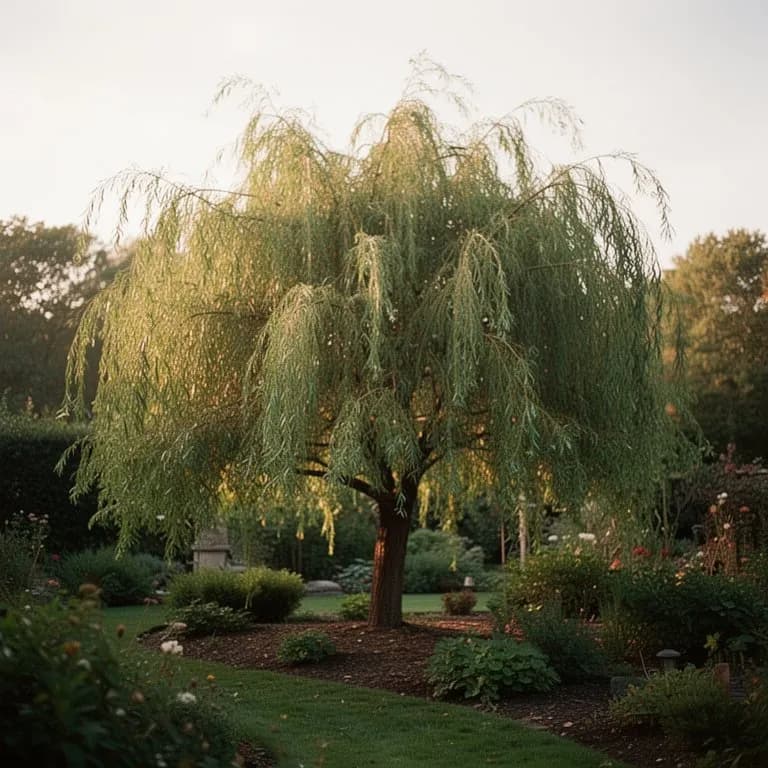
Traditioneller Weidenrindentee
15 Min.Ein jahrhundertealtes Kräuterpräparat, das traditionell zur milden Schmerzlinderung und als Entzündungshemmer verwendet wird. Das Salicin in der Weidenrinde ist magenschonender als synthetisches Aspirin. Konsultieren Sie immer einen Arzt, bevor Sie Weidenrinde medizinisch verwenden.
5 ZutatenWeidenwasser-Bewurzelungslösung
24-48 Stunden (Einweichzeit)Eine natürliche Bewurzelungshormon-Lösung, hergestellt durch Einweichen von Weidenzweigen in Wasser. Die von der Weide freigesetzte Indolbuttersäure und Salicylsäure stimulieren das Wurzelwachstum bei Stecklingen anderer Pflanzen und helfen, bakterielle Infektionen an Schnittflächen zu verhindern.
5 Zutaten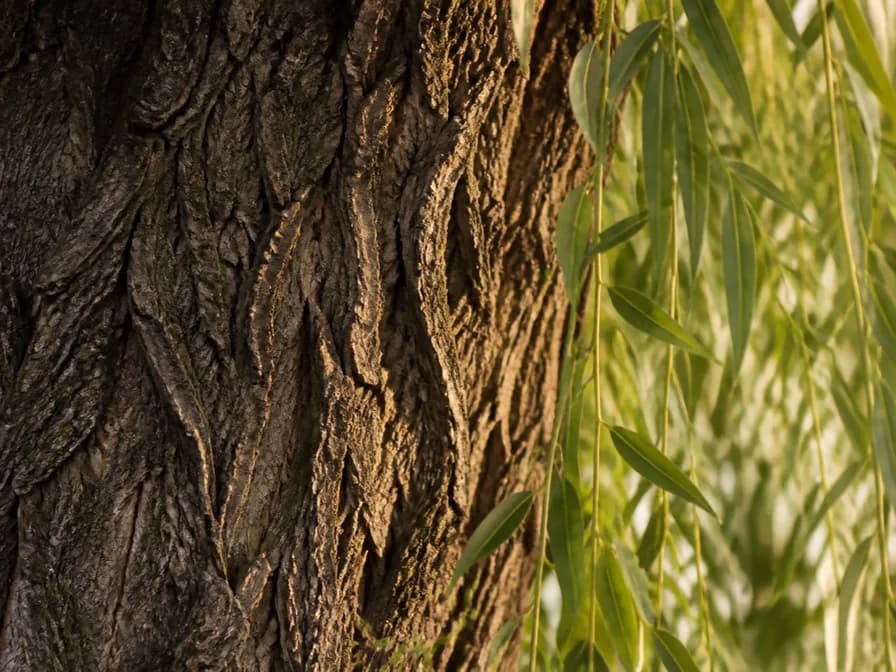
Geflochtener Weiden-Gartenrand
2-3 StundenEin lebender oder dekorativer geflochtener Rand aus frischen Weidenruten (einjährige, flexible Triebe). Wenn lebende Weidenstecklinge in feuchten Boden gesteckt werden, kann der Rand bewurzeln und austreiben und mit der Zeit einen wachsenden grünen Zaun oder Beetrand bilden.
5 ZutatenWas drinsteckt
Gesundheitsvorteile
- Weidenrindenextrakt enthält Salicin, das der Körper in Salicylsäure umwandelt und so natürliche entzündungshemmende und schmerzlindernde Wirkungen ähnlich wie niedrig dosiertes Aspirin bietet, ohne den gleichen Grad an Magenreizung.
- Salicylsäure aus Weidenrinde ist ein Hauptbestandteil vieler topischer Aknebehandlungen und Hautpeelings und hilft, Poren zu befreien und Unreinheiten zu reduzieren.
- Der Schatten einer ausgewachsenen Trauerweidenkrone kann die Umgebungstemperatur unter dem Baum an heißen Tagen um 5-10 °C senken und bietet erhebliche Hitzestress-Entlastung sowie ein geringeres Risiko für hitzebedingte Erkrankungen bei Aktivitäten im Freien.
- Der Aufenthalt unter großen Bäumen wie Trauerweiden wurde in mehreren Studien mit reduzierten Cortisolwerten, niedrigerem Blutdruck und verbesserter Stimmung in Verbindung gebracht, was die japanische Praxis des Shinrin-yoku (Waldbaden) unterstützt.
- Die ausgedehnten Wurzelsysteme von Trauerweiden wirken als natürliche Biofilter, die überschüssigen Stickstoff, Phosphor und andere Schadstoffe aus dem Oberflächenabfluss absorbieren, bevor sie in Gewässer gelangen, und so zu saubereren lokalen Wasserversorgungen beitragen.
- Trauerweiden produzieren reichlich Frühjahrspollen über Kätzchen und bieten eine kritische Nahrungsquelle für Honigbienen und einheimische Bestäuber, die aus der Winterruhe erwachen, wenn nur wenige andere Bäume bereits blühen.
Woher Trauerweide stammt
Die Trauerweide (Salix babylonica) stammt aus den trockenen Regionen Nordchinas, wo sie seit Jahrtausenden entlang von Flussufern, Kanälen und Palastgärten kultiviert wird. Sie hat eine tiefe kulturelle Bedeutung in der chinesischen Kunst und Dichtung und symbolisiert Anmut, Widerstandskraft und die bittersüße Natur des Abschieds. Reisende auf der Seidenstraße brachen Weidenzweige als Abschiedsgeschenke ab, eine Tradition, die zur Verbreitung des Baumes nach Westen über Zentralasien beitrug. Die Art wurde über die alten Handelsrouten nach Europa eingeführt, wobei frühe Exemplare im Mittelalter den Nahen Osten und die Türkei erreichten. Sie gelangte um 1730 nach England, angeblich aus einem Steckling, der an ein Paket Feigen aus der Levante befestigt war und an den Landschaftsgärtner Alexander Pope geschickt wurde, der ihn in seinem berühmten Garten in Twickenham an der Themse pflanzte. Von England aus verbreitete sich der Baum rasch über Europa und wurde von Kolonialsiedlern im frühen 18. Jahrhundert nach Nordamerika gebracht. George Washington pflanzte nachweislich Trauerweiden in Mount Vernon. Napoleon Bonaparte war bekanntermaßen ein Bewunderer der Trauerweide an seinem Verbannungsort auf Sankt Helena, und Stecklinge dieses Baumes wurden nach seinem Tod weit verbreitet. Im Laufe der Geschichte wurde die Weide nicht nur wegen ihrer ornamentalen Schönheit, sondern auch wegen ihrer medizinischen Eigenschaften geschätzt. Altägyptische, sumerische und griechische Texte verweisen alle auf die Verwendung von Weidenrinde und -blättern zur Behandlung von Schmerzen und Fieber. Heute bleibt die Trauerweide einer der bekanntesten und am häufigsten gepflanzten Zierbäume in gemäßigten Regionen weltweit und ziert Parks, Friedhöfe, Seeufer und Wohnlandschaften auf jedem bewohnten Kontinent.
Trauerweide: Schon gewusst?
Faszinierende Fakten über Trauerweide
Weidenrinde enthält Salicin, eine natürliche Verbindung, die die ursprüngliche Grundlage für Aspirin (Acetylsalicylsäure) war, erstmals synthetisiert von Bayer im Jahr 1897. Hippokrates empfahl das Kauen von Weidenrinde gegen Schmerzen um 400 v. Chr.
Trauerweide: Fragen & Antworten
Wann sollte ich Trauerweide pflanzen?
Was sind gute Begleitpflanzen für Trauerweide?
In welchen Winterhärtezonen kann Trauerweide wachsen?
Wie viel Sonne braucht Trauerweide?
Welchen Abstand sollte ich zwischen Trauerweide lassen?
Welche Schädlinge und Krankheiten befallen Trauerweide?
Wie lagere ich Trauerweide nach der Ernte?
Was sind die besten Trauerweide-Sorten zum Anbauen?
Welchen Boden braucht Trauerweide?
Wie weit von meinem Haus entfernt sollte ich eine Trauerweide pflanzen?
Wie lange leben Trauerweiden und wie groß werden sie?
Warum verliert meine Trauerweide im Sommer Blätter oder wird gelb?
Kann ich eine Trauerweide aus einem Aststeckling ziehen?
Sind Trauerweiden unordentliche Bäume?
Ist Weidenrinde als natürliches Schmerzmittel sicher zu verwenden?
Du hast die Theorie gelesen. Jetzt baue sie auf Autopilot an.
Alles, was Trauerweide knifflig macht — das Timing, die Abstände, die Begleiter, das Erntefenster — genau das übernimmt PlotMyGarden für dich, für jede Pflanze im Garten.
Ein Plan, der dein Wetter kennt
Standort einmal festlegen. Aussaat-, Dünge- und Erntedaten rund um deinen echten letzten Frosttermin und die Live-Vorhersage — kein Raten mehr nach Saattüte.
Aus dem Abschnitt „Pflanzzeit“Beetplaner per Drag & Drop
Beete auf einem Raster gestalten. Jede Pflanze rastet im richtigen Abstand ein, und du siehst die ganze Saison, bevor du einen Cent für Saatgut ausgibst.
Aus dem Abschnitt „Anbau“Begleiter-Konflikte früh erkannt
Über 200 gute und schlechte Kombinationen werden beim Pflanzen live geprüft — so landet ein saisonruinierender Fehler nie in der Erde.
Aus dem Abschnitt „Begleiter“Erinnerungen, nach denen du wirklich handelst
„Gieß die Bohnen.“ „Heute ernten, bevor's umschlägt.“ Pünktlich, konkret und auf deine echten Pflanzen bezogen.
Aus dem Abschnitt „Ernte“Staffel-Aussaat, geplant
Sechs Wochen ernten statt sechs Tage? Die App verteilt deine Aussaaten automatisch und erinnert dich, wenn der nächste Satz fällig ist.
Aus dem Abschnitt „Pflanzzeit“Ein Verlauf, der schlauer wird
Jede protokollierte Ernte bringt der App deinen Garten bei. Der Plan fürs nächste Jahr startet bei dem, was in deinem Boden wirklich funktioniert hat.
Aus dem Abschnitt „Überblick“Pflanze diese neben Trauerweide
Weitere Schattenbäume
Halte Trauerweide von diesen fern
Bau deine beste Trauerweide an — und alles drumherum.
Starte heute kostenlos. Lege deine Beete an, setze deine Trauerweide ein und lass PlotMyGarden Timing, Abstände, Begleiter und Erinnerungen von der Saat bis zum Erntekorb übernehmen.