Sandía sin Semillas
La sandía sin semillas es un híbrido triploide desarrollado mediante el cruce de variedades diploides y tetraploides, lo que resulta en frutos sin semillas maduras.





En esta páginaResumen
Conoce Sandía sin Semillas
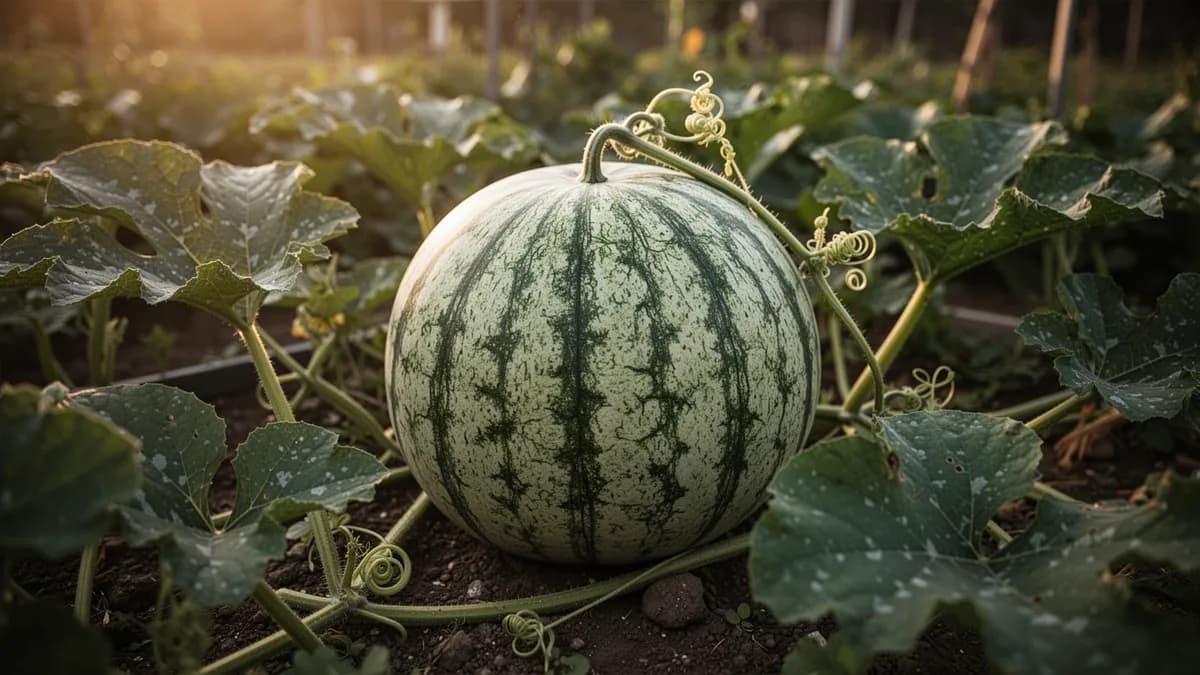
La sandía sin semillas es un híbrido triploide desarrollado mediante el cruce de variedades diploides y tetraploides, lo que resulta en frutos sin semillas maduras. Su pulpa es excepcionalmente dulce y jugosa, con una textura crujiente que la hace muy popular en el mercado comercial. Requiere la presencia de una variedad polinizadora diploide cercana para cuajar los frutos correctamente.
Cuándo plantar Sandía sin Semillas
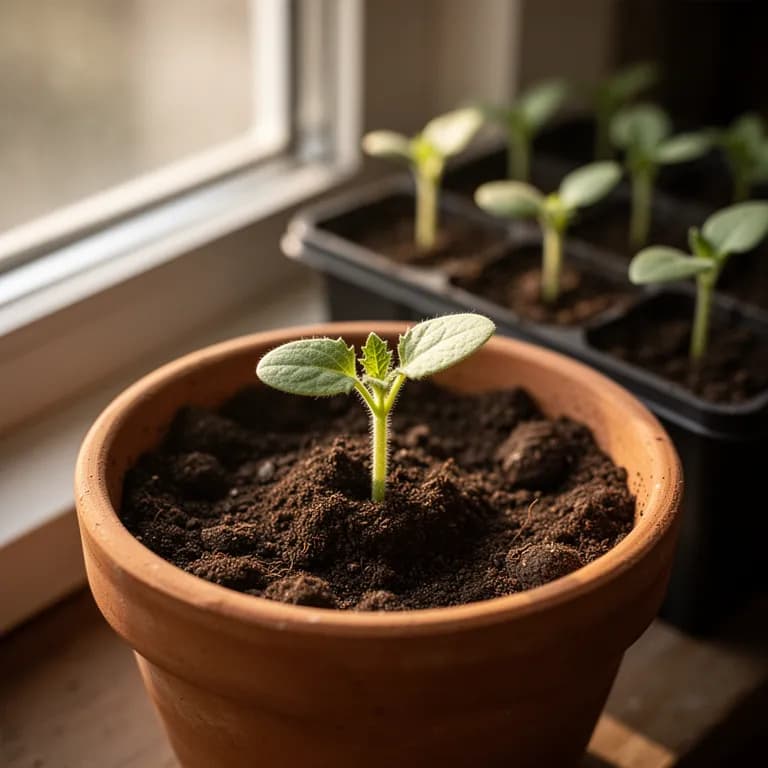
Siembre las semillas en interior 3-4 semanas antes del trasplante, en macetas individuales con sustrato cálido (27-30 °C). Las semillas triploides requieren más calor que las convencionales para germinar; use una manta térmica si es necesario. Trasplante con cuidado al exterior cuando las plántulas tengan 2-3 hojas verdaderas y las temperaturas nocturnas superen los 15 °C.
Tu año de Sandía sin Semillas
Ajustado a Zona 7 · temporada típica · la helada se va hacia el 2 abr y vuelve hacia el 1 nov
Planta Sandía sin Semillas May – Jun y cosecha Ago – Sep. Consulta los métodos de plantación y elige tu clima para adaptar los periodos.
Cómo cultivar Sandía sin Semillas
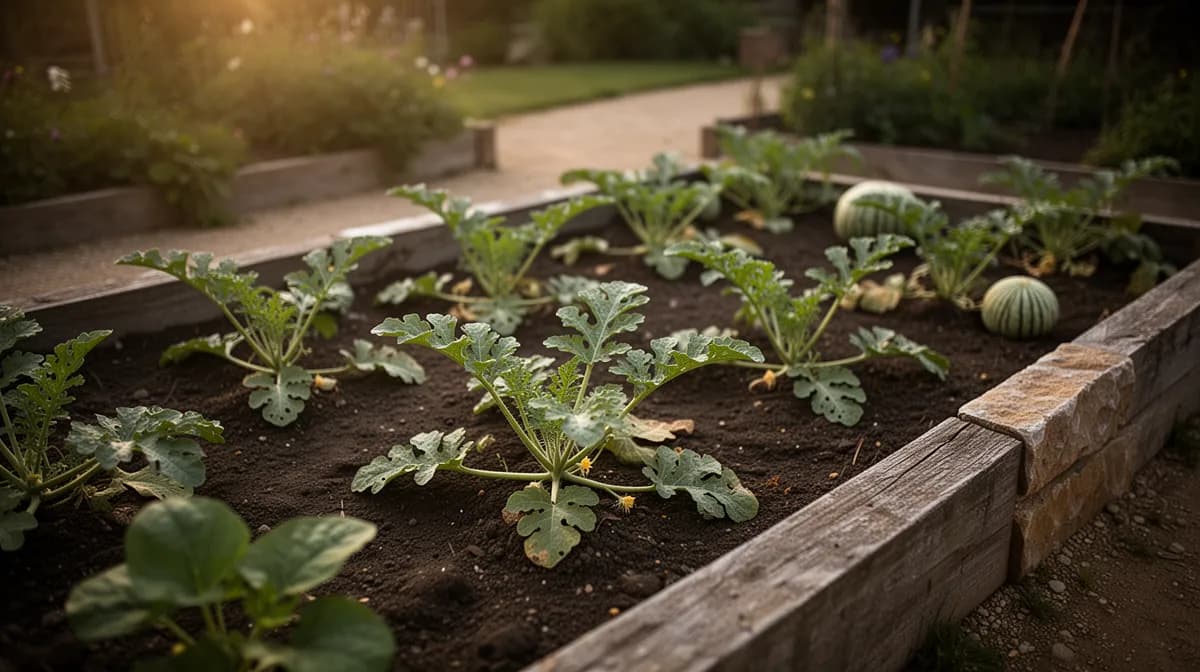
La sandía sin semillas necesita pleno sol y un suelo cálido (mínimo 21 °C) para germinar y crecer adecuadamente. Plante en montículos o camas elevadas con un espaciado de 1,5-2 metros entre plantas, ya que las guías se extienden considerablemente. Es imprescindible intercalar plantas polinizadoras (una variedad con semillas por cada tres sin semillas) para asegurar la polinización cruzada.
Las semillas triploides tienen una cubierta más gruesa y requieren temperaturas de germinación más altas (27-30 °C) que las sandías convencionales. Siembre en interior en macetas individuales 3-4 semanas antes del trasplante, manteniendo el sustrato húmedo pero no encharcado. Trasplante al exterior cuando las temperaturas nocturnas superen los 15 °C de forma constante.
Riegue abundantemente durante la fase de crecimiento vegetativo y formación del fruto, reduciendo gradualmente al acercarse la madurez. Aplique un acolchado de plástico negro para mantener la temperatura del suelo y controlar malezas. Los frutos tardan 80-90 días en madurar desde el trasplante.
Para Sandía sin Semillas un bancal de 120 × 240 cm se queda corto
Cada Sandía sin Semillas pide 150 cm de margen. El planificador guarda ese marco por ti — cada planta, cada bancal.
Los mejores vecinos de Sandía sin Semillas
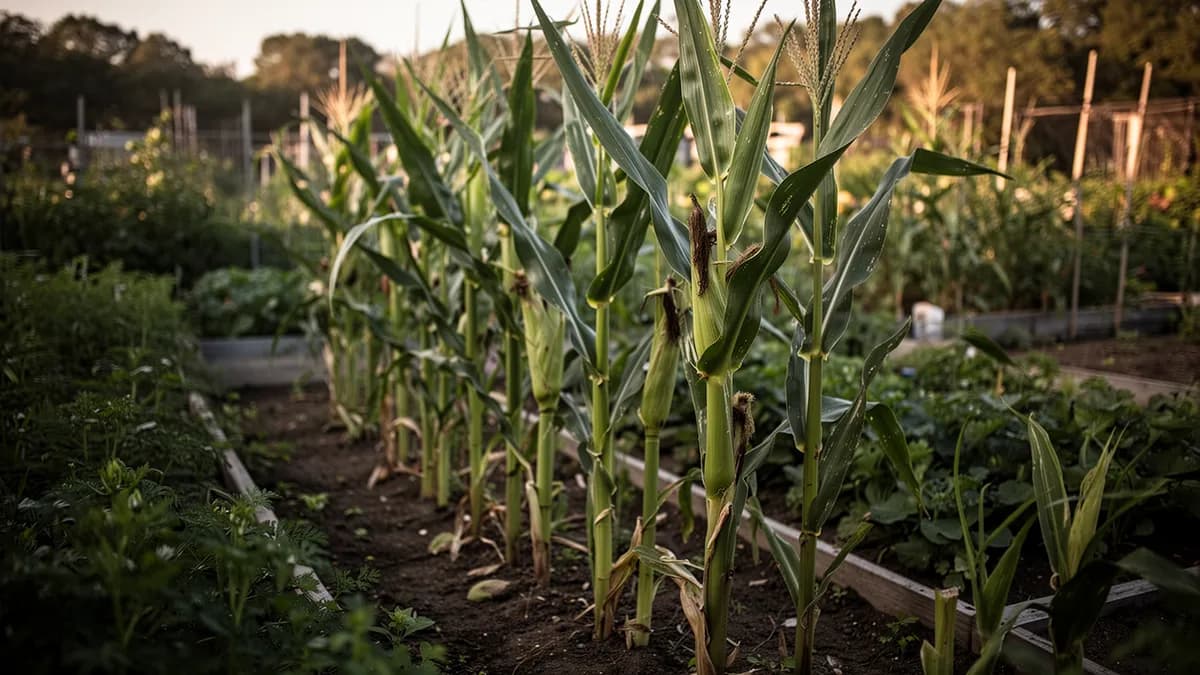
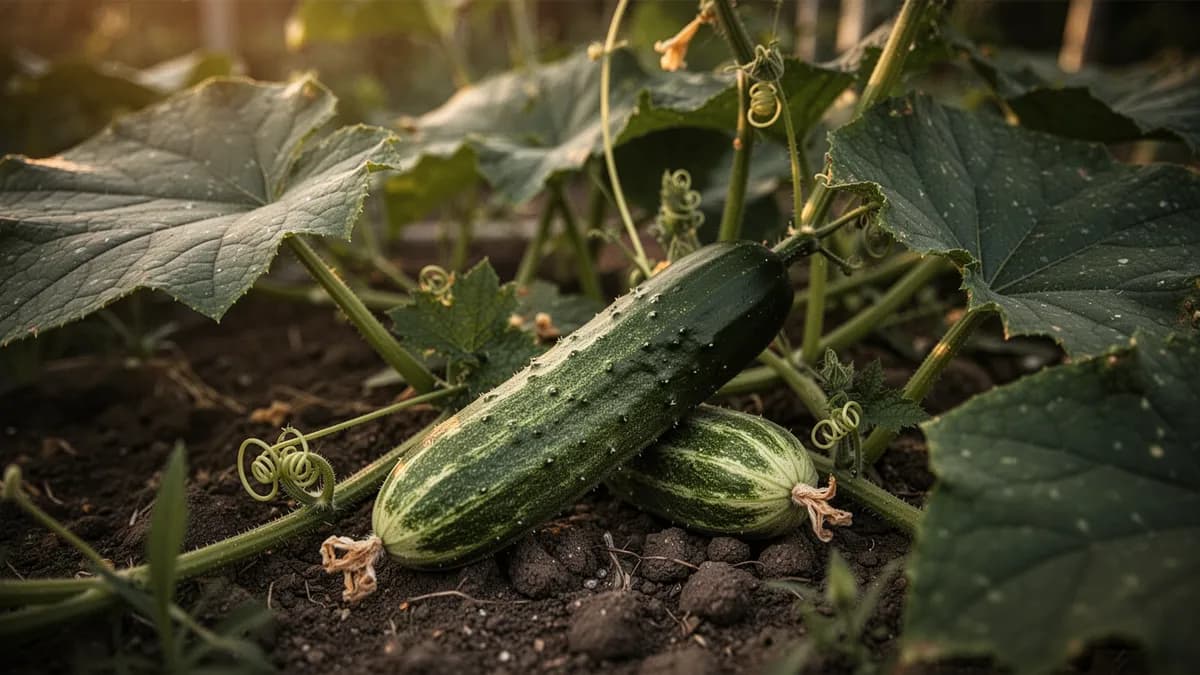
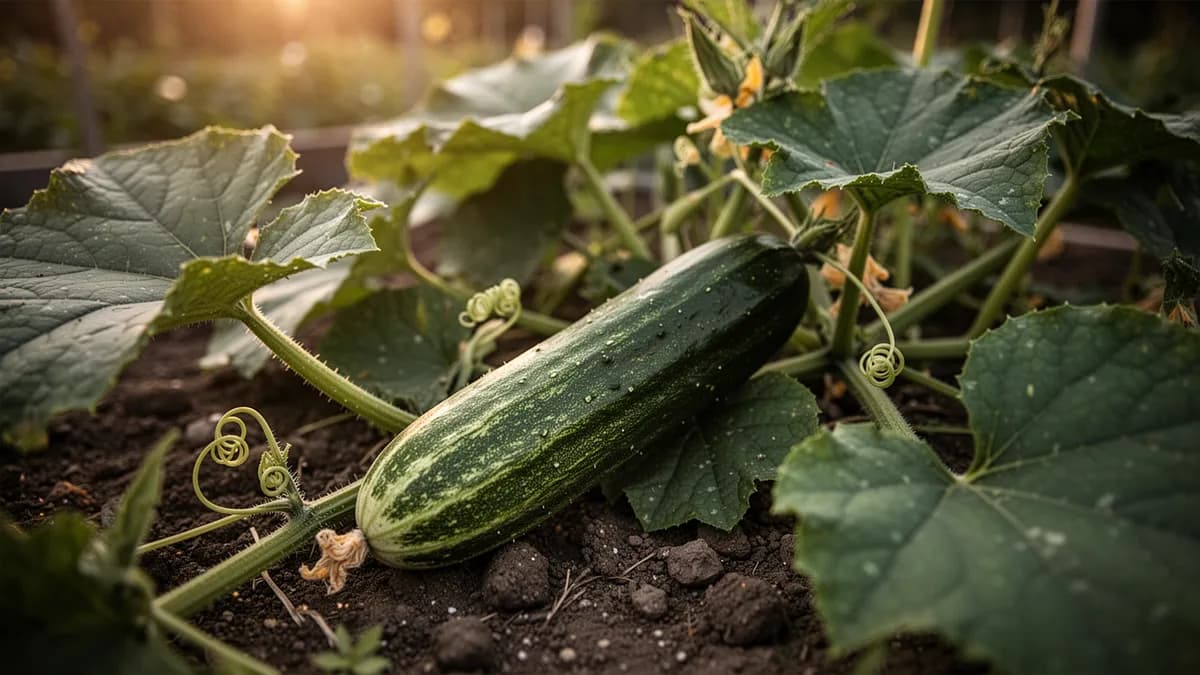
Se beneficia de la compañía del maíz, que proporciona sombra parcial y protección contra el viento. Los girasoles cercanos atraen polinizadores esenciales para el cuajado. Evite plantar junto a otras cucurbitáceas para reducir la presión de plagas y enfermedades compartidas.
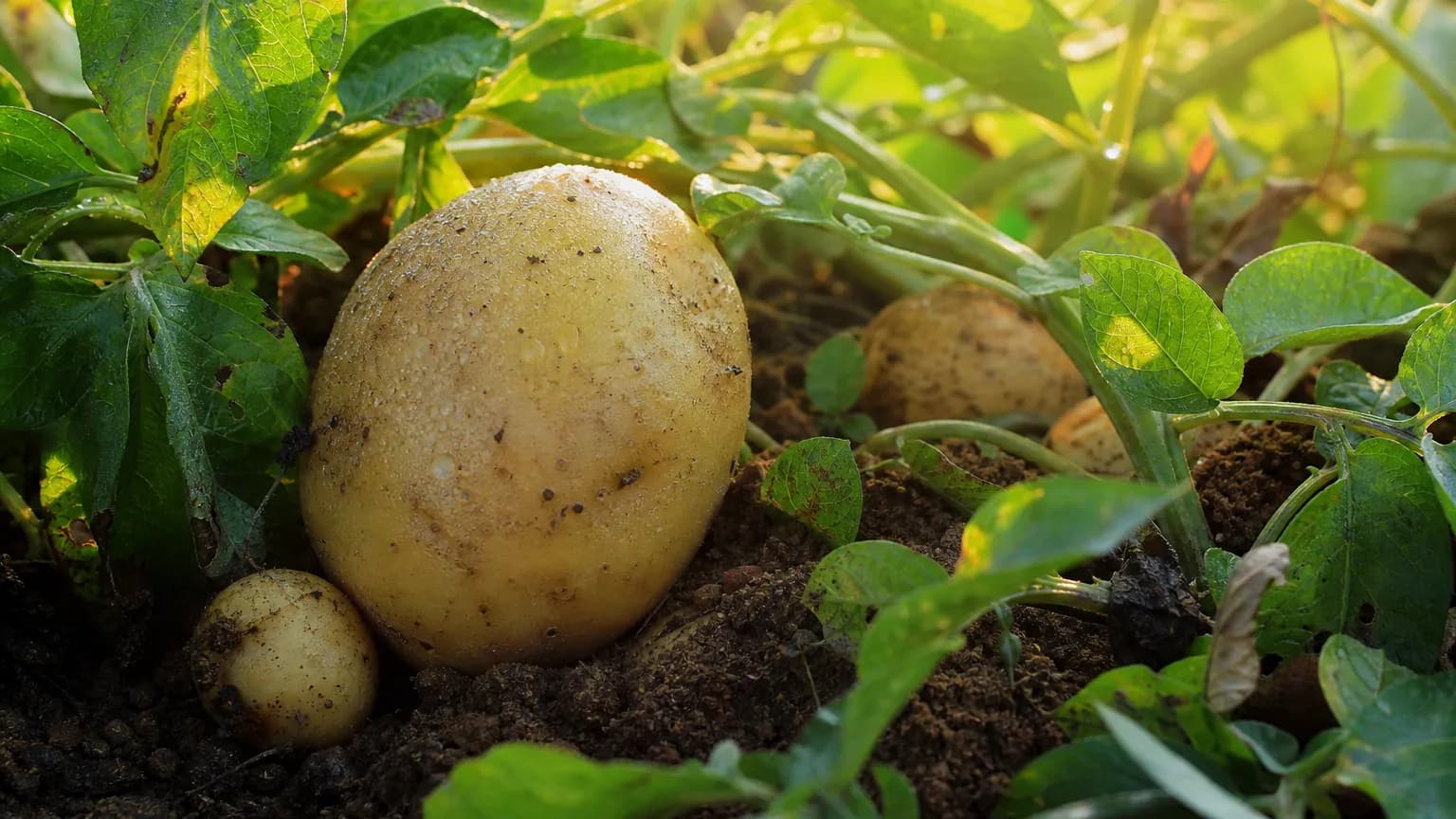
Maíz va a su lado. Papa no.
Saber de huerto de siempre, cotejado con la tabla real de Sandía sin Semillas — prueba cualquier planta que cultives.
Prueba Sandía sin Semillas en un bancal, aquí mismo
Un bancal real del planificador con Sandía sin Semillas ya plantado. Toca una planta compañera para colocarla y mira cómo responde la comprobación de vecinos: verde para buenos vecinos, rojo si hay conflicto.


Guías de cultivo relacionadas
Abónalo bien
Prefiere suelos franco-arenosos, bien drenados y ricos en materia orgánica, con pH entre 6,0 y 6,8. Incorpore compost maduro antes de plantar y aplique un fertilizante equilibrado al trasplante. Durante la fructificación, aumente el aporte de potasio para mejorar el dulzor y la calidad del fruto.
Temperatura ideal
Compatibilidad de zonas de rusticidad
De la semilla a la cosecha, etapa por etapa
Siembra
Las semillas triploides de sandía sin semillas requieren temperaturas de germinación más altas que las variedades diploides estándar: 27-30 °C (80-85 °F) es esencial. La cubierta de la semilla es más gruesa y propensa a pudrirse, así que siembra las semillas con la punta hacia arriba para que la humedad se aleje del embrión. La germinación tarda 7-14 días en condiciones ideales.
Crecimiento de plántulas
Las hojas verdaderas aparecen con la característica forma profundamente lobulada de la sandía. Las plántulas crecen lentamente al principio y desarrollan el extenso sistema radicular que luego sostendrá un vigoroso crecimiento de las enredaderas. Las plántulas triploides suelen ser menos vigorosas al inicio que las variedades sembradas con semillas.
Crecimiento de la enredadera
Las enredaderas se alargan rápidamente cuando llega el calor del verano y, en condiciones ideales, pueden crecer hasta 30 cm por día. Las ramas laterales se extienden en todas direcciones y finalmente cubren 3-5 metros. La planta desarrolla un denso dosel de follaje que alimentará el desarrollo de los frutos mediante la fotosíntesis.
Floración y polinización
Primero aparecen las flores macho, seguidas por las flores hembra con pequeños ovarios en forma de melón en su base. De forma crítica, las flores de las sandías sin semillas producen polen estéril y requieren una variedad polinizadora con semillas (diploide) plantada cerca para aportar polen viable. Sin polinización cruzada, el fruto no cuajará.
Desarrollo del fruto
Los frutos polinizados con éxito se hinchan rápidamente, ganando entre 0,5 y 1 kg por día durante el pico de crecimiento. La cáscara desarrolla su patrón característico de rayas y la pulpa pasa de blanca a rosa pálido y luego a rojo intenso. La mayoría de las plantas sostienen 2-4 sandías de tamaño completo al mismo tiempo.
Maduración y cosecha
Las señales de maduración incluyen que el zarcillo más cercano al tallo del fruto se vuelva marrón y seco, que la mancha de contacto con el suelo pase de blanca a amarillo crema y que la cáscara pierda su brillo para volverse más mate. La prueba del golpecito debe producir un sonido profundo y hueco en lugar de un tono metálico. Las variedades sin semillas suelen madurar entre 80 y 95 días después del trasplante.
Usa una manta térmica ajustada a 29 °C (85 °F) y planta las semillas en macetas individuales de 10 cm para evitar daños en las raíces. Coloca las semillas con la punta hacia arriba y solo a 1 cm de profundidad. Mantén el sustrato húmedo pero nunca encharcado: las semillas triploides se pudren más rápido que las estándar.
Cuidar Sandía sin Semillas mes a mes
Qué hacer cada mes para tu Sandía sin Semillas
Octubre
Mes actualFinal harvests before frost. Pull spent vines and compost healthy material. Remove black plastic mulch. Record which varieties performed best and note any disease issues for future planning.
Ten claro qué hacer en tu huerto, cada mes
Un correo al empezar cada mes: qué sembrar, plantar y hacer ahora mismo — para tu Sandía sin Semillas y todo lo que crece alrededor. Más un breve curso inicial para esquivar los errores clásicos.
- Qué hacer ahora mismo
- Ajustado a tu temporada
- Curso inicial incluido
Cosechar Sandía sin Semillas
La sandía sin semillas está madura cuando el zarcillo más cercano al fruto se seca, la mancha de apoyo en el suelo cambia de blanco a amarillo cremoso, y al golpear produce un sonido hueco profundo. La cosecha suele ocurrir 80-90 días después del trasplante. Corte el pedúnculo con tijeras dejando unos 5 cm de tallo.
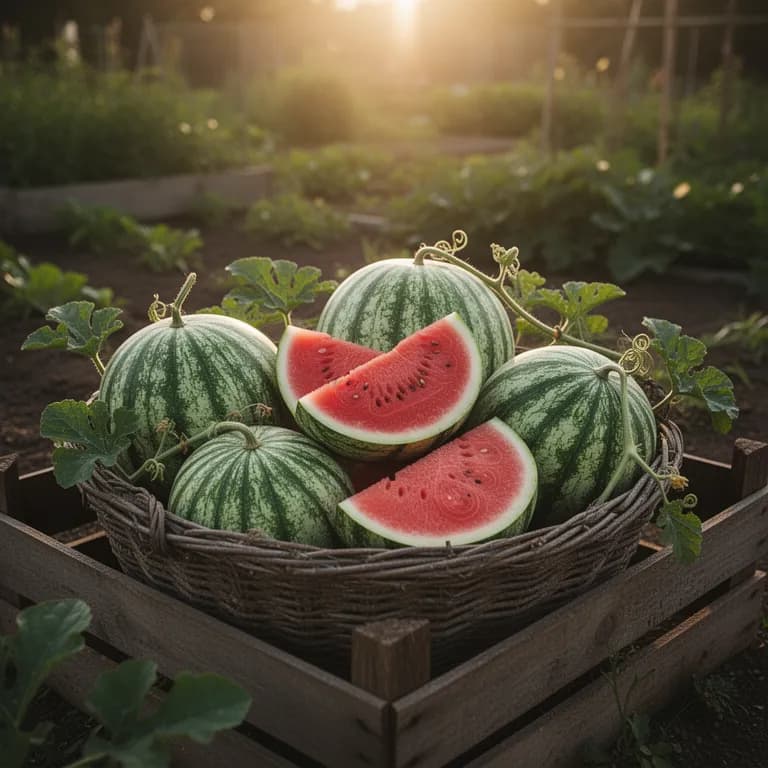
se supone que plantas al comenzar el periodo — indica tu fecha real
85-95 días después del trasplante, cuando el zarcillo más cercano al fruto esté marrón y seco, la mancha de contacto con el suelo se vuelva amarillo crema, la cáscara tenga un acabado opaco y al golpear suene profundo y hueco.
Almacenamiento y conservación
Las sandías enteras sin cortar se conservan a temperatura ambiente durante 7-10 días o en lugar fresco (10-15 °C) hasta 2-3 semanas. Una vez cortada, refrigere y consuma en 3-5 días envuelta en film plástico. La pulpa puede congelarse en cubos para smoothies o preparar granizados y sorbetes.
Qué falla — y cómo solucionarlo
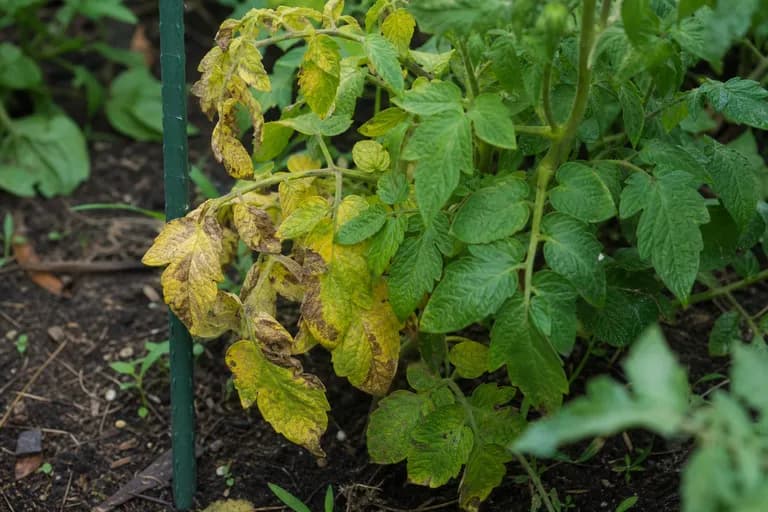
Oídio
EnfermedadManchas blancas pulverulentas en hojas y tallos que se extienden progresivamente, reduciendo la fotosíntesis y debilitando la planta.
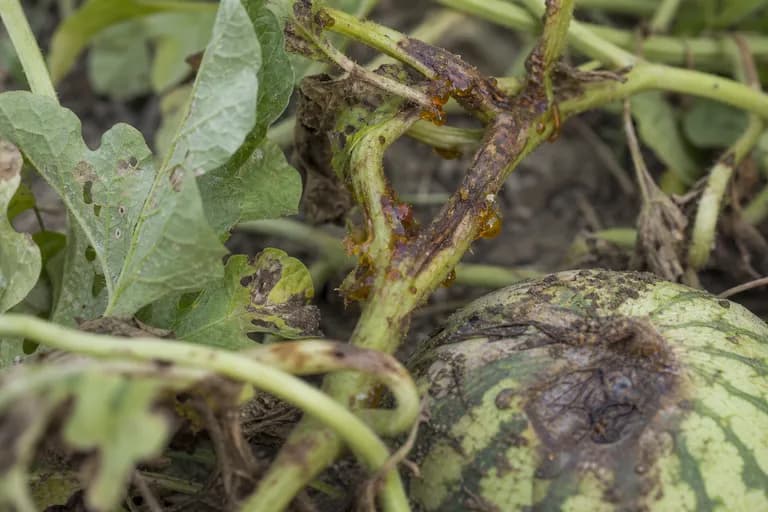
Pulgón del melón
PlagaColonias de insectos pequeños en el envés de las hojas que causan amarillamiento, enrollamiento y pueden transmitir virus como el mosaico.
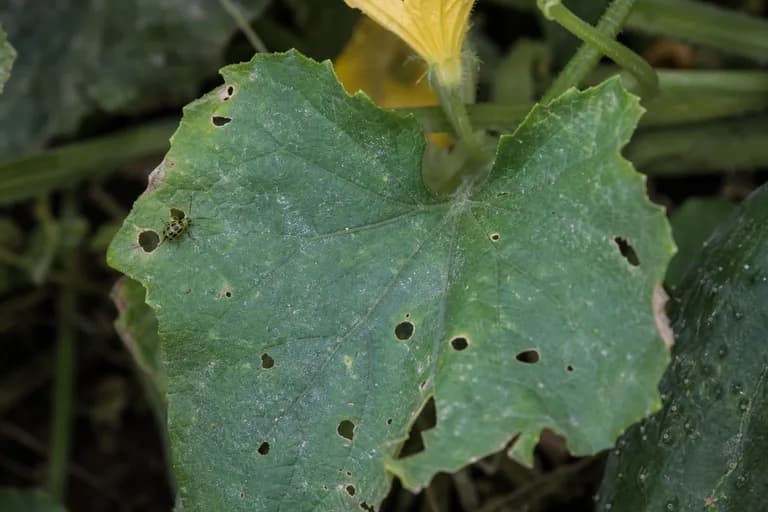
Antracnosis
EnfermedadLesiones oscuras hundidas en hojas, tallos y frutos que se expanden con humedad, pudiendo causar pudrición en los frutos maduros.
Solución de problemas comunes
El problema más frecuente es la falta de cuajado por ausencia de variedad polinizadora; sin polinización adecuada, los frutos no se desarrollan. Las semillas triploides germinan con dificultad si la temperatura es inferior a 27 °C. El exceso de riego durante la maduración reduce el contenido de azúcar y puede causar rajado de frutos.
Consejos de cultivo
- You must plant a seeded pollinator variety alongside your seedless watermelons — this is the single most important rule. Seedless varieties produce sterile pollen and cannot pollinate themselves or each other. Plant one pollinator for every two seedless plants within 5 meters.
- Plant triploid seeds pointed-end up. The thicker seed coat of seedless varieties traps moisture around the embryo and causes rot if planted flat or pointed-end down. Planting at a shallow depth of 1 cm with the pointed end upward allows moisture to drain away and dramatically improves germination.
- Germination requires higher soil temperatures than standard watermelons — 27-30°C (80-85°F) is the target range. Use a heat mat for indoor starts and do not direct-sow until soil is thoroughly warm. Even a few hours of cool soil temperatures can kill triploid seeds.
- Black plastic mulch is almost essential for success in zones 7-8. It warms soil 3-5°C above ambient, suppresses weeds, conserves moisture, and keeps developing fruit clean. Cut X-shaped planting holes and tuck edges securely.
- Water deeply and consistently during vine growth and early fruit development — 2.5-5 cm per week at the root zone. Then reduce watering as fruit approaches maturity to concentrate sugars. Excessive late-season watering produces bland, watery melons and can cause fruit cracking.
- Identify female flowers by the small melon-shaped swelling at the base of the bloom. If you see female flowers but no fruit is setting, pollination is failing — check that your pollinator variety is blooming simultaneously and that bees are active. In cool or rainy weather, hand-pollinate by transferring pollen from seeded male flowers to seedless female flowers with a small brush.
- Limit each vine to 2-4 developing melons by removing excess small fruit. This directs the plant's energy into fewer but larger, sweeter melons rather than many undersized, bland ones. Pinch off any new female flowers once your target number of fruit has set.
- Learn the ripeness indicators and use all of them together: the tendril nearest the fruit stem turns brown and dry, the ground spot changes from white to creamy yellow, the rind shifts from glossy to slightly matte, and a knuckle thump produces a deep hollow sound rather than a sharp metallic ping.
Cultiva tu mejor Sandía sin Semillas — y todo lo que la rodea.
Empieza un plan gratis hoy. Diseña tus bancales, coloca tu Sandía sin Semillas y deja que PlotMyGarden gestione el momento, el espaciado, las asociaciones y los recordatorios de la semilla a la cesta.
Elige tu Sandía sin Semillas
Seedless Sangria
Frutos oblongos de 8-10 kg con pulpa roja intensamente dulce (12-13° Brix) y corteza rayada verde oscuro. Madura en 85 días.
Fascination
Variedad de fruto redondo a ovalado con pulpa roja brillante y excelente firmeza para transporte. Muy productiva, lista en 82-85 días.
Melody
Sandía compacta de 5-7 kg ideal para familias pequeñas, con pulpa crujiente y muy dulce. Buena resistencia a enfermedades foliares.
Traveler
Frutos uniformes de corteza dura que resisten bien el transporte y almacenamiento prolongado. Pulpa roja oscura con alto contenido de licopeno.
Seedless watermelons sell for $5-10 each at grocery stores and $7-15 at farmers markets, with premium organic melons costing even more. A single well-tended plant producing 2-4 melons can save $15-40 per season. Growing 3-5 plants (plus a pollinator) can yield 8-15 melons worth $50-120 at retail prices. The investment is minimal — a packet of seedless watermelon seeds costs $3-5 and the pollinator variety is under $3. The real value is vine-ripened flavor that store-bought melons, often picked underripe for shipping, simply cannot match.
Recetas rápidas
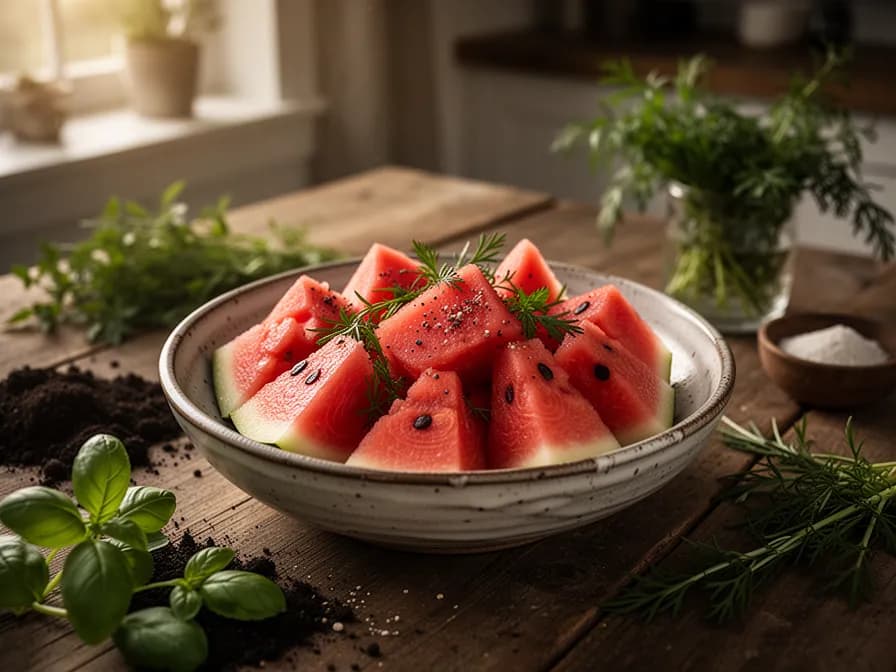
Watermelon Feta Mint Salad
10 minThe quintessential summer salad — cubes of cold, sweet watermelon paired with salty crumbled feta, fresh mint, and a drizzle of balsamic reduction. The contrast of sweet, salty, and herbal flavors makes this dish utterly addictive.
7 ingredientesWatermelon Agua Fresca
5 minA refreshing Mexican-inspired beverage — blended watermelon, lime, and just a touch of sweetener strained into the most cooling drink imaginable. Perfect for hot summer days and far more flavorful than plain water.
6 ingredientesGrilled Watermelon Steaks
15 minGrilling transforms watermelon into something entirely unexpected — the heat caramelizes the natural sugars and concentrates the flavor while adding smoky char marks. Served with a tangy lime-chili dressing, this is a showstopping summer side.
7 ingredientesUsos culinarios
La sandía sin semillas se consume principalmente fresca, cortada en rodajas o cubos, siendo un postre refrescante ideal para el verano. Se utiliza en ensaladas con queso feta y menta, en gazpachos y zumos frescos. También se emplea en cócteles, sorbetes, granizados y como base para aguas frescas.
Qué contiene
Beneficios para la salud
- One of the most concentrated natural sources of lycopene — a powerful antioxidant linked to reduced risk of heart disease and certain cancers. Cup for cup, watermelon contains more lycopene than raw tomatoes.
- Rich in citrulline, an amino acid that converts to arginine in the body, supporting nitric oxide production for healthy blood pressure, improved circulation, and faster exercise recovery. Athletes use watermelon juice as a natural performance aid.
- Over 91% water content makes watermelon one of the most hydrating foods available, providing fluids along with electrolytes like potassium and magnesium — ideal for preventing dehydration in hot weather.
- Contains vitamin A as beta-carotene, supporting eye health, immune function, and skin cell turnover. The red pigment in watermelon also provides beta-cryptoxanthin, another vision-supporting carotenoid.
- Anti-inflammatory properties from lycopene and vitamin C may help reduce muscle soreness after exercise and support recovery from physical activity — studies show watermelon juice reduces post-exercise muscle pain.
- Very low calorie density (30 calories per 100g) combined with high water and natural sugar content makes watermelon an excellent choice for satisfying sweet cravings without excess calories, supporting healthy weight management.
De dónde viene Sandía sin Semillas
Watermelon (Citrullus lanatus) originated in the Kalahari Desert region of southern Africa, where wild ancestors with bitter, pale flesh still grow today. Archaeological evidence shows that watermelons were cultivated in ancient Egypt by at least 2000 BCE — seeds and paintings of watermelons have been discovered in Egyptian tombs, including that of Pharaoh Tutankhamun. Early cultivated watermelons were valued primarily for their ability to store water in arid conditions, and the flesh was often bitter or bland compared to modern varieties.
From Egypt, watermelon cultivation spread throughout the Mediterranean via trade routes. The Moors introduced watermelon to Spain by the 10th century, and it reached China by the 13th century, which is today the world's largest producer. European colonists and the African slave trade brought watermelon to the Americas in the 1500s and 1600s, where it quickly naturalized in the warm climates of the southern United States, Mexico, and South America.
The development of seedless watermelons was a breakthrough in plant genetics. In 1939, Japanese scientist H. Kihara discovered that treating watermelon plants with colchicine (a chemical from autumn crocus) could double their chromosome count, creating tetraploid plants. Crossing these tetraploid plants with normal diploid plants produces triploid seeds that grow into plants bearing seedless fruit. Commercial seedless watermelon production began in the 1990s and now accounts for over 85% of watermelons sold in the United States. Despite the added complexity of growing triploid varieties, consumer demand for the convenience of seedless fruit has made them the dominant market variety worldwide.
Sandía sin Semillas: ¿sabías que?
Datos fascinantes sobre Sandía sin Semillas
Seedless watermelons are not genetically modified — they are triploid hybrids created by crossing a diploid (2-chromosome) watermelon with a tetraploid (4-chromosome) parent, resulting in a sterile plant that produces fruit without mature seeds, similar to how a mule is a sterile cross between a horse and donkey.
Sandía sin Semillas: preguntas frecuentes
¿Cuándo debo plantar Sandía sin Semillas?
¿Cuáles son buenas plantas acompañantes para Sandía sin Semillas?
¿En qué zonas de rusticidad puede crecer Sandía sin Semillas?
¿Cuánto sol necesita Sandía sin Semillas?
¿A qué distancia debo espaciar Sandía sin Semillas?
¿Qué plagas y enfermedades afectan a Sandía sin Semillas?
¿Cómo almaceno Sandía sin Semillas después de la cosecha?
¿Cuáles son las mejores variedades de Sandía sin Semillas para cultivar?
¿Qué suelo necesita Sandía sin Semillas?
Why do seedless watermelons need a pollinator plant nearby?
Why are my seedless watermelon seeds not germinating?
How can I tell when a seedless watermelon is ripe?
Can I save seeds from seedless watermelons to grow next year?
How much space do seedless watermelons need?
Why are my seedless watermelons bland or not sweet?
Acabas de leer la teoría. Ahora cultívala en piloto automático.
Todo lo que hace que Sandía sin Semillas sea delicado — el momento, el espaciado, las asociaciones, la ventana de cosecha — es justo lo que PlotMyGarden resuelve por ti, para cada planta de tu huerto.
Un plan que conoce tu clima
Indica tu ubicación una vez. Recibe fechas de siembra, abonado y cosecha basadas en tu última helada real y el pronóstico en vivo — sin adivinar con un sobre genérico.
De la sección “Cuándo plantar”Planificador de bancales de arrastrar y soltar
Diseña bancales sobre una cuadrícula. Cada planta encaja con su espaciado correcto y ves toda la temporada antes de gastar un céntimo en semillas.
De la sección “Cultivo”Conflictos de asociación, detectados a tiempo
Más de 200 buenas y malas combinaciones comprobadas en vivo mientras plantas — para que un error que arruine la temporada nunca llegue a la tierra.
De la sección “Asociaciones”Recordatorios que sí vas a seguir
“Riega las judías.” “Recoge hoy antes de que se pase.” Oportunos, concretos y ligados a las plantas que de verdad cultivas.
De la sección “Cosecha”Escalonado, programado
¿Quieres cosechar seis semanas en vez de seis días? Reparte tus siembras automáticamente y te avisa cuando toca el siguiente lote.
De la sección “Cuándo plantar”Un registro que se vuelve más listo
Cada cosecha que registras le enseña tu huerto. El plan del año que viene parte de lo que de verdad funcionó en tu suelo, no en un manual.
De la sección “Resumen”Planta estos junto a Sandía sin Semillas
Más Cucurbitáceas
Mantén Sandía sin Semillas lejos de estos
Cultiva tu mejor Sandía sin Semillas — y todo lo que la rodea.
Empieza un plan gratis hoy. Diseña tus bancales, coloca tu Sandía sin Semillas y deja que PlotMyGarden gestione el momento, el espaciado, las asociaciones y los recordatorios de la semilla a la cesta.