Vetiver
Una gramínea tropical con raíces intensamente aromáticas, muy apreciadas en perfumería de alta gama por sus notas de fondo terrosas, amaderadas y ahumadas.





En esta páginaResumen
Conoce Vetiver
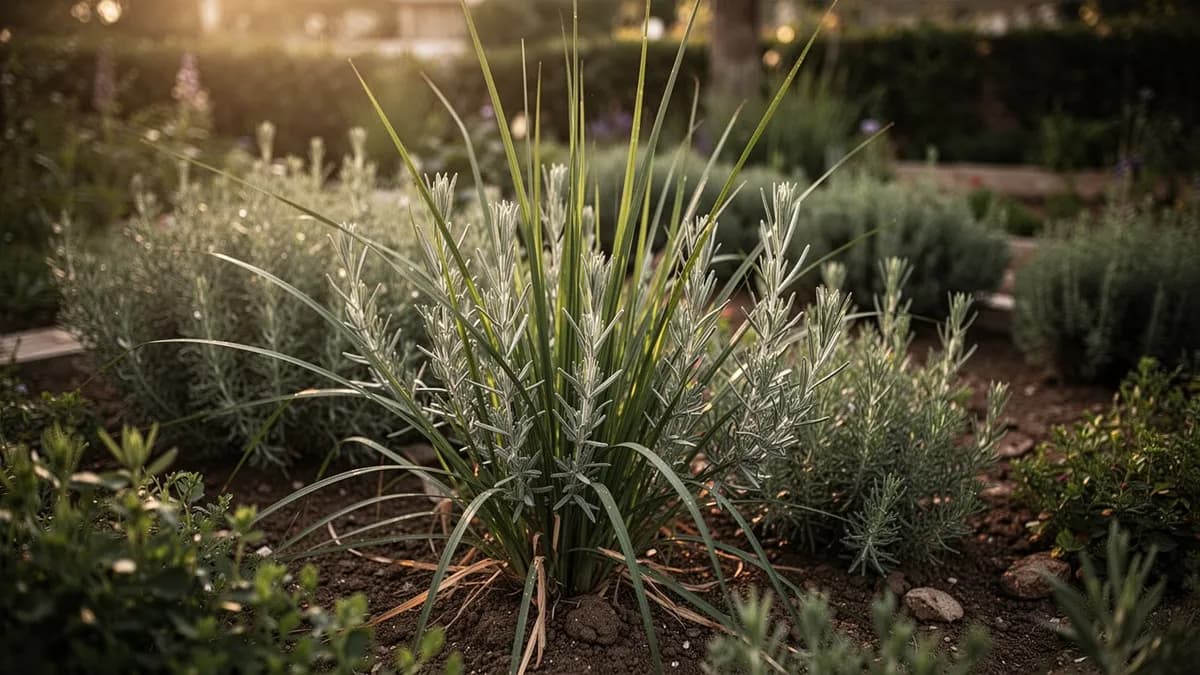
Una gramínea tropical con raíces intensamente aromáticas, muy apreciadas en perfumería de alta gama por sus notas de fondo terrosas, amaderadas y ahumadas. Las raíces de vetiver se cosechan tras 18 a 24 meses y se destilan al vapor para obtener aceite esencial, o se trenzan en pantallas y abanicos perfumados. Su denso sistema radicular también evita la erosión del suelo, lo que la convierte en una valiosa planta de conservación tropical.
Cuándo plantar Vetiver
El vetiver cultivado estándar (variedad Sunshine) es estéril y debe propagarse por división. Divida las matas establecidas en primavera, asegurándose de que cada división tenga varios puntos de crecimiento y una buena masa de raíces. Recorte el follaje a 15-20 cm y reduzca las raíces a 10 cm antes de replantar. Mantenga las divisiones bien regadas hasta que se vea un nuevo crecimiento. Los esquejes de tallo también pueden enraizar si se colocan en agua o en suelo húmedo. Los hijuelos separados de la mata son el método comercial estándar de propagación.
Tu año de Vetiver
Ajustado a Zona 7 · temporada típica · la helada se va hacia el 2 abr y vuelve hacia el 1 nov
Planta Vetiver Abr – Jun y cosecha Oct – Dic. Consulta los métodos de plantación y elige tu clima para adaptar los periodos.
Cómo cultivar Vetiver
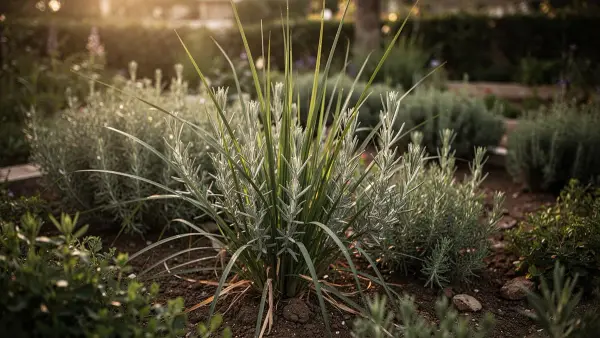
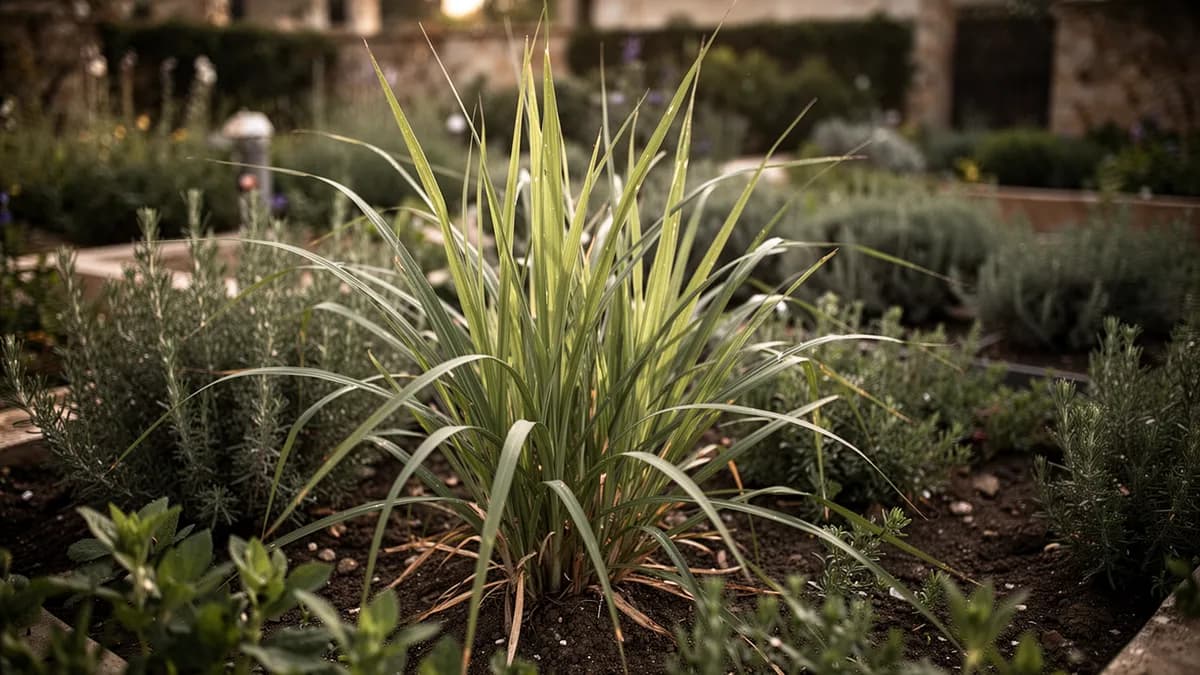
El vetiver es una gramínea tropical alta y densa que alcanza entre 120 y 180 cm de altura, con hojas estrechas y arqueadas que nacen de un enorme sistema radicular de penetración profunda. Son las raíces, que pueden llegar a 3 o 4 metros de profundidad, las que contienen el preciado aceite esencial aromático usado en perfumería. La variedad cultivada empleada en todo el mundo (Sunshine) no se expande y es estéril, por lo que forma matas densas sin tendencia invasora.
En regiones tropicales y subtropicales (zonas 9-12), plántelo a pleno sol en cualquier suelo razonable. El vetiver es extraordinariamente adaptable: tolera condiciones húmedas y secas, suelos pobres y ricos, e incluso inundaciones periódicas. Separe las plantas 45 cm. En climas templados, cultívelo en macetas grandes que puedan pasar el invierno en un invernadero libre de heladas: las heladas fuertes lo matan.
El vetiver se usa mucho en regiones tropicales para el control de la erosión, ya que su densa masa radicular sujeta el suelo mejor que cualquier otra planta. En el jardín, resulta una atractiva gramínea ornamental alta con un aroma limpio y agradable cuando se estrujan las hojas. Las raíces necesitan 18 a 24 meses de crecimiento antes de estar maduras para la cosecha del aceite esencial.
10 plantas caben en un bancal de 120 × 240 cm
Cada Vetiver pide 45 cm de margen. El planificador guarda ese marco por ti — cada planta, cada bancal.
Los mejores vecinos de Vetiver
En jardines tropicales, las setos de vetiver funcionan como barreras vivas de contorno que previenen la erosión del suelo en laderas y, al mismo tiempo, proporcionan una cosecha aromática de raíces. Combina bien con otros aromáticos tropicales como la citronela, el limoncillo y el jengibre. Las matas densas ofrecen refugio a insectos beneficiosos y a pequeña fauna silvestre. Como gramínea ornamental, aporta una atractiva estructura vertical junto a plantas tropicales con flor.
Hierba limón va a su lado.
Saber de huerto de siempre, cotejado con la tabla real de Vetiver — prueba cualquier planta que cultives.
Prueba Vetiver en un bancal, aquí mismo
Un bancal real del planificador con Vetiver ya plantado. Toca una planta compañera para colocarla y mira cómo responde la comprobación de vecinos: verde para buenos vecinos, rojo si hay conflicto.


Guías de cultivo relacionadas
Abónalo bien
El vetiver es extraordinariamente adaptable y crece en casi cualquier suelo, desde arcilla pesada hasta arena pura, con un pH de 4.5 a 8.0. Tolera tanto el encharcamiento como la sequía una vez establecido. Para una producción de raíces óptima, plántelo en suelo profundo y suelto que permita una penetración radicular sin obstáculos. Abone las plantas en maceta una vez al mes durante la temporada de crecimiento. El vetiver de jardín necesita muy pocos cuidados una vez establecido.
Temperatura ideal
Compatibilidad de zonas de rusticidad
De la semilla a la cosecha, etapa por etapa
Plantación de hijuelos
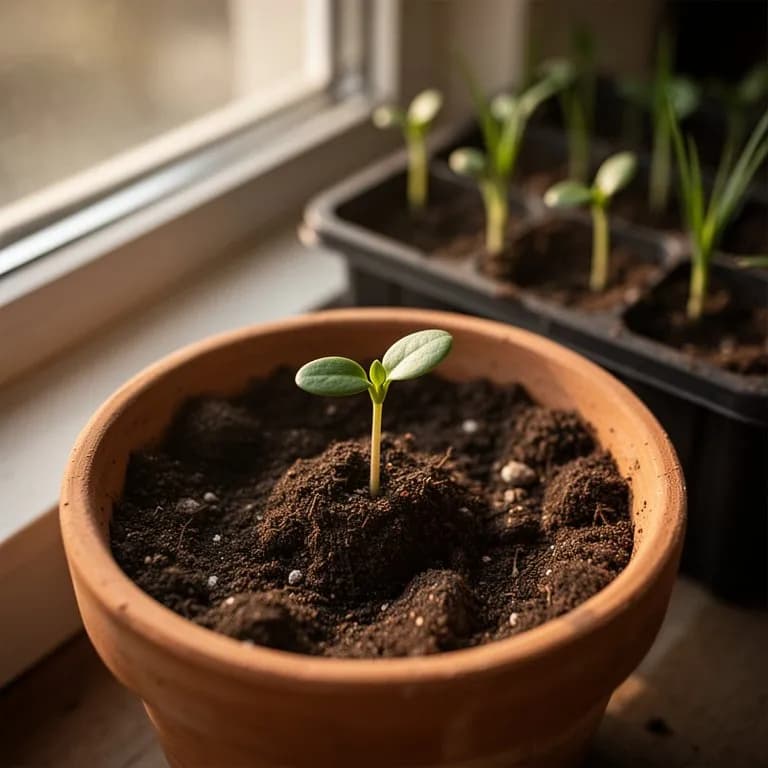
El vetiver se propaga vegetativamente mediante hijuelos o divisiones, ya que las variedades cultivadas suelen ser estériles. Los hijuelos se recortan a unos 20 cm de parte aérea y 10 cm de raíz, y luego se plantan a 10-15 cm de profundidad en suelo húmedo y cálido. El establecimiento inicial depende mucho de una humedad constante y de temperaturas del suelo superiores a 18 °C.
Establecimiento de raíces
La planta concentra su energía en desarrollar su notable sistema radicular, que crece profundo y denso. Nuevos hijuelos empiezan a emerger desde la corona, y el crecimiento aéreo es inicialmente lento mientras la planta prioriza el establecimiento subterráneo. Las raíces pueden crecer 5-10 cm por mes hacia abajo durante esta fase.
Macollamiento y crecimiento vegetativo
La planta entra en una fase de crecimiento vigoroso, produciendo numerosos hijuelos desde la corona y formando una mata cada vez más densa. Las hojas crecen rápidamente, alcanzando 60-100 cm de altura. El sistema radicular sigue profundizándose, llegando a menudo a 1-2 metros. El característico aroma terroso del vetiver empieza a notarse en las raíces.
Etapa de cosecha de raíces
Después de 12-18 meses de crecimiento, las raíces han desarrollado suficiente masa y concentración de aceite esencial para la cosecha. Las raíces son densas, esponjosas e intensamente aromáticas, con un complejo aroma terroso y amaderado. La cosecha consiste en levantar toda la mata o una parte de ella y lavar las raíces para quitarles la tierra.
Poscosecha
Después de la cosecha, el vetiver puede seguir en el jardín si las divisiones de la corona se replantan de inmediato. El cultivar utilizado es estéril, por lo que se mantiene de forma vegetativa y no a partir de semillas.
Planta los hijuelos a 15-20 cm de distancia para formar setos o a 30-50 cm para matas individuales. Riega abundantemente al plantar y mantén el suelo constantemente húmedo durante las dos primeras semanas. Aplica mantillo alrededor de los hijuelos recién plantados para conservar la humedad y suprimir las malas hierbas.
Cuidar Vetiver mes a mes
Qué hacer cada mes para tu Vetiver
Octubre
Mes actualOctubre: Lleve al interior las plantas de vetiver en maceta antes de la primera helada. Colóquelas en el lugar más luminoso posible y reduzca el riego. En regiones tropicales, continúe con el cuidado regular y la cosecha según necesite.
Ten claro qué hacer en tu huerto, cada mes
Un correo al empezar cada mes: qué sembrar, plantar y hacer ahora mismo — para tu Vetiver y todo lo que crece alrededor. Más un breve curso inicial para esquivar los errores clásicos.
- Qué hacer ahora mismo
- Ajustado a tu temporada
- Curso inicial incluido
Cosechar Vetiver
Coseche las raíces de vetiver tras 18 a 24 meses de crecimiento para obtener el mejor contenido de aceite esencial. Desentierre toda la mata o divídala y coseche solo una parte. Lave a fondo las raíces, que penetran profundamente, para eliminar la tierra. Las raíces frescas de vetiver tienen un agradable aroma terroso y verde que se transforma en la fragancia característica, profunda, amaderada y ahumada a medida que se secan. Las hojas aromáticas también pueden cosecharse para trenzarlas en pantallas y abanicos.
se supone que plantas al comenzar el periodo — indica tu fecha real
Cosecha las raíces después de 18-24 meses de crecimiento, cuando la mata esté madura y el contenido de aceite esencial sea más alto.
Almacenamiento y conservación
Lave las raíces cosechadas y córtelas en trozos pequeños para acelerar el secado. Séquelas en un lugar cálido y bien ventilado durante 1 a 2 semanas. La fragancia profunda y compleja característica solo se desarrolla por completo después del secado y el curado: las raíces frescas huelen verdes y terrosas en comparación con el aroma rico, ahumado y amaderado del vetiver seco. Guarde los trozos de raíz seca en bolsas de papel o en recipientes apenas cubiertos. Las raíces de vetiver conservan su fragancia durante años. Para obtener aceite esencial, la destilación al vapor de las raíces secas produce el preciado aceite de vetiver.
Qué falla — y cómo solucionarlo
Barrenador del tallo
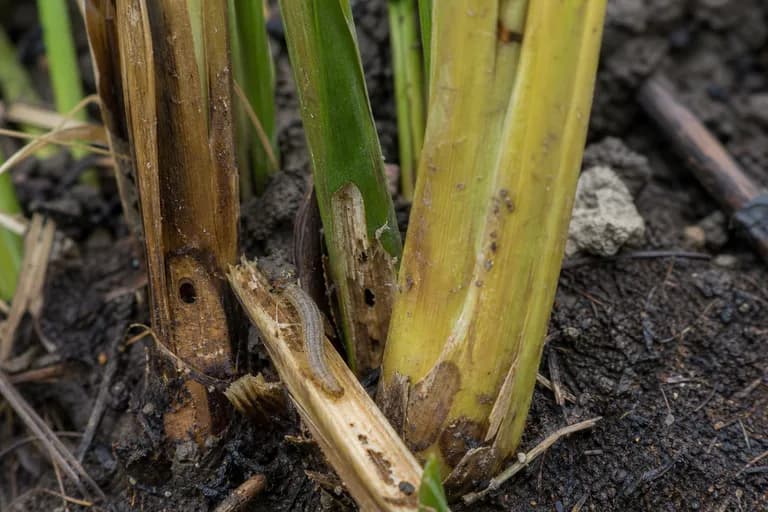
PlagaTallos individuales que amarillean y mueren, con orificios de perforación visibles en la base. Larvas alimentándose dentro de los tallos.
Solución de problemas comunes
La sensibilidad al frío es la principal limitación: el vetiver no sobrevive a heladas intensas. En climas templados, el cultivo en contenedor con protección invernal es esencial. El establecimiento lento es normal; el vetiver necesita toda una temporada para construir su masa radicular. El follaje alto puede verse desordenado en invierno en climas marginales; corte el follaje marrón en primavera, cuando aparezca el nuevo crecimiento. En macetas, el enorme sistema radicular puede compactarse rápidamente; trasplante o divida cada año.
Consejos de cultivo
- Plante los hijuelos de vetiver en primavera, cuando haya pasado todo riesgo de heladas y la temperatura del suelo se mantenga de forma constante por encima de 18 °C. Recorte las puntas a 20 cm y las raíces a 10 cm antes de plantar para reducir el estrés del trasplante y favorecer el nuevo crecimiento.
- Elija un lugar a pleno sol para obtener el mejor crecimiento, ya que el vetiver tolera algo de sombra pero produce matas más densas y raíces más aromáticas con al menos 6 a 8 horas de luz solar directa al día.
- Plante los hijuelos a 15 cm para formar un seto denso de control de erosión o a 50-80 cm para matas ornamentales. Plántelos siguiendo las curvas de nivel en las pendientes para maximizar la estabilización del suelo.
- Riegue de forma uniforme los hijuelos recién plantados durante las primeras 6 a 8 semanas hasta que se establezcan. Una vez enraizado, el vetiver es notablemente tolerante a la sequía y normalmente solo necesita riego adicional durante periodos secos prolongados de más de tres semanas.
- Recorte el follaje cada 2 o 3 meses durante la temporada de crecimiento a una altura de 30-40 cm para fomentar la producción de nuevos tallos, mantener una apariencia ordenada y evitar que la mata se vuelva demasiado pesada en la parte superior y se abra.
- El vetiver prospera en una amplia variedad de suelos, desde arcillas pesadas hasta franco arenoso, pero asegúrese de que drene bien, ya que la planta no tolera el encharcamiento permanente pese a poder soportar inundaciones temporales.
- En climas con heladas, cultive vetiver en macetas grandes (de al menos 40 litros) que puedan trasladarse en invierno a un lugar luminoso y libre de heladas. Reduzca mucho el riego durante el reposo de la planta.
- Divida las matas maduras cada 3 a 5 años a finales de la primavera desenterrando toda la planta, separando los tallos individuales con raíces adheridas y replantándolos de inmediato. Esto rejuvenece las matas viejas y produce abundante material de plantación gratuito.
- Aplique un fertilizante orgánico equilibrado de liberación lenta una vez a comienzos de la primavera y otra a mediados del verano. El vetiver no es muy exigente, pero responde bien a una fertilización moderada, sobre todo en suelos pobres.
- Para cosechar raíces, deje crecer las plantas sin molestias al menos 12 a 18 meses, de modo que desarrollen suficiente masa radicular y concentración de aceite esencial. Coseche a finales de otoño o comienzos de invierno, cuando el contenido de aceite alcanza su punto máximo y el crecimiento aéreo disminuye.
Cultiva tu mejor Vetiver — y todo lo que la rodea.
Empieza un plan gratis hoy. Diseña tus bancales, coloca tu Vetiver y deja que PlotMyGarden gestione el momento, el espaciado, las asociaciones y los recordatorios de la semilla a la cesta.
Elige tu Vetiver
Chrysopogon zizanioides 'Sunshine'
El cultivar estándar, estéril y no expansivo, usado en todo el mundo para el control de la erosión y la producción de aceite esencial. No produce semillas viables.
Chrysopogon zizanioides (tipo silvestre)
La especie silvestre fértil nativa de la India. Produce semillas y puede expandirse. Se cultiva con menos frecuencia que las variedades estériles.
Una sola mata de vetiver comprada como hijuelo por entre 5 y 10 € puede dividirse cada 2 o 3 años para producir decenas de plantas nuevas, lo que proporciona material de propagación gratuito prácticamente ilimitado. Comercialmente, el aceite esencial de vetiver se vende a entre 15 y 30 € por frasco de 15 ml, y una plantación doméstica madura de 10 a 15 matas puede dar suficiente material radicular para una destilación a pequeña escala. Más allá de su valor directo como producto, los setos de vetiver aportan un importante ahorro al prevenir la erosión y pueden evitar miles de euros en restauración de suelos y reparaciones paisajísticas en propiedades con pendiente.
Recetas rápidas
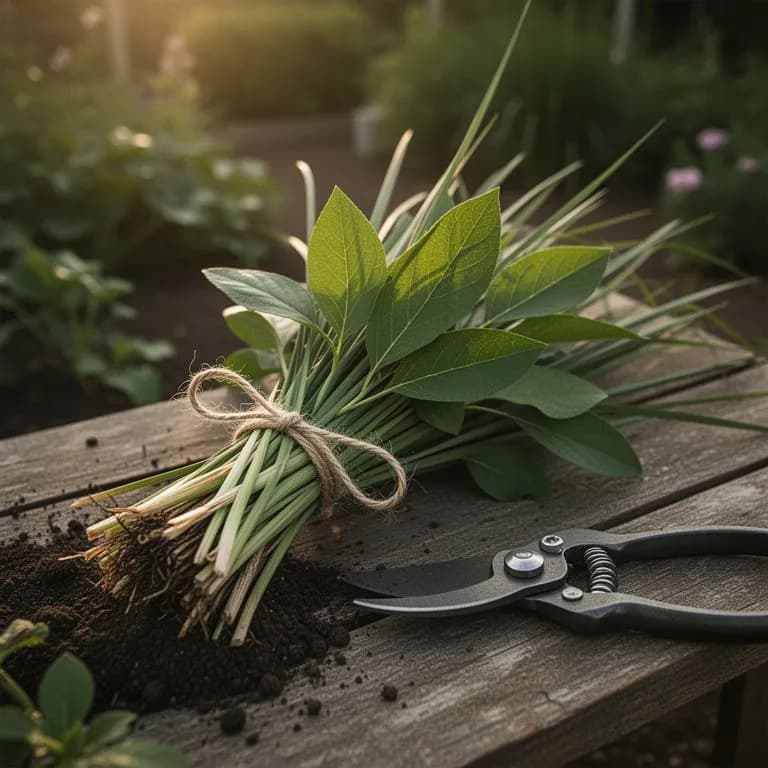
Té refrescante de raíz de vetiver
15 minUn té herbal tradicional del sur de Asia elaborado con raíces secas de vetiver, apreciado por su aroma terroso y sus cualidades refrescantes. Esta infusión aromática se consume en la India desde hace siglos durante los veranos más cálidos. Puede servirse caliente o frío sobre hielo, con un toque de miel o de azúcar de palma como endulzante.
6 ingredientes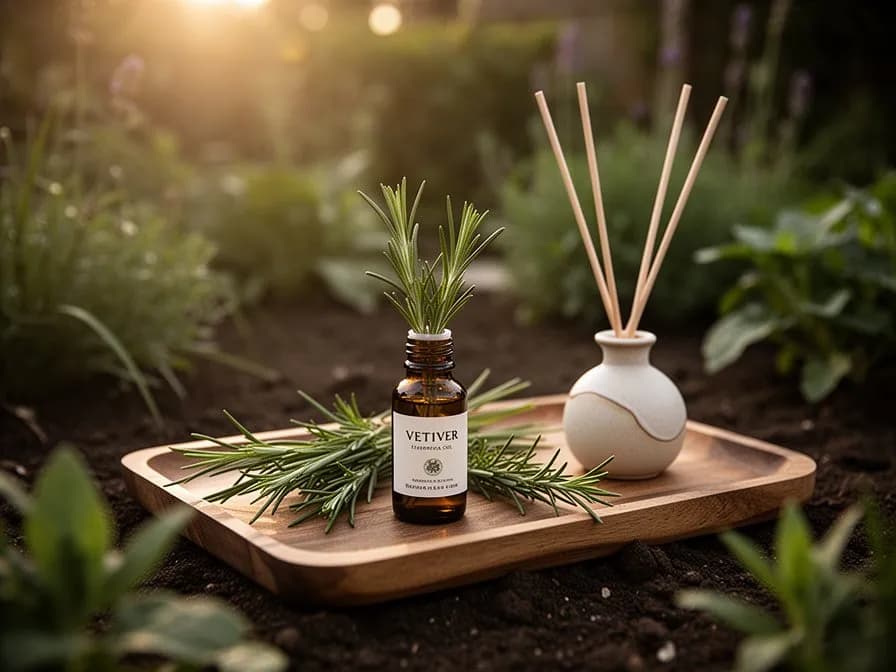
Exfoliante corporal de vetiver y sándalo
10 minUn lujoso exfoliante corporal casero que combina el aroma terroso y equilibrante del aceite esencial de vetiver con ingredientes naturales exfoliantes. Este exfoliante aromático deja la piel suave y ligeramente perfumada con el inconfundible aroma amaderado del vetiver. Guárdelo en un frasco hermético hasta cuatro semanas.
6 ingredientesSaquitos aromáticos de raíz de vetiver
20 minSaquitos aromáticos hechos a mano y rellenos de raíces de vetiver secas, perfectos para cajones, armarios y cómodas de ropa blanca. Su aroma terroso y amaderado repele de forma natural a las polillas y otras plagas textiles, y deja en la ropa almacenada un perfume suave y agradable. El aroma dura meses y puede reactivarse con unas gotas de aceite esencial de vetiver.
6 ingredientesQué contiene
Beneficios para la salud
- El aceite esencial de vetiver ha mostrado en estudios clínicos propiedades ansiolíticas significativas, ayudando a reducir la ansiedad y a promover una sensación de calma cuando se usa en aromaterapia o de forma diluida sobre la piel.
- La raíz contiene compuestos antioxidantes potentes, como ácidos fenólicos y flavonoides, que pueden neutralizar radicales libres y favorecer la salud celular cuando se emplea en infusiones tradicionales de raíz.
- La medicina ayurvédica tradicional usa preparados de raíz de vetiver como agente refrescante para bajar la temperatura corporal, controlar la fiebre y aliviar los síntomas del golpe de calor en temperaturas extremas.
- Las infusiones de raíz de vetiver se utilizan en la medicina popular de Asia meridional y el Caribe para apoyar la digestión, aliviar molestias estomacales y favorecer un apetito sano.
- Los estudios han mostrado que inhalar aceite esencial de vetiver puede mejorar la concentración y el rendimiento cognitivo, lo que ha impulsado su uso en protocolos de aromaterapia para apoyar la atención y el enfoque.
- Los compuestos antiinflamatorios de los extractos de raíz de vetiver han mostrado resultados prometedores en investigaciones preliminares para calmar irritaciones cutáneas, quemaduras leves y apoyar la salud general de la piel cuando se aplican de forma tópica y diluida.
De dónde viene Vetiver
El vetiver (Chrysopogon zizanioides) es una gramínea perenne en macolla originaria del subcontinente indio, donde se ha cultivado y venerado durante miles de años. Los indicios arqueológicos y literarios sugieren que el vetiver se usa en la India desde al menos el 2000 a. C., cuando se valoraba por sus raíces aromáticas, sus propiedades de fijación del suelo y sus cualidades refrescantes. El nombre “vetiver” deriva de la palabra tamil “vettiveru”, que significa “raíz que se excava”, y refleja el uso principal de la planta en sus partes subterráneas aromáticas, más que en su follaje. En los sistemas tradicionales de medicina india, incluido el Ayurveda, se recetaban preparados de raíz de vetiver para la fiebre, los dolores de cabeza y como tónico refrescante general durante el calor asfixiante del verano. Las raíces también se tejían en esteras, abanicos y biombos para ventanas que desprendían un aroma refrescante al humedecerse. Desde la India, el cultivo del vetiver se extendió por todo el sudeste asiático y llegó a Indonesia, Malasia y Filipinas, donde se integró en las tradiciones medicinales y aromáticas locales. Los comerciantes coloniales europeos conocieron el vetiver en los siglos XVII y XVIII y reconocieron su potencial para la perfumería. En el siglo XIX, el aceite esencial de vetiver se había convertido en un ingrediente estándar de la perfumería francesa, valorado por sus complejas notas de fondo amaderadas y terrosas, así como por su notable capacidad fijadora, que ayuda a que otros aromas duren más. En el siglo XX, el vetiver ganó reconocimiento internacional más allá de la perfumería gracias al trabajo pionero de investigadores de conservación del suelo. En la década de 1980, el Banco Mundial empezó a promover activamente el sistema vetiver para estabilizar laderas, gestionar cuencas hidrográficas y controlar la erosión en países en desarrollo. Hoy, el vetiver se cultiva en regiones tropicales y subtropicales de todo el mundo, desde Haití y Brasil hasta China y Australia. Sus usos se han ampliado al tratamiento de aguas residuales, la fitoremediación de suelos contaminados y los materiales de construcción sostenibles, lo que lo convierte en una de las gramíneas más versátiles y valiosas ecológicamente del planeta.
Vetiver: ¿sabías que?
Datos fascinantes sobre Vetiver
Las raíces de vetiver pueden penetrar hasta 4 metros en el suelo, lo que lo convierte en una de las gramíneas con raíces más profundas y en una herramienta natural insuperable para el control de la erosión y la estabilización de laderas en todo el mundo.
Vetiver: preguntas frecuentes
¿Cuándo debo plantar Vetiver?
¿Cuáles son buenas plantas acompañantes para Vetiver?
¿En qué zonas de rusticidad puede crecer Vetiver?
¿Cuánto sol necesita Vetiver?
¿A qué distancia debo espaciar Vetiver?
¿Qué plagas y enfermedades afectan a Vetiver?
¿Cómo almaceno Vetiver después de la cosecha?
¿Cuáles son las mejores variedades de Vetiver para cultivar?
¿Qué suelo necesita Vetiver?
¿El vetiver es invasivo y se extenderá sin control en mi jardín?
¿Puedo cultivar vetiver en un clima frío con inviernos helados?
¿Cómo cosecho y uso las raíces de vetiver para aceite esencial o aroma?
¿Qué plantas compañeras funcionan mejor junto al vetiver?
Acabas de leer la teoría. Ahora cultívala en piloto automático.
Todo lo que hace que Vetiver sea delicado — el momento, el espaciado, las asociaciones, la ventana de cosecha — es justo lo que PlotMyGarden resuelve por ti, para cada planta de tu huerto.
Un plan que conoce tu clima
Indica tu ubicación una vez. Recibe fechas de siembra, abonado y cosecha basadas en tu última helada real y el pronóstico en vivo — sin adivinar con un sobre genérico.
De la sección “Cuándo plantar”Planificador de bancales de arrastrar y soltar
Diseña bancales sobre una cuadrícula. Cada planta encaja con su espaciado correcto y ves toda la temporada antes de gastar un céntimo en semillas.
De la sección “Cultivo”Conflictos de asociación, detectados a tiempo
Más de 200 buenas y malas combinaciones comprobadas en vivo mientras plantas — para que un error que arruine la temporada nunca llegue a la tierra.
De la sección “Asociaciones”Recordatorios que sí vas a seguir
“Riega las judías.” “Recoge hoy antes de que se pase.” Oportunos, concretos y ligados a las plantas que de verdad cultivas.
De la sección “Cosecha”Escalonado, programado
¿Quieres cosechar seis semanas en vez de seis días? Reparte tus siembras automáticamente y te avisa cuando toca el siguiente lote.
De la sección “Cuándo plantar”Un registro que se vuelve más listo
Cada cosecha que registras le enseña tu huerto. El plan del año que viene parte de lo que de verdad funcionó en tu suelo, no en un manual.
De la sección “Resumen”Planta estos junto a Vetiver
Más Hierbas aromáticas
Cultiva tu mejor Vetiver — y todo lo que la rodea.
Empieza un plan gratis hoy. Diseña tus bancales, coloca tu Vetiver y deja que PlotMyGarden gestione el momento, el espaciado, las asociaciones y los recordatorios de la semilla a la cesta.