Turban Squash
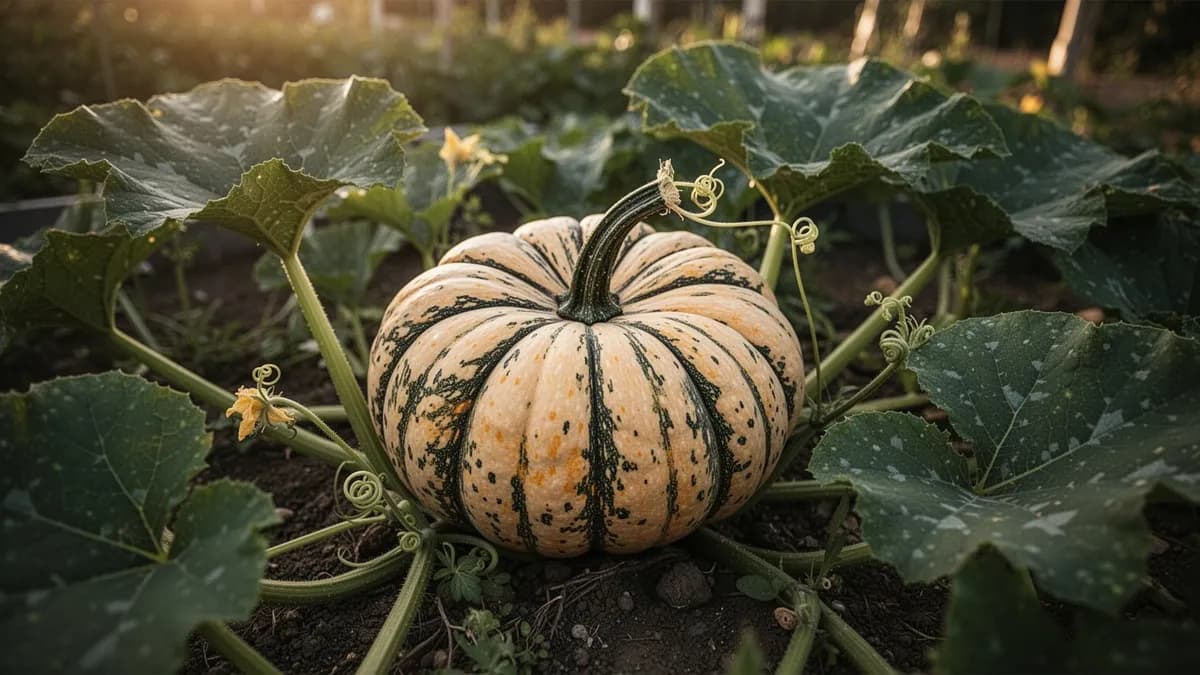
A dramatic ornamental-edible squash with a colorful cap protruding from the top in shades of orange, green, and white.





On this pageOverview
Meet Turban Squash
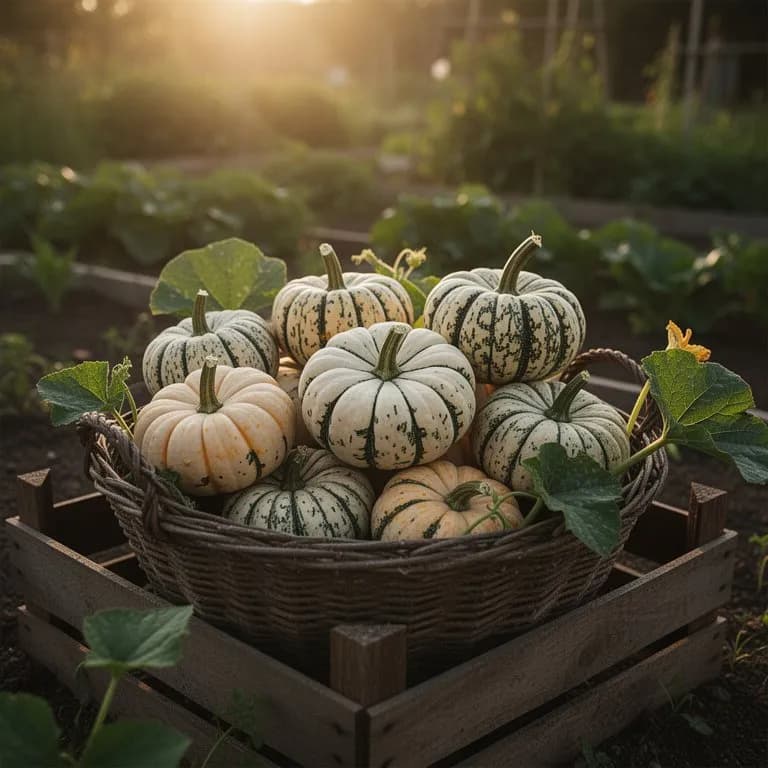
A dramatic ornamental-edible squash with a colorful cap protruding from the top in shades of orange, green, and white. The turban-like shape makes these popular autumn decorations, but the flesh is also sweet and suitable for baking and soups. Fruits weigh three to five pounds and store well for several months in a cool, dry location. The cap can be sliced off to create a natural bowl for serving soups and stews.
When to plant Turban Squash
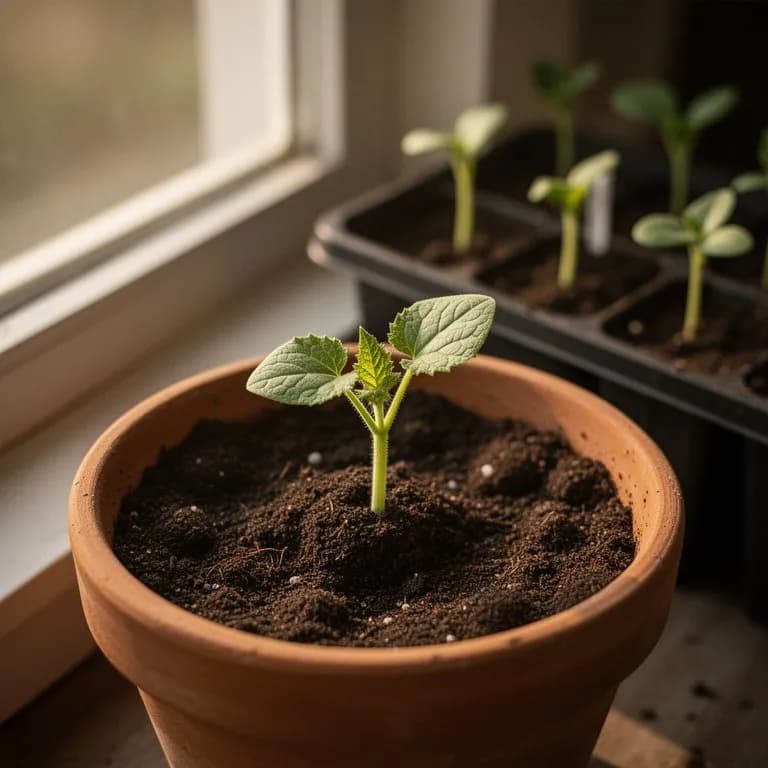
Start seeds indoors three to four weeks before the last frost in four-inch peat pots filled with seed-starting mix. Plant seeds one inch deep, pointed end down, and maintain soil temperature at 70 to 85 degrees Fahrenheit for germination in seven to ten days. Provide 12 to 14 hours of bright light daily. Harden off seedlings for seven to ten days before transplanting to prepared hills. Direct sowing is possible in zones 5 and warmer after the last frost when soil reaches 65 degrees Fahrenheit, but indoor starting is recommended to ensure the long growing season requirement is met.
Your Turban Squash Year
Composed for Zone 7 · typical seasons · frost passes Apr 2, returns Nov 1
Plant Turban Squash May – Jun, pick Sep – Oct. Check the planting methods below and set your climate to personalize these windows.
How to grow Turban Squash
Start turban squash seeds indoors three to four weeks before the last frost date, planting seeds one inch deep in large peat pots. Seeds germinate in seven to ten days at soil temperatures of 70 to 85 degrees Fahrenheit. These long-season squash need 95 to 110 frost-free days, so indoor starting is essential in northern climates. Seedlings should have two to three true leaves before transplanting outdoors.
Prepare planting hills five to six feet apart, enriched with generous compost and well-rotted manure. Transplant two seedlings per hill after all frost danger has passed and soil is consistently warm. Turban squash produces large, spreading vines that can extend ten to fifteen feet, so plan spacing accordingly or train vines along fence lines. Apply thick organic mulch to suppress weeds and retain soil moisture throughout the long growing season.
Provide one to two inches of water per week through drip irrigation or soaker hoses. Reduce watering as fruits mature to prevent splitting and encourage hard rind development. Each vine typically sets two to four fruits. Place developing squash on dry straw or wooden boards to prevent bottom rot and encourage even coloring of the distinctive turban cap. Avoid moving or rotating fruits once set, as this can damage the stem connection.
2 plants fit a 4 × 8 ft bed
Each Turban Squash wants 120 cm of elbow room. The planner keeps that spacing for you — every plant, every bed.
Turban Squash's best neighbours
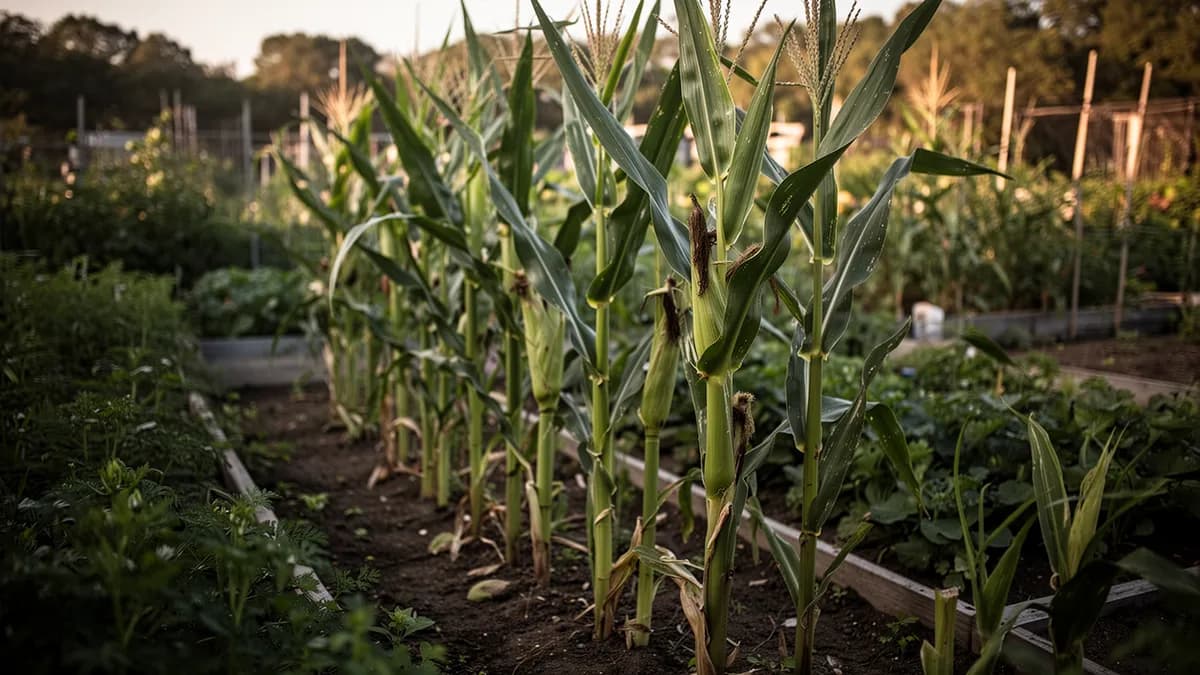
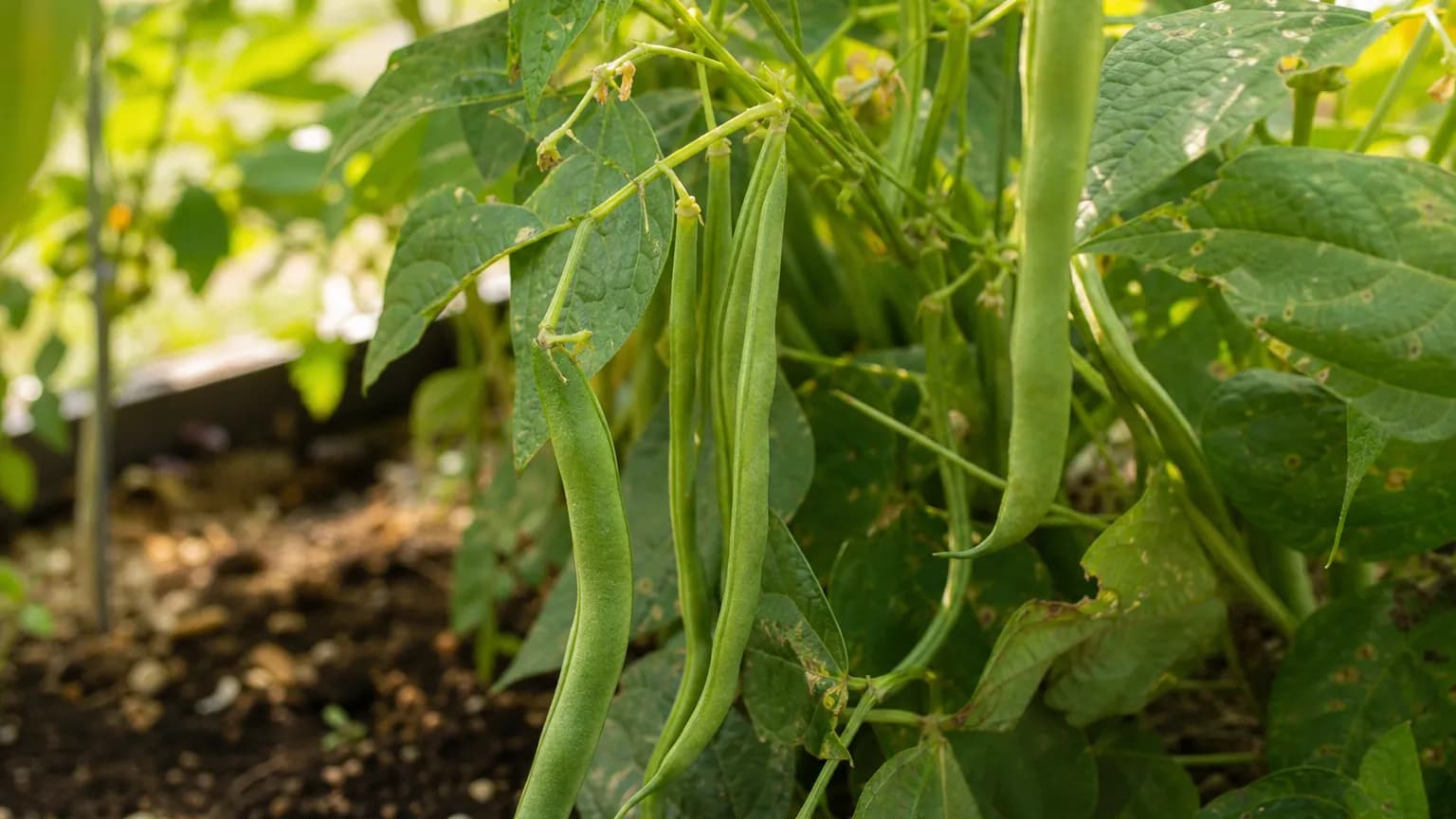
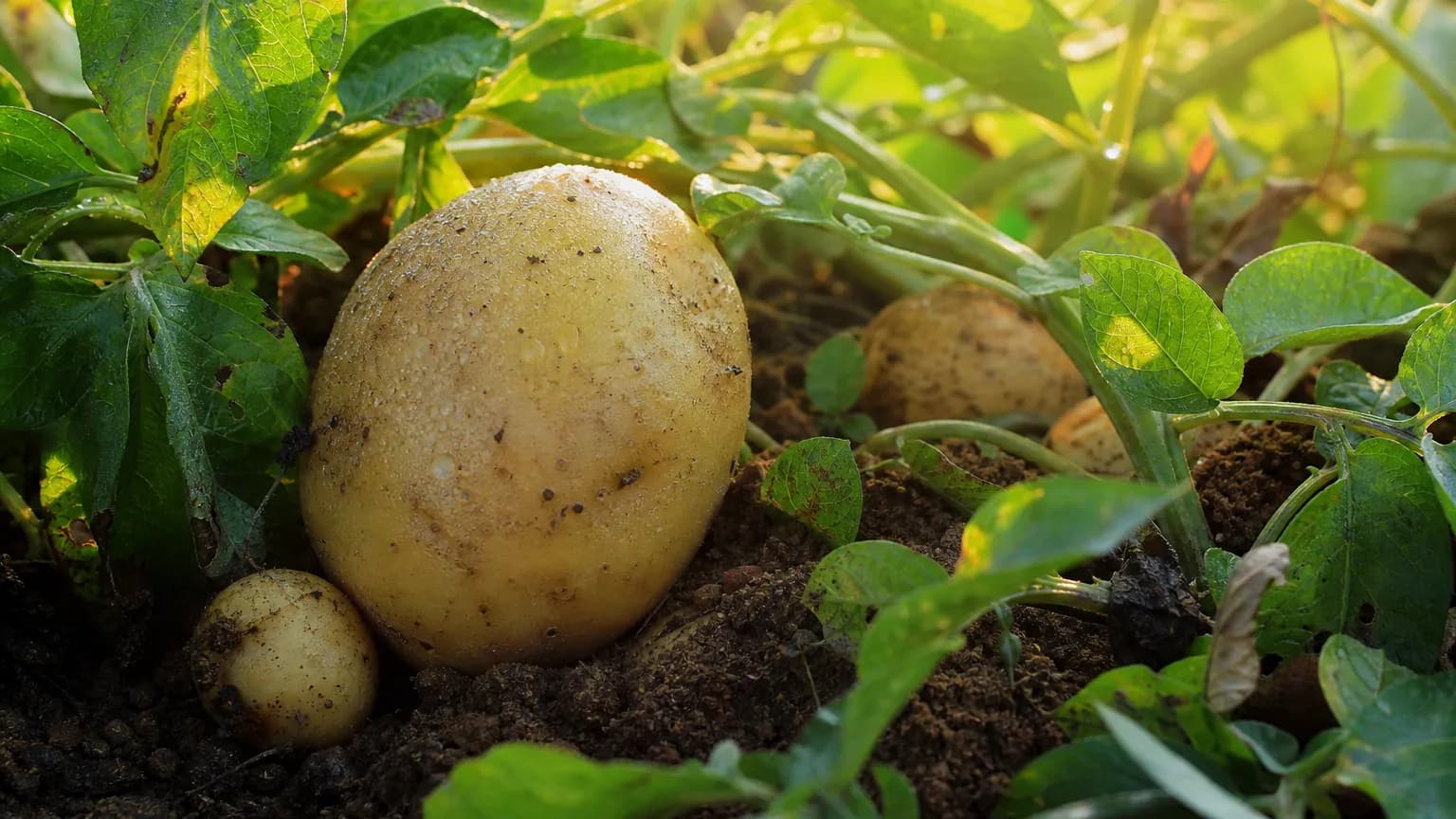
Turban squash benefits from the classic Three Sisters planting with corn and beans. Corn provides a windbreak for the sprawling vines, while beans fix nitrogen that the heavy-feeding squash plants utilize. Marigolds repel squash bugs and other pests while adding color to the garden. Sunflowers attract pollinators essential for fruit set. Oregano and tansy help deter cucumber beetles. Avoid planting near potatoes, which compete for soil nutrients, and other Cucurbita maxima varieties to prevent unwanted cross-pollination.
Corn belongs beside it. Potato doesn't.
Old growers' knowledge, checked against Turban Squash's real companion table below — test any plant you're growing.
Try Turban Squash in a bed — right here
A real planner bed with Turban Squash already in it. Tap a companion to place it and watch the pairing checks answer — green for good neighbours, red for a clash.


Related growing guides
Feed it well
Turban squash requires rich, fertile soil with a pH of 6.0 to 6.8 and excellent drainage. Prepare planting hills with generous amounts of aged compost and well-rotted manure, as these are heavy feeders throughout their long growing season. Apply a balanced granular fertilizer at planting, then side-dress with compost or balanced liquid fertilizer every three weeks. Switch to a high-potassium formula once fruits begin to set to promote hard rind development and sweet flesh. Maintain soil organic matter with mulch that breaks down over the season to continuously feed the plants.
Ideal Temperature
Hardiness Zone Compatibility
From seed to harvest, stage by stage
Seed Starting
Seeds germinate in warm soil, sending down a thick white taproot before two broad, rounded cotyledon leaves push through the surface. Germination requires soil temperatures of at least 18°C (65°F) and takes 5-10 days. The large seeds contain ample energy reserves for vigorous early growth.
Vine Development
True leaves emerge with the characteristic large, lobed squash shape. Vines begin to run aggressively, extending tendrils that anchor to anything they touch. The root system expands rapidly and the main vine can grow 10-15 cm per day in warm conditions.
Flowering
Large, bright yellow flowers open in the morning. Male flowers appear first on long stems, followed 7-10 days later by female flowers recognizable by the small swelling at their base. Each flower opens for a single day and must be pollinated by bees or by hand during that window.
Fruit Development
Successfully pollinated fruits swell rapidly, and the distinctive turban cap begins to form as the blossom end bulges outward in colorful lobed segments. The fruit skin transitions from green to its mature combination of orange, cream, and green over several weeks. Each vine typically sets 3-5 fruits.
Maturation
Fruit reaches full size of 2-4 kg and the rind hardens progressively. Colors intensify to their final vivid pattern of orange, green, cream, and sometimes red. The stem connecting the fruit to the vine dries and becomes corky. Leaves begin to yellow and decline as the plant channels all energy into ripening.
Harvest and Curing
Harvest when the stem is fully dry and corky, the rind is completely hard, and the colors are vivid. Cut the stem with pruners leaving a 5-7 cm handle. Cure in a warm, dry, well-ventilated location at 27-30°C (80-85°F) for 10-14 days to toughen the skin and heal any minor wounds.
Direct sow seeds 2.5 cm deep after all frost danger has passed and soil is consistently warm. If starting indoors, use large biodegradable pots to avoid disturbing the sensitive root system during transplanting.
Caring for Turban Squash month by month
What to do each month for your Turban Squash
October
You are hereHarvest mature squash before hard frost. Cut stems with pruners leaving 5-7 cm attached. Cure in a warm, well-ventilated area at 27-30°C for 10-14 days. Remove all vines and debris from the garden bed.
Know exactly what to do in your garden — every month
One email at the start of each month: what to sow, plant, and tackle right now — for your Turban Squash and everything growing around it. Plus a short starter course that helps you dodge the classic mistakes.
- What to do, right now
- Matched to your season
- Starter course included
Harvesting Turban Squash
Turban squash is ready to harvest when the rind is hard and cannot be dented with a fingernail, typically 95 to 110 days after planting. The stem becomes dry and corky, and the turban cap develops its full coloration in vibrant oranges, greens, and creamy whites. Cut the stem with sharp pruners leaving three to four inches attached. Handle carefully to avoid damaging the decorative cap. Cure in the sun or a warm location at 80 degrees Fahrenheit for ten to fourteen days to harden the rind for long-term storage and decoration.
assuming you plant when the window opens — set your real date
Pick Turban Squash promptly and the plant keeps producing.
Storage & Preservation
After proper curing, turban squash stores for three to six months in a cool, dry location at 50 to 55 degrees Fahrenheit. Check stored squash monthly and use any showing soft spots first. For cooking preservation, roast or steam the flesh, puree, and freeze in measured portions for up to one year. The sweet flesh makes excellent frozen soup base. Turban squash can also be dehydrated in thin slices for shelf-stable storage. As decorations, properly cured squash will last through the autumn and winter holiday season.
What goes wrong — and the fix
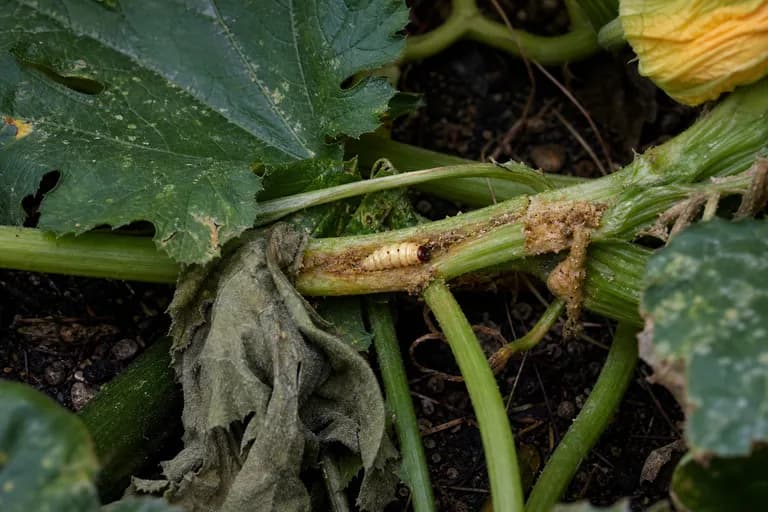
Squash Vine Borer
PestSudden wilting of vine sections, sawdust-like frass near stem base holes, and hollow stems when cut open.
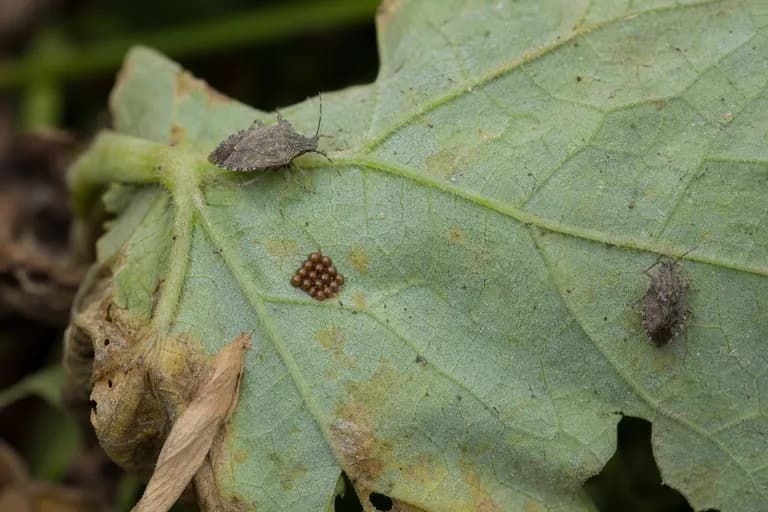
Squash Bug
PestWilting foliage, yellow spots on leaves, bronze egg masses on leaf undersides, and reduced plant vigor from sap feeding.
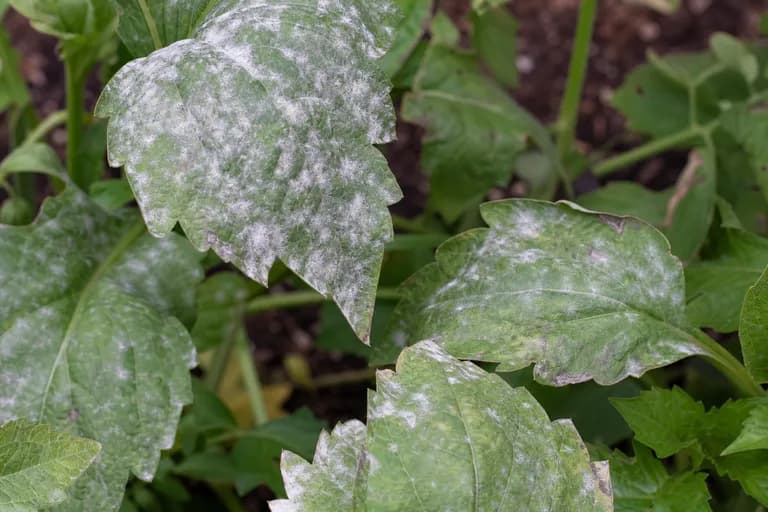
Powdery Mildew
DiseaseWhite powdery coating on leaf surfaces, yellowing leaves, premature defoliation reducing fruit size and quality.
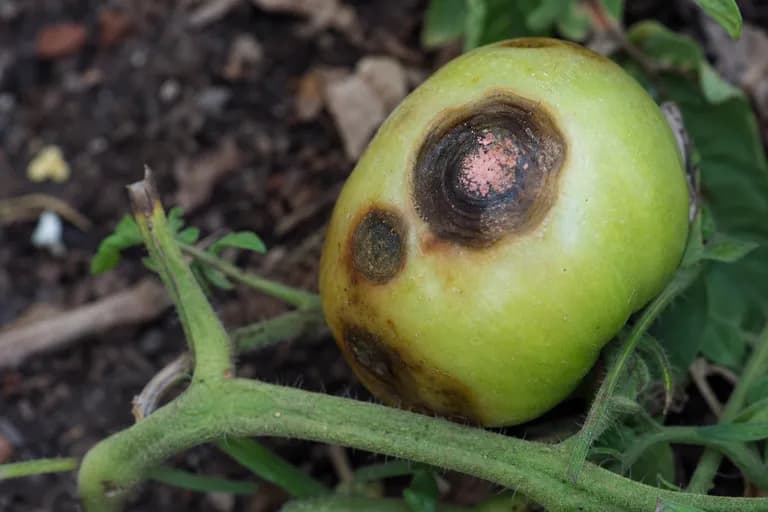
Anthracnose
DiseaseDark, sunken circular spots on leaves and fruit, with salmon-colored spore masses in wet weather conditions.
Troubleshooting Common Problems
The long growing season makes turban squash challenging in short-summer regions. Use black plastic mulch and row covers to extend warmth early in the season. Poor cap development results from inconsistent growing conditions or vine stress. Fruit may rot on the bottom from soil contact in wet conditions; place straw or boards beneath each developing squash. Vine borers can devastate plants mid-season; wrap stem bases preventively and monitor for frass. Late-season powdery mildew can reduce fruit quality, so maintain plant health throughout the growing period.
Growing Tips
- Build planting hills enriched with generous amounts of aged compost and well-rotted manure. Turban squash is a heavy feeder and the best fruit quality comes from rich, fertile soil with a pH of 6.0-6.8.
- Allow 2-3 meters of space per plant for the sprawling vines — overcrowding leads to poor air circulation, increased disease pressure, and fewer fruit per plant. Alternatively, train vines up a sturdy trellis with slings to support developing fruit.
- Pollination is the critical make-or-break step. Female flowers open for only one day. If you see female flowers wilting without setting fruit, hand-pollinate early in the morning using a soft brush to transfer pollen from a male flower's anther to the female flower's stigma.
- Limit each vine to 3-5 developing fruit by removing additional female flowers after your target number has set. This concentrates the plant's energy into fewer, larger, higher-quality squash with better color and longer storage life.
- Water consistently during vine growth and fruit development — 2.5 cm per week — but reduce watering as fruit approaches maturity. Excess moisture late in the season promotes rot and reduces the rind's ability to cure properly.
- Prevent fruit rot by placing a board, thick straw pad, or piece of cardboard beneath each developing squash. Direct soil contact in wet conditions is the primary cause of bottom rot in winter squash.
- Harvest timing is critical for storage success. The stem must be fully dry and corky, the rind must resist a fingernail scratch, and the ground spot (where the fruit rests on the soil) should have changed from white to cream or yellow.
- Cure squash for 10-14 days in a warm, dry, well-ventilated location before moving to cool storage. Proper curing toughens the skin, heals harvest wounds, and can double the storage life from 2-3 months to 4-6 months.
Grow your best Turban Squash yet — and everything around it.
Start a free plan today. Lay out your beds, drop in your Turban Squash, and let PlotMyGarden handle the timing, spacing, companions and reminders from seed to harvest basket.
Pick your Turban Squash
Turks Turban
Classic variety with vivid orange, green, and white striped cap on a buff-colored base, weighing three to five pounds.
American Turban
Large variety producing six to eight pound fruits with brilliant orange and green coloring and sweet baking flesh.
Giraumon
French heirloom turban squash with exceptionally sweet flesh, prized in Caribbean and French cuisine for soups.
Mini Red Turban
Compact variety producing one to two pound ornamental-edible fruits perfect for individual servings.
Turban squash seeds cost $2-4 per packet, and each plant can produce 3-5 squash worth $4-8 each at farmers markets, where specialty winter squash commands premium prices. A single hill of turban squash can yield $15-40 worth of produce. The exceptional storage life of 3-6 months means your harvest provides fresh, home-grown squash well into winter, replacing store-bought butternut or other winter squash at $2-4 per pound. The ornamental value adds further savings — a single decorative turban squash at a farm stand or craft store costs $5-10.
Quick recipes
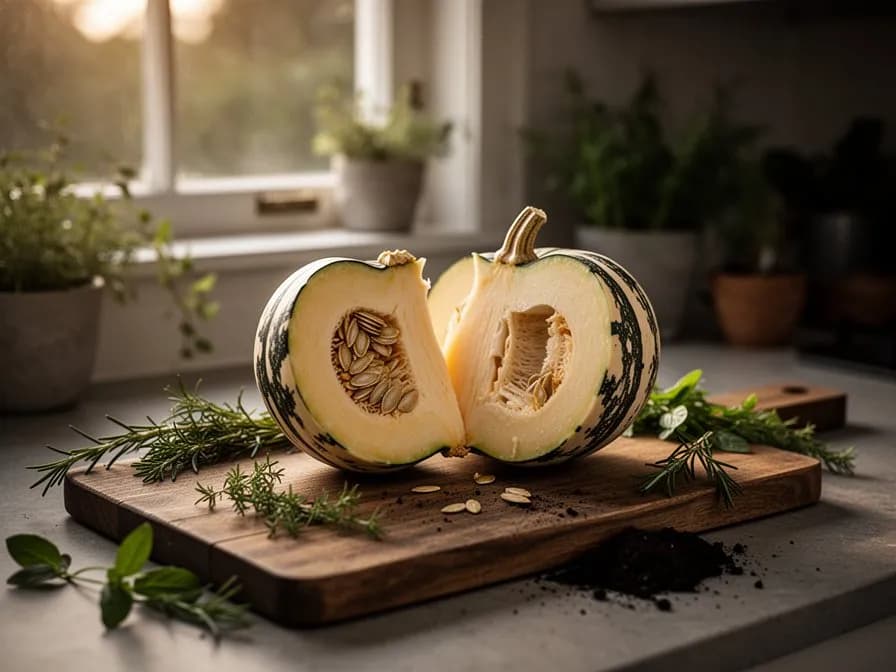
Stuffed Turban Squash
55 minThe turban cap lifts off to create a natural lid, and the hollowed body becomes a stunning edible serving bowl. Filled with a savory mix of wild rice, cranberries, and herbs, then baked until the flesh is fork-tender and golden.
9 ingredients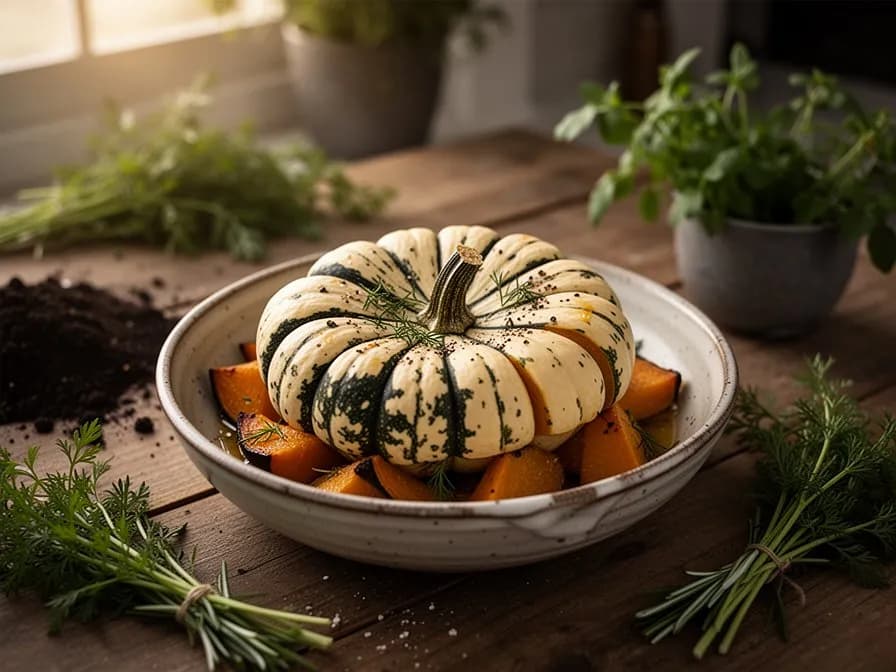
Roasted Turban Squash Wedges
40 minThick wedges roasted at high heat until deeply caramelized and tender, bringing out the sweet, nutty flavor. A drizzle of maple glaze and a sprinkle of smoked salt make this a showstopping autumn side dish.
7 ingredientsTurban Squash and Apple Soup
45 minA silky, warming soup that pairs the sweet flesh of turban squash with tart apples and warming spices. Finished with a swirl of cream and toasted pumpkin seeds for contrast and crunch.
9 ingredientsCulinary Uses
Turban squash has sweet, fine-grained flesh similar to butternut squash. Cut off the decorative cap to use as a natural serving bowl for soups and stews. Roast wedges with olive oil, maple syrup, and warming spices. Puree for soups, risottos, and pasta sauces. The flesh makes excellent pies, muffins, and quick breads. Stuff the whole squash with grain and vegetable fillings for an impressive autumn centerpiece dish. Seeds can be roasted with salt and spices for a nutritious snack.
What's inside
Health Benefits
- Exceptionally high in beta-carotene, which the body converts to vitamin A — essential for maintaining healthy vision, robust immune function, and proper cell growth and differentiation.
- Rich in antioxidants including beta-carotene, alpha-carotene, and lutein that help neutralize free radicals and may reduce the risk of certain cancers and age-related macular degeneration.
- Good source of dietary fiber that supports digestive regularity, feeds beneficial gut bacteria, and contributes to a healthy microbiome.
- Contains potassium which helps regulate blood pressure by counteracting the effects of sodium, supporting cardiovascular health and proper muscle function.
- Low glycemic index compared to many starchy foods, making roasted turban squash a satisfying, slow-releasing carbohydrate option suitable for blood sugar management.
- Provides vitamin C and manganese that work together to support collagen production, wound healing, and bone metabolism.
Where Turban Squash comes from
Turban squash (Cucurbita maxima) traces its ancestry to South America, where wild ancestors of C. maxima originated in the lowlands of Bolivia, Argentina, and Uruguay. Indigenous peoples domesticated these squashes thousands of years ago, selecting for larger fruit size, sweeter flesh, and longer storage life. The distinctive turban shape likely emerged through deliberate or accidental selection by pre-Columbian growers who favored the unusual blossom-end protrusion for its beauty and ease of identification.
After the European arrival in the Americas, turban squash was among the many Cucurbita varieties brought back to Europe by Spanish and Portuguese explorers in the 16th century. The squash quickly found favor in France, where it became known as 'Giraumon Turban' and was incorporated into the rich vegetable traditions of Provencal and Southern French cuisine. By the 17th and 18th centuries, turban squash appeared in European botanical illustrations, seed catalogs, and kitchen gardens across the continent. It was valued both as a reliable winter food source and as an ornamental curiosity for its striking, multicolored form.
In North America, turban squash has occupied a dual role as both a culinary ingredient and a decorative object. Its vivid orange, green, cream, and sometimes red coloring makes it a staple of autumn displays, harvest festivals, and Thanksgiving centerpieces. However, this ornamental popularity has somewhat overshadowed its excellent eating quality — the flesh is sweet, fine-grained, and comparable to butternut squash when roasted or used in soups. Today, turban squash is grown by home gardeners and small farms worldwide, prized for its beauty, its flavor, and its remarkable ability to store for months without refrigeration.
Turban Squash: did you know?
Fascinating facts about Turban Squash
Turban squash gets its name from its distinctive shape — the blossom end of the fruit bulges outward in colorful lobed segments that resemble an ornate turban or a small cap perched atop the main body of the squash.
Turban Squash questions, answered
When should I plant Turban Squash?
What are good companion plants for Turban Squash?
What hardiness zones can Turban Squash grow in?
How much sun does Turban Squash need?
How far apart should I space Turban Squash?
What pests and diseases affect Turban Squash?
How do I store Turban Squash after harvest?
What are the best Turban Squash varieties to grow?
What soil does Turban Squash need?
Is turban squash edible or just decorative?
How do I remove the turban cap for stuffing?
Why did my turban squash not develop its turban shape?
How long can I store turban squash after harvest?
Can I save seeds from my turban squash for next year?
What causes turban squash to rot on the vine before ripening?
You just read the theory. Now grow it on autopilot.
Everything that makes Turban Squash fiddly — the timing, the spacing, the companions, the harvest window — is exactly what PlotMyGarden handles for you, for every plant in your garden.
A plan that knows your weather
Set your location once. Get sow, feed and harvest dates built around your real last-frost date and live forecast — no more guessing from a generic seed packet.
From the “When to plant” sectionDrag-and-drop bed planner
Design beds on a grid. Every plant snaps to its proper spacing, and you can see your whole season laid out before you spend a cent on seed.
From the “Growing guide” sectionCompanion conflicts, caught early
200+ good-and-bad pairings checked live as you plant — so a season-wrecking mistake never makes it into the ground.
From the “Companions” sectionReminders you'll actually act on
“Water the beans.” “Pick today before it turns.” Timely, specific, and tied to the plants you're really growing.
From the “Harvest” sectionSuccession, scheduled
Want a harvest for six weeks, not six days? It spaces your sowings automatically and reminds you when each new block is due.
From the “When to plant” sectionA record that gets smarter
Every harvest you log teaches it your garden. Next year's plan starts from what actually worked in your soil, not a textbook's.
From the “Overview” sectionPlant these alongside Turban Squash
More Cucurbits
Keep Turban Squash away from these
Grow your best Turban Squash yet — and everything around it.
Start a free plan today. Lay out your beds, drop in your Turban Squash, and let PlotMyGarden handle the timing, spacing, companions and reminders from seed to harvest basket.