Tamarind
A tropical tree producing brown, bean-like pods containing a sticky, sweet-sour pulp essential to Indian, Thai, and Latin American cuisines.





On this pageOverview
Meet Tamarind
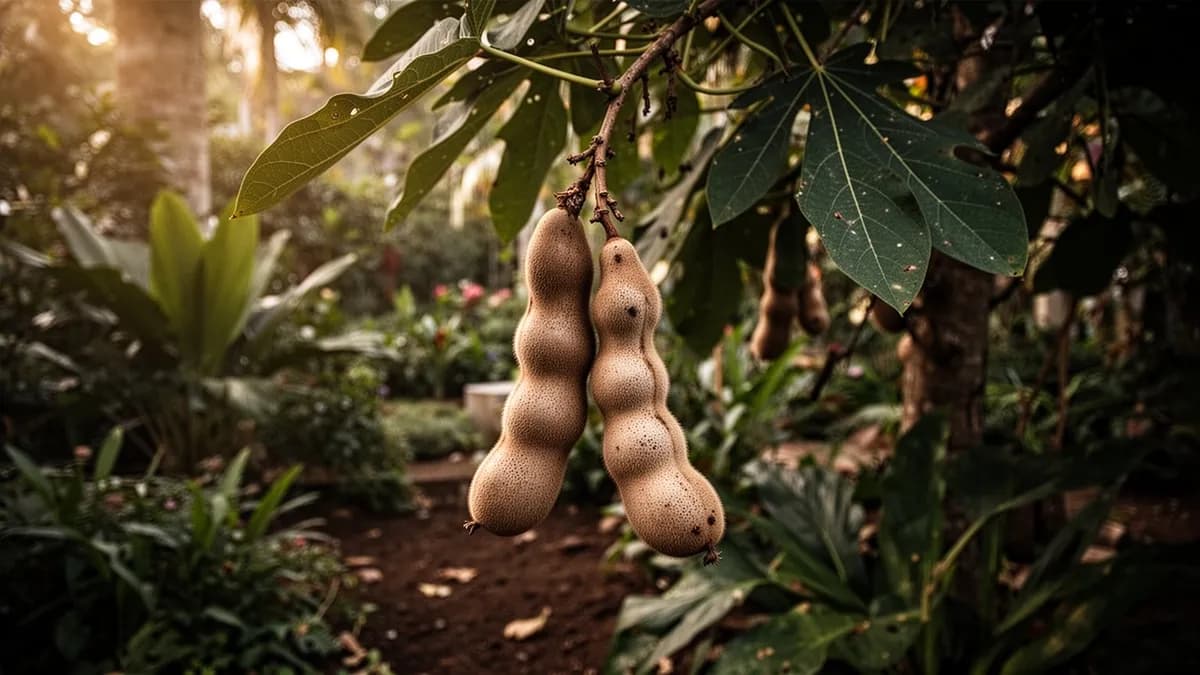
A tropical tree producing brown, bean-like pods containing a sticky, sweet-sour pulp essential to Indian, Thai, and Latin American cuisines. Tamarind is drought-tolerant once established and can grow into a massive, attractive shade tree. The tangy pulp is used in chutneys, sauces, beverages, and as a souring agent in cooking.
When to plant Tamarind
Tamarind seeds germinate readily. Soak seeds in warm water for twenty-four hours and plant one inch deep in moist, well-draining potting mix. Germination occurs in one to two weeks at 75 to 85 degrees Fahrenheit. Seedlings grow moderately fast and can be transplanted to permanent locations after six months. Seedling trees take six to twelve years to fruit, while grafted sweet tamarind varieties bear in three to five years. Seeds remain viable for months when stored dry.
Your Tamarind Year
Composed for Zone 7 · typical seasons · frost passes Apr 2, returns Nov 1
Plant Tamarind Mar – May, pick Mar – Jun. Check the planting methods below and set your climate to personalize these windows.
How to grow Tamarind
Tamarind is a large, long-lived tropical tree that can reach sixty to eighty feet tall with a broad, spreading canopy. Select a spacious planting site with full sun and well-draining soil. The tree is remarkably adaptable and thrives in conditions too hot and dry for most tropical fruit trees. Plant seedlings or grafted trees in a wide hole and water regularly during the first year of establishment.
Once established, tamarind is extremely drought-tolerant and requires minimal irrigation. The tree grows slowly but steadily, developing a deep root system and dense canopy. Fertilize young trees quarterly with a balanced fertilizer, reducing to twice yearly for mature trees. Tamarind tolerates poor, alkaline, and saline soils better than most fruit trees, making it ideal for challenging tropical sites.
Tamarind trees require minimal pruning beyond shaping in the first few years and removing dead or damaged branches. The dense canopy provides excellent shade but can become too dense for fruiting without occasional thinning. Seedling trees take six to eight years to bear fruit, while grafted sweet varieties may produce in three to four years. The tree is wind-resistant and makes an excellent specimen or shade tree in tropical landscapes.
Tamarind needs more room than a 4 × 8 ft bed gives
Each Tamarind wants 600 cm of elbow room. The planner keeps that spacing for you — every plant, every bed.
Related growing guides
Feed it well
Tamarind is one of the most soil-adaptable tropical fruit trees, growing well in sandy, loamy, clay, and even saline or alkaline soils with pH from 5.5 to 8.0. It thrives in conditions too harsh for most other fruit trees. Apply a balanced fertilizer two to three times per year for young trees, reducing to once or twice for established trees. The deep root system accesses nutrients from subsoil layers. Excessive fertilization is unnecessary and may promote vegetative growth over fruiting.
Ideal Temperature
Hardiness Zone Compatibility
From seed to harvest, stage by stage
Seed Germination
Tamarind seeds germinate within 7 to 14 days when planted in warm, well-draining soil. The seed coat may be scarified with sandpaper or soaked for 24 hours in warm water to speed germination. The seedling emerges with two oval cotyledons followed quickly by its first true pinnate leaves.
Seedling Establishment
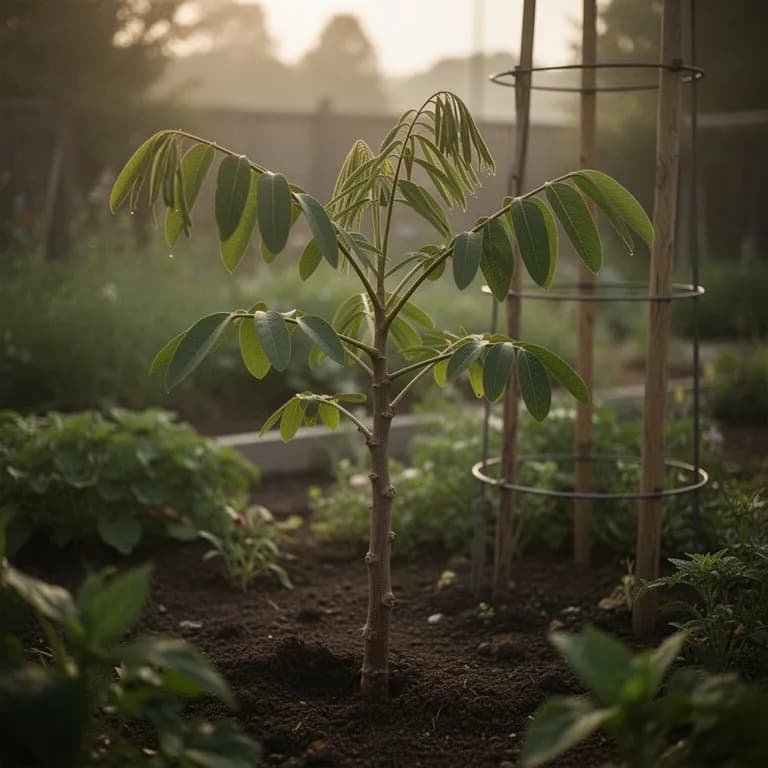
Over the first six months, the tamarind seedling develops a strong taproot and puts out multiple sets of pinnate leaves. Growth at this stage is moderate, reaching 30-60 cm in height. The plant begins to form its characteristic upright structure with slightly arching branches.
Juvenile Tree Growth
During years one through three, the tamarind grows steadily into a recognizable tree form, reaching 1-3 metres. The bark begins to develop its characteristic rough, brownish-grey texture. The canopy begins to broaden, and the tree establishes deep roots that make it increasingly drought-tolerant.
First Flowering
Grafted trees may flower as early as year 3-4 while seed-grown specimens typically begin flowering at years 5-7. Small, fragrant yellow-orange blossoms appear in clusters at branch tips from late spring into summer. Successful pollination, largely by bees and butterflies, leads to pod set.
Pod Development and Ripening
After successful pollination, green pods swell over several months. As they mature they turn tan to brown and the outer shell becomes brittle and easy to crack. The inner pulp transitions from pale and sour to deep reddish-brown with a rich sweet-sour flavour. Full maturity is signalled by pods that rattle slightly when shaken.
Full Production Maturity
A fully mature tamarind tree — typically 8-10 years from seed or 5-6 years from a grafted cutting — enters its peak productive phase. A single large specimen can yield 150-200 kg of pods per year under optimal conditions. The tree may remain productive for over 200 years, making it one of the longest-lived fruit trees.
Soak seeds in warm water for 24 hours before planting. Keep soil at 25-30°C and maintain consistent moisture without waterlogging.
Caring for Tamarind month by month
What to do each month for your Tamarind
October
You are herePrepare for harvest season. Assemble harvesting tools including long-handled picking poles for tall trees. Begin reducing irrigation to hasten final pod ripening and shell hardening.
Know exactly what to do in your garden — every month
One email at the start of each month: what to sow, plant, and tackle right now — for your Tamarind and everything growing around it. Plus a short starter course that helps you dodge the classic mistakes.
- What to do, right now
- Matched to your season
- Starter course included
Harvesting Tamarind
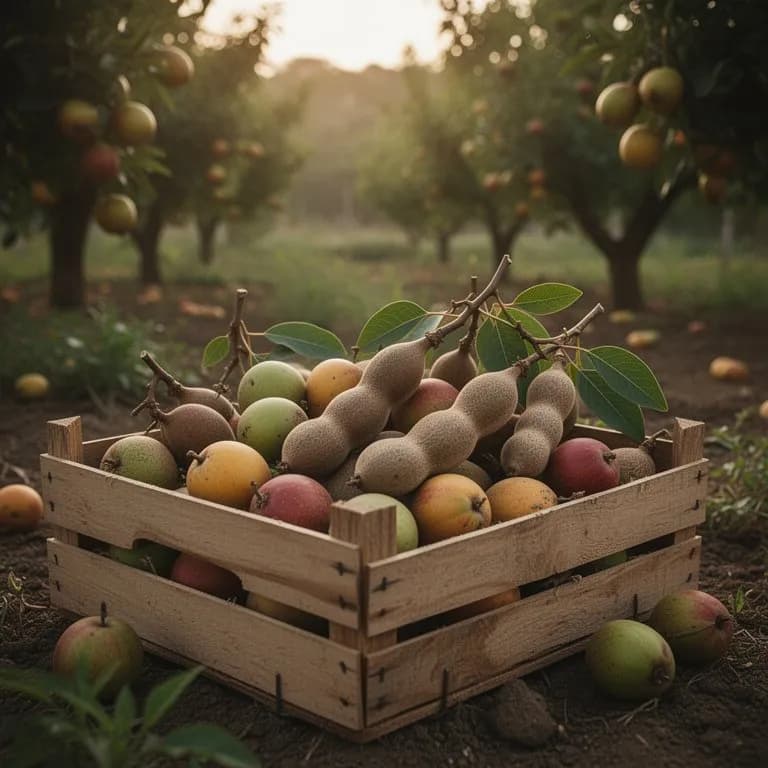
Tamarind pods are ready to harvest when the shell becomes brittle and brown, and cracks easily between your fingers. The pulp inside should be dark brown and sticky. Snap or cut pods from the branches and crack open the shells to access the pulp. Pods can be harvested over a period of several weeks as they mature at different rates. Sweet tamarind varieties are eaten fresh, while sour varieties are primarily used for cooking.
assuming you plant when the window opens — set your real date
Pick Tamarind promptly and the plant keeps producing.
Storage & Preservation
Whole tamarind pods in their shells store at room temperature for several months in a dry location. Shelled tamarind pulp, with or without seeds, keeps refrigerated for several months or frozen for over a year. Tamarind paste and concentrate are commercially produced for convenient cooking use. The pulp can be compressed into blocks for long-term storage. Tamarind candy and dried preparations are popular shelf-stable products throughout the tropics.
What goes wrong — and the fix
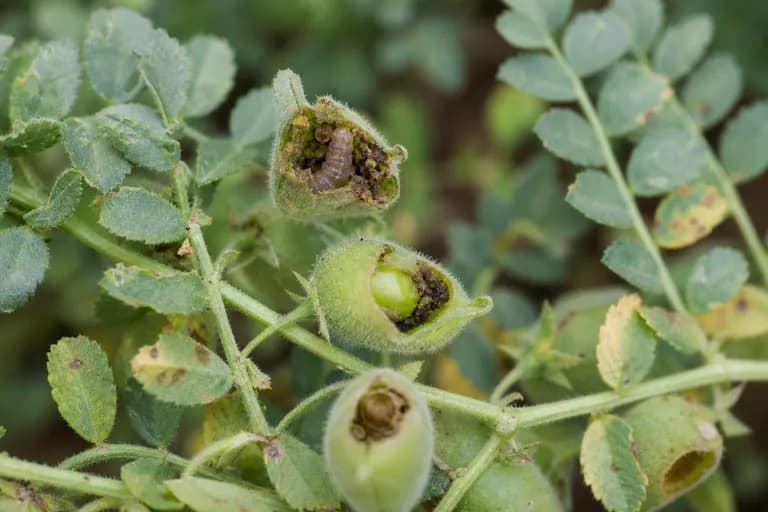
Pod Borer
PestHoles in developing pods, larvae feeding inside on the pulp and seeds, frass emerging from entry holes.
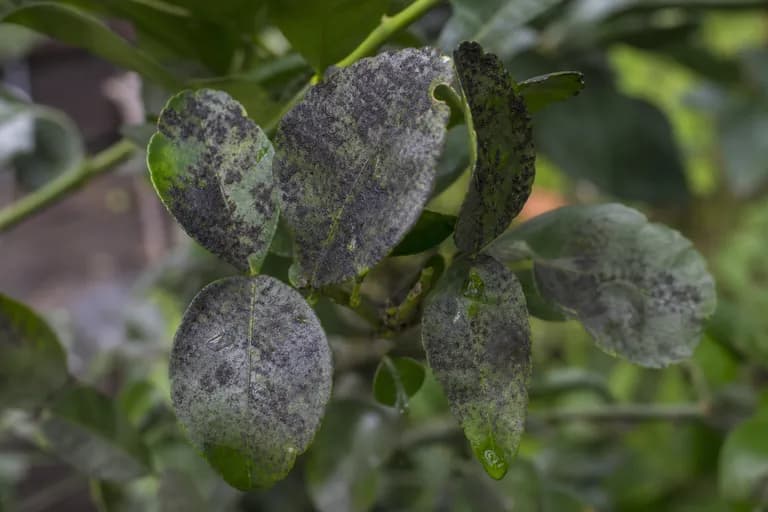
Sooty Mold
DiseaseBlack powdery coating on leaves and branches, reduced photosynthesis, generally caused by honeydew from sap-sucking insects.
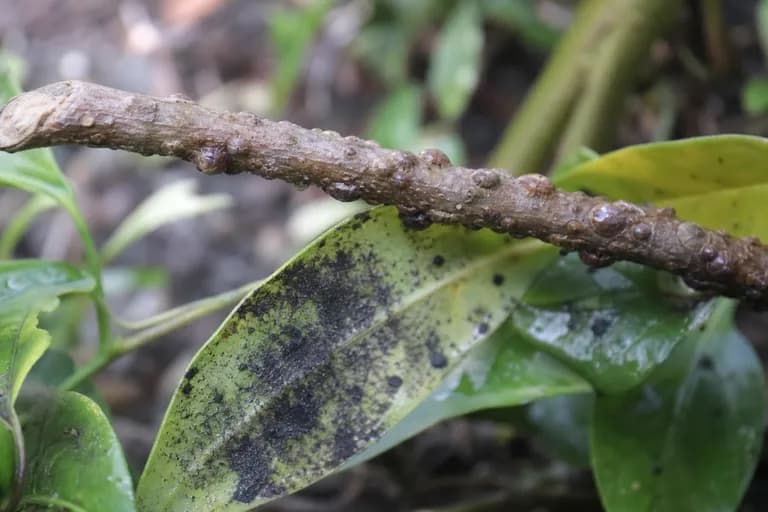
Scale Insects
PestBrown or white bumps on twigs and leaf midribs, honeydew production, sooty mold coating, reduced growth.
Troubleshooting Common Problems
The primary limitation is the long time to fruiting from seed, which can take six to twelve years. The massive size of mature trees makes them unsuitable for small gardens. Fallen pods and sticky pulp can create a mess beneath the tree. In humid climates, fungal diseases may affect the pods during development. The wood is somewhat brittle and large branches can break in severe storms. Root competition from the extensive root system limits underplanting options.
Growing Tips
- Always choose a grafted tamarind variety over a seed-grown specimen if early fruiting is a priority — grafted trees fruit 2-3 years sooner and produce fruit of known quality, whereas seed-grown trees can take 7-10 years to first flower.
- Tamarind has an extensive, deep taproot system and strongly dislikes being transplanted once established — select the final planting site carefully and plant while the tree is young, ideally when it is under 50 cm tall.
- The tree is highly drought-tolerant once established but requires a distinct dry period of 2-3 months to trigger optimal flower bud formation — avoid year-round irrigation once the tree matures, as this can reduce flowering and fruiting significantly.
- Full sun is non-negotiable for tamarind — it will grow in partial shade but fruiting will be very poor. Choose the sunniest spot in the garden with at least 8 hours of direct sun daily.
- Tamarind is one of the few fruit trees that tolerates moderately saline soils and is an excellent choice for coastal gardens in warm climates where salt spray may affect more sensitive fruit trees.
- Container growing is feasible for tamarind in cooler climates using a large pot of at least 100 litres — use a heavy well-draining mix and move the pot under glass or into a warm shed before the first frost in autumn.
- The fallen leaves of tamarind decompose quickly and make an excellent mulch and organic matter addition to the soil — allow fallen leaves to accumulate under the canopy rather than raking them away, or compost them and return them to the root zone.
- Harvest tamarind pods by hand or with a long-handled pole picker — avoid shaking the tree branches as this can damage developing pods for the following season. The ideal harvest indicator is a pod that yields easily with gentle pulling and produces a faint rattling sound.
- To extract pulp efficiently from a large harvest, soak cracked pods in a small amount of warm water for 20-30 minutes, then knead and squeeze the soaked mass through your hands to separate pulp from fibres and seeds — strain through a coarse sieve.
- If growing in a marginal climate zone, plant the tree on the south-facing side of a brick or stone wall — the thermal mass of the wall absorbs heat during the day and releases it at night, providing critical frost protection and extending the effective growing season.
Grow your best Tamarind yet — and everything around it.
Start a free plan today. Lay out your beds, drop in your Tamarind, and let PlotMyGarden handle the timing, spacing, companions and reminders from seed to harvest basket.
Pick your Tamarind
Manila Sweet
A sweet tamarind variety from the Philippines producing large pods with thick, sweet pulp ideal for fresh eating. Less sour than cooking varieties.
Makham Thong
A premium Thai sweet tamarind with golden-brown, exceptionally sweet pulp. Pods are long and thick with minimal fiber.
PKM-1
An Indian selection bred for high yield and good pulp quality. Suitable for both fresh eating and processing into paste and concentrate.
A single mature tamarind tree can yield 150-200 kg of pods annually, which translates to roughly 30-40 kg of usable pulp. At typical market prices of $8-15 per kg for quality tamarind paste or concentrate, a productive home tree represents $300-600 worth of produce each year. Beyond the pulp, home-grown tamarind eliminates the need to purchase expensive imported chutneys, concentrates, and marinades. The tree also provides decades of value — many home-grown specimens remain productive for 50-100 years, making the initial investment in a grafted seedling ($15-30) extraordinarily cost-effective over the long term.
Quick recipes
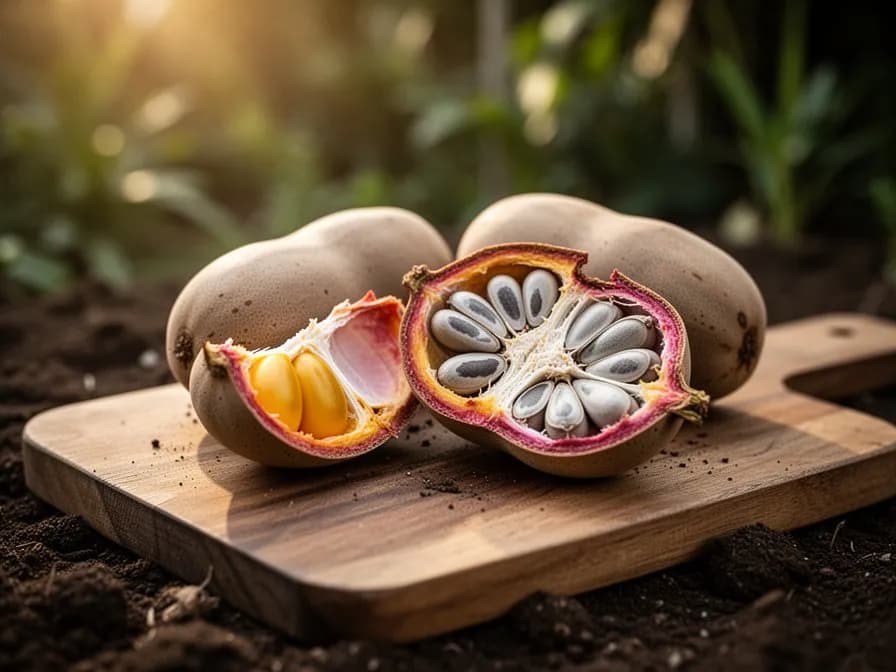
Tamarind Date Chutney
15 minutesA rich, tangy-sweet chutney perfect for samosas, pakoras, or as a dipping sauce. The combination of tamarind, dates, and warming spices creates a deeply complex flavour that keeps well in the refrigerator for up to two weeks.
8 ingredientsAgua de Tamarindo
10 minutesA classic Mexican fresh drink made by dissolving tamarind pulp in water with a touch of sugar and a pinch of salt. Served ice cold, it is tart, refreshing, and deeply satisfying on a hot day. Add a rim of chilli salt for an authentic street-food experience.
6 ingredientsTamarind Glazed Roasted Vegetables
35 minutesA vibrant, tangy glaze transforms simple roasted root vegetables into a show-stopping side dish. The tamarind caramelises beautifully in the oven, creating sticky, deeply savoury edges on sweet potato, pumpkin, and carrots.
9 ingredientsCulinary Uses
Tamarind pulp is a foundational ingredient in many world cuisines. It provides the sour element in pad Thai, Indian chutneys, and Worcestershire sauce. The pulp is made into refreshing beverages like agua de tamarindo in Mexico. Sweet tamarind is eaten fresh as a snack. The paste is used in marinades, curries, and stir-fry sauces. Tamarind candy is popular throughout the tropics, combining the pulp with sugar and chili.
What's inside
Health Benefits
- Tamarind pulp is rich in tartaric acid, hydroxycitiric acid, and polyphenol antioxidants that neutralise free radicals and reduce oxidative stress linked to chronic disease and aging.
- The high dietary fibre content of tamarind supports healthy digestion, feeds beneficial gut bacteria, relieves constipation, and has been used in traditional medicine across Asia and Africa as a gentle laxative.
- Compounds in tamarind including luteolin, procyanidin, and catechins have demonstrated anti-inflammatory properties in research studies, potentially helping to reduce the risk of inflammatory conditions.
- Tamarind contains polyphenols that have shown promising effects on blood lipid profiles in studies, with some research indicating it may help reduce LDL cholesterol and triglyceride levels when consumed regularly.
- The significant potassium and magnesium content of tamarind pulp contributes to healthy blood pressure regulation and supports the cardiovascular system, with potassium acting as a vasodilator.
- Tamarind seed extract has been studied for its potential anti-diabetic properties, with some research suggesting it can help moderate post-meal blood glucose spikes by inhibiting certain digestive enzymes.
Where Tamarind comes from
Tamarind (Tamarindus indica) is widely believed to have originated in tropical Africa, most likely in the dry savanna regions of Sudan and Ethiopia, despite its species name 'indica' suggesting an Indian origin. The confusion arose because early European botanists first encountered it extensively cultivated across the Indian subcontinent, where it had arrived so long ago that it appeared native. Genetic and botanical evidence, however, strongly points to sub-Saharan Africa as its true homeland.
From Africa, tamarind spread eastward with the movement of people and trade routes, reaching the Indian subcontinent thousands of years ago. It became so deeply embedded in Indian culture, cuisine, and traditional medicine that ancient Sanskrit texts reference it, and it features prominently in Ayurvedic medicine as a digestive aid and cooling food. Across India it became a culinary cornerstone — used in chutneys, tamarind rice, dal dishes, sambhar, and the famous tangy chaat street foods.
Arab traders, who dominated Indian Ocean commerce during the medieval period, carried tamarind westward to Persia, the Arab world, and eventually into the Mediterranean. They gave it the name 'tamar hindi' — Indian date — which was eventually contracted by Portuguese traders into 'tamarindo', and from there into the English 'tamarind'. The Portuguese were instrumental in spreading the tree further, introducing it to the Americas and the Caribbean during the 16th and 17th centuries as they established trade routes and colonies.
In the Americas, tamarind quickly found new homes across Mexico, the Caribbean islands, Central America, and northern South America, where it adapted readily to tropical and subtropical climates. Today Mexican tamarind candy, agua de tamarindo, and tamarind-chilli snacks are iconic parts of the regional food culture, testament to how thoroughly the tree was adopted.
Across Southeast Asia — Thailand, the Philippines, Indonesia, and Vietnam — tamarind is equally integral, featuring in countless savoury and sweet preparations including pad thai, where it provides the signature tangy base. Its long journey from African savanna to global kitchen staple makes it one of the most widely travelled food plants in history.
Tamarind: did you know?
Fascinating facts about Tamarind
The name 'tamarind' comes from the Arabic 'tamar hindi', meaning 'Indian date', reflecting the early Arab traders who first brought the fruit to the Mediterranean from India.
Tamarind questions, answered
When should I plant Tamarind?
What hardiness zones can Tamarind grow in?
How much sun does Tamarind need?
How far apart should I space Tamarind?
What pests and diseases affect Tamarind?
How do I store Tamarind after harvest?
What are the best Tamarind varieties to grow?
What soil does Tamarind need?
How long does it take for a tamarind tree to produce fruit?
Can I grow tamarind in a pot or indoors?
Why are my tamarind tree's leaves turning yellow and dropping?
How do I know when tamarind pods are ripe and ready to harvest?
Is tamarind the same as wet tamarind paste and dry tamarind block — what is the difference?
What pests and diseases most commonly affect tamarind trees?
You just read the theory. Now grow it on autopilot.
Everything that makes Tamarind fiddly — the timing, the spacing, the companions, the harvest window — is exactly what PlotMyGarden handles for you, for every plant in your garden.
A plan that knows your weather
Set your location once. Get sow, feed and harvest dates built around your real last-frost date and live forecast — no more guessing from a generic seed packet.
From the “When to plant” sectionDrag-and-drop bed planner
Design beds on a grid. Every plant snaps to its proper spacing, and you can see your whole season laid out before you spend a cent on seed.
From the “Growing guide” sectionCompanion conflicts, caught early
200+ good-and-bad pairings checked live as you plant — so a season-wrecking mistake never makes it into the ground.
From the “Companions” sectionReminders you'll actually act on
“Water the beans.” “Pick today before it turns.” Timely, specific, and tied to the plants you're really growing.
From the “Harvest” sectionSuccession, scheduled
Want a harvest for six weeks, not six days? It spaces your sowings automatically and reminds you when each new block is due.
From the “When to plant” sectionA record that gets smarter
Every harvest you log teaches it your garden. Next year's plan starts from what actually worked in your soil, not a textbook's.
From the “Overview” sectionMore Tropical Fruits
Grow your best Tamarind yet — and everything around it.
Start a free plan today. Lay out your beds, drop in your Tamarind, and let PlotMyGarden handle the timing, spacing, companions and reminders from seed to harvest basket.