Sicomoro Americano
Un imponente árbol de sombra nativo con una corteza moteada llamativa que se exfolia para revelar parches blancos, crema y verdes en el tronco y las ramas.






En esta páginaResumen
Conoce Sicomoro Americano
Un imponente árbol de sombra nativo con una corteza moteada llamativa que se exfolia para revelar parches blancos, crema y verdes en el tronco y las ramas. Los sicomoros pueden alcanzar proporciones enormes y se encuentran entre los árboles de madera dura más grandes del este de Norteamérica. Toleran suelos húmedos, la contaminación urbana y los suelos compactados, lo que los convierte en excelentes árboles para calles y parques. Las hojas grandes pueden generar una limpieza otoñal laboriosa, pero el espectacular despliegue de corteza invernal compensa con creces el esfuerzo.
Cuándo plantar Sicomoro Americano
Las bolas de semillas de sicomoro pueden recogerse en otoño e invierno. Desmenuce las bolas para separar las semillas individuales. Estratifique las semillas en frío durante 60 días en arena húmeda en el frigorífico. Siembre en superficie sobre un sustrato húmedo para semillas, ya que necesitan luz para germinar. Mantenga una humedad uniforme a una temperatura de 15 a 21 °C. La germinación se produce en 2 a 4 semanas. Las plántulas crecen a un ritmo moderadamente rápido y pueden trasplantarse tras una temporada de crecimiento. Los cultivares con nombre, especialmente las selecciones de plátano de sombra, deben propagarse por esquejes o injerto.
Tu año de Sicomoro Americano
Ajustado a Zona 7 · temporada típica · la helada se va hacia el 2 abr y vuelve hacia el 1 nov
Planta Sicomoro Americano Mar – Abr, Oct – Nov y cosecha —. Consulta los métodos de plantación y elige tu clima para adaptar los periodos.

Cómo cultivar Sicomoro Americano
Plante sicomoros a pleno sol en un suelo profundo, húmedo y bien drenado, aunque se adaptan de forma extraordinaria a condiciones adversas como arcillas pesadas, suelos compactados e inundaciones periódicas. Toleran un rango de pH de 5.0 a 7.5 y se encuentran entre los árboles grandes de sombra más tolerantes a la contaminación. Espacie los árboles entre 12 y 15 metros para acomodar su enorme copa en la madurez. Plante ejemplares con cepellón o en contenedor en primavera u otoño.
Riegue los sicomoros recién plantados en profundidad y con regularidad durante las dos primeras temporadas de crecimiento. Aplique una capa de 7 a 10 cm de mantillo orgánico sobre la zona radicular. Los sicomoros crecen a un ritmo moderadamente rápido, sumando entre 30 y 60 cm de altura al año, y pueden alcanzar finalmente entre 21 y 30 metros de altura con troncos de 1.8 a 3 metros de diámetro en condiciones óptimas de vega.
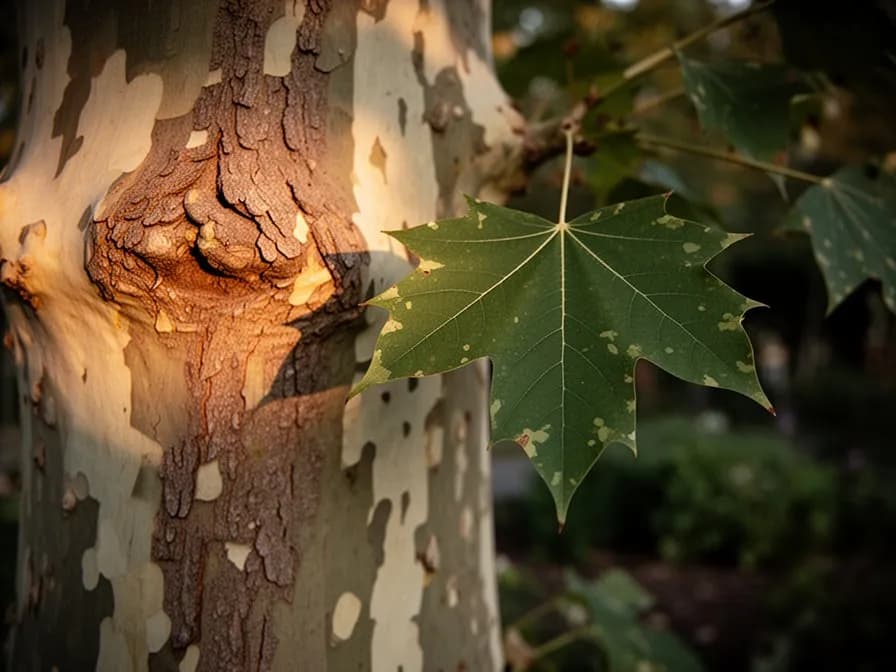
Pode a finales del invierno para eliminar ramas muertas, dañadas y colgantes. Los sicomoros pierden corteza, ramas pequeñas y hojas grandes de forma natural a lo largo del año, por lo que debe esperarse una limpieza continua de restos. La corteza exfoliante característica revela un mosaico de parches blancos, crema, tostados y verde oliva que constituye el rasgo ornamental más llamativo del árbol, especialmente espectacular en invierno contra un cielo azul. Para entornos urbanos, considere el plátano de sombra híbrido, que es más resistente a las enfermedades.
Para Sicomoro Americano un bancal de 120 × 240 cm se queda corto
Cada Sicomoro Americano pide 1000 cm de margen. El planificador guarda ese marco por ti — cada planta, cada bancal.
Los mejores vecinos de Sicomoro Americano
Plante perennes tolerantes a la sombra bajo los sicomoros, como hostas, sello de Salomón, jengibre silvestre y helecho dama. Las efímeras primaverales como la mertensia de Virginia, la sanguinaria y el trilio florecen antes de que las grandes hojas se desplieguen por completo. Arbustos nativos como el benjuí, el hamamelis y el viburno complementan a los sicomoros en paisajes naturalistas. La sombra moteada bajo los sicomoros favorece más crecimiento de sotobosque que la de árboles con copas más densas como las hayas. Evite plantar cerca de huertos pequeños donde la competencia radicular sea problemática.
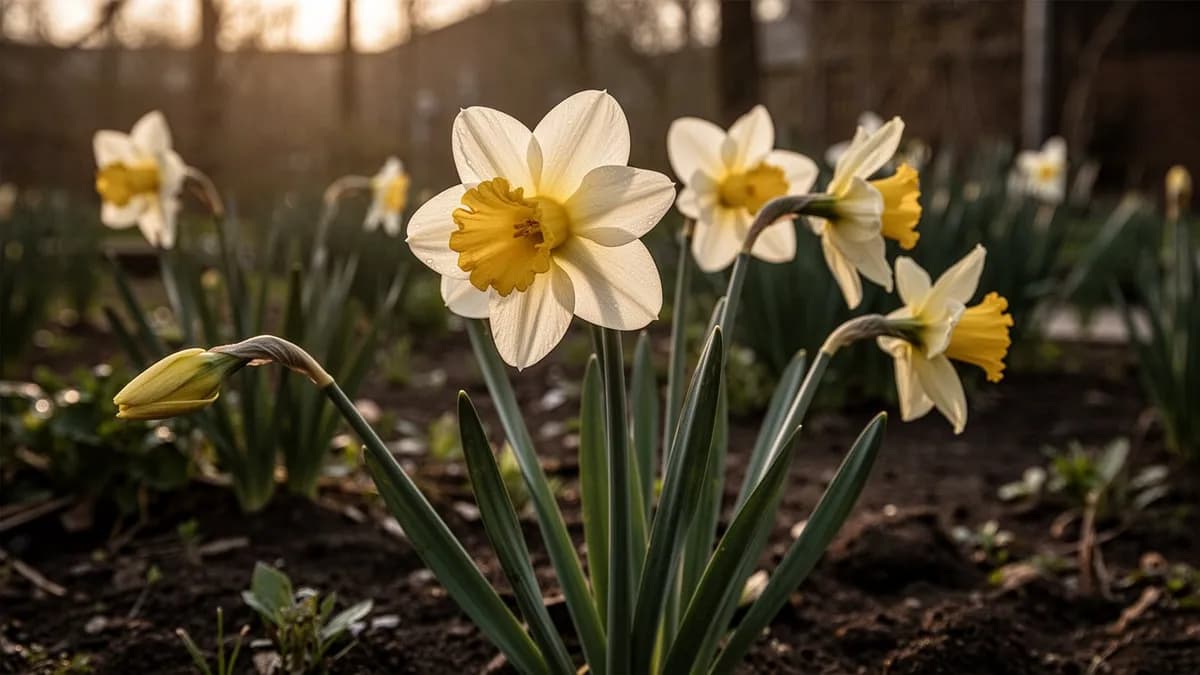
Narciso va a su lado. Nogal no.
Saber de huerto de siempre, cotejado con la tabla real de Sicomoro Americano — prueba cualquier planta que cultives.
Prueba Sicomoro Americano en un bancal, aquí mismo
Un bancal real del planificador con Sicomoro Americano ya plantado. Toca una planta compañera para colocarla y mira cómo responde la comprobación de vecinos: verde para buenos vecinos, rojo si hay conflicto.


Guías de cultivo relacionadas


Abónalo bien
Los sicomoros se encuentran entre los grandes árboles de sombra más adaptables al suelo, prosperando en arcillas, francos, suelos arenosos e incluso en vegas aluviales inundables periódicamente. Prefieren un pH de 5.0 a 7.5 y toleran tanto condiciones húmedas como moderadamente secas. Los árboles jóvenes se benefician de un fertilizante equilibrado a principios de primavera. Los sicomoros maduros en suelos razonables rara vez necesitan nutrición suplementaria. Son excelentes para emplazamientos urbanos difíciles con suelo compactado y pobre donde otras especies fracasan. Aplique compost como cobertura anual alrededor de los árboles jóvenes.
Temperatura ideal
Compatibilidad de zonas de rusticidad
De la semilla a la cosecha, etapa por etapa
Germinación y Emergencia de la Semilla
Las semillas de sicomoro se dispersan desde sus bolas esféricas a finales del invierno y principios de primavera, transportadas por el viento a distancias considerables gracias al penacho de finos pelos adherido a cada aquenio. Las semillas germinan con facilidad sobre suelo desnudo y húmedo, particularmente a lo largo de las riberas y llanuras aluviales donde las crecidas primaverales exponen suelo mineral fresco. Las tasas de germinación son altas, superando con frecuencia el 70 % en condiciones favorables de humedad constante y temperaturas entre 15 y 25 °C.
Establecimiento de la Plántula
Las plántulas jóvenes de sicomoro se desarrollan con rapidez durante su primera temporada de crecimiento, produciendo su primer conjunto de hojas palmadas características a las pocas semanas de la germinación. Las plántulas crecen de forma notablemente rápida en comparación con la mayoría de las frondosas, alcanzando a menudo entre 30 y 60 cm de altura al final de su primer verano. El sistema radicular se desarrolla vigorosamente en esta etapa, estableciendo una fuerte raíz pivotante y una red de raíces laterales que anclan el árbol joven y acceden a la humedad del suelo más profundo.
Fase de Crecimiento Juvenil
Durante los primeros cinco años, los sicomoros americanos exhiben algunas de las tasas de crecimiento más rápidas de cualquier frondosa norteamericana, añadiendo comúnmente entre 60 y 90 cm de altura al año en condiciones favorables. El tronco comienza a desarrollar su característica corteza lisa que más tarde se exfoliará. La copa se expande lateralmente a medida que el árbol desarrolla su forma amplia y extendida. Los sicomoros jóvenes toleran una amplia gama de condiciones de suelo, pero crecen con mayor vigor en suelos profundos, húmedos y fértiles cercanos a fuentes de agua.
Desarrollo Adolescente
Entre los cinco y los quince años de edad, el sicomoro comienza a desarrollar su característico patrón de corteza moteada, ya que la corteza exterior no puede expandirse lo suficientemente rápido para acomodar el rápido engrosamiento del tronco, lo que hace que se desprenda en grandes placas irregulares. El árbol alcanza comúnmente entre 12 y 18 metros de altura durante esta fase. La copa se ensancha sustancialmente y el tronco puede alcanzar entre 30 y 50 cm de diámetro. El árbol comienza a producir sus primeras bolas de semillas, normalmente entre los seis y los ocho años de edad.
Desarrollo de la Copa Madura
De los quince a los cuarenta años, el sicomoro alcanza su impresionante porte maduro, alcanzando comúnmente alturas de 25 a 35 metros con un diámetro de tronco de 60 a 120 cm. La copa se extiende ampliamente, superando a veces los 20 metros de anchura, creando una sombra densa debajo. La corteza exfoliante se vuelve cada vez más espectacular, con el tronco superior y las ramas principales desarrollando la llamativa coloración blanca y crema que hace al árbol reconocible al instante, incluso a gran distancia. La producción de semillas se vuelve prolífica y constante.
Fase de Ejemplar Centenario
Los sicomoros americanos pueden vivir entre 250 y 600 años, con algunos ejemplares documentados que superan ese rango. Los árboles centenarios desarrollan troncos masivos y huecos que pueden alcanzar de 3 a 4 metros de diámetro, proporcionando hábitat crítico para aves nidificantes en cavidades, murciélagos y pequeños mamíferos. La copa puede volverse irregular y abierta a medida que se pierden ramas principales a lo largo de los siglos, pero el árbol continúa produciendo follaje y semillas. Estos árboles veteranos son ecológicamente invaluables, ya que sustentan cientos de especies de insectos, aves y otros animales silvestres.
Siembre semillas frescas en primavera sobre la superficie de un sustrato húmedo y bien drenado para semillas. Presione las semillas ligeramente contra el sustrato sin cubrirlas, ya que necesitan luz para una germinación óptima. Mantenga el medio constantemente húmedo pero no encharcado. La germinación suele producirse en 15 a 20 días a temperaturas alrededor de 20 °C.
Cuidar Sicomoro Americano mes a mes
Qué hacer cada mes para tu Sicomoro Americano
Octubre
Mes actualRastrille las hojas caídas con regularidad, especialmente si hubo antracnosis durante la temporada de crecimiento, para reducir las esporas fúngicas invernantes. Las bolas de semillas persisten en el árbol y se desintegrarán gradualmente durante el invierno y principios de primavera. Realice un último riego profundo antes de que el suelo se hiele. Plante nuevos sicomoros con cepellón o en contenedor a mediados del otoño.
Ten claro qué hacer en tu huerto, cada mes
Un correo al empezar cada mes: qué sembrar, plantar y hacer ahora mismo — para tu Sicomoro Americano y todo lo que crece alrededor. Más un breve curso inicial para esquivar los errores clásicos.
- Qué hacer ahora mismo
- Ajustado a tu temporada
- Curso inicial incluido
Cosechar Sicomoro Americano
Los sicomoros no se cultivan para obtener cosechas comestibles. Los árboles producen pequeñas bolas de semillas esféricas que cuelgan de largos pedúnculos durante el invierno y se desintegran en primavera, liberando diminutas semillas dispersadas por el viento. La madera de sicomoro de ejemplares grandes se valora para tablas de carnicero, interiores de muebles y chapas decorativas gracias a su distintivo patrón de rayos medulares cuando se asierra en cuartos. La madera es difícil de secar, pero produce una atractiva lacewood cuando se procesa adecuadamente. Los fragmentos de corteza que se desprenden de forma natural pueden recogerse para proyectos artesanales.
se supone que plantas al comenzar el periodo — indica tu fecha real
Cosecha Sicomoro Americano a tiempo y la planta sigue produciendo.
Almacenamiento y conservación
La madera de sicomoro requiere un procesado cuidadoso debido a su tendencia a alabearse y agrietarse durante el secado. Séquela al aire lentamente con un apilado y un peso adecuados. El sicomoro aserrado en cuartos produce la preciada figura de lacewood utilizada en ebanistería fina. La madera blanda y clara se usa tradicionalmente para tablas de carnicero porque resiste el astillado y no transmite sabores. La leña de sicomoro arde bien, pero es difícil de rajar. Los fragmentos de corteza desprendidos pueden recogerse y utilizarse con fines decorativos o en proyectos artesanales con materiales naturales.
Qué falla — y cómo solucionarlo
Antracnosis del Sicomoro
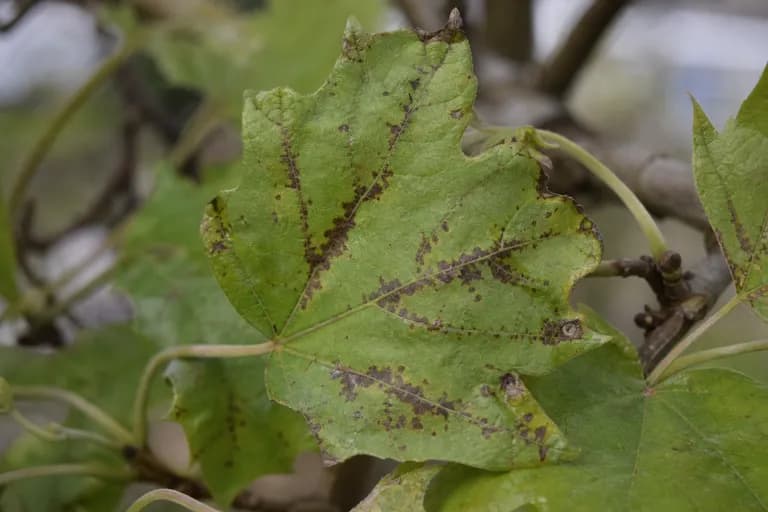
EnfermedadManchas marrones a lo largo de las nervaduras de las hojas en primavera. Los brotes jóvenes mueren hasta las ramitas. En casos severos se produce una defoliación casi completa en primaveras húmedas, aunque los árboles normalmente vuelven a brotar hacia mediados del verano.
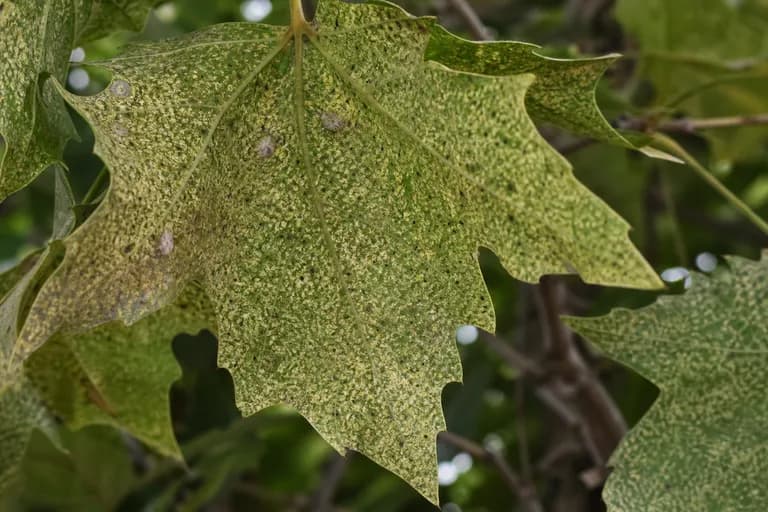
Chinche de Encaje del Sicomoro
PlagaHojas amarillentas con punteado causado por la alimentación en el envés. Pequeñas manchas negras de excremento visibles en la superficie inferior de las hojas. Las infestaciones severas provocan pardeamiento prematuro y caída de hojas.
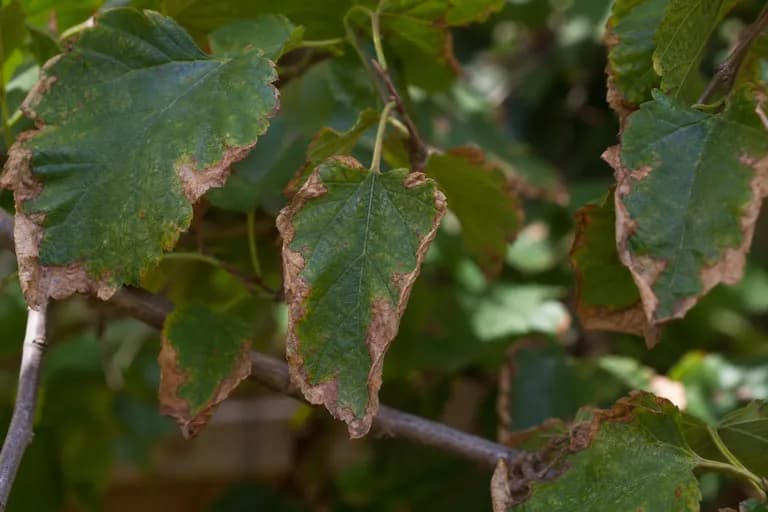
Quemadura Bacteriana de la Hoja
EnfermedadMárgenes foliares marrones con aspecto quemado que progresan hacia el interior, separados del tejido verde por una banda amarilla. Los síntomas empeoran cada año a medida que la enfermedad avanza.
Solución de problemas comunes
La antracnosis del sicomoro causa una defoliación primaveral espectacular pero generalmente no letal en años húmedos, lo que alarma a los propietarios cada temporada. Las hojas grandes, los fragmentos de corteza y las bolas de semillas generan una cantidad considerable de restos continuos que requieren limpieza regular. El tamaño masivo hace que los sicomoros sean inadecuados para parcelas pequeñas, ya que las raíces pueden levantar pavimentos y las ramas sobresalen de las estructuras. Los tricomas de las hojas y las bolas de semillas pueden irritar la piel y las vías respiratorias durante los trabajos de limpieza.
Consejos de cultivo
- Plante sicomoros americanos a pleno sol con acceso a suelo profundo y húmedo para obtener el crecimiento más rápido. Prosperan de forma natural a lo largo de cursos de agua y toleran las inundaciones periódicas, lo que los hace ideales para jardines de lluvia, biozanjas y zonas bajas donde otros árboles sufrirían con los pies mojados.
- Deje a los sicomoros espacio suficiente para crecer. Un árbol maduro puede extenderse entre 20 y 30 metros de anchura y alcanzar de 30 a 40 metros de altura, así que plante al menos a 15 metros de edificios, caminos de acceso e instalaciones subterráneas para evitar futuros conflictos con el agresivo sistema radicular.
- Los sicomoros son muy tolerantes a la contaminación urbana, los suelos compactados y la brisa salina, lo que los convierte en excelentes opciones para parques, campus y amplios bulevares urbanos donde otras especies fracasan. El híbrido plátano de sombra es incluso más tolerante a la contaminación.
- La antracnosis es la enfermedad más común que afecta a los sicomoros americanos, causando pardeamiento foliar y defoliación prematura en primaveras frescas y húmedas. Rara vez mata a los árboles, pero puede resultar antiestética. Mejore la circulación del aire mediante poda selectiva y rastrille las hojas infectadas caídas para reducir la carga de esporas.
- Riegue los sicomoros jóvenes en profundidad y con regularidad durante sus tres primeras temporadas de crecimiento para establecer un sistema radicular fuerte. Una vez establecidos, los árboles maduros son moderadamente tolerantes a la sequía, pero siempre rinden mejor con acceso constante a la humedad.
- Evite plantar sicomoros cerca de piscinas, terrazas o zonas de comedor al aire libre, ya que el árbol desprende placas de corteza, hojas, fragmentos de bolas de semillas y finos pelos de las semillas continuamente a lo largo del año, generando una cantidad significativa de restos que requiere limpieza frecuente.
- Propague sicomoros a partir de semillas recolectando las bolas maduras a finales del otoño y almacenándolas en un lugar fresco y seco durante el invierno. Siembre las semillas sobre la superficie de suelo húmedo en primavera sin cubrirlas, ya que la germinación requiere exposición a la luz.
- Los sicomoros también pueden propagarse a partir de esquejes de madera dura tomados a finales del invierno. Seleccione secciones del grosor de un lápiz de madera de un año de aproximadamente 20 a 25 cm de largo, aplique hormona de enraizamiento e inserte en un medio de propagación húmedo con los dos tercios inferiores enterrados.
- Considere el plátano de sombra (Platanus x acerifolia) como alternativa si la antracnosis es un problema persistente en su zona. Este híbrido ofrece una resistencia superior a la enfermedad manteniendo la atractiva corteza exfoliante y la rápida tasa de crecimiento de su progenitor sicomoro americano.
- Pode los sicomoros únicamente durante el reposo invernal a finales del invierno para minimizar la exudación de savia y reducir el riesgo de entrada de enfermedades por las heridas de poda. Utilice siempre herramientas afiladas y esterilizadas y realice los cortes justo por fuera del collar de la rama para favorecer un cierre rápido de la herida.
Cultiva tu mejor Sicomoro Americano — y todo lo que la rodea.
Empieza un plan gratis hoy. Diseña tus bancales, coloca tu Sicomoro Americano y deja que PlotMyGarden gestione el momento, el espaciado, las asociaciones y los recordatorios de la semilla a la cesta.
Elige tu Sicomoro Americano
American Sycamore (Platanus occidentalis)
La especie nativa de enormes proporciones que alcanza los 30 metros o más. Llamativa corteza blanca y hojas gigantescas. Ideal para grandes fincas y entornos paisajísticos naturalistas.
London Planetree (Platanus x acerifolia)
Híbrido con mejor resistencia a la antracnosis y mayor tolerancia urbana. El sicomoro preferido para plantaciones en calles y parques de todo el mundo.
Bloodgood London Planetree
Cultivar superior con excelente resistencia a enfermedades y porte piramidal robusto. La recomendación estándar para plantaciones urbanas.
Exclamation London Planetree
Porte piramidal erguido con resistencia moderada a la antracnosis. Buena elección para alineaciones en calles donde se necesita una copa más estrecha.
Un solo sicomoro americano maduro situado estratégicamente en la fachada sur u oeste de una vivienda puede reducir los costes de refrigeración estival entre un 20 y un 35 % gracias a la sombra directa y al enfriamiento por transpiración. La rápida tasa de crecimiento de 60 a 90 cm al año significa que los ahorros energéticos medibles comienzan a los 5-8 años de la plantación. Además, los sicomoros aumentan el valor de las propiedades residenciales en un estimado del 7 al 15 %, y su papel en la gestión de aguas pluviales puede reducir los costes de infraestructura municipal. Un ejemplar que vive más de 200 años proporciona beneficios económicos acumulados que superan las decenas de miles de euros a lo largo de su vida.
Recetas rápidas

Té Tradicional de Corteza de Sicomoro
20 minutosUn remedio tradicional de la medicina popular elaborado con la corteza interior del sicomoro americano, utilizado históricamente por los pueblos nativos americanos y los herbolarios de los Apalaches para aliviar el dolor de garganta y las molestias respiratorias. El té tiene un sabor ligeramente astringente y terroso con sutiles notas amaderadas. Siempre recolecte la corteza de forma sostenible a partir de ramas podadas en lugar de arrancar la corteza del tronco vivo.
5 ingredientesCataplasma de Hojas de Sicomoro
15 minutosUna preparación herbal tradicional con hojas frescas de sicomoro, empleada en la medicina popular de los Apalaches como cataplasma calmante para irritaciones cutáneas menores y picaduras de insectos. Las grandes hojas palmadas del sicomoro son ideales para envolturas y el contenido natural de taninos proporciona propiedades astringentes suaves. Se trata de un remedio popular histórico y no sustituye el consejo médico profesional.
4 ingredientesComedero para Aves con Bolas de Semillas de Sicomoro
30 minutosUn proyecto artesanal con materiales naturales que utiliza bolas de semillas de sicomoro recolectadas para crear adornos comedero para aves en el jardín invernal. Aunque no se trata de una receta culinaria, este uso creativo de materiales de sicomoro aporta nutrición suplementaria a las aves canoras invernantes y constituye una actividad familiar estimulante que conecta a los niños con los materiales naturales del jardín.
5 ingredientesQué contiene
Beneficios para la salud
- La corteza interior del sicomoro contiene taninos naturales con propiedades astringentes, y las infusiones tradicionales se han utilizado en la medicina popular durante siglos para aliviar el dolor de garganta, calmar la tos y mitigar la irritación respiratoria leve
- La amplia y densa copa de un sicomoro maduro proporciona una sombra excepcional que puede reducir la temperatura ambiente del aire entre 5 y 10 °C bajo el árbol, disminuyendo el estrés por calor y el riesgo de enfermedades relacionadas con las altas temperaturas durante los meses de verano
- Estudios han demostrado que las especies de sicomoro se encuentran entre los árboles urbanos más eficaces para filtrar las partículas finas en suspensión (PM2,5 y PM10) del aire, mejorando directamente la salud respiratoria de las personas que viven cerca de los ejemplares plantados
- El tiempo pasado bajo grandes árboles de copa como los sicomoros se ha asociado con niveles reducidos de cortisol y una presión arterial más baja en múltiples estudios sobre baños de bosque y exposición a espacios verdes urbanos
- El extenso sistema radicular de los sicomoros filtra la escorrentía y estabiliza las riberas de los arroyos, mejorando la calidad del agua en las cuencas hidrográficas y reduciendo la exposición a contaminantes transmitidos por el agua aguas abajo
- Los sicomoros maduros sustentan comunidades diversas de fauna silvestre, incluidas aves nidificantes en cavidades y especies de polinizadores, promoviendo la salud ecológica de los paisajes circundantes, lo que a su vez beneficia el bienestar humano a través de los servicios ecosistémicos
De dónde viene Sicomoro Americano
El sicomoro americano (Platanus occidentalis) es nativo del este de Norteamérica, extendiéndose desde el sur de Ontario y Maine hacia el sur hasta el norte de Florida y hacia el oeste hasta Texas, Nebraska e Iowa. Pertenece a la antigua familia Platanaceae, con evidencias fósiles que sitúan al género Platanus entre los primeros árboles con flores de la Tierra, datando del periodo Cretácico medio, hace aproximadamente 100 millones de años. A lo largo de su área de distribución nativa, el sicomoro ha sido una parte integral de los ecosistemas ribereños, colonizando de forma natural las llanuras aluviales de los ríos, los corredores de arroyos y los bosques de vega donde prospera en los suelos aluviales profundos y húmedos depositados por las crecidas estacionales. Los pueblos indígenas del este de Norteamérica mantuvieron relaciones extensas con los sicomoros durante miles de años. Los lenape, los cheroquis y otras naciones utilizaban la madera ligera pero duradera para tallar canoas de un solo tronco, y secciones de troncos huecos servían como contenedores de almacenamiento y tambores. Medicinalmente, las preparaciones de corteza interior se administraban para dolencias respiratorias y trastornos digestivos. Los colonos europeos reconocieron rápidamente al sicomoro como un hito paisajístico debido a su inmenso tamaño, y se convirtió en un punto de referencia fiable para la navegación a lo largo de ríos y senderos en toda la frontera colonial. En los siglos XVIII y XIX, la madera de sicomoro se utilizó ampliamente para tablas de carnicero, duelas de barril y componentes de muebles, valorada por su grano entrelazado que resiste el astillado. La especie ganó protagonismo hortícola en el siglo XX como árbol de sombra de rápido crecimiento para parques, campus y grandes fincas. Su descendiente híbrido, el plátano de sombra, se convirtió posiblemente en el árbol de calle urbano más importante de las ciudades templadas de todo el mundo. Hoy en día, el sicomoro americano se planta ampliamente para la restauración de riberas, el control de la erosión y proyectos de captura de carbono gracias a su rápido crecimiento, su profundo sistema radicular y su tolerancia a suelos periódicamente saturados.
Sicomoro Americano: ¿sabías que?
Datos fascinantes sobre Sicomoro Americano
El sicomoro americano produce el mayor diámetro de tronco de cualquier árbol de madera dura nativo del este de Norteamérica. El famoso Platanus occidentalis de Sycamore, Ohio, tenía una circunferencia de tronco superior a 15 metros, y los troncos huecos de sicomoro se han utilizado históricamente como refugios temporales por los primeros colonos.
Sicomoro Americano: preguntas frecuentes
¿Cuándo debo plantar Sicomoro Americano?
¿Cuáles son buenas plantas acompañantes para Sicomoro Americano?
¿En qué zonas de rusticidad puede crecer Sicomoro Americano?
¿Cuánto sol necesita Sicomoro Americano?
¿A qué distancia debo espaciar Sicomoro Americano?
¿Qué plagas y enfermedades afectan a Sicomoro Americano?
¿Cómo almaceno Sicomoro Americano después de la cosecha?
¿Cuáles son las mejores variedades de Sicomoro Americano para cultivar?
¿Qué suelo necesita Sicomoro Americano?
¿Qué tan rápido crece un sicomoro americano?
¿Son los sicomoros árboles desordenados?
¿Qué es la antracnosis del sicomoro y cómo se maneja?
¿Qué tamaño alcanza un sicomoro en su madurez?
¿Puedo cultivar un sicomoro en un jardín pequeño?
¿Es el sicomoro americano lo mismo que el sicómoro europeo o falso plátano?
Acabas de leer la teoría. Ahora cultívala en piloto automático.
Todo lo que hace que Sicomoro Americano sea delicado — el momento, el espaciado, las asociaciones, la ventana de cosecha — es justo lo que PlotMyGarden resuelve por ti, para cada planta de tu huerto.
Un plan que conoce tu clima
Indica tu ubicación una vez. Recibe fechas de siembra, abonado y cosecha basadas en tu última helada real y el pronóstico en vivo — sin adivinar con un sobre genérico.
De la sección “Cuándo plantar”Planificador de bancales de arrastrar y soltar
Diseña bancales sobre una cuadrícula. Cada planta encaja con su espaciado correcto y ves toda la temporada antes de gastar un céntimo en semillas.
De la sección “Cultivo”Conflictos de asociación, detectados a tiempo
Más de 200 buenas y malas combinaciones comprobadas en vivo mientras plantas — para que un error que arruine la temporada nunca llegue a la tierra.
De la sección “Asociaciones”Recordatorios que sí vas a seguir
“Riega las judías.” “Recoge hoy antes de que se pase.” Oportunos, concretos y ligados a las plantas que de verdad cultivas.
De la sección “Cosecha”Escalonado, programado
¿Quieres cosechar seis semanas en vez de seis días? Reparte tus siembras automáticamente y te avisa cuando toca el siguiente lote.
De la sección “Cuándo plantar”Un registro que se vuelve más listo
Cada cosecha que registras le enseña tu huerto. El plan del año que viene parte de lo que de verdad funcionó en tu suelo, no en un manual.
De la sección “Resumen”Planta estos junto a Sicomoro Americano
Más Árboles de sombra



Mantén Sicomoro Americano lejos de estos
Cultiva tu mejor Sicomoro Americano — y todo lo que la rodea.
Empieza un plan gratis hoy. Diseña tus bancales, coloca tu Sicomoro Americano y deja que PlotMyGarden gestione el momento, el espaciado, las asociaciones y los recordatorios de la semilla a la cesta.