Liquidámbar
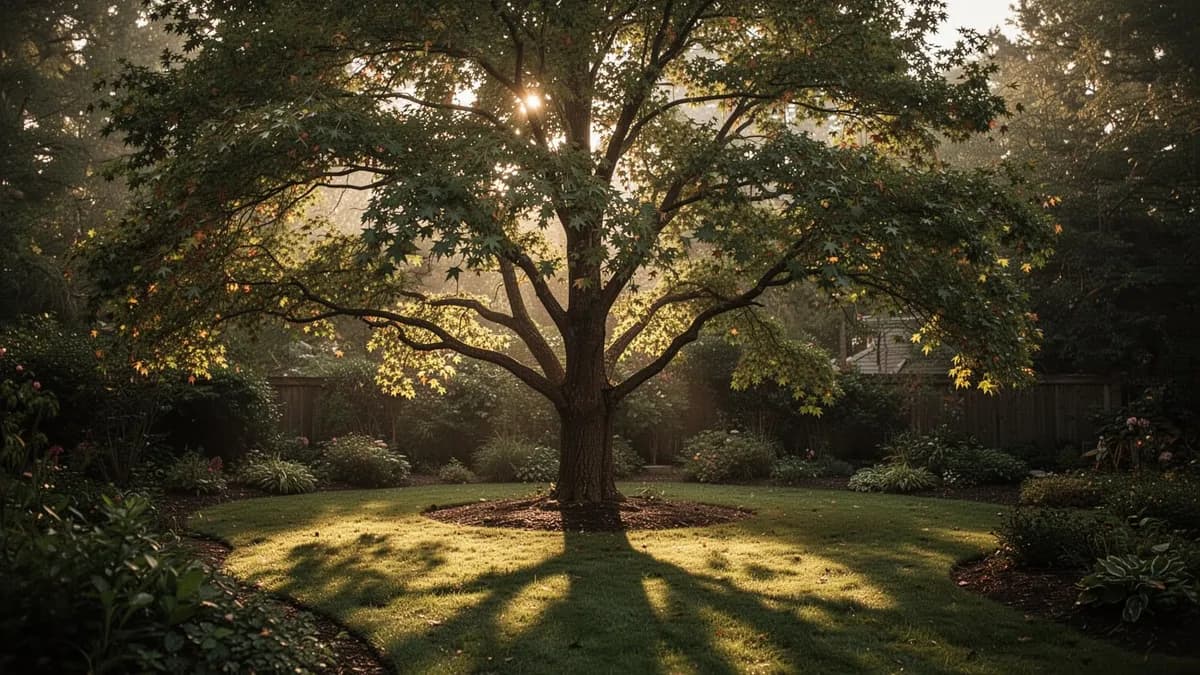
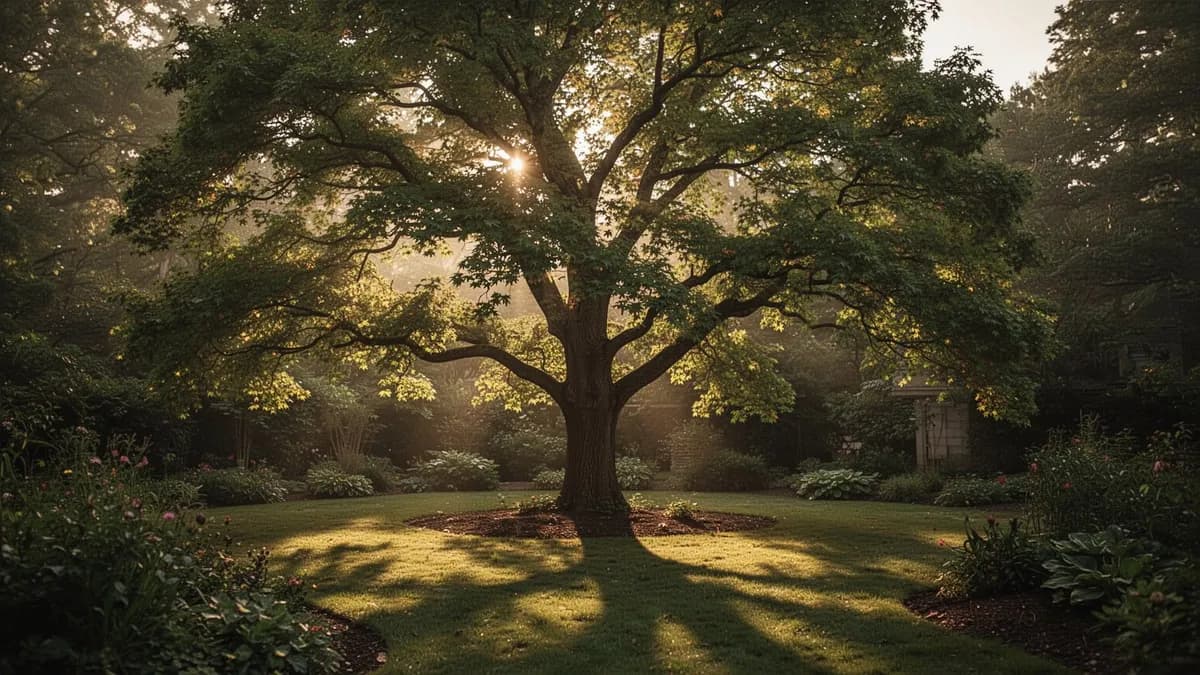
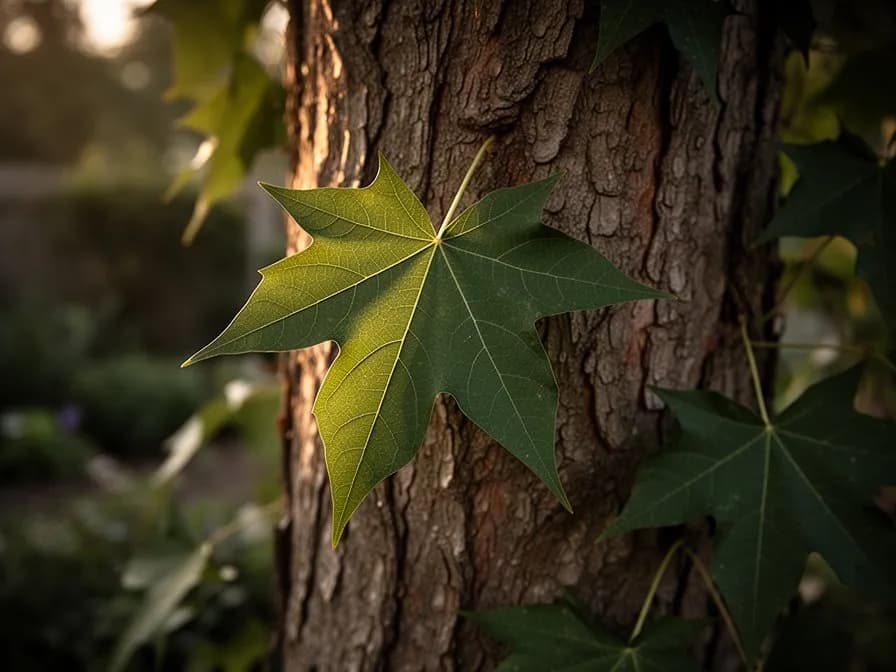
Un gran árbol de sombra piramidal famoso por sus hojas en forma de estrella que adquieren brillantes tonos rojos, naranjas, amarillos y púrpuras en otoño.





En esta páginaResumen
Conoce Liquidámbar
Un gran árbol de sombra piramidal famoso por sus hojas en forma de estrella que adquieren brillantes tonos rojos, naranjas, amarillos y púrpuras en otoño. Las cápsulas espinosas de semillas, conocidas como bolas de liquidámbar, son el principal inconveniente, ya que cubren el suelo y resultan dolorosas al pisarlas descalzo. Elija cultivares estériles como Rotundiloba para disfrutar del color otoñal sin las molestias. Los liquidámbares toleran suelos húmedos y son una buena elección para zonas bajas donde el drenaje es deficiente.
Cuándo plantar Liquidámbar
Las semillas del liquidámbar maduran dentro de las cápsulas espinosas a finales del otoño. Recoja las cápsulas secas y sacúdalas para extraer las pequeñas semillas aladas. Estratifique las semillas en frío durante 30 a 90 días en turba húmeda en el frigorífico. Siembre las semillas a medio centímetro de profundidad en recipientes con sustrato ácido a finales del invierno. La germinación suele ser irregular, tardando entre 2 y 8 semanas. Los cultivares estériles como Rotundiloba deben propagarse por injerto sobre portainjertos de semilla, ya que no producen semillas viables. Adquiera cultivares con nombre en viveros para garantizar sus características.
Tu año de Liquidámbar
Ajustado a Zona 7 · temporada típica · la helada se va hacia el 2 abr y vuelve hacia el 1 nov
Planta Liquidámbar Mar – Abr, Oct – Nov y cosecha —. Consulta los métodos de plantación y elige tu clima para adaptar los periodos.
Cómo cultivar Liquidámbar
Plante los liquidámbares a plena exposición solar en suelo húmedo y ligeramente ácido con un pH de 5.0 a 6.5. Prefieren suelos francos profundos y fértiles, pero toleran arcillas pesadas, terrenos inundables y hasta encharcamientos periódicos. Espacie los árboles de 12 a 15 metros entre sí para permitir el pleno desarrollo de la copa. Plante ejemplares con cepellón o en contenedor en primavera, situando el cuello de la raíz al nivel del suelo.
Riegue los liquidámbares recién plantados en profundidad una vez por semana durante las dos primeras temporadas de crecimiento. Aplique de 7 a 10 centímetros de mantillo orgánico sobre la zona radicular para conservar la humedad. Los liquidámbares crecen a un ritmo moderado, añadiendo entre 30 y 60 centímetros al año, y alcanzan finalmente de 18 a 24 metros de altura con una copa piramidal a redondeada.
Pode a finales del invierno para establecer una estructura de ramas sólida y eliminar ramas muertas o cruzadas. Los liquidámbares desarrollan raíces superficiales prominentes a medida que maduran, lo que puede levantar aceras e interferir con el mantenimiento del césped. La decisión más importante al plantar es la selección del cultivar. Elija variedades estériles como Rotundiloba para evitar por completo las cápsulas espinosas que constituyen el principal inconveniente de la especie. Estos cultivares estériles ofrecen el espectacular color otoñal sin la caída molesta y dolorosa de frutos.
Para Liquidámbar un bancal de 120 × 240 cm se queda corto
Cada Liquidámbar pide 900 cm de margen. El planificador guarda ese marco por ti — cada planta, cada bancal.
Los mejores vecinos de Liquidámbar
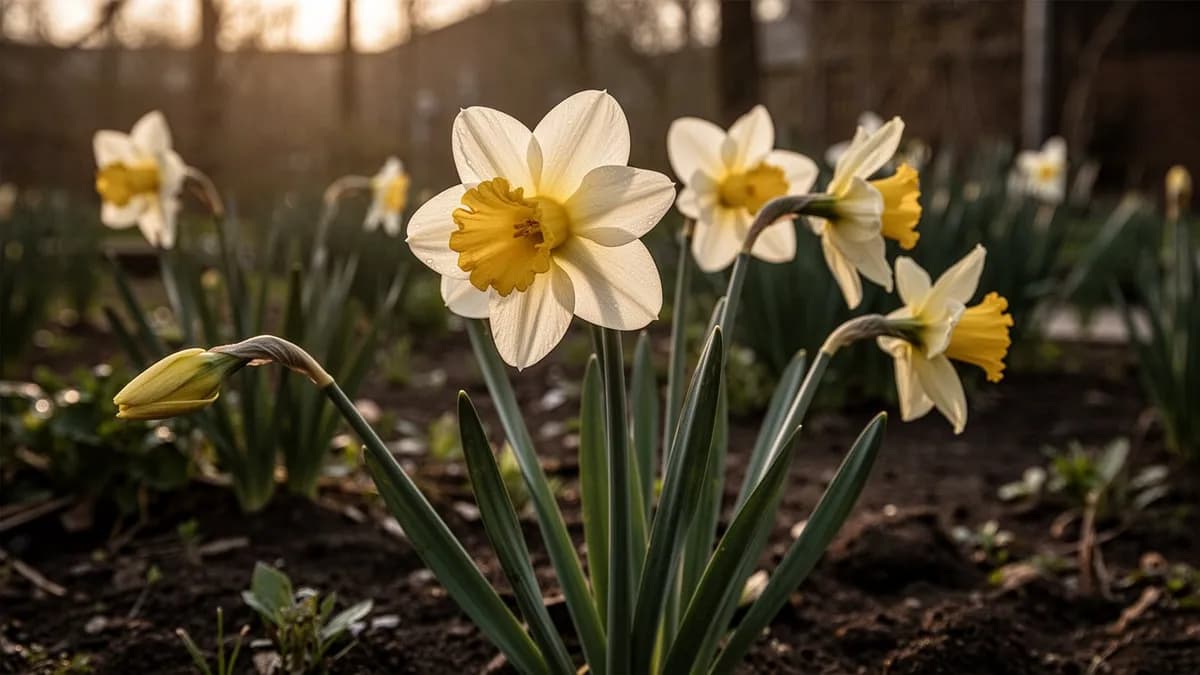
Los arbustos amantes de suelos ácidos como las azaleas, los rododendros y los arándanos son excelentes compañeros bajo los liquidámbares, ya que comparten la preferencia por suelos ácidos. Las plantas perennes tolerantes a la sombra, como hostas, astilbes, heucheras y helechos, prosperan bien bajo la copa. Los bulbos primaverales como los narcisos y los azafranes florecen antes de la brotación y aportan color temprano. Las coberturas vegetales autóctonas como la fresa silvestre y la perdiguera toleran la hojarasca ácida. Evite plantar cerca de aceras donde las cápsulas caídas crean peligros.
Narciso va a su lado. Nogal no.
Saber de huerto de siempre, cotejado con la tabla real de Liquidámbar — prueba cualquier planta que cultives.
Prueba Liquidámbar en un bancal, aquí mismo
Un bancal real del planificador con Liquidámbar ya plantado. Toca una planta compañera para colocarla y mira cómo responde la comprobación de vecinos: verde para buenos vecinos, rojo si hay conflicto.


Guías de cultivo relacionadas
Abónalo bien
Los liquidámbares prefieren suelos húmedos, ligeramente ácidos con un pH de 5.0 a 6.5 y alto contenido en materia orgánica. Toleran suelos arcillosos y condiciones húmedas, pero desarrollan clorosis férrica en suelos alcalinos con un pH superior a 7.0, lo que limita notablemente su rango de plantación. Acidifique los emplazamientos de plantación con azufre si es necesario. Los árboles jóvenes se benefician de un fertilizante equilibrado en primavera. Aplique hierro quelatado si aparecen síntomas de clorosis. Mantenga un mantillo ácido como corteza de pino o pinocha sobre la zona radicular para ayudar a amortiguar el pH del suelo.
Temperatura ideal
Compatibilidad de zonas de rusticidad
De la semilla a la cosecha, etapa por etapa
Germinación de la Semilla
Las semillas de liquidámbar requieren entre 30 y 90 días de estratificación fría antes de germinar. Una vez que las condiciones son favorables en primavera, las semillas brotan y desarrollan su sistema radicular inicial y los cotiledones.
Establecimiento de la Plántula
Las plántulas jóvenes desarrollan sus primeras hojas verdaderas en forma de estrella y comienzan a establecer una raíz pivotante. El crecimiento durante el primer año es típicamente de 30 a 60 centímetros de altura en condiciones favorables.
Fase de Crecimiento Juvenil
Durante los años dos a seis, los liquidámbares crecen vigorosamente a un ritmo de 30 a 60 centímetros al año. El árbol desarrolla un líder central fuerte y comienza a formar su copa piramidal. Las proyecciones corchosas de la corteza pueden empezar a aparecer en las ramas.
Madurez Temprana
Entre los años seis y veinte, el liquidámbar alcanza de 12 a 18 metros de altura y comienza a producir flores y las icónicas cápsulas espinosas de semillas. La copa pasa de una pirámide estrecha a una forma más amplia y redondeada. El color otoñal se intensifica con la edad.
Plena Madurez
Los liquidámbares plenamente maduros alcanzan de 20 a 35 metros de altura con una envergadura de 12 a 20 metros. La corteza profundamente surcada se convierte en un rasgo prominente. El árbol produce abundantes cápsulas espinosas anualmente y proporciona una sombra densa. Los liquidámbares pueden vivir de 150 a 400 años en condiciones óptimas.
Etapa Veterana y Declive
Los liquidámbares muy viejos desarrollan una copa amplia y abierta con una ramificación irregular y llena de carácter. Puede producirse el retroceso de la copa, y el árbol se convierte en un hábitat valioso para la fauna silvestre, con cavidades utilizadas por pájaros carpinteros, búhos y otras especies que anidan en huecos.
Estratifique las semillas en arena húmeda a 1-5 grados Celsius durante al menos 30 días antes de la siembra. Mantenga el suelo consistentemente húmedo pero no encharcado durante la germinación.
Cuidar Liquidámbar mes a mes
Qué hacer cada mes para tu Liquidámbar
Octubre
Mes actualRastrille y composte las hojas caídas, que son excelentes adiciones a las pilas de compost.. Recoja las cápsulas espinosas para proyectos de manualidades o deséchelas para evitar peligros para los pies descalzos en el césped.
Ten claro qué hacer en tu huerto, cada mes
Un correo al empezar cada mes: qué sembrar, plantar y hacer ahora mismo — para tu Liquidámbar y todo lo que crece alrededor. Más un breve curso inicial para esquivar los errores clásicos.
- Qué hacer ahora mismo
- Ajustado a tu temporada
- Curso inicial incluido
Cosechar Liquidámbar
Los liquidámbares no se cultivan con fines alimentarios. Las cápsulas espinosas y esféricas de semillas son el fruto más característico y molesto de cualquier árbol de sombra. Maduran en otoño y persisten en el árbol durante el invierno antes de caer en grandes cantidades. Las bolas pueden recolectarse y utilizarse como material para manualidades, encendedores de fuego o mantillo. La savia resinosa, llamada estoraque, se ha cosechado históricamente de la corteza interior para su uso en perfumería, medicina e incienso. Las atractivas hojas en forma de estrella se emplean en arreglos de flores prensadas.
se supone que plantas al comenzar el periodo — indica tu fecha real
Cosecha Liquidámbar a tiempo y la planta sigue produciendo.
Almacenamiento y conservación
La madera del liquidámbar es una madera dura de valor moderado con un duramen rojizo-marrón denominado redgum y una albura más clara denominada sapgum. La madera se utiliza para muebles, contrachapado y molduras interiores. Se seca lentamente y tiene tendencia a alabearse, lo que requiere un secado cuidadoso en horno. Las bolas de liquidámbar pueden pintarse con aerosol para decoraciones navideñas o usarse como material de drenaje en el fondo de macetas. La resina aromática de la corteza tiene uso histórico como adhesivo y en la medicina tradicional.
Qué falla — y cómo solucionarlo
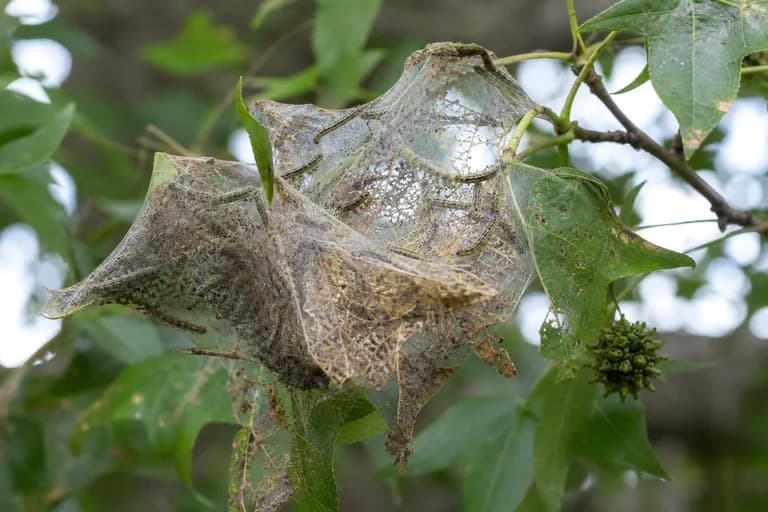
Oruga Tejedora del Liquidámbar
PlagaTelas sedosas que envuelven las puntas de las ramas con orugas alimentándose en su interior. Las hojas dentro de las telas quedan esqueletizadas y pardas. Múltiples generaciones por temporada amplían la cobertura de las telas.
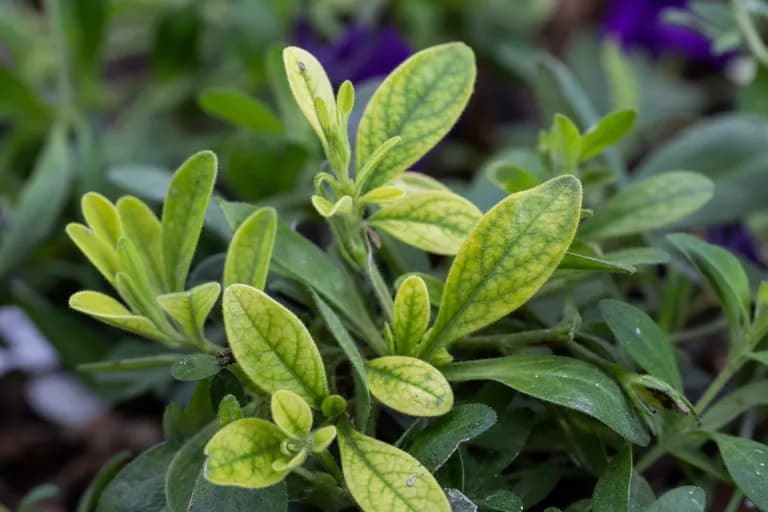
Clorosis Férrica
EnfermedadLas hojas se vuelven amarillas con las nervaduras verdes, especialmente en el follaje más joven. El vigor general del árbol y la tasa de crecimiento disminuyen en suelos alcalinos.
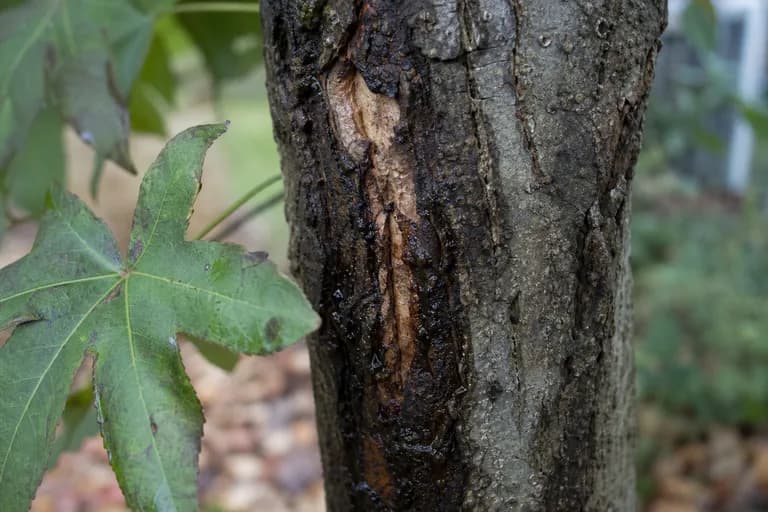
Necrosis Hemorrágica de la Corteza
EnfermedadZonas oscuras y con manchas de fluido en la corteza del tronco que se agrietan y exudan savia oscura. La corteza interior bajo las manchas está muerta y descolorida.
Solución de problemas comunes
Las cápsulas espinosas de semillas son la queja principal, ya que causan riesgo de torceduras de tobillo en los caminos, una limpieza difícil y problemas para los pies descalzos. Elija cultivares estériles para eliminar este problema por completo. La clorosis férrica en suelos alcalinos provoca un follaje enfermizo y amarillento y un crecimiento deficiente. Las raíces superficiales se vuelven prominentes en los árboles maduros, levantando pavimentos y complicando el mantenimiento del césped. Los ejemplares grandes son difíciles de eliminar debido a su extenso sistema radicular. La limpieza de hojas y cápsulas en otoño puede resultar abrumadora.
Consejos de cultivo
- Plante el liquidámbar a plena exposición solar con suelo húmedo y ligeramente ácido para obtener el mejor color otoñal y un crecimiento vigoroso. El árbol tolera diversos tipos de suelo, pero rinde mal en condiciones muy alcalinas.
- Proporcione un espacio amplio en el momento de la plantación, ya que los liquidámbares maduros desarrollan un sistema radicular extenso y una envergadura de copa de 12 a 20 metros. Evite plantar a menos de 10 metros de cimientos, aceras o instalaciones subterráneas.
- Riegue los árboles recién plantados en profundidad una vez por semana durante las dos primeras temporadas de crecimiento para establecer un sistema radicular fuerte. Reduzca la frecuencia de riego a medida que el árbol madura.
- Aplique una capa de 7 a 10 centímetros de mantillo orgánico alrededor de la base, extendiéndola hasta la línea de goteo. Mantenga el mantillo al menos a 15 centímetros del tronco para prevenir la acumulación de humedad y la podredumbre de la corteza.
- Pode solo durante el reposo invernal tardío para mantener un líder central fuerte y eliminar ramas cruzadas o que se rozan. Evite podas severas durante la temporada de crecimiento, ya que el liquidámbar es susceptible a infecciones bacterianas a través de heridas frescas.
- Si la caída de cápsulas espinosas es un problema, seleccione cultivares estériles como Liquidambar styraciflua Rotundiloba, que produce lóbulos foliares redondeados y prácticamente ningún fruto.
- Aplique suplementos de hierro quelatado si las hojas desarrollan clorosis intervenal, lo que indica deficiencia de hierro frecuente en suelos alcalinos con un pH superior a 7.0.
- Proteja los árboles jóvenes del viento fuerte durante los tres primeros años, ya que el sistema radicular superficial puede no anclar el árbol adecuadamente hasta que esté bien establecido.
- Evite compactar el suelo dentro de la línea de goteo de los árboles establecidos, ya que las raíces del liquidámbar son sensibles a la compactación del suelo y pueden producir raíces superficiales que levantan el pavimento como respuesta.
- Considere plantar coberturas vegetales tolerantes a la sombra, como paquísandra o jengibre silvestre, en lugar de césped, ya que la densa sombra y las raíces superficiales del liquidámbar maduro dificultan el mantenimiento del prado bajo la copa.
Cultiva tu mejor Liquidámbar — y todo lo que la rodea.
Empieza un plan gratis hoy. Diseña tus bancales, coloca tu Liquidámbar y deja que PlotMyGarden gestione el momento, el espaciado, las asociaciones y los recordatorios de la semilla a la cesta.
Elige tu Liquidámbar
Rotundiloba
El cultivar estéril de liquidámbar por excelencia, con lóbulos foliares redondeados y sin cápsulas espinosas. Excelente color otoñal en tonos púrpura, rojo y burdeos.
Slender Silhouette
Porte columnar extremadamente estrecho, ideal para espacios reducidos a lo largo de calles y accesos vehiculares. Buen color otoñal y producción mínima de frutos.
Worplesdon
Color otoñal consistente en tonos naranja, amarillo y púrpura con porte piramidal. Produce menos cápsulas espinosas que la especie tipo.
Moraine
Seleccionado por su crecimiento rápido, tronco recto y copa simétrica. Fiable coloración otoñal roja y anaranjada.
Festival
Porte piramidal compacto con colores otoñales pastel en tonos melocotón, rosa y lila claro. Tamaño más moderado que la especie tipo.
Un liquidámbar maduro bien situado puede reducir los costes de refrigeración residencial entre un 20 y un 35 por ciento gracias a la sombra que proporciona, lo que se traduce en un ahorro anual de 150 a 400 dólares en aire acondicionado. El árbol también aumenta el valor de la propiedad en un estimado del 7 al 15 por ciento. Aunque el liquidámbar no es un árbol productor de alimentos, su valor maderero en la madurez puede superar los 500 dólares por árbol, y sus servicios ecológicos —gestión de aguas pluviales, captura de carbono y mejora de la calidad del aire— están valorados en aproximadamente 50 a 100 dólares anuales por árbol según las evaluaciones de arbolado urbano.
Recetas rápidas
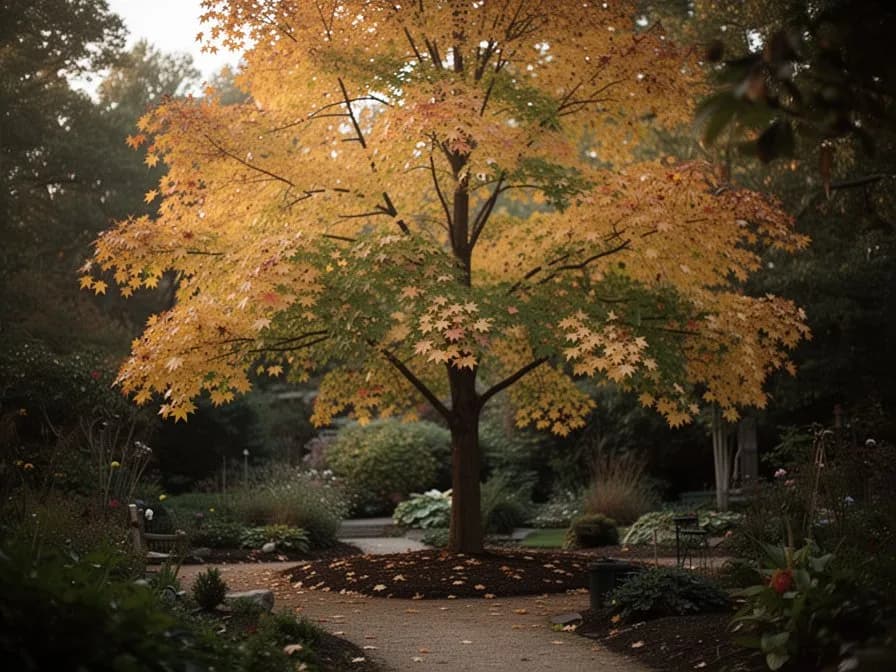
Ungüento Infusionado con Resina de Liquidámbar
45 minutos más 2 semanas de infusiónUn ungüento tópico tradicional elaborado infusionando resina de liquidámbar en un aceite portador y espesándolo con cera de abejas. Utilizado históricamente para irritaciones cutáneas menores, pequeños cortes y como bálsamo pectoral reconfortante durante la temporada de resfriados.
5 ingredientesPopurrí de Hojas de Liquidámbar
30 minutos más 1 semana de secadoUn popurrí aromático otoñal elaborado con hojas secas en forma de estrella del liquidámbar recolectadas en el momento de máximo color. Las hojas naturalmente aromáticas conservan su forma y color al secarse correctamente, creando una exhibición decorativa y ligeramente perfumada de temporada.
5 ingredientesTintura de Liquidámbar para el Bienestar Estacional
20 minutos más 4 a 6 semanas de extracciónUna tintura herbal tradicional elaborada con corteza y resina de liquidámbar, utilizada históricamente por herbolarios como preparación expectorante y de apoyo respiratorio. Consulte a un herbolario cualificado antes de usarla, ya que se trata de una preparación tradicional y no sustituye al consejo médico.
5 ingredientesQué contiene
Beneficios para la salud
- La resina del liquidámbar contiene compuestos con propiedades antimicrobianas demostradas y se ha utilizado tradicionalmente como antiséptico para heridas menores e infecciones cutáneas.
- La corteza y las hojas son una fuente natural de ácido shikímico, un precursor clave en la producción farmacéutica de oseltamivir (Tamiflu), un importante medicamento antiviral.
- Los herbolarios tradicionales han utilizado durante mucho tiempo el bálsamo de liquidámbar como expectorante para ayudar a aliviar la congestión y favorecer la salud respiratoria durante la temporada de resfriados y gripe.
- La densa copa del árbol proporciona una sombra significativa, reduciendo los efectos de isla de calor urbana y disminuyendo las temperaturas ambientales entre 3 y 5 grados Celsius bajo su dosel.
- Los liquidámbares son eficaces filtrando partículas en suspensión y absorbiendo contaminantes urbanos comunes como el ozono, el dióxido de azufre y los óxidos de nitrógeno.
- Pasar tiempo junto a grandes árboles de sombra como el liquidámbar se ha asociado con niveles reducidos de cortisol y una mejora del bienestar mental en estudios de investigación sobre arbolado urbano.
De dónde viene Liquidámbar
El liquidámbar americano (Liquidambar styraciflua) es nativo de las regiones templadas cálidas y subtropicales del este de Norteamérica, extendiéndose desde el sur de Connecticut y Nueva York hacia el sur a través de los estados del Golfo de México y hasta las tierras altas de México y Centroamérica, llegando al sur hasta Nicaragua. El árbol prospera en bosques de tierras bajas, llanuras aluviales y terrenos húmedos de altura, creciendo a menudo junto a robles, nogales americanos y tuliperos en bosques mixtos de madera dura.
Los exploradores españoles encontraron por primera vez el liquidámbar a principios del siglo XVI en México, donde los pueblos indígenas llevaban mucho tiempo cosechando su resina aromática para fines ceremoniales y medicinales. Los aztecas llamaban a la resina xochiocotzoquahuitl y la usaban para tratar una amplia variedad de dolencias, desde afecciones cutáneas hasta problemas respiratorios. El naturalista español Francisco Hernández documentó el árbol en sus estudios botánicos de la Nueva España durante la década de 1570.
La especie fue introducida formalmente en la horticultura europea en 1681, cuando el misionero inglés John Banister envió especímenes al obispo Henry Compton en el Palacio de Fulham en Londres. El árbol ganó rápidamente popularidad como ornamental en toda Europa por su llamativo color otoñal y su follaje distintivo. El botánico sueco Carlos Linneo nombró oficialmente la especie Liquidambar styraciflua en 1753, combinando las palabras latinas para ámbar líquido con una referencia al bálsamo similar al estírax que produce.
En Norteamérica, el liquidámbar ha desempeñado un papel importante tanto en la industria maderera como en la medicina popular. La madera adquirió importancia comercial en el siglo XIX para la fabricación de muebles y la producción de chapas. Hoy en día, el liquidámbar sigue siendo uno de los árboles ornamentales de sombra más ampliamente plantados en las regiones templadas de todo el mundo, con más de cincuenta cultivares seleccionados por su color otoñal mejorado, hábito estéril, porte columnar y follaje variegado.
Liquidámbar: ¿sabías que?
Datos fascinantes sobre Liquidámbar
El nombre Liquidambar significa literalmente ámbar líquido, en referencia a la resina fragante o estoraque que exuda la corteza al ser herida. Esta resina se ha utilizado en perfumería, medicina y chicle durante siglos.
Liquidámbar: preguntas frecuentes
¿Cuándo debo plantar Liquidámbar?
¿Cuáles son buenas plantas acompañantes para Liquidámbar?
¿En qué zonas de rusticidad puede crecer Liquidámbar?
¿Cuánto sol necesita Liquidámbar?
¿A qué distancia debo espaciar Liquidámbar?
¿Qué plagas y enfermedades afectan a Liquidámbar?
¿Cómo almaceno Liquidámbar después de la cosecha?
¿Cuáles son las mejores variedades de Liquidámbar para cultivar?
¿Qué suelo necesita Liquidámbar?
¿Cómo puedo evitar que mi liquidámbar produzca esas cápsulas espinosas?
¿Por qué las hojas de mi liquidámbar se vuelven amarillas en verano en lugar de en otoño?
¿Son invasivas las raíces del liquidámbar y dañarán mis cimientos o tuberías?
¿Qué tan rápido crecen los liquidámbares y qué tamaño alcanzan?
¿Puedo usar las cápsulas espinosas o la resina del liquidámbar para algo útil?
¿Cuál es la mejor época del año para plantar un liquidámbar?
Acabas de leer la teoría. Ahora cultívala en piloto automático.
Todo lo que hace que Liquidámbar sea delicado — el momento, el espaciado, las asociaciones, la ventana de cosecha — es justo lo que PlotMyGarden resuelve por ti, para cada planta de tu huerto.
Un plan que conoce tu clima
Indica tu ubicación una vez. Recibe fechas de siembra, abonado y cosecha basadas en tu última helada real y el pronóstico en vivo — sin adivinar con un sobre genérico.
De la sección “Cuándo plantar”Planificador de bancales de arrastrar y soltar
Diseña bancales sobre una cuadrícula. Cada planta encaja con su espaciado correcto y ves toda la temporada antes de gastar un céntimo en semillas.
De la sección “Cultivo”Conflictos de asociación, detectados a tiempo
Más de 200 buenas y malas combinaciones comprobadas en vivo mientras plantas — para que un error que arruine la temporada nunca llegue a la tierra.
De la sección “Asociaciones”Recordatorios que sí vas a seguir
“Riega las judías.” “Recoge hoy antes de que se pase.” Oportunos, concretos y ligados a las plantas que de verdad cultivas.
De la sección “Cosecha”Escalonado, programado
¿Quieres cosechar seis semanas en vez de seis días? Reparte tus siembras automáticamente y te avisa cuando toca el siguiente lote.
De la sección “Cuándo plantar”Un registro que se vuelve más listo
Cada cosecha que registras le enseña tu huerto. El plan del año que viene parte de lo que de verdad funcionó en tu suelo, no en un manual.
De la sección “Resumen”Planta estos junto a Liquidámbar
Más Árboles de sombra
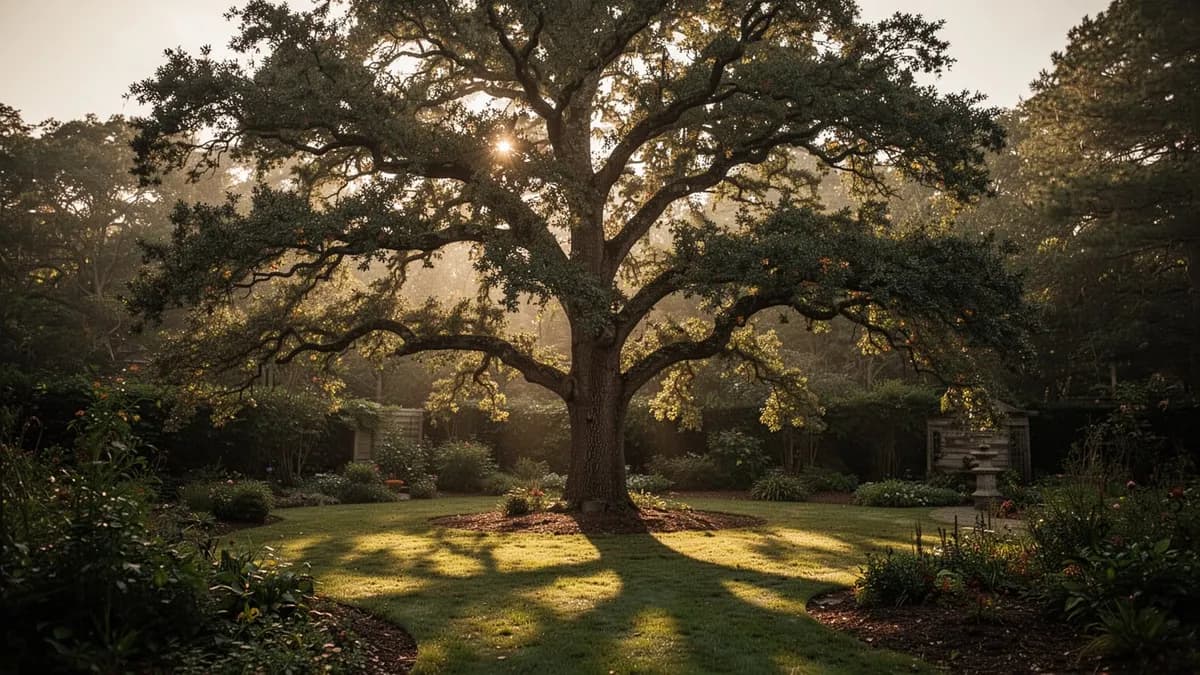
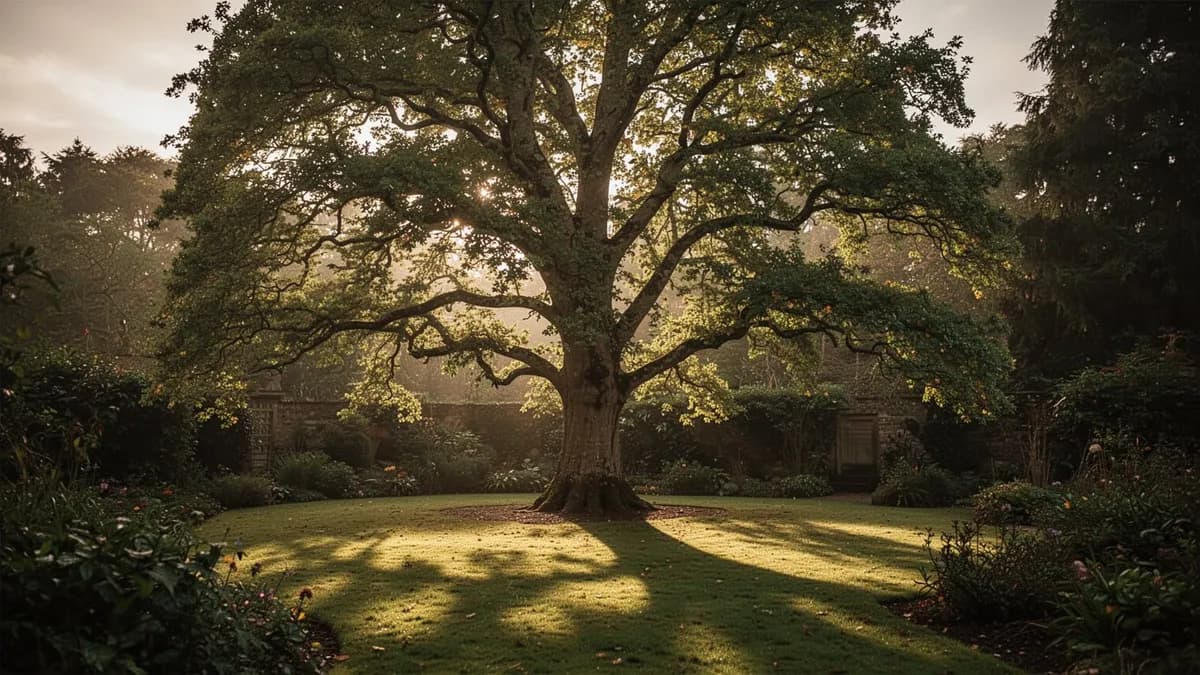
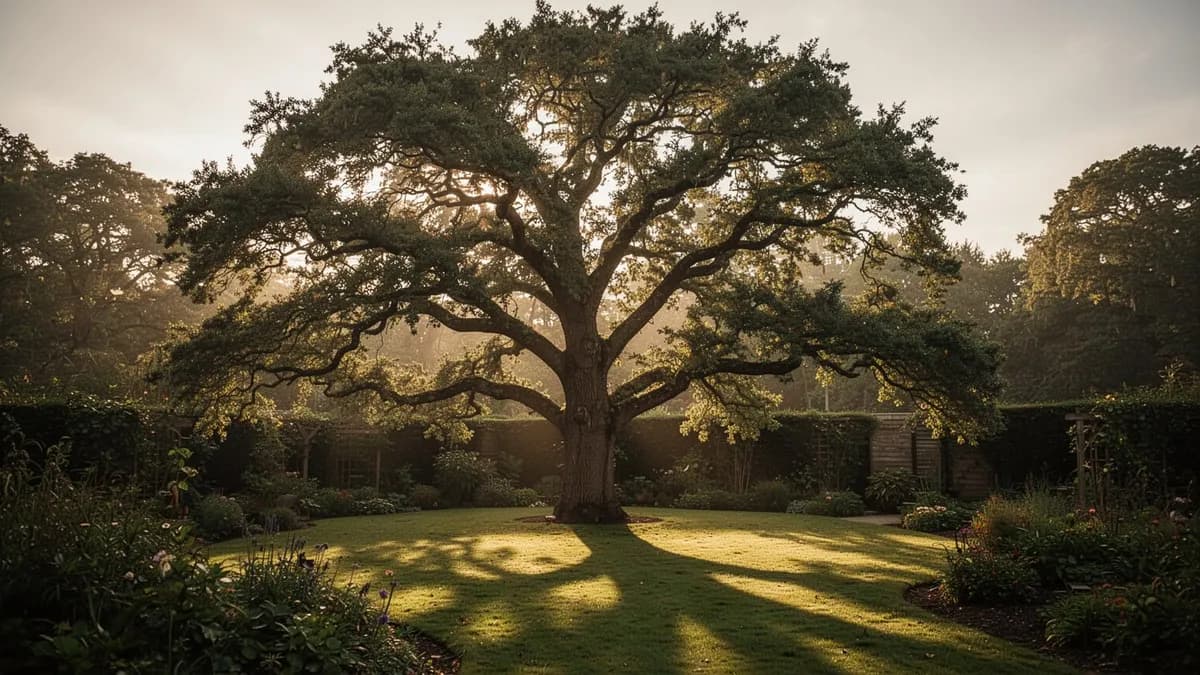
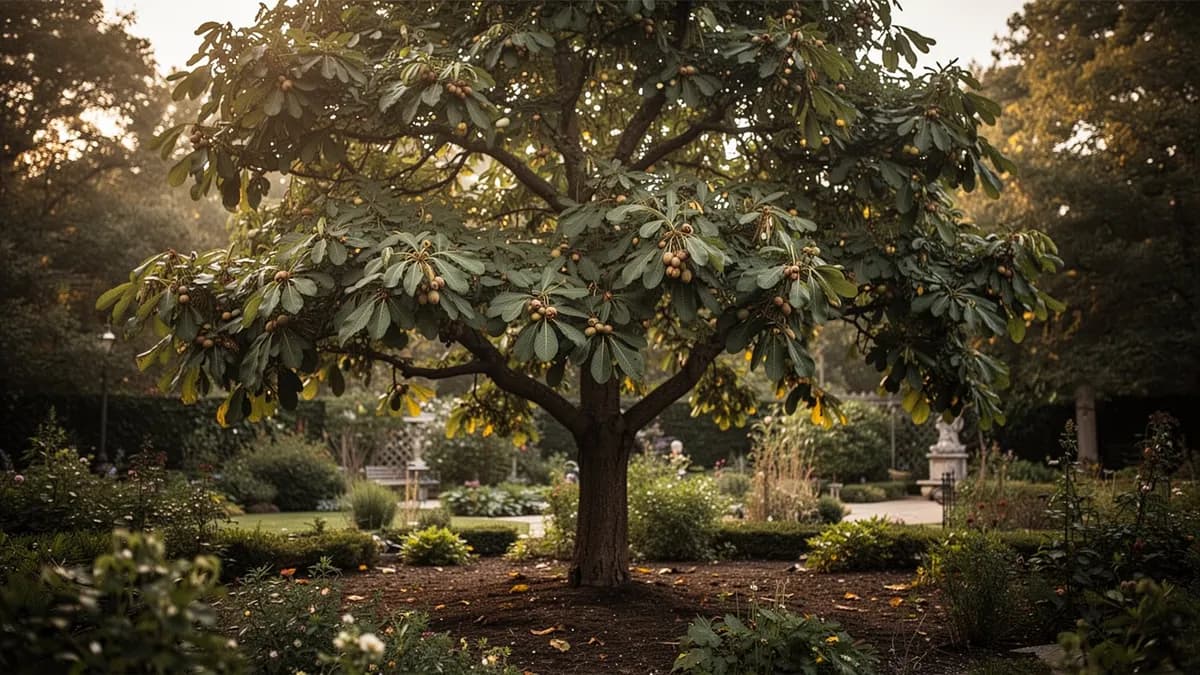
Mantén Liquidámbar lejos de estos
Cultiva tu mejor Liquidámbar — y todo lo que la rodea.
Empieza un plan gratis hoy. Diseña tus bancales, coloca tu Liquidámbar y deja que PlotMyGarden gestione el momento, el espaciado, las asociaciones y los recordatorios de la semilla a la cesta.