Purple Sweet Potato
A vividly purple-fleshed sweet potato loaded with anthocyanins and antioxidants that retains its striking color when cooked.





On this pageOverview
Meet Purple Sweet Potato
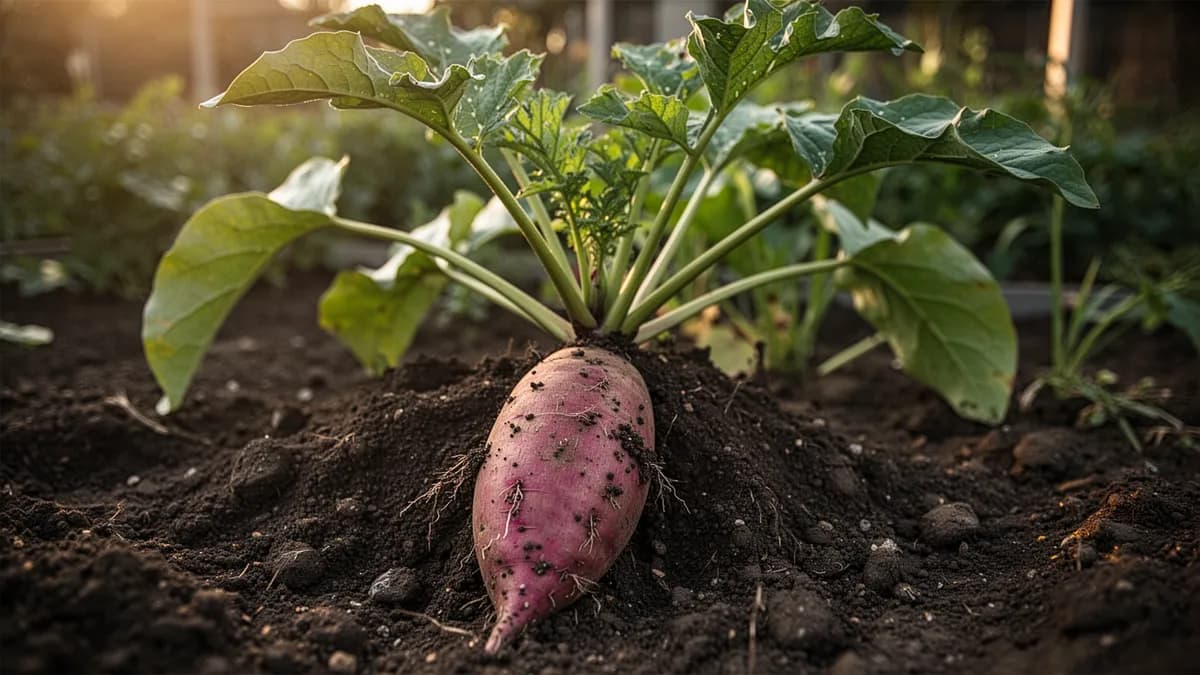
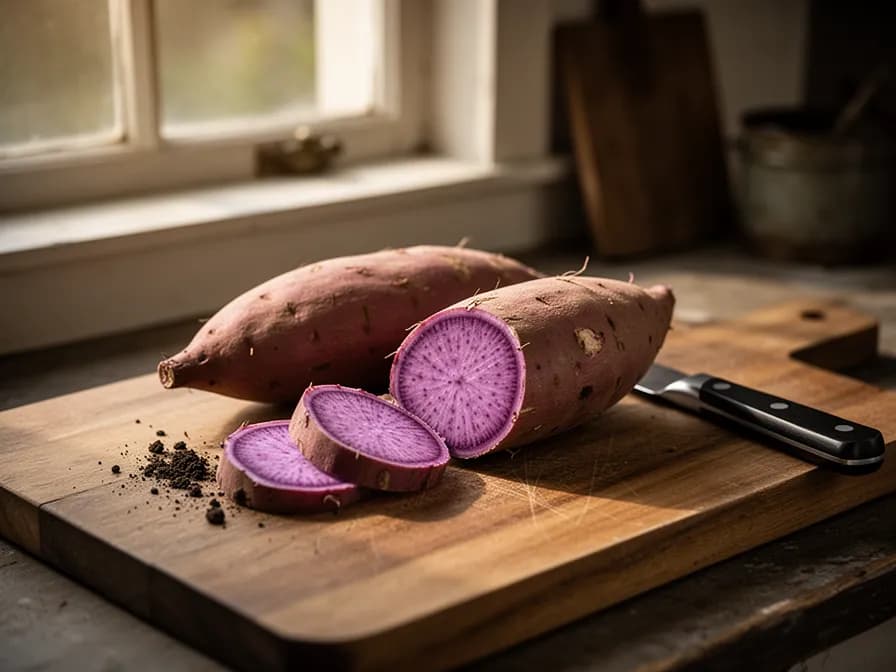
A vividly purple-fleshed sweet potato loaded with anthocyanins and antioxidants that retains its striking color when cooked. The flavor is mildly sweet with a wine-like depth, and the flesh has a drier, starchier texture than orange varieties. Purple sweet potatoes are visually spectacular in baked goods, desserts, and pureed soups, adding natural color without artificial dyes. Grow from slips in well-drained, warm soil and cure after harvest for the best storage and flavor development.
When to plant Purple Sweet Potato
Grow from slips started 8-12 weeks before outdoor planting. Suspend a tuber in water or bury in warm potting mix to sprout slips. Slips are ready when they have 4-6 leaves and developed roots. Purchase certified disease-free slips for best results. Plant only when soil is consistently warm (65°F+). Purple varieties may be slower to produce slips than orange types.
Your Purple Sweet Potato Year
Composed for Zone 7 · typical seasons · frost passes Apr 2, returns Nov 1
Plant Purple Sweet Potato May – Jun, pick Sep – Nov. Check the planting methods below and set your climate to personalize these windows.
How to grow Purple Sweet Potato
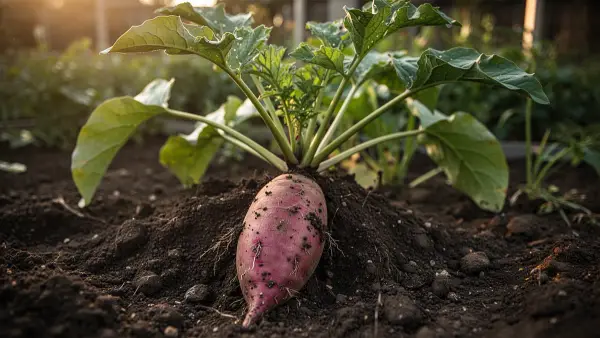
Plant purple sweet potato slips 2-4 weeks after last frost when soil reaches 65°F. Space 12-18 inches apart on raised mounds 36-48 inches apart. Bury slips leaving only top leaves exposed. Water well initially, then reduce to moderate once established.
Purple sweet potatoes need a long warm season of 100-120 days. They grow best in hot conditions above 75°F with full sun. The vibrant purple flesh is rich in anthocyanins and develops best with consistent warmth. Use black plastic mulch in short-season areas to maximize soil warmth.
Harvest before first frost as cold damages tubers. The purple color is maintained through cooking, making these varieties visually striking in many dishes. Cure at 80-85°F for 10-14 days after harvest to develop sweetness and heal wounds.
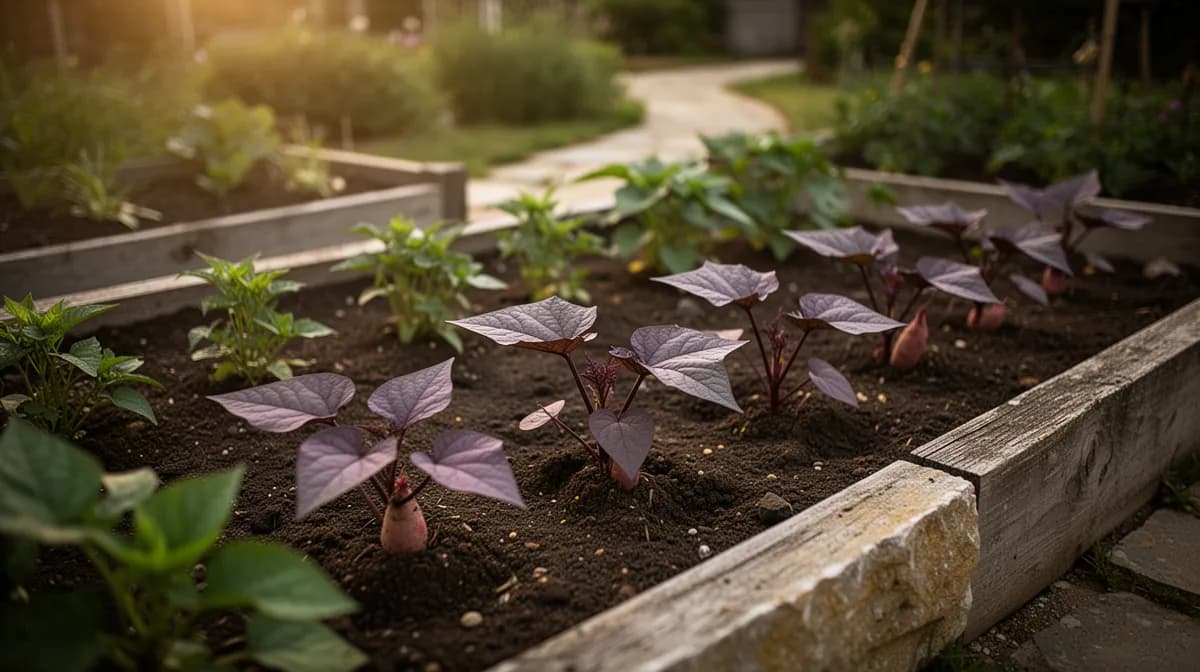
18 plants fit a 4 × 8 ft bed
Each Purple Sweet Potato wants 40 cm of elbow room. The planner keeps that spacing for you — every plant, every bed.
Purple Sweet Potato's best neighbours
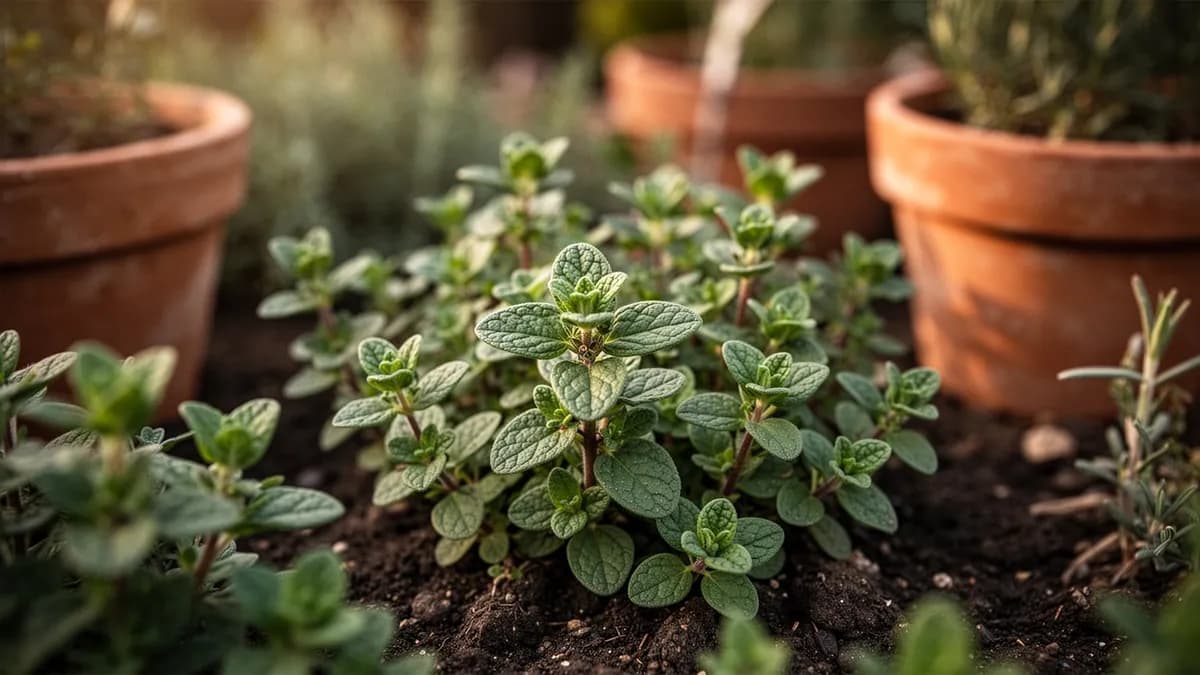
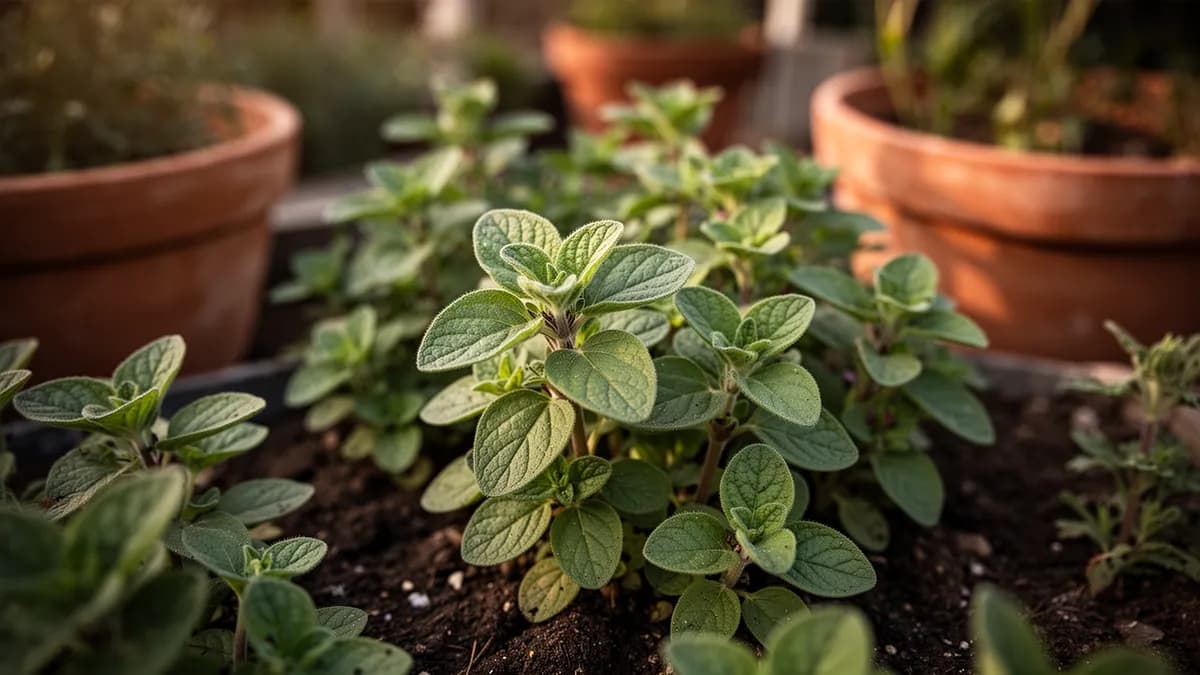
Purple sweet potatoes share the same companion planting preferences as other sweet potatoes. Plant with corn, beans, and herbs. The spreading vines suppress weeds as a living mulch. Give adequate space as vines spread widely. Avoid other root crops in close proximity.
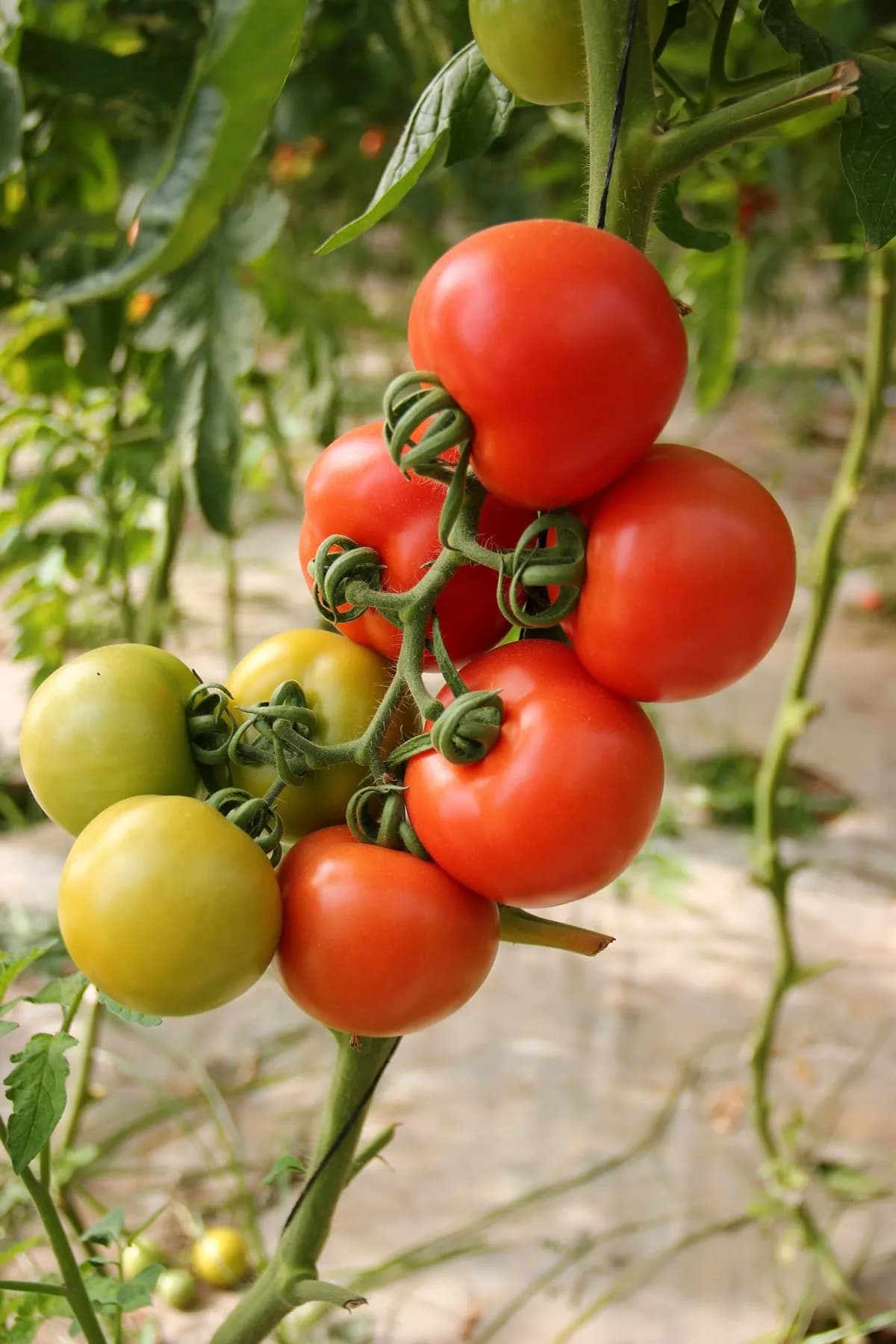
Thyme belongs beside it. Tomato doesn't.
Old growers' knowledge, checked against Purple Sweet Potato's real companion table below — test any plant you're growing.
Try Purple Sweet Potato in a bed — right here
A real planner bed with Purple Sweet Potato already in it. Tap a companion to place it and watch the pairing checks answer — green for good neighbours, red for a clash.


Related growing guides
Feed it well
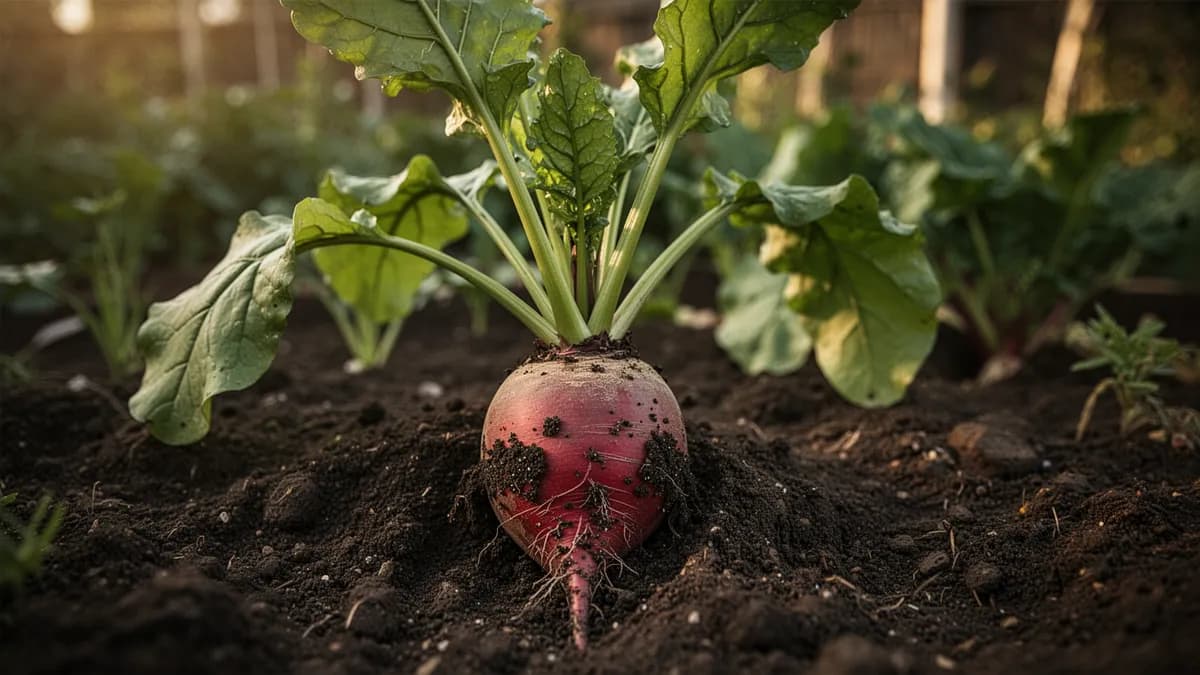
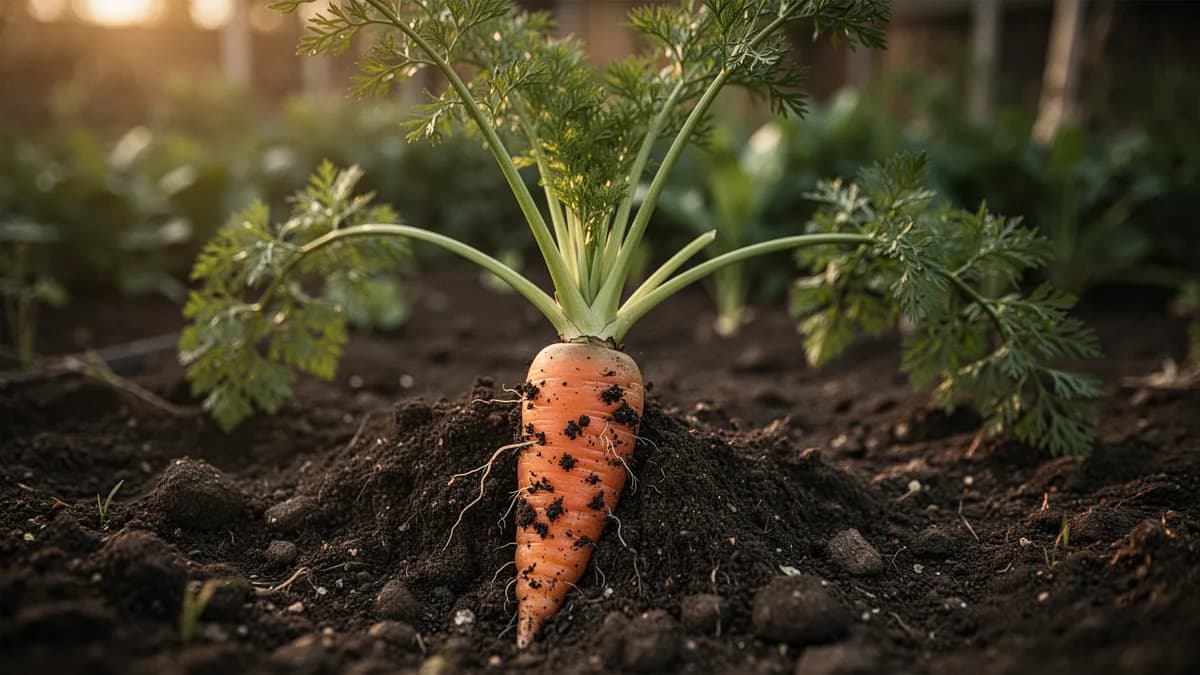
Purple sweet potatoes need loose, well-drained, sandy soil with a pH of 5.8-6.2. Build raised mounds for best drainage and warmth. Low-nitrogen fertilizer at planting; excess nitrogen promotes vine growth over tubers. Potassium and phosphorus support tuber development and anthocyanin production. Avoid heavy clay soil. Sandy loam is ideal.
Ideal Temperature
Hardiness Zone Compatibility
From seed to harvest, stage by stage
Slip Production
Slips are produced by suspending a whole purple sweet potato in water or burying it halfway in warm potting mix at 75-80°F. Sprouts emerge from the eyes within 2-3 weeks, growing into leafy shoots with small root nubs at the base. Each tuber can produce 10-15 slips.
Transplanting
Separated slips are planted in prepared mounds of warm soil (65°F minimum), buried up to the top set of leaves. Roots establish quickly in warm, loose soil. The plants may wilt initially but recover within a few days as roots take hold.
Vine Growth
Vigorous trailing vines spread rapidly, forming a dense mat of heart-shaped leaves that acts as a living mulch. The above-ground growth is fueling root development below. Vines can extend 6-10 feet from the plant center during this period.
Tuber Bulking
The swollen storage roots enlarge rapidly underground as the plant converts sugars into starch. Purple pigmentation (anthocyanins) intensifies in the flesh during this critical stage. Tuber size can double in the final three weeks before harvest.
Harvest and Curing
Tubers are dug carefully before the first frost using a garden fork. Freshly harvested purple sweet potatoes are starchy and not yet sweet. A 10-14 day curing period at 80-85°F with high humidity converts starches to sugars, heals skin wounds, and dramatically improves flavor and storage life.
Keep the sprouting tuber in a warm, bright location. Change water every few days if using the water method. Slips are ready to separate when they have 4-6 leaves and visible roots.
Caring for Purple Sweet Potato month by month
What to do each month for your Purple Sweet Potato
October
You are herePrimary harvest month. Dig tubers carefully with a garden fork before the first hard frost — cold-damaged tubers rot quickly in storage. Handle gently as purple flesh bruises easily. Begin curing immediately at 80-85°F with high humidity for 10-14 days.
Know exactly what to do in your garden — every month
One email at the start of each month: what to sow, plant, and tackle right now — for your Purple Sweet Potato and everything growing around it. Plus a short starter course that helps you dodge the classic mistakes.
- What to do, right now
- Matched to your season
- Starter course included
Harvesting Purple Sweet Potato
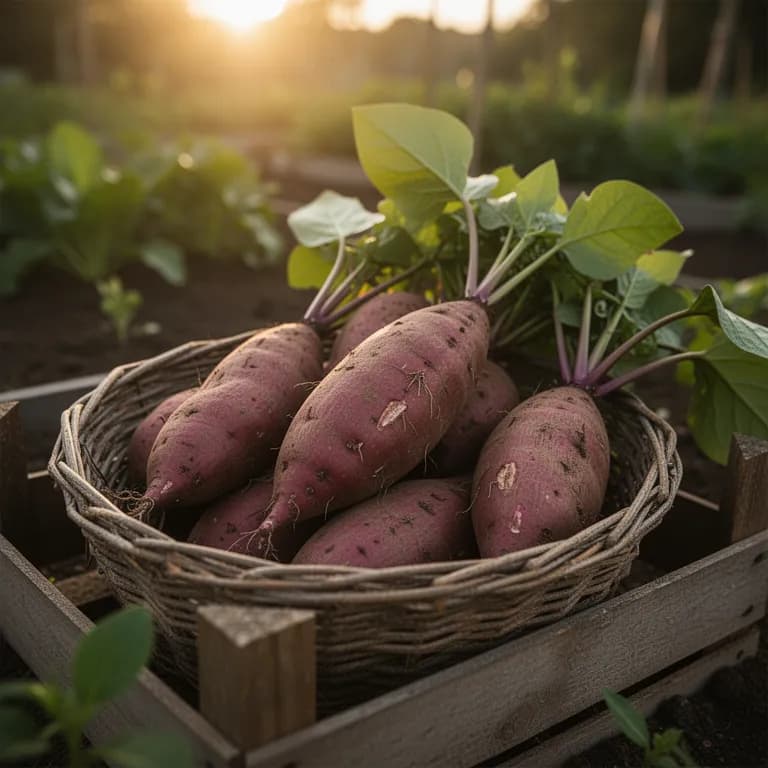
Harvest purple sweet potatoes 100-120 days after planting, before first frost. Dig carefully with a garden fork. The tubers bruise easily and damage is more visible on the dark flesh. Cure at 80-85°F with high humidity for 10-14 days. Purple varieties may take slightly longer to develop full sweetness compared to orange types. The vibrant purple color is present from harvest.
assuming you plant when the window opens — set your real date
Pick Purple Sweet Potato promptly and the plant keeps producing.
Storage & Preservation
After curing, store at 55-60°F in a dry location for up to 5 months. Never refrigerate. Purple sweet potatoes maintain their vivid color through baking, boiling, and freezing. Puree and freeze for smoothies and baking. Dehydrate for purple sweet potato chips. The anthocyanins that create the purple color are stable antioxidants that persist through most cooking methods.
What goes wrong — and the fix
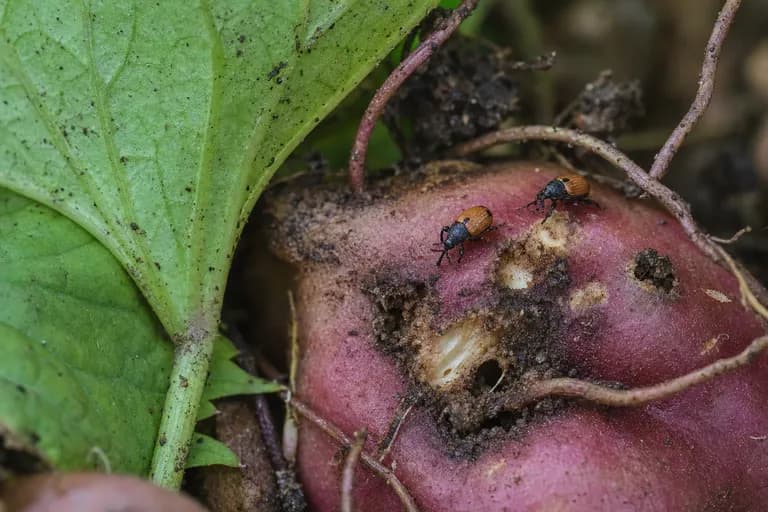
Sweet Potato Weevil
PestSmall holes and tunneling in tubers, blue-black snout beetles on vines.
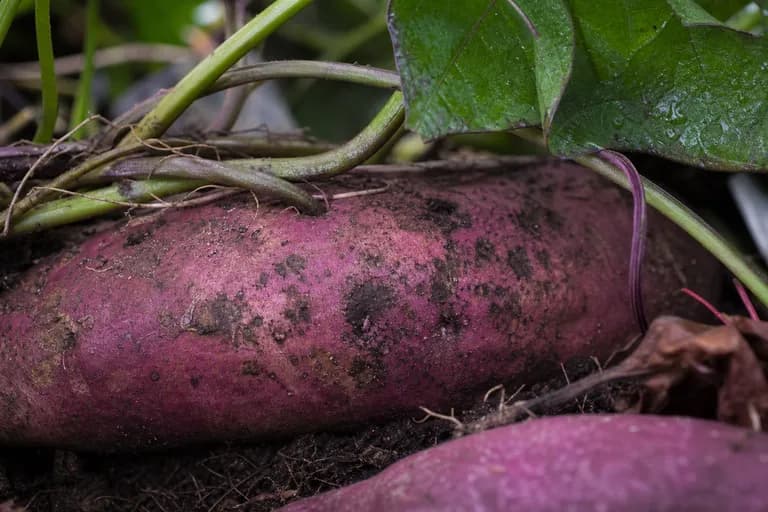
Scurf
DiseaseDark brown discoloration on tuber skin, cosmetic damage that does not affect flesh.
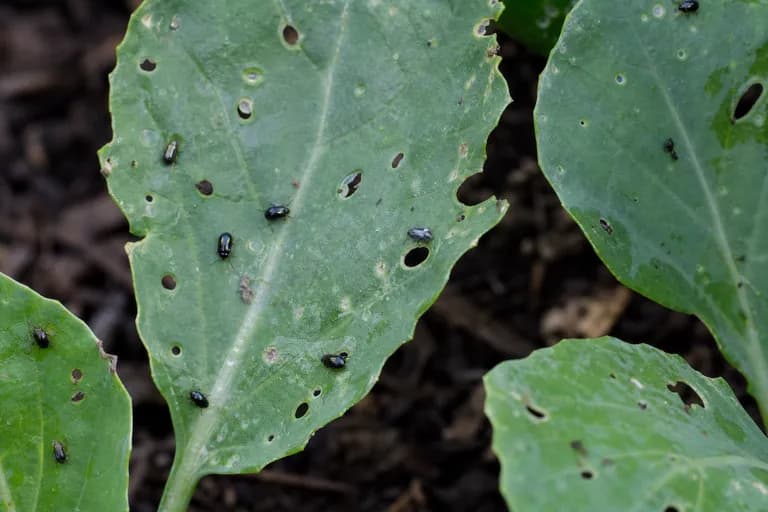
Flea Beetles
PestSmall holes in leaves, especially on young transplants.
Troubleshooting Common Problems
Longer maturity time than orange varieties makes them challenging in short-season areas. Use season extension techniques. Lower yields than standard sweet potatoes in some conditions. The dry texture is different from moist orange types. Purple flesh can bleed color into cooking water; use this as a feature in vibrant dishes. Cold damage from late-season frosts ruins tubers.
Growing Tips
- Start with certified disease-free slips from a reputable supplier rather than grocery store tubers, which may carry viruses or have been treated with sprout inhibitors that prevent successful slip production.
- Build raised mounds 8-12 inches high for planting — this ensures the excellent drainage purple sweet potatoes demand and keeps the root zone warmer. Sandy loam soil amended with compost is the ideal growing medium.
- Use black plastic mulch in regions with shorter growing seasons (zones 5-8). The plastic raises soil temperature by 5-10°F, which can mean the difference between a successful harvest and undersized tubers in marginal climates.
- Never fertilize sweet potatoes with high-nitrogen fertilizers after planting. Excess nitrogen produces luxuriant vine growth at the expense of tuber development — the most common mistake new growers make. Use a low-nitrogen, high-potassium formula like 5-10-10 at planting only.
- Do not lift or rearrange the vines once they begin spreading. Sweet potato vines root at the nodes where they contact soil, and these secondary root points contribute to tuber formation. Disturbing them breaks these connections and reduces yield.
- Water consistently but moderately during the growing season, and reduce watering in the final 3-4 weeks before harvest. Excess moisture late in the season causes tuber cracking, internal rot, and poor storage quality.
- Harvest before the first frost without exception — even a light frost that kills the vines can send decay signals down to the tubers, causing them to deteriorate rapidly in storage. Monitor weather forecasts closely in autumn.
- Never skip the curing step. Freshly dug purple sweet potatoes are starchy and bland. Curing at 80-85°F with 85-90% humidity for 10-14 days converts starches to sugars, heals harvest wounds, and extends storage life from weeks to months.
Grow your best Purple Sweet Potato yet — and everything around it.
Start a free plan today. Lay out your beds, drop in your Purple Sweet Potato, and let PlotMyGarden handle the timing, spacing, companions and reminders from seed to harvest basket.
Pick your Purple Sweet Potato
Stokes Purple
Deep purple flesh throughout with concentrated anthocyanin content. Sweet flavor with wine-like notes.
Okinawan
Hawaiian favorite with purple flesh and beige skin. Drier texture with sweet, slightly nutty flavor.
All Purple
Purple skin and purple flesh with very high antioxidant levels. Vigorous vine growth.
Purple sweet potatoes are among the most expensive specialty produce items, selling for $3-6 per pound at grocery stores and farmers markets compared to $1-2 per pound for conventional orange sweet potatoes. A single slip costing $2-4 can produce 3-7 lbs of tubers worth $9-42 at retail prices. Growing just 6-10 plants can yield 20-60 lbs of purple sweet potatoes worth $60-360 — a remarkable return on a minimal investment. The premium price of purple sweet potatoes reflects both limited commercial production and growing consumer demand for their antioxidant benefits and visual appeal.
Quick recipes
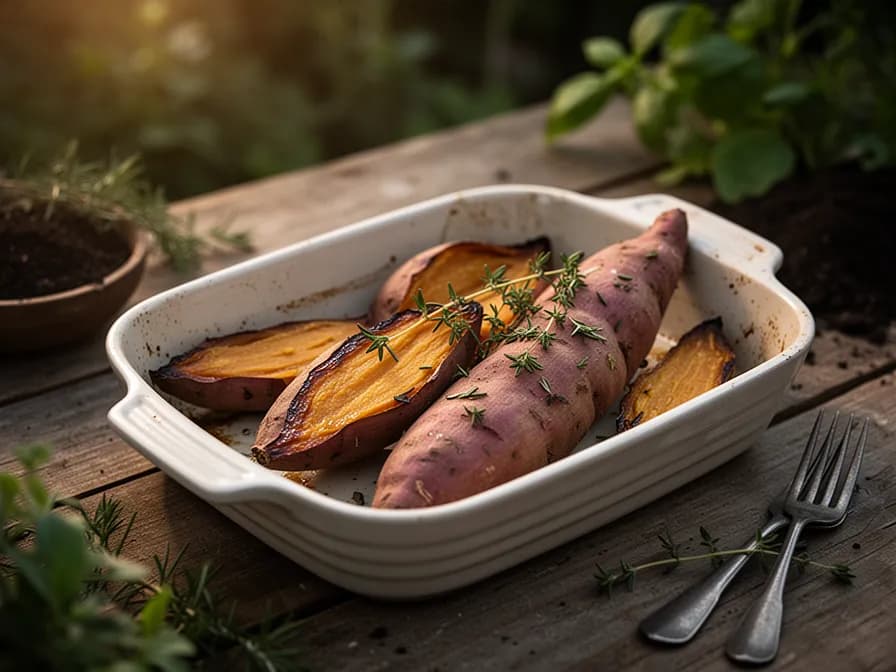
Purple Sweet Potato Mash
30 minA showstopping side dish with an electric purple color that looks almost too vivid to be natural. The drier texture of purple sweet potatoes creates a dense, velvety mash that pairs beautifully with butter and a hint of coconut milk.
6 ingredientsRoasted Purple Sweet Potato Wedges
40 minCrispy on the outside, creamy purple on the inside — these roasted wedges caramelize beautifully and make a striking appetizer or side dish. The natural sugars developed during curing create golden edges while the interior stays brilliantly purple.
7 ingredientsPurple Sweet Potato Smoothie Bowl
10 minA naturally vibrant purple breakfast bowl using cooked purple sweet potato as the base instead of artificial colorings. The starchy, mildly sweet flesh blends into a thick, spoonable base that holds toppings beautifully.
5 ingredientsCulinary Uses
Purple sweet potatoes add stunning color to any dish. Bake whole and serve split with butter. Make vibrant purple mashed sweet potatoes. Use in smoothie bowls for natural purple color. Bake into purple sweet potato pie or bread. Fry as colorful chips. The color holds through cooking, making these ideal for visually dramatic presentations. Popular in Hawaiian and Okinawan cuisine.
What's inside
Health Benefits
- Purple sweet potatoes contain exceptionally high concentrations of anthocyanins — the same class of antioxidants found in blueberries, acai, and red wine — which have been shown to reduce inflammation, protect against oxidative stress, and support cardiovascular health.
- Studies suggest that the anthocyanins in purple sweet potatoes may improve cognitive function and protect against age-related neurological decline by reducing oxidative damage in brain tissue and improving blood flow to the brain.
- The complex carbohydrates in purple sweet potatoes have a lower glycemic index than orange varieties (approximately 50-55 vs. 60-70), resulting in slower, more sustained blood sugar release — beneficial for blood sugar management and sustained energy.
- Rich in dietary fiber that supports gut health by acting as a prebiotic, feeding beneficial Bifidobacterium and Lactobacillus species in the intestinal microbiome and promoting healthy digestion.
- Contains significant amounts of vitamin B6, which plays essential roles in neurotransmitter synthesis (including serotonin and dopamine), immune function, and the metabolism of proteins and carbohydrates.
- The anti-inflammatory compounds in purple sweet potatoes, including caffeic acid and chlorogenic acid in addition to anthocyanins, may help reduce the risk of chronic diseases including certain cancers, heart disease, and metabolic syndrome.
Where Purple Sweet Potato comes from
The sweet potato (Ipomoea batatas) was domesticated in Central or South America at least 5,000 years ago, with the oldest archaeological evidence found in Peruvian caves dating to around 8000 BCE. Purple-fleshed varieties have been cultivated for centuries in the Pacific Islands and East Asia, where they arrived via Polynesian seafarers and Spanish and Portuguese traders during the 16th and 17th centuries. The Okinawan purple sweet potato, brought to the Ryukyu Islands from China around 1605, became a dietary staple that sustained the population through famines and is now linked to the region's extraordinary longevity.
In the Philippines, purple sweet potatoes (known as 'ube') are central to traditional cuisine and celebrations, particularly in desserts like ube halaya and halo-halo. Hawaiian cuisine features the Okinawan sweet potato prominently, introduced by Japanese immigrants in the late 1800s. In mainland North America, purple sweet potatoes remained relatively obscure until the early 2000s, when the Stokes Purple variety was commercially developed in North Carolina and nutritional research highlighted the exceptional anthocyanin content of purple-fleshed cultivars. Today, purple sweet potatoes are experiencing a surge in global popularity driven by both their visual drama and their status as a functional food rich in antioxidants.
Purple Sweet Potato: did you know?
Fascinating facts about Purple Sweet Potato
Purple sweet potatoes contain anthocyanins at concentrations rivaling blueberries — a single medium tuber can provide as much anthocyanin as a full cup of blueberries, making them one of the most antioxidant-rich root vegetables in the world.
Purple Sweet Potato questions, answered
When should I plant Purple Sweet Potato?
What are good companion plants for Purple Sweet Potato?
What hardiness zones can Purple Sweet Potato grow in?
How much sun does Purple Sweet Potato need?
How far apart should I space Purple Sweet Potato?
What pests and diseases affect Purple Sweet Potato?
How do I store Purple Sweet Potato after harvest?
What are the best Purple Sweet Potato varieties to grow?
What soil does Purple Sweet Potato need?
Why are purple sweet potatoes more expensive than orange ones?
Will the purple color bleed into everything I cook?
Can I grow purple sweet potatoes in a cooler climate (zones 5-7)?
What is the difference between ube and purple sweet potato?
How do I cure purple sweet potatoes and why is it necessary?
Are purple sweet potato leaves edible like regular sweet potato greens?
You just read the theory. Now grow it on autopilot.
Everything that makes Purple Sweet Potato fiddly — the timing, the spacing, the companions, the harvest window — is exactly what PlotMyGarden handles for you, for every plant in your garden.
A plan that knows your weather
Set your location once. Get sow, feed and harvest dates built around your real last-frost date and live forecast — no more guessing from a generic seed packet.
From the “When to plant” sectionDrag-and-drop bed planner
Design beds on a grid. Every plant snaps to its proper spacing, and you can see your whole season laid out before you spend a cent on seed.
From the “Growing guide” sectionCompanion conflicts, caught early
200+ good-and-bad pairings checked live as you plant — so a season-wrecking mistake never makes it into the ground.
From the “Companions” sectionReminders you'll actually act on
“Water the beans.” “Pick today before it turns.” Timely, specific, and tied to the plants you're really growing.
From the “Harvest” sectionSuccession, scheduled
Want a harvest for six weeks, not six days? It spaces your sowings automatically and reminds you when each new block is due.
From the “When to plant” sectionA record that gets smarter
Every harvest you log teaches it your garden. Next year's plan starts from what actually worked in your soil, not a textbook's.
From the “Overview” sectionPlant these alongside Purple Sweet Potato
More Root Vegetables
Keep Purple Sweet Potato away from these
Grow your best Purple Sweet Potato yet — and everything around it.
Start a free plan today. Lay out your beds, drop in your Purple Sweet Potato, and let PlotMyGarden handle the timing, spacing, companions and reminders from seed to harvest basket.