Beauregard Sweet Potato
The most widely grown sweet potato variety in the United States, producing copper-skinned, deep orange-fleshed roots with excellent yield reliability.





On this pageOverview
Meet Beauregard Sweet Potato
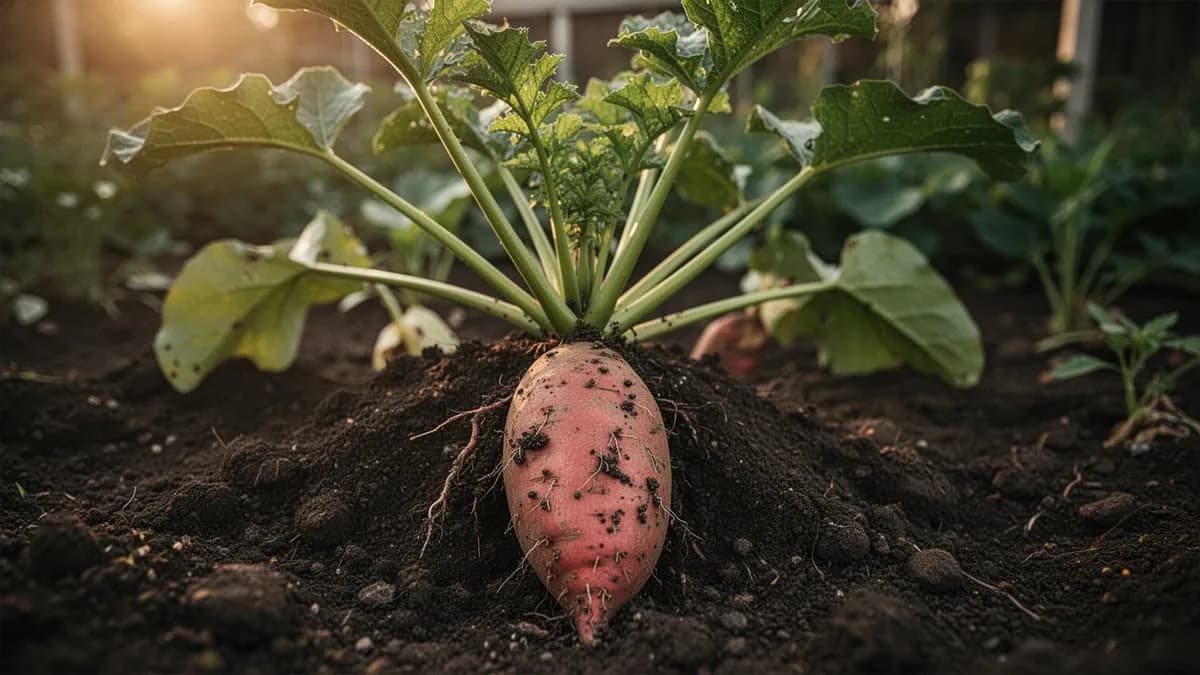
The most widely grown sweet potato variety in the United States, producing copper-skinned, deep orange-fleshed roots with excellent yield reliability. Developed by Louisiana State University, Beauregard is disease-resistant and matures faster than many heritage varieties. Plant slips after soil temperatures reach 65 degrees and avoid overwatering once vines are established. Cure harvested roots in a warm, humid area for 10 days before storage to develop maximum sweetness.
When to plant Beauregard Sweet Potato
Sweet potatoes are grown from slips, not seeds. To produce your own slips, place a healthy sweet potato halfway submerged in a jar of water about eight weeks before the last frost date. Keep in a warm, bright location. Sprouts emerge in two to four weeks. When sprouts are six inches long, twist or cut them off and place in water until roots develop. Plant rooted slips outdoors once soil temperatures reach 65 degrees. Alternatively, purchase certified disease-free slips from a reputable nursery.
Your Beauregard Sweet Potato Year
Composed for Zone 7 · typical seasons · frost passes Apr 2, returns Nov 1
Plant Beauregard Sweet Potato May – Jun, pick Sep – Oct. Check the planting methods below and set your climate to personalize these windows.
How to grow Beauregard Sweet Potato
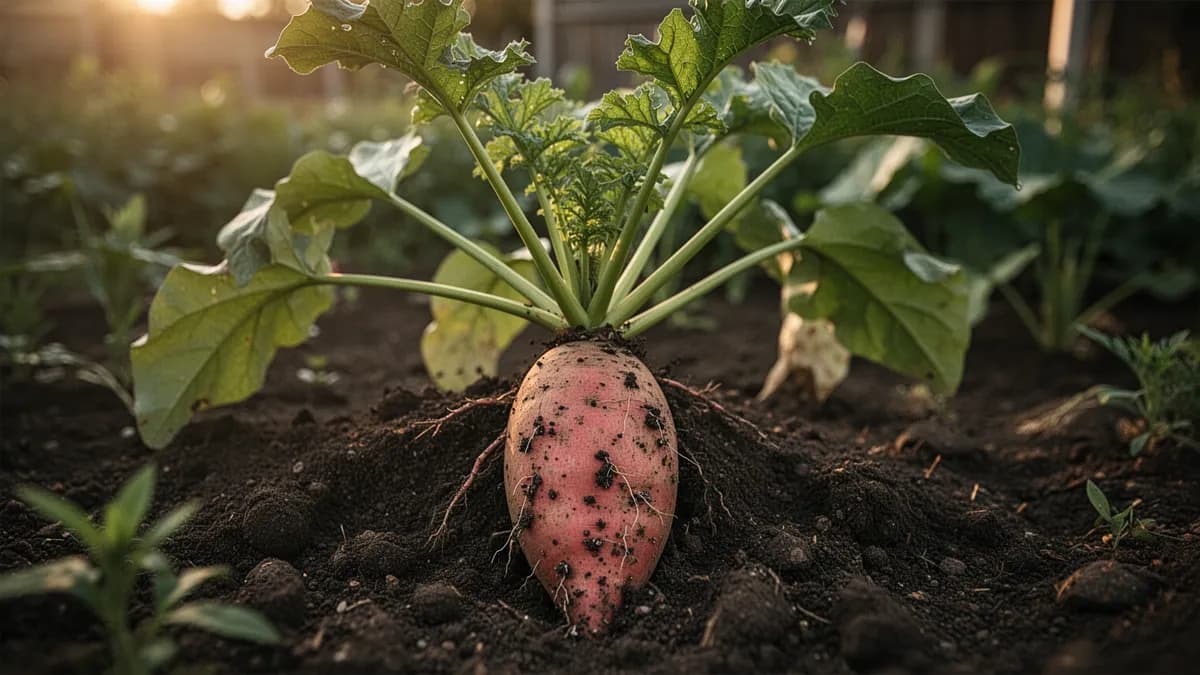
Sweet potatoes need warm soil and a long frost-free growing season. Start by ordering slips from a reputable supplier or grow your own by suspending a sweet potato in water until it sprouts. Plant slips outdoors after the last frost when soil temperatures reach at least 65 degrees Fahrenheit. Set slips 12 to 18 inches apart in raised rows or mounded beds that warm quickly and provide good drainage. Bury slips so only the top few leaves are above soil level.
Sweet potatoes thrive in heat and full sun. Water regularly for the first few weeks as slips establish roots, then reduce watering as vines spread. Once established, sweet potatoes are fairly drought-tolerant and overwatering can cause root cracking. The vigorous vines will quickly cover the bed, suppressing weeds naturally. Avoid high-nitrogen fertilizers that promote vine growth at the expense of root development.
In northern zones 5-7, use black plastic mulch to warm the soil and extend the growing season. Floating row cover in early and late season provides extra warmth. Beauregard matures in about 100 days, which is faster than many varieties, making it suitable for shorter growing seasons. Harvest before the first frost, as cold soil temperatures damage the tubers and reduce storage life.
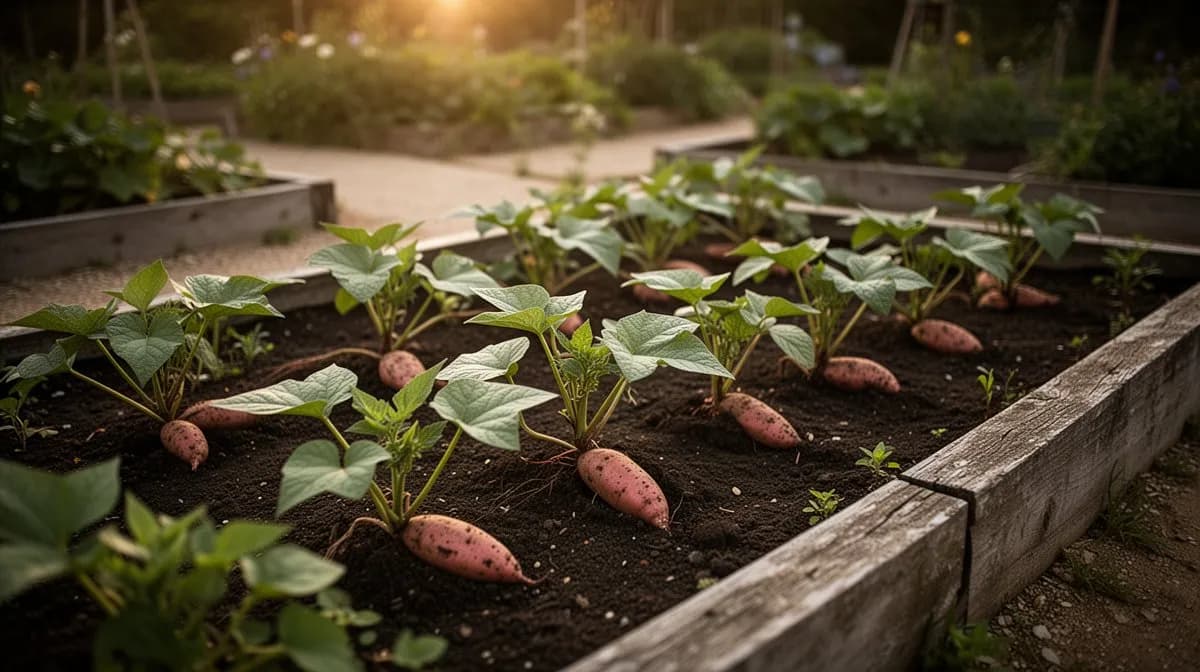
10 plants fit a 4 × 8 ft bed
Each Beauregard Sweet Potato wants 45 cm of elbow room. The planner keeps that spacing for you — every plant, every bed.
Beauregard Sweet Potato's best neighbours
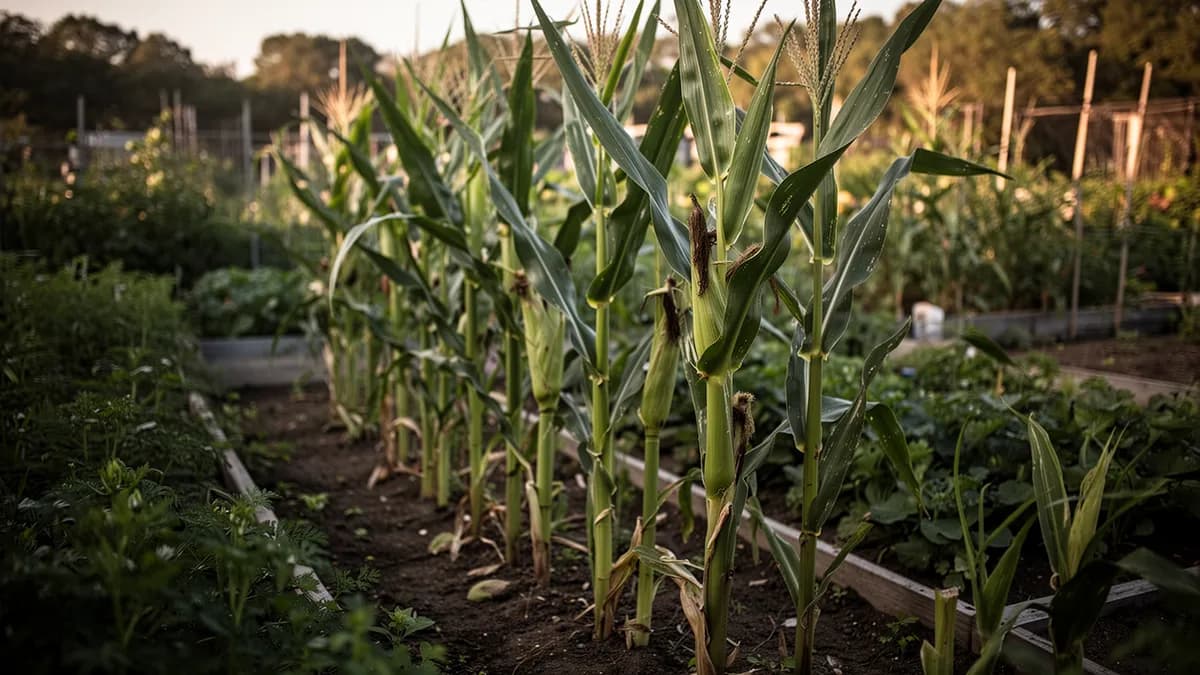
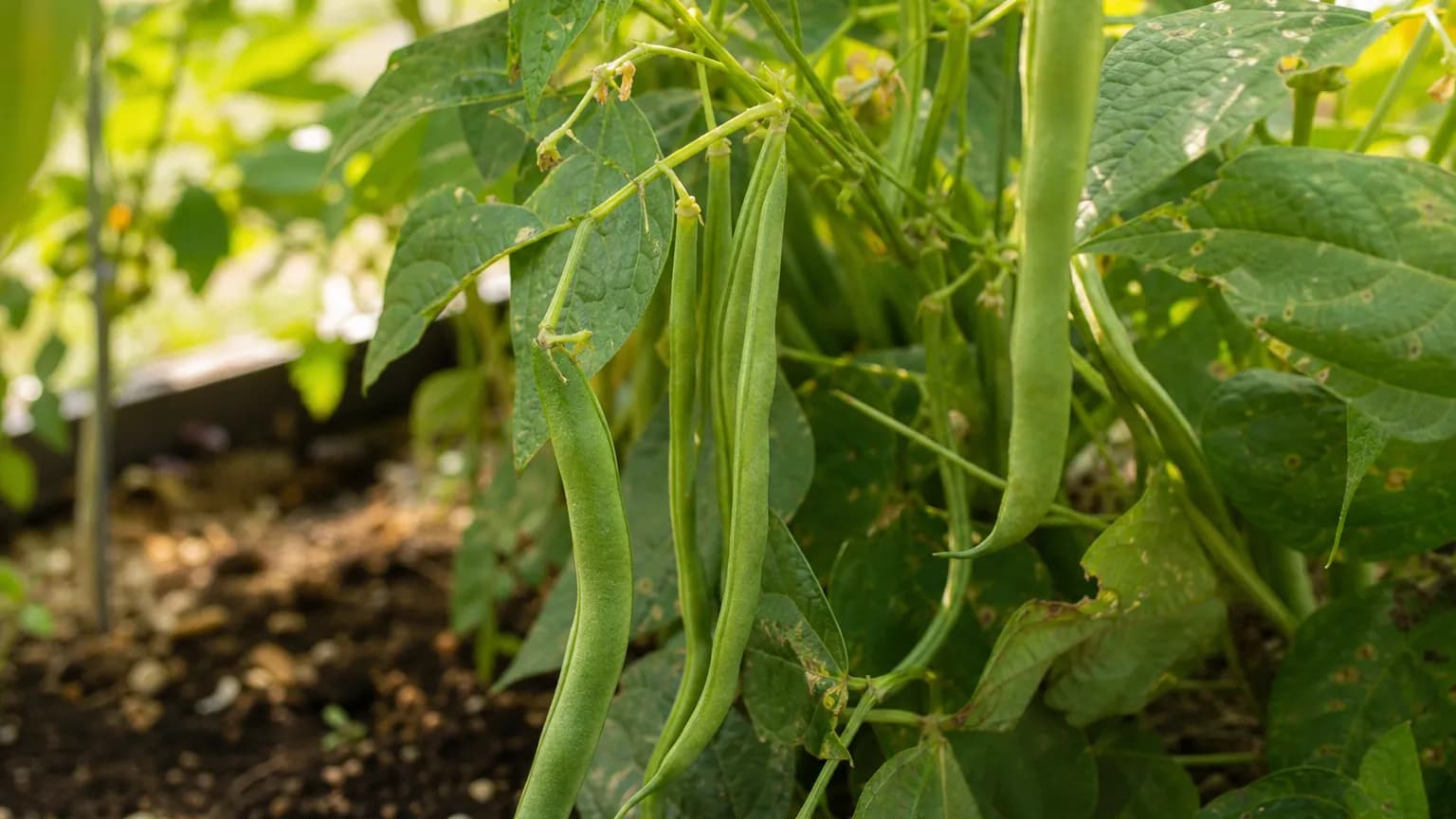
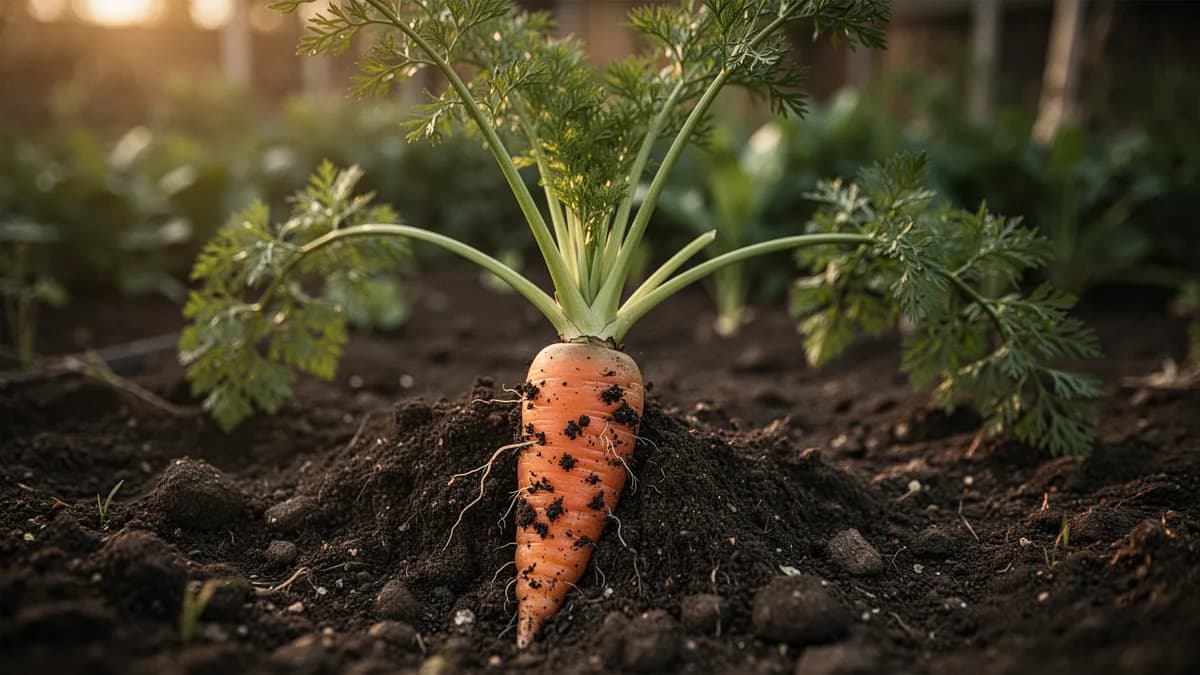
Sweet potatoes grow well alongside corn and beans in a traditional planting arrangement. The spreading vines serve as living mulch, suppressing weeds beneath taller crops. Herbs like thyme and oregano planted nearby may help repel pest insects. Avoid planting near squash which competes for ground-level space. Keep sweet potatoes away from other root crops that attract similar pests.
Corn belongs beside it.
Old growers' knowledge, checked against Beauregard Sweet Potato's real companion table below — test any plant you're growing.
Try Beauregard Sweet Potato in a bed — right here
A real planner bed with Beauregard Sweet Potato already in it. Tap a companion to place it and watch the pairing checks answer — green for good neighbours, red for a clash.


Related growing guides
Feed it well
Sweet potatoes grow best in loose, sandy, well-drained soil with a pH of 5.8 to 6.2. Heavy clay soil produces misshapen roots and encourages rot. Build raised rows or mounded beds eight to twelve inches high for excellent drainage and warm soil. Avoid excessive nitrogen which promotes vine growth over root development. Apply a low-nitrogen, high-potassium fertilizer like 5-10-10 at planting and side-dress at midseason.
Ideal Temperature
Hardiness Zone Compatibility
From seed to harvest, stage by stage
Slip Production
Sweet potatoes are not grown from seeds but from slips — leafy shoots sprouted from a mature tuber. A healthy Beauregard tuber suspended in water or partially buried in moist potting mix at warm temperatures will produce 10-15 slips over 4-6 weeks. Each slip develops its own root system at the base, ready for transplanting once it reaches 15-20 cm tall with several sets of leaves.
Transplanting and Establishment
Rooted slips are transplanted into warm, well-prepared garden soil. Each slip is buried 10-15 cm deep at an angle, leaving only the top 3-4 leaves exposed. The plant focuses on establishing a robust root system during this period. Initial above-ground growth is slow as the plant redirects energy to root development in the warm soil. Vines begin to extend and new leaves emerge as the root system takes hold.
Vine Expansion
Vines enter a vigorous growth phase, spreading rapidly across the soil surface. Each vine can extend 2-4 meters, with heart-shaped leaves forming a dense canopy that shades the soil and suppresses weeds. Lateral roots develop at vine nodes where they contact the soil. The dense foliage acts as a living mulch, conserving soil moisture and reducing temperature fluctuations around the developing root zone.
Tuber Bulking
The critical tuber development phase where the plant redirects carbohydrates from the vines into underground storage roots. Tubers swell rapidly during warm days and nights, with each plant typically producing 4-8 marketable roots. The characteristic copper skin of Beauregard forms, and the deep orange flesh fills with beta-carotene and natural sugars. Consistent soil warmth above 21°C (70°F) is essential during this stage for optimal starch-to-sugar conversion.
Maturation and Harvest
Tubers reach full size and the vine foliage begins to yellow slightly, signaling maturity. Beauregard is an early-maturing variety, typically ready 90-100 days after transplanting — earlier than most sweet potato cultivars. The skin thickens and hardens, preparing the tuber for dormancy and storage. Harvest timing is important: too early yields small, starchy tubers, while leaving them too long risks cold damage from declining autumn temperatures.
Curing and Storage
Freshly harvested sweet potatoes are starchy and relatively bland. The curing process transforms them into the sweet, creamy roots that define Beauregard's reputation. Curing heals minor skin wounds, converts complex starches into simple sugars, and dramatically extends storage life from weeks to months. Properly cured Beauregard sweet potatoes develop their full sweetness and smooth texture over 7-14 days.
Start slip production 6-8 weeks before your last frost date. Place the tuber in a warm location at 24-29°C (75-85°F) with bright light. Twist or cut slips from the mother tuber when they reach 15-20 cm, then root them in jars of water for 5-7 days until roots are 3-5 cm long before transplanting.
Caring for Beauregard Sweet Potato month by month
What to do each month for your Beauregard Sweet Potato
October
You are hereHarvest month for most zones. Wait for a dry spell, then carefully dig tubers with a broadfork starting 30 cm from the plant base. Handle gently — fresh sweet potatoes bruise easily and damaged roots rot in storage. Let tubers dry on the soil surface for 1-2 hours, then move to your curing setup. In zones 9-10, you can delay harvest into early November if temperatures remain mild.
Know exactly what to do in your garden — every month
One email at the start of each month: what to sow, plant, and tackle right now — for your Beauregard Sweet Potato and everything growing around it. Plus a short starter course that helps you dodge the classic mistakes.
- What to do, right now
- Matched to your season
- Starter course included
Harvesting Beauregard Sweet Potato
Harvest Beauregard sweet potatoes about 100 days after planting, or when the vines start to yellow. Dig carefully with a garden fork, working from the outside inward to avoid puncturing tubers. Sweet potato skin is delicate at harvest, so handle gently to minimize cuts and bruises that reduce storage life. Harvest before the first frost as cold soil temperatures damage tubers. Let freshly dug roots dry in the sun for a few hours before curing.
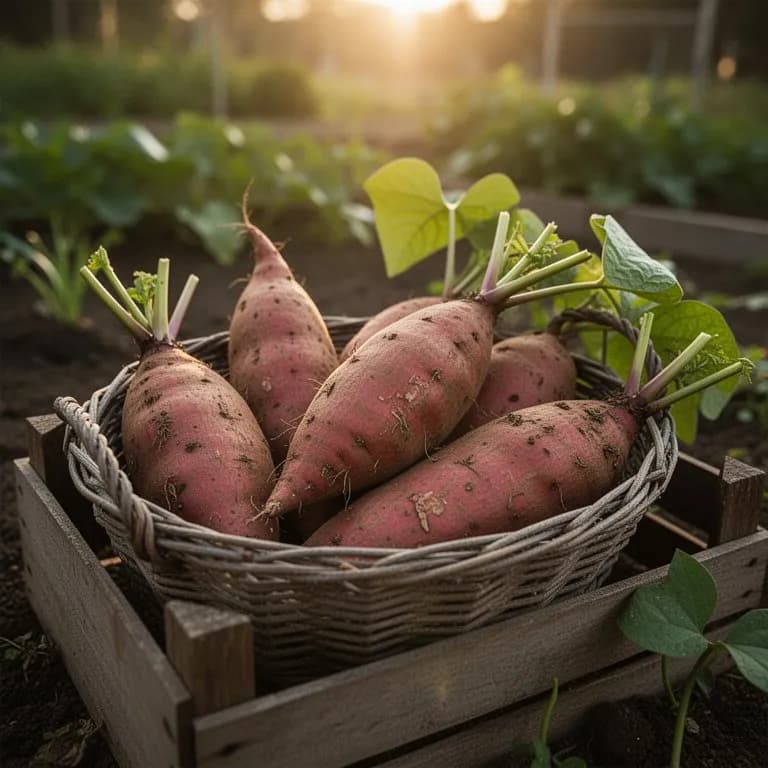
assuming you plant when the window opens — set your real date
Pick Beauregard Sweet Potato promptly and the plant keeps producing.
Storage & Preservation
Curing is essential for sweet potatoes. Place harvested roots in a warm, humid area at 80 to 85 degrees Fahrenheit with 85 to 90 percent humidity for 10 to 14 days. This heals skin wounds and converts starches to sugars. After curing, store in a cool, dry location at 55 to 60 degrees. Properly cured Beauregard sweet potatoes keep for six months or more. For freezing, bake or boil first, then peel and mash before freezing in airtight containers.
What goes wrong — and the fix
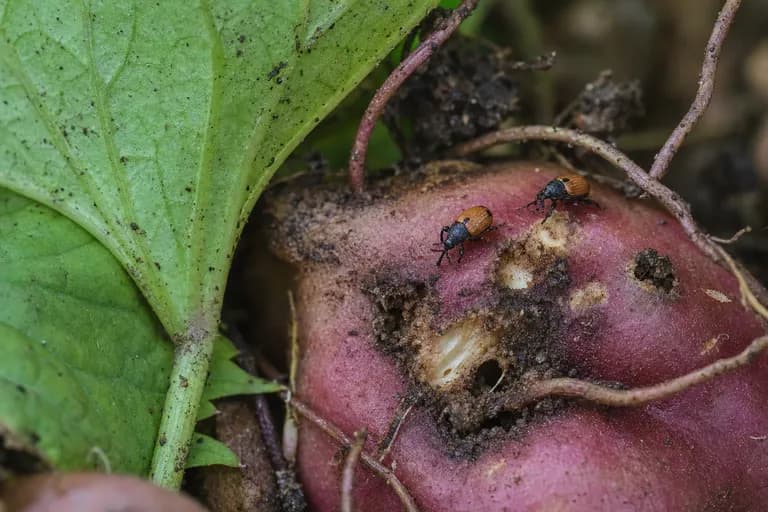
Sweet Potato Weevil
PestSmall beetles bore into tubers and stems, leaving tunnels filled with frass. Infested roots have a bitter flavor and spongy texture.
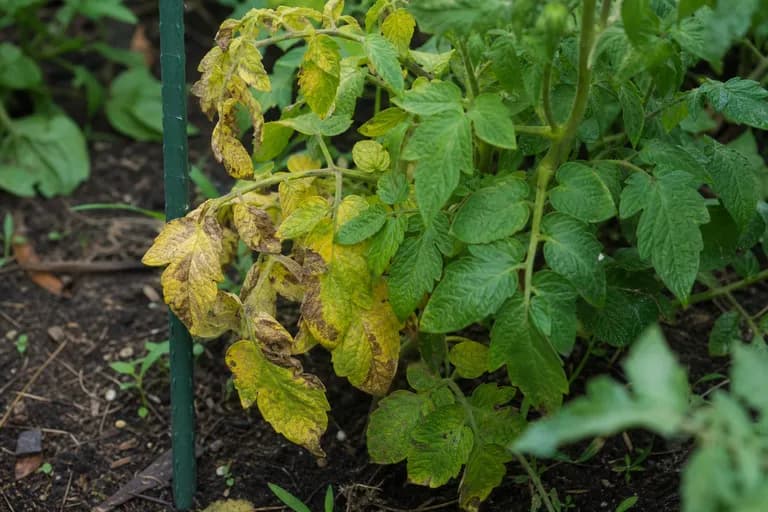
Fusarium Wilt
DiseaseYellowing and wilting of vines, often on one side first. Internal browning of the stem when cut. Plant collapse in severe cases.
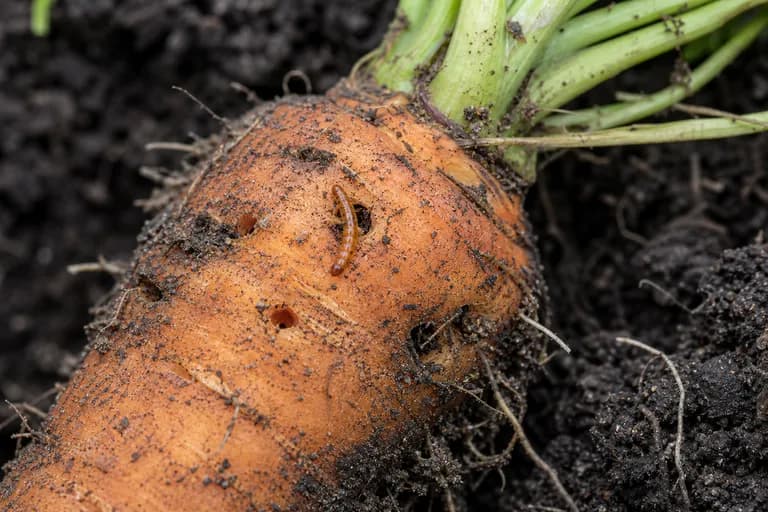
Wireworms
PestThin, yellowish-brown larvae bore small round holes through tubers. Damage is mainly cosmetic but creates entry points for rot.
Troubleshooting Common Problems
Cracked tubers result from irregular watering, especially heavy rain after a dry spell. Maintain consistent moisture early and reduce watering as harvest approaches. Misshapen or stringy roots indicate heavy clay soil, insufficient space, or excessive nitrogen. In northern zones, inadequate soil warmth produces small yields. Use black plastic mulch and row cover to boost temperatures. Failure to cure properly results in poor flavor and short storage life.
Growing Tips
- Build raised mounds or ridges at least 20-25 cm high for planting sweet potatoes. The elevated soil warms faster in spring, drains excess water that causes tuber rot, and gives roots loose, uncompacted space to expand into plump, well-shaped tubers rather than long, thin, tangled roots.
- Use black plastic mulch to warm soil before transplanting, especially in zones 7 and cooler. Lay the plastic over prepared beds 2-3 weeks before planting to raise soil temperature by 3-5°C. Cut holes for transplanting slips and leave the plastic in place all season to maintain warmth and suppress weeds.
- Grow your own slips from saved tubers to eliminate the annual cost of purchasing planting stock. Start 8 weeks before last frost by suspending a healthy tuber in water or burying it halfway in moist potting mix at 24-29°C. A single tuber produces 10-15 slips over several weeks — more than enough for a generous planting.
- Resist the urge to over-fertilize. Sweet potatoes need moderate phosphorus and potassium for tuber development but excessive nitrogen produces luxuriant vines and disappointing small roots. A single application of a low-nitrogen fertilizer (such as 5-10-10) at planting time is usually sufficient for the entire season.
- Lift trailing vines off the soil every 1-2 weeks throughout the growing season. When vine nodes contact moist soil, they root and form small secondary tubers that steal energy from the main production area. Gently lift the vines and redirect them back toward the center of the bed without breaking the stems.
- Harvest before cold weather arrives — this is the most critical timing decision for sweet potato growers. Soil temperatures below 13°C (55°F) cause chilling injury that creates hard, discolored areas in the flesh and dramatically shortens storage life. Monitor your soil thermometer in autumn and dig as soon as temperatures begin trending downward.
- Never skip the curing process. Fresh-dug sweet potatoes are starchy, bland, and store poorly. Curing at 27-32°C (80-90°F) with 85-90% humidity for 7-10 days transforms them completely — healing skin wounds, converting starches to sugars, and extending storage from weeks to 6-8 months. A small closet with a space heater and a pan of water makes an effective home curing chamber.
- Handle tubers with extreme care at harvest and throughout curing and storage. Sweet potato skin is thin and fragile when freshly dug — even minor bruises and scrapes become entry points for storage rot fungi. Use a broadfork rather than a shovel, lift tubers by hand rather than pulling by the vine, and never drop or toss them into containers.
Grow your best Beauregard Sweet Potato yet — and everything around it.
Start a free plan today. Lay out your beds, drop in your Beauregard Sweet Potato, and let PlotMyGarden handle the timing, spacing, companions and reminders from seed to harvest basket.
Pick your Beauregard Sweet Potato
Beauregard
The industry standard with copper skin and deep orange flesh. Fast maturing at 100 days with excellent disease resistance.
Covington
Newer variety replacing Beauregard commercially. Rose-copper skin with bright orange, sweet flesh and excellent storage.
Jewel
Copper-skinned variety with orange flesh. Slightly drier texture than Beauregard with good disease resistance.
Georgia Jet
One of the fastest-maturing varieties at 90 days, ideal for northern growers. Red skin with moist, orange flesh.
Centennial
Classic variety with copper skin and orange flesh. Reliable performer with good uniformity and moderate disease resistance.
Beauregard sweet potatoes offer exceptional value for home gardeners. A bundle of 12 slips costs $8-15, and each plant yields 1.5-3 kg of sweet potatoes — meaning your $10 investment can produce 18-36 kg of tubers. At grocery store prices of $2-4 per kg for conventional sweet potatoes (and $4-7 per kg for organic), a 10-plant row saves $35-150 per season. The savings multiply because properly cured sweet potatoes store for 6-8 months without refrigeration, providing homegrown food well into winter and spring. Additionally, you can grow your own slips from saved tubers each year, eliminating the recurring cost of purchasing new planting stock and making subsequent seasons essentially free.
Quick recipes
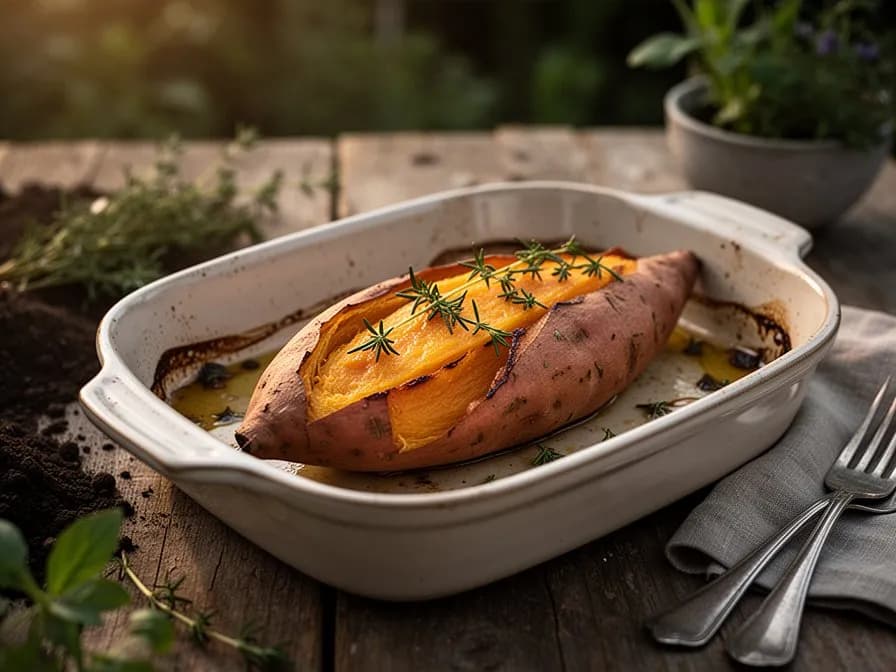
Classic Baked Beauregard Sweet Potato
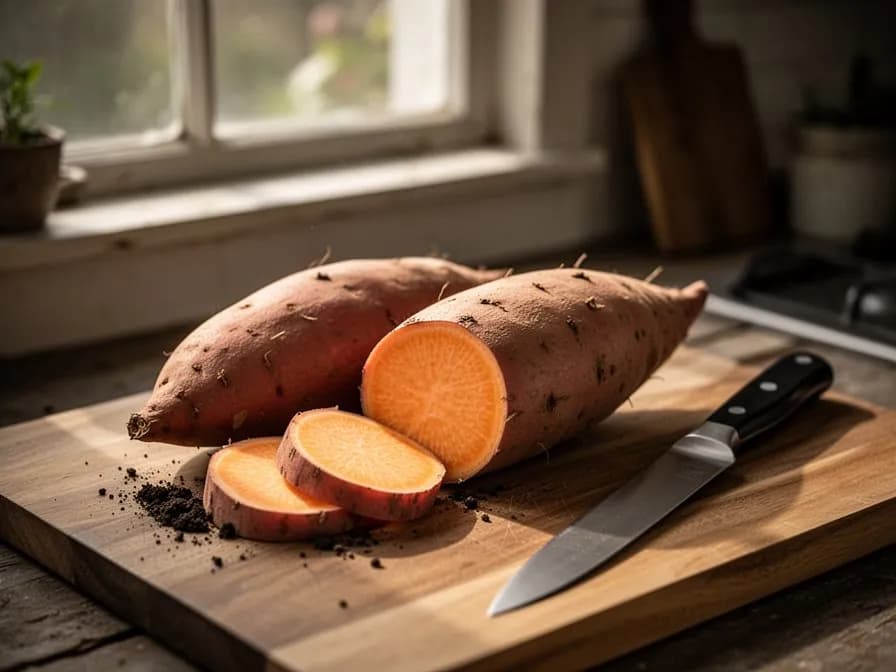
60 minThe simplest and most rewarding way to enjoy Beauregard's legendary sweetness. Baking at high heat caramelizes the natural sugars until the flesh becomes almost custard-like. The coppery skin crisps beautifully while the deep orange interior turns meltingly soft and intensely sweet.
5 ingredientsRoasted Sweet Potato and Black Bean Tacos
35 minCubed Beauregard sweet potatoes roasted until caramelized and slightly crispy at the edges, paired with seasoned black beans, fresh avocado, and a tangy lime crema in warm corn tortillas. A hearty vegetarian weeknight meal that converts even the most dedicated carnivores.
7 ingredientsSweet Potato and Coconut Soup
40 minBeauregard's naturally creamy flesh and deep sweetness make it the ideal base for a velvety, warming soup. Simmered with coconut milk, ginger, and a touch of curry, the result is a silky bowl of comfort with a gentle tropical warmth that is equally satisfying as a light dinner or an elegant starter.
9 ingredientsCulinary Uses
Beauregard sweet potatoes have moist, sweet orange flesh perfect for baking whole until caramelized and tender. Roast cubes with olive oil and spices for a healthy side dish. Make classic sweet potato casserole topped with pecans or marshmallows. Puree into soups, pies, and quick breads. Cut into fries and bake until crispy. The natural sweetness pairs well with cinnamon, brown sugar, and savory seasonings like cumin.
What's inside
Health Benefits
- One of the richest natural sources of beta-carotene, which the body converts to vitamin A — a single medium Beauregard sweet potato provides nearly 300% of the daily value, supporting healthy vision, robust immune function, and skin cell regeneration.
- Contains complex carbohydrates with a moderate glycemic index (around 63 for baked Beauregard), meaning it releases energy steadily rather than causing sharp blood sugar spikes. The high fiber content further slows glucose absorption, making it a better choice for blood sugar management than white potatoes or refined grains.
- Rich in dietary fiber (3g per 100g) that feeds beneficial gut bacteria, promotes digestive regularity, and has been linked in studies to reduced risk of colorectal cancer and improved cholesterol profiles.
- Provides significant potassium (337mg per 100g), an essential electrolyte that helps regulate blood pressure by counteracting the effects of sodium. Adequate potassium intake is associated with lower risk of stroke and cardiovascular disease.
- Contains powerful antioxidant compounds including chlorogenic acid, anthocyanins, and sporamins that help neutralize free radicals, reduce inflammation, and may support the body's natural defense against chronic diseases including heart disease and certain cancers.
- Excellent source of vitamin B6 (pyridoxine), which is essential for neurotransmitter production (including serotonin and dopamine), proper brain development in children, and maintaining a healthy immune response. One medium sweet potato provides about 15% of the daily B6 requirement.
Where Beauregard Sweet Potato comes from
The sweet potato (Ipomoea batatas) originated in Central or South America, with the oldest archaeological evidence — dried sweet potato remains dating to approximately 8000 BCE — discovered in the Chilca Canyon of Peru. Wild sweet potato relatives still grow in tropical regions from Mexico to Venezuela, supporting the theory of a Central American center of domestication. Ancient Mesoamerican and Andean civilizations cultivated sweet potatoes as a staple food for thousands of years before European contact.
Sweet potatoes reached Polynesia centuries before European exploration, likely carried by voyaging Polynesians who made contact with South America around 1000-1100 CE — or possibly earlier through natural ocean dispersal. When Spanish explorers arrived in the Caribbean in the late 1400s, they encountered sweet potatoes already widely cultivated by indigenous peoples. The Spanish carried them to the Philippines and the Portuguese brought them to Africa, India, and Southeast Asia during the 1500s, where they quickly became essential food crops.
In the United States, sweet potatoes became a dietary staple in the South by the 1700s, thriving in the warm, humid conditions of Louisiana, North Carolina, Mississippi, and Georgia. The modern commercial sweet potato industry was transformed in 1987 when plant breeders at Louisiana State University released the Beauregard variety. Developed by Dr. William Jones and his team, Beauregard combined exceptional sweetness, high beta-carotene content, earlier maturity (90-100 days versus 120+ for older varieties), uniform shape, and outstanding yields. It rapidly became the dominant commercial variety in the US and was adopted worldwide. Though newer varieties like Covington have since captured some market share, Beauregard remains one of the most important and widely grown sweet potato cultivars globally, prized by home gardeners and commercial growers alike for its reliability, flavor, and adaptability.
Beauregard Sweet Potato: did you know?
Fascinating facts about Beauregard Sweet Potato
Beauregard was developed in 1987 at Louisiana State University and quickly became the most widely grown sweet potato variety in the United States, accounting for over 60% of commercial production for nearly two decades. It was named after P.G.T. Beauregard, a Confederate general from Louisiana, though the variety's enduring fame far exceeds its namesake's.
Beauregard Sweet Potato questions, answered
When should I plant Beauregard Sweet Potato?
What are good companion plants for Beauregard Sweet Potato?
What hardiness zones can Beauregard Sweet Potato grow in?
How much sun does Beauregard Sweet Potato need?
How far apart should I space Beauregard Sweet Potato?
What pests and diseases affect Beauregard Sweet Potato?
How do I store Beauregard Sweet Potato after harvest?
What are the best Beauregard Sweet Potato varieties to grow?
What soil does Beauregard Sweet Potato need?
When should I plant Beauregard sweet potato slips?
How do I cure sweet potatoes and why is it necessary?
Why are my sweet potatoes long and thin instead of plump?
Can I grow Beauregard sweet potatoes in containers?
How do I know when Beauregard sweet potatoes are ready to harvest?
What pests and diseases should I watch for with sweet potatoes?
You just read the theory. Now grow it on autopilot.
Everything that makes Beauregard Sweet Potato fiddly — the timing, the spacing, the companions, the harvest window — is exactly what PlotMyGarden handles for you, for every plant in your garden.
A plan that knows your weather
Set your location once. Get sow, feed and harvest dates built around your real last-frost date and live forecast — no more guessing from a generic seed packet.
From the “When to plant” sectionDrag-and-drop bed planner
Design beds on a grid. Every plant snaps to its proper spacing, and you can see your whole season laid out before you spend a cent on seed.
From the “Growing guide” sectionCompanion conflicts, caught early
200+ good-and-bad pairings checked live as you plant — so a season-wrecking mistake never makes it into the ground.
From the “Companions” sectionReminders you'll actually act on
“Water the beans.” “Pick today before it turns.” Timely, specific, and tied to the plants you're really growing.
From the “Harvest” sectionSuccession, scheduled
Want a harvest for six weeks, not six days? It spaces your sowings automatically and reminds you when each new block is due.
From the “When to plant” sectionA record that gets smarter
Every harvest you log teaches it your garden. Next year's plan starts from what actually worked in your soil, not a textbook's.
From the “Overview” sectionPlant these alongside Beauregard Sweet Potato
More Root Vegetables
Grow your best Beauregard Sweet Potato yet — and everything around it.
Start a free plan today. Lay out your beds, drop in your Beauregard Sweet Potato, and let PlotMyGarden handle the timing, spacing, companions and reminders from seed to harvest basket.