Sweet Grass
A sacred Native American grass with a sweet vanilla-like fragrance when dried, traditionally braided and used in ceremony and smudging.





On this pageOverview
Meet Sweet Grass
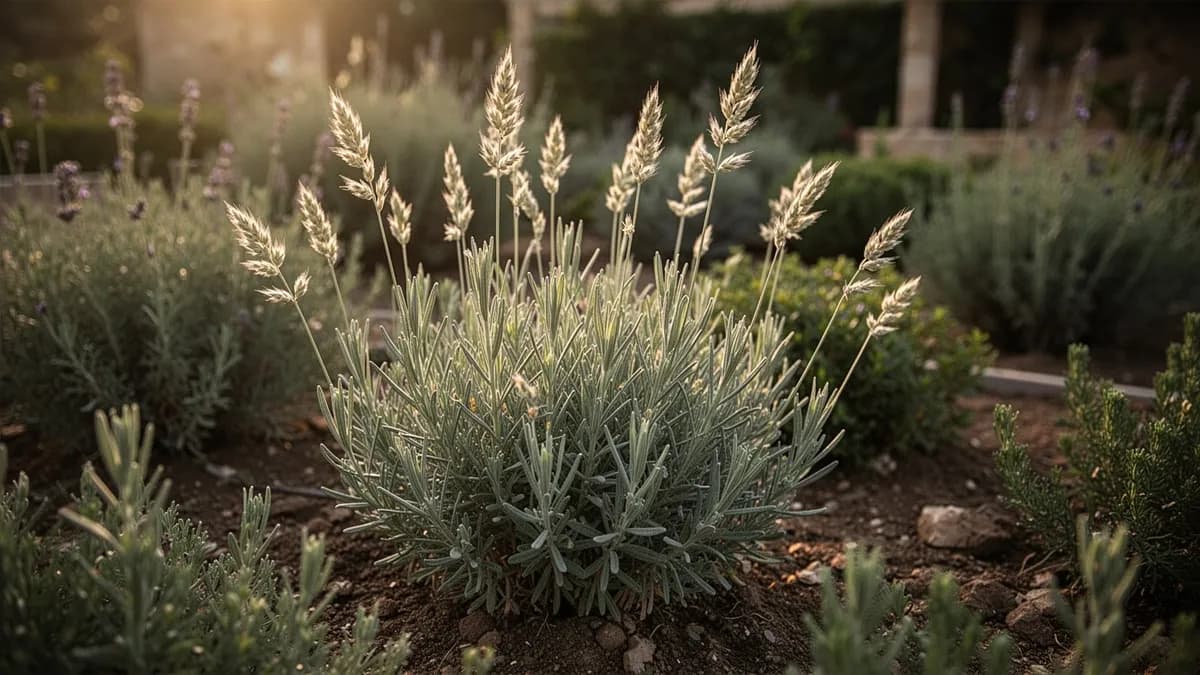
A sacred Native American grass with a sweet vanilla-like fragrance when dried, traditionally braided and used in ceremony and smudging. Sweet grass spreads by rhizomes and forms lush green patches in moist meadows and along waterways. Harvest long blades in midsummer and braid while still pliable for the sweetest-scented dried braids.
When to plant Sweet Grass
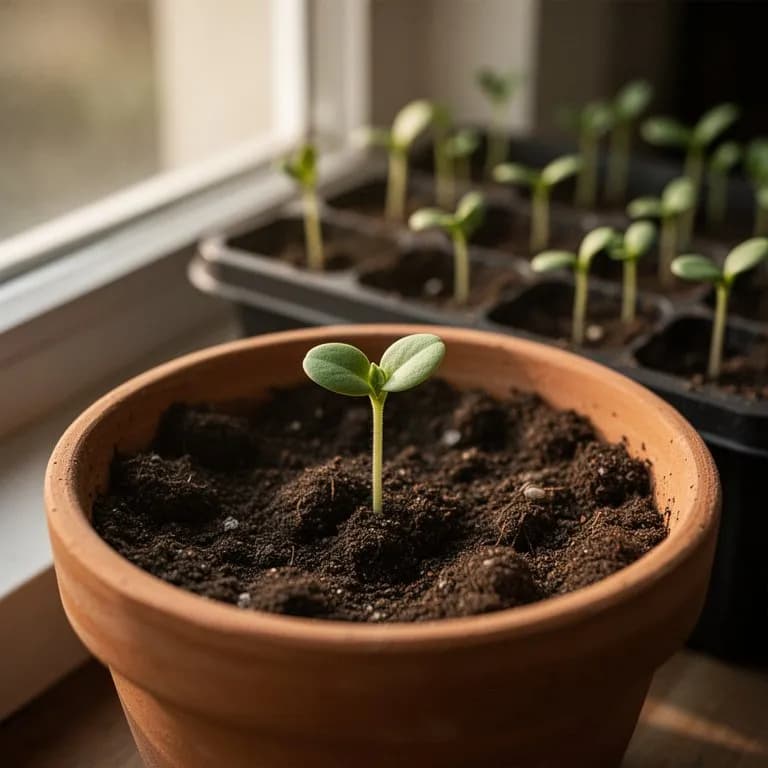
Sweet grass is best propagated by division of established clumps in spring. Dig sections with roots and rhizomes, keeping the root mass moist, and replant immediately at the same depth. Water thoroughly after planting. Seed propagation is possible but slow and unreliable—seeds require cold stratification for 4-6 weeks and germination is erratic. Division provides established plants that grow away quickly. Container-grown plants from specialist nurseries are also available.
Your Sweet Grass Year
Composed for Zone 7 · typical seasons · frost passes Apr 2, returns Nov 1
Plant Sweet Grass Mar – May, pick Jul – Sep. Check the planting methods below and set your climate to personalize these windows.
How to grow Sweet Grass
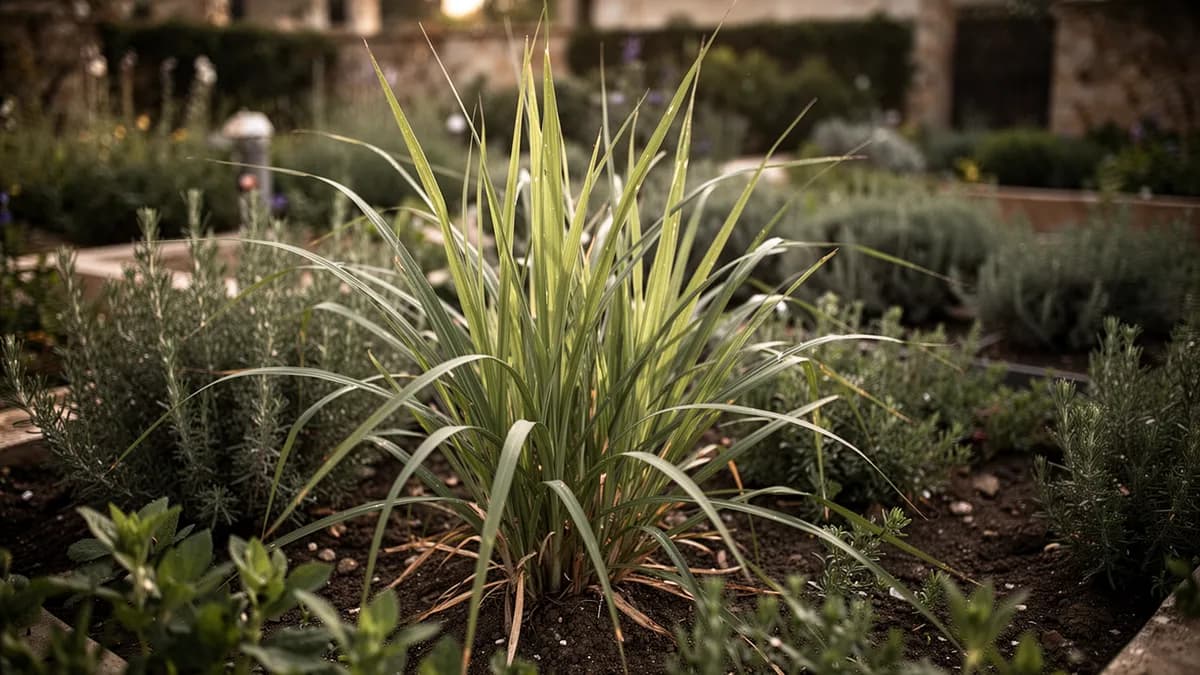
Sweet grass is a sacred aromatic grass native to North America and northern Europe, growing 30-60cm tall in loose, spreading patches. The grass blades are glossy green above and purplish beneath, spreading by rhizomes to form colonies in moist meadows and along waterways. When dried, sweet grass develops a rich vanilla-coumarin fragrance that intensifies over time.
Plant sweet grass in partial shade to full sun in moist, fertile soil. It prefers consistently moist conditions and grows naturally along streams, lakeshores, and in wet meadows. Space plants 30cm apart and water regularly, especially during dry periods. Sweet grass does not tolerate drought and will go dormant or die back if soils dry out.
Sweet grass spreads slowly by rhizomes and gradually forms attractive patches. It is not aggressive and rarely requires containment. In the garden, it makes a pleasant ornamental grass for moist borders and rain gardens. Harvest the long leaf blades in midsummer when they are longest and most aromatic, braiding them while still fresh and pliable.
32 plants fit a 4 × 8 ft bed
Each Sweet Grass wants 30 cm of elbow room. The planner keeps that spacing for you — every plant, every bed.
Related growing guides
Feed it well
Sweet grass requires moist, fertile soil with a pH of 5.5-7.0. It thrives in rich, organic soil with consistent moisture. Amend planting areas with compost to improve water retention. A top-dressing of compost each spring encourages vigorous growth. Avoid letting the soil dry out—this is a moisture-loving grass that naturally grows in wet meadows and along waterways.
Ideal Temperature
Hardiness Zone Compatibility
From seed to harvest, stage by stage
Rhizome Division and Planting
Sweetgrass is most reliably propagated by rhizome divisions taken in early spring or late autumn. Each division should include at least 3-5 healthy shoots with attached roots. Plant divisions 5-8 cm deep in moist, fertile soil, spacing them 30-45 cm apart. Seeds are available but have very low germination rates and are rarely used commercially.
Early Shoot Emergence
Fresh green shoots emerge and begin to elongate rapidly. The characteristic flat, glossy blades unfurl from the base, initially growing upright before beginning to arch. Root systems are actively expanding underground, sending out new rhizome runners that will form additional shoots.
Vigorous Vegetative Growth
Sweetgrass enters its most active growth phase, producing long, glossy blades that can reach 40-60 cm. The plant spreads steadily via underground rhizomes, gradually forming a dense, mat-like colony. Blades develop their characteristic sweet fragrance as coumarin compounds accumulate in the foliage.
Flowering
Sweetgrass produces delicate, open panicle-type flower heads on slender stems that rise above the foliage. The flowers are small and inconspicuous, with a golden-brown color. While visually subtle, they add an airy texture to the plant. Seed set is often poor and unreliable in cultivation.
Mid-Season Harvest Window
The primary harvest window opens when blades are at their longest and most fragrant, typically mid to late summer. Plants are robust enough to tolerate repeated selective harvesting of outer blades. The coumarin content peaks during warm weather, producing the strongest vanilla-like scent.
Late Season and Rhizome Storage
Growth slows as day length decreases and temperatures cool. The plant directs energy into its rhizome network, storing carbohydrates for winter survival and the following spring's growth. Foliage begins to turn from green to golden-straw color as the plant prepares for dormancy.
Winter Dormancy
Above-ground foliage dies back completely to straw-colored remnants. The rhizome network remains alive and dormant beneath the soil surface, protected by its underground position. Sweetgrass is extremely cold-hardy and survives winters well into USDA Zone 3 without any special protection.
Keep newly planted divisions consistently moist for the first two weeks. A light mulch of straw or shredded leaves helps retain soil moisture during establishment.
Caring for Sweet Grass month by month
What to do each month for your Sweet Grass
October
You are hereFoliage begins to yellow and go dormant. Stop all harvesting. Leave dying blades in place to protect the crown. Reduce watering as the plant's needs decline with cooler temperatures.
Know exactly what to do in your garden — every month
One email at the start of each month: what to sow, plant, and tackle right now — for your Sweet Grass and everything growing around it. Plus a short starter course that helps you dodge the classic mistakes.
- What to do, right now
- Matched to your season
- Starter course included
Harvesting Sweet Grass
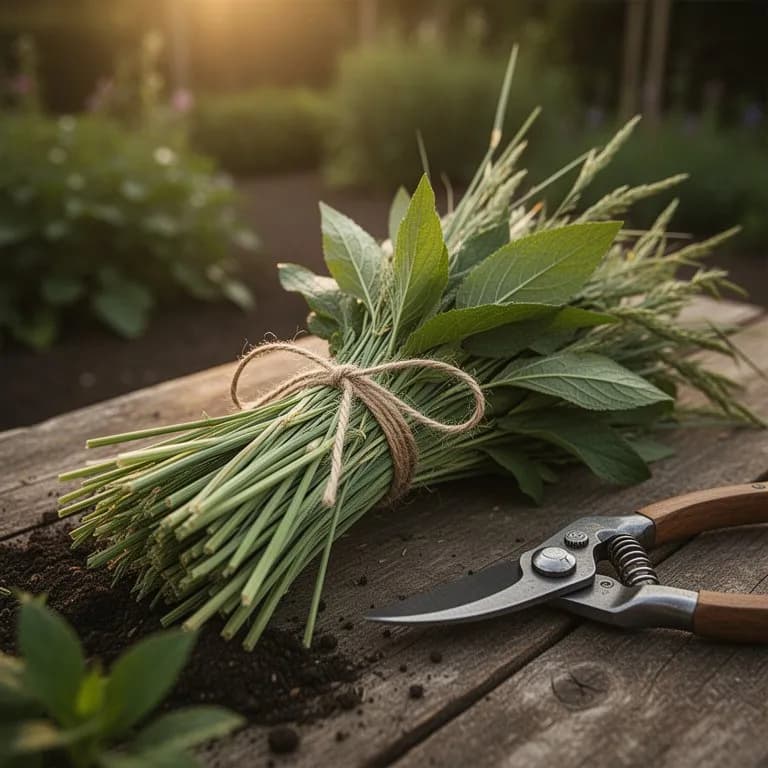
Harvest sweet grass blades in mid to late summer when they are at their longest, typically July through August. Cut individual blades at ground level or just above. Select the longest, widest blades for braiding. Braid 3 groups of blades together while they are still fresh and pliable—once dried, they become too brittle to work with. Tie the braid at the top and hang to dry slowly in a well-ventilated area away from direct sunlight.
assuming you plant when the window opens — set your real date
Pick Sweet Grass promptly and the plant keeps producing.
Storage & Preservation
Hang finished braids in a dry, well-ventilated area to cure. The vanilla-like fragrance develops and intensifies as the grass dries over several weeks. Completed braids can be hung as is or wrapped loosely in cloth. Sweet grass braids retain their fragrance for years when stored properly in a cool, dry place. The scent can be refreshed by lightly dampening the braid. Loose dried grass can be stored in paper bags for use in sachets and potpourri.
What goes wrong — and the fix
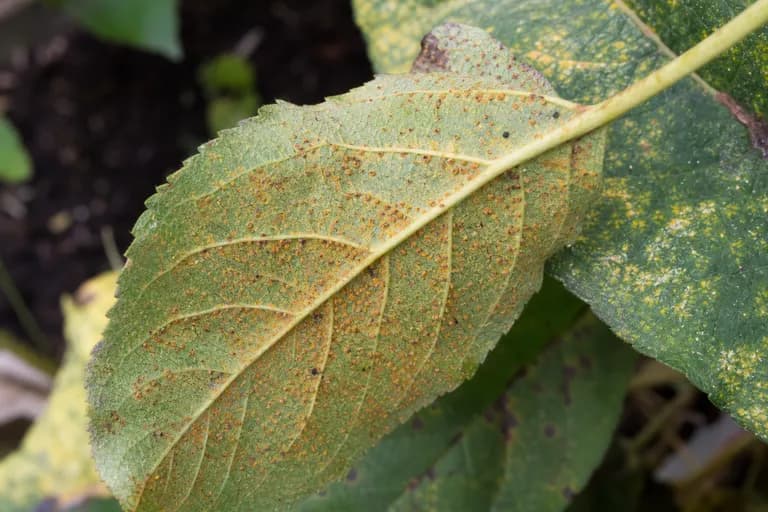
Rust
DiseaseOrange-brown pustules on leaf blades, more common in humid conditions. Usually cosmetic.
Troubleshooting Common Problems
The primary challenge is providing adequate moisture—sweet grass will not thrive in dry conditions. In hot, dry climates, it needs regular irrigation and partial shade. Slow establishment is normal; sweet grass takes 2-3 years to form substantial patches. If blades are short and sparse, the soil may be too dry or infertile. In very wet conditions, the plant can spread more quickly than expected.
Growing Tips
- Start sweetgrass from rhizome divisions rather than seed. Seed germination rates are extremely low and unpredictable, while divisions establish quickly and produce harvestable growth in their first full season.
- Choose a planting site with consistent moisture. Sweetgrass naturally grows along streams, lake margins, and wet meadows. In garden settings, provide regular irrigation or plant in a naturally damp area of the landscape.
- Sweetgrass tolerates partial shade and actually prefers it in warmer climates. In zones 5 and above, afternoon shade helps prevent leaf tip browning and reduces water stress during summer heat.
- Amend the planting area with generous amounts of compost or well-rotted organic matter. Sweetgrass thrives in rich, humus-heavy soil that retains moisture while still draining well enough to prevent standing water.
- Space rhizome divisions 30-45 cm apart and plant them 5-8 cm deep. The plants will fill in the gaps within one to two growing seasons through natural rhizome spreading.
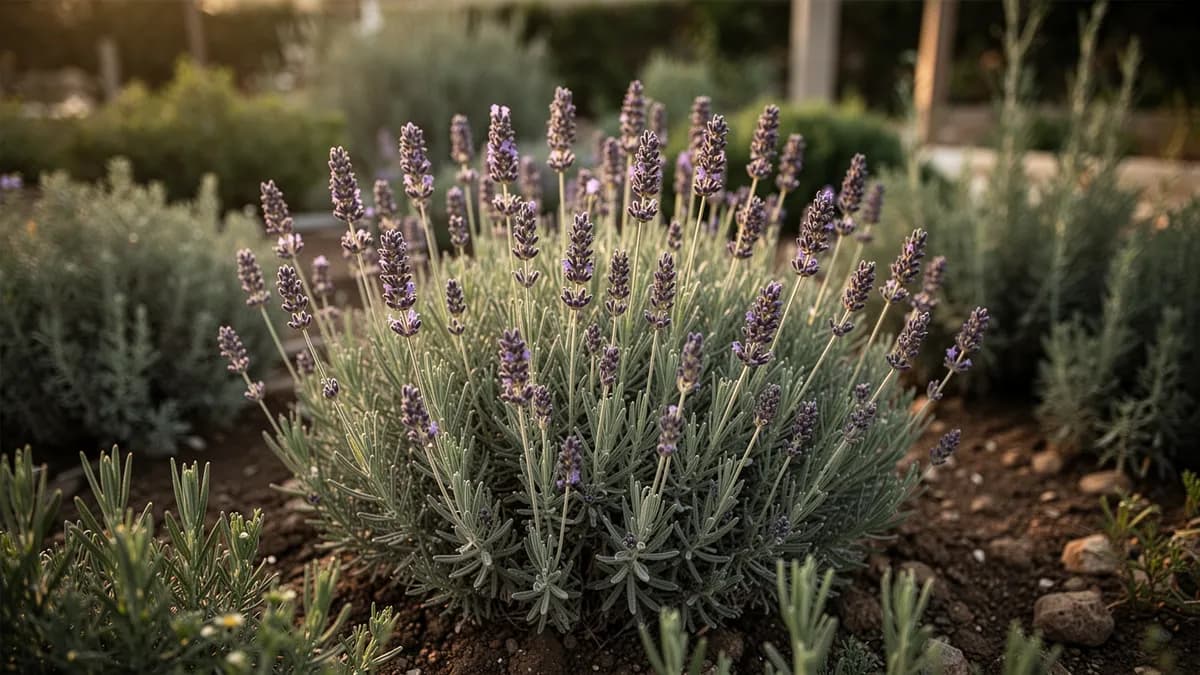
- Mulch around sweetgrass with organic materials like shredded leaves or straw to conserve soil moisture and suppress weeds. Unlike lavender and other Mediterranean herbs, sweetgrass benefits from moisture-retentive mulch.
- Fertilize lightly in spring with a balanced organic fertilizer or compost top-dressing. Sweetgrass is not a heavy feeder but responds well to moderate fertility with longer, more fragrant blades.
- Harvest selectively by cutting only the longest outer blades and leaving the inner growth point undisturbed. Never remove more than one-third of the foliage from any single clump at one time.
- Divide and transplant established clumps every 3-4 years to maintain vigor and expand your planting. Divisions taken in early spring or early autumn establish most reliably.
- Control the spread of sweetgrass if it is planted near formal garden beds. While not aggressively invasive, the rhizomes will gradually expand the colony. Sinking a root barrier 20-30 cm deep around the planting area prevents unwanted spreading.
Grow your best Sweet Grass yet — and everything around it.
Start a free plan today. Lay out your beds, drop in your Sweet Grass, and let PlotMyGarden handle the timing, spacing, companions and reminders from seed to harvest basket.
Pick your Sweet Grass
Hierochloe odorata (standard)
The native sweet grass of North America and northern Eurasia. The standard species used in braiding and ceremonial use.
Dried sweetgrass braids sell for $8-15 each at specialty shops and online retailers, with ceremonial-grade braids commanding even higher prices. A single rhizome division costs $5-10 and, once established, produces enough foliage to braid 10-20 sweetgrass braids per season. Through natural rhizome spreading, one initial planting can expand to a productive patch within 2-3 years without any additional cost. Over five years, a well-maintained sweetgrass patch can save $200-500 compared to purchasing dried braids, while providing the satisfaction of harvesting and braiding your own fresh sweetgrass at peak fragrance.
Quick recipes
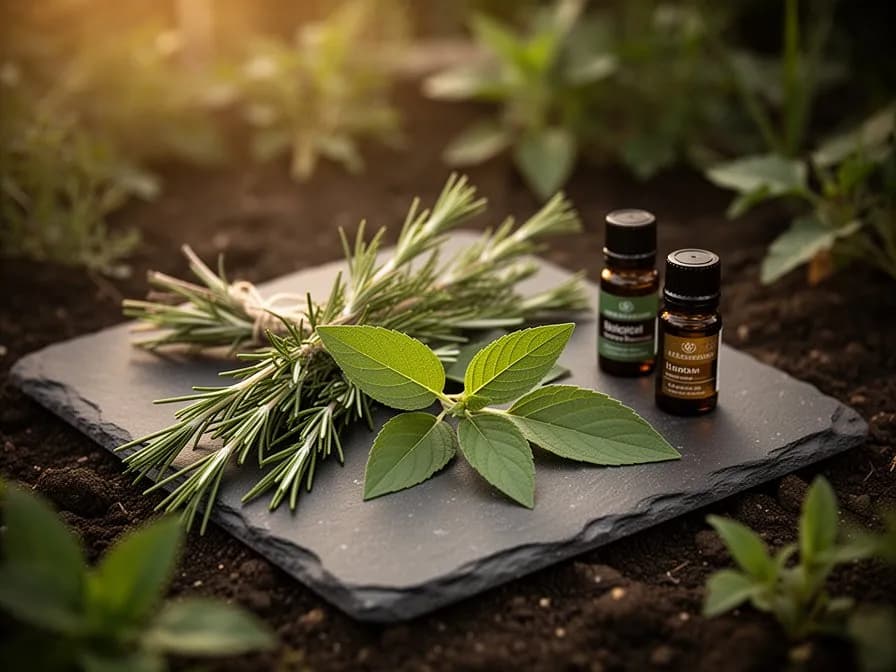
Sweetgrass Vanilla Tea
10 minutesA gentle, aromatic infusion that highlights the natural vanilla-like fragrance of dried sweetgrass. This soothing tea has been enjoyed in northern European and Indigenous traditions for centuries. The coumarin compounds release a sweet, hay-like flavor that is calming and unique among herbal teas. Best enjoyed in small quantities as an occasional treat.
5 ingredientsSweetgrass-Infused Syrup
20 minutes + coolingA fragrant simple syrup infused with the warm vanilla and hay-like notes of dried sweetgrass. This syrup adds a unique aromatic dimension to cocktails, lemonades, sparkling water, and desserts. A little goes a long way, as the coumarin flavor is distinctive and potent. Store in the refrigerator and use within two weeks.
5 ingredientsSweetgrass Smudge Bundle
15 minutes + 1-2 weeks dryingWhile not a culinary recipe, crafting a traditional sweetgrass smudge bundle is the most common use for harvested sweetgrass. Fresh blades are braided tightly and dried to create a fragrant bundle that can be lit and gently smoldered to release purifying, sweet-scented smoke. This practice has deep roots in Indigenous traditions and should be approached with cultural respect.
5 ingredientsWhat's inside
Health Benefits
- Sweetgrass contains coumarin, a compound that has been studied for its anti-inflammatory properties and its potential to reduce swelling and discomfort in traditional folk medicine applications.
- The aromatic smoke from burning sweetgrass braids has been shown in laboratory settings to reduce certain airborne bacteria, supporting traditional practices of using smudging to cleanse indoor spaces.
- Sweetgrass tea has been used in various Indigenous and European folk traditions as a mild digestive aid, believed to soothe stomach discomfort and ease occasional nausea.
- Inhalation of sweetgrass fragrance is associated with relaxation and stress reduction in aromatherapy practices, with the coumarin compounds contributing to a calming sensory experience.
- Traditional herbalists in northern Europe used sweetgrass preparations externally as a wash for minor skin irritations, attributing mild antiseptic qualities to the plant's aromatic compounds.
- The practice of braiding and working with sweetgrass is recognized for its meditative, mindfulness-promoting qualities, with the repetitive hand motions and pleasant scent supporting mental well-being.
Where Sweet Grass comes from
Sweetgrass (Hierochloe odorata) is a circumboreal species native to the cool temperate and subarctic regions of North America, northern Europe, and northern Asia. In North America, its natural range stretches from Alaska and northern Canada southward through the Great Lakes region, the northern Great Plains, and into the mountainous areas of the American Southwest. In Europe, it is found from Iceland and Scandinavia through the Baltic states and into Siberia. Sweetgrass thrives in moist meadows, lakeshores, river margins, and the edges of boreal forests, favoring rich, damp soils with moderate to high organic content. Indigenous peoples of North America have cultivated a deep relationship with sweetgrass for millennia. It holds a position of profound spiritual importance in many First Nations and Native American traditions, where it is regarded as one of the four sacred plants. Sweetgrass is braided and burned as a ceremonial smudge to purify spaces, invite positive spirits, and offer prayers. The Anishinaabe, Lakota, Cree, and many other nations have passed down traditions of harvesting, braiding, and using sweetgrass through countless generations. Beyond its ceremonial role, sweetgrass has been woven into baskets, mats, and other functional items by many Indigenous communities, particularly in the northeastern woodlands and Great Lakes region. In northern Europe, sweetgrass was valued for centuries as a strewing herb. Scandinavians, Germans, and Slavic peoples scattered it on floors and placed it among linens to impart its sweet fragrance to homes and churches. In Russia, it was steeped in vodka to create a flavored spirit known as Zubrovka, a tradition that continues today in Poland and Belarus with the famous Bison Grass vodka. European herbalists also used sweetgrass in folk medicine, attributing mild pain-relieving and calming properties to its coumarin content. Modern interest in sweetgrass has grown significantly, driven both by the revival of Indigenous cultural practices and by increasing recognition of the plant's ecological value in wetland restoration and native garden design.
Sweet Grass: did you know?
Fascinating facts about Sweet Grass
Sweetgrass contains coumarin, the same compound responsible for the scent of freshly mown hay, vanilla beans, and tonka beans, which is why dried sweetgrass has such a distinctive sweet aroma.
Sweet Grass questions, answered
When should I plant Sweet Grass?
What hardiness zones can Sweet Grass grow in?
How much sun does Sweet Grass need?
How far apart should I space Sweet Grass?
What pests and diseases affect Sweet Grass?
How do I store Sweet Grass after harvest?
What are the best Sweet Grass varieties to grow?
What soil does Sweet Grass need?
Can I grow sweetgrass from seed, or do I need rhizome divisions?
How do I harvest and braid sweetgrass properly?
Is sweetgrass invasive? Will it take over my garden?
Why is my sweetgrass turning brown at the leaf tips?
What are the cultural considerations when growing and using sweetgrass?
Can sweetgrass survive in warm southern climates?
You just read the theory. Now grow it on autopilot.
Everything that makes Sweet Grass fiddly — the timing, the spacing, the companions, the harvest window — is exactly what PlotMyGarden handles for you, for every plant in your garden.
A plan that knows your weather
Set your location once. Get sow, feed and harvest dates built around your real last-frost date and live forecast — no more guessing from a generic seed packet.
From the “When to plant” sectionDrag-and-drop bed planner
Design beds on a grid. Every plant snaps to its proper spacing, and you can see your whole season laid out before you spend a cent on seed.
From the “Growing guide” sectionCompanion conflicts, caught early
200+ good-and-bad pairings checked live as you plant — so a season-wrecking mistake never makes it into the ground.
From the “Companions” sectionReminders you'll actually act on
“Water the beans.” “Pick today before it turns.” Timely, specific, and tied to the plants you're really growing.
From the “Harvest” sectionSuccession, scheduled
Want a harvest for six weeks, not six days? It spaces your sowings automatically and reminds you when each new block is due.
From the “When to plant” sectionA record that gets smarter
Every harvest you log teaches it your garden. Next year's plan starts from what actually worked in your soil, not a textbook's.
From the “Overview” sectionMore Aromatic Herbs
Grow your best Sweet Grass yet — and everything around it.
Start a free plan today. Lay out your beds, drop in your Sweet Grass, and let PlotMyGarden handle the timing, spacing, companions and reminders from seed to harvest basket.