Helecho dulce
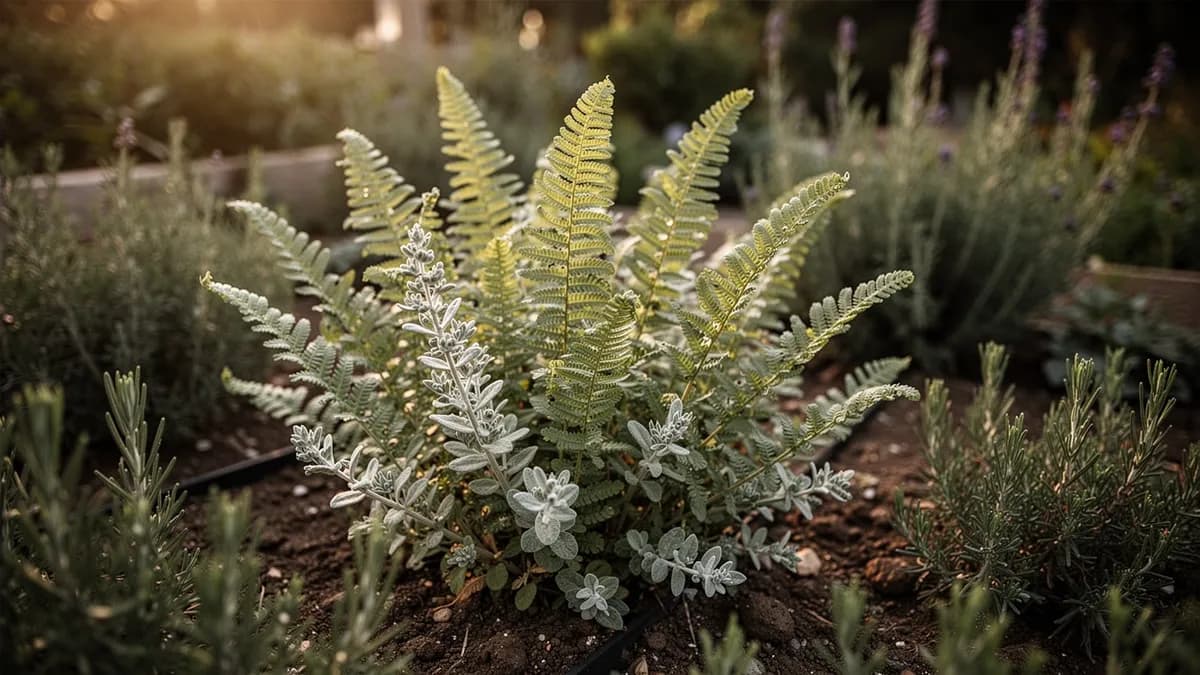
No es un helecho verdadero, sino un arbusto caducifolio con hojas profundamente lobuladas, parecidas a las de un helecho, que liberan un aroma especiado y dulce al frotarlas.





En esta páginaResumen
Conoce Helecho dulce
No es un helecho verdadero, sino un arbusto caducifolio con hojas profundamente lobuladas, parecidas a las de un helecho, que liberan un aroma especiado y dulce al frotarlas. Los pueblos indígenas de Norteamérica usaban las hojas de sweet fern para preparar té, como repelente natural de insectos y como cataplasma para irritaciones de la piel. Cultívela en suelo arenoso y ácido a pleno sol, donde fija nitrógeno y se naturaliza en taludes pobres y secos.
Cuándo plantar Helecho dulce
Sweet fern es notoriamente difícil de propagar. Las semillas requieren una estratificación extensa: escarifique la cubierta dura y estratifique en frío durante 3 a 4 meses en arena húmeda a 3-5 °C. Aun así, la germinación es irregular y lenta. Los esquejes de raíz tomados a finales de otoño son más fiables: corte secciones de raíz de 7 a 10 cm, colóquelas en horizontal en bandejas con sustrato ácido y arenoso, y manténgalas frescas y húmedas. La división de colonias con brotes es el método más sencillo: extraiga brotes enraizados del borde de una colonia establecida a principios de primavera.
Tu año de Helecho dulce
Ajustado a Zona 7 · temporada típica · la helada se va hacia el 2 abr y vuelve hacia el 1 nov
Planta Helecho dulce Mar – Abr, Oct y cosecha Jun – Ago. Consulta los métodos de plantación y elige tu clima para adaptar los periodos.
Cómo cultivar Helecho dulce
Sweet fern es un arbusto nativo singular de Norteamérica, aunque no es un helecho en absoluto, que alcanza entre 60 y 120 cm de altura con hojas caducas profundamente lobuladas y parecidas a las de un helecho. Al estrujarlas, el follaje libera un aroma complejo, especiado, dulce y resinoso, uno de los más característicos del mundo vegetal autóctono. La planta se extiende mediante brotes subterráneos y forma colonias densas en suelos pobres, arenosos y ácidos.
Sweet fern es una planta fijadora de nitrógeno que alberga nódulos radicales de bacterias Frankia, capaces de convertir el nitrógeno atmosférico en formas aprovechables por la planta. Esto la vuelve muy valiosa para colonizar y enriquecer taludes pobres, cortes de carretera y suelos degradados. Plántela a pleno sol o con ligera sombra en suelo arenoso y ácido (pH 4.5-6.5). Necesita de forma estricta condiciones ácidas y bien drenadas, y no prosperará en suelos neutros o alcalinos.
Una vez establecida, sweet fern es extremadamente tolerante a la sequía y prácticamente no requiere mantenimiento. Se expande lentamente por brotes, formando colonias atractivas. La planta es naturalmente resistente a los ciervos gracias a sus compuestos aromáticos. Pode solo si necesita controlar la altura, ya que sweet fern tiene una forma natural muy atractiva y no necesita modelado.
8 plantas caben en un bancal de 120 × 240 cm
Cada Helecho dulce pide 60 cm de margen. El planificador guarda ese marco por ti — cada planta, cada bancal.
Guías de cultivo relacionadas
Abónalo bien
Sweet fern exige suelo arenoso y ácido con un pH de 4.5 a 6.5. No crecerá en suelos neutros, alcalinos ni en arcillas pesadas. No necesita enmiendas ni fertilización: la planta fija su propio nitrógeno y prospera en la arena más pobre y deficitaria en nutrientes. Añadir compost o fertilizante puede dañarla al alterar su simbiosis fijadora de nitrógeno. Es la planta perfecta para taludes arenosos problemáticos donde nada más prospera.
Temperatura ideal
Compatibilidad de zonas de rusticidad
De la semilla a la cosecha, etapa por etapa
Germinación de semillas y establecimiento inicial
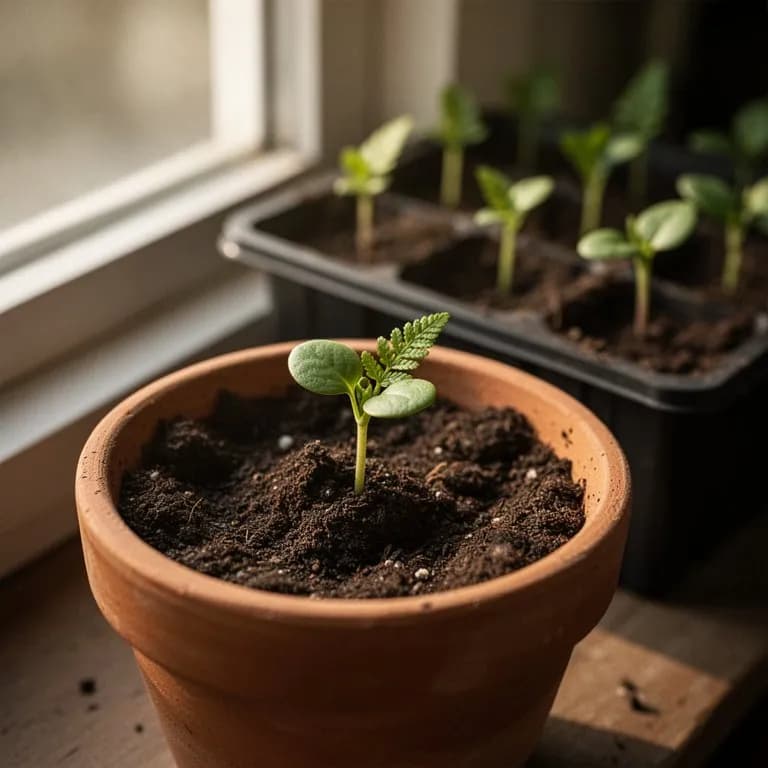
Las semillas de sweet fern requieren un periodo de estratificación cálida seguido de estratificación fría para romper su doble dormancia. La germinación es lenta e irregular, y a menudo tarda entre 30 y 60 días incluso en condiciones ideales. Las diminutas plántulas emergen con cotiledones ovalados simples que aún no muestran el follaje aromático parecido al de un helecho que aparecerá después. En la naturaleza, las semillas suelen dispersarse por aves y pequeños mamíferos que comen las núculas.
Desarrollo juvenil del arbusto
Las plantas jóvenes de sweet fern desarrollan sus hojas características, profundamente lobuladas y parecidas a las de un helecho, a lo largo de tallos leñosos y delgados. El crecimiento es lento durante el primer año mientras la planta establece su extenso sistema radicular, incluidos los nódulos fijadores de nitrógeno formados mediante una relación simbiótica con actinobacterias Frankia. Esta capacidad de fijar nitrógeno es el secreto del éxito de sweet fern en suelos pobres en nutrientes.
Expansión de la colonia
En el segundo año, sweet fern empieza a extenderse mediante rizomas subterráneos, formando gradualmente las densas colonias características de las poblaciones silvestres. El arbusto alcanza entre 60 y 90 cm de altura, con tallos leñosos cada vez más ramificados. Las hojas compuestas y aromáticas ya están plenamente desarrolladas y liberan su fragancia dulce-especiada cuando el clima es cálido o cuando se rozan.
Floración y fructificación
Las plantas maduras de sweet fern producen flores a comienzos de la primavera, antes de que el follaje se haya desplegado por completo. Los amentos masculinos son alargados y colgantes, y liberan polen transportado por el viento, mientras que las flores femeninas son pequeños grupos redondeados en las puntas de las ramas. Tras la polinización, las flores femeninas se convierten en frutos espinosos y distintivos, similares a rebabas, que contienen pequeñas núculas comestibles y maduran a finales del verano.
Colonia madura y dormancia
Las colonias establecidas de sweet fern forman masas densas de 60 a 120 cm de altura que pueden persistir durante décadas, expandiéndose continuamente en los bordes mediante el crecimiento de rizomas. En otoño, el follaje se vuelve bronce y oro antes de caer. Los tallos leñosos permanecen durante el invierno, y el sistema profundo de rizomas garantiza un rebrote fiable cada primavera. Las colonias maduras son extremadamente resistentes y soportan sequía, suelos pobres, fuego e inviernos duros.
Escarifique ligeramente las semillas con papel de lija; después, estratifíquelas en cálido en turba húmeda a 20-25 °C durante 60 días, seguido de estratificación fría a 2-4 °C durante 90 días. Siembre en mezcla ácida para semilleros (pH 4.5-5.5) con arena añadida. Las tasas de germinación suelen ser bajas (15-30 %), así que siembre en abundancia. Como alternativa, propague por esquejes de raíz o divisiones para obtener resultados más fiables.
Cuidar Helecho dulce mes a mes
Qué hacer cada mes para tu Helecho dulce
Octubre
Mes actualEl color otoñal se intensifica y las hojas empiezan a caer. Recoja las hojas caídas para potpourri, saquitos o reservas adicionales de té: las hojas de otoño tienen un aroma resinoso concentrado. Complete cualquier trasplante antes de que el suelo se congele. Aplique una capa fina de agujas de pino alrededor de las divisiones recién plantadas como protección invernal.
Ten claro qué hacer en tu huerto, cada mes
Un correo al empezar cada mes: qué sembrar, plantar y hacer ahora mismo — para tu Helecho dulce y todo lo que crece alrededor. Más un breve curso inicial para esquivar los errores clásicos.
- Qué hacer ahora mismo
- Ajustado a tu temporada
- Curso inicial incluido
Cosechar Helecho dulce
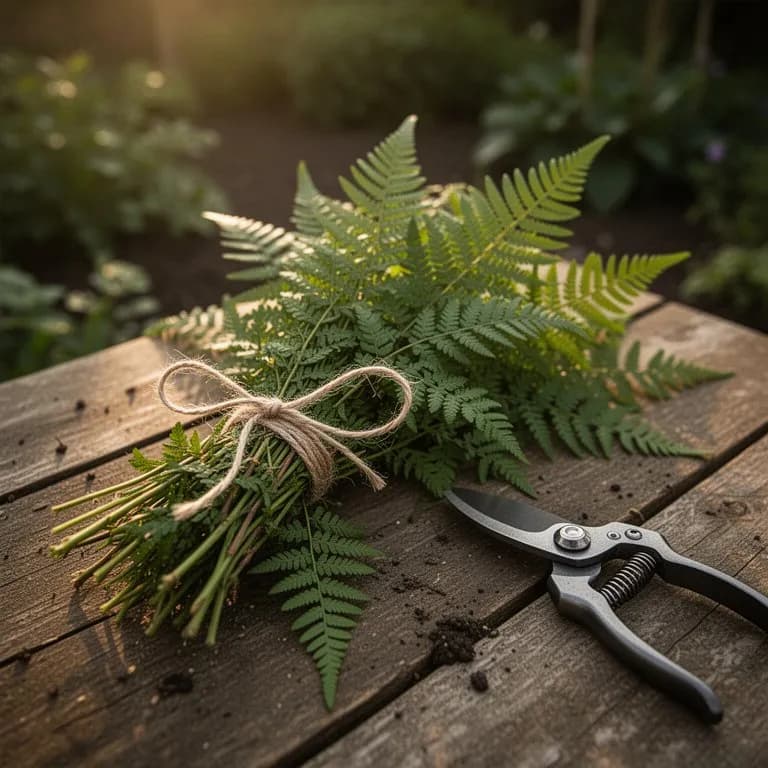
Coseche las hojas de sweet fern en cualquier momento de la temporada de crecimiento, recogiendo hojas individuales o cortando ramas pequeñas. Para té, las hojas jóvenes o de edad intermedia ofrecen el sabor más agradable. Recoja en primavera los pequeños amentos aromáticos (grupos florales). Los pequeños núcleos con recubrimiento ceroso que se forman a finales del verano también pueden recolectarse por sus aceites aromáticos concentrados. Coseche por la mañana, una vez seco el rocío, para obtener el máximo aroma.
se supone que plantas al comenzar el periodo — indica tu fecha real
Cosecha Helecho dulce a tiempo y la planta sigue produciendo.
Almacenamiento y conservación
Seque las hojas sobre rejillas en un lugar cálido y bien ventilado. Las hojas profundamente lobuladas conservan su forma atractiva al secarse y mantienen durante meses su fragancia especiada y dulce. Guárdelas en frascos de vidrio herméticos para preparar té, o en bolsas de papel para saquitos y potpourri. Las hojas secas dan un té herbal agradable y también sirven como adición fragante para saquitos de ropa. Las hojas frescas pueden usarse de inmediato en cocina al fuego: envuelva pescado o carne de caza en hojas de sweet fern antes de asarlas para obtener un sabor ahumado y dulce único.
Qué falla — y cómo solucionarlo
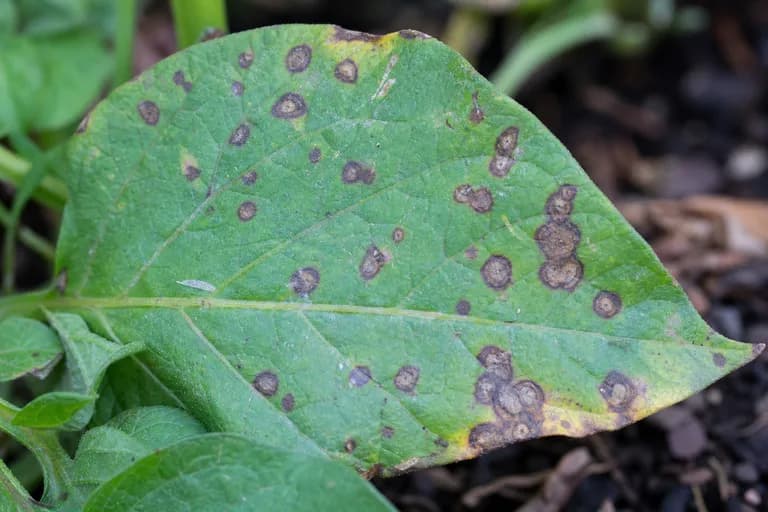
Mancha foliar
EnfermedadPequeñas manchas marrones en las hojas, por lo general solo estéticas y más frecuentes en climas húmedos de finales de verano.
Solución de problemas comunes
El fracaso en el establecimiento casi siempre indica un tipo de suelo incorrecto: sweet fern necesita suelo ácido y arenoso, y declina lentamente en condiciones alcalinas o arcillosas. El estrés por trasplante puede ser intenso, ya que su sistema radicular fino y expansivo resiente mucho la perturbación; use plantas cultivadas en contenedor siempre que sea posible. La falta de expansión suele significar que las condiciones son marginales. En condiciones ideales, la planta puede expandirse con entusiasmo; instale barreras de raíces si desea contenerla.
Consejos de cultivo
- Sweet fern necesita de forma absoluta un suelo ácido con un pH entre 4.0 y 5.5 para prosperar. Analice su suelo antes de plantar y enmiéndelo con azufre elemental o turba si el pH está por encima de 5.5. Plantarla en suelo neutro o alcalino es la causa más común de fracaso con esta especie.
- Nunca fertilice sweet fern: fija su propio nitrógeno mediante bacterias Frankia simbióticas en sus nódulos radiculares y, de hecho, rinde peor en suelos ricos y fértiles. La planta evolucionó en condiciones arenosas y pobres en nutrientes, y añadir compost o fertilizante puede inhibir la formación de nódulos y favorecer las malas hierbas competidoras.
- El drenaje excelente es esencial para la supervivencia de sweet fern. La planta prospera en suelos arenosos, pedregosos y rocosos donde el agua pasa con rapidez. Las arcillas pesadas o las condiciones encharcadas matarán el sistema radicular. Si su suelo es pesado, plántela en un montículo elevado o en una pendiente para asegurar el drenaje.
- El sol pleno produce el crecimiento más vigoroso y la mayor concentración de aceites aromáticos en las hojas. Sweet fern tolera sombra ligera, pero se vuelve larguirucha y menos fragante. Una ladera arenosa orientada al sur es el lugar ideal de plantación, ya que imita el hábitat natural de la planta en lomas secas y cortes de carretera.
- La propagación por semilla es complicada debido a sus requisitos de doble dormancia. Para obtener resultados más rápidos, tome a principios de primavera esquejes de rizoma de 10-15 cm de plantas establecidas, asegurándose de que cada pieza tenga al menos una yema visible. Plántelos en horizontal a 5 cm de profundidad en suelo arenoso ácido y manténgalo ligeramente húmedo hasta que emerjan brotes.
- Sweet fern se extiende de forma constante mediante rizomas subterráneos. Aunque esto es deseable para el control de la erosión y para plantaciones naturalistas, instale una barrera de raíces si necesita contener la colonia dentro de un área definida. Un borde plástico o metálico de 30 cm de profundidad evitará la expansión no deseada.
- Riegue con regularidad la sweet fern recién plantada durante su primera temporada de crecimiento para ayudar a establecer el sistema radicular, pero deje que el suelo se seque entre riegos. Una vez establecida tras 1-2 años, la planta es notablemente tolerante a la sequía y por lo general no necesita riego suplementario salvo durante sequías extremas y prolongadas.
- Recorte los tallos leñosos más viejos a ras de suelo a finales del invierno para estimular un crecimiento nuevo y vigoroso y evitar que la colonia se vuelva rala y larguirucha en el centro. Sweet fern rebota con facilidad desde el sistema de rizomas, y una poda fuerte cada 3-4 años rejuvenece toda la colonia.
- Sweet fern es una excelente planta compañera para arándanos, bearberry, wintergreen y otras especies amantes de la acidez. Su capacidad de fijar nitrógeno enriquece gradualmente el suelo para las plantas vecinas, y la matilla baja y densa ofrece un hábitat beneficioso a ras de suelo para polinizadores e insectos depredadores.
- Coseche las hojas para té durante todo el verano cortando las puntas de los tallos con varias hojas adheridas. No quite más de un tercio del follaje de un tallo individual para asegurar que la planta siga sana. La cosecha por la mañana, después de que se seque el rocío, capta la mayor concentración de aceites esenciales aromáticos.
Cultiva tu mejor Helecho dulce — y todo lo que la rodea.
Empieza un plan gratis hoy. Diseña tus bancales, coloca tu Helecho dulce y deja que PlotMyGarden gestione el momento, el espaciado, las asociaciones y los recordatorios de la semilla a la cesta.
Elige tu Helecho dulce
Comptonia peregrina (estándar)
La única especie del género. Un arbusto caducifolio nativo del este de Norteamérica, con follaje aromático inconfundible parecido al de un helecho. No existen variedades cultivadas.
Sweet fern rara vez se encuentra disponible comercialmente como hierba seca o té, lo que vuelve especialmente valioso el cultivo doméstico para quienes aprecian este sabor silvestre tan singular. Cuando tiendas especializadas de forrajeo o herbolarios sí la ofrecen, el precio suele ser de 8 a 15 € por una bolsa de 30 g. Una sola colonia establecida produce el equivalente a 150-400 € de material vegetal seco al año y sigue expandiéndose cada temporada sin coste adicional. Además, sweet fern elimina la necesidad de saquitos comerciales repelentes de insectos, que suelen costar 5-8 € cada uno: los ramos de hojas secas cumplen la misma función de forma gratuita. Como la planta no necesita fertilizante, requiere riego mínimo y prospera en suelos pobres donde otras plantas fracasan, es una de las hierbas más rentables y fáciles de cuidar que puede cultivar.
Recetas rápidas
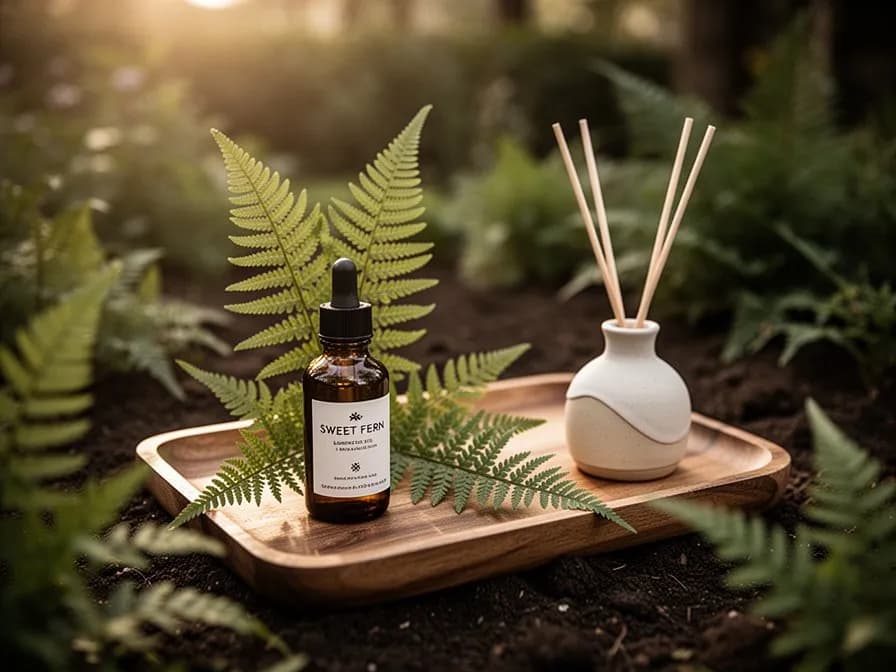
Té tradicional de sweet fern
10 minUn té fragante del bosque preparado con hojas secas de sweet fern, con un perfil de sabor único que combina notas de bayberry, eucalipto suave y resina cálida. Fue una de las infusiones silvestres más populares entre los primeros colonos estadounidenses y sigue siendo una bebida muy apreciada por recolectores y senderistas.
5 ingredientesSal ahumada de sweet fern
15 min (más 2 horas de ahumado)Sal marina gruesa impregnada con el humo aromático de hojas secas de sweet fern, creando un condimento único con notas leñosas y resinosas. Excelente sobre carnes a la parrilla, verduras asadas y palomitas de maíz. Esta preparación retoma la práctica tradicional indígena de usar sweet fern como hierba para ahumar alimentos y preservarlos.
4 ingredientesMiel infusionada con sweet fern
10 min (más 3 semanas de infusión)Miel cruda infusionada lentamente con hojas secas de sweet fern, que absorbe los terpenos aromáticos y produce un endulzante con un sabor único y matices cálidos y resinosos. Úsela sobre queso, incorpórela al té o como glaseado para verduras de raíz asadas.
4 ingredientesUsos culinarios
Las hojas de sweet fern producen un té herbal singular, con un sabor complejo, resinoso, especiado y dulce, distinto al de cualquier otra hierba. Infusione hojas frescas o secas en agua hirviendo durante 5 a 10 minutos. Los pueblos indígenas de Norteamérica tradicionalmente envolvían pescado y caza en las hojas antes de cocinarlos sobre brasas, lo que aportaba un sabor ahumado y dulce muy característico. Las hojas aromáticas también pueden emplearse para perfumar marinadas y adobos para carnes a la parrilla. Históricamente, el té se utilizó como ayuda digestiva.
Qué contiene
Beneficios para la salud
- El té de sweet fern se ha utilizado tradicionalmente durante siglos por pueblos indígenas y colonos para aliviar molestias digestivas: los taninos y aceites volátiles aportan una acción astringente y carminativa suave que puede ayudar a calmar diarreas leves, malestar estomacal y cólicos intestinales.
- Las hojas contienen terpenos antiinflamatorios como cineol y alfa-pineno, compuestos también presentes en el eucalipto y el romero, que pueden ayudar a aliviar la congestión respiratoria y favorecer una respiración despejada cuando se consumen como infusión caliente o se usan en inhalación de vapor.
- Ricas en antioxidantes polifenólicos, las preparaciones con hoja de sweet fern pueden ayudar a combatir el estrés oxidativo y apoyar la salud celular; los herbolarios tradicionales han recomendado durante mucho tiempo el té como tónico general durante la convalecencia.
- Las cataplasmas y lavados con hoja de sweet fern se han usado tradicionalmente para aliviar el picor y la inflamación de la hiedra venenosa, las picaduras de insectos y las irritaciones leves de la piel; los taninos astringentes ayudan a secar erupciones supurantes mientras los compuestos antiinflamatorios reducen la hinchazón.
- Los compuestos volátiles aromáticos liberados al infusionar o quemar hojas de sweet fern pueden tener efectos leves calmantes y de mejora del ánimo; el terpeno mirceno presente en las hojas ha mostrado propiedades sedantes en estudios farmacológicos preliminares.
- Las propiedades astringentes de sweet fern también se extienden a la salud bucal: el uso tradicional incluye hacer gárgaras con té de sweet fern ya enfriado para calmar el dolor de garganta y reducir la inflamación leve de las encías, aprovechando los mismos compuestos ricos en taninos que la hacen útil para problemas digestivos.
De dónde viene Helecho dulce
Comptonia peregrina, conocida comúnmente como sweet fern, es originaria del este de Norteamérica, desde Nueva Escocia y el sur de Quebec hasta Minnesota y, hacia el sur, a lo largo de los Apalaches hasta Georgia y Alabama. Es la única especie sobreviviente de su género, lo que la convierte en un relicto botánico: el registro fósil muestra que las especies de Comptonia estuvieron muy extendidas por todo el hemisferio norte durante el período Terciario, con especies relacionadas halladas en depósitos del Eoceno de Europa, Asia y el oeste de Norteamérica. La sweet fern actual es el último vestigio de este linaje antaño diverso.
Sweet fern habita suelos secos, ácidos y arenosos en bosques abiertos, laderas rocosas, cortes de carretera y claros quemados del noreste de Estados Unidos y del sureste de Canadá. Prospera en los suelos glaciares pobres en nutrientes dejados tras la última glaciación, formando densas matas aromáticas junto a pino resinoso, roble matorral, arándano y bearberry. Sus nódulos radiculares fijadores de nitrógeno, formados en simbiosis con bacterias Frankia, le permiten prosperar donde el suelo es demasiado pobre para la mayoría de los demás arbustos.
Los pueblos indígenas del noreste valoraban mucho sweet fern por sus usos prácticos y medicinales. Los ojibwa preparaban las hojas como té para dolores de cabeza, resfriados y molestias digestivas. Los potawatomi usaban cataplasmas de hojas para aliviar el picor de la hiedra venenosa y otras irritaciones de la piel. Los mi'kmaq quemaban sweet fern seca como humo ritual para ahuyentar insectos picadores en los campamentos de pesca de verano, y muchas tribus colocaban las hojas fragantes en cestas de almacenamiento de alimentos para disuadir gorgojos y polillas. Las pequeñas núculas se comían como tentempié para el camino y se añadían al pemmican.
Cuando llegaron los colonos europeos, adoptaron rápidamente sweet fern de sus vecinos indígenas. El té aromático se convirtió en una bebida doméstica popular en Nueva Inglaterra y las Provincias Marítimas, apreciada tanto por su sabor agradable como por su reputación de calmar el estómago. Durante la Revolución Americana, el té de sweet fern adquirió un significado patriótico como una de varias infusiones de hierbas silvestres conocidas en conjunto como Liberty Tea, preparadas como alternativa a las importaciones británicas gravadas. La planta también encontró uso en la medicina popular para tratar la diarrea, el reumatismo y las afecciones de la piel, y sus fragantes hojas secas se agrupaban en saquitos para armarios de lino y se colgaban en las habitaciones para refrescar el aire y ahuyentar insectos.
Helecho dulce: ¿sabías que?
Datos fascinantes sobre Helecho dulce
A pesar de su nombre, sweet fern no es un helecho en absoluto: es un arbusto leñoso caducifolio de la familia Myricaceae, más emparentado con la miricaria y el bayberry que con cualquier helecho verdadero. El nombre común es descriptivo y se refiere a sus hojas profundamente lobuladas, que se parecen mucho a las frondes de un helecho.
Helecho dulce: preguntas frecuentes
¿Cuándo debo plantar Helecho dulce?
¿En qué zonas de rusticidad puede crecer Helecho dulce?
¿Cuánto sol necesita Helecho dulce?
¿A qué distancia debo espaciar Helecho dulce?
¿Qué plagas y enfermedades afectan a Helecho dulce?
¿Cómo almaceno Helecho dulce después de la cosecha?
¿Cuáles son las mejores variedades de Helecho dulce para cultivar?
¿Qué suelo necesita Helecho dulce?
¿Sweet fern es realmente un helecho, y por qué se parece a uno?
¿Qué tipo de suelo necesita sweet fern y crecerá en mi jardín?
¿Cómo preparo té de sweet fern y a qué sabe?
¿Sweet fern se extenderá demasiado y se adueñará de mi jardín?
¿Puedo usar sweet fern como repelente natural de insectos?
¿Cómo propago sweet fern si sembrar semillas es tan difícil?
Acabas de leer la teoría. Ahora cultívala en piloto automático.
Todo lo que hace que Helecho dulce sea delicado — el momento, el espaciado, las asociaciones, la ventana de cosecha — es justo lo que PlotMyGarden resuelve por ti, para cada planta de tu huerto.
Un plan que conoce tu clima
Indica tu ubicación una vez. Recibe fechas de siembra, abonado y cosecha basadas en tu última helada real y el pronóstico en vivo — sin adivinar con un sobre genérico.
De la sección “Cuándo plantar”Planificador de bancales de arrastrar y soltar
Diseña bancales sobre una cuadrícula. Cada planta encaja con su espaciado correcto y ves toda la temporada antes de gastar un céntimo en semillas.
De la sección “Cultivo”Conflictos de asociación, detectados a tiempo
Más de 200 buenas y malas combinaciones comprobadas en vivo mientras plantas — para que un error que arruine la temporada nunca llegue a la tierra.
De la sección “Asociaciones”Recordatorios que sí vas a seguir
“Riega las judías.” “Recoge hoy antes de que se pase.” Oportunos, concretos y ligados a las plantas que de verdad cultivas.
De la sección “Cosecha”Escalonado, programado
¿Quieres cosechar seis semanas en vez de seis días? Reparte tus siembras automáticamente y te avisa cuando toca el siguiente lote.
De la sección “Cuándo plantar”Un registro que se vuelve más listo
Cada cosecha que registras le enseña tu huerto. El plan del año que viene parte de lo que de verdad funcionó en tu suelo, no en un manual.
De la sección “Resumen”Más Hierbas aromáticas
Cultiva tu mejor Helecho dulce — y todo lo que la rodea.
Empieza un plan gratis hoy. Diseña tus bancales, coloca tu Helecho dulce y deja que PlotMyGarden gestione el momento, el espaciado, las asociaciones y los recordatorios de la semilla a la cesta.