Calabacín Cousa
El calabacín cousa (Cucurbita pepo) es una variedad de calabaza de verano originaria del Líbano y la región del Levante mediterráneo.





En esta páginaResumen
Conoce Calabacín Cousa
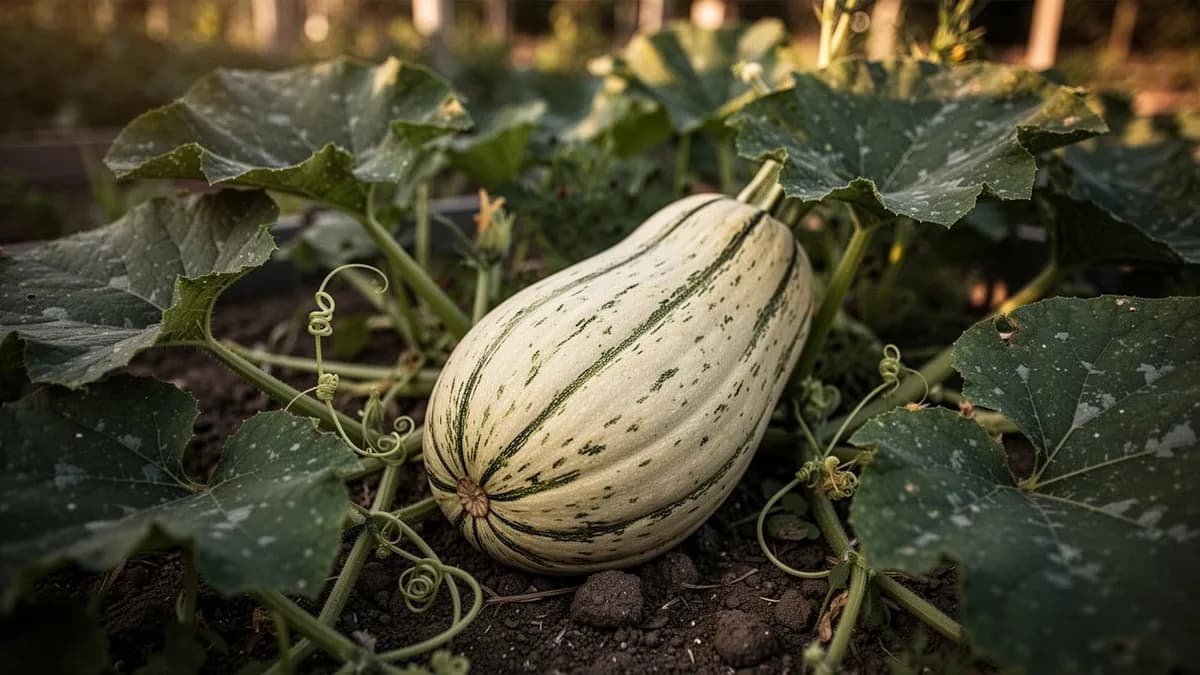
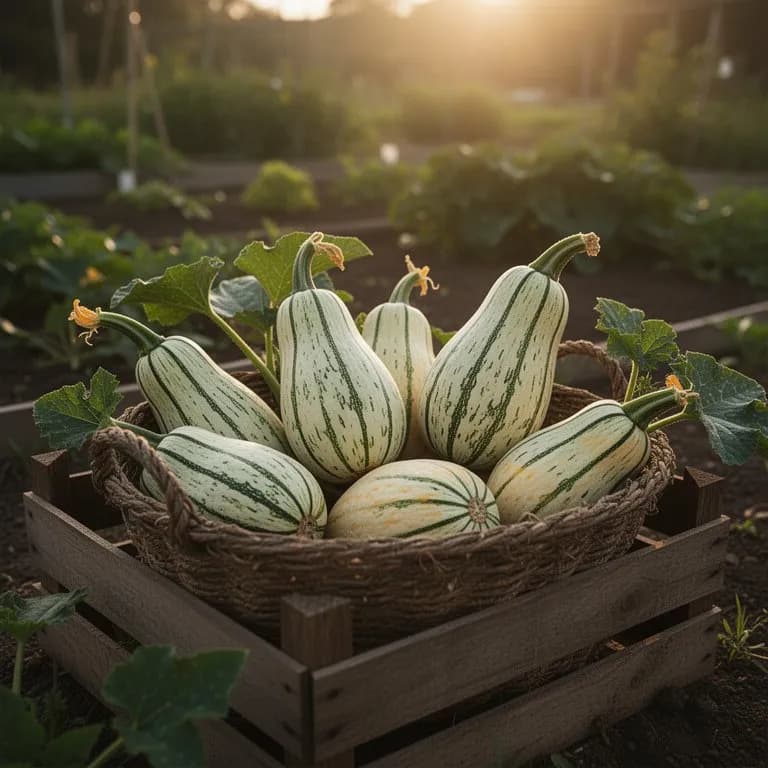
El calabacín cousa (Cucurbita pepo) es una variedad de calabaza de verano originaria del Líbano y la región del Levante mediterráneo. Se distingue por su forma rechoncha, corta y redondeada, con piel verde pálido y pulpa blanca excepcionalmente tierna y de sabor delicado. Es el calabacín preferido para el plato libanés kousa mahshi (calabacín relleno), uno de los pilares de la gastronomía del Oriente Medio.
Cuándo plantar Calabacín Cousa
Siembre directamente en el exterior después de la última helada cuando el suelo esté cálido (18 °C mínimo), o inicie en interior 3-4 semanas antes en macetas individuales. Coloque 2-3 semillas a 2-3 cm de profundidad por montículo. La germinación ocurre en 5-10 días a 20-25 °C. Aclare a la plántula más fuerte. Los calabacines no toleran bien el trasplante, así que use macetas biodegradables si inicia en interior.
Tu año de Calabacín Cousa
Ajustado a Zona 7 · temporada típica · la helada se va hacia el 2 abr y vuelve hacia el 1 nov
Planta Calabacín Cousa Abr – Jun y cosecha Jul – Sep. Consulta los métodos de plantación y elige tu clima para adaptar los periodos.
Cómo cultivar Calabacín Cousa
El calabacín cousa se cultiva como cualquier calabacín, pero se cosecha más pequeño para aprovechar su textura especialmente tierna. Elija un lugar a pleno sol con al menos 6-8 horas de luz directa y suelo rico, fértil y bien drenado, pH entre 6,0 y 7,5. Necesita suelo cálido para prosperar.
Siembre directamente después de la última helada cuando la temperatura del suelo supere los 18 °C, o inicie en interior 3-4 semanas antes. Plante 2-3 semillas a 2-3 cm de profundidad en montículos separados 90-100 cm. Aclare a la planta más vigorosa.
Riegue abundante y regularmente en la base, evitando mojar las hojas. Aplique acolchado grueso para conservar la humedad y fertilice cada 2-3 semanas con compost o fertilizante orgánico rico en potasio. Coseche con frecuencia para estimular la producción continua de frutos.
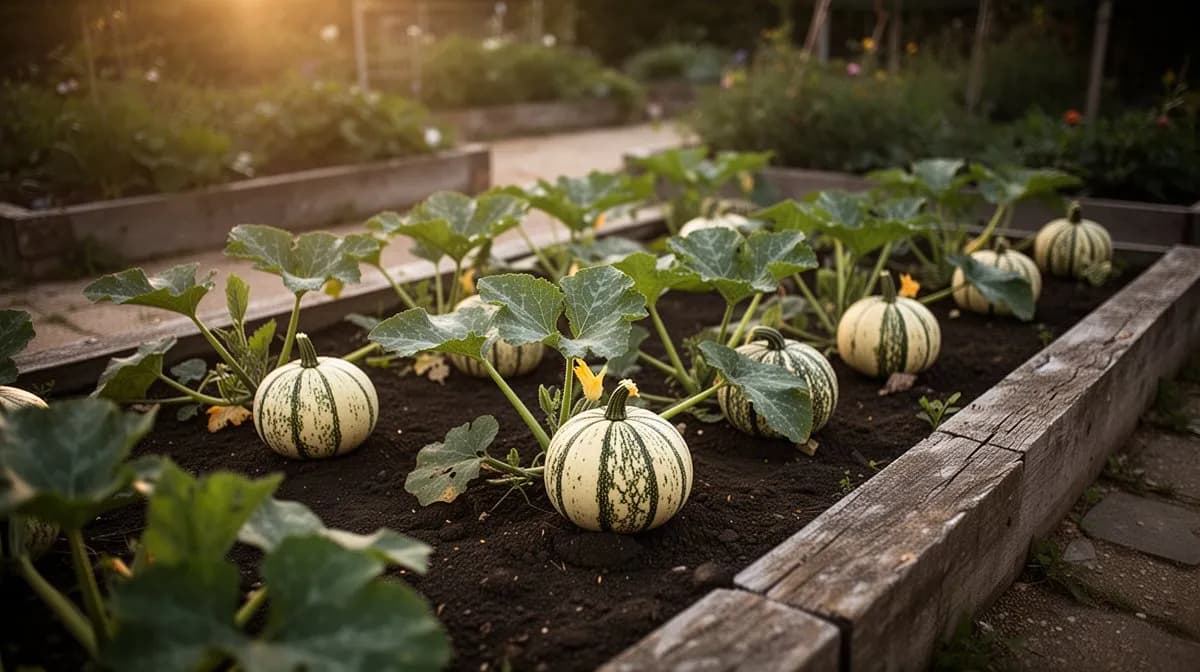
2 plantas caben en un bancal de 120 × 240 cm
Cada Calabacín Cousa pide 90 cm de margen. El planificador guarda ese marco por ti — cada planta, cada bancal.
Los mejores vecinos de Calabacín Cousa
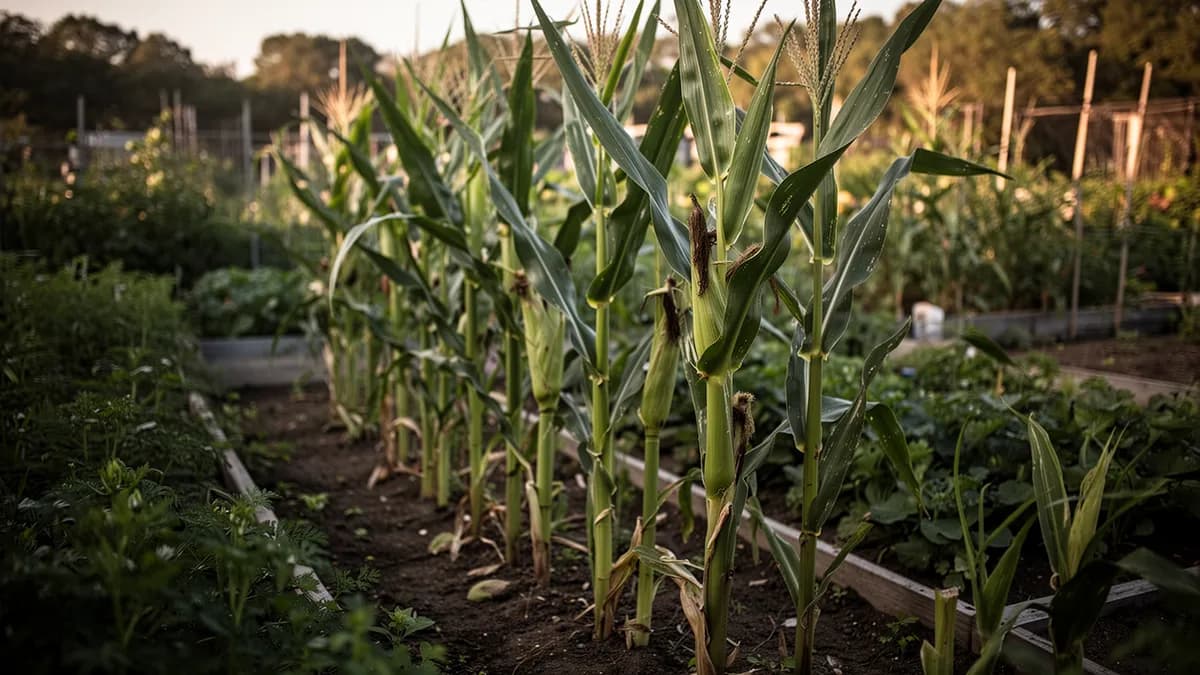
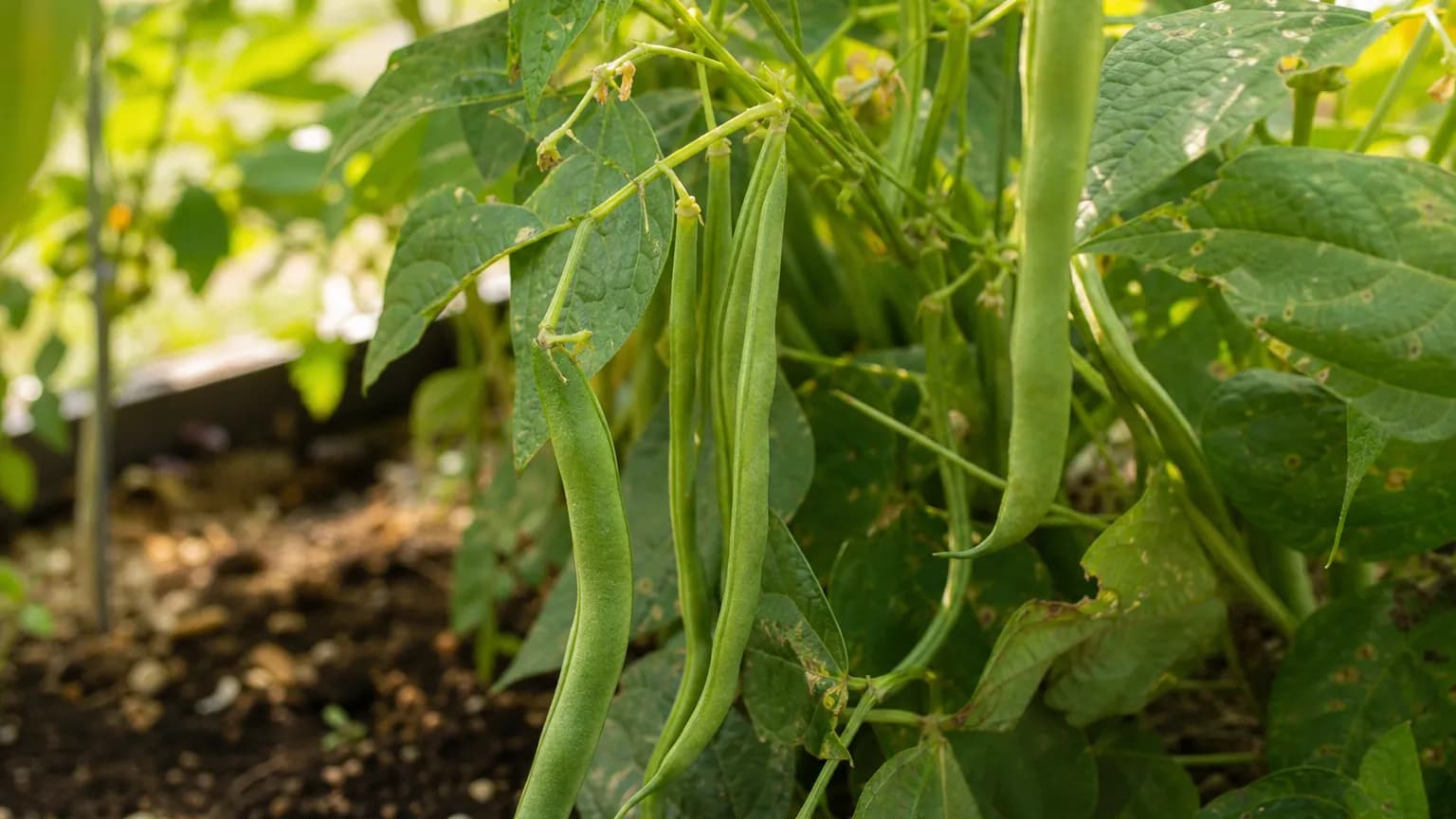
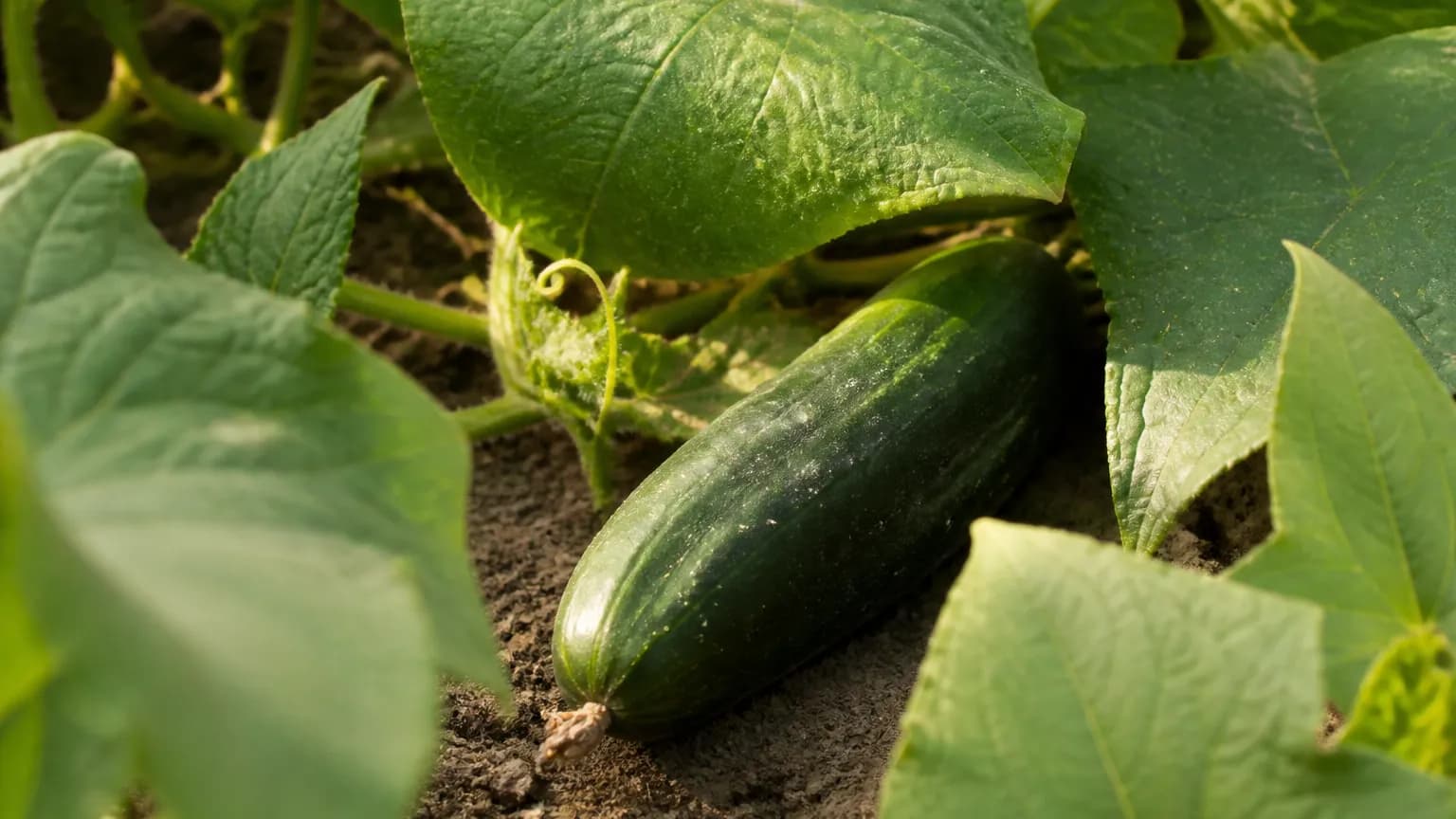
El calabacín cousa crece bien junto a frijoles, que fijan nitrógeno, y maíz, que proporciona cierta sombra parcial. Las caléndulas y la albahaca plantadas cerca repelen insectos y atraen polinizadores. Evite plantarlo junto a patatas y a otros miembros de las cucurbitáceas para reducir la presión de plagas y enfermedades.
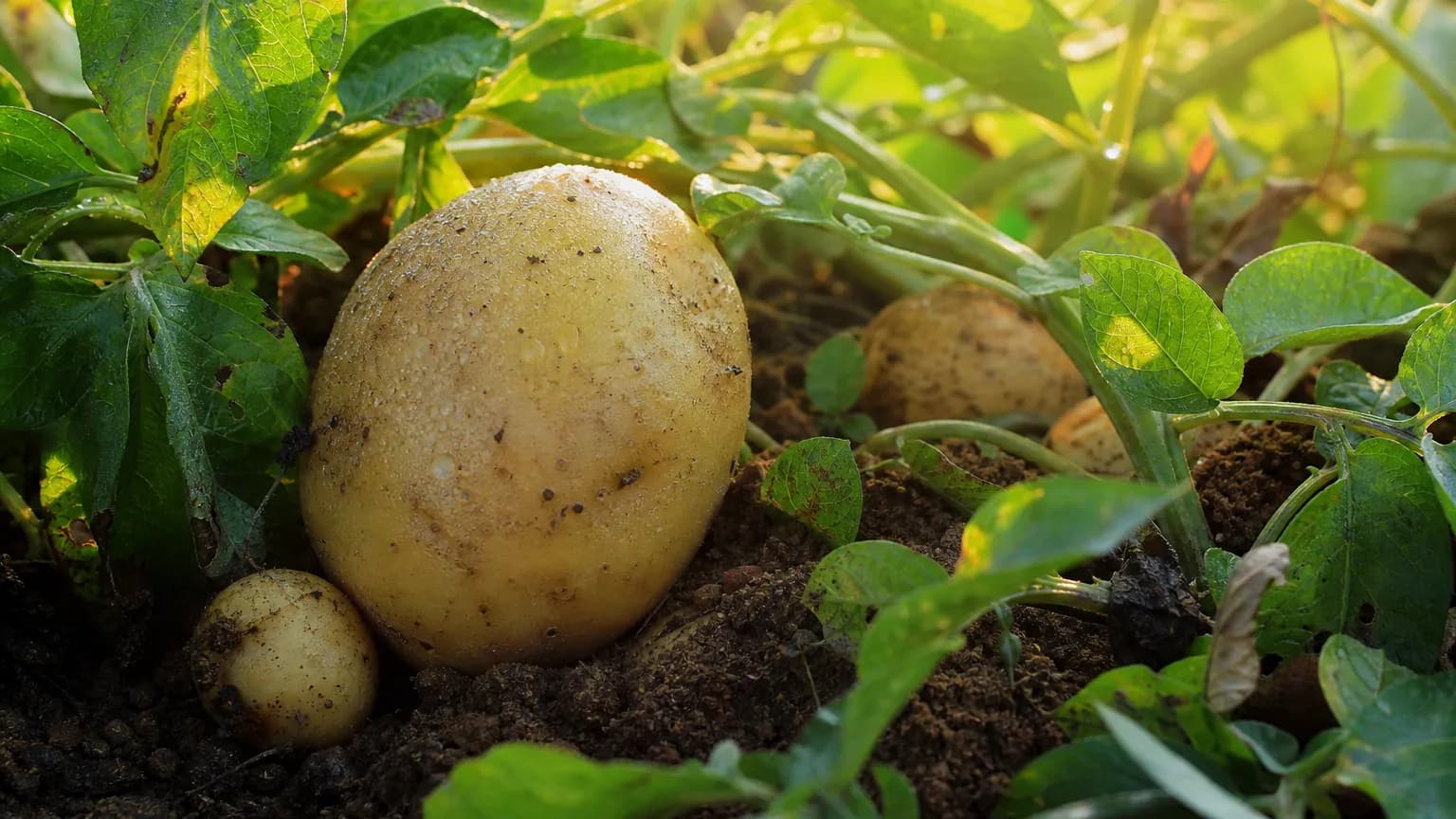
Maíz va a su lado. Papa no.
Saber de huerto de siempre, cotejado con la tabla real de Calabacín Cousa — prueba cualquier planta que cultives.
Prueba Calabacín Cousa en un bancal, aquí mismo
Un bancal real del planificador con Calabacín Cousa ya plantado. Toca una planta compañera para colocarla y mira cómo responde la comprobación de vecinos: verde para buenos vecinos, rojo si hay conflicto.


Guías de cultivo relacionadas
Abónalo bien
El calabacín cousa necesita suelo rico, fértil y bien drenado con pH entre 6,0 y 7,5. Incorpore abundante compost y estiércol bien descompuesto antes de la siembra. Aplique fertilizante orgánico rico en potasio cada 2-3 semanas durante la fructificación. El suelo debe ser cálido (18 °C mínimo) para una germinación y crecimiento óptimos.
Temperatura ideal
Compatibilidad de zonas de rusticidad
De la semilla a la cosecha, etapa por etapa
Siembra
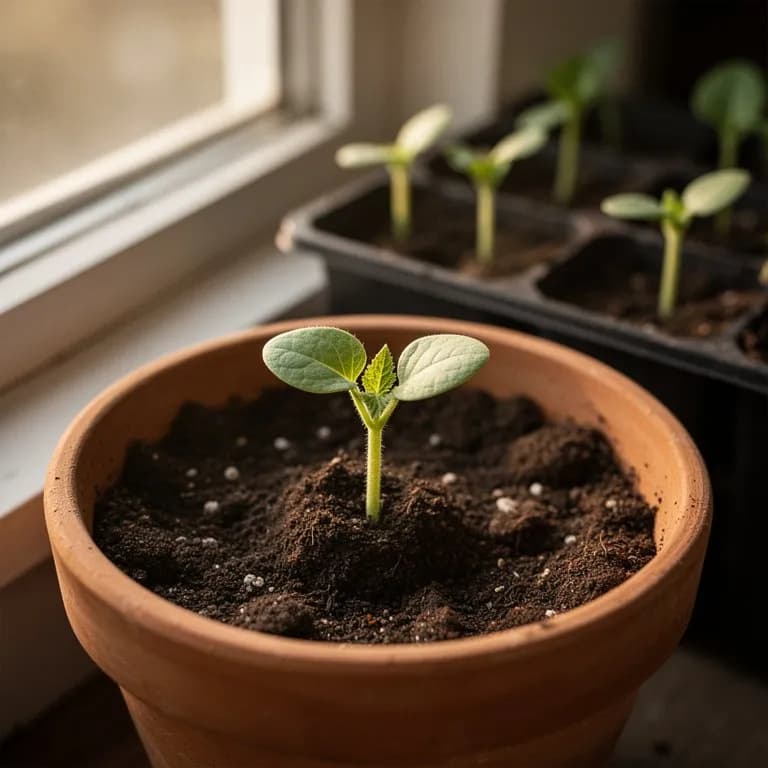
Las semillas germinan rápidamente en suelo cálido, formando en 5-10 días un hipocótilo grueso y dos cotiledones anchos y redondeados. Las semillas de calabaza cousa son grandes y fáciles de manipular, lo que hace que la siembra directa sea sencilla. La temperatura del suelo debe ser al menos de 18°C para una germinación fiable, siendo óptimos 24-30°C.
Desarrollo de plántula
Aparecen las primeras hojas verdaderas con la forma profundamente lobulada y ligeramente rugosa típica del follaje de las calabazas. La planta desarrolla un porte arbustivo y semicomacto con una corona central fuerte. El sistema radicular se expande rápidamente, estableciendo una red extensa de raíces finas en los primeros 30 cm del suelo.
Crecimiento vegetativo
La planta crece con vigor y produce hojas grandes y palmeadas sobre tallos gruesos y huecos. Las variedades cousa tienden a un porte más compacto y arbustivo que otras calabazas de verano rastreras, aunque algunos tallos pueden extenderse. El follaje se expande rápidamente y sombrea el suelo debajo.
Floración
Grandes flores de color amarillo dorado y forma de trompeta se abren a primera hora de la mañana. Las flores masculinas aparecen primero en tallos largos y delgados, seguidas varios días después por las flores femeninas, identificables por el pequeño fruto (ovario) en su base. Cada flor se abre solo un día y debe ser polinizada por las abejas por la mañana.
Desarrollo del fruto
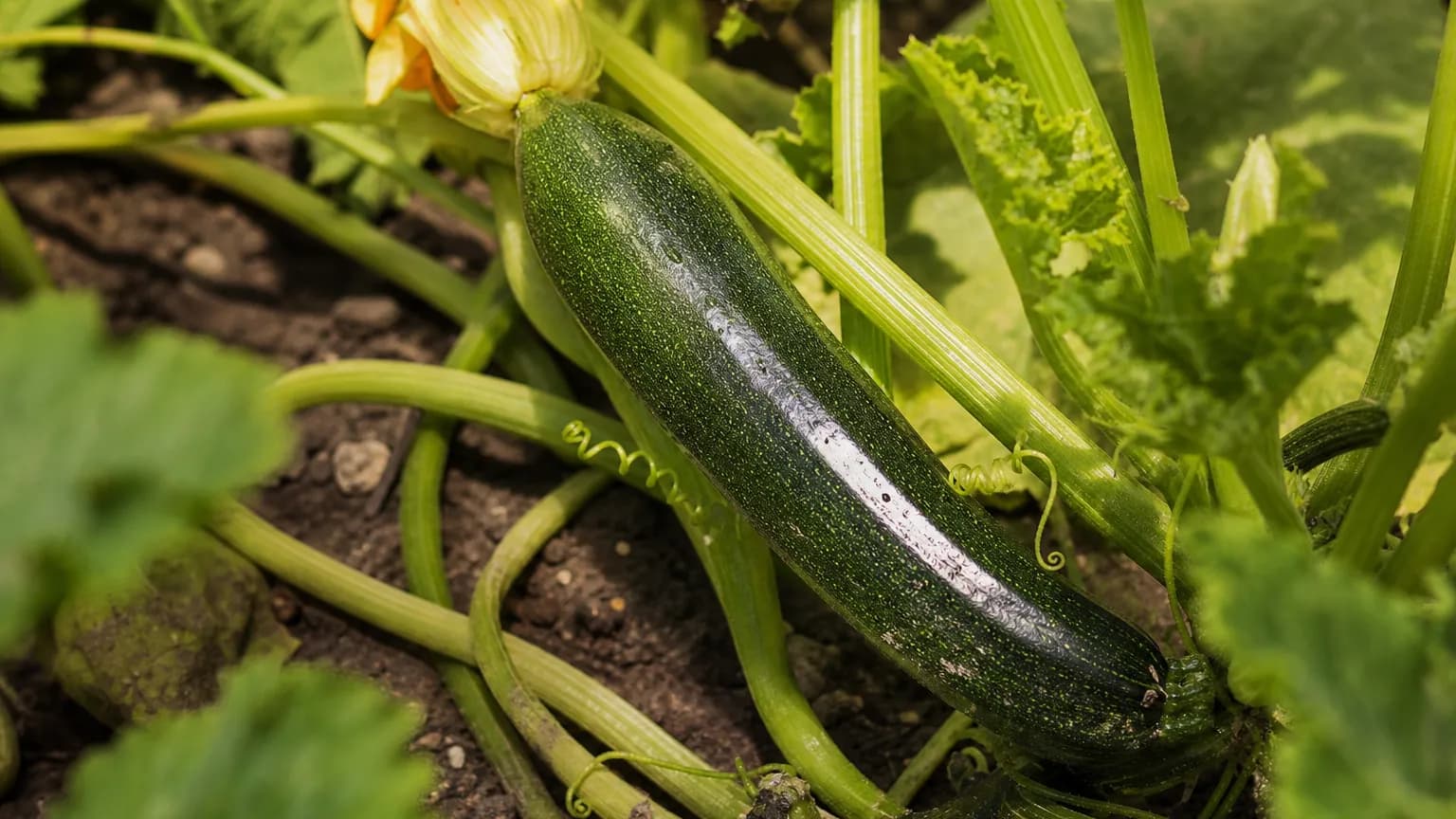
Las flores femeninas polinizadas se hinchan rápidamente y forman frutos cilíndricos de color verde pálido con piel lisa y ligeramente moteada. La calabaza cousa crece de manera notablemente rápida con calor: los frutos pueden alargarse 2-3 cm por día. La pulpa se mantiene densa, firme y casi sin semillas en el tamaño ideal de cosecha de 10-15 cm.
Cosecha máxima
La planta entra en producción continua, floreciendo y fructificando al mismo tiempo durante 6-10 semanas en condiciones cálidas. Una sola planta sana de cousa puede producir 3-5 frutos cada pocos días durante el pico del verano. La producción disminuye gradualmente cuando las temperaturas bajan de 18°C o cuando la planta agota sus reservas de energía.
Siembra las semillas a 2,5 cm de profundidad en montículos o caballones de suelo enriquecido después de que haya pasado todo riesgo de heladas. Coloca 2-3 semillas por montículo y aclara hasta dejar la plántula más fuerte. Si empiezas en interior, usa macetas grandes y biodegradables para no dañar las raíces sensibles al trasplantar.
Cuidar Calabacín Cousa mes a mes
Qué hacer cada mes para tu Calabacín Cousa
Octubre
Mes actualFinal harvests in most zones. Pull spent plants and compost healthy material. Note planting dates, variety performance, and pest issues for next season's planning. Clean and store coring tools.
Ten claro qué hacer en tu huerto, cada mes
Un correo al empezar cada mes: qué sembrar, plantar y hacer ahora mismo — para tu Calabacín Cousa y todo lo que crece alrededor. Más un breve curso inicial para esquivar los errores clásicos.
- Qué hacer ahora mismo
- Ajustado a tu temporada
- Curso inicial incluido
Cosechar Calabacín Cousa
Coseche el calabacín cousa cuando tenga 10-15 cm de longitud, más pequeño que un calabacín convencional, generalmente entre 50 y 60 días tras la siembra. A este tamaño, la pulpa es excepcionalmente tierna e ideal para rellenar. Corte con un cuchillo afilado dejando 2 cm de pedúnculo. Coseche cada 2-3 días para estimular la producción.
se supone que plantas al comenzar el periodo — indica tu fecha real
Cosecha los frutos cuando midan entre 10 y 15 cm para rellenarlos, o hasta 18 cm para asarlos o saltearlos.
Almacenamiento y conservación
Los frutos frescos se conservan en el refrigerador 5-7 días dentro de una bolsa perforada. Para congelación, vacíe y rellene los calabacines antes de congelarlos, ya que la textura del cousa crudo no se conserva bien al congelar. También pueden cortarse en rodajas y deshidratarse o conservarse en aceite de oliva.
Qué falla — y cómo solucionarlo
Oídio (Podosphaera xanthii)
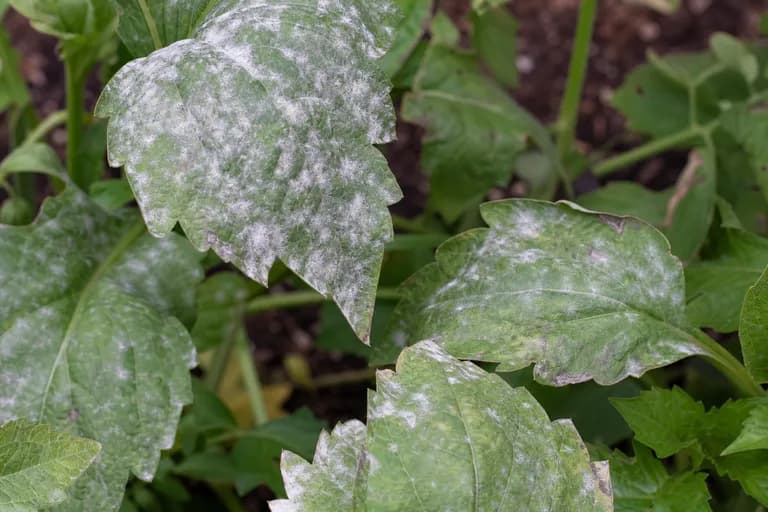
EnfermedadPolvo blanquecino en las hojas que se extiende progresivamente. Las hojas amarillean, se secan y caen, reduciendo la producción de frutos.
Mosca blanca (Bemisia tabaci)
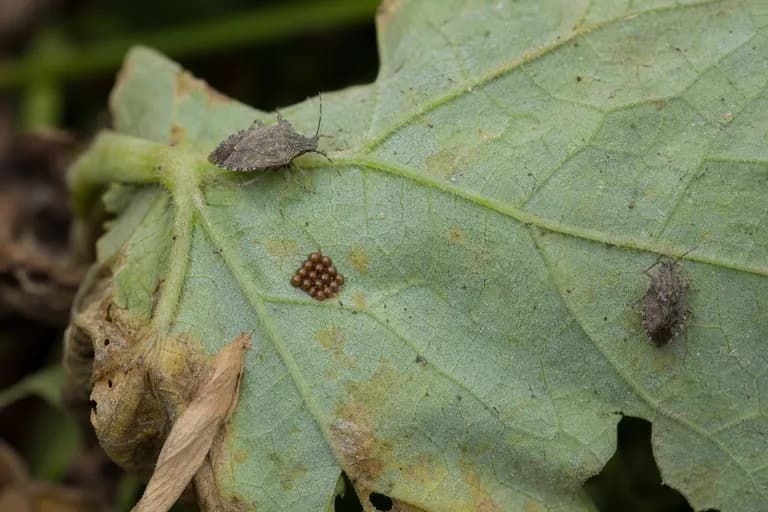
PlagaPequeños insectos blancos que vuelan al agitar las hojas. Se alimentan del envés foliar causando amarillamiento, debilitamiento y segregando melaza que favorece la negrilla.
Pudrición apical del fruto
EnfermedadManchas oscuras y hundidas en el extremo floral de los frutos que se extienden y ablandan el tejido. No es causada por un patógeno sino por deficiencia de calcio.
Solución de problemas comunes
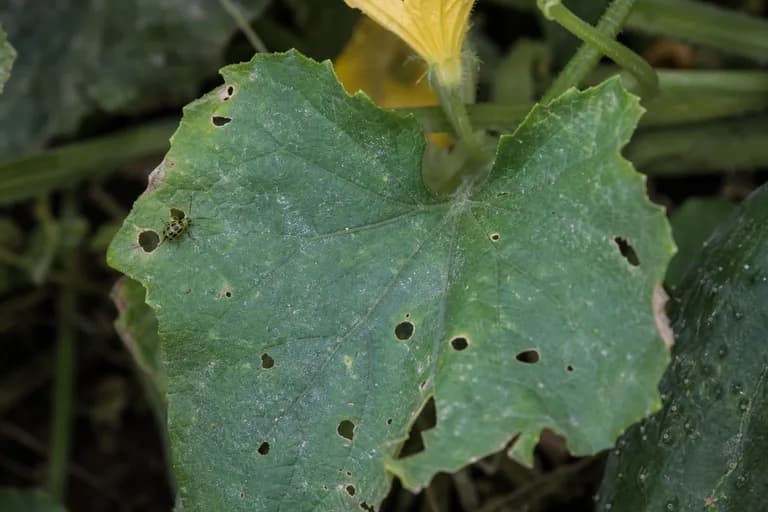
Al igual que otros calabacines, es susceptible al oídio en condiciones húmedas con mala circulación de aire. La falta de polinización puede causar frutos que no se desarrollan; si esto ocurre, polinice a mano transfiriendo polen de las flores masculinas a las femeninas con un pincel. El exceso de producción puede agotar la planta; retire los frutos grandes que se hayan pasado.
Consejos de cultivo
- Plant cousa in the richest soil you have. Squash are among the heaviest feeders in the vegetable garden — work in 5-8 cm of aged compost or well-rotted manure before planting, and continue side-dressing monthly throughout the growing season.
- Harvest cousa small for stuffing. The ideal size for kousa mahshi is 10-12 cm — at this stage the flesh is dense, the seed cavity is tiny, and the skin is thin enough to eat. Larger fruits become watery and seedy, losing the dense texture that defines this variety.
- Water at the base, never overhead. Wet foliage is the primary driver of powdery mildew, the most common disease affecting squash. Use drip irrigation or soaker hoses and water in the morning so any incidental moisture dries quickly.
- Invest in a proper coring tool (manakra). The traditional Middle Eastern squash corer makes hollowing cousa for stuffing dramatically easier and faster than using a knife or spoon. Available at Middle Eastern grocery stores or online for just a few dollars.
- Grow vertically if space is limited. Although cousa is naturally bushy, it can be trained up a sturdy trellis or tomato cage. Vertical growing improves air circulation, reduces disease pressure, and keeps fruit clean and easy to spot for timely harvest.
- Plant successionally for an extended harvest. Sow a second round of seeds 3-4 weeks after the first planting to ensure continuous production. The first planting often declines from disease pressure by late summer, and fresh plants take over seamlessly.
- Monitor for squash vine borers weekly from June onward. Inspect the base of stems for small entry holes and sawdust-like frass. Wrapping the lower 10 cm of the stem with aluminum foil or row cover fabric can prevent the adult moth from laying eggs.
- Save the male flowers for cooking. Cousa plants produce far more male flowers than needed for pollination. Harvest excess males in the morning while open, stuff with herbed cheese or rice, and fry for a traditional Mediterranean delicacy.
Cultiva tu mejor Calabacín Cousa — y todo lo que la rodea.
Empieza un plan gratis hoy. Diseña tus bancales, coloca tu Calabacín Cousa y deja que PlotMyGarden gestione el momento, el espaciado, las asociaciones y los recordatorios de la semilla a la cesta.
Elige tu Calabacín Cousa
Cousa (Lebanese)
La variedad original libanesa con frutos cortos y rechonchos de piel verde pálido brillante. Pulpa blanca muy tierna, perfecta para rellenar. 50-55 días.
Magda
Variedad de cousa mejorada con mayor resistencia a enfermedades. Frutos ligeramente más alargados pero con la misma textura sedosa. Muy productiva. 48-52 días.
Clarion
Variedad franco-libanesa con piel verde claro uniforme y forma compacta ideal para relleno. Sabor delicado y refinado. 50-55 días.
White Bush
Variedad de piel blanco-verdosa con forma achaparrada característica. Planta compacta ideal para espacios reducidos. Textura muy suave. 50-55 días.
A single cousa squash plant grown from a $3-4 seed packet (containing 15-25 seeds) can produce 25-50 fruits over a season. Cousa squash sells for $3-6 per pound at specialty and Middle Eastern grocery stores — significantly more than common zucchini due to its niche market status. Growing just 2-3 plants can easily yield $60-120 worth of produce. The savings increase further when factoring in the premium cost of prepared kousa mahshi at restaurants ($15-25 per serving), which you can make abundantly from your home harvest.
Recetas rápidas
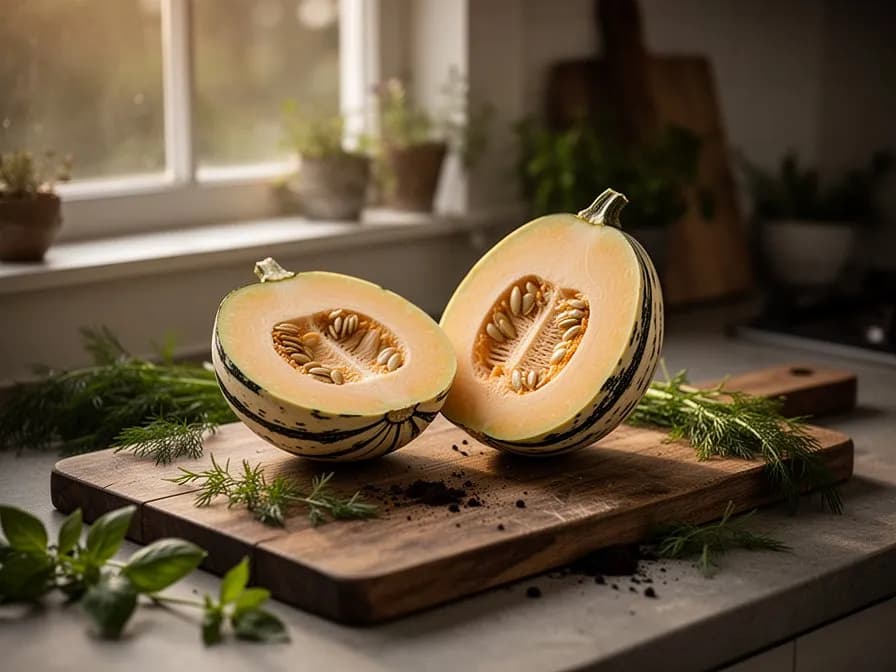
Kousa Mahshi (Lebanese Stuffed Squash)
75 minThe definitive cousa recipe — small squash carefully cored and filled with a fragrant mixture of spiced rice, ground lamb, and pine nuts, then simmered in a tangy tomato-yogurt broth until meltingly tender. This is the dish that gives cousa squash its culinary identity across the Levant.
12 ingredientes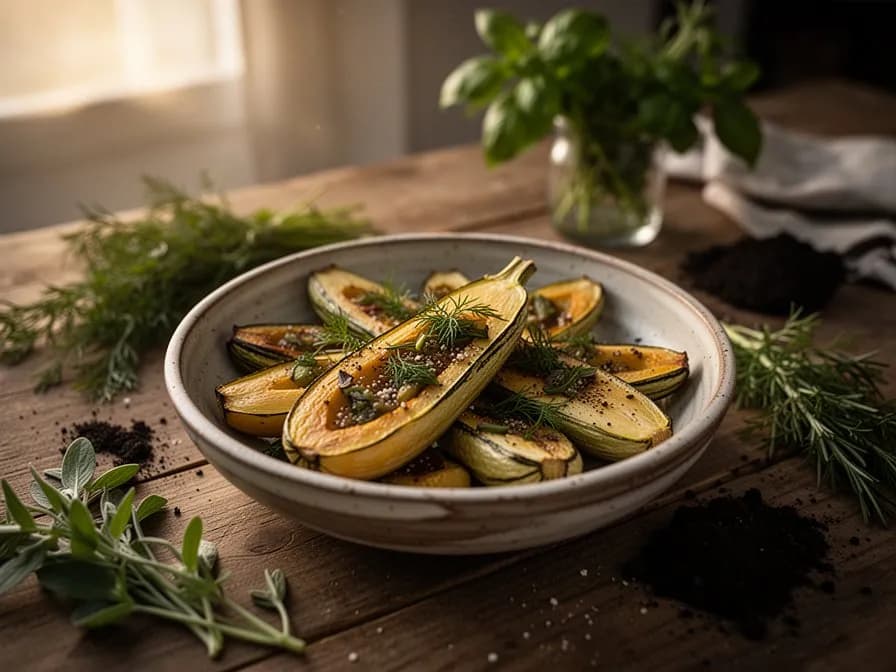
Grilled Cousa with Za'atar and Lemon
20 minThick planks of cousa squash brushed with olive oil and za'atar, then grilled until charred and smoky. The dense flesh holds together beautifully on the grill, developing a sweet, caramelized exterior while staying creamy inside — a perfect Mediterranean summer side dish.
8 ingredientesCousa Squash Fritters (Ejjeh Kousa)
25 minGrated cousa squash mixed with eggs, herbs, and a touch of flour, then pan-fried into golden, crispy-edged fritters. A beloved Levantine home-cooking staple that transforms abundant summer squash into an irresistible appetizer or light meal.
10 ingredientesUsos culinarios
El calabacín cousa es el rey del kousa mahshi libanés: se vacía con un descorazonador especial, se rellena con arroz, carne picada, tomate y especias, y se cuece lentamente en salsa de tomate con limón. También se prepara simplemente a la parrilla con aceite de oliva y za'atar, frito en rodajas con ajo, o en tortillas y fritadas. Su textura tierna y sabor delicado lo hacen versátil en toda la cocina mediterránea.
Qué contiene
Beneficios para la salud
- Extremely low calorie density at just 17 calories per 100g, making cousa squash an excellent high-volume food for weight management that provides satisfying bulk without significant caloric impact.
- Good source of vitamin C (19% DV per 100g), a powerful antioxidant that supports immune defense, iron absorption, and collagen synthesis for healthy skin and connective tissue.
- High water content of approximately 95% contributes to daily hydration needs, particularly valuable during hot summer months when the plant is at peak production and fluid needs are highest.
- Contains potassium (261mg per 100g) which helps maintain healthy blood pressure by counteracting the effects of dietary sodium and supporting proper cardiovascular function.
- Provides dietary fiber that supports digestive regularity and feeds beneficial gut bacteria, contributing to a healthy intestinal microbiome and improved nutrient absorption.
- Rich in antioxidant compounds including lutein and zeaxanthin, carotenoids that accumulate in the retina and have been associated with reduced risk of age-related macular degeneration and cataracts.
De dónde viene Calabacín Cousa
Cousa squash belongs to the species Cucurbita pepo, which originated in Mesoamerica and was one of the first plants domesticated by humans — archaeological evidence places squash cultivation in Mexico as far back as 8,000-10,000 years ago. After Spanish and Portuguese explorers brought New World squashes to Europe and the Mediterranean basin in the 16th century, the plants spread rapidly through trade routes to the Ottoman Empire, North Africa, and the Levant.
In the eastern Mediterranean, farmers selectively bred summer squash over centuries to produce compact, cylindrical fruits with dense flesh and small seed cavities — traits ideally suited for the region's signature stuffed vegetable dishes. This localized breeding produced the distinctive cousa type, which became the dominant summer squash across Lebanon, Syria, Palestine, Jordan, and Egypt. The dish kousa mahshi (stuffed squash) became a cornerstone of Levantine cuisine, prepared in countless household variations with spiced rice, meat, tomato, and yogurt.
Today, cousa squash remains deeply tied to Middle Eastern culinary identity and is increasingly popular in Western markets as interest in Levantine and Mediterranean cooking grows. It is widely grown in home gardens across the Middle East, North Africa, and in diaspora communities worldwide. In the United States, cousa seeds became available through specialty and Middle Eastern grocery channels and have gained a following among adventurous home gardeners who appreciate the variety's superior texture for grilling, stuffing, and roasting compared to standard zucchini.
Calabacín Cousa: ¿sabías que?
Datos fascinantes sobre Calabacín Cousa
Cousa squash (also spelled kousa) takes its name from the Arabic word for squash (koosa/kousa) and is the preferred summer squash variety across Lebanon, Syria, Jordan, Palestine, and Egypt — where it has been cultivated for centuries specifically for stuffing.
Calabacín Cousa: preguntas frecuentes
¿Cuándo debo plantar Calabacín Cousa?
¿Cuáles son buenas plantas acompañantes para Calabacín Cousa?
¿En qué zonas de rusticidad puede crecer Calabacín Cousa?
¿Cuánto sol necesita Calabacín Cousa?
¿A qué distancia debo espaciar Calabacín Cousa?
¿Qué plagas y enfermedades afectan a Calabacín Cousa?
¿Cómo almaceno Calabacín Cousa después de la cosecha?
¿Cuáles son las mejores variedades de Calabacín Cousa para cultivar?
¿Qué suelo necesita Calabacín Cousa?
What is the difference between cousa squash and regular zucchini?
How do I core cousa squash for stuffing?
Why are my cousa squash plants producing flowers but no fruit?
Can I eat cousa squash raw?
How do I prevent powdery mildew on cousa squash?
How many cousa squash plants should I grow for a family?
Acabas de leer la teoría. Ahora cultívala en piloto automático.
Todo lo que hace que Calabacín Cousa sea delicado — el momento, el espaciado, las asociaciones, la ventana de cosecha — es justo lo que PlotMyGarden resuelve por ti, para cada planta de tu huerto.
Un plan que conoce tu clima
Indica tu ubicación una vez. Recibe fechas de siembra, abonado y cosecha basadas en tu última helada real y el pronóstico en vivo — sin adivinar con un sobre genérico.
De la sección “Cuándo plantar”Planificador de bancales de arrastrar y soltar
Diseña bancales sobre una cuadrícula. Cada planta encaja con su espaciado correcto y ves toda la temporada antes de gastar un céntimo en semillas.
De la sección “Cultivo”Conflictos de asociación, detectados a tiempo
Más de 200 buenas y malas combinaciones comprobadas en vivo mientras plantas — para que un error que arruine la temporada nunca llegue a la tierra.
De la sección “Asociaciones”Recordatorios que sí vas a seguir
“Riega las judías.” “Recoge hoy antes de que se pase.” Oportunos, concretos y ligados a las plantas que de verdad cultivas.
De la sección “Cosecha”Escalonado, programado
¿Quieres cosechar seis semanas en vez de seis días? Reparte tus siembras automáticamente y te avisa cuando toca el siguiente lote.
De la sección “Cuándo plantar”Un registro que se vuelve más listo
Cada cosecha que registras le enseña tu huerto. El plan del año que viene parte de lo que de verdad funcionó en tu suelo, no en un manual.
De la sección “Resumen”Planta estos junto a Calabacín Cousa
Más Cucurbitáceas
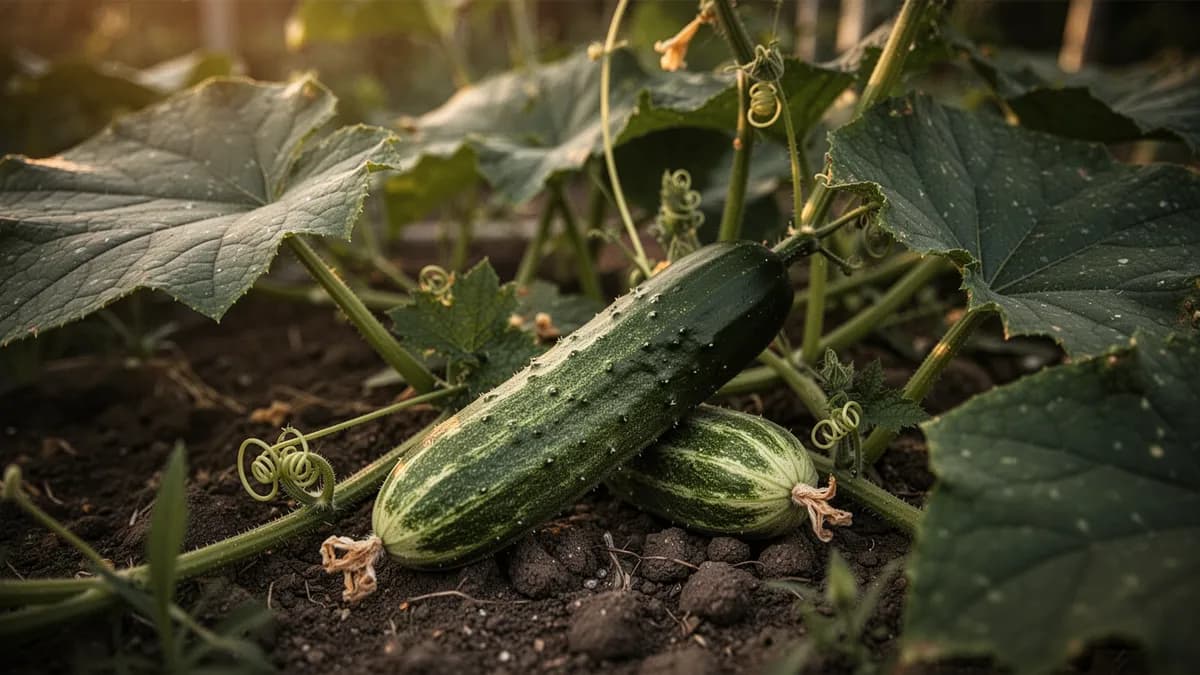
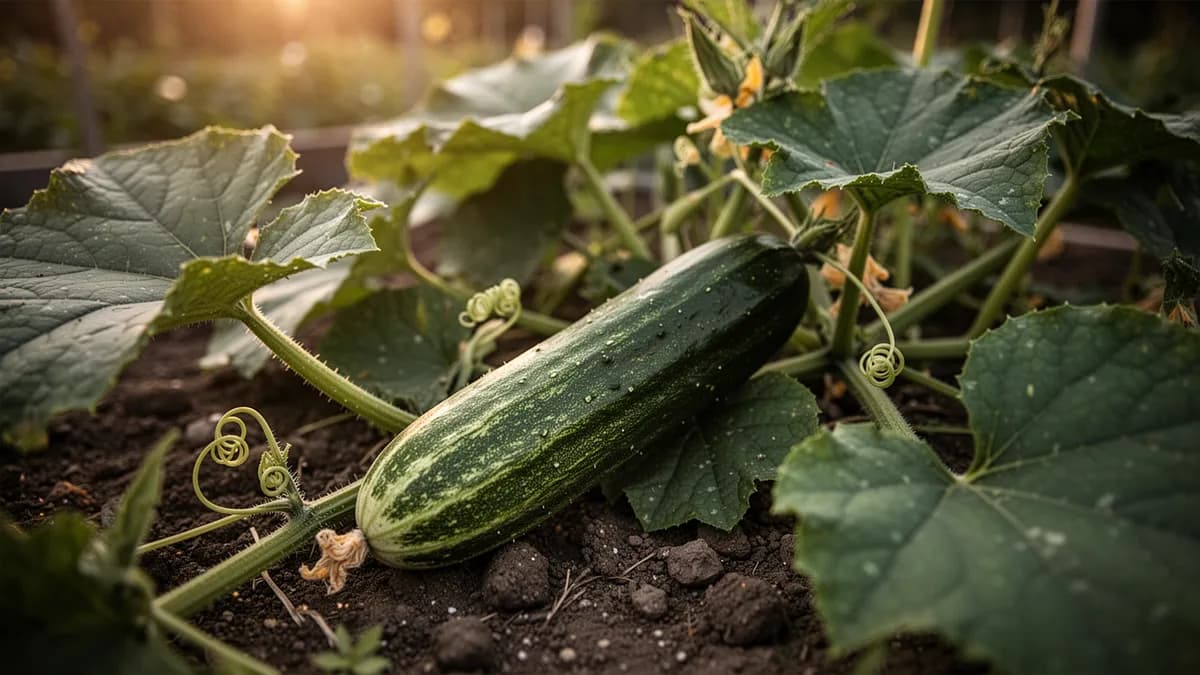
Mantén Calabacín Cousa lejos de estos
Cultiva tu mejor Calabacín Cousa — y todo lo que la rodea.
Empieza un plan gratis hoy. Diseña tus bancales, coloca tu Calabacín Cousa y deja que PlotMyGarden gestione el momento, el espaciado, las asociaciones y los recordatorios de la semilla a la cesta.