Sugar Baby Watermelon
A compact icebox watermelon perfect for small gardens, producing sweet, dark red flesh in a round fruit that fits in the refrigerator.





On this pageOverview
Meet Sugar Baby Watermelon
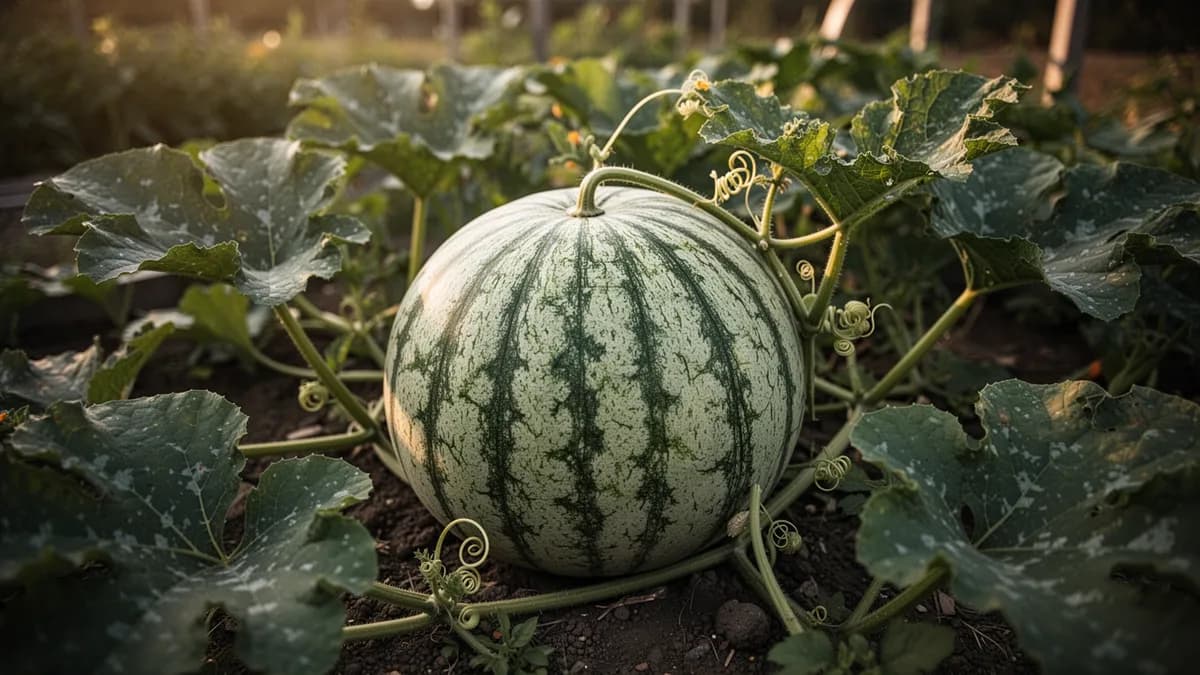
A compact icebox watermelon perfect for small gardens, producing sweet, dark red flesh in a round fruit that fits in the refrigerator. Sugar Baby is one of the earliest-maturing watermelons at around eighty days, making it viable in shorter growing seasons. The dark green rind is thin, maximizing the ratio of sweet flesh to total fruit weight. Thump the melon and listen for a deep, hollow sound to check ripeness, or look for the ground spot turning from white to cream yellow.
When to plant Sugar Baby Watermelon
Direct sow Sugar Baby seeds after soil reaches 70°F, planting 1 inch deep in warm, prepared hills. Germination takes 5-10 days at 80-90°F. For earlier harvests, start seeds indoors 3-4 weeks before the last frost in peat pots or soil blocks at 80-85°F using a heat mat. Transplant after hardening off for one week when nighttime temperatures stay above 60°F. Handle seedlings very gently as watermelon roots are sensitive to disturbance. Black plastic mulch over planting hills warms soil faster for direct sowing.
Your Sugar Baby Watermelon Year
Composed for Zone 7 · typical seasons · frost passes Apr 2, returns Nov 1
Plant Sugar Baby Watermelon May – Jun, pick Aug – Sep. Check the planting methods below and set your climate to personalize these windows.
How to grow Sugar Baby Watermelon
Sugar Baby is a compact icebox watermelon perfect for small gardens, producing sweet, dark red-fleshed fruits weighing 8-12 pounds. Direct sow seeds 1 inch deep after frost danger passes and soil reaches 70°F, or start indoors 3-4 weeks early. Space plants 3-4 feet apart in rows 6 feet apart or grow in hills 4-6 feet apart.
Watermelons need hot weather and consistent warmth to develop their characteristic sweetness. Use black plastic mulch to warm the soil and suppress weeds. Water deeply with 1-2 inches per week during vine growth and fruit development, then reduce watering as fruits approach maturity to concentrate sugars. Drip irrigation is ideal as it delivers water directly to roots without wetting foliage.
Sugar Baby matures in just 75-85 days, making it suitable for shorter growing seasons. Each plant produces 2-4 fruits. Pollination by bees is critical; plant flowers nearby to attract pollinators. For sweeter fruit, reduce watering during the last two weeks before harvest. Use straw or cardboard under developing fruits to prevent ground rot. The dark green rind turns slightly dull when ripe, and the ground spot changes from white to creamy yellow.
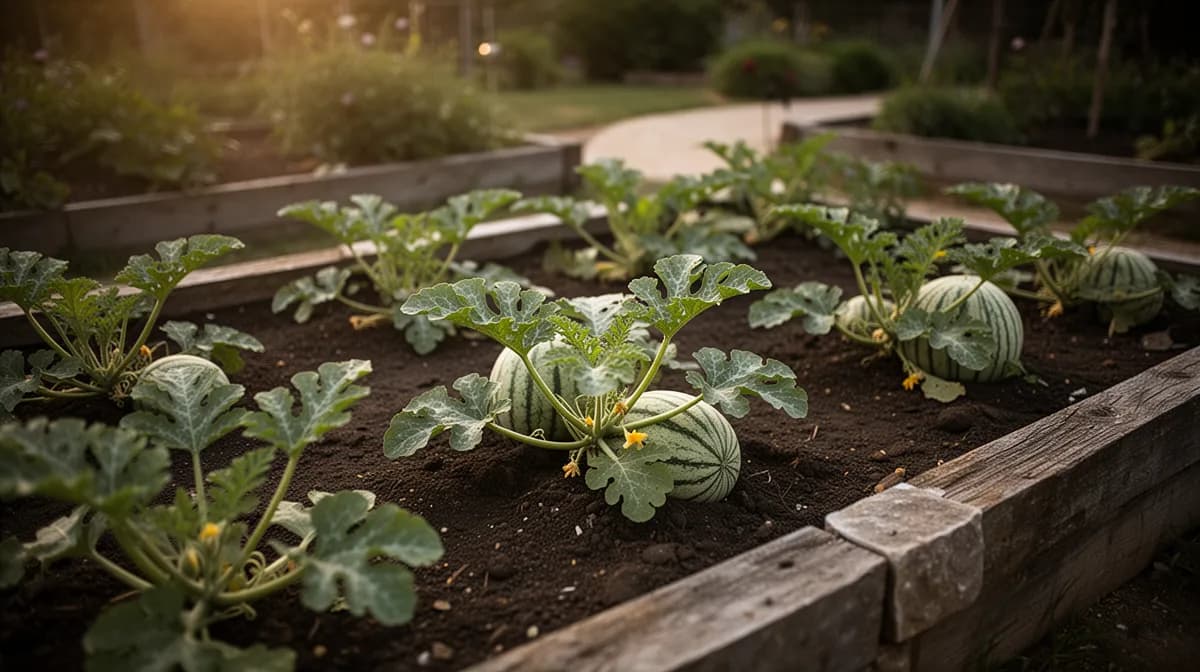
2 plants fit a 4 × 8 ft bed
Each Sugar Baby Watermelon wants 120 cm of elbow room. The planner keeps that spacing for you — every plant, every bed.
Sugar Baby Watermelon's best neighbours
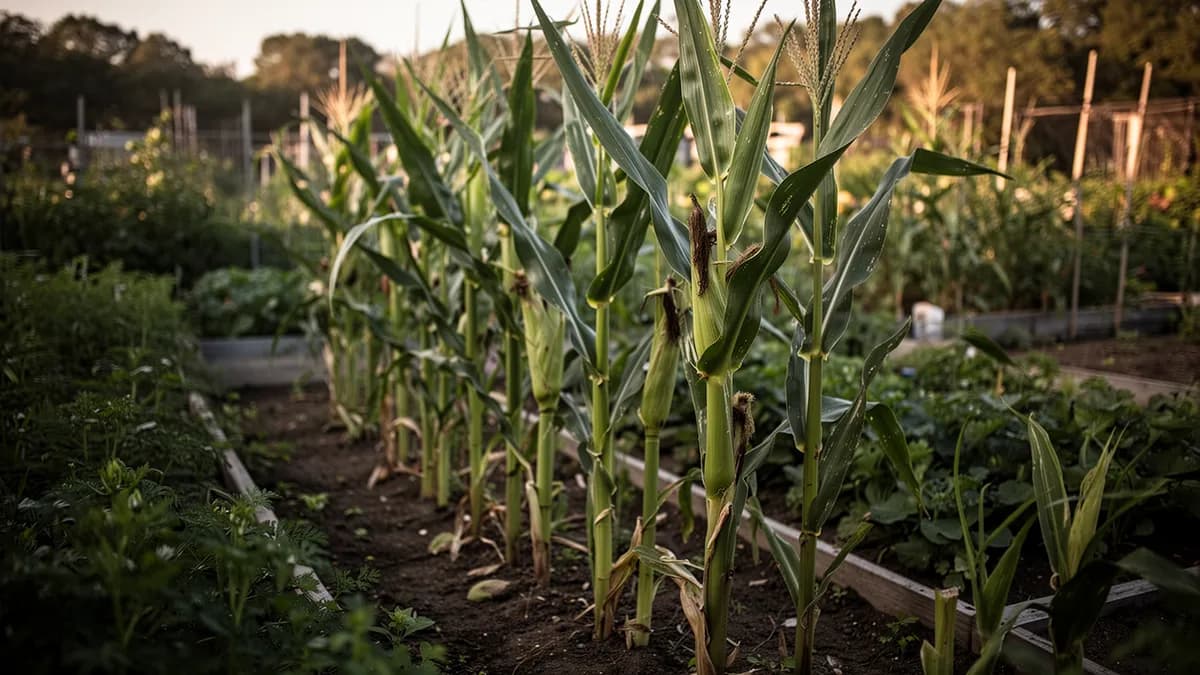
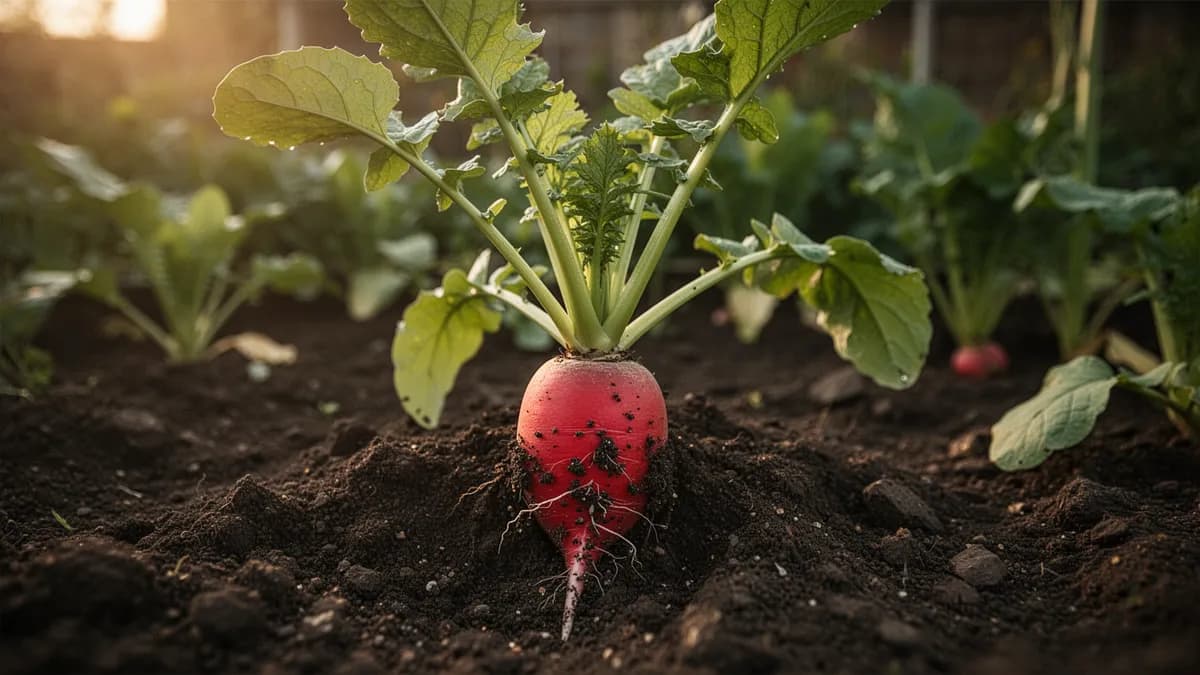
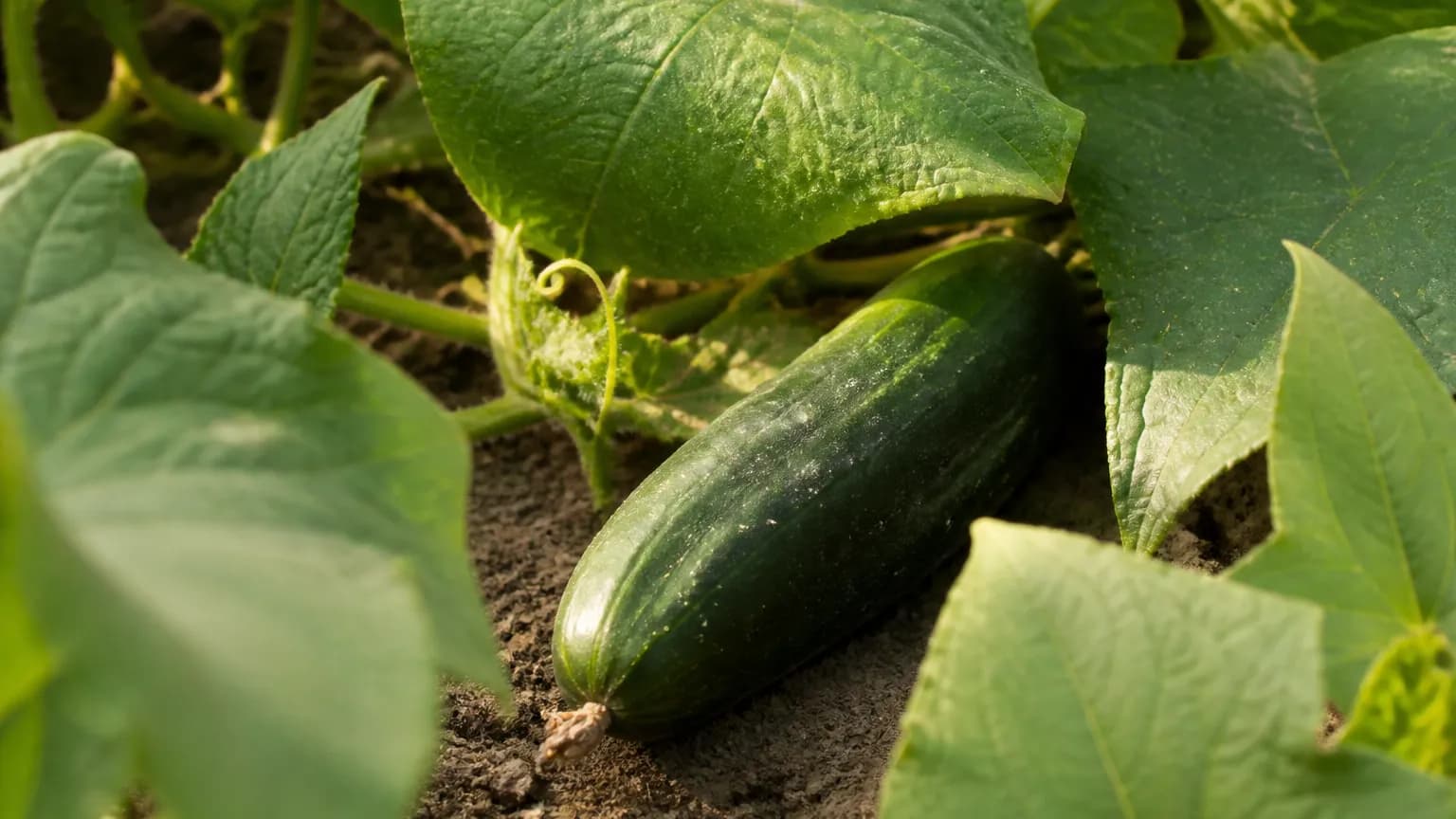
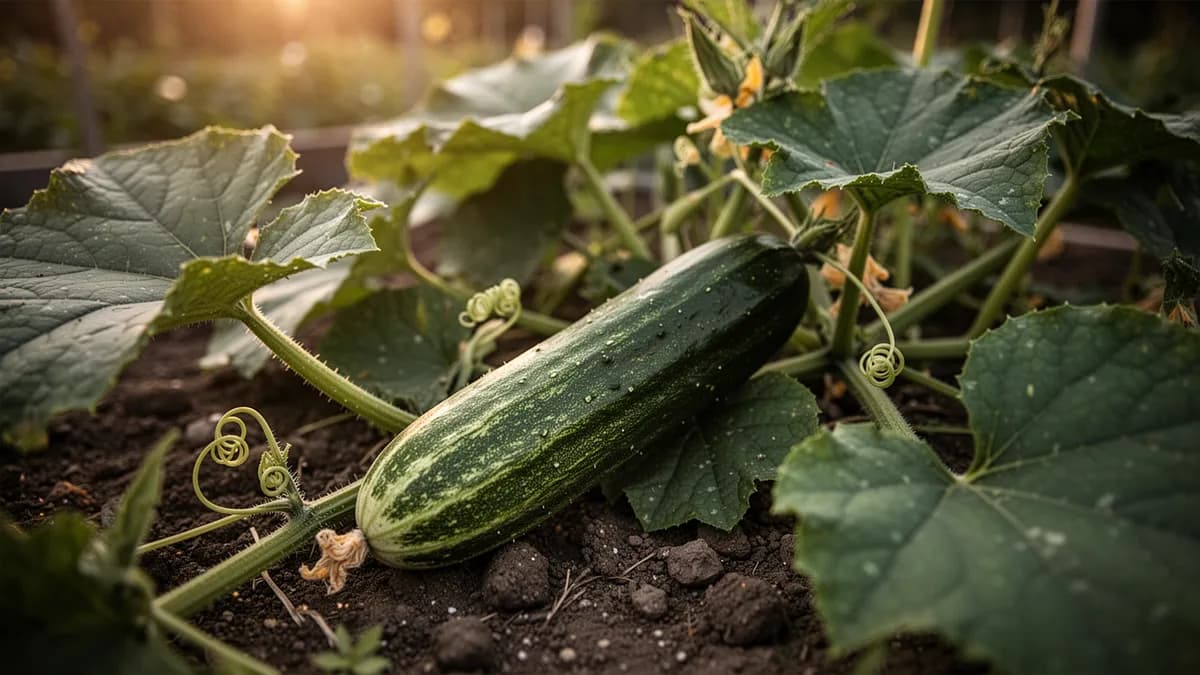
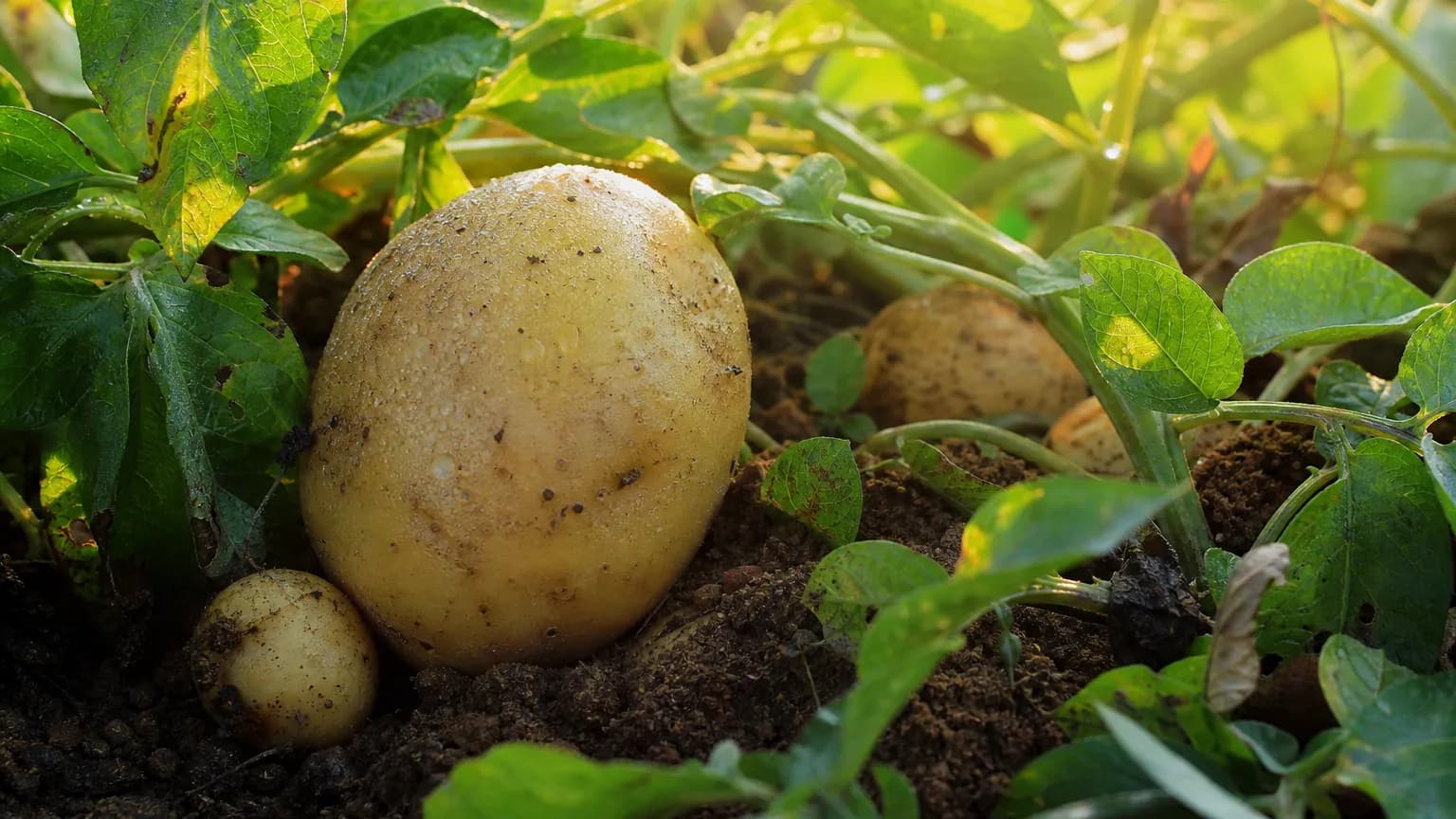
Sugar Baby watermelons grow well alongside corn which provides wind protection, and beans which fix nitrogen. Radishes planted as companions may deter cucumber beetles. Marigolds repel various pests and attract beneficial insects. Nasturtiums serve as trap crops for aphids. Sunflowers attract pollinators essential for fruit set. Avoid planting near potatoes and other cucurbits to prevent shared disease problems. The compact vine habit of Sugar Baby makes it a better neighbor than full-size watermelon varieties.
Corn belongs beside it. Potato doesn't.
Old growers' knowledge, checked against Sugar Baby Watermelon's real companion table below — test any plant you're growing.
Try Sugar Baby Watermelon in a bed — right here
A real planner bed with Sugar Baby Watermelon already in it. Tap a companion to place it and watch the pairing checks answer — green for good neighbours, red for a clash.


Related growing guides

Feed it well
Sugar Baby watermelons thrive in warm, well-drained sandy loam with a pH of 6.0-6.8. Work in compost before planting and build raised hills for warmth and drainage. Apply balanced fertilizer at planting and side-dress when vines begin to run. Switch to a low-nitrogen, high-potassium fertilizer when fruits set to promote sweetness and rind development. Black plastic mulch warms soil by several degrees. Avoid excess nitrogen which produces large vines with bland, watery fruit. Sandy soils warm fastest and produce the sweetest melons.
Ideal Temperature
Hardiness Zone Compatibility
From seed to harvest, stage by stage
Seed Starting
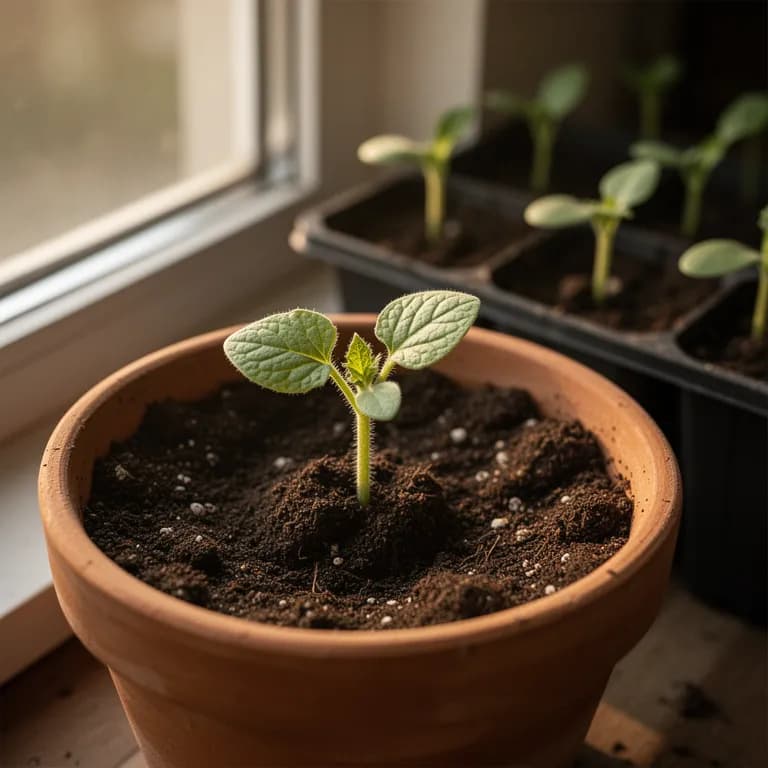
Seeds germinate in warm soil within 5-10 days, pushing thick, rounded cotyledon leaves through the surface. Watermelon seeds require soil temperatures of at least 21°C (70°F) for reliable germination and will rot in cold, wet conditions.
Seedling Growth
True leaves emerge with the distinctive deeply lobed watermelon shape. The root system develops rapidly, anchoring the plant and establishing the deep taproot that will sustain the vine through dry spells. Growth accelerates as temperatures rise above 27°C (80°F).
Vine Extension
Vines grow vigorously, spreading 1.5-2.5 meters in all directions — significantly more compact than full-size watermelon varieties. Tendrils grip nearby objects for support. Secondary roots may form at vine nodes where they contact moist soil.
Flowering and Pollination
Small yellow flowers appear — male flowers first on long stems, followed by female flowers identifiable by the tiny round swelling at their base. Each female flower must be visited by bees multiple times for proper pollination and even fruit development.
Fruit Development
Pollinated fruits swell rapidly over 3-4 weeks, developing the characteristic dark green rind. Each plant typically produces 2-4 fruits weighing 3-5 kg (6-12 lbs). Sugar content increases steadily as the fruit approaches maturity, peaking in the final week.
Harvest
Fruits are ready when the tendril nearest the fruit turns completely brown and dry, the ground spot changes from white to creamy yellow, and the rind develops a dull matte finish. Tapping produces a deep, hollow sound rather than a metallic ping.
Direct sow 2.5 cm deep after all frost danger has passed and soil is warm. In short-season areas, start indoors 3-4 weeks early in peat pots to avoid disturbing the sensitive taproot at transplanting.
Caring for Sugar Baby Watermelon month by month
What to do each month for your Sugar Baby Watermelon
October
You are hereClean up garden beds. Remove black plastic mulch and any remaining vine debris. Add compost to beds and note which hill locations produced the best fruits for next year.
Know exactly what to do in your garden — every month
One email at the start of each month: what to sow, plant, and tackle right now — for your Sugar Baby Watermelon and everything growing around it. Plus a short starter course that helps you dodge the classic mistakes.
- What to do, right now
- Matched to your season
- Starter course included
Harvesting Sugar Baby Watermelon
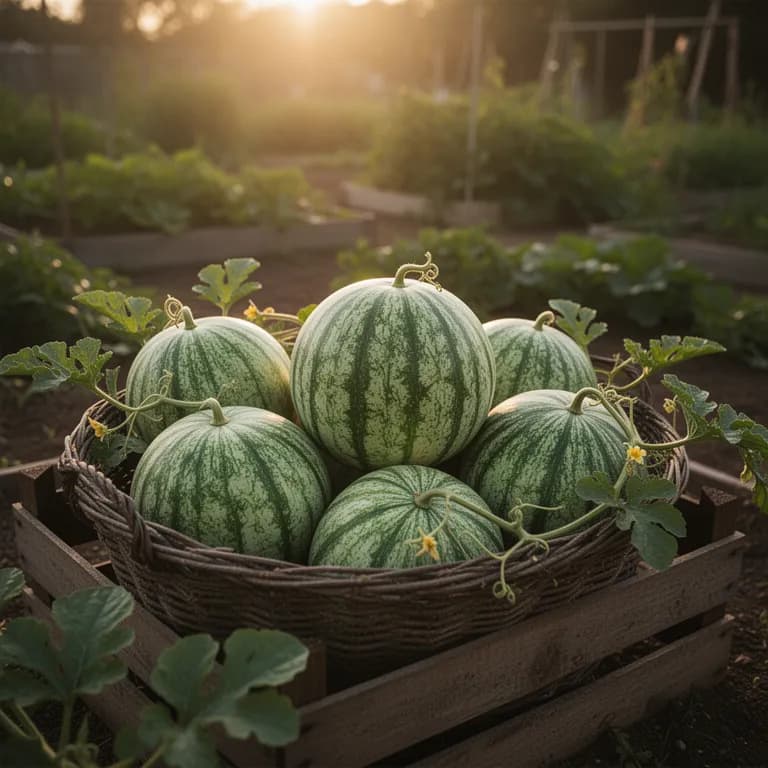
Sugar Baby watermelons are ripe when the tendril nearest the fruit turns completely brown and dry, the ground spot changes from white to creamy yellow, and the skin develops a dull matte finish rather than a glossy sheen. Tap the melon and listen for a deep, hollow sound rather than a metallic ping. The rind should resist scratching with a fingernail. Cut from the vine with a sharp knife leaving 2 inches of stem. Do not pull or twist which damages the vine. Typically ready 75-85 days after planting.
assuming you plant when the window opens — set your real date
Pick Sugar Baby Watermelon promptly and the plant keeps producing.
Storage & Preservation
Whole Sugar Baby watermelons keep at room temperature for up to one week or in the refrigerator for up to two weeks. Once cut, refrigerate and consume within 3-5 days. For longer preservation, cut into cubes and freeze on trays before transferring to freezer bags; frozen watermelon works well in smoothies and sorbets. Watermelon rind can be pickled in a sweet vinegar brine for a Southern delicacy. Watermelon juice can be frozen in ice cube trays for refreshing summer beverages.
What goes wrong — and the fix
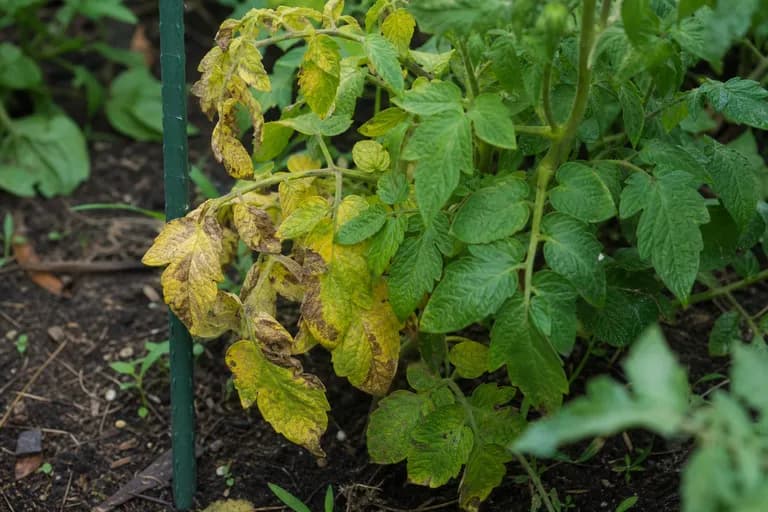
Fusarium Wilt
DiseaseYellowing and wilting of vines starting on one side of the plant, brown discoloration inside stems, eventual plant death.
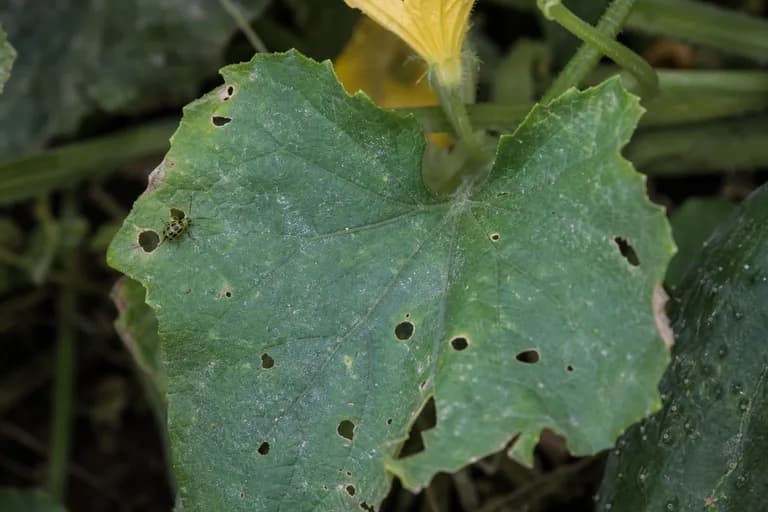
Cucumber Beetle
PestFeeding damage on leaves, flowers, and rind, transmission of bacterial wilt causing vine collapse.
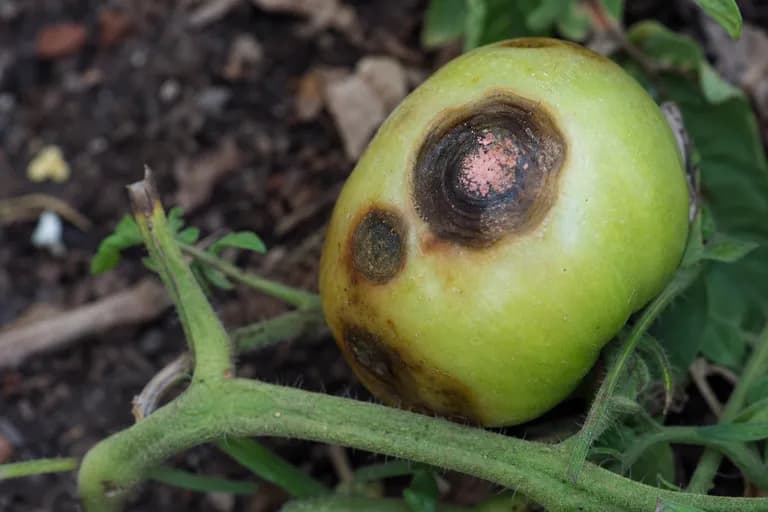
Anthracnose
DiseaseDark, sunken spots on leaves, stems, and fruits that expand in wet weather, ruining fruit quality.
Troubleshooting Common Problems
Bland, watery fruit is the most common disappointment, usually caused by excessive watering during ripening, too much nitrogen, or insufficient heat. Reduce water during the last 2 weeks before harvest. Cracked or split melons result from heavy rain or irrigation after a dry period. Blossom end rot indicates calcium deficiency or inconsistent watering. Poor fruit set suggests insufficient pollination; attract bees with companion flowers. Hollow heart is a physiological disorder caused by rapid growth fluctuations.
Growing Tips
- Warm soil is everything. Do not plant until soil temperatures are consistently above 21°C (70°F). Black plastic mulch laid 2-3 weeks before planting can raise soil temperature by 5-8°C, giving you a significant head start in cooler climates.
- Build raised hills of compost-enriched soil for each planting site. Hills warm faster, drain better, and provide the concentrated fertility that watermelons demand during their rapid vine growth phase.
- Water deeply and consistently during vine growth and early fruit development — 2.5-5 cm per week delivered through drip irrigation is ideal. Then reduce watering dramatically during the last 10-14 days before harvest to concentrate sugars in the fruit.
- Pollination makes or breaks your harvest. Each female flower needs 8-10 bee visits for proper pollination. Plant sunflowers, borage, and marigolds nearby as pollinator magnets. If bees are scarce, hand-pollinate in early morning using a small paintbrush.
- Limit each plant to 2-3 fruits for the sweetest, largest melons. Once your target number of fruits has set, pinch off additional female flowers and vine tips to redirect all energy into the developing fruits rather than continued vine growth.
- Place a piece of straw, cardboard, or a small board under each developing fruit. Contact with warm, damp soil is the primary cause of bottom rot, which can ruin an otherwise perfect melon just days before harvest.
- Learn the ripeness signs thoroughly — Sugar Baby does not ripen significantly after harvest, so picking at peak maturity is critical. Check all four indicators: brown tendril, creamy yellow ground spot, dull matte rind, and deep hollow thump sound.
- In short-season areas, start seeds indoors in large peat pots 3-4 weeks before the last frost. Use a heat mat at 27-30°C (80-85°F) for germination. Transplant very carefully — watermelon roots resent disturbance, and a damaged taproot means a stunted plant.
Grow your best Sugar Baby Watermelon yet — and everything around it.
Start a free plan today. Lay out your beds, drop in your Sugar Baby Watermelon, and let PlotMyGarden handle the timing, spacing, companions and reminders from seed to harvest basket.
Pick your Sugar Baby Watermelon
Sugar Baby
The original icebox variety with dark green rind and sweet, deep red flesh. Compact vines producing 8-12 pound fruits.
Bush Sugar Baby
Compact bush variety with shorter vines ideal for small gardens and containers. Same sweet flavor in a space-saving package.
Mini Love
Very compact vines producing 5-7 pound personal-sized melons. Excellent sweetness and thin rind for easy eating.
A packet of Sugar Baby seeds costs $2-4 and contains enough seeds for 10-20 plants. Each plant produces 2-4 melons worth $4-8 each at grocery stores and $6-10 each at farmers markets. Growing just 3-4 plants can yield 8-16 melons worth $50-100 or more. The savings are even greater considering that Sugar Baby's compact size commands a premium as an icebox melon. Add in the incomparable flavor of a vine-ripened watermelon picked at peak sweetness versus the bland, shipped-green supermarket alternatives, and the value is tremendous.
Quick recipes
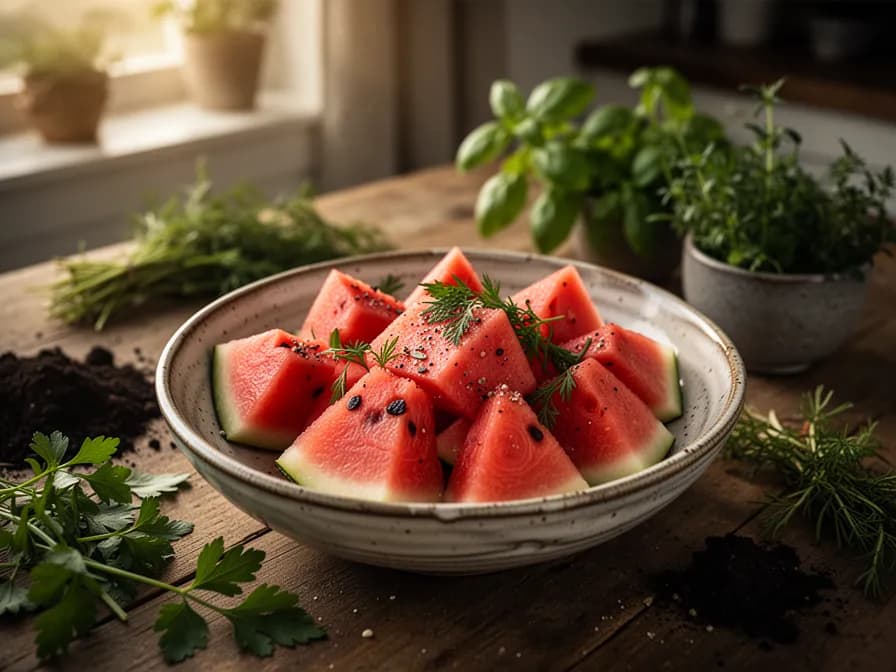
Watermelon Feta Mint Salad
15 minA refreshing summer salad that balances the sweetness of Sugar Baby watermelon with salty feta and bright mint. The combination of flavors is surprisingly sophisticated and makes an elegant appetizer or light lunch.
7 ingredientsWatermelon Agua Fresca
10 minA traditional Mexican refreshment that showcases Sugar Baby's exceptional sweetness. Blended watermelon, lime, and a touch of sugar create a cooling drink that is far more flavorful and nutritious than any store-bought alternative.
6 ingredientsGrilled Watermelon Steaks
20 minGrilling transforms watermelon into a smoky, caramelized dish that surprises everyone who tries it. The heat concentrates the sugars and creates a complex savory-sweet flavor that works as an appetizer or side dish.
7 ingredientsCulinary Uses
Sugar Baby watermelons are perfect personal-sized melons for small families. Eat fresh as slices, cubes, or scooped into balls for fruit salads. Blend into refreshing agua fresca, smoothies, or cocktails. Pair with feta cheese, mint, and balsamic for a sophisticated summer salad. Grill thick slices for a smoky-sweet appetizer. Juice for popsicles or sorbet. The compact size makes them ideal for picnics and barbecues. Pickle the white rind for a traditional Southern preserve.
What's inside
Health Benefits
- Rich in lycopene, a powerful antioxidant that gives watermelon its red color and has been associated with reduced risk of heart disease, prostate cancer, and age-related macular degeneration in multiple large-scale studies.
- Exceptionally hydrating at 92% water content with natural electrolytes, making Sugar Baby watermelon one of the most effective whole foods for rehydration during hot weather, after exercise, or during illness.
- Contains citrulline, an amino acid converted to arginine in the body, which supports nitric oxide production for healthy blood flow, cardiovascular function, and may help reduce muscle soreness after vigorous physical activity.
- Provides vitamin C (9% DV per 100g) supporting immune function, collagen production, and iron absorption, along with vitamin A (11% DV) as beta-carotene for eye health and skin integrity.
- Low glycemic load despite its sweet taste — watermelon's high water content means a standard serving contains relatively little sugar, making it a satisfying treat for people monitoring their blood sugar levels.
- Contains potassium, magnesium, and B vitamins that collectively support heart rhythm regulation, nerve function, energy metabolism, and blood pressure management.
Where Sugar Baby Watermelon comes from
Sugar Baby watermelon belongs to the species Citrullus lanatus, which originated in the Kalahari Desert region of southern Africa, where wild watermelons still grow today. Archaeological evidence confirms that watermelons were cultivated in ancient Egypt over 5,000 years ago — seeds and paintings of watermelons have been found in pharaonic tombs, and the fruits were valued both as food and as portable water storage for long desert journeys. From Egypt, watermelon cultivation spread along trade routes to the Mediterranean, India, and China, reaching each region by roughly the 10th century.
Watermelons arrived in the Americas with European colonists and enslaved Africans in the 1600s. By the 1800s, watermelons were widely grown across the southern United States, where hot summers provided ideal growing conditions. The development of icebox watermelons — smaller varieties bred to fit in a home refrigerator — began in earnest in the mid-20th century as American kitchens modernized. Sugar Baby was introduced in 1956 by breeder M. Hardin of Geary, Oklahoma, and it quickly revolutionized the home garden watermelon market. Its compact 3-5 kg fruits, early maturity of 75-85 days, and intensely sweet dark red flesh made it the most popular small watermelon in America for decades.
Today, China produces roughly 60% of the world's watermelons, followed by Turkey, India, and Brazil. Sugar Baby remains one of the most widely grown icebox varieties worldwide and has served as a parent for many modern compact watermelon cultivars. Its reliability, sweetness, and manageable size continue to make it a top choice for home gardeners, especially those with limited space or shorter growing seasons.
Sugar Baby Watermelon: did you know?
Fascinating facts about Sugar Baby Watermelon
Sugar Baby was developed in 1956 by M. Hardin of Geary, Oklahoma, and quickly became the most popular icebox watermelon in America — its compact size was revolutionary at a time when most watermelons weighed 10-20 kg and could not fit in a standard refrigerator.
Sugar Baby Watermelon questions, answered
When should I plant Sugar Baby Watermelon?
What are good companion plants for Sugar Baby Watermelon?
What hardiness zones can Sugar Baby Watermelon grow in?
How much sun does Sugar Baby Watermelon need?
How far apart should I space Sugar Baby Watermelon?
What pests and diseases affect Sugar Baby Watermelon?
How do I store Sugar Baby Watermelon after harvest?
What are the best Sugar Baby Watermelon varieties to grow?
What soil does Sugar Baby Watermelon need?
How do I know when a Sugar Baby watermelon is ripe?
Can I grow Sugar Baby watermelon in a container?
Why are my Sugar Baby watermelons bland and watery?
How much space does Sugar Baby watermelon need?
How long does it take Sugar Baby watermelon to produce fruit?
You just read the theory. Now grow it on autopilot.
Everything that makes Sugar Baby Watermelon fiddly — the timing, the spacing, the companions, the harvest window — is exactly what PlotMyGarden handles for you, for every plant in your garden.
A plan that knows your weather
Set your location once. Get sow, feed and harvest dates built around your real last-frost date and live forecast — no more guessing from a generic seed packet.
From the “When to plant” sectionDrag-and-drop bed planner
Design beds on a grid. Every plant snaps to its proper spacing, and you can see your whole season laid out before you spend a cent on seed.
From the “Growing guide” sectionCompanion conflicts, caught early
200+ good-and-bad pairings checked live as you plant — so a season-wrecking mistake never makes it into the ground.
From the “Companions” sectionReminders you'll actually act on
“Water the beans.” “Pick today before it turns.” Timely, specific, and tied to the plants you're really growing.
From the “Harvest” sectionSuccession, scheduled
Want a harvest for six weeks, not six days? It spaces your sowings automatically and reminds you when each new block is due.
From the “When to plant” sectionA record that gets smarter
Every harvest you log teaches it your garden. Next year's plan starts from what actually worked in your soil, not a textbook's.
From the “Overview” sectionPlant these alongside Sugar Baby Watermelon
More Cucurbits
Keep Sugar Baby Watermelon away from these
Garden plans featuring Sugar Baby Watermelon
Grow your best Sugar Baby Watermelon yet — and everything around it.
Start a free plan today. Lay out your beds, drop in your Sugar Baby Watermelon, and let PlotMyGarden handle the timing, spacing, companions and reminders from seed to harvest basket.