Zimtapfel
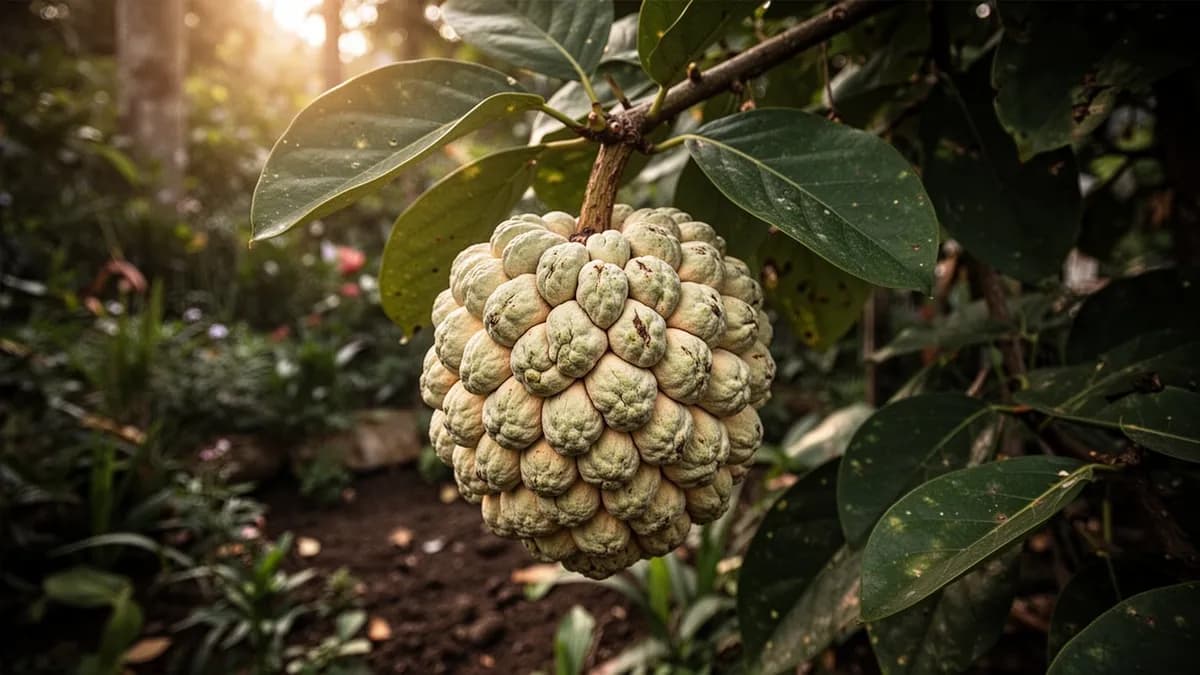
Ein kleiner tropischer Baum, der knubbelige, segmentierte Früchte mit süßem, cremigem weißem Fruchtfleisch hervorbringt, das nach Vanillepudding mit körniger Textur schmeckt.





Auf dieser SeiteÜberblick
Zimtapfel im Überblick
Ein kleiner tropischer Baum, der knubbelige, segmentierte Früchte mit süßem, cremigem weißem Fruchtfleisch hervorbringt, das nach Vanillepudding mit körniger Textur schmeckt. Zimtäpfel sind eng mit der Cherimoya verwandt, bevorzugen jedoch heißere und feuchtere Bedingungen. Handbestäubung erhöht den Fruchtansatz oft dramatisch, da die natürlichen Bestäuber außerhalb des Heimatgebiets häufig fehlen.
Wann Zimtapfel pflanzen
Zimtapfelsamen keimen zuverlässig, profitieren aber von Skarifizierung zur Beschleunigung des Prozesses. Ritzen Sie die harte Samenschale mit einer Feile an oder weichen Sie die Samen 24 bis 48 Stunden in warmem Wasser ein, bevor Sie sie pflanzen. Säen Sie die Samen einen halben Zentimeter tief in feuchte, gut durchlässige Anzuchterde und halten Sie sie bei 24 bis 29 Grad Celsius. Die Keimung dauert zwei bis vier Wochen. Sämlinge wachsen mäßig schnell und können nach dem ersten Jahr ins Freiland umgepflanzt werden. Beachten Sie, dass Sämlingsbäume drei bis vier Jahre bis zur Fruchtbildung brauchen und möglicherweise nicht sortentreu sind.
Dein Zimtapfel-Jahr
Abgestimmt auf Zone 7 · typische Saison · Frost geht um den 2. Apr. und kehrt um den 1. Nov. zurück
Zimtapfel Apr – Jun pflanzen, Aug – Nov ernten. Beachte die Pflanzmethoden unten und wähle dein Klima für passende Zeiträume.
So baust du Zimtapfel an
Pflanzen Sie Zimtapfelbäume an einem warmen, geschützten Standort mit voller Sonne und gut durchlässigem Boden. Sie gedeihen am besten in Gebieten, in denen die Temperaturen konstant über 10 Grad Celsius bleiben, und lieben heiße, feuchte Sommer. Setzen Sie die Bäume in einem Abstand von 3,5 bis 4,5 Metern und graben Sie ein Pflanzloch, das doppelt so breit wie der Wurzelballen ist. Fügen Sie Kompost hinzu, um die Bodenstruktur zu verbessern, vermeiden Sie jedoch schweren Lehm oder staunasse Bedingungen.
Gießen Sie während der Wachstumsperiode regelmäßig und sorgen Sie ein- bis zweimal pro Woche für tiefgründige Bewässerung. Zimtäpfel sind kurzzeitig laubabwerfend in trockenen oder kühlen Jahreszeiten und werfen ihre Blätter ab, bevor sie an neuem Holz blühen. Reduzieren Sie die Bewässerung während dieser Ruhephase, um Wurzelfäule zu vermeiden. Nehmen Sie die regelmäßige Bewässerung wieder auf, wenn im Frühling neue Blätter und Blüten erscheinen.
Handbestäubung wird dringend empfohlen für einen zuverlässigen Fruchtansatz. Sammeln Sie morgens Pollen von frisch geöffneten männlichen Blüten mit einem kleinen Pinsel und übertragen Sie ihn auf die klebrigen Narben weiblicher Blüten eines anderen Baumes oder von Blüten, die am Vortag geöffnet waren. Düngen Sie alle sechs bis acht Wochen während der Wachstumsperiode mit einem ausgewogenen Dünger, ergänzt durch Spurenelemente. Schneiden Sie nach der Ernte leicht zurück, um die Form zu erhalten und totes Holz zu entfernen.
Für Zimtapfel ist ein Beet von 120 × 240 cm zu klein
Zimtapfel braucht 400 cm Platz pro Pflanze. Der Planer hält diesen Abstand für dich ein — jede Pflanze, jedes Beet.
Passende Anbau-Ratgeber
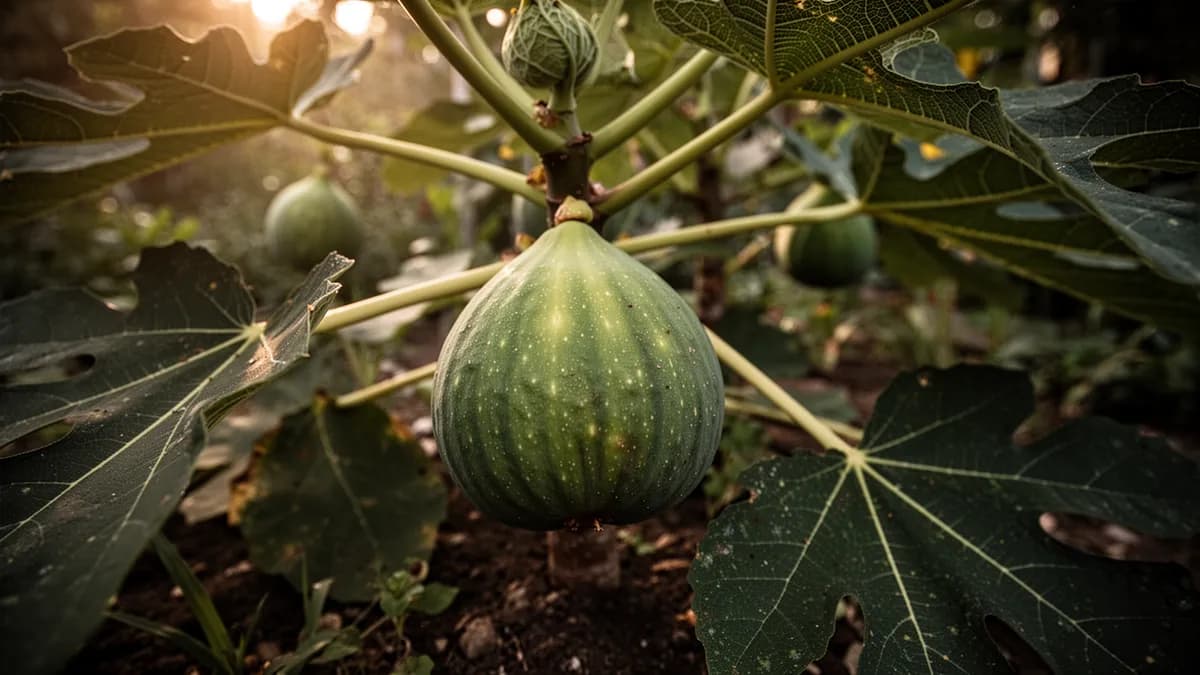
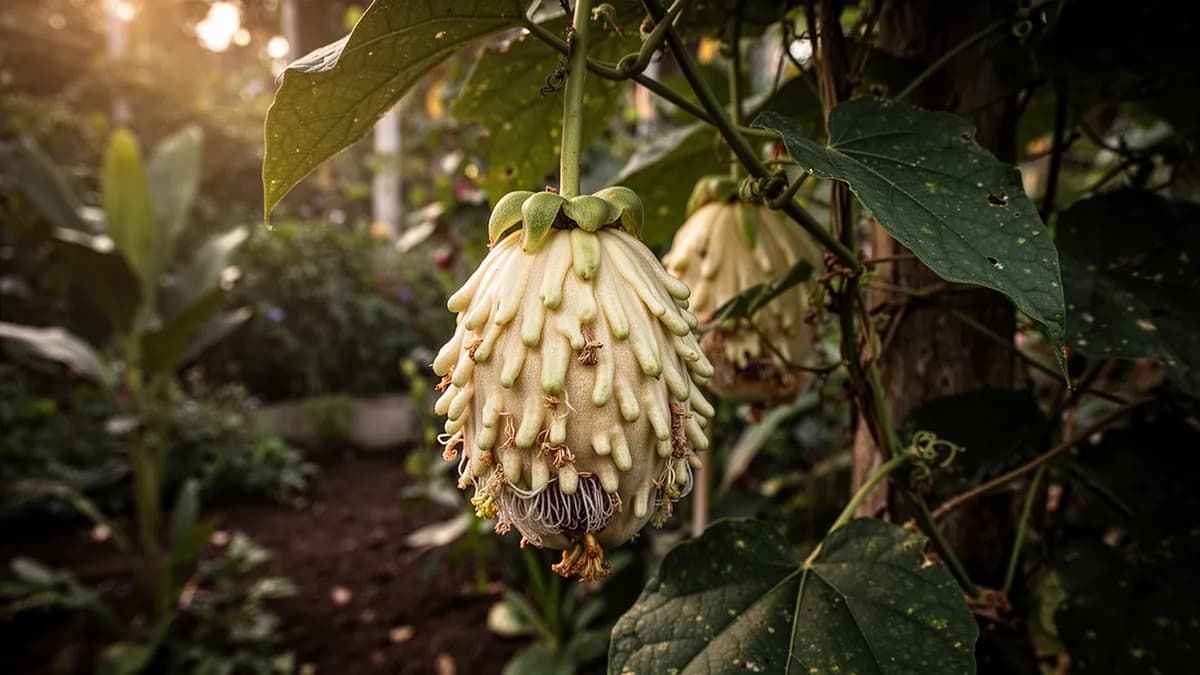
Richtig düngen
Zimtäpfel bevorzugen gut durchlässigen, sandigen oder lehmigen Boden mit einem pH-Wert von 6,0 bis 7,5. Sie vertragen alkalische und kalkhaltige Böden gut, haben aber Probleme mit schwerem Lehm oder staunassen Bedingungen. Geben Sie alle sechs bis acht Wochen während der Wachstumsperiode einen ausgewogenen Langzeitdünger, und erhöhen Sie Phosphor und Kalium während der Blüte- und Fruchtphase. Ergänzen Sie mit Blattsprays aus Zink und Mangan, wenn Interkostalchlorose auftritt. Organischer Mulch hilft, die Bodenfeuchtigkeit zu halten und Unkraut zu unterdrücken, sollte aber vom Stamm ferngehalten werden.
Ideale Temperatur
Winterhärtezone-Kompatibilität
Von der Saat zur Ernte, Schritt für Schritt
Samenkeimung und Sämlingsetablierung
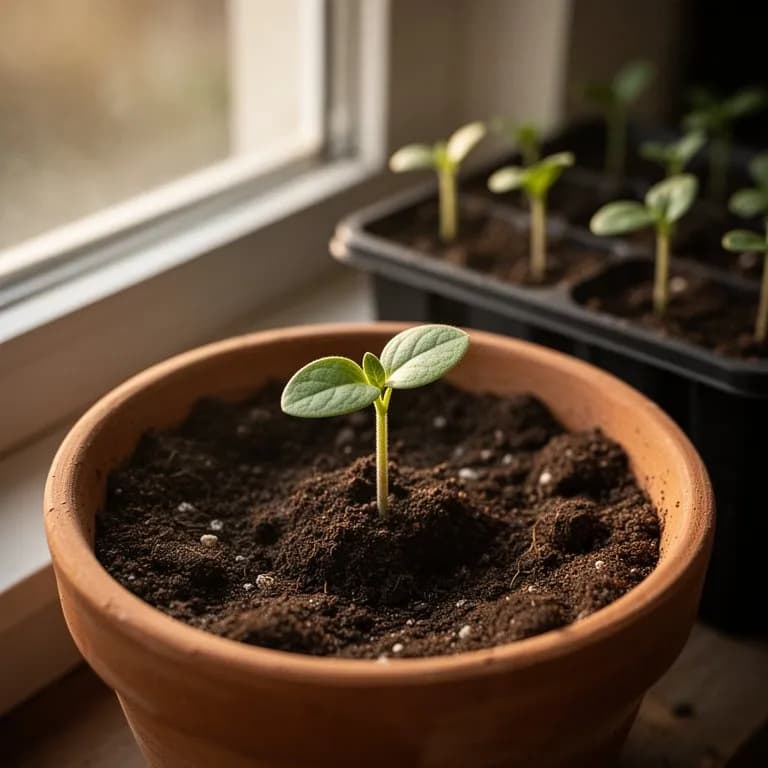
Zimtapfelsamen haben eine harte Außenschale, die die Keimung um 2 bis 4 Wochen verzögern kann, wenn sie nicht vorher skarifiziert oder eingeweicht werden. Sobald die Keimwurzel erscheint, bildet der Sämling eine schlanke Pfahlwurzel und ein Paar glatter, hellgrüner Keimblätter. In dieser Phase ist die junge Pflanze sehr empfindlich gegenüber Überwässerung und kalter Zugluft und bevorzugt gleichmäßige Wärme zwischen 25 und 30 °C.
Vegetatives Wachstum und Astentwicklung
Der junge Zimtapfelbaum entwickelt einen schlanken Stamm und beginnt wechselständige, längliche Blätter mit einer charakteristischen hellgrünen Unterseite zu bilden. Das Wachstum ist halbimmergrün; bei trockeneren Bedingungen kann der Baum einen Teil seines Laubes abwerfen, bevor er neue Blätter austreibt. Die seitliche Verzweigung beginnt, sobald der Haupttrieb etwa 60 cm erreicht, und bildet das offene, ausladende Gerüst, das ausgewachsene Bäume kennzeichnet.
Erste Blüte
Aus Samen gezogene Zimtapfelbäume blühen typischerweise zum ersten Mal in ihrem zweiten oder dritten Jahr, während veredelte Bäume bereits innerhalb von 18 Monaten blühen können. Die hängenden, fleischigen Blüten erscheinen einzeln oder in kleinen Büscheln an neuem Holz. Jede Blüte ist protogyn, das heißt, die weibliche Phase tritt vor der männlichen Phase ein, was eine natürliche Selbstbestäubung erschwert und häufig Handbestäubung für einen zuverlässigen Fruchtansatz erfordert.
Fruchtentwicklung und Größenwachstum
Nach erfolgreicher Bestäubung schwillt jedes Fruchtblatt unabhängig an und verschmilzt allmählich zu der charakteristischen Sammelfrucht mit abgerundeten, knubbeligen Segmenten. Die Frucht wächst über etwa 3 bis 4 Monate von einem kleinen grünen Ansatz auf ungefähr 7-12 cm Durchmesser. Während dieser Zeit bleibt die Schale fest anliegend und tiefgrün, während das innere Fruchtfleisch langsam Zucker anreichert.
Reifung und Ernte
Während der Zimtapfel reift, wird die Schale von dunkelgrün zu blassem Gelblich-Grün heller, und die Segmente beginnen sich leicht zu trennen, wobei cremefarbene Rillen zwischen ihnen sichtbar werden. Die Frucht gibt bei sanftem Daumendruck nach und verströmt einen süßen, blumigen Duft. Zimtäpfel reifen nach dem Pflücken schnell nach und werden am besten innerhalb von zwei bis drei Tagen nach der Ernte verzehrt.
Nachernte-Ruhephase und Rückschnitt
Nach der Fruchtsaison tritt der Zimtapfelbaum in eine halbdormante Phase ein und wirft oft viele oder alle Blätter als Reaktion auf kühleres oder trockeneres Wetter ab. Diese natürliche Ruhephase ermöglicht es dem Baum, Energie zu sparen, bevor der nächste Wachstumsschub beginnt. Dies ist das ideale Zeitfenster für Formschnitt, das Entfernen von Totholz und die Behandlung von Schädlings- oder Krankheitsproblemen, bevor neues Wachstum einsetzt.
Ritzen oder schleifen Sie die Samenschale vor der Aussaat leicht an, um die Keimung zu beschleunigen. Pflanzen Sie die Samen 2 cm tief in eine gut durchlässige Mischung aus Torf und Perlit, halten Sie das Substrat gleichmäßig feucht, aber nie staunass, und halten Sie Temperaturen über 24 °C aufrecht. Eine Heizmatte kann in kühleren Klimazonen helfen.
Zimtapfel Monat für Monat pflegen
Was du jeden Monat für deine Zimtapfel tun solltest
Oktober
Aktueller MonatDer Baum kann beginnen, Blätter abzuwerfen, wenn die Temperaturen sinken oder die Trockenzeit beginnt. Bewässerungshäufigkeit allmählich reduzieren. Ein kupferbasiertes Fungizid auftragen, um vor Pilzinfektionen während der Übergangszeit zu schützen.
Immer wissen, was jetzt im Garten zu tun ist
Eine E-Mail zum Monatsanfang: was du jetzt säen, pflanzen und anpacken solltest — für deine Zimtapfel und alles, was drumherum wächst. Dazu ein kurzer Startkurs, der dich vor den klassischen Fehlern bewahrt.
- Was jetzt zu tun ist
- Passend zu deiner Saison
- Startkurs inklusive
Zimtapfel ernten
Zimtäpfel sind erntereif, wenn die Segmente beginnen, sich leicht zu trennen, und die Haut dazwischen blass oder gelblich-grün wird. Die Frucht sollte bei sanftem Druck nachgeben, ohne matschig zu sein. Schneiden Sie die Frucht mit einem kurzen Stielstück vom Ast ab, da Ziehen den Ast beschädigen kann. Lassen Sie geerntete Früchte bei Raumtemperatur ein bis drei Tage nachreifen, bis sich die Segmente leicht von Hand trennen lassen. Warten Sie nicht, bis die Frucht am Baum vollständig reift, da sie platzen und Insekten anlocken würde.
angenommen, du pflanzt zu Beginn des Zeitraums — trage dein tatsächliches Datum ein
Ernte Zimtapfel zügig, dann trägt die Pflanze weiter.
Lagerung & Konservierung
Reife Zimtäpfel sind äußerst empfindlich und sollten innerhalb von ein bis zwei Tagen nach dem Reifen verzehrt werden. Kühlen Sie reife Früchte maximal drei Tage im Kühlschrank, da kalte Temperaturen die Textur schnell verschlechtern. Für längere Aufbewahrung löffeln Sie das Fruchtfleisch heraus, entfernen die Samen und frieren das Fruchtmark in luftdichten Behältern bis zu vier Monate ein. Gefrorenes Fruchtmark eignet sich hervorragend für Eiscreme, Smoothies und Pudding. Das Fruchtmark kann auch zu Saft gepresst und gesüßt werden für ein erfrischendes tropisches Getränk.
Was schiefgeht — und die Lösung
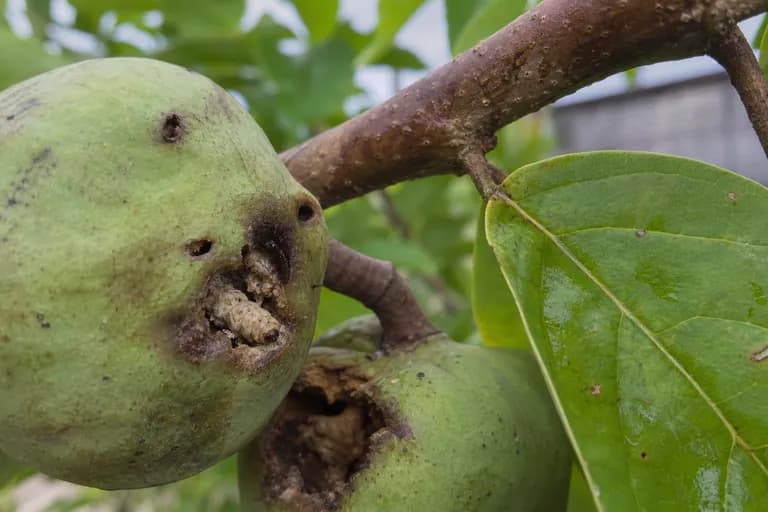
Annona-Samenbohrer
SchädlingKleine Löcher in sich entwickelnden Früchten mit Fraßspuren; Larven bohren sich in Samen und verursachen vorzeitigen Fruchtfall und innere Schäden.
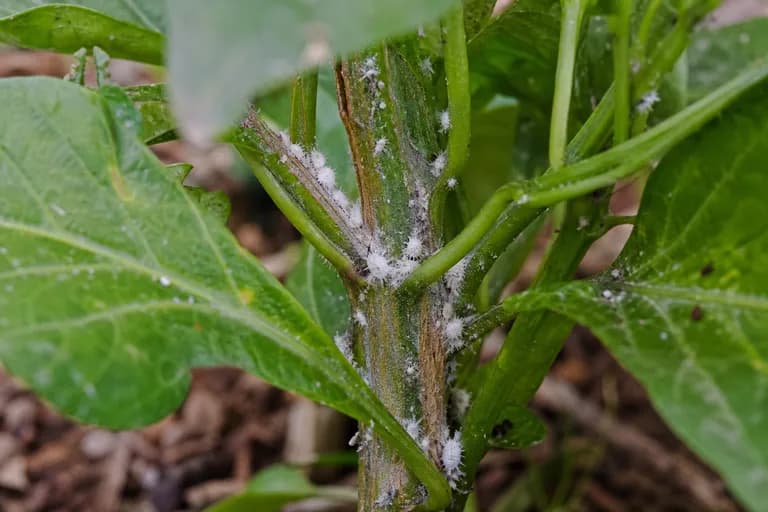
Schmierläuse
SchädlingWeiße, wattige Ansammlungen an Stängeln, Blattachseln und Fruchtrillen; Honigtauausscheidung führt zu Rußtau und geschwächtem Wachstum.
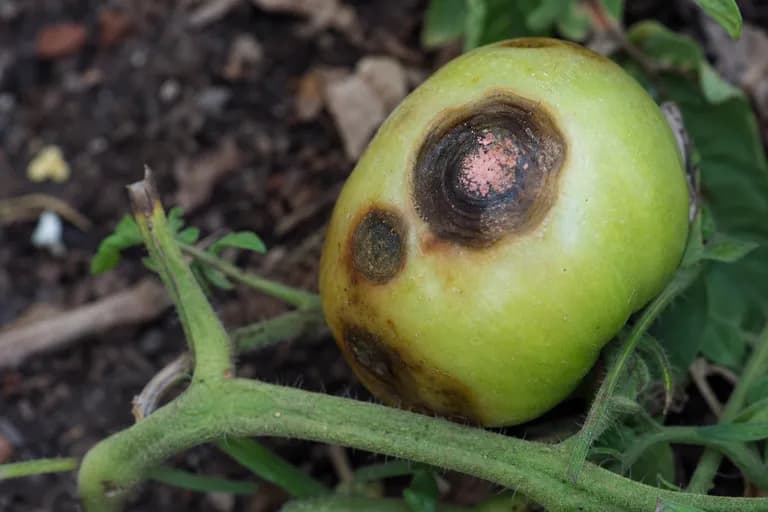
Anthraknose
KrankheitDunkle, eingesunkene Läsionen an reifenden Früchten; schwarze Flecken auf Blättern bei nassem Wetter; Fruchtfäule nach der Ernte.
Fehlerbehebung bei häufigen Problemen
Schlechter Fruchtansatz ist die häufigste Beschwerde und wird fast immer durch unzureichende Bestäubung verursacht. Die Blüten haben einen komplexen Bestäubungsmechanismus, der spezifische Käferbestäuber erfordert, die in der Kultur selten vorkommen. Handbestäubung löst dieses Problem zuverlässig. Fruchtplatzen tritt auf, wenn starker Regen auf Trockenheit folgt, daher sollte eine gleichmäßige Bewässerung beibehalten werden. Blattfall bei kühlem Wetter ist normal und kein Grund zur Sorge. Schwarzer Rußtau auf Blättern und Früchten deutet auf Schmierlaus- oder Schildlausbefall hin und sollte an der Schädlingsquelle bekämpft werden.
Anbautipps
- Handbestäubung ist nahezu unverzichtbar für einen zuverlässigen Fruchtansatz, da Zimtapfelblüten protogyn sind und natürliche Bestäuber wie Glanzkäfer in den meisten Hausgärten außerhalb der Tropen fehlen.
- Sammeln Sie Pollen von Blüten im männlichen Nachmittagsstadium mit einem kleinen Künstlerpinsel, bewahren Sie ihn über Nacht bei Raumtemperatur in einem verschlossenen Behälter auf und tragen Sie ihn am nächsten Morgen auf empfangsbereite weibliche Blüten auf.
- Pflanzen Sie in gut durchlässigen, leicht sauren bis neutralen Boden mit einem pH-Wert zwischen 5,5 und 7,5; Zimtäpfel vertragen keine staunassen Wurzeln und sind anfällig für Wurzelfäule in schweren Lehmböden.
- Bringen Sie eine dicke organische Mulchschicht von 8 bis 10 cm im Wurzelbereich aus, um Feuchtigkeit zu halten, Unkraut zu unterdrücken und die Bodentemperatur zu regulieren, halten Sie den Mulch jedoch mindestens 15 cm vom Stamm entfernt, um Stammfäule zu verhindern.
- Gießen Sie während der Wachstumsperiode tiefgründig, aber selten und lassen Sie die obersten 5 cm des Bodens zwischen den Bewässerungen abtrocknen; reduzieren Sie die Bewässerung während der halbdormanten Laubfallperiode deutlich, um die natürliche Trockenzeit-Ruhephase des Baumes nachzuahmen.
- Düngen Sie alle 6 bis 8 Wochen während des aktiven Wachstums mit einem ausgewogenen NPK-Dünger und wechseln Sie zu einer kaliumreichen Formulierung, sobald die Fruchtentwicklung beginnt, um die Zuckeranreicherung und besseren Geschmack zu fördern.
- Schneiden Sie jährlich nach der Ernte und dem Blattfall zurück und entfernen Sie etwa ein Drittel des Vorjahreswachstums, um neues Blühholz anzuregen, da Zimtäpfel Blüten hauptsächlich an diesjährigen Trieben bilden.
- In subtropischen Gebieten, in denen die Wintertemperaturen gelegentlich unter 10 °C fallen, kultivieren Sie Zimtapfelbäume in großen Kübeln (mindestens 60 Liter), damit sie bei Kälteeinbrüchen in ein Gewächshaus oder einen geschützten Bereich gerollt werden können.
- Kontrollieren Sie regelmäßig auf häufige Schädlinge wie Schmierläuse, Schildläuse und Fruchtbohrer; wenden Sie bei den ersten Anzeichen eines Befalls Neemöl oder Insektizidseife an, anstatt zu warten, bis sich die Populationen aufgebaut haben.
- Wenn Sie aus Samen ziehen, beachten Sie, dass Sämlingsbäume genetisch variabel sind und 3 bis 5 Jahre bis zur Fruchtbildung brauchen können; für schnellere, vorhersehbarere Ergebnisse kaufen Sie veredelte Sorten bei einer seriösen Baumschule.
Bau deine beste Zimtapfel an — und alles drumherum.
Starte heute kostenlos. Lege deine Beete an, setze deine Zimtapfel ein und lass PlotMyGarden Timing, Abstände, Begleiter und Erinnerungen von der Saat bis zum Erntekorb übernehmen.
Finde deine Zimtapfel
Thai Lessard
Eine überlegene thailändische Auslese mit großen, süßen Früchten und minimalen Samen, die weithin als der beste Zimtapfel für Hausgärten gilt.
Kampong Mauve
Produziert einzigartig malvenfarbene Früchte mit außergewöhnlich süßem, duftendem Fruchtfleisch und guter Produktivität in tropischen Klimazonen.
Red (Thai Red)
Eine auffällige Sorte mit tiefroter Schale und rosa getöntem Fruchtfleisch, ebenso süß wie grüne Sorten, aber optisch dramatischer.
Seedless Cuban
Eine nahezu kernlose Auslese, die kleinere, aber sehr süße Früchte hervorbringt, geschätzt für das einfache Essen ohne Kernentfernung.
Ein einzelner ausgewachsener Zimtapfelbaum kann 50 bis 100 Früchte pro Saison produzieren, wobei erstklassige Bio-Zimtäpfel im Fachhandel für 4 bis 8 € pro Stück verkauft werden. Der Anbau eines eigenen Baumes kann leicht 200 bis 500 € pro Jahr an Obstkosten einsparen und gleichzeitig frischere, pestizidfreie Produkte liefern. Der Baum benötigt nach der Etablierung nur minimale Eingaben, und überschüssige Früchte können als Fruchtmark für Smoothies und Desserts das ganze Jahr über eingefroren werden.
Schnelle Rezepte

Zimtapfel-Kokos-Smoothie
5 Min.Ein cremiger tropischer Smoothie, der das natürlich süße Puddingfruchtmark des Zimtapfels mit reichhaltiger Kokosmilch und einem Hauch Limette verbindet. Kein zusätzlicher Zucker ist nötig, da die reife Frucht alle Süße liefert. Sofort servieren für den frischesten Geschmack.
5 Zutaten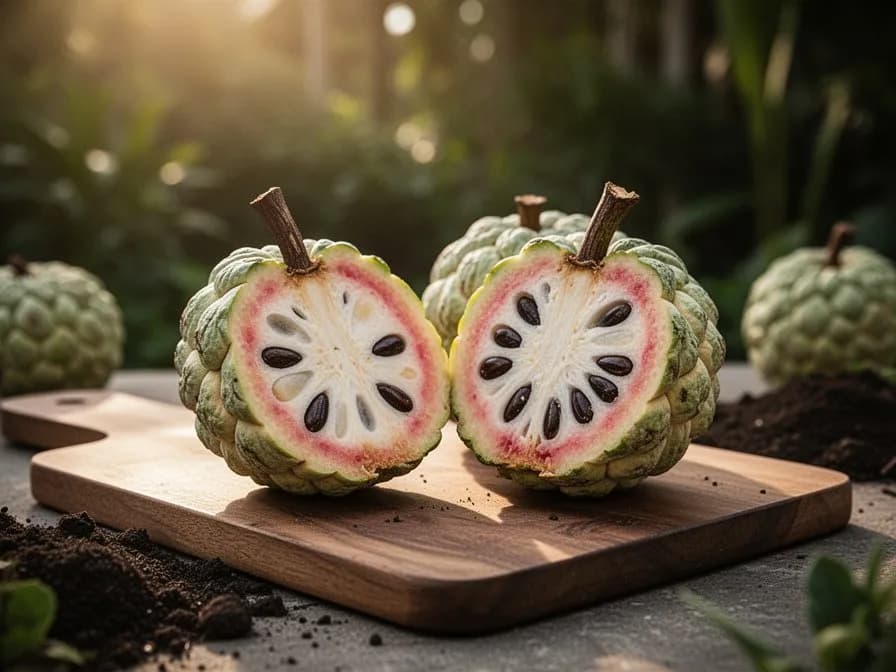
Zimtapfel-Sorbet
15 Min. plus 4 Stunden GefrierzeitEin erfrischendes milchfreies Sorbet, das die zarte blumige Süße des Zimtapfels hervorhebt. Die glatte, cremige Textur der Frucht ergibt ein Sorbet, das von Natur aus seidig ist, auch ohne Eismaschine. Einfach mixen, einfrieren und gelegentlich umrühren für ein leichtes tropisches Dessert.
5 Zutaten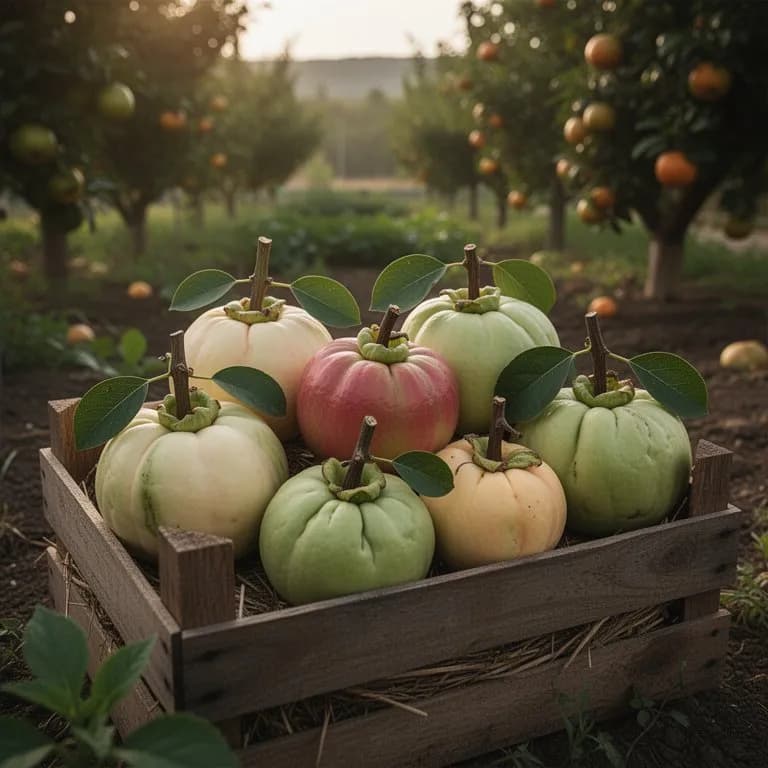
Zimtapfel-Limetten-Curd-Tarte
30 Min. plus 1 Stunde KühlzeitEine Tarte ohne Backen mit Keksboden, gefüllt mit einem köstlichen Zimtapfel-Limetten-Curd. Die Säure der Limette gleicht die intensive Süße der Frucht aus und ergibt ein elegantes Dessert, perfekt für sommerliche Zusammenkünfte. Mit frischen Fruchtmarksegmenten garnieren für eine beeindruckende Präsentation.
7 ZutatenKulinarische Verwendung
Zimtapfel wird am besten frisch genossen, indem man das cremige Fruchtfleisch direkt aus der Schale löffelt und die harten schwarzen Samen entsorgt. Das Fruchtmark eignet sich hervorragend für tropisches Eis, Milchshakes und Pudding. Es lässt sich wunderbar mit Kokosmilch oder Joghurt zu Smoothies verarbeiten. In Südostasien wird das Fruchtfleisch in süßen Dessertsuppen verwendet und mit Klebreis kombiniert.
Was drinsteckt
Gesundheitsvorteile
- Der hohe Vitamin-C-Gehalt unterstützt das Immunsystem, fördert die Kollagenproduktion und hilft dem Körper, Eisen aus pflanzlichen Lebensmitteln effizienter aufzunehmen.
- Ballaststoffe fördern eine gesunde Verdauung, nähren nützliche Darmbakterien und helfen, den Blutzuckerspiegel nach Mahlzeiten stabil zu halten.
- B-Komplex-Vitamine einschließlich Niacin und Riboflavin tragen zur zellulären Energieproduktion bei und unterstützen die Nervensystemfunktion.
- Kalium hilft, den Blutdruck zu regulieren, indem es die Wirkung von Natriumzufuhr ausgleicht und die ordnungsgemäße Muskel- und Nervenfunktion unterstützt.
- Magnesium im Zimtapfel-Fruchtfleisch unterstützt die Knochenmineralisierung, Enzymfunktion und kann helfen, Muskelkrämpfe und Müdigkeit zu reduzieren.
- Natürliche antioxidative Verbindungen einschließlich Flavonoide und Polyphenole helfen, freie Radikale zu neutralisieren und können Entzündungen im Zusammenhang mit chronischen Erkrankungen reduzieren.
Woher Zimtapfel stammt
Der Zimtapfel (Annona squamosa) stammt aus dem tropischen Amerika, wobei sein Ursprungszentrum höchstwahrscheinlich in den Tiefebenen Südmexikos, Mittelamerikas und der karibischen Inseln liegt. Archäologische Funde und frühe koloniale botanische Aufzeichnungen deuten darauf hin, dass die indigenen Völker der Region die Frucht lange vor dem europäischen Kontakt kultivierten. Als die spanischen Konquistadoren Anfang des 16. Jahrhunderts in die Neue Welt kamen, fanden sie den Zimtapfel in kultivierten Gärten und halbwilden Beständen in den Westindischen Inseln und an der Küste Mesoamerikas vor. Portugiesische Händler brachten anschließend im 16. und 17. Jahrhundert Samen nach Westafrika, Indien und Südostasien, und der Baum passte sich bemerkenswert gut an die warmen Klimazonen dieser Regionen an. Um 1600 war der Zimtapfelanbau fest an der Westküste Indiens etabliert, insbesondere in den Bundesstaaten Maharashtra und Gujarat, wo er bis heute eine kommerziell wichtige Kultur ist. Auf den Philippinen, in Thailand und in Südchina wurde die Frucht zu einem Grundnahrungsmittel auf lokalen Märkten und in der traditionellen Medizin. Der Baum gedeiht in halbariden tropischen und subtropischen Klimazonen und verträgt saisonale Trockenheit besser als viele andere Annona-Arten. Im Laufe der Jahrhunderte selektierten Anbauer auf größere Früchte, dünnere Schalen und weniger Samen, was zu Dutzenden regionaler Sorten führte. Im 20. Jahrhundert wurde der Zimtapfel mit der Cherimoya (Annona cherimola) gekreuzt, um die Atemoya zu erzeugen, eine Hybride, die für ihre verbesserte Kältetoleranz und ihr komplexes Aroma geschätzt wird. Heute wird der Zimtapfel kommerziell in Indien, Thailand, Brasilien, Australien und Teilen der südlichen Vereinigten Staaten angebaut und bleibt eine der am weitesten verbreiteten Annona-Arten weltweit.
Zimtapfel: Schon gewusst?
Faszinierende Fakten über Zimtapfel
Der Zimtapfel stammt vermutlich aus den tropischen Tiefebenen Mittelamerikas und der Karibik, und spanische sowie portugiesische Händler verbreiteten ihn im 16. und 17. Jahrhundert über die Tropen.
Zimtapfel: Fragen & Antworten
Wann sollte ich Zimtapfel pflanzen?
In welchen Winterhärtezonen kann Zimtapfel wachsen?
Wie viel Sonne braucht Zimtapfel?
Welchen Abstand sollte ich zwischen Zimtapfel lassen?
Welche Schädlinge und Krankheiten befallen Zimtapfel?
Wie lagere ich Zimtapfel nach der Ernte?
Was sind die besten Zimtapfel-Sorten zum Anbauen?
Welchen Boden braucht Zimtapfel?
Warum blüht mein Zimtapfelbaum, setzt aber nie Früchte an?
Kann ich einen Zimtapfelbaum im Kübel kultivieren?
Wie erkenne ich, wann ein Zimtapfel reif genug zum Pflücken ist?
Sind Zimtapfelsamen giftig?
Wie lange dauert es, bis ein Zimtapfelbaum aus Samen Früchte trägt?
Welche Schädlinge und Krankheiten befallen Zimtapfelbäume häufig?
Du hast die Theorie gelesen. Jetzt baue sie auf Autopilot an.
Alles, was Zimtapfel knifflig macht — das Timing, die Abstände, die Begleiter, das Erntefenster — genau das übernimmt PlotMyGarden für dich, für jede Pflanze im Garten.
Ein Plan, der dein Wetter kennt
Standort einmal festlegen. Aussaat-, Dünge- und Erntedaten rund um deinen echten letzten Frosttermin und die Live-Vorhersage — kein Raten mehr nach Saattüte.
Aus dem Abschnitt „Pflanzzeit“Beetplaner per Drag & Drop
Beete auf einem Raster gestalten. Jede Pflanze rastet im richtigen Abstand ein, und du siehst die ganze Saison, bevor du einen Cent für Saatgut ausgibst.
Aus dem Abschnitt „Anbau“Begleiter-Konflikte früh erkannt
Über 200 gute und schlechte Kombinationen werden beim Pflanzen live geprüft — so landet ein saisonruinierender Fehler nie in der Erde.
Aus dem Abschnitt „Begleiter“Erinnerungen, nach denen du wirklich handelst
„Gieß die Bohnen.“ „Heute ernten, bevor's umschlägt.“ Pünktlich, konkret und auf deine echten Pflanzen bezogen.
Aus dem Abschnitt „Ernte“Staffel-Aussaat, geplant
Sechs Wochen ernten statt sechs Tage? Die App verteilt deine Aussaaten automatisch und erinnert dich, wenn der nächste Satz fällig ist.
Aus dem Abschnitt „Pflanzzeit“Ein Verlauf, der schlauer wird
Jede protokollierte Ernte bringt der App deinen Garten bei. Der Plan fürs nächste Jahr startet bei dem, was in deinem Boden wirklich funktioniert hat.
Aus dem Abschnitt „Überblick“Weitere Tropische Früchte
Bau deine beste Zimtapfel an — und alles drumherum.
Starte heute kostenlos. Lege deine Beete an, setze deine Zimtapfel ein und lass PlotMyGarden Timing, Abstände, Begleiter und Erinnerungen von der Saat bis zum Erntekorb übernehmen.