Calabacín Rayado
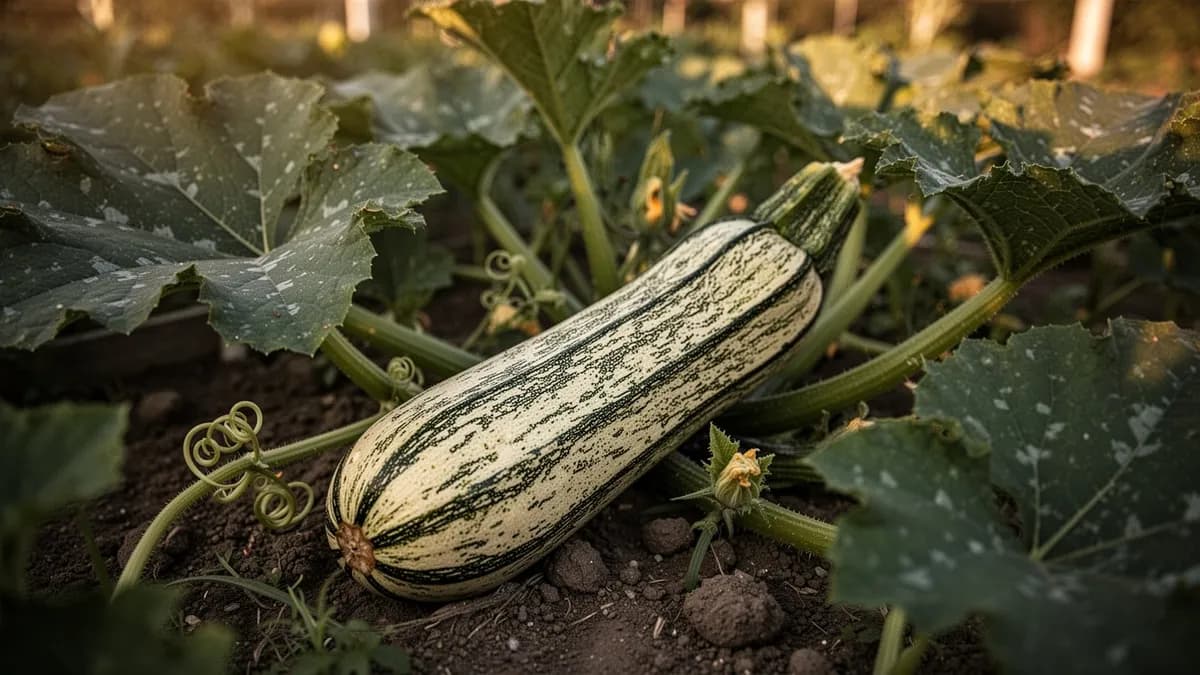
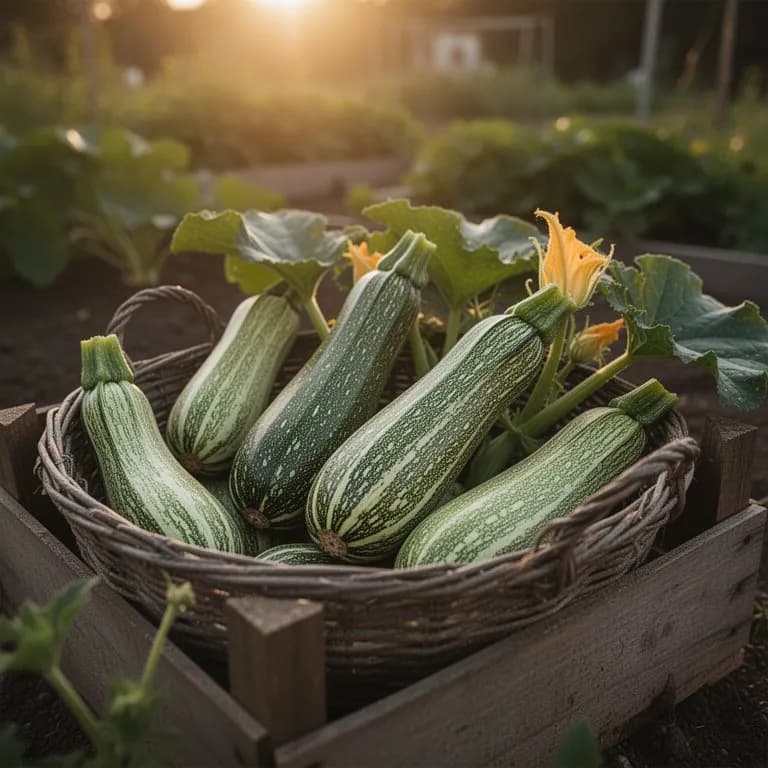
El calabacín rayado es una variedad decorativa de Cucurbita pepo que se distingue por sus rayas longitudinales verde claro y verde oscuro alternadas sobre la piel.





En esta páginaResumen
Conoce Calabacín Rayado
El calabacín rayado es una variedad decorativa de Cucurbita pepo que se distingue por sus rayas longitudinales verde claro y verde oscuro alternadas sobre la piel. Originario de Italia, donde variedades como la Costata Romanesco son un tesoro gastronómico, combina una presentación espectacular con un sabor más intenso y una textura más firme que los calabacines lisos convencionales.
Cuándo plantar Calabacín Rayado
Siembre directamente en el exterior después de la última helada, cuando la temperatura del suelo supere los 18 °C, o inicie en interior 3-4 semanas antes en macetas individuales de al menos 8 cm. Coloque 2-3 semillas a 2-3 cm de profundidad por montículo. La germinación ocurre en 5-10 días a 20-25 °C. Aclare a la plántula más fuerte tras la emergencia.
Tu año de Calabacín Rayado
Ajustado a Zona 7 · temporada típica · la helada se va hacia el 2 abr y vuelve hacia el 1 nov
Planta Calabacín Rayado Abr – Jun y cosecha Jul – Sep. Consulta los métodos de plantación y elige tu clima para adaptar los periodos.
Cómo cultivar Calabacín Rayado
El calabacín rayado se cultiva de forma idéntica al calabacín convencional. Elija un lugar a pleno sol con al menos 6-8 horas de luz directa diaria y suelo rico, fértil y bien drenado, con pH entre 6,0 y 7,5. Prepare el terreno con abundante compost y estiércol bien descompuesto, ya que es una planta de alto consumo de nutrientes.
Siembre directamente en el exterior después de la última helada, cuando la temperatura del suelo supere los 18 °C, o inicie en interior 3-4 semanas antes. Plante 2-3 semillas a 2-3 cm de profundidad en montículos separados 90-120 cm. Aclare a la planta más vigorosa por montículo tras la germinación.
Riegue abundante y regularmente en la base de la planta, evitando mojar las hojas para prevenir el oídio. Aplique un acolchado grueso para conservar la humedad y controlar las malas hierbas. Fertilice cada 2-3 semanas con un fertilizante orgánico rico en potasio durante la fructificación. Las flores masculinas y femeninas aparecen en la misma planta; si la fructificación es escasa, polinice a mano.
2 plantas caben en un bancal de 120 × 240 cm
Cada Calabacín Rayado pide 90 cm de margen. El planificador guarda ese marco por ti — cada planta, cada bancal.
Los mejores vecinos de Calabacín Rayado
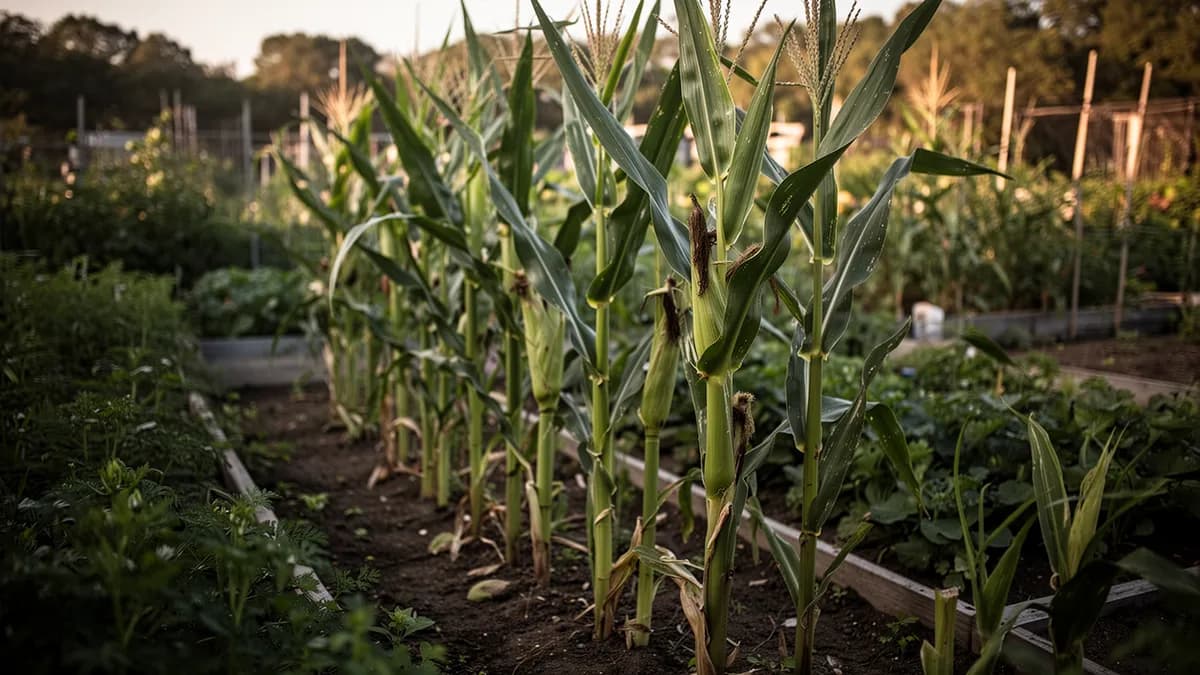
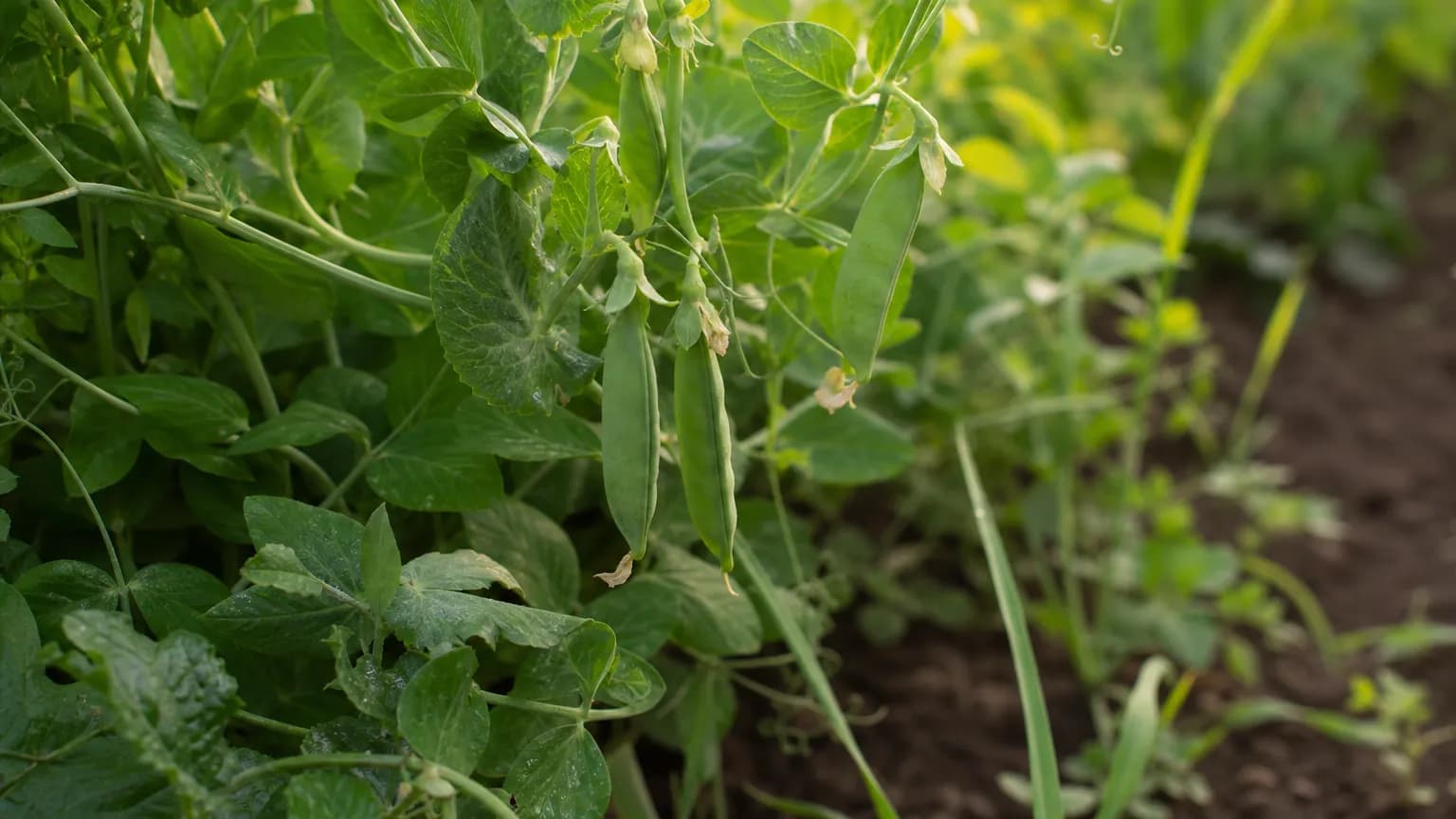
El calabacín rayado crece bien junto a frijoles, que fijan nitrógeno, y maíz, que proporciona cierta sombra en climas calurosos. Las caléndulas y capuchinas plantadas alrededor repelen ciertos insectos y atraen polinizadores. Evite plantarlo cerca de patatas, que compiten por nutrientes, y de otros miembros de las cucurbitáceas para reducir la presión de plagas.
Maíz va a su lado. Papa no.
Saber de huerto de siempre, cotejado con la tabla real de Calabacín Rayado — prueba cualquier planta que cultives.
Prueba Calabacín Rayado en un bancal, aquí mismo
Un bancal real del planificador con Calabacín Rayado ya plantado. Toca una planta compañera para colocarla y mira cómo responde la comprobación de vecinos: verde para buenos vecinos, rojo si hay conflicto.


Guías de cultivo relacionadas
Abónalo bien
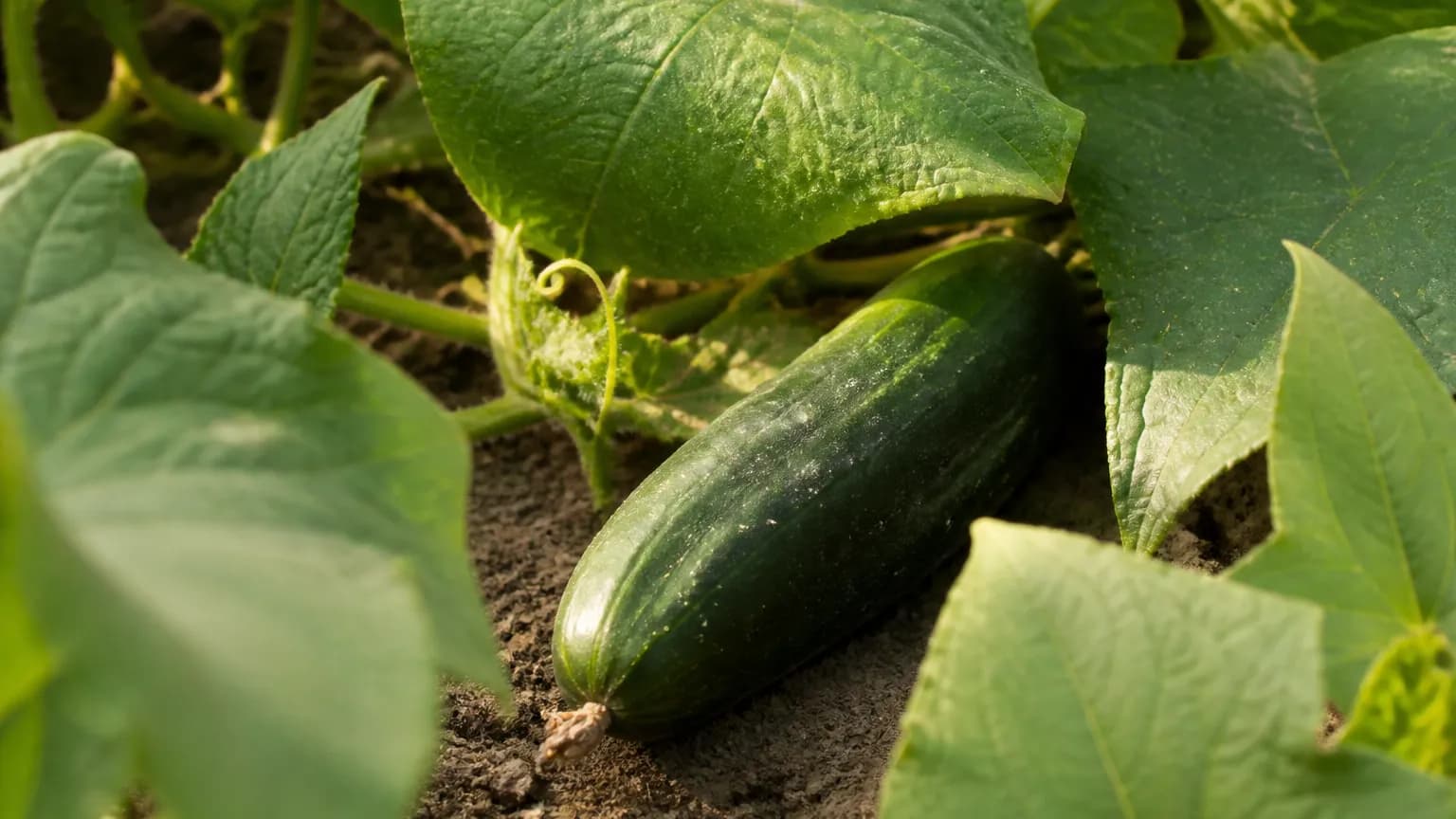
El calabacín rayado necesita un suelo muy rico, fértil y bien drenado, con pH entre 6,0 y 7,5. Incorpore abundante compost y estiércol bien descompuesto antes de la siembra. Aplique fertilizante orgánico rico en potasio y fósforo cada 2-3 semanas durante la fructificación. El exceso de nitrógeno produce mucho follaje pero pocos frutos.
Temperatura ideal
Compatibilidad de zonas de rusticidad
De la semilla a la cosecha, etapa por etapa
Germinación
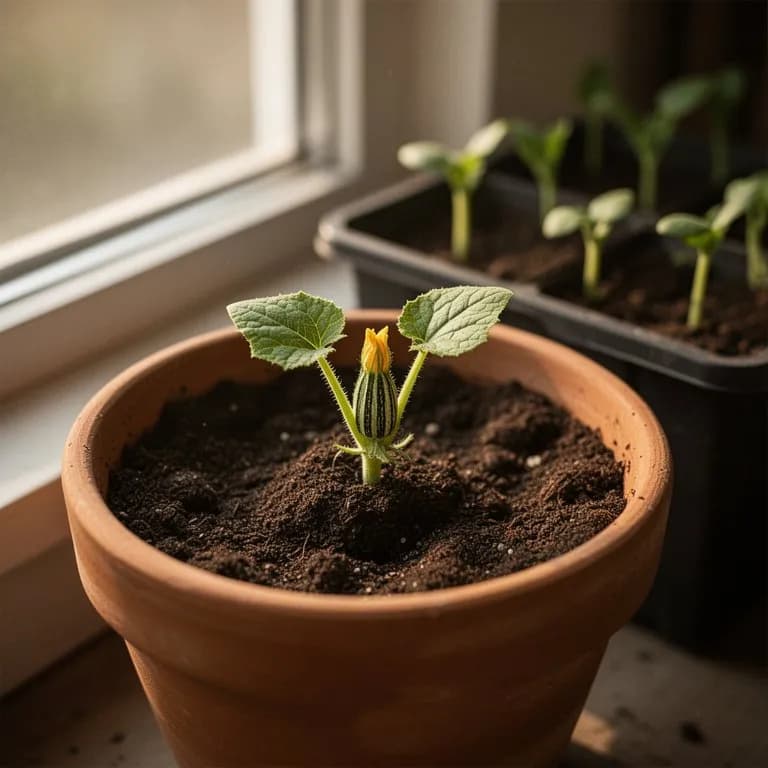
Las semillas germinan rápidamente en suelo cálido y empujan un hipocótilo grueso que eleva dos grandes cotiledones redondeados por encima de la superficie. La germinación requiere temperaturas del suelo de al menos 16°C y ocurre en 5-10 días. Las semillas sembradas en suelo frío se pudren antes de germinar.
Desarrollo de plántula
Las primeras hojas verdaderas emergen con su forma profundamente lobulada característica, mucho más grandes que los cotiledones. El tallo se engrosa rápidamente y comienza a establecerse un sistema radicular robusto. El crecimiento se acelera notablemente cuando las temperaturas diurnas superan los 24°C.
Expansión vegetativa
La planta crece con vigor hasta convertirse en un gran arbusto, produciendo hojas enormes sobre tallos gruesos y espinosos. Los tipos Costata Romanesco desarrollan un porte más abierto y extendido que la calabacita estándar. En esta fase la planta puede alcanzar fácilmente 120-150 cm de ancho.
Floración
Aparecen grandes flores en forma de trompeta de color dorado anaranjado: primero emergen las flores macho en tallos largos y delgados, seguidas de las flores hembra, identificables por el pequeño fruto que se abulta en su base. Cada flor se abre al amanecer y se cierra hacia el mediodía. Las abejas y otros polinizadores deben transferir el polen de las flores macho a las hembra para que cuaje el fruto.
Desarrollo del fruto
Las flores hembra polinizadas se hinchan hasta convertirse en frutos acanalados y rayados que desarrollan en pocos días su aspecto característico de Costata Romanesco. Las nervaduras longitudinales y las franjas alternadas verde oscuro y verde crema se vuelven más marcadas a medida que crecen. Los frutos alcanzan un tamaño cosechable de 15-25 cm en solo 4-7 días después de la polinización.
Producción sostenida
La planta entra en un ciclo continuo de floración y fructificación que puede durar 8-10 semanas en condiciones favorables. La calabacita rayada suele producir menos frutos que la calabacita común — alrededor de 2-3 por semana por planta — pero cada fruto es más grande y mucho más sabroso. La producción disminuye cuando las noches se enfrían por debajo de 10°C en otoño.
Siembra las semillas a 2,5 cm de profundidad con la punta hacia abajo. La temperatura ideal del suelo es de 21-30°C. Mantén el suelo uniformemente húmedo, pero nunca saturado de agua, durante esta fase crítica.
Cuidar Calabacín Rayado mes a mes
Qué hacer cada mes para tu Calabacín Rayado
Octubre
Mes actualFinal harvests in most zones before the first frost kills the plants. Collect any mature fruits left for seed saving — scoop seeds, rinse, and dry thoroughly. Pull spent plants and compost healthy material.
Ten claro qué hacer en tu huerto, cada mes
Un correo al empezar cada mes: qué sembrar, plantar y hacer ahora mismo — para tu Calabacín Rayado y todo lo que crece alrededor. Más un breve curso inicial para esquivar los errores clásicos.
- Qué hacer ahora mismo
- Ajustado a tu temporada
- Curso inicial incluido
Cosechar Calabacín Rayado
Coseche los calabacines rayados cuando tengan 15-20 cm de longitud para las variedades alargadas, o cuando las costillas estén bien marcadas pero la piel aún tierna para la Costata Romanesco, generalmente entre 50 y 60 días tras la siembra. Corte con un cuchillo afilado dejando 2-3 cm de pedúnculo. Coseche regularmente cada 2-3 días para estimular la producción continua.
se supone que plantas al comenzar el periodo — indica tu fecha real
Cosecha 4-7 días después de la polinización, cuando los frutos midan 15-25 cm.
Almacenamiento y conservación
Los calabacines rayados frescos se conservan en el refrigerador durante 5-7 días dentro de una bolsa perforada. Para congelación, córtelos en rodajas, escáldelos 1 minuto, enfríe en agua helada y congele en una sola capa. También se prestan excelentemente para preparar conservas en aceite de oliva a la italiana, con hierbas y ajo.
Qué falla — y cómo solucionarlo
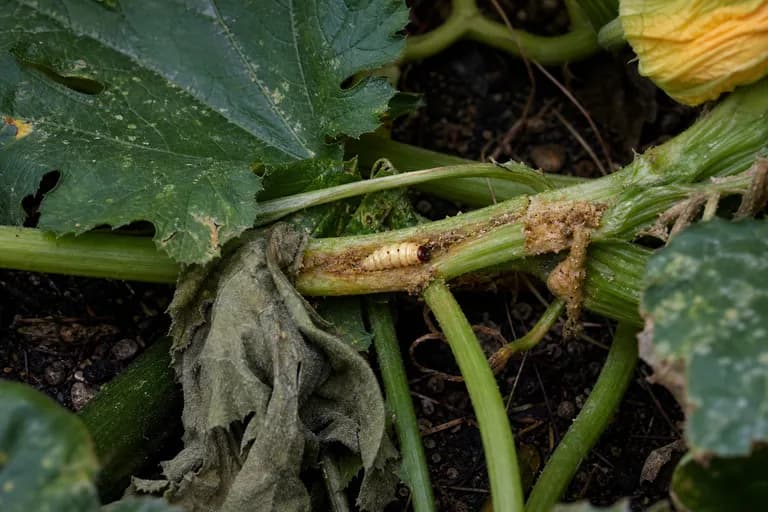
Oídio (Podosphaera xanthii)
EnfermedadPolvo blanquecino que recubre las hojas, comenzando por las más viejas. Las hojas afectadas amarillean, se secan y caen, reduciendo la producción de frutos y su calidad.
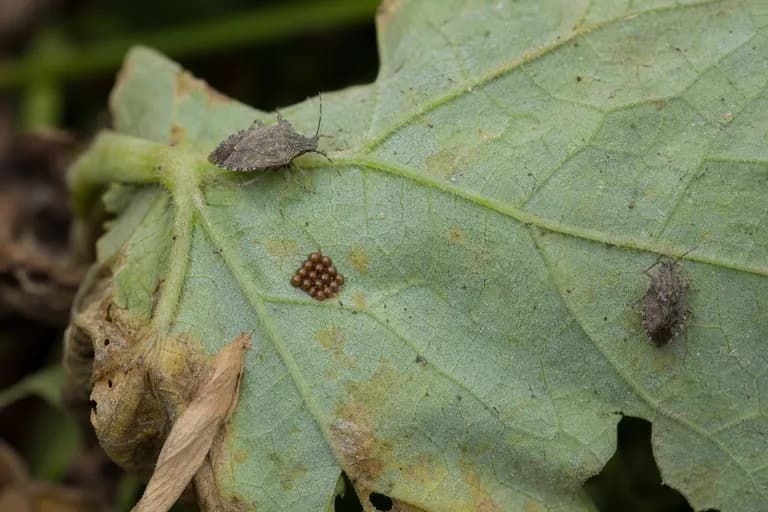
Barrenador de la vid (Melittia cucurbitae)
PlagaLas larvas penetran en la base del tallo, causando marchitamiento súbito de la planta. Se observa un excremento aserrado (frass) amarillento en la base del tallo y a veces galerías visibles.
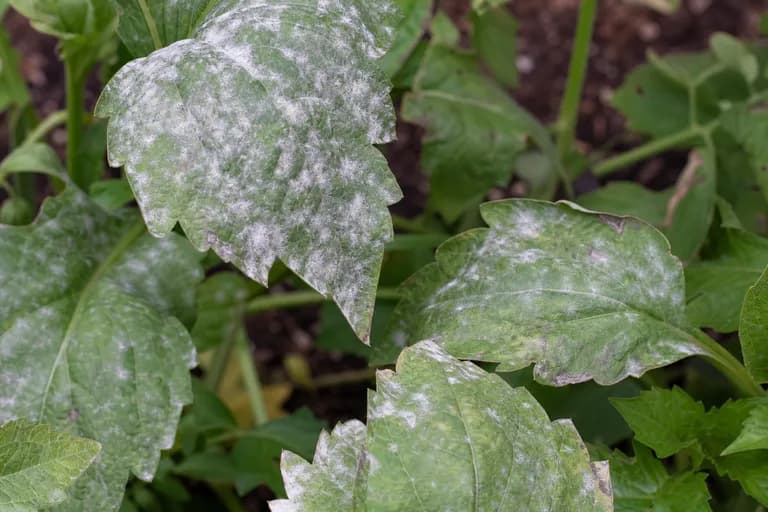
Virus del mosaico del calabacín (ZYMV)
EnfermedadDeformación y moteado amarillo-verde de las hojas con patrones de mosaico. Los frutos se deforman con protuberancias y manchas. El crecimiento se ralentiza significativamente.
Solución de problemas comunes
El oídio es el problema más frecuente, especialmente en condiciones húmedas y con mala circulación de aire. La Costata Romanesco tiende a producir más flores masculinas que femeninas al inicio, lo que puede frustrar al jardinero; la proporción se equilibra con el tiempo. Si los frutos caen antes de desarrollarse, suele deberse a falta de polinización; polinice a mano si es necesario.
Consejos de cultivo
- Do not rush planting. Striped zucchini seeds rot in cold, wet soil. Wait until the soil is genuinely warm — at least 16°C (60°F), ideally 21°C (70°F). A soil thermometer is a worthwhile investment that prevents the frustration of failed germination.
- Give each plant at least 120-150 cm of space in every direction. Costata Romanesco types develop a large, open bush habit with enormous leaves. Crowded plants develop powdery mildew faster and produce fewer fruits.
- Water at the base of the plant, never overhead. Wet foliage invites powdery mildew and other fungal diseases that are the primary threat to zucchini health. Drip irrigation or soaker hoses are ideal.
- Hand-pollinate in the early morning for reliable fruit set, especially in cool or rainy weather when bee activity is low. Use a small paintbrush to transfer bright yellow pollen from the stamens of a male flower to the sticky pistil of a female flower.
- Harvest fruits at 15-25 cm for the best nutty flavor and firm texture. Unlike standard zucchini, Costata Romanesco maintains surprisingly good eating quality even at 30 cm, but the absolute best flavor and texture is at the smaller size.
- Pick male flowers regularly for cooking — this is one of the great bonuses of growing striped zucchini. Harvest blossoms in the early morning when they are fully open. Leave at least 2-3 male flowers on the plant at all times to ensure pollination.
- Inspect the base of stems daily for squash vine borer damage (sawdust-like frass). Wrapping the lower 15 cm of the stem with aluminum foil or nylon stocking material prevents the moth from laying eggs at the most vulnerable point.
- Apply a preventive spray of diluted milk (1 part whole milk to 9 parts water) every 7-10 days starting in midsummer to suppress powdery mildew before it takes hold. This old-fashioned remedy is surprisingly effective.
Cultiva tu mejor Calabacín Rayado — y todo lo que la rodea.
Empieza un plan gratis hoy. Diseña tus bancales, coloca tu Calabacín Rayado y deja que PlotMyGarden gestione el momento, el espaciado, las asociaciones y los recordatorios de la semilla a la cesta.
Elige tu Calabacín Rayado
Costata Romanesco
Variedad italiana legendaria con profundas costillas y rayas verde claro/oscuro. Pulpa densa, firme y excepcionalmente sabrosa. Sus flores grandes son ideales para rellenar y freír. 52-55 días.
Cocozelle
Calabacín italiano clásico con rayas verde oscuro y verde claro. Forma alargada y cilíndrica. Sabor más intenso que los calabacines lisos. 48-55 días.
Striato d'Italia
Variedad italiana con rayas verde pálido y verde medio muy definidas. Frutos uniformes y atractivos de 18-22 cm. Excelente para parrilla. 50-55 días.
Gadzukes
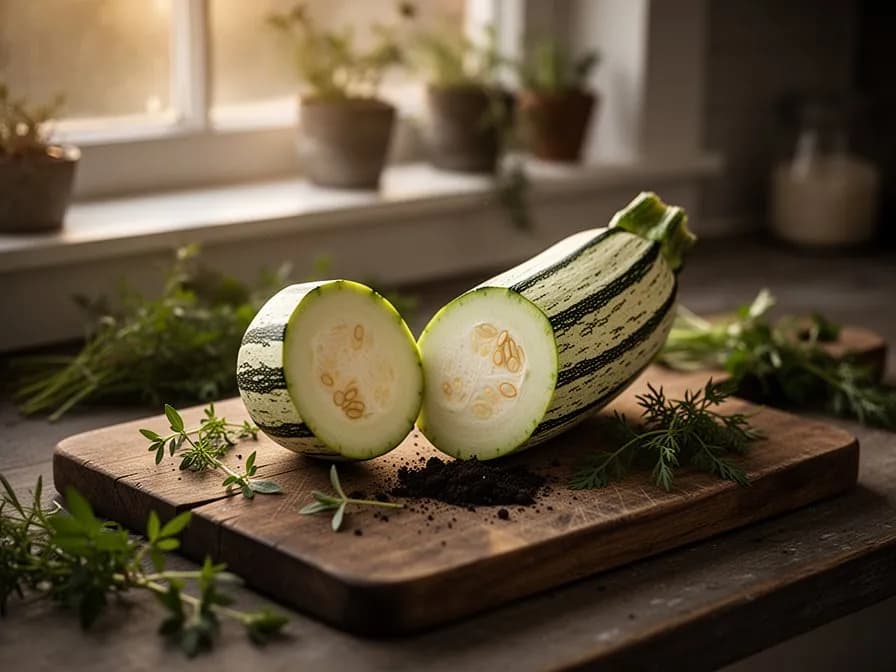
Variedad moderna con rayas verdes prominentes y sección en forma de estrella al cortarlo transversalmente. Ideal para presentaciones decorativas. 50-55 días.
A single striped zucchini plant grown from a $3-4 seed packet (containing 15-25 seeds) can produce 3-5 kg of premium fruit per season. Heirloom striped zucchini sells for $3-6 per pound at farmers markets, and stuffing-quality blossoms fetch $2-4 for a small bunch. Growing just 2-3 plants can easily save $50-100 in produce over the summer, plus provide dozens of blossoms that are nearly impossible to buy fresh at grocery stores.
Recetas rápidas
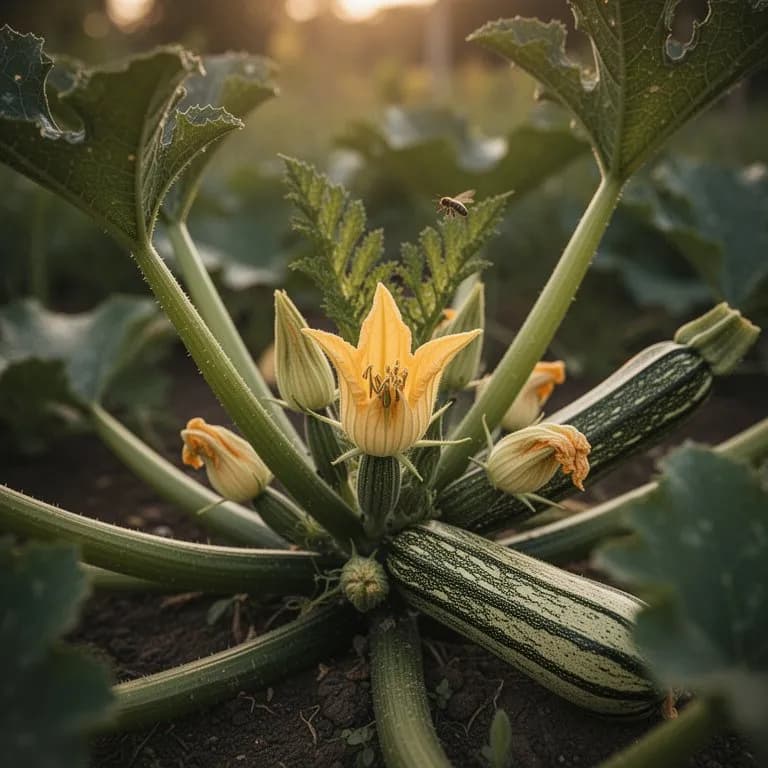
Ricotta-Stuffed Zucchini Blossoms
30 minThe quintessential Italian preparation for squash blossoms — delicate flowers filled with herbed ricotta, dipped in a light beer batter, and fried until golden and crispy. A true garden-to-table delicacy that showcases the plant beyond just its fruit.
8 ingredientes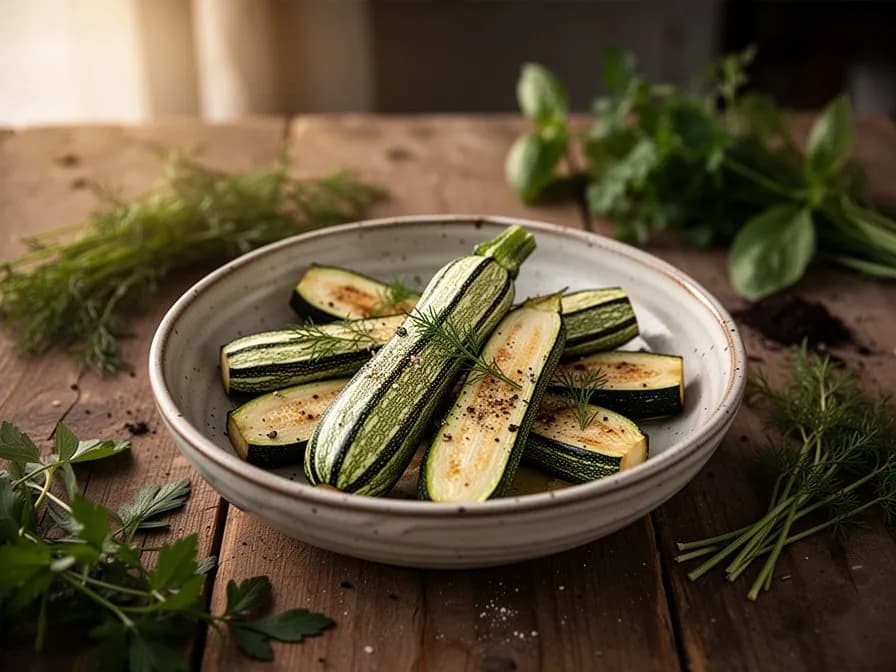
Grilled Costata Romanesco with Herb Oil
20 minThick-cut star-shaped rounds grilled over high heat until charred and tender, then drizzled with a vibrant fresh herb oil. The firm, nutty flesh of striped zucchini is far superior to standard zucchini for grilling as it holds its shape beautifully.
7 ingredientesZucchini Parmigiana alla Romana
45 minA lighter alternative to eggplant parmigiana using sliced striped zucchini layered with tomato sauce, mozzarella, and Parmigiano-Reggiano. The star-shaped slices create a beautiful layered pattern and the nutty flavor elevates this simple baked dish.
7 ingredientesUsos culinarios
El calabacín rayado italiano destaca por su sabor superior al calabacín liso convencional. La Costata Romanesco se corta en rodajas gruesas y se asa a la parrilla con aceite de oliva y sal, revelando su textura firme y sabor a nuez. Las flores grandes se rellenan con ricotta y hierbas, se rebozan y fríen en la tradición romana. También se prepara crudo en carpaccio fino con limón y parmesano, o salteado con ajo y albahaca.
Qué contiene
Beneficios para la salud
- Extremely low in calories at only 17 per 100g, making striped zucchini an ideal high-volume food for weight management — you can eat generous portions without significant caloric impact.
- Rich in vitamin C, providing 20% of the daily value per 100g, which supports immune function, collagen synthesis for healthy skin, and acts as a powerful antioxidant.
- Contains potassium (261mg per 100g) that helps regulate blood pressure by counteracting the effects of sodium, supporting cardiovascular health.
- The skin is rich in dietary fiber that promotes digestive regularity, feeds beneficial gut bacteria, and may help stabilize blood sugar levels after meals.
- Provides lutein and zeaxanthin carotenoids concentrated in the skin, which accumulate in the retina and may protect against age-related macular degeneration and cataracts.
- Good source of folate, a B-vitamin essential for DNA synthesis and cell division, particularly important during pregnancy for preventing neural tube defects.
De dónde viene Calabacín Rayado
Striped zucchini, most commonly represented by the Costata Romanesco variety, traces its ancestry to the squash species Cucurbita pepo, which was first domesticated in Mesoamerica over 8,000 years ago. When Spanish and Portuguese explorers brought New World squash to Europe in the 16th century, Italian gardeners eagerly adopted and refined these plants over successive generations. By the 18th and 19th centuries, Italian market gardeners around Rome and Naples had developed the distinctively ribbed, striped zucchini varieties that we know today.
The name Costata Romanesco — meaning 'ribbed Roman' — reflects the variety's deep roots in the agricultural traditions of the Lazio region surrounding Rome. These heirloom types were prized in Italian markets for their superior nutty flavor, firm texture, and the beautiful star-shaped cross-section that made them stand out from other summer squash. The large, sturdy blossoms were equally valued in the kitchen, giving rise to the Italian tradition of stuffed and fried squash flowers that remains a hallmark of Roman cuisine.
While modern smooth-skinned hybrid zucchini varieties came to dominate commercial production worldwide due to their higher yields and uniform appearance, striped heirloom varieties like Costata Romanesco experienced a revival beginning in the 1990s driven by the slow food movement and growing interest in heirloom vegetables. Today, striped zucchini is celebrated by home gardeners and chefs who value its exceptional flavor and visual beauty over the sheer volume of production offered by modern hybrids.
Calabacín Rayado: ¿sabías que?
Datos fascinantes sobre Calabacín Rayado
Costata Romanesco is an Italian heirloom variety that has been grown in the markets and gardens around Rome for centuries — the name literally means 'ribbed Roman' in Italian, referring to its distinctive deeply ridged skin.
Calabacín Rayado: preguntas frecuentes
¿Cuándo debo plantar Calabacín Rayado?
¿Cuáles son buenas plantas acompañantes para Calabacín Rayado?
¿En qué zonas de rusticidad puede crecer Calabacín Rayado?
¿Cuánto sol necesita Calabacín Rayado?
¿A qué distancia debo espaciar Calabacín Rayado?
¿Qué plagas y enfermedades afectan a Calabacín Rayado?
¿Cómo almaceno Calabacín Rayado después de la cosecha?
¿Cuáles son las mejores variedades de Calabacín Rayado para cultivar?
¿Qué suelo necesita Calabacín Rayado?
What makes striped zucchini different from regular zucchini?
Why are my striped zucchini fruits rotting before they grow?
Can I eat the flowers and how do I prepare them?
How do I tell male flowers from female flowers?
Why does my striped zucchini taste bitter?
How is Costata Romanesco different from Cocozelle?
Acabas de leer la teoría. Ahora cultívala en piloto automático.
Todo lo que hace que Calabacín Rayado sea delicado — el momento, el espaciado, las asociaciones, la ventana de cosecha — es justo lo que PlotMyGarden resuelve por ti, para cada planta de tu huerto.
Un plan que conoce tu clima
Indica tu ubicación una vez. Recibe fechas de siembra, abonado y cosecha basadas en tu última helada real y el pronóstico en vivo — sin adivinar con un sobre genérico.
De la sección “Cuándo plantar”Planificador de bancales de arrastrar y soltar
Diseña bancales sobre una cuadrícula. Cada planta encaja con su espaciado correcto y ves toda la temporada antes de gastar un céntimo en semillas.
De la sección “Cultivo”Conflictos de asociación, detectados a tiempo
Más de 200 buenas y malas combinaciones comprobadas en vivo mientras plantas — para que un error que arruine la temporada nunca llegue a la tierra.
De la sección “Asociaciones”Recordatorios que sí vas a seguir
“Riega las judías.” “Recoge hoy antes de que se pase.” Oportunos, concretos y ligados a las plantas que de verdad cultivas.
De la sección “Cosecha”Escalonado, programado
¿Quieres cosechar seis semanas en vez de seis días? Reparte tus siembras automáticamente y te avisa cuando toca el siguiente lote.
De la sección “Cuándo plantar”Un registro que se vuelve más listo
Cada cosecha que registras le enseña tu huerto. El plan del año que viene parte de lo que de verdad funcionó en tu suelo, no en un manual.
De la sección “Resumen”Planta estos junto a Calabacín Rayado
Más Cucurbitáceas
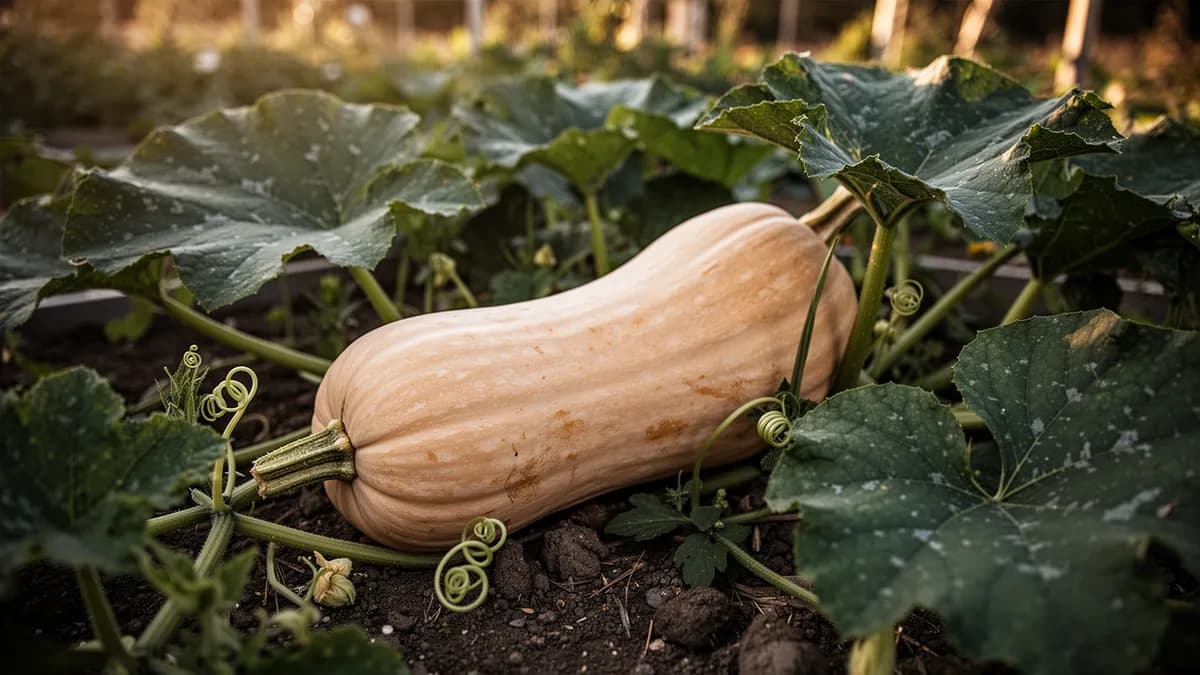
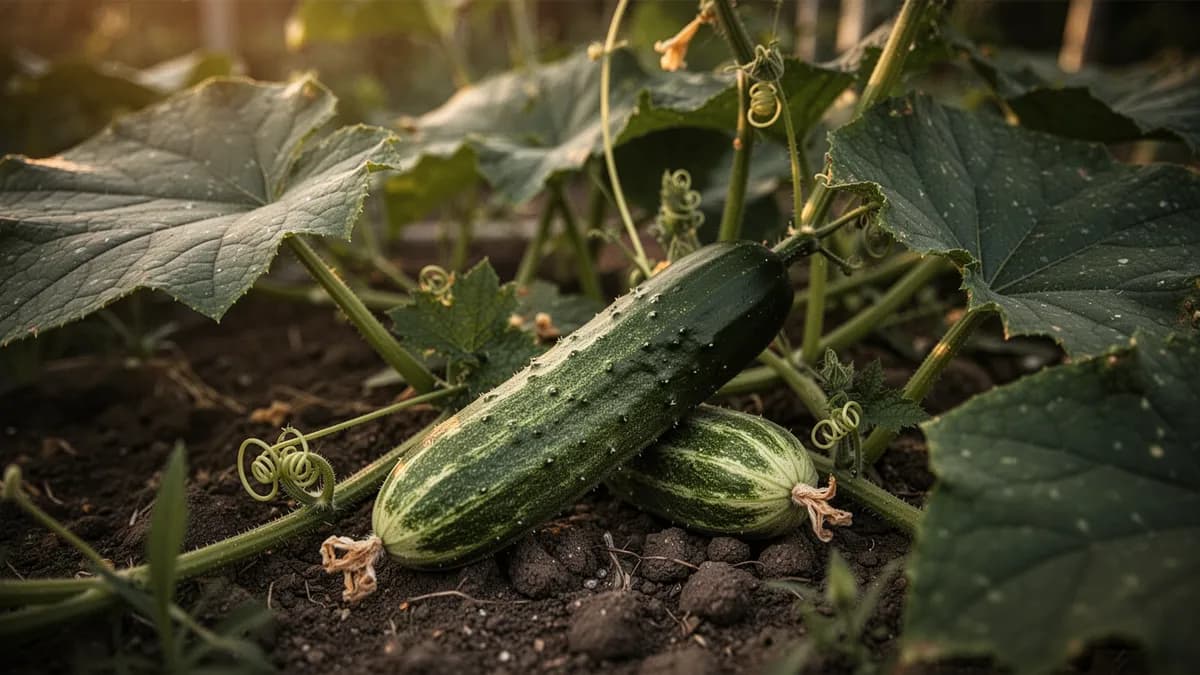
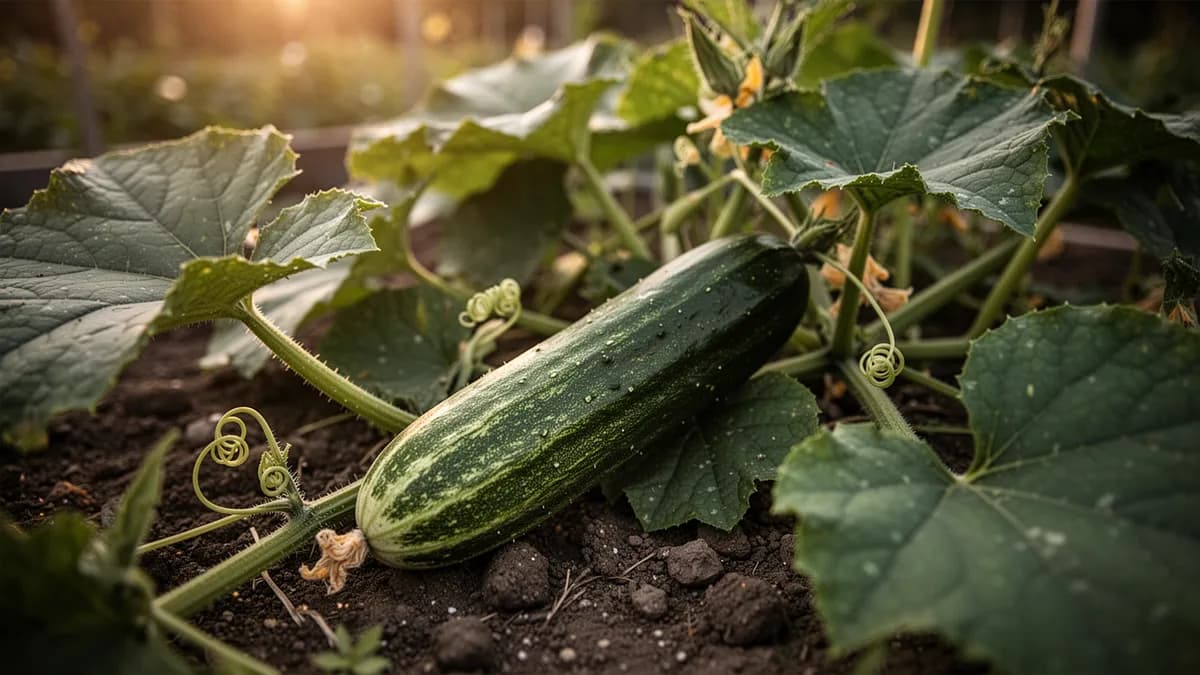
Mantén Calabacín Rayado lejos de estos
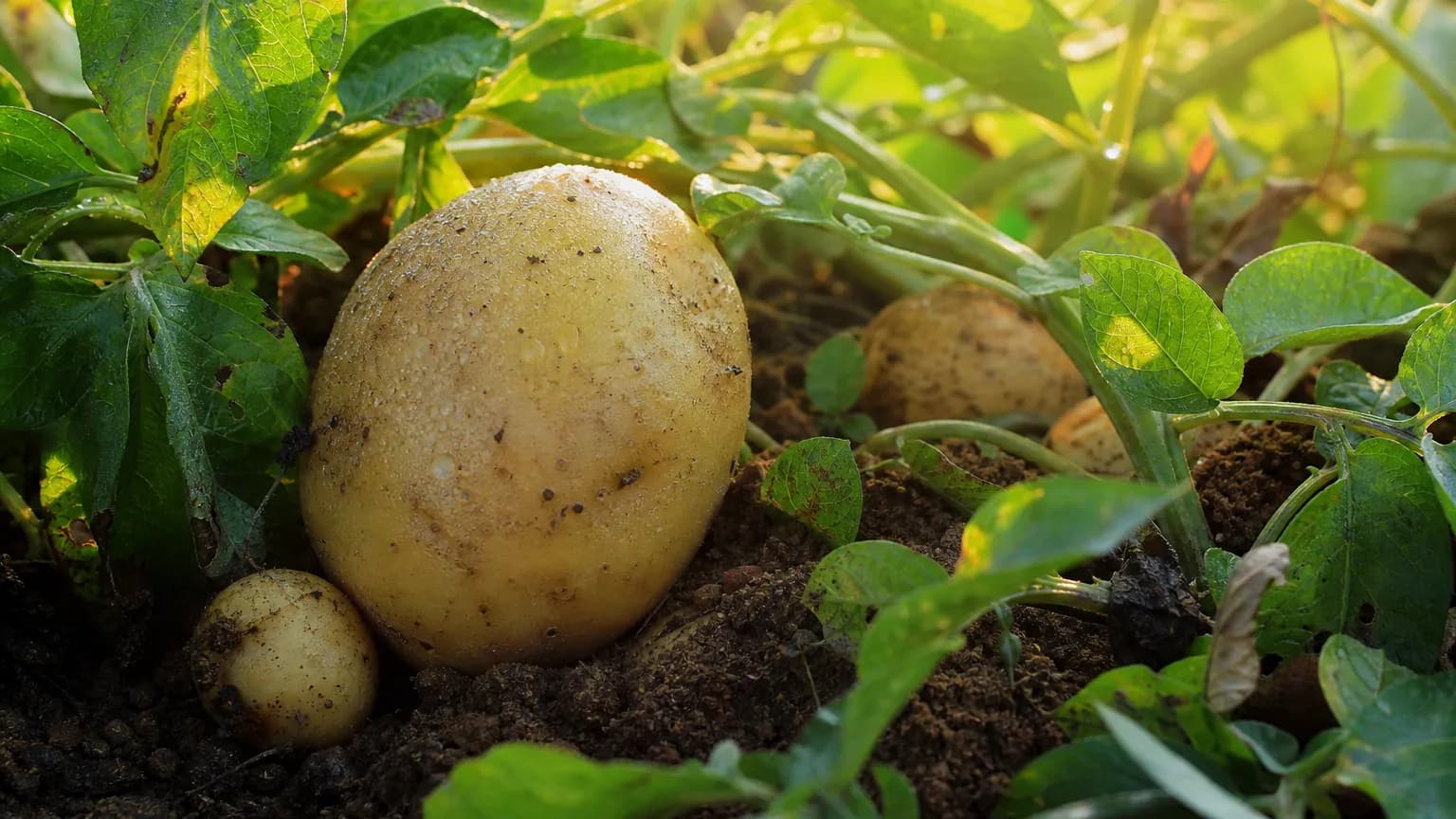
Cultiva tu mejor Calabacín Rayado — y todo lo que la rodea.
Empieza un plan gratis hoy. Diseña tus bancales, coloca tu Calabacín Rayado y deja que PlotMyGarden gestione el momento, el espaciado, las asociaciones y los recordatorios de la semilla a la cesta.