Starfruit
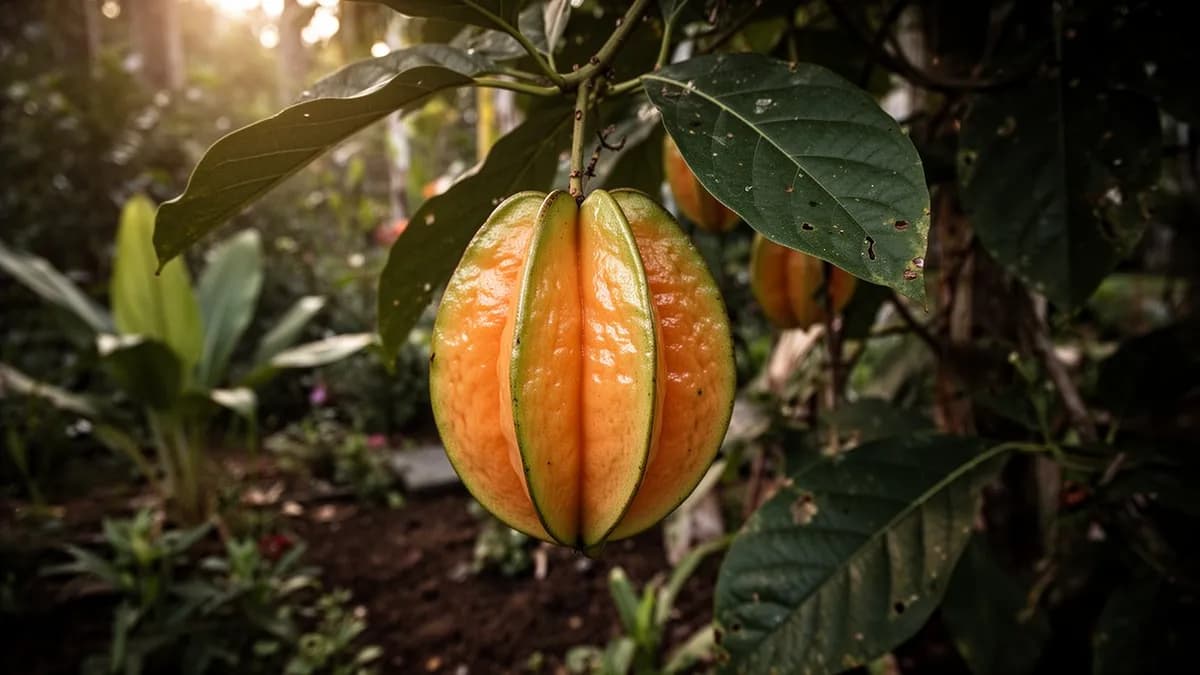
A tropical tree producing waxy, star-shaped fruits when sliced crosswise, with a crisp, juicy texture and sweet-tart flavor.





On this pageOverview
Meet Starfruit
A tropical tree producing waxy, star-shaped fruits when sliced crosswise, with a crisp, juicy texture and sweet-tart flavor. Starfruit trees are compact and prolific, bearing fruit twice a year with proper care. Note that starfruit contains oxalic acid and should not be consumed by people with kidney problems.
When to plant Starfruit
Starfruit seeds should be planted fresh, as viability declines rapidly within a few weeks. Soak seeds overnight and plant half an inch deep in moist, acidic potting mix. Keep warm at 75 to 85 degrees Fahrenheit with consistent moisture. Germination takes two to four weeks. Seedling trees are variable and may take four to six years to fruit, so grafted trees are preferred for consistent fruit quality and earlier bearing. Seedlings make good rootstock for grafting desired varieties.
Your Starfruit Year
Composed for Zone 7 · typical seasons · frost passes Apr 2, returns Nov 1
Plant Starfruit Mar – May, pick Jun – Nov. Check the planting methods below and set your climate to personalize these windows.
How to grow Starfruit
Starfruit trees are compact tropical to subtropical trees that typically reach twenty to thirty feet tall, making them well-suited for home gardens. Plant in a sunny, wind-protected location with well-draining soil. These trees are sensitive to alkaline conditions and perform best in acidic to neutral soil. Dig a hole twice the width of the root ball and backfill with compost-amended soil. Water deeply after planting and maintain consistent moisture.
Starfruit trees produce fruit year-round in tropical climates, with two main fruiting seasons in subtropical areas. Fertilize every two to three months with a balanced fertilizer that includes micronutrients, particularly iron and manganese. The trees are moderate feeders and respond well to organic mulching. Avoid salt spray and saline irrigation water, as starfruit is salt-sensitive.
Prune to maintain an open vase shape that allows sunlight to penetrate the interior canopy. Remove crossing branches, water sprouts, and dead wood annually. Starfruit can be grown in large containers in cooler climates and brought indoors during winter. Trees begin bearing fruit within two to three years of planting grafted specimens. Protect from freezing temperatures, as trees suffer damage below 28 degrees Fahrenheit.
Starfruit needs more room than a 4 × 8 ft bed gives
Each Starfruit wants 360 cm of elbow room. The planner keeps that spacing for you — every plant, every bed.
Related growing guides
Feed it well
Starfruit grows best in well-draining, slightly acidic soil with a pH of 5.5 to 6.5. The tree does not tolerate alkaline or calcareous soils, which cause severe iron and manganese deficiencies. Apply a balanced fertilizer with chelated micronutrients every two to three months. Organic matter in the form of compost or aged manure improves soil structure and nutrient retention. Foliar sprays of iron and manganese help correct yellowing leaves in less-than-ideal soil conditions.
Ideal Temperature
Hardiness Zone Compatibility
From seed to harvest, stage by stage
Establishment
Newly planted starfruit trees focus energy on root development. Expect slow top growth as the tree anchors itself in the soil. Leaves may be sparse but should be a healthy green.
Vegetative Growth
The tree puts on significant canopy growth, producing dense, pinnate leaves on arching branches. Multiple flushes of new growth occur throughout the warm season.
First Flowering
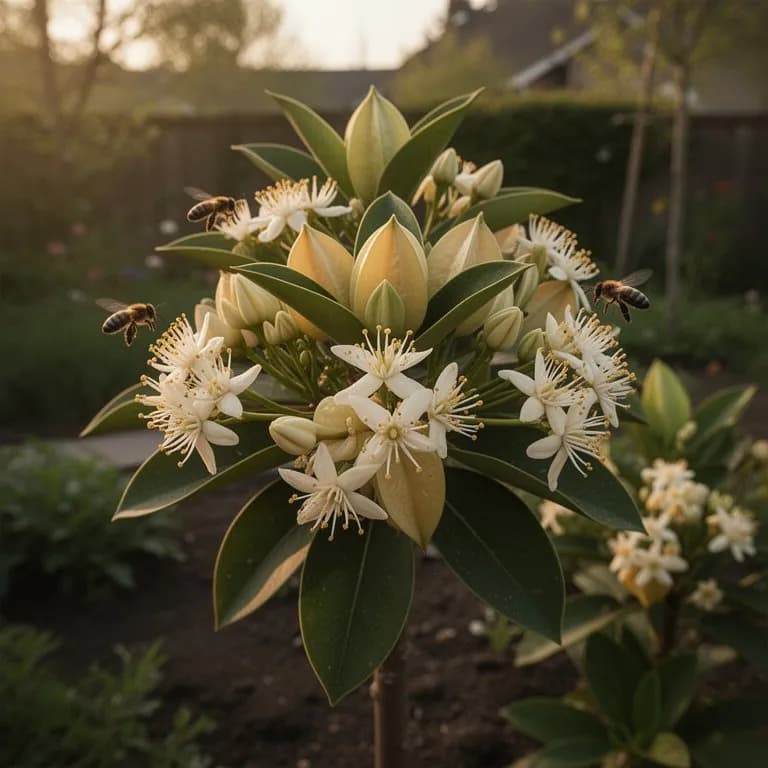
Clusters of small pink and lilac star-shaped flowers appear along the branches, often starting in the second year. Starfruit trees can flower multiple times per year in tropical climates.
Fruit Development
After successful pollination, small green fruits develop and swell over 60 to 75 days. The five prominent ribs that form the iconic star shape become pronounced as the fruit enlarges.
Ripening
Fruit transitions from green to golden yellow, developing a waxy sheen and sweet, slightly tart aroma. The tips of the ribs may show a hint of brown, which is normal and indicates peak ripeness.
Mature Production
Established trees enter a cycle of two to four fruiting flushes per year. A healthy mature starfruit tree can produce 200 to 400 pounds of fruit annually under optimal conditions.
Water deeply two to three times per week and avoid heavy fertilization during the first month to prevent root burn.
Caring for Starfruit month by month
What to do each month for your Starfruit
October
You are hereApply the final balanced fertilizer dose of the season. Remove any mummified or fallen fruit to reduce fungal and pest pressure. Clean up leaf litter around the base.
Know exactly what to do in your garden — every month
One email at the start of each month: what to sow, plant, and tackle right now — for your Starfruit and everything growing around it. Plus a short starter course that helps you dodge the classic mistakes.
- What to do, right now
- Matched to your season
- Starter course included
Harvesting Starfruit
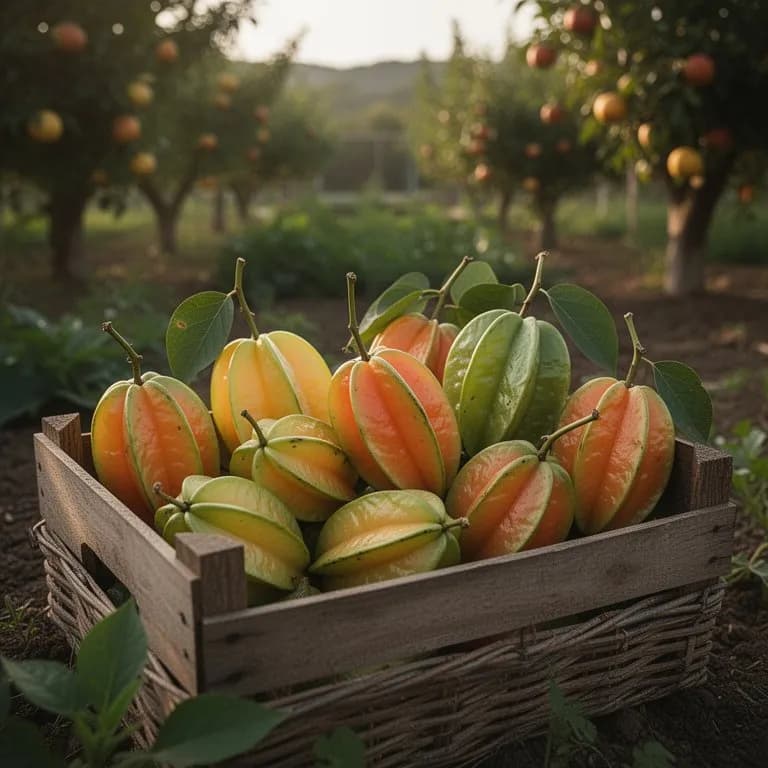
Starfruit is ready to harvest when the skin turns from green to golden yellow with slight browning on the ridges. The fruit should feel firm but yield slightly to gentle pressure. Cut the stem with pruning shears rather than pulling fruit from the branch. Starfruit bruises easily, so handle with care. Slightly green fruit will ripen at room temperature over a few days. Fully ripe fruit has the best sweet-tart balance and highest sugar content.
assuming you plant when the window opens — set your real date
Pick Starfruit promptly and the plant keeps producing.
Storage & Preservation
Ripe starfruit stores at room temperature for two to three days or refrigerated for up to two weeks. The fruit can be sliced and frozen for use in smoothies and cooking, lasting up to three months in the freezer. Starfruit makes excellent preserves, pickles, and chutneys. The juice can be extracted and frozen or used immediately in beverages. Dehydrated starfruit slices make attractive, shelf-stable snacks that retain the distinctive star shape.
What goes wrong — and the fix
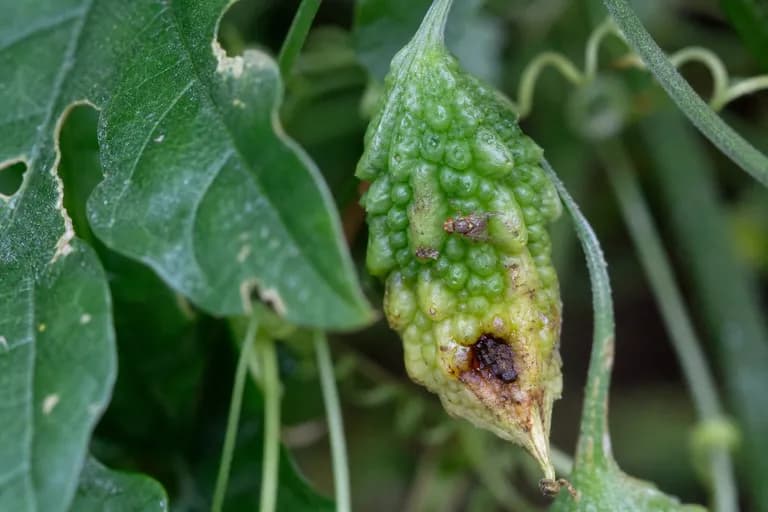
Fruit Fly
PestSmall puncture marks on ripening fruit, maggots inside the flesh, soft brown spots, and premature fruit drop.
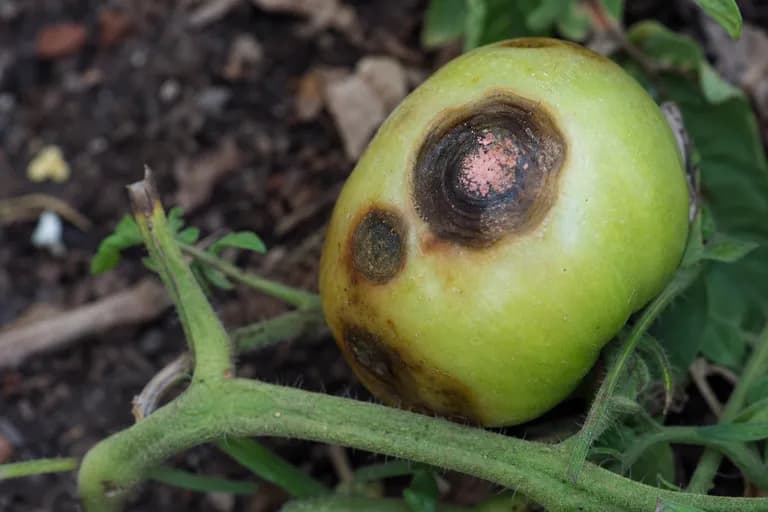
Anthracnose
DiseaseDark brown to black sunken lesions on fruit, leaf spots with concentric rings, twig dieback during wet weather.
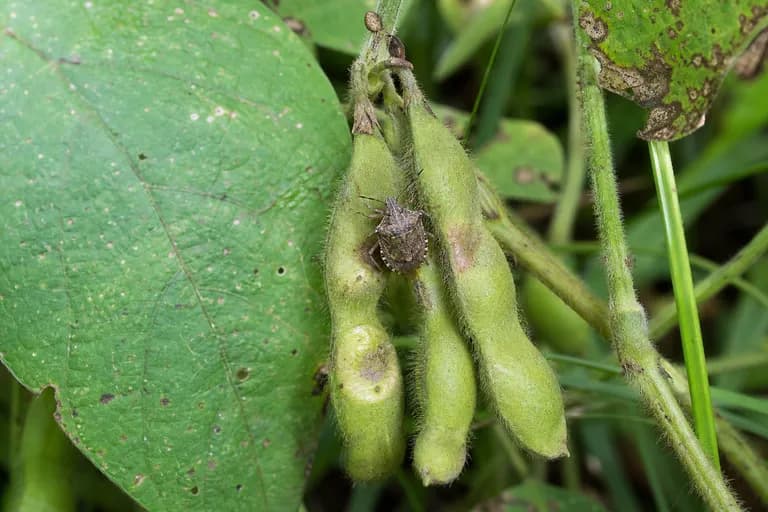
Stink Bugs
PestDimpled, discolored areas on fruit from feeding punctures, corky spots beneath the skin, reduced fruit quality.
Troubleshooting Common Problems
Iron chlorosis is the most common issue, causing interveinal yellowing of leaves in alkaline soils. Wind damage can break the somewhat brittle branches. Fruit drop during development may indicate inconsistent watering or nutrient deficiency. The oxalic acid content in the fruit makes it dangerous for individuals with kidney disease. Birds often peck at ripening fruit, requiring netting for protection. Overwatering leads to root rot in poorly drained soils.
Growing Tips
- Plant starfruit in a location that receives a minimum of six to eight hours of direct sunlight daily — insufficient light is the single most common reason for poor fruiting in home gardens.
- Starfruit prefers a slightly acidic to neutral soil pH between 5.5 and 6.5. Test your soil before planting and amend with sulfur to lower pH or lime to raise it if necessary.
- This tree is sensitive to waterlogged roots. Always plant in well-draining soil or raised beds, and never allow water to pool around the trunk, especially during the rainy season.
- If you live outside USDA zones 10 to 12, grow starfruit in a large container of at least 100 liters and move it indoors or into a heated greenhouse when temperatures drop below 10°C.
- Starfruit is largely self-fertile, but planting two different cultivars nearby will significantly increase fruit set through cross-pollination, particularly in gardens with limited natural bee activity.
- Apply a layer of organic mulch 5 to 8 centimeters deep around the drip line of the tree — but keep it away from the trunk — to conserve moisture, moderate soil temperature, and gradually improve soil structure.
- For container-grown trees, repot every two to three years into a slightly larger container with fresh potting mix to prevent the tree from becoming root-bound and to replenish depleted nutrients.
- Starfruit responds well to light pruning after each fruiting flush. Remove inward-crossing branches to open up the canopy, improve air circulation, and redirect energy into the next flowering cycle.
- In areas prone to strong winds, stake young trees for the first two years and plant them near a windbreak if possible — starfruit branches can be brittle and are prone to snapping under wind load.
- Watch the color of your fruit carefully at harvest time. The best eating quality occurs when the fruit is fully yellow but the rib edges are just beginning to turn slightly brown. At this stage the sugar-acid balance is at its peak.
Grow your best Starfruit yet — and everything around it.
Start a free plan today. Lay out your beds, drop in your Starfruit, and let PlotMyGarden handle the timing, spacing, companions and reminders from seed to harvest basket.
Pick your Starfruit
Arkin
The most widely grown variety in Florida, producing large, sweet fruit with minimal tartness. Very productive and cold-tolerant for a starfruit.
Kari
A Malaysian variety with large, very sweet fruit and thick ridges that create an attractive star shape. Heavy bearer with good disease resistance.
Sri Kembangan
Produces medium to large sweet fruit with a slight tart edge. Popular in Southeast Asia for its balanced flavor and consistent production.
Fwang Tung
A Thai variety known for exceptionally sweet, large fruit with thin skin. One of the sweetest starfruit varieties available.
A single mature starfruit tree can produce 100 to 400 pounds of fruit per year, which at average retail prices of $3 to $6 per pound for fresh organic starfruit can represent $300 to $2,400 in annual grocery savings. Since starfruit is considered an exotic tropical fruit in most Western supermarkets and often sold at a premium, home growers in USDA zones 10 to 12 or those with heated greenhouses stand to recoup the cost of a nursery tree within the first or second productive season.
Quick recipes
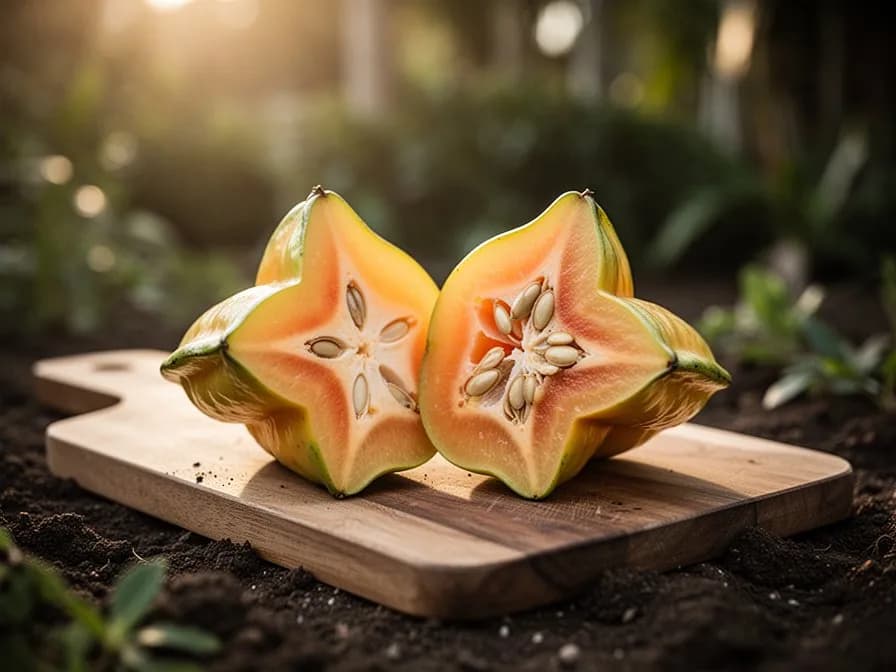
Starfruit Agua Fresca
10 minutesA refreshing Mexican-inspired drink that lets the sweet-tart flavor of ripe starfruit shine with minimal effort. Perfect for hot summer days.
6 ingredientsTropical Starfruit Salsa
15 minutesA vibrant fruit salsa combining diced starfruit with mango, red onion, and chili. Pairs beautifully with grilled fish tacos, shrimp, or simply scooped with tortilla chips.
7 ingredients
Starfruit and Ginger Stir-Fry Glaze
20 minutesA sweet and tangy glaze made from starfruit juice and fresh ginger that caramelizes beautifully over chicken or tofu. A quick weeknight dinner with a Southeast Asian flair.
8 ingredientsCulinary Uses
Starfruit is eaten fresh, sliced crosswise to reveal its decorative star shape. It adds visual appeal and a sweet-tart flavor to fruit salads, cocktails, and garnishes. The juice is used in smoothies, lemonade-style drinks, and sauces. Starfruit can be cooked into curries, chutneys, and relishes. In Southeast Asia, the tart varieties are used in savory dishes similar to tamarind.
What's inside
Health Benefits
- High in vitamin C, which supports immune function, collagen synthesis, and acts as a powerful antioxidant to neutralize free radicals in the body.
- The soluble fiber content helps regulate blood sugar levels by slowing glucose absorption, making starfruit a smart snack choice for those managing diabetes — when consumed in moderation.
- Polyphenolic compounds including quercetin and epicatechin found in starfruit have demonstrated anti-inflammatory properties in laboratory studies, potentially reducing chronic inflammation.
- At only 31 calories per 100 grams with high water content and fiber, starfruit promotes satiety and supports healthy weight management without sacrificing nutrition.
- Potassium in starfruit contributes to healthy blood pressure regulation by counteracting the effects of sodium and supporting proper heart muscle function.
- Folate content supports healthy cell division and DNA synthesis, making starfruit a useful addition to the diet during pregnancy when consumed as part of a varied nutritional plan.
Where Starfruit comes from
Starfruit (Averrhoa carambola) traces its origins to the tropical regions of Southeast Asia, with Sri Lanka, the Moluccas (Maluku Islands) of Indonesia, and the Philippines most commonly cited as its native homeland. Botanical evidence suggests the fruit has been cultivated in this region for at least 2,000 years, where it thrived in the hot, humid lowland forests and was gradually domesticated by local communities for both its culinary and medicinal value.
The fruit spread westward through ancient trade routes, reaching India and the Middle East during the medieval period. Arab and Persian traders who traveled the spice routes of the Indian Ocean are credited with introducing carambola to the broader Asian and eventually African markets. By the sixteenth century, Portuguese explorers and colonists had encountered the fruit in their trading posts across Goa and Macau, and they carried it westward to Brazil and other parts of tropical South America, where it naturalized and became a beloved staple.
The botanical name Averrhoa honors the twelfth-century Moorish philosopher and physician Ibn Rushd, known in the West as Averroes, reflecting the fruit's long association with the Arab world during the age of exploration. The species name carambola is derived from the Portuguese adaptation of the Marathi word 'karambal,' spoken in the coastal Konkan region of India.
In the United States, starfruit cultivation took hold in Florida and Hawaii during the late nineteenth century, but it was not until the 1970s and 1980s that the University of Florida's Institute of Food and Agricultural Sciences began developing named sweet cultivars such as 'Arkin' and 'Kari' for commercial production. Today, Florida remains the primary domestic producer in the United States.
Across Southeast Asia, starfruit holds deep cultural significance. In Malaysia and Indonesia it is commonly served with rojak, a traditional spiced fruit salad, while in Taiwan whole candied starfruit on sticks are a beloved street food. In Brazil, the fruit is pressed into refreshing juices and caipirinhas. Its uniquely photogenic star cross-section has also made it a favorite in modern culinary presentation worldwide.
Starfruit: did you know?
Fascinating facts about Starfruit
The starfruit is one of the few fruits that naturally forms a perfect five-pointed star shape when sliced crosswise — no knife skill required.
Starfruit questions, answered
When should I plant Starfruit?
What hardiness zones can Starfruit grow in?
How much sun does Starfruit need?
How far apart should I space Starfruit?
What pests and diseases affect Starfruit?
How do I store Starfruit after harvest?
What are the best Starfruit varieties to grow?
What soil does Starfruit need?
How long does it take a starfruit tree to produce fruit from a seedling?
Can I grow starfruit indoors or in a greenhouse in a cold climate?
Why is my starfruit tree flowering but not setting fruit?
Is it safe to eat starfruit every day?
What are the best cultivars of starfruit for home gardens?
How do I know when starfruit is ripe and ready to pick?
You just read the theory. Now grow it on autopilot.
Everything that makes Starfruit fiddly — the timing, the spacing, the companions, the harvest window — is exactly what PlotMyGarden handles for you, for every plant in your garden.
A plan that knows your weather
Set your location once. Get sow, feed and harvest dates built around your real last-frost date and live forecast — no more guessing from a generic seed packet.
From the “When to plant” sectionDrag-and-drop bed planner
Design beds on a grid. Every plant snaps to its proper spacing, and you can see your whole season laid out before you spend a cent on seed.
From the “Growing guide” sectionCompanion conflicts, caught early
200+ good-and-bad pairings checked live as you plant — so a season-wrecking mistake never makes it into the ground.
From the “Companions” sectionReminders you'll actually act on
“Water the beans.” “Pick today before it turns.” Timely, specific, and tied to the plants you're really growing.
From the “Harvest” sectionSuccession, scheduled
Want a harvest for six weeks, not six days? It spaces your sowings automatically and reminds you when each new block is due.
From the “When to plant” sectionA record that gets smarter
Every harvest you log teaches it your garden. Next year's plan starts from what actually worked in your soil, not a textbook's.
From the “Overview” sectionMore Tropical Fruits
Grow your best Starfruit yet — and everything around it.
Start a free plan today. Lay out your beds, drop in your Starfruit, and let PlotMyGarden handle the timing, spacing, companions and reminders from seed to harvest basket.