Hierbabuena
La menta clásica para té, con un sabor más dulce y menos intenso en mentol que la menta piperita, esencial para el té marroquí y la cocina de Oriente Medio.





En esta páginaResumen
Conoce Hierbabuena
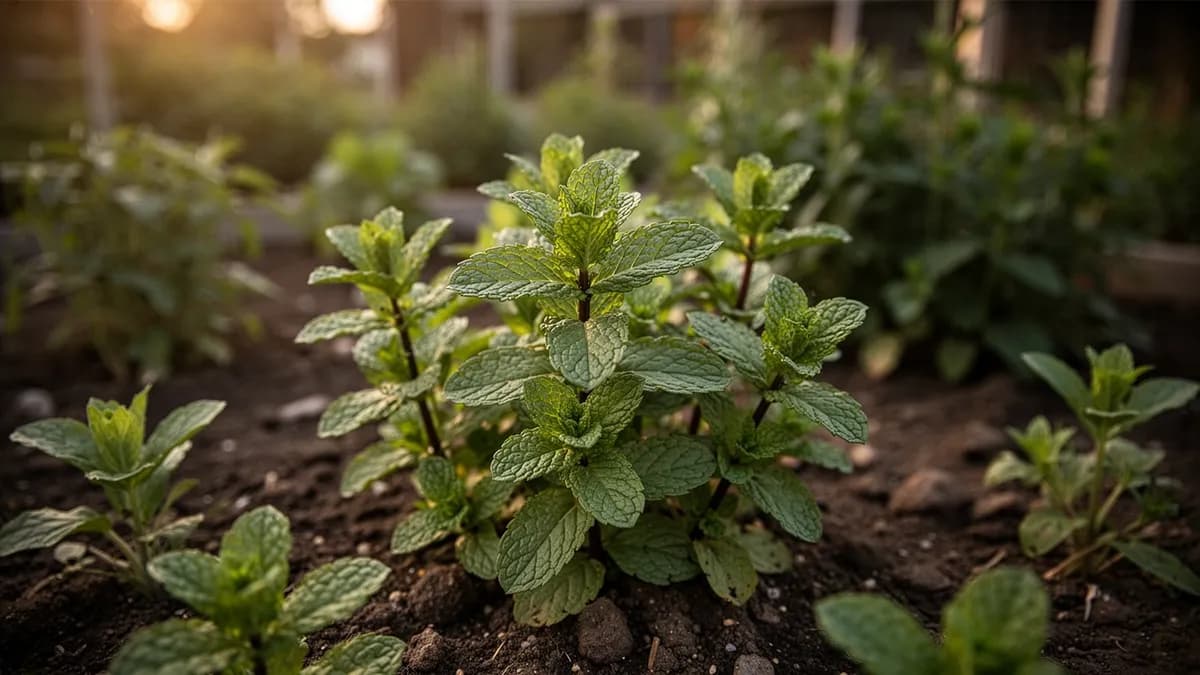
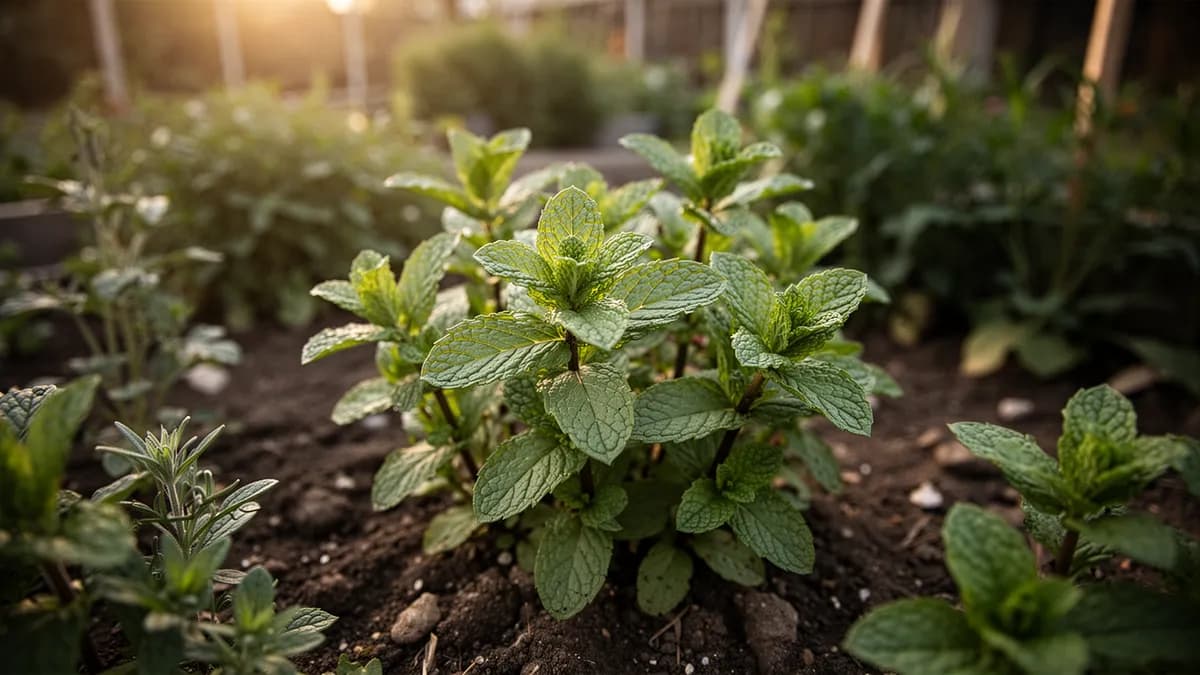
La menta clásica para té, con un sabor más dulce y menos intenso en mentol que la menta piperita, esencial para el té marroquí y la cocina de Oriente Medio. El sabor suave de la hierbabuena la convierte en la variedad preferida para uso culinario en salsas, ensaladas y rollitos frescos de primavera. Cultívala en macetas y cosecha con frecuencia, ya que sus vigorosos estolones colonizarán cualquier suelo disponible.
Cuándo plantar Hierbabuena
Aunque la hierbabuena puede cultivarse por semilla, la división y los esquejes son mucho más fáciles y fiables. Las semillas son diminutas y la germinación es irregular: siémbralas en la superficie de compost húmedo sin cubrir, a 18-22°C. Mantén la humedad constante y espera la germinación en 10-15 días. Las plántulas crecen despacio y pueden no salir fieles al tipo. Para obtener resultados más rápidos, divide las plantas establecidas en primavera u otoño cortando secciones de estolón con raíces adheridas: se establecen casi al instante. Los esquejes de tallo enraízan con facilidad en agua en solo 5-7 días y luego pueden trasplantarse o plantarse al exterior.
Tu año de Hierbabuena
Ajustado a Zona 7 · temporada típica · la helada se va hacia el 2 abr y vuelve hacia el 1 nov
Planta Hierbabuena Mar – May y cosecha May – Oct. Consulta los métodos de plantación y elige tu clima para adaptar los periodos.
Cómo cultivar Hierbabuena
La hierbabuena es una de las hierbas más populares y cultivadas del mundo, y se cultiva en todos los continentes por su sabor dulce y fresco, más suave y versátil que el de la menta piperita. Es una perenne vigorosa que crece entre 30 y 90 cm de altura, con hojas verde brillante y serradas, y espigas de flores rosas o lila en verano. La hierbabuena es prácticamente indestructible una vez establecida, pero sus estolones la convierten tanto en una bendición como en un reto para el jardín.
Cultiva hierbabuena en semisombra o pleno sol en un suelo húmedo y fértil. Es una de las pocas hierbas que prospera en condiciones húmedas y con sombra parcial, lo que la hace ideal para lugares donde otras hierbas tendrían dificultades. La consideración de cultivo más importante es la contención: la hierbabuena se expande agresivamente por brotes subterráneos y colonizará rápidamente bancales enteros si no se controla. Plántala en una maceta grande hundida en el suelo, con el borde 3 cm por encima del nivel del suelo, o cultívala en contenedores independientes.
Cosecha con frecuencia y de forma drástica para fomentar un crecimiento fresco continuo y evitar que la planta se vuelva leñosa y escasa en la base. Corta los tallos hasta dos tercios de su longitud con regularidad durante toda la temporada de crecimiento. En invierno, la planta muere hasta el nivel del suelo y rebrotará con vigor en primavera. Divide las matas congestionadas cada 2-3 años para mantener el vigor y evitar que el centro se agote.
10 plantas caben en un bancal de 120 × 240 cm
Cada Hierbabuena pide 45 cm de margen. El planificador guarda ese marco por ti — cada planta, cada bancal.
Los mejores vecinos de Hierbabuena
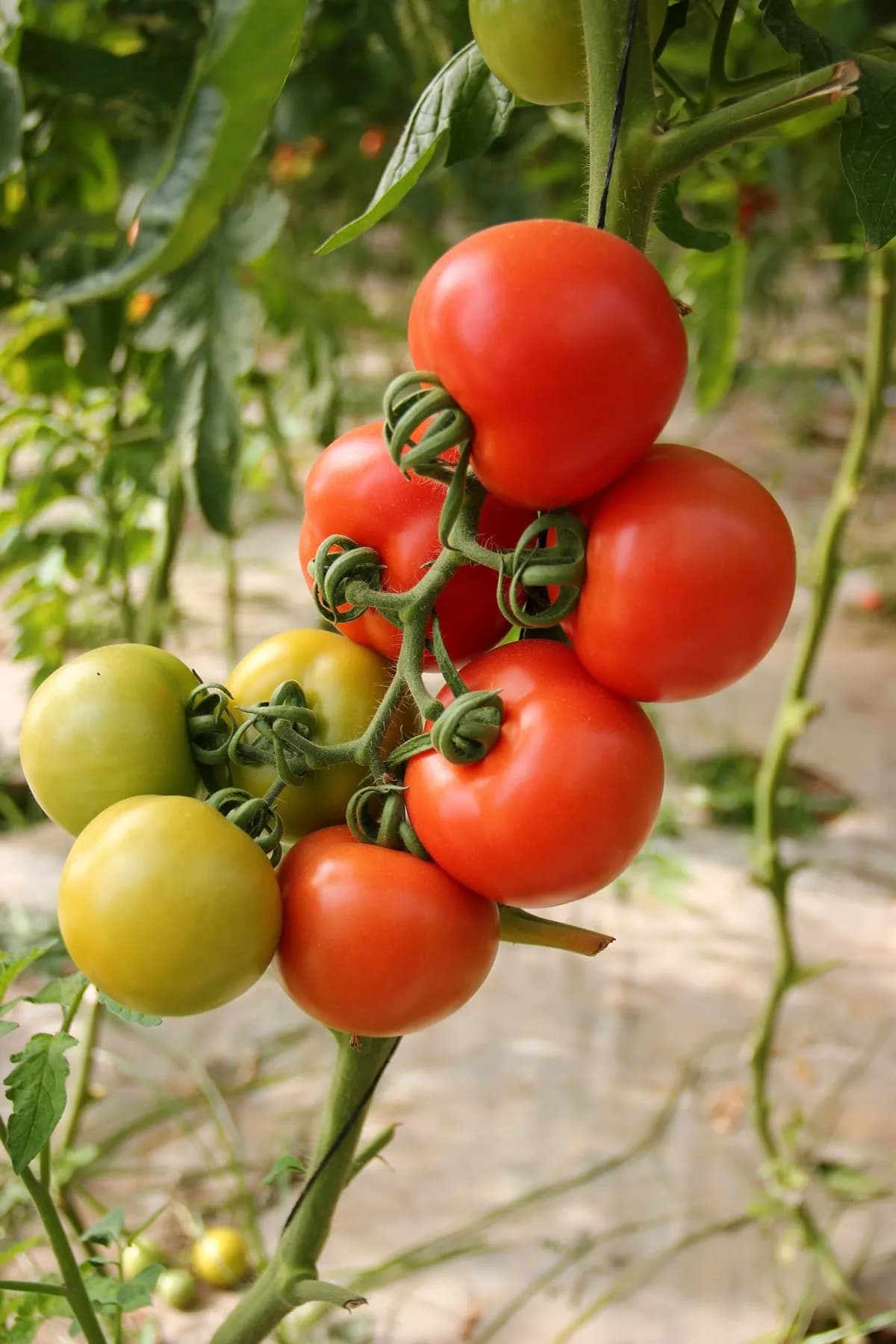
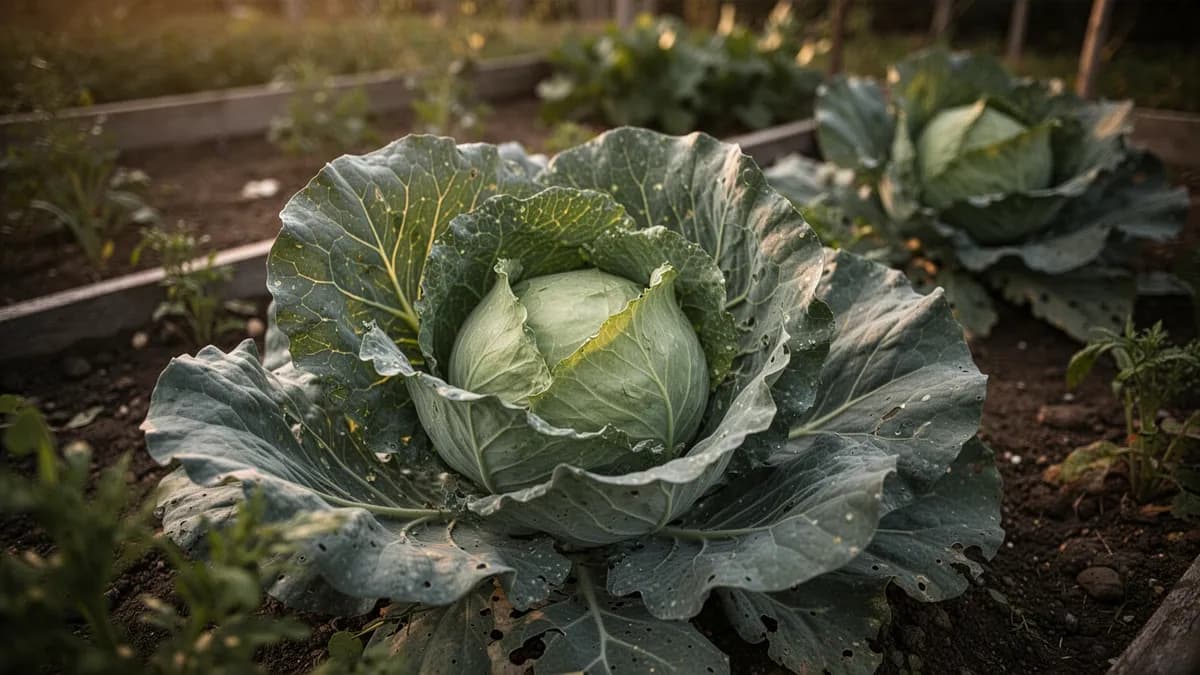
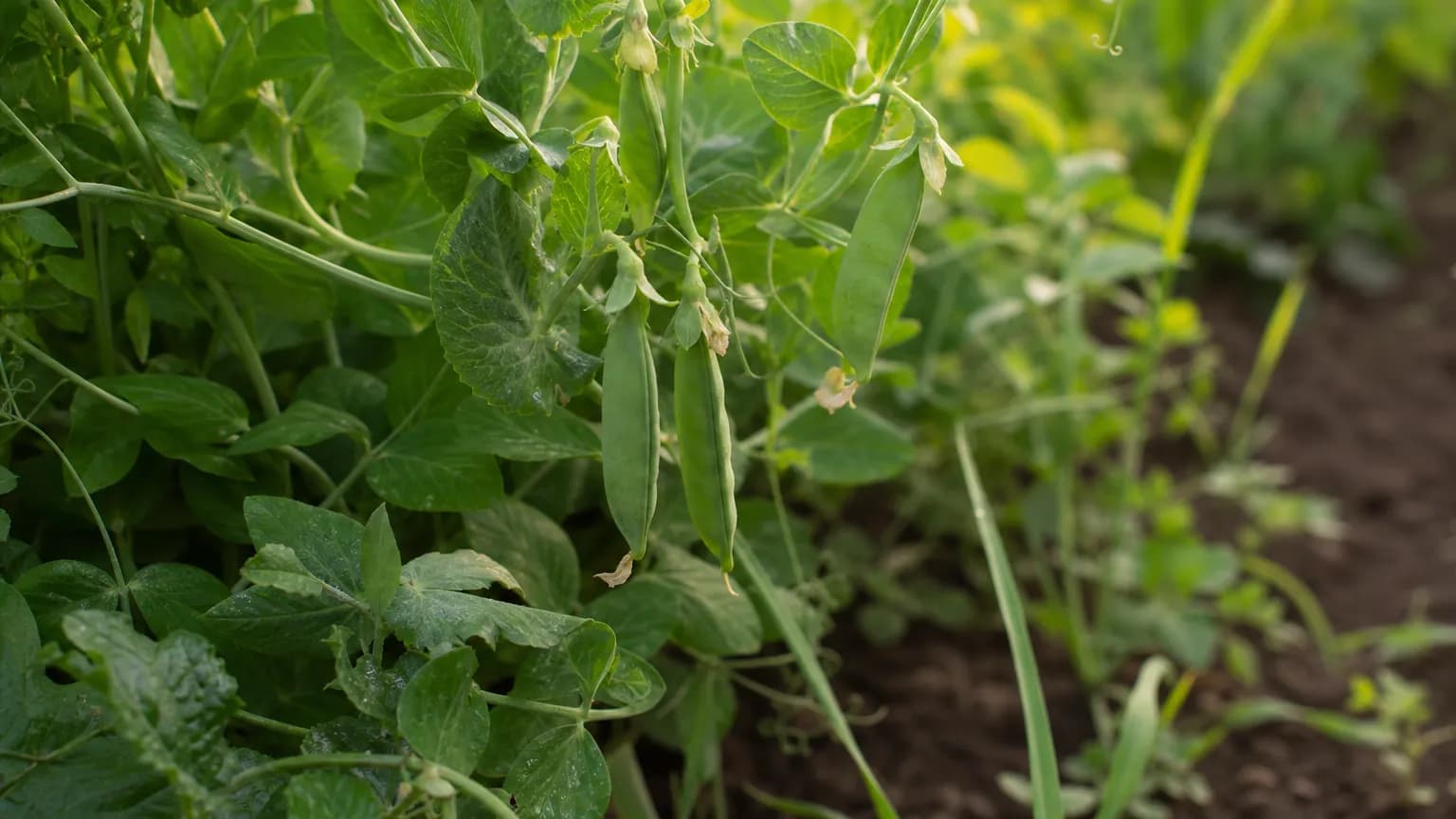
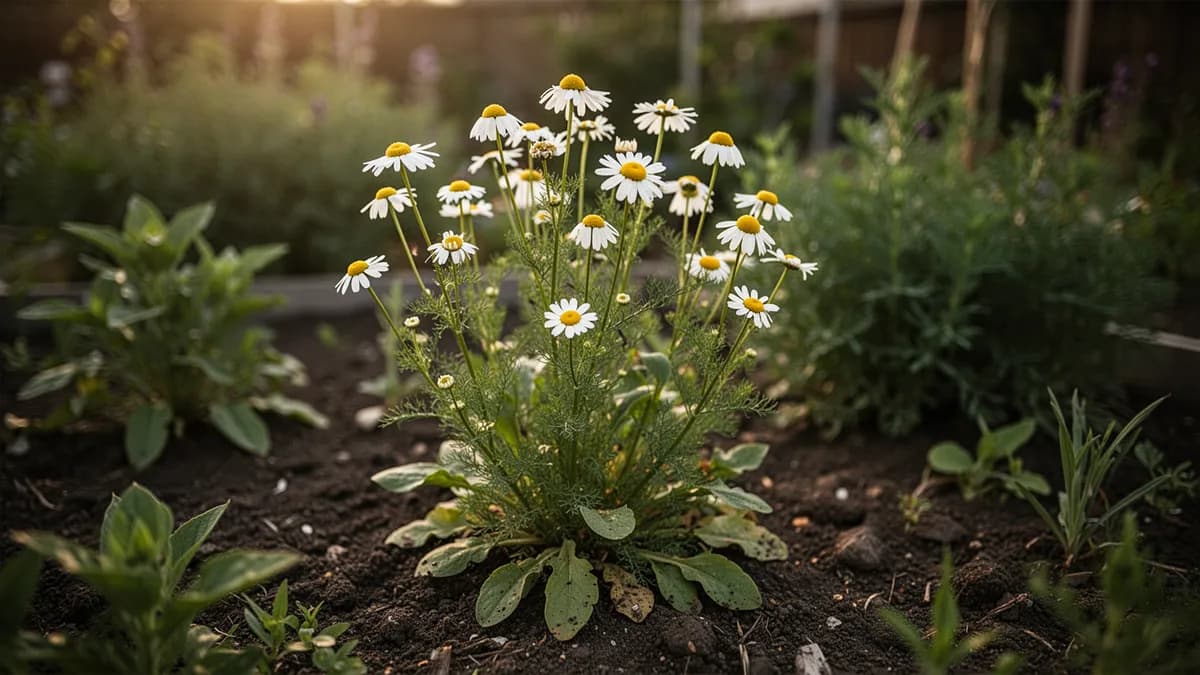
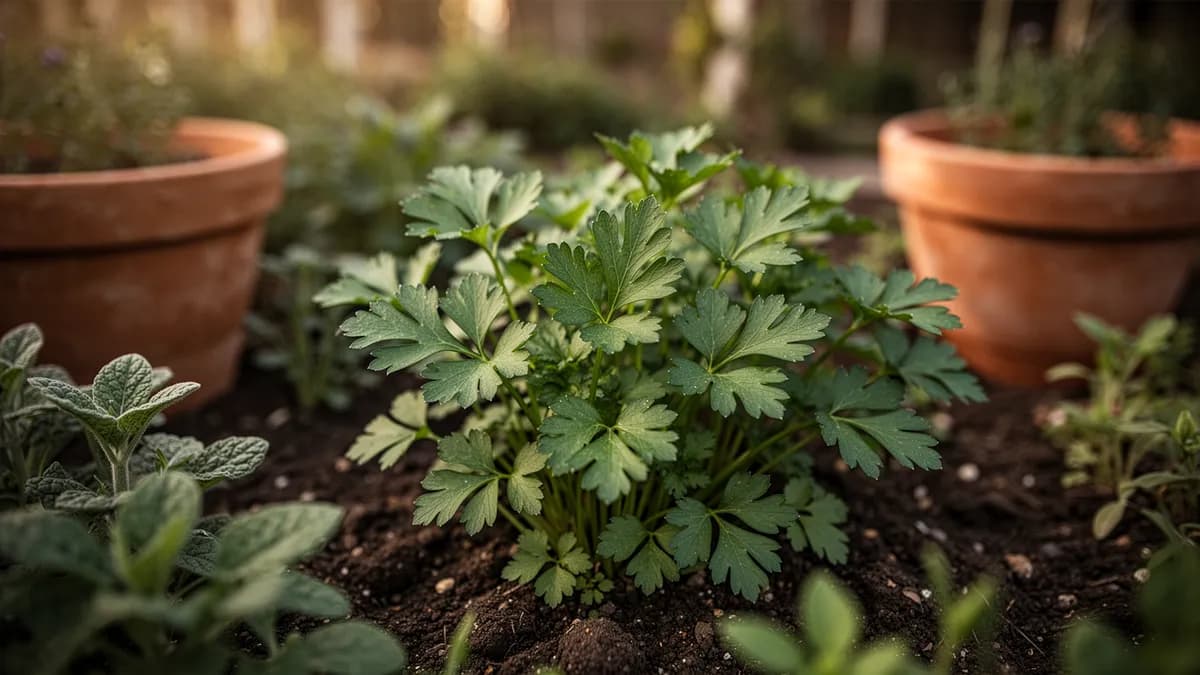
La hierbabuena es una compañera beneficiosa para tomates, coles y guisantes, ya que su fuerte aroma ayuda a disuadir pulgones, escarabajos de las pulgas y polillas de la col. Sin embargo, debe contenerse para evitar que abrume a las plantas vecinas. Planta hierbabuena en maceta entre bancales de hortalizas para ahuyentar plagas sin riesgo de invasión. La hierbabuena atrae sírfidos y otros insectos beneficiosos cuyas larvas consumen pulgones. Evita plantarla cerca de perejil y manzanilla, que se considera que tienen interacciones negativas con la menta. El fuerte aroma de la hierbabuena plantada cerca de puertas también ayuda a repeler hormigas y moscas.
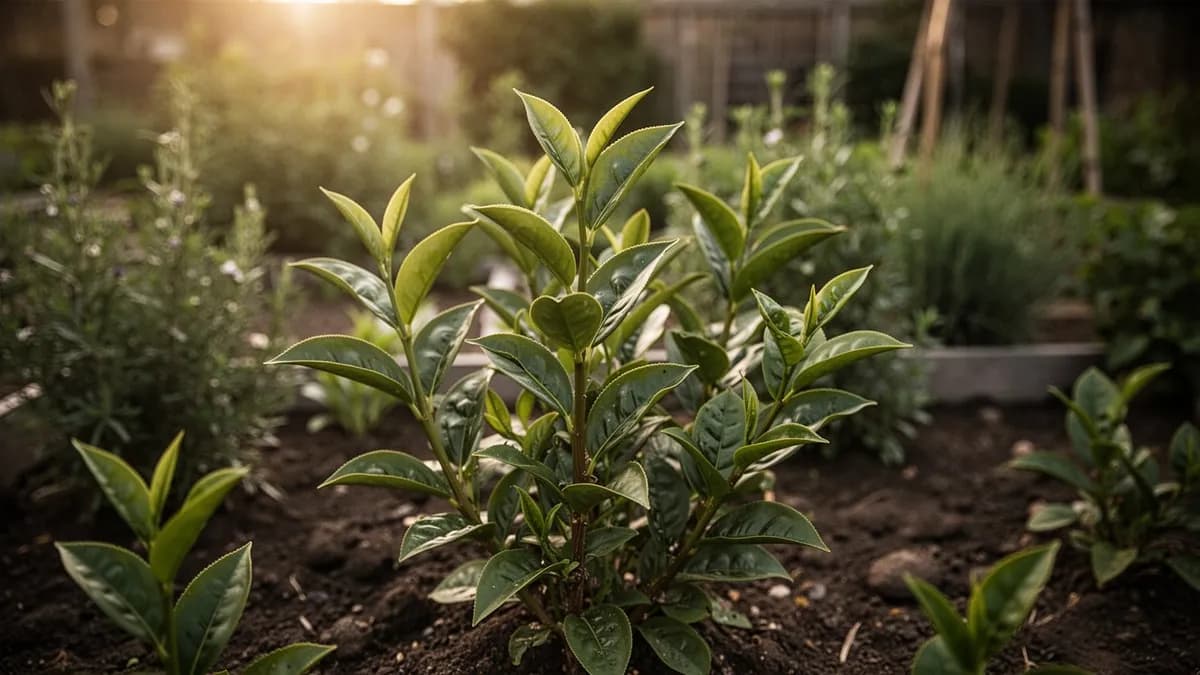
Tomate va a su lado. Perejil no.
Saber de huerto de siempre, cotejado con la tabla real de Hierbabuena — prueba cualquier planta que cultives.
Prueba Hierbabuena en un bancal, aquí mismo
Un bancal real del planificador con Hierbabuena ya plantado. Toca una planta compañera para colocarla y mira cómo responde la comprobación de vecinos: verde para buenos vecinos, rojo si hay conflicto.


Guías de cultivo relacionadas
Abónalo bien
La hierbabuena no es exigente con el suelo y crece en prácticamente cualquier suelo fértil y húmedo de jardín con un pH de 6.0-7.5. Rinde mejor en un suelo rico, que retenga la humedad y con mucha materia orgánica. A diferencia de la mayoría de las hierbas, la hierbabuena no requiere un drenaje muy rápido y, de hecho, prefiere una humedad constante. Incorpora compost antes de plantar y añade compost o estiércol envejecido cada primavera. Alimenta las plantas en contenedor quincenalmente con un fertilizante líquido equilibrado durante la temporada de crecimiento. La hierbabuena en suelos pobres produce hojas más pequeñas y menos sabrosas.
Temperatura ideal
Compatibilidad de zonas de rusticidad
De la semilla a la cosecha, etapa por etapa
Propagación
La hierbabuena se propaga mejor por esquejes de tallo o división de raíces que por semilla. Coloca esquejes de 10-15 cm en agua hasta que aparezcan raíces, o separa secciones enraizadas de la corona de una planta ya establecida. Las semillas son muy pequeñas y germinan de forma irregular en 10-14 días a 20-24°C.
Establecimiento de plántulas
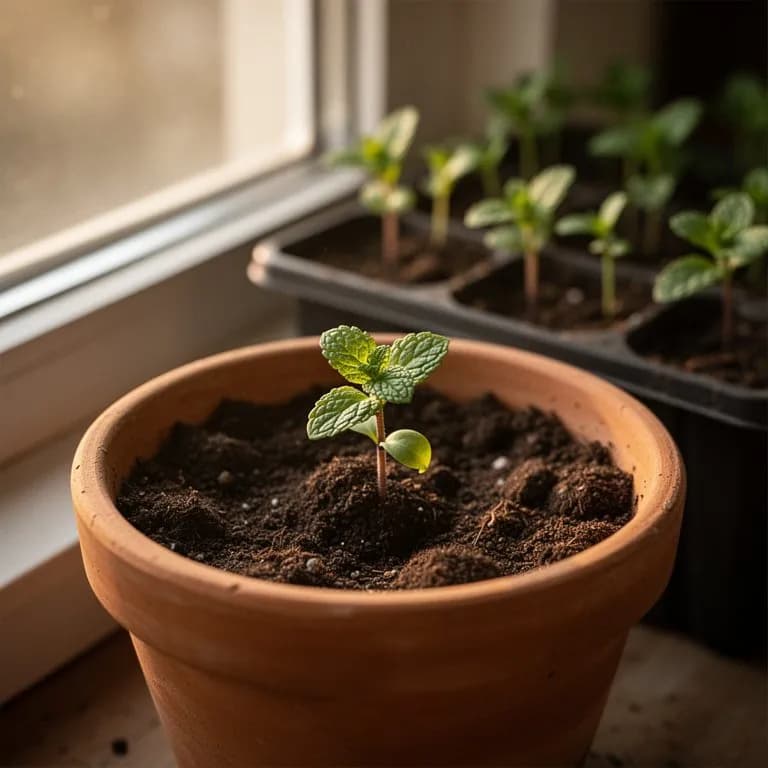
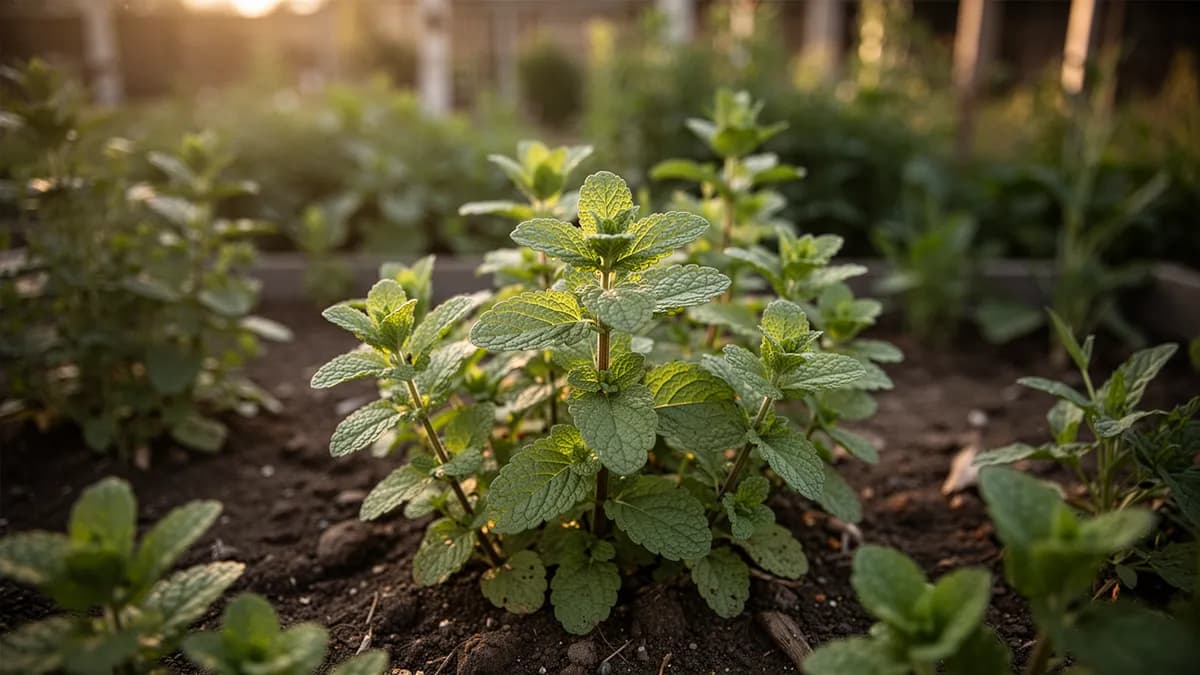
Las jóvenes plantas de hierbabuena producen sus primeras hojas verdaderas con la forma puntiaguda y serrada característica. Los tallos cuadrados típicos de la familia Lamiaceae se hacen visibles. Los sistemas radiculares comienzan a establecerse y aparece el primer aroma suave de hierbabuena en el follaje.
Crecimiento vegetativo
La hierbabuena entra en un rápido crecimiento aéreo, produciendo follaje exuberante y empezando a extender estolones subterráneos. Los tallos se ramifican libremente y la planta adopta un hábito tupido. La producción de aceites esenciales aumenta y las hojas se vuelven muy aromáticas.
Crecimiento maduro y expansión
La planta alcanza su tamaño completo, de 30-60 cm de altura, y se expande con vigor mediante brotes subterráneos. Los nuevos brotes aparecen bastante más allá del lugar de plantación original. El sabor y el aroma de las hojas alcanzan su máxima intensidad justo antes de que se formen los botones florales.
Floración
Se desarrollan espigas florales terminales y delgadas con verticilos de pequeñas flores rosa a lila. Las flores son ricas en néctar y atraen abejas, mariposas y otros insectos beneficiosos. El sabor de las hojas se vuelve un poco más amargo y menos dulce una vez que la floración está en marcha.
Reposo
Tras la primera helada fuerte, la hierbabuena muere hasta el nivel del suelo. La extensa red de raíces y estolones sobrevive bajo tierra durante el invierno, incluso en climas muy fríos. En regiones suaves, la hierbabuena puede mantener algo de follaje verde todo el año.
Mantén el medio de propagación constantemente húmedo y cálido. Cubre las bandejas de semillas con una campana de humedad o film plástico hasta que emerjan las plántulas para conservar una humedad uniforme.
Cuidar Hierbabuena mes a mes
Qué hacer cada mes para tu Hierbabuena
Octubre
Mes actualCorta el crecimiento aéreo agotado a unos 5 cm por encima del suelo. Aplica un mantillo generoso de paja o hojas trituradas para proteger la zona radicular. Mueve las plantas en contenedor a un lugar resguardado antes de las heladas fuertes.
Ten claro qué hacer en tu huerto, cada mes
Un correo al empezar cada mes: qué sembrar, plantar y hacer ahora mismo — para tu Hierbabuena y todo lo que crece alrededor. Más un breve curso inicial para esquivar los errores clásicos.
- Qué hacer ahora mismo
- Ajustado a tu temporada
- Curso inicial incluido
Cosechar Hierbabuena
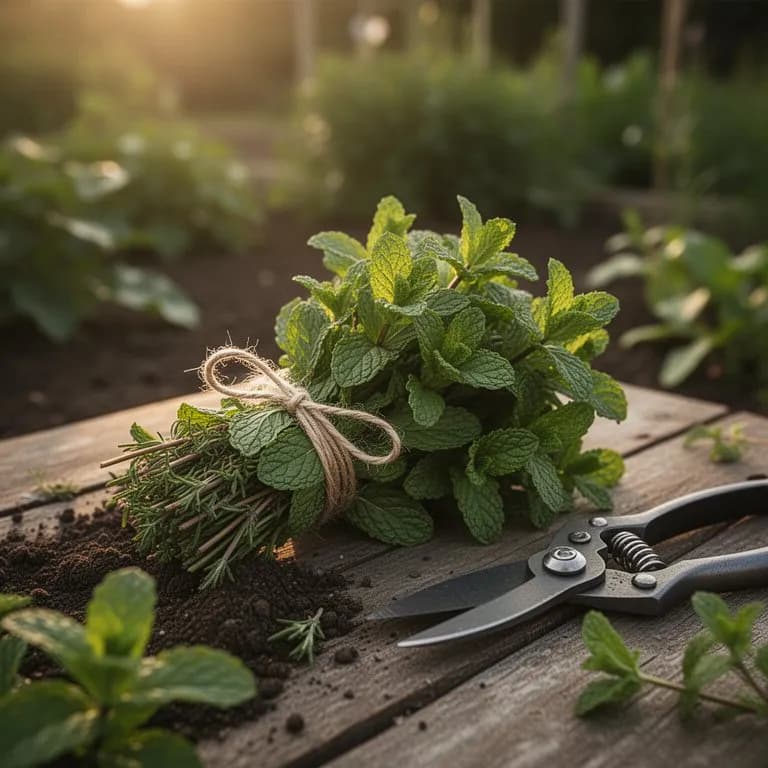
Cosecha hojas y puntas de tallo de hierbabuena de forma continua desde la primavera hasta el otoño. La cosecha más sabrosa se obtiene justo antes de que la planta florezca, cuando el contenido de aceites esenciales es más alto. Corta los tallos a unos 5 cm del suelo para cosechas grandes, o recoge hojas y brotes individuales según los necesites a diario. Cosechar por la mañana, una vez que se haya secado el rocío, da el mejor sabor. La hierbabuena se recupera rápido de una cosecha intensa y puede dar 3-4 cortes importantes por temporada en condiciones productivas. Retira los botones florales cuando aparezcan para prolongar el crecimiento foliar.
se supone que plantas al comenzar el periodo — indica tu fecha real
Cosecha Hierbabuena a tiempo y la planta sigue produciendo.
Almacenamiento y conservación
La hierbabuena fresca se conserva hasta una semana con los tallos en un vaso de agua sobre la encimera, o envuelta en una toalla de papel húmeda en el refrigerador. Para conservarla a largo plazo, seca los tallos colgándolos en ramilletes en una habitación cálida, oscura y bien ventilada durante 5-7 días. Desprende las hojas secas de los tallos y guárdalas en frascos herméticos de vidrio: la hierbabuena seca mantiene buen sabor durante 12-18 meses. La hierbabuena también se congela bien: pica las hojas y congélalas en cubiteras con agua o aceite de oliva para porciones prácticas de cocina. Las hojas pueden conservarse en azúcar, vinagre o como un jarabe simple para bebidas.
Qué falla — y cómo solucionarlo
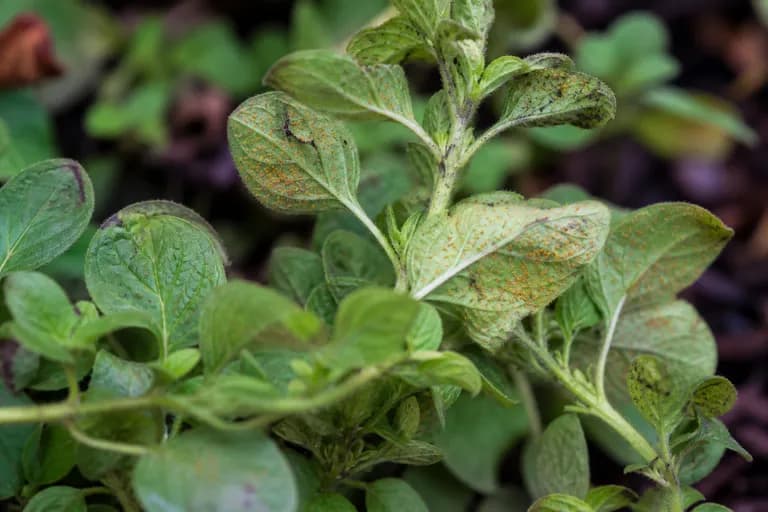
Roya de la menta
EnfermedadPústulas de color naranja parduzco en tallos y envés de las hojas en primavera, que progresan a manchas marrón oscuro. Las plantas gravemente infectadas quedan raquíticas y con crecimiento deformado.
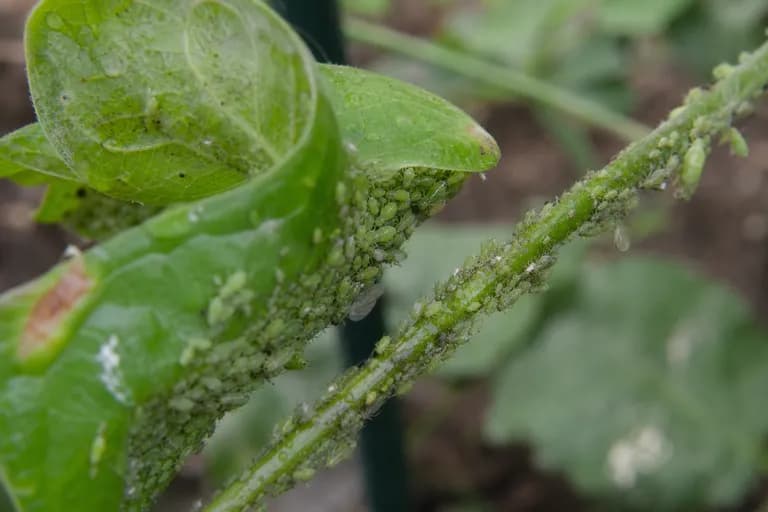
Pulgones
PlagaColonias de insectos verdes o negros en las puntas de los brotes y en el envés de las hojas, causando enrollamiento y deformación del crecimiento nuevo. Melaza pegajosa en el follaje inferior.
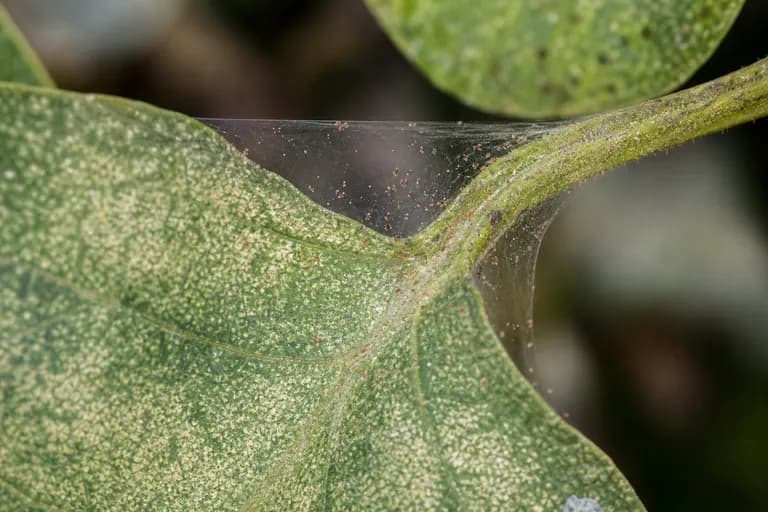
Araña roja
PlagaPequeños punteados en las hojas que les dan un aspecto bronceado, con fina telaraña en el envés. Ocurre sobre todo en condiciones cálidas y secas, especialmente en plantas en maceta.
Solución de problemas comunes
El problema número uno de la hierbabuena es su expansión invasiva a través de estolones subterráneos: puede apoderarse de bancales enteros en una sola temporada. Siempre conténla en macetas o usa barreras de raíz. La roya de la menta es la enfermedad más seria; se trata cortando todo el crecimiento hasta el suelo y destruyendo el material infectado. Las plantas leñosas, dispersas y con mal sabor resultan de cosechas poco frecuentes: corta con fuerza y a menudo para mantener un crecimiento joven y vigoroso. En climas muy calurosos, la hierbabuena puede sufrir a pleno sol; ofrécele sombra por la tarde y más humedad. Los escarabajos de las pulgas pueden perforar las hojas con pequeños agujeros en primavera.
Consejos de cultivo
- Cultiva siempre la hierbabuena en macetas o detrás de barreras de raíz enterradas al menos 30 cm para evitar que sus agresivos estolones se adueñen de los bancales vecinos.
- Cosecha cortando los tallos justo por encima de un nudo foliar, lo que estimula que broten dos nuevas ramas desde ese punto y produce una planta más tupida y productiva.
- Proporciónale semisombra para obtener el mejor sabor y aroma de las hojas. Tolera el pleno sol, pero puede volver las hojas más duras y menos fragantes, especialmente en climas cálidos.
- Mantén el suelo constantemente húmedo, pero nunca encharcado. La hierbabuena es una de las pocas hierbas que prefiere niveles de humedad más altos que la mayoría de las hierbas culinarias.
- Propágala sin esfuerzo colocando esquejes de tallo de 10-15 cm en un frasco de agua sobre un alféizar. Las raíces sanas se desarrollarán en una o dos semanas.
- Corta toda la planta hasta unos 5 cm por encima del nivel del suelo dos o tres veces por temporada para forzar oleadas vigorosas de follaje tierno y muy aromático.
- Vigila la roya de la menta, visible como pequeñas pústulas naranjas en el envés de las hojas. Retira de inmediato los tallos afectados y evita mojar el follaje al regar para impedir que se propague.
- Mantén las distintas variedades de menta en contenedores separados, al menos a un metro de distancia, para evitar la polinización cruzada, que puede producir descendencia con sabores impredecibles y, a menudo, peores.
- Rejuvenece la hierbabuena cultivada en contenedor cada dos o tres años dividiendo la masa radicular, descartando la parte central leñosa y replantando las secciones externas vigorosas en sustrato nuevo.
- Conserva la cosecha congelando hojas enteras en cubiteras cubiertas con agua o aceite de oliva, o colgando pequeños ramilletes boca abajo en un lugar cálido y ventilado para secarlos.
Cultiva tu mejor Hierbabuena — y todo lo que la rodea.
Empieza un plan gratis hoy. Diseña tus bancales, coloca tu Hierbabuena y deja que PlotMyGarden gestione el momento, el espaciado, las asociaciones y los recordatorios de la semilla a la cesta.
Elige tu Hierbabuena
Hierbabuena común (Mentha spicata)
La hierbabuena culinaria estándar, con hojas verde brillante, serradas y un sabor a menta dulce y limpio. La variedad más cultivada para té y cocina.
Hierbabuena Kentucky Colonel
La clásica menta para julep, con hojas grandes, redondeadas y arrugadas, y un sabor particularmente dulce y refinado. Esencial para auténticos mint juleps.
Menta marroquí (Mentha spicata var. crispa 'Nana')
La variedad tradicional para el té marroquí de menta, con crecimiento compacto, hojas pequeñas rizadas y un sabor intensamente dulce ideal para servir en té.
Hierbabuena de Tashkent
Una variedad vigorosa de Asia Central con hojas grandes y un sabor robusto a hierbabuena, ampliamente usada en la cocina uzbeka y centroasiática para té y platos.
Una sola planta de hierbabuena cuesta 3-5 $ y proporciona un suministro fresco prácticamente ilimitado durante años con muy pocos cuidados. La hierbabuena fresca en el supermercado suele costar 2-4 $ por un pequeño manojo, mientras que la hierbabuena seca ronda 5-9 $ por frasco. Una planta bien cuidada ahorra fácilmente 60-100 $ al año a cualquiera que use menta fresca con regularidad en cocina, tés o cócteles. Como la hierbabuena se extiende con tanta facilidad, puedes compartir divisiones con otros jardineros sin coste adicional.
Recetas rápidas
Té helado clásico de hierbabuena
10 minutosUn té helado naturalmente dulce y sin cafeína, hecho con hojas frescas de hierbabuena. El sabor suave de la hierbabuena necesita poco o nada de endulzante añadido, convirtiéndolo en una bebida veraniega saludable y refrescante.
4 ingredientesTabulé con hierbabuena
20 minutosUna ensalada de Oriente Medio fresca y herbácea en la que la hierbabuena es la protagonista junto con el perejil y el bulgur. La menta fresca realza el plato con su aroma dulce y su final fresco.
7 ingredientes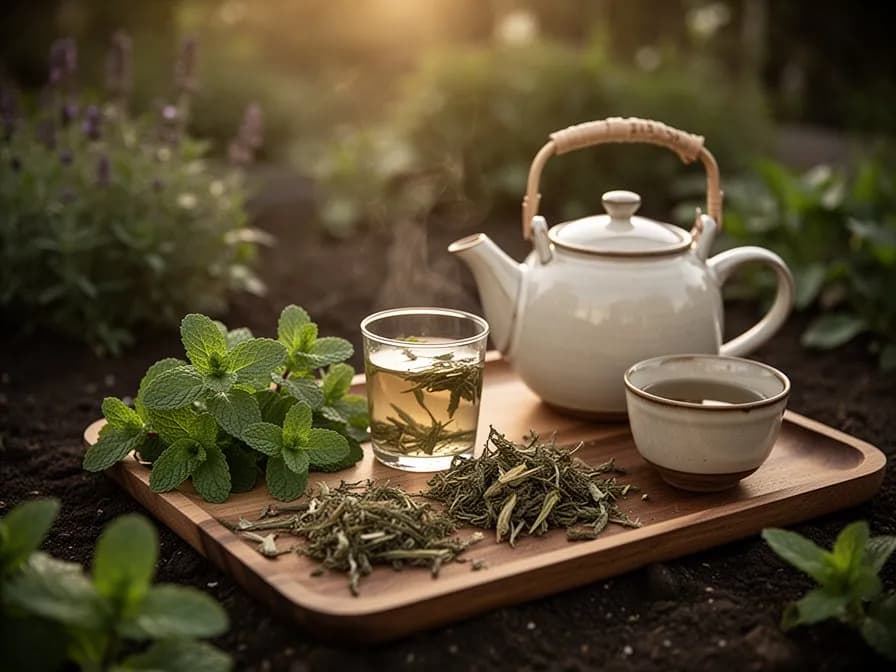
Dip de yogur con hierbabuena
5 minutosUn dip fresco y cremoso inspirado en el raita indio, que combina hierbabuena con yogur y un toque de comino. Perfecto junto a carnes a la parrilla, panes planos o como salsa para verduras frescas.
6 ingredientesUsos culinarios
La hierbabuena es la menta culinaria más popular del mundo y se prefiere sobre la menta piperita para cocinar por su sabor más dulce y menos cargado de mentol. Es esencial en el té marroquí de menta, el tabulé, el tzatziki, el raita, la salsa de menta para cordero y los rollitos y ensaladas del sudeste asiático. Machácala en cócteles como mojitos y julepes, o mézclala en batidos y limonada. Úsala en ensaladas de fruta, sopa de guisantes y con patatas nuevas. La hierbabuena combina de maravilla con chocolate, sandía y fresas en postres. Las ramitas frescas quedan como guarnición aromática para cualquier plato.
Qué contiene
Beneficios para la salud
- Calma las molestias digestivas, incluida la hinchazón, las náuseas y la indigestión, relajando los músculos lisos del tracto gastrointestinal y favoreciendo un flujo biliar saludable.
- Contiene ácido rosmarínico y flavonoides que aportan protección antiinflamatoria y antioxidante, ayudando a reducir el daño celular causado por los radicales libres.
- Puede ayudar a equilibrar las hormonas en mujeres, y estudios muestran que el té de hierbabuena puede reducir niveles elevados de andrógenos asociados con afecciones como el síndrome de ovario poliquístico (SOP).
- Actúa como un refrescante natural del aliento y favorece la salud bucal al inhibir bacterias dañinas en la boca que causan placa y enfermedad de las encías.
- Se ha demostrado que el aroma de la hierbabuena mejora la memoria, la concentración y el rendimiento cognitivo, lo que la convierte en una hierba útil cerca durante el estudio o el trabajo.
- Puede ayudar a aliviar dolores de cabeza leves y tensión muscular cuando se aplica tópicamente como aceite esencial diluido en un aceite portador o se inhala como vapor.
De dónde viene Hierbabuena
La hierbabuena (Mentha spicata) es originaria de Europa y del suroeste de Asia, y se cree que su centro de origen está en la cuenca mediterránea y la península de los Balcanes. Los registros arqueológicos y escritos confirman que la hierbabuena es una de las hierbas más antiguas cultivadas por el ser humano, con una historia que se remonta a más de tres milenios. Se sabe que los antiguos egipcios usaban la hierbabuena en ritos ceremoniales y en preparaciones medicinales tempranas, y se han identificado restos de la hierba en tumbas de alrededor del 1000 a. C. Los antiguos griegos la tenían en gran estima, usándola para perfumar el cuerpo y aromatizar el agua del baño, al tiempo que reconocían sus beneficios digestivos. Hipócrates la mencionó en sus escritos, y Dioscórides la incluyó en su influyente compendio herbolario De Materia Medica. Los romanos adoptaron la hierbabuena con entusiasmo, aromatizando salsas y vinos con la hierba y extendiendo su cultivo por todo su vasto imperio, desde Britania hasta el norte de África. Durante la Edad Media, la hierbabuena se convirtió en un elemento fijo de los jardines monásticos de toda Europa, valorada por los herbolarios para tratar dolencias que iban desde dolores de cabeza y náuseas hasta picaduras de insectos. También se usaba comúnmente como hierba para esparcir por el suelo, repartida en los suelos para refrescar el aire en casas, iglesias y edificios públicos. Los colonos europeos llevaron la hierbabuena a Norteamérica en el siglo XVII, donde se adaptó fácilmente al clima y se naturalizó rápidamente en hábitats húmedos. Para el siglo XIX, el cultivo comercial de hierbabuena había echado raíces en Estados Unidos, particularmente en Michigan, Indiana y más tarde en el noroeste del Pacífico, que sigue siendo hoy el centro de la producción estadounidense de aceite de menta. El sabor suave y dulce de la hierbabuena la ha convertido en la menta culinaria preferida en muchas culturas, con un papel destacado en las cocinas de Oriente Medio, el sudeste asiático y el Mediterráneo. Hoy se cultiva comercialmente en todos los continentes habitados y sigue siendo una de las hierbas más reconocidas y apreciadas del mundo.
Hierbabuena: ¿sabías que?
Datos fascinantes sobre Hierbabuena
La hierbabuena recibe su nombre común por las puntas puntiagudas y en forma de lanza de sus hojas, que la distinguen del follaje más redondeado de la menta piperita y la menta manzana.
Hierbabuena: preguntas frecuentes
¿Cuándo debo plantar Hierbabuena?
¿Cuáles son buenas plantas acompañantes para Hierbabuena?
¿En qué zonas de rusticidad puede crecer Hierbabuena?
¿Cuánto sol necesita Hierbabuena?
¿A qué distancia debo espaciar Hierbabuena?
¿Qué plagas y enfermedades afectan a Hierbabuena?
¿Cómo almaceno Hierbabuena después de la cosecha?
¿Cuáles son las mejores variedades de Hierbabuena para cultivar?
¿Qué suelo necesita Hierbabuena?
¿Cuál es la diferencia entre la hierbabuena y la menta piperita?
¿Cómo evito que la hierbabuena se adueñe de mi jardín?
¿Puedo cultivar hierbabuena en interior todo el año?
¿Por qué mis hojas de hierbabuena se están volviendo amarillas?
¿Cuándo debo cosechar la hierbabuena para obtener el mejor sabor?
¿La hierbabuena es segura para las mascotas?
Acabas de leer la teoría. Ahora cultívala en piloto automático.
Todo lo que hace que Hierbabuena sea delicado — el momento, el espaciado, las asociaciones, la ventana de cosecha — es justo lo que PlotMyGarden resuelve por ti, para cada planta de tu huerto.
Un plan que conoce tu clima
Indica tu ubicación una vez. Recibe fechas de siembra, abonado y cosecha basadas en tu última helada real y el pronóstico en vivo — sin adivinar con un sobre genérico.
De la sección “Cuándo plantar”Planificador de bancales de arrastrar y soltar
Diseña bancales sobre una cuadrícula. Cada planta encaja con su espaciado correcto y ves toda la temporada antes de gastar un céntimo en semillas.
De la sección “Cultivo”Conflictos de asociación, detectados a tiempo
Más de 200 buenas y malas combinaciones comprobadas en vivo mientras plantas — para que un error que arruine la temporada nunca llegue a la tierra.
De la sección “Asociaciones”Recordatorios que sí vas a seguir
“Riega las judías.” “Recoge hoy antes de que se pase.” Oportunos, concretos y ligados a las plantas que de verdad cultivas.
De la sección “Cosecha”Escalonado, programado
¿Quieres cosechar seis semanas en vez de seis días? Reparte tus siembras automáticamente y te avisa cuando toca el siguiente lote.
De la sección “Cuándo plantar”Un registro que se vuelve más listo
Cada cosecha que registras le enseña tu huerto. El plan del año que viene parte de lo que de verdad funcionó en tu suelo, no en un manual.
De la sección “Resumen”Planta estos junto a Hierbabuena
Más Hierbas para té
Mantén Hierbabuena lejos de estos
Diseños de jardín con Hierbabuena
Cultiva tu mejor Hierbabuena — y todo lo que la rodea.
Empieza un plan gratis hoy. Diseña tus bancales, coloca tu Hierbabuena y deja que PlotMyGarden gestione el momento, el espaciado, las asociaciones y los recordatorios de la semilla a la cesta.