Soursop
A tropical tree producing large, spiny green fruits with white, creamy, aromatic flesh used in beverages, ice cream, and desserts.





On this pageOverview
Meet Soursop
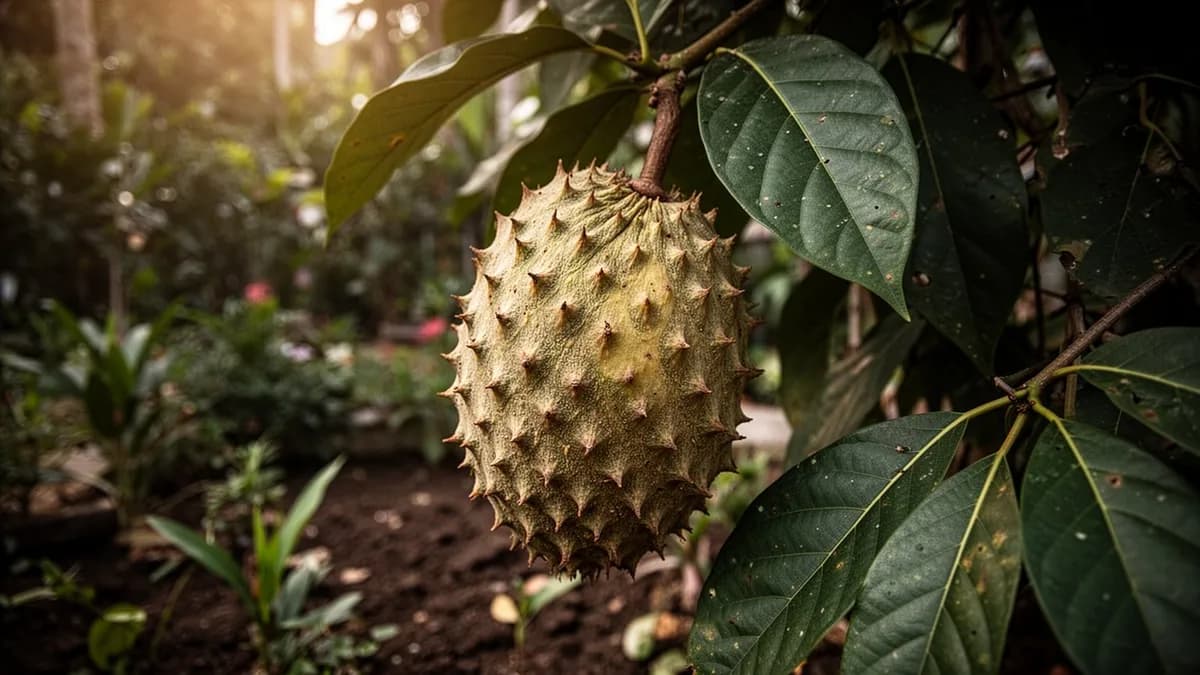
A tropical tree producing large, spiny green fruits with white, creamy, aromatic flesh used in beverages, ice cream, and desserts. Soursop has a complex flavor combining strawberry, pineapple, and citrus notes with a creamy coconut undertone. Hand-pollination may be necessary as the natural pollinators are specific beetle species not found everywhere.
When to plant Soursop
Soursop seeds remain viable for several months when stored cool and dry. Soak seeds for twenty-four hours before planting three-quarters of an inch deep in moist, well-draining potting mix. Keep warm at 75 to 85 degrees Fahrenheit with consistent moisture. Germination is slow and irregular, taking three to six weeks. Seedlings grow slowly for the first year but accelerate in the second. Seedling-grown trees typically fruit in three to five years and produce reasonably true to type.
Your Soursop Year
Composed for Zone 7 · typical seasons · frost passes Apr 2, returns Nov 1
Plant Soursop Mar – May, pick May – Oct. Check the planting methods below and set your climate to personalize these windows.
How to grow Soursop
Soursop is a small tropical evergreen tree reaching fifteen to twenty-five feet tall, well-suited for home gardens in frost-free climates. Plant in full sun with well-draining, slightly acidic soil rich in organic matter. The tree has a shallow root system and benefits from a wide, generous planting hole amended with compost. Water regularly during the first year of establishment, maintaining consistent moisture without waterlogging.
Soursop trees are sensitive to cold and wind. Temperatures below 40 degrees Fahrenheit cause leaf drop, and frost is fatal. Provide windbreaks in exposed locations. Fertilize every two months during the growing season with a balanced fertilizer supplemented with micronutrients. The tree responds well to organic mulching, which conserves moisture and feeds the shallow roots. Reduce watering slightly during cooler months to encourage flowering.
Hand-pollination is often necessary for good fruit set, as the natural beetle pollinators may not be present outside the tree's native range. Collect pollen from partially open flowers in the afternoon using a small brush and transfer it to the stigmas of newly opened flowers the following morning. Prune to maintain a compact, open canopy that facilitates hand-pollination and harvesting. Remove dead wood and crossing branches annually.
Soursop needs more room than a 4 × 8 ft bed gives
Each Soursop wants 360 cm of elbow room. The planner keeps that spacing for you — every plant, every bed.
Related growing guides
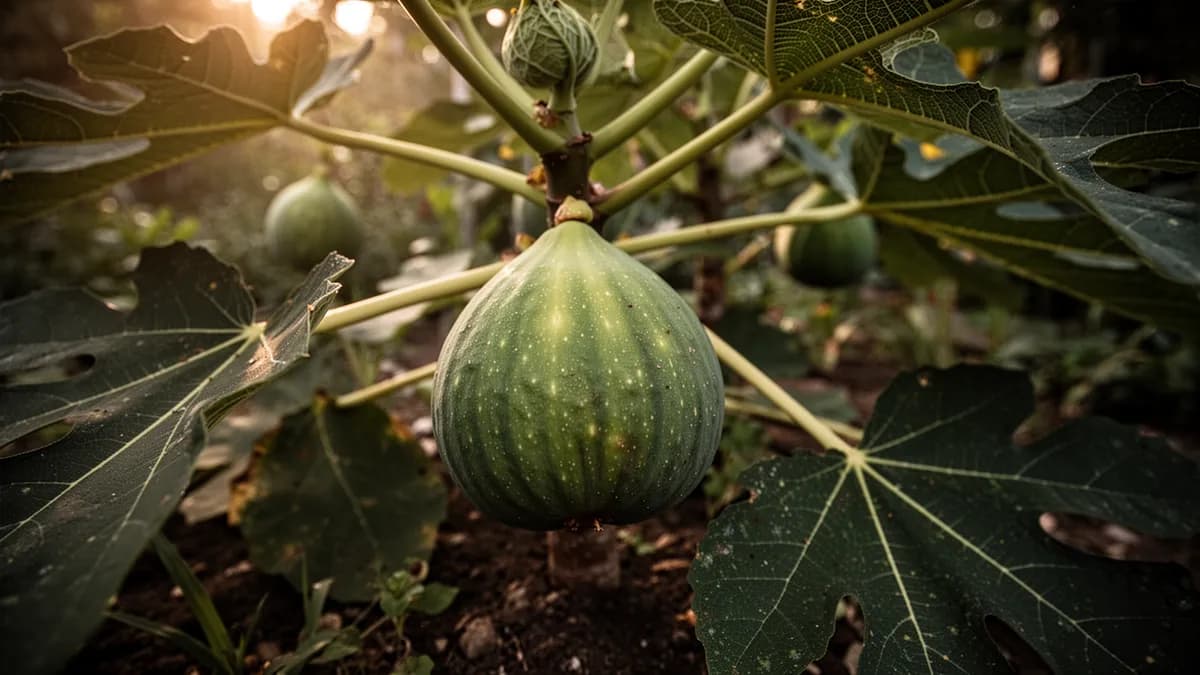
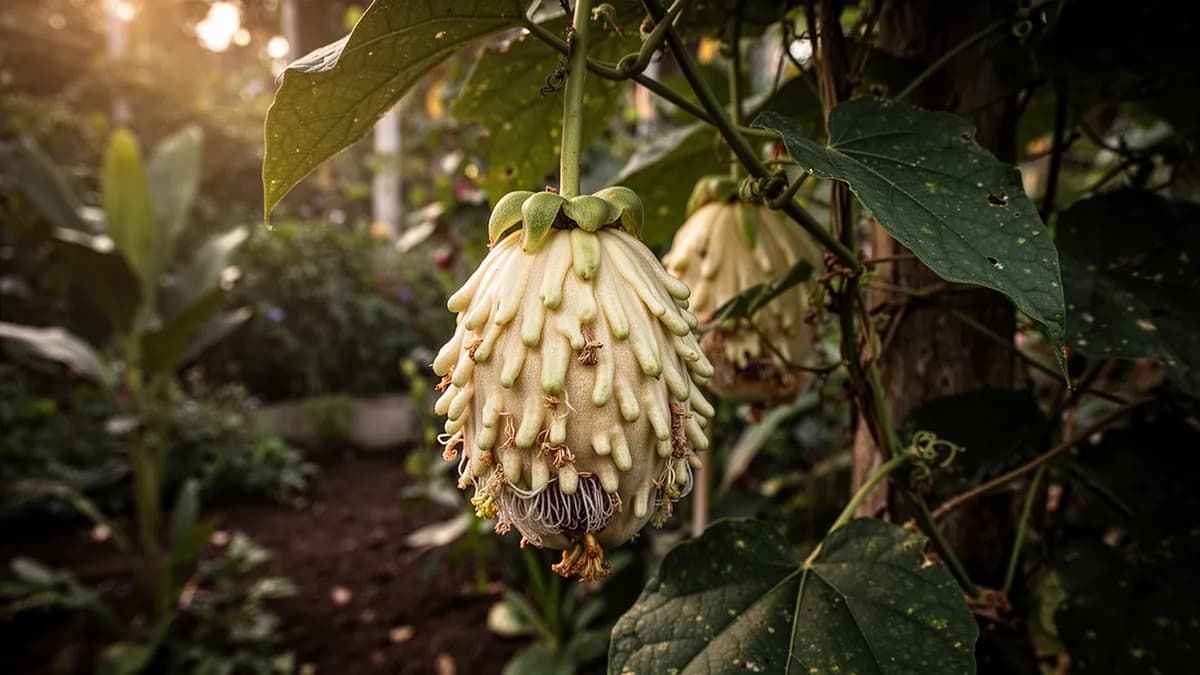
Feed it well
Soursop prefers well-draining, slightly acidic soil with a pH of 5.5 to 6.5 and high organic matter content. It does not tolerate waterlogged conditions or heavy clay soils. Apply a balanced fertilizer with micronutrients every two months during the growing season. Supplement with potassium during fruiting for better fruit quality. Organic mulch applied generously around the drip line improves soil structure and provides slow-release nutrients to the shallow root system.
Ideal Temperature
Hardiness Zone Compatibility
From seed to harvest, stage by stage
Germination
Seeds germinate in warm, moist soil within 15–30 days. The seedling pushes up two lance-shaped cotyledons, then quickly develops its first true leaves. Germination rates are highest when seeds are planted fresh from a ripe fruit.
Seedling
The seedling rapidly develops multiple sets of glossy, dark green leaves. The stem thickens and the plant begins to take on the distinctive soursop leaf shape. Root development is vigorous during this stage.
Juvenile Tree
The young tree establishes a multi-branched structure and begins rapid vertical growth. Leaves become fragrant when bruised. The bark develops its characteristic dark brown, fissured appearance. No fruiting occurs at this stage.
First Flowering
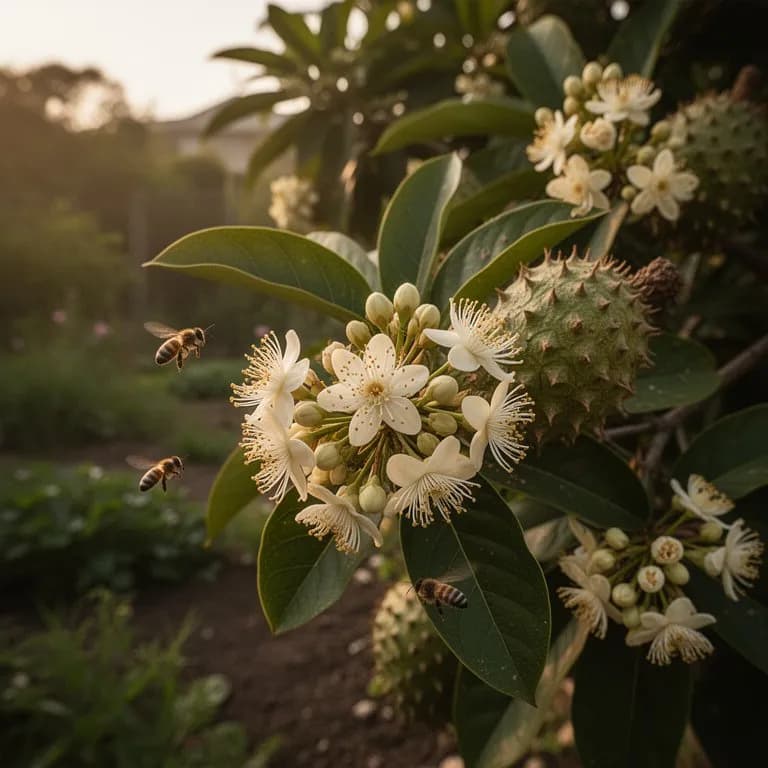
Pale yellow, waxy flowers emerge directly from the trunk and older branches (cauliflory). Each flower is composed of three outer petals and takes 3–5 days to open fully. Hand pollination significantly improves fruit set in low-insect environments.
Fruit Development
After successful pollination, fruits swell rapidly from a small green knob into the characteristic large, heart-shaped or irregular form covered in soft curved spines. Fruits can weigh anywhere from 0.5 kg to over 5 kg at maturity.
Harvest
Fruit is ready to harvest when the skin turns from dark glossy green to a slightly lighter, dull yellowish-green and the spines begin to soften and space further apart. The fruit yields to gentle pressure and has a faintly sweet aroma at the stem end.
Keep soil consistently moist but not waterlogged. Maintain temperatures above 20°C (68°F) for reliable germination. Use a seed-starting mix and avoid cold drafts.
Caring for Soursop month by month
What to do each month for your Soursop
October
You are hereApply a balanced fertilizer to replenish reserves for next season's flowering. In subtropical climates, begin preparing frost protection if temperatures are expected to drop below 5°C. Move container-grown trees indoors.
Know exactly what to do in your garden — every month
One email at the start of each month: what to sow, plant, and tackle right now — for your Soursop and everything growing around it. Plus a short starter course that helps you dodge the classic mistakes.
- What to do, right now
- Matched to your season
- Starter course included
Harvesting Soursop
Soursop fruit is ready to harvest when the skin changes from shiny dark green to a dull, slightly yellowish green and the spines begin to spread apart. The fruit should yield slightly to gentle pressure but still feel firm. Cut the stem with pruning shears rather than pulling, which can damage the branch. Allow the fruit to soften at room temperature for two to three days before eating. Ripe soursop has a strong, pleasant aroma.
assuming you plant when the window opens — set your real date
Pick Soursop promptly and the plant keeps producing.
Storage & Preservation
Unripe soursop ripens at room temperature in two to five days. Once ripe, it should be consumed within one to two days or refrigerated for up to four days. For long-term preservation, scoop out the pulp, remove seeds, and freeze in airtight containers for up to six months. The pulp blends well into smoothies, juices, and ice cream bases. Soursop can also be processed into concentrate, nectar, or dried fruit leather.
What goes wrong — and the fix
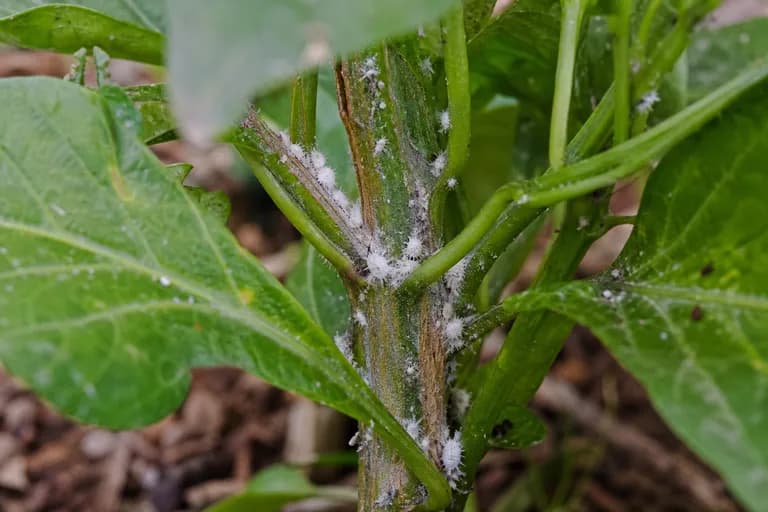
Mealybugs
PestWhite cottony masses on leaves, stems, and fruit, honeydew secretion leading to sooty mold, distorted new growth.
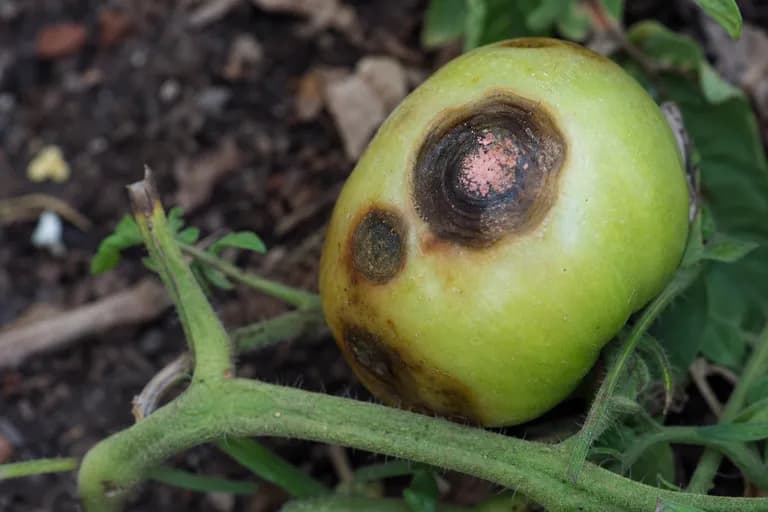
Anthracnose
DiseaseDark sunken spots on fruit, black lesions on leaves, flower blight, and premature fruit drop during humid weather.
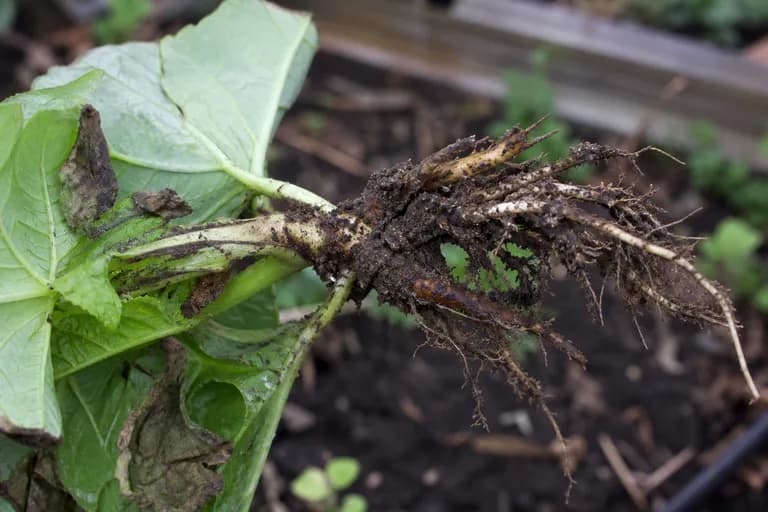
Root Rot
DiseaseYellowing and wilting of foliage, stunted growth, dark discolored roots, gradual decline and death of the tree.
Troubleshooting Common Problems
Poor fruit set is the most common complaint and usually results from lack of pollination. Hand-pollination dramatically improves yields. Cold sensitivity limits the growing range to frost-free areas. The fruit bruises extremely easily and has a very short shelf life once ripe. Wind damage to the shallow-rooted trees can topple them in storms. Seed germination is slow and erratic, taking three to six weeks under optimal conditions.
Growing Tips
- Plant soursop in a location that receives full sun for at least 6 hours daily — insufficient light leads to sparse flowering and poor fruit set regardless of how well the tree is otherwise cared for.
- Soursop has a relatively shallow, wide-spreading root system, so avoid planting near underground utilities, garden paths, or foundations; give each tree a clear radius of at least 3–4 meters.
- Hand pollination is highly recommended in home gardens where native soursop-pollinating beetles are absent — use a fine artist's brush to transfer pollen between flowers each morning during the flowering period for dramatically improved fruit yields.
- Avoid overwatering, especially in heavy clay soils — soursop roots are susceptible to Phytophthora root rot, which is the leading cause of tree death in home gardens; always ensure excellent drainage before planting.
- In subtropical climates prone to occasional cold snaps, plant soursop against a north-facing (in the southern hemisphere) or south-facing (in the northern hemisphere) wall to capture reflected warmth and provide some protection from cold winds.
- Prune the growing tip of young trees at around 1 meter height to encourage a branching, open canopy structure that is easier to manage, harvest from, and hand-pollinate compared to a tall, single-leader tree.
- Mealybugs are the most common pest of soursop in home gardens — inspect the undersides of leaves and fruit stems weekly; a strong blast of water or neem oil spray at the first sign of infestation prevents serious damage.
- Apply a layer of organic mulch (wood chips, straw, or compost) 10–15 cm deep around the tree's root zone, keeping it away from the trunk to prevent collar rot; mulching conserves moisture and moderates soil temperature.
- Soursop is sensitive to saline soils and salt-laden winds — in coastal gardens, create a windbreak using taller trees or fencing on the ocean-facing side and avoid using tap water with high mineral content for irrigation.
- Container-grown soursop trees in subtropical or temperate climates should be re-potted every 2–3 years into a vessel at least 60 cm in diameter, using a well-draining tropical mix, and moved indoors or into a heated greenhouse when temperatures approach 10°C.
Grow your best Soursop yet — and everything around it.
Start a free plan today. Lay out your beds, drop in your Soursop, and let PlotMyGarden handle the timing, spacing, companions and reminders from seed to harvest basket.
Pick your Soursop
Cuban Fibreless
A popular variety producing large fruit with smooth, creamy pulp and minimal fiber. Excellent for juicing and ice cream due to its smooth texture.
Morada Nova
A Brazilian selection with medium to large fruit, high pulp content, and a balance of sweet and sour flavor. Vigorous and productive tree.
Elita
Selected for its large fruit size, high sugar content, and reduced acidity. Preferred for fresh eating due to its sweeter-than-average flavor.
A single mature soursop tree in a home garden can produce 12–24 fruits per year, with each fruit weighing between 500g and 4kg. At typical retail prices of $4–$10 per kilogram for fresh soursop in Western markets — where the fruit is considered an exotic import — a productive home tree can represent $100–$400 or more in annual grocery savings. Soursop pulp sold frozen or as juice concentrate is even more expensive, often retailing at $12–$20 per kilogram equivalent. Growing your own also gives you access to fresh soursop leaves for herbal tea, which are sold dried at $15–$30 per 100g in health food stores. For households in tropical climates where soursop thrives with minimal inputs, the return on investment from a single tree over its multi-decade productive lifespan is exceptional.
Quick recipes
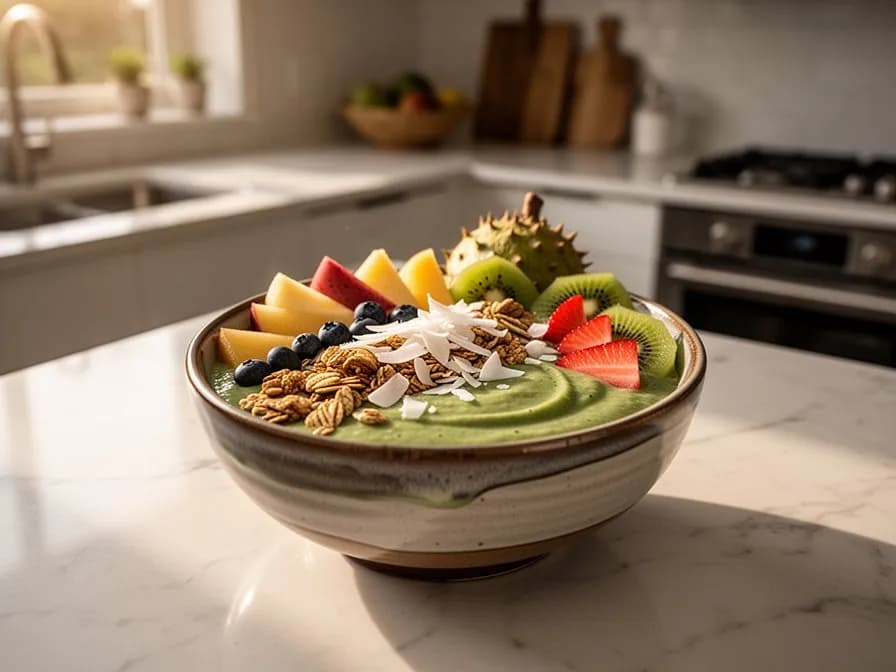
Classic Soursop Juice
10 minutesA refreshingly sweet and tangy drink made by blending soursop pulp with milk or water. This is the most iconic soursop preparation across the Caribbean and Latin America — simple, cooling, and deeply satisfying.
7 ingredients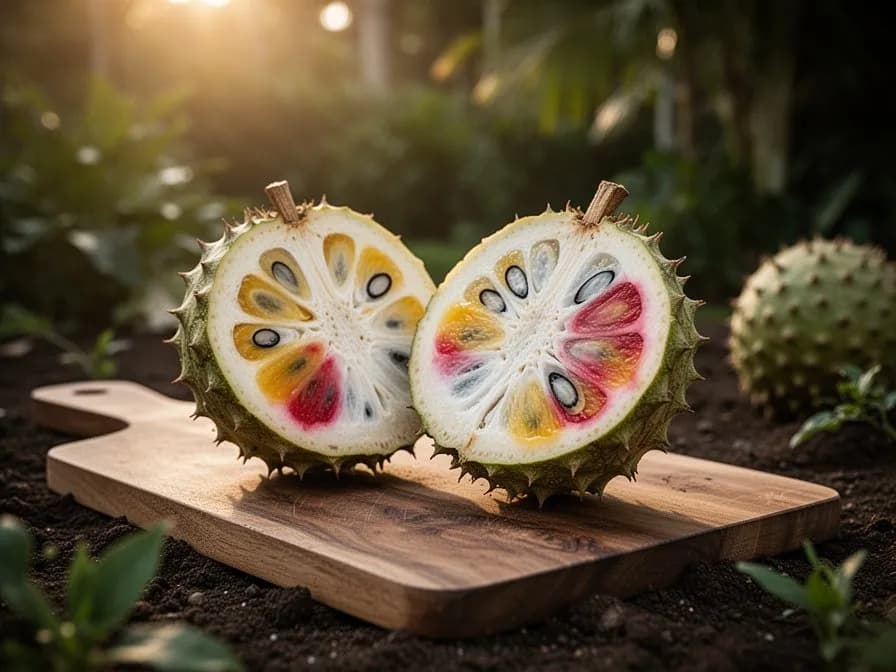
Soursop Sorbet
20 minutes + 4 hours freezingA light, dairy-free frozen dessert that showcases the natural flavor of soursop at its best. The combination of sweetness and acidity makes for a sorbet that is complex and refreshing without being cloying.
5 ingredientsSoursop Leaf Tea
15 minutesA traditional herbal infusion made from fresh or dried soursop leaves. Widely consumed across the Caribbean, West Africa, and Southeast Asia as a calming evening drink, this tea has a mild, slightly grassy flavor with a subtle floral note.
5 ingredientsCulinary Uses
Soursop pulp is most commonly blended with water or milk and sugar to make a refreshing tropical beverage. It is widely used in ice cream, sorbets, and smoothies. The pulp makes excellent dessert sauces, mousses, and cheesecakes. In Latin America and the Caribbean, soursop juice is one of the most popular tropical beverages. The fruit can also be used in candies and preserves.
What's inside
Health Benefits
- High vitamin C content supports a robust immune system, promotes collagen synthesis for skin health, and acts as a powerful antioxidant that neutralizes free radicals in the body.
- The significant dietary fiber content in soursop pulp supports healthy digestive function, helps regulate bowel movements, and contributes to a favorable gut microbiome environment.
- Soursop contains notable levels of potassium, which plays a key role in maintaining healthy blood pressure, supporting proper muscle contraction, and regulating fluid balance in the body.
- The leaves and fruit contain a range of antioxidant compounds including quercetin, luteolin, and acetogenins that help protect cells from oxidative stress linked to chronic disease.
- B vitamins present in soursop — particularly thiamine and riboflavin — support energy metabolism, nervous system function, and the conversion of food into usable cellular energy.
- Traditional use of soursop leaf tea as a calming, sleep-supporting remedy is supported by its content of compounds with mild sedative properties, making it a popular natural aid for relaxation and restful sleep.
Where Soursop comes from
Soursop (Annona muricata) is native to the tropical regions of the Americas, with its origins traced to the lowland areas of Central America, the Caribbean islands, and northern South America, including present-day Colombia, Peru, and Venezuela. Archaeological evidence and indigenous botanical knowledge suggest it has been cultivated by native peoples in these regions for thousands of years, long before European contact. The fruit was a staple in the diets of pre-Columbian civilizations, valued not only for its exceptional flavor but for the medicinal properties attributed to its leaves, bark, roots, and seeds.
The Spanish and Portuguese were instrumental in spreading soursop across the globe during the Age of Exploration in the 15th and 16th centuries. Portuguese sailors and traders introduced the tree to West Africa, Southeast Asia, and eventually the Pacific Islands, where it rapidly naturalized in humid tropical climates. By the 17th century, soursop cultivation was well established throughout the Caribbean, the Philippines, Indonesia, and coastal West Africa, where it became deeply integrated into local food cultures and herbal medicine traditions.
In West Africa, soursop became particularly significant — both as a refreshing food source and as a folk remedy. In countries like Ghana, Nigeria, and Senegal, soursop leaves are brewed into teas used traditionally to address a range of ailments, a practice that continues widely today. Similarly, in Latin America, the entire plant holds cultural significance: Brazilian communities use graviola preparations extensively in traditional medicine, and the fruit features in countless regional culinary traditions from Mexico to Argentina.
Today, soursop is commercially cultivated across tropical Africa, Asia, the Caribbean, and Latin America. Countries such as Brazil, Mexico, Indonesia, and Vietnam are among the largest producers. The global market for soursop has expanded significantly in the 21st century, driven partly by growing international interest in tropical superfoods and the widespread popularity of soursop juice, ice cream, and supplements. It remains one of the most culturally and economically important fruits of the humid tropics.
Soursop: did you know?
Fascinating facts about Soursop
Soursop (Annona muricata) belongs to the Annonaceae family and is a close relative of cherimoya, custard apple, and sugar apple — all prized for their exceptional tropical flavors.
Soursop questions, answered
When should I plant Soursop?
What hardiness zones can Soursop grow in?
How much sun does Soursop need?
How far apart should I space Soursop?
What pests and diseases affect Soursop?
How do I store Soursop after harvest?
What are the best Soursop varieties to grow?
What soil does Soursop need?
How long does it take for a soursop tree to bear fruit?
Can I grow soursop in a container or indoors?
Why is my soursop tree flowering but not setting fruit?
Are soursop seeds and leaves safe to eat or use?
How do I know when soursop fruit is ready to harvest?
What is the best fertilizer for soursop trees?
You just read the theory. Now grow it on autopilot.
Everything that makes Soursop fiddly — the timing, the spacing, the companions, the harvest window — is exactly what PlotMyGarden handles for you, for every plant in your garden.
A plan that knows your weather
Set your location once. Get sow, feed and harvest dates built around your real last-frost date and live forecast — no more guessing from a generic seed packet.
From the “When to plant” sectionDrag-and-drop bed planner
Design beds on a grid. Every plant snaps to its proper spacing, and you can see your whole season laid out before you spend a cent on seed.
From the “Growing guide” sectionCompanion conflicts, caught early
200+ good-and-bad pairings checked live as you plant — so a season-wrecking mistake never makes it into the ground.
From the “Companions” sectionReminders you'll actually act on
“Water the beans.” “Pick today before it turns.” Timely, specific, and tied to the plants you're really growing.
From the “Harvest” sectionSuccession, scheduled
Want a harvest for six weeks, not six days? It spaces your sowings automatically and reminds you when each new block is due.
From the “When to plant” sectionA record that gets smarter
Every harvest you log teaches it your garden. Next year's plan starts from what actually worked in your soil, not a textbook's.
From the “Overview” sectionMore Tropical Fruits
Grow your best Soursop yet — and everything around it.
Start a free plan today. Lay out your beds, drop in your Soursop, and let PlotMyGarden handle the timing, spacing, companions and reminders from seed to harvest basket.