Schlangenkürbis
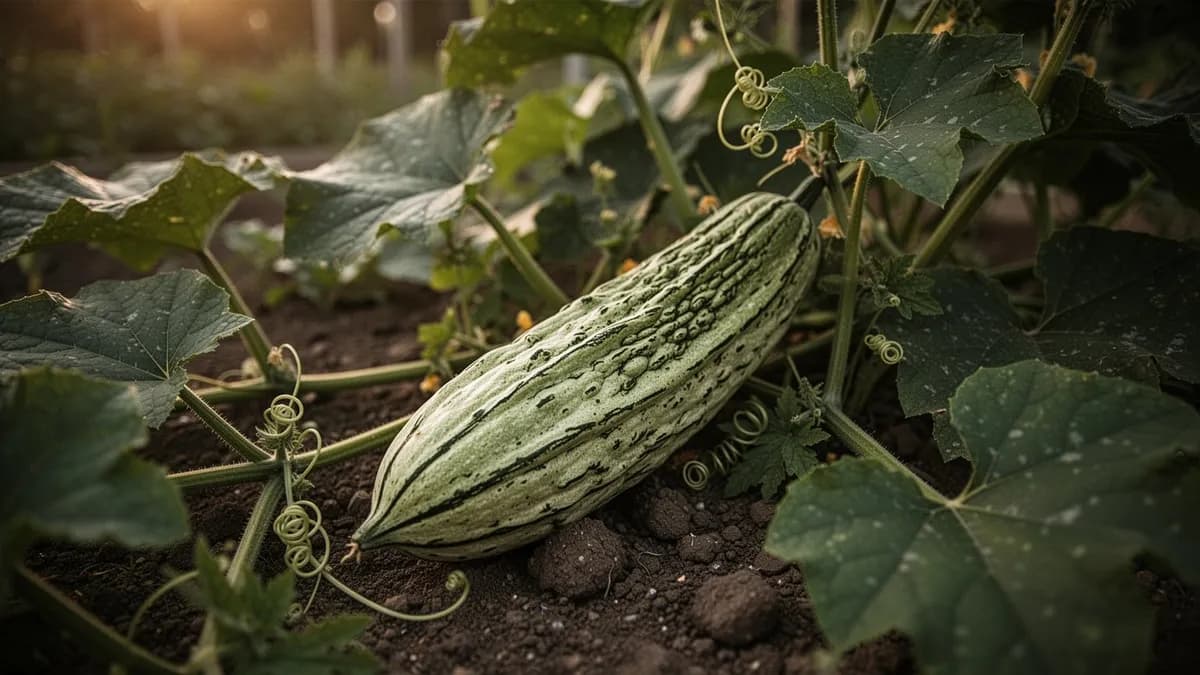
Eine außergewöhnliche Kletterpflanze, die geschwungene, schlangenähnliche Früchte hervorbringt, die bis zu anderthalb Meter lang werden können und traditionell in Indien an Überkopf-Spalieren angebaut wird.





Auf dieser SeiteÜberblick
Schlangenkürbis im Überblick
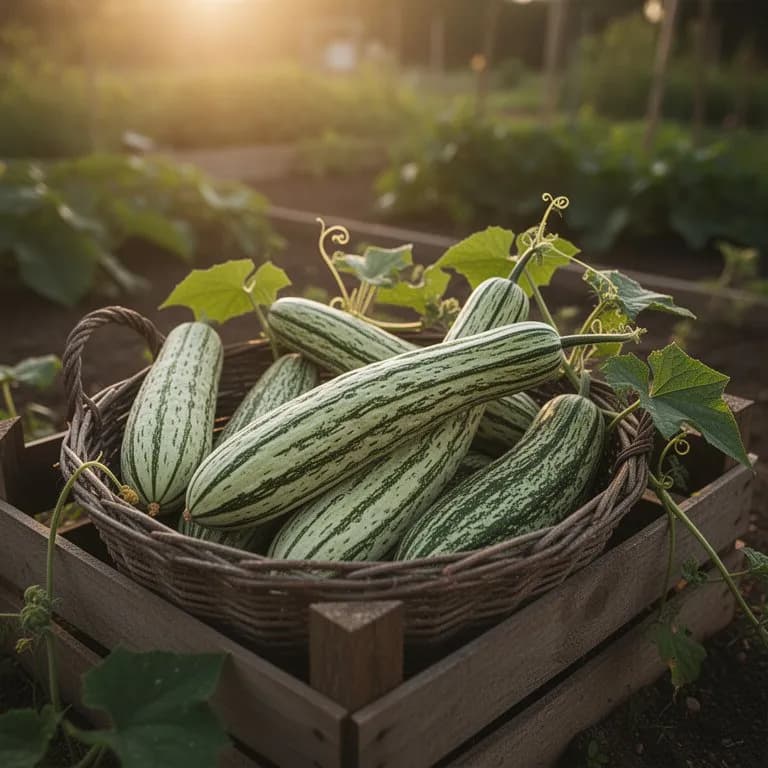
Eine außergewöhnliche Kletterpflanze, die geschwungene, schlangenähnliche Früchte hervorbringt, die bis zu anderthalb Meter lang werden können und traditionell in Indien an Überkopf-Spalieren angebaut wird. Junge Früchte unter 45 cm haben mildes, leicht bitteres Fruchtfleisch, das in Currys, Suppen und Chutneys verwendet wird. Manchmal wird ein kleines Gewicht an die Fruchtspitze gebunden, um ein gerades Wachstum für den Marktverkauf zu fördern. Die dekorativen weißen Blüten mit fransenartigen Blütenblättern öffnen sich nachts und werden von Nachtfaltern bestäubt.
Wann Schlangenkürbis pflanzen
Schlangenkürbis-Samen haben eine harte Schale, die für eine zuverlässige Keimung eine Skarifizierung erfordert. Ritzen Sie die Samenkante mit einer Feile oder Schleifpapier an und weichen Sie die Samen dann 24–48 Stunden in warmem Wasser ein, bis sie aufquellen. Pflanzen Sie 2,5 cm tief in einzelne 10-cm-Töpfe mit warmer, feuchter Aussaaterde. Halten Sie die Bodentemperatur mit einer Heizmatte bei 27–32 °C. Die Keimung dauert 10–21 Tage und ist oft ungleichmäßig. Sorgen Sie für kräftiges Licht für 14 Stunden täglich, sobald die Keimlinge erscheinen. Pflanzen Sie erst nach draußen um, wenn alle Frostgefahr vorüber ist und die Nachttemperaturen konstant über 15 °C liegen.
Dein Schlangenkürbis-Jahr
Abgestimmt auf Zone 7 · typische Saison · Frost geht um den 2. Apr. und kehrt um den 1. Nov. zurück
Schlangenkürbis Apr – Jun pflanzen, Jul – Sep ernten. Beachte die Pflanzmethoden unten und wähle dein Klima für passende Zeiträume.
So baust du Schlangenkürbis an
Beginnen Sie mit der Aussaat von Schlangenkürbis-Samen im Haus, 4–6 Wochen vor dem letzten Frosttermin in warmen Klimazonen. Weichen Sie die Samen über Nacht ein und ritzen Sie die harte Samenschale mit einer Feile an, bevor Sie sie 2,5 cm tief pflanzen. Die Keimung erfolgt innerhalb von 10–21 Tagen bei einer Bodentemperatur von 24–32 °C. Setzen Sie die Pflanzen im Abstand von 90–120 cm mit einem stabilen Überkopf-Spalier.
Der Schlangenkürbis benötigt ein robustes Überkopf-Spalier oder eine Pergola-Konstruktion, damit die Früchte frei hängen und gerade wachsen können. Die Ranken sind extrem wüchsig, erreichen 4,5–6 Meter und benötigen eine stabile Stütze. Sorgen Sie für gleichmäßiges, tiefes Gießen, besonders während der Blüte und Fruchtentwicklung. Die zarten, fransenartigen weißen Blüten öffnen sich nachts und sind auf Nachtfalter zur Bestäubung angewiesen.
Düngen Sie alle 2–3 Wochen mit einem ausgewogenen organischen Dünger während der Wachstumsperiode. Mulchen Sie großzügig um die Basis, um Feuchtigkeit zu bewahren und Unkraut zu unterdrücken. In gemäßigten Klimazonen pflanzen Sie an einer nach Süden ausgerichteten Wand für reflektierte Wärme. Der Schlangenkürbis benötigt mindestens 4–5 Monate warmes Wetter mit Nachttemperaturen über 15 °C. Schneiden Sie Seitentriebe zurück, um die Energie auf die Fruchtproduktion zu lenken.
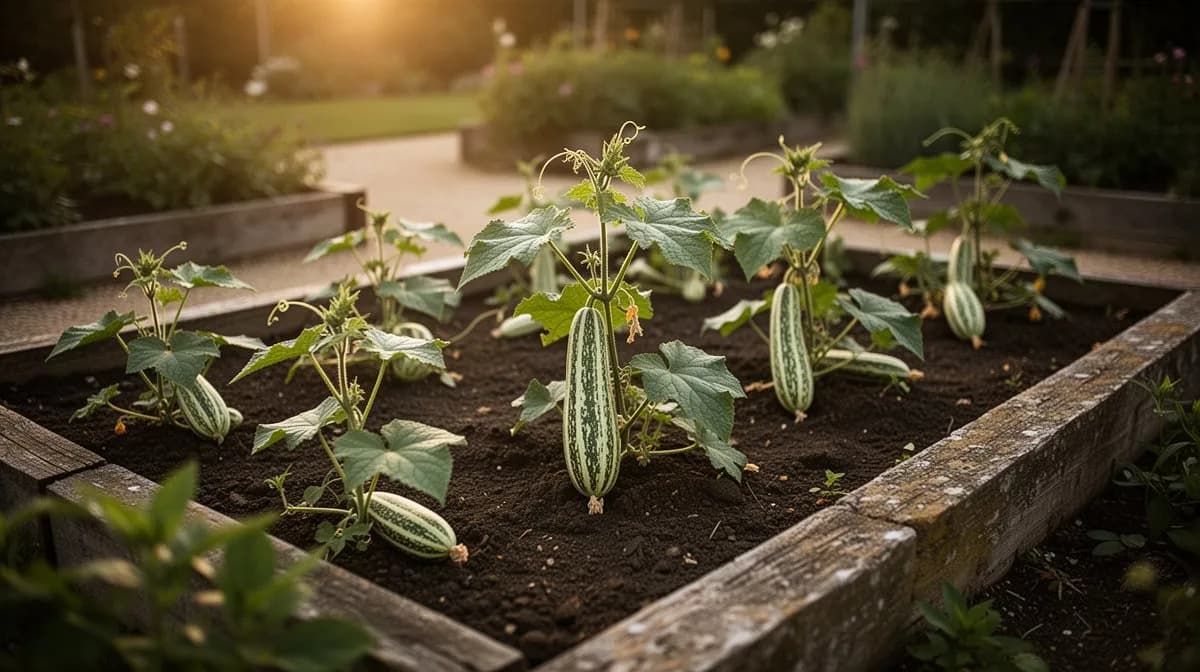
2 Pflanzen passen in ein Beet von 120 × 240 cm
Schlangenkürbis braucht 90 cm Platz pro Pflanze. Der Planer hält diesen Abstand für dich ein — jede Pflanze, jedes Beet.
Die besten Nachbarn für Schlangenkürbis
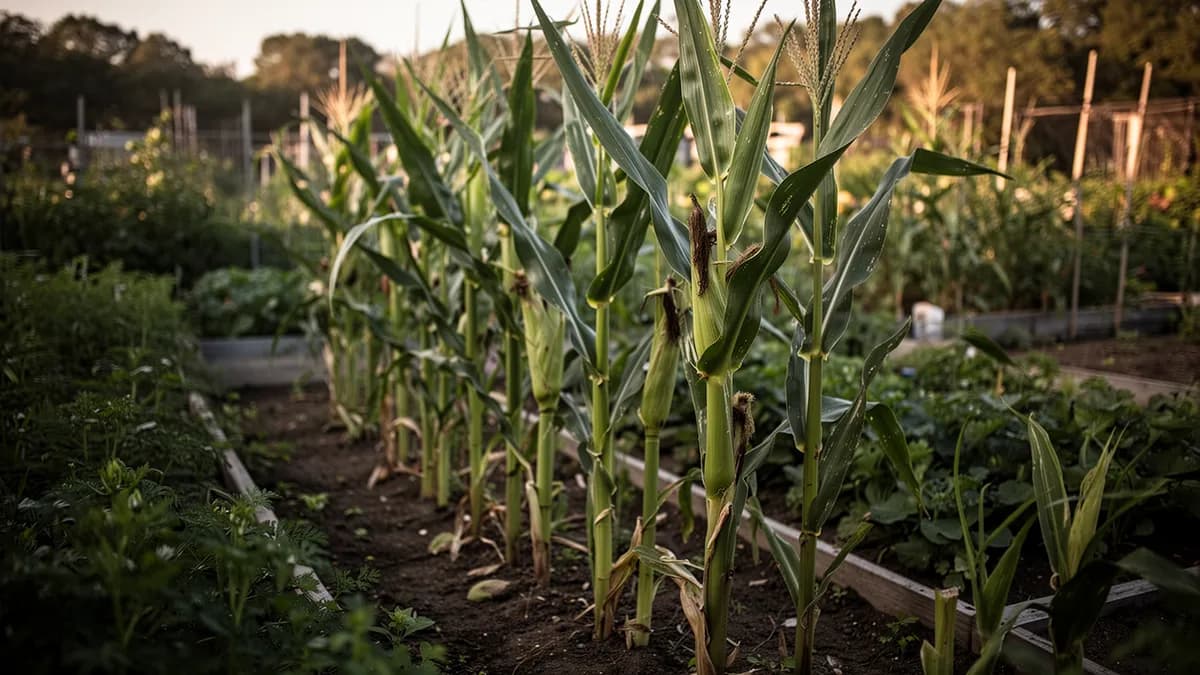
Schlangenkürbis passt gut zu Mais, der als teilweise lebende Stütze für die Ranken dienen kann, obwohl ein eigenes Spalier weiterhin benötigt wird. Bohnen, die an der Basis gepflanzt werden, binden Stickstoff, der dem stark zehrenden Kürbis zugutekommt. Tagetes vertreiben Fruchtfliegen und Blattläuse. Radieschen als Fangpflanzen locken Erdflöhe von der Hauptkultur weg. Vermeiden Sie das Pflanzen neben anderen Kürbisgewächsen, um Kreuzkontamination von Krankheiten und Konkurrenz um Bestäuber zu minimieren. Basilikum in der Nähe kann helfen, Weiße Fliegen abzuwehren.
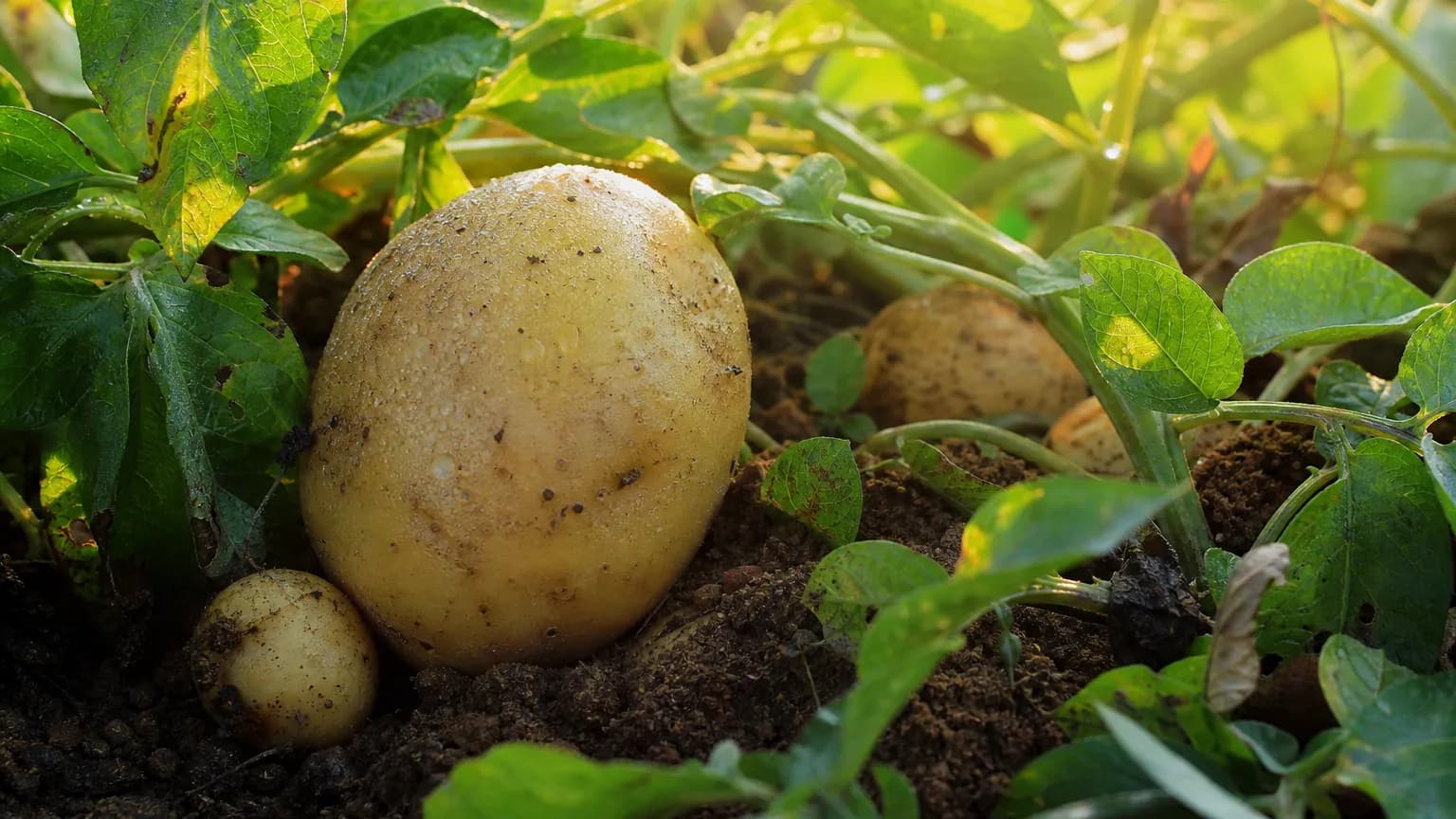
Mais gehört daneben. Kartoffel nicht.
Altes Gärtnerwissen, geprüft an der echten Nachbartabelle von Schlangenkürbis — teste jede Pflanze, die du anbaust.
Probiere Schlangenkürbis direkt hier im Beet
Ein echtes Planer-Beet, Schlangenkürbis steht schon drin. Tippe einen Begleiter an, platziere ihn und sieh, wie die Nachbarschaftsprüfung antwortet — grün für gute Nachbarn, rot bei Streit.


Passende Anbau-Ratgeber
Richtig düngen
Schlangenkürbis gedeiht in reichhaltiger, gut durchlässiger lehmiger Erde mit einem pH-Wert von 6,0–6,8 und hohem Anteil an organischer Substanz. Bereiten Sie die Beete mit großzügigen Mengen kompostiertem Mist und gereiftem Kompost vor dem Pflanzen vor. Tragen Sie einen ausgewogenen 10-10-10 Dünger beim Einpflanzen auf, wechseln Sie dann zu einem kaliumreichen Dünger, sobald die Blüte beginnt, um die Fruchtentwicklung zu fördern. Düngen Sie alle 3–4 Wochen seitlich mit Kompost nach. Das tiefe Wurzelsystem profitiert von tief gelockerter Erde. Vermeiden Sie Staunässe, die Wurzelfäule begünstigt.
Ideale Temperatur
Winterhärtezone-Kompatibilität
Von der Saat zur Ernte, Schritt für Schritt
Aussaat
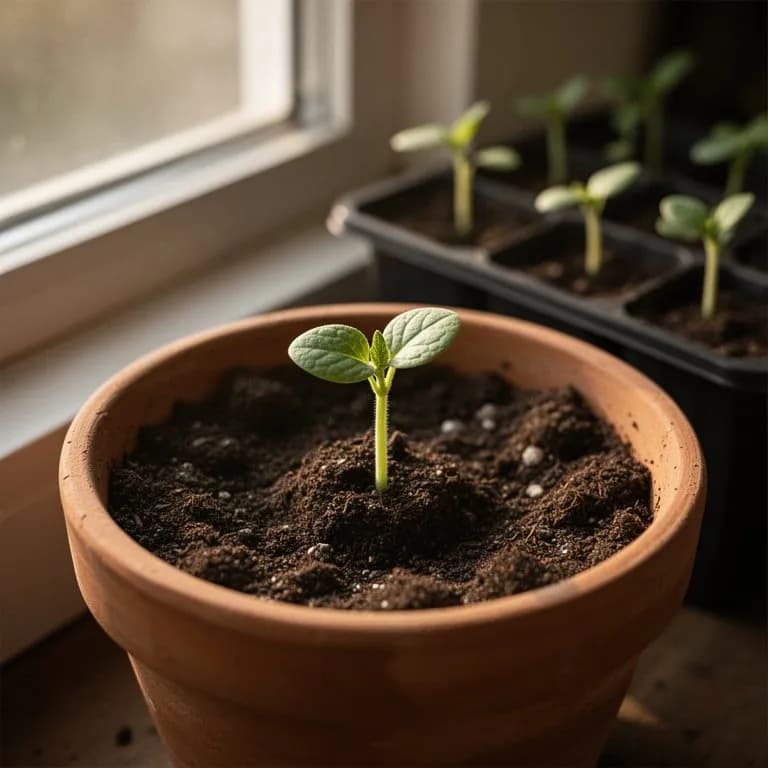
Die Samen haben eine sehr harte, dunkle Außenschale und keimen ohne Vorbehandlung langsam. Nach Skarifizierung oder Einweichen tritt die Keimwurzel hervor und verankert sich innerhalb von 7–14 Tagen in warmer Erde. Die ersten Keimblätter sind breit und herzförmig, typisch für Kürbisgewächse.
Sämlingswachstum
Echte Blätter erscheinen mit einer tief gelappten, handförmigen Form. Ranken entwickeln sich schnell und die Pflanze beginnt aktiv nach Halt zu suchen. Das Wurzelsystem etabliert sich rasch in warmer, humusreicher Erde. Sämlinge sind frostempfindlich und müssen vor Temperaturen unter 15 °C geschützt werden.
Kräftiges Rankenwachstum
Die Ranke tritt in eine Phase explosiven Wachstums ein und verlängert sich bei heißem Wetter um 15–30 cm pro Tag. Große gelappte Blätter und verzweigte Ranken bedecken schnell jede Stützstruktur. Schlangenkürbis ist eines der wüchsigsten Kürbisgewächse und erreicht leicht 5–6 Meter in einer einzigen Saison. Seitentriebe entstehen reichlich am Hauptstamm.
Blüte
Außergewöhnliche weiße Blüten mit zarten, spitzenartigen Fransenblütenblättern öffnen sich in der Abenddämmerung und bleiben die ganze Nacht geöffnet. Männliche Blüten erscheinen zuerst in Büscheln, gefolgt von einzelnen weiblichen Blüten mit einer sichtbaren Miniaturfrucht an der Basis. Die Blüten verströmen einen dezenten moschusartigen Duft, um nachtaktive Falterbestäuber anzulocken.
Fruchtentwicklung
Bestäubte Früchte strecken sich schnell und wachsen 3–5 cm pro Tag, wobei sie je nach Sorte 30–150 cm erreichen. Junge Früchte sind blassgrün mit weißen Längsstreifen. An Überkopf-Spalieren hängen die Früchte perfekt gerade; ohne Stütze kräuseln und winden sie sich in schlangenförmige Formen. Die Samen beginnen sich zu verhärten, nachdem die Frucht ihre volle Länge erreicht hat.
Erntezeit
Die Ranke produziert bei warmen Bedingungen kontinuierlich über 8–12 Wochen Früchte. Regelmäßiges Ernten junger Früchte regt die Pflanze an, mehr weibliche Blüten zu bilden und die Produktion zu verlängern. Reife Früchte, die an der Ranke verbleiben, werden orangerot und platzen auf, um leuchtend rotes Fruchtmark um die Samen herum freizugeben.
Ritzen Sie das spitze Ende jedes Samens mit einer Feile oder einem Nagelknipser an und weichen Sie ihn dann 24 Stunden in warmem Wasser ein. Beginnen Sie die Aussaat im Haus in biologisch abbaubaren Töpfen bei 28–32 °C für die besten Keimraten.
Schlangenkürbis Monat für Monat pflegen
Was du jeden Monat für deine Schlangenkürbis tun solltest
Oktober
Aktueller MonatLetzte Ernten in den Zonen 8–9, wenn die Temperaturen sinken. In tropischen Zonen geht die Produktion weiter. Sammeln Sie Samen aus vollreifen orangeroten Früchten — reinigen und trocknen Sie die Samen gründlich zur Lagerung. Entfernen und kompostieren Sie gesundes Rankenmaterial.
Immer wissen, was jetzt im Garten zu tun ist
Eine E-Mail zum Monatsanfang: was du jetzt säen, pflanzen und anpacken solltest — für deine Schlangenkürbis und alles, was drumherum wächst. Dazu ein kurzer Startkurs, der dich vor den klassischen Fehlern bewahrt.
- Was jetzt zu tun ist
- Passend zu deiner Saison
- Startkurs inklusive
Schlangenkürbis ernten
Ernten Sie den Schlangenkürbis, wenn die Früchte 30–45 cm lang sind und noch jung, zart und grün sind. In diesem Stadium sind die Samen weich und das Fruchtfleisch noch nicht bitter. Verwenden Sie eine Gartenschere, um den Stiel sauber abzuschneiden. Für gerade Früchte binden Sie einen kleinen Kieselstein oder ein Gewicht an das Blütenende, während sich die Frucht entwickelt. Kontrollieren Sie die Pflanzen während der Haupterntezeit täglich, da die Früchte schnell wachsen. Überreife Kürbisse werden zäh, samig und zunehmend bitter. Das rote Fruchtmark vollreifer Früchte wird in einigen Küchen als Tomatenersatz verwendet.
angenommen, du pflanzt zu Beginn des Zeitraums — trage dein tatsächliches Datum ein
Ernte Schlangenkürbis zügig, dann trägt die Pflanze weiter.
Lagerung & Konservierung
Lagern Sie frischen Schlangenkürbis im Kühlschrank, locker in Küchenpapier eingewickelt, bis zu einer Woche. Die Schale trocknet schnell aus, daher sollte er zeitnah verarbeitet werden. Zum Konservieren schneiden Sie junge Kürbisse in Scheiben und blanchieren sie 3 Minuten, bevor Sie sie in luftdichten Behältern bis zu 4 Monate einfrieren. Schlangenkürbis kann in dünnen Scheiben im Dörrgerät oder durch Sonnentrocknung getrocknet werden. In der südAsiatischen Tradition wird das reife rote Samenmark sonnengetrocknet und als Tomatenersatz für Currys aufbewahrt.
Was schiefgeht — und die Lösung
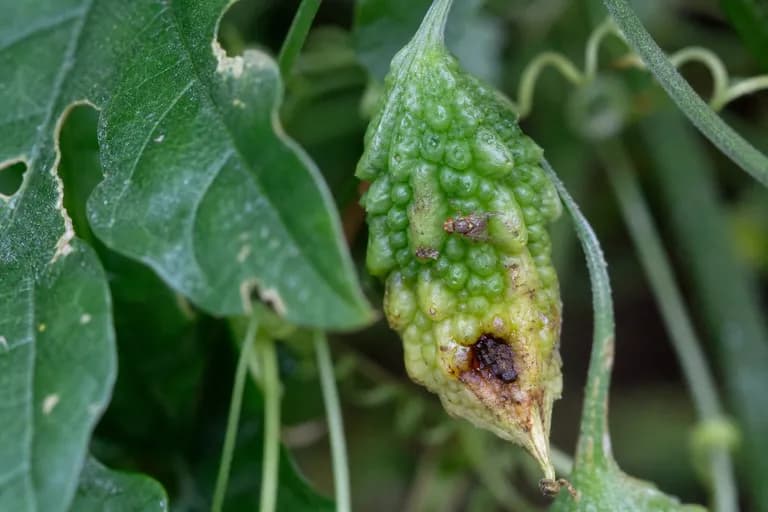
Fruchtfliege
SchädlingBraune Einstichstellen an sich entwickelnden Früchten, innere Fraßgänge der Larven, die zum Faulen und vorzeitigen Abfallen der Früchte führen.
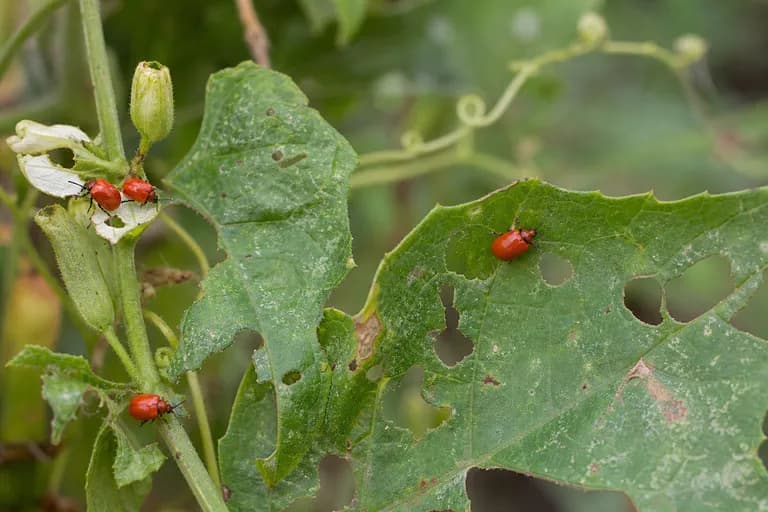
Roter Kürbiskäfer
SchädlingLeuchtend orangerote Käfer, die an Blättern und Blüten fressen und große unregelmäßige Löcher verursachen sowie junge Pflanzen entlauben.
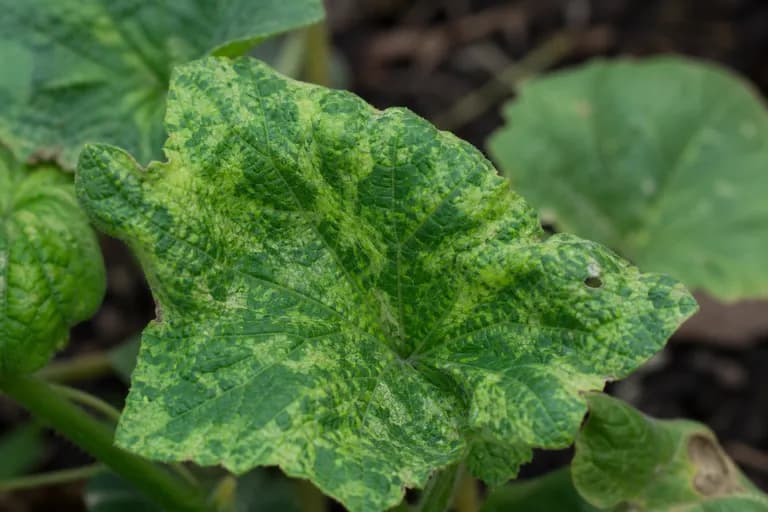
Mosaikvirus
KrankheitGefleckte gelb-grüne Muster auf Blättern, Wachstumshemmung, deformierte Früchte mit unregelmäßigen Beulen und Farbmustern.
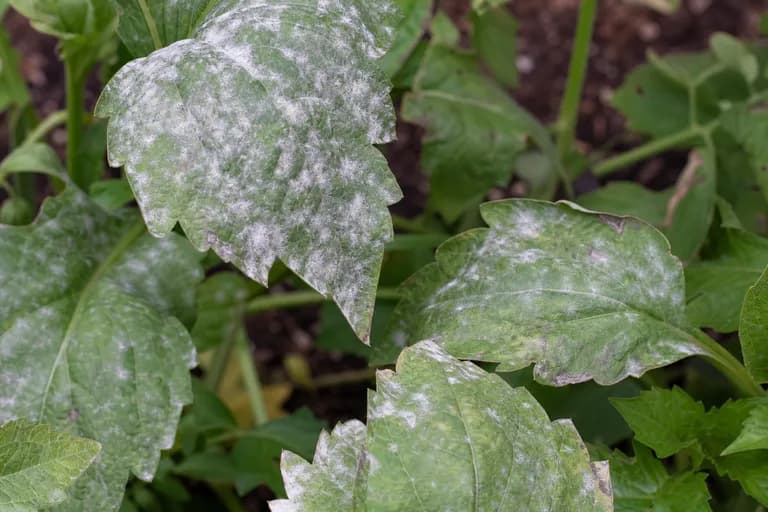
Echter Mehltau
KrankheitWeiße, pudrige Flecken auf Blättern, die sich ausbreiten und zusammenwachsen, was zu Vergilbung, Einrollen und vorzeitigem Blattfall führt.
Fehlerbehebung bei häufigen Problemen
Schlechter Fruchtansatz resultiert aus unzureichender Nachtfalterbestäubung, da sich die Blüten nur nachts öffnen. Handbestäubung mit einem kleinen Pinsel kann die Erträge dramatisch verbessern. Gekrümmte oder verdrehte Früchte entstehen, wenn das Spalier unzureichend ist und die Früchte auf dem Boden aufliegen. Die Bitterkeit nimmt schnell zu, wenn die Früchte über das zarte Stadium hinaus reifen. Übermäßiger Stickstoff erzeugt üppiges Laub, aber wenige Früchte. Rankbohrer können in Stängel eindringen und plötzliches Welken ganzer Abschnitte verursachen. Kälte unter 13 °C bringt das Wachstum vollständig zum Stillstand.
Anbautipps
- Bauen Sie Ihr Spalier, bevor Sie pflanzen — Schlangenkürbis benötigt unbedingt eine starke Überkopf-Struktur von mindestens 2 Metern Höhe. Eine Laube, Pergola oder ein stabiler Rinderpanel-Bogen funktioniert perfekt. Ohne Überkopf-Stütze kräuseln sich die Früchte zu verdrehten Formen und sind schwer zu ernten.
- Skarifizieren und weichen Sie jeden Samen ohne Ausnahme ein. Schlangenkürbis-Samen haben eine extrem harte, dunkle Schale, die der Wasseraufnahme wochenlang widerstehen kann. Ritzen Sie das spitze Ende mit einer Feile oder einem Nagelknipser an und weichen Sie die Samen dann 24 Stunden in warmem Wasser ein. Dieser einfache Schritt erhöht die Keimrate von unter 30 % auf über 80 %.
- Pflanzen Sie in die reichhaltigste Erde, die Sie aufbereiten können. Schlangenkürbis ist ein Starkzehrer, der enormes Rankenwachstum und kontinuierliche Fruchtbildung hervorbringt. Arbeiten Sie vor dem Pflanzen großzügige Mengen Kompost und gut verrotteten Mist ein und düngen Sie während des aktiven Wachstums alle 2–3 Wochen seitlich mit ausgewogenem Dünger nach.
- Gießen Sie gleichmäßig und gründlich — mindestens 3–5 cm pro Woche während der Fruchtproduktion. Die große Blattfläche des Schlangenkürbisses verliert durch Transpiration schnell Feuchtigkeit, und Wasserstress verursacht bittere Früchte und schlechte Erträge.
- Bestäuben Sie abends von Hand für zuverlässigen Fruchtansatz. Die Blüten öffnen sich in der Abenddämmerung und sind auf nachtaktive Schwärmer zur natürlichen Bestäubung angewiesen. In Regionen, in denen diese Falter selten sind, ist Handbestäubung mit einem kleinen Pinsel zwischen 19 und 21 Uhr für gute Erträge unerlässlich.
- Ernten Sie jung und ernten Sie oft. Die ideale Erntegröße ist 30–45 cm Länge, solange die Schale noch blassgrün und glatt ist und die Samen innen weich und unreif sind. Überreife Früchte entwickeln harte Samen und faseriges Fruchtfleisch, das unangenehm zu essen ist.
- Binden Sie einen kleinen Kieselstein oder ein Angelgewicht an das Blütenende sich entwickelnder Früchte, um gerades Wachstum zu fördern. Diese traditionelle Technik wirkt der natürlichen Neigung der Frucht zum Kräuseln entgegen und erzeugt die sauberen, geraden Kürbisse, die zum Kochen und für den Marktverkauf bevorzugt werden.
- Leiten Sie die Ranke horizontal über die Oberseite des Spaliers, sobald sie die Überkopf-Stütze erreicht. Dies maximiert die Fruchtfläche und ermöglicht es den Früchten, frei nach unten zu hängen. Schneiden Sie übermäßiges Seitenwachstum zurück, um die Energie auf die Fruchtproduktion statt auf vegetative Ausbreitung zu konzentrieren.
Bau deine beste Schlangenkürbis an — und alles drumherum.
Starte heute kostenlos. Lege deine Beete an, setze deine Schlangenkürbis ein und lass PlotMyGarden Timing, Abstände, Begleiter und Erinnerungen von der Saat bis zum Erntekorb übernehmen.
Finde deine Schlangenkürbis
Gewöhnlicher Schlangenkürbis
Die Standardsorte mit langen, geschwungenen Früchten bis zu 1,5 Metern. Weit verbreitet in Süd- und Südostasien für Hausgärten angebaut.
Baby-Schlangenkürbis
Eine kompakte Sorte mit kürzeren 30–45 cm Früchten, die milder im Geschmack und ideal für den Kübelanbau sind.
Japanischer Schlangenkürbis
Produziert geradere, glattere Früchte mit hellerer grüner Schale und milderem Geschmack, bevorzugt für Tempura und Pfannengerichte.
Padwal
Eine indische Marktsorte, gezüchtet für gleichmäßig gerade Früchte mit zartem Fruchtfleisch und minimaler Bitterkeit bei junger Ernte.
Schlangenkürbis ist in westlichen Supermärkten selten zu finden und erzielt in asiatischen Fachgeschäften Premiumpreise von 8–16 € pro Kilogramm, wenn erhältlich. Eine einzige Ranke aus Saatgut (wenige Cent pro Samen von Spezialanbietern) kann 2–6 kg Früchte pro Saison produzieren, was einem Marktwert von 20–60 € entspricht. Für Köche, die regelmäßig Schlangenkürbis in der südasiatischen oder südostasiatischen Küche verwenden, beseitigt der eigene Anbau die Herausforderung, frische Exemplare zu finden, und garantiert eine kontinuierliche Versorgung mit zarten jungen Früchten in bester Qualität.
Schnelle Rezepte
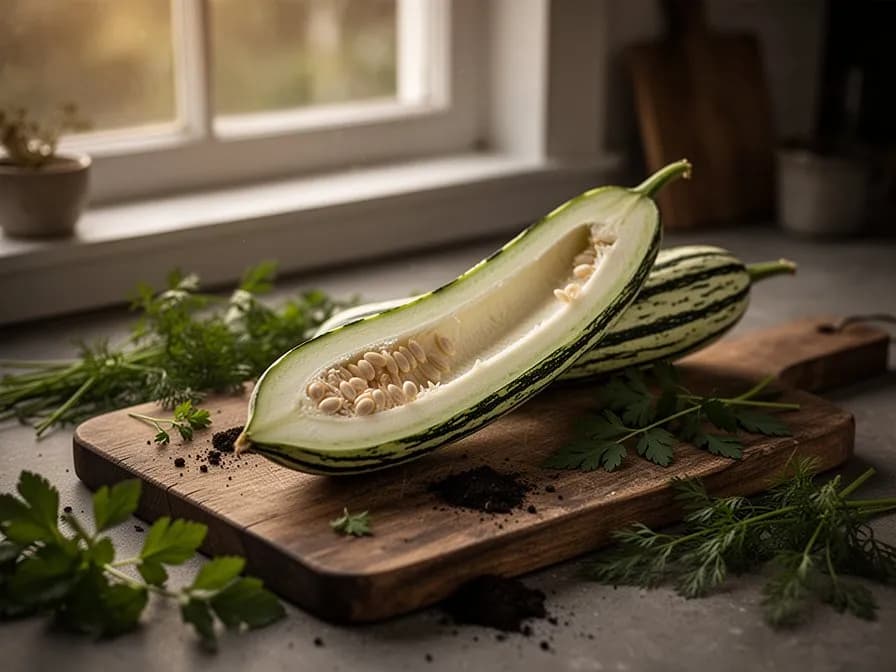
Kerala Schlangenkürbis-Thoran
20 Min.Ein klassisches südindisches trockenes Pfannengericht, bei dem Schlangenkürbis mit frisch geraspelter Kokosnuss, Curryblättern und einer Senfkorn-Tadka zubereitet wird. Dieses alltägliche Kerala-Beilagengericht hebt den milden Geschmack des Kürbisses mit aromatischen Gewürzen hervor.
9 ZutatenKnoblauch-Schlangenkürbis-Pfanne
15 Min.Ein schnelles Pfannengericht für den Feierabend, das Schlangenkürbis wie Zucchini behandelt — hohe Hitze und reichlich Knoblauch verwandeln das milde Fruchtfleisch in eine herzhafte, leicht karamellisierte Beilage mit zartem, knackigem Biss.
8 ZutatenSchlangenkürbis-Dal
35 Min.Zarte Schlangenkürbis-Stücke, geköchelt in einem gewürzten roten Linsen-Dal — ein nahrhaftes Alltagsgericht aus Südindien und Sri Lanka. Der Kürbis nimmt die kurkumagewürzte Linsenbrühe auf und wird butterzart.
10 ZutatenKulinarische Verwendung
Junger Schlangenkürbis wird häufig in der südindischen und sri-lankischen Küche verwendet, etwa in Currys wie Schlangenkürbis-Kootu, Sambar und Thoran. Dünn geschnitten eignet er sich für Pfannengerichte mit Kokosnuss und Gewürzen. Das milde Fruchtfleisch nimmt Aromen gut auf in Dal- und Suppenzubereitungen. In der chinesischen Küche erscheint er in Suppen und gedämpften Gerichten. Das reife rote Samenmark dient in einigen regionalen indischen Rezepten als natürlicher Tomatenersatz für Chutneys und Saucen.
Was drinsteckt
Gesundheitsvorteile
- Extrem niedrige Kaloriendichte von nur 18 Kalorien pro 100 g bei hohem Wassergehalt, was ihn zu einem der effektivsten Gemüse für Gewichtsmanagement und Blutzuckerkontrolle bei diabetischen Diäten macht.
- Reich an Ballaststoffen, die die Verdauungsgesundheit unterstützen, regelmäßigen Stuhlgang fördern und durch Gallensäurebindung helfen können, den Cholesterinspiegel zu senken.
- Gute Kaliumquelle (359 mg pro 100 g), die zur Regulierung des Blutdrucks beiträgt, die Natriumaufnahme ausgleicht und eine ordnungsgemäße Muskel- und Nervenfunktion unterstützt.
- Wird in der ayurvedischen Medizin traditionell als natürliches Antipyretikum (Fiebersenker) und kühlendes Lebensmittel verwendet — der Saft junger Früchte und Blätter wird in ganz Südasien bei fieberhaften Zuständen verschrieben.
- Enthält antioxidative Verbindungen einschließlich Flavonoide und Phenolsäuren, die dazu beitragen können, Zellen vor oxidativem Schaden zu schützen und chronische Entzündungen zu reduzieren.
- Der hohe Wassergehalt (ca. 94 %) macht den Schlangenkürbis zu einem hervorragenden hydratisierenden Lebensmittel in heißen tropischen Klimazonen, das hilft, den Flüssigkeitshaushalt bei starkem Schwitzen aufrechtzuerhalten.
Woher Schlangenkürbis stammt
Der Schlangenkürbis (Trichosanthes cucumerina var. anguina) stammt vom indischen Subkontinent, wo wilde Formen noch immer in den tropischen Wäldern Südindiens und Sri Lankas wachsen. Archäologische Funde und alte Sanskrit-Texte belegen, dass der Schlangenkürbis seit über 2.000 Jahren in Südasien kultiviert wird, was ihn zu einem der ältesten domestizierten Kürbisgewächse der Region macht. Die Pflanze wurde über Jahrhunderte auf zunehmend längere, schlankere Früchte mit milderem Geschmack und dünnerer Schale im Vergleich zu ihren wilden Vorfahren selektiert.
Von seiner indischen Heimat aus verbreitete sich der Schlangenkürbis entlang alter Handelsrouten durch ganz Südostasien — er wurde zur Grundnahrungspflanze in Sri Lanka, Myanmar, Malaysia, Indonesien und Südchina. Chinesische Agrartexte aus der Ming-Dynastie beschreiben seinen Anbau, und er wird noch heute weitverbreitet in den Provinzen Guangdong und Yunnan angebaut. In jeder Region entwickelten sich lokale Sorten mit unterschiedlichen Eigenschaften: kurze, dickschalige Typen zum Pfannenbraten in China, sehr lange, schlanke Sorten, die in Kerala bevorzugt werden, und mittelgroße Kultivare in ganz Südostasien.
Der Schlangenkürbis nimmt eine einzigartige Stellung im tropischen Gartenbau ein — sowohl als Nahrungspflanze als auch als Heilpflanze. In der ayurvedischen Tradition wird er zu den wohltuendsten Gemüsesorten für heiße Klimazonen gezählt — kühlend, leicht verdaulich und für den täglichen Verzehr geeignet. Blätter, Früchte und Samen haben alle dokumentierte Verwendungen in traditionellen Medizinsystemen Süd- und Südostasiens. Obwohl er in westlichen Gärten relativ unbekannt ist, gehört der Schlangenkürbis zu den am weitesten verbreiteten Hinterhofgemüsen im tropischen Asien, geschätzt für sein kräftiges Wachstum, die kontinuierliche Produktion bei heißem Wetter und seine Fähigkeit, mit minimaler Pflege an einfachen Bambus- oder Schnurspalieren zu gedeihen.
Schlangenkürbis: Schon gewusst?
Faszinierende Fakten über Schlangenkürbis
Der Schlangenkürbis (Trichosanthes cucumerina) bringt einige der unwirklichsten Blüten im Pflanzenreich hervor — die weißen Blütenblätter entfalten in der Abenddämmerung kunstvolle, spitzenartige Fransen, die sich 5–8 cm nach außen erstrecken und ein geisterhaftes, netzartiges Erscheinungsbild erzeugen, das nachtaktive Falter anlocken soll.
Schlangenkürbis: Fragen & Antworten
Wann sollte ich Schlangenkürbis pflanzen?
Was sind gute Begleitpflanzen für Schlangenkürbis?
In welchen Winterhärtezonen kann Schlangenkürbis wachsen?
Wie viel Sonne braucht Schlangenkürbis?
Welchen Abstand sollte ich zwischen Schlangenkürbis lassen?
Welche Schädlinge und Krankheiten befallen Schlangenkürbis?
Wie lagere ich Schlangenkürbis nach der Ernte?
Was sind die besten Schlangenkürbis-Sorten zum Anbauen?
Welchen Boden braucht Schlangenkürbis?
Warum kräuseln sich meine Schlangenkürbis-Früchte, anstatt gerade zu wachsen?
Warum tragen meine Schlangenkürbis-Blüten keine Früchte?
Kann ich Schlangenkürbis essen, wenn er orange oder rot wird?
Wie unterscheidet sich Schlangenkürbis von anderen Kürbissen wie Flaschenkürbis oder Schwammkürbis?
Kann ich Schlangenkürbis in einem gemäßigten Klima anbauen?
Welche Art von Spalier eignet sich am besten für Schlangenkürbis?
Du hast die Theorie gelesen. Jetzt baue sie auf Autopilot an.
Alles, was Schlangenkürbis knifflig macht — das Timing, die Abstände, die Begleiter, das Erntefenster — genau das übernimmt PlotMyGarden für dich, für jede Pflanze im Garten.
Ein Plan, der dein Wetter kennt
Standort einmal festlegen. Aussaat-, Dünge- und Erntedaten rund um deinen echten letzten Frosttermin und die Live-Vorhersage — kein Raten mehr nach Saattüte.
Aus dem Abschnitt „Pflanzzeit“Beetplaner per Drag & Drop
Beete auf einem Raster gestalten. Jede Pflanze rastet im richtigen Abstand ein, und du siehst die ganze Saison, bevor du einen Cent für Saatgut ausgibst.
Aus dem Abschnitt „Anbau“Begleiter-Konflikte früh erkannt
Über 200 gute und schlechte Kombinationen werden beim Pflanzen live geprüft — so landet ein saisonruinierender Fehler nie in der Erde.
Aus dem Abschnitt „Begleiter“Erinnerungen, nach denen du wirklich handelst
„Gieß die Bohnen.“ „Heute ernten, bevor's umschlägt.“ Pünktlich, konkret und auf deine echten Pflanzen bezogen.
Aus dem Abschnitt „Ernte“Staffel-Aussaat, geplant
Sechs Wochen ernten statt sechs Tage? Die App verteilt deine Aussaaten automatisch und erinnert dich, wenn der nächste Satz fällig ist.
Aus dem Abschnitt „Pflanzzeit“Ein Verlauf, der schlauer wird
Jede protokollierte Ernte bringt der App deinen Garten bei. Der Plan fürs nächste Jahr startet bei dem, was in deinem Boden wirklich funktioniert hat.
Aus dem Abschnitt „Überblick“Pflanze diese neben Schlangenkürbis
Weitere Kürbisgewächse
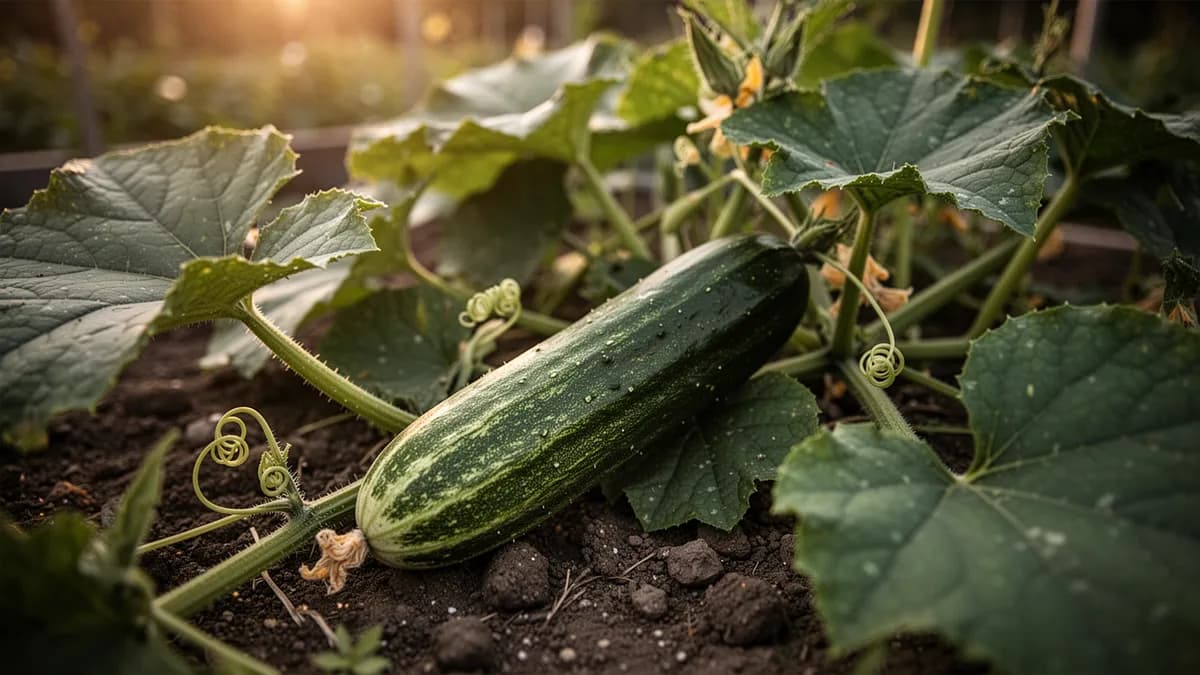
Halte Schlangenkürbis von diesen fern
Bau deine beste Schlangenkürbis an — und alles drumherum.
Starte heute kostenlos. Lege deine Beete an, setze deine Schlangenkürbis ein und lass PlotMyGarden Timing, Abstände, Begleiter und Erinnerungen von der Saat bis zum Erntekorb übernehmen.