Smoke Tree
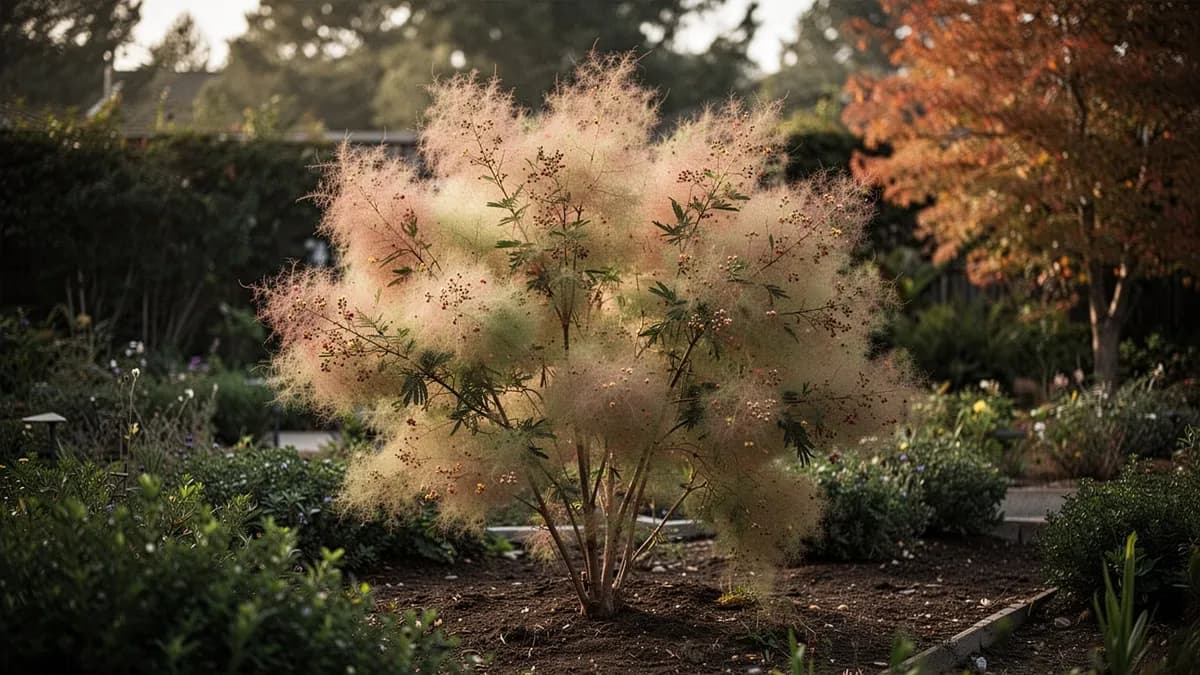
A unique ornamental tree or large shrub that produces billowy, hair-like flower clusters resembling puffs of smoke hovering over the foliage in summer.





On this pageOverview
Meet Smoke Tree
A unique ornamental tree or large shrub that produces billowy, hair-like flower clusters resembling puffs of smoke hovering over the foliage in summer. Purple-leaved varieties like Royal Purple and Grace provide dramatic contrast throughout the growing season with deep burgundy foliage. Smoke trees thrive in poor, dry soil and actually produce the best color under lean conditions, as rich soil promotes green growth. They can be hard pruned to the ground annually for the largest, most colorful leaves, though this sacrifices the smoke-like flowers.
When to plant Smoke Tree
Smoke tree seeds are contained in small drupes within the feathery flower panicles. Collect panicles in late summer when seeds have developed. Seeds have a hard coat requiring scarification: soak in sulfuric acid for 30 to 60 minutes or nick with a file. Follow with 60 to 90 days of cold stratification in moist peat at 35 to 40 degrees Fahrenheit. Sow stratified seeds a quarter inch deep in moist seedling mix at 70 degrees. Germination is slow and erratic, taking 4 to 8 weeks. Seedlings of purple-leaved cultivars will show variable foliage color, as purple coloring requires propagation by softwood cuttings taken in early summer.
Your Smoke Tree Year
Composed for Zone 7 · typical seasons · frost passes Apr 2, returns Nov 1
Plant Smoke Tree Mar – Apr, Oct – Nov, pick —. Check the planting methods below and set your climate to personalize these windows.
How to grow Smoke Tree
Smoke tree is a remarkably adaptable and visually striking small tree or large shrub that thrives where many ornamentals struggle: in poor, dry, rocky soil with full sun. The common name comes from the billowy, hair-like flower stalks that form airy, cloud-like masses over the foliage in midsummer, creating the illusion of colored smoke. Purple-leaved cultivars are the most popular, providing dramatic burgundy foliage from spring through fall.
Choose a site with full sun for the best foliage color and flower production. Smoke tree tolerates a wide range of soil types including clay, sand, and rocky ground, with a pH of 5.5 to 8.0. Avoid rich, moist soil, which promotes excessive green growth with poor color. Space 10 to 15 feet apart for a natural grouping or use as a dramatic specimen.
Plant container-grown specimens in spring or fall. Water moderately during establishment but avoid overwatering, which causes root rot. Once established, smoke tree is extremely drought-tolerant. Two pruning strategies exist: allow natural growth for the smoke-like flower display, or coppice (cut to 6 inches from the ground in late winter) for the largest, most vividly colored leaves. Coppicing sacrifices flowers but produces dramatically oversized foliage with intense purple color on purple-leaved varieties.
Smoke Tree needs more room than a 4 × 8 ft bed gives
Each Smoke Tree wants 500 cm of elbow room. The planner keeps that spacing for you — every plant, every bed.
Smoke Tree's best neighbours
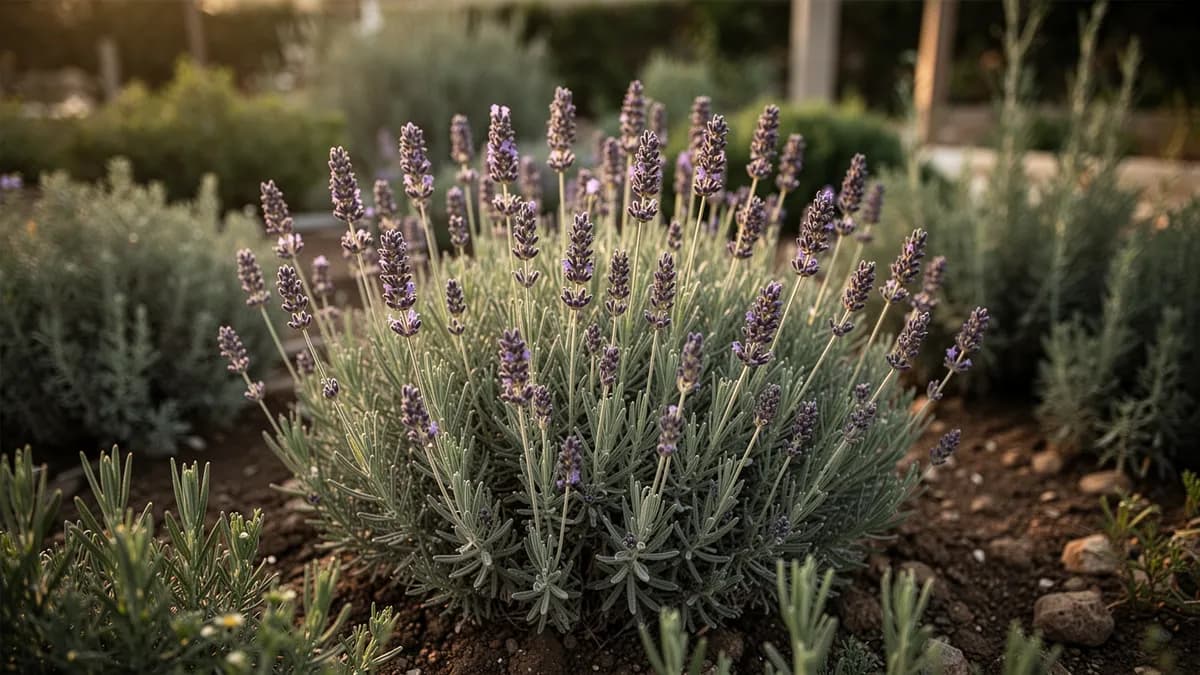
The dramatic purple foliage of smoke tree creates stunning contrasts with chartreuse and gold-leaved plants. Golden-leaved spireas, barberries, and ornamental grasses create eye-catching combinations. Silver-foliaged plants like Russian sage, lavender, and lamb's ears complement the purple tones beautifully. Drought-tolerant perennials that share smoke tree's preference for lean soil include coneflowers, sedums, and salvias. Avoid pairing with moisture-loving plants that require richer soil conditions.
Lavender belongs beside it.
Old growers' knowledge, checked against Smoke Tree's real companion table below — test any plant you're growing.
Try Smoke Tree in a bed — right here
A real planner bed with Smoke Tree already in it. Tap a companion to place it and watch the pairing checks answer — green for good neighbours, red for a clash.


Related growing guides
Feed it well
Smoke tree produces its best foliage color and flower display in lean, well-drained soil. Rich, fertile soil promotes excessive green growth with poor purple color and sparse flowers. It tolerates a wide pH range from 5.5 to 8.0, including alkaline limestone soils. Minimal fertilization is needed; a light application of balanced fertilizer every 2 to 3 years is sufficient. Excessive nitrogen causes lush green growth that dilutes purple foliage color. Avoid heavy mulching and rich compost amendments. Drought tolerance is excellent once established.
Ideal Temperature
Hardiness Zone Compatibility
From seed to harvest, stage by stage
Dormancy & Bud Swell
During late winter the smoke tree remains dormant with bare branches. As temperatures rise above 5°C, buds begin to swell and show the first hints of color at the tips.
Leaf Emergence
Fresh rounded leaves unfurl in spring, displaying their characteristic oval shape. Purple-leaved cultivars emerge with particularly intense coloring that deepens as leaves mature.
Flowering & Plume Development
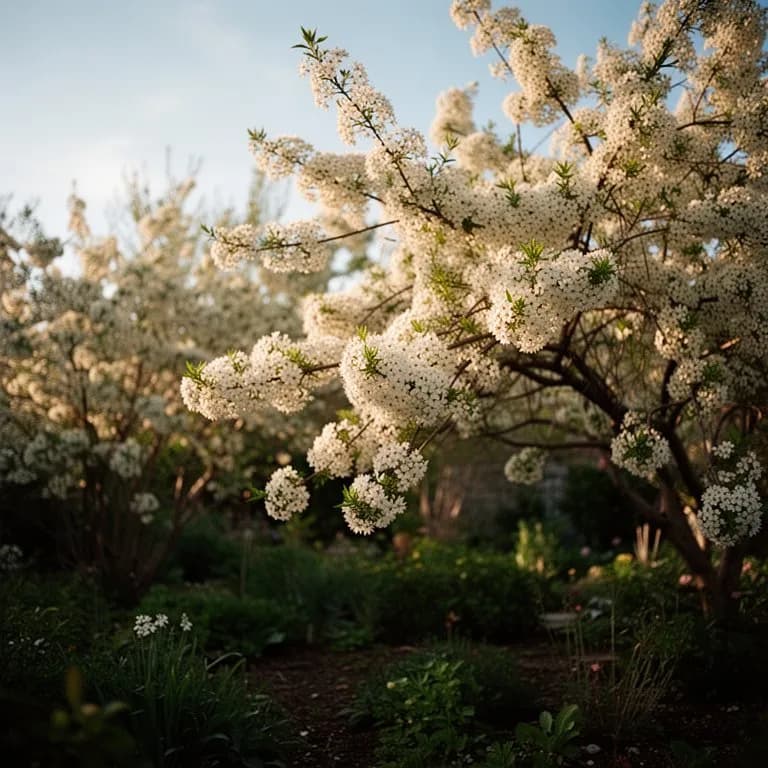
Large terminal panicles of tiny yellow-green flowers appear in early summer. After bloom, the flower stalks elongate and develop feathery, hair-like structures that create the signature smoky appearance.
Summer Display & Plume Maturation
The feathery plumes mature and take on pink, purple, or tan hues depending on the cultivar. Foliage remains lush and colorful throughout summer, with purple varieties maintaining deep pigmentation in full sun.
Autumn Color & Transition
The foliage transforms into brilliant shades of orange, red, scarlet, and yellow before leaf drop. Green-leaved forms often produce the most dramatic autumn color changes, while purple cultivars turn reddish-scarlet.
Winter Dormancy
After leaf drop, the architectural branching structure provides winter interest. The plant enters full dormancy, tolerating temperatures down to approximately -23°C (USDA Zone 5). Dried plume remnants may persist on branches.
Prune in late winter while dormant to shape the plant or encourage vigorous new growth with more colorful foliage. Apply a balanced slow-release fertilizer around the drip line.
Caring for Smoke Tree month by month
What to do each month for your Smoke Tree
October
You are hereObserve and photograph the spectacular fall foliage display. Allow fallen leaves to decompose naturally as mulch. Begin planning any desired changes to the planting area
Know exactly what to do in your garden — every month
One email at the start of each month: what to sow, plant, and tackle right now — for your Smoke Tree and everything growing around it. Plus a short starter course that helps you dodge the classic mistakes.
- What to do, right now
- Matched to your season
- Starter course included
Harvesting Smoke Tree
Smoke tree is not grown for food harvest. Its primary ornamental value lies in the smoke-like flower panicles and colorful foliage. Cut flower panicles with the feathery hair-like structures for fresh and dried arrangements. The panicles are at their showiest in mid to late summer when the fuzzy, plumy hairs are fully developed. Purple-leaved varieties provide dramatic cut foliage for floral arrangements throughout the growing season.
assuming you plant when the window opens — set your real date
Pick Smoke Tree promptly and the plant keeps producing.
Storage & Preservation
Fresh smoke tree flower panicles last 5 to 7 days in water. For dried arrangements, cut panicles when fully developed and hang upside down in a warm, dry, well-ventilated area for 1 to 2 weeks. They dry beautifully and maintain their airy, cloud-like form for months. Purple foliage branches can be preserved with glycerin for long-lasting arrangements. Dried smoke tree panicles are popular in fall and winter dried flower arrangements.
What goes wrong — and the fix
Verticillium Wilt
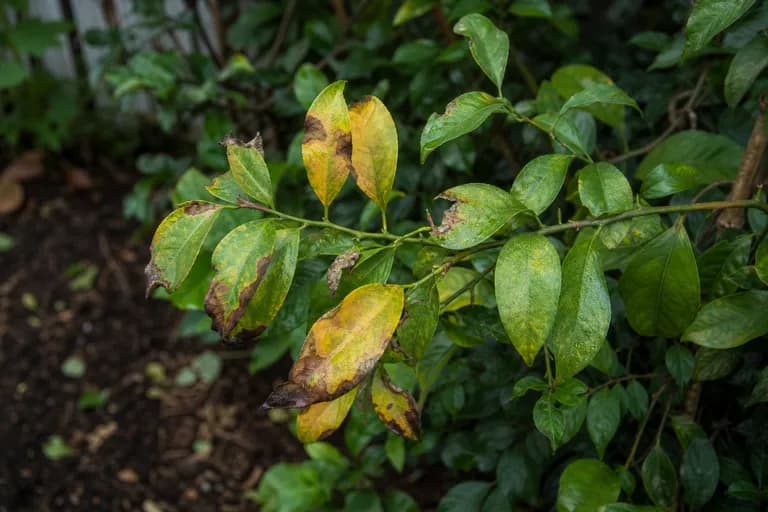
DiseaseSudden wilting and browning of leaves on individual branches. Affected branches show olive-brown streaking in the sapwood when cut. Can kill branches or entire trees over one or two seasons.
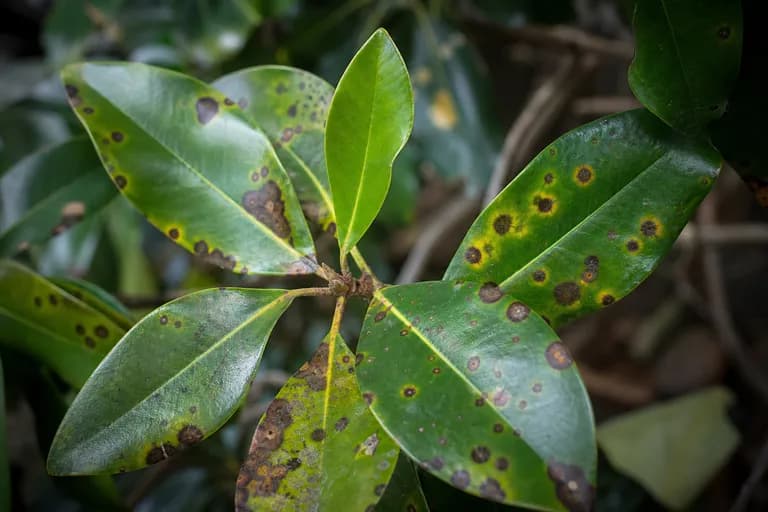
Leaf Spot Diseases
DiseaseVarious fungal leaf spots causing brown or tan spots on leaves, sometimes with concentric rings. Primarily cosmetic but can cause premature defoliation in severe cases.
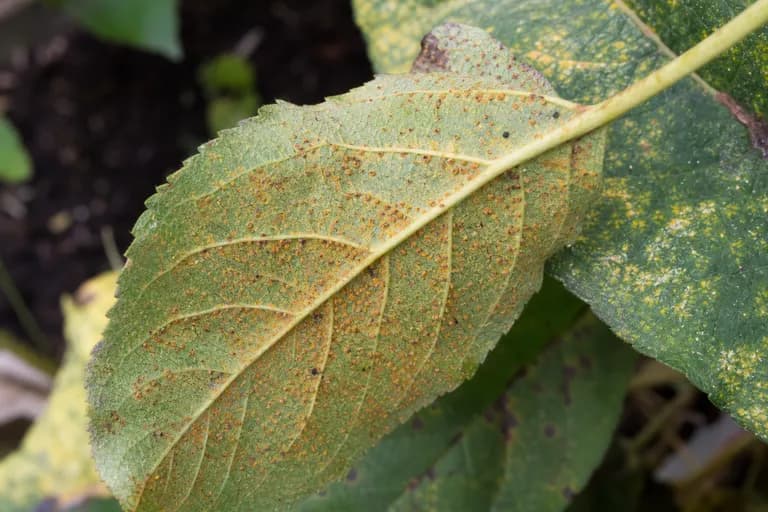
Rust
DiseaseOrange-yellow pustules on leaf undersides with corresponding yellow spots on upper surfaces. Caused by Pileolaria cotini. Most common in humid conditions with poor air circulation.
Troubleshooting Common Problems
Verticillium wilt is the most serious disease threat and can kill trees rapidly. Avoid planting in soil previously used for tomatoes, potatoes, or other susceptible crops. Overwatering and rich soil conditions cause root rot and produce weak, green-colored growth on purple varieties. Smoke tree can develop a leggy, awkward shape without occasional pruning or coppicing. Winter dieback of branch tips is common in the colder parts of the range. Deer usually avoid smoke tree due to its strong-smelling sap, which is an advantage in deer-prone landscapes.
Growing Tips
- Plant in full sun for the best foliage color and plume production. Purple-leaved cultivars become dull green in too much shade.
- Ensure excellent drainage as smoke trees are highly susceptible to root rot in waterlogged or heavy clay soils. Amend dense soils with coarse grit and compost before planting.
- Avoid overwatering established trees. Smoke trees are naturally drought-adapted and perform better with occasional deep soaking rather than frequent shallow watering.
- Choose between two pruning strategies: leave unpruned for maximum flower plumes, or coppice hard each spring for dramatically oversized, intensely colored foliage.
- Do not over-fertilize. Excessive nitrogen produces lanky, weak growth with poor coloring. A single application of balanced fertilizer in early spring is sufficient.
- Be aware that smoke trees are susceptible to verticillium wilt. Avoid planting where tomatoes, peppers, eggplants, or other susceptible plants have previously grown.
- Space plants at least 3-4 meters apart to allow for their broad, spreading mature form. They make poor hedging plants due to their open, airy growth habit.
- Propagate from semi-hardwood cuttings taken in mid to late summer. Dip cut ends in rooting hormone and place in a free-draining propagation mix with bottom heat.
- Mulch young trees with 8-10 cm of organic material, keeping mulch away from the trunk to prevent bark rot and discourage rodent damage.
- In USDA Zone 5, select the hardiest cultivars and provide a sheltered position. Plants may die back to the ground in severe winters but typically resprout vigorously from the roots.
Grow your best Smoke Tree yet — and everything around it.
Start a free plan today. Lay out your beds, drop in your Smoke Tree, and let PlotMyGarden handle the timing, spacing, companions and reminders from seed to harvest basket.
Pick your Smoke Tree
Royal Purple
The most popular purple-leaved cultivar with deep maroon-purple foliage that holds its rich color throughout summer. Pink-purple flower panicles. Grows 12 to 15 feet tall and wide.
Grace
A vigorous hybrid between Cotinus coggygria and C. obovatus. Large blue-green to purple leaves up to 5 inches long turn brilliant orange-red in fall. Pink flower plumes. Grows to 15 to 20 feet.
Golden Spirit (Ancot)
Striking golden-yellow foliage that turns coral, orange, and red in fall. Pink flower panicles against gold leaves create a unique color combination. Compact growth to 8 to 10 feet.
Velvet Cloak
Dense, compact habit with very dark purple leaves that maintain excellent color in heat. More compact than Royal Purple at 10 to 12 feet. Good smoke-like flower production.
A single smoke tree provides decades of ornamental value, eliminating the need to purchase seasonal annuals or cut flowers for garden impact. Established specimens require no irrigation, fertilization, or chemical treatments in most climates, resulting in near-zero maintenance costs. The plant is easily propagated from softwood or semi-hardwood cuttings, allowing gardeners to create additional plants at no cost. Dried plumes and foliage provide free material for decorative arrangements worth $15-30 each at florist shops.
Quick recipes
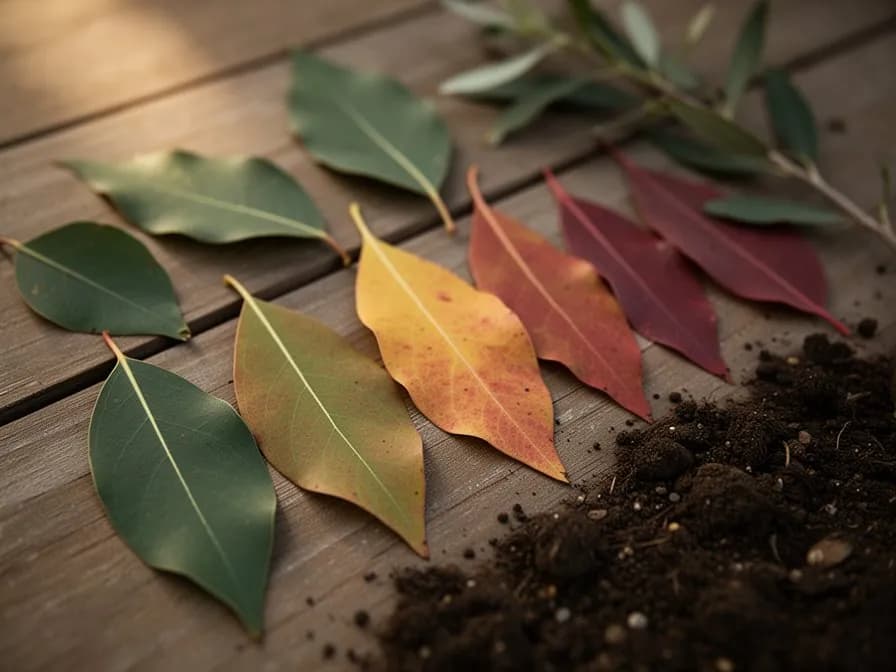
Natural Smoke Tree Fabric Dye
2-3 hours active, overnight soakingCreate a beautiful warm golden-yellow natural dye from smoke tree wood chips and bark using a traditional extraction method suitable for cotton, linen, and wool fibers.
5 ingredientsDried Smoke Tree Plume Arrangement
30 minutesHarvest and preserve the ornamental feathery plumes for stunning dried flower arrangements that maintain their ethereal, airy quality for months in a vase.
5 ingredientsSmoke Tree Foliage Wreath
45 minutesCraft a dramatic decorative wreath using the richly colored purple or autumn-hued foliage of smoke tree branches, perfect for seasonal front door displays.
5 ingredientsWhat's inside
Health Benefits
- The compound fisetin, found in smoke tree wood, is being actively researched for its potential anti-inflammatory and antioxidant properties in laboratory studies.
- Traditional folk medicine in parts of the Balkans and Turkey used smoke tree bark preparations as an astringent gargle for sore throats and oral inflammation.
- Growing smoke trees in the garden provides significant mental health benefits through the calming visual effect of their ethereal, cloud-like plumes and rich foliage.
- As a low-maintenance, drought-tolerant landscape plant, the smoke tree encourages outdoor time and gardening activity without demanding excessive physical labor.
- The dense branching structure of mature smoke trees creates natural shade areas in the garden, reducing ambient temperatures and providing comfortable outdoor spaces.
- Smoke trees support local ecosystems by providing habitat and food sources for pollinators and beneficial insects during their extended flowering period.
Where Smoke Tree comes from
Cotinus coggygria, commonly known as the smoke tree or smoke bush, is native to a broad geographic range extending from southern Europe through the Mediterranean basin, across Turkey and the Caucasus, and eastward into central China and the Himalayas. It thrives naturally on rocky, calcareous hillsides, open woodlands, and dry scrubland where its exceptional drought tolerance gives it a competitive advantage. The plant has been known to European horticulture since the 16th century, when it was first cultivated for its striking ornamental qualities and practical uses. Historically, the heartwood and roots served as an important source of natural dye, producing warm yellow and orange pigments used extensively in the wool and silk trades. The dye product, known as young fustic, was a significant commodity in Mediterranean commerce for several centuries. The tannin-rich wood was also valued in the leather-working industry across southern Europe. Modern horticultural interest in the smoke tree surged in the mid-20th century with the introduction of purple-leaved cultivars, most notably Royal Purple, which was selected in Boskoop, the Netherlands. Other popular cultivars include Grace, a large hybrid with translucent wine-red leaves, and Golden Spirit with its chartreuse-gold foliage. Today the smoke tree is planted worldwide in temperate climates as a specimen shrub or small tree, valued for its unique smoky flower plumes, vibrant autumn color, drought resilience, and adaptability to poor soils. It has been recognized with the Royal Horticultural Society Award of Garden Merit, confirming its reliability and ornamental excellence in garden cultivation across diverse growing conditions.
Smoke Tree: did you know?
Fascinating facts about Smoke Tree
The smoke tree gets its name from the billowy, hair-like flower stalks that develop after blooming, creating an effect that looks like puffs of smoke rising from the canopy.
Smoke Tree questions, answered
When should I plant Smoke Tree?
What are good companion plants for Smoke Tree?
What hardiness zones can Smoke Tree grow in?
How much sun does Smoke Tree need?
How far apart should I space Smoke Tree?
What pests and diseases affect Smoke Tree?
How do I store Smoke Tree after harvest?
What are the best Smoke Tree varieties to grow?
What soil does Smoke Tree need?
Why is my smoke tree not producing its signature smoky plumes?
Why are the leaves on my purple smoke tree turning green?
Is the smoke tree toxic to pets or children?
Can I grow a smoke tree in a container on my patio?
My smoke tree has wilting branches with brown leaves. What is wrong?
How fast does a smoke tree grow and how large will it get?
You just read the theory. Now grow it on autopilot.
Everything that makes Smoke Tree fiddly — the timing, the spacing, the companions, the harvest window — is exactly what PlotMyGarden handles for you, for every plant in your garden.
A plan that knows your weather
Set your location once. Get sow, feed and harvest dates built around your real last-frost date and live forecast — no more guessing from a generic seed packet.
From the “When to plant” sectionDrag-and-drop bed planner
Design beds on a grid. Every plant snaps to its proper spacing, and you can see your whole season laid out before you spend a cent on seed.
From the “Growing guide” sectionCompanion conflicts, caught early
200+ good-and-bad pairings checked live as you plant — so a season-wrecking mistake never makes it into the ground.
From the “Companions” sectionReminders you'll actually act on
“Water the beans.” “Pick today before it turns.” Timely, specific, and tied to the plants you're really growing.
From the “Harvest” sectionSuccession, scheduled
Want a harvest for six weeks, not six days? It spaces your sowings automatically and reminds you when each new block is due.
From the “When to plant” sectionA record that gets smarter
Every harvest you log teaches it your garden. Next year's plan starts from what actually worked in your soil, not a textbook's.
From the “Overview” sectionPlant these alongside Smoke Tree
More Ornamental Trees
Grow your best Smoke Tree yet — and everything around it.
Start a free plan today. Lay out your beds, drop in your Smoke Tree, and let PlotMyGarden handle the timing, spacing, companions and reminders from seed to harvest basket.