Shungiku
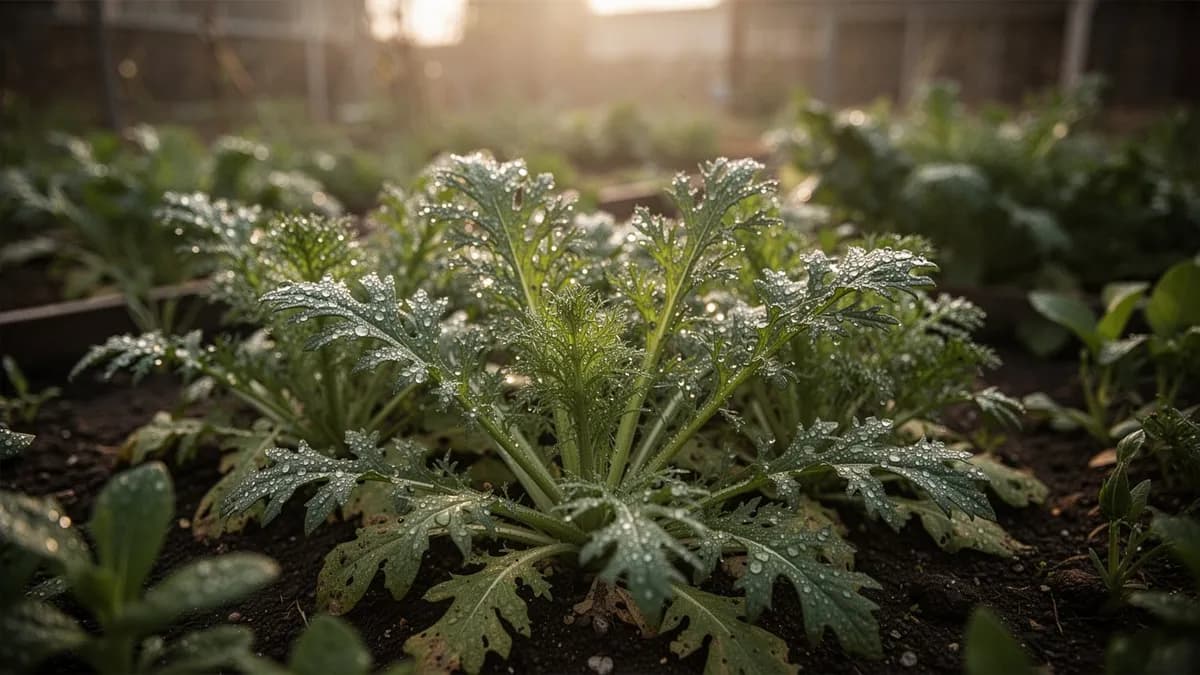
Eine japanische Sorte der essbaren Chrysantheme mit breiten, flachen Blättern und einem milderen Geschmack als die gezahnten Blatttypen.





Auf dieser SeiteÜberblick
Shungiku im Überblick
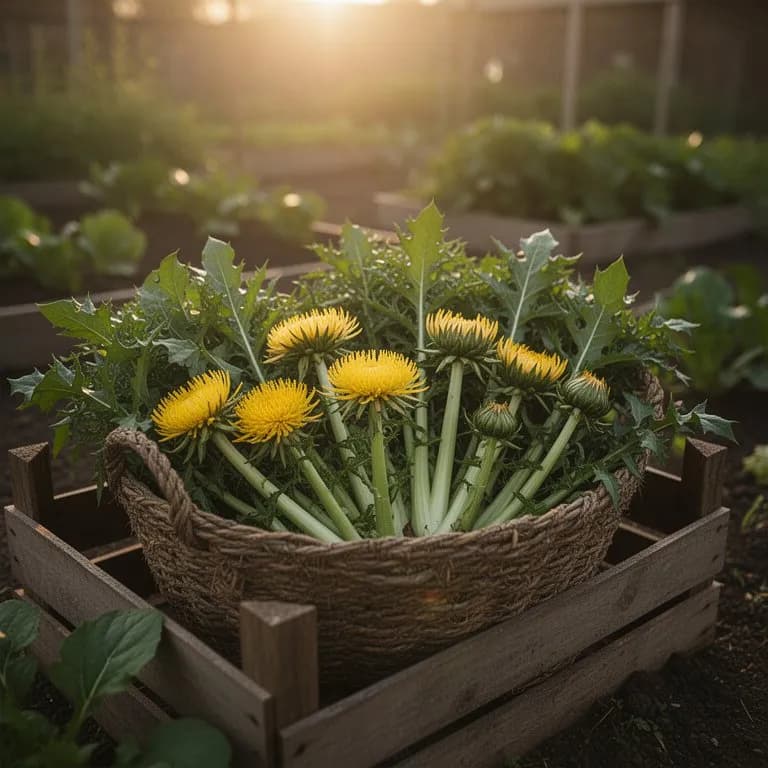
Eine japanische Sorte der essbaren Chrysantheme mit breiten, flachen Blättern und einem milderen Geschmack als die gezahnten Blatttypen. Unverzichtbar für Sukiyaki, Shabu-Shabu und andere japanische Eintopfgerichte, bei denen die aromatischen Blätter kurz in Brühe gegart werden. Die Pflanzen wachsen bei kühlem Wetter schnell und sollten vor der Knospenbildung geerntet werden, um den süßesten Geschmack zu erzielen. Kneifen Sie die Triebspitzen regelmäßig aus, um die Pflanzen buschig zu halten und das Schossen zu verzögern.
Wann Shungiku pflanzen
Säen Sie von März bis Mai und erneut von August bis Oktober direkt ins Freiland. Streuen Sie die Samen dünn in flache Rillen von 1 cm Tiefe und 20 cm Abstand und bedecken Sie sie leicht mit feiner Erde. Die Keimung erfolgt in 7-10 Tagen bei 15-20°C. Für die Babyleaf-Produktion säen Sie dichter und ernten bei 8-10 cm Höhe. Alternativ können Sie vier Wochen vor dem Auspflanzen in Modulen drinnen vorziehen. Säen Sie nicht im Hochsommer, da Hitze sofortiges Schossen verursacht. Samen bleiben bei kühler, trockener Lagerung zwei bis drei Jahre keimfähig.
Dein Shungiku-Jahr
Abgestimmt auf Zone 7 · typische Saison · Frost geht um den 2. Apr. und kehrt um den 1. Nov. zurück
Shungiku Mär – Apr, Sep – Okt pflanzen, Mai – Jun, Okt – Nov ernten. Beachte die Pflanzmethoden unten und wähle dein Klima für passende Zeiträume.
So baust du Shungiku an
Shungiku, auch bekannt als Kronenmargerite oder essbare Chrysantheme, ist eine schnell wachsende Kühlwetterkultur, die in der ostasiatischen Küche unverzichtbar ist. Säen Sie die Samen direkt im Frühling oder Herbst ins Freiland, indem Sie sie dünn in Rillen von 1 cm Tiefe und 20 cm Abstand streuen. Die Keimung erfolgt in 7-10 Tagen bei 15-20°C. Vereinzeln Sie die Sämlinge auf 20 cm Abstand für buschige Pflanzen, oder ziehen Sie sie dichter für die Ernte als Babyleaf.
Diese Kultur gedeiht bei kühlen Temperaturen zwischen 10-20°C und schosst bei Sommerhitze schnell. Konzentrieren Sie die Aussaaten daher auf Frühling und Herbst, oder kultivieren Sie in den wärmeren Monaten im Halbschatten. Halten Sie den Boden gleichmäßig feucht, um vorzeitiges Blühen und bittere Aromen zu vermeiden. Shungiku bevorzugt einen geschützten Standort ohne starken Wind, der die zarten Blätter beschädigen kann.
Regelmäßiges Ernten durch Abkneifen der Triebspitzen bei 15-20 cm Höhe fördert die Verzweigung und verzögert die Blüte. Jeder abgekniffene Trieb bildet zwei oder mehr Seitentriebe und erzeugt so buschige, ertragreiche Pflanzen. Wenn Blütenknospen erscheinen, entfernen Sie diese umgehend, um die Ernteperiode zu verlängern. Die gelben und weißen margeritenartigen Blüten sind attraktiv und essbar, signalisieren aber das Ende der Blatternte. Säen Sie alle drei Wochen nach, um während der gesamten Saison eine kontinuierliche Versorgung sicherzustellen.
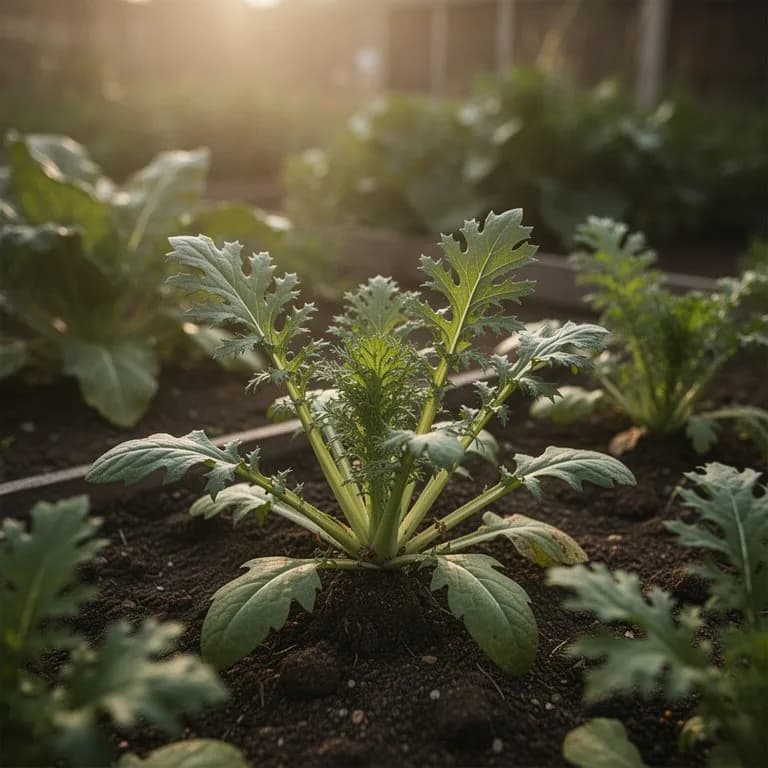
72 Pflanzen passen in ein Beet von 120 × 240 cm
Shungiku braucht 20 cm Platz pro Pflanze. Der Planer hält diesen Abstand für dich ein — jede Pflanze, jedes Beet.
Die besten Nachbarn für Shungiku
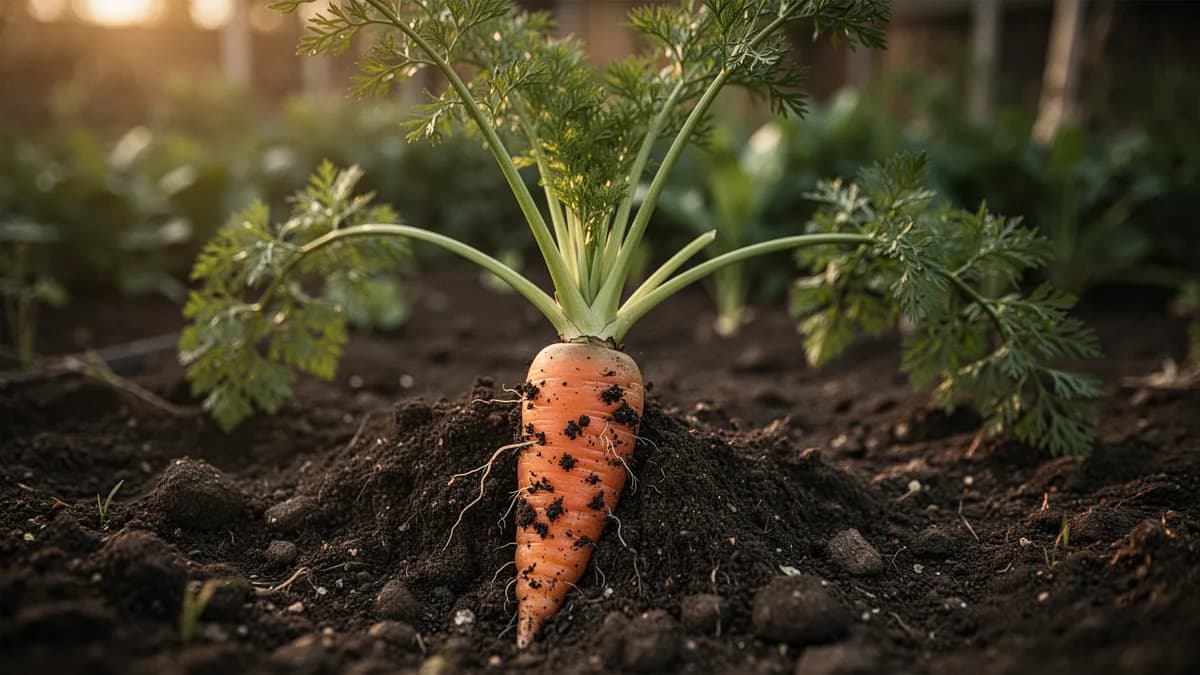
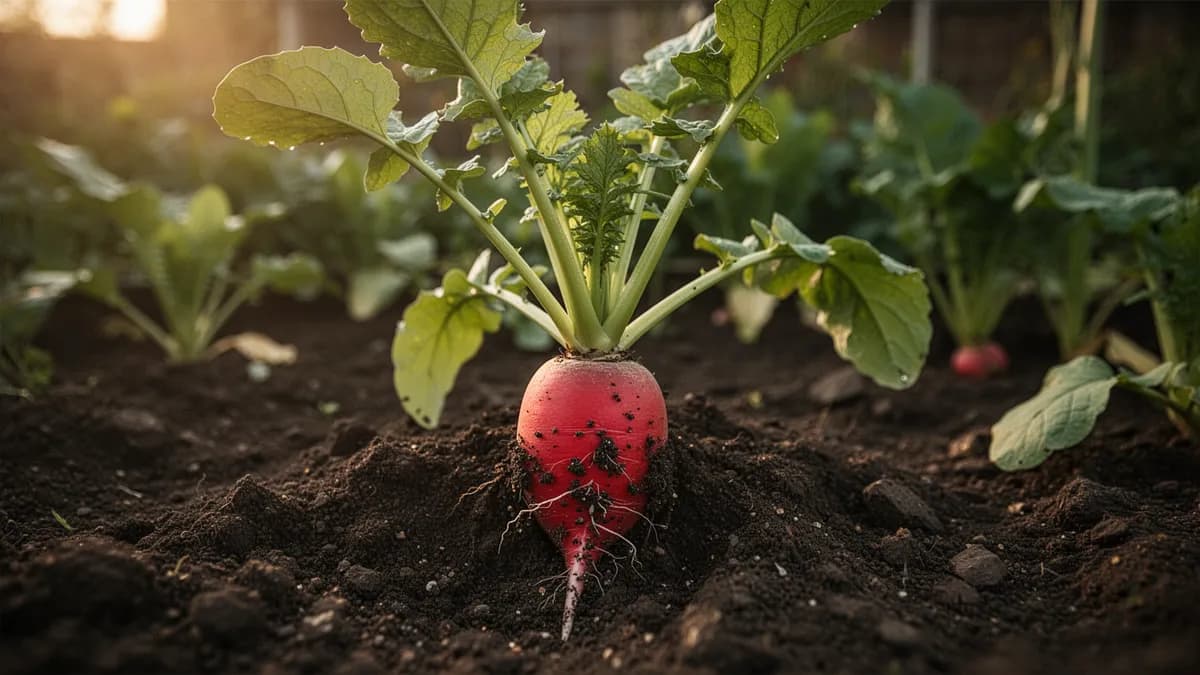
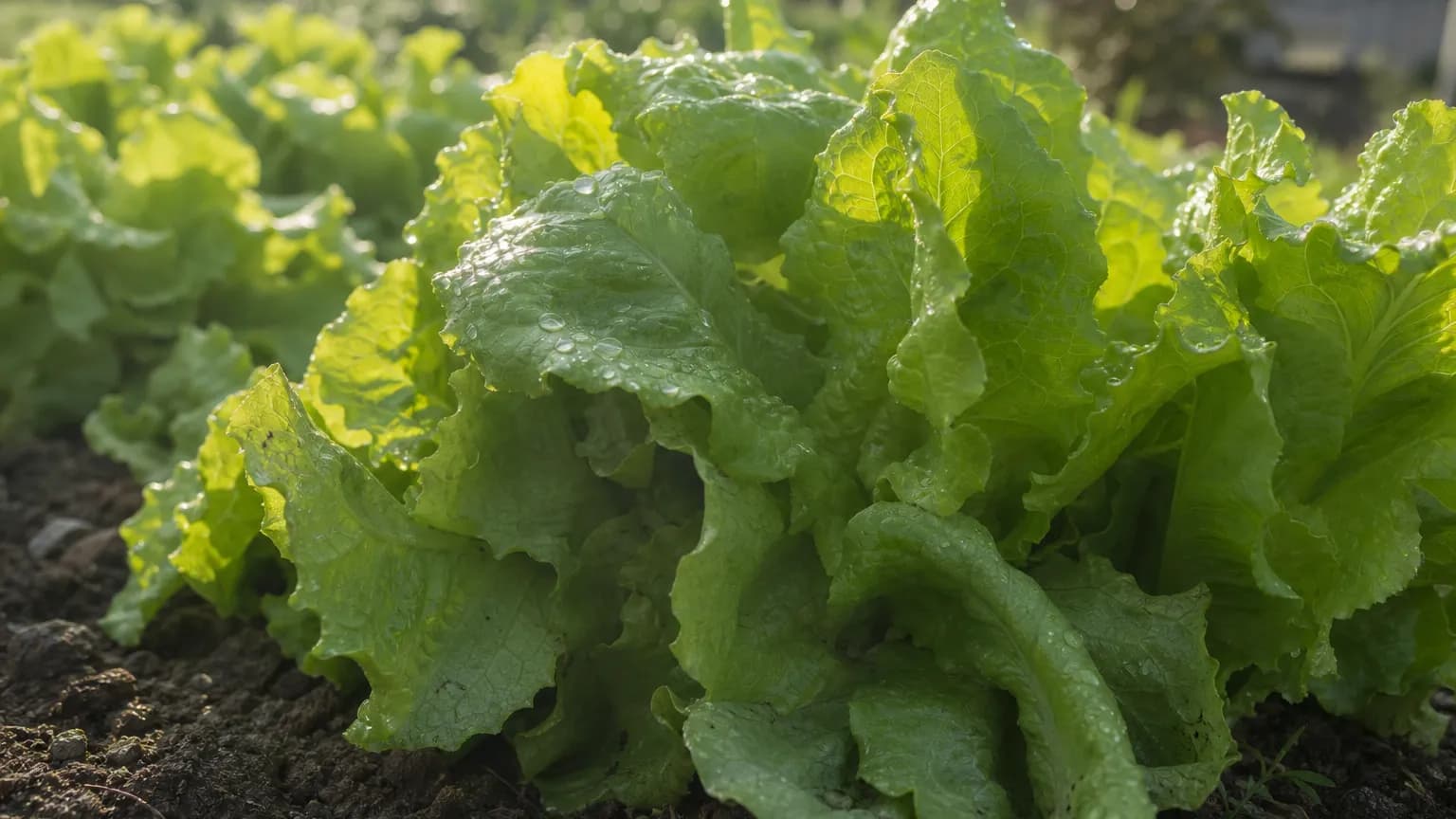
Shungiku wächst gut neben Karotten und Radieschen, die ähnliche Kühlewetter-Vorlieben teilen. Das aromatische, nach Chrysanthemen duftende Laub kann helfen, einige Schadinsekten von Nachbarkulturen abzuwehren. Pflanzen Sie ihn neben Salat und anderen Blattgemüsen für eine bequeme Mischernte. Die Blüten ziehen, wenn man sie blühen lässt, nützliche Insekten an, darunter Schwebfliegen und Schlupfwespen. Vermeiden Sie das Pflanzen in Beeten, die im Sommer in voller Sonne liegen, da die Pflanzen schossen, bevor sie sich etablieren können.
Karotte gehört daneben.
Altes Gärtnerwissen, geprüft an der echten Nachbartabelle von Shungiku — teste jede Pflanze, die du anbaust.
Probiere Shungiku direkt hier im Beet
Ein echtes Planer-Beet, Shungiku steht schon drin. Tippe einen Begleiter an, platziere ihn und sieh, wie die Nachbarschaftsprüfung antwortet — grün für gute Nachbarn, rot bei Streit.


Passende Anbau-Ratgeber
Richtig düngen
Shungiku wächst am besten in fruchtbarem, feuchtigkeitsspeicherndem Boden mit einem pH-Wert von 6,0-7,0. Arbeiten Sie vor der Aussaat gut verrotteten Kompost ein, um die Wasserspeicherung zu verbessern, was vorzeitiges Schossen verhindert. Düngen Sie während des aktiven Wachstums alle zwei Wochen mit einem ausgewogenen Flüssigdünger, um eine üppige Blattproduktion zu fördern. Vermeiden Sie übermäßigen Stickstoff, der Blattläuse anziehen kann. Für den Anbau im Kübel verwenden Sie nährstoffreiche Universalerde und sorgen Sie für gleichmäßige Bewässerung, da Töpfe schneller austrocknen und Trockenstress das Schossen auslöst.
Ideale Temperatur
Winterhärtezone-Kompatibilität
Von der Saat zur Ernte, Schritt für Schritt
Keimung
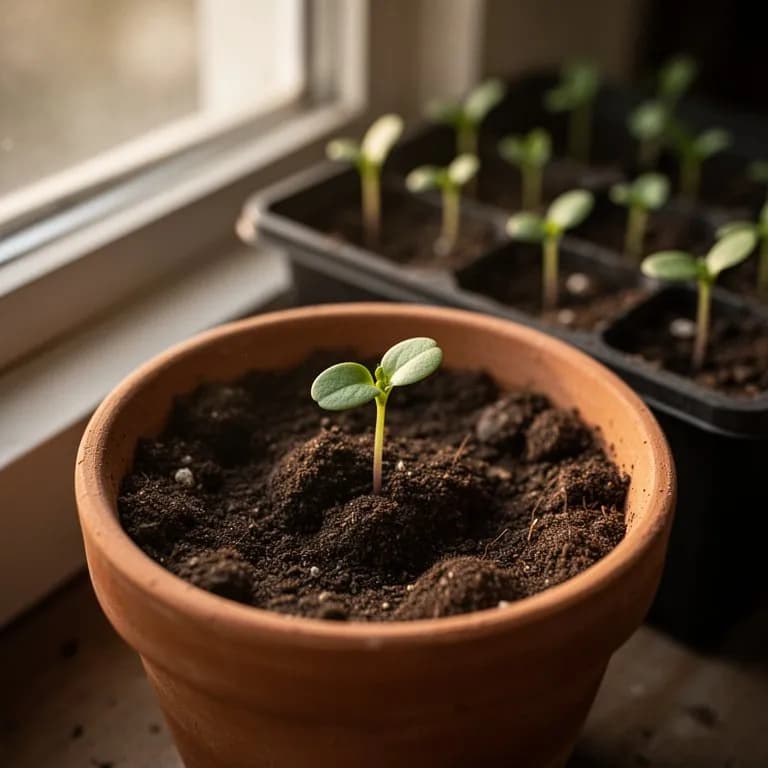
Winzige Samen keimen bereitwillig in kühler Erde und bilden ein Paar schmaler Keimblätter. Die Keimung dauert 7-10 Tage bei optimalen Bodentemperaturen von 15-20°C (59-68°F). Die Samen sind klein und sollten flach gesät werden, kaum bedeckt mit 3-5 mm feiner Erde.
Sämlingsentwicklung
Echte Blätter erscheinen mit der charakteristischen tief gelappten Chrysanthemenform. Sämlinge entwickeln eine kompakte Rosette aus aromatischem Laub. Das Wachstum ist bei kühlen Bedingungen stetig, verlangsamt sich aber bei Hitze über 25°C (77°F).
Rosettenwachstum
Die Pflanzen bilden eine üppige Rosette aus tief gezahnten, aromatischen Blättern. Dies ist das optimale Erntestadium für die zartesten und mildesten Blätter. Die Blätter sind satt dunkelgrün mit einem intensiven Chrysanthemen-Aroma beim Zerreiben.
Aktive Erntephase
Die Pflanzen bilden nach den ersten Ernteschnitten mehrere Seitentriebe und entwickeln buschigeres Wachstum mit reichlich zarten Blättern und Stielen. Der Geschmack intensiviert sich leicht mit zunehmender Reife, bleibt aber bei regelmäßiger Ernte angenehm.
Schossen und Blüte
Wenn die Temperaturen steigen oder die Tageslänge zunimmt, streckt sich der Haupttrieb und bildet leuchtend gelbe oder gelb-weiße margeritenähnliche Chrysanthemenblüten. Die Blätter werden nach Beginn des Schossens bitterer. Die Blüten sind essbar und attraktiv für Bestäuber.
Halten Sie den Boden während der Keimung gleichmäßig feucht, aber nicht staunass. Säen Sie alle 2-3 Wochen gestaffelt für eine kontinuierliche Ernte. Licht verbessert die Keimung – begraben Sie die Samen nicht zu tief.
Shungiku Monat für Monat pflegen
Was du jeden Monat für deine Shungiku tun solltest
Oktober
Aktueller MonatDie Hauptherbsternte beginnt. Das Schnitt-und-Nachwuchs-Verfahren funktioniert bei dem milden Herbstwetter wunderbar. Bringen Sie leichten Mulch um die Pflanzen an. In den Zonen 7-8 beginnen Sie mit dem Schutz durch Vlies für eine verlängerte Produktion.
Immer wissen, was jetzt im Garten zu tun ist
Eine E-Mail zum Monatsanfang: was du jetzt säen, pflanzen und anpacken solltest — für deine Shungiku und alles, was drumherum wächst. Dazu ein kurzer Startkurs, der dich vor den klassischen Fehlern bewahrt.
- Was jetzt zu tun ist
- Passend zu deiner Saison
- Startkurs inklusive
Shungiku ernten
Beginnen Sie mit der Ernte von Shungiku, wenn die Pflanzen 15-20 cm Höhe erreichen, typischerweise 35-45 Tage nach der Aussaat. Kneifen oder schneiden Sie die Haupttriebspitze knapp über einem Blattpaar ab, um die Verzweigung zu fördern. Bei nachfolgenden Ernten schneiden Sie Seitentriebe, sobald diese eine ähnliche Länge erreichen. Pflücken Sie Blätter vor der Knospenbildung für den mildesten, süßesten Geschmack. Junge Blätter von der Triebspitze sind am zartesten. Ernten Sie morgens, wenn die Blätter kühl und voller Feuchtigkeit sind, für die beste Qualität.
angenommen, du pflanzt zu Beginn des Zeitraums — trage dein tatsächliches Datum ein
Ernte Shungiku zügig, dann trägt die Pflanze weiter.
Lagerung & Konservierung
Frischer Shungiku hält sich im Kühlschrank bis zu vier Tage, wenn er ungewaschen in einem verschlossenen Plastikbeutel mit einem feuchten Papiertuch aufbewahrt wird. Waschen Sie ihn erst kurz vor der Verwendung, da die Blätter empfindlich sind und leicht Druckstellen bekommen. Für längere Lagerung blanchieren Sie die Blätter kurz für 30 Sekunden, tauchen sie in Eiswasser, drücken überschüssige Feuchtigkeit aus und frieren sie portionsweise bis zu drei Monate ein. Gefrorener Shungiku eignet sich gut für Eintopfgerichte und Suppen, verliert aber seine Textur für den Frischverzehr. Trocknen wird nicht empfohlen.
Was schiefgeht — und die Lösung
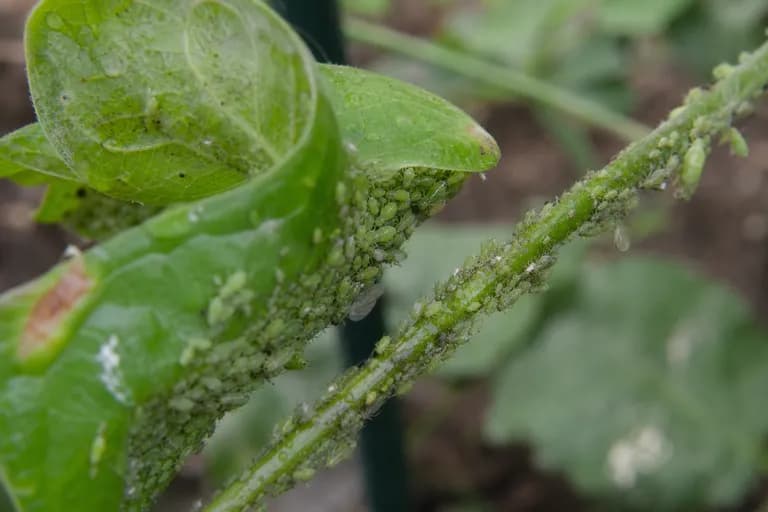
Blattläuse
SchädlingAnsammlungen grüner oder schwarzer Insekten an Triebspitzen und Blattunterseiten. Verkrüppelter Neuaustrieb und klebriger Honigtau.
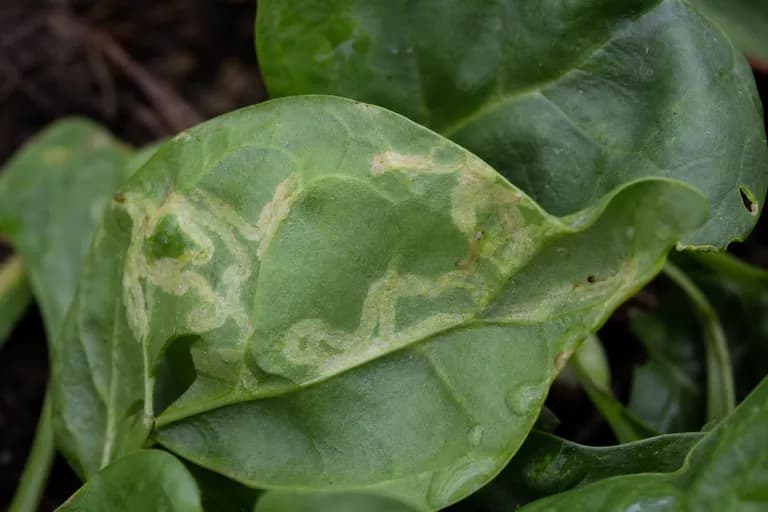
Minierfliegen
SchädlingGewundene, helle Gänge im Blattgewebe, die von Larven verursacht werden, die sich zwischen den Blattoberflächen ernähren.
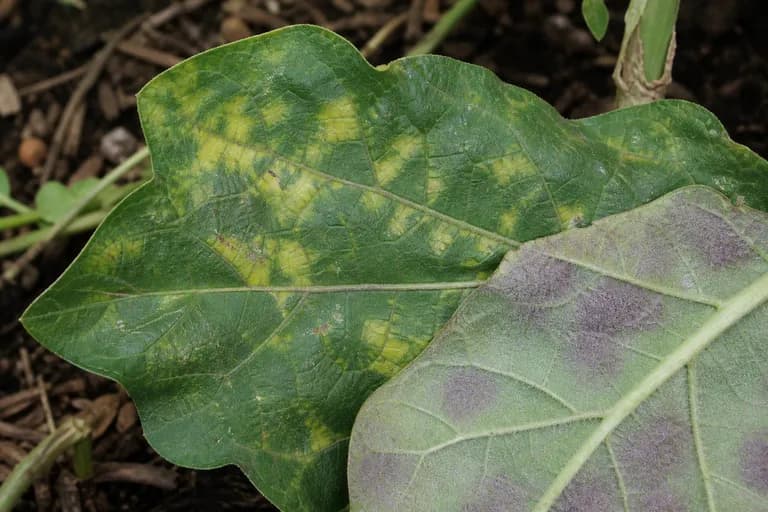
Falscher Mehltau
KrankheitGelbe Flecken auf den Blattoberseiten mit grau-violettem, filzigem Belag auf den Unterseiten. Blätter können welken und vorzeitig abfallen.
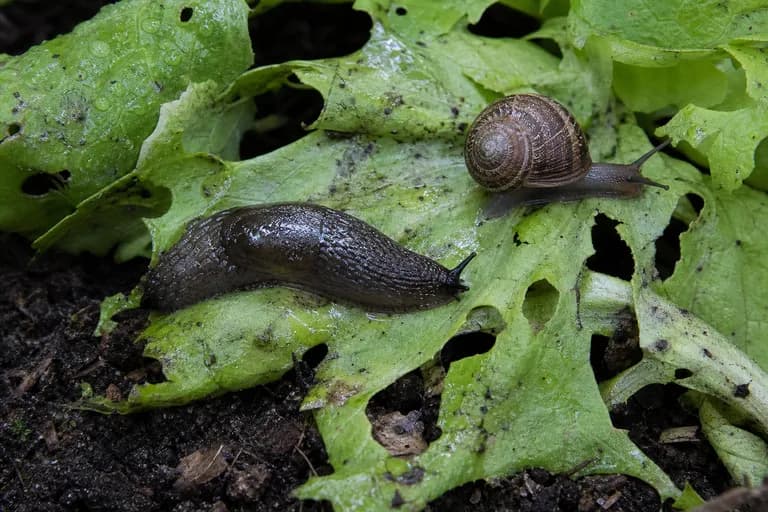
Schnecken und Nacktschnecken
SchädlingUnregelmäßige Löcher in Blättern, besonders bei jungen Sämlingen. Silbrige Schleimspuren auf Boden und Pflanzen sichtbar.
Fehlerbehebung bei häufigen Problemen
Schossen ist die größte Herausforderung bei Shungiku, ausgelöst durch Hitze, Trockenheit oder lange Tageslänge. Beugen Sie vor, indem Sie in kühlen Jahreszeiten anbauen, gleichmäßige Feuchtigkeit aufrechterhalten und Nachmittagsschatten bieten. Bitterer Geschmack entwickelt sich bei hitzegeplagten Pflanzen oder solchen, die zu blühen begonnen haben. Junge Sämlinge sind anfällig für Schneckenfraß, schützen Sie daher den frühen Aufwuchs. Minierfliegen können Blätter verunstalten und unansehnlich machen, wobei leicht befallene Pflanzen noch essbar sind. Zu enger Stand führt zu sparrigem, schwachem Wuchs.
Anbautipps
- Säen Sie flach und bedecken Sie die Samen nicht zu tief. Shungiku-Samen benötigen Licht für eine effektive Keimung – drücken Sie sie sanft in die Bodenoberfläche und bedecken Sie sie mit maximal 3-5 mm feiner Erde oder Vermiculit. Zu tiefes Säen reduziert die Keimrate drastisch.
- Säen Sie alle 2-3 Wochen vom frühen Frühling bis zum späten Herbst gestaffelt für eine nahezu ununterbrochene Versorgung. Da jede Pflanzung ein relativ kurzes Erntefenster von 4-6 Wochen vor dem Schossen hat, sind Staffelaussaaten für eine stetige Versorgung unerlässlich.
- Ernten Sie mit der Schnitt-und-Nachwuchs-Methode für maximalen Ertrag. Schneiden Sie die Stiele 5 cm über dem Boden, anstatt ganze Pflanzen herauszuziehen – die Basis wächst 2-4 Mal nach, bevor die Pflanze schließlich schosst, was Ihre Ernte pro Aussaat effektiv verdreifacht.
- Bieten Sie bei Temperaturen über 20°C (68°F) Nachmittagsschatten, um das Erntefenster zu verlängern. Ein 30-50%iges Schattiergewebe oder das Pflanzen auf der Nordseite höherer Kulturen wie Tomaten oder gestakelte Bohnen kann 1-2 Wochen produktives Wachstum vor dem Schossen hinzufügen.
- Gießen Sie regelmäßig und halten Sie den Boden gleichmäßig feucht, aber nie staunass. Trockenstress ist nach Hitze der zweitschnellste Auslöser für das Schossen – selbst ein einziger Tag des Welkens bei warmem Wetter kann dazu führen, dass die Pflanze innerhalb von 48 Stunden einen Blütenstiel bildet.
- Bauen Sie den breitblättrigen Typ (Ohba) für einen milderen Geschmack an, der für Eintopf- und Rohkostzubereitungen bevorzugt wird, oder den kleinblättrigen Typ (Kobaba) für einen stärkeren aromatischen Charakter, der für Wokgerichte und Suppen geeignet ist. Beide sind leicht anzubauen, aber der breitblättrige Typ ist etwas schossresistenter.
- Shungiku eignet sich hervorragend als Zwischenpflanzung zwischen Reihen langsamer wachsender Kulturen wie Kohlgewächse oder Tomaten. Es reift schnell heran, bevor die Hauptkultur den Raum einnimmt, und seine aromatischen Verbindungen können helfen, bestimmte Schädlinge von Nachbarpflanzen abzuwehren.
- Lassen Sie jede Saison ein oder zwei Pflanzen schossen und blühen, um mühelose Selbstaussaat zu ermöglichen. Shungiku ist ein reichlicher Selbstaussäer – heruntergefallene Samen keimen von selbst im folgenden Frühling und Herbst und bilden ein nahezu dauerhaftes Beet ohne Aufwand.
Bau deine beste Shungiku an — und alles drumherum.
Starte heute kostenlos. Lege deine Beete an, setze deine Shungiku ein und lass PlotMyGarden Timing, Abstände, Begleiter und Erinnerungen von der Saat bis zum Erntekorb übernehmen.
Finde deine Shungiku
Großblättriger Shungiku
Breite, flache Blätter mit mildem Geschmack, der bevorzugte Typ für Sukiyaki und Eintopfgerichte in Japan.
Kleinblättriger Shungiku
Tief gezahnte, federartige Blätter mit einem stärkeren, aromatischeren Geschmack, beliebt in der chinesischen und koreanischen Küche.
Tiger Ear
Eine koreanische Sorte mit abgerundeten Blättern und einem besonders milden, süßen Geschmack, hervorragend für den rohen Salatgebrauch.
Tong Hao
Chinesische Sorte mit schlanken Stielen und gezahnten Blättern, stärkeres Chrysanthemen-Aroma, bevorzugt zum Pfannenrühren.
Shungiku ist eines der teuersten asiatischen Blattgemüse in Spezialgeschäften und wird oft für 4-8 € pro kleines Bündel (100-150 g) in asiatischen Lebensmittelgeschäften und 8-15 € pro Pfund auf Wochenmärkten verkauft. Ein einzelnes Samentütchen für 2-3 € produziert Hunderte von Pflanzen, und da Shungiku so schnell aus Samen wächst (erntereif in 30-40 Tagen), kann selbst eine kleine Staffelpflanzung 50-100 € pro Saison einsparen. Die Pflanze sät sich leicht selbst aus, sodass Sie nach dem ersten Jahr möglicherweise nie wieder Samen kaufen müssen.
Schnelle Rezepte
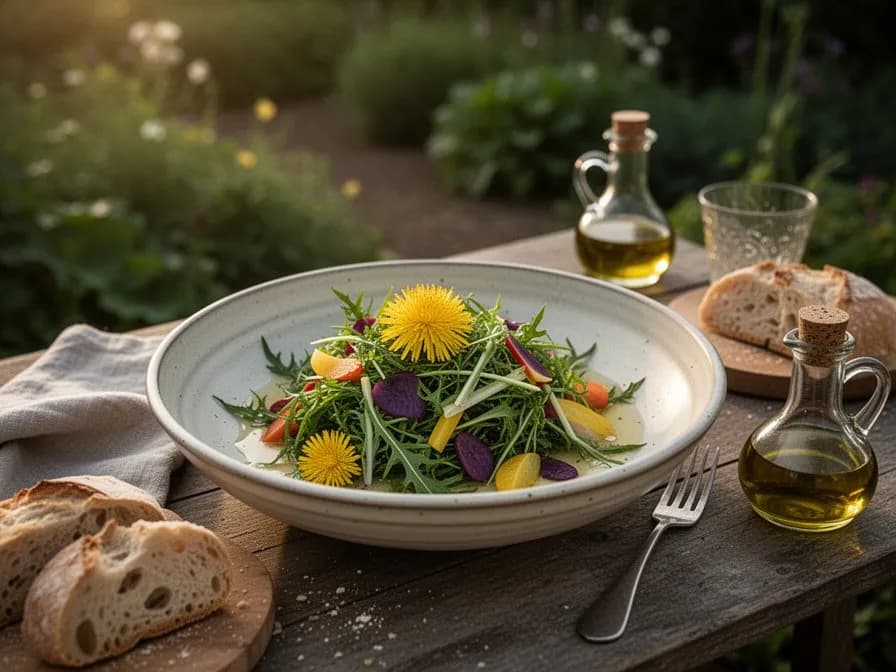
Shungiku-Sesam-Ohitashi
10 Min.Ein klassisches japanisches Beilagengericht, bei dem blanchierter Shungiku in einer herzhaften Sesamsoße angemacht wird. Das kurze Blanchieren mildert den Geschmack und bewahrt gleichzeitig den aromatischen Charakter – eine elegante und nahrhafte Beilage.
7 Zutaten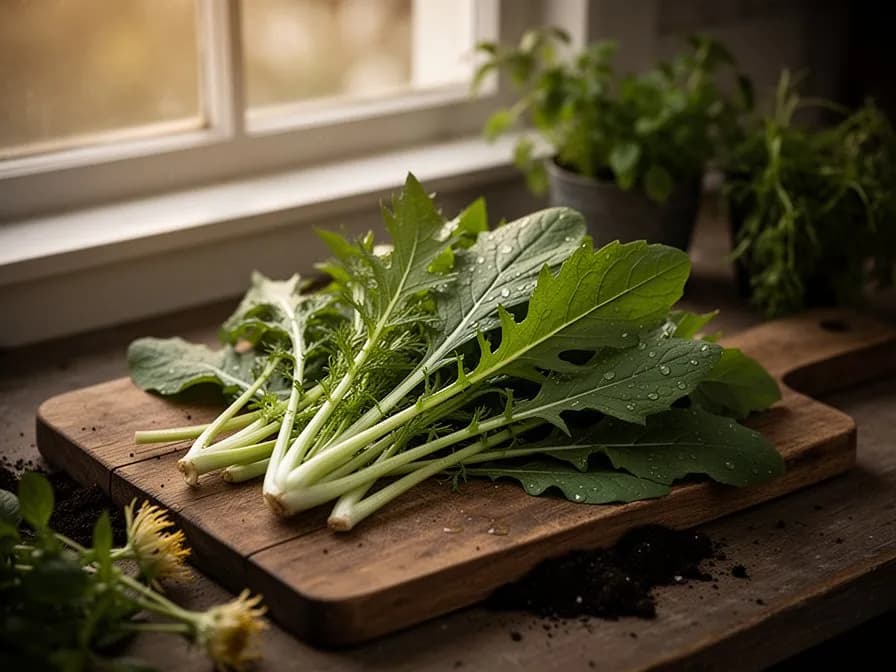
Sukiyaki-Eintopf mit Shungiku
35 Min.Ein wärmendes japanisches Eintopfgericht, bei dem Shungiku im letzten Moment zu einer süßen Sojabrühe mit hauchdünn geschnittenem Rindfleisch, Tofu und Nudeln gegeben wird. Das Grün fällt schnell zusammen und nimmt die reichen Umami-Aromen der Brühe auf.
10 ZutatenShungiku-Knoblauch-Pfanne
10 Min.Ein schnelles Wokgericht nach chinesischer Art, bei dem Shungiku bei starker Hitze kurz mit Knoblauch angebraten wird, wobei die leuchtende Farbe und der aromatische Biss erhalten bleiben. Die einfachste und schnellste Art, dieses Grün als Beilage zu Reis zu genießen.
7 ZutatenKulinarische Verwendung
Shungiku ist unverzichtbar in japanischen Eintopfgerichten wie Sukiyaki und Shabu-Shabu, wo die Blätter kurz in köchelnder Brühe blanchiert werden, bis sie gerade zusammenfallen. Braten Sie ihn im Wok mit Knoblauch und Sesamöl auf chinesische Art. Fügen Sie ihn koreanischem Bibimbap und Namul-Gerichten hinzu. Junge, zarte Blätter können roh im Salat verwendet werden. Das unverwechselbare Chrysanthemen-Aroma ergänzt reichhaltige, herzhafte Brühen und gegrilltes Fleisch. In Tempurateig frittierte Shungiku-Blätter ergeben eine knusprige, aromatische Beilage.
Was drinsteckt
Gesundheitsvorteile
- Außergewöhnlich reich an Beta-Carotin und Vitamin A, das 78% des Tageswertes pro 100 g liefert – diese Carotinoid-Antioxidantien sind entscheidend für die Erhaltung einer gesunden Sehkraft, Immunabwehr und Hautzellregeneration.
- Enthält einzigartige aromatische Terpenverbindungen (Kampfer, Alpha-Pinen, Limonen), die in Laborstudien entzündungshemmende und antimikrobielle Eigenschaften gezeigt haben und möglicherweise die Atemwegs- und Verdauungsgesundheit unterstützen.
- Reich an Kalium (567 mg pro 100 g), das hilft, den Blutdruck zu regulieren, indem es den Auswirkungen von Natrium entgegenwirkt, die ordnungsgemäße Muskelkontraktion unterstützt und eine gesunde Nervenleitung aufrechterhält.
- Liefert nennenswerte Mengen an Kalzium (117 mg pro 100 g) und Eisen (2,3 mg pro 100 g) – die Kombination von Shungiku mit Vitamin-C-reichen Lebensmitteln verbessert die Eisenaufnahme und macht es zu einer wertvollen pflanzlichen Mineralstoffquelle.
- Enthält Chlorogensäure und andere Polyphenol-Antioxidantien, die auf ihre Rolle bei der Reduzierung von oxidativem Stress, Unterstützung der Lebergesundheit und der potenziellen Senkung des Risikos bestimmter chronischer Erkrankungen untersucht wurden.
- Die traditionelle ostasiatische Medizin verwendet Shungiku seit Jahrhunderten zur Unterstützung der Verdauung, Linderung von Blähungen und Beruhigung von Husten – die moderne Forschung führt diese Wirkungen auf seine ätherischen Ölverbindungen und den hohen Ballaststoffgehalt zurück.
Woher Shungiku stammt
Shungiku (Glebionis coronaria, früher Chrysanthemum coronarium) stammt aus dem Mittelmeerraum, wo es wild in Südeuropa, Nordafrika und dem Nahen Osten wächst. Archäologische Belege deuten darauf hin, dass die Kronenmargerite den alten Griechen und Römern bekannt war, allerdings hauptsächlich als Wildblume und Heilpflanze und nicht als Küchengemüse. Die Art gedeiht in den milden, feuchten Wintern des Mittelmeerklimas und wächst noch heute reichlich als gewöhnliches Straßenrandunkraut in Ländern von Portugal und Spanien über Italien, Griechenland, die Türkei bis nach Nordafrika.
Die Verwandlung von Shungiku von einer mediterranen Wildblume zu einem Kulturgemüse fand in Ostasien statt, wahrscheinlich in China, wo es seit mindestens 2.000 Jahren als Nahrungspflanze angebaut wird. Chinesische Agrartexte aus der Tang-Dynastie (618-907 n. Chr.) beschreiben den Anbau der Pflanze speziell für ihre essbaren Blätter. Von China aus verbreitete sich Shungiku nach Japan, Korea und Südostasien, wo jede Kultur ihre eigenen kulinarischen Traditionen rund um das Blattgemüse entwickelte. In Japan wurde Shungiku eine unverzichtbare Zutat in Eintopfgerichten wie Sukiyaki und Shabu-Shabu. In Korea heißt es Ssukgat und ist wesentlich für Eintöpfe und als Namul-Beilagengericht. In der chinesischen Küche erscheint es in Wokgerichten, Suppen und Teigtaschen vieler regionaler Küchen.
Heute wird Shungiku kommerziell hauptsächlich in China, Japan, Korea, Taiwan und Teilen Südostasiens angebaut. Es hat eine wachsende Anhängerschaft unter westlichen Gärtnern und Köchen gewonnen, die seinen einzigartigen aromatischen Geschmack und die extrem einfache Kultivierung schätzen. Zwei Hauptblatttypen werden angebaut: die breitblättrige Sorte (Ohba), die in Japan wegen ihres milderen Geschmacks und ihrer zarten Textur bevorzugt wird, und die kleinblättrige Sorte (Kobaba) mit stärker gezahntem Laub und einem kräftigeren aromatischen Charakter. Die Pflanze bleibt im westlichen Mainstream-Handel nahezu unbekannt, obwohl sie im gesamten Mittelmeerraum als gewöhnliches Unkraut wächst – ein bemerkenswertes Beispiel dafür, wie kulturelle Unterschiede bestimmen, ob eine Pflanze geschätzt oder ignoriert wird.
Shungiku: Schon gewusst?
Faszinierende Fakten über Shungiku
Shungiku (Glebionis coronaria) ist eine der sehr wenigen Chrysanthemenarten, die hauptsächlich als Gemüse und nicht als Zierpflanze angebaut wird – der Name bedeutet wörtlich übersetzt "Frühlingschrysantheme" auf Japanisch, was seine Vorliebe für kühle Jahreszeiten widerspiegelt.
Shungiku: Fragen & Antworten
Wann sollte ich Shungiku pflanzen?
Was sind gute Begleitpflanzen für Shungiku?
In welchen Winterhärtezonen kann Shungiku wachsen?
Wie viel Sonne braucht Shungiku?
Welchen Abstand sollte ich zwischen Shungiku lassen?
Welche Schädlinge und Krankheiten befallen Shungiku?
Wie lagere ich Shungiku nach der Ernte?
Was sind die besten Shungiku-Sorten zum Anbauen?
Welchen Boden braucht Shungiku?
Warum schosst mein Shungiku so schnell?
Kann ich Shungiku roh essen, oder muss es gekocht werden?
Wie schmeckt Shungiku?
Wie baue ich Shungiku in heißem Klima an?
Ist Shungiku dasselbe wie Chrysanthemengrün oder Tong Ho?
Kann ich Shungiku in Kübeln auf einem Balkon anbauen?
Du hast die Theorie gelesen. Jetzt baue sie auf Autopilot an.
Alles, was Shungiku knifflig macht — das Timing, die Abstände, die Begleiter, das Erntefenster — genau das übernimmt PlotMyGarden für dich, für jede Pflanze im Garten.
Ein Plan, der dein Wetter kennt
Standort einmal festlegen. Aussaat-, Dünge- und Erntedaten rund um deinen echten letzten Frosttermin und die Live-Vorhersage — kein Raten mehr nach Saattüte.
Aus dem Abschnitt „Pflanzzeit“Beetplaner per Drag & Drop
Beete auf einem Raster gestalten. Jede Pflanze rastet im richtigen Abstand ein, und du siehst die ganze Saison, bevor du einen Cent für Saatgut ausgibst.
Aus dem Abschnitt „Anbau“Begleiter-Konflikte früh erkannt
Über 200 gute und schlechte Kombinationen werden beim Pflanzen live geprüft — so landet ein saisonruinierender Fehler nie in der Erde.
Aus dem Abschnitt „Begleiter“Erinnerungen, nach denen du wirklich handelst
„Gieß die Bohnen.“ „Heute ernten, bevor's umschlägt.“ Pünktlich, konkret und auf deine echten Pflanzen bezogen.
Aus dem Abschnitt „Ernte“Staffel-Aussaat, geplant
Sechs Wochen ernten statt sechs Tage? Die App verteilt deine Aussaaten automatisch und erinnert dich, wenn der nächste Satz fällig ist.
Aus dem Abschnitt „Pflanzzeit“Ein Verlauf, der schlauer wird
Jede protokollierte Ernte bringt der App deinen Garten bei. Der Plan fürs nächste Jahr startet bei dem, was in deinem Boden wirklich funktioniert hat.
Aus dem Abschnitt „Überblick“Pflanze diese neben Shungiku
Weitere Blattgemüse
Bau deine beste Shungiku an — und alles drumherum.
Starte heute kostenlos. Lege deine Beete an, setze deine Shungiku ein und lass PlotMyGarden Timing, Abstände, Begleiter und Erinnerungen von der Saat bis zum Erntekorb übernehmen.