Savory
An annual herb known as the bean herb for its traditional pairing with legumes and its peppery, thyme-like flavor.





On this pageOverview
Meet Savory
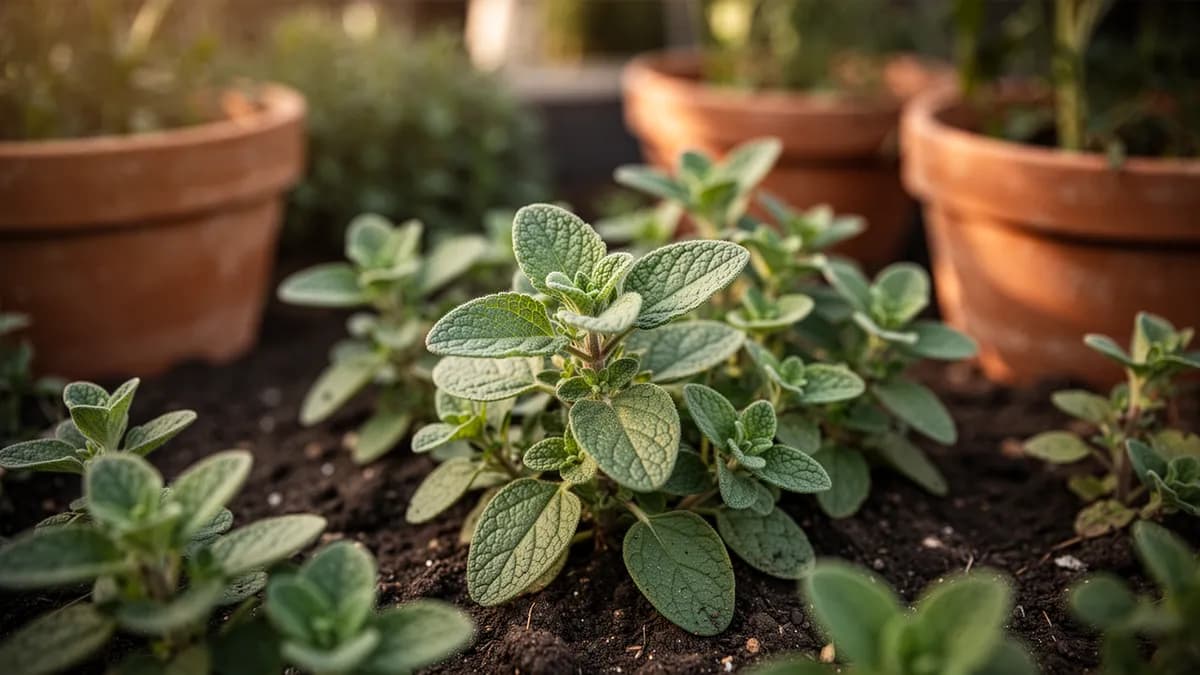
An annual herb known as the bean herb for its traditional pairing with legumes and its peppery, thyme-like flavor. Summer savory is the milder annual form, while winter savory is a stronger-flavored perennial that stays green year-round in mild climates. Grow in well-drained soil with full sun and minimal fertilizer, as rich soil can diminish the concentration of essential oils. Harvest sprigs before or during flowering and use fresh or dried to season beans, lentils, sausages, and hearty stews.
When to plant Savory
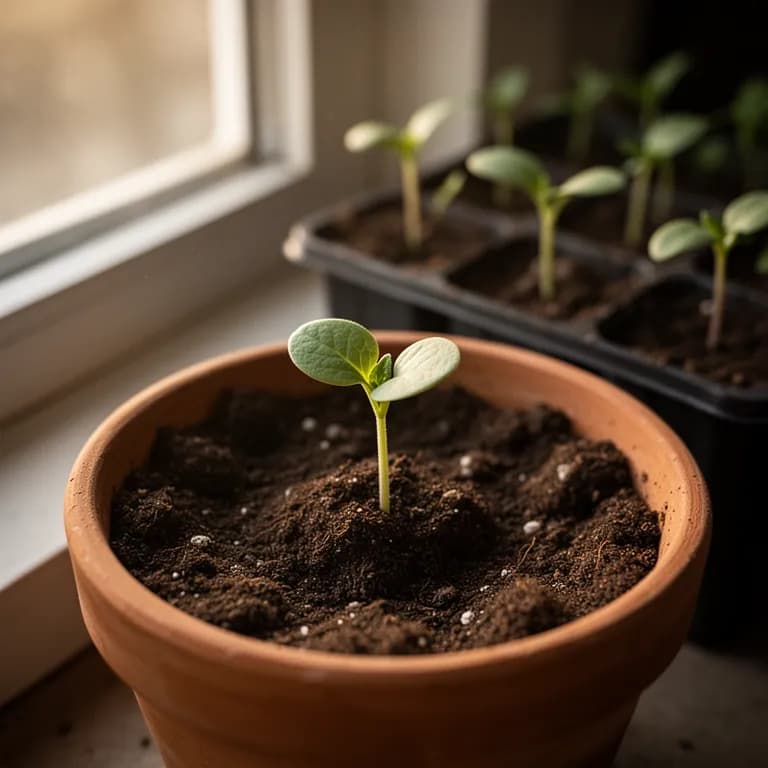
Sow summer savory seeds directly outdoors after the last frost date, as they do not transplant well. Press seeds lightly into the soil surface, covering with no more than a quarter inch of fine soil. Keep the seedbed consistently moist until germination occurs in 10-15 days at soil temperatures of 60-70°F. Thin seedlings to 6-10 inches apart. For an earlier start, sow in biodegradable peat pots indoors 4-6 weeks before the last frost to minimize root disturbance during transplanting.
Your Savory Year
Composed for Zone 7 · typical seasons · frost passes Apr 2, returns Nov 1
Plant Savory Apr – May, pick Jul – Sep. Check the planting methods below and set your climate to personalize these windows.
How to grow Savory
Sow summer savory seeds directly in the garden after the last frost, as the plants develop quickly and do not transplant well due to their delicate root systems. Scatter seeds thinly in rows and cover with a light dusting of soil no more than a quarter inch deep. Seeds germinate in 10-15 days when soil temperatures reach 60°F. Thin seedlings to 6-10 inches apart once they develop their first true leaves.
Savory grows best in lean, well-drained soil with full sun exposure. Rich, fertile soil actually reduces the concentration of aromatic essential oils, so avoid heavy feeding. Water sparingly, allowing soil to dry between waterings. The plants grow 12-18 inches tall and develop a bushy habit if the growing tips are pinched when plants reach 6 inches.
For winter savory (Satureja montana), a perennial species, plant nursery-grown transplants or root divisions in spring. Winter savory is woodier and more cold-hardy, surviving to zone 5 with good drainage. Prune established plants hard in early spring to encourage tender new growth and prevent the center from becoming woody and bare.
36 plants fit a 4 × 8 ft bed
Each Savory wants 25 cm of elbow room. The planner keeps that spacing for you — every plant, every bed.
Savory's best neighbours
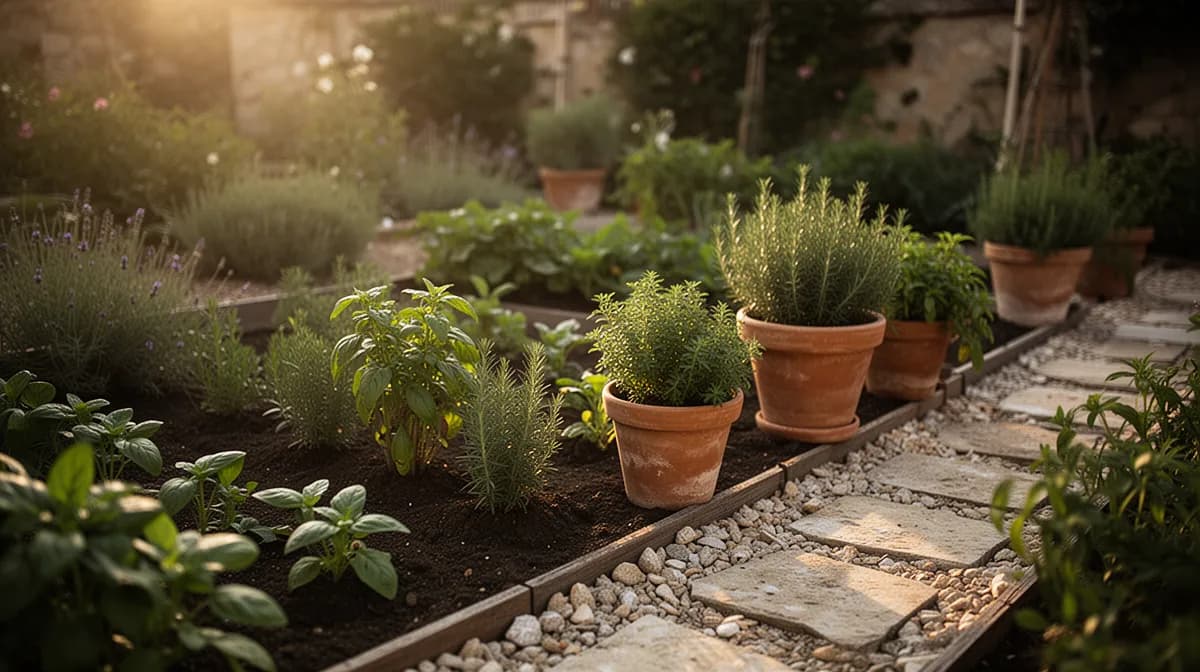
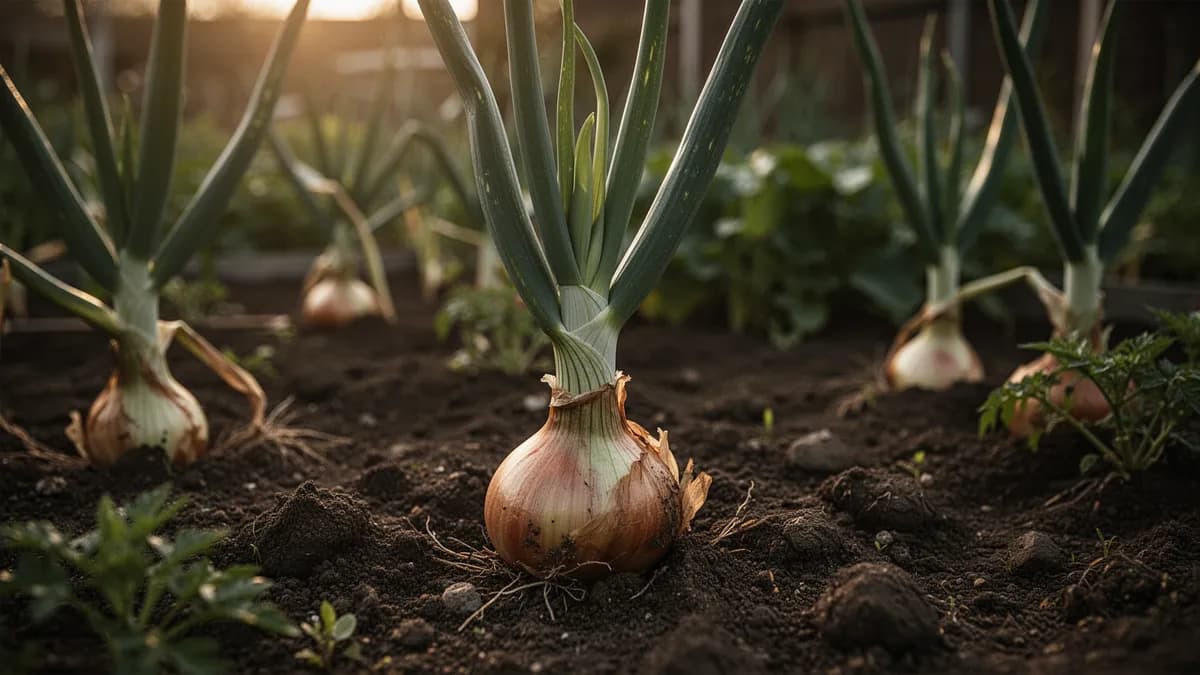
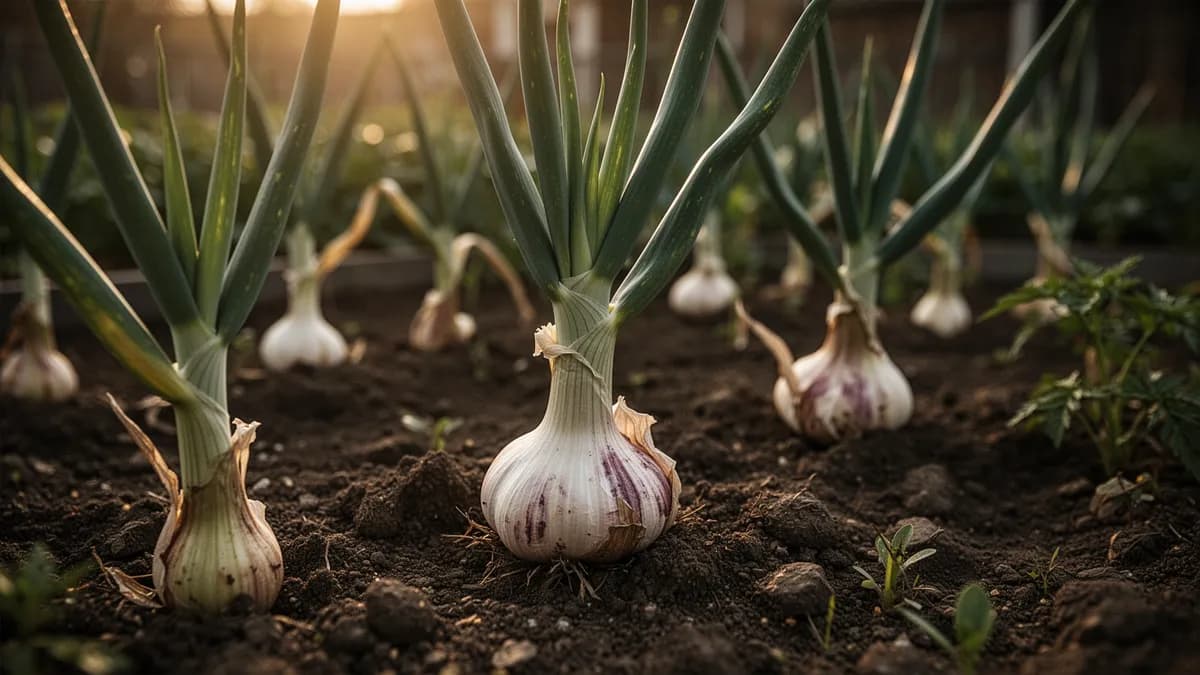
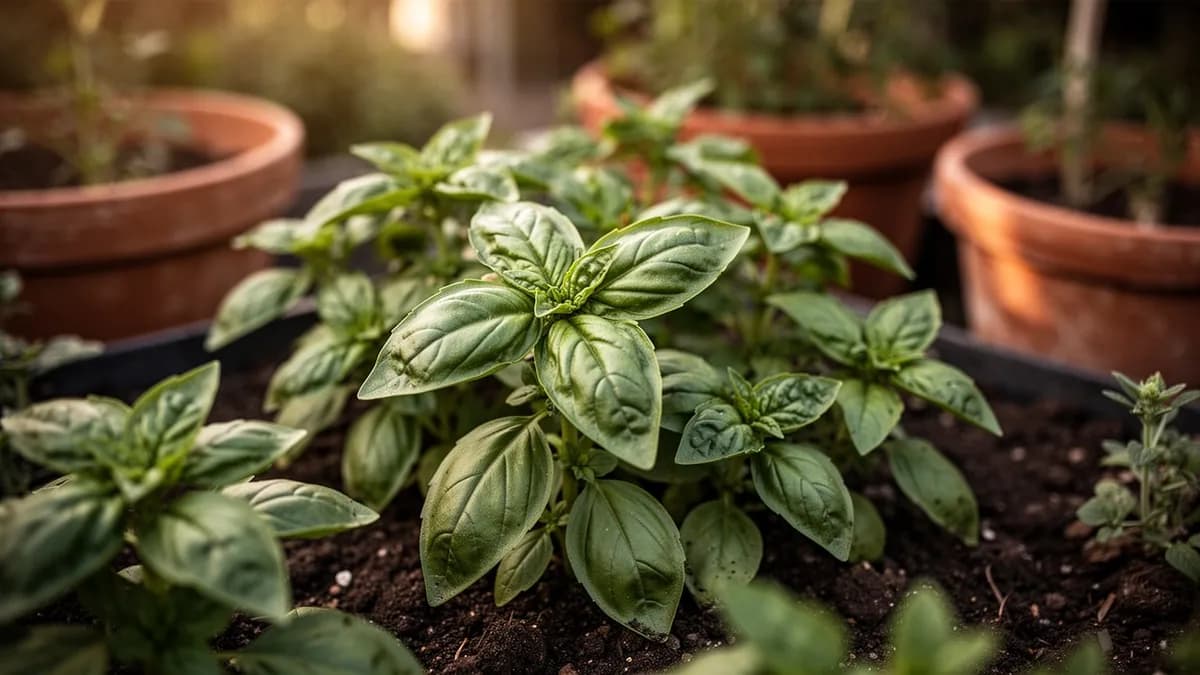
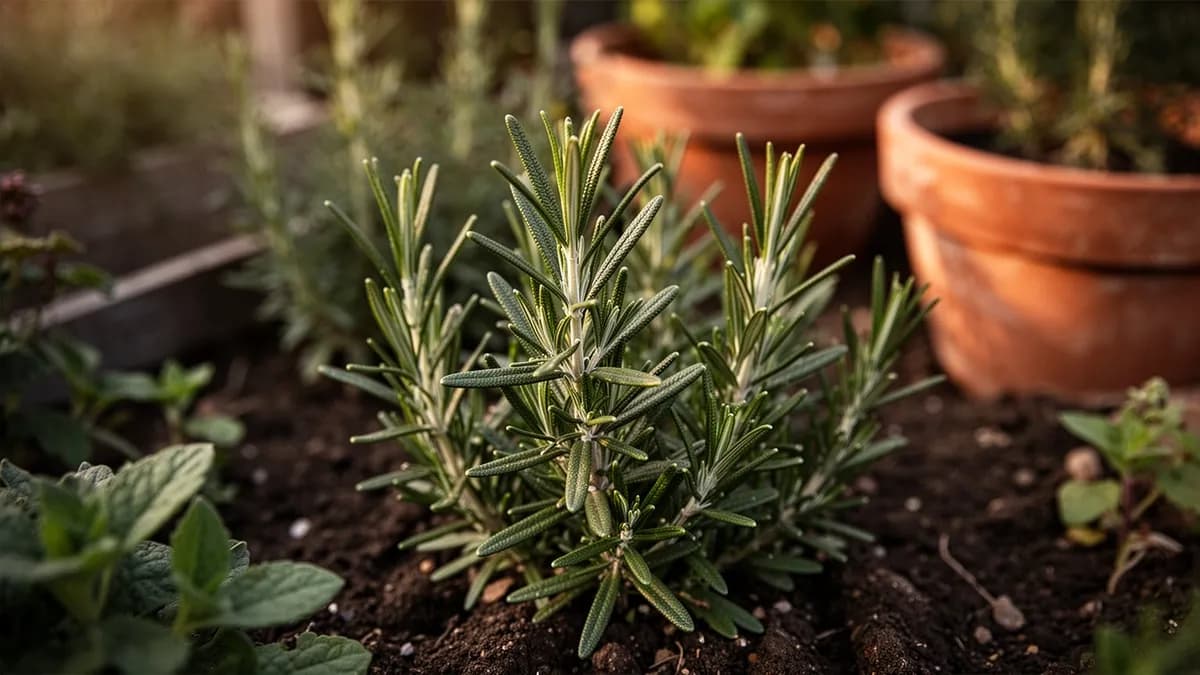
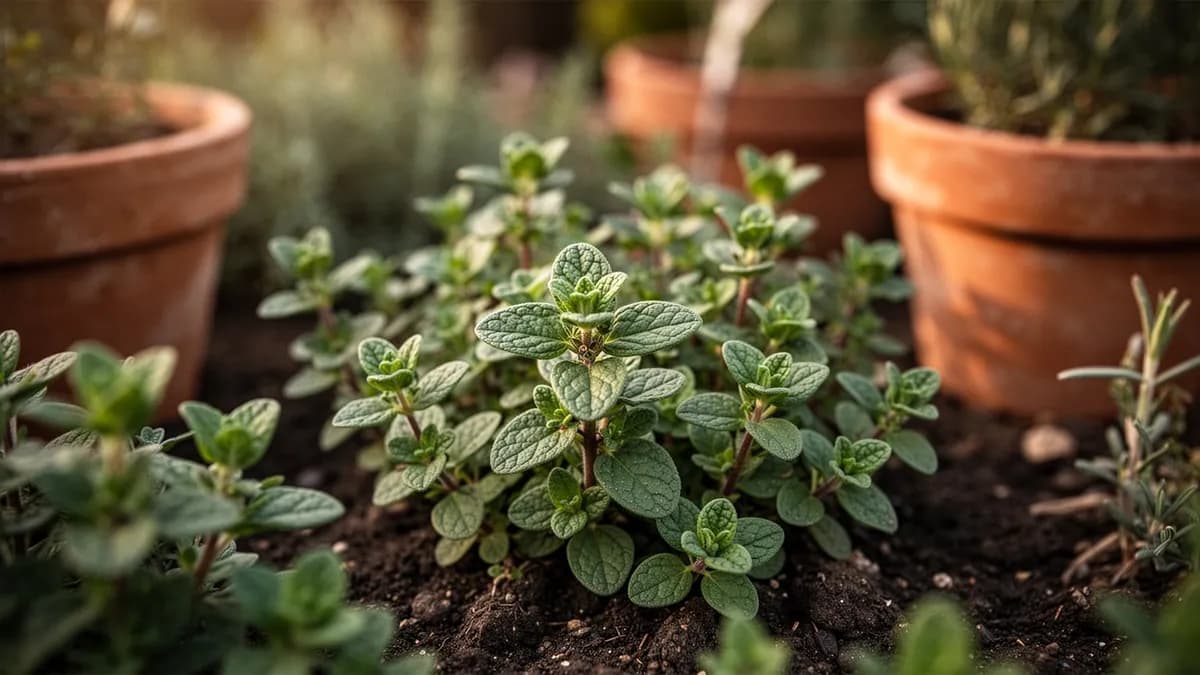
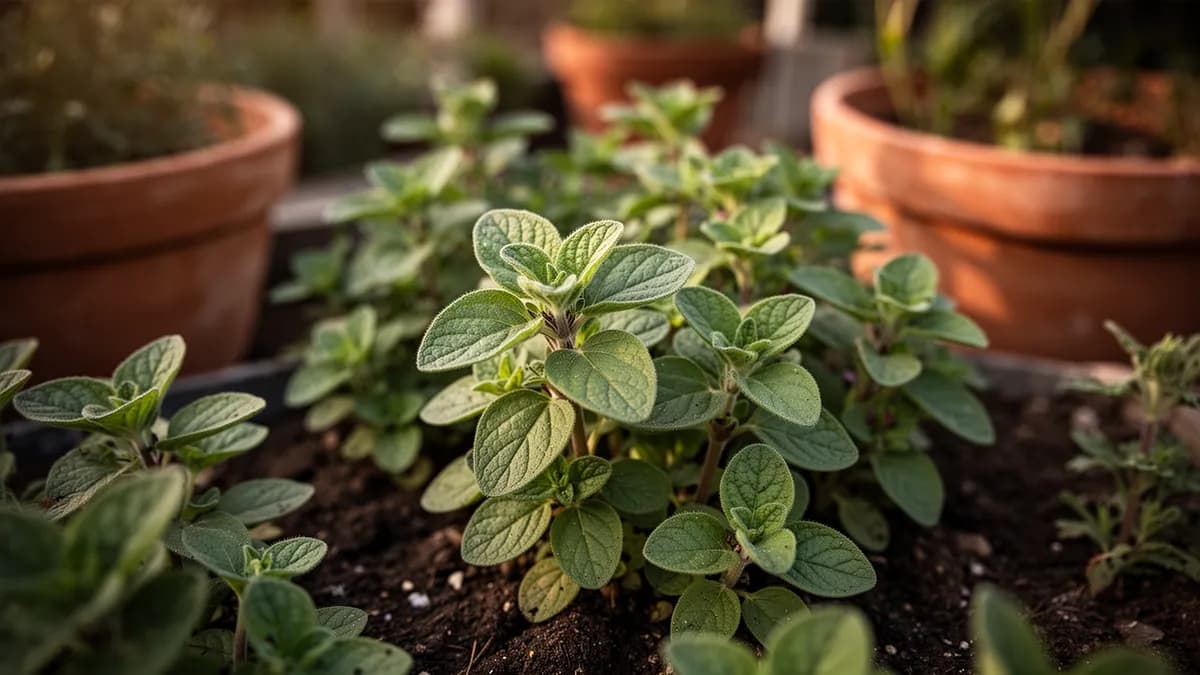
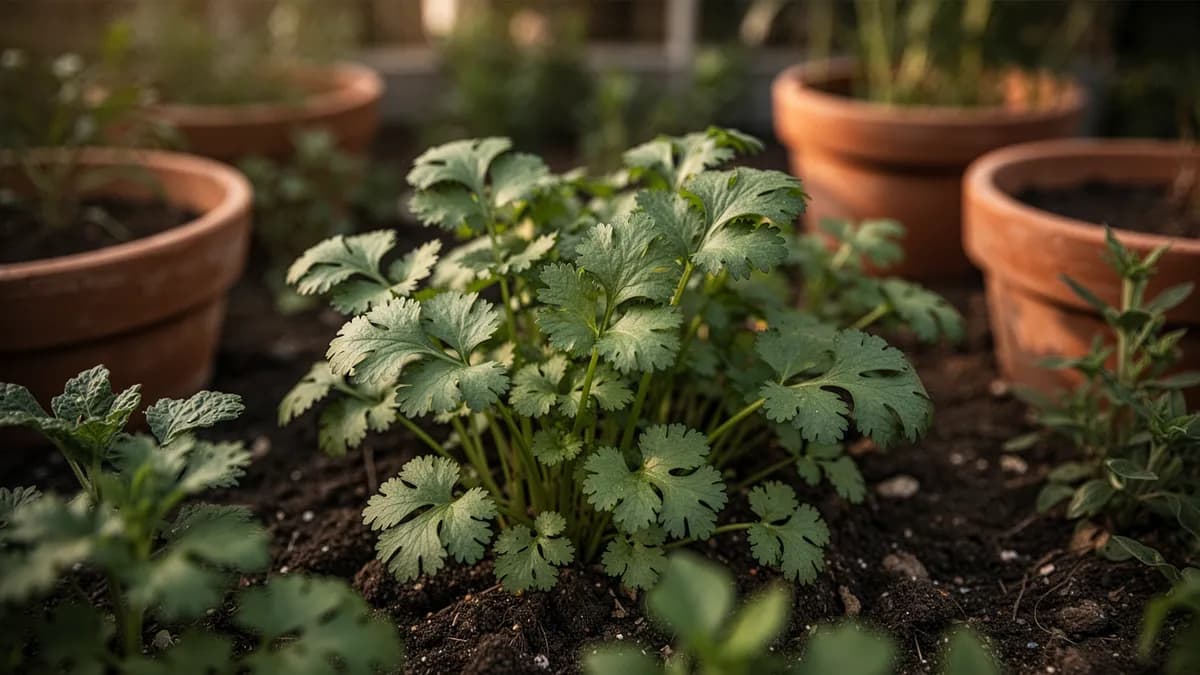
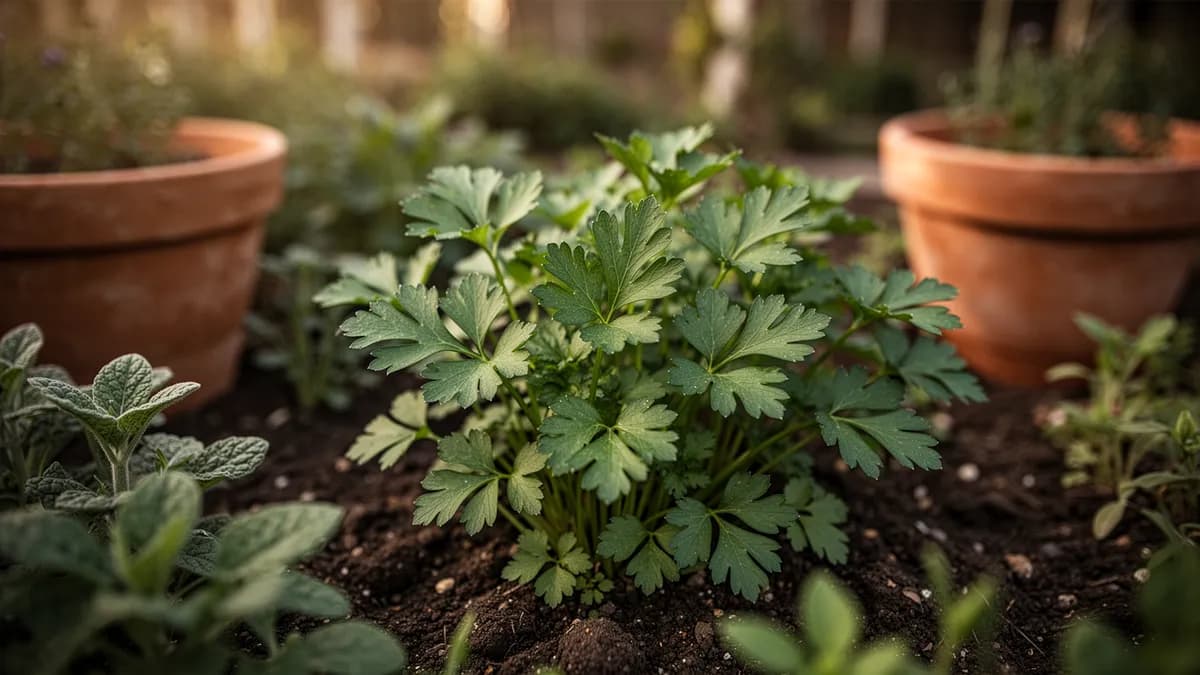
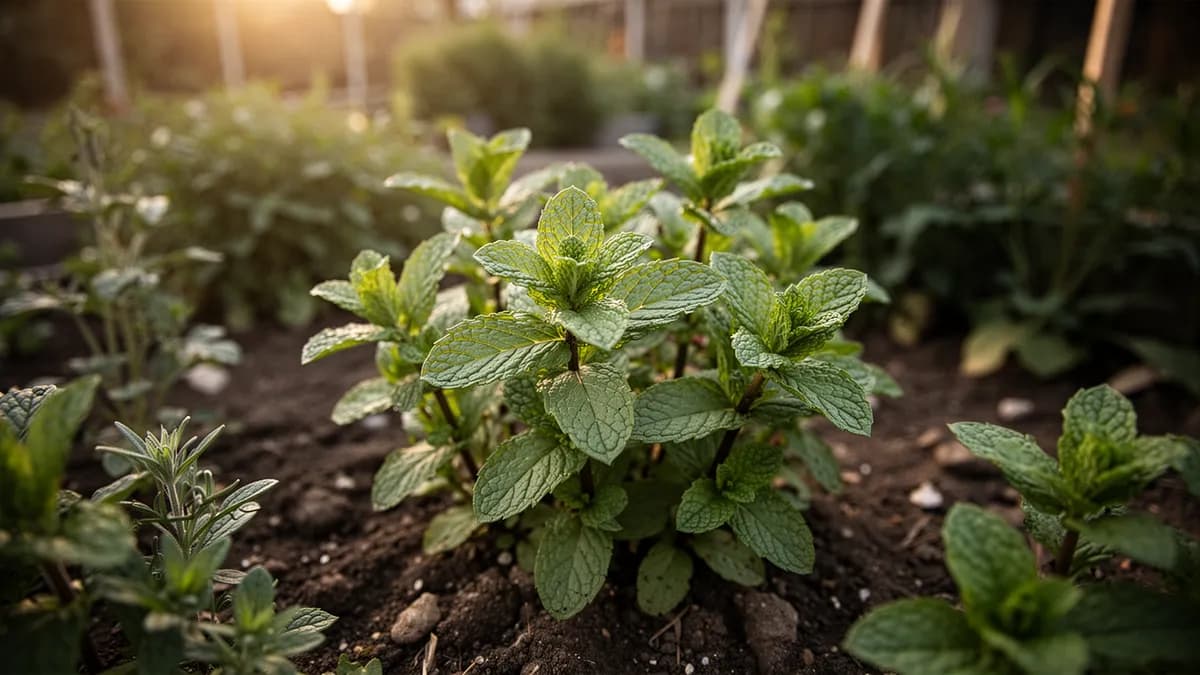
Savory is an outstanding companion for beans and legumes of all kinds, reportedly improving their flavor and deterring bean beetles. Plant alongside onions, garlic, and brassicas where its aromatic oils help repel cabbage moths and aphids. Savory grows well with other Mediterranean herbs like thyme and rosemary that share similar low-water, lean-soil preferences. Avoid planting near mint, which can overwhelm savory with its vigorous spreading.
Green Beans belongs beside it. Mint doesn't.
Old growers' knowledge, checked against Savory's real companion table below — test any plant you're growing.
Try Savory in a bed — right here
A real planner bed with Savory already in it. Tap a companion to place it and watch the pairing checks answer — green for good neighbours, red for a clash.


Related growing guides
Feed it well
Savory thrives in lean, well-drained soil with a neutral to slightly alkaline pH of 6.5-7.5. Avoid rich, heavily amended soil, which produces lush foliage with diminished flavor and aroma. Sandy or gravelly soil is ideal and mimics the herb's native Mediterranean habitat. A single light application of balanced organic fertilizer at planting time is sufficient for the entire season. Side-dress with a thin layer of compost in midsummer only if growth appears stunted. Excellent drainage is essential to prevent root rot.
Ideal Temperature
Hardiness Zone Compatibility
From seed to harvest, stage by stage
Seed Germination
Summer savory seeds are extremely small and require light to germinate, so they should be surface-sown or only barely covered with a fine dusting of soil. Germination takes 10-14 days in warm conditions and requires consistent surface moisture. Seeds are slow and somewhat erratic germinators, so sow thickly and be patient.
Seedling Development
Seedlings emerge as tiny, thread-like stems with narrow opposite leaves. Growth is slow at first as the root system establishes. The characteristic narrow, lance-shaped leaves develop and the stem begins to branch. Seedlings are delicate and can be easily overwhelmed by weeds at this stage.
Vegetative Growth
Plants grow rapidly into upright, bushy mounds 30-45 cm tall with dense branching and highly aromatic foliage. The stems become woody at the base while new growth remains soft and tender. Leaves darken to a rich green and develop their full peppery, thyme-like fragrance as essential oil content increases.
Flowering
Small tubular flowers in shades of white, pale pink, or light lavender appear in whorls along the upper stems. The flowers are highly attractive to bees, butterflies, and other pollinators. Leaf production slows during flowering and the essential oil composition shifts, giving the leaves a slightly different flavor profile.
Seed Set and Senescence
After pollination, tiny brown nutlet seeds develop in clusters where the flowers were. The plant begins to decline as an annual, with lower leaves yellowing and stems becoming increasingly woody. Seeds mature and drop naturally as the plant completes its lifecycle with the first autumn frosts.
Press seeds gently onto the soil surface and mist lightly rather than watering heavily, which can wash the tiny seeds away or bury them too deep. Keep the soil consistently moist with a humidity dome or light row cover until germination occurs. Soil temperature should be at least 15°C (60°F).
Caring for Savory month by month
What to do each month for your Savory
October
You are hereCollect mature seeds from dried flower heads. Pull spent annual plants after the first frost kills them and add to the compost pile. Note which garden locations produced the most vigorous, flavorful plants for next year's planning.
Know exactly what to do in your garden — every month
One email at the start of each month: what to sow, plant, and tackle right now — for your Savory and everything growing around it. Plus a short starter course that helps you dodge the classic mistakes.
- What to do, right now
- Matched to your season
- Starter course included
Harvesting Savory
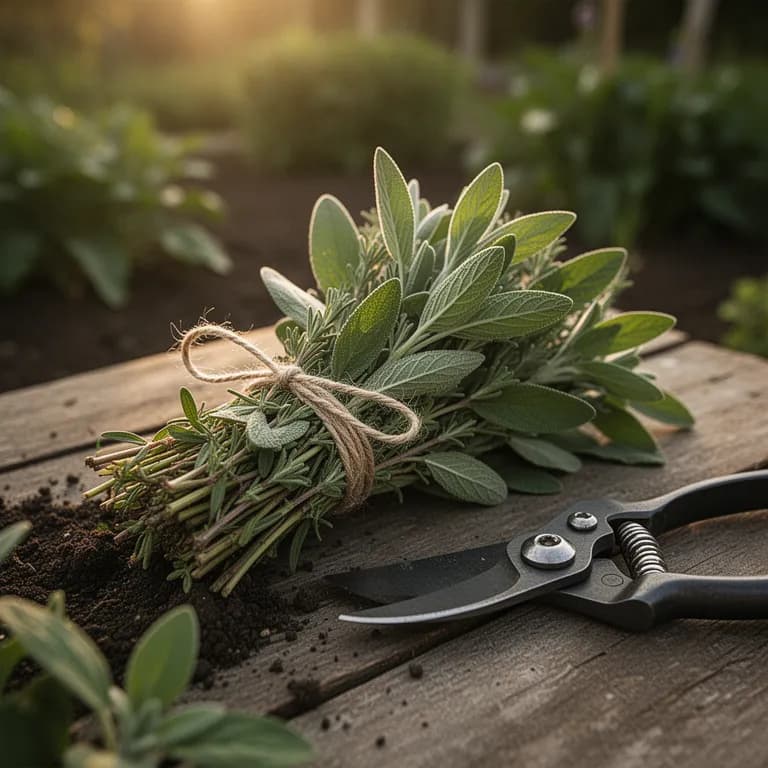
Begin harvesting summer savory once plants reach 6 inches tall, about 60 days after sowing. Snip stem tips regularly to encourage branching and prolong the harvest season. For the strongest flavor, harvest just as flower buds appear but before they fully open. Cut entire stems and strip the small leaves for use. For a bulk harvest at the end of the season, cut the entire plant to 2 inches above the soil line just before the first frost.
assuming you plant when the window opens — set your real date
Pick Savory promptly and the plant keeps producing.
Storage & Preservation
Summer savory dries quickly and retains its peppery flavor well. Hang small bundles upside down in a warm, dark, well-ventilated area for about one week. Strip dried leaves from woody stems and store in airtight glass jars away from heat and light for up to a year. Fresh savory can be frozen by chopping and mixing with a small amount of water or olive oil in ice cube trays. Savory-infused vinegar is a traditional preservation method that captures the herb's complex flavor for winter cooking.
What goes wrong — and the fix
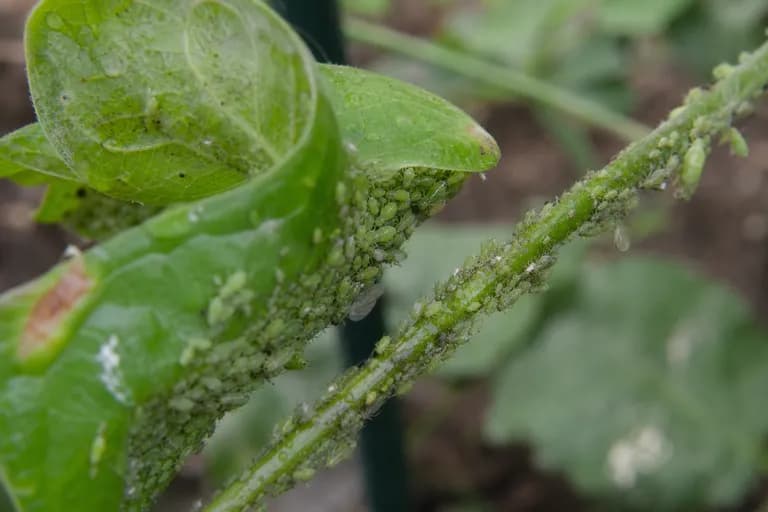
Aphids
PestSmall clusters of green or black insects on new growth, sticky honeydew residue, curled or distorted leaves.
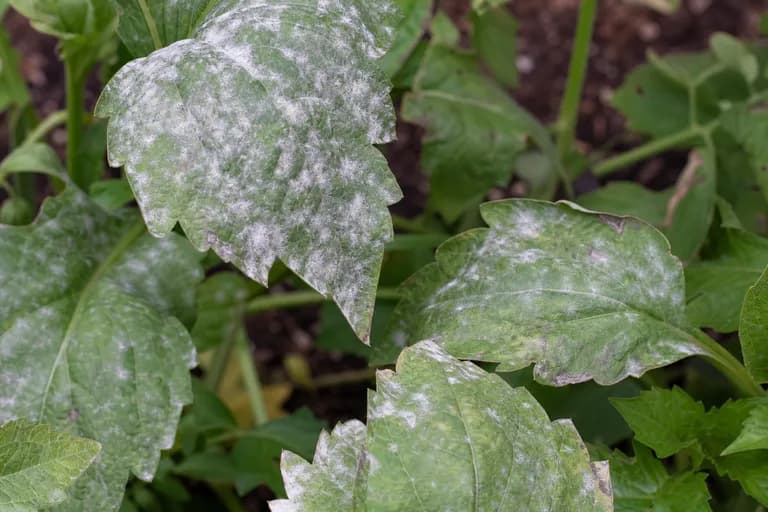
Powdery Mildew
DiseaseWhite powdery patches on leaves and stems, leaf yellowing, premature leaf drop in severe cases.
Troubleshooting Common Problems
Summer savory can become leggy and floppy in rich soil or partial shade; always provide full sun and lean soil conditions. Plants that bolt to flower prematurely are usually stressed by heat or drought, so provide consistent light moisture during hot spells. Winter savory becomes woody and bare in the center after a few years if not pruned hard each spring. Seedlings are slow to establish and can be outcompeted by weeds, so keep the planting area well-weeded during the first few weeks after germination.
Growing Tips
- Surface-sow seeds rather than burying them — summer savory seeds need light to germinate. Press them gently onto moist soil and mist regularly. Cover seed trays with a clear humidity dome to maintain surface moisture without washing the tiny seeds away.
- Choose the leanest, best-drained spot in your garden. Summer savory produces more concentrated essential oils and better flavor in relatively poor, sandy, or gravelly soil. Rich, heavy soil produces lush but bland plants. Raised beds with added sand or grit are ideal.
- Pinch growing tips at 15 cm tall and continue pinching regularly to produce bushy, compact plants with maximum leaf production. Unpinched plants grow tall and leggy with fewer harvestable leaves and flower prematurely.
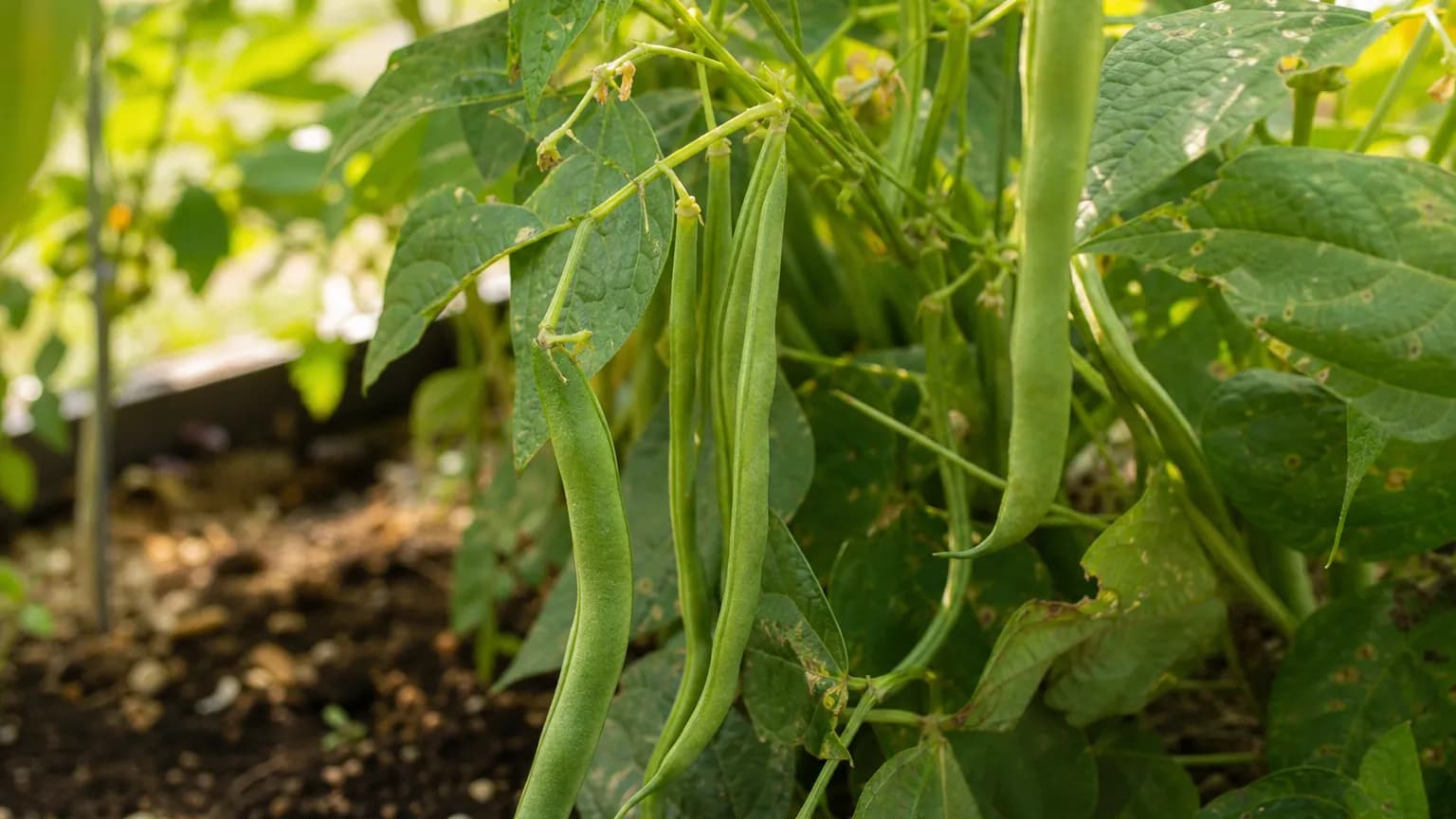
- Plant savory alongside beans as a classic companion. German gardeners have paired these two plants for centuries — savory is believed to improve the flavor of beans, deter bean beetles, and reduce flatulence when the two are cooked together.
- Harvest stems in the morning after dew dries but before the heat of the day for the highest essential oil content. Cut entire stem tips 10-15 cm long rather than picking individual leaves, as this encourages regrowth and keeps the plant shapely.
- For drying, harvest just before or at the very start of flowering, when essential oil concentration peaks. Hang small bundles of 5-6 stems upside down in a warm, dry, dark place with good ventilation. Leaves should be crisp and crumbly within 5-7 days.
- Water sparingly once plants are established. Summer savory is native to the dry Mediterranean climate and develops its most intense flavor under moderately dry conditions. Overwatering dilutes the essential oils and increases the risk of root rot.
- Succession-sow every 3-4 weeks from mid-spring through early summer for a continuous supply of tender young leaves. Older plants become woody and less productive, so fresh sowings keep the harvest quality high throughout the season.
- Summer savory self-seeds readily if allowed to flower and drop seeds. In mild winter areas, volunteer seedlings often appear the following spring. You can also scatter seeds in autumn for an early spring start — the cold period helps break dormancy.
- Grow summer savory in containers on a sunny patio or windowsill. Use a 15-20 cm pot with gritty, well-drained potting mix. Container plants produce well and keep the herb conveniently close to the kitchen for snipping fresh sprigs while cooking.
Grow your best Savory yet — and everything around it.
Start a free plan today. Lay out your beds, drop in your Savory, and let PlotMyGarden handle the timing, spacing, companions and reminders from seed to harvest basket.
Pick your Savory
Summer Savory
The most popular annual variety with a delicate, peppery-thyme flavor. Traditionally paired with green beans and known as the bean herb in German cuisine.
Winter Savory
A woody, evergreen perennial with a stronger, more resinous flavor than summer savory. Excellent for slow-cooked stews and bean dishes throughout the cold months.
Creeping Savory
A low-growing ornamental variety that forms an attractive mat only a few inches tall. Useful as a ground cover in herb gardens with a mild savory flavor.
A small jar (15-25g) of dried summer savory costs $4-7 at specialty spice shops, while organic varieties can reach $8-12. A single $2-3 seed packet grows 50-100 plants — far more than most gardeners need — and just 6-8 plants produce enough dried herb for an entire year. The fresh herb is rarely available in grocery stores at any price, making homegrown savory essentially irreplaceable for recipes calling for fresh sprigs. Growing your own also lets you harvest at peak potency and create custom herb blends like Herbes de Provence at a fraction of the cost of premium commercial versions.
Quick recipes
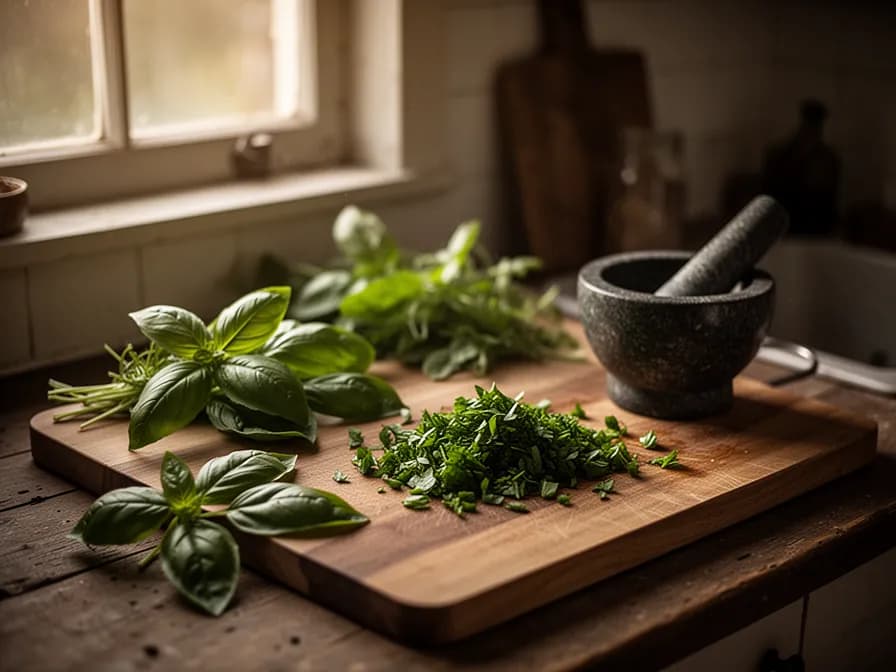
Classic Herbes de Provence Blend
10 minSummer savory is an essential component of this iconic French herb blend. Combine it with complementary Mediterranean herbs for a versatile seasoning that elevates roasted meats, grilled vegetables, and bread doughs with the warm flavors of southern France.
7 ingredients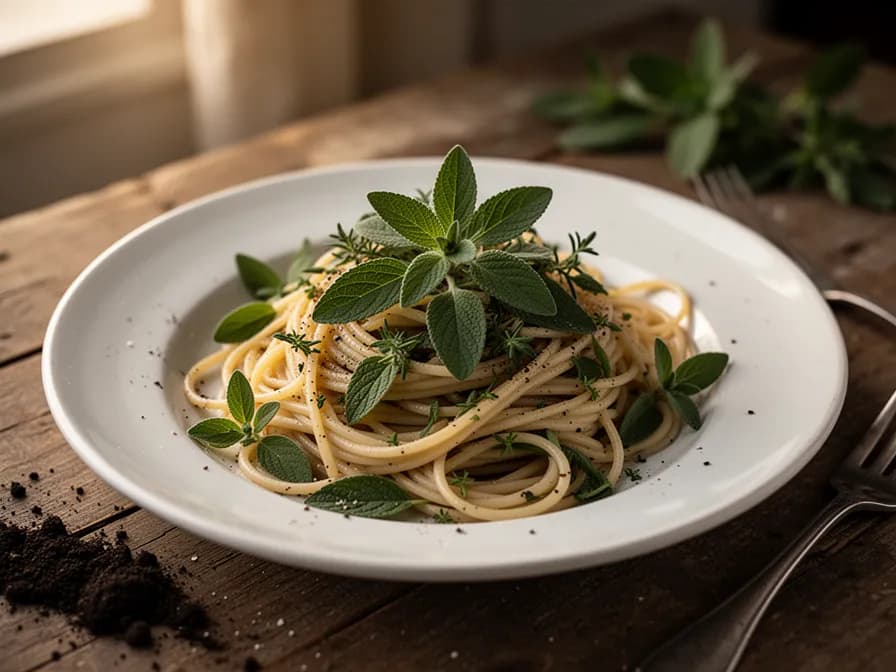
Savory Herb Butter
15 minA fragrant compound butter infused with fresh summer savory, perfect for melting over grilled steaks, tossing with steamed green beans, or spreading on crusty bread. Freezes beautifully in a log shape for slicing off rounds whenever needed.
6 ingredientsGerman-Style Savory Bean Salad (Bohnenkraut Salat)
25 minIn Germany, summer savory is so closely associated with beans that its German name — Bohnenkraut — literally means 'bean herb.' This warm bean salad dressed with a savory-infused vinaigrette celebrates that centuries-old pairing.
7 ingredientsCulinary Uses
Savory has a warm, peppery flavor with notes of thyme and marjoram, earning it the title of the bean herb for its traditional use with all types of legumes. Summer savory enhances lentil soups, green bean dishes, sausages, and stuffings. It is a key ingredient in herbes de Provence. Winter savory's stronger flavor suits long-cooked stews, braised meats, and hearty root vegetable dishes.
What's inside
Health Benefits
- Contains significant concentrations of carvacrol and thymol, phenolic compounds with well-documented antibacterial and antifungal properties that have been shown in laboratory studies to inhibit food-borne pathogens including E. coli and Salmonella.
- Traditionally used across Europe as a digestive aid — savory tea after meals is an age-old remedy for bloating, gas, and indigestion, and the herb's carminative properties are recognized in several European pharmacopoeias.
- Rich in vitamin A (5130 IU per 100g dried) and vitamin C (50mg per 100g dried), providing antioxidant protection against free radical damage and supporting immune system function, healthy skin, and vision.
- Provides an exceptional concentration of iron in dried form (37.9mg per 100g, 211% DV), making savory tea a traditional folk remedy for mild iron-deficiency anemia in Mediterranean and Eastern European herbal medicine traditions.
- Contains rosmarinic acid, a polyphenol antioxidant also found in rosemary and mint family herbs, which has demonstrated anti-inflammatory and antiallergenic properties in preliminary research studies.
- The essential oil has shown expectorant properties in traditional herbal medicine, used to relieve coughs, sore throats, and upper respiratory congestion — typically administered as a warm tea with honey.
Where Savory comes from
Summer savory (Satureja hortensis) is native to the eastern Mediterranean region and western Asia, where it has grown wild across rocky hillsides, dry meadows, and coastal scrublands for millennia. The genus name Satureja may derive from the Latin word for the satyrs of Greek mythology, reflecting the ancient belief in the herb's aphrodisiac properties, or from the Arabic word 'sa'tar,' a general term for thyme-like herbs. Archaeological and literary evidence confirms that savory was among the most widely used culinary herbs in the ancient Mediterranean world.
The ancient Romans were particularly fond of summer savory, using it extensively as a peppery flavoring before black pepper from India became widely available and affordable. Roman cooks paired it with beans, lentils, meats, and sauces, establishing culinary traditions that persist in European cooking to this day. The Roman author Pliny the Elder wrote about savory's medicinal properties, and the herb was cultivated throughout the Roman Empire, spreading its use across Europe and into Britain.
During the Middle Ages, savory remained a kitchen garden essential in monasteries and household plots across Europe. It became especially important in German-speaking regions, where its affinity for bean dishes earned it the enduring name 'Bohnenkraut' — bean herb. Benedictine monks cultivated savory in their medicinal gardens and used it to treat digestive complaints, sore throats, and as a general tonic. The herb's reputation as an aphrodisiac led to curious social dynamics — some monastic orders reportedly prohibited summer savory while freely growing its perennial cousin, winter savory, which was believed to suppress desire.
European colonists carried summer savory seeds to North America in the 1600s, where it became one of the essential herbs in New England colonial kitchens. Thomas Jefferson grew it at Monticello, and it appears in many early American recipe collections. Today, summer savory remains most popular in German, French, and Eastern European cuisines, and is an essential ingredient in Herbes de Provence, the Bulgarian national spice blend Chubritsa, and traditional Canadian meat pies from Quebec.
Savory: did you know?
Fascinating facts about Savory
Summer savory's German name is 'Bohnenkraut,' which literally translates to 'bean herb,' reflecting the centuries-old tradition of always cooking savory with bean dishes — the herb is believed to reduce the gas-producing effects of beans while enhancing their flavor.
Savory questions, answered
When should I plant Savory?
What are good companion plants for Savory?
What hardiness zones can Savory grow in?
How much sun does Savory need?
How far apart should I space Savory?
What pests and diseases affect Savory?
How do I store Savory after harvest?
What are the best Savory varieties to grow?
What soil does Savory need?
What is the difference between summer savory and winter savory?
Why is savory always paired with beans in traditional cooking?
How do I preserve summer savory for winter use?
Can I grow summer savory indoors year-round?
Is summer savory safe to use during pregnancy?
Why are my summer savory seeds so slow to germinate?
You just read the theory. Now grow it on autopilot.
Everything that makes Savory fiddly — the timing, the spacing, the companions, the harvest window — is exactly what PlotMyGarden handles for you, for every plant in your garden.
A plan that knows your weather
Set your location once. Get sow, feed and harvest dates built around your real last-frost date and live forecast — no more guessing from a generic seed packet.
From the “When to plant” sectionDrag-and-drop bed planner
Design beds on a grid. Every plant snaps to its proper spacing, and you can see your whole season laid out before you spend a cent on seed.
From the “Growing guide” sectionCompanion conflicts, caught early
200+ good-and-bad pairings checked live as you plant — so a season-wrecking mistake never makes it into the ground.
From the “Companions” sectionReminders you'll actually act on
“Water the beans.” “Pick today before it turns.” Timely, specific, and tied to the plants you're really growing.
From the “Harvest” sectionSuccession, scheduled
Want a harvest for six weeks, not six days? It spaces your sowings automatically and reminds you when each new block is due.
From the “When to plant” sectionA record that gets smarter
Every harvest you log teaches it your garden. Next year's plan starts from what actually worked in your soil, not a textbook's.
From the “Overview” sectionPlant these alongside Savory
More Culinary Herbs
Keep Savory away from these
Garden plans featuring Savory
Grow your best Savory yet — and everything around it.
Start a free plan today. Lay out your beds, drop in your Savory, and let PlotMyGarden handle the timing, spacing, companions and reminders from seed to harvest basket.