Rutabaga
A sweet, dense root vegetable that is a cross between cabbage and turnip, with yellow-orange flesh and excellent storage quality.





On this pageOverview
Meet Rutabaga
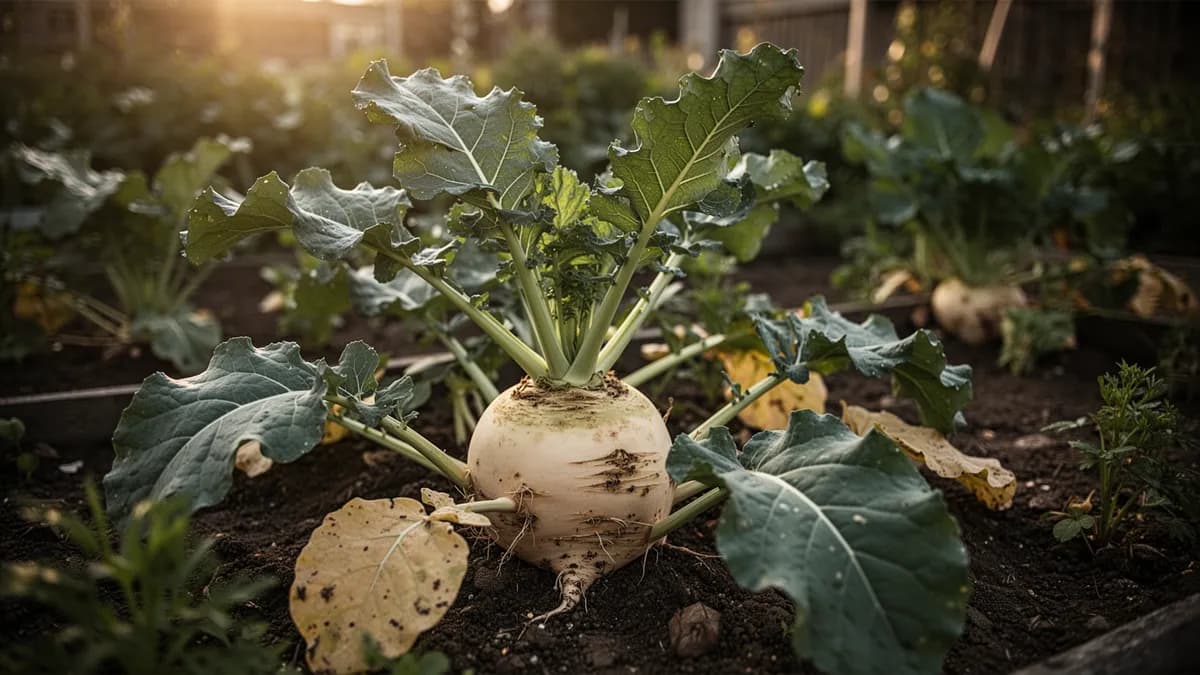
A sweet, dense root vegetable that is a cross between cabbage and turnip, with yellow-orange flesh and excellent storage quality. Rutabagas take longer to mature than turnips but reward patience with a sweeter, nuttier flavor that improves after frost. Direct sow in early summer for fall harvest, as the roots need cool weather to develop their best flavor. Mash, roast, or add to stews and soups for a hearty, nutritious addition to autumn and winter meals.
When to plant Rutabaga
Direct sow rutabaga seeds outdoors 1/2 inch deep in early to midsummer. Seeds germinate in 5-10 days at 45-85°F. Thin seedlings to 6-8 inches apart when they reach 2-3 inches tall. Indoor starting is not recommended as rutabagas develop best when direct-sown. Calculate your sowing date by counting back 90-100 days from your first expected fall frost. In zones 2-5, sow in early June; in zones 6-8, sow in July. Seeds remain viable for 4 years.
Your Rutabaga Year
Composed for Zone 7 · typical seasons · frost passes Apr 2, returns Nov 1
Plant Rutabaga May – Jul, pick Oct – Dec. Check the planting methods below and set your climate to personalize these windows.
How to grow Rutabaga
Direct sow rutabaga seeds 1/2 inch deep in early to midsummer, timing so the roots mature during cool fall weather. Space seeds 1 inch apart in rows 18-24 inches apart, then thin to 6-8 inches apart when seedlings are 2-3 inches tall. Rutabagas need a long, cool growing season of 90-100 days, so count back from your first expected frost to determine sowing date.
Rutabagas prefer cool temperatures between 60-65°F for root development and tolerate light frost, which actually sweetens their flavor. Water deeply once a week, providing 1-1.5 inches of water. Consistent moisture prevents cracking and woody texture. Mulch around plants to maintain even soil moisture and suppress weeds. Side-dress with a balanced fertilizer once about 6 weeks after sowing.
As roots develop, they will push above the soil surface. This is normal for rutabagas, but hill soil around any green shoulders to prevent bitterness. Roots are ready when they reach 3-5 inches in diameter. Smaller roots are generally more tender, while larger roots can become woody. Rutabagas can withstand hard frosts and even light freezes without damage.
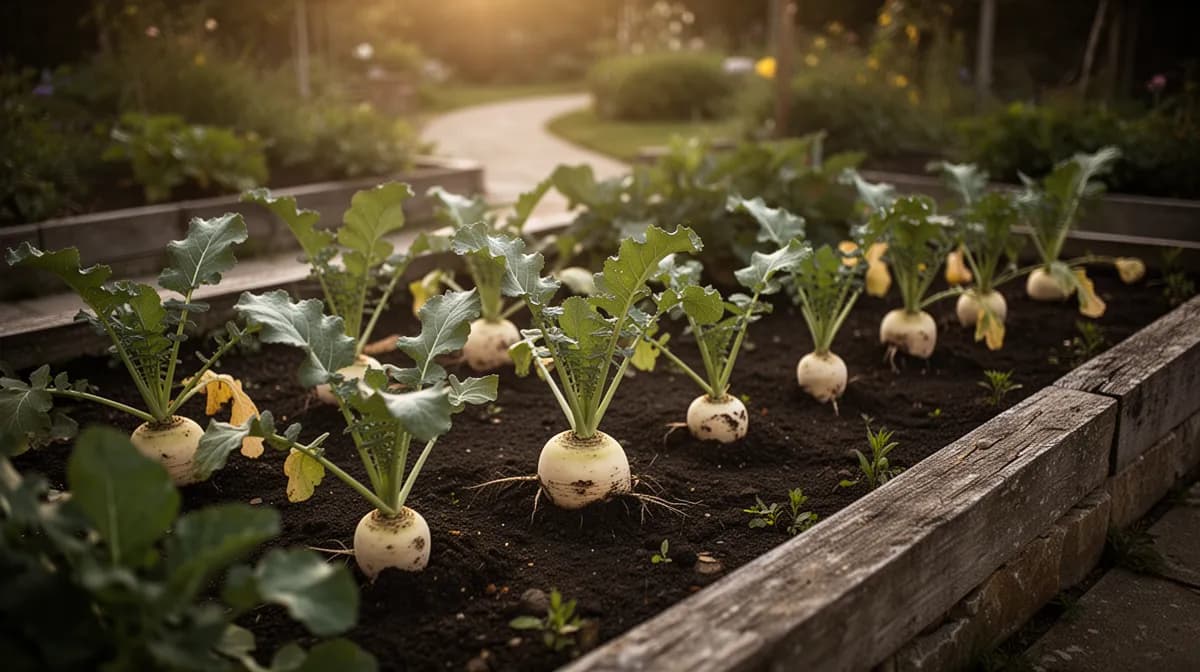
72 plants fit a 4 × 8 ft bed
Each Rutabaga wants 20 cm of elbow room. The planner keeps that spacing for you — every plant, every bed.
Rutabaga's best neighbours
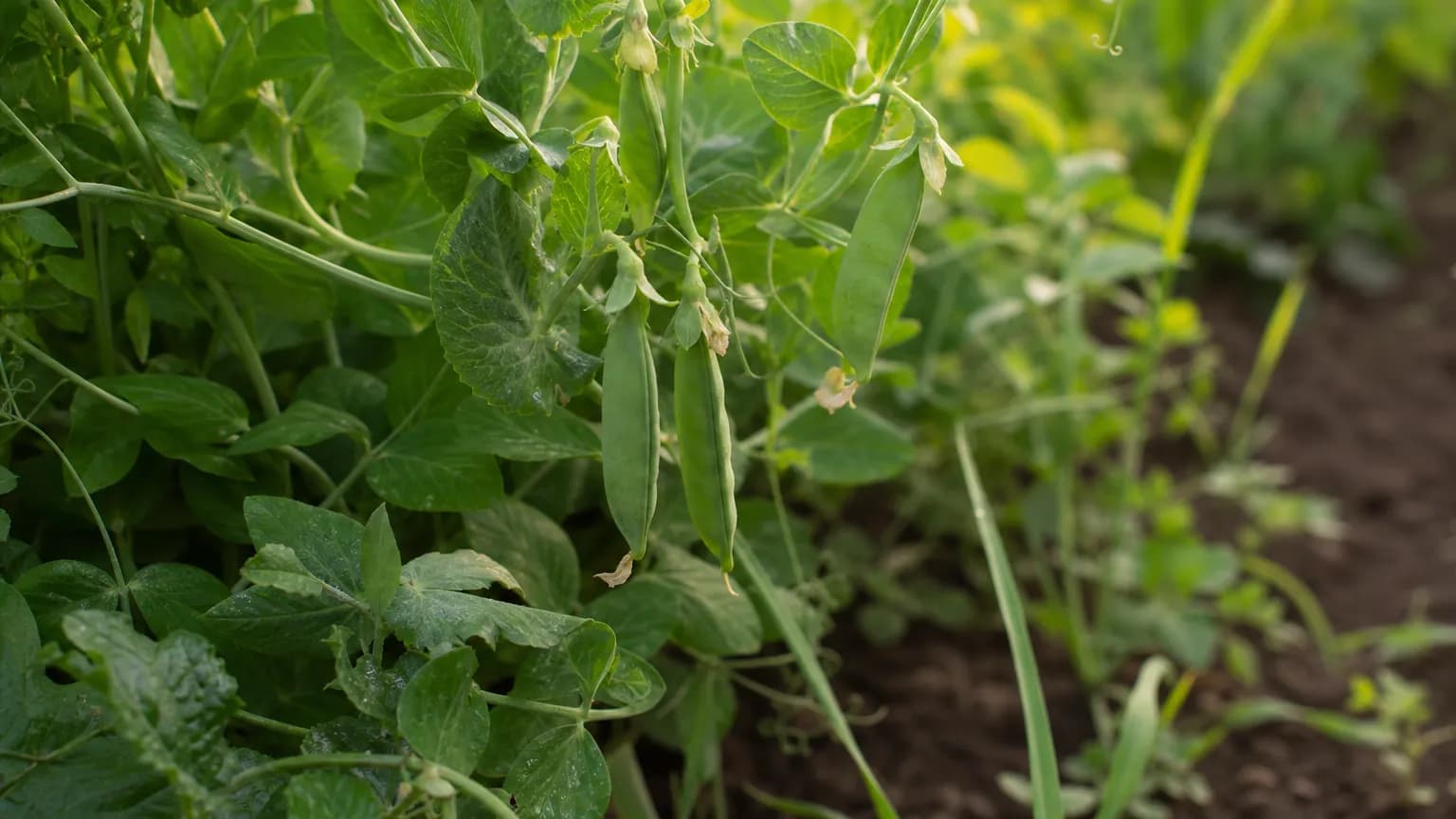
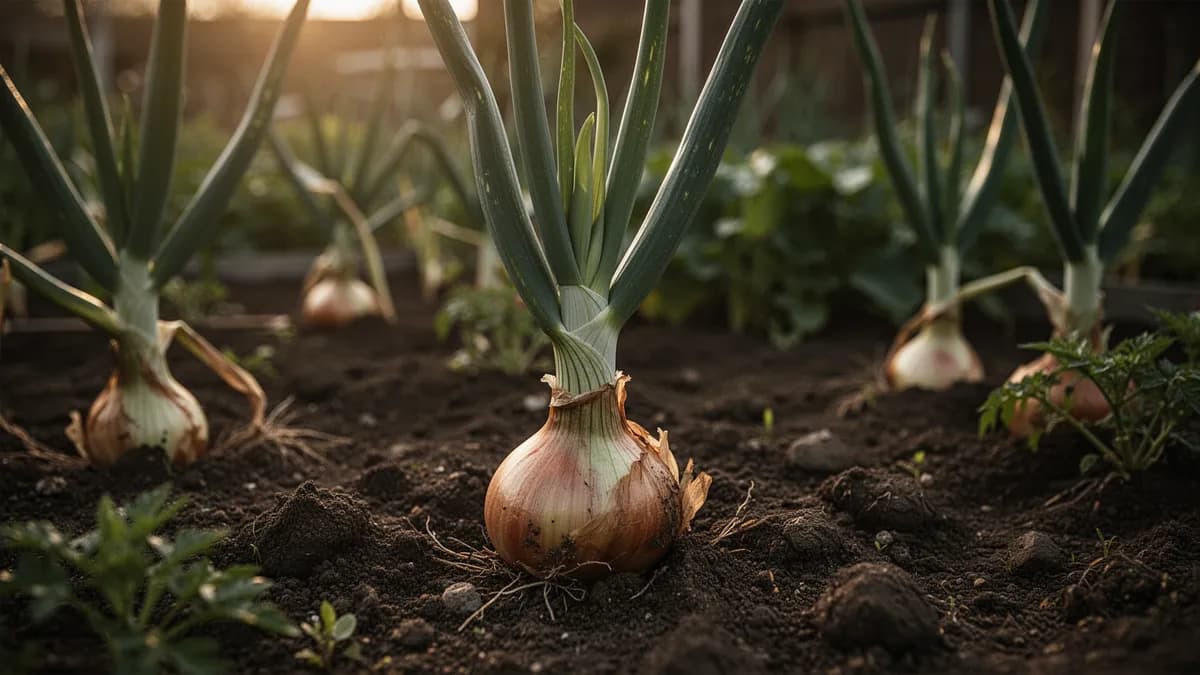
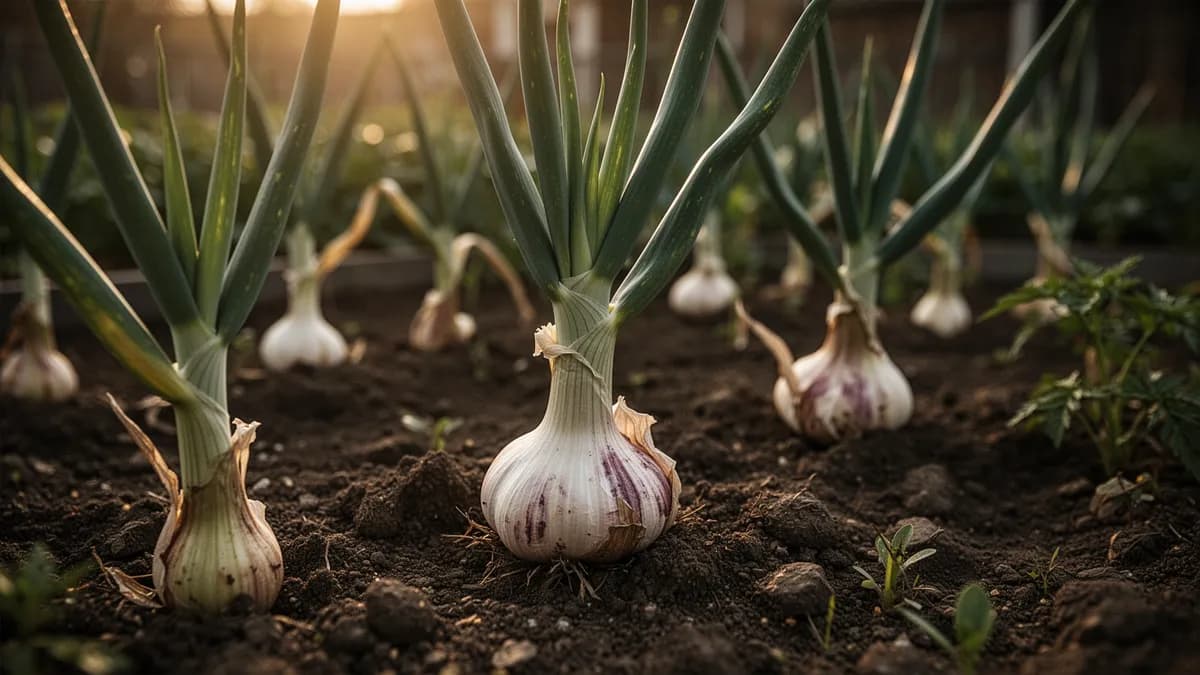
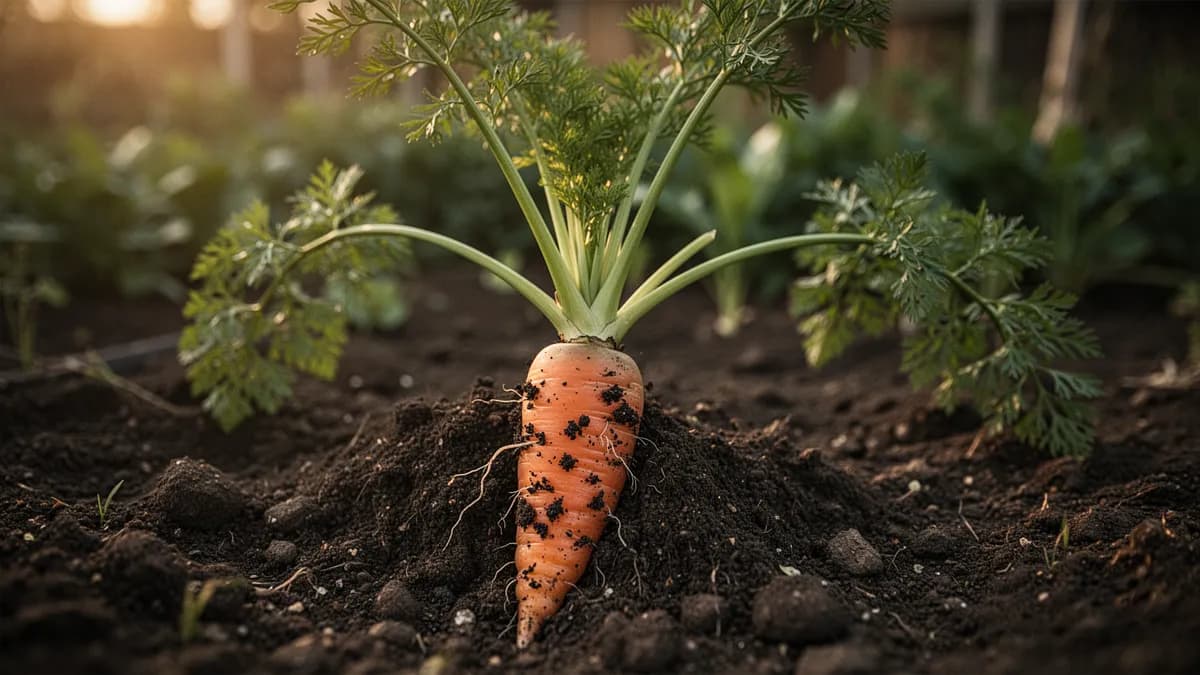
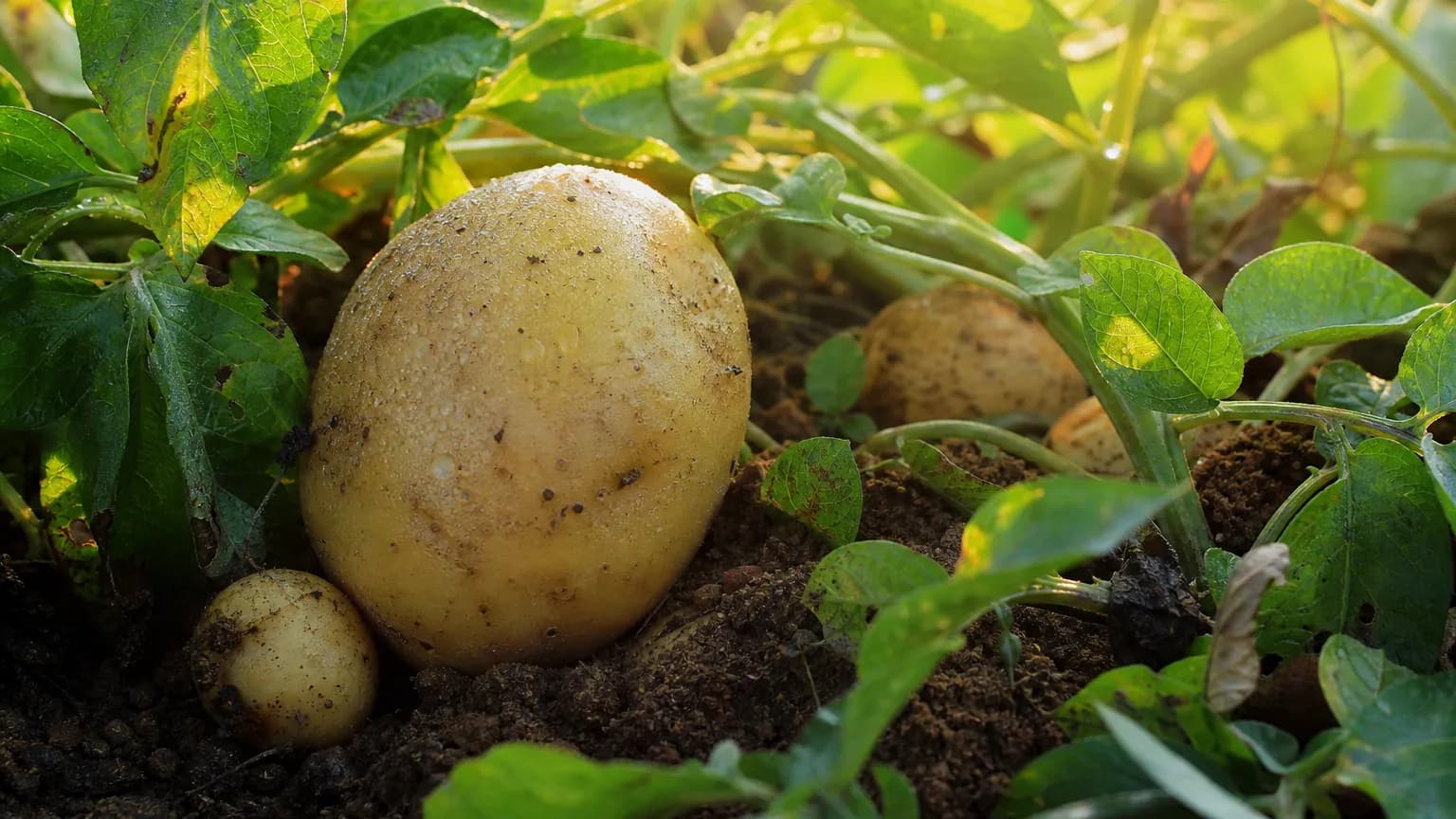
Rutabagas grow well with peas, onions, and garlic. Peas fix nitrogen that benefits the rutabaga roots. Onions and garlic help deter root flies and other pests with their strong aromas. Avoid planting near potatoes, as they compete for similar soil nutrients and space. Keep away from other brassicas to reduce shared pest and disease problems. Plant after spring crops like peas or lettuce to make efficient use of the garden calendar.
Peas belongs beside it. Potato doesn't.
Old growers' knowledge, checked against Rutabaga's real companion table below — test any plant you're growing.
Try Rutabaga in a bed — right here
A real planner bed with Rutabaga already in it. Tap a companion to place it and watch the pairing checks answer — green for good neighbours, red for a clash.


Related growing guides
Feed it well
Rutabagas grow best in deep, fertile, well-drained soil with a pH of 6.0-7.0. Work soil deeply and amend with compost before planting. Avoid fresh manure, which causes forked roots. Apply a balanced fertilizer or bone meal at planting for phosphorus and potassium, which promote root development. Side-dress with balanced fertilizer once at 6 weeks. Boron deficiency causes brown heart (internal browning), so ensure adequate trace minerals. Sandy loam is ideal but clay soils work if well-amended.
Ideal Temperature
Hardiness Zone Compatibility
From seed to harvest, stage by stage
Germination
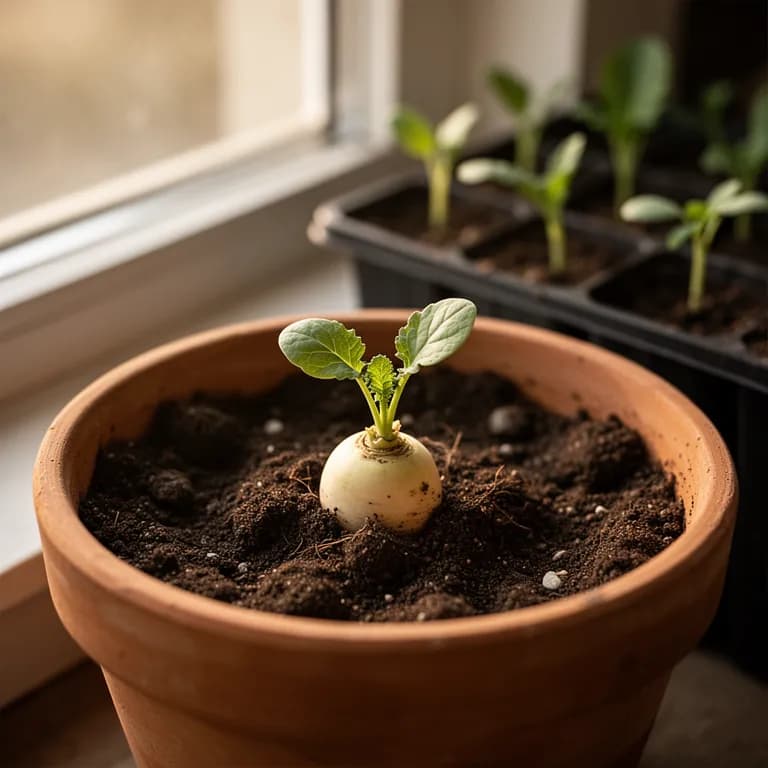
Seeds germinate rapidly in cool to moderate soil temperatures of 7-30°C (45-85°F), with the optimal range being 15-20°C (60-68°F). A small white radicle emerges first, anchoring into the soil, followed by a pair of broad, heart-shaped cotyledon leaves pushing through the surface.
Seedling Establishment
True leaves develop with the characteristic waxy, blue-green appearance of brassicas. The leaves are broader and more rounded than turnip foliage. A slender taproot begins forming below the surface. Growth is steady but not rapid during this phase.
Leaf Canopy Development
The plant produces a rosette of 8-12 large, lobed leaves that can spread 30-45 cm wide. The foliage is distinctly blue-green and covered in a waxy bloom that helps repel water and pests. Below the surface, the root begins to swell as the plant stores carbohydrates.
Root Bulking
The root swells rapidly, pushing above the soil surface as it expands. The upper portion exposed to light develops a purple or bronze coloring, while the buried portion remains creamy yellow. The root transitions from fibrous to dense and starchy as it stores sugars and starches.
Maturation and Sugar Development
The root reaches its full size of 8-13 cm (3-5 inches) in diameter and the flesh becomes increasingly dense and sweet. As autumn temperatures drop below 10°C (50°F), the plant converts starches to sugars as a natural antifreeze mechanism, dramatically improving flavor.
Storage Harvest
Final harvest window before deep winter freezes. Roots that have endured multiple frosts are at peak sweetness. The foliage may be damaged by hard freezes but the root itself remains sound in the ground. Properly harvested and stored roots will keep for months.
Keep the seedbed consistently moist but not waterlogged during germination. A light layer of vermiculite or fine compost over the seeds helps retain moisture without forming a crust that blocks emergence.
Caring for Rutabaga month by month
What to do each month for your Rutabaga
October
You are herePrime harvest month in most zones. Harvest roots at 8-13 cm diameter for the best texture and flavor. Leave some roots in the ground if temperatures remain above -8°C (18°F) — they continue sweetening. Apply heavy straw mulch to extend the in-ground storage window.
Know exactly what to do in your garden — every month
One email at the start of each month: what to sow, plant, and tackle right now — for your Rutabaga and everything growing around it. Plus a short starter course that helps you dodge the classic mistakes.
- What to do, right now
- Matched to your season
- Starter course included
Harvesting Rutabaga
Harvest rutabagas when roots reach 3-5 inches in diameter, typically 90-100 days after sowing. Roots can be left in the ground through fall frosts, which improve flavor, but should be harvested before the ground freezes solid. Loosen soil around the root and pull or use a garden fork for leverage. Trim tops to 1 inch and brush off soil. Smaller roots (3-4 inches) tend to be more tender and sweet, while larger roots can develop a woody core.
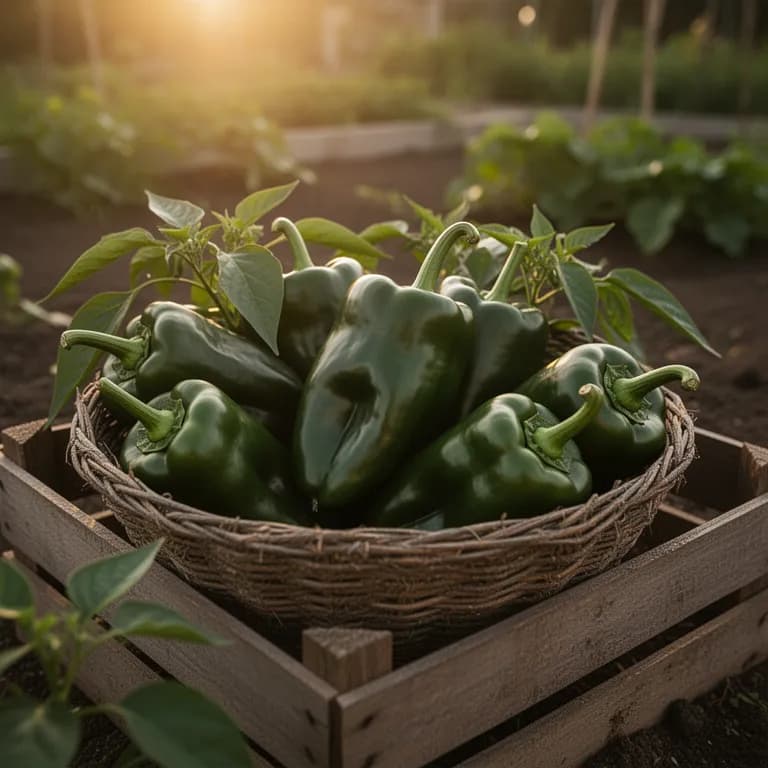
assuming you plant when the window opens — set your real date
Pick Rutabaga promptly and the plant keeps producing.
Storage & Preservation
Rutabagas are exceptional storage vegetables. Store in a root cellar at 32-40°F and 90-95% humidity for up to 4-6 months. In the refrigerator, they keep for 2-3 months in a perforated plastic bag. Coat with a thin layer of food-grade wax to prevent moisture loss during long storage. Rutabagas can also be cubed, blanched for 3 minutes, and frozen for up to 12 months. Mashed rutabaga freezes well in airtight containers.
What goes wrong — and the fix
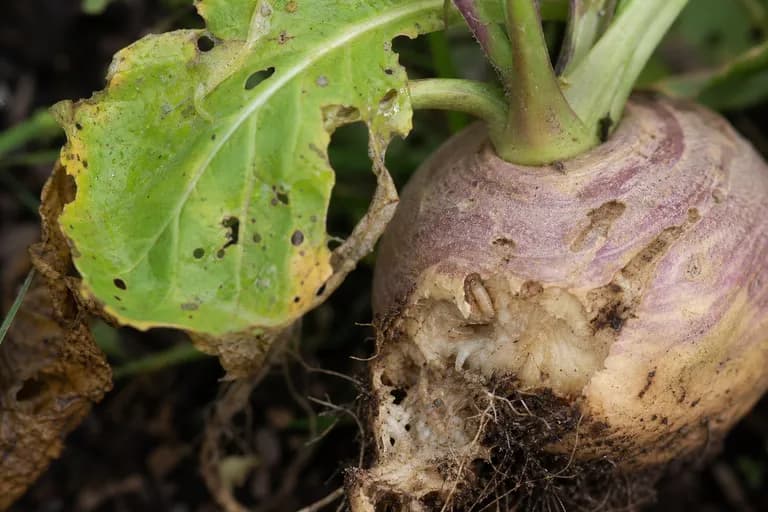
Cabbage Root Fly
PestTunneling in roots, maggots visible in root flesh, wilting and yellowing tops.
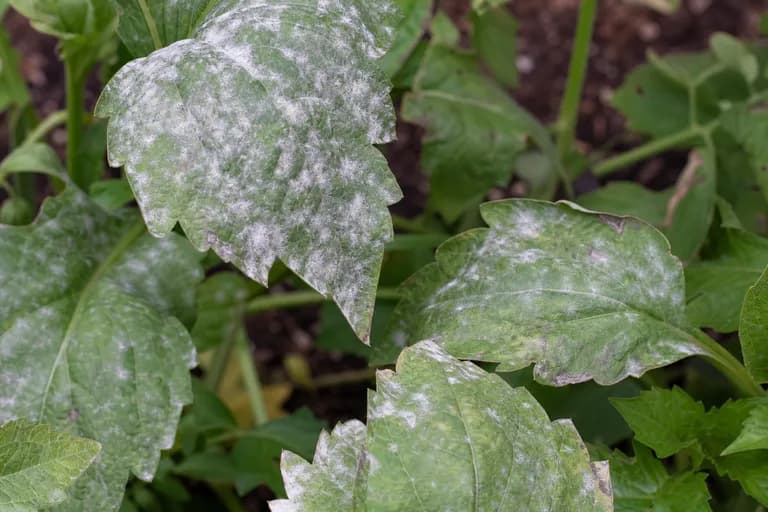
Powdery Mildew
DiseaseWhite powdery coating on leaves, yellowing foliage, reduced plant vigor.
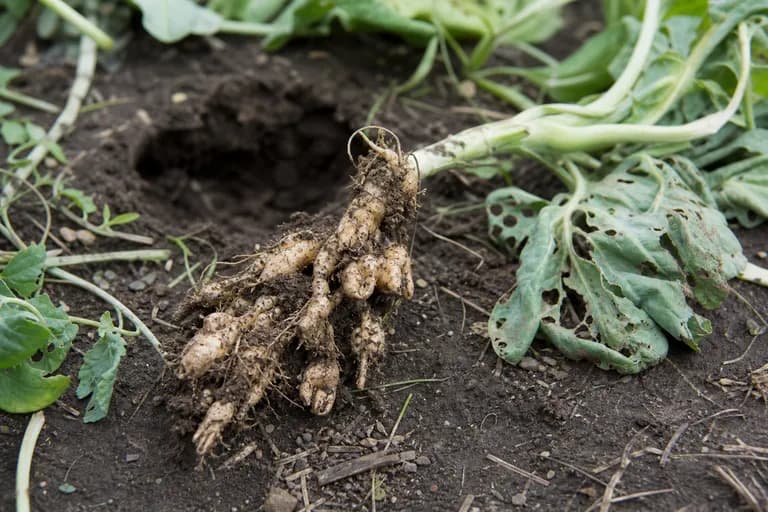
Clubroot
DiseaseStunted growth, yellowing and wilting leaves, swollen and deformed roots.
Troubleshooting Common Problems
Brown heart (internal browning) is caused by boron deficiency; apply borax at 1 tablespoon per 100 square feet. Woody, fibrous texture develops in roots that grow too large or in hot weather. Bitter flavor comes from green shoulders exposed to sunlight; hill soil around roots. Cracking results from uneven watering. Clubroot is a serious soil-borne disease; maintain alkaline pH. Roots left too long in frozen ground will deteriorate; harvest before deep freezes.
Growing Tips
- Time your sowing carefully by counting backwards from your first expected fall frost. Rutabagas need 90-100 days to mature and taste best when they ripen in cool weather. Sowing too early means the roots develop during summer heat and become woody and bitter.
- Direct sow only — do not start rutabagas indoors. Transplanting almost always results in forked, misshapen roots because the taproot is disturbed during the move. Sow seeds directly into well-prepared garden soil for straight, uniform roots.
- Thin ruthlessly and on time. Crowded rutabagas produce small, stunted roots that never reach a satisfying size. Thin to 15-20 cm (6-8 inches) apart when seedlings are 5-8 cm tall. Use the thinnings in salads — they taste like mild, peppery radish greens.
- Prevent brown heart by ensuring adequate boron in the soil. This micronutrient deficiency causes internal browning and hollowing of the root. Apply borax at 1 tablespoon per 9 square meters before planting, or use a fertilizer that includes trace minerals.
- Hill soil around roots that push above the surface. Exposed root shoulders turn green and develop a bitter taste from chlorophyll production. Mounding 5-8 cm of soil around the crown as roots swell prevents this entirely.
- Do not harvest too early — let frost work its magic. Rutabagas exposed to several nights of frost near 0°C (32°F) convert starches to sugars as a protective mechanism. The difference in sweetness between a pre-frost and post-frost rutabaga is remarkable.
- Practice strict crop rotation with at least a 4-year gap before planting brassicas in the same location. Clubroot spores can persist in soil for over a decade, and once established, the disease is nearly impossible to eradicate. Prevention is the only effective strategy.
- Mulch heavily in autumn to extend the in-ground harvest window. A 15-20 cm layer of straw mulch insulates the soil and prevents the ground from freezing, allowing you to dig fresh roots well into November or December in many zones.
Grow your best Rutabaga yet — and everything around it.
Start a free plan today. Lay out your beds, drop in your Rutabaga, and let PlotMyGarden handle the timing, spacing, companions and reminders from seed to harvest basket.
Pick your Rutabaga
American Purple Top
The most widely grown variety with yellow flesh and purple-tinged tops. Sweet, mild flavor improves after frost.
Laurentian
Canadian heirloom with purple tops and creamy yellow flesh. Excellent storage quality and rich, sweet flavor.
Joan
Uniform globe-shaped roots with smooth skin. Resistant to clubroot and powdery mildew.
Helenor
High-yielding variety with consistent, round roots. Good disease resistance and stores exceptionally well.
Rutabaga seeds cost $2-4 per packet and one packet plants a 3-meter row that yields 15-20 roots. At grocery store prices of $1.50-3.00 per pound, that single row can produce $25-50 worth of rutabaga. The real savings come from storage — properly cellared rutabagas last 4-6 months, providing fresh produce through winter when prices for other vegetables peak. Growing your own also avoids the food-grade wax coating applied to commercial rutabagas, giving you a cleaner, more natural product.
Quick recipes
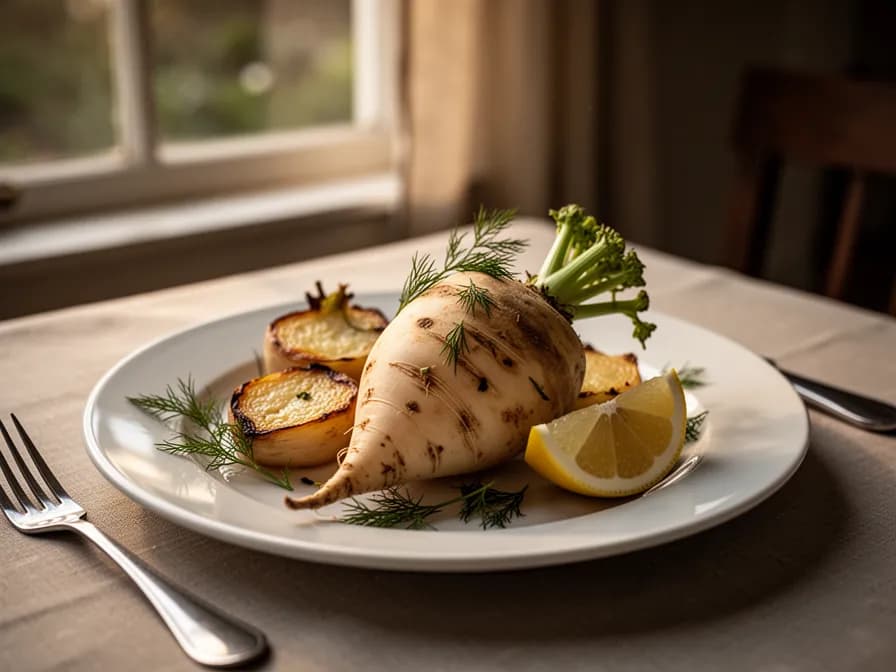
Classic Mashed Rutabaga with Brown Butter
35 minSilky, golden mashed rutabaga enriched with nutty brown butter — a traditional Scandinavian side dish that pairs beautifully with roasted meats, sausages, and holiday feasts. The natural sweetness of frost-kissed rutabaga needs little embellishment.
7 ingredientsHoney-Roasted Rutabaga Cubes
45 minCubed rutabaga roasted at high heat until deeply caramelized and tender, finished with a drizzle of honey and fresh thyme. The roasting process concentrates the natural sugars and creates irresistible golden-brown edges with a creamy, sweet interior.
7 ingredientsRutabaga and Potato Gratin
60 minThinly sliced rutabaga layered with potatoes in a rich cream sauce, baked until bubbling and golden on top. The rutabaga adds a subtle sweetness that complements the potato beautifully, creating a hearty winter side dish that elevates any meal.
8 ingredientsCulinary Uses
Mash rutabaga with butter and cream as a lower-carb alternative to mashed potatoes. Roast cubes until caramelized for a sweet, nutty side dish. Add to beef stews, pot roasts, and soups for hearty flavor. Combine with potatoes in gratins and casseroles. Julienne raw for slaws with a sweet, mild crunch. In Scandinavian cuisine, mashed rutabaga is a traditional accompaniment to holiday meals.
What's inside
Health Benefits
- Excellent source of vitamin C, providing 28% of the daily value per 100g — a crucial nutrient during winter months when fresh produce options are limited. Vitamin C supports immune function, wound healing, and iron absorption.
- Contains glucosinolates, sulfur-containing compounds found in brassica vegetables that break down into biologically active compounds (isothiocyanates) during digestion, which have been studied for their potential to support the body's natural detoxification processes.
- Rich in potassium (305mg per 100g), which helps maintain healthy blood pressure by counteracting the effects of sodium, supports proper heart rhythm, and aids muscle and nerve function.
- Low glycemic index (GI of approximately 72, lower when combined with fat or protein) makes rutabaga a better choice than potatoes for blood sugar management, providing sustained energy from complex carbohydrates.
- Provides dietary fiber (2.3g per 100g) that supports digestive regularity, feeds beneficial gut bacteria, and contributes to feelings of satiety — helpful for weight management during the winter months when activity levels may decrease.
- Contains manganese and phosphorus, minerals essential for bone formation, energy metabolism, and antioxidant enzyme function — making rutabaga a valuable addition to a bone-health diet, especially for older adults.
Where Rutabaga comes from
Rutabaga (Brassica napus subsp. rapifera) is believed to have originated as a natural hybrid between the turnip (Brassica rapa) and wild cabbage (Brassica oleracea) sometime during the late Middle Ages in Scandinavia or Russia. The earliest written records of rutabaga appear in the early 1600s, with Swiss botanist Gaspard Bauhin providing one of the first descriptions in 1620. Unlike most vegetables, which were domesticated thousands of years ago, the rutabaga is a relatively recent addition to the human diet — only about 400-500 years old.
The vegetable spread across Northern Europe during the 17th and 18th centuries, finding particular favor in Scandinavia, Scotland, and England, where the cool climate and heavy soils suited its growth perfectly. It was initially valued as livestock fodder before gaining appreciation as a human food, particularly among working-class communities who relied on its exceptional storage qualities to provide nutrition through long winters. In Finland, rutabaga became essential to the traditional Christmas dish 'lanttulaatikko' (rutabaga casserole), and in Scotland, mashed 'neeps' paired with haggis became inseparable from Burns Night celebrations.
Rutabaga arrived in North America in the early 1800s, brought by Scandinavian and British immigrants who planted it as a familiar staple. It became an important crop in Canada and the northern United States, where the climate and growing season matched its preferences. The name 'rutabaga' — from the Swedish 'rotabagge' — is used primarily in North America, while 'swede' remains the standard name in Britain, Australia, and New Zealand. Today, rutabaga is grown commercially across northern temperate regions worldwide, with Canada, the United Kingdom, and Scandinavian countries being major producers. Modern varieties have been bred for smoother roots, sweeter flavor, and improved disease resistance, but the fundamental character of this hardy, cold-loving root vegetable remains unchanged.
Rutabaga: did you know?
Fascinating facts about Rutabaga
Rutabaga is a natural hybrid between cabbage (Brassica oleracea) and turnip (Brassica rapa) that likely arose spontaneously in medieval European gardens — making it one of the few common vegetables that originated through accidental cross-pollination rather than deliberate breeding.
Rutabaga questions, answered
When should I plant Rutabaga?
What are good companion plants for Rutabaga?
What hardiness zones can Rutabaga grow in?
How much sun does Rutabaga need?
How far apart should I space Rutabaga?
What pests and diseases affect Rutabaga?
How do I store Rutabaga after harvest?
What are the best Rutabaga varieties to grow?
What soil does Rutabaga need?
What is the difference between a rutabaga and a turnip?
Why does my rutabaga have brown spots inside when I cut it open?
Can I eat rutabaga raw?
Why are store-bought rutabagas coated in wax?
How do I know when my rutabagas are ready to harvest?
Can I grow rutabagas in containers?
You just read the theory. Now grow it on autopilot.
Everything that makes Rutabaga fiddly — the timing, the spacing, the companions, the harvest window — is exactly what PlotMyGarden handles for you, for every plant in your garden.
A plan that knows your weather
Set your location once. Get sow, feed and harvest dates built around your real last-frost date and live forecast — no more guessing from a generic seed packet.
From the “When to plant” sectionDrag-and-drop bed planner
Design beds on a grid. Every plant snaps to its proper spacing, and you can see your whole season laid out before you spend a cent on seed.
From the “Growing guide” sectionCompanion conflicts, caught early
200+ good-and-bad pairings checked live as you plant — so a season-wrecking mistake never makes it into the ground.
From the “Companions” sectionReminders you'll actually act on
“Water the beans.” “Pick today before it turns.” Timely, specific, and tied to the plants you're really growing.
From the “Harvest” sectionSuccession, scheduled
Want a harvest for six weeks, not six days? It spaces your sowings automatically and reminds you when each new block is due.
From the “When to plant” sectionA record that gets smarter
Every harvest you log teaches it your garden. Next year's plan starts from what actually worked in your soil, not a textbook's.
From the “Overview” sectionPlant these alongside Rutabaga
More Cruciferous
Keep Rutabaga away from these
Garden plans featuring Rutabaga
Grow your best Rutabaga yet — and everything around it.
Start a free plan today. Lay out your beds, drop in your Rutabaga, and let PlotMyGarden handle the timing, spacing, companions and reminders from seed to harvest basket.