Gerippter Schwammkürbis
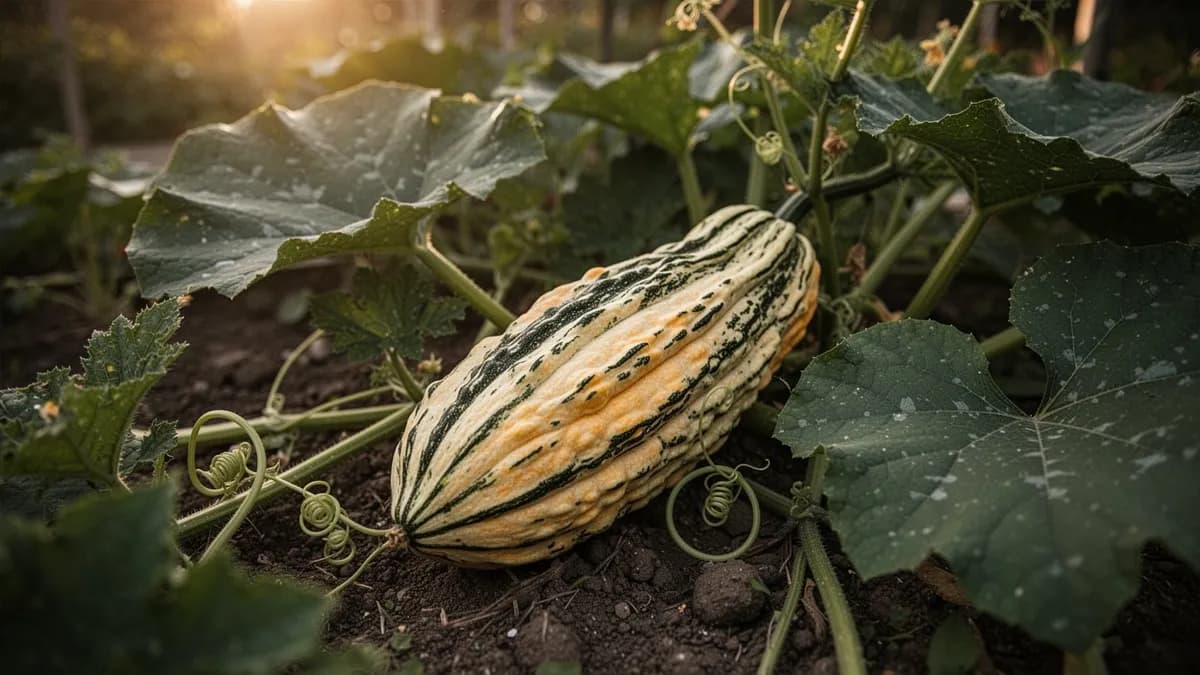
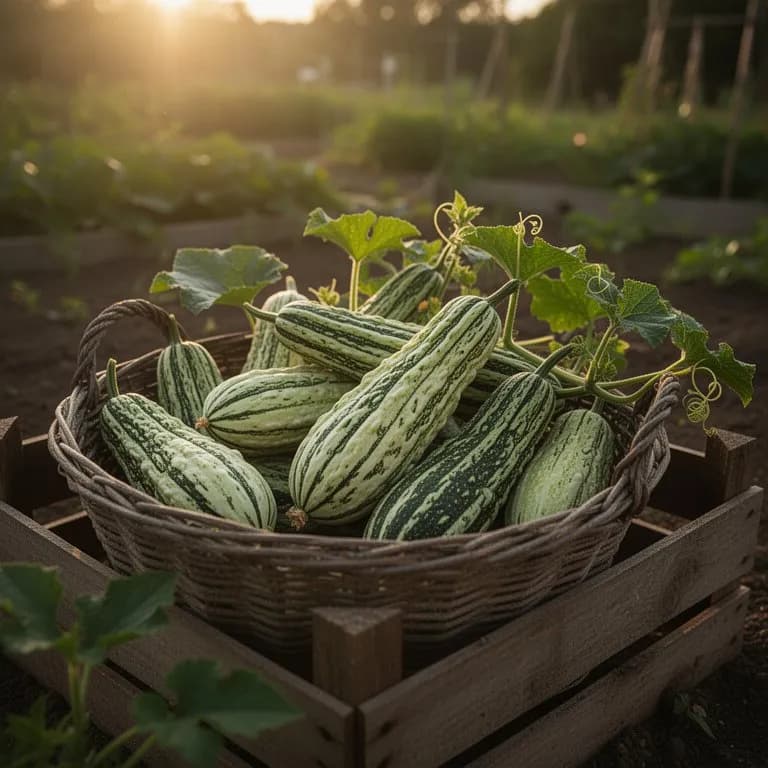
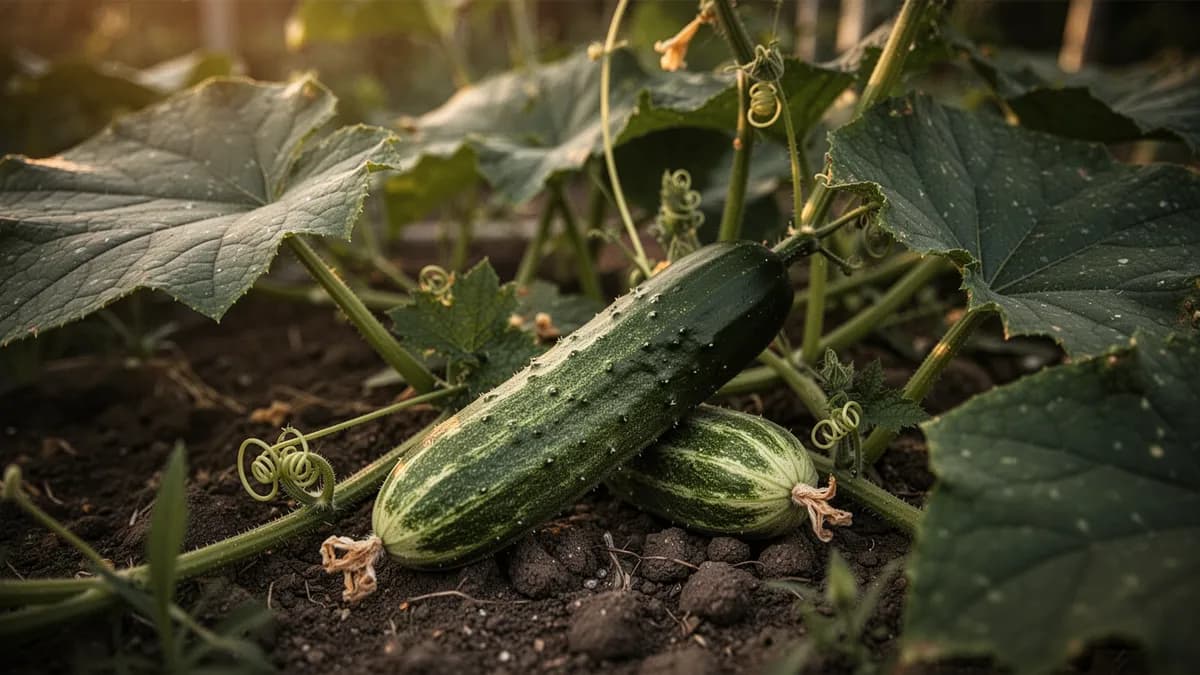
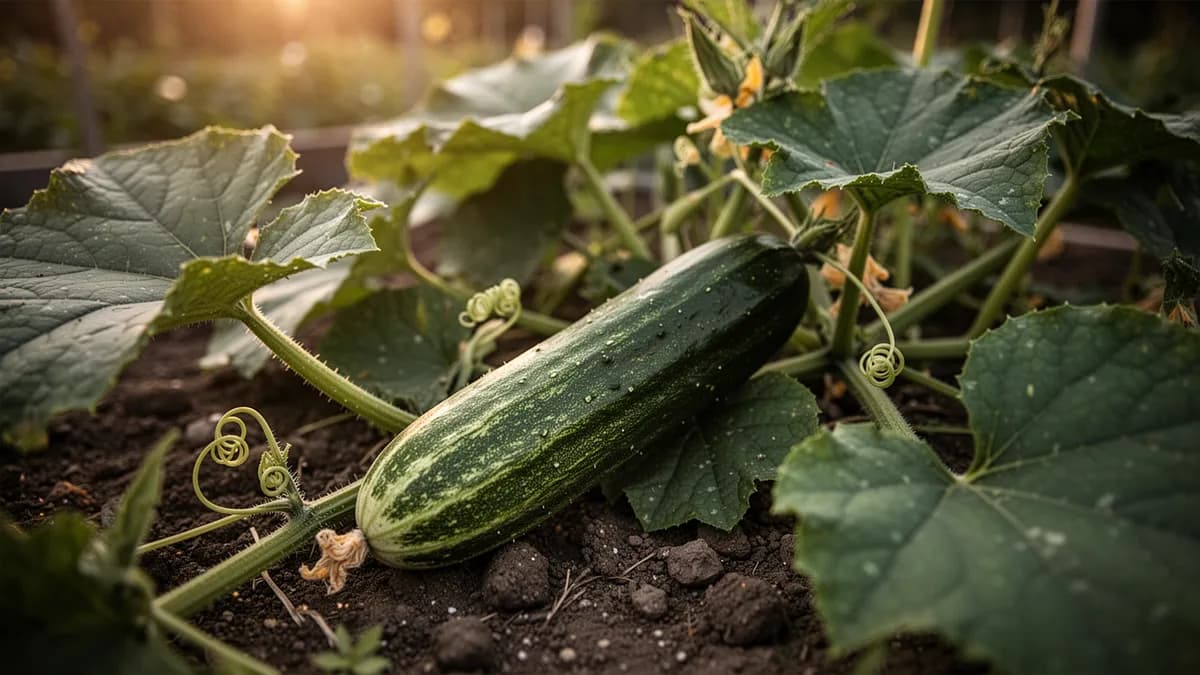
Eine kantige Luffa mit markanten Längsrippen, die in der indischen und asiatischen Küche wegen ihres milden, schwammigen Fruchtfleischs beliebt ist.





Auf dieser SeiteÜberblick
Gerippter Schwammkürbis im Überblick
Eine kantige Luffa mit markanten Längsrippen, die in der indischen und asiatischen Küche wegen ihres milden, schwammigen Fruchtfleischs beliebt ist. Ernten Sie bei einer Länge von 15 bis 20 Zentimetern, wenn die Schale noch zart und die Rippen noch nicht faserig sind. Die dunkelgrüne Schale wird entlang der Rippen geschält, um das weiche weiße Innere freizulegen, das in Currys und Pfannengerichten verwendet wird. Die Pflanzen sind kräftige, nachtblühende Kletterer, die ein stabiles Rankgitter und warme Temperaturen benötigen.
Wann Gerippter Schwammkürbis pflanzen
Beginnen Sie 3–4 Wochen vor dem erwarteten letzten Frost mit der Aussaat in biologisch abbaubaren Töpfen, um Wurzelstörungen beim Umpflanzen zu minimieren. Weichen Sie die Samen 24 Stunden in warmem Wasser ein, um die harte Samenschale aufzuweichen, und ritzen Sie dann die Kante mit einer Feile an, um die Keimung zu beschleunigen. Pflanzen Sie die Samen 2,5 cm tief in sterile Anzuchterde und halten Sie die Bodentemperatur mit einer Heizmatte bei 24–29 °C. Die Keimung dauert 7–14 Tage. Sorgen Sie für helles Licht über 12–14 Stunden täglich. Härten Sie die Setzlinge über 7–10 Tage ab, bevor Sie sie ins Freiland pflanzen, wenn die Nachttemperaturen über 15 °C bleiben.
Dein Gerippter Schwammkürbis-Jahr
Abgestimmt auf Zone 7 · typische Saison · Frost geht um den 2. Apr. und kehrt um den 1. Nov. zurück
Gerippter Schwammkürbis Apr – Jun pflanzen, Jul – Sep ernten. Beachte die Pflanzmethoden unten und wähle dein Klima für passende Zeiträume.
So baust du Gerippter Schwammkürbis an
Säen Sie Samen des gerippten Schwammkürbisses 3–4 Wochen vor dem letzten Frosttermin im Haus vor oder säen Sie direkt ins Freiland, sobald die Bodentemperaturen mindestens 21 °C erreichen. Weichen Sie die Samen 24 Stunden in warmem Wasser ein, um die Keimung zu beschleunigen, die in der Regel 7–14 Tage dauert. Pflanzen Sie die Samen 2,5 cm tief und 60 cm auseinander in Reihen mit 1,5–1,8 m Abstand oder am Fuß eines stabilen Rankgitters.
Der gerippte Schwammkürbis ist eine kräftige Kletterpflanze, die eine stabile Stützstruktur von mindestens 1,8–2,4 m Höhe benötigt. Die Ranken greifen fest zu, daher eignen sich Maschendrahtzäune, Rinderpaneele oder Bambusteepees gut. Sorgen Sie während der Wachstumsperiode für gleichmäßige Feuchtigkeit, besonders während der Blüte und des Fruchtansatzes. Die Blüten öffnen sich nachts und werden von Motten bestäubt, daher sollten abends keine Pestizide gesprüht werden.
Düngen Sie alle 3–4 Wochen während der Wachstumsperiode mit Kompost oder ausgewogenem Dünger nach. Knipsen Sie die Triebspitzen ab, sobald die Ranken die Spitze des Rankgitters erreichen, um die Seitenverzweigung und mehr Fruchtbildung zu fördern. In kühleren Klimazonen verwenden Sie schwarze Kunststoffmulchfolie oder Vliesabdeckungen, um die Bodenwärme zu erhalten. Die Pflanzen sind äußerst frostempfindlich und benötigen mindestens 3–4 Monate warmes Wetter für eine gute Ernte.
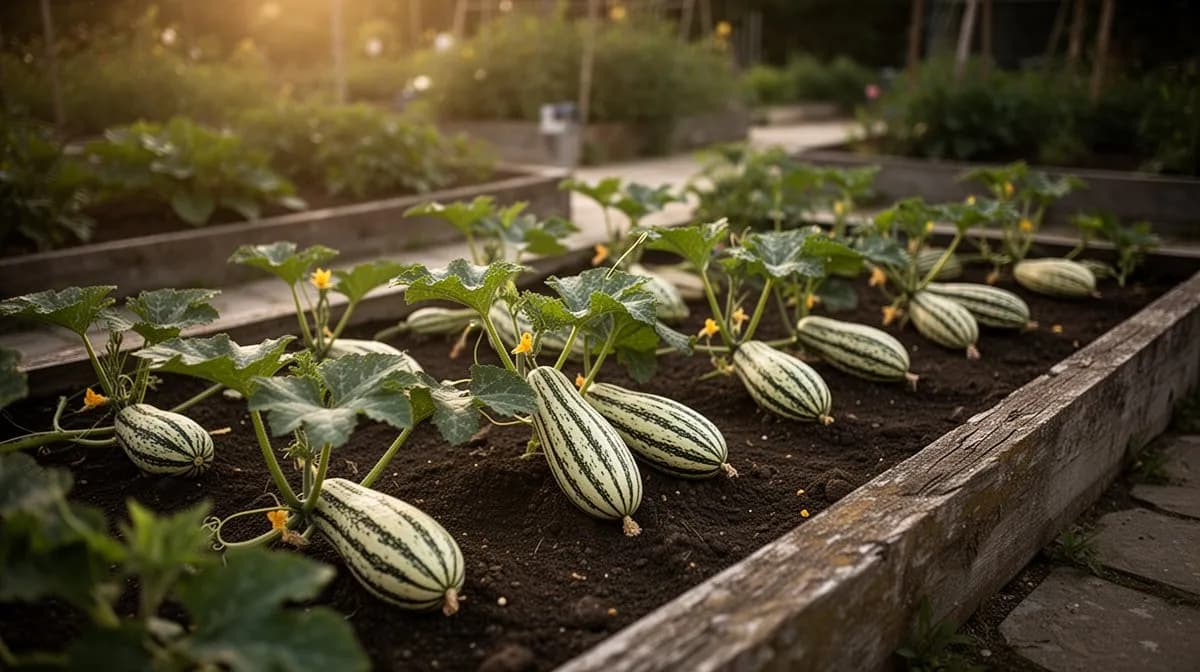
8 Pflanzen passen in ein Beet von 120 × 240 cm
Gerippter Schwammkürbis braucht 60 cm Platz pro Pflanze. Der Planer hält diesen Abstand für dich ein — jede Pflanze, jedes Beet.
Die besten Nachbarn für Gerippter Schwammkürbis
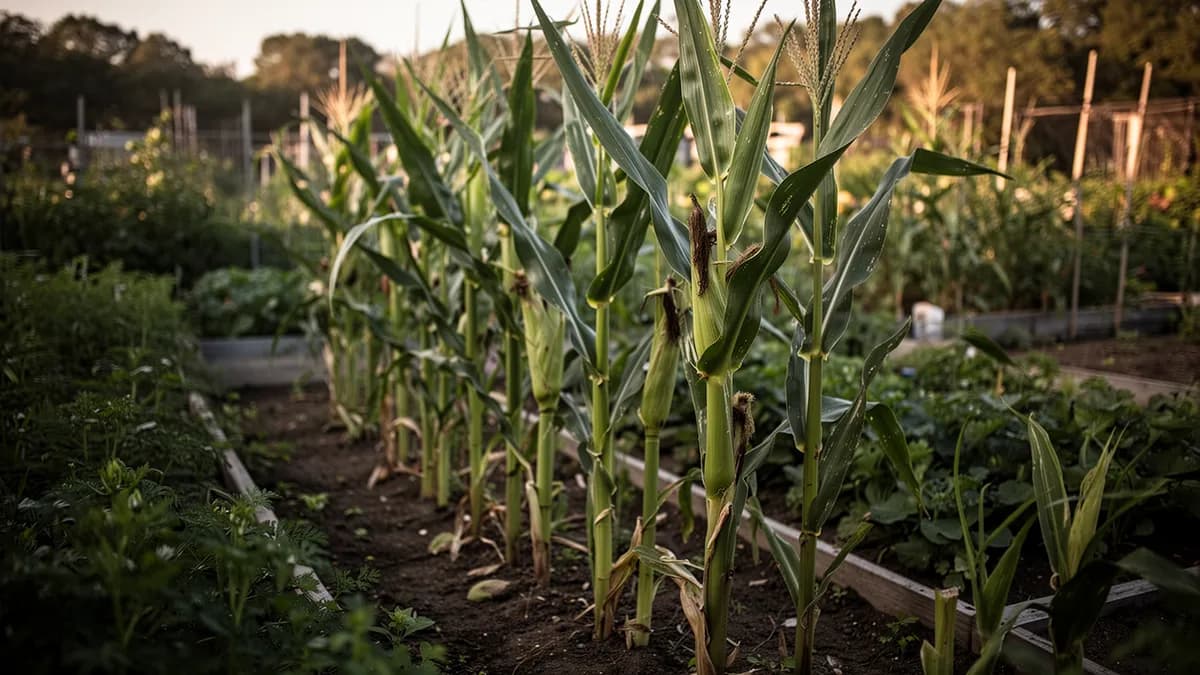
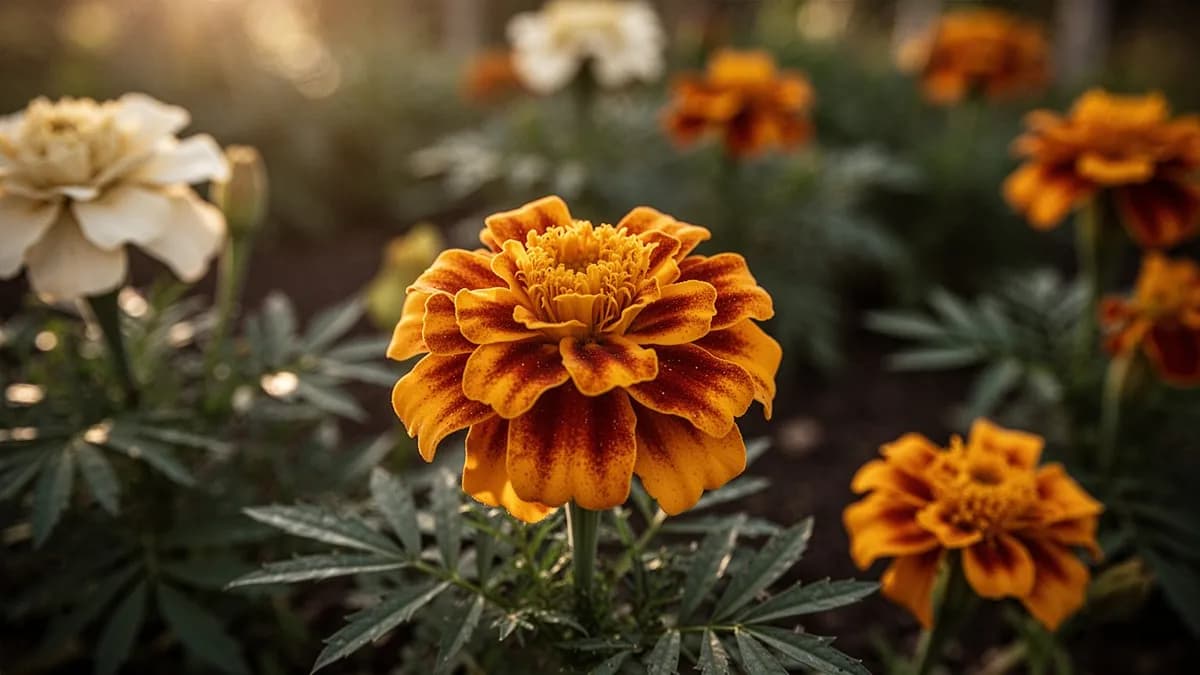
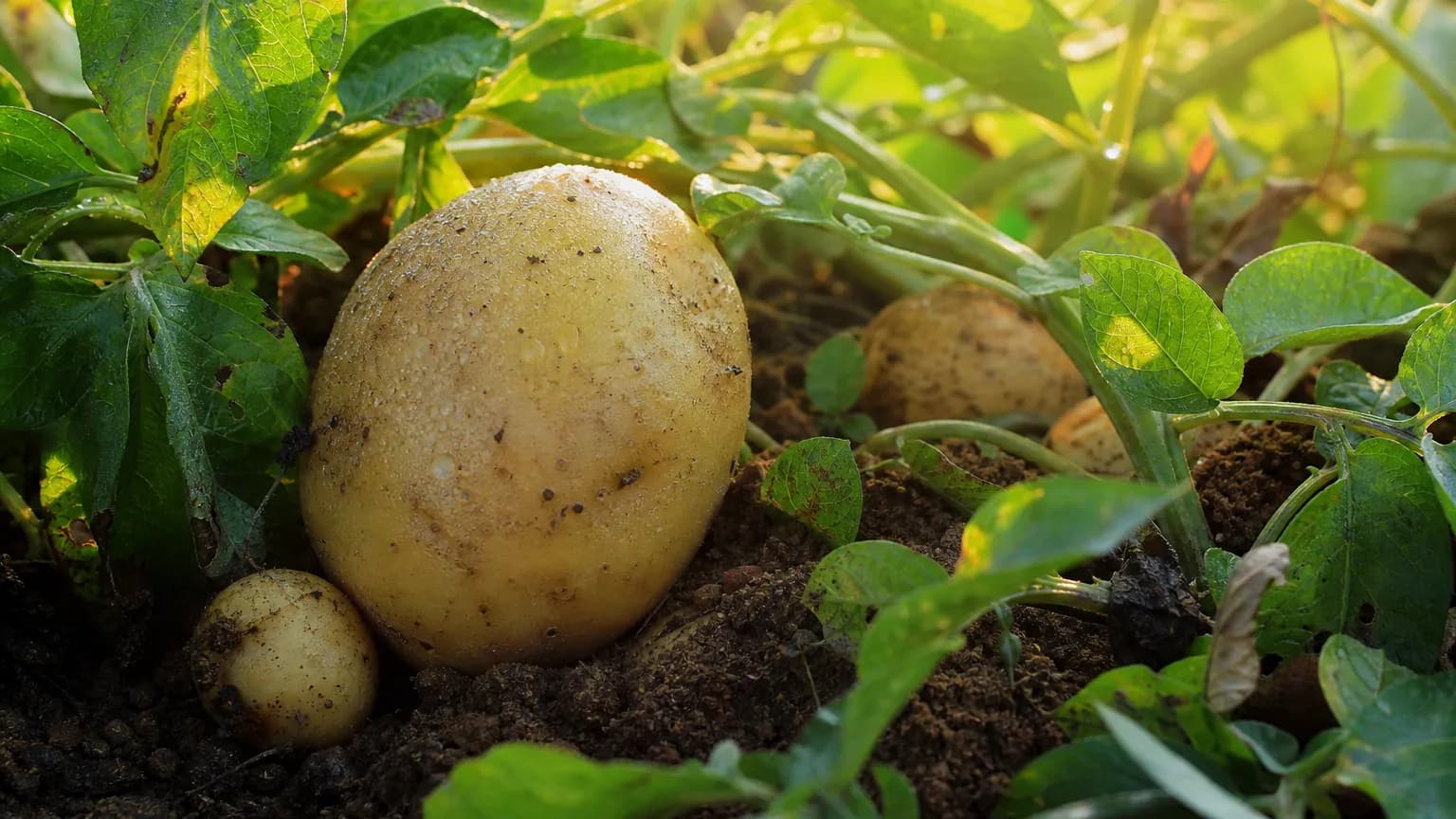
Gerippter Schwammkürbis wächst gut neben Mais, der eine natürliche Stütze für die Kletterpflanzen bietet, während die großen Blätter des Kürbisses den Boden beschatten und die Feuchtigkeit speichern. In der Nähe gepflanzte Tagetes vertreiben Blattläuse und Fruchtfliegen. Bohnen und Erbsen binden Stickstoff im Boden, was dem nährstoffhungrigen Kürbis zugutekommt. Vermeiden Sie die Pflanzung neben Kartoffeln, die um Nährstoffe konkurrieren, und neben anderen Kürbisgewächsen, um gemeinsamen Krankheitsdruck zu verringern. Sonnenblumen ziehen Bestäuber an, die die nachtblühenden Kürbisblüten in der Dämmerung besuchen.
Mais gehört daneben. Kartoffel nicht.
Altes Gärtnerwissen, geprüft an der echten Nachbartabelle von Gerippter Schwammkürbis — teste jede Pflanze, die du anbaust.
Probiere Gerippter Schwammkürbis direkt hier im Beet
Ein echtes Planer-Beet, Gerippter Schwammkürbis steht schon drin. Tippe einen Begleiter an, platziere ihn und sieh, wie die Nachbarschaftsprüfung antwortet — grün für gute Nachbarn, rot bei Streit.


Passende Anbau-Ratgeber
Richtig düngen
Gerippter Schwammkürbis gedeiht in gut durchlässigen, fruchtbaren Böden mit einem pH-Wert von 6,0–7,0 und hohem Gehalt an organischer Substanz. Bereiten Sie die Beete vor, indem Sie 8–10 cm gereiften Kompost einarbeiten. Geben Sie bei der Pflanzung einen ausgewogenen 10-10-10-Dünger und düngen Sie während des aktiven Wachstums alle 3 Wochen mit stickstoffreichem Dünger nach. Sobald die Blüte beginnt, wechseln Sie zu einem phosphorreichen Dünger, um den Fruchtansatz zu fördern. Mulchen Sie großzügig mit organischem Material, um die Feuchtigkeit zu erhalten und Unkraut zu unterdrücken. Sandige Lehmböden liefern die besten Ergebnisse.
Ideale Temperatur
Winterhärtezone-Kompatibilität
Von der Saat zur Ernte, Schritt für Schritt
Aussaat
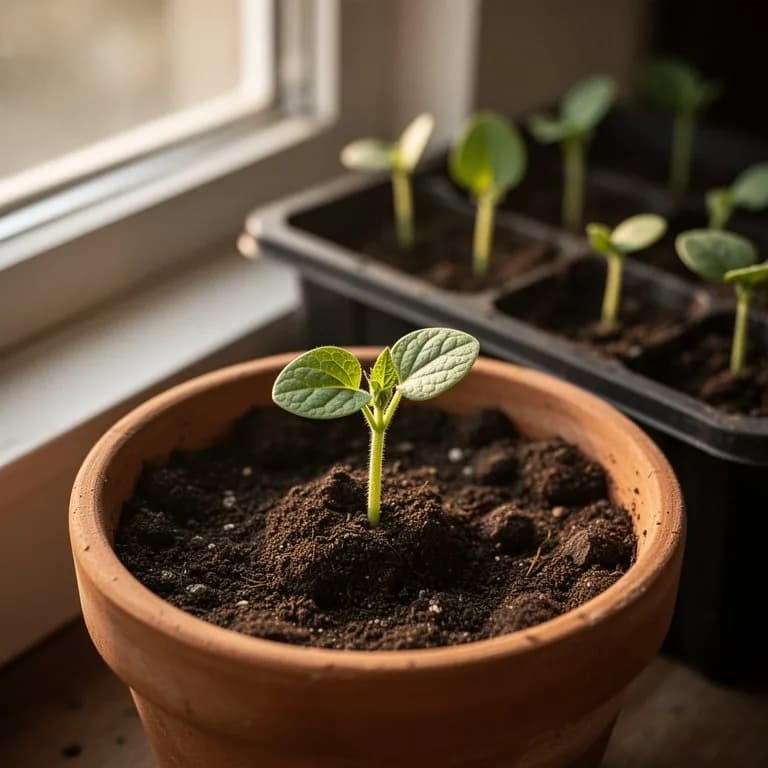
Samen des gerippten Schwammkürbisses haben eine mäßig harte Samenschale und profitieren vom Einweichen vor der Aussaat. Unter warmen Bedingungen von 25–30 °C erscheint die Keimwurzel nach 5–10 Tagen. Breite, runde Keimblätter durchbrechen den Boden, gefolgt von den ersten echten Blättern, die herzförmig mit leicht kantigen Rändern sind. Die Bodentemperatur muss mindestens 20 °C betragen, um eine zuverlässige Keimung zu gewährleisten.
Rankenentwicklung
Echte Blätter entwickeln sich schnell mit einer tief gelappten, handförmigen Form. An den Blattknoten erscheinen Ranken und die Pflanze beginnt aktiv nach vertikaler Stütze zu suchen. Das Wurzelsystem dehnt sich kräftig unterirdisch aus und legt das Fundament für die bevorstehende explosive Wachstumsphase. Das Wachstum beschleunigt sich merklich, sobald die Tagestemperaturen dauerhaft 25 °C überschreiten.
Schnelles Rankenwachstum
Die Ranken treten in eine explosive Wachstumsphase ein und klettern bei heißem, feuchtem Wetter 10–20 cm pro Tag. Große, tief gelappte Blätter bilden ein üppiges Blätterdach. Seitentriebe verzweigen sich frei, und kräftige gegabelte Ranken greifen fest an jede verfügbare Stütze. Eine einzelne Ranke kann eine Gesamtlänge von 5–10 Metern erreichen, weshalb eine vertikale Stütze für die Pflege und Ernte unerlässlich ist.
Blüte und Bestäubung
Gelbe fünfblättrige Blüten erscheinen, die sich oft in den Stunden vor der Morgendämmerung oder am frühen Morgen öffnen. Männliche Blüten an langen Stielen erscheinen zuerst in Büscheln, gefolgt von einzelnen weiblichen Blüten, die am kleinen gerippten Fruchtknoten hinter den Blütenblättern erkennbar sind. Die Bestäubung erfolgt hauptsächlich durch Bienen und andere morgenaktive Insekten. In Gebieten mit geringer Bestäuberaktivität verbessert Handbestäubung den Fruchtansatz erheblich.
Fruchtentwicklung
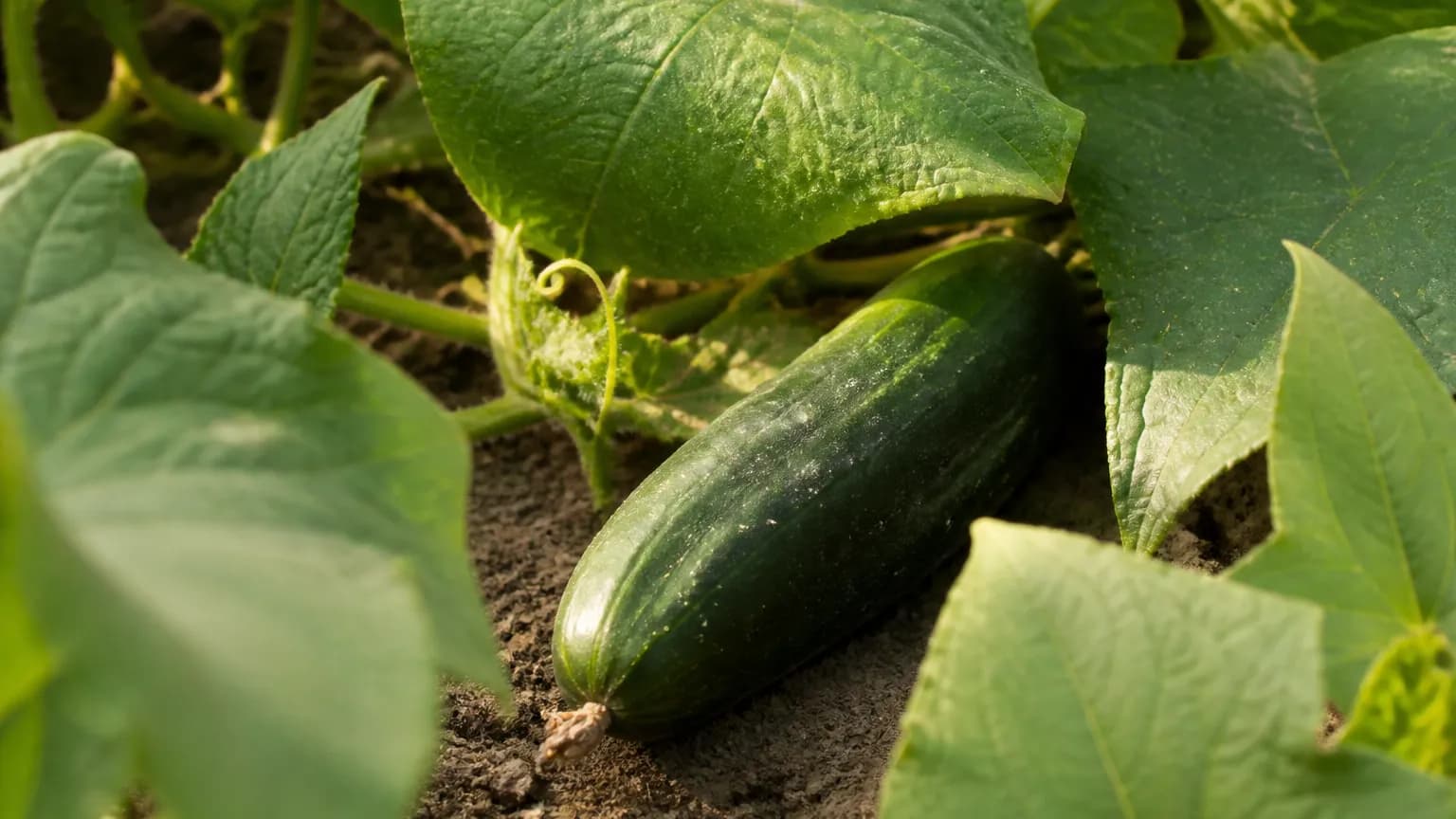
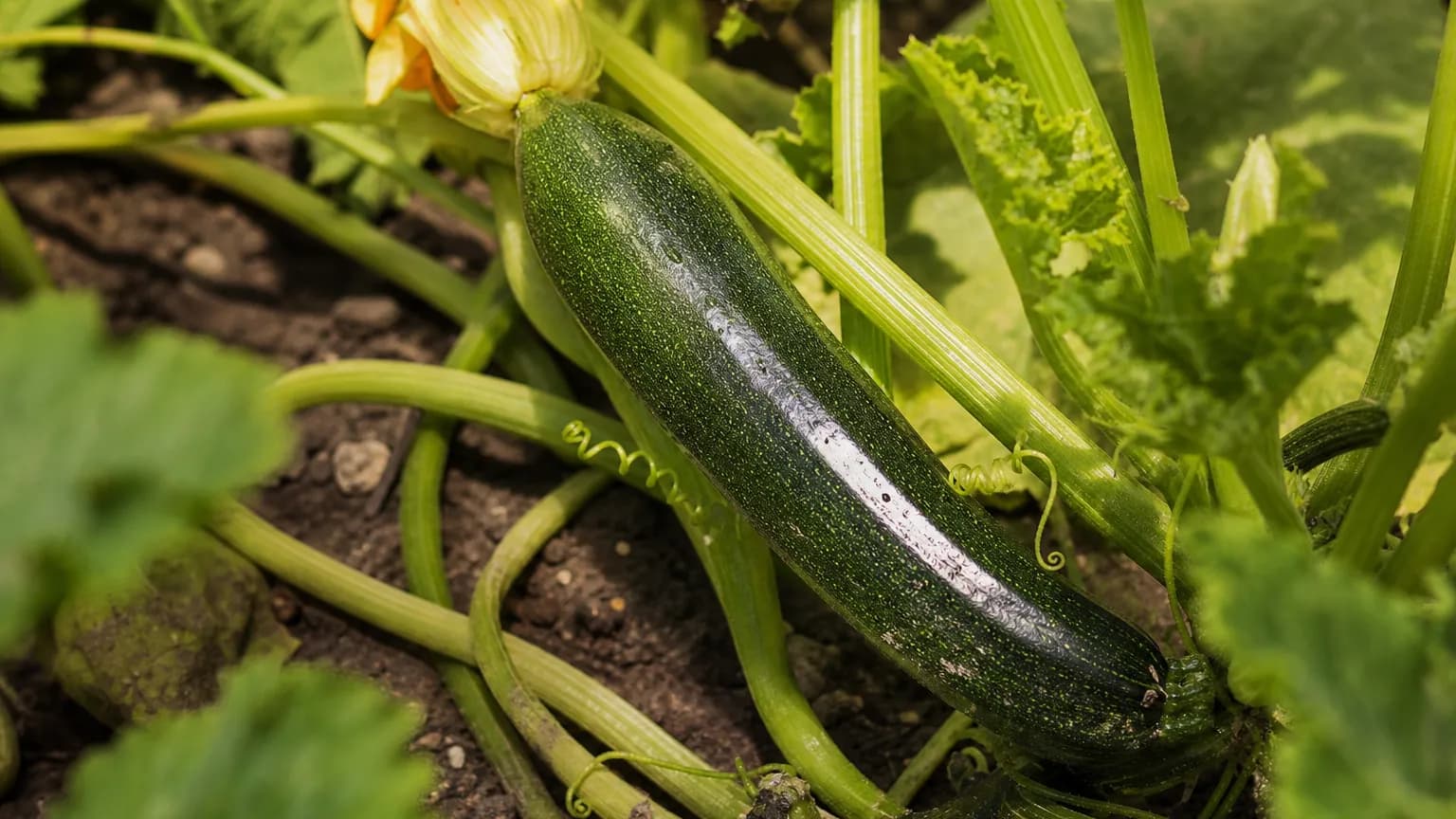
Bestäubte weibliche Blüten entwickeln sich zu schnell wachsenden Kürbissen mit markanten scharfen Längsrippen von Stiel bis Spitze. Die Früchte wachsen bei warmem Wetter schnell und erreichen innerhalb von 7–10 Tagen nach der Bestäubung die erntefähige Größe von 15–25 cm. Das Fruchtfleisch ist weiß, schwammig und im jungen Zustand leicht süß. Kürbisse, die zu reif werden, entwickeln zähe Fasern und werden bitter und ungenießbar.
Fortgesetzte Produktion und Abklingen
Bei regelmäßiger Ernte und ausreichender Nährstoffversorgung produzieren die Ranken des gerippten Schwammkürbisses über 6–8 Wochen oder länger weiterhin neue Blüten und Früchte. Die Produktion verlangsamt sich allmählich mit dem Altern der Ranke und sinkenden Temperaturen. Ältere Blätter an der Basis vergilben und fallen ab, während die Rankenspitze weiterwächst und blüht. Die Saison endet mit dem ersten Frost oder wenn die Ranke sich nach einem langen produktiven Lauf erschöpft hat.
Weichen Sie die Samen 12–24 Stunden in warmem Wasser ein, um die Samenschale aufzuweichen und die Keimung zu beschleunigen. Beginnen Sie in warmen Klimazonen 3–4 Wochen vor dem letzten Frost mit der Aussaat im Haus oder säen Sie direkt ins Freiland, sobald die Bodentemperaturen 25 °C erreichen. Verwenden Sie 8–10 cm tiefe Töpfe, um die sich entwickelnde Pfahlwurzel aufzunehmen.
Gerippter Schwammkürbis Monat für Monat pflegen
Was du jeden Monat für deine Gerippter Schwammkürbis tun solltest
Oktober
Aktueller MonatIn den Zonen 9–12 kann die Ernte in warmen Jahren bis Oktober andauern. In kühleren Zonen lässt die Produktion nach, wenn die Temperaturen unter 18 °C fallen. Ernten Sie alle verbleibenden essbaren Kürbisse vor dem Frost. Lassen Sie bei Bedarf einige Kürbisse vollständig an der Rebe ausreifen, um Saatgut zu gewinnen.
Immer wissen, was jetzt im Garten zu tun ist
Eine E-Mail zum Monatsanfang: was du jetzt säen, pflanzen und anpacken solltest — für deine Gerippter Schwammkürbis und alles, was drumherum wächst. Dazu ein kurzer Startkurs, der dich vor den klassischen Fehlern bewahrt.
- Was jetzt zu tun ist
- Passend zu deiner Saison
- Startkurs inklusive
Gerippter Schwammkürbis ernten
Ernten Sie den gerippten Schwammkürbis, wenn die Früchte 15–20 cm lang sind und die Schale noch zart genug ist, um sie mit dem Fingernagel einzuritzen. Die Rippen sollten deutlich ausgeprägt, aber noch nicht holzig oder faserig sein. Ernten Sie alle 2–3 Tage, um die kontinuierliche Produktion zu fördern. Verwenden Sie ein scharfes Messer oder eine Gartenschere, um den Stiel abzuschneiden, und lassen Sie einen kurzen Stummel an der Frucht. Überreife Kürbisse werden zäh und faserig und eignen sich nur noch zur Herstellung von Luffa-Schwämmen. Die Morgenernte liefert die knackigsten Früchte mit der besten Textur zum Kochen.
angenommen, du pflanzt zu Beginn des Zeitraums — trage dein tatsächliches Datum ein
Ernte Gerippter Schwammkürbis zügig, dann trägt die Pflanze weiter.
Lagerung & Konservierung
Lagern Sie frischen gerippten Schwammkürbis im Gemüsefach des Kühlschranks bis zu einer Woche, eingewickelt in ein feuchtes Papiertuch in einem perforierten Plastikbeutel. Waschen Sie ihn erst kurz vor der Verwendung. Für eine längere Aufbewahrung schälen und schneiden Sie den Kürbis, blanchieren Sie ihn 2–3 Minuten und frieren Sie ihn in luftdichten Behältern bis zu 6 Monate ein. Gerippter Schwammkürbis kann auch dünn geschnitten und getrocknet werden, um ihn in Suppen zu verwenden. Überreife Kürbisse können an der Rebe getrocknet werden, um natürliche Luffa-Reinigungsschwämme herzustellen.
Was schiefgeht — und die Lösung
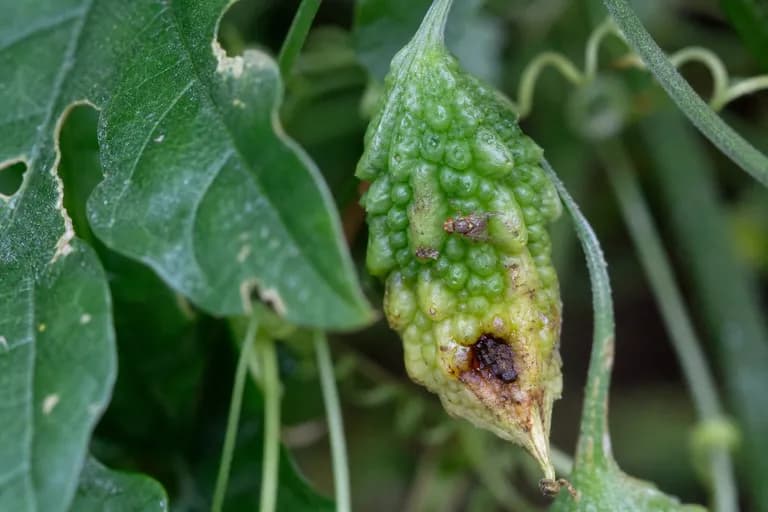
Fruchtfliege
SchädlingKleine Einstichstellen an sich entwickelnden Früchten, Larven bohren sich ins Innere und verursachen vorzeitiges Faulen und Abfallen der Kürbisse.
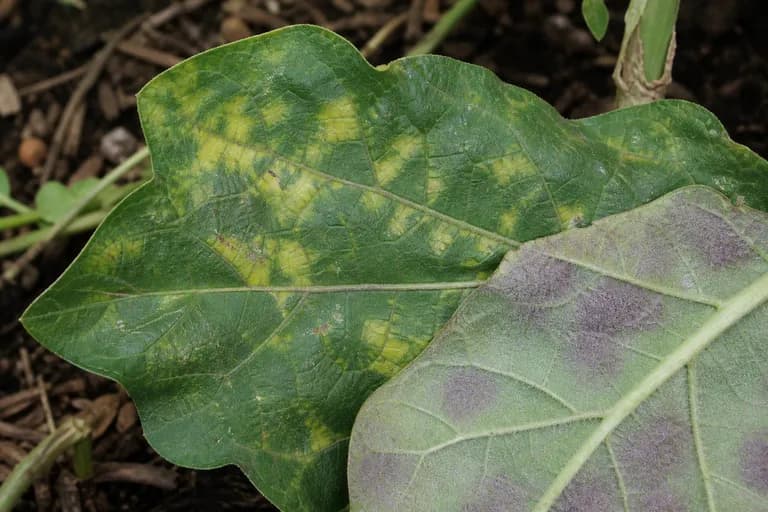
Falscher Mehltau
KrankheitGelbe eckige Flecken auf den Blattoberseiten mit grau-violettem, flaumigem Belag auf der Unterseite, was zu Blattkräuselung und Blattfall führt.
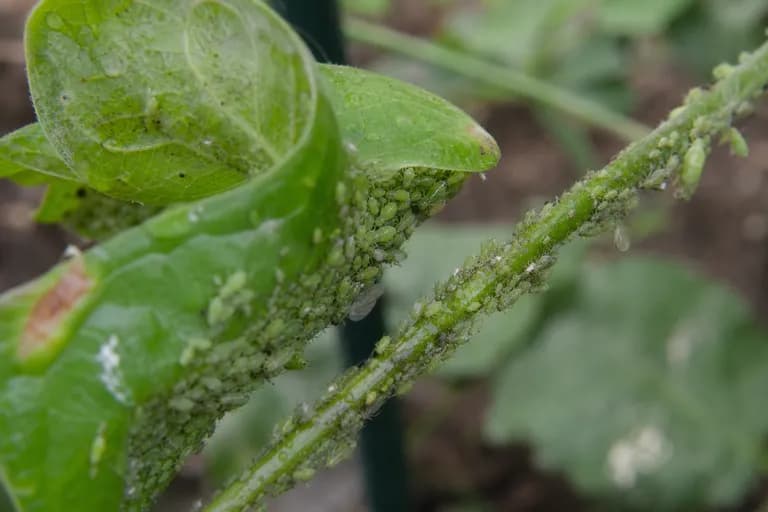
Blattläuse
SchädlingAnsammlungen kleiner grüner oder schwarzer Insekten an Triebspitzen und Blattunterseiten, die Blattkräuselung und klebrige Honigtau-Ablagerungen verursachen.
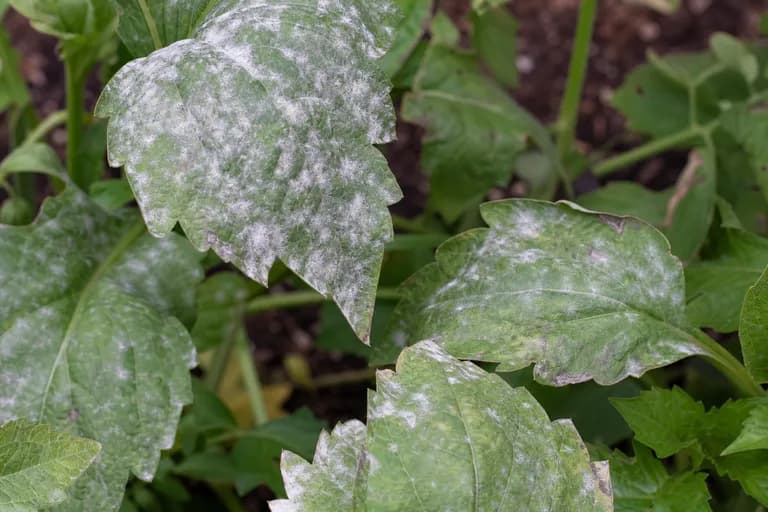
Echter Mehltau
KrankheitWeißer pudriger Belag auf Blättern und Stängeln, beginnend als kleine Flecken, die sich auf die gesamte Blattoberfläche ausbreiten und die Photosynthese verringern.
Fehlerbehebung bei häufigen Problemen
Schlechter Fruchtansatz wird oft durch unzureichende Bestäubung verursacht, da die Blüten nachts blühen und Mottenbestäuber benötigen. Handbestäubung am Abend kann helfen. Bitter schmeckende Früchte resultieren aus Wasserstress oder Temperaturschwankungen. Früchte, die zu lange an der Rebe gelassen werden, werden faserig und zum Kochen ungenießbar. Vergilbende Blätter deuten typischerweise auf Stickstoffmangel oder Überwässerung hin. Rankenbohrer können Stängel aushöhlen und ein plötzliches Welken von Pflanzenteilen verursachen. Sorgen Sie für gleichmäßige Bewässerung, um Blütenendfäule und Rissbildung zu vermeiden.
Anbautipps
- Ziehen Sie gerippten Schwammkürbis immer an einem stabilen vertikalen Rankgitter von mindestens 2 Metern Höhe. Kürbisse, die hängend an einem Rankgitter wachsen, werden gerader, bleiben sauberer, sind leichter für eine rechtzeitige Ernte zu erkennen und haben eine bessere Luftzirkulation, die Pilzkrankheiten reduziert. Am Boden gewachsene Kürbisse krümmen sich, verfärben sich an der Bodenkontaktseite und ziehen Schnecken an.
- Ernten Sie jung und ernten Sie oft — das ist die wichtigste Regel für gerippten Schwammkürbis. Pflücken Sie Kürbisse bei 15–25 cm, wenn die Schale dunkelgrün und glänzend ist und die Rippen scharf sind, aber das Fruchtfleisch dazwischen auf sanften Daumendruck nachgibt. Überreife Kürbisse werden innerhalb von nur 2–3 Tagen nach dem idealen Zeitfenster faserig, bitter und schwammig.
- Schälen Sie gerippten Schwammkürbis vor dem Kochen, indem Sie einen Sparschäler entlang der Täler zwischen den Rippen führen und nur die zähe Außenhaut entfernen, während die Rippen intakt bleiben. Die Rippen selbst sind zart und verleihen Gerichten ein attraktives Aussehen. Alternativ können Sie bei sehr frischen und jungen Kürbissen mit einem Messer nur die Rippenspitzen abhobeln.
- Gerippter Schwammkürbis ist ein Starkzehrer, der großzügige Kompostgaben und regelmäßige Düngung belohnt. Arbeiten Sie 5–8 cm Kompost vor der Pflanzung in das Beet ein und düngen Sie dann alle 2–3 Wochen während der Wachstumsperiode mit ausgewogenem Dünger oder Komposttee nach. Kaliumreiche Düngergaben während der Fruchtbildung verbessern die Kürbisqualität und die Ausdauer der Ranke.
- Wässern Sie gleichmäßig und gründlich — das große Blätterdach des gerippten Schwammkürbisses verdunstet enorme Mengen an Feuchtigkeit. Geben Sie mindestens 5 cm Wasser pro Woche und mehr während der Hauptfruchtzeit bei heißem Wetter. Tropfbewässerung oder Perlschläuche an der Basis sind ideal. Mulchen Sie dick, um die Bodenfeuchtigkeit zu erhalten und Unkraut zu unterdrücken.
- Bestäuben Sie von Hand für maximale Erträge in Gebieten mit begrenzter Bestäuberaktivität. Die Blüten des gerippten Schwammkürbisses öffnen sich sehr früh am Morgen (oft vor der Morgendämmerung), daher bestäuben Sie bei erstem Tageslicht. Pflücken Sie eine männliche Blüte, entfernen Sie die Blütenblätter und tupfen Sie den Pollen direkt auf die Narbe einer frisch geöffneten weiblichen Blüte.
- Pflanzen Sie als Begleitpflanzen Tagetes und Basilikum rund um die Basis des Rankgitters, um Bestäuber anzulocken und häufige Schädlinge abzuwehren. Vermeiden Sie die Pflanzung neben anderen Kürbisgewächsen, um die Ausbreitung gemeinsamer Krankheiten wie Echtem Mehltau und Falschem Mehltau zu reduzieren.
- In kühleren Klimazonen mit kürzeren Sommern maximieren Sie die Wärme, indem Sie an einer nach Süden ausgerichteten Wand oder einem Zaun pflanzen, schwarze Kunststoffmulchfolie zur Bodenerwärmung verwenden und junge Pflanzen in kühlen Nächten mit Vliesabdeckung schützen. Jedes Grad zusätzliche Wärme bedeutet bei dieser tropischen Kultur direkt schnelleres Wachstum und höhere Erträge.
Bau deine beste Gerippter Schwammkürbis an — und alles drumherum.
Starte heute kostenlos. Lege deine Beete an, setze deine Gerippter Schwammkürbis ein und lass PlotMyGarden Timing, Abstände, Begleiter und Erinnerungen von der Saat bis zum Erntekorb übernehmen.
Finde deine Gerippter Schwammkürbis
Satputia
Eine beliebte indische Sorte, die schlanke, dunkelgrüne Früchte mit scharfen Rippen hervorbringt. Bekannt für frühe Reife und reichlichen Fruchtansatz.
Pusa Nasdar
Entwickelt für hohen Ertrag und Krankheitsresistenz, produziert mittelgroße Früchte, ideal für Currys und Pfannengerichte.
CO-1
Eine kräftige Sorte, gezüchtet für tropische Klimazonen, die über eine lange Erntesaison reichlich Früchte produziert.
Arka Sumeet
Eine Hybridsorte mit gleichmäßigen Früchten und guter Lagerfähigkeit. Resistent gegen häufige Kürbiskrankheiten.
Gerippter Schwammkürbis ist ein Premiumgemüse in asiatischen Lebensmittelgeschäften und wird je nach Region und Saison typischerweise für 6–13 € pro Kilogramm verkauft. Eine einzelne produktive Ranke, gezogen aus einem 2–3 € teuren Saatgutpäckchen, kann über die Saison 15–25 kg zarter Kürbisse liefern, was einem Wert von 90–270 € im Lebensmittelgeschäft entspricht. Die Pflanze benötigt neben Wasser, Kompost und einem Rankgitter nur minimalen Aufwand — was sie zu einem der Gemüse mit dem höchsten Return on Investment für Gärtner macht, die regelmäßig südasiatisch, südostasiatisch oder ostasiatisch kochen. Zusätzliche Einsparungen ergeben sich durch die tägliche Verfügbarkeit frischer, pestizidfreier Kürbisse im Hochsommer, wenn die Qualität gekaufter Produkte oft nachlässt.
Schnelle Rezepte
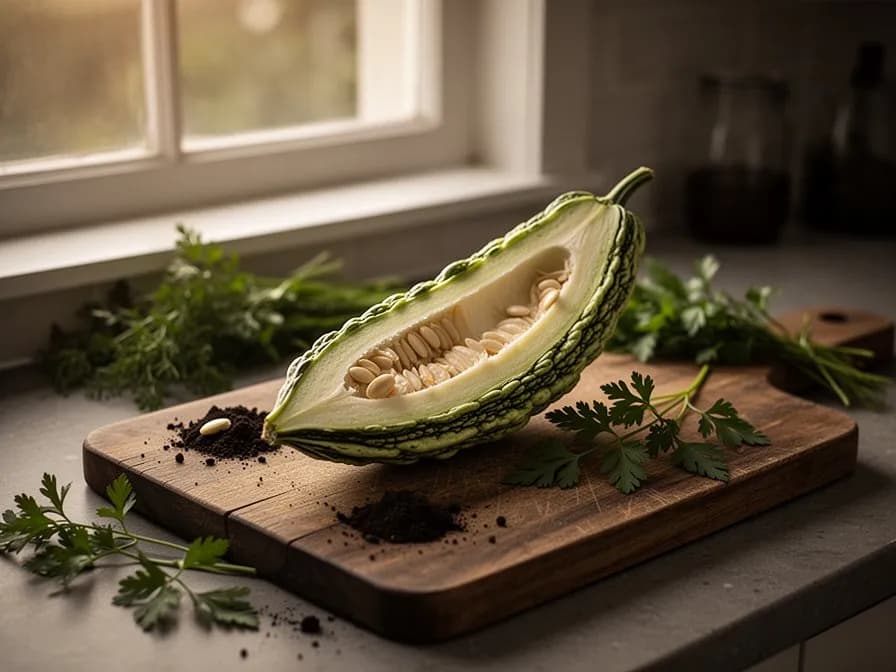
Turai ki Sabzi (Gewürztes Pfannengemüse aus geripptem Schwammkürbis)
20 Min.Ein klassisches nordindisches Alltagsgericht, bei dem gerippter Schwammkürbis geschält, in Scheiben geschnitten und mit Kreuzkümmel, Kurkuma und grüner Chili gegart wird, bis er zart und leicht karamellisiert ist. Einfach, wohltuend und ein Grundpfeiler der alltäglichen indischen Küche, das die milde Süße des Kürbisses durch wärmende Gewürze hervorhebt.
9 ZutatenGerippter Schwammkürbis mit Chana Dal
35 Min.Ein herzhafter südindischer Linseneintopf, in dem zarte Stücke des gerippten Schwammkürbisses mit gespaltenen Kichererbsenlinsen, Tamarinde und einer duftenden Würzmischung aus Senfkörnern, Curryblättern und getrockneten roten Chilischoten geköchelt werden. Nahrhaft und tiefgründig aromatisch — Seelenfutter in Bestform.
10 ZutatenGebratener gerippter Schwammkürbis mit Knoblauch und getrockneten Garnelen
15 Min.Eine schnelle südostasiatische Zubereitung, bei der geschälter gerippter Schwammkürbis bei hoher Hitze mit knusprigem Knoblauch und umamireichen getrockneten Garnelen pfannengebraten wird. Der Kürbis wird seidig und nimmt alle herzhaften Aromen in Minuten auf — ein ideales schnelles Beilagengericht für unter der Woche.
8 ZutatenKulinarische Verwendung
Gerippter Schwammkürbis wird in der indischen, südostasiatischen und chinesischen Küche häufig verwendet. Schälen Sie ihn entlang der Rippen und schneiden Sie ihn für Currys, Dal, Pfannengerichte und Suppen in Scheiben. Das milde, schwammige Fruchtfleisch nimmt Gewürze und Soßen wunderbar auf. Beliebte Gerichte sind Chana Dal mit geripptem Schwammkürbis, gebratener Turai mit Zwiebeln und Gewürzen sowie chinesische Suppe mit Schweinefleisch und geripptem Schwammkürbis. Junge Blätter und Triebe sind ebenfalls essbar und können als Blattgemüse gekocht werden.
Was drinsteckt
Gesundheitsvorteile
- Extrem kalorienarm mit nur 18 pro 100 g und über 93 % Wassergehalt, was den gerippten Schwammkürbis zu einem idealen Gemüse für Gewichtsmanagement und Hydration bei heißem Wetter macht.
- Enthält Ballaststoffe, die eine gesunde Verdauung unterstützen, regelmäßigen Stuhlgang fördern und nützliche Darmbakterien für ein ausgewogenes Darmmikrobiom ernähren.
- Liefert Vitamin C, das als Antioxidans wirkt und Zellen vor Schäden durch freie Radikale schützt, während es gleichzeitig die Kollagenproduktion für gesunde Haut und Wundheilung unterstützt.
- Reich an B-Vitaminen einschließlich Riboflavin und Niacin, die eine wesentliche Rolle im Energiestoffwechsel spielen und dem Körper helfen, Nahrung effizient in nutzbare Zellenergie umzuwandeln.
- Enthält Eisen und Zink, Spurenmineralien, die für den Sauerstofftransport im Blut, die Produktion von Immunzellen und Hunderte enzymatischer Reaktionen im gesamten Körper wichtig sind.
- In der Ayurvedischen Medizin traditionell als blutreinigendes und leberunterstützendes Lebensmittel geschätzt, enthält der gerippte Schwammkürbis bioaktive Verbindungen wie Saponine und Flavonoide, die laut moderner Forschung entzündungshemmende und antioxidative Eigenschaften haben könnten.
Woher Gerippter Schwammkürbis stammt
Der gerippte Schwammkürbis (Luffa acutangula) ist in den Tropen Asiens beheimatet, wobei Indien allgemein als sein primäres Ursprungs- und Domestikationszentrum gilt. Wildpopulationen von Luffa acutangula var. amara wachsen noch immer in Indien und bringen kleine, extrem bittere Früchte hervor, die ungenießbar sind, aber die genetischen Wurzeln der Kulturpflanze aufzeigen. Archäologische und botanische Belege deuten darauf hin, dass der gerippte Schwammkürbis vor mindestens 2.000–3.000 Jahren auf dem indischen Subkontinent domestiziert wurde, wobei alte Sanskrit-Texte die Pflanze als Nahrungs- und Heilpflanze erwähnen.
Von Indien aus verbreitete sich der gerippte Schwammkürbis über alte See- und Überlandhandelsrouten in ganz Südostasien und erreichte China, Japan, Indonesien und die Philippinen, wo er tief in die lokale Küche und Landwirtschaftssysteme integriert wurde. Arabische Händler brachten ihn westwärts in den Nahen Osten und nach Ostafrika, wo er in tropischen Tieflandgebieten günstige Wachstumsbedingungen fand. Portugiesische Entdecker führten ihn während der Kolonialzeit in Westafrika und Brasilien ein und erweiterten so seine Verbreitung in den Tropen.
Heute ist Indien mit Abstand der weltweit größte Produzent und Verbraucher von geripptem Schwammkürbis, wo er auf Hunderttausenden Hektar in fast jedem Bundesstaat angebaut wird. Er gedeiht besonders gut im heißen, feuchten Monsunklima Süd- und Westindiens, wo er ein Eckpfeiler der täglichen Gemüseküche ist. China, Bangladesch, Vietnam und die Philippinen sind ebenfalls bedeutende Produzenten. In westlichen Ländern bleibt der gerippte Schwammkürbis außerhalb von Einwanderergemeinden relativ unbekannt, obwohl er zunehmend in asiatischen Lebensmittelgeschäften erhältlich ist und bei abenteuerlustigen Hobbygärtnern, die hitzeliebende, ertragreiche Sommerkulturen suchen, auf wachsendes Interesse stößt.
Gerippter Schwammkürbis: Schon gewusst?
Faszinierende Fakten über Gerippter Schwammkürbis
Der gerippte Schwammkürbis (Luffa acutangula) ist der essbare Verwandte des glatten Luffa-Schwammkürbisses. Während der glatte Luffa hauptsächlich wegen seines faserigen Schwamms angebaut wird, wird der gerippte Schwammkürbis speziell als Gemüse kultiviert und ist eines der am häufigsten gegessenen Kürbisgewächse in Indien, Südostasien und Ostasien.
Gerippter Schwammkürbis: Fragen & Antworten
Wann sollte ich Gerippter Schwammkürbis pflanzen?
Was sind gute Begleitpflanzen für Gerippter Schwammkürbis?
In welchen Winterhärtezonen kann Gerippter Schwammkürbis wachsen?
Wie viel Sonne braucht Gerippter Schwammkürbis?
Welchen Abstand sollte ich zwischen Gerippter Schwammkürbis lassen?
Welche Schädlinge und Krankheiten befallen Gerippter Schwammkürbis?
Wie lagere ich Gerippter Schwammkürbis nach der Ernte?
Was sind die besten Gerippter Schwammkürbis-Sorten zum Anbauen?
Welchen Boden braucht Gerippter Schwammkürbis?
Was ist der Unterschied zwischen geripptem Schwammkürbis und glattem Luffa?
Warum werden meine gerippten Schwammkürbisse bitter?
Wie verhindere ich Echten Mehltau am gerippten Schwammkürbis?
Kann ich gerippten Schwammkürbis in Kübeln anbauen?
Wann ist der beste Zeitpunkt, um gerippten Schwammkürbis zu ernten?
Muss ich gerippten Schwammkürbis vor dem Kochen schälen?
Du hast die Theorie gelesen. Jetzt baue sie auf Autopilot an.
Alles, was Gerippter Schwammkürbis knifflig macht — das Timing, die Abstände, die Begleiter, das Erntefenster — genau das übernimmt PlotMyGarden für dich, für jede Pflanze im Garten.
Ein Plan, der dein Wetter kennt
Standort einmal festlegen. Aussaat-, Dünge- und Erntedaten rund um deinen echten letzten Frosttermin und die Live-Vorhersage — kein Raten mehr nach Saattüte.
Aus dem Abschnitt „Pflanzzeit“Beetplaner per Drag & Drop
Beete auf einem Raster gestalten. Jede Pflanze rastet im richtigen Abstand ein, und du siehst die ganze Saison, bevor du einen Cent für Saatgut ausgibst.
Aus dem Abschnitt „Anbau“Begleiter-Konflikte früh erkannt
Über 200 gute und schlechte Kombinationen werden beim Pflanzen live geprüft — so landet ein saisonruinierender Fehler nie in der Erde.
Aus dem Abschnitt „Begleiter“Erinnerungen, nach denen du wirklich handelst
„Gieß die Bohnen.“ „Heute ernten, bevor's umschlägt.“ Pünktlich, konkret und auf deine echten Pflanzen bezogen.
Aus dem Abschnitt „Ernte“Staffel-Aussaat, geplant
Sechs Wochen ernten statt sechs Tage? Die App verteilt deine Aussaaten automatisch und erinnert dich, wenn der nächste Satz fällig ist.
Aus dem Abschnitt „Pflanzzeit“Ein Verlauf, der schlauer wird
Jede protokollierte Ernte bringt der App deinen Garten bei. Der Plan fürs nächste Jahr startet bei dem, was in deinem Boden wirklich funktioniert hat.
Aus dem Abschnitt „Überblick“Pflanze diese neben Gerippter Schwammkürbis
Weitere Kürbisgewächse
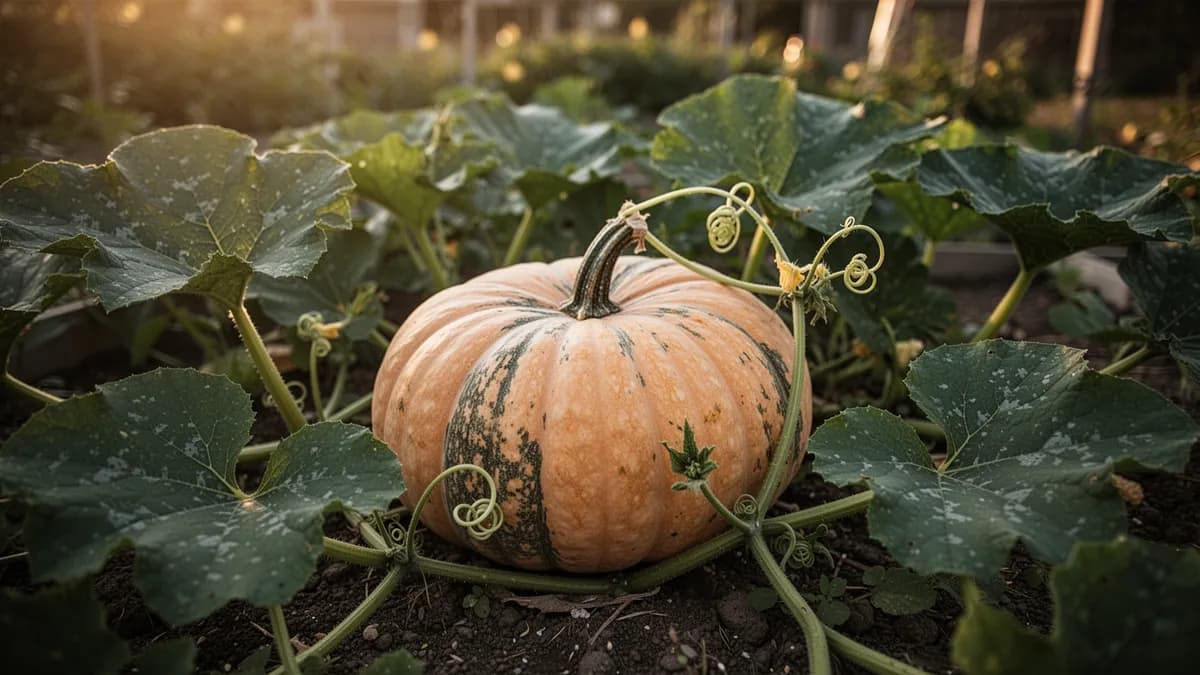
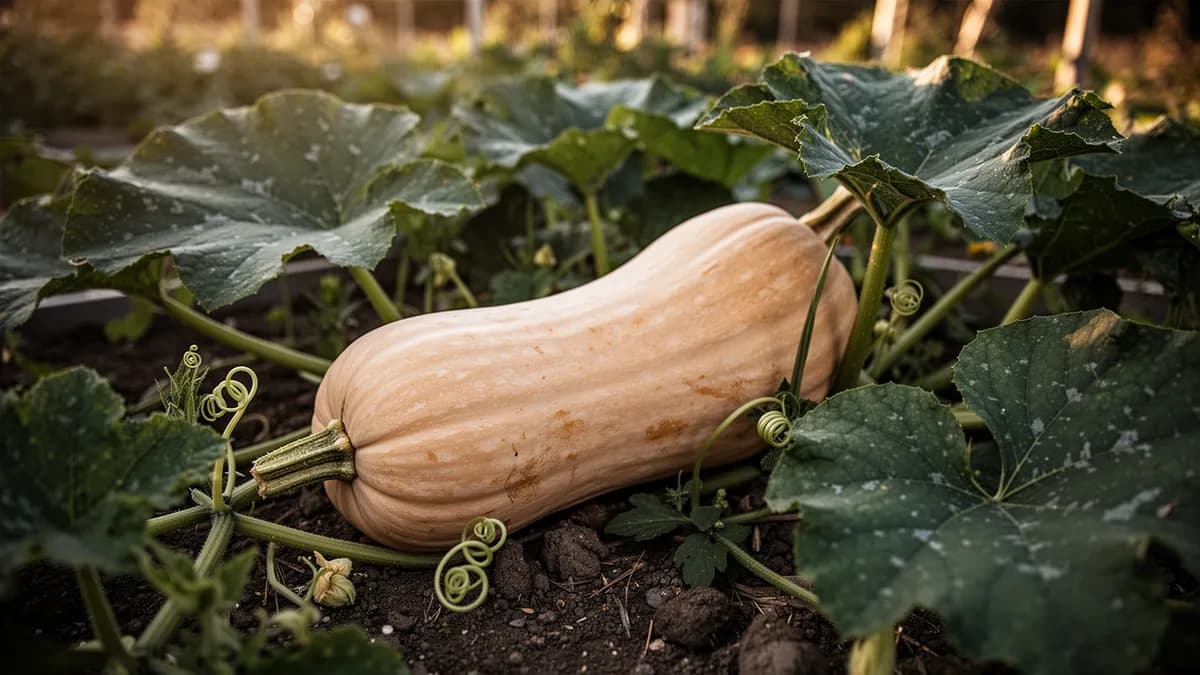
Halte Gerippter Schwammkürbis von diesen fern
Bau deine beste Gerippter Schwammkürbis an — und alles drumherum.
Starte heute kostenlos. Lege deine Beete an, setze deine Gerippter Schwammkürbis ein und lass PlotMyGarden Timing, Abstände, Begleiter und Erinnerungen von der Saat bis zum Erntekorb übernehmen.