Bärlauch-Verwandter (Wilder Lauch)
Ein wilder appalachischer Lauch mit breiten, maiglöckchenähnlichen Blättern und einem intensiven Knoblauch-Zwiebel-Aroma, das von Köchen als Frühlingsdelikatesse geschätzt wird.





Auf dieser SeiteÜberblick
Bärlauch-Verwandter (Wilder Lauch) im Überblick
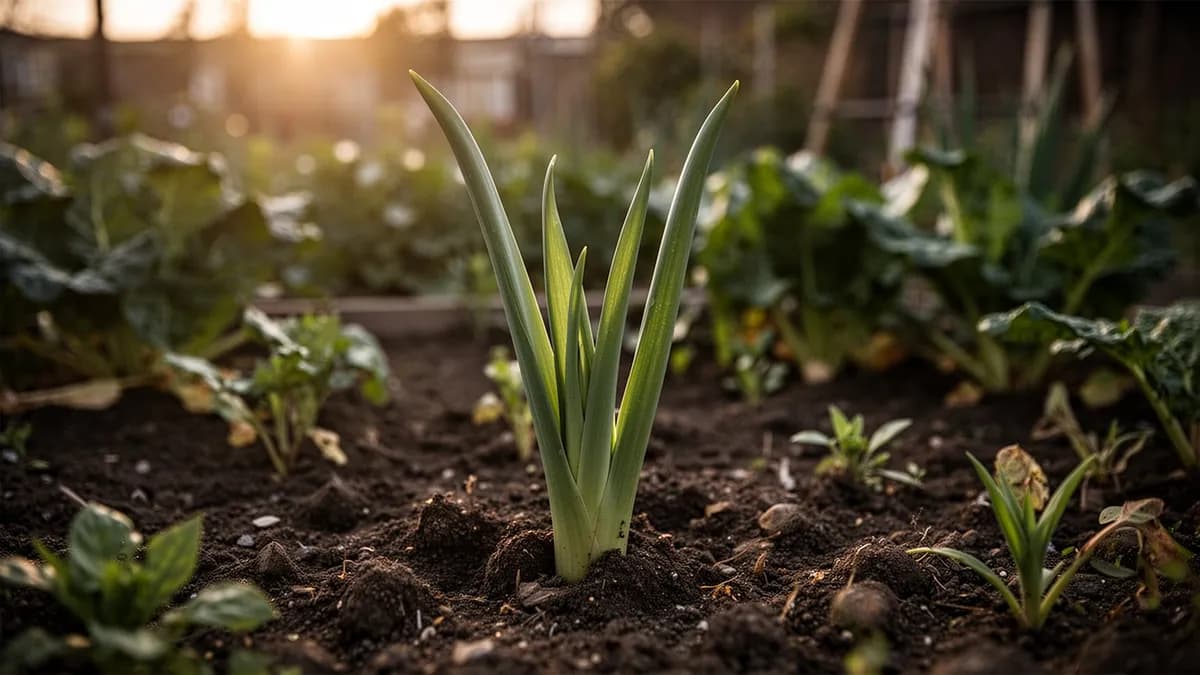
Ein wilder appalachischer Lauch mit breiten, maiglöckchenähnlichen Blättern und einem intensiven Knoblauch-Zwiebel-Aroma, das von Köchen als Frühlingsdelikatesse geschätzt wird. Die Pflanzen wachsen in reichhaltigem, feuchtem Waldboden und erscheinen im zeitigen Frühjahr, bevor sich das Blätterdach der Bäume schließt. Ernten Sie nachhaltig, indem Sie nur ein Blatt pro Pflanze nehmen oder kleine Zwiebeln aus etablierten Beständen ausdünnen. Wilder Lauch wächst langsam, und Überernten hat wilde Populationen dezimiert, weshalb der Anbau im eigenen Garten zunehmend an Bedeutung gewinnt.
Wann Bärlauch-Verwandter (Wilder Lauch) pflanzen
Die Anzucht von Wildem Lauch aus Samen erfordert außergewöhnliche Geduld. Sammeln Sie reife schwarze Samen von Blütenständen im Spätsommer und säen Sie sie sofort in vorbereitete Freilandbeete, wobei Sie die Samen leicht in die Bodenoberfläche drücken und dünn mit Laubstreu bedecken. Die Samen durchlaufen eine Doppelruhe und benötigen eine Warmphase und dann einen kalten Winter vor der Keimung, erwarten Sie also kein Auflaufen vor dem zweiten Frühjahr. Halten Sie Saatbeete gleichmäßig feucht und beschattet. Alternativ pflanzen Sie ruhende Zwiebeln im Herbst, setzen Sie sie 5 bis 8 cm tief und 10 bis 15 cm auseinander in vorbereiteten Waldboden. Zwiebeln etablieren sich wesentlich schneller als Samen und produzieren oft innerhalb von zwei bis drei Jahren erntereife Blätter.
Dein Bärlauch-Verwandter (Wilder Lauch)-Jahr
Abgestimmt auf Zone 7 · typische Saison · Frost geht um den 2. Apr. und kehrt um den 1. Nov. zurück
Bärlauch-Verwandter (Wilder Lauch) Sep – Okt pflanzen, Apr – Mai ernten. Beachte die Pflanzmethoden unten und wähle dein Klima für passende Zeiträume.
So baust du Bärlauch-Verwandter (Wilder Lauch) an
Wilder Lauch ist ein langsam wachsendes Waldlauchgewächs, das Geduld und die richtigen Bedingungen zum Etablieren erfordert, aber Gärtner mit einer geschätzten Frühlingsdelikatesse über viele Jahre belohnt, sobald es sich angesiedelt hat. Pflanzen Sie Zwiebeln oder Samen im Herbst an einem schattigen Standort, der den natürlichen Waldlebensraum nachahmt: gesprenkeltes Licht unter Laubbäumen mit feuchtem, humusreichem Boden. Setzen Sie die Zwiebeln im Abstand von 10 bis 15 cm und pflanzen Sie sie 5 bis 8 cm tief. Wenn Sie aus Samen starten, streuen Sie die Samen im Herbst auf die Oberfläche des vorbereiteten Bodens und bedecken Sie sie leicht mit Laubstreu.
Samen benötigen eine komplexe Doppelruhe – erst eine Warmphase, dann eine Kaltphase vor der Keimung – was bedeutet, dass sie möglicherweise erst im zweiten Frühjahr nach der Aussaat auflaufen. Diese lange Etablierungsphase erfordert Geduld, aber sobald ein Bestand gedeiht, wird er Jahrzehnte lang bestehen bleiben und sich ausbreiten. Erhalten Sie den Waldcharakter des Pflanzbereichs, indem Sie gefallenes Laub als natürlichen Mulch liegen lassen. Halten Sie den Boden gleichmäßig feucht, aber niemals staunass. Düngen Sie nicht stark; eine leichte Auflage aus Lauberde oder Kompost im Herbst ist ausreichend.
Wilder Lauch erscheint im zeitigen Frühjahr, je nach Breitengrad typischerweise im März oder April, und schiebt breite grüne Blätter durch die Laubstreu, bevor sich das Blätterdach der Bäume schließt. Die Blätter betreiben in diesem kurzen Lichtfenster schnell Photosynthese und sterben dann bis zum Frühsommer ab, wenn das Blätterdach sie beschattet. Weiße Blütentrauben erscheinen im Juni an etablierten Pflanzen. Lassen Sie die Pflanzen mindestens drei bis fünf Jahre ungestört wachsen, bevor Sie ernten, und praktizieren Sie auch dann eine streng nachhaltige Ernte, indem Sie nur ein Blatt pro Pflanze nehmen oder nicht mehr als zehn Prozent der Zwiebeln eines Bestands pro Jahr ausdünnen.
288 Pflanzen passen in ein Beet von 120 × 240 cm
Bärlauch-Verwandter (Wilder Lauch) braucht 10 cm Platz pro Pflanze. Der Planer hält diesen Abstand für dich ein — jede Pflanze, jedes Beet.
Passende Anbau-Ratgeber
Richtig düngen
Wilder Lauch benötigt reichhaltigen, feuchten, gut durchlässigen Waldboden mit einem pH-Wert von 5,0 bis 6,5, der den sauren Laubstreugrund seiner natürlichen Laubwälder nachahmt. Der ideale Boden ist tief, lehmig und reich an organischer Substanz aus zersetztem Laub. Verbessern Sie die Pflanzflächen mit großzügigen Mengen an Lauberde, gut verrottetem Kompost oder abgelagertem Laubholzmulch. Verwenden Sie keine synthetischen Dünger, die die Mykorrhiza-Pilze schädigen können, auf die Wilder Lauch für die Nährstoffaufnahme angewiesen ist. Eine leichte jährliche Auflage aus Laubstreu oder Kompost im Herbst liefert alle benötigten Nährstoffe. Halten Sie gleichmäßige Feuchtigkeit aufrecht, sorgen Sie aber für gute Drainage, um Zwiebelfäule zu verhindern.
Ideale Temperatur
Winterhärtezone-Kompatibilität
Von der Saat zur Ernte, Schritt für Schritt
Ruhezeit & Wurzeletablierung
Die Zwiebeln des Wilden Lauchs liegen den Winter über ruhend unter dem Waldboden, isoliert durch Laubstreu und Schnee. Das Wurzelsystem dehnt sich in den kalten Monaten langsam aus und bezieht Energie aus der kleinen weißen Zwiebel. Im Herbst gepflanzte Samen benötigen zwei volle Winter Kältestratifikation vor der Keimung – der erste Winter bricht die physische Ruhe und der zweite löst die Keimung des Embryos aus.
Frühjahrsaustrieb
Wenn die Bodentemperaturen im März oder Anfang April über 4 °C (40 °F) steigen, schieben sich eng gerollte Blatttriebe durch die Laubstreu. Die austreibenden Blätter sind oft tiefburgunderrot oder kastanienbraun und entrollen sich allmählich zu glatten, breiten, maiglöckchenförmigen Blattspreiten mit markanten purpurroten Stielen. Wilder Lauch gehört zu den allerersten Pflanzen, die im Frühlingswald erscheinen.
Blattwachstum
Jede Zwiebel bringt zwei oder drei breite, glatte, elliptische Blätter hervor, die 20–30 cm lang werden können. Die Blätter sind die einzige Gelegenheit der Pflanze, Photosynthese zu betreiben und die Energiereserven der Zwiebel wieder aufzufüllen, bevor sich das Blätterdach des Waldes darüber schließt. Ein starker Knoblauch-Zwiebel-Duft wird freigesetzt, wenn Blätter gequetscht oder gerissen werden.
Blattseneszenz
Bis Ende Mai oder Juni beschattet das sich ausdehnende Blätterdach den Waldboden, und die Blätter des Wilden Lauchs vergilben und welken. Dies ist völlig natürlich – Wilder Lauch ist eine Frühlingsephemere, die ihren oberirdischen Lebenszyklus vor dem vollständigen Kronenschluss abschließt. Die Zwiebel tritt in eine kurze Ruhephase ein, bevor sie einen Blütenstiel austreibt.
Blüte & Samenbildung
Ein blattloser Blütenstiel erhebt sich 20–40 cm aus der Zwiebel, gekrönt von einer runden Dolde kleiner, cremefarbener weißer Blüten. Bienen, Fliegen und Käfer bestäuben die Blüten über 2–3 Wochen. Jede Dolde bringt 3–6 kleine, runde, glänzend schwarze Samen hervor, die bis zum Hochsommer reifen. Nur ausgereifte Zwiebeln (5–7 Jahre alt) haben genug Energiereserven, um zu blühen.
Sommerruhe & Zwiebelteilung
Nach der Samenreife verwelkt der oberirdische Stiel und die Pflanze zieht sich vollständig unter die Erde zurück. Die Zwiebel wächst langsam und kann sich in zwei Tochterzwiebeln teilen – diese vegetative Vermehrung ist der Hauptweg, wie sich Kolonien des Wilden Lauchs ausbreiten. Jede Zwiebel bildet jährlich eine dünne Hüllschicht, ähnlich einem Baumring, was eine Altersschätzung ermöglicht.
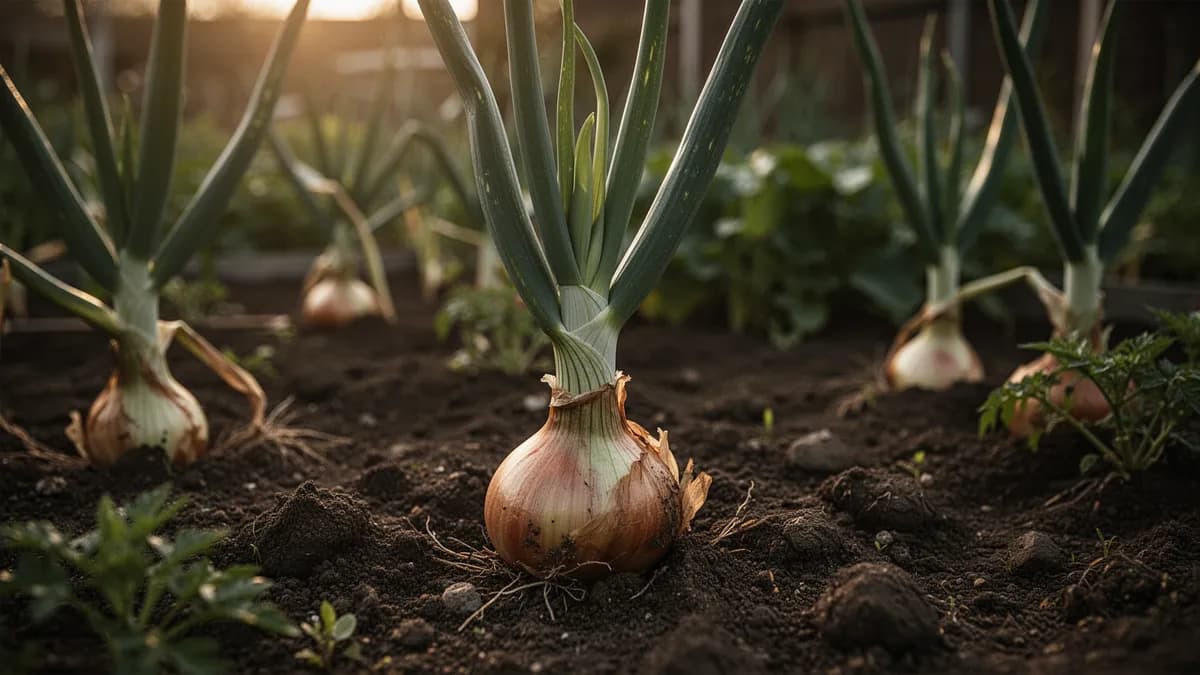
Setzen Sie Zwiebeln im Herbst 8–10 cm tief in reichhaltigen, humusreichen Boden unter Laubbäumen. Tragen Sie eine dicke Schicht zerkleinerter Laubholzblätter auf, um den natürlichen Waldboden nachzuahmen. Stören Sie den Pflanzbereich im Winter nicht.
Bärlauch-Verwandter (Wilder Lauch) Monat für Monat pflegen
Was du jeden Monat für deine Bärlauch-Verwandter (Wilder Lauch) tun solltest
Oktober
Aktueller MonatIdealer Monat zum Umpflanzen von Zwiebeln oder Teilungen. Pflanzen Sie 8–10 cm tief und 10–15 cm auseinander. Im Herbst gepflanzte Zwiebeln bilden vor der Winterruhe Wurzeln. Mulchen Sie großzügig mit zerkleinerten Laubblättern.
Immer wissen, was jetzt im Garten zu tun ist
Eine E-Mail zum Monatsanfang: was du jetzt säen, pflanzen und anpacken solltest — für deine Bärlauch-Verwandter (Wilder Lauch) und alles, was drumherum wächst. Dazu ein kurzer Startkurs, der dich vor den klassischen Fehlern bewahrt.
- Was jetzt zu tun ist
- Passend zu deiner Saison
- Startkurs inklusive
Bärlauch-Verwandter (Wilder Lauch) ernten
Warten Sie nach dem Pflanzen mindestens drei bis fünf Jahre, bevor Sie Wilden Lauch ernten, damit sich der Bestand etablieren und ausbreiten kann. Praktizieren Sie bei der Ernte strikte Nachhaltigkeit: Nehmen Sie nur ein Blatt pro Pflanze für die kulinarische Verwendung und lassen Sie die Zwiebel und das zweite Blatt intakt, um die Pflanze zu erhalten. Wenn Sie Zwiebeln ausdünnen, ernten Sie niemals mehr als zehn Prozent eines Bestands in einem Jahr. Verwenden Sie eine kleine Pflanzschaufel, um einzelne Zwiebeln vorsichtig herauszuheben und die Störung der Nachbarpflanzen zu minimieren. Ernten Sie im mittleren bis späten Frühjahr, wenn die Blätter vollständig entfaltet sind, aber bevor sie zu vergilben beginnen. Die gesamte Pflanze ist essbar, von der Zwiebel bis zum Blatt, wobei jeder Teil eine unterschiedliche Geschmacksintensität bietet.
angenommen, du pflanzt zu Beginn des Zeitraums — trage dein tatsächliches Datum ein
Ernte Bärlauch-Verwandter (Wilder Lauch) zügig, dann trägt die Pflanze weiter.
Lagerung & Konservierung
Frische Blätter des Wilden Lauchs halten sich im Kühlschrank etwa eine Woche, eingewickelt in feuchte Papiertücher in einem verschlossenen Beutel. Zwiebeln halten unter den gleichen Bedingungen etwas länger. Für eine längere Haltbarkeit stellen Sie Ramp-Butter her, indem Sie gehackte Blätter mit weicher Butter mischen, zu Rollen formen und bis zu sechs Monate einfrieren. Pesto aus Wildem Lauch mit Olivenöl und Walnüssen lässt sich hervorragend in Eiswürfelformen einfrieren. Legen Sie die Zwiebeln in einer Essiglake ein, um sie das ganze Jahr über zu genießen. Trocknen Sie geschnittene Blätter und Zwiebeln, um ein intensiv aromatisches Gewürzpulver herzustellen. Schnell fermentiertes Kimchi aus Wildem Lauch ist eine weitere ausgezeichnete Konservierungsmethode.
Was schiefgeht — und die Lösung
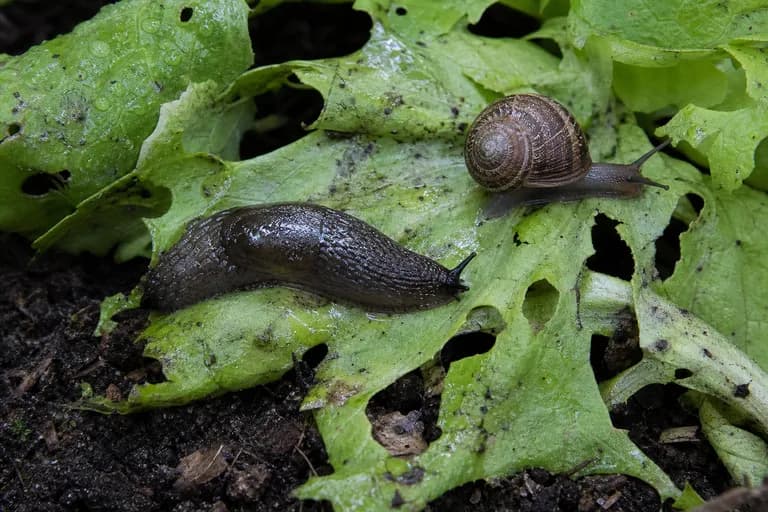
Nacktschnecken und Gehäuseschnecken
SchädlingUnregelmäßige Löcher und ausgefranste Ränder an den breiten, zarten Blättern, mit morgens sichtbaren Schleimspuren.
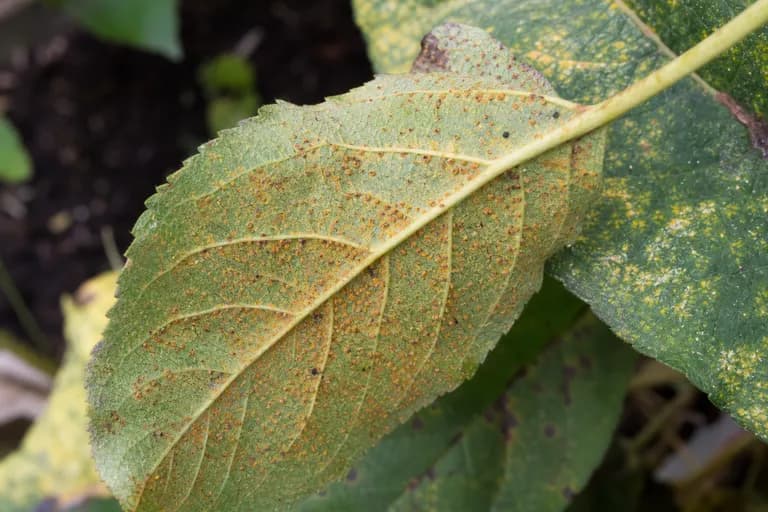
Rost
KrankheitOrange bis rotbraune Pusteln auf den Blättern, die pulvrige Sporen freisetzen. Betroffene Blätter können vorzeitig vergilben.
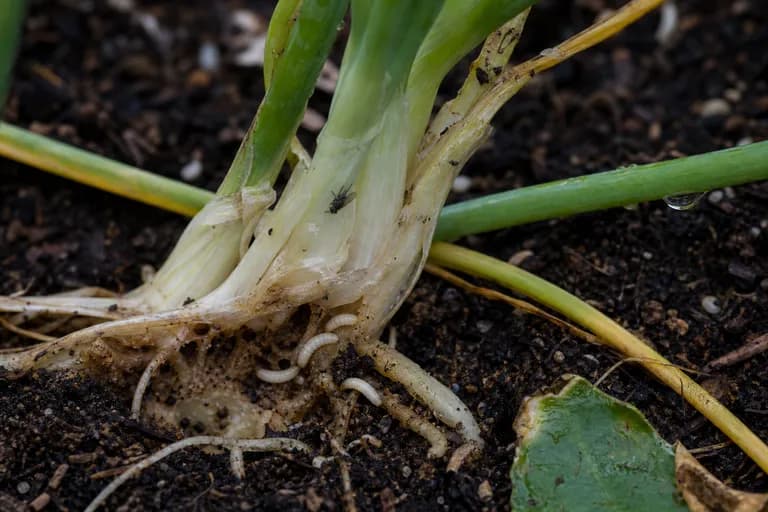
Zwiebelfliege
SchädlingVergilbende, welkende Blätter mit kleinen Maden, die beim Ausgraben um die Zwiebelbasis herum sichtbar sind.
Fehlerbehebung bei häufigen Problemen
Die größte Herausforderung ist Geduld, da Wilder Lauch aus Samen extrem langsam wächst und oft fünf bis sieben Jahre braucht, um eine erntereife Größe zu erreichen. Kaufen Sie etablierte Zwiebeln für schnellere Ergebnisse. Schlechtes Wachstum deutet meist auf unzureichenden Schatten, Feuchtigkeit oder organische Substanz im Boden hin; stellen Sie Waldbedingungen so genau wie möglich nach. Zwiebelfäule tritt in staunassem Boden auf, daher sorgen Sie für ausreichende Drainage. Überernten ist die größte Bedrohung für Bestände; halten Sie stets nachhaltige Erntegrenzen ein. Pflanzen erscheinen möglicherweise nicht, wenn die Winterruhe-Anforderungen in milden Klimazonen unterhalb von Zone 3 nicht erfüllt werden.
Anbautipps
- Die Standortwahl ist entscheidend. Wilder Lauch braucht den gesprenkelten Schatten von Laubhartholzbäumen – Zuckerahorn, Buche, Birke, Pappel und Eiche sind ideale Kronendach-Begleiter. Vermeiden Sie die Pflanzung unter immergrünen Nadelbäumen, deren dichter ganzjähriger Schatten und saure Nadeln ungünstige Bedingungen schaffen.
- Der Boden muss reichhaltig, locker und humusreich sein und die tiefe Laubstreuschicht eines reifen Waldbodens nachahmen. Verbessern Sie Gartenerde mit großzügigen Mengen kompostierter Blätter, abgelagertem Kompost und Lauberde. Schwerer Lehm- oder Sandboden kann keine Kolonien des Wilden Lauchs unterstützen.
- Geduld ist die wichtigste Anbauvoraussetzung. Samen brauchen zwei Winter zur Keimung und 5–7 Jahre, um eine erntereife Zwiebel zu bilden. Umgepflanzte Zwiebeln treiben im ersten Frühjahr möglicherweise keine Blätter aus, während sie sich vom Umpflanzschock erholen. Rechnen Sie mit einer 3–5-jährigen Etablierungsphase vor jeder Ernte.
- Mulchen Sie jährlich im Herbst mit 5–8 cm zerkleinertem Laub. Diese einzelne Maßnahme liefert Nährstoffe, hält Feuchtigkeit, unterdrückt Unkraut und isoliert Zwiebeln – sie ist die beste Annäherung an natürliche Waldbodenbedingungen.
- Ernten Sie niemals mehr als 10 % einer Kolonie pro Jahr, egal ob Sie in der Wildnis sammeln oder Gartenbeete pflegen. Nachhaltige Ernte bedeutet, ein Blatt pro Pflanze zu nehmen (niemals die Zwiebel), kleine oder einblättrige Pflanzen auszulassen und die Ernteflächen von Jahr zu Jahr zu rotieren.
- Halten Sie gleichmäßige Feuchtigkeit aufrecht, aber niemals Staunässe. Wilder Lauch wächst natürlich auf geneigten Waldböden mit ausgezeichneter Drainage. In Gartenumgebungen eignen sich Hochbeete oder geneigte Standorte mit Morgen- und Nachmittagsschatten gut.
- Mischbepflanzung mit anderen einheimischen Waldpflanzen schafft ein natürlicheres und widerstandsfähigeres Ökosystem. Trillium, Blutwurz, Wildingwer, Salomonsiegel und einheimische Farne sind ausgezeichnete Begleiter, die ähnliche Schatten- und Bodenpräferenzen teilen.
- Die Vermehrung durch Zwiebelteilung im Herbst ist weitaus schneller als die Anzucht aus Samen. Trennen Sie vorsichtig Tochterzwiebeln von etablierten Büscheln und pflanzen Sie sie sofort in der gleichen Tiefe wieder ein. Erwarten Sie dennoch 2–3 Jahre, bis geteilte Zwiebeln vollständig wiederhergestellt sind.
Bau deine beste Bärlauch-Verwandter (Wilder Lauch) an — und alles drumherum.
Starte heute kostenlos. Lege deine Beete an, setze deine Bärlauch-Verwandter (Wilder Lauch) ein und lass PlotMyGarden Timing, Abstände, Begleiter und Erinnerungen von der Saat bis zum Erntekorb übernehmen.
Finde deine Bärlauch-Verwandter (Wilder Lauch)
Allium tricoccum var. tricoccum
Der breitblättrige Standard-Wildlauch aus der gesamten Appalachen-Region. Breitere Blätter mit rötlich-violetten Stielen und kräftigem Aroma.
Allium tricoccum var. burdickii
Der schmalblättrige Wilde Lauch mit schmalen Blättern und weißen Stielen, weiter nördlich verbreitet. Etwas milder im Geschmack als der breitblättrige Typ.
Quebec-Wildlauch
Eine nördliche Population, die an kältere Bedingungen angepasst ist und gute Wuchskraft zeigt. Ähnliches Geschmacksprofil, aber frosthärter als südliche Typen.
Wilder Lauch gehört zu den teuersten Wildnahrungsmitteln auf dem Markt, typischerweise 30–50 € pro Kilogramm für ganze Pflanzen und gelegentlich 60–80 € pro Kilogramm auf gehobenen städtischen Märkten während der Hauptsaison. Die Anlage einer bescheidenen Gartenkolonie von 50–100 Pflanzen kann eine jährliche Frühlingsernte im Wert von 30–60 € bei reiner Blatternte liefern – und die Kolonie wird jedes Jahr größer ohne laufende Kosten. Die wahren Einsparungen summieren sich über die Zeit: Ein gut gepflegter Bestand wird zu einer sich selbst erhaltenden, mehrjährigen Nahrungsquelle, die über Generationen produzieren kann, ohne weitere Investitionen außer herbstlichem Laubmulch.
Schnelle Rezepte

Pesto aus Wildem Lauch
10 Min.Ein lebhaftes, würziges Frühlingspesto, das die Saison des Wilden Lauchs im Glas einfängt. Das kräftige Knoblauch-Zwiebel-Aroma der Blätter ersetzt in dieser Abwandlung des italienischen Klassikers sowohl Basilikum als auch Knoblauch. Lässt sich hervorragend einfrieren, um das Aroma das ganze Jahr über zu genießen.
6 ZutatenSchnell eingelegte Zwiebeln des Wilden Lauchs
20 Min.Würzige, knackige eingelegte Zwiebeln, die die Frühlingsernte monatelang haltbar machen. Die Essiglake mildert die rohe Schärfe zu einem komplexen süß-sauer-knoblauchigen Relish, das Wurst- und Käseplatten, Sandwiches und Cocktails aufwertet.
8 ZutatenKräuterbutter mit Wildem Lauch
15 Min.Seidige, aromatische Butter mit fein gehackten Blättern des Wilden Lauchs und einer Prise Meersalz. Auf gegrilltem Steak geschmolzen, mit frischer Pasta vermengt oder auf knuspriges Brot gestrichen – diese Kräuterbutter ist eine der einfachsten Möglichkeiten, das Aroma zu präsentieren.
5 ZutatenKulinarische Verwendung
Wilder Lauch ist eine der gefeiertsten Frühlingszutaten der amerikanischen Küche, mit einem kräftigen Knoblauch-Zwiebel-Geschmack, der komplexer und nuancierter ist als jeder einzelne für sich. Die Blätter sind milder als die Zwiebeln und können roh in Salaten verwendet, zu Pesto verarbeitet oder wie Spinat angedünstet werden. Die Zwiebeln werden wie grüner Knoblauch oder Frühlingszwiebeln verwendet. Grillen oder rösten Sie ganze Pflanzen für eine rauchige Frühlingsbeilage. Rühren Sie gehackten Wilden Lauch in Rührei, Pasta oder Risotto. Legen Sie die Zwiebeln für ein würziges Relish ein. Butter mit Wildem Lauch auf gegrilltem Steak ist ein Frühlingsgenuss auf Restaurantniveau.
Was drinsteckt
Gesundheitsvorteile
- Reich an Organoschwefelverbindungen, die mit denen in Knoblauch und Zwiebeln verwandt sind, darunter Allicin-Vorstufen, die in Laborstudien antimikrobielle, antimykotische und kardiovaskulär schützende Eigenschaften gezeigt haben.
- Außergewöhnlich hoch in Vitamin A als Beta-Carotin – über 40 % des Tageswerts pro 100 g Blätter – unterstützt Sehkraft, Immunfunktion und Hautgesundheit während der Nährstofflücke im zeitigen Frühjahr.
- Enthält signifikante Selenwerte, die aus Waldböden aufgenommen werden, unterstützt die Schilddrüsenfunktion und wirkt als Cofaktor für Glutathionperoxidase, eines der wichtigsten antioxidativen Enzyme des Körpers.
- Gute Vitamin-C-Quelle, historisch bedeutsam als Frühlings-Stärkungsmittel zur Vorbeugung von Skorbut und zur Stärkung der Immunität nach langen Wintern mit begrenztem frischem Obst und Gemüse – eine Verwendung, die in der appalachischen Volksmedizin gut dokumentiert ist.
- Die hohe Konzentration an Flavonoiden und Polyphenolen in den Blättern des Wilden Lauchs trägt zu antioxidativer und entzündungshemmender Aktivität bei, die zum Schutz vor chronischen Krankheiten beitragen kann.
- Enthält präbiotische Fructo-Oligosaccharide (FOS) ähnlich wie andere Lauchgewächse, die nützliche Darmbakterien ernähren und ein gesundes Darmmikrobiom unterstützen.
Woher Bärlauch-Verwandter (Wilder Lauch) stammt
Wilder Lauch (Allium tricoccum) ist ein wilder Lauch, der in den reichen, feuchten Laubwäldern des östlichen Nordamerikas heimisch ist. Sein natürliches Verbreitungsgebiet erstreckt sich von den südlichen Appalachen in Georgia und den Carolinas nordwärts durch Neuengland und bis ins südöstliche Kanada sowie westwärts bis Minnesota und Missouri. Wilder Lauch wächst in dichten Kolonien auf dem beschatteten Waldboden und gedeiht in dem humusreichen, leicht sauren Boden unter Zuckerahornen, Buchen, Birken und Pappeln. Er ist eine Frühlingsephemere – seine gesamte oberirdische Vegetationsperiode dauert nur 6–8 Wochen, bevor das Blätterdach des Waldes ihn beschattet.
Indigene Völker im gesamten östlichen Nordamerika ernteten Wilden Lauch seit Jahrtausenden als wichtige Frühlingsnahrung und Heilpflanze. Die Cherokee, Ojibwe, Irokesen und viele andere Nationen sammelten die würzigen Blätter und Zwiebeln als eine der ersten frischen Nahrungsquellen nach dem Winter. Wilder Lauch wurde roh gegessen, in Suppen und Eintöpfen gekocht und medizinisch als Frühlings-Stärkungsmittel, Erkältungsmittel und Antiseptikum verwendet. Europäische Siedler übernahmen das Sammeln von den indigenen Gemeinschaften, und die Tradition wurde tief in der Kultur der Appalachen verwurzelt, wo jährliche Festessen und Festivals seit über einem Jahrhundert abgehalten werden.
Zu Beginn des 21. Jahrhunderts erlebte Wilder Lauch einen dramatischen Popularitätsanstieg, angetrieben von der Farm-to-Table-Restaurantbewegung und der Sammelkultur. Was einst eine obskure Appalachen-Tradition war, wurde zu einer begehrten Zutat in gehobenen Restaurants in New York, Chicago und darüber hinaus, wobei Bündel auf städtischen Bauernmärkten für 30–50 € pro Kilogramm verkauft wurden. Diese plötzliche Nachfrage, kombiniert mit dem außergewöhnlich langsamen Fortpflanzungszyklus der Pflanze, löste ernste Naturschutzbedenken aus. Quebec verbot die kommerzielle Ernte 1995, und mehrere US-Bundesstaaten haben Erntebeschränkungen eingeführt. Nachhaltige Sammelrichtlinien betonen nun, nur ein Blatt pro Pflanze zu nehmen (niemals die Zwiebel), nicht mehr als 5–10 % einer Kolonie zu ernten und die Ernte aus kleinen oder rückläufigen Populationen zu vermeiden. Kultivierungsbemühungen sind im Gange, bleiben aber ein langfristiges Unterfangen, da die Anlage eines produktiven Beets aus Samen 7–10 Jahre dauert.
Bärlauch-Verwandter (Wilder Lauch): Schon gewusst?
Faszinierende Fakten über Bärlauch-Verwandter (Wilder Lauch)
Wilder Lauch (Allium tricoccum) ist ausschließlich im östlichen Nordamerika heimisch – er wächst wild von Georgia bis Quebec und westwärts bis Minnesota und ist damit eines der wenigen beliebten Küchenlauchgewächse ohne Herkunft aus der Alten Welt.
Bärlauch-Verwandter (Wilder Lauch): Fragen & Antworten
Wann sollte ich Bärlauch-Verwandter (Wilder Lauch) pflanzen?
In welchen Winterhärtezonen kann Bärlauch-Verwandter (Wilder Lauch) wachsen?
Wie viel Sonne braucht Bärlauch-Verwandter (Wilder Lauch)?
Welchen Abstand sollte ich zwischen Bärlauch-Verwandter (Wilder Lauch) lassen?
Welche Schädlinge und Krankheiten befallen Bärlauch-Verwandter (Wilder Lauch)?
Wie lagere ich Bärlauch-Verwandter (Wilder Lauch) nach der Ernte?
Was sind die besten Bärlauch-Verwandter (Wilder Lauch)-Sorten zum Anbauen?
Welchen Boden braucht Bärlauch-Verwandter (Wilder Lauch)?
Wie lange dauert es, Wilden Lauch aus Samen zu ziehen?
Kann ich Wilden Lauch anbauen, wenn ich keinen Wald habe?
Ist es legal, Wilden Lauch in der Natur zu sammeln?
Warum ist mein umgepflanzter Wilder Lauch im Frühjahr nicht erschienen?
Wie ernte ich Wilden Lauch nachhaltig, ohne die Kolonie zu schädigen?
In welchen USDA-Zonen kann Wilder Lauch wachsen?
Du hast die Theorie gelesen. Jetzt baue sie auf Autopilot an.
Alles, was Bärlauch-Verwandter (Wilder Lauch) knifflig macht — das Timing, die Abstände, die Begleiter, das Erntefenster — genau das übernimmt PlotMyGarden für dich, für jede Pflanze im Garten.
Ein Plan, der dein Wetter kennt
Standort einmal festlegen. Aussaat-, Dünge- und Erntedaten rund um deinen echten letzten Frosttermin und die Live-Vorhersage — kein Raten mehr nach Saattüte.
Aus dem Abschnitt „Pflanzzeit“Beetplaner per Drag & Drop
Beete auf einem Raster gestalten. Jede Pflanze rastet im richtigen Abstand ein, und du siehst die ganze Saison, bevor du einen Cent für Saatgut ausgibst.
Aus dem Abschnitt „Anbau“Begleiter-Konflikte früh erkannt
Über 200 gute und schlechte Kombinationen werden beim Pflanzen live geprüft — so landet ein saisonruinierender Fehler nie in der Erde.
Aus dem Abschnitt „Begleiter“Erinnerungen, nach denen du wirklich handelst
„Gieß die Bohnen.“ „Heute ernten, bevor's umschlägt.“ Pünktlich, konkret und auf deine echten Pflanzen bezogen.
Aus dem Abschnitt „Ernte“Staffel-Aussaat, geplant
Sechs Wochen ernten statt sechs Tage? Die App verteilt deine Aussaaten automatisch und erinnert dich, wenn der nächste Satz fällig ist.
Aus dem Abschnitt „Pflanzzeit“Ein Verlauf, der schlauer wird
Jede protokollierte Ernte bringt der App deinen Garten bei. Der Plan fürs nächste Jahr startet bei dem, was in deinem Boden wirklich funktioniert hat.
Aus dem Abschnitt „Überblick“Weitere Lauchgewächse
Bau deine beste Bärlauch-Verwandter (Wilder Lauch) an — und alles drumherum.
Starte heute kostenlos. Lege deine Beete an, setze deine Bärlauch-Verwandter (Wilder Lauch) ein und lass PlotMyGarden Timing, Abstände, Begleiter und Erinnerungen von der Saat bis zum Erntekorb übernehmen.