Rambutan
Ein tropischer Baum, der haarige, rotschalige Früchte mit durchscheinendem, süßem Fruchtfleisch ähnlich der Litschi, aber milder, hervorbringt.





Auf dieser SeiteÜberblick
Rambutan im Überblick
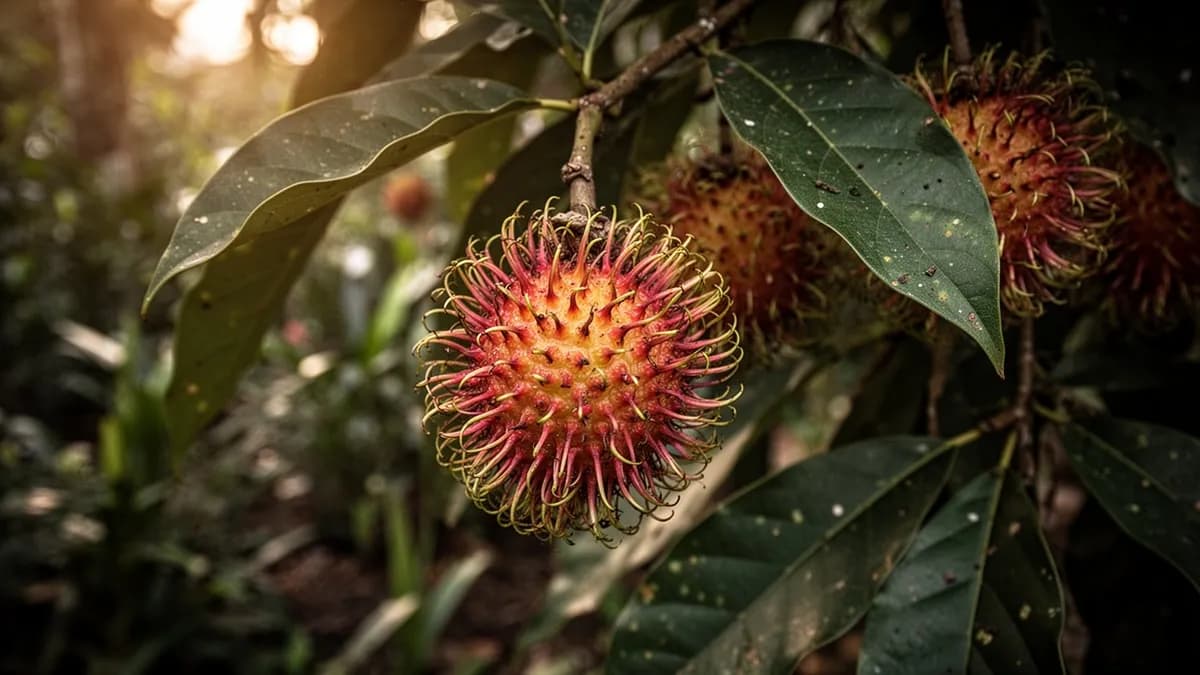
Ein tropischer Baum, der haarige, rotschalige Früchte mit durchscheinendem, süßem Fruchtfleisch ähnlich der Litschi, aber milder, hervorbringt. Rambutan benötigt konstante tropische Hitze und Feuchtigkeit und verträgt keine Temperaturen unter 10 Grad Celsius. Der Name stammt vom malaiischen Wort für Haar und bezieht sich auf die weichen Stacheln, die die Frucht bedecken.
Wann Rambutan pflanzen
Rambutansamen sind rekalzitrant und müssen sofort nach der Entnahme aus der Frucht gepflanzt werden, da sie innerhalb von Tagen ihre Keimfähigkeit verlieren. Pflanzen Sie den Samen mit der flachen Seite nach unten etwa 2,5 Zentimeter tief in feuchte, gut durchlässige Anzuchterde. Halten Sie eine Temperatur von 27 bis 32 Grad Celsius bei hoher Luftfeuchtigkeit und gleichmäßiger Feuchtigkeit. Die Keimung dauert neun bis fünfundzwanzig Tage. Sämlinge sind nicht sortenecht und brauchen fünf bis acht Jahre bis zur Fruchtbildung, daher werden veredelte Bäume aus bekannten weiblichen Sorten dringend empfohlen.
Dein Rambutan-Jahr
Abgestimmt auf Zone 7 · typische Saison · Frost geht um den 2. Apr. und kehrt um den 1. Nov. zurück
Rambutan Apr – Jun pflanzen, Jun – Sep ernten. Beachte die Pflanzmethoden unten und wähle dein Klima für passende Zeiträume.
So baust du Rambutan an
Rambutan ist ein streng tropischer Baum, der konstant warme Temperaturen zwischen 22 und 30 Grad Celsius, eine hohe Luftfeuchtigkeit über 75 Prozent und Windschutz benötigt. Wählen Sie einen geschützten Pflanzplatz mit voller Sonne und tiefem, gut durchlässigem Boden, der reich an organischer Substanz ist. Pflanzen Sie veredelte oder okulierte Bäume in ein Pflanzloch, das dreimal so breit wie der Wurzelballen ist, und wässern Sie gründlich. Halten Sie das ganze Jahr über eine gleichmäßige Feuchtigkeit aufrecht, da Rambutan keine Trockenheit verträgt.
Diese Bäume benötigen gut verteilte Niederschläge von mindestens 1500 bis 2000 Millimetern pro Jahr oder eine gleichwertige Bewässerung. Düngen Sie junge Bäume monatlich mit einem ausgewogenen Dünger und wechseln Sie zu vierteljährlichen Gaben eines kaliumreichen Düngers, sobald die Fruchtbildung beginnt. Mulchen Sie großzügig mit organischem Material, um die Bodenfeuchtigkeit zu erhalten und Unkraut zu unterdrücken. Rambutanbäume sind empfindlich gegenüber Salz sowohl im Boden als auch im Gießwasser.
Der Rückschnitt sollte sich auf die Erhaltung einer offenen Krone für Lichtdurchlässigkeit und Luftzirkulation konzentrieren. Entfernen Sie tief hängende Äste, Totholz und Wasserschosse jährlich nach der Erntezeit. Rambutanbäume sind zweihäusig, mit getrennten männlichen und weiblichen Bäumen, obwohl einige zwittrige Sorten existieren. Pflanzen Sie mindestens einen männlichen Baum für jeweils acht bis zehn weibliche Bäume, um eine ausreichende Bestäubung sicherzustellen.
Für Rambutan ist ein Beet von 120 × 240 cm zu klein
Rambutan braucht 600 cm Platz pro Pflanze. Der Planer hält diesen Abstand für dich ein — jede Pflanze, jedes Beet.
Die besten Nachbarn für Rambutan
Rambutan gedeiht gut neben anderen tropischen Obstbäumen wie Mangostane, Durian und Longan in gemischten tropischen Obstgärten. Schattentolerante Bodendecker wie Süßkartoffel oder mehrjährige Erdnuss helfen, Unkraut zu unterdrücken und Feuchtigkeit zu bewahren. Junge Rambutanbäume profitieren vom vorübergehenden Schatten, den Bananen- oder Papayapflanzen bieten. Stickstofffixierende Bäume wie Gliricidia können in den ersten Jahren der Etablierung als lebende Schattenspender verwendet werden.
Litschi gehört daneben.
Altes Gärtnerwissen, geprüft an der echten Nachbartabelle von Rambutan — teste jede Pflanze, die du anbaust.
Probiere Rambutan direkt hier im Beet
Ein echtes Planer-Beet, Rambutan steht schon drin. Tippe einen Begleiter an, platziere ihn und sieh, wie die Nachbarschaftsprüfung antwortet — grün für gute Nachbarn, rot bei Streit.


Passende Anbau-Ratgeber
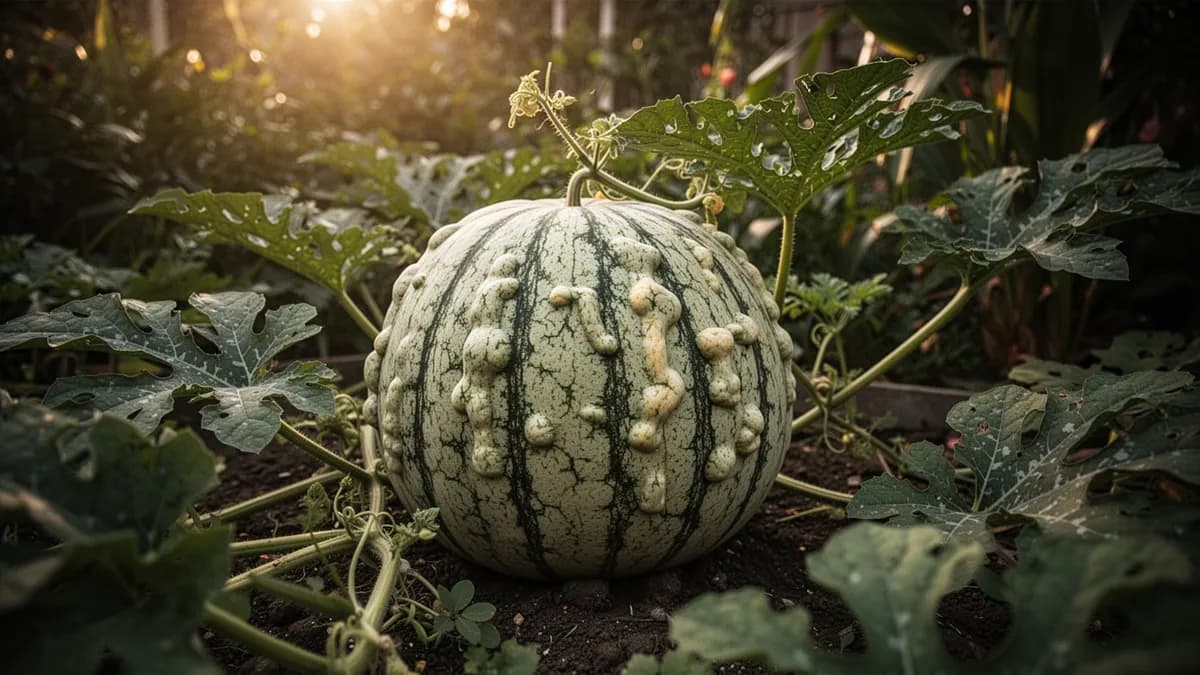
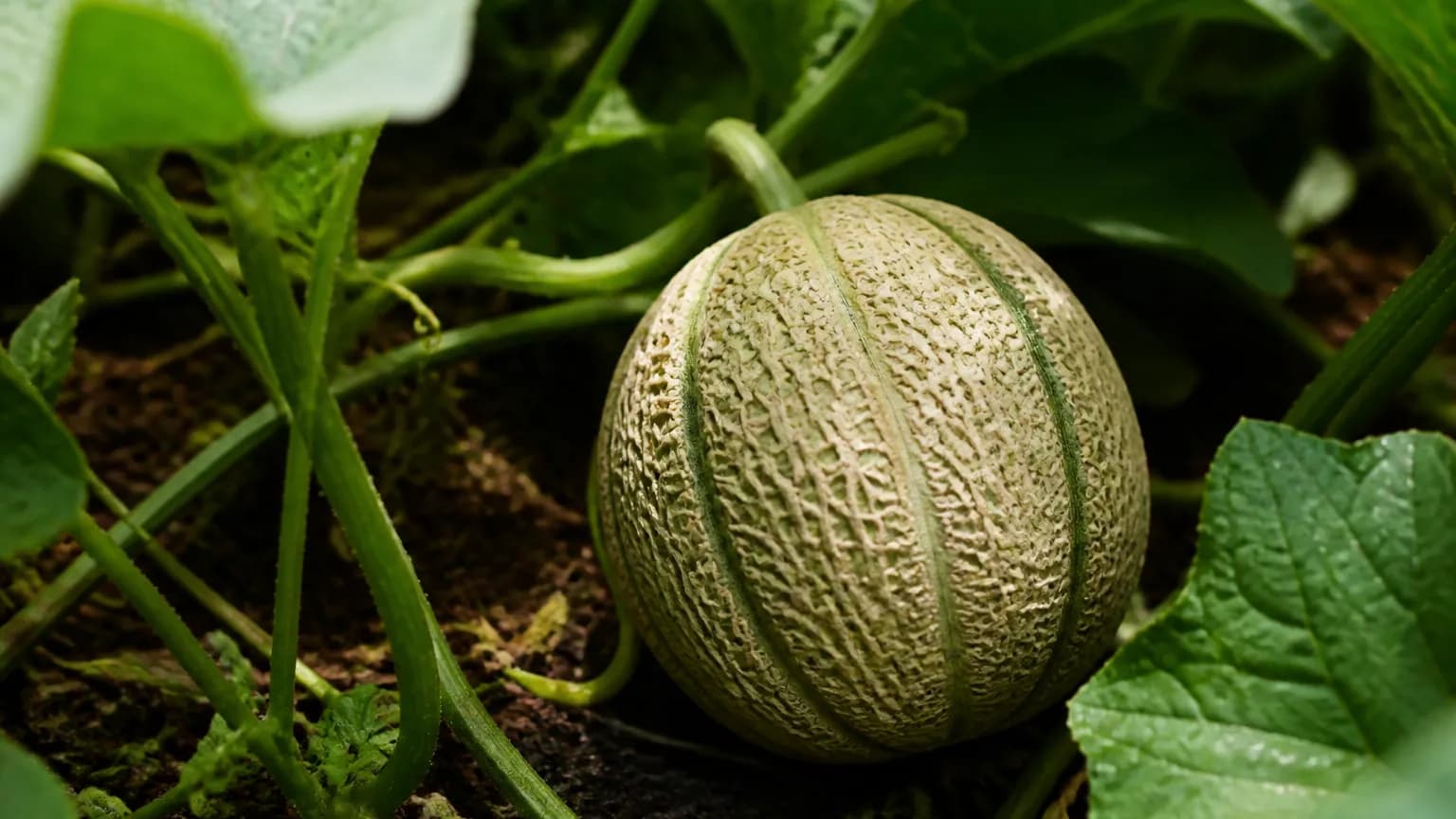
Richtig düngen
Rambutan benötigt tiefen, fruchtbaren, gut durchlässigen Boden mit hohem Gehalt an organischer Substanz und einem pH-Wert von 4,5 bis 6,5. Tonhaltige Böden müssen mit Kompost und Sand verbessert werden, um Staunässe zu vermeiden. Tragen Sie viermal pro Jahr einen Volldünger mit Mikronährstoffen auf, wobei der Schwerpunkt während der Fruchtbildung auf Kalium und Phosphor liegt. Junge Bäume profitieren von monatlichen Gaben verdünnten Flüssigdüngers. Eisen- und Manganmangel treten häufig bei alkalischen Böden auf und sollten mit chelatierten Ergänzungsmitteln behoben werden.
Ideale Temperatur
Winterhärtezone-Kompatibilität
Von der Saat zur Ernte, Schritt für Schritt
Keimung
Samen keimen unter warmen, feuchten Bedingungen innerhalb von 9–21 Tagen. Der Sämling erscheint mit einer einzelnen Pfahlwurzel und einem Paar Keimblätter, gefolgt von den ersten echten Fiederblättern.
Sämlingsetablierung
Der Sämling entwickelt mehrere Sätze gefiederter Blätter und etabliert ein starkes Wurzelsystem. Das Wachstum ist anfangs langsam, beschleunigt sich aber, sobald das Wurzelsystem ausgereift ist.
Juveniles vegetatives Wachstum
Der Baum tritt in eine Phase schneller vegetativer Ausdehnung ein und produziert mehrere Wachstumsschübe pro Jahr. Die Krone verbreitert sich und der Stamm verdickt sich merklich.
Erste Blüte
Veredelte Bäume blühen typischerweise erstmals im 2.–3. Jahr. Büschel kleiner, duftender, cremefarbener Blüten erscheinen an den Astspitzen und locken Bestäuber an.
Fruchtentwicklung
Nach erfolgreicher Bestäubung entwickeln sich grüne Fruchtbüschel rasch. Die Frucht schwillt an und die charakteristischen weichen Stacheln (Spintern) verlängern sich. Die Farbe wechselt über 12–15 Wochen von grün zu gelb und schließlich tiefrot.
Ernte
Rambutan ist erntereif, wenn die Schale eine gleichmäßig tiefrote, orangefarbene oder gelbe (sortenabhängige) Farbe erreicht und die Spintern leicht weich werden. Die Frucht reift nach dem Pflücken nicht nach.
Halten Sie die Samen in einem Keimsubstrat bei 26–30 °C mit gleichmäßiger Feuchtigkeit. Lassen Sie das Medium weder austrocknen noch staunass werden.
Rambutan Monat für Monat pflegen
Was du jeden Monat für deine Rambutan tun solltest
Oktober
Aktueller MonatUntersuchen Sie die Wurzeln auf Nematodenschäden, wenn das Wachstum gehemmt erscheint. Erneuern Sie die Mulchschicht um den Stamm. Beginnen Sie, Stickstoff zu reduzieren, um die Blütenknospendifferenzierung der nächsten Saison zu fördern.
Immer wissen, was jetzt im Garten zu tun ist
Eine E-Mail zum Monatsanfang: was du jetzt säen, pflanzen und anpacken solltest — für deine Rambutan und alles, was drumherum wächst. Dazu ein kurzer Startkurs, der dich vor den klassischen Fehlern bewahrt.
- Was jetzt zu tun ist
- Passend zu deiner Saison
- Startkurs inklusive
Rambutan ernten
Rambutanfrüchte sind erntereif, wenn die Schale je nach Sorte leuchtend rot oder gelb wird und die Stacheln biegsam und farbig sind, anstatt vertrocknet oder geschwärzt. Schneiden Sie Fruchtbüschel mit einer Gartenschere vom Ast, wobei ein kurzer Stiel an jeder Frucht verbleibt. Rambutan reift nach der Ernte nicht nach, daher sollten Sie vor dem Pflücken eines ganzen Büschels eine Geschmacksprobe machen. Behandeln Sie die Früchte vorsichtig, um die weichen Stacheln nicht zu beschädigen, da dies den Feuchtigkeitsverlust und das Bräunen beschleunigt.
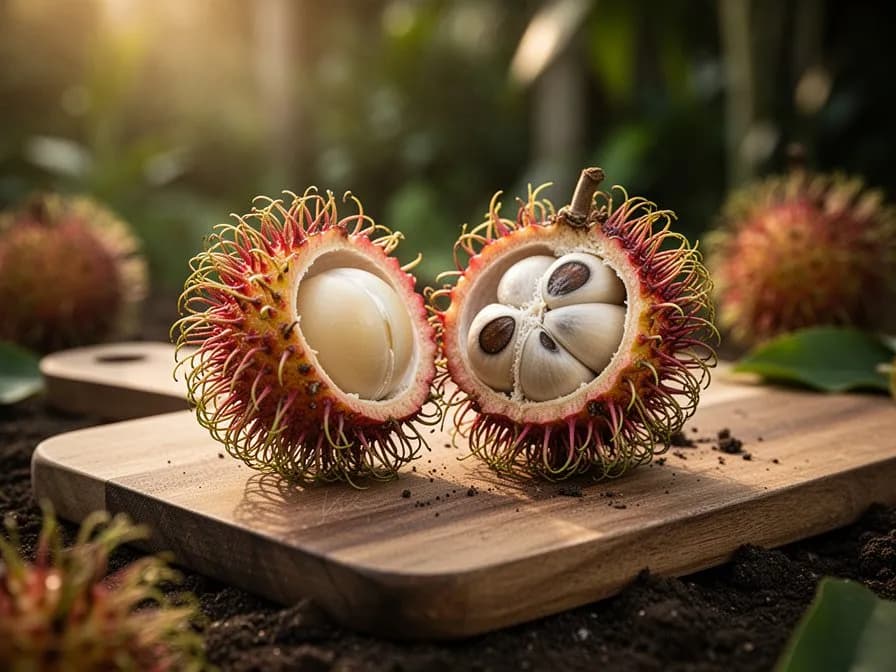
angenommen, du pflanzt zu Beginn des Zeitraums — trage dein tatsächliches Datum ein
Ernte Rambutan zügig, dann trägt die Pflanze weiter.
Lagerung & Konservierung
Frischer Rambutan ist sehr leicht verderblich und sollte sofort in einem perforierten Plastikbeutel gekühlt werden, wo er sich fünf bis sieben Tage hält. Die Stacheln werden dunkler, aber das Fruchtfleisch bleibt genießbar. Für längere Lagerung schälen und entkernen Sie die Früchte und frieren Sie sie in Sirup oder trocken für bis zu drei Monate ein. Rambutan kann in leichtem Sirup eingemacht oder für lagerstabile Snacks getrocknet werden. Die Frucht lässt sich aufgrund ihres höheren Feuchtigkeitsgehalts nicht so gut trocknen wie Longan.
Was schiefgeht — und die Lösung
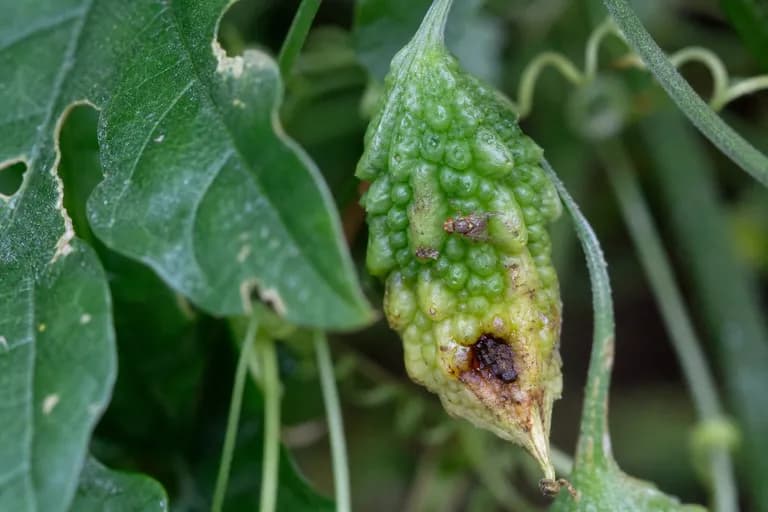
Fruchtfliege
SchädlingKleine Einstichstellen an reifenden Früchten, Larven im Fruchtfleisch, die braune Gänge verursachen, vorzeitiger Fruchtfall und weiche Stellen.
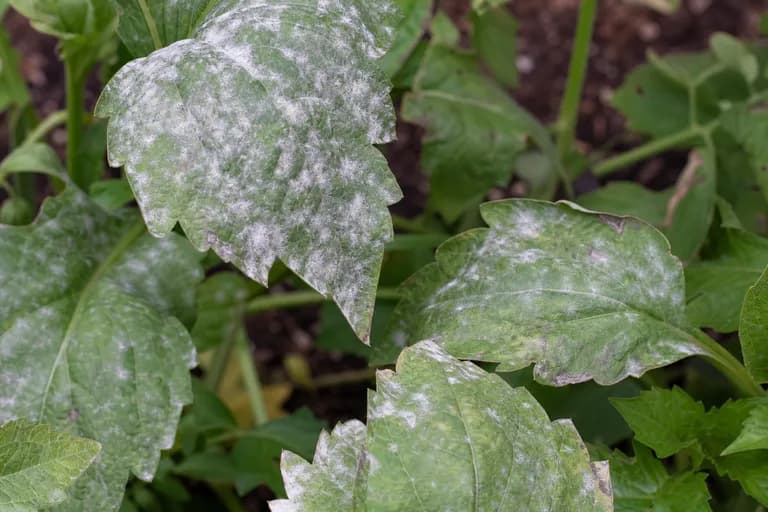
Echter Mehltau
KrankheitWeißer, pudriger Belag auf jungen Blättern und Blütenrispen, deformierter Neuaustrieb, verringerter Fruchtansatz.
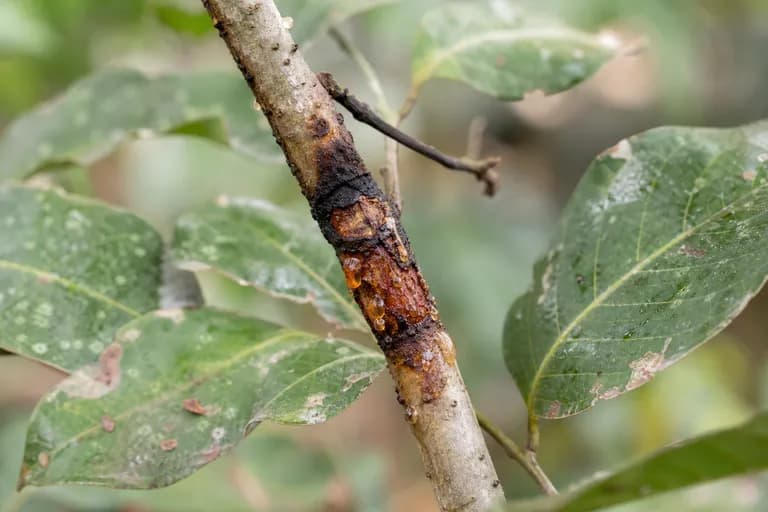
Stammkrebs
KrankheitEingesunkene, verfärbte Läsionen an der Rinde, Gummifluss und Nässen aus betroffenen Bereichen, Aststerben oberhalb des Krebses.
Fehlerbehebung bei häufigen Problemen
Das häufigste Problem ist ein schlechter Fruchtansatz aufgrund unzureichender Bestäubung, der auftritt, wenn keine männlichen Bäume vorhanden sind oder wenn nasses Wetter während der Blüte die Insektenaktivität verhindert. Fruchtaufplatzen resultiert aus ungleichmäßiger Bewässerung während der Entwicklung. Rambutanbäume sind äußerst kälteempfindlich und erleiden Schäden unter 10 Grad Celsius. Blattverbrennungen durch trockene Winde können das Laub schädigen. Bäume, die in alkalischem Boden gepflanzt werden, entwickeln häufig schwere Nährstoffmängel.
Anbautipps
- Rambutan benötigt ein wirklich tropisches Klima – er überlebt keinen Frost, und selbst Temperaturen unter 15 °C über längere Zeiträume können schwere Schäden verursachen. Wenn Sie außerhalb der USDA-Zone 11 leben, ist Kübelhaltung mit Überwinterung im Innenbereich die einzige praktikable Option.
- Kaufen Sie immer veredelte Bäume von einer seriösen Baumschule, anstatt aus Samen zu ziehen. Veredelte Bäume tragen 2–4 Jahre früher Früchte, produzieren sortenechte Früchte und ermöglichen es Ihnen, das Geschlecht des Baumes zu kennen – was für die Bestäubung wichtig ist.
- Pflanzen Sie an einem Standort, der mindestens 8 Stunden pro Tag volle Sonne erhält. Die Produktivität von Rambutan sinkt im Schatten deutlich, und unzureichende Sonne ist eine der häufigsten Ursachen für schlechte Fruchtbildung in Hausgärten.
- Die Bodendurchlässigkeit ist entscheidend – Rambutan ist sehr empfindlich gegenüber Staunässe, die schnelle Wurzelfäule verursacht. Auf schweren Tonböden pflanzen Sie auf einem erhöhten Hügel oder Damm mindestens 50 cm über dem umgebenden Niveau und arbeiten großzügige Mengen organischer Substanz ein.
- Um die Blüte in Gebieten ohne natürliche Trockenzeit einzuleiten, halten Sie die Bewässerung Ihres Baumes bewusst für 3–5 Wochen zurück, sobald der vegetative Wachstumsschub ausgereift ist. Dies ahmt die saisonale Trockenheit nach, die in der Natur die Blüteninduktion auslöst.
- Wenn Ihr Baum keine weiblichen Blüten produziert oder einen sehr schlechten Fruchtansatz hat, prüfen Sie, ob Sie einen rein männlichen Baum haben. Die meisten kommerziellen Plantagen pflanzen mindestens einen zwittrigen oder männlichen Baum zur Bestäubung, und einige benannte Sorten sind ausschließlich weiblich und benötigen einen Bestäuber in der Nähe.
- Mulchen Sie den Wurzelbereich großzügig – mindestens 10 cm tief und bis zur Trauflinie reichend – mit Holzhackschnitzeln, Stroh oder Laub. Dies hält die Bodenfeuchtigkeit, unterdrückt Unkraut, mäßigt die Wurzeltemperatur und verbessert allmählich den organischen Bodengehalt beim Zersetzen.
- Der Nachernte-Rückschnitt ist eine der wichtigsten Maßnahmen für langfristige Produktivität. Entfernen Sie nach jeder Fruchtsaison etwa 20–30 % der abgetragenen Äste, um kräftiges Neuwachstum zu fördern, das die Ernte der nächsten Saison tragen wird, und um eine handhabbare Baumhöhe beizubehalten.
- Rambutanbäume reagieren hervorragend auf Blattdüngung mit Seetangextrakt oder Fischemulsion während der vegetativen Wachstums- und Vorblütephase. Tragen Sie alle 2–3 Wochen auf, um die Mikronährstoffaufnahme zu fördern und kräftige Neuaustriebe zu unterstützen.
- Überwachen Sie junge Fruchtbüschel sorgfältig auf Fruchtbohrerschäden – kleine Eintrittslöcher mit sichtbarem Bohrmehl an der Wundstelle sind das verräterische Zeichen. Entfernen und vernichten Sie betroffene Büschel umgehend und tragen Sie ein zugelassenes Insektizid oder Neemöl-Spray auf, um die verbleibenden Büschel zu schützen.
Bau deine beste Rambutan an — und alles drumherum.
Starte heute kostenlos. Lege deine Beete an, setze deine Rambutan ein und lass PlotMyGarden Timing, Abstände, Begleiter und Erinnerungen von der Saat bis zum Erntekorb übernehmen.
Finde deine Rambutan
R134
Eine malaysische Auslese, die große, leuchtend rote Früchte mit dickem, süßem Fruchtfleisch hervorbringt, das sich sauber vom Kern löst. Sehr produktiv und weit verbreitet im kommerziellen Anbau.
Rongrien
Eine thailändische Sorte mit gelb-roter Schale und außergewöhnlich süßem, knackigem Fruchtfleisch. Eine der bestschmeckenden verfügbaren Sorten mit einem freisteinigen Kern.
Binjai
Eine indonesische Sorte, die sehr große Früchte mit tiefroter Schale und dickem, saftigem Fruchtfleisch hervorbringt. Wüchsige Bäume mit hoher Produktion im tropischen Tiefland.
Jitlee
Eine kompakt wachsende Sorte, die für kleinere Gärten geeignet ist und mittelgroße Früchte mit gutem Geschmack und einem relativ kleinen Kern hervorbringt.
Frischer Rambutan gilt auf westlichen Märkten als Premium-Exotikfrucht und wird importiert oft für 18–33 € pro Kilogramm verkauft. Der Anbau eines eigenen Baumes in einem geeigneten tropischen oder subtropischen Klima kann Hunderte von Kilogramm Früchten pro Saison liefern, praktisch ohne Kosten über die anfängliche Einrichtung und routinemäßige Pflege hinaus. Ein einzelner ausgewachsener veredelter Baum kann genug Früchte produzieren, um einen Haushalt während der gesamten Fruchtsaison großzügig zu versorgen und dennoch einen Überschuss zum Konservieren oder Teilen mit Nachbarn zu haben.
Schnelle Rezepte
Rambutan-Kokos-Chia-Pudding
10 Min. plus Einweichen über NachtEin cremiger, tropischer Frühstückspudding aus Kokosmilch, garniert mit frischem Rambutan. Die süße, saftige Frucht bildet einen wunderbaren Kontrast zur dicken, nussigen Puddingbasis.
7 ZutatenGekühltes Rambutan-Zitronengras-Sorbet
20 Min. plus 4 Stunden GefrierzeitEin leichtes, erfrischendes Frostdessert, das die blumige Süße des Rambutan mit duftendem Zitronengras vereint. Perfekt für heiße Tage und elegant genug, um Gästen serviert zu werden.
7 ZutatenRambutan-Gurken-Minz-Salsa
15 Min.Eine frische, süß-herzhafte Salsa, die die saftige Süße des Rambutan mit kühler Gurke und frischer Minze verbindet. Hervorragend zu gegrilltem Fisch, Garnelen oder einfach mit Tortillachips serviert.
8 ZutatenKulinarische Verwendung
Rambutan wird hauptsächlich frisch gegessen, indem man einen flachen Schnitt um den Äquator der Frucht macht, drückt, um das durchscheinende Fruchtfleisch herauszulösen, und um den zentralen Kern herum isst. Die Frucht wird in tropischen Obstsalaten, Smoothies und Cocktails verwendet. Sie harmoniert gut mit anderen südostasiatischen Früchten in Dessertsuppen mit Kokosmilch. In der thailändischen Küche kann Rambutan mit Ananas gefüllt und in Currys verwendet werden.
Was drinsteckt
Gesundheitsvorteile
- Rambutan liefert eine nennenswerte Menge Kupfer pro Portion, das die Bildung roter Blutkörperchen unterstützt, gesundes Bindegewebe erhält und zur normalen Immunfunktion beiträgt.
- Der moderate Vitamin-C-Gehalt der Frucht wirkt als Antioxidans, hilft freie Radikale zu neutralisieren und unterstützt die Kollagensynthese für gesunde Haut und Wundheilung.
- Rambutan-Fruchtfleisch- und Schalenextrakte haben in Laborstudien antimikrobielle Eigenschaften gezeigt, mit Wirksamkeit gegen bestimmte pathogene Bakterien und Pilze.
- Die natürlichen Zucker im Rambutan – hauptsächlich Fructose und Glucose – liefern eine schnelle Energiequelle ohne die verarbeiteten Zusatzstoffe, die in vielen kommerziellen Süßigkeiten enthalten sind.
- Die traditionelle malaiische und indonesische Medizin verwendet seit langem Rambutanschalen-Zubereitungen zur Behandlung von Fieber und Durchfall – Anwendungen, die jetzt von ethnobotanischen Forschern auf ihre phytochemische Grundlage untersucht werden.
- Rambutansamen enthalten beträchtliche Mengen an Fett, das hauptsächlich aus Öl- und Arachinsäure besteht, und Samenölextrakte werden in kosmetischen Präparaten wegen ihrer berichteten feuchtigkeitsspendenden und hautpflegenden Eigenschaften verwendet.
Woher Rambutan stammt
Rambutan (Nephelium lappaceum) stammt ursprünglich aus dem Malaiischen Archipel, der weitläufigen Inselkette, die heute Malaysia, Indonesien und die südlichen Philippinen umfasst. Botanische und linguistische Belege deuten darauf hin, dass die Frucht in dieser Region seit mindestens mehreren tausend Jahren kultiviert wird, was sie zu einer der ältesten domestizierten tropischen Früchte Südostasiens macht. Die frühesten schriftlichen Aufzeichnungen über den Rambutananbau finden sich in chinesischen Reiseberichten aus dem 13. und 14. Jahrhundert, in denen beschrieben wird, wie die Frucht reichlich in den königlichen Gärten der malaiischen Sultanate wuchs.
Von seiner Heimat auf der Malaiischen Halbinsel und Borneo verbreitete sich der Rambutan entlang historischer Handelsrouten nach Thailand, Vietnam, Kambodscha und auf die Philippinen. Arabische und indische Händler verbreiteten die Frucht weiter nach Sri Lanka und Teile der indischen Küste, wo sie günstige Wachstumsbedingungen in den feuchten Tieflandtropen fand. Europäische Kolonisten begegneten dem Rambutan während des Zeitalters der Entdeckungen und waren sofort von seinem ungewöhnlichen Aussehen fasziniert – der niederländische Naturforscher Georg Eberhard Rumphius dokumentierte die Frucht ausführlich in seinem bahnbrechenden Werk 'Herbarium Amboinense' im späten 17. Jahrhundert.
Während des 19. und frühen 20. Jahrhunderts trugen koloniale botanische Netzwerke den Rambutan über Asien hinaus. Britische Verwalter führten ihn in Sansibar und anderen Teilen des äquatorialen Afrikas ein, während er zu Beginn des 20. Jahrhunderts nach Trinidad und Teile Mittelamerikas gebracht wurde. Das Landwirtschaftsministerium der Vereinigten Staaten führte den Rambutan in den 1900er Jahren in Hawaii und Florida ein, obwohl die kommerzielle Produktion dort im Vergleich zu Asien bescheiden bleibt.
Der traditionelle Anbau in Südostasien hat Hunderte benannter lokaler Sorten hervorgebracht, die über Generationen auf Fruchtgröße, Süße, Kernlöslichkeit und Stachelfarbe selektiert wurden. In Thailand haben systematische Sortenzuchtprogramme ab Mitte des 20. Jahrhunderts weit verbreitete moderne Sorten wie 'Rong Rien', 'See Chom Phu' und 'R162' hervorgebracht. Heute übersteigt die weltweite Rambutanproduktion 1,5 Millionen Tonnen jährlich, wobei die Frucht auf tropischen Märkten weltweit erscheint und die Nachfrage auf Exportmärkten in Europa, Nordamerika und dem Nahen Osten wächst.
Rambutan: Schon gewusst?
Faszinierende Fakten über Rambutan
Der Name 'Rambutan' stammt vom malaiischen Wort 'rambut', was 'Haar' bedeutet – eine Anspielung auf die charakteristischen weichen, haarähnlichen Stacheln der Frucht, die Spintern genannt werden.
Rambutan: Fragen & Antworten
Wann sollte ich Rambutan pflanzen?
Was sind gute Begleitpflanzen für Rambutan?
In welchen Winterhärtezonen kann Rambutan wachsen?
Wie viel Sonne braucht Rambutan?
Welchen Abstand sollte ich zwischen Rambutan lassen?
Welche Schädlinge und Krankheiten befallen Rambutan?
Wie lagere ich Rambutan nach der Ernte?
Was sind die besten Rambutan-Sorten zum Anbauen?
Welchen Boden braucht Rambutan?
Kann ich Rambutan in einem Topf oder Kübel anbauen?
Wie lange dauert es, bis ein Rambutanbaum Früchte trägt?
Warum blüht mein Rambutanbaum, setzt aber keine Früchte an?
Woran erkenne ich, wann Rambutan reif und erntereif ist?
Was sind die häufigsten Schädlinge und Krankheiten bei Rambutan?
Wie sollte ich frischen Rambutan nach der Ernte lagern?
Du hast die Theorie gelesen. Jetzt baue sie auf Autopilot an.
Alles, was Rambutan knifflig macht — das Timing, die Abstände, die Begleiter, das Erntefenster — genau das übernimmt PlotMyGarden für dich, für jede Pflanze im Garten.
Ein Plan, der dein Wetter kennt
Standort einmal festlegen. Aussaat-, Dünge- und Erntedaten rund um deinen echten letzten Frosttermin und die Live-Vorhersage — kein Raten mehr nach Saattüte.
Aus dem Abschnitt „Pflanzzeit“Beetplaner per Drag & Drop
Beete auf einem Raster gestalten. Jede Pflanze rastet im richtigen Abstand ein, und du siehst die ganze Saison, bevor du einen Cent für Saatgut ausgibst.
Aus dem Abschnitt „Anbau“Begleiter-Konflikte früh erkannt
Über 200 gute und schlechte Kombinationen werden beim Pflanzen live geprüft — so landet ein saisonruinierender Fehler nie in der Erde.
Aus dem Abschnitt „Begleiter“Erinnerungen, nach denen du wirklich handelst
„Gieß die Bohnen.“ „Heute ernten, bevor's umschlägt.“ Pünktlich, konkret und auf deine echten Pflanzen bezogen.
Aus dem Abschnitt „Ernte“Staffel-Aussaat, geplant
Sechs Wochen ernten statt sechs Tage? Die App verteilt deine Aussaaten automatisch und erinnert dich, wenn der nächste Satz fällig ist.
Aus dem Abschnitt „Pflanzzeit“Ein Verlauf, der schlauer wird
Jede protokollierte Ernte bringt der App deinen Garten bei. Der Plan fürs nächste Jahr startet bei dem, was in deinem Boden wirklich funktioniert hat.
Aus dem Abschnitt „Überblick“Pflanze diese neben Rambutan
Weitere Tropische Früchte
Bau deine beste Rambutan an — und alles drumherum.
Starte heute kostenlos. Lege deine Beete an, setze deine Rambutan ein und lass PlotMyGarden Timing, Abstände, Begleiter und Erinnerungen von der Saat bis zum Erntekorb übernehmen.