Verdolaga
Una planta suculenta y rastrera que es una de las fuentes vegetales más ricas de ácidos grasos omega-3.





En esta páginaResumen
Conoce Verdolaga
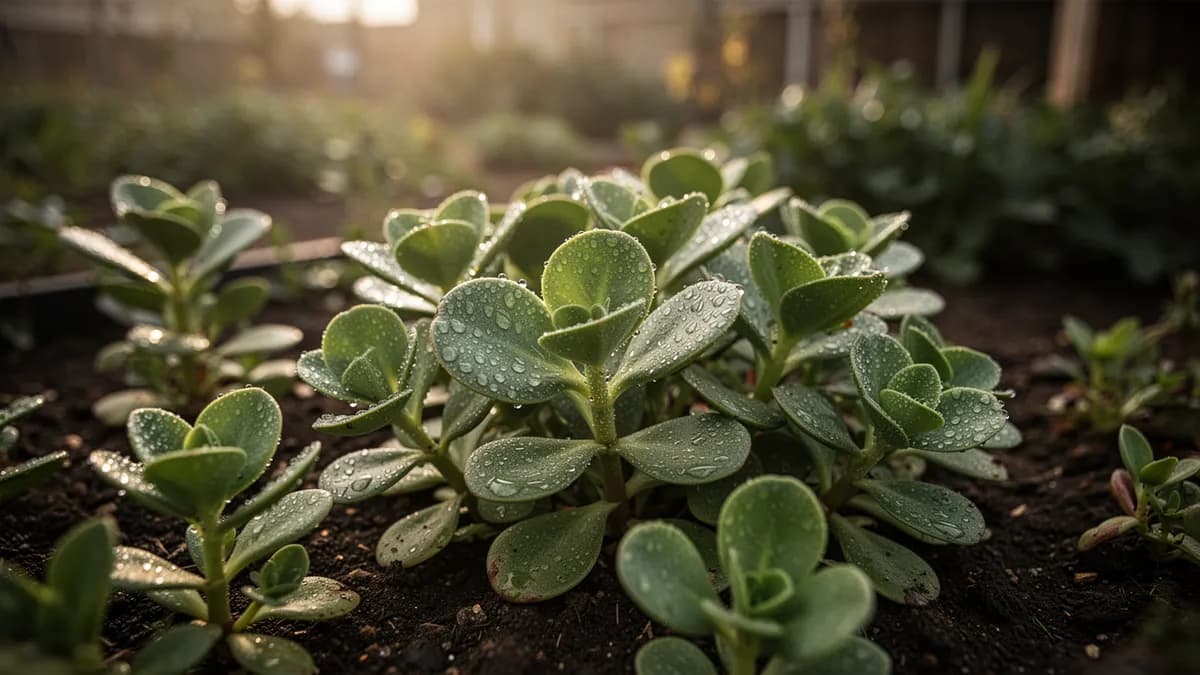
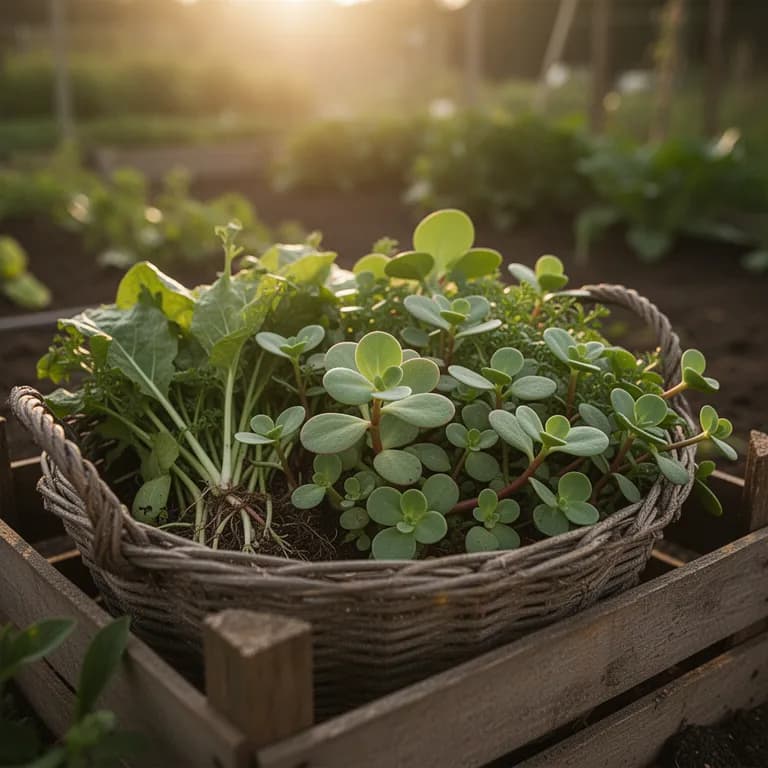
Una planta suculenta y rastrera que es una de las fuentes vegetales más ricas de ácidos grasos omega-3. La verdolaga tiene un sabor suave, ligeramente limonoso con un agradable crujido que funciona bien en ensaladas, sándwiches y platos mediterráneos. Esta planta amante del calor prospera en condiciones que estresarían a la mayoría de otras verduras, haciéndola perfecta para cosechas de verano. Las variedades cultivadas producen hojas y tallos más grandes que las versiones silvestres que comúnmente se encuentran creciendo como maleza en los jardines.
Cuándo plantar Verdolaga
Siembre directamente sobre la superficie de suelo cálido y húmedo después de la última helada. Las semillas necesitan luz y calor (21°C+) para germinar. No cubra las semillas. La germinación toma 7-10 días. Raclare a 15-20 cm de distancia. La verdolaga también se puede propagar de esquejes de tallo colocados en suelo húmedo. Se auto-siembra fácilmente una vez establecida. Para cultivo controlado, comience en contenedores. Las semillas son diminutas; mezcle con arena para distribución uniforme.
Tu año de Verdolaga
Ajustado a Zona 7 · temporada típica · la helada se va hacia el 2 abr y vuelve hacia el 1 nov
Planta Verdolaga May – Jul y cosecha Jun – Sep. Consulta los métodos de plantación y elige tu clima para adaptar los periodos.
Cómo cultivar Verdolaga
Siembre semillas de verdolaga directamente sobre la superficie del suelo después de que haya pasado todo peligro de heladas y el suelo esté cálido (21°C+). Presione las semillas en suelo húmedo sin cubrirlas, ya que necesitan luz para germinar. Las semillas brotan en 7-10 días. Raclare a 15-20 cm de distancia, o dejar formar una cubierta vegetal densa. La verdolaga prospera en el calor y el sol pleno.
La verdolaga es increíblemente fácil de mantener y realmente rinde mejor en condiciones pobres y calurosas donde otras verduras fallan. Necesita riego mínimo una vez establecida, ya que los tallos y hojas suculentos almacenan agua eficientemente. Evite la fertilización pesada, que produce crecimiento exuberante pero insípido. Deje que el suelo se seque entre riegos para obtener las hojas más sabrosas.
Comience a cosechar puntas de tallos y hojas cuando las plantas tengan 10-15 cm de altura. Corte regularmente para mantener las plantas arbustivas y prevenir la floración. La verdolaga también se puede cultivar a partir de esquejes de tallo; simplemente clave un tallo cortado en suelo húmedo y enraizará en días. Maneje con cuidado ya que la verdolaga se auto-siembra prolíficamente y puede volverse invasora.
128 plantas caben en un bancal de 120 × 240 cm
Cada Verdolaga pide 15 cm de margen. El planificador guarda ese marco por ti — cada planta, cada bancal.
Los mejores vecinos de Verdolaga
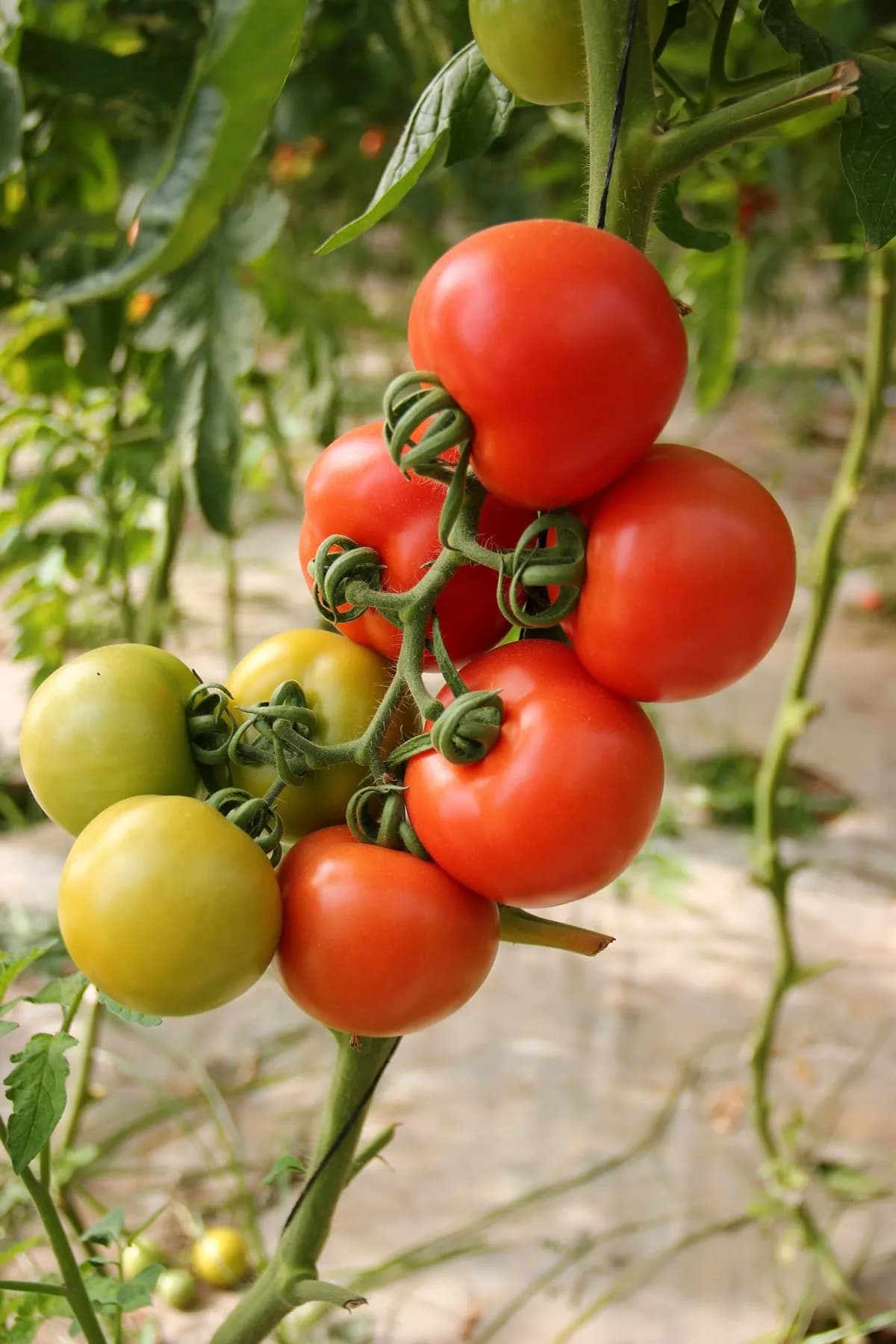
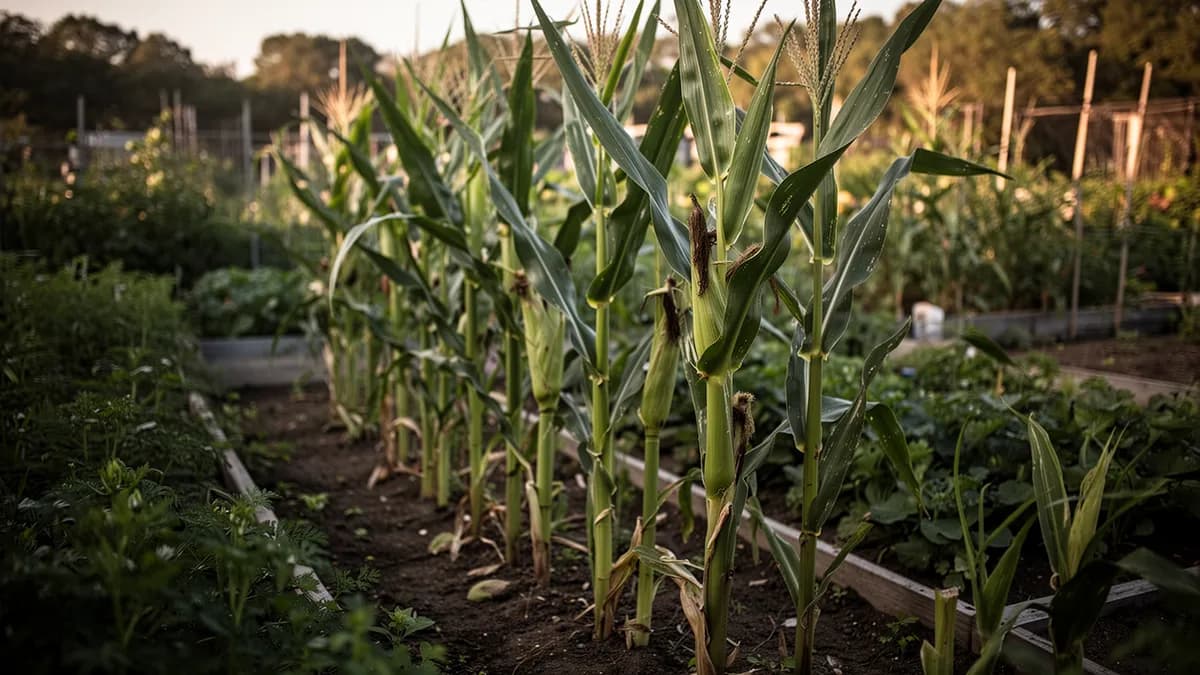
La verdolaga funciona como acolchado vivo entre cultivos más altos como tomates, pimientos y maíz, sombreando el suelo y conservando humedad. Sus raíces superficiales no compiten con vegetales de raíces profundas. El crecimiento suculento atrae algunas plagas lejos de otros cultivos. Mantenga la verdolaga contenida ya que se propaga fácilmente. Plante en áreas designadas o contenedores para evitar que tome el jardín.
Tomate va a su lado.
Saber de huerto de siempre, cotejado con la tabla real de Verdolaga — prueba cualquier planta que cultives.
Prueba Verdolaga en un bancal, aquí mismo
Un bancal real del planificador con Verdolaga ya plantado. Toca una planta compañera para colocarla y mira cómo responde la comprobación de vecinos: verde para buenos vecinos, rojo si hay conflicto.


Guías de cultivo relacionadas
Abónalo bien
La verdolaga prospera en suelo pobre a promedio, bien drenado con un pH de 5.5-7.0. Realmente produce hojas más sabrosas y densas en nutrientes en suelo pobre. Evite la fertilización pesada, que promueve crecimiento suave e insípido. El suelo arenoso o pedregoso es ideal. La verdolaga tolera sequía, calor y condiciones pobres que matarían otras verduras. Para cultivo en contenedor, use mezcla para macetas bien drenada y riegue con moderación.
Temperatura ideal
Compatibilidad de zonas de rusticidad
De la semilla a la cosecha, etapa por etapa
Germinación
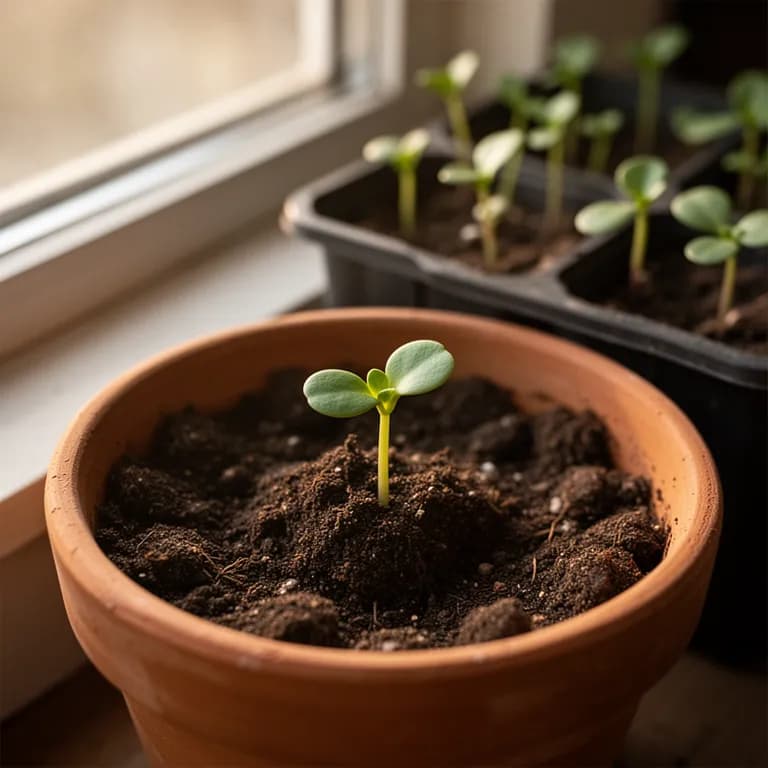
Las semillas diminutas germinan sobre la superficie del suelo cuando la temperatura alcanza 21 °C o más. Son de las semillas hortícolas más pequeñas y necesitan luz para desencadenar la germinación; no las entierres. En 7-10 días aparecen cotiledones redondos y suculentos.
Establecimiento de plántulas
Las pequeñas hojas suculentas se desarrollan a lo largo de tallos rastreros que empiezan a extenderse hacia afuera desde la raíz central. El sistema de raíz pivotante se establece rápidamente, anclando la planta mientras los tallos laterales exploran el suelo circundante. El crecimiento es lento hasta que las temperaturas diurnas superan de forma constante los 24 °C.
Expansión rápida
Los tallos se alargan rápidamente con el calor y se ramifican repetidamente para formar una alfombra densa y baja. Las hojas gruesas y en forma de pala desarrollan por completo su textura suculenta. Los nudos de los tallos que tocan el suelo pueden enraizar de forma independiente, acelerando la expansión de la planta por el bancal.
Cosecha máxima
Las plantas alcanzan su máxima producción de hojas con tallos gruesos y jugosos y hojas carnosas en su punto óptimo de sabor: ligeramente ácido y con un agradable crujido suculento. Esta es la mejor etapa para una cosecha continua. El crecimiento es vigoroso en las condiciones calurosas del verano.
Floración y formación de semillas
Pequeñas flores amarillas aparecen en las puntas de los tallos, se abren solo con pleno sol de la mañana y se cierran al mediodía. Cada flor produce una diminuta cápsula de semillas que contiene decenas de semillas negras. Una vez que comienza la floración, la calidad de las hojas disminuye porque la planta redirige su energía a la reproducción. Una sola planta puede producir más de 200.000 semillas.
Esparce las semillas sobre la superficie de un suelo húmedo y cálido, y presiónalas suavemente sin cubrirlas. Mantén la superficie húmeda con un rocío fino hasta que emerjan las plántulas. Mezclarlas con arena ayuda a distribuirlas de manera uniforme.
Cuidar Verdolaga mes a mes
Qué hacer cada mes para tu Verdolaga
Octubre
Mes actualFinal harvests in most zones as temperatures drop below 15°C (60°F). Pull all remaining plants to prevent uncontrolled self-seeding. Add spent plants to compost — purslane decomposes quickly. Note garden areas where containment was difficult.
Ten claro qué hacer en tu huerto, cada mes
Un correo al empezar cada mes: qué sembrar, plantar y hacer ahora mismo — para tu Verdolaga y todo lo que crece alrededor. Más un breve curso inicial para esquivar los errores clásicos.
- Qué hacer ahora mismo
- Ajustado a tu temporada
- Curso inicial incluido
Cosechar Verdolaga
Coseche puntas de tallos y hojas de verdolaga continuamente una vez que las plantas alcancen 10-15 cm, típicamente 40-50 días después de la siembra. Corte tallos 5-8 cm desde las puntas; las plantas rebrotan rápidamente en clima cálido. Coseche por la mañana cuando las hojas están más turgentes y crujientes. Toda la planta sobre el suelo es comestible incluyendo tallos, hojas y flores. El crecimiento más joven es más tierno y suave. Coseche antes de que las flores se abran y produzcan semilla para prevenir la auto-siembra.
se supone que plantas al comenzar el periodo — indica tu fecha real
Cosecha cuando las plantas midan 4-6 cm de altura, normalmente 40-50 días después de la siembra.
Almacenamiento y conservación
Almacene verdolaga fresca en una bolsa de plástico en el refrigerador por 5-7 días. Los tallos y hojas suculentos permanecen crujientes más tiempo que la mayoría de las verduras. La verdolaga se puede encurtir en salmuera de vinagre como condimento picante y crujiente que dura meses. Escaldar y congelar para uso en platos cocinados. En las cocinas mediterráneas y del Medio Oriente, la verdolaga tradicionalmente se conserva en aceite de oliva. La verdolaga seca se puede moler para añadir a batidos.
Qué falla — y cómo solucionarlo
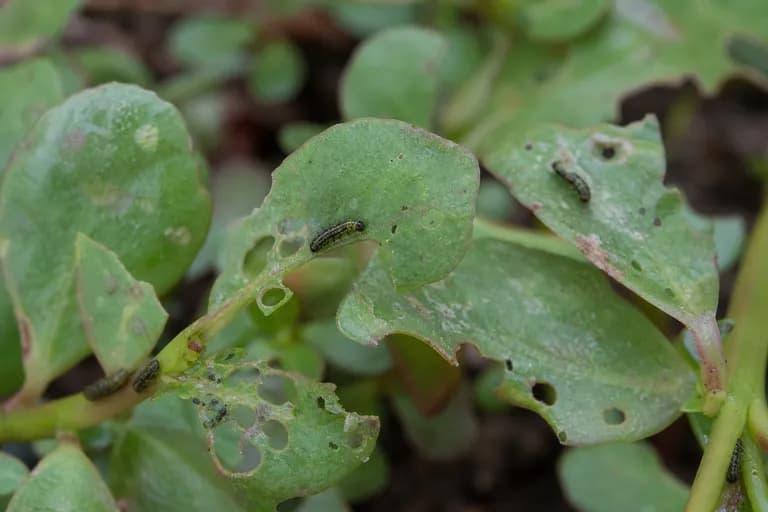
Mosca sierra de la verdolaga
PlagaPequeñas larvas oscuras alimentándose de hojas, follaje esqueletizado.
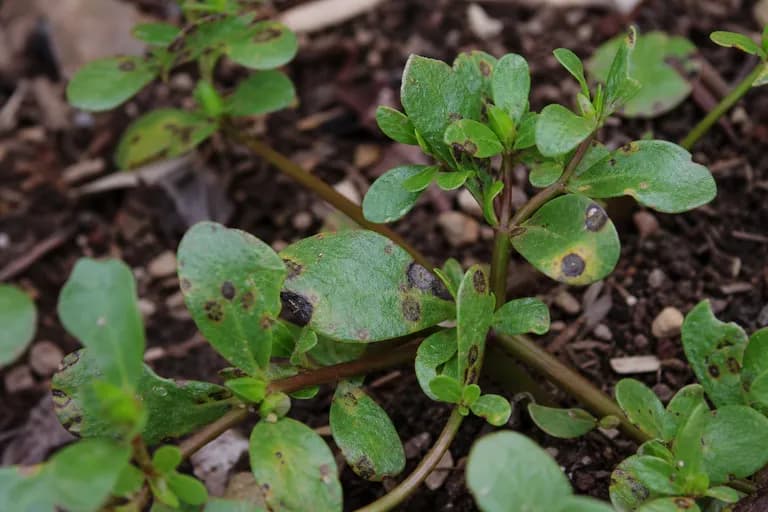
Mancha foliar de Portulaca
EnfermedadManchas oscuras en hojas que pueden coalescer, caída de hojas en casos severos.
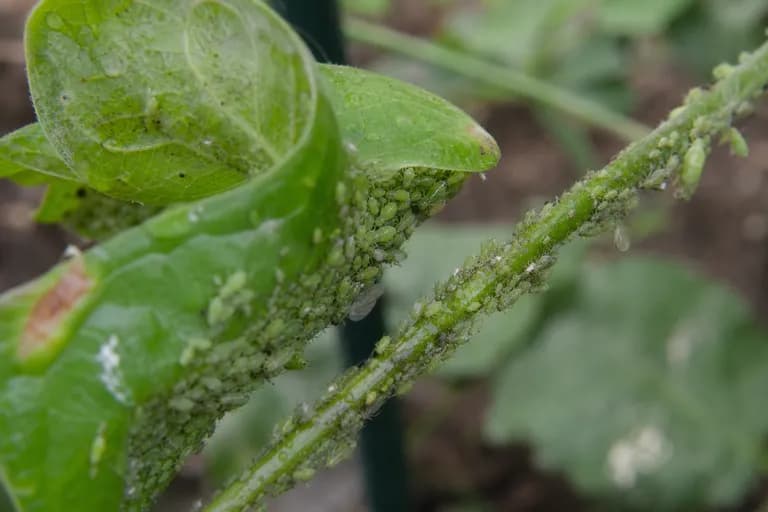
Pulgones
PlagaPequeños insectos en puntas de tallos tiernos, residuo pegajoso, nuevo crecimiento distorsionado.
Solución de problemas comunes
El mayor desafío es prevenir que la verdolaga se vuelva invasora. Se auto-siembra prolíficamente y fragmentos de tallo rotos pueden enraizar. Coseche antes de la floración y elimine plantas no deseadas de inmediato. La verdolaga se ve similar a las malezas tóxicas de la spurge; aprenda a distinguirlas (la verdolaga tiene tallos gruesos y suculentos con savia clara; la spurge tiene savia lechosa blanca). Las semillas germinan solo en la superficie del suelo; el acolchado profundo previene plantas voluntarias.
Consejos de cultivo
- Do not bury purslane seeds. They are among the smallest vegetable seeds and require light to germinate. Scatter on the surface of moist soil and press gently with a board or your palm. Covering seeds even 3mm deep can prevent germination entirely.
- Embrace lean soil. Purslane grown in rich, heavily fertilized soil produces lush but watery, bland-tasting growth. The most flavorful and nutrient-dense leaves come from plants growing in average to poor, well-drained soil with minimal supplemental feeding.
- Contain purslane deliberately. Every stem fragment that touches soil will root, and a single plant produces over 200,000 seeds. Grow in raised beds, containers, or bordered plots. Remove flower heads before seed capsules open unless you want volunteers everywhere.
- Use purslane as a living mulch. Plant it intentionally under tall crops like tomatoes, peppers, and corn where it shades the soil, retains moisture, and suppresses other weeds while providing a harvestable ground cover crop.
- Propagate from cuttings for instant new plants. Cut a 10-15 cm stem section, strip the lower leaves, and push the cut end 3-5 cm into moist soil. The cutting will root within 3-5 days in warm weather and begin producing harvestable growth within two weeks.
- Harvest in the morning for the best quality. Purslane leaves are most turgid, crisp, and flavorful in the early morning before the sun concentrates the oxalic acid content. Morning-harvested purslane stays fresh longer in refrigerated storage.
- Learn to distinguish purslane from toxic spurge (Euphorbia spp.), which grows in similar conditions and can look superficially similar. The key difference: purslane has thick, succulent stems with clear, watery sap; spurge has thin stems with milky white latex sap that irritates skin.
- Water purslane sparingly. Its succulent stems and leaves store water efficiently, and overwatering produces leggy, weak growth prone to stem rot. Let the soil dry out between waterings — purslane actually tastes better when slightly water-stressed.
Cultiva tu mejor Verdolaga — y todo lo que la rodea.
Empieza un plan gratis hoy. Diseña tus bancales, coloca tu Verdolaga y deja que PlotMyGarden gestione el momento, el espaciado, las asociaciones y los recordatorios de la semilla a la cesta.
Elige tu Verdolaga
Verdolaga Dorada
Variedad cultivada con hojas más grandes, verde-doradas y hábito erguido. Más suave y tierna que la verdolaga silvestre.
Verdolaga Verde
Forma cultivada estándar con hojas más grandes que el tipo silvestre. Crecimiento más erguido y más fácil de cosechar.
Gruner Roja
Variedad con tonos rojos con tallos y hojas coloridos. Añade interés visual a ensaladas y parterres del jardín.
Purslane seeds cost $2-4 per packet and a single packet can cover a large bed. Fresh purslane sells for $4-8 per bunch at farmers markets and specialty grocers, and it is rarely available in conventional supermarkets. A 1-square-meter patch can yield $20-40 worth of fresh purslane over a summer. Since purslane self-seeds freely, you may never need to buy seeds again after the first planting — making it essentially a free, perennial food source that returns year after year.
Recetas rápidas
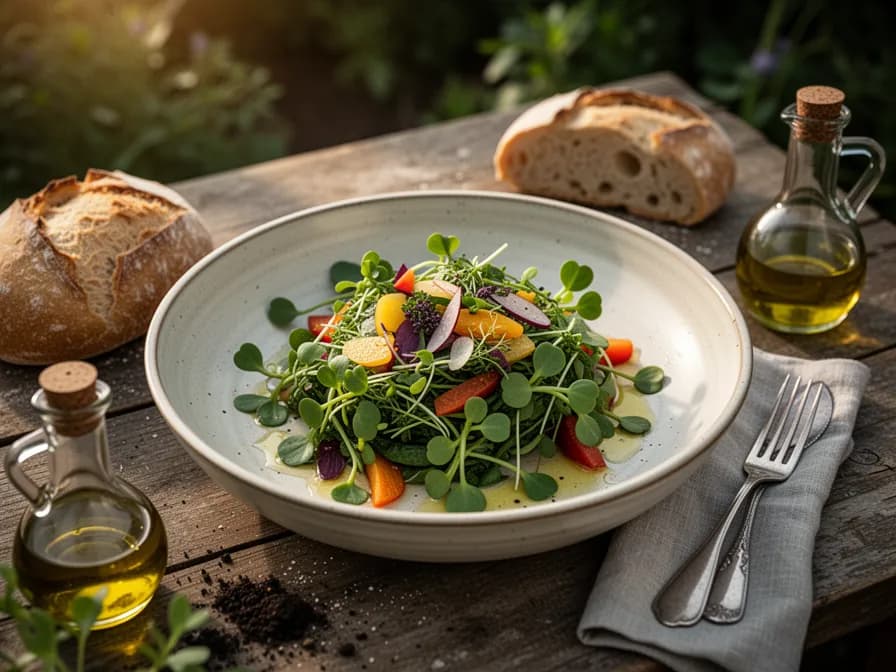
Mediterranean Purslane Fattoush Salad
15 minA refreshing Middle Eastern salad where purslane's tangy crunch pairs perfectly with crispy pita, ripe tomatoes, and a bright sumac dressing. This is the most traditional way to enjoy purslane in Lebanese and Syrian cuisine.
10 ingredientesMexican Verdolagas con Puerco
45 minA beloved Mexican home-style dish of purslane simmered with pork in a tangy tomatillo salsa verde. The purslane stems turn silky when cooked while retaining a pleasant slight crunch, absorbing the rich, green sauce beautifully.
10 ingredientesPurslane and Yogurt Dip
10 minA cooling Turkish-inspired dip that highlights purslane's tangy, succulent character against creamy yogurt and garlic. Perfect as a summer appetizer or side dish served with warm flatbread.
8 ingredientesUsos culinarios
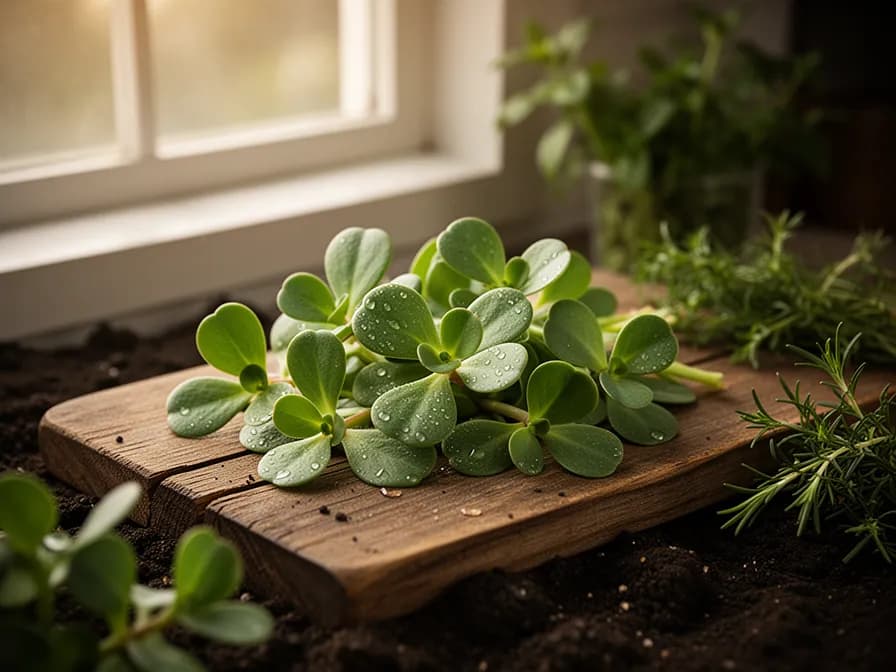
La verdolaga añade un toque picante, ligeramente salado a ensaladas, particularmente platos mediterráneos y del Medio Oriente como fattoush. Encurtir tallos en vinagre como condimento crujiente. Saltear con ajo como guarnición. Añadir a sopas y guisos donde la cualidad mucilaginosa actúa como espesante suave. Usar en cocina mexicana como verdolagas, guisadas con cerdo y tomatillos. La textura suculenta y sabor picante son únicos entre verduras de ensalada.
Qué contiene
Beneficios para la salud
- The highest plant source of omega-3 fatty acids (ALA) ever documented — regular consumption may help reduce inflammation, support cardiovascular health, and improve the omega-3 to omega-6 ratio in Western diets.
- Rich in beta-carotene (vitamin A precursor), providing 26% of the daily value per 100g, supporting eye health, skin integrity, and immune function.
- Contains significant levels of melatonin, a potent antioxidant and sleep-regulating hormone — purslane has 10-20 times the melatonin content of most other fruits and vegetables.
- Provides magnesium (17% DV per 100g), a mineral many people are deficient in, which supports muscle relaxation, nerve function, and blood sugar regulation.
- High in potassium (14% DV per 100g) and low in sodium, creating a favorable ratio for maintaining healthy blood pressure and reducing cardiovascular disease risk.
- Contains betalain pigments and glutathione, powerful antioxidants that help protect cells from oxidative damage and may support liver detoxification pathways.
De dónde viene Verdolaga
Purslane (Portulaca oleracea) is one of the most ancient and widely distributed edible plants on Earth, with origins that are difficult to pinpoint because the species has been spread by humans for millennia. The most likely center of origin is the Indian subcontinent or Central Asia, where wild populations show the greatest genetic diversity. Archaeological evidence of purslane seeds has been found at sites in the eastern Mediterranean dating back to at least 2000 BCE, and the plant was well known to the ancient Egyptians, who cultivated it as both food and medicine.
The ancient Greeks valued purslane highly — Theophrastus described it as a garden vegetable around 300 BCE, and Hippocrates recommended it for various ailments. The Romans spread purslane cultivation across their empire, and Pliny the Elder devoted considerable attention to the plant in his Natural History, recommending it both as food and as a protective charm. Arab physicians in the medieval Islamic Golden Age prescribed purslane for a wide range of conditions, from fevers to kidney stones, and it became a staple vegetable in Middle Eastern cuisine where it remains popular today in dishes like fattoush.
Purslane arrived in the Americas with European colonizers in the 16th and 17th centuries and naturalized so rapidly that many botanists initially assumed it was a native plant. It became an important food plant in Mexican cuisine as 'verdolagas,' typically braised with pork and tomatillos. In the United States, purslane shifted from valued garden vegetable to reviled weed over the 19th and 20th centuries as food culture changed. Today, a global nutritional renaissance is underway — the discovery that purslane contains more omega-3 fatty acids than any other tested plant has sparked renewed interest among nutritionists, chefs, and home gardeners worldwide.
Verdolaga: ¿sabías que?
Datos fascinantes sobre Verdolaga
Purslane is the richest plant source of omega-3 fatty acids (alpha-linolenic acid) ever tested — containing 300-400mg per 100g of fresh weight, a nutrient profile more commonly associated with fatty fish than leafy greens.
Verdolaga: preguntas frecuentes
¿Cuándo debo plantar Verdolaga?
¿Cuáles son buenas plantas acompañantes para Verdolaga?
¿En qué zonas de rusticidad puede crecer Verdolaga?
¿Cuánto sol necesita Verdolaga?
¿A qué distancia debo espaciar Verdolaga?
¿Qué plagas y enfermedades afectan a Verdolaga?
¿Cómo almaceno Verdolaga después de la cosecha?
¿Cuáles son las mejores variedades de Verdolaga para cultivar?
¿Qué suelo necesita Verdolaga?
Is the purslane growing in my yard safe to eat?
How do I stop purslane from taking over my garden?
Is purslane safe for people with kidney stones due to its oxalic acid content?
Can I grow purslane indoors or in containers?
Why does purslane taste sour or tangy?
Acabas de leer la teoría. Ahora cultívala en piloto automático.
Todo lo que hace que Verdolaga sea delicado — el momento, el espaciado, las asociaciones, la ventana de cosecha — es justo lo que PlotMyGarden resuelve por ti, para cada planta de tu huerto.
Un plan que conoce tu clima
Indica tu ubicación una vez. Recibe fechas de siembra, abonado y cosecha basadas en tu última helada real y el pronóstico en vivo — sin adivinar con un sobre genérico.
De la sección “Cuándo plantar”Planificador de bancales de arrastrar y soltar
Diseña bancales sobre una cuadrícula. Cada planta encaja con su espaciado correcto y ves toda la temporada antes de gastar un céntimo en semillas.
De la sección “Cultivo”Conflictos de asociación, detectados a tiempo
Más de 200 buenas y malas combinaciones comprobadas en vivo mientras plantas — para que un error que arruine la temporada nunca llegue a la tierra.
De la sección “Asociaciones”Recordatorios que sí vas a seguir
“Riega las judías.” “Recoge hoy antes de que se pase.” Oportunos, concretos y ligados a las plantas que de verdad cultivas.
De la sección “Cosecha”Escalonado, programado
¿Quieres cosechar seis semanas en vez de seis días? Reparte tus siembras automáticamente y te avisa cuando toca el siguiente lote.
De la sección “Cuándo plantar”Un registro que se vuelve más listo
Cada cosecha que registras le enseña tu huerto. El plan del año que viene parte de lo que de verdad funcionó en tu suelo, no en un manual.
De la sección “Resumen”Planta estos junto a Verdolaga
Más Hortalizas de hoja
Cultiva tu mejor Verdolaga — y todo lo que la rodea.
Empieza un plan gratis hoy. Diseña tus bancales, coloca tu Verdolaga y deja que PlotMyGarden gestione el momento, el espaciado, las asociaciones y los recordatorios de la semilla a la cesta.