Calabaza Gigante
La calabaza gigante (Cucurbita maxima) es la culminación de siglos de selección genética para obtener los frutos más grandes del reino vegetal.





En esta páginaResumen
Conoce Calabaza Gigante
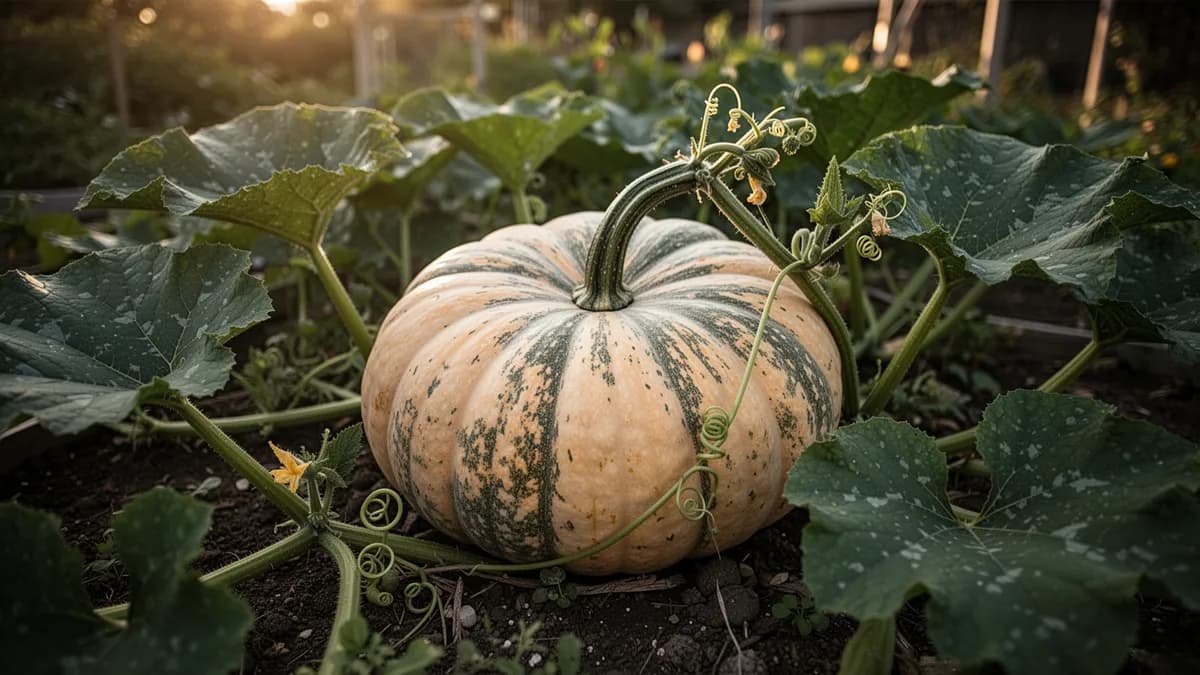
La calabaza gigante (Cucurbita maxima) es la culminación de siglos de selección genética para obtener los frutos más grandes del reino vegetal. Las variedades de competición pueden superar los 1000 kg, convirtiéndolas en las verduras más pesadas del mundo. Cultivar calabazas gigantes es un hobby fascinante que combina horticultura, ciencia y competición deportiva.
Cuándo plantar Calabaza Gigante
Inicie las semillas en interior 3-4 semanas antes de la última helada en macetas de 15 cm con sustrato premium. Las semillas de genética de competición pueden costar cientos de euros. Lima suavemente los bordes de la semilla con papel de lija y remoje 4-6 horas antes de sembrar a 2,5 cm de profundidad con el borde hacia abajo. La germinación ocurre en 5-10 días a 25-30 °C. Trasplante con extremo cuidado.
Tu año de Calabaza Gigante
Ajustado a Zona 7 · temporada típica · la helada se va hacia el 2 abr y vuelve hacia el 1 nov
Planta Calabaza Gigante May – Jun y cosecha Sep – Oct. Consulta los métodos de plantación y elige tu clima para adaptar los periodos.
Cómo cultivar Calabaza Gigante
Seleccione el lugar más soleado, protegido del viento y con mejor suelo de todo el jardín. Prepare el terreno con meses de anticipación, incorporando enormes cantidades de compost, estiércol bien descompuesto y enmiendas orgánicas hasta una profundidad de 60-90 cm. El pH ideal es 6,0-7,0. Cada planta necesita un mínimo de 30-50 m² de espacio.
Inicie las semillas en interior 3-4 semanas antes de la última helada en macetas grandes de 15 cm. Trasplante con cuidado extremo cuando las temperaturas nocturnas superen los 12 °C. Entrene la enredadera principal en una dirección, enterrando los nudos cada 1-2 m para que emitan raíces secundarias que alimenten al fruto en desarrollo.
El riego y la fertilización son críticos: proporcione 5-10 cm de agua por semana mediante riego por goteo. Aplique fertilizante líquido completo dos veces por semana, alternando formulaciones ricas en nitrógeno durante el crecimiento vegetativo y ricas en potasio durante la fructificación. Seleccione solo el fruto mejor posicionado y elimine todos los demás para concentrar toda la energía de la planta en un único fruto.
Para Calabaza Gigante un bancal de 120 × 240 cm se queda corto
Cada Calabaza Gigante pide 300 cm de margen. El planificador guarda ese marco por ti — cada planta, cada bancal.
Los mejores vecinos de Calabaza Gigante
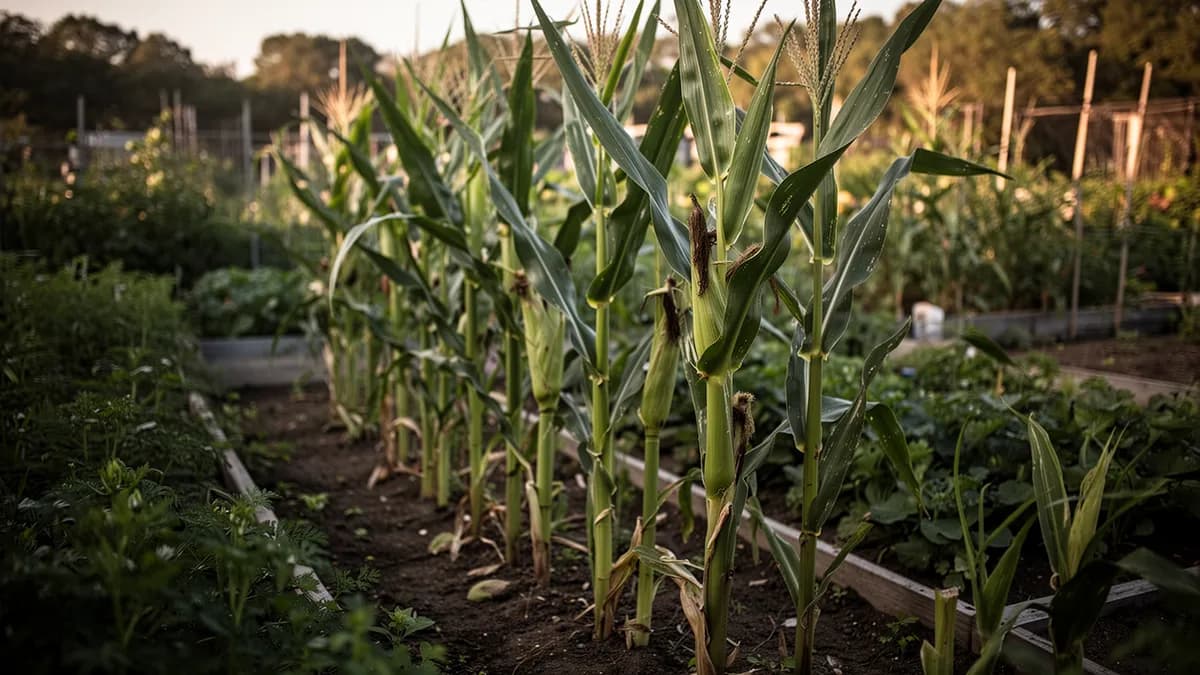
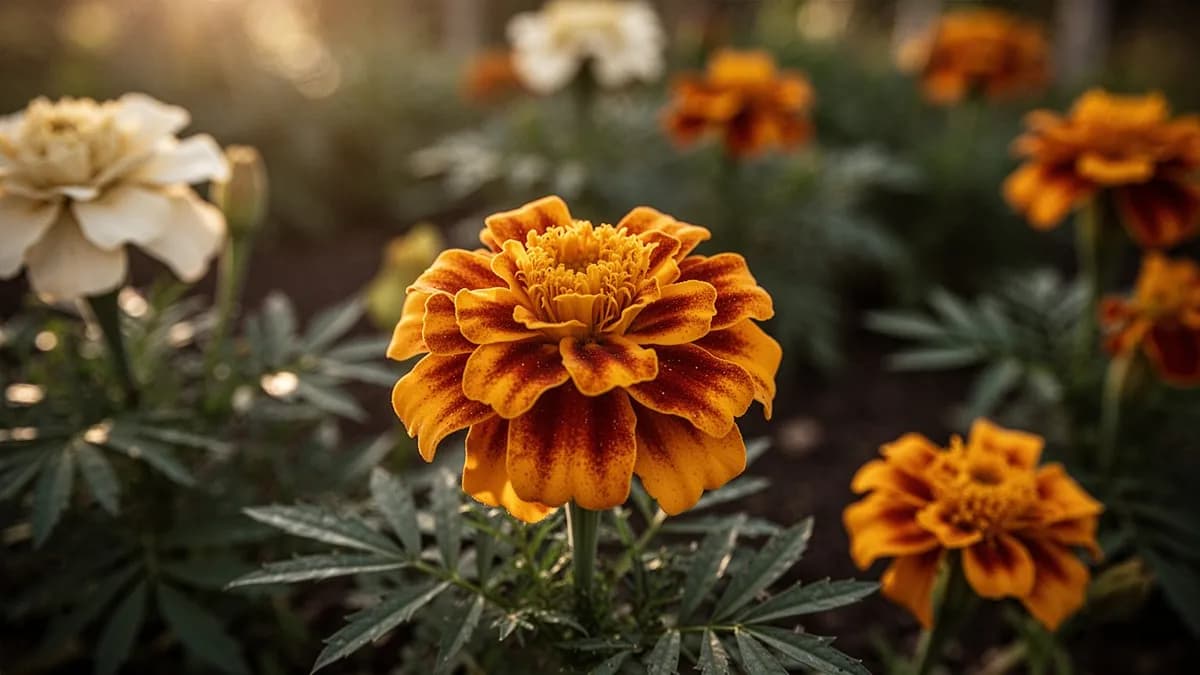
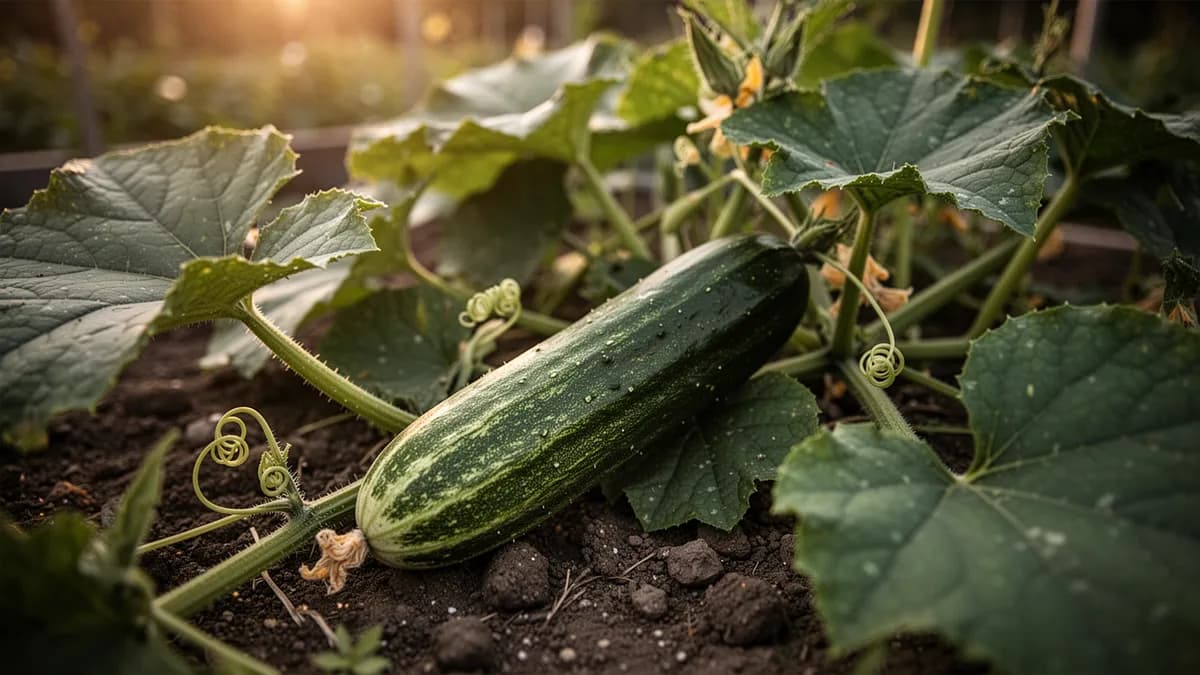
Las calabazas gigantes monopolizan tanto espacio y recursos que no son buenos compañeros para la mayoría de cultivos. El maíz puede plantarse como cortavientos alrededor del perímetro. Los frijoles pueden fijarse nitrógeno en áreas adyacentes que se cultivarán de calabaza al año siguiente. Las caléndulas en el borde atraen polinizadores.
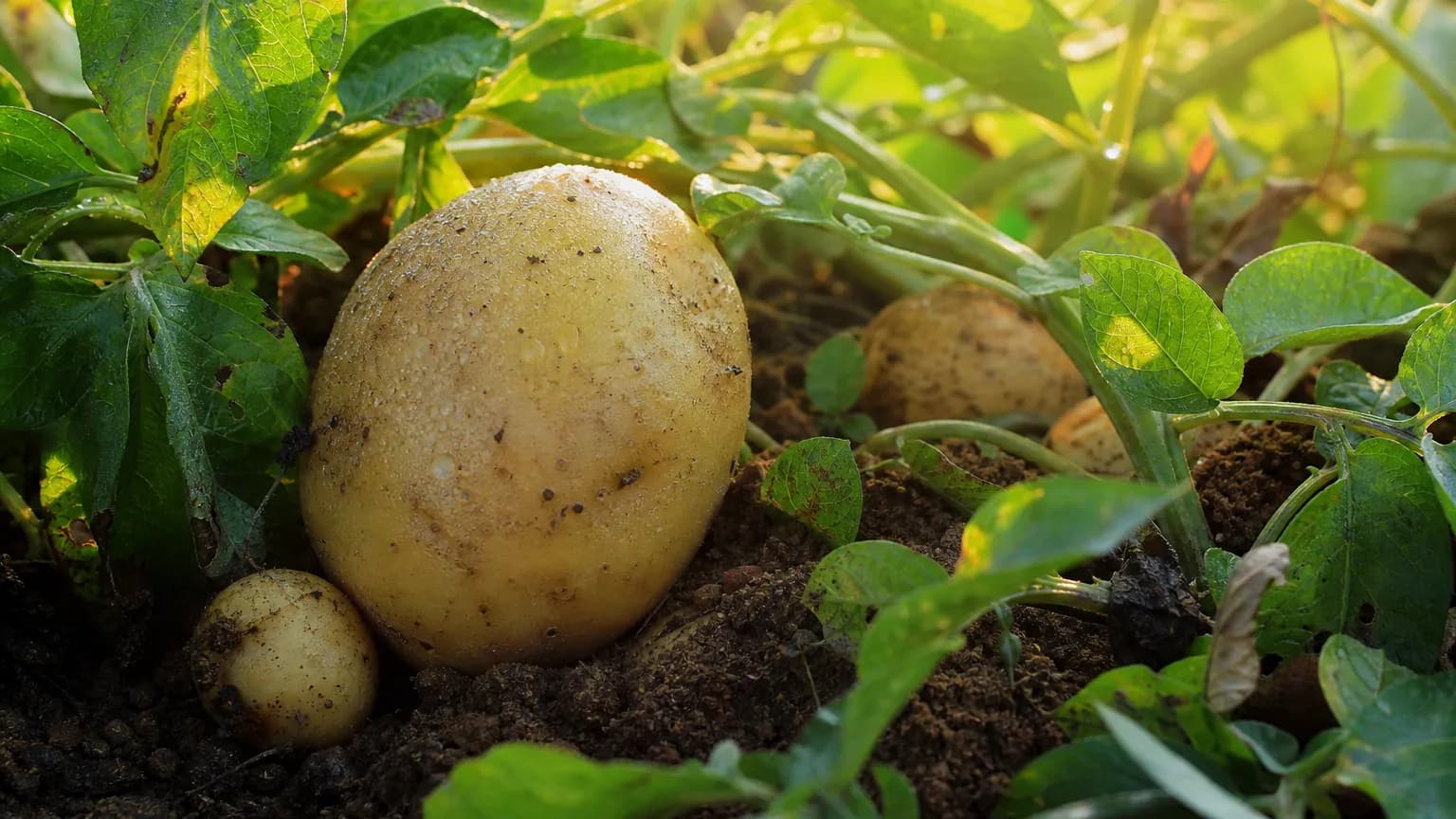
Maíz va a su lado. Papa no.
Saber de huerto de siempre, cotejado con la tabla real de Calabaza Gigante — prueba cualquier planta que cultives.
Prueba Calabaza Gigante en un bancal, aquí mismo
Un bancal real del planificador con Calabaza Gigante ya plantado. Toca una planta compañera para colocarla y mira cómo responde la comprobación de vecinos: verde para buenos vecinos, rojo si hay conflicto.


Guías de cultivo relacionadas
Abónalo bien
Requiere el suelo más fértil posible, con enormes cantidades de compost, estiércol descompuesto y enmiendas orgánicas. El pH ideal es 6,0-7,0. Analice el suelo antes de plantar y corrija cualquier deficiencia. Aplique fertilizantes líquidos completos 2-3 veces por semana durante el crecimiento máximo. Los cultivadores competitivos usan programas de fertilización computarizados con análisis foliares regulares.
Temperatura ideal
Compatibilidad de zonas de rusticidad
De la semilla a la cosecha, etapa por etapa
Siembra de semillas
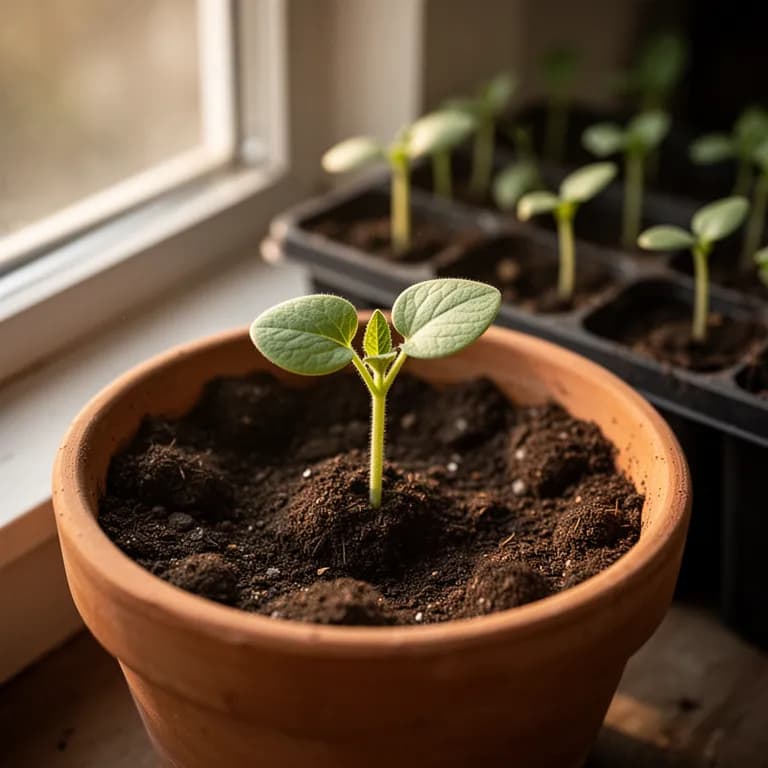
Las semillas de calabaza gigante se inician en interior 2-3 semanas antes de la fecha de la última helada. Las semillas grandes y planas se colocan de canto en macetas individuales llenas de un sustrato de siembra cálido y húmedo. La germinación ocurre en 3-7 días con temperaturas del suelo de 27-32 °C (80-90 °F). Las hojas cotiledonares son notablemente grandes y gruesas en comparación con las de las calabazas comunes.
Trasplante y establecimiento
Las plántulas se trasplantan al exterior en montículos muy enriquecidos después de la fecha de la última helada, cuando las temperaturas nocturnas se mantienen por encima de 10 °C (50 °F). Las primeras hojas verdaderas se despliegan con la característica forma lobulada. El sistema de raíz principal se establece rápidamente y la planta comienza a emitir sus primeros brotes laterales.
Expansión de la enredadera
La planta entra en un crecimiento vegetativo explosivo, produciendo guías primarias y secundarias gruesas que se expanden en todas direcciones. Las guías crecen de 15 a 30 cm por día con clima cálido. Las hojas pueden alcanzar 60 cm de ancho. El sistema radicular se expande a medida que los nudos de la guía enraízan en el suelo húmedo, creando una enorme red de captación de nutrientes.
Polinización y cuajado del fruto
Primero aparecen las flores masculinas, seguidas de las flores femeninas identificables por la pequeña protuberancia redonda en su base. En el cultivo de competición, solo se permite que se desarrolle un fruto por planta. La polinización manual se realiza temprano por la mañana para asegurar la máxima formación de semillas y el fruto más fuerte posible.
Crecimiento rápido del fruto
El fruto seleccionado entra en una fase de crecimiento impresionante, ganando 10-25 kg (22-55 lb) por día en la etapa de máxima expansión. La circunferencia de la calabaza aumenta visiblemente de la mañana a la noche. El color de la piel pasa de verde a amarillo anaranjado a medida que el fruto madura. La presión interna puede provocar rajaduras si el crecimiento es demasiado rápido o desigual.
Maduración y cosecha
La tasa de crecimiento se ralentiza a medida que el fruto alcanza la madurez y la cáscara comienza a endurecerse. La piel adquiere un color más intenso y el tallo se seca y se vuelve corchoso. Los cultivadores de competición cosechan antes de la primera helada usando equipos para levantar el fruto masivo. Incluso las calabazas gigantes modestas pesan 50-150 kg, mientras que los ejemplares de competición superan habitualmente los 500 kg.
Lima ligeramente los bordes de la semilla con una lima de uñas antes de plantar para ayudar a que la humedad penetre la cubierta dura. Coloca las semillas de canto para evitar que el agua se acumule en la superficie plana y provoque pudrición. Usa una manta térmica ajustada a 29 °C (85 °F) para una germinación más rápida.
Cuidar Calabaza Gigante mes a mes
Qué hacer cada mes para tu Calabaza Gigante
Octubre
Mes actualHarvest before the first frost. Cut the stem with a sharp saw, leaving 10-15 cm attached. Lift from beneath using a tarp and move onto a pallet for transport. Weigh-off competitions typically occur in early to mid-October. After competition, save seeds from high-performing fruits.
Ten claro qué hacer en tu huerto, cada mes
Un correo al empezar cada mes: qué sembrar, plantar y hacer ahora mismo — para tu Calabaza Gigante y todo lo que crece alrededor. Más un breve curso inicial para esquivar los errores clásicos.
- Qué hacer ahora mismo
- Ajustado a tu temporada
- Curso inicial incluido
Cosechar Calabaza Gigante
Coseche antes de las primeras heladas, generalmente 120-150 días después de la siembra. Para competiciones, corte dejando un trozo generoso de pedúnculo. Manipule con extremo cuidado utilizando arneses, mantas y equipos de elevación para calabazas que pueden pesar cientos de kilos. Transporte en vehículos con suspensión suave y acolchado para evitar grietas.
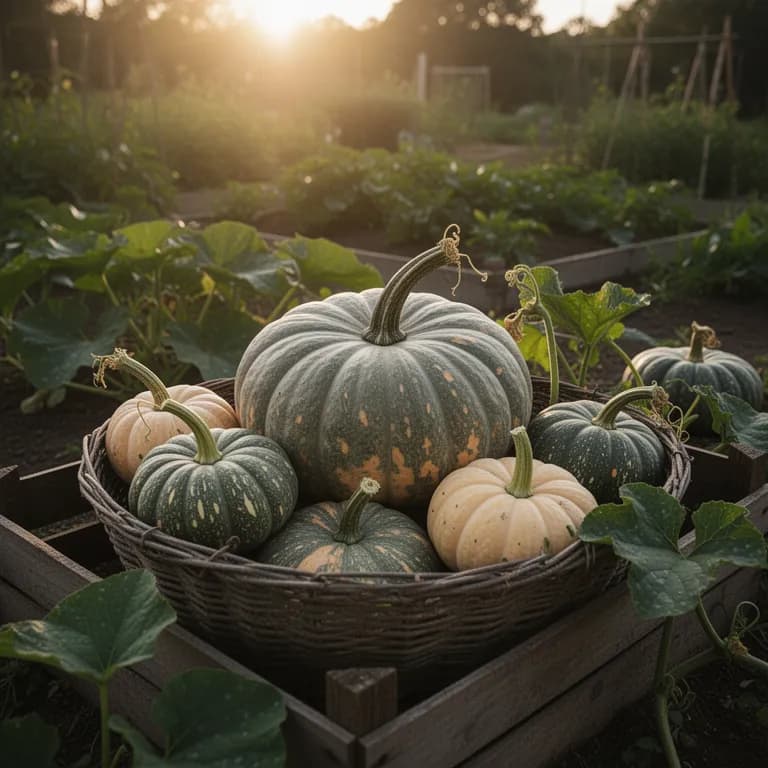
se supone que plantas al comenzar el periodo — indica tu fecha real
Antes de la primera helada o cuando la piel se haya endurecido por completo
Almacenamiento y conservación
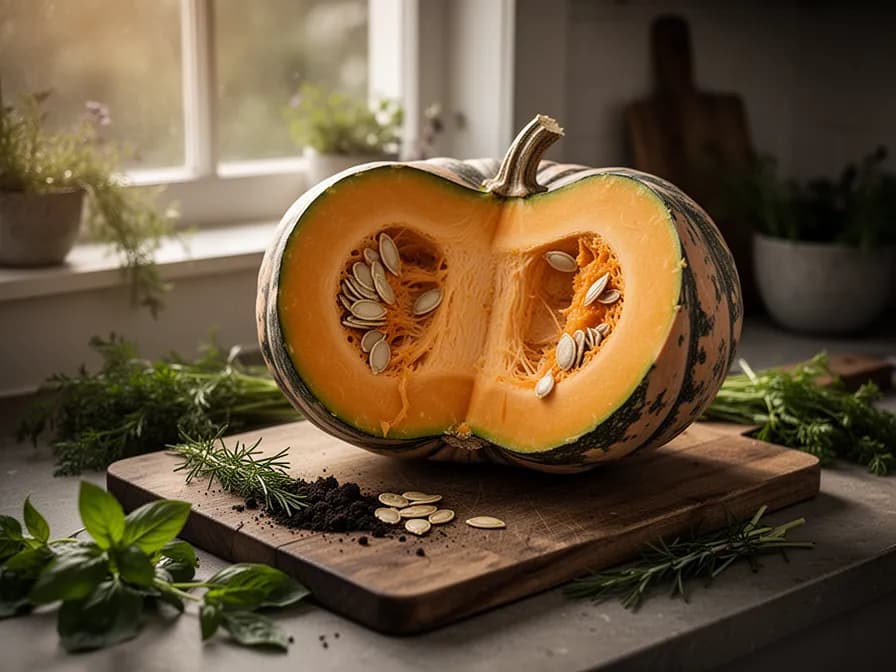
Las calabazas gigantes tienen una vida útil limitada de 2-4 semanas después de la cosecha. Los ejemplares de competición se exhiben y luego se desechan o compostan. La pulpa de las variedades gigantes es comestible pero de calidad culinaria inferior a las variedades de mesa. Puede prepararse en sopas, purés o alimentar animales de granja.
Qué falla — y cómo solucionarlo
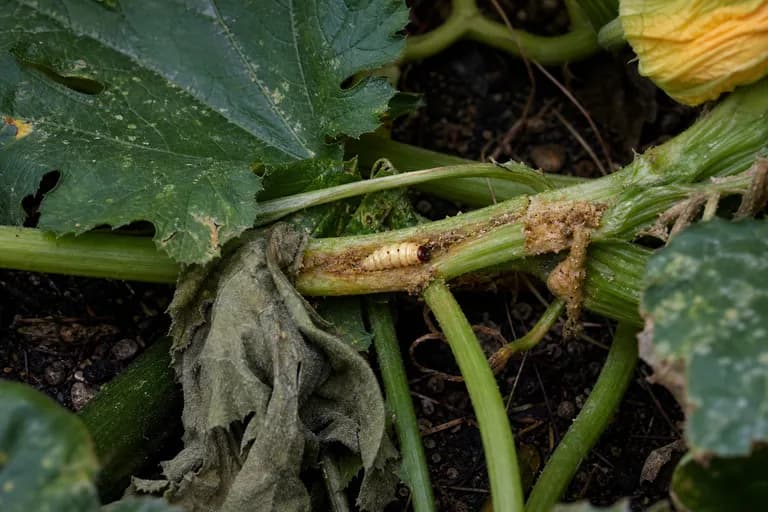
Oídio (Podosphaera xanthii)
EnfermedadPolvo blanco en las hojas que reduce la fotosíntesis y debilita la planta cuando más necesita energía para alimentar el fruto gigante.
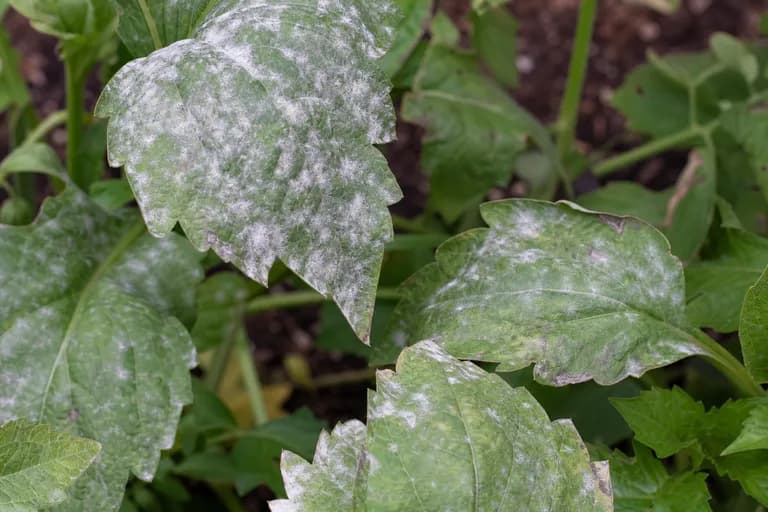
Escarabajo del pepino (Diabrotica spp.)
PlagaMordeduras en hojas y flores, transmisión de marchitez bacteriana que puede matar la planta y acabar con meses de trabajo.
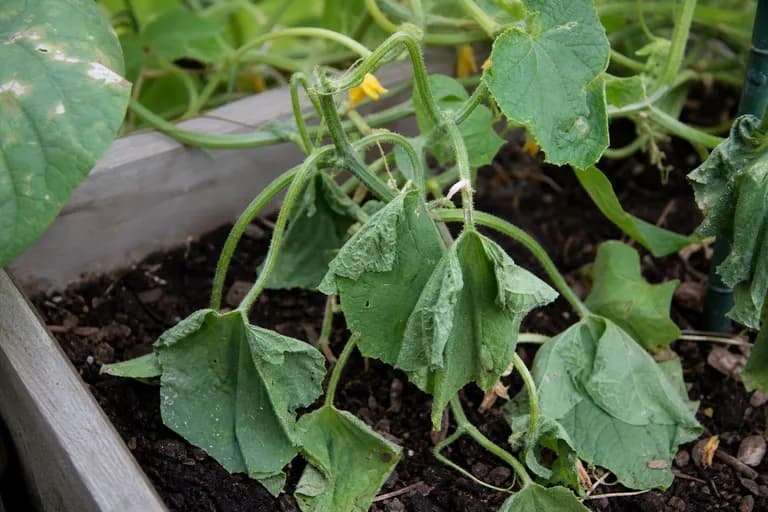
Pudrición del fruto (Phytophthora/Pythium)
EnfermedadManchas blandas acuosas en la parte inferior del fruto en contacto con el suelo que se expanden rápidamente, destruyendo meses de trabajo.
Solución de problemas comunes
El cultivo de calabazas gigantes requiere dedicación casi diaria durante 5-6 meses. El agrietamiento de la piel por crecimiento demasiado rápido o riego irregular puede arruinar un fruto de competición. Las enfermedades del suelo, la polinización deficiente, las tormentas, las heladas tempranas y la pudrición del fruto son amenazas constantes. Es necesario proteger el fruto de la luz solar directa intensa con sombrillas.
Consejos de cultivo
- Soil preparation is the single most important factor for growing giant pumpkins. Begin amending your patch the autumn before planting with massive quantities of compost and composted manure — work in at least 10-15 cm across the entire growing area (minimum 30 square meters per plant).
- Grow only one fruit per plant for maximum size. After selecting the best-positioned fruit, ruthlessly remove every other female flower as soon as it appears. Multiple fruits competing for nutrients will prevent any single fruit from reaching its full potential.
- Hand-pollinate for the best results. Transfer pollen from 2-3 freshly opened male flowers to the female flower between 6-9 AM while pollen is most viable. Mark the pollination date — you will use this to track days of growth and estimate weight.
- Bury vine nodes by covering them with a few centimeters of moist soil as the vine grows outward. Each buried node develops supplemental roots, creating a massive nutrient and water absorption network that can double or triple the plant's feeding capacity.
- Consistent, heavy watering is critical — a mature giant pumpkin plant can transpire 75-150 liters (20-40 gallons) of water per day during peak growth. Use drip irrigation on a timer and never let the soil dry out. Inconsistent watering is the primary cause of fruit cracking.
- Protect the developing fruit from direct sun with a shade canopy or light-colored tarp. Uneven heating causes one side to expand faster than the other, leading to catastrophic splits. The shade also helps maintain a more consistent soil temperature around the root zone.
- Feed aggressively but shift the nutrient ratio through the season. Emphasize nitrogen during vine growth (June), phosphorus during flowering and fruit set (July), and potassium during fruit expansion and shell hardening (August-September). Foliar feeding with fish emulsion and seaweed extract provides micronutrients.
- Monitor the stem-to-fruit connection daily during rapid growth. As the pumpkin expands, the stem can twist or crack under strain. Position the fruit perpendicular to the vine early in development and gently reposition it if the stem begins to show stress. A cracked stem can end your season instantly.
Cultiva tu mejor Calabaza Gigante — y todo lo que la rodea.
Empieza un plan gratis hoy. Diseña tus bancales, coloca tu Calabaza Gigante y deja que PlotMyGarden gestione el momento, el espaciado, las asociaciones y los recordatorios de la semilla a la cesta.
Elige tu Calabaza Gigante
Atlantic Giant
La variedad dominante en competiciones mundiales, capaz de superar 1000 kg. Seleccionada en Nueva Escocia por Howard Dill. Genética de élite disponible de cultivadores competitivos. 130-140 días.
Big Max
Variedad más accesible que alcanza 30-50 kg. Buena introducción al cultivo de calabazas gigantes sin la complejidad de la competición. 115-120 días.
Prizewinner
Variedad híbrida que produce calabazas uniformes de 30-70 kg con piel anaranjada atractiva. Más predecible que Atlantic Giant. 120-130 días.
Growing a giant pumpkin is more of a rewarding hobby than a cost-saving exercise — a single plant requires significant space (30-60 square meters), soil amendments, and water. However, a successful fruit yields an enormous quantity of edible flesh (30-100+ kg of puree) and hundreds of pumpkin seeds. A modest 100 kg giant pumpkin produces roughly 50 kg of usable puree, equivalent to 100+ cans of store-bought pumpkin at $2-4 each, representing $200-400 in value. Prize money at competitive weigh-offs can also offset costs, with top prizes ranging from $1,000 to $10,000 or more.
Recetas rápidas
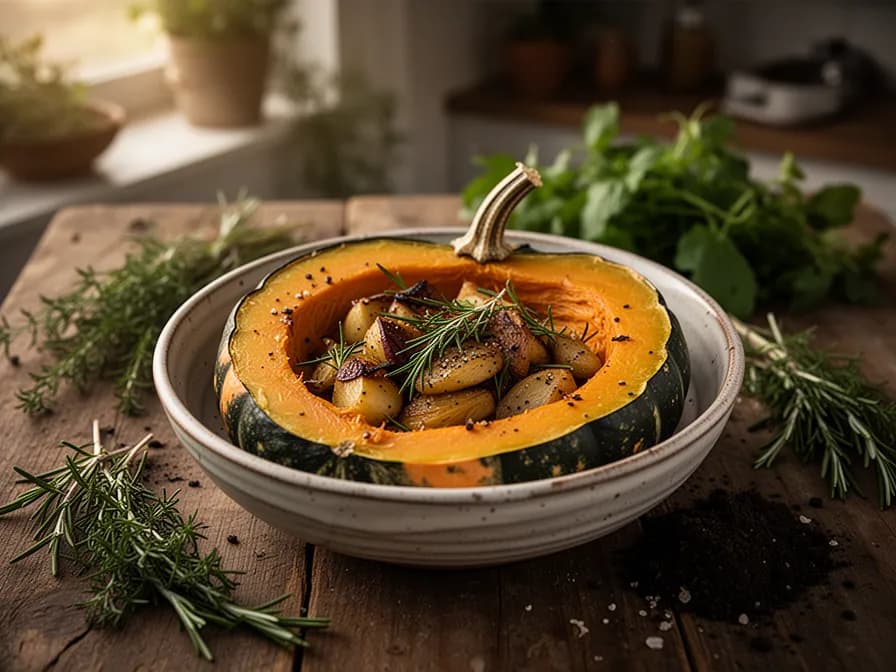
Roasted Pumpkin Soup
45 minDeeply flavored, velvety soup made by roasting pumpkin wedges until caramelized and blending with aromatic spices. Giant pumpkin flesh is sweeter than many people expect and produces a rich, silky puree perfect for autumn meals.
9 ingredientesSpiced Pumpkin Bread
75 minA moist, warmly spiced quick bread that is one of the best ways to use a large quantity of giant pumpkin flesh. The natural sweetness and dense texture of giant pumpkin puree produces an incredibly tender crumb with deep autumn flavor.
10 ingredientesRoasted Pumpkin Seeds (Pepitas)
30 minGiant pumpkins contain an enormous quantity of large, plump seeds that are perfect for roasting. Rinsed, seasoned, and toasted until golden and crunchy, they make an addictive high-protein snack and a satisfying crunchy topping for soups and salads.
6 ingredientesUsos culinarios
Aunque las calabazas gigantes son comestibles, su pulpa es acuosa y de sabor menos concentrado que las variedades culinarias. Se puede preparar en sopas, purés y panes de calabaza. En algunas comunidades, las calabazas gigantes se ahuecan para hacer botes en regatas de calabazas. Los ejemplares de competición se exhiben en ferias agrícolas y festivales otoñales.
Qué contiene
Beneficios para la salud
- Giant pumpkin flesh is exceptionally rich in beta-carotene, providing over 170% of the daily value of vitamin A per 100g — a powerful antioxidant that supports vision, immune function, and skin health.
- Very low in calories at just 26 per 100g while being satisfying and nutrient-dense, making pumpkin an excellent addition to weight management diets.
- Pumpkin seeds are a concentrated source of magnesium, providing about 37% of the daily value per 30g serving — magnesium supports over 300 enzymatic reactions in the body including energy production and muscle function.
- Contains significant levels of potassium (10% DV per 100g), which helps regulate blood pressure, fluid balance, and supports cardiovascular health.
- The seeds provide zinc (about 15% DV per 30g serving), which is essential for immune function, wound healing, and reproductive health.
- Rich in the carotenoids lutein and zeaxanthin, which accumulate in the retina and may help protect against age-related macular degeneration and cataracts.
De dónde viene Calabaza Gigante
Giant pumpkins (Cucurbita maxima) trace their ancestry to South America, where wild forms of the species were cultivated by indigenous peoples in the Andes region of Peru, Bolivia, and Argentina at least 4,000 years ago. Spanish and Portuguese explorers brought squash and pumpkin seeds back to Europe in the 16th century, and the species spread rapidly throughout the continent. The tradition of growing unusually large pumpkins for competition and exhibition began in North America in the 19th century, with county fairs and agricultural shows fueling a friendly rivalry among farmers.
The modern era of competitive giant pumpkin growing began with Howard Dill, a farmer from Windsor, Nova Scotia, who spent over 30 years selectively breeding pumpkins for size. In 1979 his pumpkin broke the 200 kg (440 lb) barrier for the first time, and by 1981 he had developed what he called the Atlantic Giant variety. Dill patented the seed in 1986 — one of the first plant patents ever granted to an individual grower. The Atlantic Giant became the foundation for essentially all competitive giant pumpkins grown today, and Dill's farm remains a pilgrimage site for serious growers.
Since the Atlantic Giant's introduction, the world record has increased dramatically from roughly 200 kg in the early 1980s to over 1,200 kg today. This extraordinary progress is driven by a global community of dedicated growers who meticulously track pumpkin genetics, share seeds from champion fruits, and push the boundaries of plant nutrition and care. Giant pumpkin growing has evolved from a casual county fair hobby into a serious competitive pursuit with international governing bodies, prize money, and scientific rigor applied to soil management, fertilization, and vine training techniques.
Calabaza Gigante: ¿sabías que?
Datos fascinantes sobre Calabaza Gigante
The world record for the heaviest pumpkin has been broken repeatedly in recent years, with top specimens exceeding 1,200 kg (2,700 lbs) — heavier than a small car. The genetics of these record-breaking pumpkins are carefully tracked and seeds from champion fruits can sell for hundreds of dollars each.
Calabaza Gigante: preguntas frecuentes
¿Cuándo debo plantar Calabaza Gigante?
¿Cuáles son buenas plantas acompañantes para Calabaza Gigante?
¿En qué zonas de rusticidad puede crecer Calabaza Gigante?
¿Cuánto sol necesita Calabaza Gigante?
¿A qué distancia debo espaciar Calabaza Gigante?
¿Qué plagas y enfermedades afectan a Calabaza Gigante?
¿Cómo almaceno Calabaza Gigante después de la cosecha?
¿Cuáles son las mejores variedades de Calabaza Gigante para cultivar?
¿Qué suelo necesita Calabaza Gigante?
Can I eat a giant pumpkin or are they just for show?
How much space does a giant pumpkin plant need?
What is the best variety for growing a giant pumpkin?
Why did my giant pumpkin crack or split?
How do I know when to harvest my giant pumpkin?
How much water does a giant pumpkin plant really need?
Acabas de leer la teoría. Ahora cultívala en piloto automático.
Todo lo que hace que Calabaza Gigante sea delicado — el momento, el espaciado, las asociaciones, la ventana de cosecha — es justo lo que PlotMyGarden resuelve por ti, para cada planta de tu huerto.
Un plan que conoce tu clima
Indica tu ubicación una vez. Recibe fechas de siembra, abonado y cosecha basadas en tu última helada real y el pronóstico en vivo — sin adivinar con un sobre genérico.
De la sección “Cuándo plantar”Planificador de bancales de arrastrar y soltar
Diseña bancales sobre una cuadrícula. Cada planta encaja con su espaciado correcto y ves toda la temporada antes de gastar un céntimo en semillas.
De la sección “Cultivo”Conflictos de asociación, detectados a tiempo
Más de 200 buenas y malas combinaciones comprobadas en vivo mientras plantas — para que un error que arruine la temporada nunca llegue a la tierra.
De la sección “Asociaciones”Recordatorios que sí vas a seguir
“Riega las judías.” “Recoge hoy antes de que se pase.” Oportunos, concretos y ligados a las plantas que de verdad cultivas.
De la sección “Cosecha”Escalonado, programado
¿Quieres cosechar seis semanas en vez de seis días? Reparte tus siembras automáticamente y te avisa cuando toca el siguiente lote.
De la sección “Cuándo plantar”Un registro que se vuelve más listo
Cada cosecha que registras le enseña tu huerto. El plan del año que viene parte de lo que de verdad funcionó en tu suelo, no en un manual.
De la sección “Resumen”Planta estos junto a Calabaza Gigante
Más Cucurbitáceas
Mantén Calabaza Gigante lejos de estos
Cultiva tu mejor Calabaza Gigante — y todo lo que la rodea.
Empieza un plan gratis hoy. Diseña tus bancales, coloca tu Calabaza Gigante y deja que PlotMyGarden gestione el momento, el espaciado, las asociaciones y los recordatorios de la semilla a la cesta.