Plumcot
Un híbrido auténticamente a partes iguales entre ciruela y albaricoque, con características repartidas por igual entre ambos progenitores.





En esta páginaResumen
Conoce Plumcot
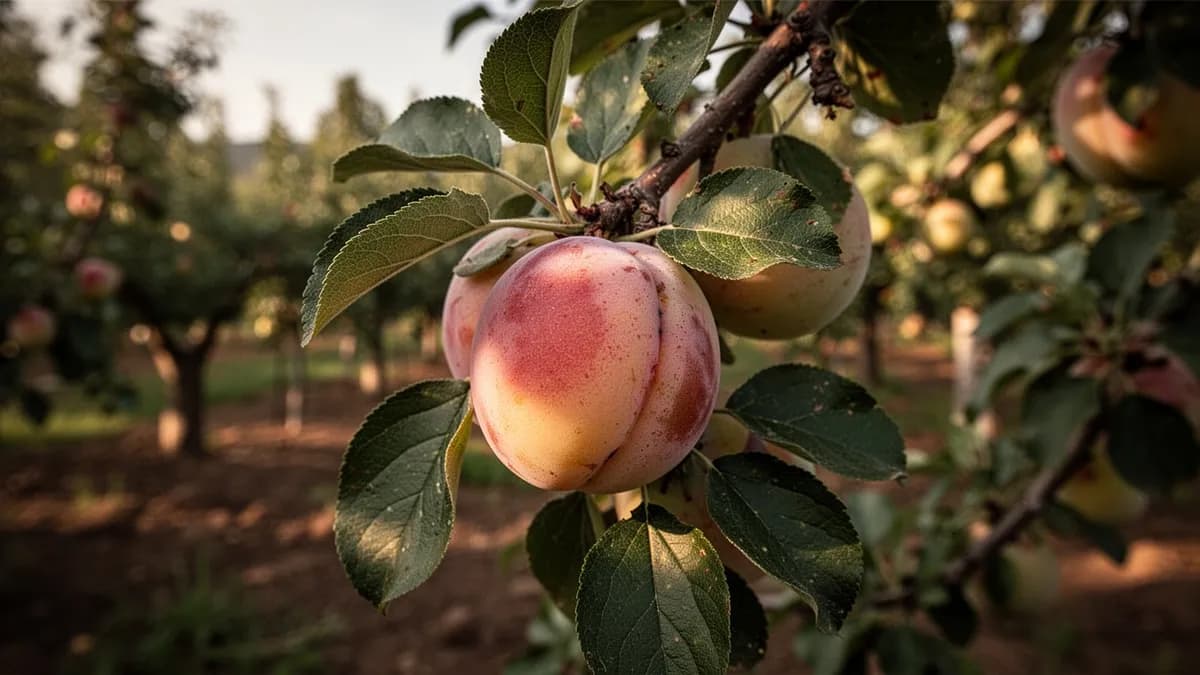
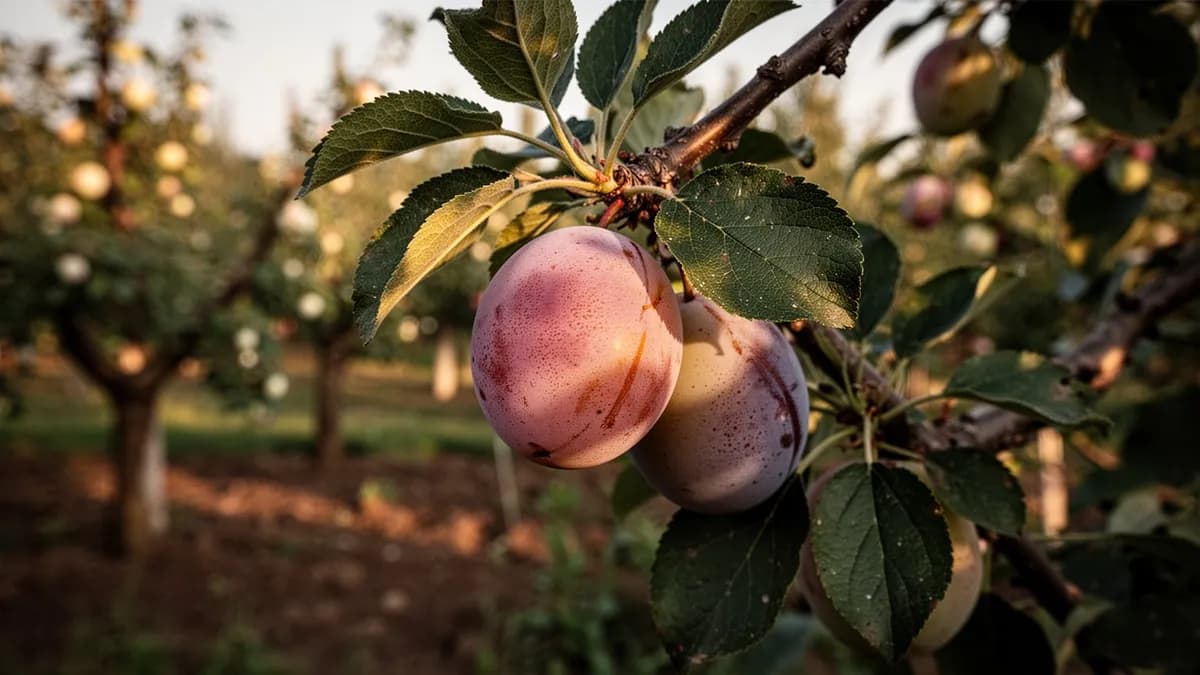
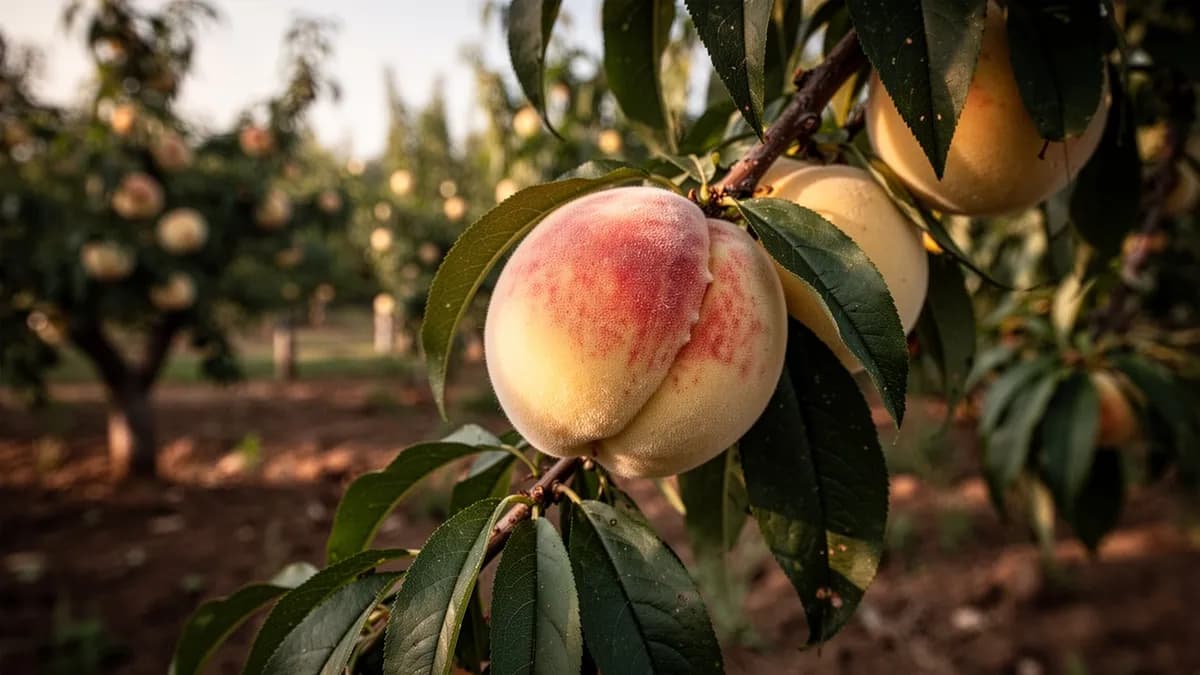
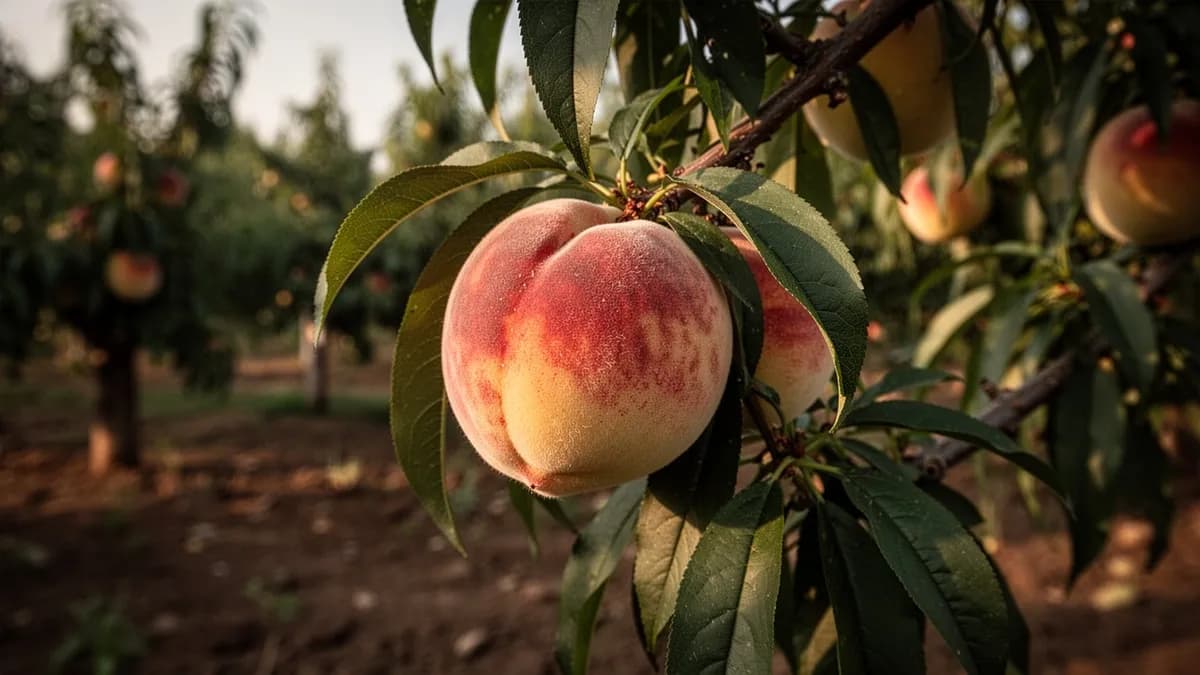
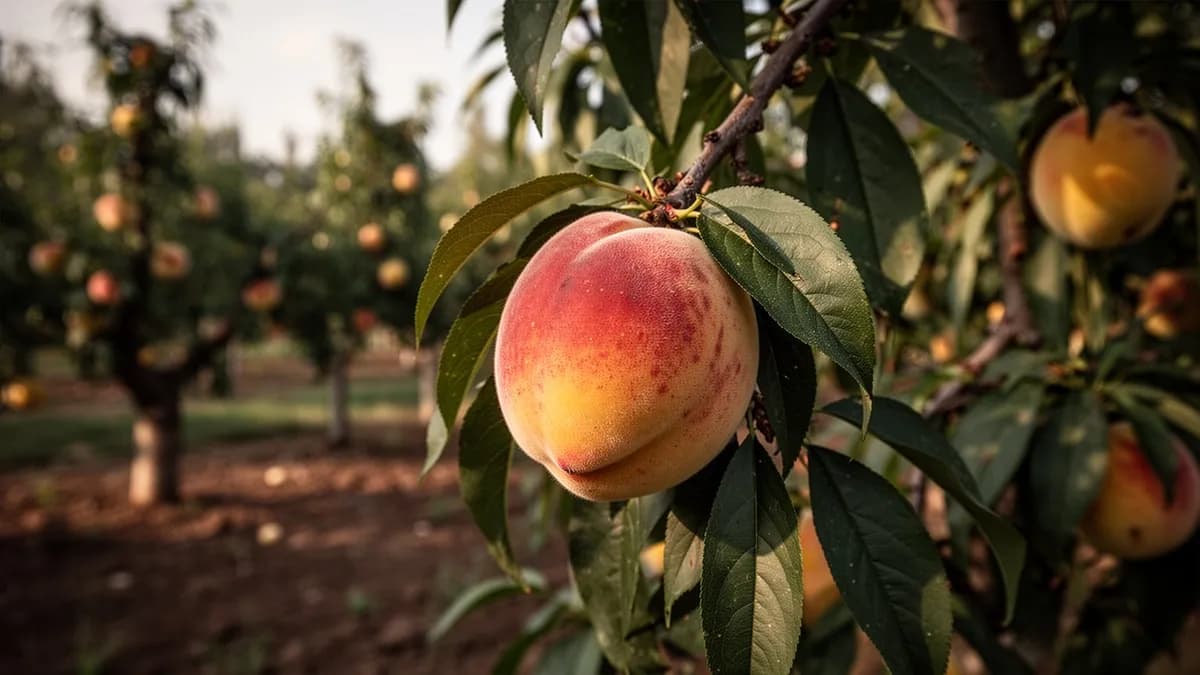
Un híbrido auténticamente a partes iguales entre ciruela y albaricoque, con características repartidas por igual entre ambos progenitores. Los plumcots tienen una piel ligeramente aterciopelada, como la del albaricoque, y la jugosidad y dulzura de una ciruela. Suelen encontrarse con más facilidad en viveros que los pluots y son frutas excelentes de doble uso, tanto para consumir frescas como para cocinar.
Cuándo plantar Plumcot
Las semillas de plumcot pueden germinar después de una estratificación en frío, pero producen plántulas muy variables que rara vez reproducen al progenitor. Para obtener fruta fiable de buena calidad, compre árboles injertados sobre Myrobalan o portainjerto de melocotonero. El portainjerto de melocotonero ofrece mejor tolerancia al drenaje, mientras que el de ciruelo soporta suelos más pesados. Los árboles injertados empiezan a producir en dos o tres años y alcanzan la plena producción hacia el quinto año.
Tu año de Plumcot
Ajustado a Zona 7 · temporada típica · la helada se va hacia el 2 abr y vuelve hacia el 1 nov
Planta Plumcot Mar – Abr y cosecha Jul – Ago. Consulta los métodos de plantación y elige tu clima para adaptar los periodos.
Cómo cultivar Plumcot
Los plumcots son híbridos auténticamente a partes iguales entre ciruela y albaricoque, con características repartidas por igual entre ambos progenitores. Por lo general son más fáciles de cultivar que los pluots y están más disponibles en viveros. Plante árboles a raíz desnuda a finales del invierno, dejando entre 4.5 y 6 metros de separación. Elija una ubicación a pleno sol, con suelo bien drenado y buena circulación de aire. La mayoría de los plumcots se benefician de tener cerca una ciruela japonesa u otro plumcot para la polinización cruzada.
Los plumcots se desarrollan bien en las zonas 5 a 9, con entre 400 y 600 horas de frío según la variedad. Toleran una gama más amplia de condiciones de cultivo que los pluots, al heredar parte de la rusticidad de su progenitor albaricoquero. La piel ligeramente vellosa recuerda al albaricoque, mientras que la pulpa jugosa y dulce se parece más a la de la ciruela. Entrénelos en forma de vaso abierto con tres o cuatro ramas estructurales bien separadas.
Pode a finales del invierno, cuando el árbol esté en reposo, para eliminar madera muerta, brotes vigorosos y ramas cruzadas. Aclare los frutos cuando tengan el tamaño de una canica, dejando entre 10 y 13 cm de separación para favorecer un buen tamaño y evitar la rotura de ramas. Riegue de forma constante durante el desarrollo del fruto, pero reduzca el riego a medida que se acerque la madurez. Los plumcots son árboles de vigor medio que alcanzan entre 4.5 y 6 metros de altura y responden bien a la poda de verano para controlar el tamaño.
Para Plumcot un bancal de 120 × 240 cm se queda corto
Cada Plumcot pide 300 cm de margen. El planificador guarda ese marco por ti — cada planta, cada bancal.
Los mejores vecinos de Plumcot
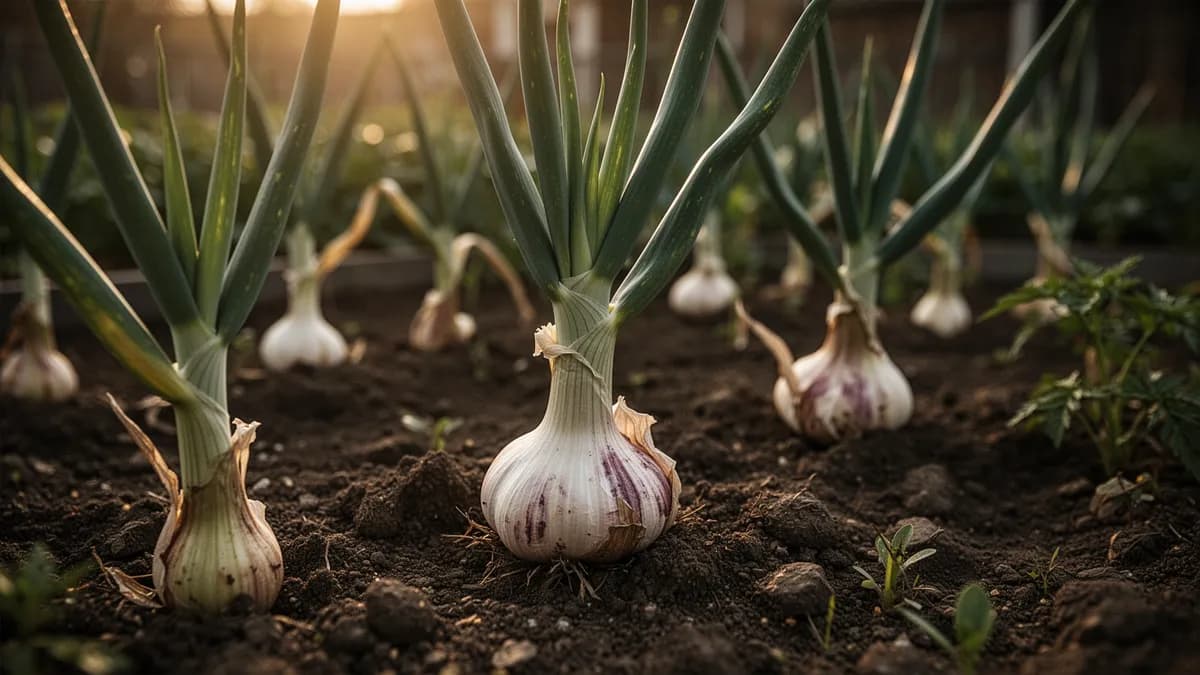
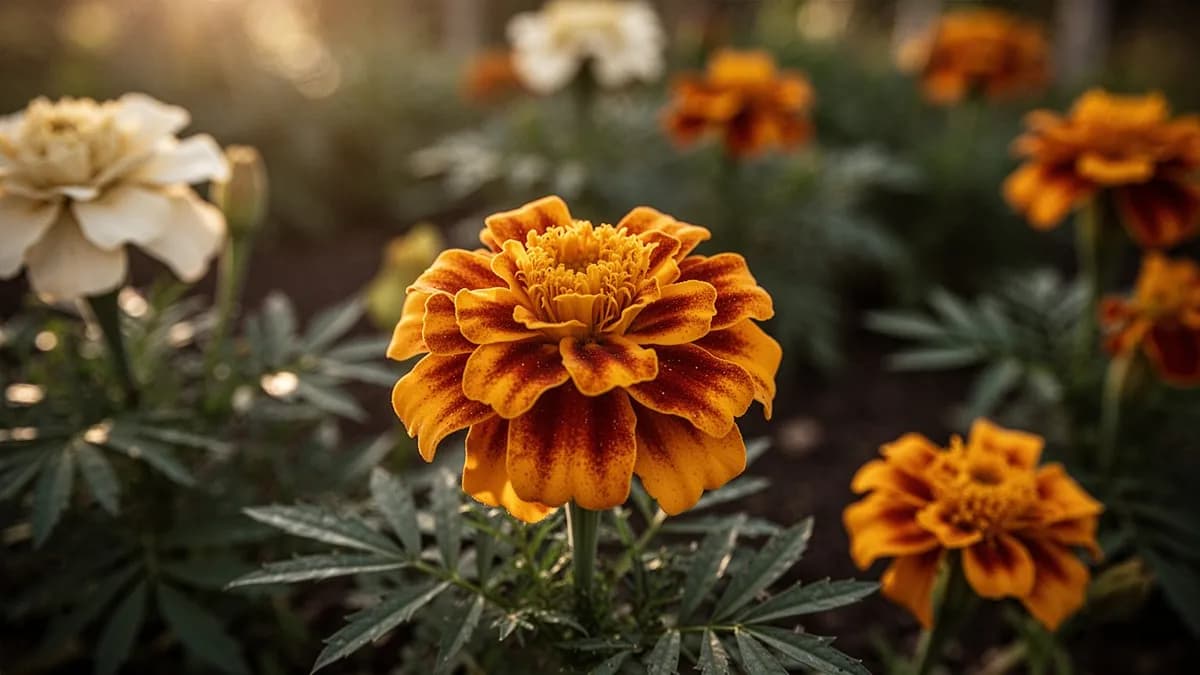
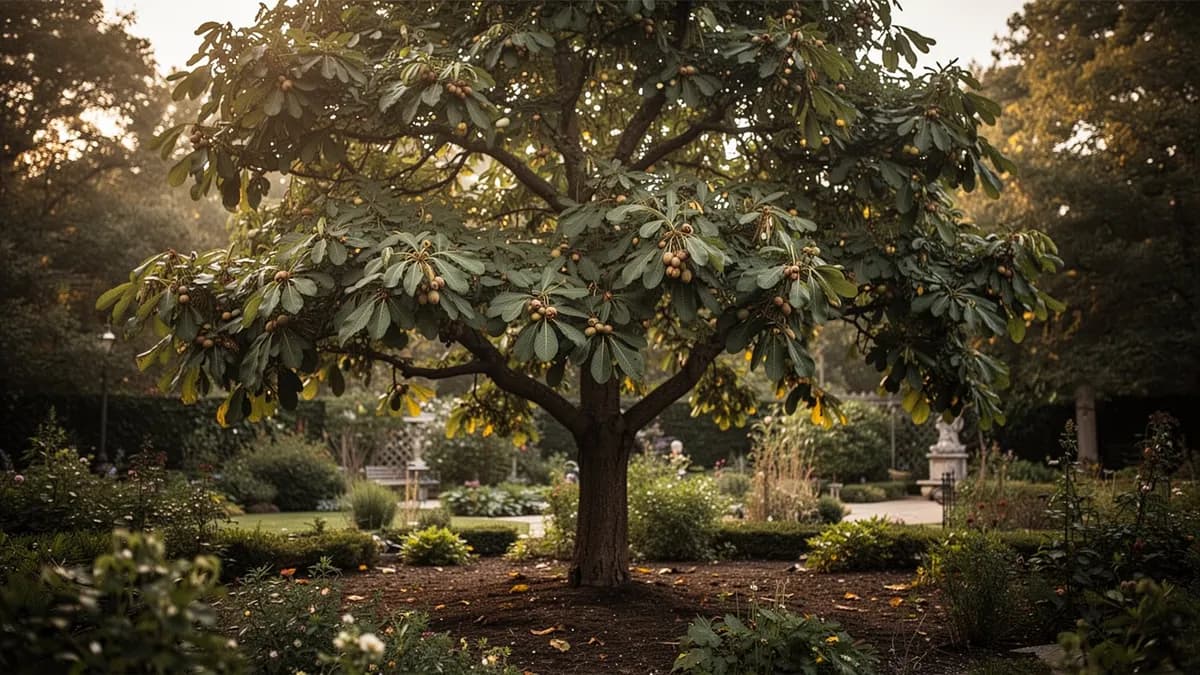
Plante un polinizador compatible, como una ciruela japonesa, un pluot u otro plumcot, a menos de 15 metros. Acompañe la base con ajo y cebollino para repeler barrenadores y pulgones. La consuelda aporta material de acolchado rico en nutrientes. La capuchina y los tagetes atraen insectos beneficiosos y disuaden plagas. El trébol blanco como cubresuelo fija nitrógeno y favorece a los polinizadores. Evite la proximidad de nogales.
Ajo va a su lado. Nogal no.
Saber de huerto de siempre, cotejado con la tabla real de Plumcot — prueba cualquier planta que cultives.
Prueba Plumcot en un bancal, aquí mismo
Un bancal real del planificador con Plumcot ya plantado. Toca una planta compañera para colocarla y mira cómo responde la comprobación de vecinos: verde para buenos vecinos, rojo si hay conflicto.


Guías de cultivo relacionadas
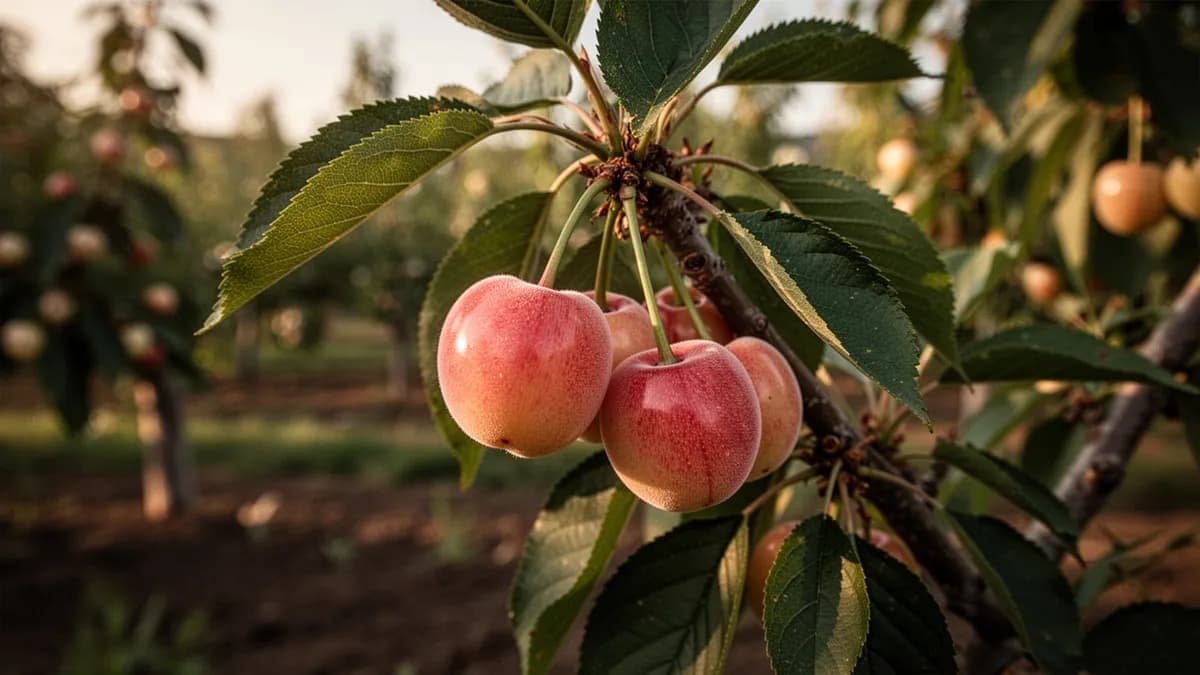
Abónalo bien
Los plumcots crecen bien en una gama de suelos bien drenados con un pH de 6.0 a 7.0. Toleran ligeramente mejor los suelos arcillosos que los pluots. Aplique un fertilizante equilibrado a comienzos de la primavera, antes de la floración. Son árboles de consumo moderado que no requieren abonado intenso. Acolche con materia orgánica para mantener la humedad del suelo y suprimir las malas hierbas. Evite el exceso de nitrógeno, que favorece un crecimiento blando y más susceptible a enfermedades.
Temperatura ideal
Compatibilidad de zonas de rusticidad
De la semilla a la cosecha, etapa por etapa
Reposo y plantación
Los plumcots se establecen mejor durante el reposo invernal, cuando los ejemplares a raíz desnuda están disponibles en viveros especializados. Como sus especies progenitoras, necesitan un periodo de frío invernal, normalmente entre 400 y 700 horas por debajo de 7 °C, para sincronizar la brotación y florecer correctamente en primavera. Plantar en reposo da tiempo a las raíces para asentarse antes de que empiece el crecimiento primaveral.
Brotación y floración
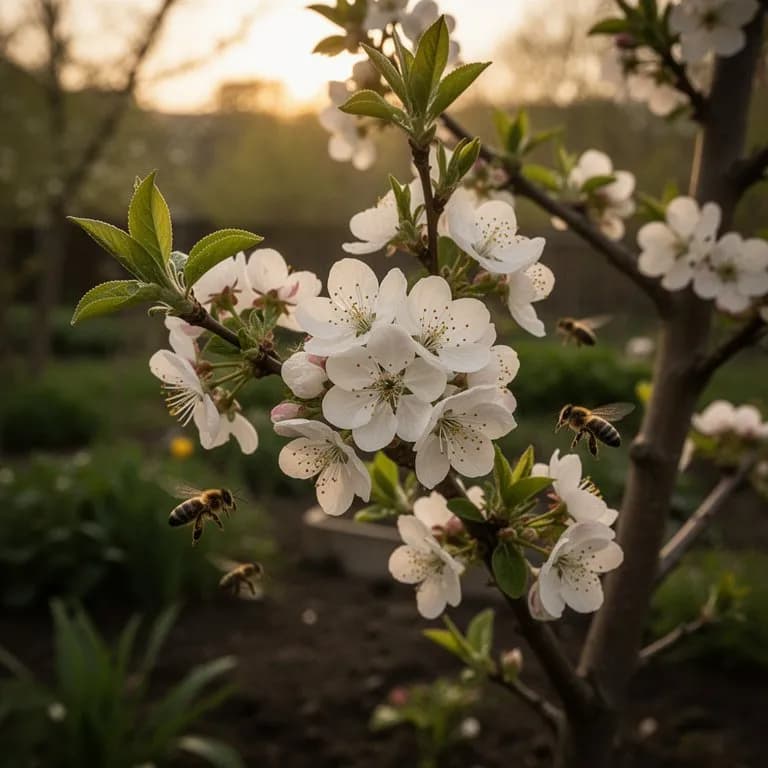
Los plumcots rompen el reposo ligeramente más tarde que los albaricoqueros, pero antes que la mayoría de las ciruelas, produciendo una oleada de delicadas flores de color rosa pálido a blanco antes de que aparezcan las hojas. Las flores atraen mucho a los polinizadores tempranos y se benefician de la polinización cruzada con ciruelos o albaricoqueros compatibles cercanos. La floración suele durar de 7 a 12 días y es vulnerable a las heladas tardías, que pueden destruir la cosecha de la temporada si las temperaturas bajan de -2 °C.
Cuajado y desarrollo del fruto joven
Tras una polinización exitosa, la base de cada flor fecundada se hincha y forma un pequeño fruto verde. Los plumcots cuajan con generosidad de forma natural y, sin aclarado, el árbol producirá una cosecha abundante de frutos pequeños y poco sabrosos. Los frutitos crecen con rapidez en las semanas posteriores a la caída de pétalos, pasando del tamaño de un guisante al de una canica antes de frenar cuando el árbol redistribuye sus recursos.
Engorde y desarrollo del color del fruto
Desde comienzos hasta mediados del verano, el plumcot experimenta una rápida expansión, con células que se dividen y luego se expanden a medida que se acumulan azúcares y agua. La piel empieza a adquirir su rubor característico de rojo, naranja y dorado a medida que se desarrollan pigmentos de antocianina en respuesta a la luz solar y a las fluctuaciones de temperatura. La pulpa pasa de firme y verdiblanca a blanda y dorado-anaranjada conforme el fruto se acerca a la madurez.
Maduración y cosecha
Los plumcots maduran antes que la mayoría de las ciruelas, normalmente desde mediados del verano hasta finales de verano según la variedad y el clima. El fruto maduro cede suavemente a la presión del pulgar cerca del extremo del pedúnculo, desprende un aroma intenso y el color de la piel se profundiza hasta el tono cálido característico. La pulpa se ablanda de fuera hacia dentro, por lo que el momento exacto es importante: si se deja demasiado tiempo en el árbol, el fruto puede volverse harinoso.
Recuperación poscosecha
Después de la cosecha, el plumcot entra en una fase de recuperación en la que repone las reservas de carbohidratos consumidas por la producción de frutos. Las hojas siguen fotosintetizando activamente hasta finales del verano, almacenando energía en las ramas, el tronco y las raíces para el crecimiento del año siguiente. Este periodo es crucial para iniciar las yemas florales que producirán la cosecha de la próxima temporada.
Caída de hojas y reposo invernal
A medida que acortan los días y descienden las temperaturas, el árbol retira los nutrientes de sus hojas, que se vuelven amarillas antes de caer. Después entra en reposo completo, acumulando horas de frío que desencadenarán una brotación sincronizada la primavera siguiente. Este periodo de reposo es la ventana ideal para la poda estructural, el manejo de enfermedades y las labores de mejora del suelo.
Elija una ubicación soleada y resguardada, con suelo bien drenado y buena circulación de aire para minimizar los daños por heladas tardías en las flores tempranas. Plante los árboles a raíz desnuda antes de que las yemas empiecen a hincharse, dejando el punto de injerto entre 5 y 7 cm por encima de la superficie del suelo. Riegue en profundidad y aplique un amplio anillo de acolchado, manteniéndolo alejado del cuello del tronco.
Cuidar Plumcot mes a mes
Qué hacer cada mes para tu Plumcot
Octubre
Mes actualAplique una última aportación equilibrada de fertilizante para favorecer el crecimiento radicular mientras el suelo sigue caliente. Proteja los troncos de los árboles jóvenes con guardas para evitar daños de conejos y topillos durante el invierno. Revise las ataduras y las estacas, sustituyendo las que estén gastadas o demasiado apretadas. Cave y deshierbe la zona bajo la copa para perturbar las plagas que viven en el suelo.
Ten claro qué hacer en tu huerto, cada mes
Un correo al empezar cada mes: qué sembrar, plantar y hacer ahora mismo — para tu Plumcot y todo lo que crece alrededor. Más un breve curso inicial para esquivar los errores clásicos.
- Qué hacer ahora mismo
- Ajustado a tu temporada
- Curso inicial incluido
Cosechar Plumcot
Los plumcots maduran desde mediados de julio hasta agosto, según la variedad y la ubicación. Coseche cuando el fruto adquiera su color completo y ceda ligeramente a una presión suave. La piel ligeramente aterciopelada debe sentirse flexible, no firme. El sabor mejora de forma notable en los últimos días en el árbol, así que evite recogerlos demasiado pronto. Pruebe varios frutos antes de decidir una cosecha completa. Recoja cada dos o tres días, porque la maduración es irregular por toda la copa.
se supone que plantas al comenzar el periodo — indica tu fecha real
Cosecha Plumcot a tiempo y la planta sigue produciendo.
Almacenamiento y conservación
Los plumcots frescos se conservan de cuatro a seis días en refrigeración. Su doble naturaleza los hace muy versátiles para conservar. Se desecan bien, como los albaricoques, produciendo fruta seca masticable y dulce. La mermelada de plumcot combina lo mejor de las conservas de ciruela y albaricoque. Congele el fruto cortado en bandejas antes de pasarlo a bolsas para disponer de él todo el año. En almíbar ligero también funciona muy bien como básico de despensa. Su sabor equilibrado entre dulce y ácido da lugar a una excelente fruta de cuero.
Qué falla — y cómo solucionarlo
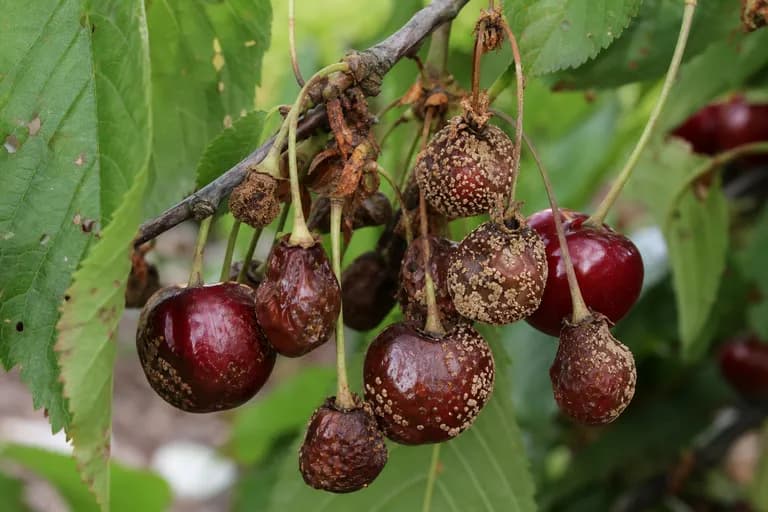
Podredumbre parda
EnfermedadMoho flocoso y canela sobre los frutos en maduración que se extiende rápidamente con tiempo cálido y húmedo. La moniliosis de la flor mata los ramilletes florales en primaveras lluviosas.
Mancha bacteriana
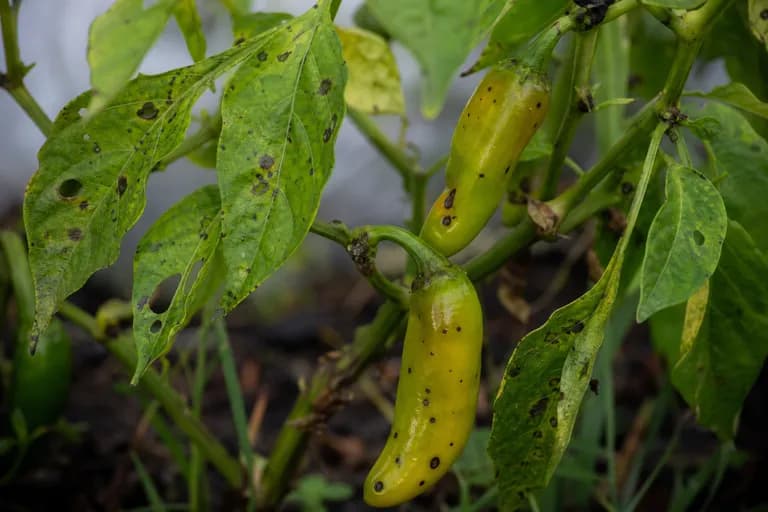
EnfermedadManchas angulares, oscuras y empapadas de agua en las hojas que evolucionan a orificios tipo perdigonada. El fruto desarrolla pequeñas lesiones hundidas que se agrietan.
Curculio de la ciruela
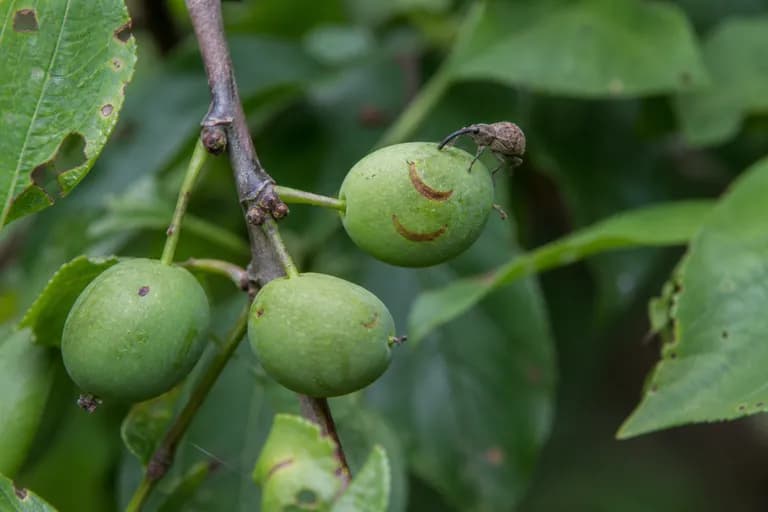
PlagaCicatrices en forma de media luna en los frutos jóvenes causadas por la puesta de huevos. Las larvas se alimentan en el interior, provocando caída prematura y frutos con gusano.
Solución de problemas comunes
Los requisitos de polinización cruzada pueden resultar confusos, ya que distintas variedades necesitan polinizadores diferentes. El agrietamiento del fruto se produce con riegos irregulares durante la fase final de maduración. La podredumbre parda es la principal preocupación fitosanitaria en climas húmedos. Aves y avispas atacan con rapidez el fruto dulce que está madurando. Algunas variedades presentan alternancia de producción, con cosechas abundantes un año y escasas al siguiente.
Consejos de cultivo
- Plante los plumcots en la ubicación más soleada disponible, ya que necesitan al menos 6 a 8 horas de sol directo al día para un buen desarrollo del fruto. Una pared o valla orientada al sur o al oeste aporta calor reflejado, especialmente valioso en climas más frescos, y ayuda a madurar la fruta con mayor fiabilidad.
- Asegúrese de plantar a menos de 15 metros un polinizador compatible. La mayoría de las variedades de plumcot se benefician de la polinización cruzada con una ciruela japonesa como Santa Rosa o Methley, o con una variedad de albaricoque compatible. Compruebe la compatibilidad de fechas de floración al comprar para asegurar que ambos árboles florezcan al mismo tiempo.
- Entrene los plumcots en forma de vaso abierto o eje central modificado durante los primeros 3 años, seleccionando de 3 a 5 ramas estructurales bien espaciadas y eliminando los ejes competidores. Una buena estructura establecida desde el principio reduce la necesidad de una poda correctiva intensa más adelante y mejora la distribución de la luz por toda la copa.
- Aclare los frutos con energía cuando los frutitos alcancen entre 1 y 2 cm de diámetro, dejando un fruto cada 8 a 10 cm a lo largo de cada rama. La sobrecarga produce frutos pequeños, mal coloreados y agota al árbol, lo que reduce la producción en años posteriores. El aclareo es la tarea de mayor impacto para mejorar la calidad del plumcot.
- Pode los plumcots a finales del verano, justo después de la cosecha, en lugar de hacerlo en invierno, porque las especies de Prunus podadas durante la dormancia son muy susceptibles a la hoja plateada y al chancro bacteriano a través de heridas frescas. Las heridas de poda de verano cicatrizan rápido con calor, lo que reduce de forma notable el riesgo de infección.
- Aplique cada primavera un acolchado de 7 a 10 cm de compost bien descompuesto o astillas de madera en un anillo amplio alrededor del árbol, manteniendo el acolchado al menos a 15 cm del tronco. El acolchado conserva la humedad del suelo durante la fase crítica de engorde del fruto, modera la temperatura del suelo y suprime las malas hierbas sin necesidad de herbicidas.
- Proteja la cosecha de las aves cubriendo la copa con malla en cuanto la fruta empiece a colorear. Las aves pueden dejar un árbol pequeño sin fruto en cuestión de días. Use malla de trama fina sobre toda la copa y fíjela en la base para impedir que entren por debajo.
- Vigile la podredumbre parda (Monilinia fructicola), la enfermedad más destructiva de los plumcots, que se propaga con rapidez en condiciones cálidas y húmedas cerca de la cosecha. Retire y destruya de inmediato cualquier fruto momificado que quede en el árbol o en el suelo, y evite dejar frutos dañados o agrietados en el árbol. Aplique una pulverización a base de cobre o azufre entre 2 y 3 semanas antes de la cosecha prevista en temporadas de alto riesgo.
- Recoja los plumcots en varias sesiones a lo largo de 7 a 10 días, porque la fruta madura de forma irregular en toda la copa. Los frutos de las ramas exteriores más soleadas maduran primero. Apriete suavemente cerca del pedúnculo: el fruto maduro cede un poco, pero no debe estar pastoso. Los plumcots no maduran bien fuera del árbol, así que espere a que alcancen la madurez real en la planta antes de recogerlos.
- Refrigere los plumcots cosechados de inmediato y consúmalos en un plazo de 3 a 5 días para obtener la mejor calidad. Si sobran frutos, consérvelos haciendo mermelada, compota o chutney en las 24 a 48 horas posteriores a la recolección, o congele los frutos partidos y deshuesados en bandejas antes de pasarlos a bolsas para usarlos durante todo el año en batidos y repostería.
Cultiva tu mejor Plumcot — y todo lo que la rodea.
Empieza un plan gratis hoy. Diseña tus bancales, coloca tu Plumcot y deja que PlotMyGarden gestione el momento, el espaciado, las asociaciones y los recordatorios de la semilla a la cesta.
Elige tu Plumcot
Plumcot
El híbrido original de Luther Burbank de principios del siglo XX. Fruto de tamaño medio con un sabor equilibrado entre ciruela y albaricoque. Muy adaptable.
Flavorella
Plumcot de piel amarilla con pulpa dulce y aromática. Autofértil en climas cálidos. Excelente para consumir fresco.
Spring Satin
Plumcot de maduración temprana con piel púrpura y pulpa ámbar. Buen equilibrio entre dulzor y acidez. Productor fiable.
Tri-Lite
Plumcot de pulpa blanca, piel roja y sabor suave y dulce. Su bajo nivel de acidez lo hace atractivo para quienes encuentran las ciruelas demasiado ácidas.
Un plumcot maduro en portainjerto semienano suele producir entre 20 y 40 kg de fruta al año. Con precios de mercado especializado de 5 a 10 dólares por kg para fruta de hueso fresca de esta calidad, y dado que los plumcots rara vez aparecen en supermercados, un solo árbol puede aportar entre 100 y 400 dólares de fruta premium al año una vez en plena producción. El coste del árbol suele situarse entre 25 y 60 dólares en un vivero especializado. Si se tiene en cuenta una vida productiva de 20 a 30 años con buenos cuidados, un plumcot representa un valor excepcional a largo plazo, sobre todo por el sabor superior de la fruta cultivada en casa y cosechada en su punto exacto frente a cualquier producto comercial disponible.
Recetas rápidas
Galette de plumcot y miel
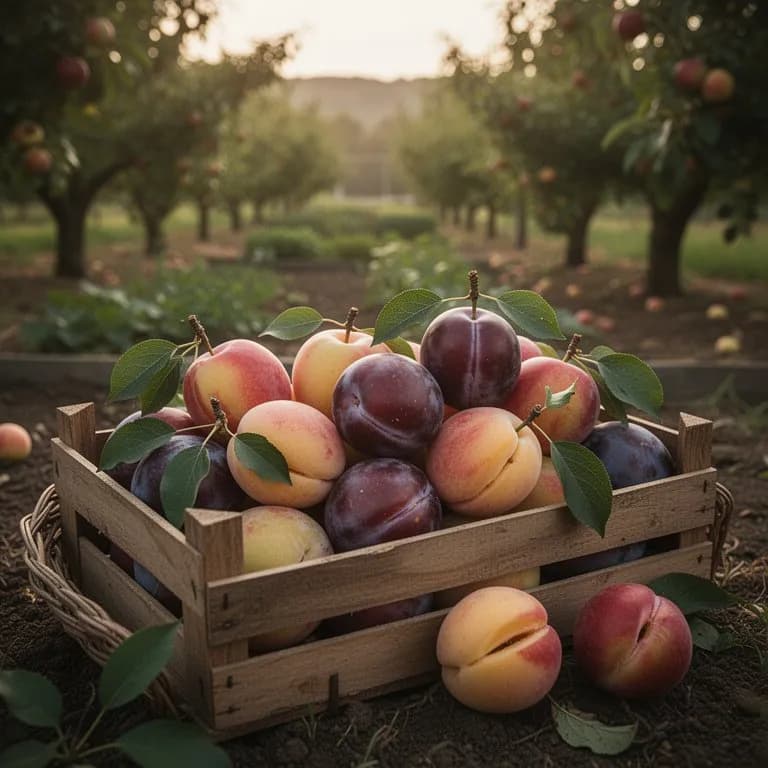
50 minutosUna tarta rústica de forma libre que deja todo el protagonismo al sabor vivo de los plumcots recién cosechados del jardín, acomodados en una masa mantecosa con un hilo de miel y una lluvia de almendras picadas. La ligera acidez de la piel del plumcot se carameliza de maravilla en los bordes de la masa y crea una intensidad similar a la mermelada que no necesita especias añadidas para impresionar.
7 ingredientes
Mermelada de plumcot para nevera
30 minutosUna mermelada pequeña, sin pectina, que captura en un tarro el sabor fresco e intensamente floral de los plumcots cultivados en casa. Cocer la fruta brevemente conserva su viveza aromática, y la pectina natural de los frutos algo menos maduros aporta suficiente poder gelificante sin aditivos. Se conserva refrigerada hasta tres semanas y resulta excelente con yogur, queso o tostadas calientes.
5 ingredientesEnsalada de plumcot a la parrilla y burrata
20 minutosUna ensalada veraniega espectacular que combina la dulzura caramelizada de plumcots ligeramente marcados en la parrilla con burrata cremosa, rúcula picante y un glaseado balsámico. Asar los plumcots a fuego alto solo unos minutos concentra sus azúcares e intensifica su sabor, dejando la pulpa apenas tierna. Este plato funciona igual de bien como entrante o como plato principal ligero.
8 ingredientesUsos culinarios
Los plumcots son frutas excelentes de doble propósito, tanto para comer frescas como para cocinar. Dan lugar a tartas, pasteles y cobblers extraordinarios, con un sabor complejo que combina la jugosidad de la ciruela y los aromas del albaricoque. Las conservas y la mermelada adquieren un carácter único, distinto al de cualquiera de sus progenitores. Áselos partidos por la mitad para obtener un postre ahumado y dulce. También se integran muy bien en batidos y sorbetes.
Qué contiene
Beneficios para la salud
- Rico en betacaroteno, el carotenoide provitamina A que el organismo convierte en retinol y que favorece la visión nocturna, la función del sistema inmunitario y el mantenimiento de tejidos epiteliales sanos en todo el cuerpo
- Aporta antocianinas procedentes de los pigmentos rojo-púrpura de la piel del progenitor ciruelo, potentes antioxidantes que neutralizan radicales libres, reducen la inflamación sistémica y se han asociado con una mejor salud cardiovascular en estudios poblacionales
- Proporciona fibra alimentaria que alimenta a las bacterias beneficiosas del intestino, favorece deposiciones regulares y ayuda a moderar la velocidad a la que los azúcares naturales del fruto pasan a la sangre, reduciendo los picos de glucosa tras las comidas
- Contiene ácido clorogénico, un polifenol vegetal presente en altas concentraciones tanto en ciruelas como en albaricoques, que en investigación clínica ha mostrado potencial para mejorar la sensibilidad a la insulina y reducir el riesgo de diabetes tipo 2
- Aporta una cantidad significativa de potasio, un mineral electrolítico esencial para regular la presión arterial, apoyar la función del músculo cardíaco y mantener el equilibrio adecuado de líquidos en células y tejidos
- La combinación de vitamina C y betacaroteno en un solo fruto ofrece una protección antioxidante complementaria, con la vitamina C actuando en entornos hidrosolubles y los carotenoides protegiendo las membranas celulares ricas en lípidos frente al daño oxidativo
De dónde viene Plumcot
El plumcot ocupa un lugar fascinante en la historia hortícola como uno de los primeros híbridos frutales interespecíficos creados deliberadamente que llegó a cultivarse de forma generalizada. Su historia comienza con Luther Burbank (1849-1926), el obtentor autodidacta que estableció su finca experimental en Santa Rosa, California, y pasó décadas cruzando y seleccionando plantas de todo el mundo. Trabajando a finales del siglo XIX, Burbank cruzó con éxito la ciruela japonesa (Prunus salicina) con el albaricoquero (Prunus armeniaca) para producir lo que describió como un híbrido con el vigor y los atributos de sabor de ambas especies progenitoras. Acuñó el nombre plumcot y lanzó varias selecciones a viveros en la década de 1890 y a comienzos del siglo XX. El propio Burbank fue muy prolífico en sus textos promocionales sobre el plumcot, describiéndolo en catálogos como una combinación de las mejores cualidades de sus dos distinguidos padres. El contexto más amplio de este trabajo fue el auge de la mejora frutal en California de finales del siglo XIX, impulsado por la rápida expansión agrícola del estado y por la ambición de los productores que buscaban cultivos novedosos para los mercados del este. Las especies de Prunus de Asia, Europa y América se estaban cultivando muy cerca unas de otras por primera vez, creando nuevas oportunidades de cruzamiento que obtentores como Burbank aprovecharon de forma sistemática. El plumcot despertó bastante atención, pero nunca alcanzó el dominio comercial que Burbank esperaba, en gran parte porque su piel delicada y su corta vida útil dificultaban su transporte y almacenamiento frente a las ciruelas y albaricoques comerciales más resistentes ya dominantes en el mercado. En las décadas de 1980 y 1990, el obtentor californiano Floyd Zaiger llevó el trabajo de Burbank un paso más allá al desarrollar el pluot y el aprium, retrocruzas que inclinan la genética más hacia la ciruela o el albaricoque respectivamente, y que alcanzaron un éxito comercial mayor. Aun así, el plumcot original ha conservado un grupo fiel de admiradores entre los aficionados al huerto y los productores especializados que valoran su sabor excepcional y su lugar singular en la historia del mejoramiento frutal. Hoy siguen cultivándose y refinándose variedades con nombre como Flavor Delight, Spring Satin y Cot N Candy, manteniendo viva la visión original de Burbank de una fruta que une de verdad a dos de las especies de fruta de hueso más queridas del mundo.
Plumcot: ¿sabías que?
Datos fascinantes sobre Plumcot
El plumcot es un híbrido auténtico al 50/50 entre una ciruela (Prunus salicina o P. domestica) y un albaricoque (Prunus armeniaca), lo que lo convierte en uno de los cruces interespecíficos de Prunus más equilibrados, distinto del pluot posterior, criado para ser 75 % ciruela y solo 25 % albaricoque.
Plumcot: preguntas frecuentes
¿Cuándo debo plantar Plumcot?
¿Cuáles son buenas plantas acompañantes para Plumcot?
¿En qué zonas de rusticidad puede crecer Plumcot?
¿Cuánto sol necesita Plumcot?
¿A qué distancia debo espaciar Plumcot?
¿Qué plagas y enfermedades afectan a Plumcot?
¿Cómo almaceno Plumcot después de la cosecha?
¿Cuáles son las mejores variedades de Plumcot para cultivar?
¿Qué suelo necesita Plumcot?
¿Cuál es la diferencia entre un plumcot, un pluot y un aprium?
¿Un plumcot necesita polinizador y qué variedades funcionan mejor?
¿Cuándo debo podar mi plumcot?
¿Por qué la fruta de mi plumcot es pequeña y no tiene sabor?
¿Cómo manejo la podredumbre parda en mi plumcot?
¿Puedo cultivar un plumcot en contenedor?
Acabas de leer la teoría. Ahora cultívala en piloto automático.
Todo lo que hace que Plumcot sea delicado — el momento, el espaciado, las asociaciones, la ventana de cosecha — es justo lo que PlotMyGarden resuelve por ti, para cada planta de tu huerto.
Un plan que conoce tu clima
Indica tu ubicación una vez. Recibe fechas de siembra, abonado y cosecha basadas en tu última helada real y el pronóstico en vivo — sin adivinar con un sobre genérico.
De la sección “Cuándo plantar”Planificador de bancales de arrastrar y soltar
Diseña bancales sobre una cuadrícula. Cada planta encaja con su espaciado correcto y ves toda la temporada antes de gastar un céntimo en semillas.
De la sección “Cultivo”Conflictos de asociación, detectados a tiempo
Más de 200 buenas y malas combinaciones comprobadas en vivo mientras plantas — para que un error que arruine la temporada nunca llegue a la tierra.
De la sección “Asociaciones”Recordatorios que sí vas a seguir
“Riega las judías.” “Recoge hoy antes de que se pase.” Oportunos, concretos y ligados a las plantas que de verdad cultivas.
De la sección “Cosecha”Escalonado, programado
¿Quieres cosechar seis semanas en vez de seis días? Reparte tus siembras automáticamente y te avisa cuando toca el siguiente lote.
De la sección “Cuándo plantar”Un registro que se vuelve más listo
Cada cosecha que registras le enseña tu huerto. El plan del año que viene parte de lo que de verdad funcionó en tu suelo, no en un manual.
De la sección “Resumen”Planta estos junto a Plumcot
Más Frutas de hueso
Mantén Plumcot lejos de estos
Cultiva tu mejor Plumcot — y todo lo que la rodea.
Empieza un plan gratis hoy. Diseña tus bancales, coloca tu Plumcot y deja que PlotMyGarden gestione el momento, el espaciado, las asociaciones y los recordatorios de la semilla a la cesta.