Kuchenkürbis
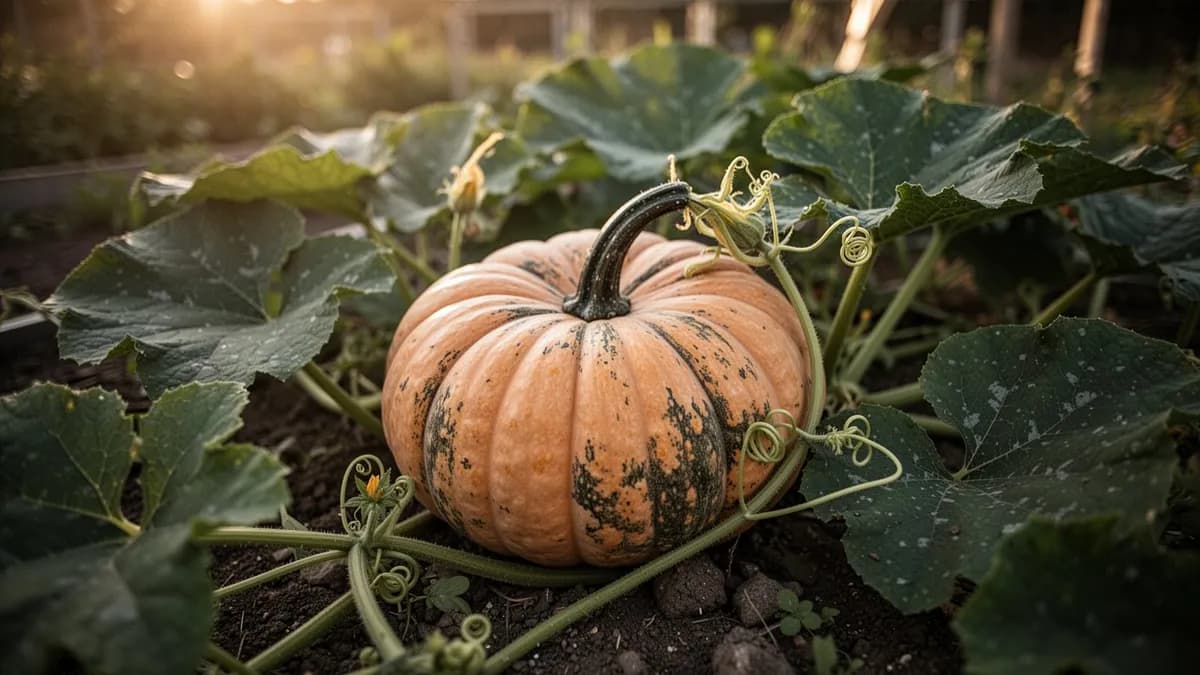
Ein kleiner, fleischiger Kürbis, der speziell zum Kochen und nicht zum Schnitzen gezüchtet wurde, mit süßem, glattem und weniger faserigem Fruchtfleisch als dekorative Sorten.





Auf dieser SeiteÜberblick
Kuchenkürbis im Überblick
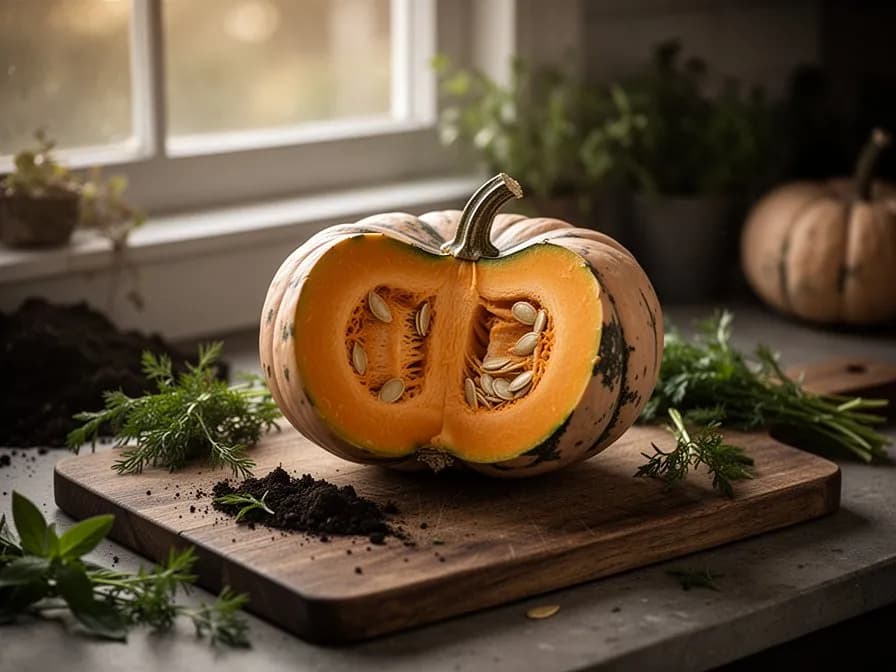
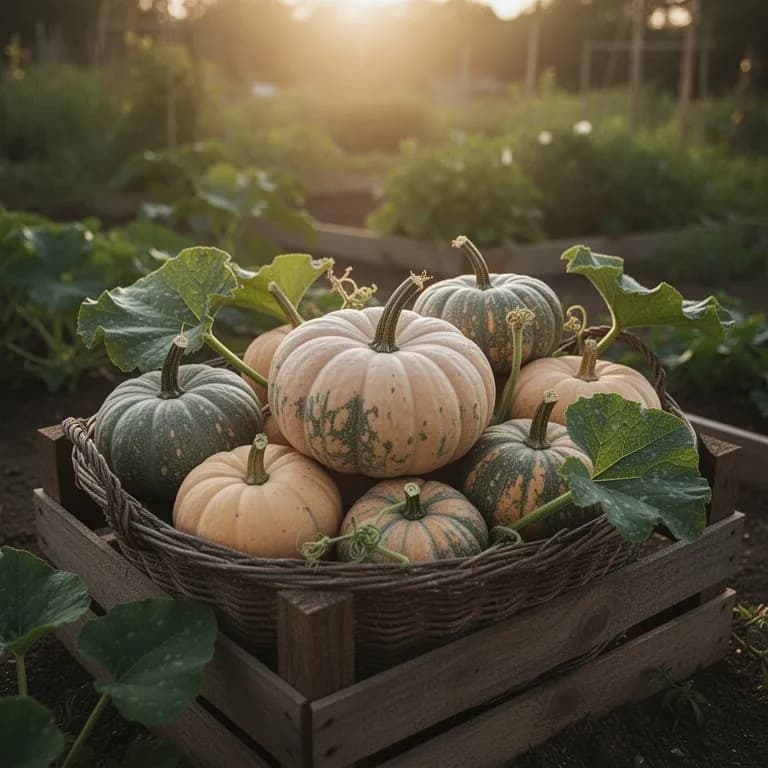
Ein kleiner, fleischiger Kürbis, der speziell zum Kochen und nicht zum Schnitzen gezüchtet wurde, mit süßem, glattem und weniger faserigem Fruchtfleisch als dekorative Sorten. Die Früchte wiegen zwei bis vier Kilogramm mit dicken Wänden und einer kleinen Samenhöhle, die die Menge an verwertbarem Püree maximiert. Ein Kuchenkürbis ergibt genug Füllung für zwei Standardkuchen, und der Geschmack übertrifft Kürbispüree aus der Dose bei weitem. Lassen Sie geerntete Früchte eine Woche in der Sonne nachreifen, um die volle Süße zu entwickeln, bevor Sie sie weiterverarbeiten.
Wann Kuchenkürbis pflanzen
Starten Sie die Samen zwei bis drei Wochen vor dem letzten Frost drinnen in 7,5-cm-Torftöpfen, die mit Anzuchterde gefüllt sind. Pflanzen Sie die Samen 2,5 cm tief mit der Spitze nach unten und halten Sie die Bodentemperatur bei 21 bis 29 Grad Celsius für eine Keimung in sieben bis zehn Tagen. Bieten Sie nach dem Auflaufen 12 bis 14 Stunden starkes Licht täglich. Härten Sie die Setzlinge eine Woche ab, bevor Sie sie ins Freie pflanzen. Alternativ können Sie die Samen nach dem letzten Frost direkt aussäen, wenn der Boden mindestens 18 Grad Celsius hat, wobei Sie drei Samen pro Hügel 2,5 cm tief pflanzen. Vereinzeln Sie auf die zwei stärksten Setzlinge pro Hügel, nachdem sich die ersten echten Blätter entwickelt haben.
Dein Kuchenkürbis-Jahr
Abgestimmt auf Zone 7 · typische Saison · Frost geht um den 2. Apr. und kehrt um den 1. Nov. zurück
Kuchenkürbis Mai – Jun pflanzen, Sep – Okt ernten. Beachte die Pflanzmethoden unten und wähle dein Klima für passende Zeiträume.
So baust du Kuchenkürbis an
Starten Sie Kuchenkürbis-Samen zwei bis drei Wochen vor dem letzten Frosttermin drinnen, oder säen Sie sie direkt aus, nachdem die Bodentemperaturen 18 Grad Celsius erreicht haben. Pflanzen Sie die Samen 2,5 cm tief in Torftöpfe oder direkt in vorbereitete Hügel. Die Samen keimen in sieben bis zehn Tagen bei Bodentemperaturen von 21 bis 29 Grad. Kuchenkürbisse sind als Sämlinge weniger kältetolerant als ihre Winterhärtezone vermuten lässt, warten Sie daher, bis die Frostgefahr vollständig vorüber ist, bevor Sie umpflanzen.
Erstellen Sie Pflanzhügel von zehn bis fünfzehn Zentimetern Höhe und 120 bis 150 cm Abstand, wobei Sie zwei bis drei Schaufeln gut gereiften Kompost und eine Handvoll ausgewogenen Granulatdünger pro Hügel einarbeiten. Pflanzen Sie zwei bis drei Samen oder Setzlinge pro Hügel und vereinzeln Sie auf die zwei stärksten Pflanzen, sobald sie etabliert sind. Bringen Sie organischen Mulch um die Pflanzen auf, um Feuchtigkeit zu bewahren und Unkraut zu unterdrücken, und lassen Sie dabei einige Zentimeter Abstand um die Stängel, um Fäulnis zu verhindern. Installieren Sie Tropfbewässerung oder Perlschläuche für eine gleichmäßige Feuchtigkeitsversorgung.
Geben Sie 2,5 bis 5 cm Wasser pro Woche, mit einer leichten Steigerung während der Blüte und des Fruchtansatzes. Sobald die Früchte etabliert sind, düngen Sie seitlich mit einem kaliumreichen Dünger, um die Entwicklung von dichtem, süßem Fruchtfleisch zu fördern. Leiten Sie die Ranken beim Wachsen vorsichtig um, um Gartenwege frei zu halten. Knipsen Sie die Rankenspitzen ab, nachdem drei bis vier Früchte pro Pflanze angesetzt haben, um die Energie zu bündeln. Legen Sie Pappe oder Stroh unter die sich entwickelnden Kürbisse, um Bodenfäulnis zu verhindern und die Schale für die Nachreife sauber zu halten.
2 Pflanzen passen in ein Beet von 120 × 240 cm
Kuchenkürbis braucht 120 cm Platz pro Pflanze. Der Planer hält diesen Abstand für dich ein — jede Pflanze, jedes Beet.
Die besten Nachbarn für Kuchenkürbis
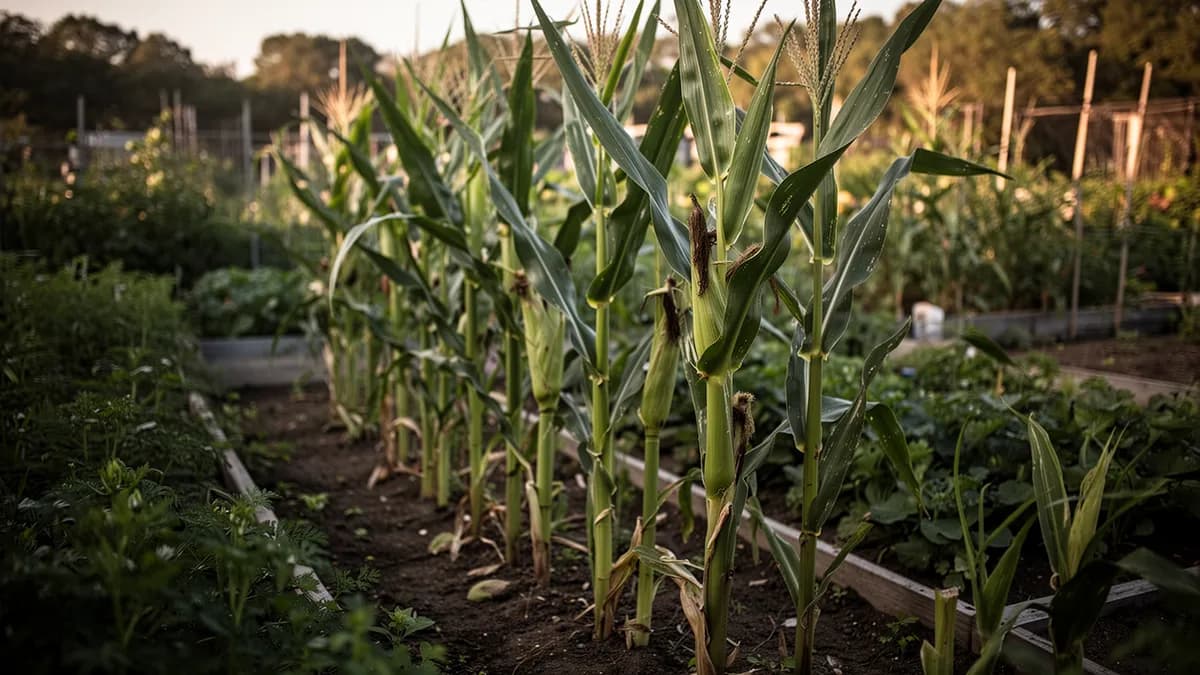
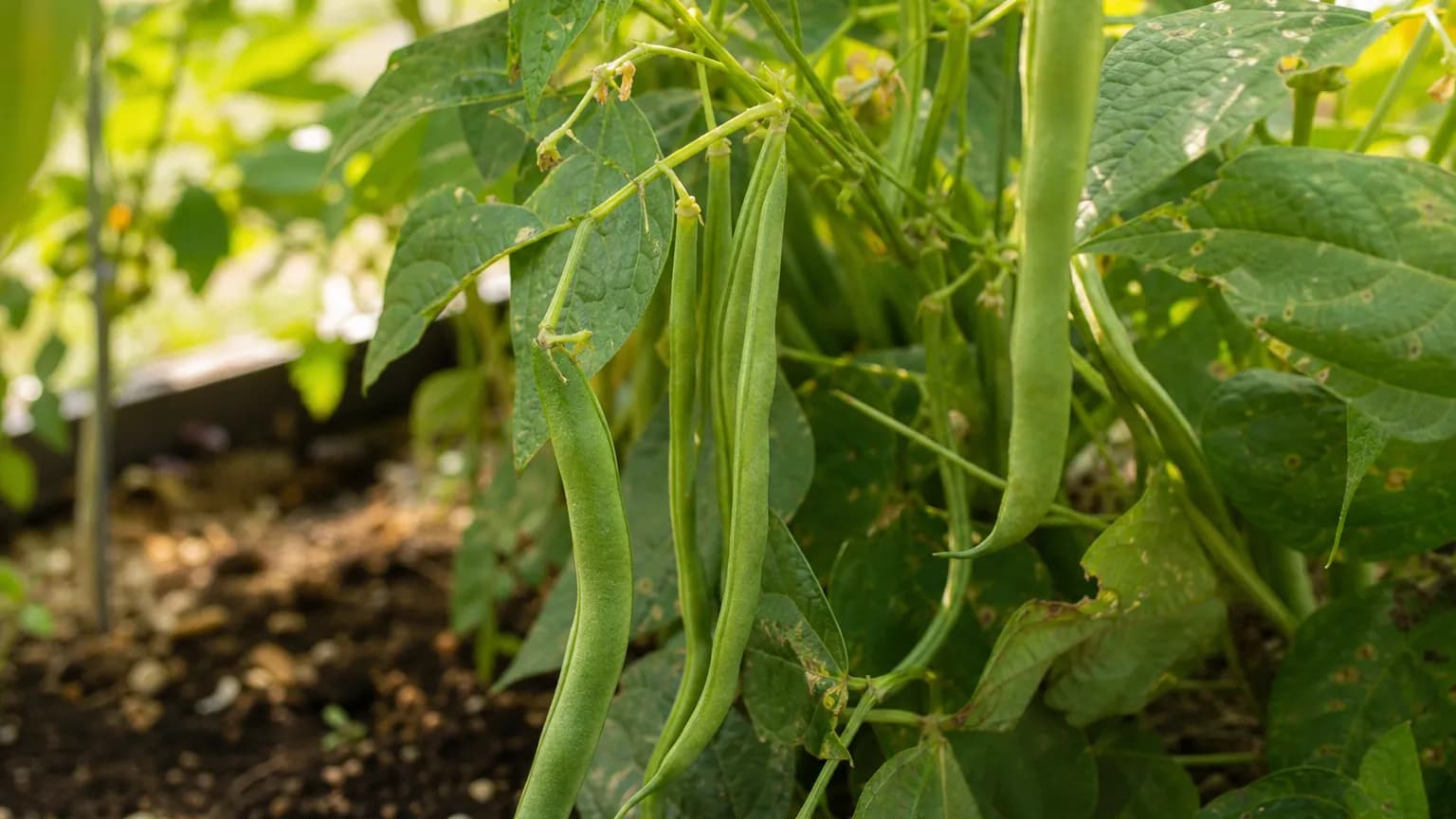
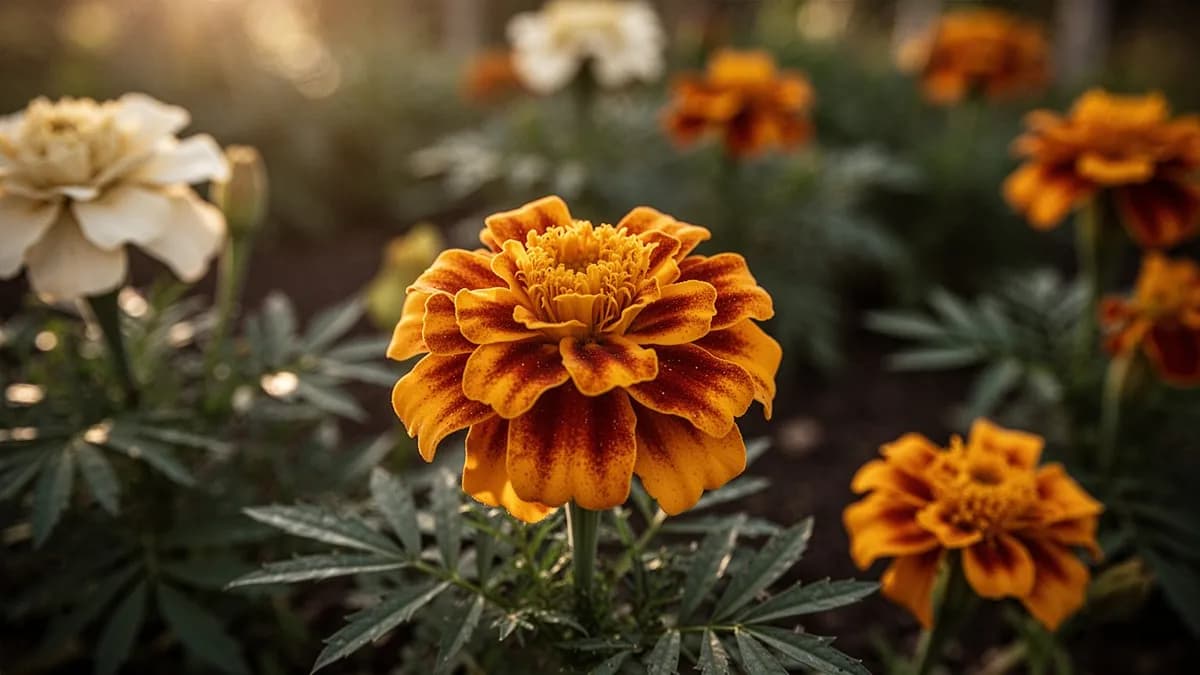
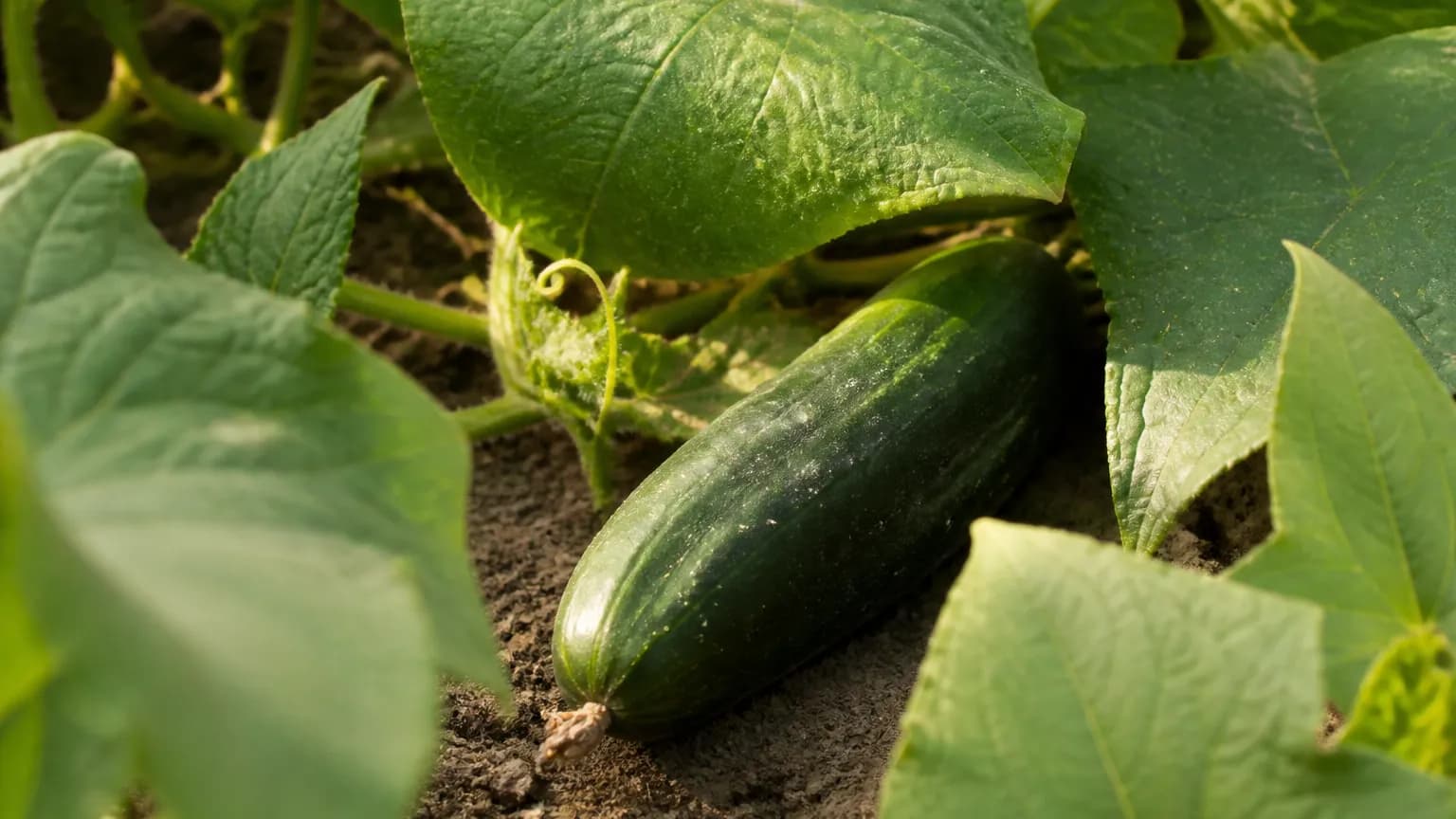
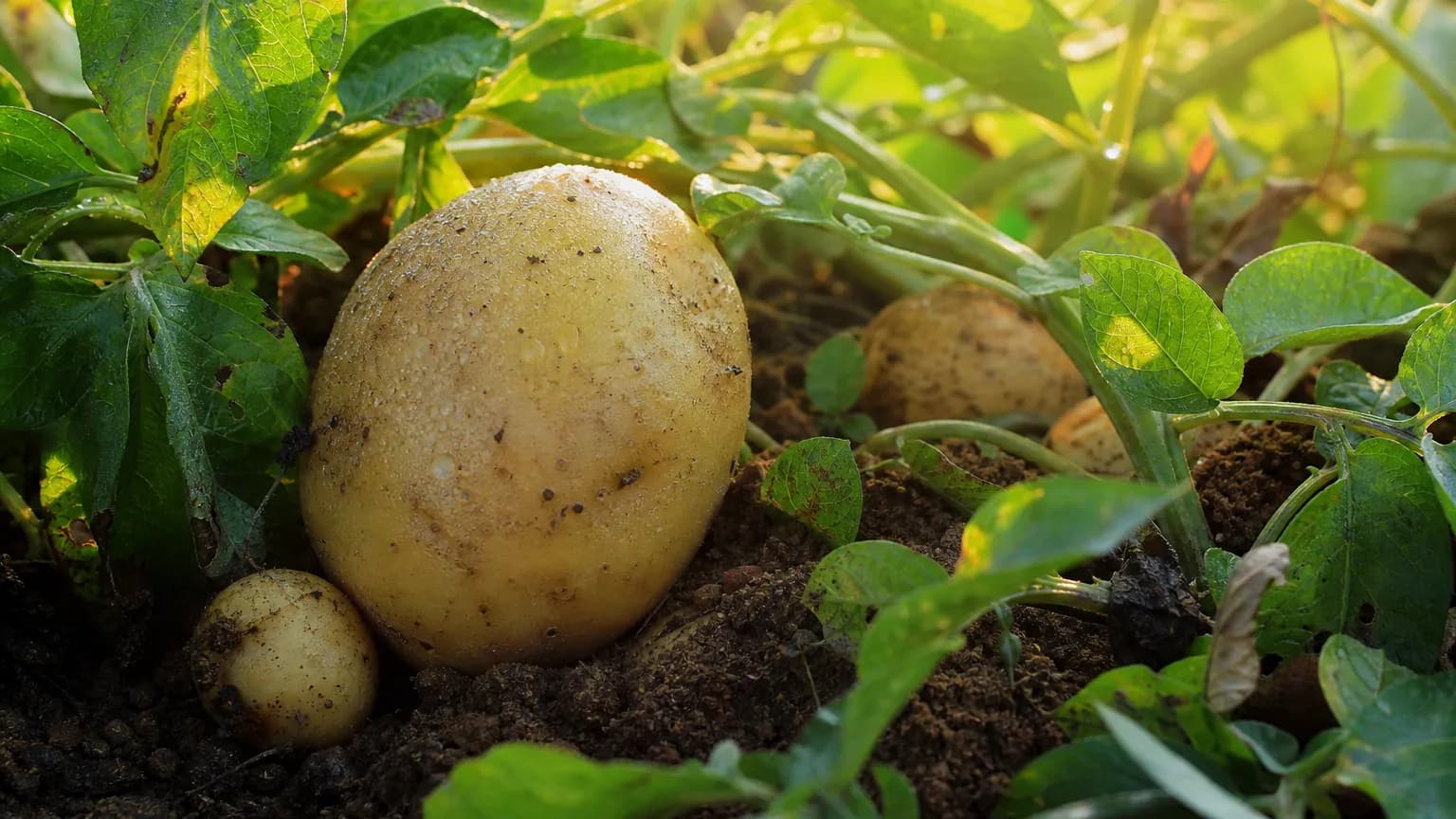
Kuchenkürbisse gedeihen hervorragend in der klassischen Drei-Schwestern-Pflanzung zusammen mit Mais und Stangenbohnen. Mais bietet Windschutz und vertikale Struktur, während Bohnen Stickstoff im Boden fixieren, den Kürbisse bereitwillig nutzen. Die breiten Kürbisblätter beschatten den Boden, unterdrücken Unkraut und halten die Feuchtigkeit für alle drei Kulturen. Tagetes an den Rändern vertreiben Kürbis-Blattwanzen und Gurkenkäfer. Sonnenblumen locken Bestäuber an, die für den Fruchtansatz benötigt werden. Vermeiden Sie die Pflanzung in der Nähe von Kartoffeln, die um Nährstoffe konkurrieren und ähnliche Schädlingsprobleme teilen.
Mais gehört daneben. Kartoffel nicht.
Altes Gärtnerwissen, geprüft an der echten Nachbartabelle von Kuchenkürbis — teste jede Pflanze, die du anbaust.
Probiere Kuchenkürbis direkt hier im Beet
Ein echtes Planer-Beet, Kuchenkürbis steht schon drin. Tippe einen Begleiter an, platziere ihn und sieh, wie die Nachbarschaftsprüfung antwortet — grün für gute Nachbarn, rot bei Streit.


Passende Anbau-Ratgeber
Richtig düngen
Kuchenkürbisse bevorzugen nährstoffreichen, gut durchlässigen Lehmboden mit einem pH-Wert von 6,0 bis 6,8. Bereiten Sie die Beete vor, indem Sie zehn bis fünfzehn Zentimeter gut gereiften Kompost oder gut verrotteten Mist einarbeiten. Geben Sie beim Pflanzen einen ausgewogenen 10-10-10-Dünger, und düngen Sie seitlich mit einem stickstoffreichen Dünger, wenn die Ranken zu wachsen beginnen. Wechseln Sie zu einem phosphor- und kaliumreichen Dünger, sobald die Blüte beginnt, um die Fruchtentwicklung und den Zuckergehalt zu unterstützen. Düngen Sie alle zwei bis drei Wochen mit Komposttee oder flüssigem Fischdünger. Kürbisse sind Starkzehrer, die enorm von reichem, biologisch aktivem Boden profitieren.
Ideale Temperatur
Winterhärtezone-Kompatibilität
Von der Saat zur Ernte, Schritt für Schritt
Aussaat
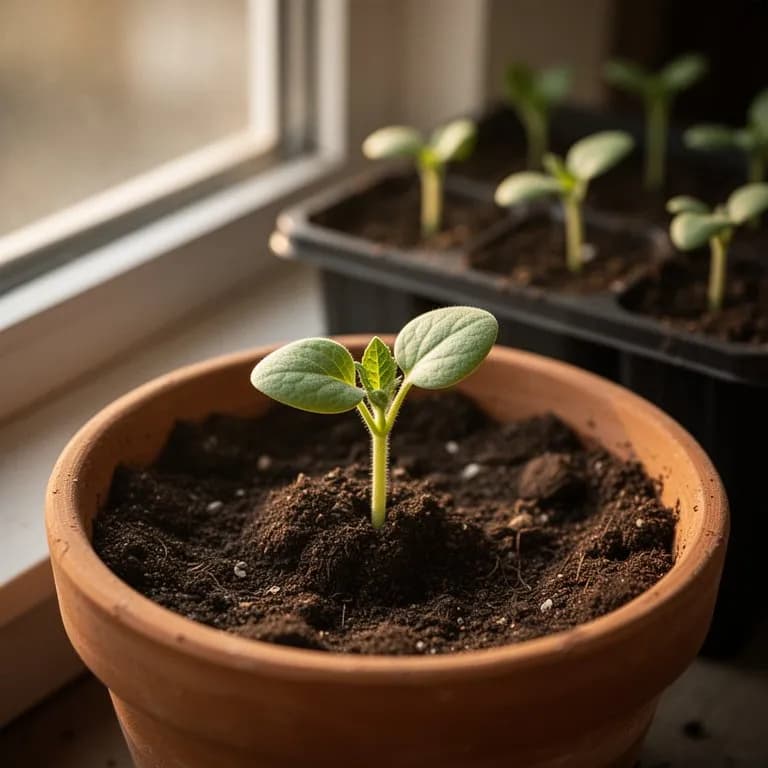
Kuchenkürbis-Samen werden nach dem letzten Frost direkt ins Freie gesät oder 3–4 Wochen vorher drinnen vorgezogen, um in Regionen mit kurzer Saison einen Vorsprung zu erhalten. Die großen, flachen Samen keimen innerhalb von 5–10 Tagen, wenn die Bodentemperatur mindestens 18 °C beträgt. Dicke, runde Keimblätter erscheinen zuerst und liefern Energie, während sich die ersten echten Blätter entwickeln.
Sämlingswachstum
Echte Blätter entwickeln sich mit der charakteristischen gelappten Kürbisform. Der Sämling bildet eine tiefe Pfahlwurzel aus und beginnt, seinen Stängel zu verdicken. Das Wachstum beschleunigt sich merklich, sobald die Tagestemperaturen konstant über 21 °C liegen. Am Ende dieser Phase hat die Pflanze 4–6 echte Blätter und ist bereit, mit dem Ranken zu beginnen.
Rankenausbreitung
Die Pflanze wechselt in kräftiges vegetatives Wachstum und sendet ausladende Ranken aus, die sich 3–5 Meter vom zentralen Wurzelstock entfernen können. Große, rau strukturierte Blätter entwickeln sich schnell, beschatten den Boden darunter und unterdrücken Unkraut. Seitenranken verzweigen sich von den Haupttrieben, und Rankenknoten wurzeln in feuchtem Boden für zusätzliche Nährstoffaufnahme.
Blüte & Bestäubung
Große goldorange Blüten öffnen sich am frühen Morgen, wobei männliche Blüten typischerweise 7–10 Tage vor den ersten weiblichen erscheinen. Weibliche Blüten sind leicht an der kleinen runden Schwellung an ihrer Basis zu erkennen. Jede Blüte öffnet sich nur für einen Tag und ist auf Bienen und andere Bestäuber angewiesen, um Pollen von männlichen zu weiblichen Blüten zu übertragen.
Fruchtentwicklung
Bestäubte Früchte schwellen über mehrere Wochen schnell an und wechseln von Dunkelgrün zum charakteristischen tiefen Orange, während sie reifen. Kuchenkürbisse erreichen typischerweise 15–25 cm Durchmesser und wiegen 1,5–3 kg bei Reife. Das Fruchtfleisch verdickt sich und entwickelt seinen reichen, süßen Geschmack, während die Samenhöhle im Vergleich zu Schnitzkürbissen relativ klein bleibt.
Reifung & Ernte
Die Frucht erreicht volle Reife, wenn die Schale gleichmäßig tieforange geworden ist, die Rinde hart genug ist, um einem Fingernagel-Kratztest zu widerstehen, und der Stiel beginnt auszutrocknen und korkig zu werden. Die Ranke selbst beginnt abzusterben, wobei die unteren Blätter vergilben und abfallen. Ernten Sie vor dem ersten starken Frost, um Kälteschäden an den gelagerten Früchten zu vermeiden.
Pflanzen Sie die Samen 2–3 cm tief in warmen, feuchten Boden. Wenn Sie drinnen vorziehen, verwenden Sie große biologisch abbaubare Töpfe, um die empfindliche Pfahlwurzel beim Umpflanzen nicht zu stören. Eine Heizmatte auf 24 °C beschleunigt die Keimung erheblich.
Kuchenkürbis Monat für Monat pflegen
Was du jeden Monat für deine Kuchenkürbis tun solltest
Oktober
Aktueller MonatErnten Sie vor dem ersten starken Frost, indem Sie den Stiel mit einer scharfen Gartenschere abschneiden. Lassen Sie 5–10 cm Stiel stehen. Lassen Sie die Kürbisse an einem warmen, trockenen Ort (27 °C) 10–14 Tage nachreifen, um Lagerfähigkeit und Geschmack zu verbessern. Räumen Sie verbrauchte Ranken auf und kompostieren Sie gesundes Material.
Immer wissen, was jetzt im Garten zu tun ist
Eine E-Mail zum Monatsanfang: was du jetzt säen, pflanzen und anpacken solltest — für deine Kuchenkürbis und alles, was drumherum wächst. Dazu ein kurzer Startkurs, der dich vor den klassischen Fehlern bewahrt.
- Was jetzt zu tun ist
- Passend zu deiner Saison
- Startkurs inklusive
Kuchenkürbis ernten
Kuchenkürbisse sind erntereif, wenn die Schale ein tiefes, gleichmäßiges Orange angenommen hat und beim Drücken mit dem Daumennagel nicht mehr eingedrückt werden kann. Der Stiel trocknet und wird korkig, und die Ranke beginnt von selbst abzusterben. Schneiden Sie den Stiel mit einer scharfen Gartenschere ab und lassen Sie zehn bis fünfzehn Zentimeter Stiel stehen, was Fäulnis während der Lagerung verhindert. Vermeiden Sie es, Kürbisse am Stiel zu tragen, da ein Abbrechen die Haltbarkeit verkürzt. Lassen Sie geerntete Kürbisse eine bis anderthalb Wochen in der Sonne oder an einem warmen Ort bei 27 bis 29 Grad Celsius nachreifen, um die Schale zu härten und den Zucker zu konzentrieren.
angenommen, du pflanzt zu Beginn des Zeitraums — trage dein tatsächliches Datum ein
Ernte Kuchenkürbis zügig, dann trägt die Pflanze weiter.
Lagerung & Konservierung
Lagern Sie Kuchenkürbisse nach dem Nachreifen an einem kühlen, trockenen Ort bei 10 bis 13 Grad Celsius mit guter Luftzirkulation für bis zu drei Monate. Stapeln Sie Kürbisse nicht und lassen Sie sie sich während der Lagerung nicht berühren. Für die Langzeitkonservierung halbieren Sie die Kürbisse und rösten sie bei 190 Grad, bis sie weich sind, löffeln das Fruchtfleisch heraus und pürieren es in einer Küchenmaschine. Frieren Sie Kürbispüree in abgemessenen Portionen in Gefrierbeuteln für bis zu ein Jahr ein. Eingekochte Kürbisbutter und Kürbissuppe lassen sich ebenfalls gut durch Einkochen im Druckkessel konservieren.
Was schiefgeht — und die Lösung
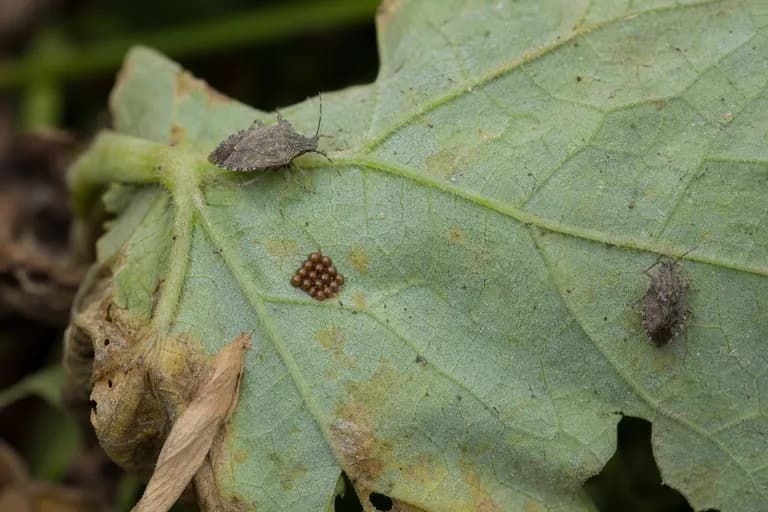
Kürbis-Blattwanze
SchädlingWelkende Blätter, gelbe Sprenkelung auf dem Laub und Ansammlungen bronzefarbener Eier auf den Blattunterseiten. Starker Befall führt zum Zusammenbruch der Ranken.
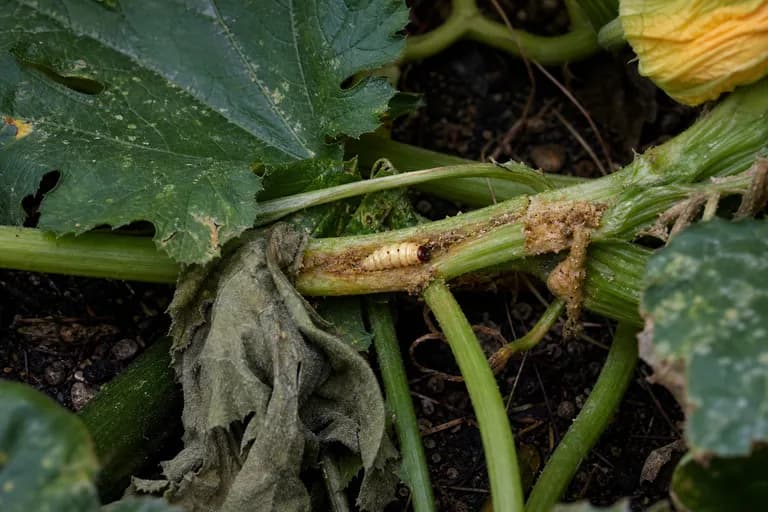
Kürbis-Rankbohrer
SchädlingPlötzliches Welken einzelner Ranken, sägemehlartiger Fraß, der aus kleinen Löchern am Stängelfuß austritt, und hohle Stängel.
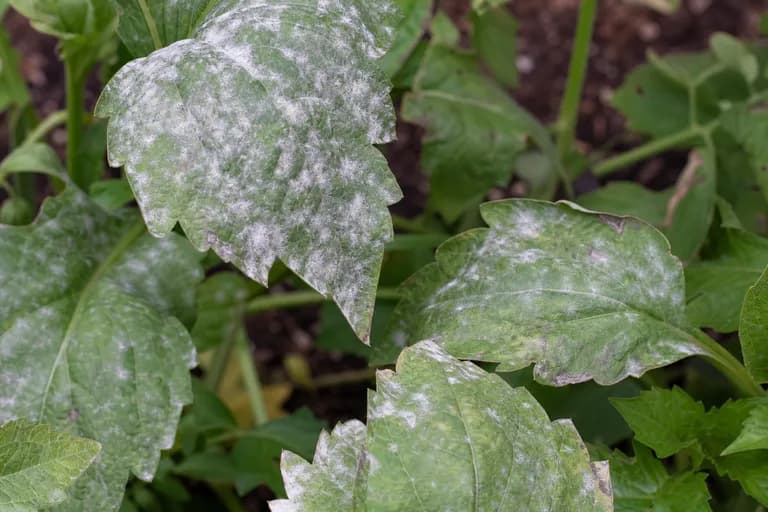
Echter Mehltau
KrankheitWeißer, pudriger Belag auf den Blättern, vorzeitiges Absterben der Blätter, reduzierte Photosynthese und kleinere Früchte mit geringerem Zuckergehalt.
Phytophthora-Fäule
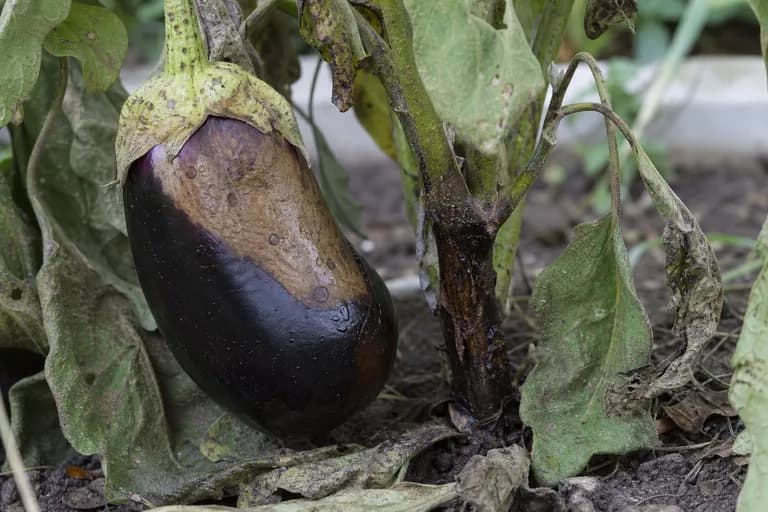
KrankheitWassergetränkte Läsionen an den Früchten, schneller Pflanzenkollaps bei warmen, feuchten Bedingungen und weißer, flaumiger Schimmelbefall auf betroffenen Geweben.
Fehlerbehebung bei häufigen Problemen
Schlechter Fruchtansatz resultiert aus unzureichender Bestäubung, besonders während kühler, regnerischer Perioden, wenn die Bienenaktivität gering ist. Bestäuben Sie von Hand, indem Sie am frühen Morgen mit einem kleinen Pinsel Pollen von männlichen Blüten auf weibliche Blüten übertragen. Blütenendfäule verursacht dunkle, eingesunkene Stellen an sich entwickelnden Früchten und steht im Zusammenhang mit Kalziummangel und ungleichmäßiger Bewässerung. Blasse oder kleine Früchte deuten auf unzureichendes Sonnenlicht oder überfüllte Ranken hin. Vorzeitiges Absterben der Ranken durch Echten Mehltau reduziert den Zuckergehalt; erhalten Sie die Pflanzengesundheit über die gesamte Wachstumssaison für die süßesten Kürbisse.
Anbautipps
- Wählen Sie eine echte Kuchenkürbis-Sorte, die für kulinarische Qualität gezüchtet wurde, keinen Schnitzkürbis. Small Sugar, New England Pie und Winter Luxury produzieren dichtes, süßes, feinkörniges Fruchtfleisch, das ideal für Püree ist. Schnitzkürbisse haben wässriges, faseriges Fruchtfleisch, das schlechtes Püree ergibt.
- Bauen Sie Pflanzhügel von 30–45 cm Höhe und 60–90 cm Breite, angereichert mit einer großzügigen Schaufel Kompost. Hügel erwärmen sich im Frühling schneller, entwässern besser bei Regen und geben den ausladenden Ranken einen definierten Ausgangspunkt in Ihrem Gartenlayout.
- Planen Sie 3–5 Quadratmeter pro Pflanze ein. Kuchenkürbis-Ranken sind kräftige Ausbreiter, und überfüllte Pflanzen konkurrieren um Licht, Wasser und Nährstoffe, was zu weniger und kleineren Früchten führt. Wenn der Platz knapp ist, leiten Sie die Ranken entlang eines Zauns oder bauen Sie eine Buschsorte wie Small Sugar Bush an.
- Mulchen Sie stark mit Stroh, Blättern oder Grasschnitt, sobald sich der Boden über 21 °C erwärmt hat. Eine 10 cm dicke Mulchschicht hält Feuchtigkeit, unterdrückt Unkraut und hält die sich entwickelnden Früchte sauber und trocken auf der Oberfläche — dies reduziert das Risiko von Bodenfäulnis.
- Wässern Sie tief und gleichmäßig mit 2,5–5 cm pro Woche. Verwenden Sie Tropfbewässerung oder Perlschläuche an der Pflanzenbasis statt Überkopfbewässerung, die Echten Mehltau auf den großen Blättern fördert. Ungleichmäßige Bewässerung verursacht Fruchtplatzen und bitteren Geschmack.
- Achten Sie in den östlichen Regionen Nordamerikas auf Kürbis-Rankbohrer — den einzelnen zerstörerischsten Schädling von Kürbissen. Umwickeln Sie die unteren 15 cm jedes Rankenansatzes im Frühsommer mit Aluminiumfolie oder Vliesstoff, um die Eiablage zu verhindern. Wenn Fraß (sägemehlartiger Abfall) am Ansatz erscheint, schlitzen Sie die Ranke vorsichtig auf, um die Larve zu finden und zu entfernen.
- Ernten Sie Kuchenkürbisse vollreif für den besten Geschmack und die beste Lagerfähigkeit. Die Schale sollte gleichmäßig tieforange sein, die Rinde hart genug, um Ihrem Fingernagel zu widerstehen, und der Stiel trocken und korkig. Unreife Kürbisse haben blasses Fruchtfleisch mit geringerem Zuckergehalt.
- Lassen Sie geerntete Kürbisse an einem warmen, trockenen Ort bei 27 °C 10–14 Tage nachreifen, bevor Sie sie in die kühle Lagerung bringen. Dieser wichtige Schritt heilt kleinere Hautverletzungen, härtet die Schale, wandelt Stärke in Zucker um und verlängert die Lagerfähigkeit dramatisch von Wochen auf Monate.
Bau deine beste Kuchenkürbis an — und alles drumherum.
Starte heute kostenlos. Lege deine Beete an, setze deine Kuchenkürbis ein und lass PlotMyGarden Timing, Abstände, Begleiter und Erinnerungen von der Saat bis zum Erntekorb übernehmen.
Finde deine Kuchenkürbis
Sugar Pie
Der klassische Kuchenkürbis mit süßem, feinkörnigem Fruchtfleisch in zwei bis vier Kilogramm schweren Früchten, zuverlässig und breit anpassungsfähig.
New England Pie
Historische Sorte mit tieforangem Fruchtfleisch und ausgezeichneter Backqualität, die gleichmäßige Früchte von etwa drei Kilogramm hervorbringt.
Winter Luxury
Historische Sorte mit genetzter Schale, geschätzt für außergewöhnlich glattes, süßes Fruchtfleisch, das als das beste für Kürbiskuchen gilt.
Baby Pam
Kompakte Sorte, die glatte, gleichmäßige Früchte von anderthalb bis zwei Kilogramm mit dicken Wänden und kleiner Samenhöhle hervorbringt.
Cinderella (Rouge Vif d'Etampes)
Französische historische Sorte mit abgeflachter Form, tieforanger Schale und süßem Fruchtfleisch, ideal zum Kochen und Dekorieren.
Long Pie
Ungewöhnlicher, länglicher historischer Kürbis aus Neuengland mit süßem, feinstrukturiertem Fruchtfleisch und ausgezeichneter Lagerfähigkeit.
Eine Packung Kuchenkürbis-Samen kostet 2–4 € und ergibt 3–6 Pflanzen, die jeweils 3–6 Kürbisse liefern. Bei Supermarktpreisen von 3–6 € pro Kuchenkürbis und 3–5 € pro 425-g-Dose Kürbispüree spart eine bescheidene Pflanzung von 3 Pflanzen, die 12–18 Kürbisse produziert, 36–108 € allein bei ganzen Kürbissen. Da jeder Kürbis etwa 2 Dosen Püree ersetzt, beträgt der äquivalente Dosenkürbis-Wert 72–180 €. Rechnet man geröstete Kerne hinzu (Spezial-Kürbiskerne kosten 16–30 € pro Kilogramm), erreichen die Gesamteinsparungen pro Saison leicht 100–200 € für eine Familie, die regelmäßig backt.
Schnelle Rezepte
Klassischer selbstgemachter Kürbiskuchen
90 Min.Das Herbstdessert schlechthin, hergestellt mit frischem Kuchenkürbis-Püree statt aus der Dose. Das vorherige Rösten des Kürbisses karamellisiert den Zucker und erzeugt einen tieferen, komplexeren Geschmack als jedes Dosenpüree. Ein Kuchenkürbis ergibt genug Püree für zwei Kuchen.
10 ZutatenGeröstete Kürbissuppe
50 Min.Eine seidige, reichhaltig aromatische Suppe, die die natürliche Süße und cremige Textur des Kuchenkürbis-Fruchtfleischs zur Geltung bringt. Das Rösten des Kürbisses vor dem Pürieren verleiht Tiefe und ein subtiles Karamellaroma, das diese Suppe von Suppen aus rohem oder Dosenkürbis abhebt.
9 ZutatenKürbis-Gewürz-Muffins
40 Min.Saftige, zarte Muffins voller warmer Herbstgewürze und der natürlichen Süße von frischem Kürbispüree. Sie lassen sich wunderbar einfrieren und sind ein perfektes Frühstück zum Mitnehmen oder ein Snack für nach der Schule während der ganzen Saison.
12 ZutatenKulinarische Verwendung
Kuchenkürbisse liefern das Fruchtfleisch in Goldstandard-Qualität für Kürbiskuchen und übertreffen Alternativen aus der Dose bei weitem in Geschmack und Textur. Rösten Sie Hälften oder Spalten, um Püree für Kuchen, Muffins, Brot und Pfannkuchen herzustellen. Würfeln Sie ihn und geben Sie ihn in Suppen, Eintöpfe und Risottos. Rösten Sie die Kerne mit Olivenöl und Salz für einen nahrhaften Snack. Das Fruchtfleisch eignet sich hervorragend als Ravioli-Füllung in Kombination mit Ricotta und Salbei. Kürbispüree funktioniert auch wunderbar in Pastasaucen, Smoothies und herzhaften Aufläufen.
Was drinsteckt
Gesundheitsvorteile
- Außergewöhnlich reich an Beta-Carotin, das über 170 % des Tageswertes an Vitamin A pro 100 g liefert — eine der höchsten Konzentrationen unter gängigen Lebensmitteln, die gesundes Sehen, eine robuste Immunfunktion und die Erneuerung der Hautzellen unterstützt.
- Sehr niedrige Kaloriendichte mit nur 26 Kalorien pro 100 g, was Kürbispüree zu einer ausgezeichneten Zutat macht, um Backwaren Volumen, Nährstoffe und natürliche Süße zu verleihen, bei gleichzeitig moderater Kalorienzahl.
- Enthält lösliche Ballaststoffe, die im Verdauungstrakt ein Gel bilden, die Zuckeraufnahme verlangsamen und helfen, den Blutzuckerspiegel nach Mahlzeiten zu stabilisieren — besonders vorteilhaft, wenn Kürbis einen Teil des Mehls oder Zuckers in Backrezepten ersetzt.
- Gute Kaliumquelle (340 mg pro 100 g), ein essenzielles Mineral für die Aufrechterhaltung eines gesunden Blutdrucks, eine ordnungsgemäße Muskelkontraktion und Nervensignalübertragung.
- Kürbiskerne sind Nährstoffkraftwerke, die Magnesium (37 % TW pro 30-g-Portion), Zink (15 % TW), Eisen und Tryptophan enthalten — eine Aminosäure-Vorstufe von Serotonin, die gesunde Schlafmuster und Stimmung unterstützen kann.
- Reich an den Carotinoid-Antioxidantien Lutein und Zeaxanthin, die sich in der Netzhaut und Linse des Auges anreichern und dazu beitragen können, das Risiko einer altersbedingten Makuladegeneration und von grauem Star im Laufe der Zeit zu senken.
Woher Kuchenkürbis stammt
Kürbisse (Cucurbita pepo) stammen aus Amerika und gehören zu den ältesten domestizierten Kulturpflanzen der Erde. Archäologische Funde aus Höhlen im Oaxaca-Tal in Mexiko zeigen, dass wilde Kürbis-Vorfahren vor mindestens 7.500 Jahren kultiviert wurden, was sie zu einer der frühesten von Menschen angebauten Pflanzen in der westlichen Hemisphäre macht. Die ursprünglichen wilden Kürbisse waren klein, hart und bitter — mehr wegen ihrer haltbaren Samen und nützlichen Schalen geschätzt als wegen ihres Fruchtfleischs. Über Tausende von Jahren der Selektion durch indigene Völker in Nord- und Mittelamerika wurden Kürbisse allmählich auf größere Größe, dünnere Schalen und süßeres, schmackhafteres Fruchtfleisch gezüchtet.
Als die europäischen Entdecker Ende des 15. und Anfang des 16. Jahrhunderts in Amerika ankamen, wurden bereits Dutzende von Kürbissorten von den indigenen Völkern von Kanada bis Südamerika angebaut. Die Drei-Schwestern-Pflanzmethode — der gemeinsame Anbau von Kürbissen, Mais und Bohnen in einer gegenseitig vorteilhaften Mischkultur — war eines der ausgeklügeltsten landwirtschaftlichen Systeme in der vorkolumbischen Welt. Die Kolonisten in Plymouth übernahmen schnell Kürbisse als Grundnahrungsmittel, und die Frucht wurde so zentral für ihr Überleben, dass ein Neuengland-Sprichwort von 1705 lautete: Wir haben Kürbisse am Morgen und Kürbisse am Mittag / Gäbe es keine Kürbisse, wären wir verloren.
Der Kuchenkürbis, wie wir ihn heute kennen, wurde über Jahrhunderte amerikanischer Selektionszucht verfeinert, wobei die Züchter die süßesten, dichtesten und geschmackvollsten Früchte für die Saatgutgewinnung auswählten. Die Sorte Small Sugar, eine der ältesten benannten Kuchenkürbis-Sorten, wird seit mindestens den 1860er Jahren angebaut und ist bis heute beliebt. Moderne Kuchenkürbis-Sorten wie New England Pie, Winter Luxury und Cinderella (Rouge vif d'Etampes) führen diese Tradition der Züchtung auf kulinarische Qualität statt dekorative Größe fort und liefern das dickwandige, feinkörnige, tief süße Fruchtfleisch, das selbstgemachten Kürbiskuchen, Suppe und Brot so unvergleichlich überlegen gegenüber allem aus Dosenpüree Hergestellten macht.
Kuchenkürbis: Schon gewusst?
Faszinierende Fakten über Kuchenkürbis
Kuchenkürbisse (auch Zuckerkürbisse genannt) wurden speziell zum Kochen und nicht zum Schnitzen gezüchtet — sie enthalten etwa doppelt so viel dichtes, süßes Fruchtfleisch pro Kilogramm wie ihre größeren Schnitzkürbis-Verwandten, mit weit weniger faserigen Fäden und einer kleineren Samenhöhle.
Kuchenkürbis: Fragen & Antworten
Wann sollte ich Kuchenkürbis pflanzen?
Was sind gute Begleitpflanzen für Kuchenkürbis?
In welchen Winterhärtezonen kann Kuchenkürbis wachsen?
Wie viel Sonne braucht Kuchenkürbis?
Welchen Abstand sollte ich zwischen Kuchenkürbis lassen?
Welche Schädlinge und Krankheiten befallen Kuchenkürbis?
Wie lagere ich Kuchenkürbis nach der Ernte?
Was sind die besten Kuchenkürbis-Sorten zum Anbauen?
Welchen Boden braucht Kuchenkürbis?
Was ist der Unterschied zwischen einem Kuchenkürbis und einem Schnitzkürbis?
Wie mache ich Kürbispüree aus einem frischen Kuchenkürbis?
Kann ich frisches Kürbispüree als Ersatz für Dosenpüree in Rezepten verwenden?
Wie lange kann ich Kuchenkürbisse nach der Ernte lagern?
Warum produzieren meine Kürbispflanzen Blüten, aber keine Früchte?
Kann ich Kuchenkürbisse vertikal anbauen, um Platz zu sparen?
Du hast die Theorie gelesen. Jetzt baue sie auf Autopilot an.
Alles, was Kuchenkürbis knifflig macht — das Timing, die Abstände, die Begleiter, das Erntefenster — genau das übernimmt PlotMyGarden für dich, für jede Pflanze im Garten.
Ein Plan, der dein Wetter kennt
Standort einmal festlegen. Aussaat-, Dünge- und Erntedaten rund um deinen echten letzten Frosttermin und die Live-Vorhersage — kein Raten mehr nach Saattüte.
Aus dem Abschnitt „Pflanzzeit“Beetplaner per Drag & Drop
Beete auf einem Raster gestalten. Jede Pflanze rastet im richtigen Abstand ein, und du siehst die ganze Saison, bevor du einen Cent für Saatgut ausgibst.
Aus dem Abschnitt „Anbau“Begleiter-Konflikte früh erkannt
Über 200 gute und schlechte Kombinationen werden beim Pflanzen live geprüft — so landet ein saisonruinierender Fehler nie in der Erde.
Aus dem Abschnitt „Begleiter“Erinnerungen, nach denen du wirklich handelst
„Gieß die Bohnen.“ „Heute ernten, bevor's umschlägt.“ Pünktlich, konkret und auf deine echten Pflanzen bezogen.
Aus dem Abschnitt „Ernte“Staffel-Aussaat, geplant
Sechs Wochen ernten statt sechs Tage? Die App verteilt deine Aussaaten automatisch und erinnert dich, wenn der nächste Satz fällig ist.
Aus dem Abschnitt „Pflanzzeit“Ein Verlauf, der schlauer wird
Jede protokollierte Ernte bringt der App deinen Garten bei. Der Plan fürs nächste Jahr startet bei dem, was in deinem Boden wirklich funktioniert hat.
Aus dem Abschnitt „Überblick“Pflanze diese neben Kuchenkürbis
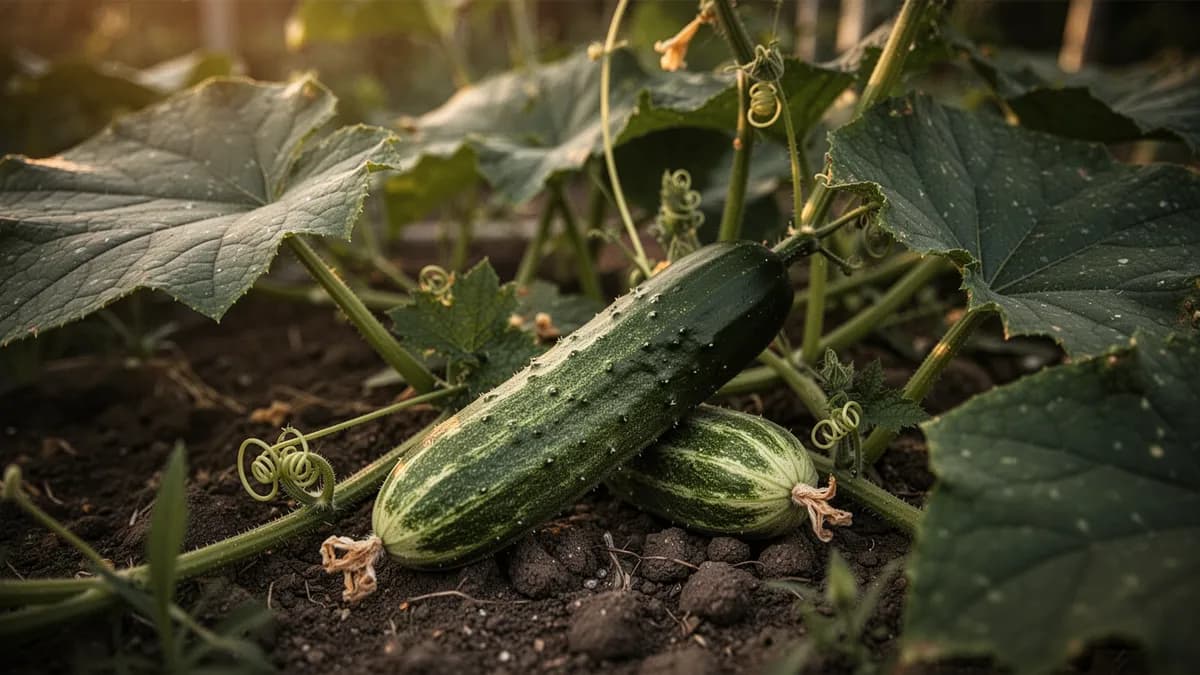
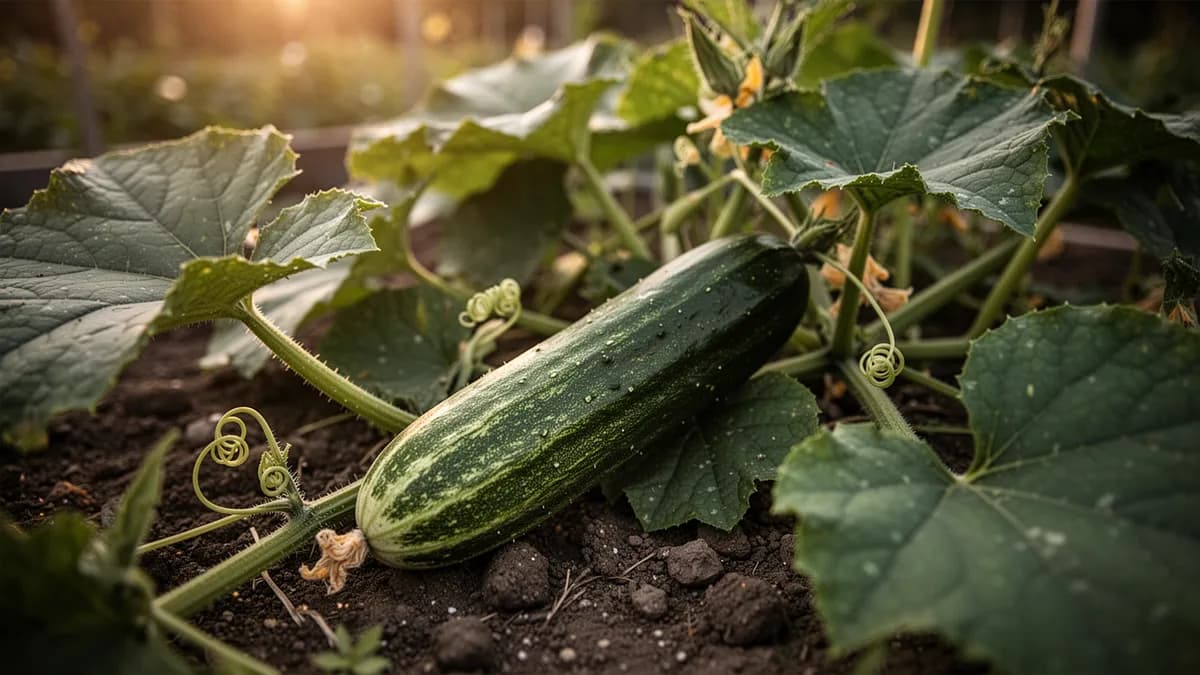
Weitere Kürbisgewächse
Halte Kuchenkürbis von diesen fern
Bau deine beste Kuchenkürbis an — und alles drumherum.
Starte heute kostenlos. Lege deine Beete an, setze deine Kuchenkürbis ein und lass PlotMyGarden Timing, Abstände, Begleiter und Erinnerungen von der Saat bis zum Erntekorb übernehmen.